

Travel Guide to Belgium: Top Things to Do & Tips
This Western European country is known for its medieval towns and Renaissance architecture. It's famous for producing chocolates, waffles, and beer. The nation is also home to the headquarters of the European Union and NATO.
- Capital
- Brussels
- Population
- 10.5 millions
- Superficy
- 31000 sq.km
- Months to Visit
- May to Sept.
- Living Cost
- Moderate
Overview
Belgium, a small country in Western Europe, is known for its historic cities, rich cultural heritage, and culinary delights. Its capital, Brussels, is home to the headquarters of the European Union and NATO, reflecting the country's political significance. Belgium's medieval towns like Bruges and Ghent are well-preserved, offering a glimpse into the past. The country is famous for its beer, chocolate, and waffles, which are enjoyed by locals and tourists alike. Belgium's multilingual society, with French, Dutch, and German being official languages, adds to its cultural diversity. Despite its small size, Belgium's influence on European history and global affairs is substantial.
Pros & Cons
GOOD REASONS TO VISIT BELGIUM
– Historic Cities: Belgium's cities like Bruges and Ghent offer medieval architecture, cobblestone streets, and pleasant canals.
– World-Class Beer: Belgium is renowned for its diverse, high-quality beers, with over 1,000 varieties to sample.
– Delicious Cuisine: Belgium is famous for its waffles, chocolates, fries, and mussels, offering a rich culinary experience.
– Art and Culture: Home to famous artists like Rubens and Magritte, Belgium offers numerous museums and art galleries.
– Central Location: Belgium's location makes it a perfect base for exploring other European countries. CHALLENGES WHEN VISITING BELGIUM
– Weather: Belgium's weather can be unpredictable, with frequent rain and grey skies, especially in the winter months.
– Language Barrier: While English is spoken in major cities, it's less common in rural areas.
– Cost: Compared to other European countries, Belgium can be more expensive, particularly in terms of accommodation and dining.
Before Departure
Before planning your trip to Belgium, there are several key points to consider:
– Passport: Ensure your passport is valid for at least three months beyond your planned departure date.
– Visa: Non-EU tourists may need a Schengen visa. Check Belgium's visa policy based on your nationality. Visa-free stay is typically 90 days within a 180-day period.
– Currency: Euro (€) is the official currency. Credit cards are widely accepted and ATMs are readily available.
– Internet access: WiFi is widely available in hotels, cafes, and public places. Prepaid SIM cards for data are easily accessible.
– Language barrier: Dutch, French, and German are official languages. English is widely spoken, especially in tourist areas and by younger generations.
What to Pack
Belgium's diverse cultural and historical attractions, coupled with its temperate climate, require thoughtful packing to ensure a comfortable and enjoyable visit.
– Essentials: Passport, travel insurance details, flight tickets, itinerary, accommodation reservations, and a map of Belgium.
– Clothing: Comfortable walking shoes, raincoat or umbrella (due to frequent rain), warm clothing for cooler months, lighter clothing for summer, and a smart casual outfit for dining out.
– Health & Safety: Prescription medications, basic first aid kit, personal hygiene items, and sunscreen for summer months.
– Electronics: Travel adapter for Belgian outlets, mobile phone, camera, and portable power bank.
Weather
Belgium experiences temperate weather with four distinct seasons.
– Winter (December to February): Cold and often cloudy with occasional snowfall.
– Spring (March to May): Mild temperatures with increasing daylight hours and occasional rain showers.
– Summer (June to August): Warm and sunny with occasional heatwaves and thunderstorms.
– Autumn (September to November): Cooling temperatures with frequent rain and wind. The best time to visit Belgium is from April to October.
– The weather is pleasant and suitable for outdoor activities.
– However, it's also the peak tourist season, so expect larger crowds and higher prices.
Travel Budget
Belgium is a moderately priced European destination. Here are some average costs for reference:
– Hotel: 80$ to 200$
– Lunch: 15$ to 30$
– Beverage (in bar/restaurant): 3$ to 8$
– Coffee: 2$ to 4$
– Transportation: (train 15$ to 40$), (bus 3$ to 7$), (taxi /10km 20$ to 30$)
– Mobile data (per GB): 5$ to 10$
Language
Belgium has three official languages: Dutch, French, and German. However, Dutch and French are the most commonly spoken. Here are some useful phrases in Dutch and French: Dutch:
– Hello: Hallo
– Thank you: Dank je
– Please: Alstublieft
– How much is this?: Hoeveel kost dit?
– Excuse me: Excuseer me
– I don't understand: Ik begrijp het niet
– Yes: Ja
– No: Nee
– Goodbye: Tot ziens French:
– Hello: Bonjour
– Thank you: Merci
– Please: S'il vous plaît
– How much is this?: Combien ça coûte?
– Excuse me: Excusez-moi
– I don't understand: Je ne comprends pas
– Yes: Oui
– No: Non
– Goodbye: Au revoir
History
Belgium's history begins with the Roman conquest of the region in the 1st century BC. It was part of various empires and kingdoms throughout the Middle Ages, including the Holy Roman Empire and the Spanish and Austrian Habsburgs. The Belgian Revolution in 1830 led to the country's independence from the Netherlands. Belgium was invaded by Germany during both World Wars, suffering significant damage. Post-war, Belgium became a founding member of NATO and the European Union. Today, it's a federal constitutional monarchy with a parliamentary system.
Geopolitics
Belgium is a federal state located in Western Europe, bordered by France, Germany, Luxembourg, and the Netherlands. It is a founding member of the European Union (EU) and hosts the EU's headquarters, as well as those of several other major international organizations such as NATO. Belgium's geopolitical significance is largely due to its central location in Europe and its role as a hub for international diplomacy. The country is divided into three regions: Flanders in the north, Wallonia in the south, and the Brussels-Capital Region. These divisions have led to complex internal politics, with ongoing tensions between the Dutch-speaking Flemish community and the French-speaking Walloon community. Despite these internal challenges, Belgium maintains a stable political environment and plays a significant role in European and global affairs.
Sample Itinerary
This itinerary offers a blend of historical sites in Brussels, medieval architecture in Bruges, and the attractive culture of Antwerp.
– 2 days in Brussels: Visit the Grand Place, Atomium, and Manneken Pis. Explore the Royal Palace and sample Belgian waffles and chocolates.
– 2 days in Bruges: Discover the Belfry, Market Square, and canals. Visit the Church of Our Lady and sample local beers.
– 2 days in Antwerp: Explore the Cathedral of Our Lady, Antwerp Zoo, and Rubens House. Visit the Diamond District and enjoy the city's nightlife.
– 1 day in Ghent: Visit Saint Bavo's Cathedral, Gravensteen Castle, and the old town. Enjoy the city's lovely atmosphere and local cuisine.
Popular cities
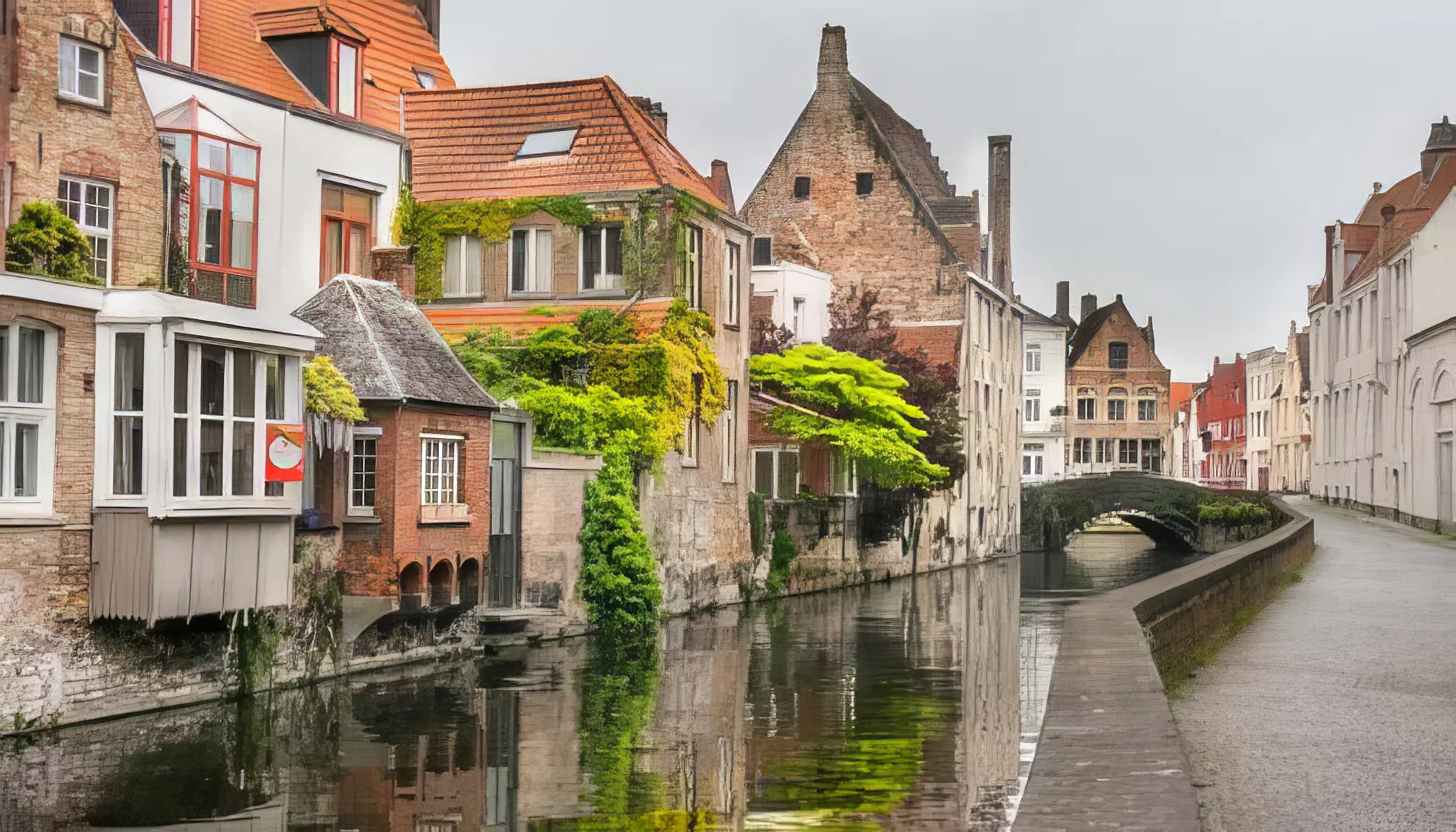
Belgium offers a mix of historic cities and modern urban culture:
– Brussels: The capital city, known for its historic Grand Place and modern European Union buildings.
– Bruges: A medieval city with well-preserved buildings, canals, and cobblestone streets.
– Antwerp: Known for its diamond district, fashion scene, and the historic Cathedral of Our Lady.
– Ghent: A charming city with a mix of medieval architecture and contemporary charm.
– Leuven: Home to the oldest Catholic university in the world and the impressive Town Hall.
– Namur: Offers a historic city center, the Citadel of Namur, and the Walloon Parliament.
– Liege: Known for its pleasant nightlife, historic sites, and the beautiful Meuse River.
Monuments
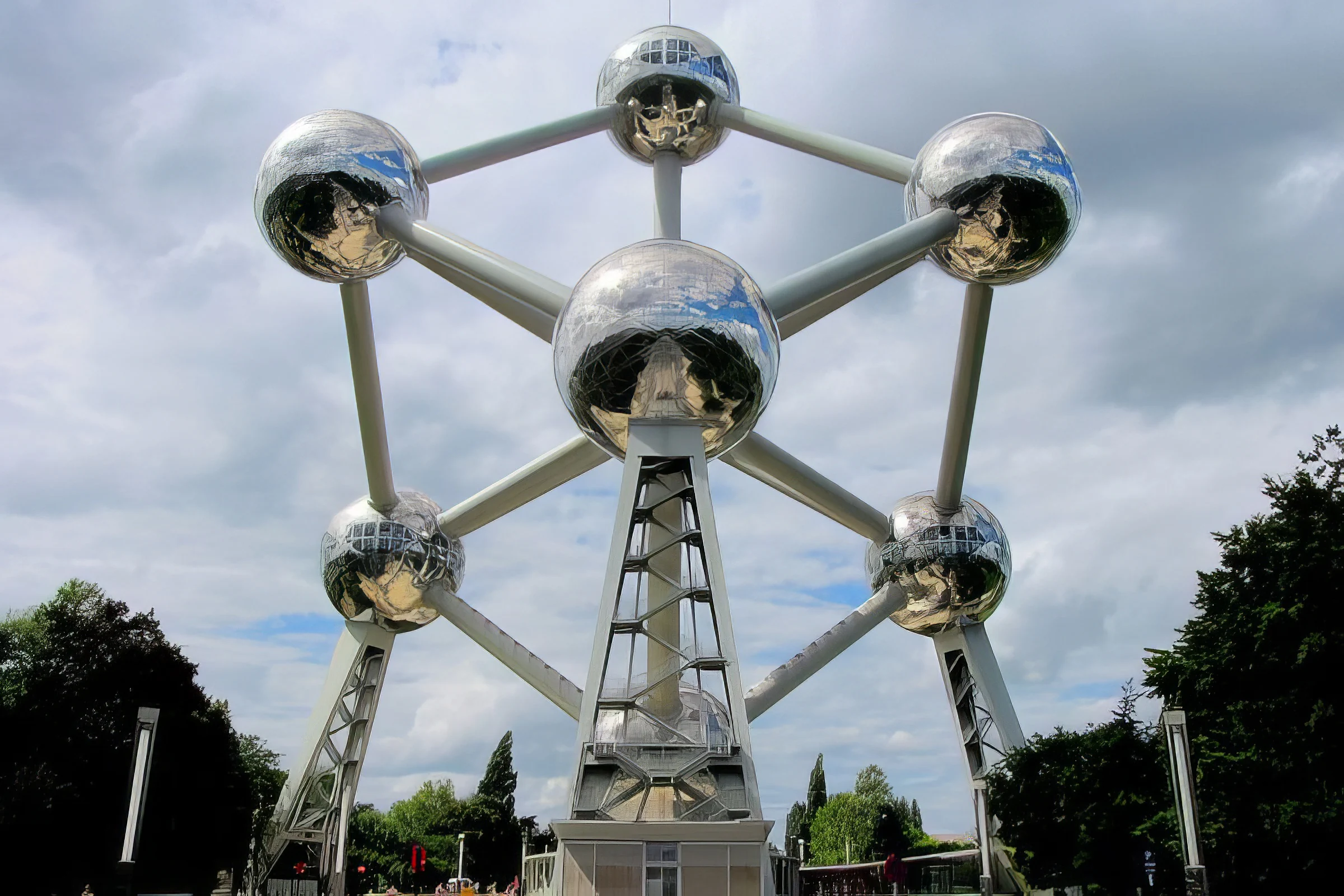
Belgium is home to a variety of historical monuments and architectural wonders:
– Grand Place, Brussels: UNESCO site, renowned for its ornate guildhalls and Town Hall.
– Atomium, Brussels: Iconic structure representing an iron crystal magnified 165 billion times.
– Manneken Pis, Brussels: Small bronze statue of a urinating boy, a symbol of Brussels.
– Belfry of Bruges: Medieval bell tower with 366 steps, offering panoramic views of the city.
– Gravensteen, Ghent: 12th-century castle with a museum, showcasing medieval life.
– Waterloo Battlefield: Site of the historic 1815 battle, with a visitor center and panoramic view.
– Cathedral of Our Lady, Antwerp: Gothic cathedral housing significant artworks, including pieces by Rubens.
– Tournai Cathedral: UNESCO site, a blend of Romanesque and Gothic styles, known for its five bell towers.
Natural wonder
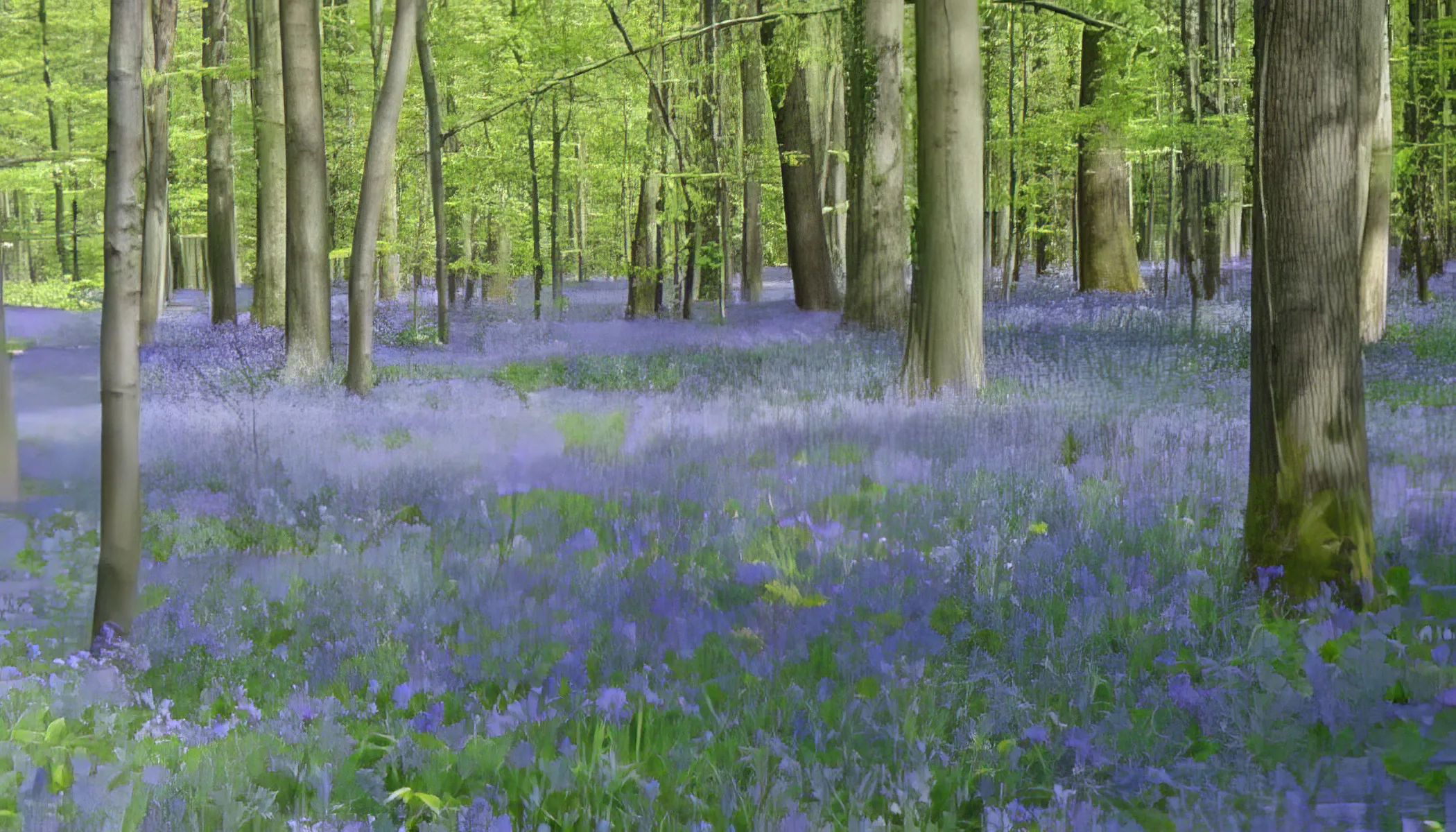
Explore the natural beauty of Belgium:
– The Ardennes: A forested region offering hiking, biking, and wildlife viewing.
– High Fens: A nature reserve with unique flora, fauna, and peat bogs.
– Caves of Han: A vast cave system with beautiful stalactite formations.
– The Meuse Valley: Known for its charming landscapes and river views.
– Hohes Venn-Eifel Nature Park: Offers diverse landscapes, including moors, forests, and rivers.
– The Sonian Forest: An ancient beech forest, UNESCO World Heritage Site.
– The Flemish Belfries: Historic towers offering panoramic views, not a natural wonder but noteworthy.
– The North Sea: Belgium's coastline, known for its sandy beaches and dunes.
– The Bulskampveld: A large forested area with walking trails and a castle.
– De Haan: A coastal town with a nature reserve and dunes.
Beaches
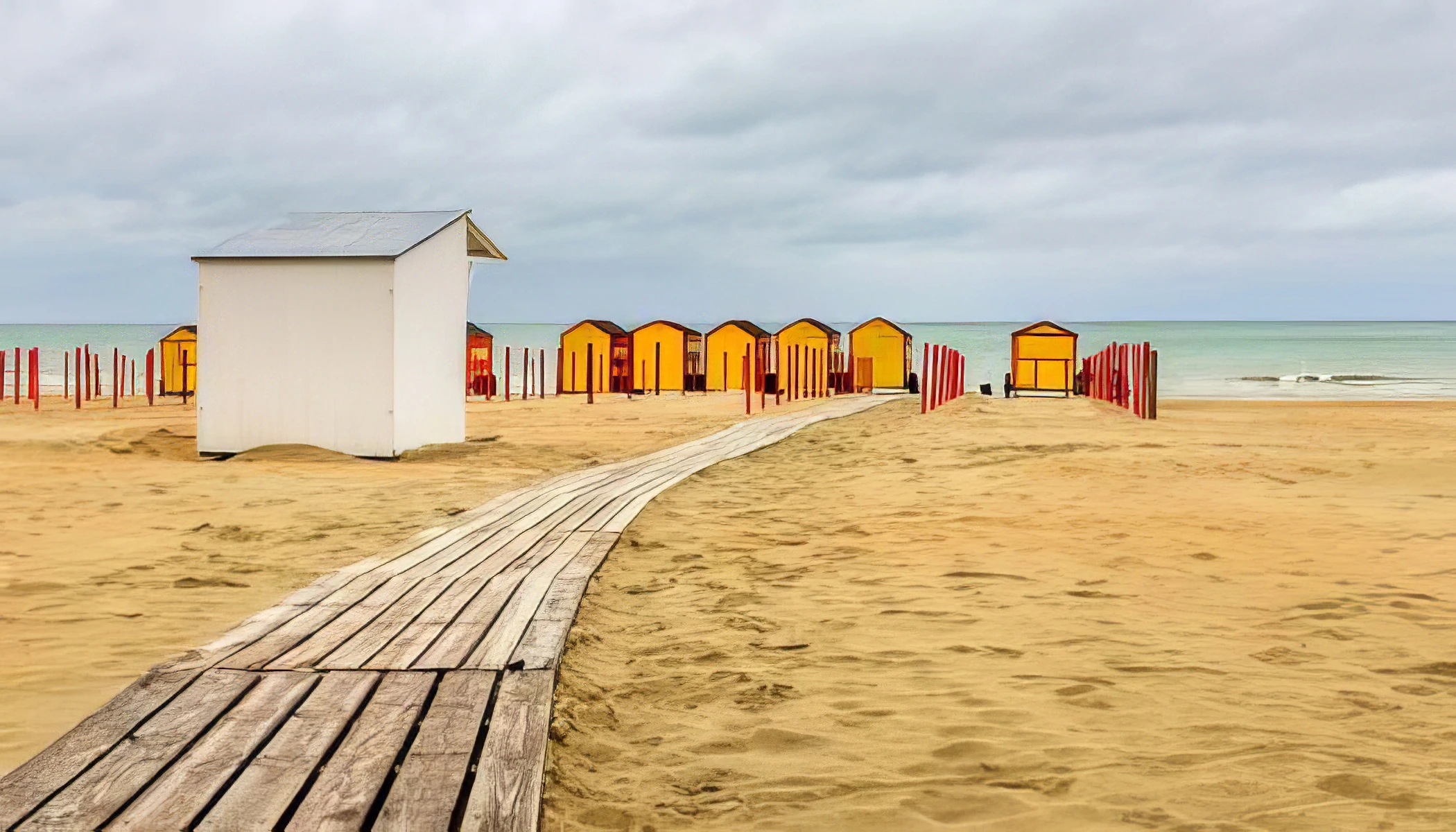
Belgium, though small, has a coastline along the North Sea with several notable beaches:
– Ostend Beach: Known for its long sandy stretch and lively promenade in Ostend city.
– De Panne Beach: Offers the widest sand beach in Belgium, ideal for kite surfing.
– Knokke-Heist Beach: A popular upscale beach with a nice nightlife and shopping.
– Blankenberge Beach: Features a long sandy beach with a busy seafront promenade.
– Nieuwpoort Beach: Known for its wide sandy beach and nearby nature reserve.
– Bredene Beach: The only nude beach in Belgium, offering a peaceful atmosphere.
– Zeebrugge Beach: A quieter beach with a wide sandy stretch and nearby marina.
Outdoor activities

Belgium offers a variety of outdoor experiences that cater to different interests and fitness levels:
– Cycling in Flanders: Enjoy the scenic landscapes and historic towns on a bike.
– Hiking in the Ardennes: Explore the dense forests, rolling hills, and pleasant villages.
– Kayaking on the Lesse River: Experience the natural beauty of the Ardennes from the water.
– Visiting the Royal Greenhouses of Laeken: Marvel at the fascinating collection of exotic plants and flowers.
– Exploring the National Botanic Garden of Belgium: Walk through one of the largest botanic gardens in the world.
– Sailing in North Sea: Experience the thrill of sailing in the open sea.
– Birdwatching in Zwin Nature Park: Spot a variety of bird species in this coastal nature reserve.
Kid Friendly
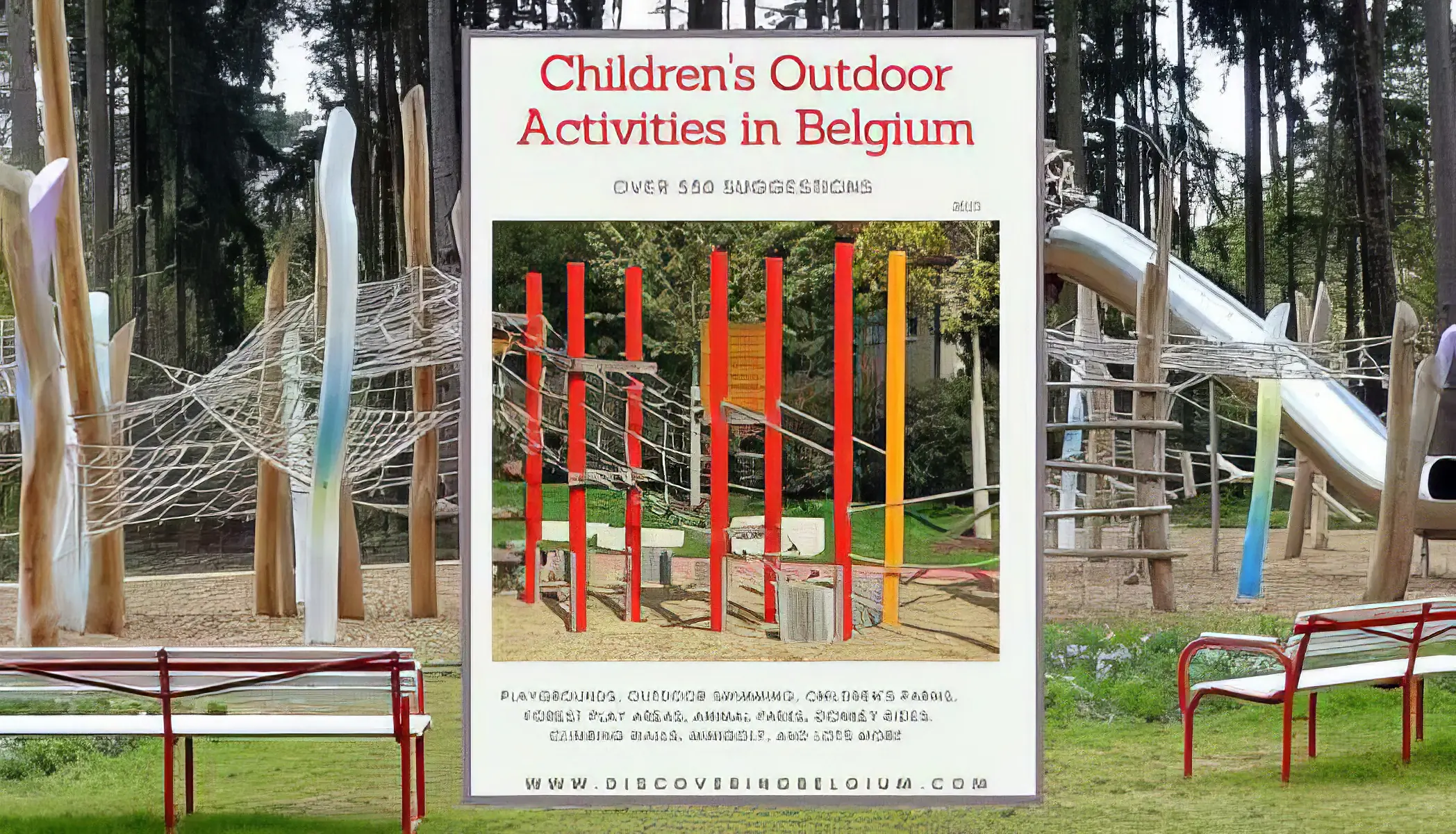
Belgium offers a variety of activities that are perfect for families with children:
– Atomium: A unique building in Brussels that offers panoramic views of the city.
– Mini-Europe: A miniature park showcasing replicas of Europe's famous landmarks.
– Pairi Daiza: A zoo and botanical garden with a variety of animals and plants.
– The Belgian Chocolate Village: A museum dedicated to Belgian chocolate, with tastings included.
– Plopsaland De Panne: An amusement park with rides and shows based on popular children's characters.
– The Royal Greenhouses of Laeken: A complex of greenhouses containing a variety of plants and flowers.
– The Comic Strip Center: A museum dedicated to the art of comic strips, a Belgian specialty.
– The Walibi Belgium: A popular amusement park with a variety of rides suitable for all ages.
Cuisine
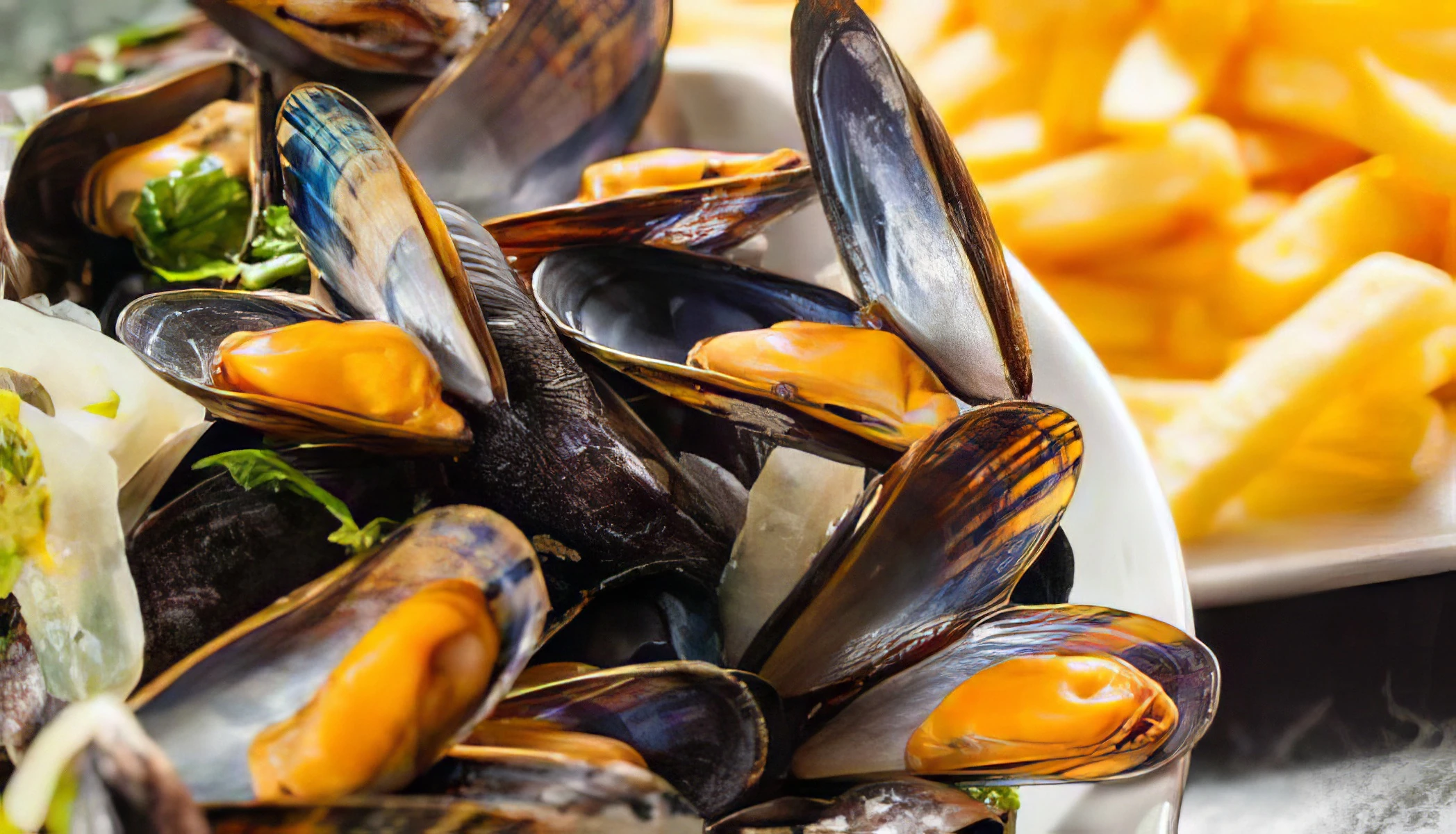
Belgian cuisine is known for its hearty dishes, quality ingredients, and a fusion of French and German culinary influences. It's famous for its chocolates, waffles, and beer. Here are some of the most famous Belgian dishes and desserts:
– Moules Frites: Mussels cooked in white wine and served with fries.
– Carbonnade Flamande: A rich beef stew made with beer.
– Belgian Waffles: Light and crispy waffles, often topped with powdered sugar, fruit, or chocolate.
– Belgian Chocolate: Renowned worldwide for its high quality and variety.
– Speculoos: Spiced shortcrust biscuit, traditionally baked for consumption on or just before St Nicholas' day.
– Waterzooi: Creamy fish or chicken stew, native to Ghent.
Souvenir
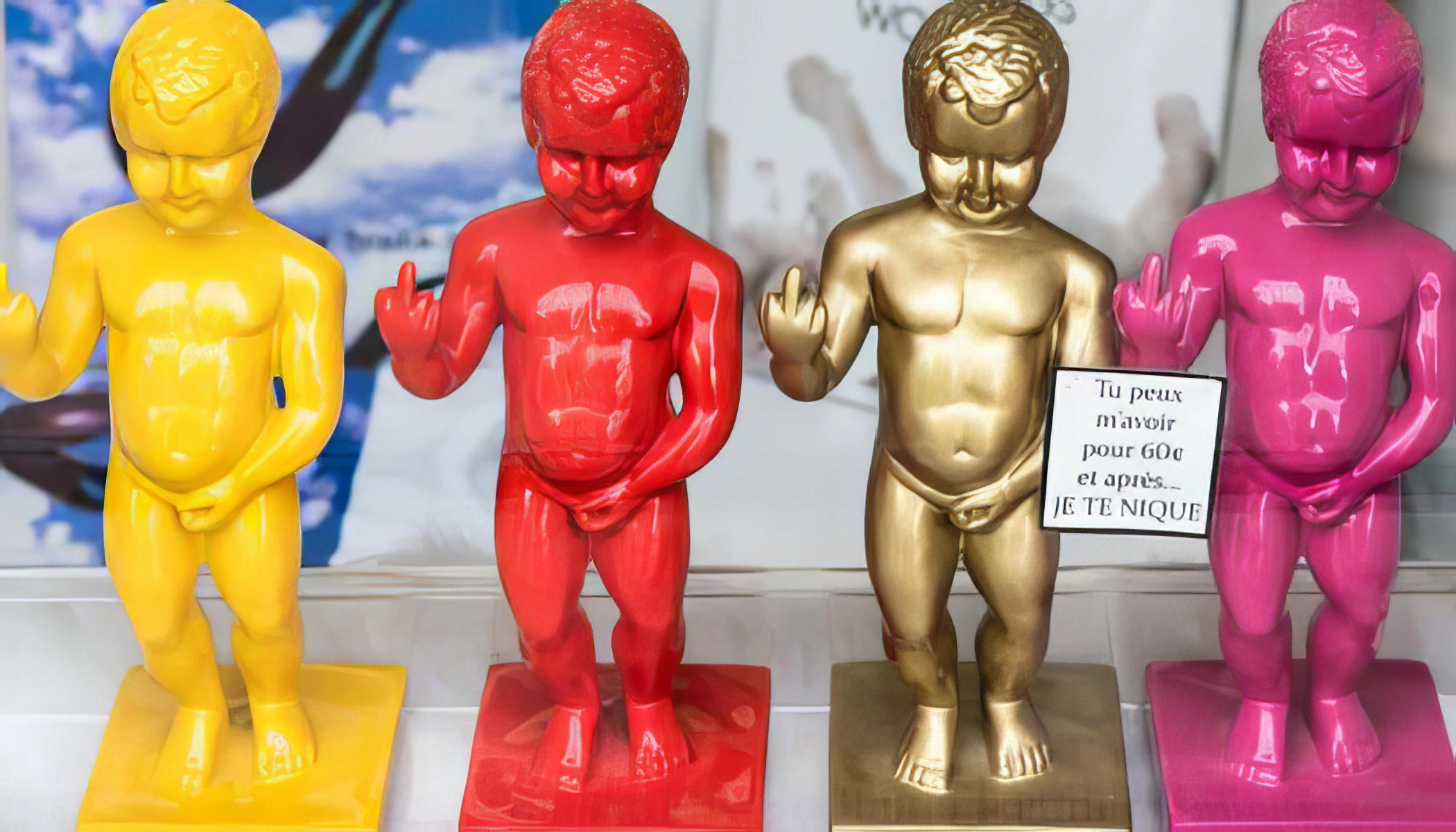
Belgium is a country rich in culture and history, offering a variety of unique souvenirs. Here are some popular items to consider:
– Belgian Chocolate: Belgium is world-renowned for its high-quality chocolate, making it a must-buy souvenir.
– Belgian Beer: With hundreds of unique brews, Belgian beer is a popular choice for tourists.
– Lace: Belgium, particularly Bruges, is famous for its sophisticated lacework.
– Comic Books: Belgium is the birthplace of many famous comic strips, including Tintin and The Smurfs.
– Waffles: While you can't take them home, trying a Belgian waffle is a must-do experience.
– Speculoos Cookies: These traditional Belgian cookies are a sweet souvenir.
– Belgian Crystal: Val Saint Lambert crystal is a high-quality and elegant souvenir.
Traditional Shows
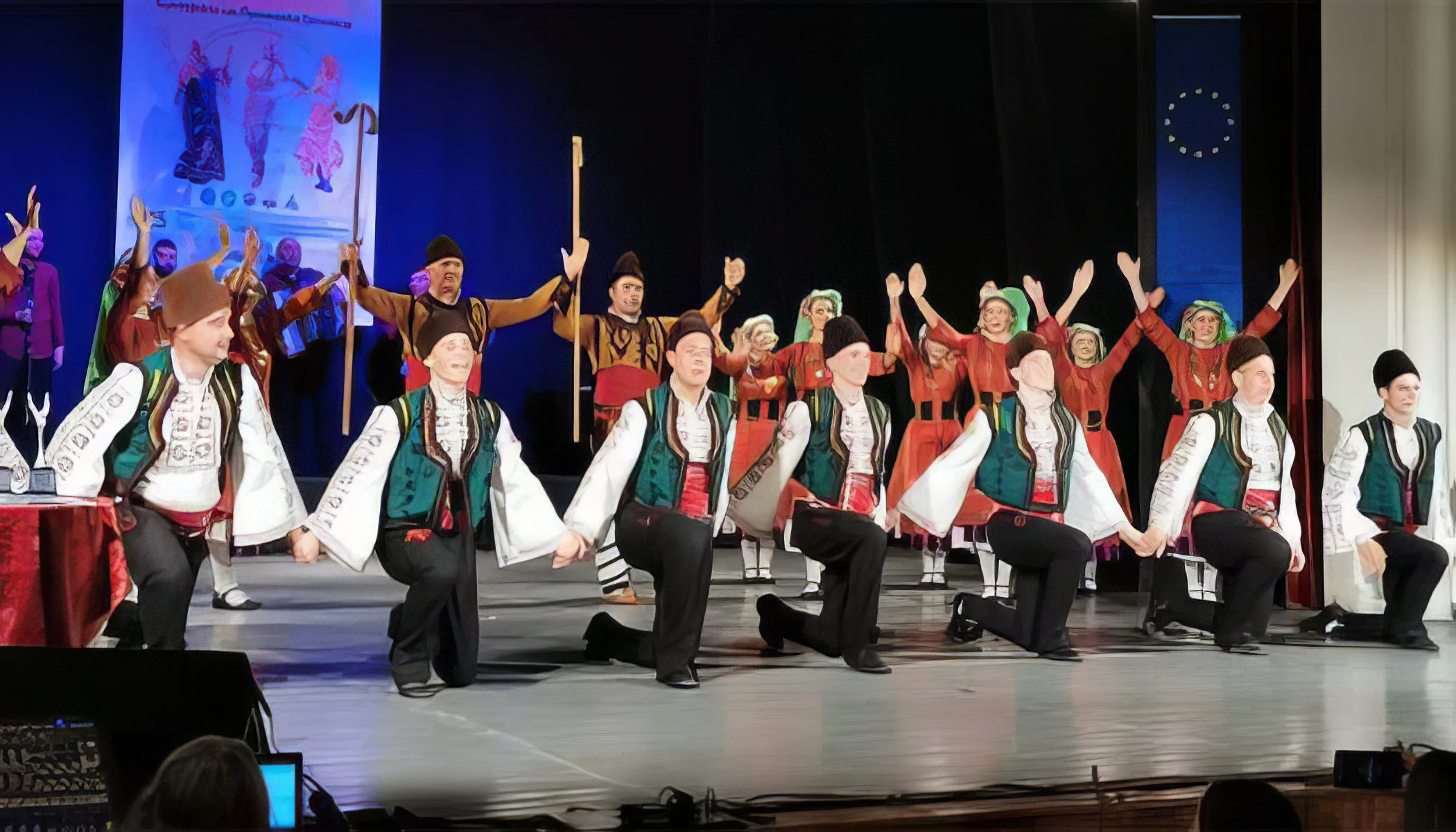
Belgium is known for its rich cultural heritage in music and performing arts:
– Brussels Jazz Weekend: A free festival offering a wide variety of jazz styles, from swing to bebop, in the heart of Brussels.
– Ghent Festival: A music and theatre festival in Ghent, showcasing both local and international artists.
– La Monnaie Opera: Belgium's leading opera house in Brussels, offering a range of classical and contemporary performances.
– Royal Ballet of Flanders: Based in Antwerp, this is one of the foremost dance companies in Europe, performing classical and modern ballet.
– Wallonia Festival: A music festival in Wallonia, featuring classical music, jazz, and world music.
Events & Festivals
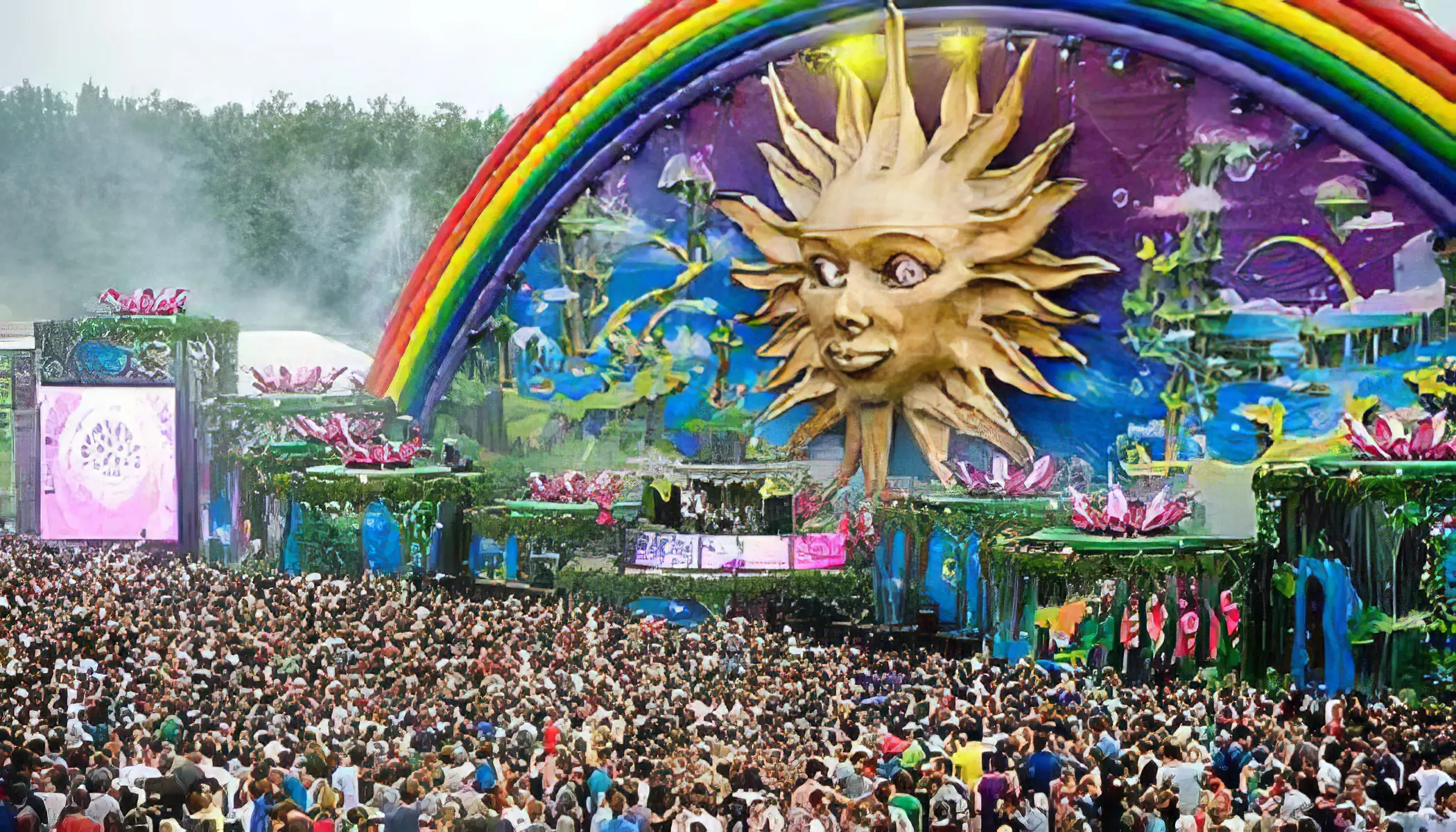
Belgium is a country rich in cultural events and festivals that take place throughout the year:
– Binche Carnival: A February event in Binche, known for its Gilles costumes and orange throwing.
– Anima Festival: An animation film festival held in Brussels in February/March.
– Zythos Beer Festival: A two-day event in April in Leuven, showcasing over 500 Belgian beers.
– Ghent Festival: A 10-day music and theatre festival in Ghent in July.
– Tomorrowland: A world-renowned electronic dance music festival in Boom in July.
– Pukkelpop: A large-scale alternative music festival in Hasselt in August.
– Christmas Market: Festive markets held in various cities in December.
Famous People

Belgium, known for its rich history and culture, has been home to many notable figures.
– René Magritte (1898 to 1967, Lessines): Surrealist artist known for his thought-provoking and witty works.
– Audrey Hepburn (1929 to 1993, Brussels): Acclaimed actress and humanitarian, remembered for her iconic film roles.
– Georges Lemaître (1894 to 1966, Charleroi): Priest and astronomer who proposed the Big Bang theory.
– Eddy Merckx (born 1945, Meensel-Kiezegem): Considered one of the greatest cyclists of all time, with numerous victories.
– Adolphe Sax (1814 to 1894, Dinant): Inventor of the saxophone, a staple instrument in many music genres.
Books
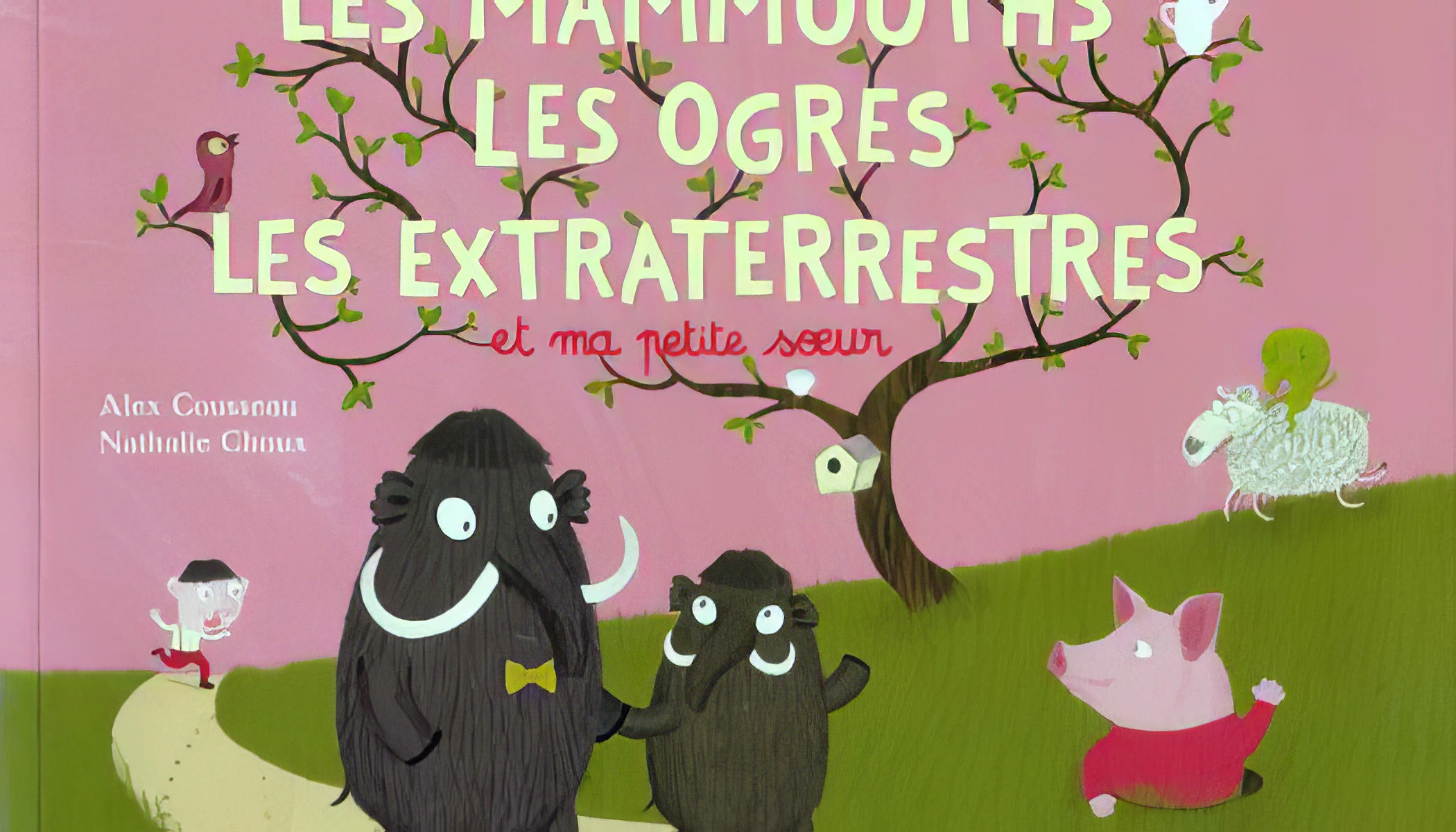
Belgium's rich history and culture have inspired a variety of compelling books, from historical narratives to personal memoirs.
– "War and Turpentine" by Stefan Hertmans: A grandson's exploration of his grandfather's life in Belgium.
– "Villa des Roses" by Willem Elsschot: A tragicomic novel set in a boarding house in pre-WWI Brussels.
– "The Square of Revenge" by Pieter Aspe: A crime novel set in the city of Bruges.
– "A Tall Man in a Low Land" by Harry Pearson: A humorous travelogue through Belgium.
– "The Sorrow of Belgium" by Hugo Claus: A coming-of-age story during WWII in Belgium.
Songs
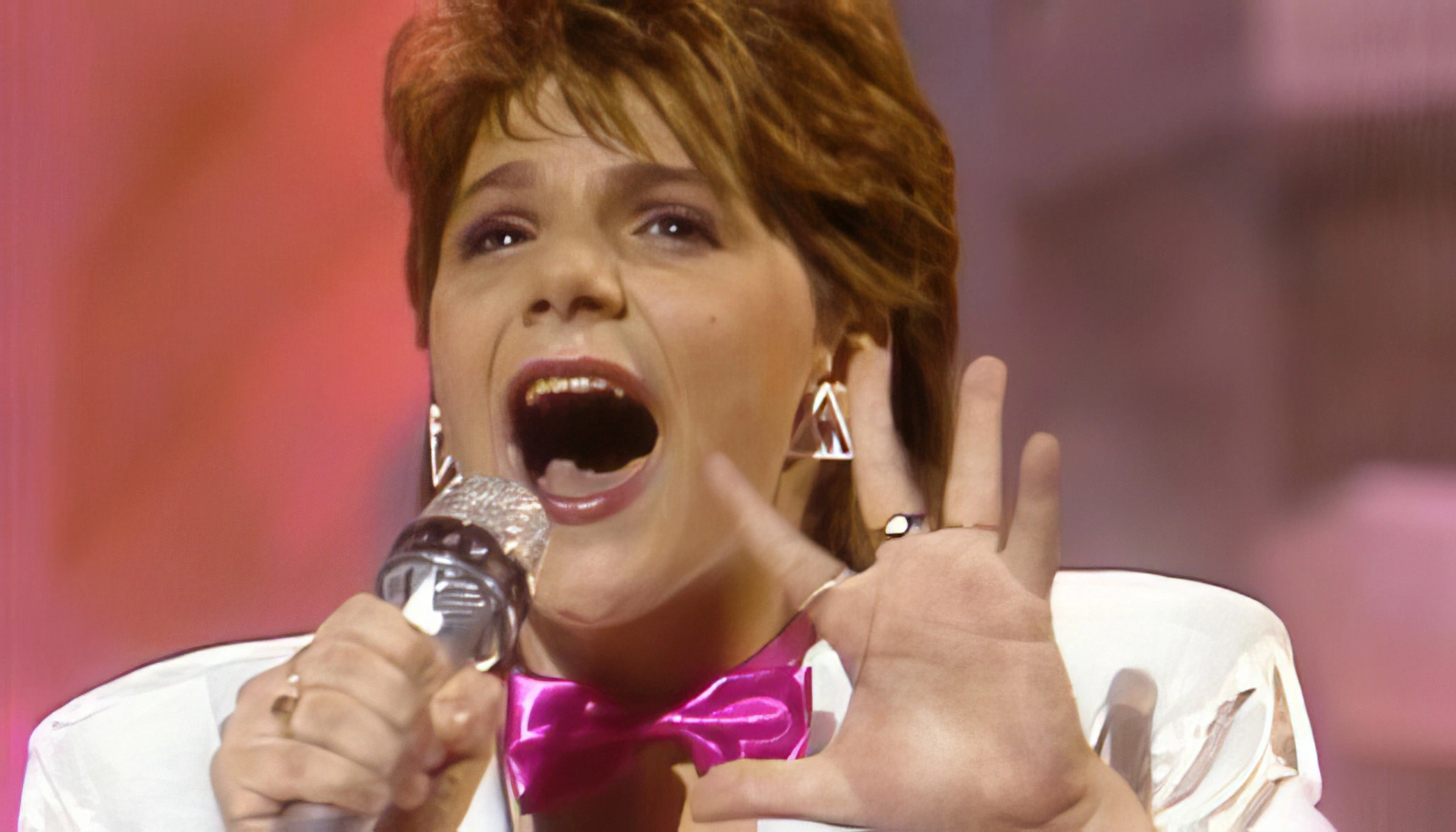
Belgium has a rich musical history, with songs spanning genres from pop to rock to electronic music.
– Formidable: A popular song by Belgian singer Stromae, known for its poignant lyrics.
– Alors On Danse: Another hit by Stromae, this song became a global dance anthem.
– Mad About You: A famous song by the Belgian band Hooverphonic.
– Marina: A classic song by Belgian-Italian singer Rocco Granata.
– Two: A popular song by Belgian singer-songwriter Lenka.
– Twist à Saint-Tropez: A hit song by the Belgian band Telex, known for its electronic sound.
Films

Belgium's cinematic landscape is as diverse as its cultural heritage, here are some of the most famous films about Belgium:
– "In Bruges": A dark comedy by Martin McDonagh about two hitmen hiding out in the Belgian city.
– "Man Bites Dog": A mockumentary by Rémy Belvaux, André Bonzel, and Benoît Poelvoorde, exploring the life of a serial killer.
– "The Kid with a Bike": A drama by the Dardenne brothers about a young boy abandoned by his father.
– "Rosetta": Another Dardenne brothers' film, it's a gripping drama about a teenager's struggle to survive.
– "Toto the Hero": Directed by Jaco Van Dormael, it's a whimsical tale of a man convinced he was swapped at birth.