

Explore Bolivia: Culture, Cities & Places to Visit
Landlocked in South America, this country features diverse geography, from the Andes Mountains to the Amazon Basin. Rich in indigenous culture and history, it is home to the Uyuni Salt Flats and Lake Titicaca, offering unique natural and cultural experiences.
- Capital
- Bolivia has two capital cities. Sucre is the constitutional capital and the seat of the judiciary, while La Paz is the seat of the government and executive capital.
- Population
- 10 millions
- Superficy
- 1099000 sq.km
- Months to Visit
- May to Oct.
- Living Cost
- Economical
Overview
Bolivia, located in central South America, is known for its diverse geography, including the Andes Mountains, Amazon rainforest, and the vast Salar de Uyuni salt flats. La Paz, one of its capitals, is the highest administrative capital in the world. Bolivia has a rich indigenous heritage, with a significant portion of its population belonging to various indigenous groups. The country is home to unique cultural sites like Tiwanaku and pretty festivals such as Carnaval de Oruro. Its economy relies heavily on natural resources like minerals and natural gas. Despite economic challenges, Bolivia provides travelers a chance to explore handsome landscapes and experience rich cultural traditions.
Pros & Cons
GOOD REASONS TO VISIT BOLIVIA
– Salar de Uyuni: World's largest salt flat supplies surreal landscapes, especially during the rainy season.
– Rich Indigenous Culture: Experience lively traditions, colorful festivals, and ancient ruins like Tiwanaku.
– Diverse Ecosystems: Explore Amazon rainforest, Andes mountains, and unique wildlife in Madidi National Park.
– Affordable Travel: Budget-friendly destination with low-cost accommodations, food, and transportation options.
– Adventure Opportunities: Trekking, mountain biking on Death Road, and exploring remote areas for thrill-seekers. CHALLENGES WHEN VISITING BOLIVIA
– High Altitude: Cities like La Paz can cause altitude sickness; acclimatization is necessary.
– Limited Infrastructure: Remote areas may lack reliable transport and amenities; plan logistics carefully.
– Language Barrier: Spanish is predominant; English speakers may face communication challenges outside tourist areas.
Before Departure
Before traveling to Bolivia, consider the following essential information:
– Passport: Ensure your passport is valid for at least six months beyond your entry date.
– Visa: Visa requirements vary by nationality; some need a visa on arrival or pre-arrival. Tourist visas typically last 30 days, extendable up to 90 days.
– Currency: Boliviano (BOB); credit cards accepted in cities; cash preferred in rural areas; ATMs widely available in urban centers.
– Internet access: WiFi is common in hotels and cafes in cities; consider buying a local SIM card for better connectivity.
– Language barrier: Spanish is the official language; English is not widely spoken, so basic Spanish phrases are helpful.
What to Pack
Traveling to Bolivia requires preparation for diverse climates and high altitudes, as well as cultural considerations.
– Essentials: Passport and visa (if required), travel insurance details, flight tickets and itinerary, accommodation reservations, and a copy of important documents.
– Clothing: Layered clothing for varying temperatures, comfortable walking shoes, warm jacket for high altitudes, hat and sunglasses for sun protection.
– Health & Safety: Prescription medications, basic first aid kit, altitude sickness medication, insect repellent, sunscreen with high SPF.
– Electronics: Travel adapter for Bolivian outlets, mobile phone with charger, camera with extra batteries or charger.
Weather
Weather in Bolivia varies significantly due to its diverse geography:
– Summer (November to March): Wet season with heavy rainfall, especially in the Amazon and lowlands.
– Autumn (April to May): Transition period with decreasing rainfall and cooler temperatures.
– Winter (June to August): Dry season with cold temperatures, particularly in the highlands and altiplano.
– Spring (September to October): Gradual warming with minimal rainfall, especially in the highlands. May to October is the best time to visit Bolivia:
– Dry weather is ideal for exploring highland regions and outdoor activities.
– Clear skies offer excellent conditions for sightseeing and photography. Note that colder temperatures occur in higher altitudes during this period.
Travel Budget
Bolivia is known for being a budget-friendly destination for travelers. Here are some average prices for common expenses:
– Hotel: 15$ to 80$
– Lunch: 2$ to 10$
– Beverage (in bar/restaurant): 1$ to 4$
– Coffee: 1$ to 3$
– Transportation: (train not widely available), (bus 0.3$ to 2$), (taxi /10km 5$ to 10$)
– Mobile data (per GB): 2$ to 5$
Language
In Bolivia, Spanish is the predominant language spoken by the majority of the population. Here are some useful phrases for tourists:
– Hello: Hola
– Thank you: Gracias
– Please: Por favor
– How much is this?: ¿Cuánto cuesta esto?
– Excuse me: Perdón
– I don't understand: No entiendo
– Yes: Sí
– No: No
– Goodbye: Adiós
History
It was part of the Inca Empire before Spanish colonization in the 16th century. The region, rich in silver, became a significant part of the Spanish Empire. Bolivia gained independence in 1825 after a series of revolts against Spanish rule led by figures like Simón Bolívar and Antonio José de Sucre. The country experienced political instability and territorial losses throughout the 19th and early 20th centuries, including losing access to the Pacific Ocean after the War of the Pacific with Chile. In the mid-20th century, Bolivia underwent significant social and economic changes, including a national revolution in 1952 that led to land reforms and nationalization of mines. Recent decades have seen periods of political turmoil alongside efforts to address indigenous rights and economic development.
Geopolitics
Located in the heart of South America, Bolivia is a landlocked country bordered by Brazil, Paraguay, Argentina, Chile, and Peru. It has a diverse population with significant indigenous representation and is governed as a presidential republic. Bolivia's geopolitical landscape is shaped by its rich natural resources, particularly natural gas and lithium, which are central to its economic strategy and international relations. The country has historically had tensions with Chile over access to the Pacific Ocean, stemming from the War of the Pacific in the late 19th century. Bolivia is a member of regional organizations like MERCOSUR and the Andean Community, seeking to enhance trade and political ties within Latin America. Its foreign policy often emphasizes sovereignty over natural resources and social justice issues on the international stage.
Sample Itinerary
This itinerary covers Bolivia's diverse landscapes, from the hectic city of La Paz to the surreal Uyuni Salt Flats and the rich culture of Sucre.
– 2 days in La Paz: Explore the Witches' Market, ride the cable cars for city views, and visit Valle de la Luna.
– 1 day in Tiwanaku: Discover ancient ruins and learn about pre-Columbian history at this UNESCO World Heritage site.
– 3 days in Uyuni: Tour the vast Salar de Uyuni, visit Incahuasi Island, and see the Train Cemetery. Experience remarkable sunsets and starry skies.
– 2 days in Sucre: Walk through colonial architecture, visit Casa de la Libertad, and explore local markets. Enjoy a relaxed atmosphere.
– 1 day in Potosí: Visit Cerro Rico mine and learn about its historical significance. Explore colonial buildings in this high-altitude city.
Popular cities
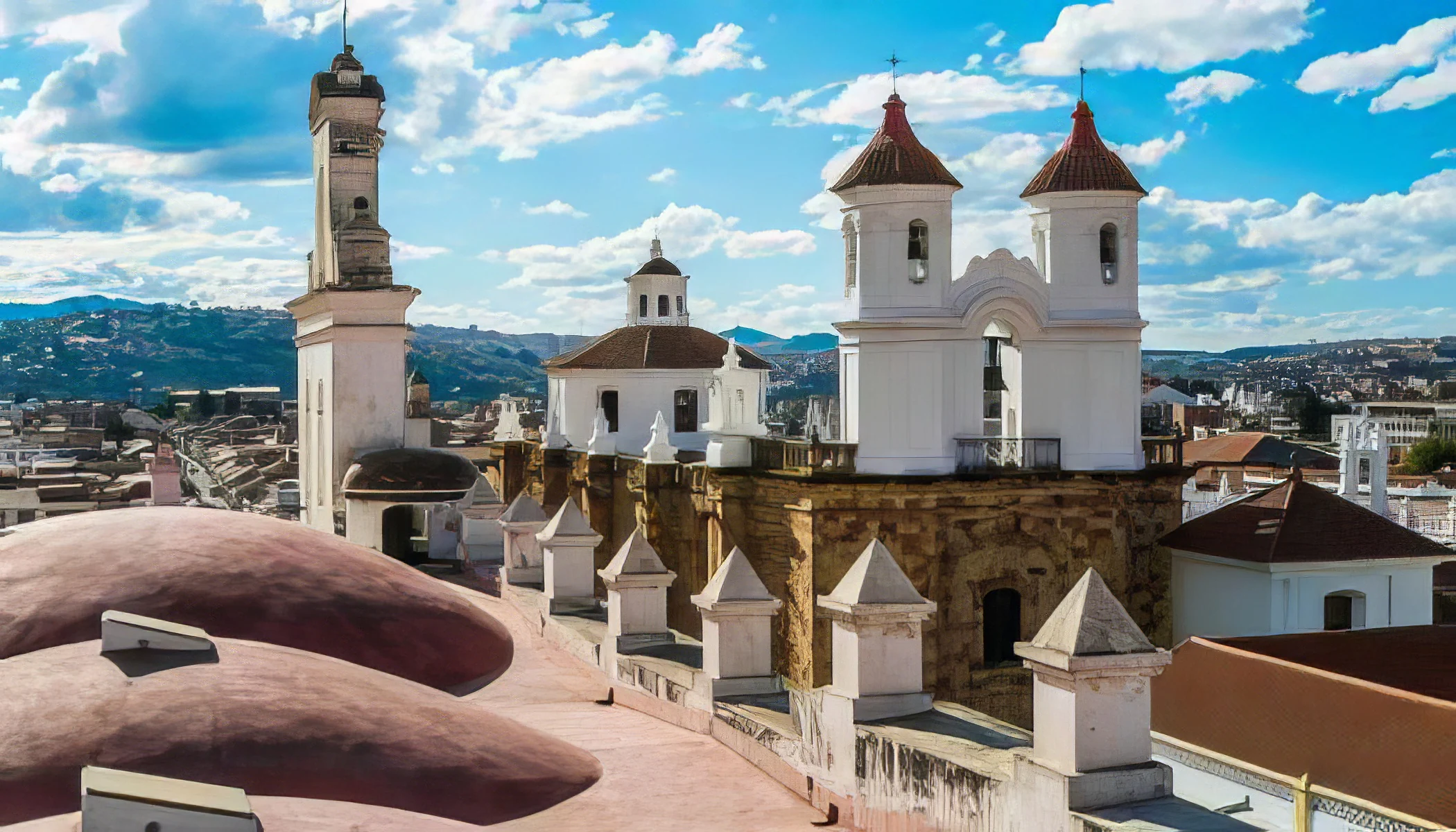
Explore Bolivia's diverse landscapes and cultural heritage through its energetic cities:
– La Paz: The highest capital city in the world, known for its unique topography and cultural sites.
– Sucre: Bolivia's constitutional capital, famous for its colonial architecture and historical significance.
– Santa Cruz de la Sierra: A rapidly growing city with a mix of modernity and traditional culture.
– Potosí: Known for its rich mining history and the Cerro Rico mountain.
– Cochabamba: Offers a pleasant climate and is known as the "City of Eternal Spring."
– Uyuni: Gateway to the fascinating Salar de Uyuni, the world's largest salt flat.
– Copacabana: A town on Lake Titicaca, known for its religious festivals and scenic views.
Monuments
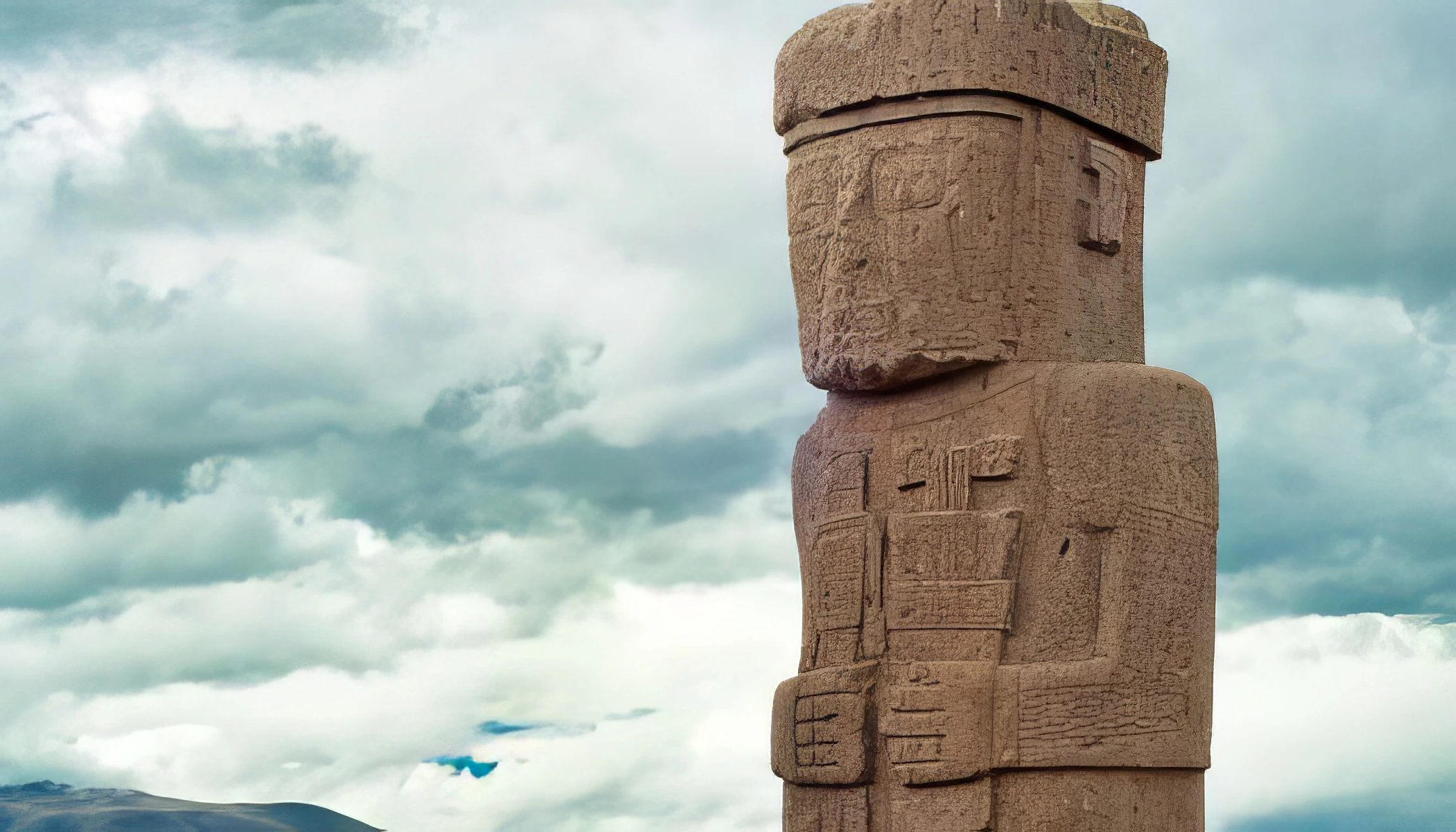
Bolivia supplies a range of historical and architectural sites to explore:
– Tiwanaku: Ancient archaeological site with impressive stone structures from the pre-Inca civilization.
– Salar de Uyuni's Train Cemetery: Collection of abandoned trains marking Bolivia's industrial past.
– Potosí's Cerro Rico: Historic silver mine that fueled Spanish wealth during colonial times.
– Jesuit Missions of Chiquitos: UNESCO-listed baroque churches in remote eastern Bolivia.
– La Paz's San Francisco Church: Colonial-era church with sophisticated baroque architecture in the city center.
– Sucre's Casa de la Libertad: Historic building where Bolivia declared independence in 1825.
– El Fuerte de Samaipata: Pre-Columbian archaeological site with a massive carved rock, blending Inca and Spanish influences.
– Copacabana Basilica: Important religious site on Lake Titicaca, known for its Virgin of Copacabana statue.
Natural wonder
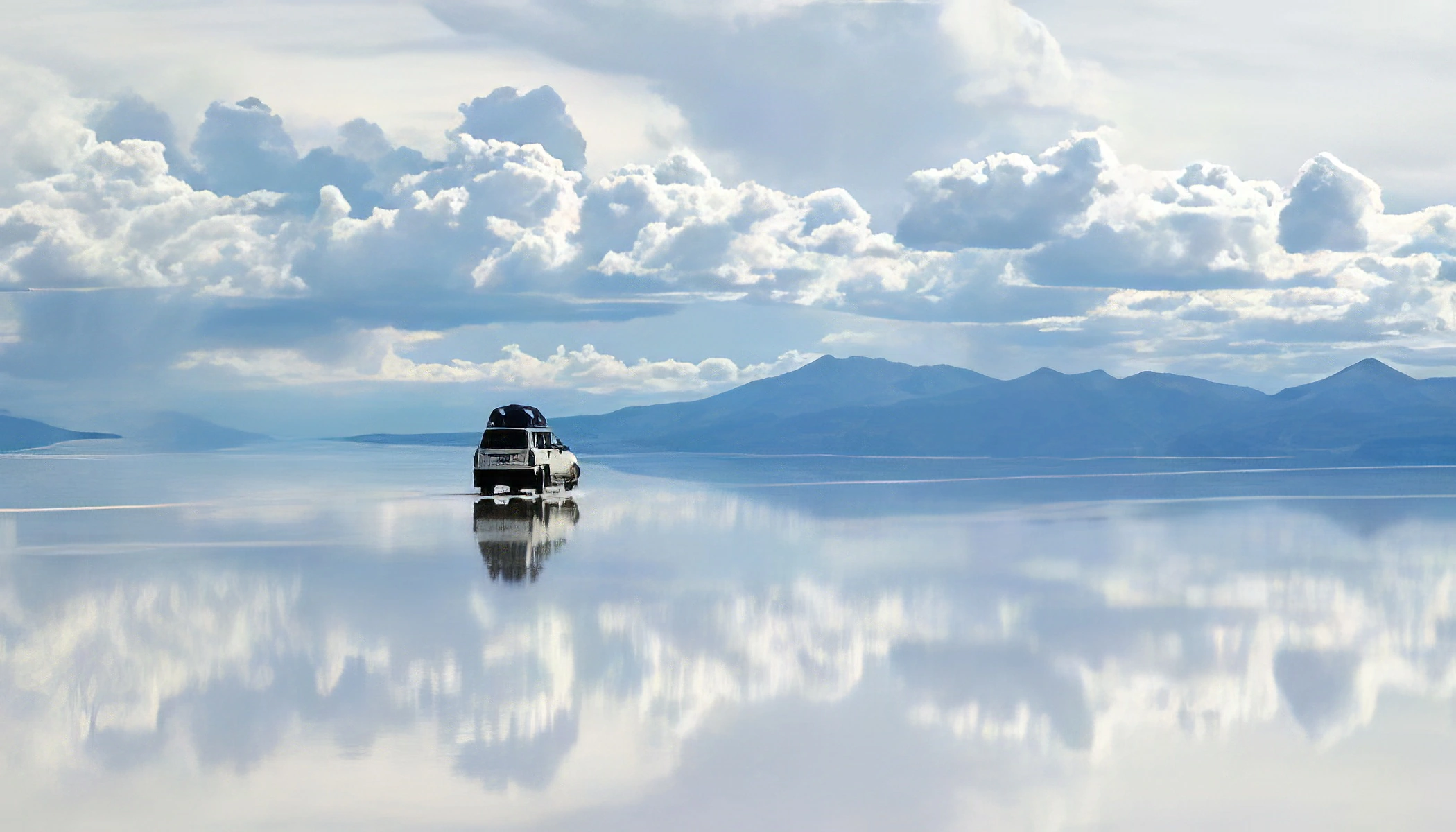
Explore Bolivia's diverse and remarkable natural landscapes:
– Salar de Uyuni: World's largest salt flat, creating a mirror effect during the rainy season.
– Eduardo Avaroa Andean Fauna National Reserve: Known for colorful lagoons and diverse wildlife, including flamingos.
– Madidi National Park: One of the most biodiverse places on Earth, with rainforests and unique species.
– Lake Titicaca: The world's highest navigable lake, shared with Peru, featuring floating islands.
– Sajama National Park: Home to Bolivia's highest peak, Sajama Volcano, and hot springs.
– Torotoro National Park: Offers dinosaur footprints, caves, and dramatic canyons for exploration.
– Amboró National Park: Features cloud forests and a wide variety of plant and animal life.
– Valle de la Luna (Moon Valley): Eroded rock formations create a lunar-like landscape near La Paz.
– Laguna Colorada: A red-colored lake in the Altiplano with large flocks of flamingos.
– Noel Kempff Mercado National Park: UNESCO site with waterfalls, savannas, and tropical rainforests.
Outdoor activities
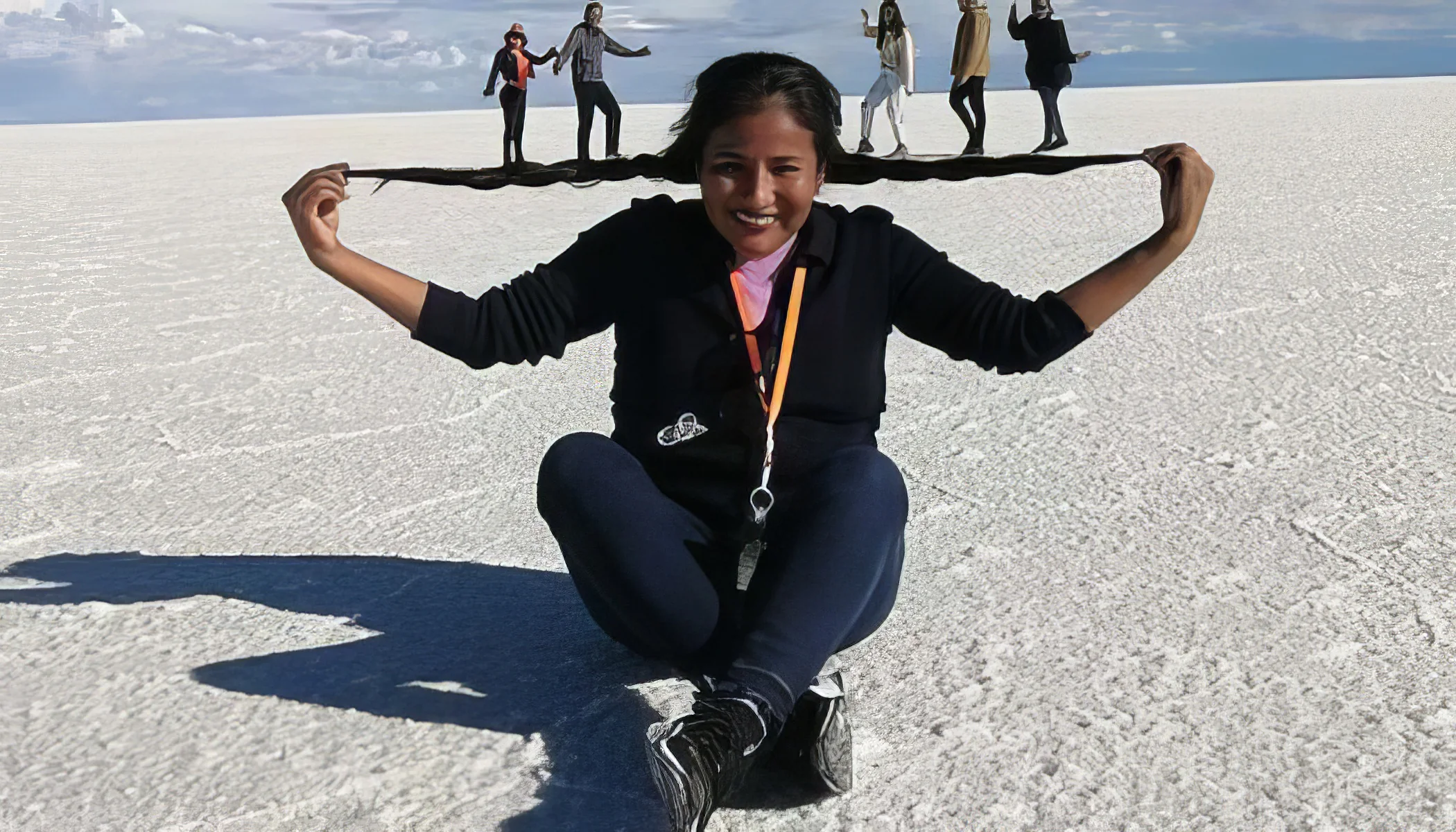
Bolivia offers unique outdoor adventures for nature and thrill seekers alike:
– Trekking the Cordillera Real: Hike through beautiful Andean landscapes with snow-capped peaks.
– Exploring Salar de Uyuni: Walk across the world's largest salt flat, a surreal natural wonder.
– Mountain Biking Death Road: Ride down one of the most dangerous roads with dramatic views.
– Wildlife Watching in Madidi National Park: Discover diverse ecosystems and rare species in the Amazon basin.
– Climbing Huayna Potosi: Challenge yourself on a popular peak for mountaineers near La Paz.
– Canoeing on Lake Titicaca: Paddle on the highest navigable lake, surrounded by handsome scenery.
– Visiting Eduardo Avaroa Reserve: Witness geysers, hot springs, and colorful lagoons with flamingos.
Kid Friendly
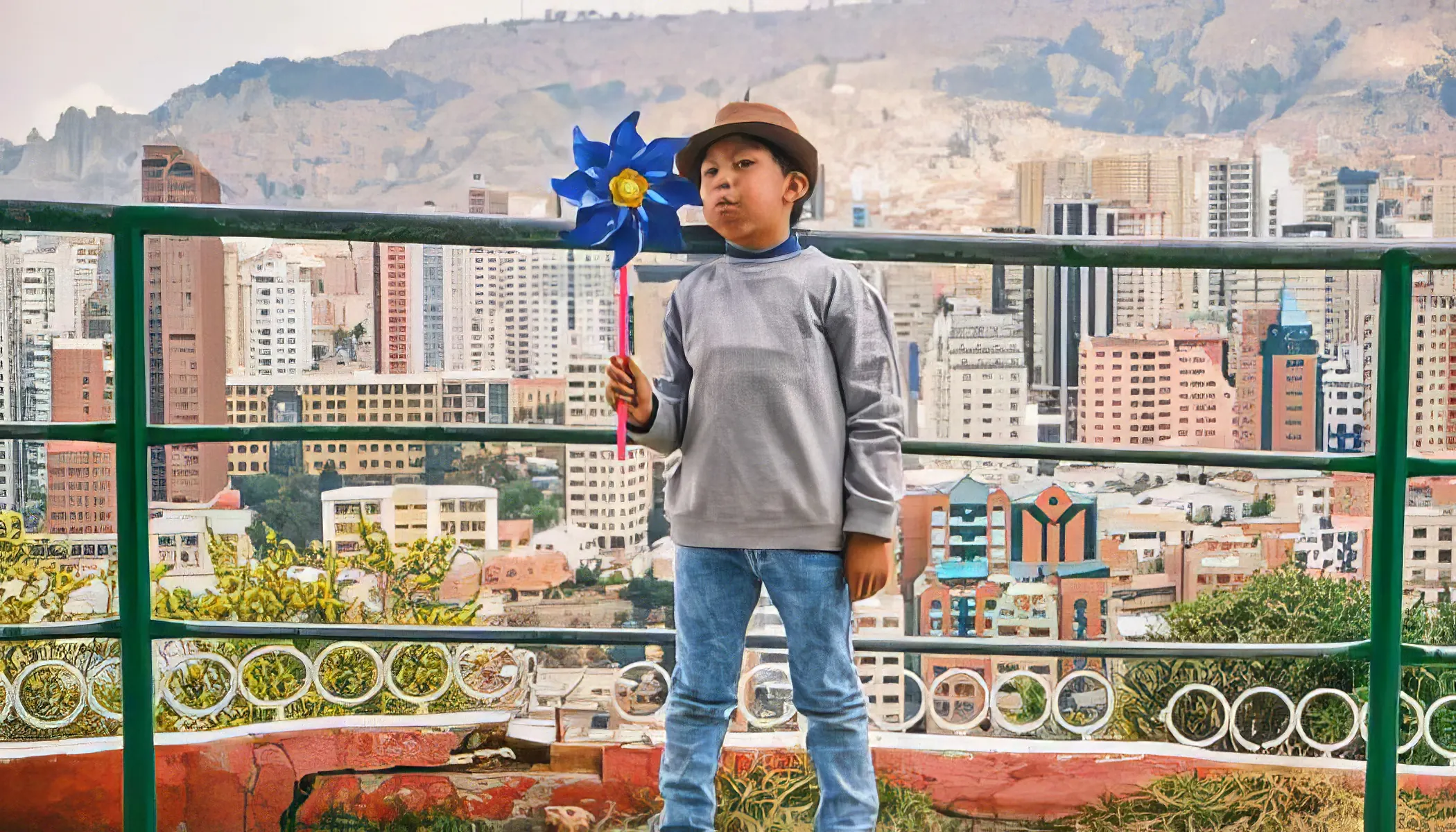
Bolivia supplies a range of activities that are enjoyable for children.
– Salar de Uyuni: Explore the world's largest salt flat, a unique and vast landscape perfect for family photos.
– La Paz Zoo: Visit the zoo to see native Bolivian wildlife in a family-friendly setting.
– Valle de la Luna: Discover moon-like landscapes with easy walking trails suitable for kids.
– Dinosaur Park in Sucre: See life-sized dinosaur replicas and real footprints at this educational park.
– Lake Titicaca Boat Tour: Enjoy a boat ride on the highest navigable lake in the world with remarkable views.
– Madidi National Park: Experience diverse wildlife and nature walks in this Amazon rainforest park.
– Witches' Market, La Paz: A fascinating market where kids can see unusual items and learn about local traditions.
– Oruro Carnival Museum: Learn about Bolivia's famous carnival through costumes and exhibits that captivate young minds.
Cuisine
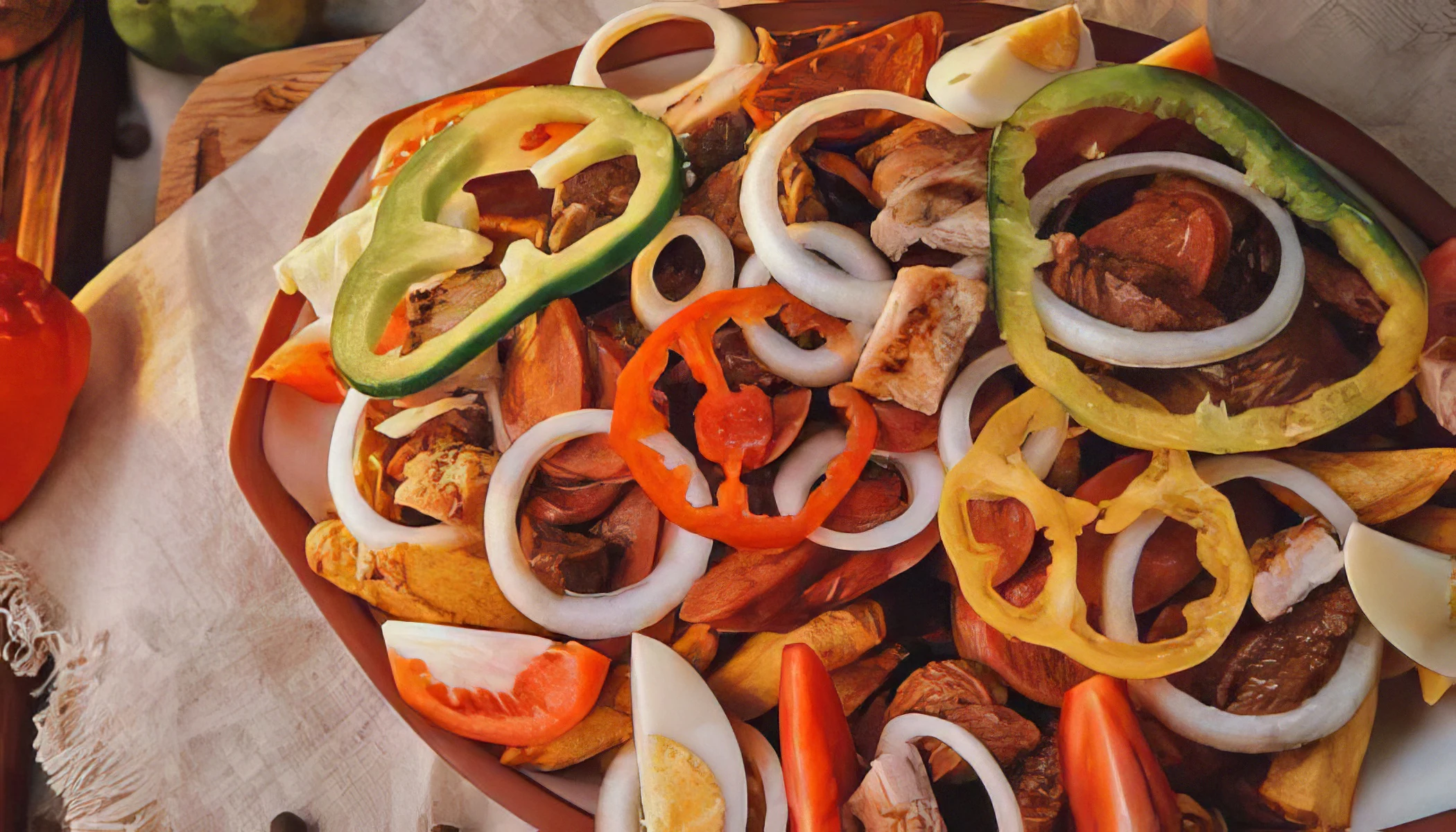
Bolivian cuisine is diverse, reflecting its indigenous roots and Spanish influences, with hearty dishes often featuring potatoes, corn, and meats. The country's varied geography contributes to regional specialties. Street food is popular, offering a taste of traditional flavors. Most famous cuisine in Bolivia are:
– Salteñas: Baked pastries filled with meat, potatoes, peas, and a slightly sweet sauce.
– Pique a lo Macho: Spicy beef stir-fry with sausage, fries, and vegetables.
– Silpancho: Breaded beef cutlet served with rice, potatoes, and fried eggs.
– Anticuchos: Grilled skewers of marinated beef heart served with potatoes.
– Chairo: Traditional soup made with lamb or beef, potatoes, chuño (dried potato), and vegetables.
Souvenir
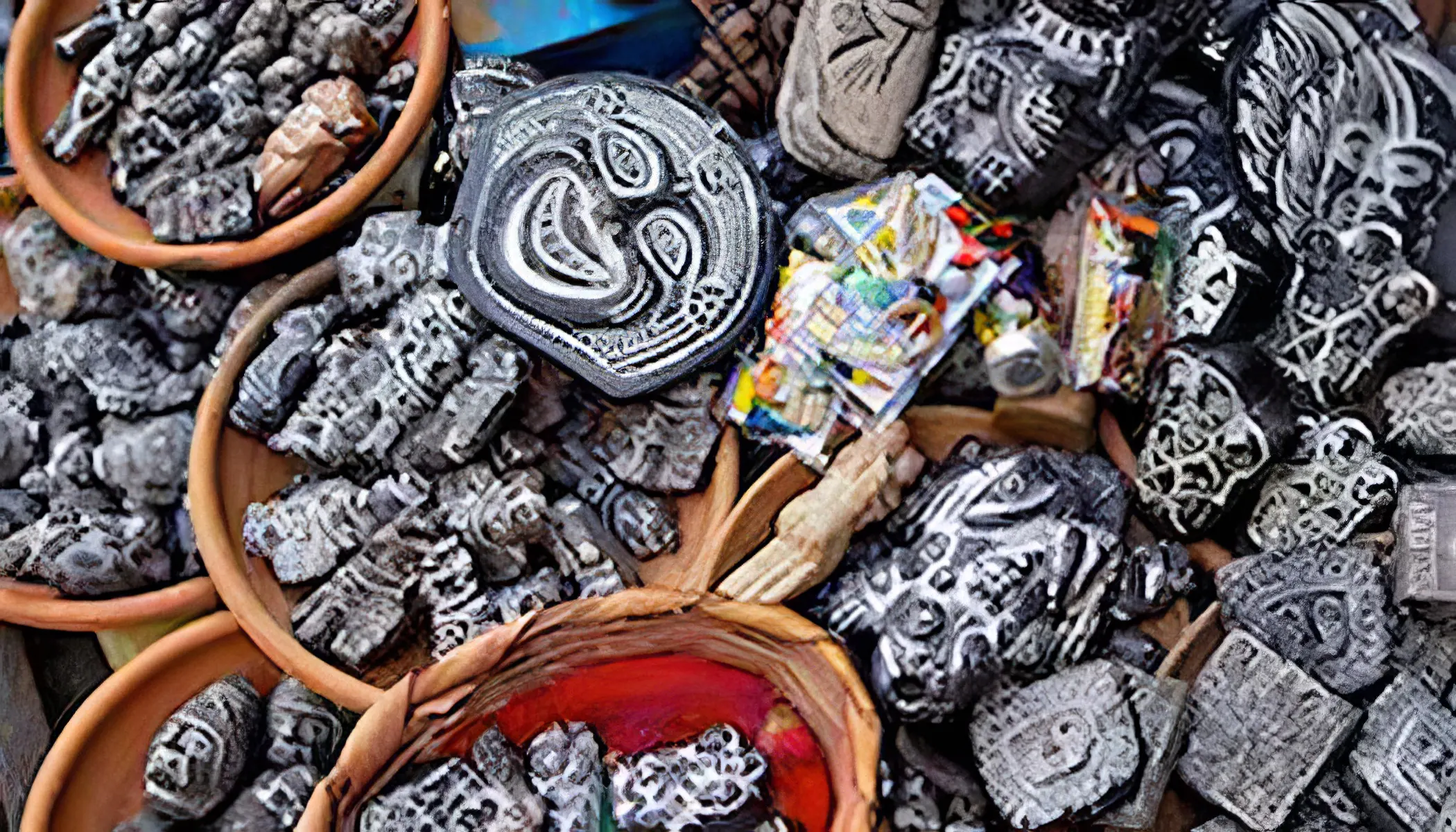
Bolivia offers a variety of unique and culturally rich souvenirs for visitors. Here are some popular options:
– Alpaca Wool Products: Soft and warm, alpaca wool is used in sweaters, scarves, and blankets.
– Cholita Dolls: These colorful dolls represent traditional Bolivian women in their distinctive attire.
– Andean Textiles: Handwoven textiles with energetic patterns are a staple of Bolivian craftsmanship.
– Silver Jewelry: Potosí is known for its silver mines, making silver jewelry a sought-after souvenir.
– Coca Leaf Products: Coca tea and candies are popular items made from the coca leaf.
– Charango: A small Andean string instrument similar to a ukulele, often beautifully crafted.
– Woven Bags: Colorful woven bags or "aguayos" are practical and showcase traditional designs.
Traditional Shows
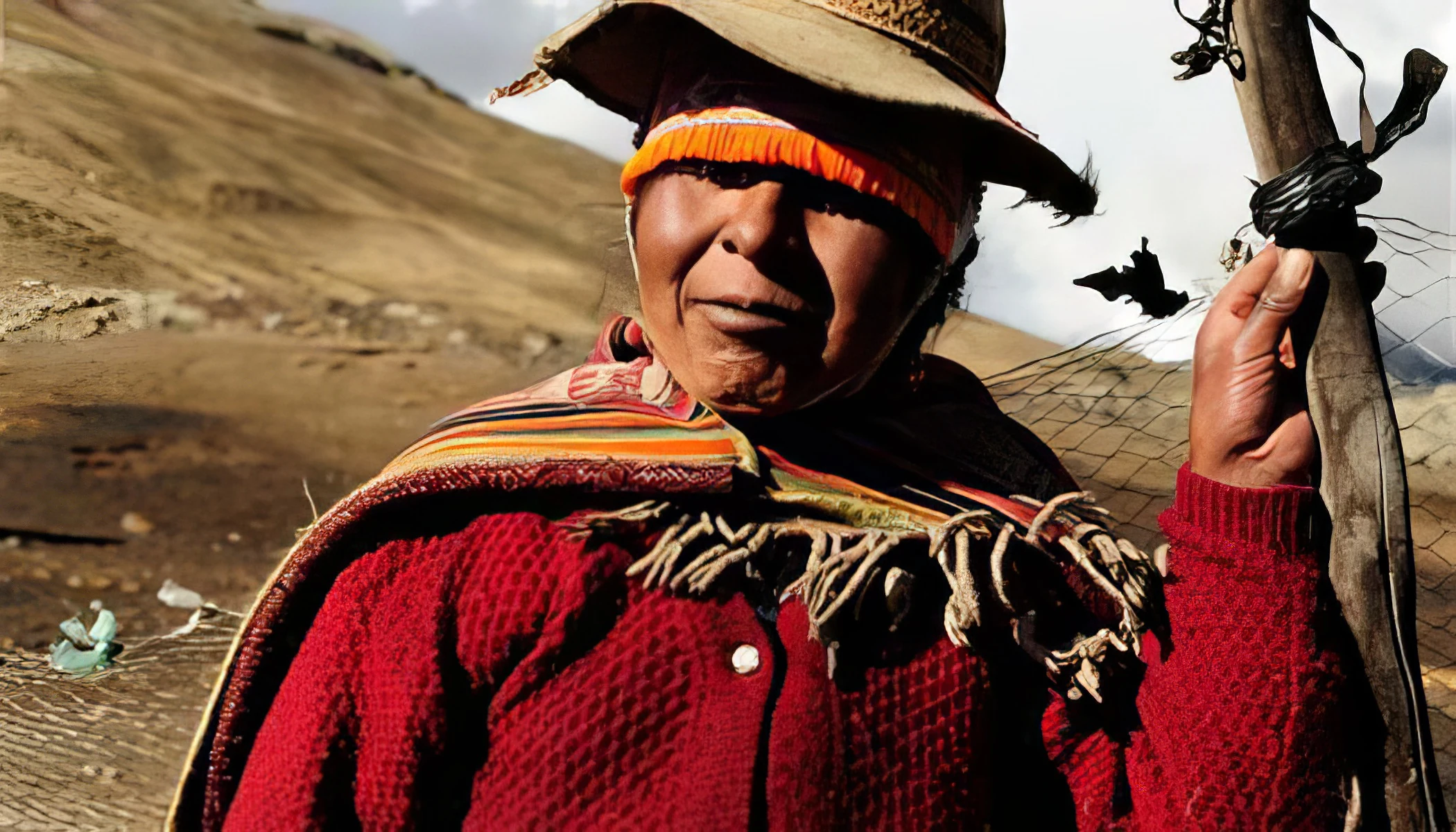
Bolivia offers attractive traditional performances:
– Morenada Dance: Witness this lively dance with colorful costumes and brass bands during festivals in La Paz, celebrating Afro-Bolivian culture.
– Tinku Dance: Experience this energetic and ritualistic dance in Potosí, symbolizing ancient Andean traditions and community unity.
– Caporales Dance: Enjoy this dynamic dance featuring rhythmic footwork and pleasant costumes, often performed during the Gran Poder festival in La Paz.
– Saya Music: Listen to Afro-Bolivian rhythms and songs that highlight cultural heritage, commonly performed in the Yungas region.
– Diablada Dance: See this dramatic dance with devil masks and elaborate costumes at the Oruro Carnival, showcasing a blend of indigenous and Spanish influences.
Events & Festivals
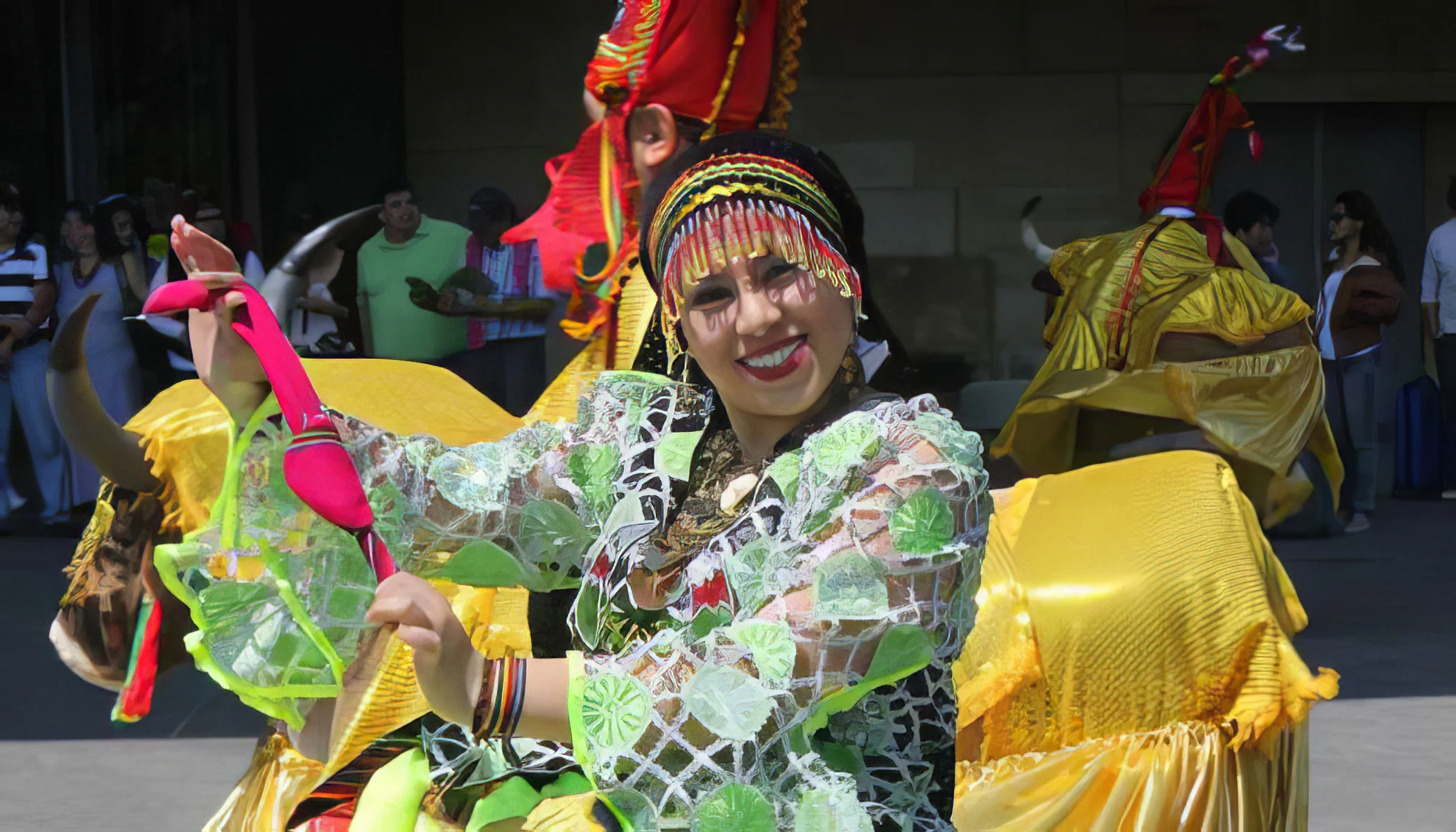
Bolivia hosts a variety of dynamic festivals reflecting its rich cultural heritage and traditions:
– Alasitas Fair: January event in La Paz where people buy miniature items for good fortune.
– Carnival of Oruro: February UNESCO-recognized festival with parades, dances, and costumes.
– Semana Santa: March/April Holy Week with religious processions and ceremonies across the country.
– Gran Poder Festival: May/June celebration in La Paz featuring traditional dances and music.
– Inti Raymi: June solstice festival honoring the sun god with rituals in Tiwanaku.
– Independence Day: Celebrated on August 6 with parades and patriotic events nationwide.
– Todos Santos: November 1st event remembering the deceased with offerings and family gatherings.
Famous People
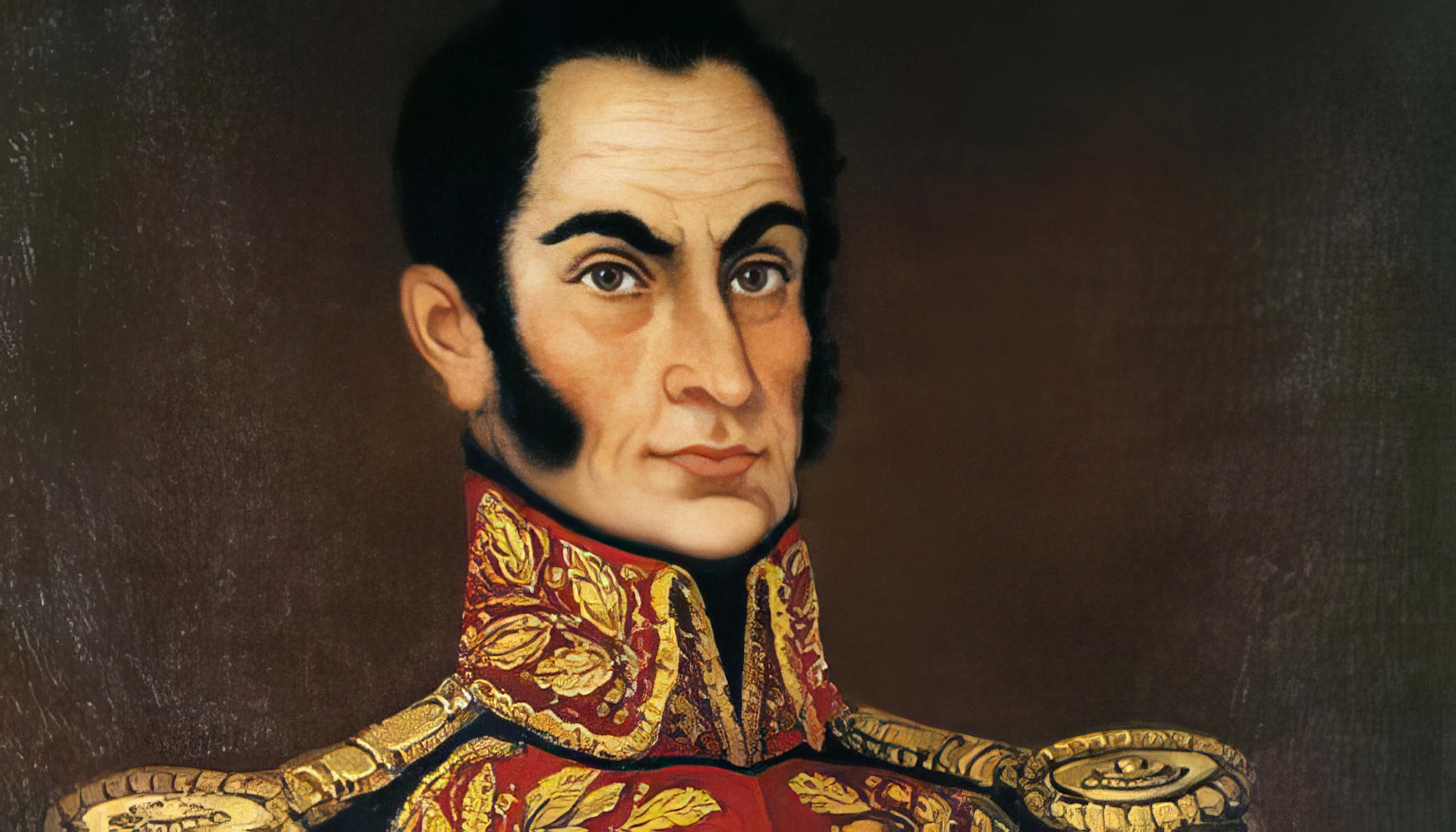
Bolivia is home to many notable figures who have made significant contributions in various fields.
– Simón Bolívar (1783 to 1830, Caracas): Military leader and liberator who played a key role in Bolivia's independence from Spanish rule.
– Evo Morales (born 1959, Isallavi): First indigenous president of Bolivia, serving from 2006 to 2019, known for his social reforms.
– Jaime Escalante (1930 to 2010, La Paz): Renowned educator celebrated for transforming the mathematics program at Garfield High School in Los Angeles.
– Adela Zamudio (1854 to 1928, Cochabamba): Influential poet and feminist who advocated for women's rights and education in Bolivia.
– Carlos Mesa (born 1953, La Paz): Historian and former president known for his work on Bolivian history and political leadership from 2003 to 2005.
Books
These books provide insights into Bolivia's rich culture, history, and social issues through compelling narratives and vivid storytelling.
– "Los Tiempos de la Coca" by Fernando Mayorga: Examines the socio-political impact of coca cultivation in Bolivia.
– "The Fat Man from La Paz" edited by Rosario Santos: Anthology showcasing contemporary Bolivian short stories.
– "The Devil's Miner" by Kief Davidson and Richard Ladkani: Follows a young boy working in Bolivia's silver mines.
– "Marching Powder" by Rusty Young: True story of an English drug smuggler's life in a Bolivian prison.
– "Blood of the Condor" by Jorge Sanjinés: Novelization of a film exploring indigenous struggles against foreign intervention.
Songs
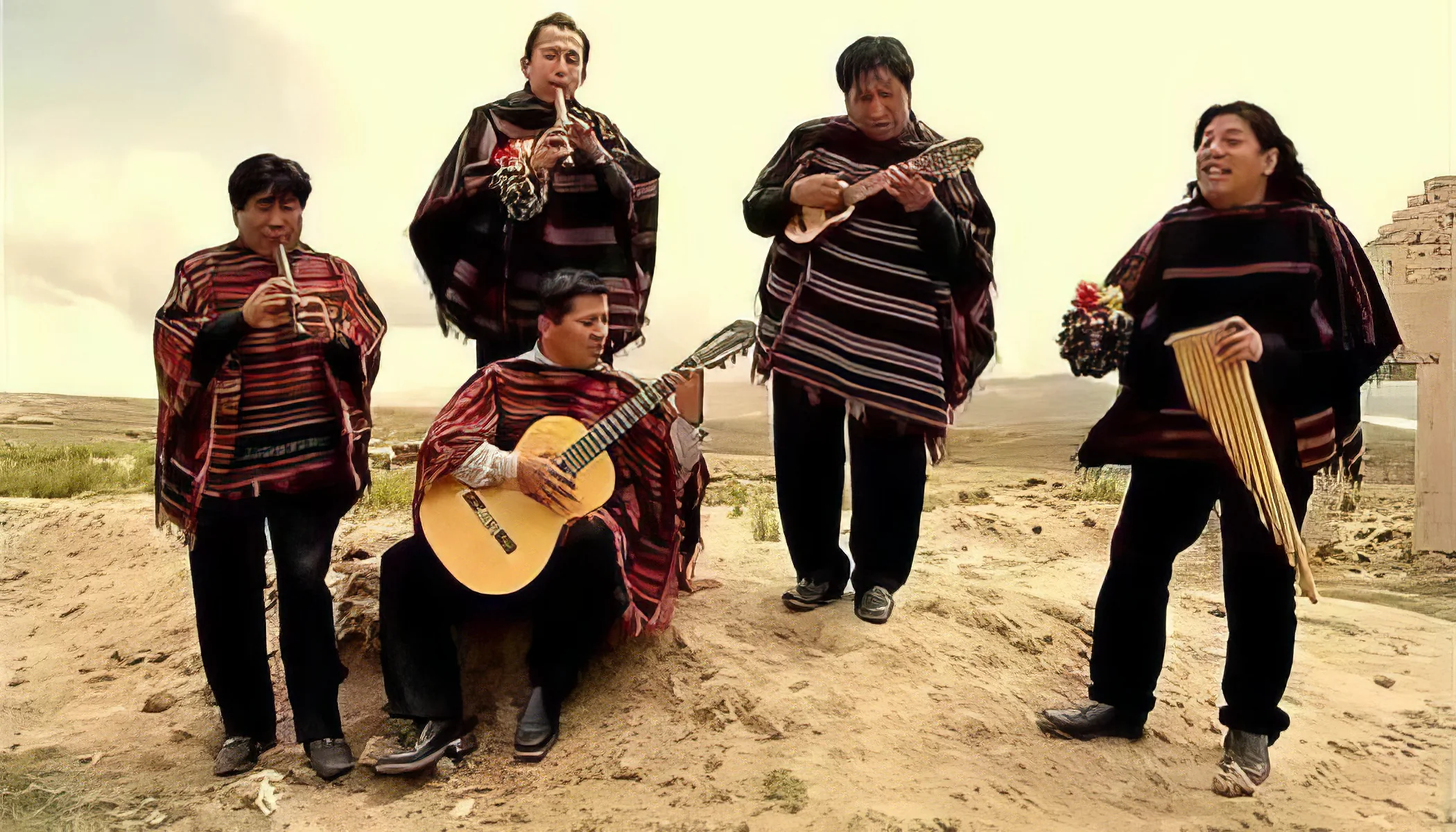
Bolivian music is rich with cultural heritage, often featuring traditional instruments and themes of nature and identity.
– Viva Mi Patria Bolivia: Patriotic song by Apolinar Camacho, celebrating Bolivian pride.
– Llorando Se Fue: Famous Andean tune by Los Kjarkas, known globally as "Lambada."
– El Condor Pasa: Traditional Andean melody popularized worldwide, associated with Bolivia.
– La Saya Sensual: Modern hit by Azul Azul blending traditional rhythms with contemporary sounds.
– Flor de Chuquisaca: Celebrated folk song highlighting the beauty of the Chuquisaca region.
– Oruro Carnaval: Energetic piece capturing the spirit of Bolivia's famous carnival.
Films
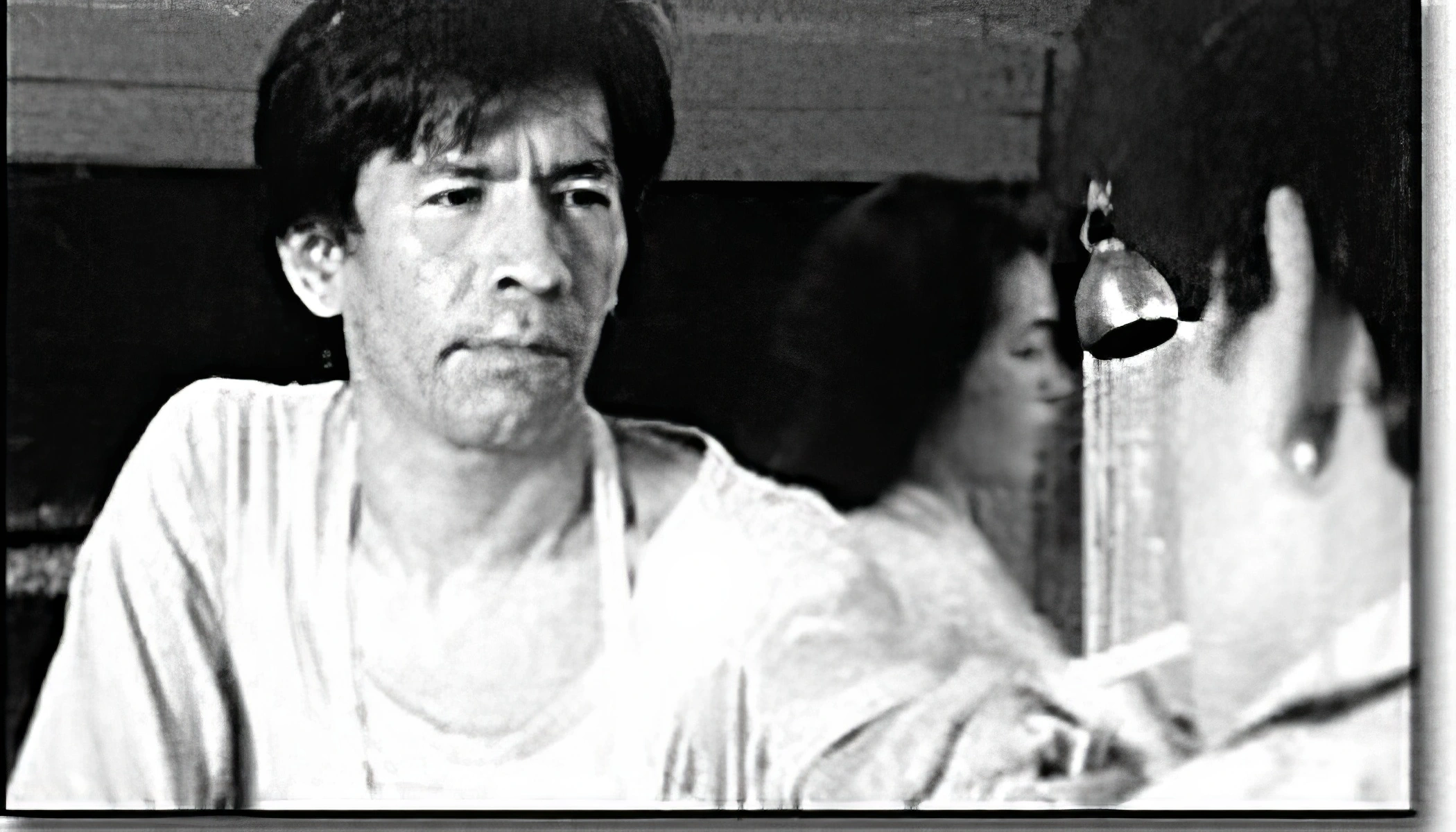
Explore the cinematic landscape of Bolivia through these notable films:
– "The Devil's Miner": A documentary about two brothers working in Bolivia's Cerro Rico silver mines, highlighting child labor and faith.
– "Even the Rain": A Spanish film depicting a movie crew in Bolivia during the Cochabamba Water War, blending past and present struggles.
– "American Visa": A Bolivian drama about a teacher's desperate quest for a U.S. visa, exploring themes of hope and disillusionment.
– "Zona Sur": Juan Carlos Valdivia's film examines class and racial tensions within an affluent Bolivian family in La Paz.
– "Blackthorn": A Western set in Bolivia, reimagining Butch Cassidy's life after surviving his supposed death.