

Botswana Attractions & Travel Advice – Plan Your Visit
Located in Southern Africa, this country is known for its stable democracy and rich wildlife. The Okavango Delta and Chobe National Park attract nature enthusiasts. Its economy benefits from diamond mining, while traditional culture remains an integral part of society.
- Capital
- Gaborone
- Population
- 2.1 millions
- Superficy
- 601000 sq.km
- Months to Visit
- May to Sept.
- Living Cost
- Moderate
Overview
Botswana is a landlocked country in Southern Africa known for its stable democracy and significant wildlife areas. The Okavango Delta, a UNESCO World Heritage site, is a major attraction, offering diverse ecosystems and abundant wildlife. Gaborone, the capital city, serves as the political and economic hub. Botswana has a strong economy largely driven by diamond mining, tourism, and agriculture. The country is recognized for its efforts in conservation and sustainable tourism practices. Despite challenges such as income inequality and reliance on natural resources, Botswana remains one of Africa's success stories in terms of governance and development.
Pros & Cons
GOOD REASONS TO VISIT BOTSWANA
– Abundant Wildlife: Botswana offers exceptional safari experiences with elephants, lions, and more in Chobe and Okavango Delta.
– Okavango Delta: Explore this UNESCO World Heritage site, a unique inland delta teeming with diverse ecosystems and wildlife.
– Conservation Efforts: Botswana is committed to wildlife conservation, ensuring sustainable tourism and protected natural habitats.
– Cultural Experiences: Engage with local communities like the San people to learn about traditional lifestyles and customs.
– Scenic Landscapes: Enjoy beautiful vistas from the Kalahari Desert to the opulent wetlands of the Okavango Delta. CHALLENGES WHEN VISITING BOTSWANA
– High Travel Costs: Safaris and accommodations can be expensive, making it less accessible for budget travelers.
– Limited Infrastructure: Remote areas may lack developed roads and facilities; travel can be challenging outside major towns.
– Seasonal Flooding: The Okavango Delta's seasonal floods can affect accessibility; plan visits according to water levels.
Before Departure
Before traveling to Botswana, consider the following essential information:
– Passport: Ensure your passport is valid for at least six months from your entry date.
– Visa: Many nationalities can enter visa-free for up to 90 days; check specific requirements based on nationality.
– Currency: Botswana Pula (BWP); credit cards accepted in cities; ATMs available in urban areas and major towns.
– Internet access: WiFi is available in hotels and lodges; consider purchasing a local SIM card for better connectivity.
– Language barrier: English is the official language and widely spoken; Setswana is also commonly used.
What to Pack
Exploring Botswana requires preparation for its diverse landscapes, wildlife experiences, and varying climate conditions.
– Essentials: Passport and visa (if required), travel insurance details, flight tickets and itinerary, accommodation reservations, and copies of important documents.
– Clothing: Lightweight, neutral-colored clothing for safari, comfortable walking shoes or boots, wide-brimmed hat, sunglasses, swimwear for lodges with pools.
– Health & Safety: Prescription medications and basic first aid kit, insect repellent with DEET, sunscreen with high SPF, malaria prophylaxis if visiting risk areas.
– Electronics: Travel adapter for Type D or G outlets, mobile phone with charger, camera with extra batteries or memory cards.
Weather
Weather in Botswana is characterized by a semi-arid climate with distinct wet and dry seasons:
– Summer (November to March): Hot and wet, with temperatures often exceeding 35°C and frequent afternoon thunderstorms.
– Autumn (April to May): Cooler temperatures begin, with decreasing rainfall and pleasant weather conditions.
– Winter (June to August): Dry season with cool nights and warm days; temperatures can drop below freezing at night.
– Spring (September to October): Increasing temperatures, dry conditions, and occasional dust storms as the wet season approaches. The best time to visit Botswana is during the dry winter months from June to August:
– Ideal for wildlife viewing as animals gather around water sources.
– Comfortable daytime temperatures but prepare for cold nights.
Travel Budget
Botswana offers a range of options for travelers with varying budgets. Here are some average prices for common expenses:
– Hotel: 50$ to 200$
– Lunch: 5$ to 20$
– Beverage (in bar/restaurant): 2$ to 6$
– Coffee: 1.5$ to 4$
– Transportation: (train not widely available), (bus 0.5$ to 3$), (taxi /10km 7$ to 15$)
– Mobile data (per GB): 3$ to 10$
Language
In Botswana, Setswana is widely spoken and here are some useful phrases for tourists:
– Hello: Dumela
– Thank you: Ke a leboga
– Please: Tswee-tswee
– How much is this?: Ke bokae?
– Excuse me: Intshwarele
– I don't understand: Ga ke tlhaloganye
– Yes: Ee
– No: Nnyaa
– Goodbye: Sala sentle (if they are staying) / Tsamaya sentle (if they are leaving)
History
The region was originally inhabited by the San people, followed by Bantu-speaking groups. In the late 19th century, it became a British protectorate known as Bechuanaland to prevent encroachment by neighboring powers. It gained independence from Britain in 1966 and was renamed the Republic of Botswana. Post-independence, Botswana discovered significant diamond reserves, which fueled economic growth and development. The country has maintained a stable democracy since independence, with regular elections and peaceful transitions of power. Its history is marked by successful management of resources and political stability in a region often troubled by conflict.
Geopolitics
Located in Southern Africa, Botswana is a landlocked country bordered by Namibia, South Africa, Zimbabwe, and Zambia. It is known for its stable democracy and has maintained a multi-party system since gaining independence from Britain in 1966. The country is a member of the Southern African Development Community (SADC) and plays an active role in regional diplomacy and economic cooperation. Botswana's economy heavily relies on diamond mining, which has influenced its foreign policy to focus on economic partnerships and trade relations. It maintains strong ties with Western countries and has been praised for its governance and anti-corruption efforts. Geopolitically, Botswana emphasizes regional stability and development while navigating challenges such as water scarcity and the impacts of climate change.
Sample Itinerary
This itinerary covers Botswana's top-rated destinations, offering wildlife experiences in Chobe and the Okavango Delta, and cultural insights in the Kalahari.
– 2 days in Chobe National Park: Experience game drives to see elephants, lions, and buffalo. Enjoy a boat cruise on the Chobe River for birdwatching.
– 3 days in Okavango Delta: Explore the delta by mokoro (canoe) and guided walks. Spot diverse wildlife and enjoy the unique wetland ecosystem.
– 2 days in Moremi Game Reserve: Go on safari drives to see leopards, wild dogs, and diverse bird species. Camp under the stars for an authentic experience.
– 1 day in Makgadikgadi Pans: Visit salt pans for handsome landscapes. See meerkats and ancient baobabs; learn about local culture with a village visit.
– 1 day in Central Kalahari Game Reserve: Discover vast open spaces with a chance to see black-maned lions. Learn about San culture through guided tours.
Popular cities
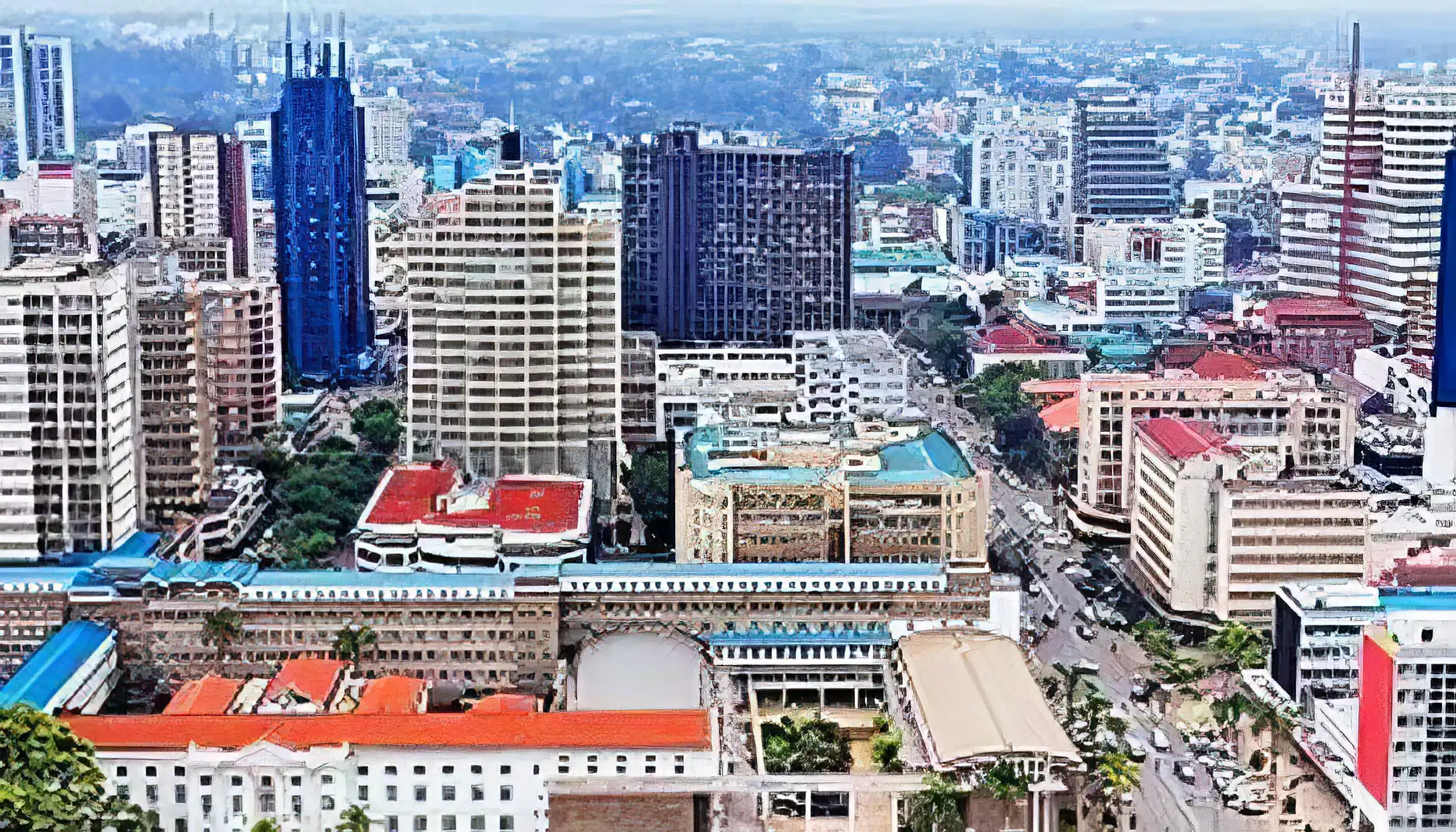
Explore Botswana's unique blend of wildlife and cultural experiences in its cities:
– Gaborone: The capital city supplies modern amenities, cultural sites, and the Gaborone Game Reserve.
– Maun: Known as the gateway to the Okavango Delta, it's a hub for safari adventures.
– Francistown: One of Botswana's oldest towns, it features historical sites and lively local markets.
– Kasane: Located near Chobe National Park, it's ideal for wildlife viewing and river cruises.
– Selebi-Phikwe: A mining town with nearby nature reserves and outdoor activities.
– Serowe: Known for its historical significance and the Khama Rhino Sanctuary nearby.
– Kanye: Supplies scenic landscapes and is a center for traditional culture in southern Botswana.
Monuments
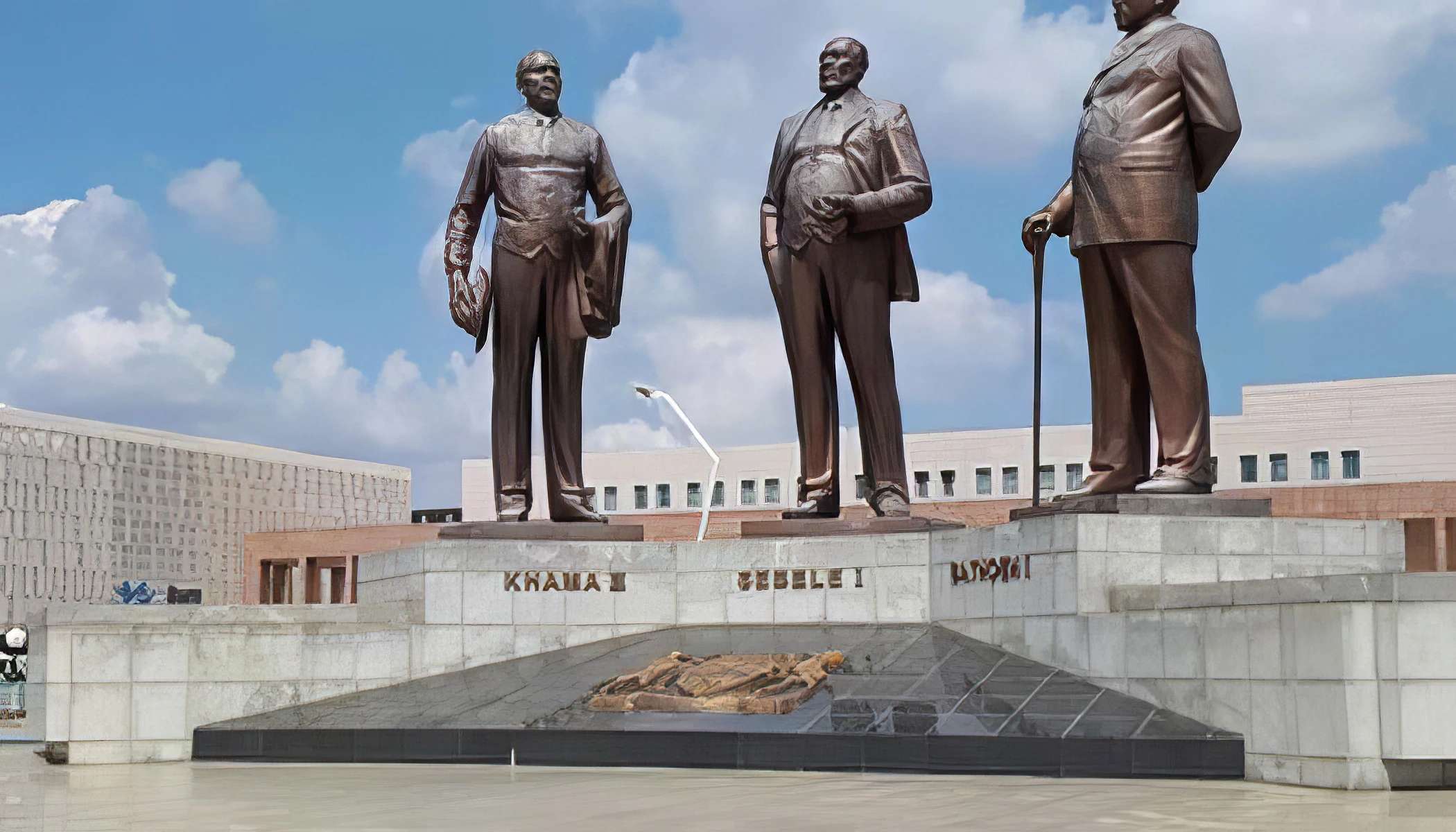
Botswana offers a few notable monuments reflecting its cultural and historical heritage:
– Tsodilo Hills: UNESCO site with ancient rock paintings and spiritual significance.
– Three Dikgosi Monument, Gaborone: Honors three chiefs who played key roles in Botswana's independence.
– Old Palapye Ruins: Remnants of a 19th-century capital with historical and archaeological importance.
– Domboshaba Ruins: Stone ruins from the Great Zimbabwe period, showcasing early settlement patterns.
– Moremi Gorge: Sacred site with waterfalls and rich biodiversity, significant to local communities.
– Lekhubu Island: Granite rock island in the Makgadikgadi Pans with ancient rock art.
Natural wonder
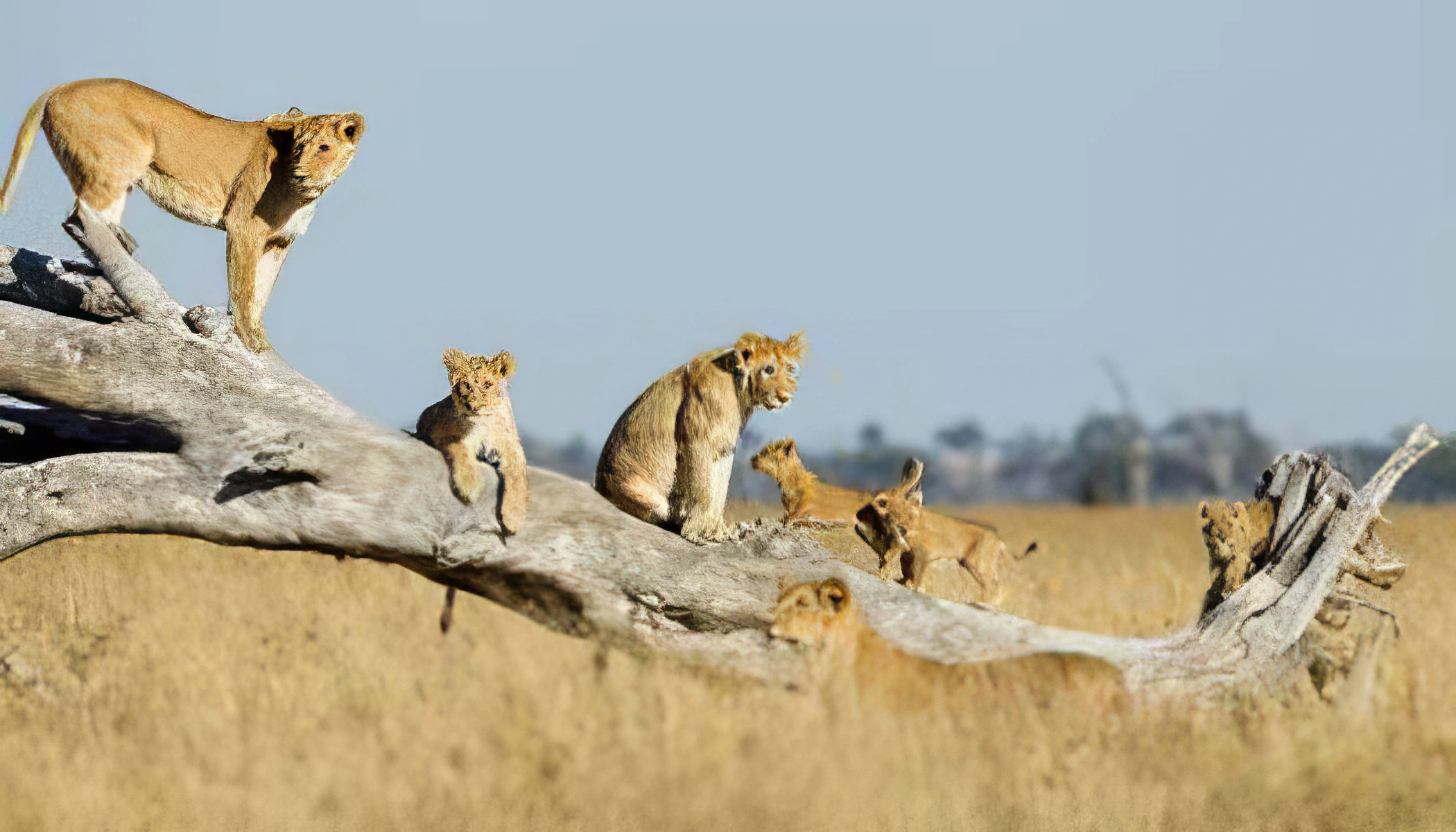
Explore Botswana's diverse and beautiful natural landscapes:
– Okavango Delta: A vast inland delta teeming with wildlife and unique ecosystems.
– Chobe National Park: Known for its large elephant population and diverse wildlife.
– Makgadikgadi Salt Pans: One of the largest salt flats in the world, offering surreal landscapes.
– Kalahari Desert: Expansive desert with unique flora and fauna, including the Central Kalahari Game Reserve.
– Tsodilo Hills: UNESCO World Heritage Site with ancient rock art and spiritual significance.
– Moremi Game Reserve: Rich in wildlife, it's part of the Okavango Delta ecosystem.
– Nxai Pan National Park: Features vast grasslands, baobab trees, and seasonal wildlife migrations.
– Linyanti Marshes: Known for its remote wilderness and diverse animal species.
– Khutse Game Reserve: Supplies semi-arid landscapes and a variety of desert-adapted animals.
– Tswapong Hills: Noted for their scenic beauty, waterfalls, and cultural significance.
Outdoor activities
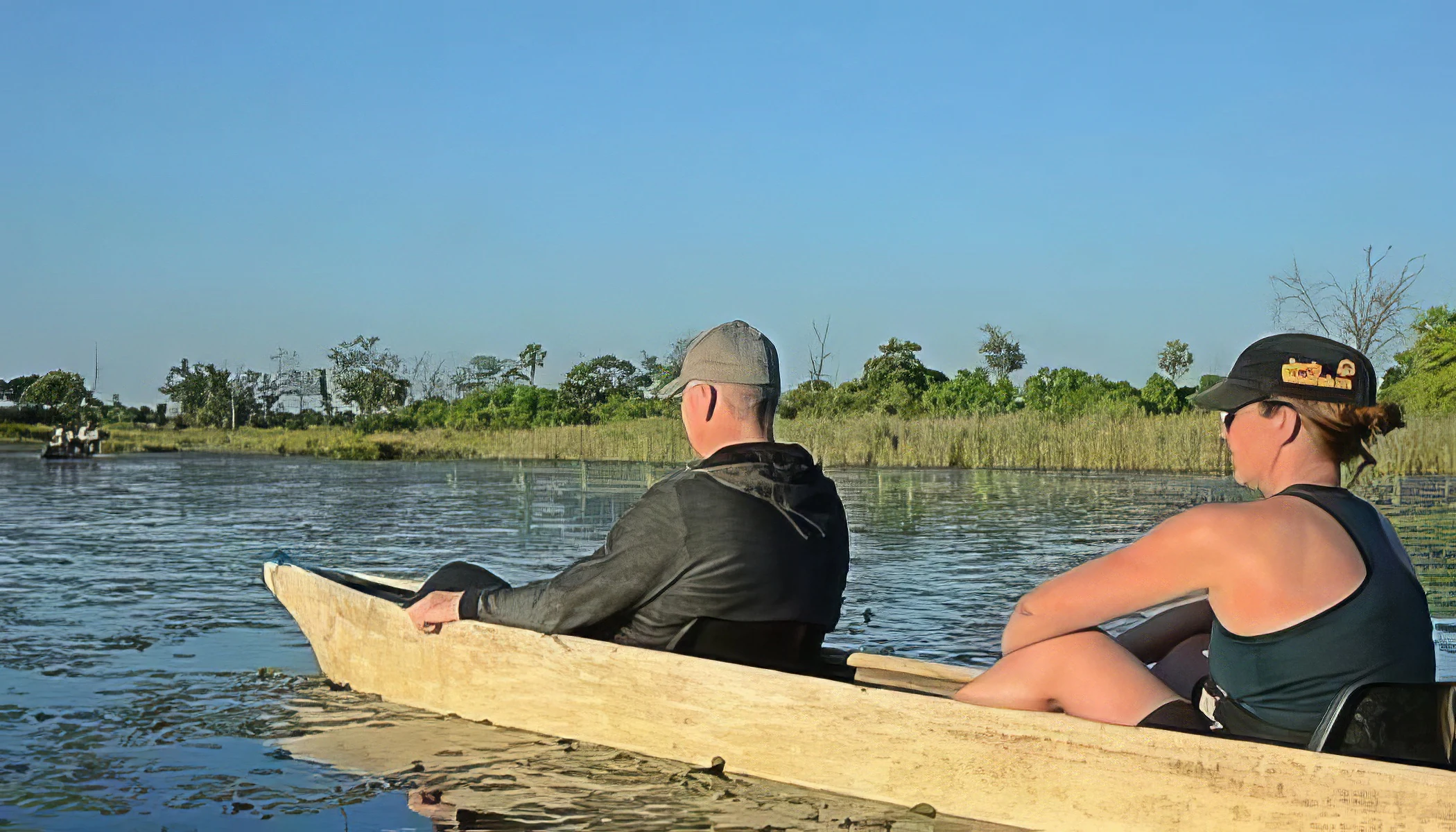
There are numerous outdoor activities to enjoy in Botswana's diverse landscapes:
– Safari in the Okavango Delta: Witness diverse wildlife in a unique wetland ecosystem.
– Game Drive in Chobe National Park: See large herds of elephants and other wildlife.
– Mokoro Ride in the Okavango Delta: Glide silently through waterways on a traditional canoe.
– Bird Watching in Moremi Game Reserve: Spot a variety of bird species in their natural habitat.
– Walking Safari in the Kalahari Desert: Experience the vast desert landscape on foot.
– Camping under the Stars: Enjoy a night under Botswana's clear, starry skies.
– Photographic Safari at Makgadikgadi Pans: Capture gorgeous landscapes and unique wildlife moments.
Kid Friendly
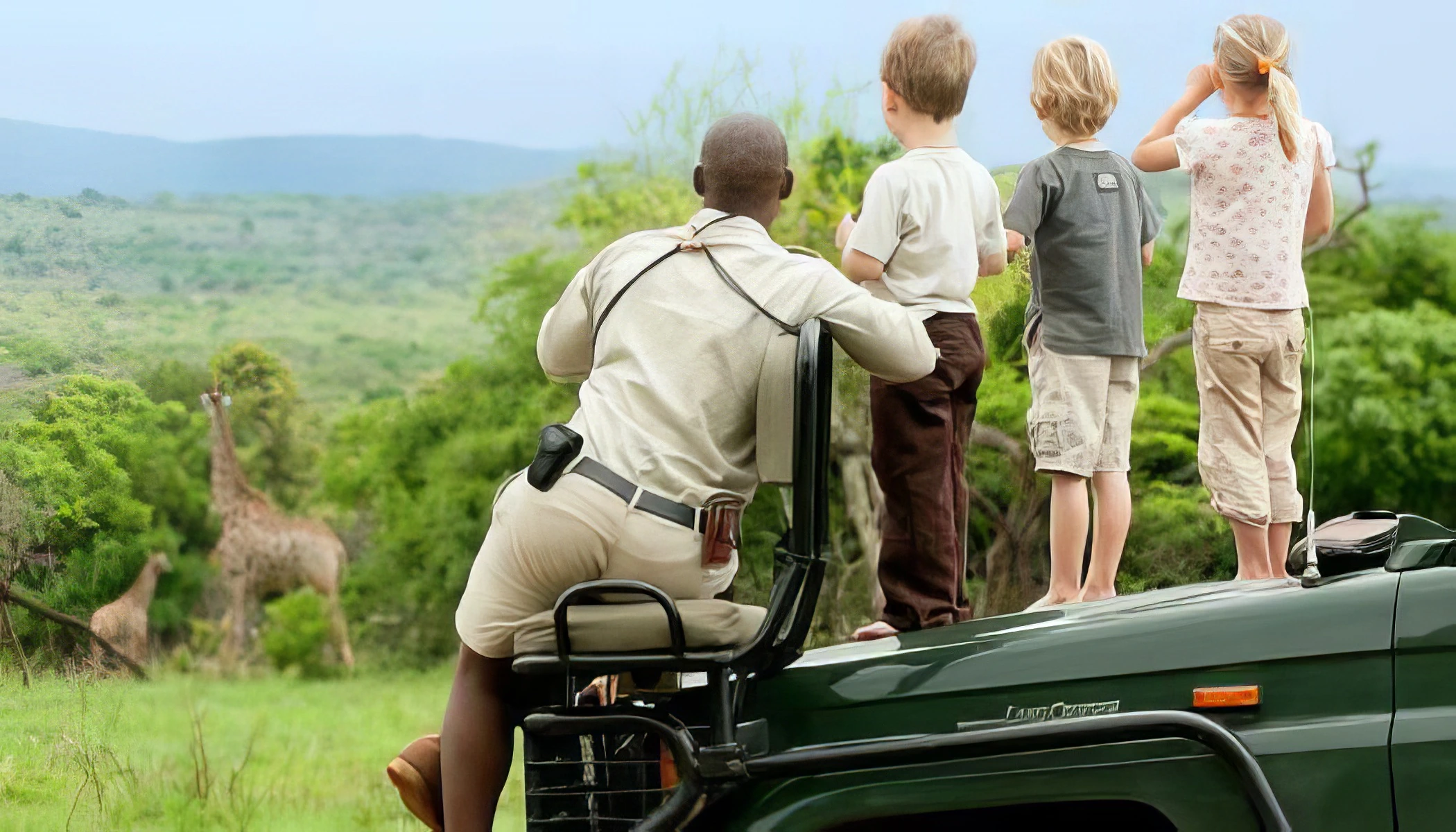
Botswana offers several engaging activities for children to enjoy.
– Chobe National Park: A great place for kids to see elephants and other wildlife on a safari.
– Okavango Delta: Offers boat rides where children can spot hippos and crocodiles.
– Mokolodi Nature Reserve: Provides educational tours and the chance to see rhinos up close.
– Khama Rhino Sanctuary: A safe haven for rhinos, perfect for family visits and learning about conservation.
– Gaborone Game Reserve: An easy-to-access park with picnic spots and various animals to observe.
– Makgadikgadi Pans: Kids can explore vast salt flats and see unique desert wildlife.
– Tsodilo Hills: Known as the "Louvre of the Desert," it's a UNESCO site with ancient rock paintings.
– Moremi Game Reserve: Offers guided safaris where families can learn about diverse ecosystems.
Cuisine
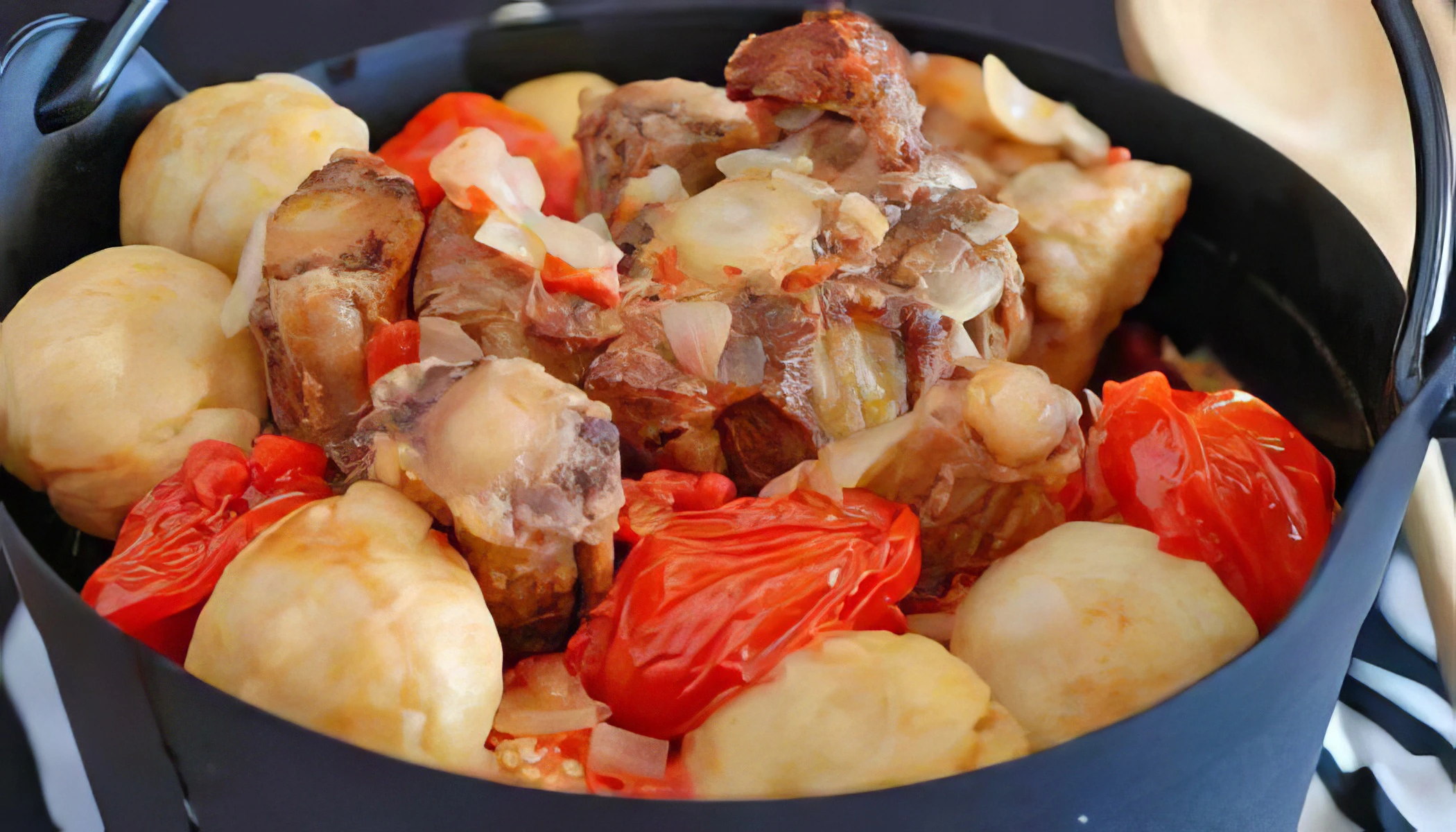
Botswana's food scene is centered around hearty, traditional dishes that reflect its agricultural roots and cultural heritage. Meals often feature beef, maize, and sorghum, with simple yet flavorful preparations. Most famous cuisine in Botswana are:
– Seswaa: Slow-cooked beef stew seasoned with salt and served over pap or sorghum.
– Pap: Thick porridge made from maize meal, often served as a staple side dish.
– Morogo: Wild spinach cooked with onions and tomatoes, offering a nutritious side dish.
– Vetkoek: Deep-fried dough balls filled with minced meat or enjoyed plain.
– Dikgobe: Savory dish of beans and corn cooked together for a hearty meal.
Souvenir
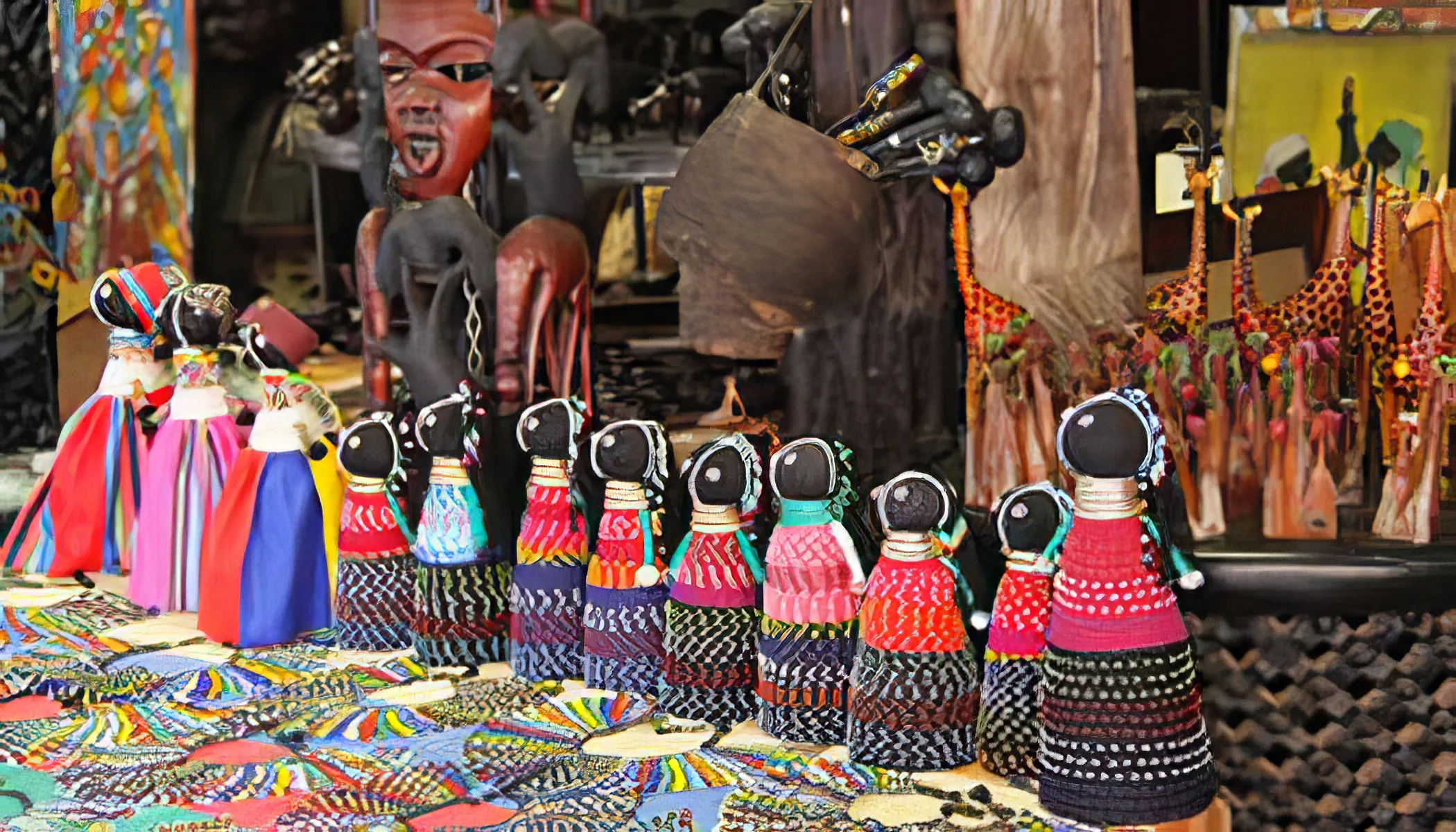
Botswana offers unique and culturally rich souvenirs that reflect its heritage. Here are some popular options:
– Basketry: Handwoven baskets made by local artisans, known for their intricate designs and durability.
– Wood Carvings: Skilled craftsmen create detailed carvings of animals and traditional scenes from local wood.
– San Jewelry: Jewelry made by the San people using natural materials like ostrich eggshells and seeds.
– Leather Goods: High-quality leather products, including bags and belts, crafted from locally sourced materials.
– Painted Ostrich Eggs: Decorated ostrich eggs showcasing traditional patterns and wildlife motifs.
– Traditional Textiles: Fabrics featuring lively colors and patterns used in traditional clothing.
– Beadwork: Colorful beadwork items such as necklaces, bracelets, and decorative pieces.
Traditional Shows
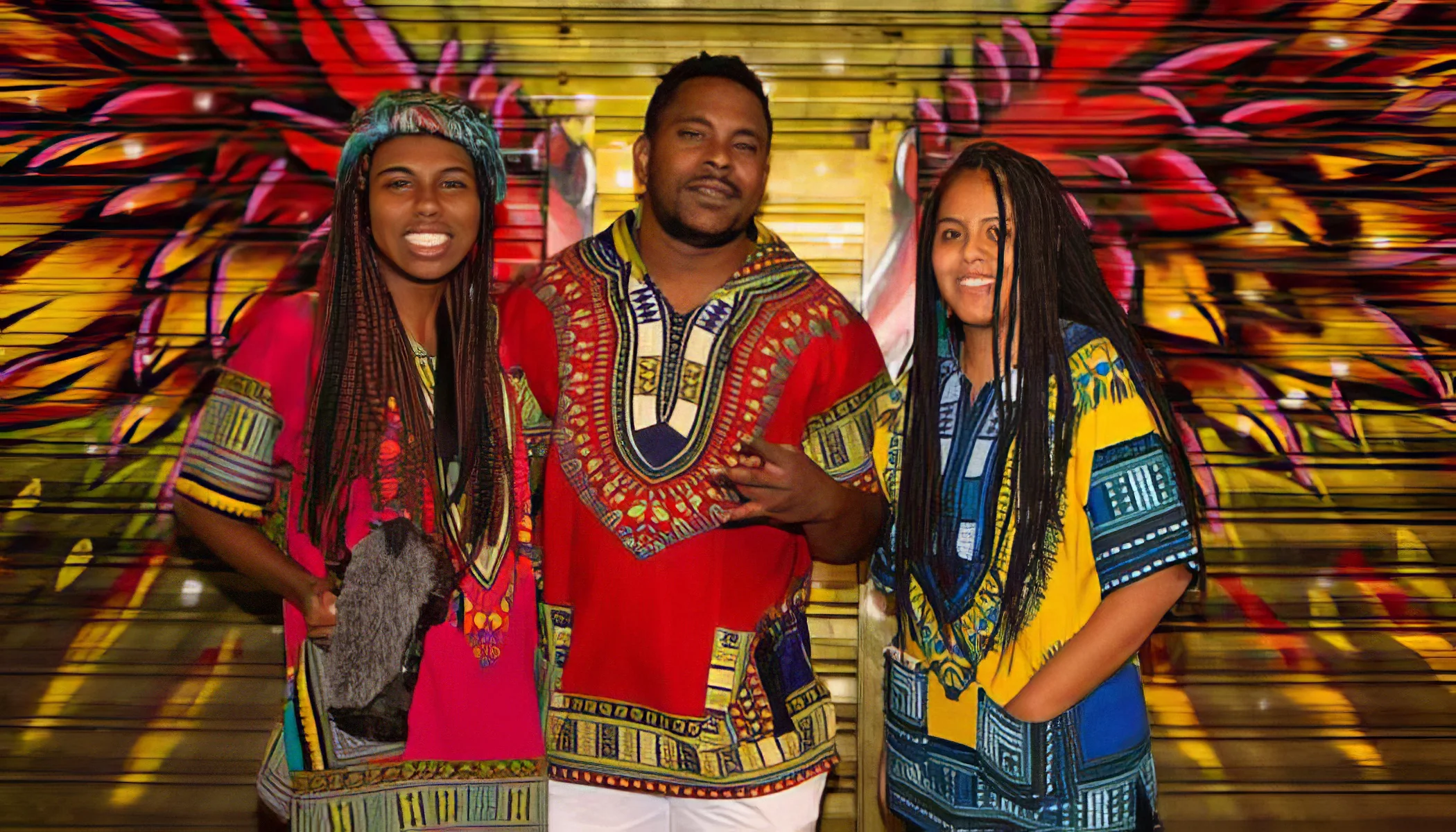
Botswana offers unique traditional performances reflecting its cultural heritage:
– Tswana Dance: Experience energetic and rhythmic traditional dance performances, often seen at cultural festivals and events across Botswana.
– Dikhwaere Music: Enjoy this choral music style featuring harmonious singing, popular in community gatherings and celebrations throughout the country.
– Borankana Dance: Witness this lively dance characterized by fast footwork and lively costumes, commonly performed at weddings and cultural festivals.
– Phathisi Dance: Observe this traditional dance involving ankle rattles, performed by men during important ceremonies in various regions of Botswana.
– Segaba Music: Listen to the soothing sounds of the Segaba, a single-stringed instrument played in rural areas, showcasing Botswana's musical traditions.
Events & Festivals
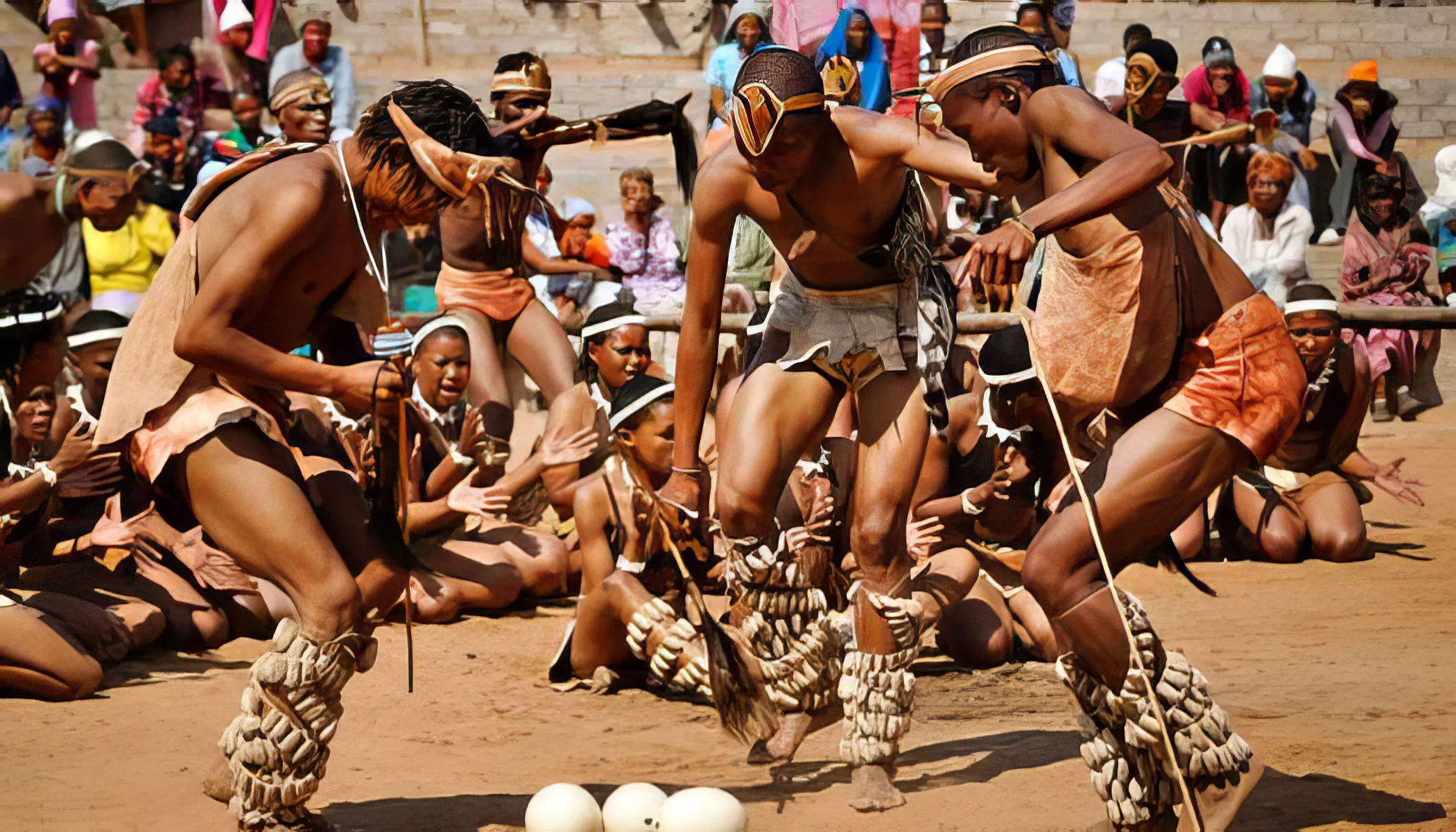
Botswana hosts a variety of cultural and traditional events throughout the year, reflecting its rich heritage:
– Maitisong Festival: March/April arts festival in Gaborone featuring music, theater, and dance performances.
– Khawa Dune Challenge: May event in Khawa with quad biking, sand dune challenges, and cultural activities.
– Gaborone International Music and Culture Week: August/September event showcasing local and international music acts.
– Dithubaruba Cultural Festival: September festival celebrating Bakwena culture with traditional dance, music, and storytelling.
– National Agricultural Show: August event in Gaborone displaying Botswana's agricultural products and innovations.
– Kuru Dance Festival: August celebration of San culture with traditional dances in the Kalahari Desert.
– President's Day Celebrations: July national holiday with parades, sports events, and cultural displays across the country.
Famous People

Botswana has been home to several notable figures who have made significant contributions in various fields.
– Seretse Khama (1921 to 1980, Serowe): First President of Botswana, instrumental in leading the country to independence.
– Festus Mogae (born 1939, Serowe): Former President known for economic reforms and winning the Mo Ibrahim Prize for African Leadership.
– Duma Boko (born 1969, Mahalapye): Prominent lawyer and politician, leader of the opposition party in Botswana.
– Amantle Montsho (born 1983, Maun): World champion sprinter known for her achievements in the 400 meters race.
– Unity Dow (born 1959, Mochudi): First female High Court judge and human rights activist recognized for her work on gender equality.
Books
These books provide insights into Botswana's culture, society, and landscapes through engaging narratives and characters.
– "The No. 1 Ladies' Detective Agency" by Alexander McCall Smith: Follows Precious Ramotswe, Botswana's first female detective, solving cases with wit and wisdom.
– "When Rain Clouds Gather" by Bessie Head: Explores themes of exile and community in a rural Botswana village.
– "Juggling Truths" by Unity Dow: A coming-of-age story set against the backdrop of Botswana's social changes.
– "Far and Beyon'" by Unity Dow: Examines family dynamics and societal issues in contemporary Botswana.
– "Maru" by Bessie Head: A tale of love and racial tension in a small Botswanan village.
Songs

Botswana's music scene is rich with traditional and modern influences, reflecting the country's diverse cultural heritage.
– Tinto: Vee Mampeezy's hit song known for its catchy beats and danceable rhythm.
– Dumalana: Amapiano track by Makhadzi featuring Botswana artist Charma Gal, popular across Southern Africa.
– Serope: Franco's classic song that showcases traditional Tswana music elements.
– Ke a Gana: ATI's powerful anthem addressing social issues in Botswana.
– Rea Baba: A popular track by Culture Spears, celebrating Tswana culture and dance.
Films
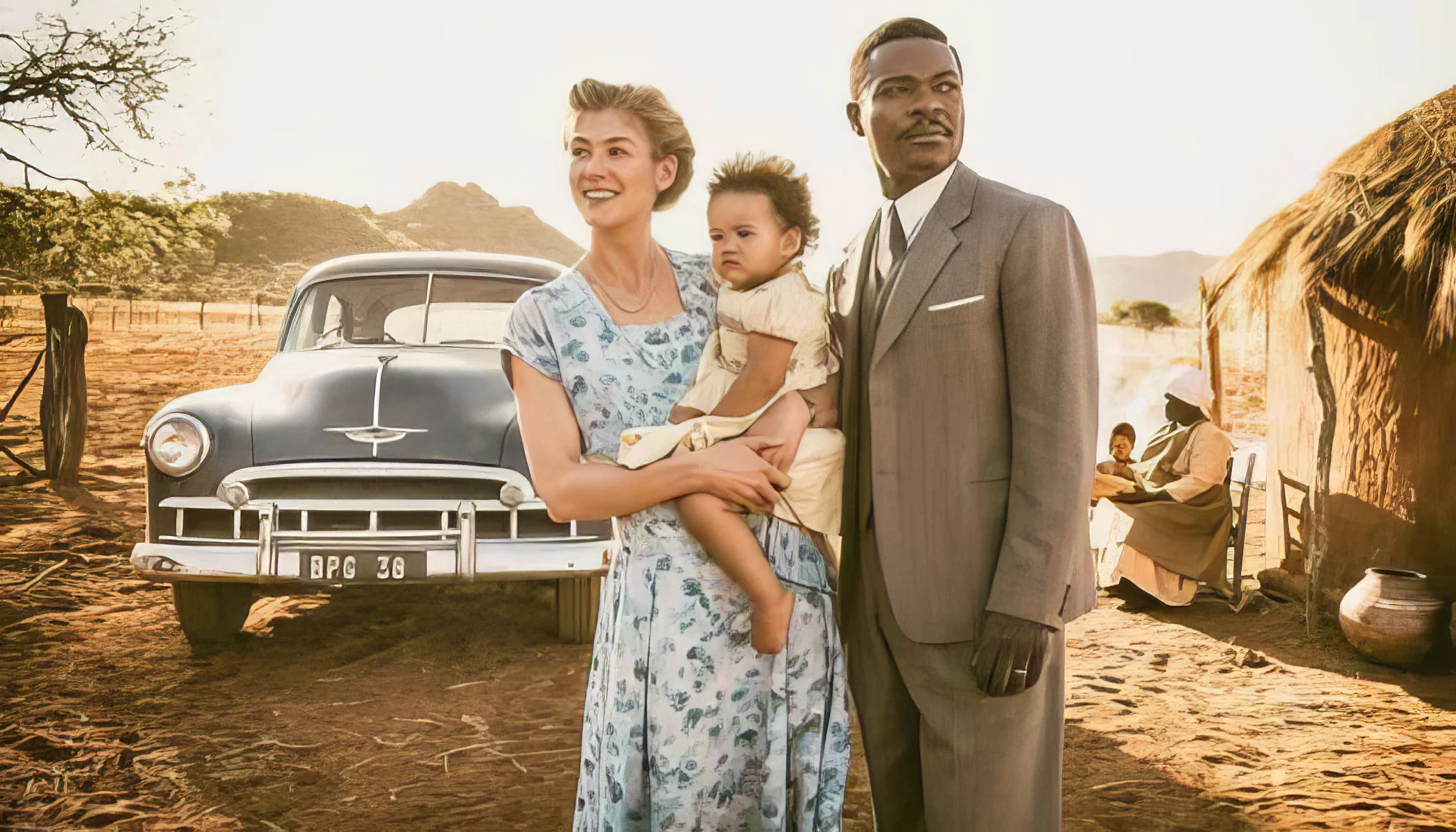
Explore the cinematic landscape of Botswana through these notable films:
– "The Gods Must Be Crazy": A comedy about a Kalahari Bushman's journey to return a Coke bottle to the gods.
– "A United Kingdom": Chronicles the true story of Seretse Khama, Botswana's first president, and his interracial marriage.
– "The No. 1 Ladies' Detective Agency": Based on Alexander McCall Smith's novels, follows Precious Ramotswe solving cases in Gaborone.
– "Stolen Moments": A short film exploring love and cultural tensions in modern-day Botswana.
– "Khumba": An animated film featuring a half-striped zebra's adventure, partially set in Botswana's landscapes.