

Explore Bulgaria: Culture, Cities & Places to Visit
Located in Southeast Europe, this country boasts a rich history and diverse landscapes. Known for its cultural heritage, it features ancient ruins, the Black Sea coastline, and the Balkan Mountains. Its cities blend modern life with traditional influences, offering varied experiences.
- Capital
- Sofia
- Population
- 7.2 millions
- Superficy
- 111000 sq.km
- Months to Visit
- May to June & Sept. to Oct.
- Living Cost
- Economical
Overview
Bulgaria is located in Southeast Europe on the Balkan Peninsula. Its capital, Sofia, is known for its historical landmarks and beautiful cultural scene. The country features diverse landscapes, including the Black Sea coastline, mountainous regions like the Rila and Pirin ranges, and fertile plains. Bulgaria has a rich history influenced by Thracian, Roman, and Ottoman cultures. It is famous for its traditional music, dance, and crafts. The economy relies on sectors such as agriculture, energy, and tourism.
Pros & Cons
GOOD REASONS TO VISIT BULGARIA
– Rich History: Explore ancient Thracian tombs, Roman ruins, and medieval fortresses showcasing Bulgaria's diverse historical heritage.
– Beautiful Nature: Enjoy the Black Sea coast, Rila Mountains, and lovely landscapes ideal for hiking and skiing.
– Cultural Festivals: Experience traditional music, dance, and crafts at lively festivals like Kukeri and Rose Festival.
– Affordable Travel: Bulgaria supplies budget-friendly accommodations, food, and attractions compared to many European destinations.
– Delicious Cuisine: Savor dishes like banitsa, shopska salad, and hearty stews reflecting Balkan culinary traditions.
CHALLENGES WHEN VISITING BULGARIA
– Language Barrier: Bulgarian uses Cyrillic script; English is less common outside major tourist areas.
– Infrastructure Issues: Some rural roads and public transport systems may be underdeveloped or poorly maintained.
– Varying Service Standards: Customer service quality can be inconsistent in restaurants and hotels.
Before Departure
Before traveling to Bulgaria, consider the following essential information:
– Passport: Ensure your passport is valid for at least three months beyond your planned departure date.
– Visa: EU/EEA citizens do not need a visa; others may require one. Tourist visas typically allow 90 days within a 180-day period.
– Currency: Bulgarian Lev (BGN); credit cards widely accepted in cities; ATMs are readily available throughout the country.
– Internet access: WiFi is accessible in urban areas and hotels; local SIM cards with data plans are affordable and available from major providers like A1, Telenor, and Vivacom.
– Language barrier: Bulgarian is the official language; English is moderately spoken in tourist areas, while German and Russian are less common but understood by some locals.
What to Pack
Bulgaria provides diverse experiences, from its mountains to its beaches, so packing appropriately is key to enjoying your visit.
– Essentials: Passport and visa (if required), travel insurance details, flight tickets and itinerary, accommodation confirmations.
– Clothing: Layered clothing for varying temperatures, comfortable walking shoes, swimwear for the Black Sea coast, hat and sunglasses for sun protection.
– Health & Safety: Prescription medications and basic first aid kit, insect repellent for outdoor activities, sunscreen with adequate SPF.
– Electronics: Travel adapter for European outlets, mobile phone with charger, camera for capturing scenic views.
Weather
Weather in Bulgaria varies significantly across seasons, offering diverse experiences:
– Winter (December to February): Cold with snowfall, especially in mountainous regions; temperatures often drop below freezing.
– Spring (March to May): Mild and pleasant with blooming landscapes; occasional rain showers are common.
– Summer (June to August): Warm and sunny, particularly along the Black Sea coast; temperatures can reach up to 30°C.
– Autumn (September to November): Cool and crisp with pleasant foliage; rainfall increases as the season progresses. The best time to visit Bulgaria is from May to September:
– Enjoy warm weather ideal for outdoor activities and beach visits.
– Experience cultural festivals and events during this period. Note that summer months can be crowded, especially in tourist hotspots like the Black Sea coast.
Travel Budget
Bulgaria offers a budget-friendly travel experience with affordable prices for various services. Here are some average costs for tourists:
– Hotel: 30$ to 120$
– Lunch: 5$ to 15$
– Beverage (in bar/restaurant): 2$ to 6$
– Coffee: 1.5$ to 3$
– Transportation: (train 5$ to 20$), (bus 1$ to 3$), (taxi /10km 7$ to 12$)
– Mobile data (per GB): 2$ to 4$
Language
Bulgarian is a Slavic language that uses the Cyrillic alphabet, which can be challenging for tourists to read. Here are some useful phrases:
– Hello: Здравейте (Zdraveyte)
– Thank you: Благодаря (Blagodarya)
– Please: Моля (Molya)
– How much is this?: Колко струва това? (Kolko struva tova?)
– Excuse me: Извинете (Izvinete)
– I don't understand: Не разбирам (Ne razbiram)
– Yes: Да (Da)
– No: Не (Ne)
– Goodbye: Довиждане (Dovizhdane)
History
The region was first settled by Thracian tribes before becoming part of the Roman and Byzantine Empires. The First Bulgarian Empire was established in 681 AD, becoming a significant cultural and military power in the Balkans. After periods of Byzantine and Ottoman rule, Bulgaria regained independence in 1908. Involvement in both World Wars led to political instability, eventually resulting in a communist government aligned with the Soviet Union after World War II. The fall of communism in 1989 transitioned Bulgaria to a democratic system and market economy. Joining the European Union in 2007 marked a significant step towards integration with Western Europe.
Geopolitics
Located in Southeast Europe, Bulgaria shares borders with Romania, Serbia, North Macedonia, Greece, and Turkey, and has a coastline along the Black Sea. It is a member of the European Union and NATO, aligning its foreign policy with Western institutions while maintaining historical ties with Russia. The country plays a strategic role in energy transit routes between Europe and Asia, particularly concerning natural gas pipelines. Bulgaria's geopolitical position is influenced by its efforts to balance relations between the EU and Russia. It also participates actively in regional cooperation initiatives in the Balkans to promote stability and economic development. The country's internal politics can impact its foreign policy direction, especially regarding energy security and regional alliances.
Sample Itinerary
This itinerary covers Bulgaria's rich history, natural beauty, and cultural heritage through visits to Sofia, Plovdiv, Rila Monastery, and Veliko Tarnovo.
– 2 days in Sofia: Explore Alexander Nevsky Cathedral, Vitosha Boulevard, and Boyana Church. Visit the National Palace of Culture and enjoy local cuisine.
– 1 day in Rila Monastery: Discover the UNESCO World Heritage Site with its beautiful frescoes and mountain backdrop. Visit the monastery museum.
– 2 days in Plovdiv: Walk through the Old Town with its Roman Theatre and ancient ruins. Enjoy Kapana Creative District's art scene and cafes.
– 1 day in Veliko Tarnovo: Tour Tsarevets Fortress and Samovodska Charshia street. Experience the historical charm of this medieval capital.
– 1 day in Bansko: Visit this ski resort town for hiking or skiing depending on the season. Explore Pirin National Park nearby.
Popular cities
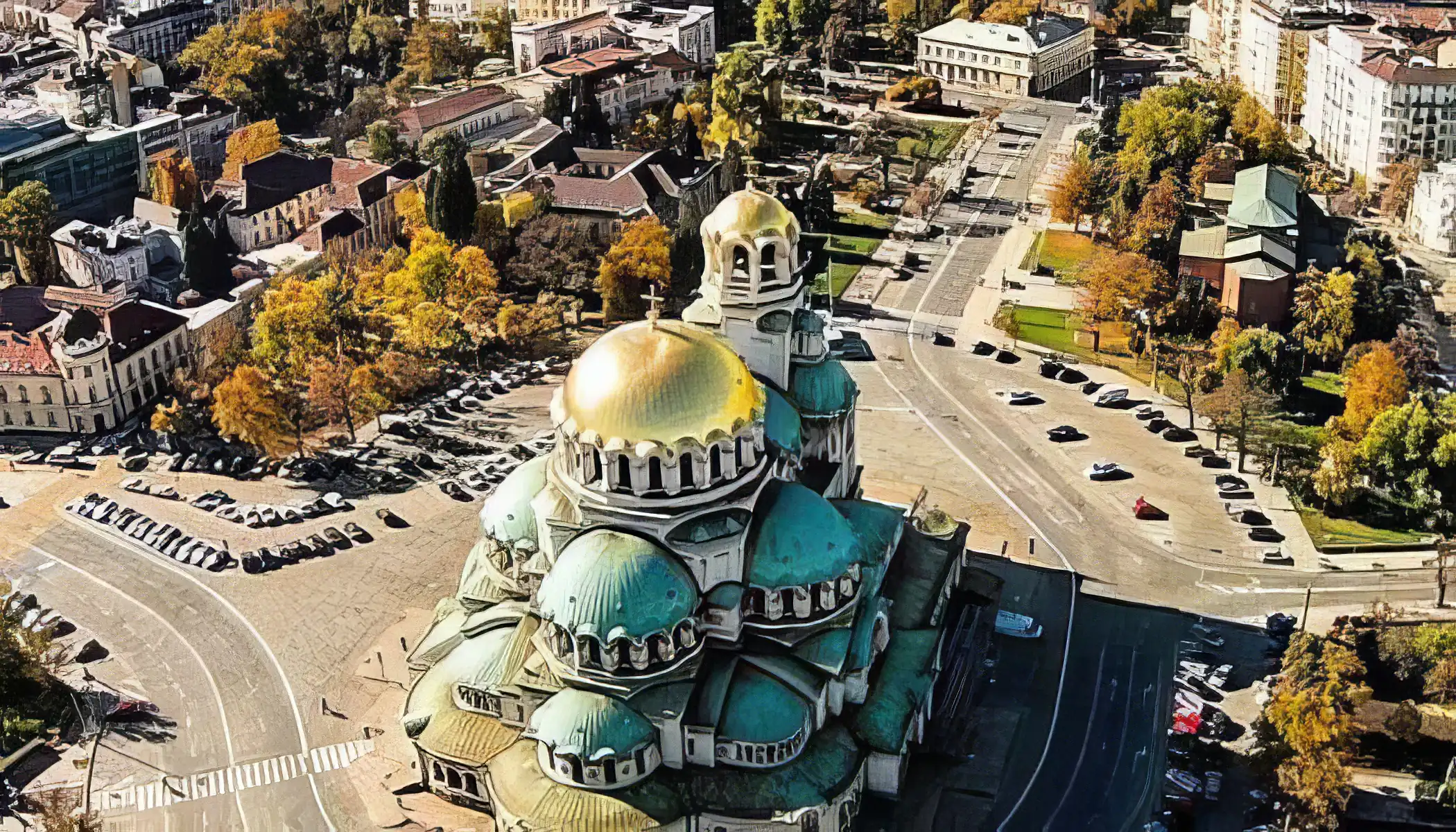
Explore Bulgaria's diverse cities, each offering unique experiences and attractions:
– Sofia: The capital city is known for its historic landmarks, dynamic culture, and Vitosha Mountain views.
– Plovdiv: One of the oldest cities in Europe, famous for its Roman ruins and charming Old Town.
– Varna: A major port city on the Black Sea, known for its beaches and maritime history.
– Burgas: A coastal city with beautiful parks, beaches, and proximity to the UNESCO-listed Nessebar.
– Veliko Tarnovo: Known for its medieval fortress and charismatic setting on hills along the Yantra River.
– Ruse: Often called "Little Vienna," it features elegant architecture along the Danube River.
– Bansko: A popular ski resort town in winter, offering hiking trails and cultural festivals in summer.
Monuments
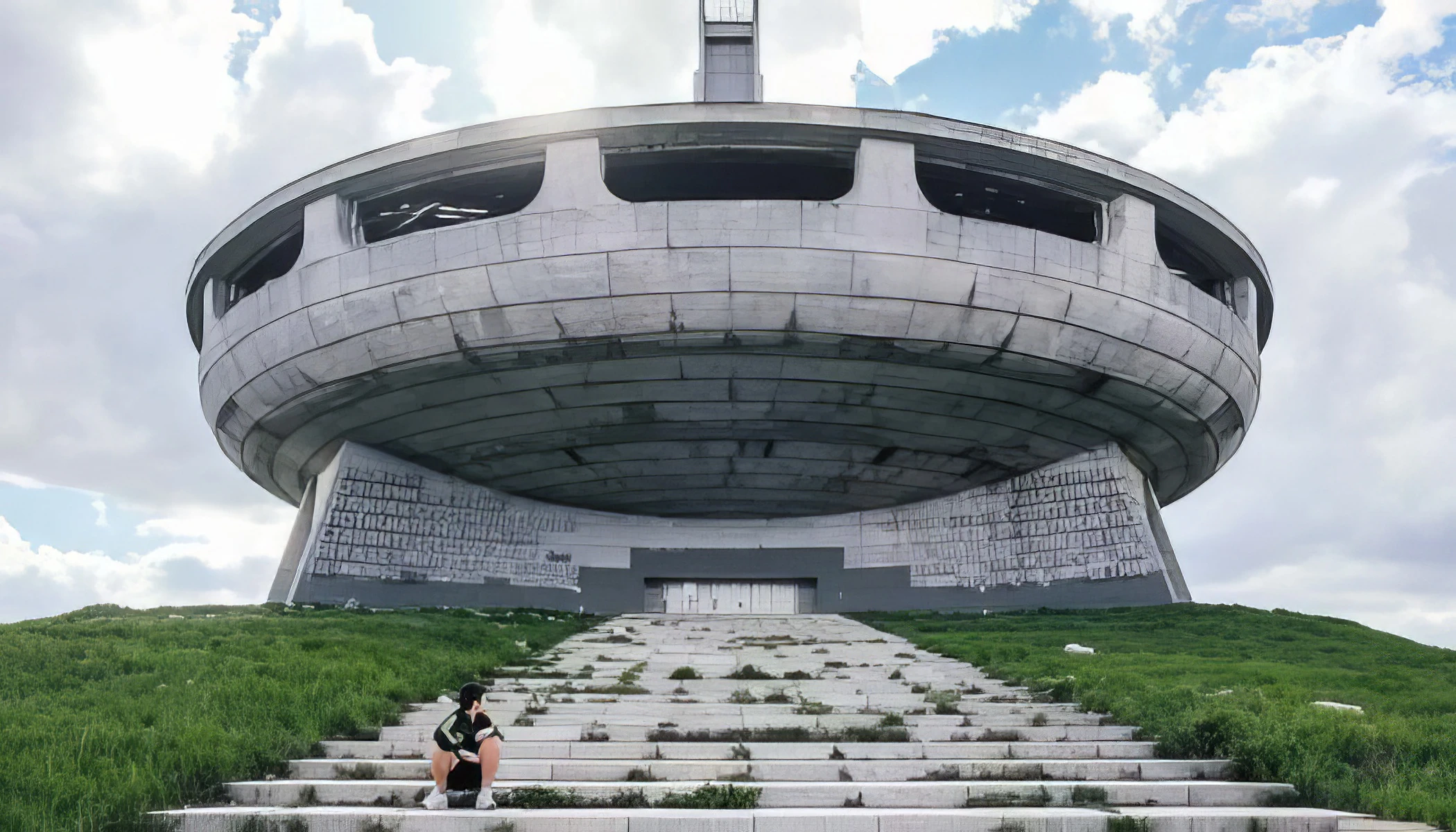
Bulgaria offers a variety of historical and architectural monuments to explore:
– Rila Monastery: Largest Eastern Orthodox monastery in Bulgaria, known for its handsome frescoes and mountain setting.
– Alexander Nevsky Cathedral, Sofia: Iconic Orthodox cathedral with impressive gold domes and rich interior decorations.
– Boyana Church, Sofia: UNESCO site with well-preserved medieval frescoes from the 13th century.
– Tsarevets Fortress, Veliko Tarnovo: Medieval stronghold offering panoramic views and historical significance as a former capital.
– Ancient Theatre of Philippopolis, Plovdiv: Well-preserved Roman theater still used for performances today.
– Thracian Tomb of Kazanlak: UNESCO site with remarkable murals depicting Thracian culture and rituals.
– Bachkovo Monastery near Plovdiv: Second-largest monastery in Bulgaria, known for its unique architecture and religious art.
– Madara Rider near Shumen: UNESCO rock relief depicting a horseman, symbolizing Bulgarian history from the early medieval period.
Natural wonder
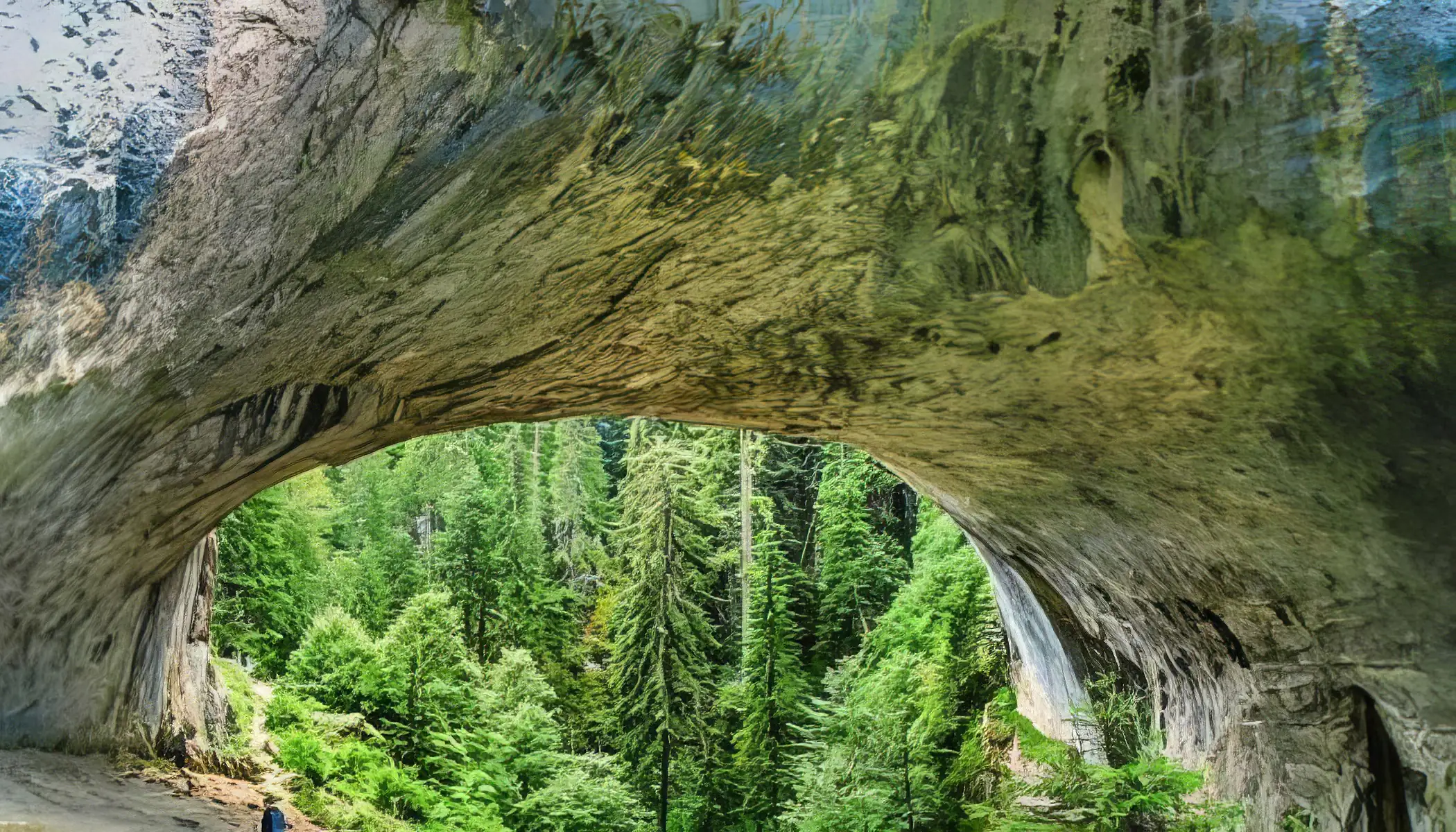
Explore Bulgaria's diverse natural landscapes:
– Rila Monastery Nature Park: Home to the Seven Rila Lakes, surrounded by remarkable mountain scenery.
– Belogradchik Rocks: Unique rock formations with interesting shapes and legends.
– Pirin National Park: Features rugged peaks, glacial lakes, and diverse flora and fauna.
– Vitosha Mountain: Offers hiking trails and panoramic views near Sofia.
– Rhodope Mountains: Known for abundant forests, caves, and traditional villages.
– Devetashka Cave: Massive cave with impressive natural arches and rich biodiversity.
– Cape Kaliakra: Dramatic cliffs offering handsome Black Sea views and historical ruins.
– Prohodna Cave (Eyes of God): Famous for its two eye-shaped holes in the ceiling.
– Krushuna Waterfalls: Series of lovely cascades in a abundant forest setting.
– Srebarna Nature Reserve: UNESCO site protecting rare bird species along the Danube River.
Beaches
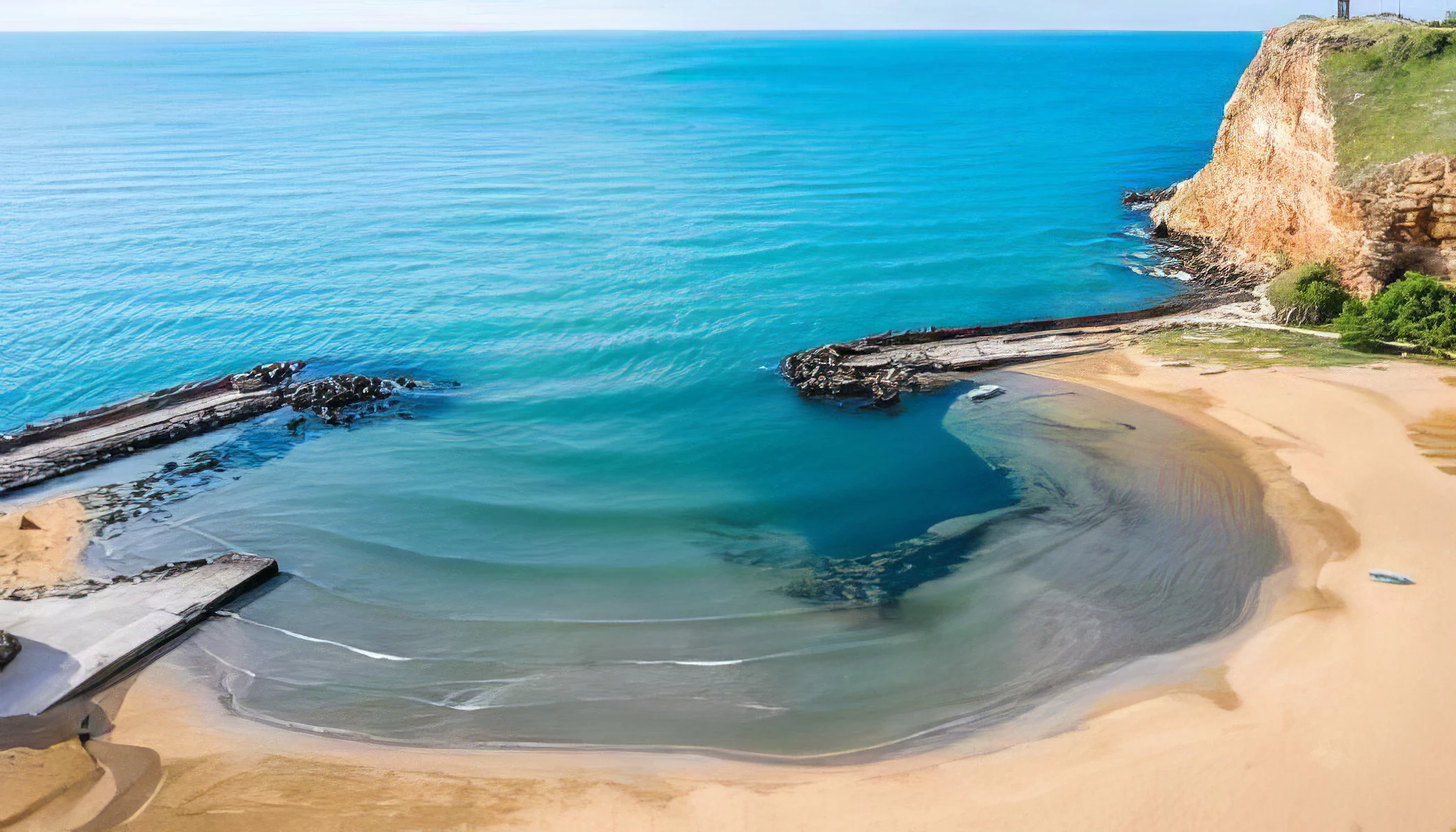
Bulgaria provides several popular beaches along its Black Sea coast:
– Sunny Beach: Known for its lively atmosphere, nightlife, and wide sandy beach.
– Golden Sands: Famous for its fine golden sand and family-friendly resorts.
– Albena Beach: Offers clean sands and clear waters, ideal for families.
– Sozopol Beach: Combines historic charm with beautiful beaches in an ancient town setting.
– Nessebar Beach: Features a mix of history and beach relaxation near the ancient town of Nessebar.
– Pomorie Beach: Known for its healing mud baths and calm waters.
– Varna Beach: Popular city beach with pretty culture and nearby attractions.
Outdoor activities
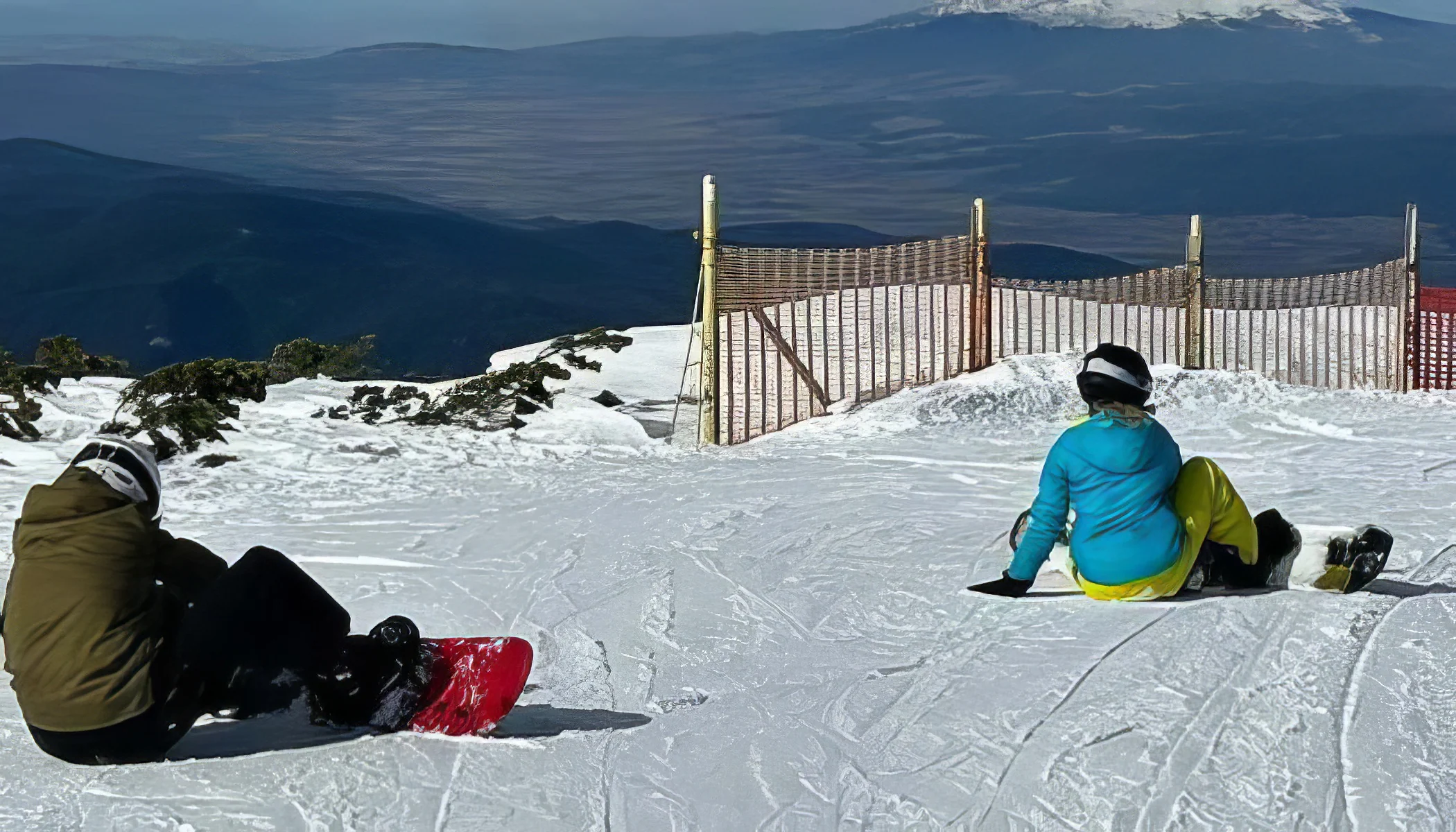
Bulgaria offers a variety of outdoor activities for nature enthusiasts and adventure seekers:
– Hiking in Rila Mountains: Explore scenic trails leading to the Seven Rila Lakes.
– Skiing in Bansko: Enjoy well-groomed slopes in one of Europe's top ski resorts.
– Rock Climbing in Vrachanski Balkan: Challenge yourself on gorgeous cliffs with remarkable views.
– Kayaking on the Iskar River: Paddle through nice gorges and beautiful waters.
– Birdwatching in Srebarna Nature Reserve: Observe diverse bird species in a UNESCO World Heritage site.
– Mountain Biking in Rhodope Mountains: Ride through rugged terrain and luxuriant forests.
– Caving in Devetashka Cave: Discover impressive underground formations and vast chambers.
Kid Friendly
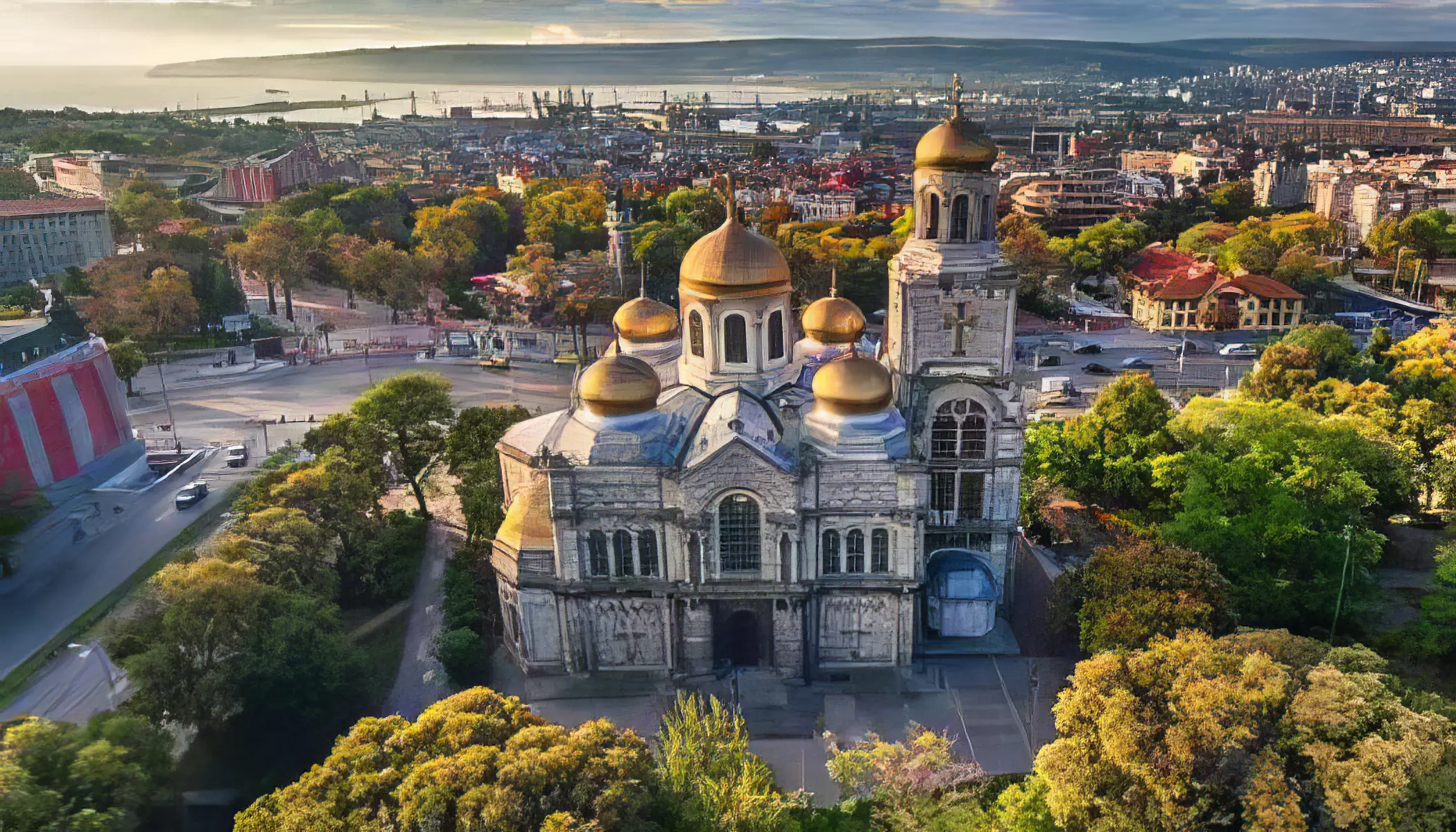
Bulgaria provides a variety of activities that are enjoyable for children.
– Rila Monastery: A historic site with beautiful architecture and scenic surroundings for family exploration.
– Varna Dolphinarium: A place where kids can enjoy entertaining dolphin shows and learn about marine life.
– Sofia Zoo: Bulgaria's largest zoo, home to a wide range of animals from around the world.
– Belogradchik Rocks: Unique rock formations that provide an exciting backdrop for outdoor adventures.
– Sunny Beach Aqua Park: A water park with slides and pools, perfect for a fun family day out.
– Prohodna Cave (Eyes of God): A natural cave with impressive formations that will intrigue young explorers.
– Etar Ethnographic Village: An open-air museum showcasing traditional Bulgarian crafts and lifestyles.
– Pirin National Park: Offers hiking trails and nature walks suitable for families with children.
Cuisine
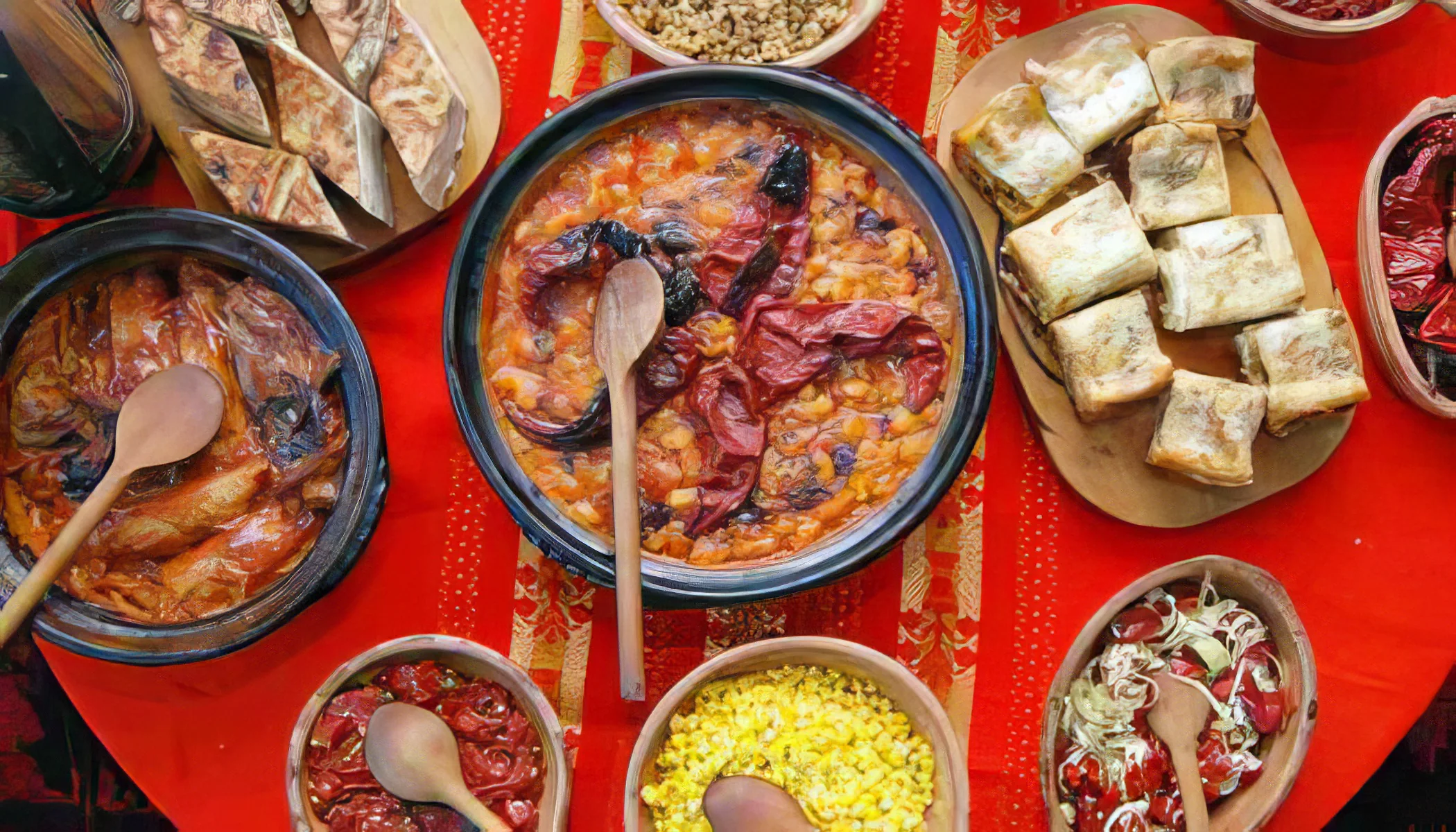
Bulgarian cuisine is characterized by its use of fresh, seasonal ingredients and a mix of Slavic, Greek, and Turkish influences. It features hearty dishes often accompanied by yogurt and cheese. Traditional meals are typically shared with family and friends. Most famous cuisine in Bulgaria are:
– Banitsa: Baked pastry with layers of filo dough filled with cheese and eggs.
– Shopska Salad: Fresh salad with tomatoes, cucumbers, peppers, onions, and grated white cheese.
– Kavarma: Slow-cooked stew with pork or chicken, vegetables, and spices.
– Tarator: Cold yogurt soup with cucumbers, garlic, dill, and walnuts.
– Moussaka: Layered dish with potatoes or eggplant, minced meat, and creamy topping.
Souvenir
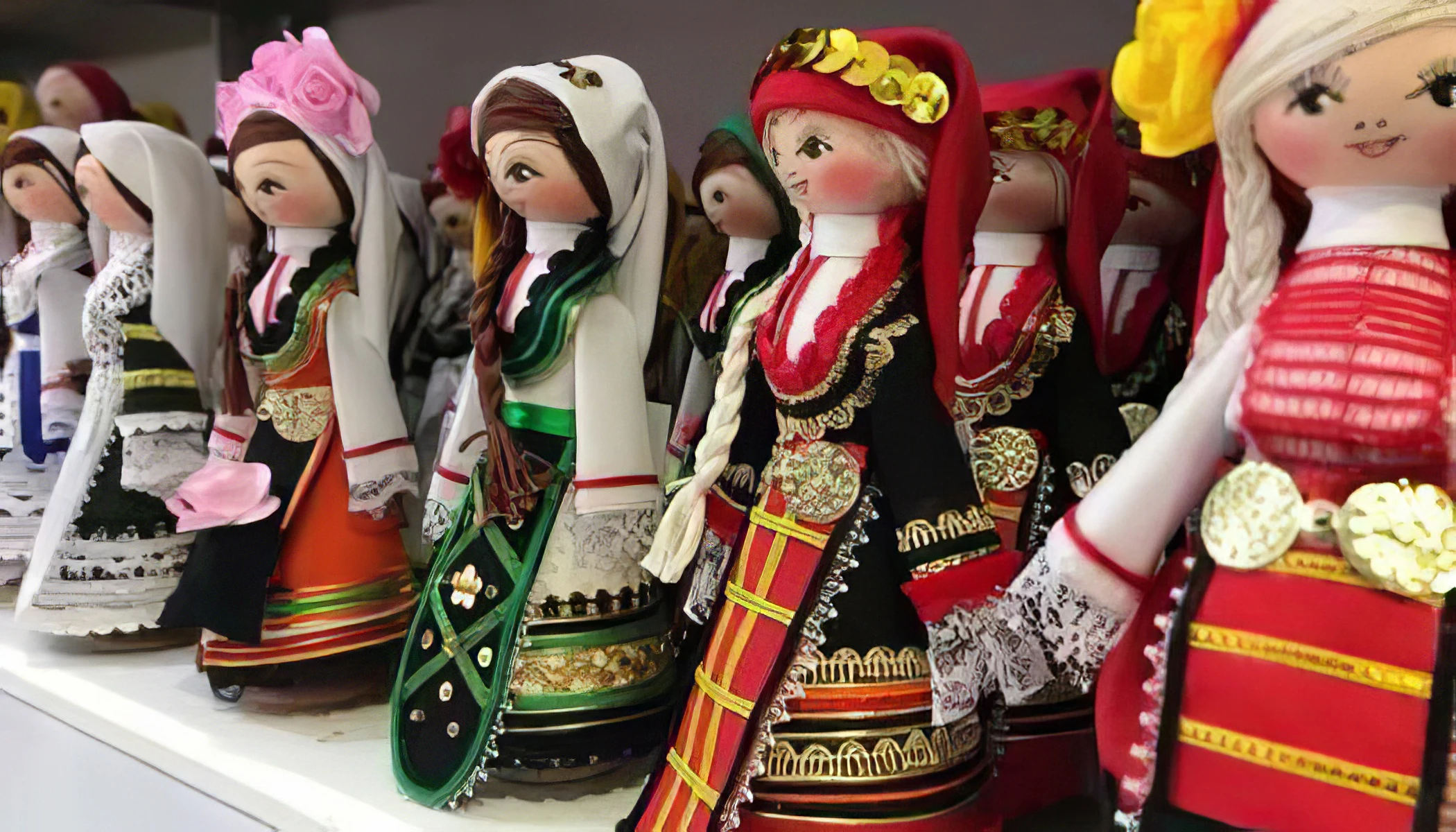
Bulgaria supplies a variety of unique souvenirs that reflect its rich culture and traditions. Here are some popular options:
– Rose Oil Products: Bulgaria is famous for its rose oil, used in perfumes and cosmetics.
– Bulgarian Wine: Known for its quality, Bulgarian wine makes a great gift or personal treat.
– Pottery: Traditional Bulgarian pottery features energetic colors and nice designs.
– Wooden Carvings: Hand-carved wooden items like spoons and figurines are popular souvenirs.
– Embroidered Textiles: Bulgarian embroidery is colorful and detailed, often found on clothing and linens.
– Rakia: This strong fruit brandy is a staple in Bulgarian culture.
– Lavender Products: Bulgaria is a leading producer of lavender, offering oils and sachets.
Traditional Shows
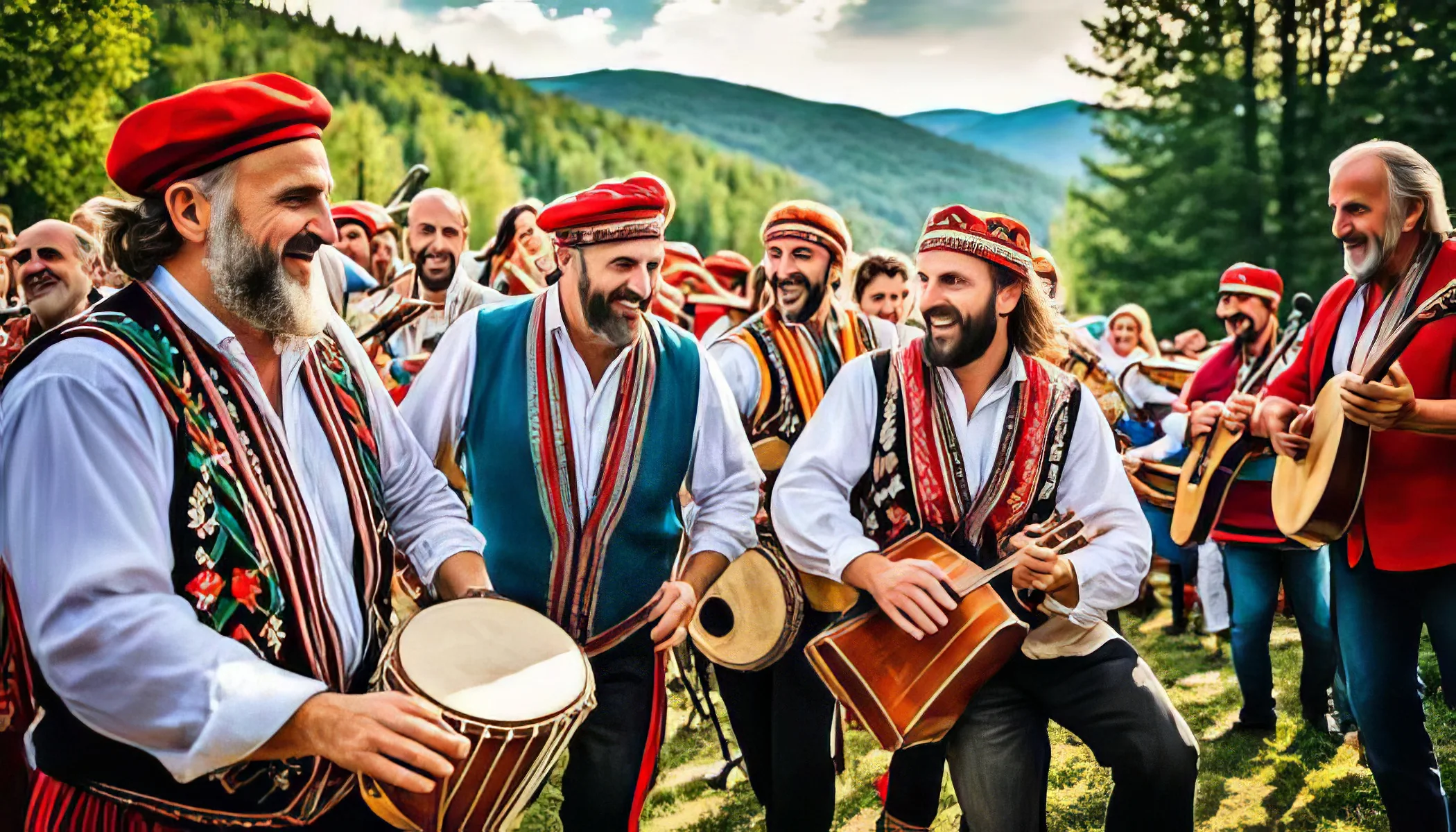
Bulgaria supplies a rich tapestry of traditional performances:
– Nestinarstvo: Witness the ancient fire-dancing ritual in the Strandzha Mountains, where dancers perform barefoot on embers to traditional music.
– Bulgarian Folk Dance: Experience energetic folk dances featuring colorful costumes and lively rhythms, commonly performed at festivals across Bulgaria.
– Gaida Music: Enjoy the sounds of the Bulgarian bagpipe, or gaida, often played at cultural events and gatherings throughout the country.
– Kukeri Festival: Observe this unique masquerade ritual in Pernik, where costumed men perform dances to scare away evil spirits and ensure a good harvest.
– Thracian Rites: Explore reenactments of ancient Thracian rituals and ceremonies, showcasing Bulgaria's deep historical roots in various cultural events.
Events & Festivals
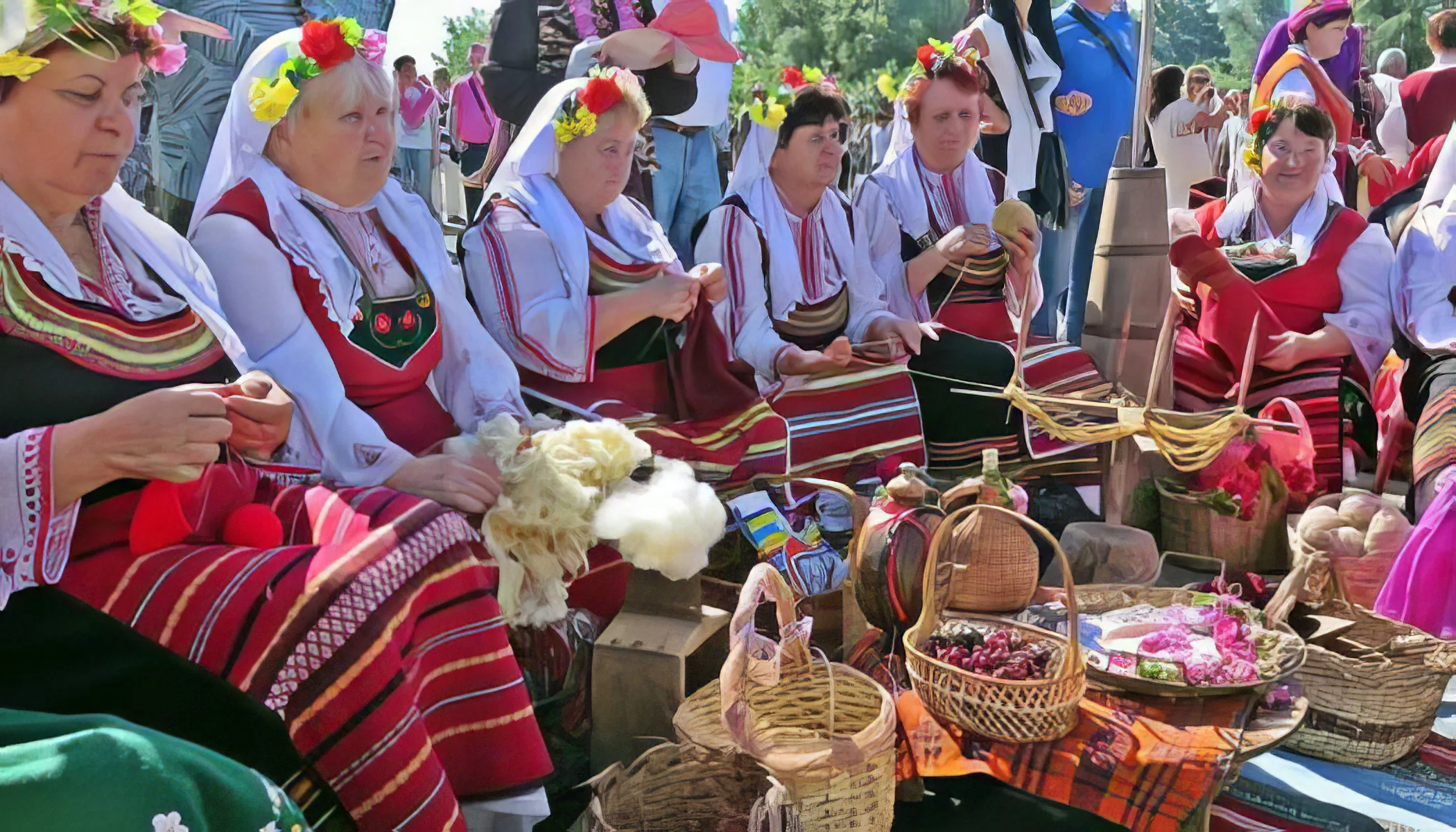
Bulgaria hosts a variety of cultural events and festivals throughout the year, reflecting its rich traditions:
– Kukeri Festival: January event with costumed dancers warding off evil spirits in towns like Pernik.
– Rose Festival: Celebrated in June in Kazanlak, highlighting rose harvesting with parades and cultural activities.
– Nestinarstvo: June fire-dancing ritual in Strandzha region, blending pagan and Christian traditions.
– Varna Summer International Music Festival: June-August classical music festival featuring international artists.
– Rozhen National Folklore Fair: Biennial July gathering showcasing Bulgarian folk music, dance, and crafts.
– Apollonia Festival of Arts: September event in Sozopol celebrating arts with performances and exhibitions.
– Sofia International Film Festival: March film festival presenting local and international cinema.
Famous People
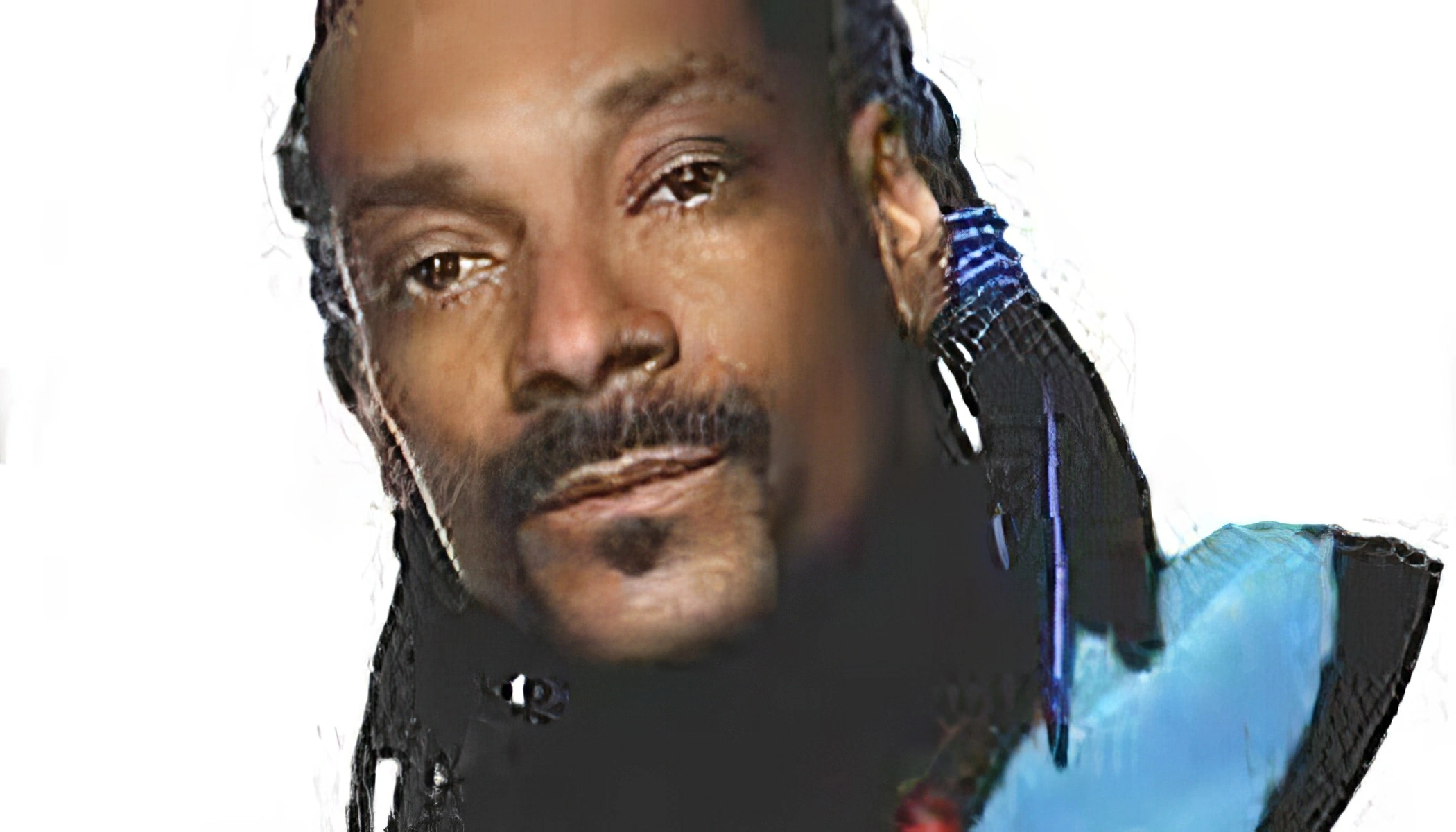
Bulgaria has a rich history of influential figures in politics, culture, and science.
– Vasil Levski (1837 to 1873, Karlovo): Revolutionary leader known as the Apostle of Freedom for his role in the Bulgarian liberation movement.
– Hristo Botev (1848 to 1876, Kalofer): Poet and revolutionary hero celebrated for his literary works and fight against Ottoman rule.
– Simeon Saxe-Coburg-Gotha (born 1937, Sofia): Former Tsar of Bulgaria who later served as Prime Minister from 2001 to 2005.
– Christo Vladimirov Javacheff (1935 to 2020, Gabrovo): Renowned artist famous for large-scale environmental installations like "The Gates" in Central Park.
– John Atanasoff (1903 to 1995, Sofia): Physicist and inventor credited with creating the first electronic digital computer prototype.
Books
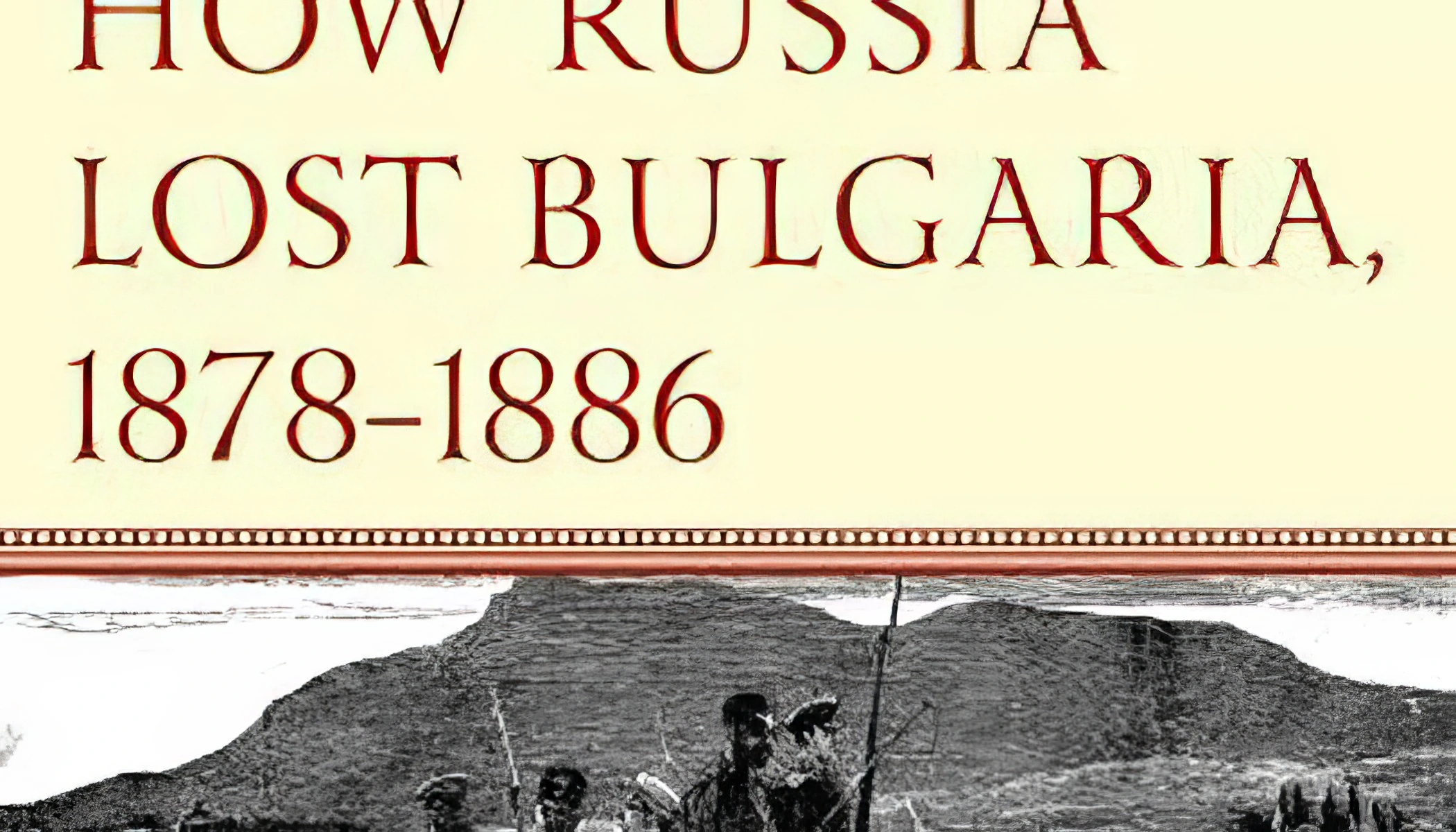
These books provide insights into Bulgarian history, culture, and the personal stories intertwined with the country's past and present.
– "Under the Yoke" by Ivan Vazov: Depicts Bulgarian struggles under Ottoman rule in the 19th century.
– "The Physics of Sorrow" by Georgi Gospodinov: A fragmented narrative exploring memory and identity across generations in Bulgaria.
– "East of the West" by Miroslav Penkov: Short stories capturing life in Bulgaria during and after communism.
– "Thracian Princess" by Vera Mutafchieva: Historical novel set in ancient Thrace, exploring cultural and political dynamics.
– "Time of Parting" by Anton Donchev: Chronicles religious conflict during the Ottoman Empire's influence in Bulgaria.
Songs
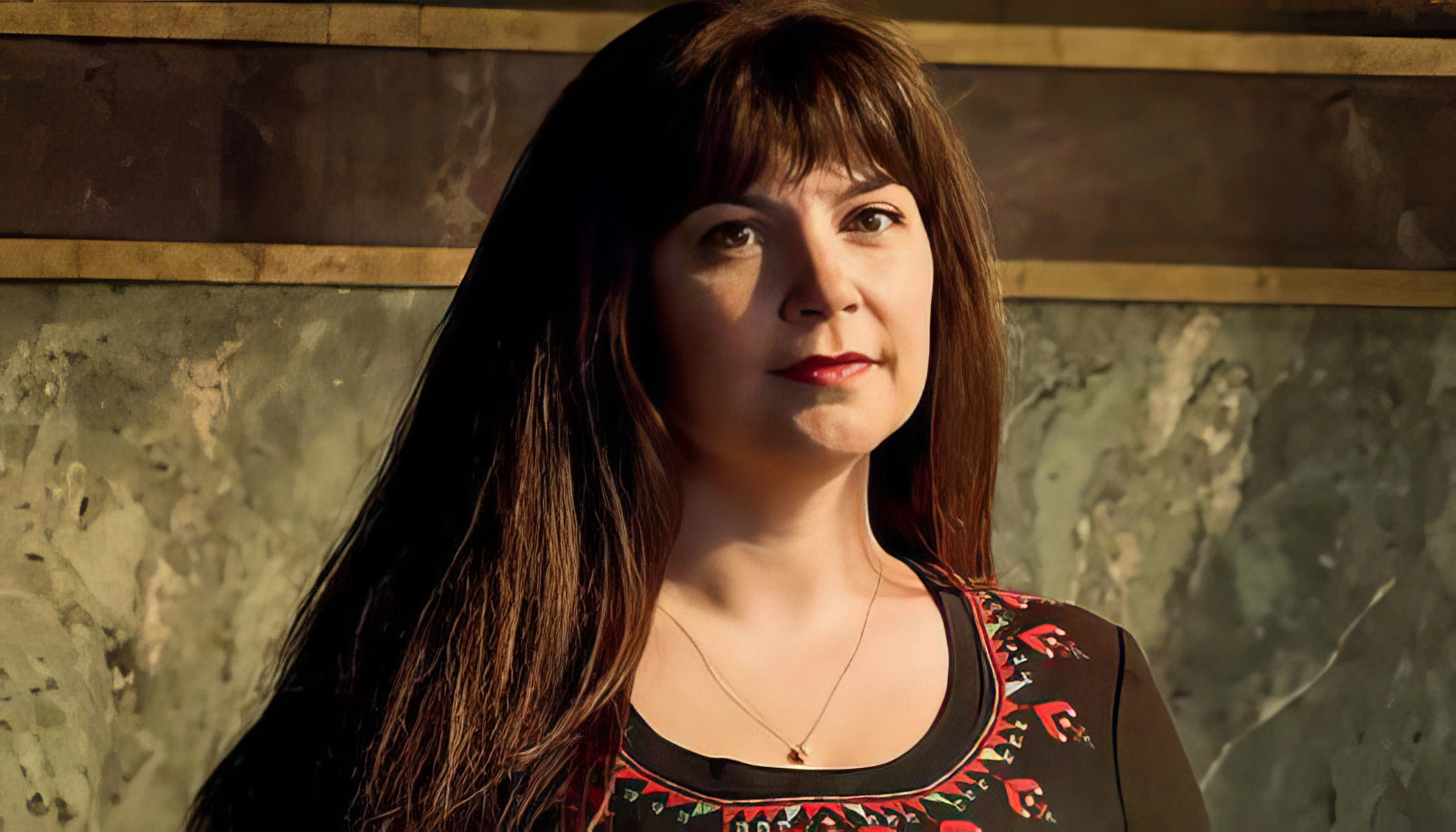
These songs highlight the rich cultural heritage and modern musical landscape of Bulgaria, reflecting themes of love, tradition, and national identity.
– Izlel e Delyo Haydutin: A traditional folk song performed by Valya Balkanska, symbolizing Bulgarian folklore.
– Edna Bulgarska Roza: Emil Dimitrov's classic song celebrating Bulgarian beauty and nature.
– Obicham Te, Moya Bulgariya: A patriotic anthem by Silviya Katsarova expressing love for Bulgaria.
– Vetrove: Lili Ivanova's iconic song known for its powerful vocals and emotional depth.
– Zvezdata: A popular pop-folk hit by Azis showcasing contemporary Bulgarian music style.
– Katerino Mome: Traditional folk song often performed at cultural events, highlighting Bulgarian musical roots.
Films

A selection of films to explore the cultural and historical landscape of Bulgaria:
– "The World is Big and Salvation Lurks Around the Corner": A journey of self-discovery across Europe, directed by Stephan Komandarev.
– "Zift": Javor Gardev's noir thriller set in post-World War II Sofia, blending crime and dark humor.
– "Eastern Plays": Kamen Kalev's film about two brothers in Sofia dealing with racism and personal struggles.
– "Tilt": Viktor Chouchkov Jr.'s coming-of-age story set during Bulgaria's transition from communism to democracy.
– "Time of Violence": A historical epic by Ludmil Staikov depicting the Ottoman Empire's impact on Bulgarian Christians.