

Cambodia Attractions & Travel Advice – Plan Your Visit
Located in Southeast Asia, this country is known for its rich history and ancient temples, including Angkor Wat. Its landscapes range from low-lying plains to the Mekong River. The capital, Phnom Penh, provides insights into both modern life and historical events.
- Capital
- Phnom Penh
- Population
- 14.5 millions
- Superficy
- 182000 sq.km
- Months to Visit
- Nov. to Feb.
- Living Cost
- Economical
Overview
Cambodia is a Southeast Asian nation known for its ancient temples and rich cultural heritage. The most famous site is Angkor Wat, a vast temple complex and UNESCO World Heritage site near Siem Reap. Phnom Penh, the capital, supplies insights into the country's history with landmarks like the Royal Palace and the Tuol Sleng Genocide Museum. Cambodia's history includes periods of prosperity and tragedy, notably under the Khmer Rouge regime in the 1970s. The country has a predominantly agrarian economy, with rice farming as a key sector. Despite challenges, Cambodia continues to attract visitors with its historical sites and resilient culture.
Pros & Cons
GOOD REASONS TO VISIT CAMBODIA
– Angkor Wat: Explore the iconic, ancient temple complex, a UNESCO World Heritage site and architectural marvel.
– Rich History: Discover Cambodia's past through museums, historical sites, and the legacy of the Khmer Empire.
– Friendly Locals: Experience warm hospitality and genuine kindness from Cambodians in both urban and rural areas.
– Affordable Travel: Enjoy budget-friendly accommodations, food, and attractions, making it accessible for various travelers.
– Unique Cuisine: Savor traditional dishes like amok and lok lak, offering distinct flavors and culinary experiences. CHALLENGES WHEN VISITING CAMBODIA
– Limited Infrastructure: Rural areas may lack modern amenities; travel can be challenging outside major cities.
– Language Barrier: English is not widely spoken; communication may require patience or learning basic Khmer phrases.
– Health Concerns: Be cautious of water quality and food hygiene; vaccinations are recommended for safe travel.
Before Departure
Before traveling to Cambodia, consider the following essential information:
– Passport: Ensure your passport is valid for at least six months beyond your entry date.
– Visa: Most tourists need a visa; available on arrival or e-visa. Typically valid for 30 days.
– Currency: Cambodian Riel (KHR) and US dollars widely used; credit cards accepted in cities; ATMs available.
– Internet access: WiFi is common in hotels and cafes; purchase a local SIM card for reliable data.
– Language barrier: Khmer is the official language; English is spoken in tourist areas, but French and other languages are less common.
What to Pack
Exploring Cambodia requires preparation for its tropical climate and rich cultural heritage.
– Essentials: Passport and visa (if needed), travel insurance, flight tickets, itinerary, accommodation confirmations, and local currency or credit cards.
– Clothing: Lightweight, breathable clothing, comfortable walking shoes, modest attire for temple visits, swimwear for coastal areas, hat and sunglasses for sun protection.
– Health & Safety: Prescription medications, basic first aid kit, insect repellent with DEET, sunscreen with high SPF, personal hygiene products.
– Electronics: Travel adapter for Cambodian outlets (Type A/C/G), mobile phone with charger, camera with extra memory cards and batteries.
Weather
Weather in Cambodia is tropical, with distinct wet and dry seasons:
– Dry Season (November to April): Characterized by warm temperatures and minimal rainfall, especially from December to February.
– Hot Season (March to June): Temperatures rise significantly, often exceeding 35°C, with little rain.
– Wet Season (May to October): Marked by heavy rainfall and high humidity, particularly from July to September. The best time to visit Cambodia is during the dry season from November to February:
– Pros: Pleasant weather with cooler temperatures and less humidity.
– Cons: Higher tourist numbers can lead to crowded attractions and increased prices.
Travel Budget
Cambodia is known for being a budget-friendly destination for travelers. Here are some average prices for common expenses:
– Hotel: 15$ to 80$
– Lunch: 2$ to 10$
– Beverage (in bar/restaurant): 1$ to 4$
– Coffee: 1$ to 3$
– Transportation: (train not widely available), (bus 1$ to 5$), (taxi /10km 5$ to 12$)
– Mobile data (per GB): 1.5$ to 3.5$
Language
Khmer is the official language of Cambodia and can be challenging for tourists to learn. Here are some useful phrases:
– Hello: Sua s'dei
– Thank you: Or-kun
– Please: Som
– How much is this?: Tlai pohnmaan?
– Excuse me: Som toh
– I don't understand: Khnhom min yol te
– Yes: Baat (for males) / Chaas (for females)
– No: Ot teh
– Goodbye: Lea sen heuy
History
Its history includes the rise of the Khmer Empire, which flourished from the 9th to the 15th century and is renowned for constructing Angkor Wat. Following the empire's decline, it became a vassal state under neighboring powers until becoming a French protectorate in 1863. Cambodia gained independence from France in 1953, but political instability followed. The Khmer Rouge, led by Pol Pot, took control in 1975, resulting in a brutal regime that caused the deaths of an estimated two million people. Vietnamese forces overthrew the Khmer Rouge in 1979, leading to years of conflict and a UN-backed peace process in the early 1990s. Since then, Cambodia has experienced relative stability and economic growth while grappling with its past and ongoing political challenges.
Geopolitics
Located in Southeast Asia, Cambodia shares borders with Thailand, Laos, and Vietnam, with the Gulf of Thailand to its southwest. It is a constitutional monarchy with a parliamentary system, and Phnom Penh serves as its capital. The country has historically been influenced by regional powers and has complex relations with its neighbors, particularly Vietnam and Thailand. Cambodia is a member of ASEAN and engages in regional diplomacy to enhance economic development and political stability. Its foreign policy often balances relations between major powers like China and the United States, with China being a significant economic partner. The nation faces challenges related to governance, human rights issues, and economic dependency on foreign aid and investment.
Sample Itinerary
This itinerary covers Cambodia's rich history and culture, focusing on ancient temples and energetic city life.
– 2 days in Siem Reap: Explore Angkor Wat, Bayon Temple, and Ta Prohm. Visit Angkor National Museum and enjoy the local night market.
– 1 day in Phnom Penh: Tour the Royal Palace, Silver Pagoda, and Tuol Sleng Genocide Museum. Walk along the riverside promenade.
– 1 day in Battambang: Discover colonial architecture, visit Phnom Sampeau for views and caves, and experience a ride on the Bamboo Train.
– 1 day in Kampot: Explore Bokor Hill Station for its views and old buildings. Enjoy a boat trip on the Kampot River.
– 1 day in Sihanoukville: Relax on Otres Beach or take a boat trip to nearby islands for snorkeling.
Popular cities
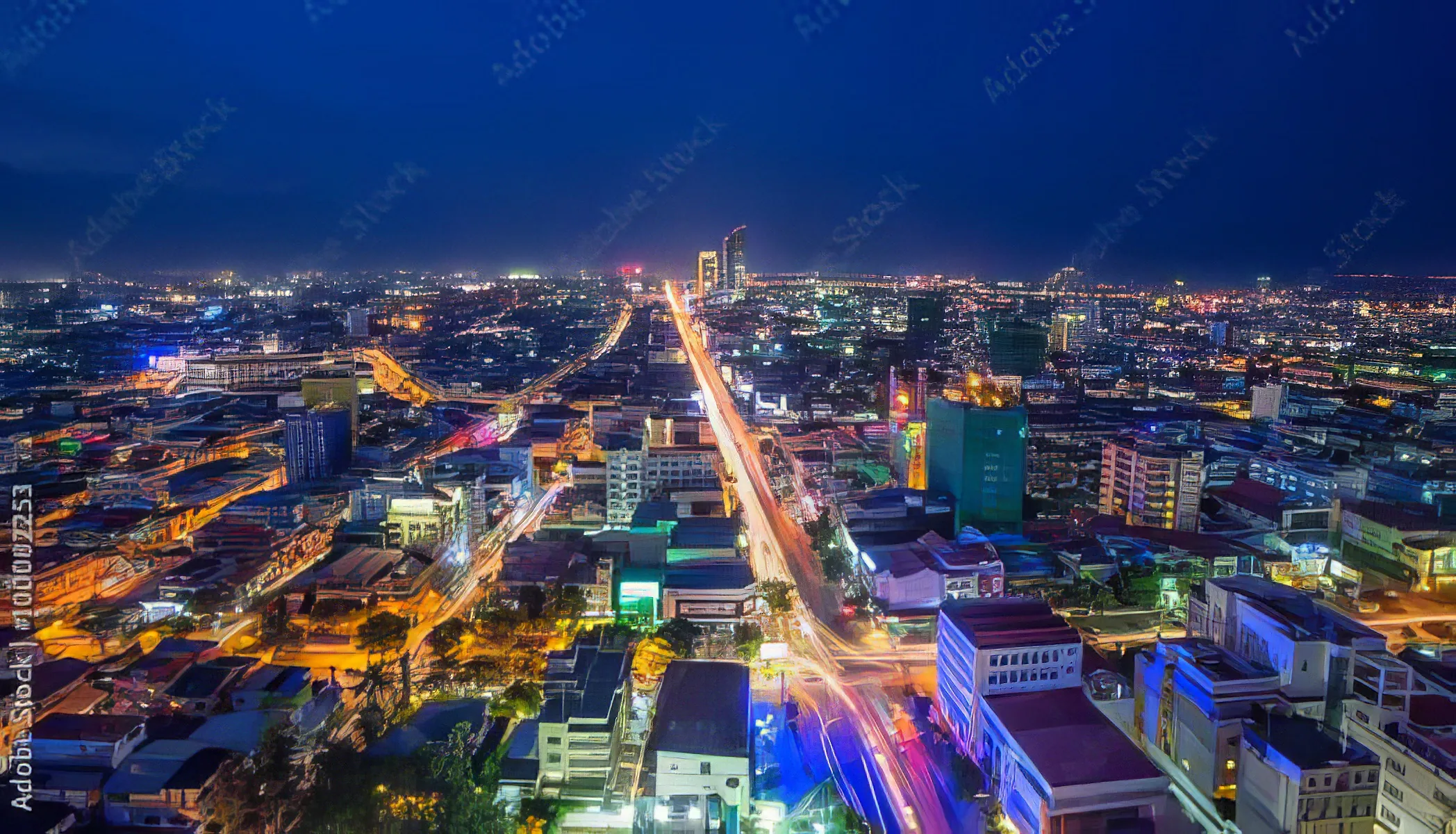
Explore Cambodia's cities for a mix of history, culture, and natural beauty:
– Phnom Penh: The capital city offers the Royal Palace, museums, and a glimpse into Cambodia's history.
– Siem Reap: Known for the Angkor Wat temple complex and animated night markets.
– Battambang: Provides colonial architecture, art galleries, and the famous bamboo train ride.
– Sihanoukville: A coastal city with beaches and access to nearby islands.
– Kampot: Known for its riverside setting, pepper plantations, and colonial buildings.
– Kep: Famous for its seafood, especially crab markets, and nearby national park.
– Koh Kong: Provides ecotourism opportunities with its rainforests and waterfalls.
Monuments
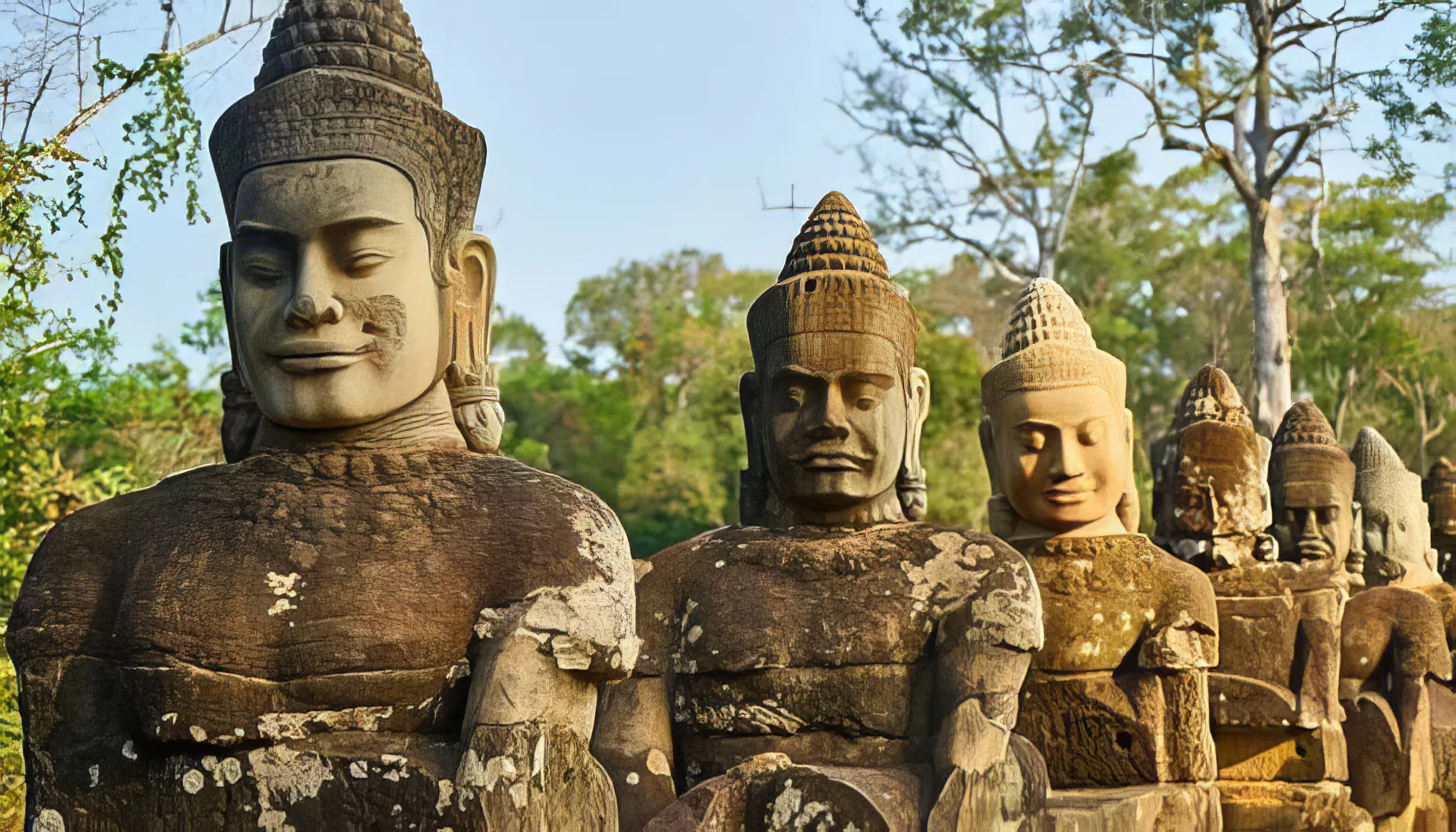
Cambodia is home to several remarkable monuments worth visiting:
– Angkor Wat: Largest religious monument globally, known for its beautiful Khmer architecture and sophisticated carvings.
– Bayon Temple: Famous for its massive stone faces and central location in Angkor Thom.
– Ta Prohm: Known for trees growing out of ruins, featured in the "Tomb Raider" movie.
– Banteay Srei: Noted for detailed pink sandstone carvings, dedicated to Hindu god Shiva.
– Royal Palace, Phnom Penh: Official residence of the King with beautiful Khmer architecture and Silver Pagoda.
– Preah Vihear Temple: Hilltop temple with nice views, UNESCO World Heritage site near Thai border.
– Independence Monument, Phnom Penh: Symbolizes Cambodia's independence from France in 1953 with lotus-shaped stupa design.
– Wat Phnom, Phnom Penh: Historic Buddhist temple on a hill, associated with the founding of the city.
Natural wonder
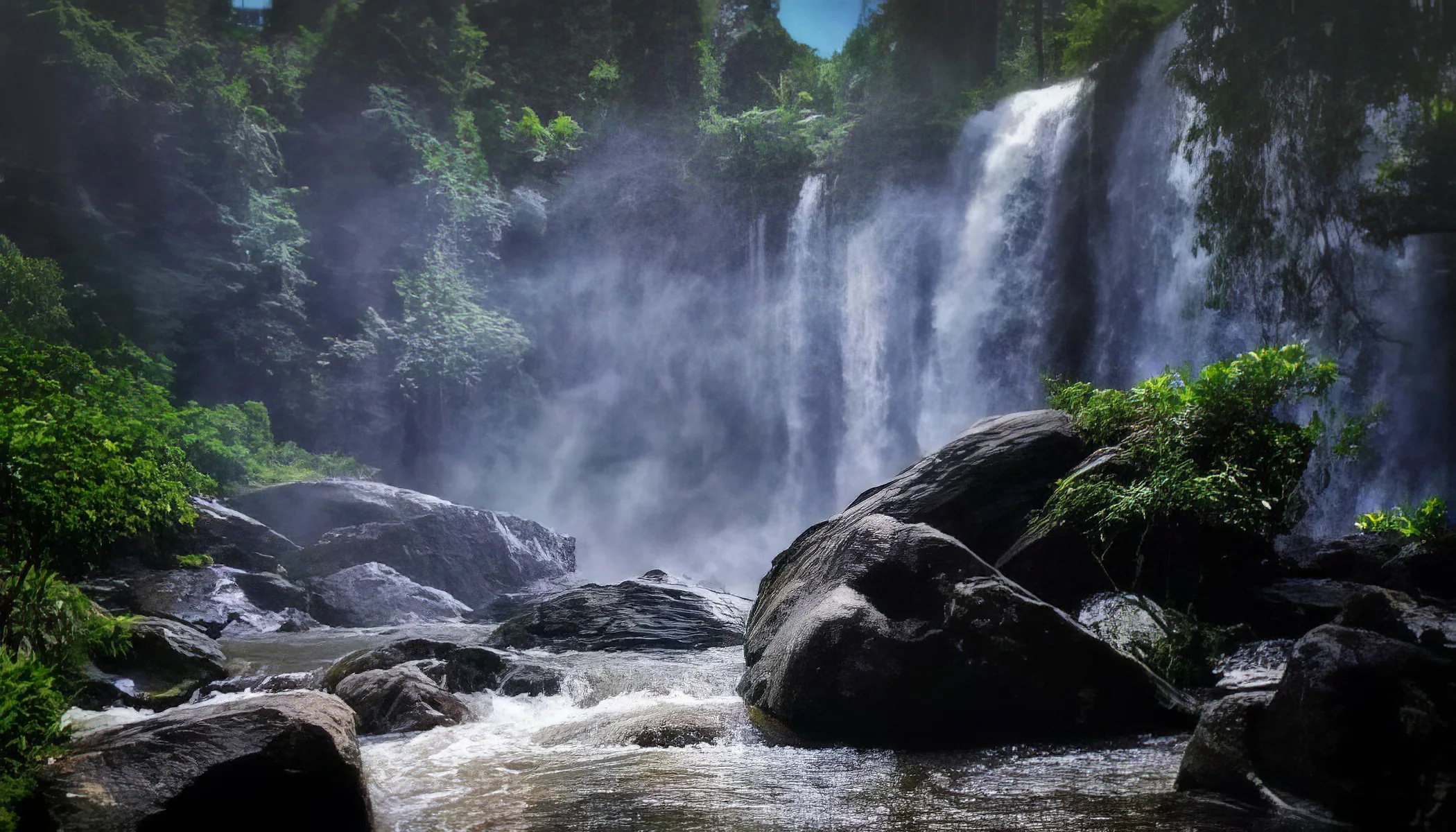
Explore Cambodia's natural beauty beyond its temples:
– Tonle Sap Lake: Southeast Asia's largest freshwater lake, vital for fishing and biodiversity.
– Cardamom Mountains: Dense rainforest home to diverse wildlife and rare plant species.
– Phnom Kulen National Park: Features waterfalls, ancient ruins, and sumptuous jungle landscapes.
– Ream National Park: Supplies mangroves, beaches, and diverse marine life near Sihanoukville.
– Virachey National Park: Remote park with mountains, rivers, and rich biodiversity in the northeast.
– Koh Rong Island: Known for its clear waters and pretty coral reefs.
– Prek Toal Bird Sanctuary: Important bird reserve on Tonle Sap Lake with rare waterbirds.
– Kep National Park: Provides hiking trails with views of the coast and surrounding countryside.
– Bokor Mountain: Features cool climate, old colonial buildings, and panoramic views of the coast.
– Ang Trapeang Thmor Reserve: A wetland sanctuary for the endangered Sarus Crane species.
Beaches
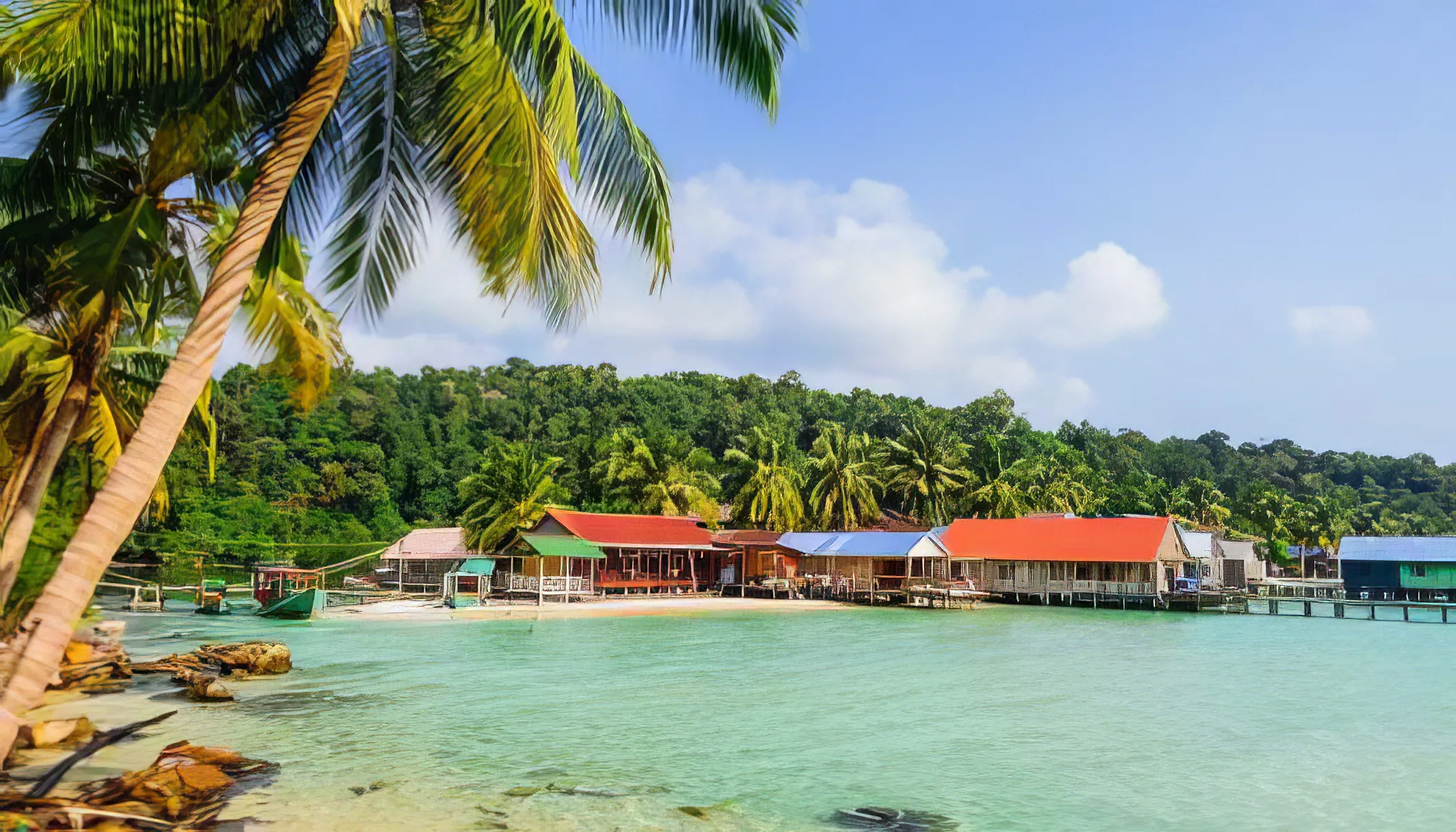
Cambodia supplies several beautiful beaches along its coastline.
– Otres Beach: Known for its relaxed atmosphere and clear waters near Sihanoukville.
– Serendipity Beach: Popular for nightlife and dining options in Sihanoukville.
– Sok San Beach: Provides a carefree escape on Koh Rong Island with white sands.
– Koh Thmei Beach: Part of Ream National Park, known for wildlife and untouched nature.
– Lazy Beach: A secluded spot on Koh Rong Samloem, ideal for relaxation.
– Kep Beach: Famous for its seafood and calm waters in the town of Kep.
– Koh Ta Kiev Beaches: Features unspoiled beaches with basic amenities near Sihanoukville.
Outdoor activities
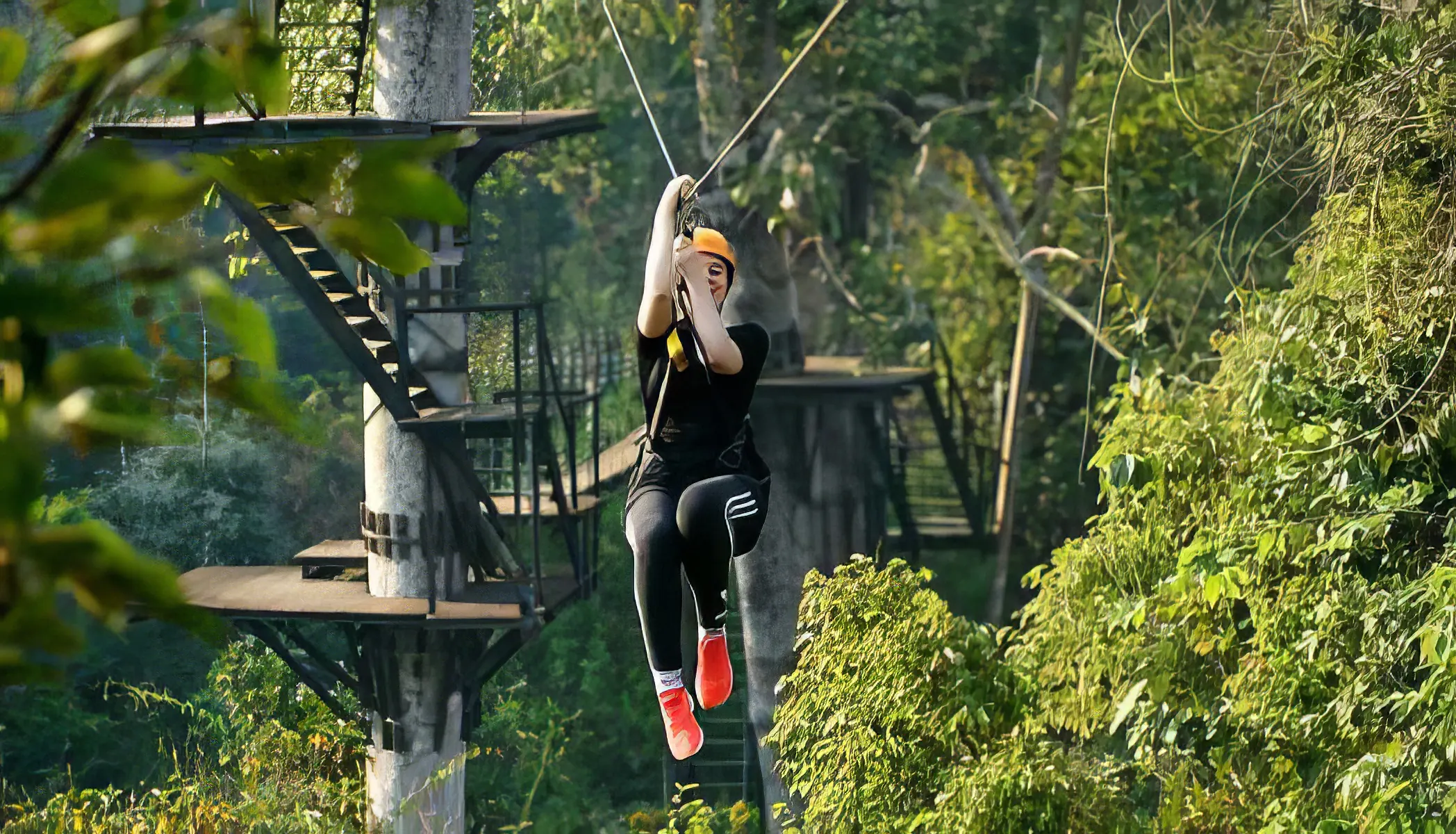
There are several outdoor activities that offer a glimpse into Cambodia's natural beauty and culture:
– Angkor Wat Sunrise Tour: Witness the iconic temple complex at dawn for a smooth experience.
– Cycling in Siem Reap: Pedal through rural landscapes and ancient ruins.
– Boat Trip on Tonle Sap Lake: Explore floating villages and observe local life on the water.
– Trekking in Cardamom Mountains: Discover dense jungles and diverse wildlife.
– Zip-lining in Angkor Park: Glide above the forest canopy near ancient temples.
– Kayaking in Kampot River: Paddle through quiet waters surrounded by abundant scenery.
– Wildlife Safari in Phnom Tamao Wildlife Rescue Center: See rescued animals in a natural setting.
Kid Friendly
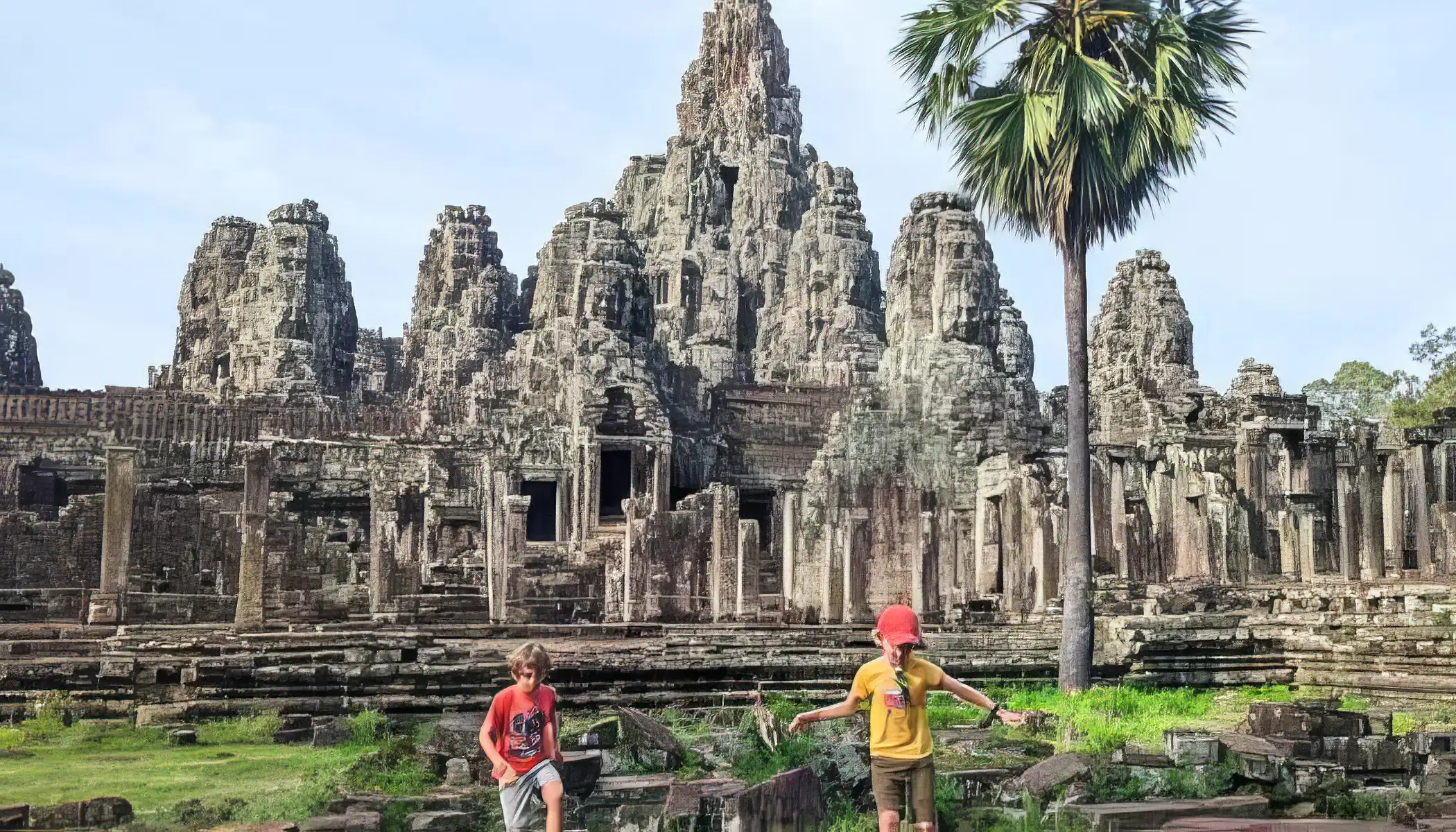
Cambodia offers several engaging activities for children to enjoy:
– Angkor Wat: Explore ancient temples with fascinating carvings and vast grounds to roam.
– Phnom Tamao Wildlife Rescue Center: A sanctuary where kids can see rescued animals in a natural setting.
– Tonle Sap Lake: Take a boat tour to see floating villages and unique wildlife.
– Battambang Bamboo Train: A short, fun ride on a bamboo platform through the countryside.
– Kulen Elephant Forest: Experience ethical elephant interactions in their natural habitat.
– Kampot Pepper Plantations: Learn about pepper farming and enjoy the scenic countryside.
– Koh Rong Samloem Beaches: Relax on family-friendly beaches with clear waters and soft sand.
– Cambodian Circus (Phare): Enjoy an entertaining show combining theater, music, dance, and acrobatics.
Cuisine
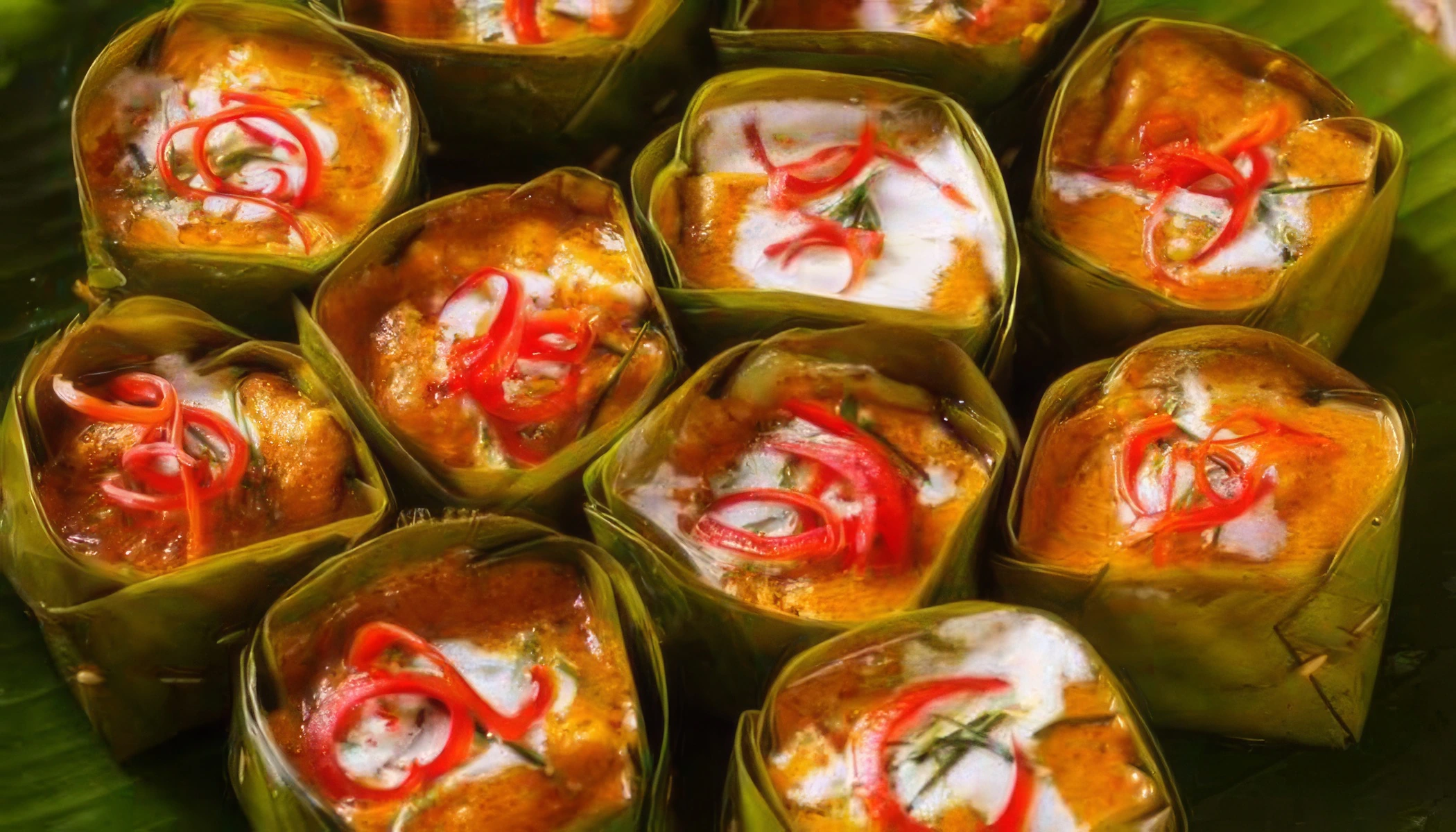
Cambodian cuisine is characterized by its use of fresh herbs, bold spices, and a balance of sweet, sour, salty, and bitter flavors. It often features rice and freshwater fish as staples. Street food is popular, offering a variety of traditional dishes. Most famous cuisine in Cambodia are:
– Amok: Steamed fish curry with coconut milk and kroeung paste wrapped in banana leaves.
– Bai Sach Chrouk: Grilled pork served over rice with pickled vegetables and broth.
– Lok Lak: Stir-fried beef with onions, served with rice and pepper-lime sauce.
– Kuy Teav: Rice noodle soup with pork or beef broth, herbs, and lime.
– Num Pang: Cambodian sandwich with grilled meat, pickled vegetables, and chili sauce.
Souvenir
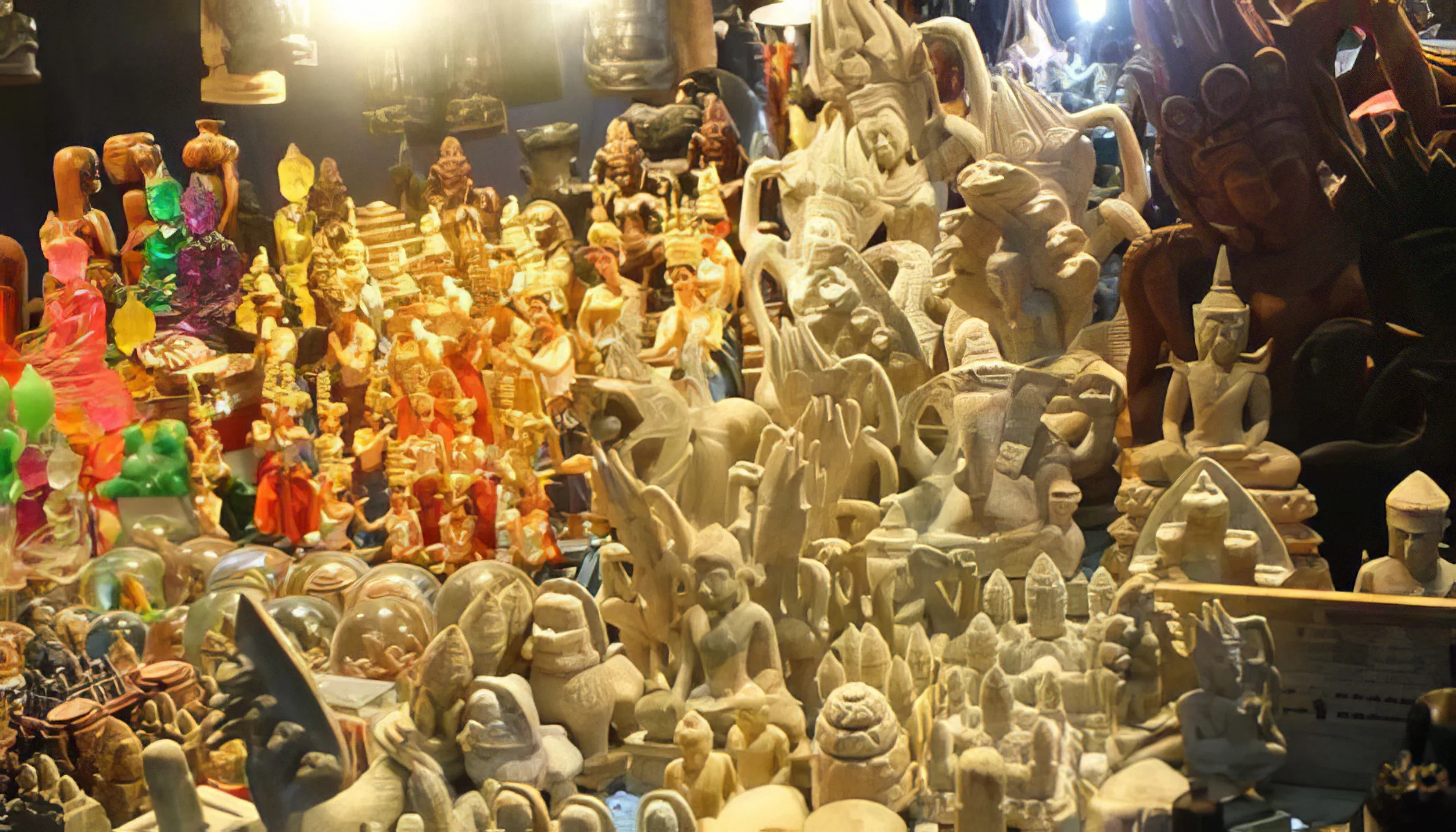
Known for its rich culture and history, Cambodia provides a variety of unique souvenirs. Here are some popular options:
– Krama: A traditional Cambodian scarf that is versatile and comes in various colors and patterns.
– Silver Jewelry: Handcrafted silver jewelry is a popular choice, often featuring traditional Khmer designs.
– Cambodian Silk: Known for its quality, Cambodian silk can be found in scarves, clothing, and accessories.
– Carvings and Statues: Wooden or stone carvings of Angkor Wat or Buddha are common souvenirs.
– Kampot Pepper: Renowned worldwide, Kampot pepper is a flavorful souvenir for culinary enthusiasts.
– Palm Sugar: Made from the sap of palm trees, this sweet treat is a local favorite.
– Artisanal Soaps: Handmade soaps using natural ingredients are widely available in markets and shops.
Traditional Shows
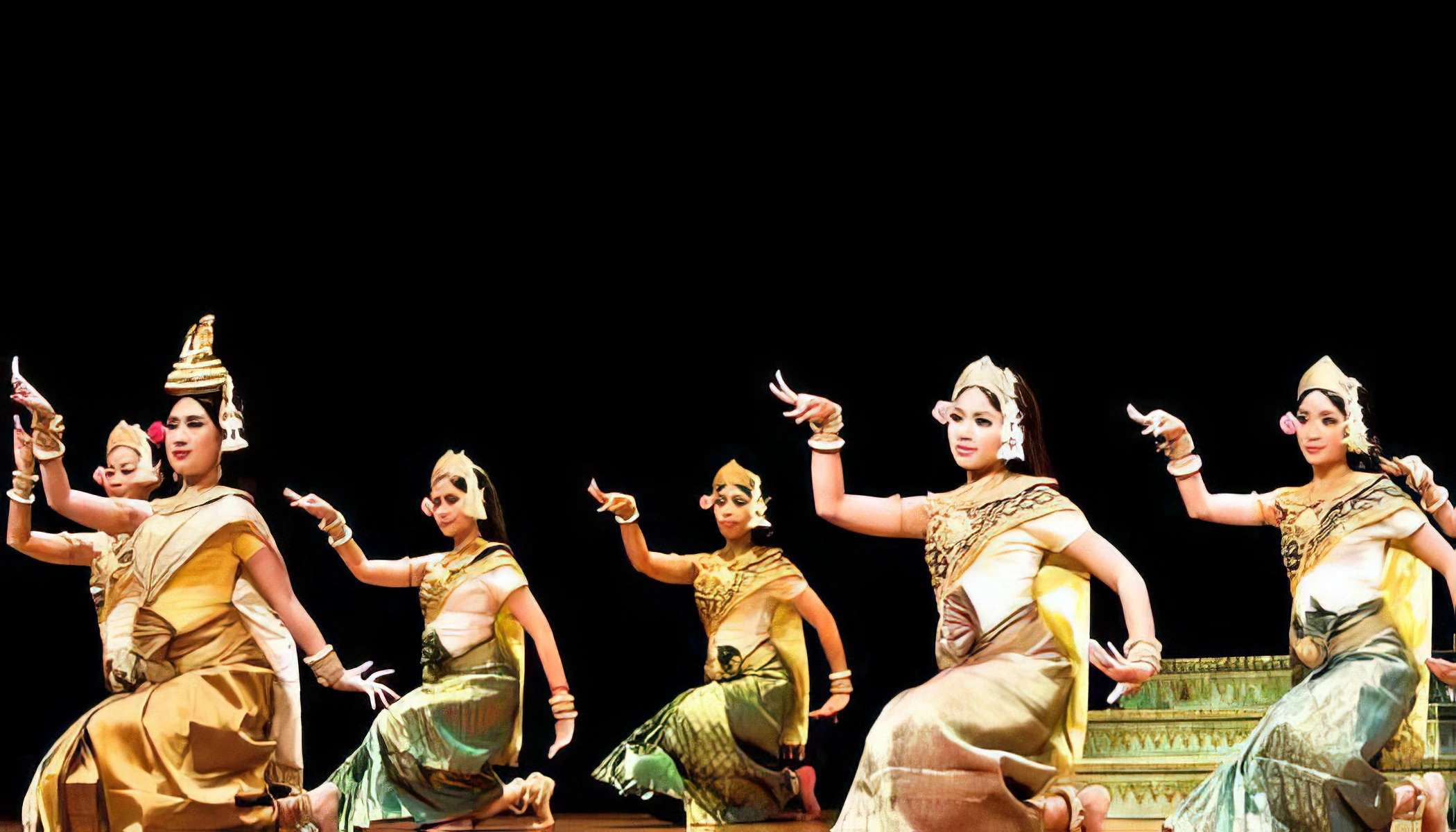
Cambodia provides a rich tapestry of traditional performances:
– Apsara Dance: Witness the graceful and symbolic movements of Apsara dancers in Phnom Penh, reflecting ancient Khmer culture and mythology.
– Shadow Puppet Theatre: Experience Sbek Thom, a traditional shadow puppet performance in Siem Reap, showcasing Cambodian folklore and epic tales.
– Pinpeat Orchestra: Enjoy the classical sounds of Cambodia's Pinpeat ensemble, featuring percussion and wind instruments, often performed at royal ceremonies.
– Cambodian Circus: In Siem Reap, Phare Circus combines theater, music, dance, and acrobatics to tell uniquely Cambodian stories with social themes.
– Mohori Music: Listen to this traditional ensemble music in Battambang, blending stringed instruments and vocals for ceremonial occasions.
Events & Festivals
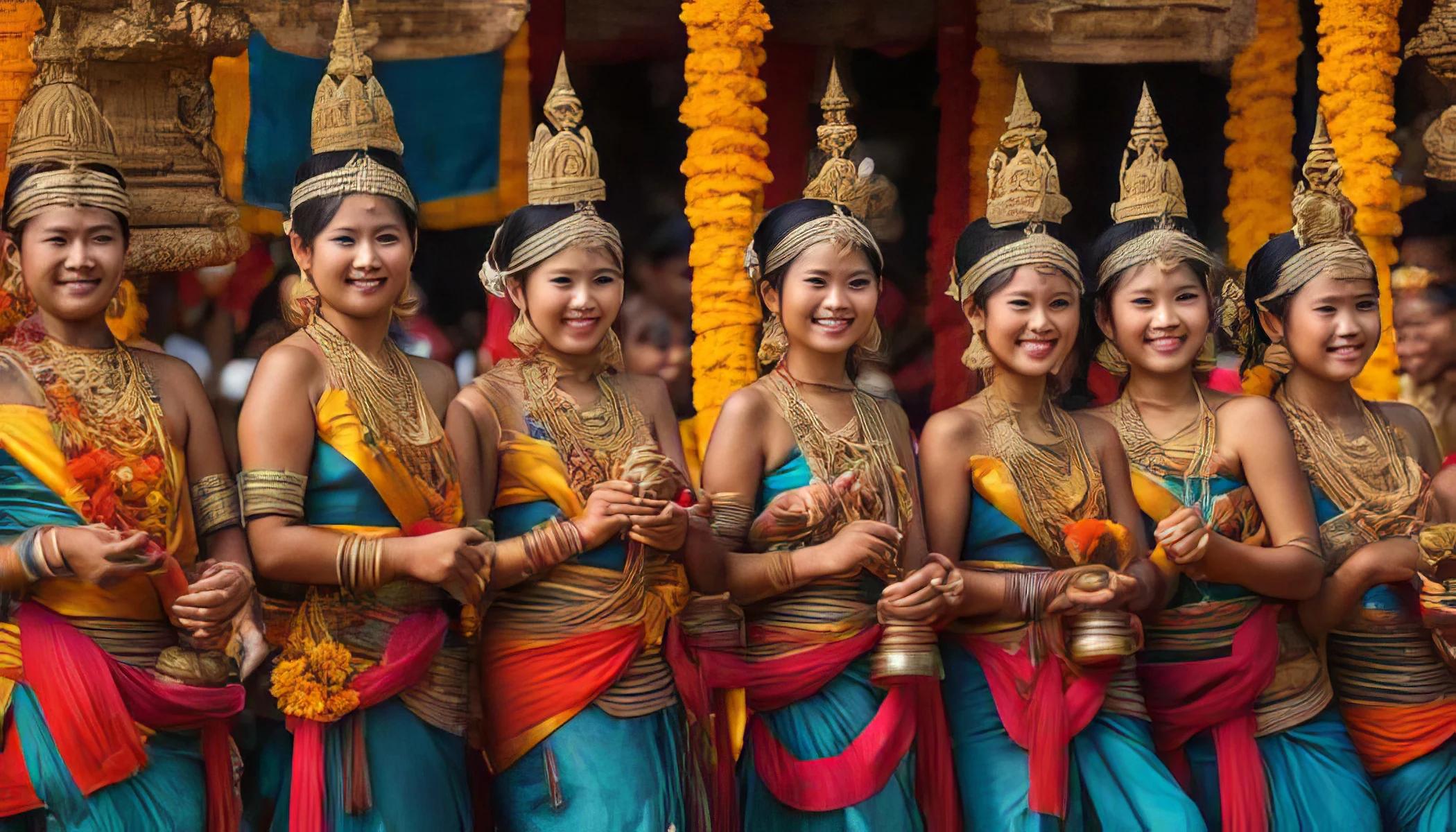
Throughout the year, Cambodia hosts several significant events and festivals that reflect its rich cultural heritage:
– Khmer New Year: Celebrated in mid-April with traditional games, dances, and family gatherings.
– Royal Ploughing Ceremony: May event marking the start of the rice-growing season with symbolic ploughing.
– Pchum Ben: September/October festival for honoring ancestors with offerings at pagodas.
– Water Festival (Bon Om Touk): November celebration featuring boat races on the Tonle Sap River.
– Independence Day: November 9th national holiday commemorating independence from France in 1953.
– Angkor Festival: December event showcasing traditional performances at Angkor Wat.
– Meak Bochea Day: February Buddhist holiday with ceremonies and candlelit processions at temples.
Famous People
Cambodia has a rich history and culture, producing many notable figures in various fields.
– Norodom Sihanouk (1922 to 2012, Phnom Penh): Former king and influential political leader who played a key role in Cambodia's independence.
– Pol Pot (1925 to 1998, Prek Sbauv): Leader of the Khmer Rouge regime responsible for the Cambodian genocide.
– Hun Sen (born 1952, Kampong Cham): Long-serving Prime Minister known for his significant impact on modern Cambodian politics.
– Angkor Wat Builders (12th century, Siem Reap): Anonymous architects and artisans who constructed the iconic Angkor Wat temple complex.
– Rithy Panh (born 1964, Phnom Penh): Acclaimed filmmaker known for documentaries addressing Cambodia's history and the Khmer Rouge era.
Books
These books provide insights into Cambodia's history, culture, and the impact of the Khmer Rouge regime.
– "First They Killed My Father" by Loung Ung: A memoir of survival during the Khmer Rouge era.
– "In the Shadow of the Banyan" by Vaddey Ratner: A child's perspective on life under Khmer Rouge rule.
– "Cambodia's Curse" by Joel Brinkley: Analyzes Cambodia's struggles post-Khmer Rouge and its ongoing challenges.
– "River of Time" by Jon Swain: Journalist's account of Cambodia during the Vietnam War and Khmer Rouge takeover.
– "The Gate" by François Bizot: A French ethnologist's captivity experience with the Khmer Rouge.
Songs
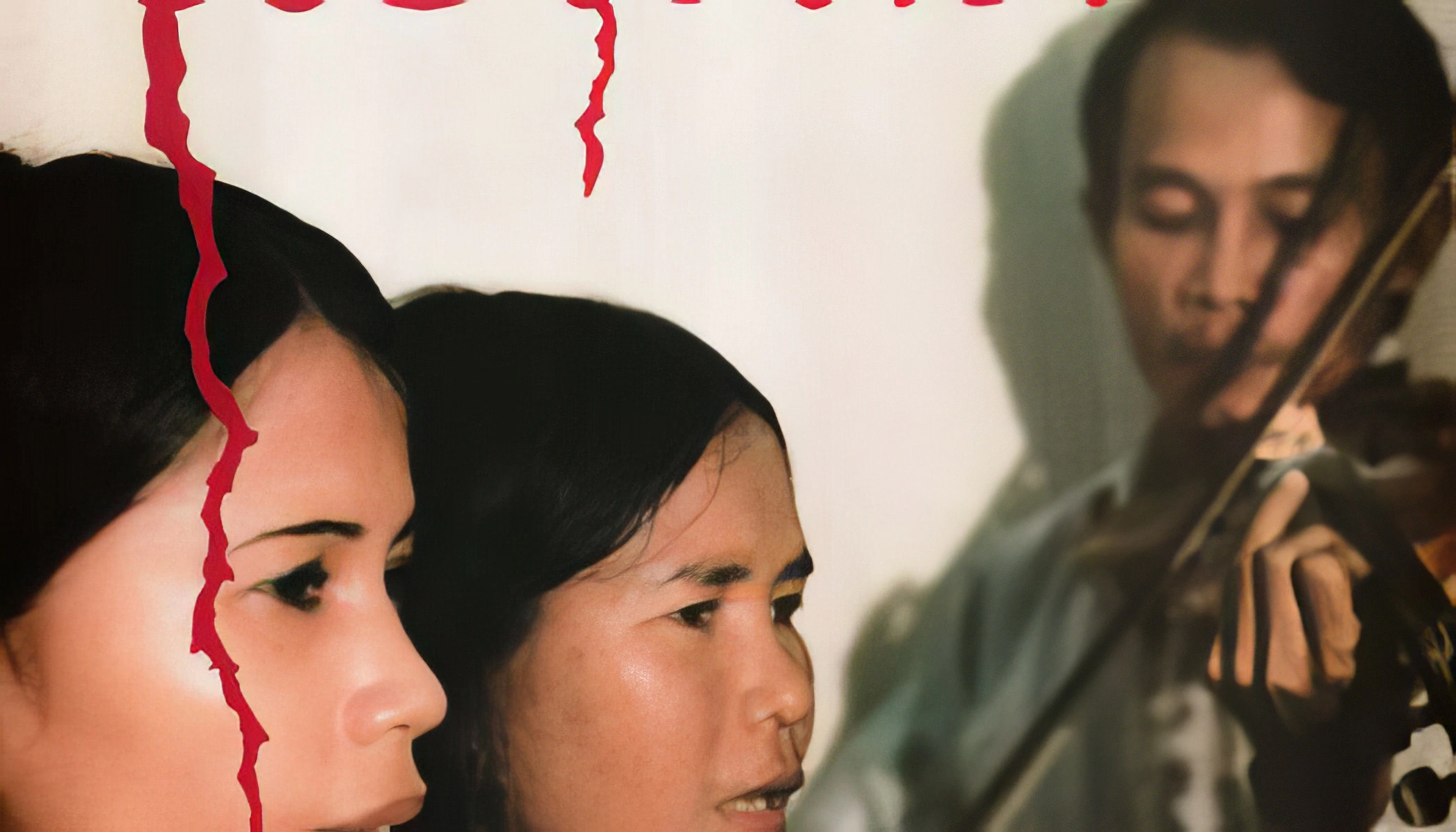
These songs highlight the rich cultural heritage and evolving music scene of Cambodia, featuring themes of love, tradition, and resilience.
– Chnam Oun 16: Ros Sereysothea's classic about youthful love and innocence.
– Bong Srolanh Oun: Sin Sisamouth's timeless romantic ballad cherished across generations.
– Penh Chet Tae Bong Mouy: A popular modern hit by Khemarak Sereymun about unrequited love.
– Jomreang Phnom Penh: Sinn Sisamouth's nostalgic ode to the capital city, Phnom Penh.
– Komlos Sey: Ros Sereysothea's song celebrating beauty and charm in Cambodian culture.
– Arapiya: A traditional Khmer song that reflects Cambodia’s rich musical heritage.
Films
Explore the cinematic portrayal of Cambodia through these notable films:
– "The Killing Fields": Roland Joffé's film depicts the harrowing Khmer Rouge regime through a journalist's survival story.
– "First They Killed My Father": Angelina Jolie directs this adaptation of Loung Ung's memoir about surviving the Khmer Rouge.
– "Rithy Panh's The Missing Picture": A unique documentary using clay figures to recount Panh's childhood under the Khmer Rouge.
– "S21: The Khmer Rouge Killing Machine": Rithy Panh's documentary confronts former guards and survivors of a notorious prison.
– "The Last Reel": Directed by Kulikar Sotho, it explores Cambodia’s past and present through a young woman's discovery of an old film.