

Explore Cameroon: Culture, Cities & Places to Visit
Located in Central Africa, this country is known for its varied geography, from beaches to mountains and rainforests. It boasts a rich cultural diversity with over 200 ethnic groups. Wildlife enthusiasts can explore its national parks and diverse ecosystems.
- Capital
- Yaoundé
- Population
- 19.3 millions
- Superficy
- 476000 sq.km
- Months to Visit
- Nov. to Feb.
- Living Cost
- Moderate
Overview
Cameroon is located in Central Africa and is known for its cultural diversity and varied geography, which includes beaches, deserts, mountains, and rainforests. The capital city is Yaoundé, while Douala serves as the economic hub. Cameroon has over 200 ethnic groups, contributing to a rich tapestry of languages and traditions. The country is often referred to as "Africa in miniature" due to its wide range of climates and ecosystems. Economically, it relies on agriculture, oil, and timber exports. Despite its natural resources, Cameroon faces challenges such as political instability and economic inequality.
Pros & Cons
GOOD REASONS TO VISIT CAMEROON
– Diverse Landscapes: Explore beaches, mountains, rainforests, and savannas in one country.
– Rich Wildlife: Spot elephants, gorillas, and diverse bird species in national parks like Waza and Korup.
– Cultural Diversity: Experience over 250 ethnic groups with unique traditions, languages, and festivals.
– Mount Cameroon: Hike one of Africa's highest peaks for nice views and a rewarding challenge.
– Remarkable Markets: Discover local crafts, textiles, and foods in hectic markets like Yaoundé's Mokolo Market. CHALLENGES WHEN VISITING CAMEROON
– Political Instability: Some regions experience unrest; check travel advisories before visiting.
– Poor Infrastructure: Roads and public transport can be challenging; expect delays and plan accordingly.
– Health Concerns: Malaria risk is high; vaccinations and precautions are necessary.
Before Departure
Before traveling to Cameroon, it's important to be informed about several key aspects:
– Passport: Ensure your passport is valid for at least six months beyond your intended stay.
– Visa: A visa is required for most tourists; apply through a Cameroonian embassy or consulate. Tourist visas typically last 30 days.
– Currency: Central African CFA Franc (XAF); credit cards are not widely accepted; ATMs available in major cities.
– Internet access: WiFi is limited; consider purchasing a local SIM card from MTN or Orange for better connectivity.
– Language barrier: French and English are official languages; French is more widely spoken. Basic French can be helpful.
What to Pack
Traveling to Cameroon requires preparation for diverse climates and cultural experiences.
– Essentials: Passport and visa, travel insurance, flight tickets, itinerary, accommodation confirmations, and local currency or credit cards.
– Clothing: Lightweight clothing for warm weather, long sleeves and pants for mosquito protection, comfortable walking shoes, raincoat or umbrella for rainy season.
– Health & Safety: Prescription medications, first aid kit, insect repellent with DEET, malaria prophylaxis if advised by a doctor.
– Electronics: Travel adapter for Cameroonian outlets (Type C or E), mobile phone with charger, camera with extra batteries or charger.
Weather
Weather in Cameroon varies significantly between regions due to its diverse geography:
– Winter (December to February): Dry season with cooler temperatures, especially in the north.
– Spring (March to May): Transition period with increasing temperatures and occasional rain showers.
– Summer (June to August): Wet season with heavy rainfall, particularly in the south and central regions.
– Autumn (September to November): Rainfall decreases, but humidity remains high, especially in coastal areas. The best time to visit Cameroon is from December to February:
– Pros: Pleasant weather, less rainfall, ideal for wildlife viewing and outdoor activities.
– Cons: Some areas may be crowded due to peak tourist season.
Travel Budget
Cameroon provides a range of budget-friendly options for travelers. Here are some average prices for common expenses:
– Hotel: 30$ to 150$
– Lunch: 3$ to 10$
– Beverage (in bar/restaurant): 1$ to 4$
– Coffee: 1$ to 2$
– Transportation: (train 5$ to 20$), (bus 0.5$ to 2$), (taxi /10km 3$ to 8$)
– Mobile data (per GB): 2$ to 5$
Language
Cameroon is a multilingual country with over 250 languages, but French and English are the official languages. Here are some useful phrases in both: **French:**
– Hello: Bonjour
– Thank you: Merci
– Please: S'il vous plaît
– How much is this?: Combien ça coûte?
– Excuse me: Excusez-moi
– I don't understand: Je ne comprends pas
– Yes: Oui
– No: Non
– Goodbye: Au revoir **English:**
– Hello: Hello
– Thank you: Thank you
– Please: Please
– How much is this?: How much is this?
– Excuse me: Excuse me
– I don't understand: I don't understand
– Yes: Yes
– No: No
– Goodbye: Goodbye
History
The area now known as Cameroon was inhabited by various ethnic groups and kingdoms before European contact. In the late 19th century, it became a German colony, known as Kamerun. After World War I, the League of Nations divided the territory between France and Britain. French Cameroon gained independence in 1960, followed by British Southern Cameroons joining in 1961 to form the Federal Republic of Cameroon. The country transitioned to a unitary state in 1972, becoming the United Republic of Cameroon. Political tensions have persisted, particularly between English-speaking and French-speaking regions. Despite these challenges, Cameroon has maintained relative stability compared to some neighboring countries.
Geopolitics
Located in Central Africa, Cameroon shares borders with Nigeria, Chad, the Central African Republic, Equatorial Guinea, Gabon, and the Republic of the Congo. It has a diverse population and is officially bilingual, with English and French as its official languages. The country faces internal challenges, including tensions between its Anglophone and Francophone regions, which have led to ongoing conflict. Cameroon is rich in natural resources like oil and timber, influencing its economic relations and foreign policy. It is a member of several international organizations such as the African Union and the Economic Community of Central African States (ECCAS). Geopolitically, Cameroon plays a role in regional stability efforts but grapples with internal security issues that impact its international standing.
Sample Itinerary
This itinerary covers Cameroon's diverse landscapes, wildlife, and cultural heritage, from Yaoundé to the northern savannas.
– 1 day in Yaoundé: Visit the National Museum, Mvog-Betsi Zoo, and explore local markets for crafts and cuisine.
– 2 days in Douala: Discover Douala's animated art scene at Doual'Art gallery. Visit La Pagode and enjoy seafood at local restaurants.
– 2 days in Limbe: Explore Limbe Botanic Garden and Wildlife Centre. Relax on black sand beaches and visit Mount Cameroon National Park.
– 2 days in Buea: Hike Mount Cameroon for beautiful views or explore colonial architecture. Learn about local history at Buea's museums.
– 3 days in Waza National Park: Embark on safari tours to spot elephants, lions, giraffes, and diverse bird species in their natural habitat.
– 1 day in Maroua: Experience local culture at Maroua's markets. Visit artisanal workshops for traditional crafts like pottery and weaving.
Popular cities
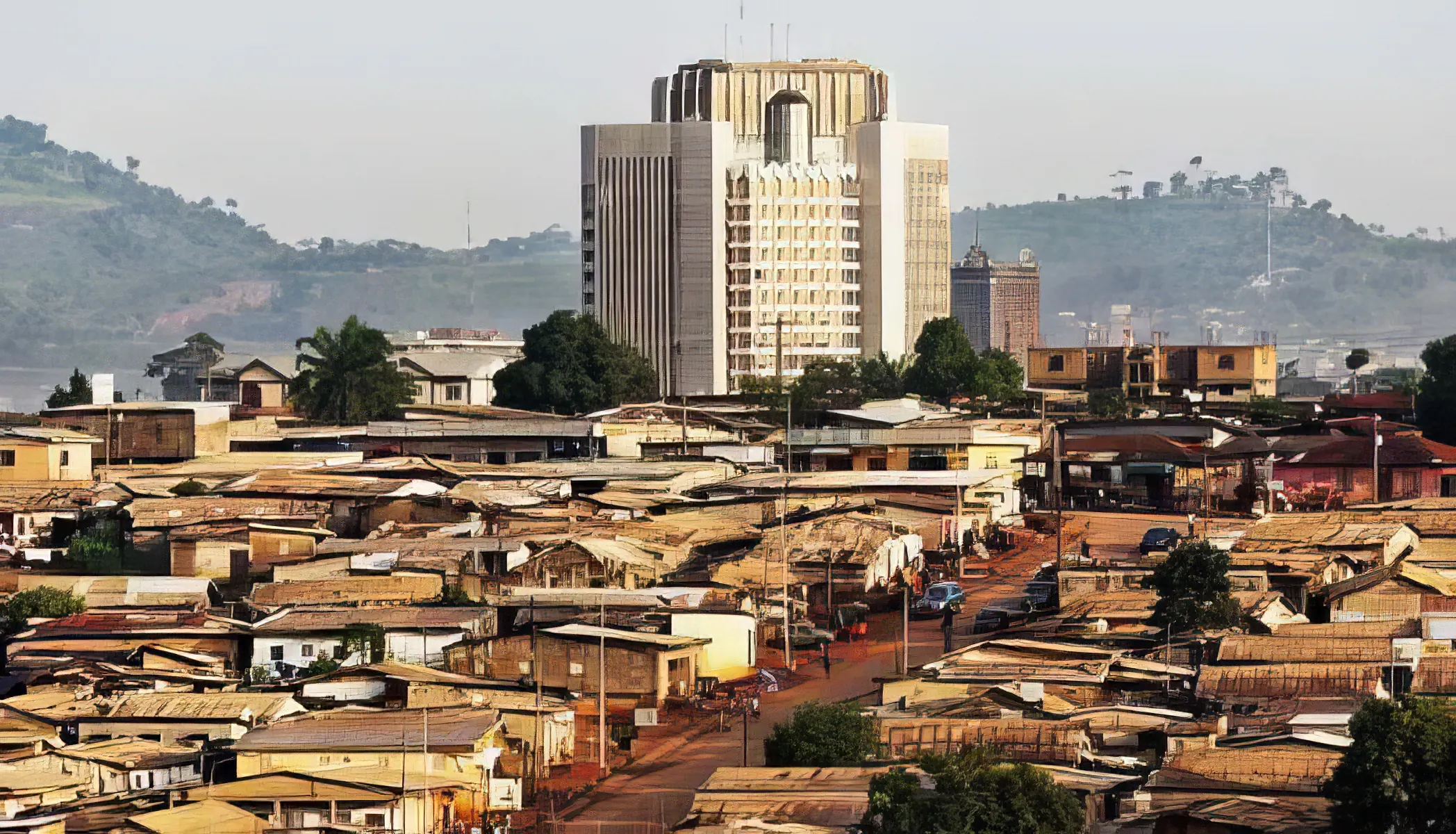
Explore Cameroon's diverse culture and landscapes through its animated cities:
– Yaoundé: The capital city provides museums, government buildings, and a mix of modern and traditional architecture.
– Douala: The largest city is a lively port with lively markets and a gateway to the coast.
– Buea: Located at the foot of Mount Cameroon, it's known for hiking opportunities and colonial history.
– Limbe: A coastal city with botanical gardens, black sand beaches, and wildlife centers.
– Bamenda: Known for its cool climate, cultural festivals, and surrounding scenic highlands.
– Kribi: A beach town famous for its white sandy beaches and nearby waterfalls.
– Garoua: Supplies access to national parks and wildlife viewing in northern Cameroon.
Monuments
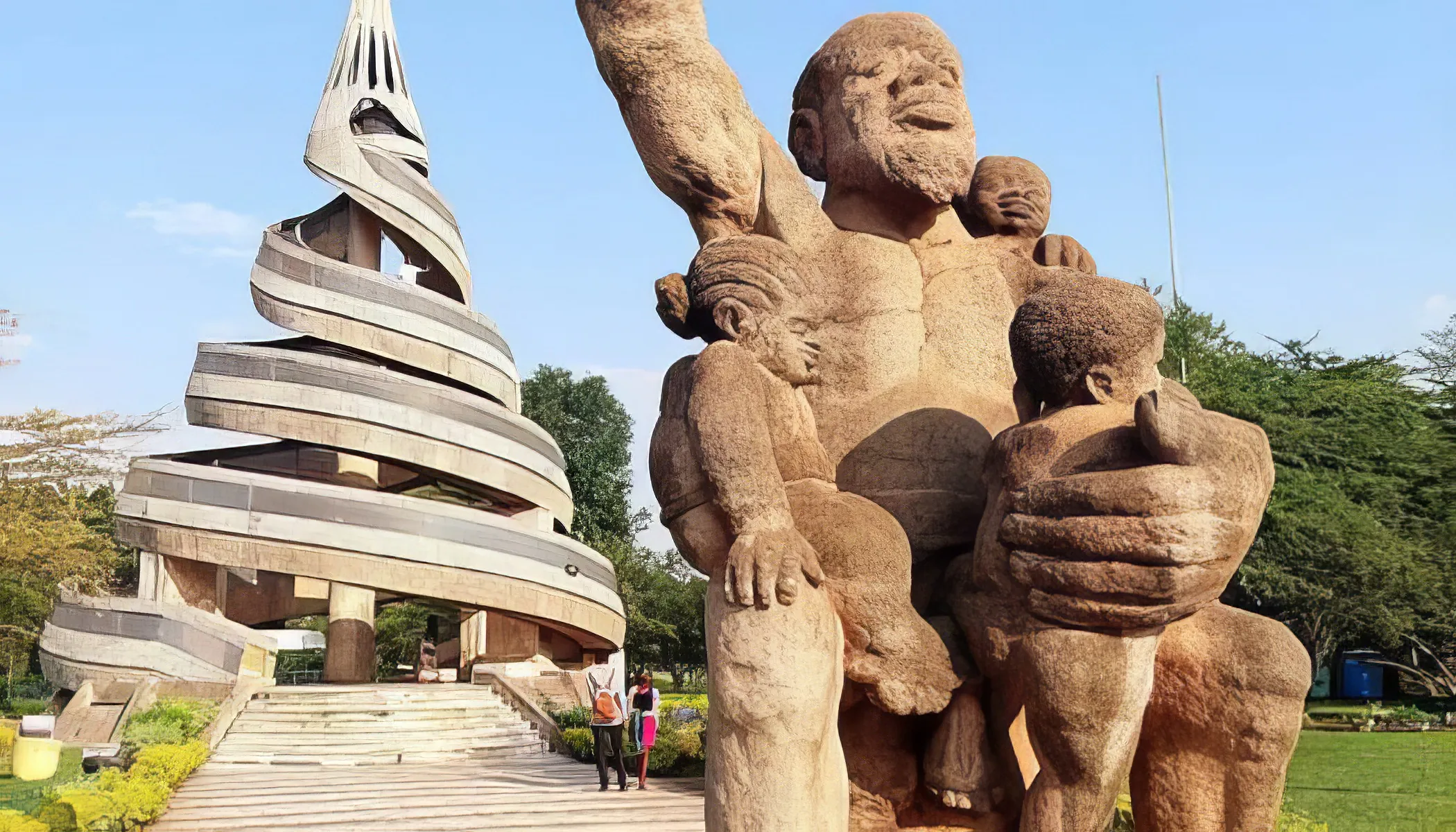
Cameroon supplies a variety of historical and architectural sites to explore:
– Foumban Royal Palace: Historic seat of the Bamoun dynasty with a museum showcasing royal artifacts.
– Reunification Monument, Yaoundé: Symbolizes Cameroon's reunification with a spiral structure and statues.
– Bafut Palace: Traditional palace of the Fon of Bafut, featuring cultural artifacts and architecture.
– Ekom-Nkam Waterfalls: Scenic waterfalls featured in Tarzan movies, surrounded by dense vegetation.
– Dja Faunal Reserve: UNESCO site with diverse wildlife and ancient rock art.
– Limbe Botanic Garden: Established in 1892, showcasing diverse plant species and colonial history.
– Mandara Mountains: Known for unique geological formations and traditional villages.
– Waza National Park Entrance Gate: Iconic entrance to one of Cameroon's largest national parks, rich in wildlife.
Natural wonder
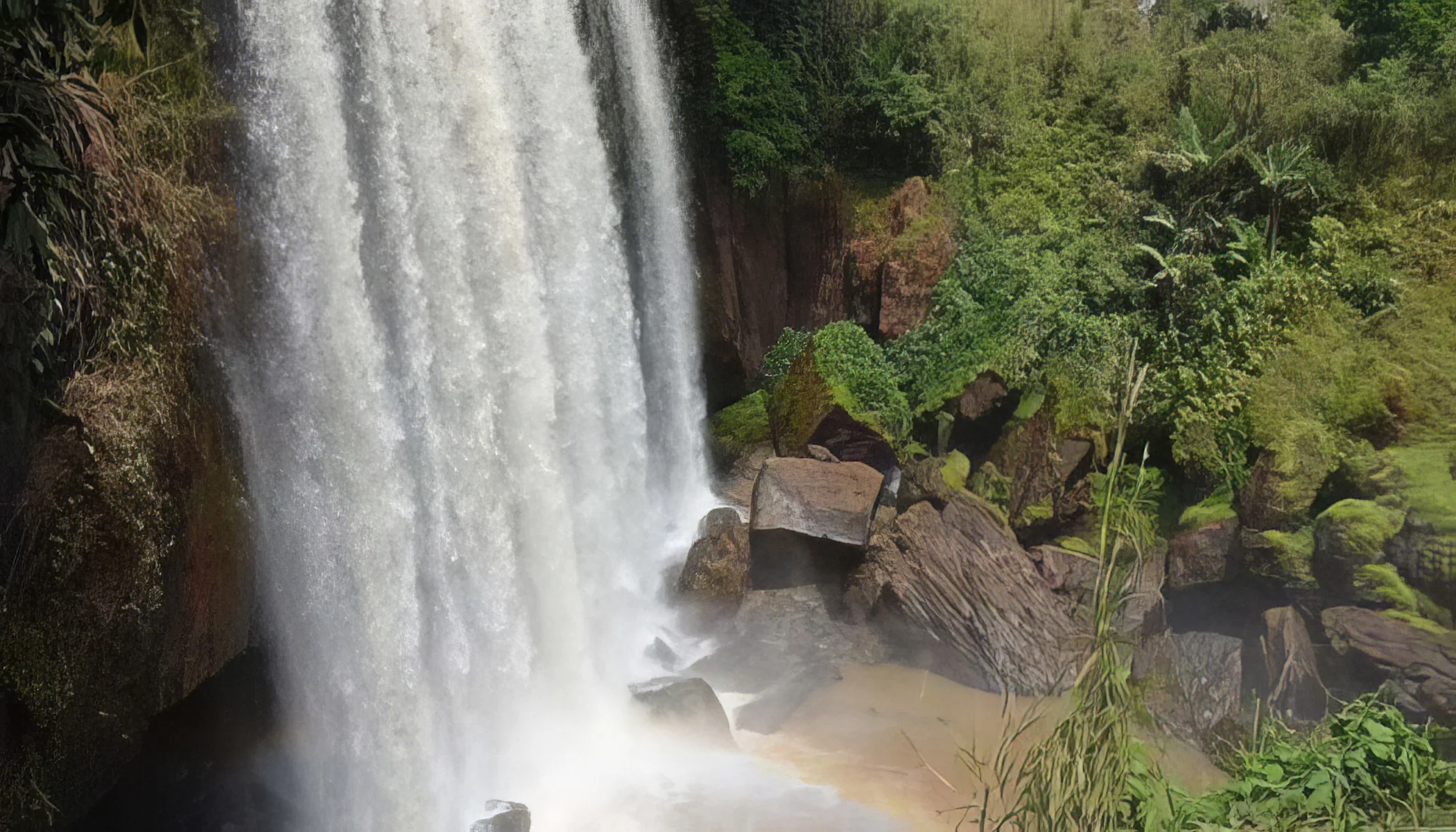
Explore Cameroon's diverse natural landscapes:
– Mount Cameroon: Active volcano and the highest peak in West Africa, popular for hiking.
– Waza National Park: Known for its diverse wildlife, including elephants, giraffes, and lions.
– Dja Faunal Reserve: UNESCO site with rich biodiversity and home to many endangered species.
– Lake Nyos: Crater lake known for its deadly 1986 gas eruption.
– Korup National Park: One of Africa's oldest rainforests with unique plant and animal species.
– Ekom-Nkam Waterfalls: Featured in movies, these falls are surrounded by attractive vegetation.
– Lobéké National Park: Provides dense forests and a variety of wildlife, including gorillas and elephants.
– Menchum Falls: Impressive waterfall located in the Northwest Region of Cameroon.
– Lake Chad Basin: Shared with neighboring countries, it's vital for regional biodiversity and livelihoods.
– Faro National Park: Known for its savannah landscapes and diverse animal populations.
Beaches
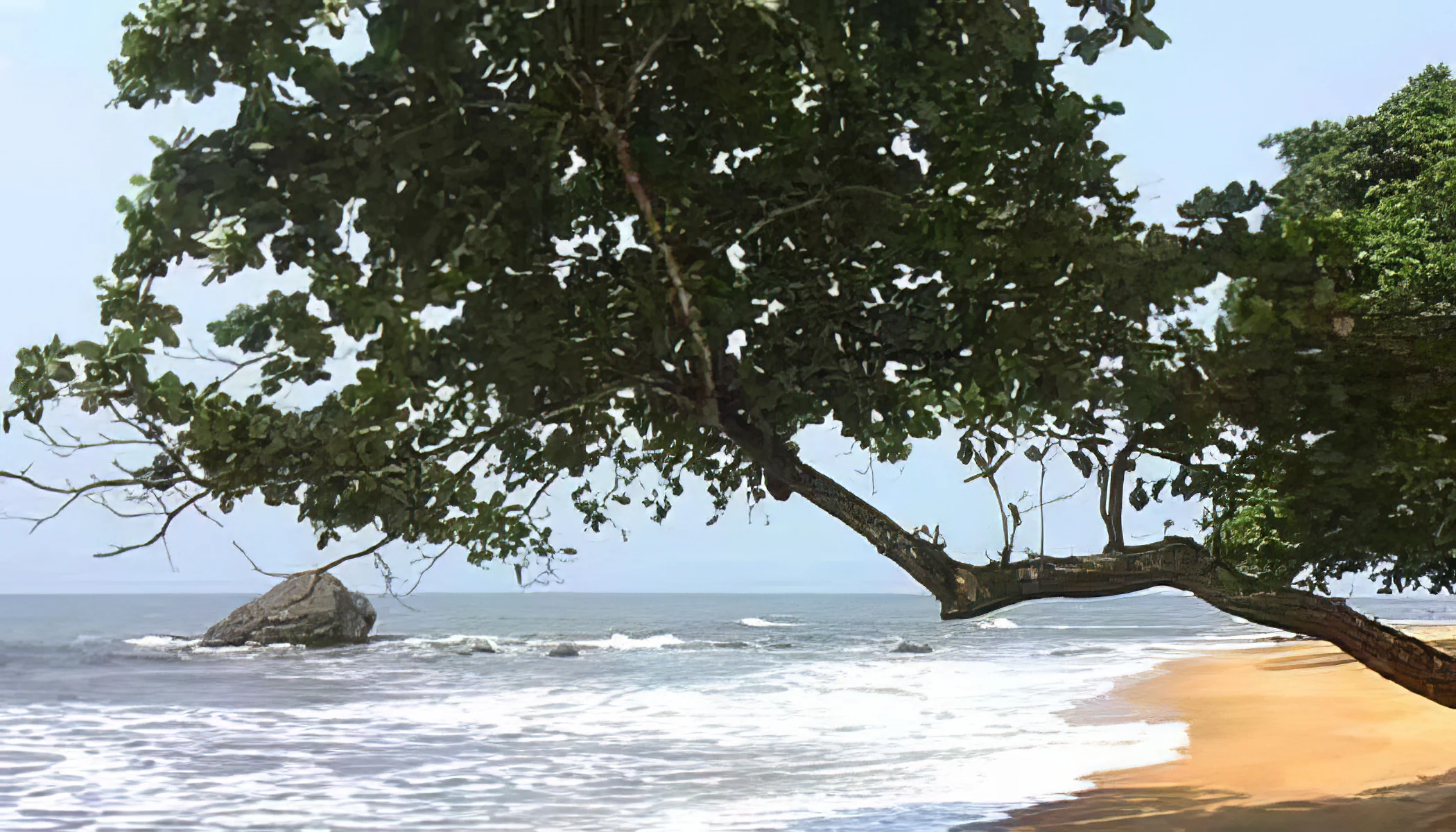
Cameroon provides several beaches along its Atlantic coastline.
– Limbe Beach: Known for its black volcanic sands and views of Mount Cameroon.
– Kribi Beach: Famous for white sands, palm trees, and nearby Lobe Waterfalls.
– Londji Beach: Supplies a peaceful atmosphere with traditional fishing villages nearby.
– Grand Batanga Beach: Features long stretches of sand and historical significance near Kribi.
– Ebodje Beach: Known for turtle conservation efforts and eco-tourism activities.
– Campo Beach: Offers a remote setting with natural beauty near the border with Equatorial Guinea.
Outdoor activities
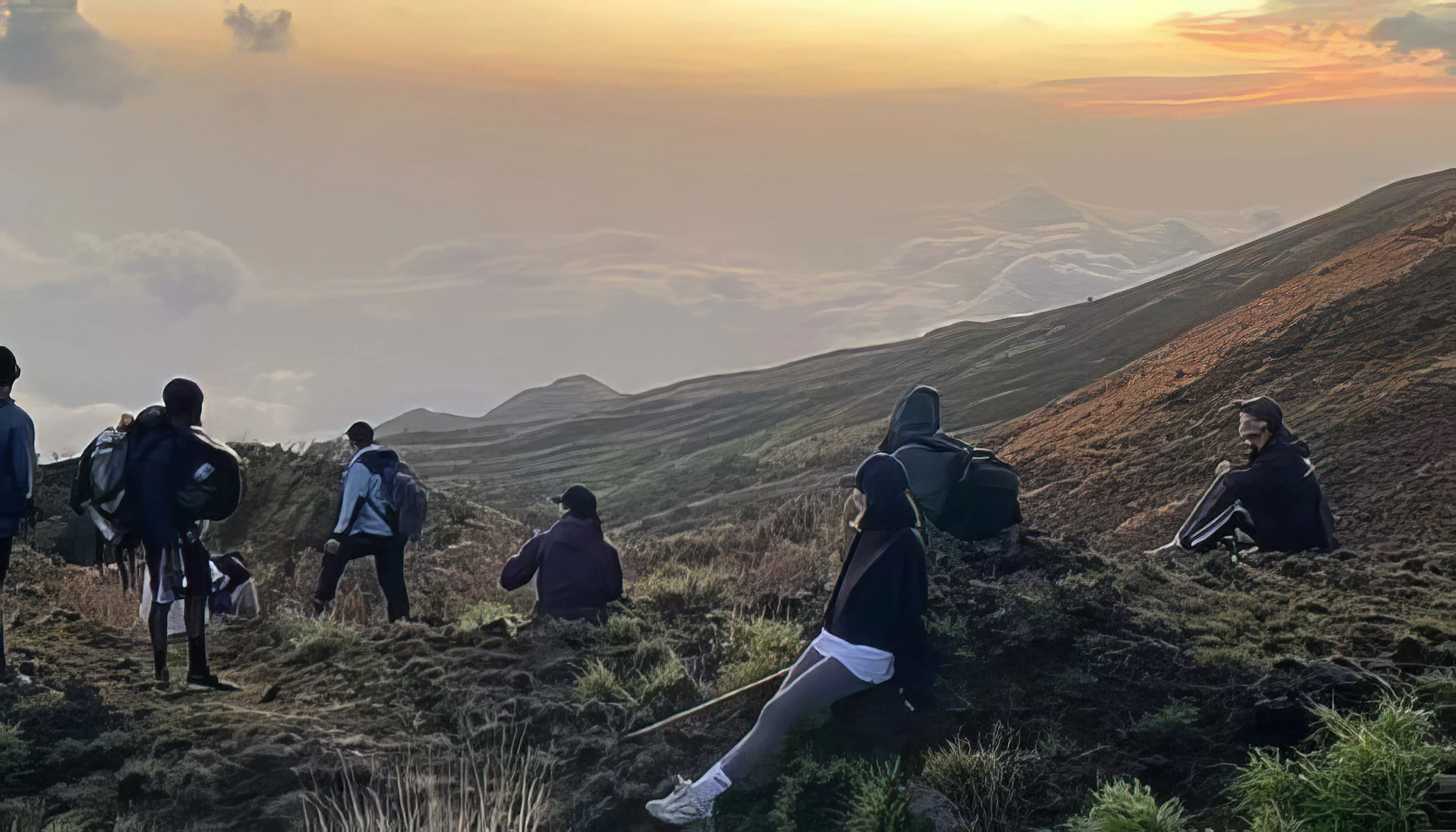
Cameroon offers a variety of outdoor activities for nature and adventure enthusiasts:
– Hiking Mount Cameroon: Climb West Africa's highest peak with diverse landscapes and ecosystems.
– Wildlife Safari in Waza National Park: Observe elephants, giraffes, and lions in their natural environment.
– Canoeing on the Sanaga River: Paddle through scenic views and spot local wildlife along the banks.
– Birdwatching in Korup National Park: Discover a rich diversity of bird species in rich rainforest settings.
– Trekking in the Mandara Mountains: Explore unique rock formations and traditional villages.
– Beach Relaxation at Kribi: Enjoy pristine beaches and visit the nearby Lobe Waterfalls.
– Exploring Dja Faunal Reserve: Experience one of Africa's largest rainforests with diverse flora and fauna.
Kid Friendly
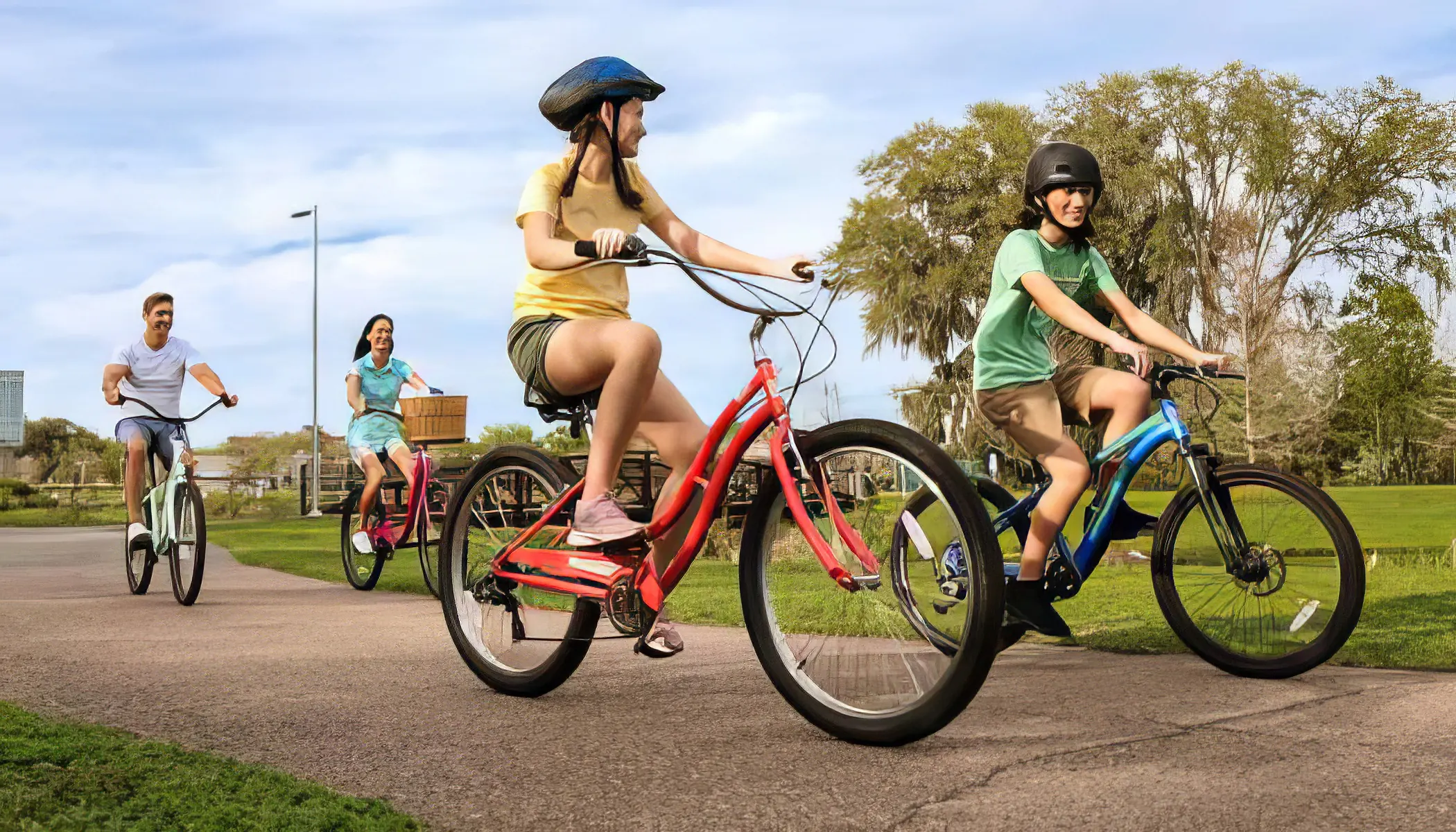
Cameroon offers a variety of activities that are enjoyable for children.
– Limbe Wildlife Centre: A sanctuary where kids can see rescued primates and learn about wildlife conservation.
– Mefou National Park: A park near Yaoundé with guided tours to see gorillas and chimpanzees in their natural habitat.
– Kribi Beach: A family-friendly beach with calm waters, perfect for swimming and building sandcastles.
– Ekom-Nkam Waterfalls: A scenic waterfall that provides a great spot for picnics and nature walks.
– Mount Cameroon: Provides guided hikes suitable for families, with opportunities to explore volcanic landscapes.
– Douala Maritime Museum: An educational museum showcasing Cameroon's maritime history, with interactive exhibits for kids.
– Bamenda Handicraft Center: A place where children can watch artisans at work and try crafting themselves.
– Bafut Palace: A historical site where kids can learn about local culture and traditions through guided tours.
Cuisine
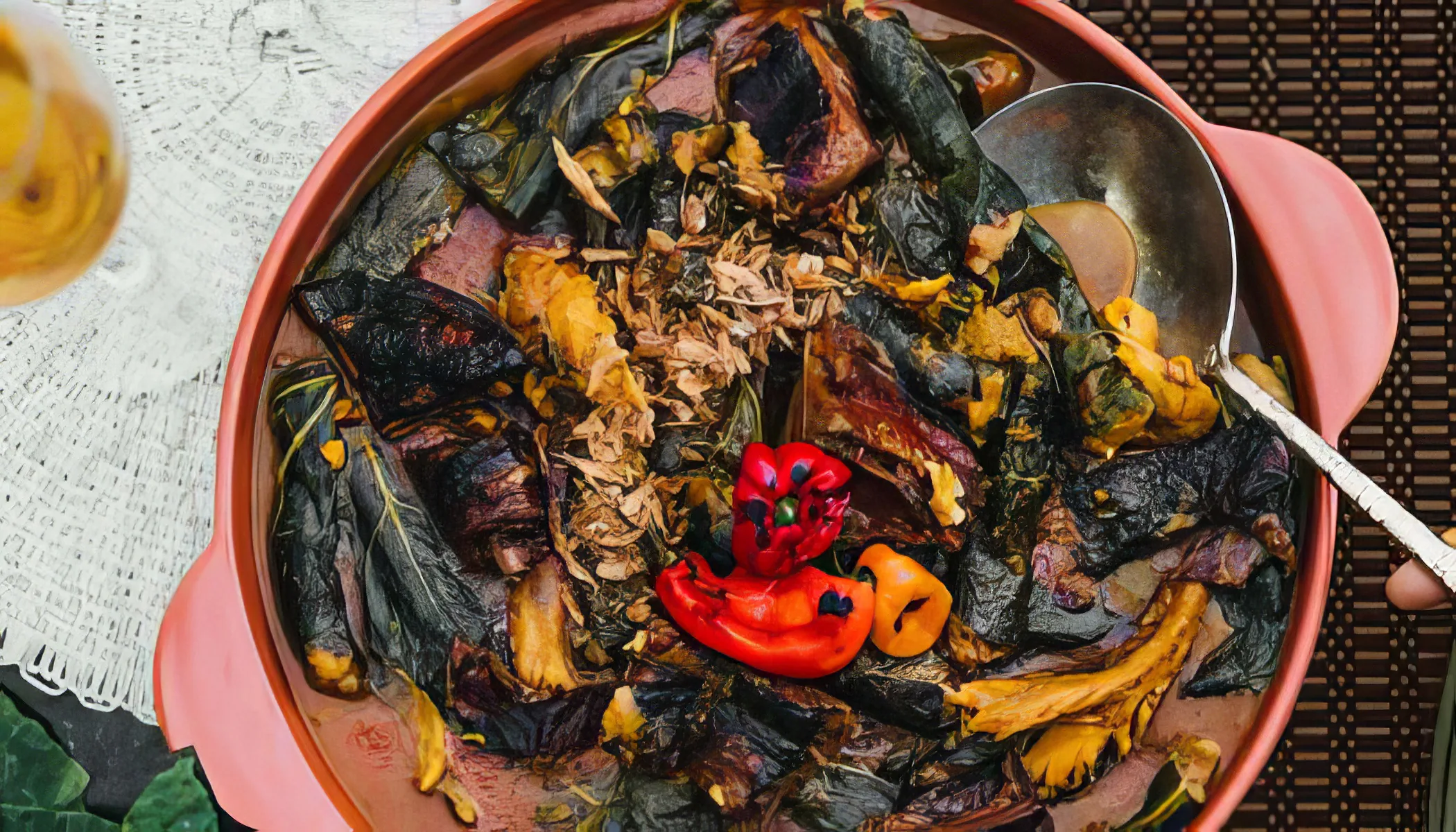
Cameroon's food scene is diverse, reflecting its rich cultural heritage and varied geography, offering a mix of traditional African and colonial influences. Meals often feature starchy staples paired with flavorful sauces and stews. Street food is popular, showcasing the country's lively culinary traditions. Most famous cuisine in Cameroon are:
– Ndole: Bitterleaf stew with peanuts, meat or fish, and spices.
– Achu Soup: Yellow soup made from cocoyam paste, palm oil, and spices.
– Eru: Leafy vegetable dish cooked with waterleaf, spinach, and meat or fish.
– Koki: Steamed black-eyed pea pudding wrapped in banana leaves.
– Poulet DG: Chicken stew with plantains, vegetables, and spices.
Souvenir
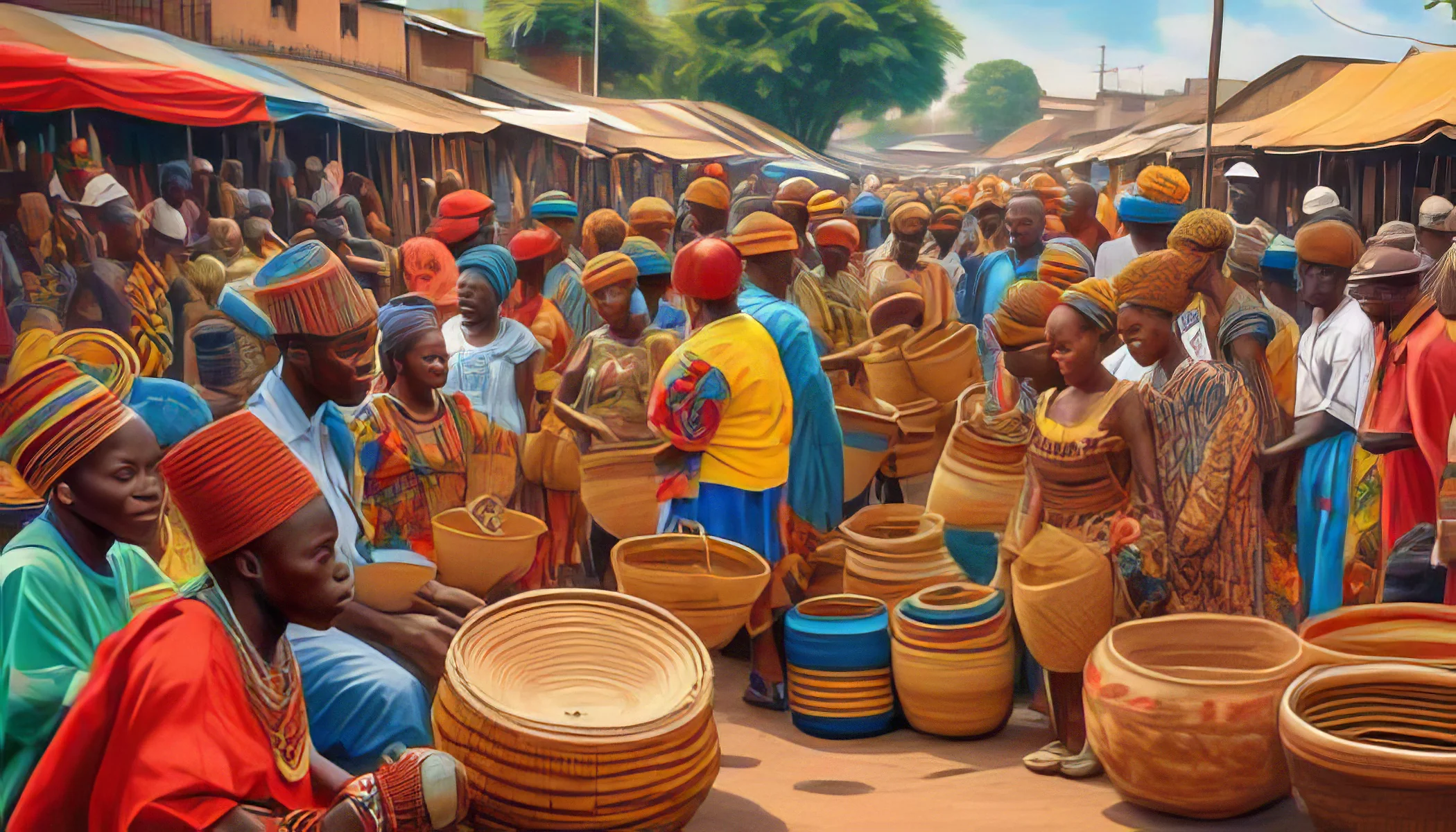
Cameroon supplies a variety of unique souvenirs that reflect its rich cultural heritage. Here are some popular options:
– Wood Carvings: Intricately carved wooden masks and statues are common and represent various ethnic groups.
– Beaded Jewelry: Colorful beaded necklaces and bracelets are handmade by local artisans.
– Traditional Fabrics: Brightly colored fabrics like Ndop and Toghu are used in traditional clothing.
– Musical Instruments: Handmade drums and other traditional instruments make for unique souvenirs.
– Basketry: Woven baskets in various shapes and sizes showcase local craftsmanship.
– Spices: Local spices, such as Penja pepper, offer a taste of Cameroon's culinary diversity.
– Pottery: Handcrafted pottery items reflect the artistic skills of local potters.
Traditional Shows
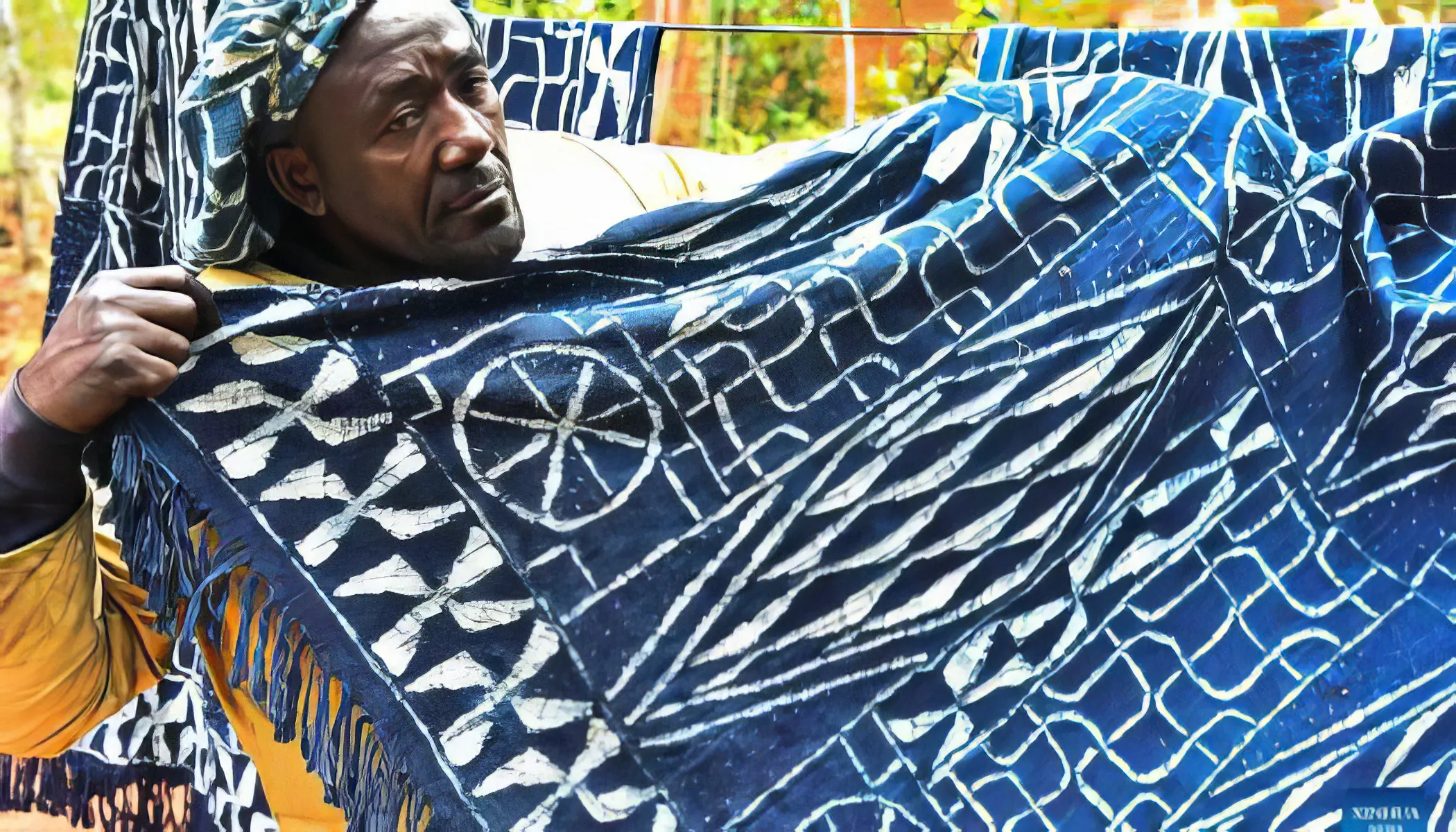
Cameroon offers diverse traditional performances:
– Bikutsi Dance: Originating from the Beti people, this energetic dance features rhythmic drumming and vibrant movements, commonly seen in Yaoundé.
– Makossa Music: Popular in Douala, this urban music style blends traditional rhythms with modern influences, showcasing Cameroon's evolving musical landscape.
– Bamileke Mask Dances: Witness sophisticated mask dances in the West Region, where performers embody ancestral spirits through elaborate costumes and choreography.
– Ngondo Festival: Held annually in Douala, this cultural event features traditional music and dance celebrating the Sawa people's heritage along the Wouri River.
– Njang Dance: Experience this lively dance of the Northwest Region's Grassfields communities, characterized by dynamic drumming and colorful attire.
Events & Festivals
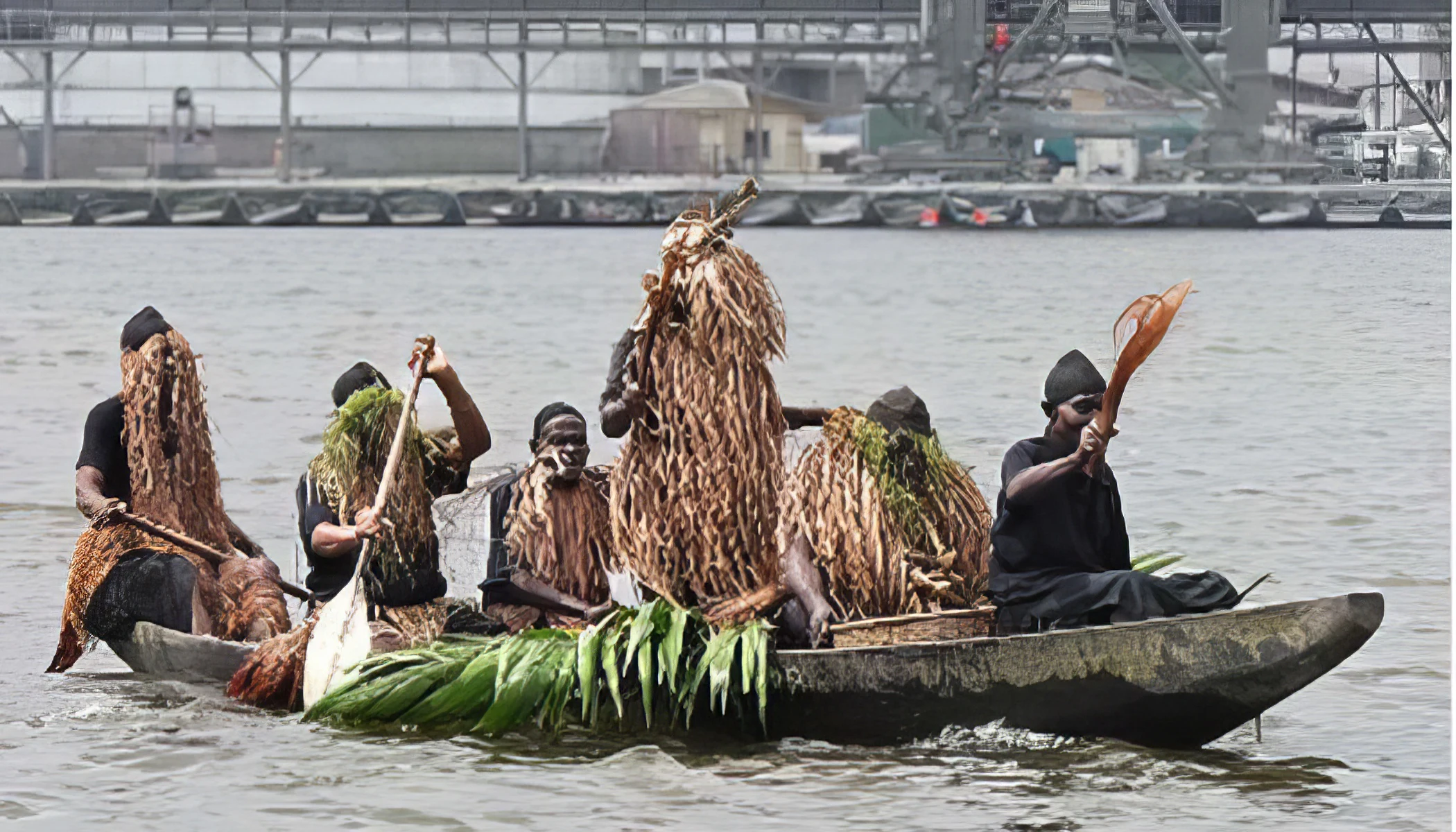
Cameroon hosts a variety of cultural events and festivals throughout the year, reflecting its diverse heritage:
– Ngondo Festival: December event by the Douala people, featuring water rituals and traditional dances.
– Nyem-Nyem Festival: Celebrated in July in Ngaoundéré, commemorating resistance against German colonization.
– Ebolowa Agricultural Show: Biennial January event showcasing Cameroon's agricultural advancements and innovations.
– National Day: May 20 celebration with parades and speeches marking Cameroon's independence and unity.
– Bamenda Cultural Festival: Annual November event highlighting the traditions of the Northwest Region.
– Limbe Festival of Arts and Culture: April festival promoting local arts, crafts, music, and dance.
– Mount Cameroon Race of Hope: February race challenging athletes to ascend West Africa's highest peak.
Famous People

Cameroon is home to many notable individuals who have made significant impacts in various fields globally.
– Ahmadou Ahidjo (1924 to 1989, Garoua): First President of Cameroon, serving from independence in 1960 until 1982.
– Paul Biya (born 1933, Mvomeka'a): Long-serving President of Cameroon since 1982, known for his political longevity.
– Manu Dibango (1933 to 2020, Douala): Renowned saxophonist and musician famous for the hit song "Soul Makossa."
– Samuel Eto'o (born 1981, Douala): Celebrated footballer known for his successful career with clubs like Barcelona and Inter Milan.
– Francis Ngannou (born 1986, Batié): Mixed martial artist recognized as a former UFC Heavyweight Champion.
Books
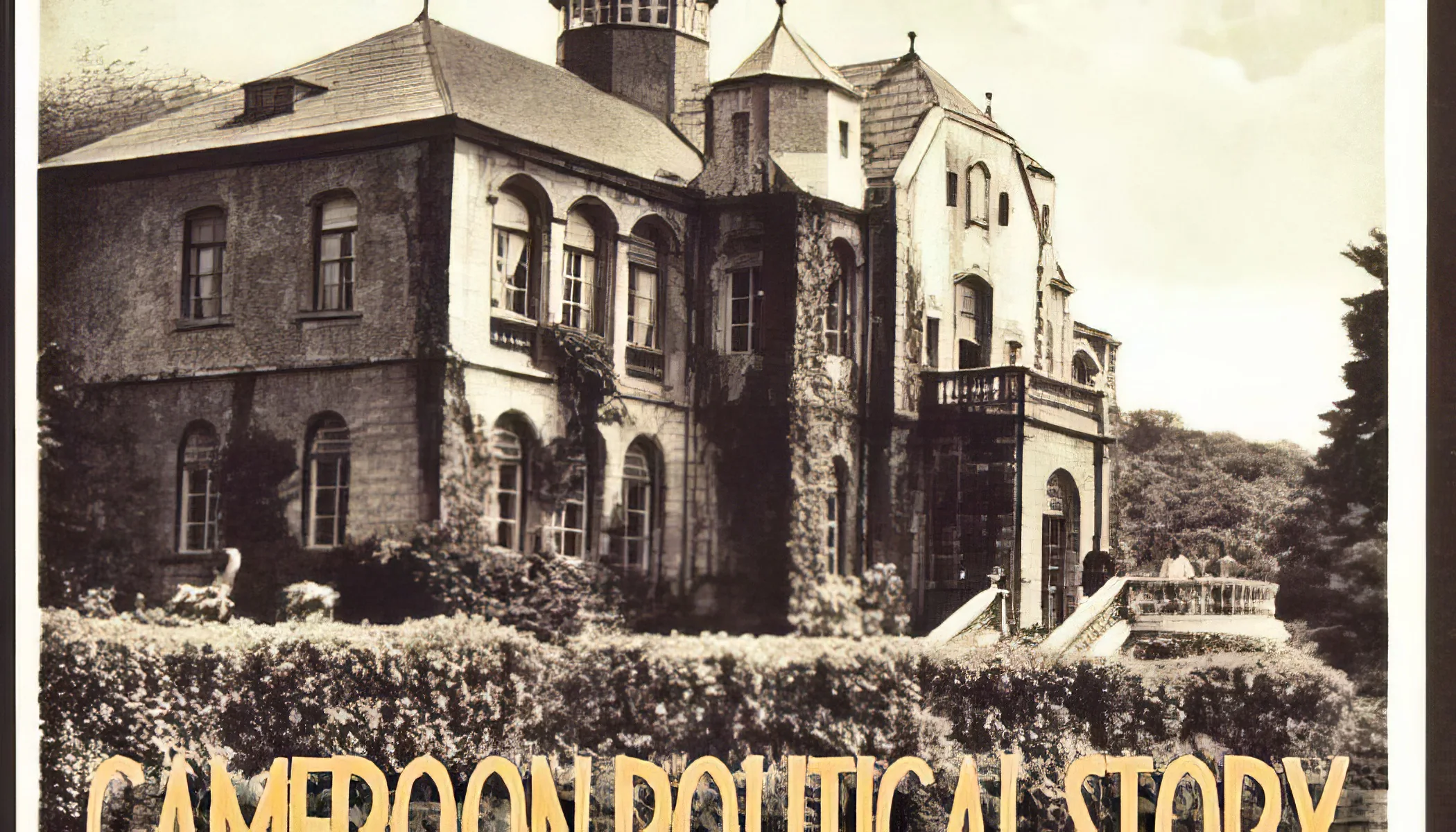
These books provide insights into Cameroon's culture, history, and social issues through compelling narratives and personal stories.
– "Houseboy" by Ferdinand Oyono: Chronicles a young Cameroonian's life under French colonial rule.
– "The Old Man and the Medal" by Ferdinand Oyono: Satirical tale of a Cameroonian elder's disillusionment with colonial honors.
– "Mission to Kala" by Mongo Beti: A humorous critique of colonialism through a young man's journey in Cameroon.
– "Behold the Dreamers" by Imbolo Mbue: Explores immigrant experiences of a Cameroonian family in New York City.
– "I Am Cameroon" by Patrice Nganang: Examines post-colonial identity and political struggles in Cameroon.
Songs
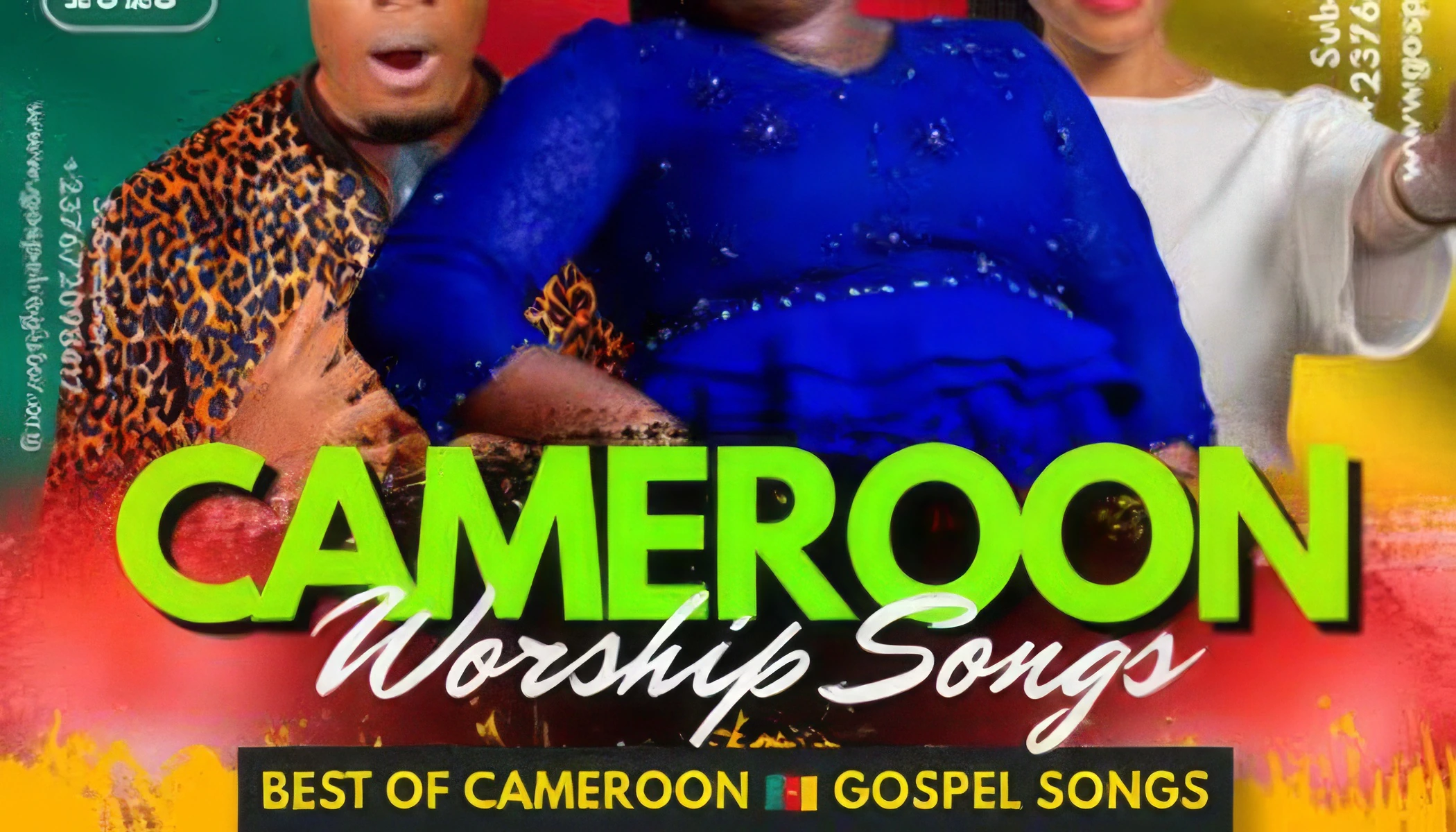
Cameroonian music is rich and diverse, reflecting the country's cultural heritage and pleasant rhythms.
– Soul Makossa: Manu Dibango's global hit blending jazz, funk, and traditional Cameroonian sounds.
– Zangalewa: Popularized by Golden Sounds, this song became an anthem for African soldiers.
– Pata Pata: Originally by Miriam Makeba, it gained popularity in Cameroon through various local renditions.
– Coucou: A classic makossa track by Petit Pays that showcases Cameroon's danceable beats.
– Essoka Dance: By Eboa Lotin, this song highlights traditional Cameroonian rhythms with a modern twist.
– Maria: A love ballad by Sam Fan Thomas that became a staple in Cameroon's music scene.
Films

A selection of notable films that explore Cameroonian culture and stories includes:
– "Muna Moto": Directed by Jean-Pierre Dikongué Pipa, this film addresses traditional customs and love in a Cameroonian village.
– "The Fisherman's Diary": Enah John's film follows a young girl's quest for education against societal norms.
– "Ninah's Dowry": Victor Viyuoh's drama about a woman's struggle to escape an abusive marriage in rural Cameroon.
– "Sisters in Law": A documentary by Kim Longinotto and Florence Ayisi, showcasing women's rights cases in a Cameroonian court.
– "Clando": Jean-Marie Teno's film explores themes of political exile and identity through the story of a taxi driver.