

Canada Attractions & Travel Advice – Plan Your Visit
This North American country is known for its vast wilderness, multicultural cities, and friendly locals. It boasts the world's longest coastline, diverse wildlife, and a rich history. From the Rocky Mountains to French-speaking Quebec, it offers a variety of experiences.
- Capital
- Ottawa
- Population
- 33.7 millions
- Superficy
- 9985000 sq.km
- Months to Visit
- June to Sept.
- Living Cost
- Moderate
Overview
Canada, the second-largest country by land area, is located in North America. It's known for its vast wilderness, diverse landscapes, and multicultural cities. The capital, Ottawa, and other major cities like Toronto, Vancouver, and Montreal offer a mix of modern architecture, cultural diversity, and rich history. Canada is home to numerous national parks and wildlife, showcasing its commitment to environmental preservation. The country is officially bilingual, with English and French as the main languages. Canada's reputation for politeness, safety, and quality of life makes it an attractive destination for travelers and immigrants.
Pros & Cons
GOOD REASONS TO VISIT CANADA
– Natural Beauty: Canada offers diverse landscapes, from the Rocky Mountains to Niagara Falls and the Northern Lights.
– Wildlife Viewing: Encounter wildlife like bears, moose, and whales in their natural habitats.
– Multicultural Cities: Experience diverse cultures, food, and festivals in cities like Toronto, Vancouver, and Montreal.
– Outdoor Activities: Enjoy hiking, skiing, canoeing, and more in Canada's vast wilderness and national parks.
– Safety: Canada is known for its low crime rate and politeness, making it a safe destination for travelers. CHALLENGES WHEN VISITING CANADA
– Large Distances: Canada's vast size can make travel between cities and attractions time-consuming and expensive.
– Cold Winters: Winters can be extremely cold, especially in the northern regions, which may limit outdoor activities.
– High Costs: Compared to other countries, the cost of living and traveling in Canada can be high.
Before Departure
Before planning your trip to Canada, there are several important factors to consider:
– Passport: Ensure your passport is valid for at least six months beyond your intended departure date from Canada.
– Visa: Depending on your nationality, you may need a visa or an Electronic Travel Authorization (eTA) to visit Canada. Check the official Canadian government website for details.
– Currency: The local currency is the Canadian Dollar (CAD). Credit cards are widely accepted and ATMs are readily available.
– Internet access: WiFi is widely available in cities, hotels, and cafes. Prepaid SIM cards for data are available from various providers.
– Language barrier: Canada has two official languages, English and French. English is widely spoken across the country, while French is predominant in Quebec.
What to Pack
Traveling to Canada requires preparation for diverse weather conditions, outdoor activities, and urban exploration.
– Essentials: Passport and visa (if required), travel insurance details, flight tickets and itinerary, accommodation reservations.
– Clothing: Warm clothing for winter months, waterproof shoes, swimwear (for summer months), hat and sunglasses for sun protection, comfortable walking shoes.
– Health and Safety: Prescription medications and a basic first aid kit, sunscreen with high SPF, personal hygiene items.
– Electronics: Travel adapter for Canadian outlets, mobile phone, camera, power bank for charging on the go.
Weather
Canada's weather varies greatly by region and season:
– Winter (December to February): Cold and snowy across most of the country, with extreme cold in the northern regions.
– Spring (March to May): Weather starts to warm up with rain in many regions, snow in the northern areas.
– Summer (June to August): Warm to hot in most regions, cooler in the northern areas and coastal regions.
– Autumn (September to November): Cooler temperatures start to set in, with beautiful fall foliage in many parts of the country. The best time to visit Canada depends on the activities you're interested in:
– For winter sports, visit from December to March.
– For outdoor activities and sightseeing, June to September offers the best weather.
– For viewing fall foliage, visit in October. Keep in mind that summer is the peak tourist season, so expect higher prices and more crowds.
Travel Budget
Canada is a country with a higher cost of living compared to many others. Here are some average costs for reference:
– Hotel: 100$ to 200$
– Lunch: 10$ to 20$
– Beverage (in bar/restaurant): 5$ to 10$
– Coffee: 2$ to 4$
– Transportation: (train 30$ to 100$), (bus 2$ to 10$), (taxi /10km 10$ to 20$)
– Mobile data (per GB): 5$ to 10$
Language
Canada is a bilingual country with English and French as the official languages. Here are some useful phrases in English for tourists:
– Hello: Hello
– Thank you: Thank you
– Please: Please
– How much is this?: How much is this?
– Excuse me: Excuse me
– I don't understand: I don't understand
– Yes: Yes
– No: No
– Goodbye: Goodbye
And here are some useful phrases in French:
– Hello: Bonjour
– Thank you: Merci
– Please: S'il vous plaît
– How much is this?: Combien ça coûte?
– Excuse me: Excusez-moi
– I don't understand: Je ne comprends pas
– Yes: Oui
– No: Non
– Goodbye: Au revoir
History
Canada's history begins with the arrival of Indigenous peoples thousands of years ago. Europeans first arrived in the late 15th century, with the French establishing the first permanent European settlement in the 16th century. The British took control after the Seven Years' War in the 18th century. Canada was officially established as a country on July 1, 1867, through the process of confederation. The country expanded westward, adding provinces and territories over the next several decades. In the 20th century, Canada gained full legal autonomy from the UK with the Statute of Westminster in 1931 and the patriation of its constitution in 1982.
Geopolitics
Canada, the second-largest country by land area, is located in North America, bordering the United States to the south. It has a stable, democratic government with Ottawa as its capital. Canada is a member of many international organizations, including the United Nations, NATO, G7, G20, and the Commonwealth of Nations. It maintains strong ties with the United States, its largest trading partner, but also seeks to diversify its international relationships. Canada's geopolitical position is influenced by its vast natural resources, its role in international peacekeeping, and its policies on issues such as climate change and immigration.
Sample Itinerary
This itinerary offers a blend of urban exploration in Toronto, natural beauty in Banff, cultural immersion in Quebec City, and maritime charm in Halifax.
– 2 days in Toronto: Visit the Cn Tower, Royal Ontario Museum, and explore the Distillery District. Enjoy the multicultural food scene.
– 3 days in Banff: Experience the Rocky Mountains, Lake Louise, and Banff Gondola. Engage in outdoor activities like hiking, canoeing, and wildlife viewing.
– 2 days in Quebec City: Explore Old Quebec, the Citadel, and Montmorency Falls. Experience French-Canadian culture and cuisine.
– 2 days in Halifax: Visit the Maritime Museum of the Atlantic, Halifax Citadel, and Peggy's Cove. Enjoy the waterfront and local seafood.
Popular cities

Canada offers a diverse range of cities, each with its unique charm and attractions:
– Toronto: Canada's largest city, known for its iconic skyline including the Cn Tower.
– Vancouver: A coastal city famous for its natural beauty, including Stanley Park and Granville Island.
– Montreal: Known for its French influence, historic sites, and beautiful festivals.
– Quebec City: A historic city with a well-preserved old town and the famous Château Frontenac.
– Ottawa: Canada's capital, home to many national museums and the Parliament Hill.
– Calgary: Known for its proximity to the Rocky Mountains and the annual Calgary Stampede.
– Victoria: The capital of British Columbia, famous for its British colonial history and The Butchart Gardens.
Monuments
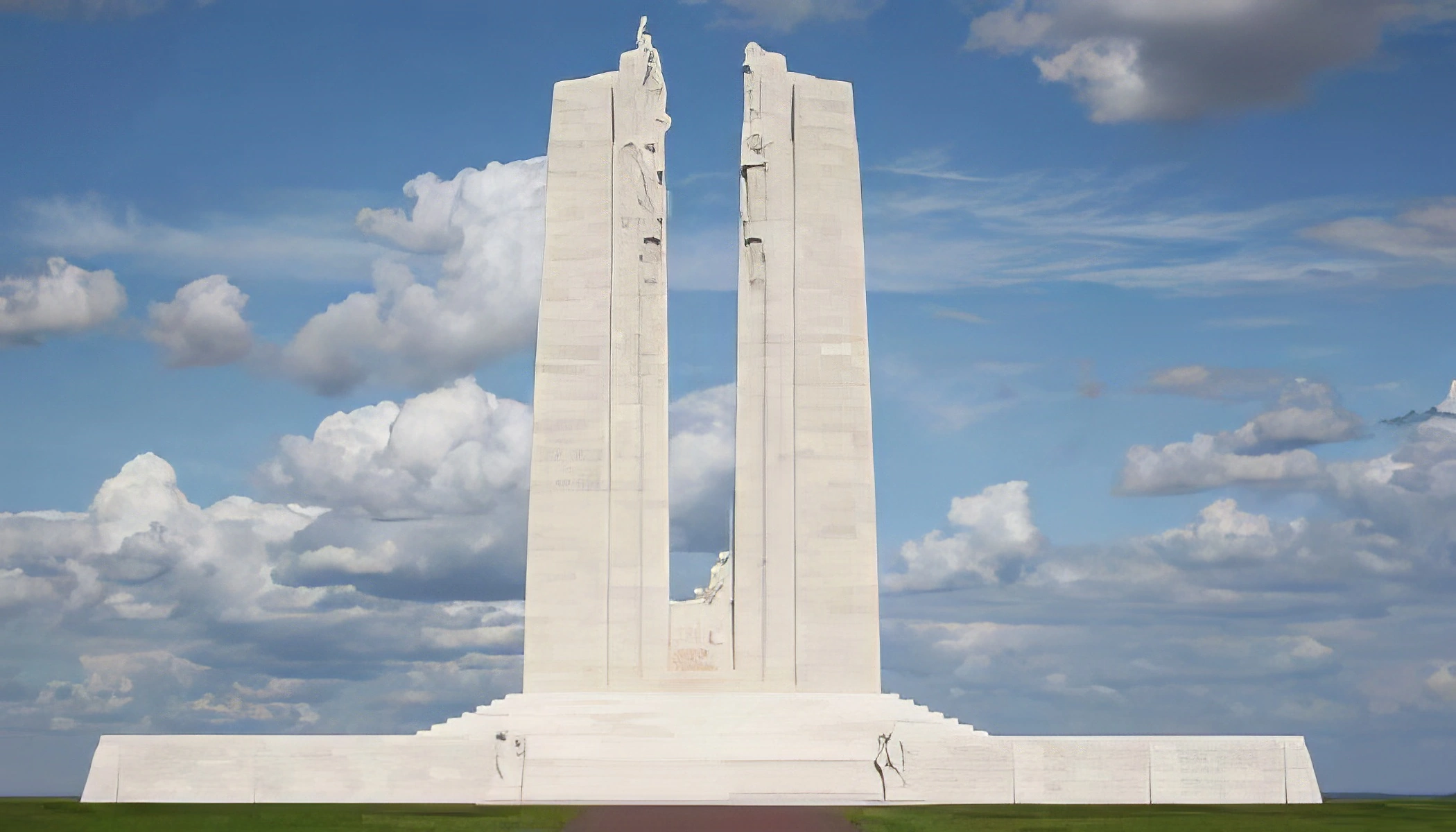
Canada is home to a variety of historical and architectural monuments:
– Cn Tower, Toronto: Once the world's tallest freestanding structure, offers panoramic city views.
– Parliament Hill, Ottawa: Canada's political heart with iconic Gothic Revival-style buildings.
– Chateau Frontenac, Quebec City: Historic hotel, a symbol of the city, overlooking the St. Lawrence River.
– Butchart Gardens, Brentwood Bay: Beautiful garden estate showcasing diverse plant species and landscape designs.
– Rideau Canal, Ottawa: UNESCO site, world's largest naturally frozen skating rink in winter.
– Fortress of Louisbourg, Nova Scotia: Reconstructed 18th-century French fortress offering a glimpse into colonial history.
– Banff Springs Hotel, Alberta: Historic railway hotel, known for its Scottish Baronial architecture.
– Capilano Suspension Bridge, Vancouver: Thrilling footbridge over a lush, evergreen-filled canyon.
Natural wonder
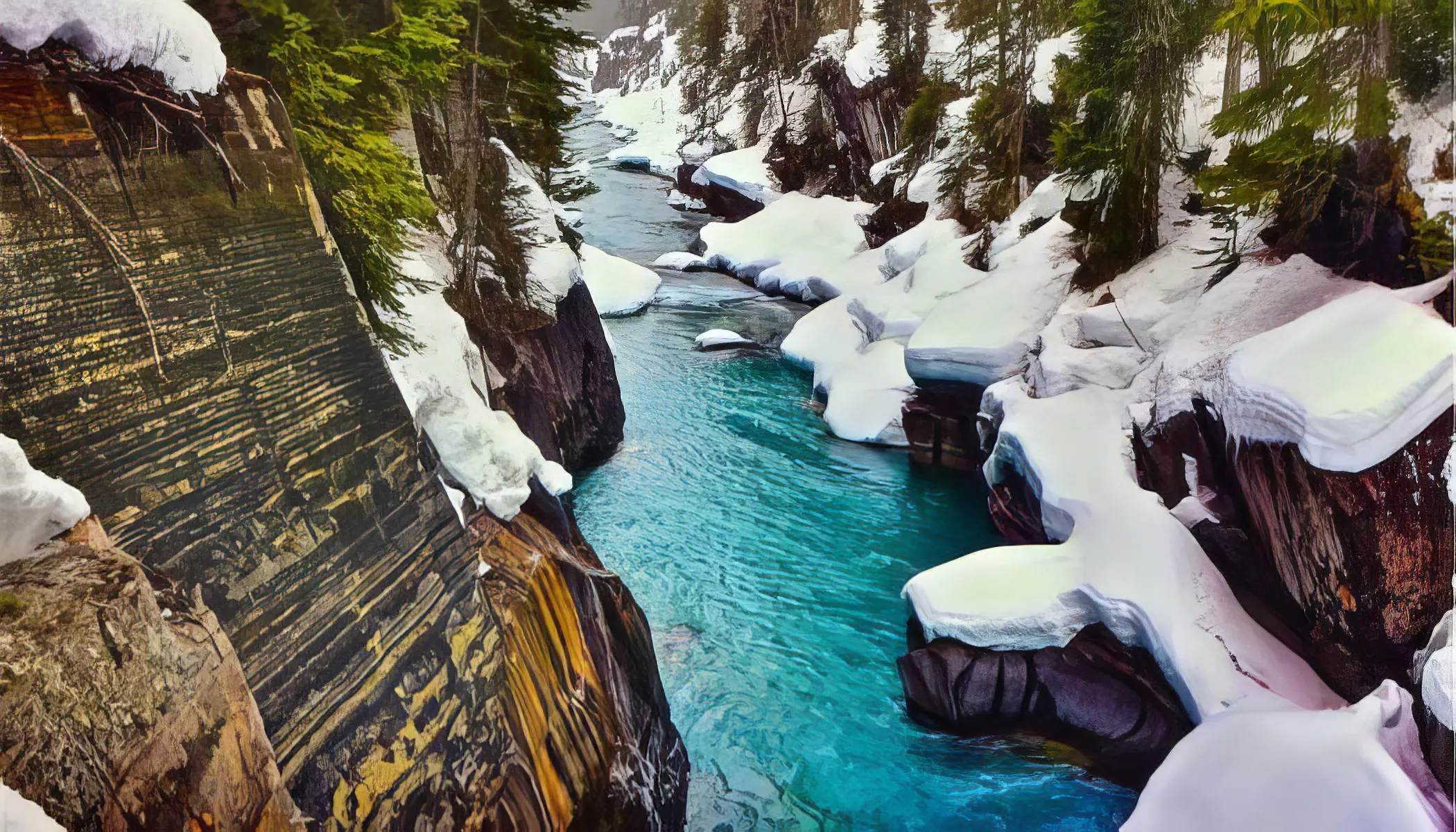
Explore the vast and diverse natural wonders of Canada:
– Niagara Falls: A world-renowned waterfall straddling the border of Canada and the United States.
– Banff National Park: Canada's oldest national park, known for its turquoise lakes and mountainous terrain.
– Jasper National Park: Home to glaciers, hot springs, lakes, waterfalls, and mountains.
– The Northern Lights (Aurora Borealis): Visible from many parts of northern Canada.
– Bay of Fundy: Known for having the highest tides on Earth.
– The Rocky Mountains: A major mountain range offering impressive landscapes.
– Gros Morne National Park: A UNESCO World Heritage site with diverse geological features.
– The Canadian Arctic: Known for its polar bears, glaciers, and midnight sun.
– The Great Lakes: The largest group of freshwater lakes on Earth.
– The Columbia Icefield: One of the largest accumulations of ice and snow south of the Arctic Circle.
Beaches
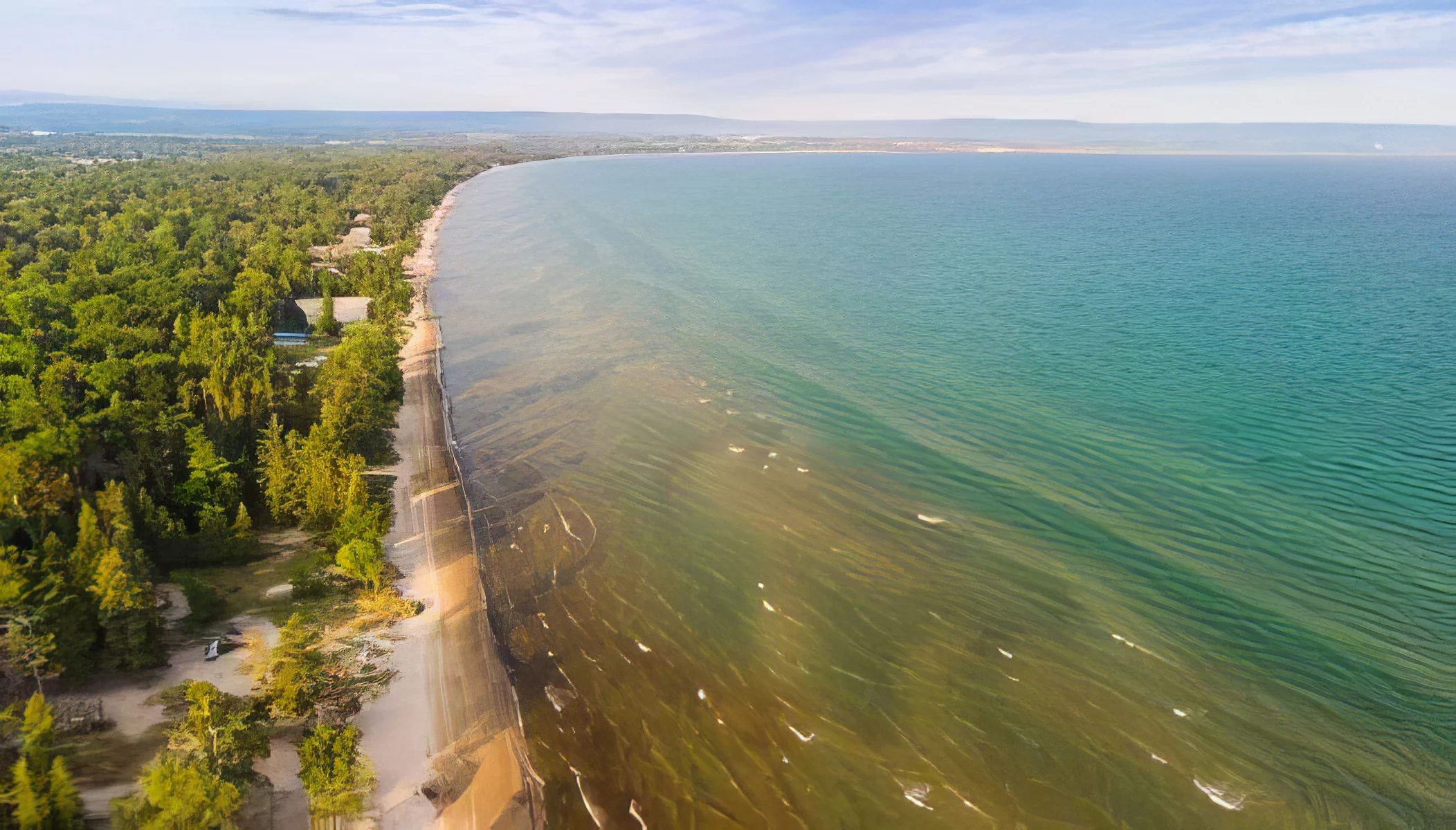
Canada is known for its diverse landscapes, including some beautiful beaches. Here are the most popular ones:
– Long Beach: Located in British Columbia, it's known for its surfing and scenic beauty.
– Wasaga Beach: Famous for its long sandy stretch on Georgian Bay, Ontario.
– Grand Beach: A popular spot on Lake Winnipeg, Manitoba, known for its fine white sand.
– Parlee Beach: Known for the warmest salt water in Canada, located in New Brunswick.
– Chesterman Beach: A gorgeous beach in British Columbia, popular for walking and surfing.
– Basin Head Beach: Famous for its singing sands, located in Prince Edward Island.
– Sauble Beach: Known for its sunsets and freshwater, located on Lake Huron, Ontario.
Outdoor activities
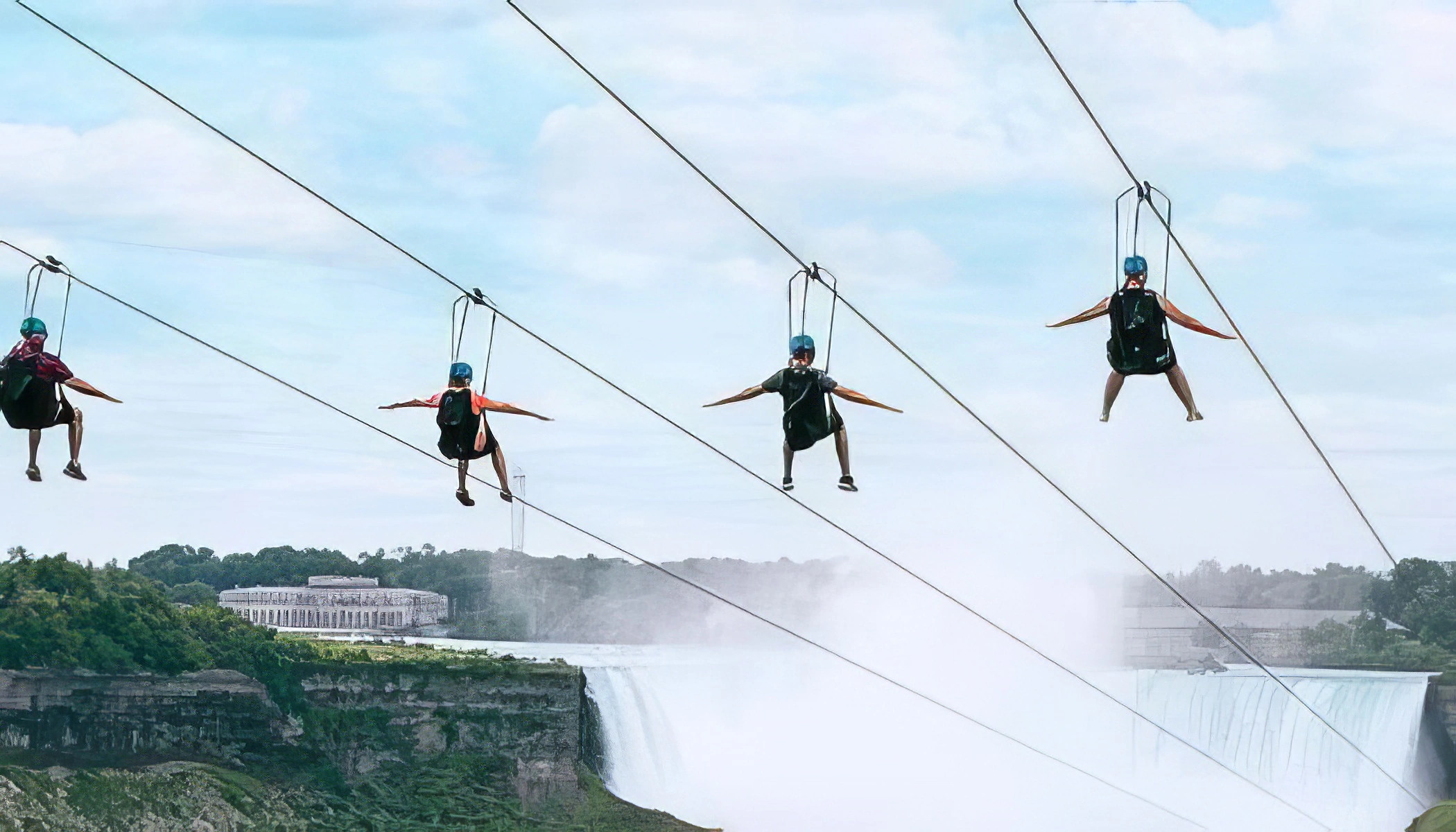
Canada offers a vast array of outdoor experiences due to its diverse landscapes and natural beauty:
– Hiking in Banff National Park: Traverse through remarkable mountainous terrain and turquoise glacial lakes.
– Kayaking in the Bay of Fundy: Experience the world's highest tides and unique rock formations.
– Skiing in Whistler: Enjoy world-class slopes and snow conditions.
– Wildlife Viewing in Churchill: Observe polar bears in their natural habitat.
– Cycling the Confederation Trail: Explore Prince Edward Island's scenic landscapes.
– Canoeing in Algonquin Provincial Park: Paddle through carefree lakes and rivers.
– Iceberg Viewing in Newfoundland: Witness the majestic ice giants from the North Atlantic.
Kid Friendly

Canada offers a variety of activities that are perfect for children:
– Royal Tyrrell Museum: A museum in Alberta dedicated to the study of dinosaurs and paleontology.
– Ripley's Aquarium of Canada: An engaging aquarium in Toronto with a variety of marine life.
– Canada's Wonderland: A large theme park in Ontario with rides and attractions for all ages.
– Toronto Zoo: A world-class zoo with over 5,000 animals to see and learn about.
– Capilano Suspension Bridge Park: A park in Vancouver with a suspension bridge and treetop adventures.
– The Butterfly Conservatory: Located in Niagara Falls, it's home to over 2,000 butterflies.
– Science World: A science centre in Vancouver with interactive exhibits and demonstrations.
– Mont Tremblant: A resort in Quebec offering year-round outdoor activities like skiing, hiking, and biking.
Cuisine

Canadian cuisine is a diverse blend of indigenous traditions, British and French influences, and modern multicultural additions. It's characterized by its use of local ingredients and hearty dishes. The food scene varies greatly across the country's vast regions. Most famous cuisine in Canada are:
– Poutine: Fries topped with cheese curds and gravy.
– Butter Tart: Sweet pastry filled with butter, sugar, and eggs.
– Tourtière: Meat pie originating from Quebec.
– Nanaimo Bar: No-bake dessert bar with a wafer crumb base, custard filling, and chocolate ganache topping.
– BeaverTails: Fried dough pastries, usually topped with sweet condiments and confections.
Souvenir

Canada is a country rich in culture and natural beauty, and its souvenirs reflect this diversity. Here are some popular items to consider:
– Maple Syrup: Canada is the world's largest producer of maple syrup, making it a sweet and iconic souvenir.
– Inuit Art: Handmade sculptures and prints from the Inuit people are unique and culturally significant.
– Canadian Ice Wine: This sweet dessert wine is a specialty of Canada's cold climate vineyards.
– Hudson's Bay Blanket: These wool blankets with distinctive multicolored stripes are a piece of Canadian history.
– Totem Poles: Miniature totem poles are a popular souvenir, reflecting the indigenous cultures of the Pacific Northwest.
– Canadian Sports Gear: Hockey jerseys or other sports gear from Canadian teams are a hit with sports fans.
– Local Craft Beer: Canada has a thriving craft beer scene, and local brews make a great souvenir.
Traditional Shows

Canada is rich in diverse traditional performances:
– Cirque du Soleil: Based in Montreal, this world-renowned circus troupe combines acrobatics, music, and visual effects for a unique theatrical experience.
– Stratford Festival: In Stratford, Ontario, this festival showcases classical and contemporary theatre, including works by Shakespeare.
– Royal Winnipeg Ballet: Canada's oldest ballet company, based in Winnipeg, offers a mix of classical and contemporary ballet performances.
– Cape Breton Celtic Music: Experience traditional Celtic music in Cape Breton, Nova Scotia, known for its lively fiddle tunes and step dancing.
– Quebec City Summer Festival: This annual event in Quebec City features a wide range of music genres, from traditional folk to modern pop.
Events & Festivals

Canada is known for its diverse culture and pleasant festivals that take place throughout the year:
– Winterlude: A winter festival in February, featuring ice sculptures and skating in Ottawa.
– Quebec Carnival: A pre-Lenten celebration in February with parades and snow sculptures in Quebec City.
– Canada Day: Celebrated on July 1, marking the country's confederation with fireworks and parades.
– Calgary Stampede: A 10-day July event in Calgary, showcasing rodeos, concerts, and agricultural competitions.
– Toronto International Film Festival: A prestigious film festival in September, attracting global filmmakers and stars.
– Vancouver International Jazz Festival: A June event featuring local and international jazz artists.
– Montreal International Jazz Festival: A late June to early July event, one of the world's largest jazz festivals.
Famous People

Canada is home to many renowned figures who have made significant contributions in various fields.
– Justin Trudeau (born 1971, Ottawa): Current Prime Minister of Canada and leader of the Liberal Party.
– Leonard Cohen (1934 to 2016, Montreal): Internationally acclaimed singer-songwriter, poet, and novelist.
– Wayne Gretzky (born 1961, Brantford): Widely considered the greatest hockey player of all time.
– Alice Munro (born 1931, Wingham): Nobel Prize-winning author known for her short stories.
– Alexander Graham Bell (1847 to 1922, Edinburgh but moved to Canada): Inventor of the telephone, lived and worked in Canada.
Books

These books provide a rich exploration of Canada's diverse landscapes, cultures, and historical periods.
– "Anne of Green Gables" by L.M. Montgomery: Chronicles the adventures of an orphan girl in Prince Edward Island.
– "The Orenda" by Joseph Boyden: Explores the early contact between native Canadians and Europeans.
– "The Book of Negroes" by Lawrence Hill: A historical novel about a girl's journey from Africa to Nova Scotia.
– "Life of Pi" by Yann Martel: A young Indian boy survives a shipwreck and shares a lifeboat with a Bengal tiger.
– "Fifth Business" by Robertson Davies: A man's life is shaped by a childhood incident in a small Canadian town.
Songs

Canadian music is a rich tapestry of diverse genres and artists, with many songs gaining international acclaim.
– "Hallelujah" by Leonard Cohen: A deeply spiritual song that has been covered countless times.
– "Summer of '69" by Bryan Adams: A nostalgic rock anthem about youth and love.
– "Complicated" by Avril Lavigne: A pop-punk hit that defined early 2000s music.
– "Man! I Feel Like A Woman!" by Shania Twain: A country-pop crossover empowering women.
– "Tom Sawyer" by Rush: A progressive rock classic known for its complex musicianship.
– "The Weight" by The Band: A folk-rock song that has become a standard in popular music.
Films

Here are some of the most renowned films that beautifully depict the Canadian culture and landscape:
– "Atanarjuat: The Fast Runner": An Inuit tale of love, betrayal, and survival in the Arctic, directed by Zacharias Kunuk.
– "Mon Oncle Antoine": Claude Jutra's film is a poignant coming-of-age story set in rural Quebec.
– "The Sweet Hereafter": Atom Egoyan's film explores a small town's grief after a tragic school bus accident.
– "Away from Her": Sarah Polley's directorial debut about a couple dealing with Alzheimer's disease.
– "Incendies": Denis Villeneuve's Oscar-nominated film about a pair of siblings uncovering their mother's war-torn past.