

Cape Verde Attractions & Travel Advice – Plan Your Visit
An island nation in the central Atlantic Ocean, it features a blend of African and Portuguese influences. Known for its Creole culture, it offers nice beaches, volcanic landscapes, and energetic music scenes, attracting those seeking a unique island experience.
- Capital
- The capital of Cape Verde is Praia.
- Population
- 0.6 millions
- Superficy
- 5000 sq.km
- Months to Visit
- Nov. to June
- Living Cost
- Moderate
Overview
Cape Verde is an island nation located in the central Atlantic Ocean, off the coast of West Africa. It consists of ten volcanic islands, each offering unique landscapes ranging from sandy beaches to rugged mountains. The capital city, Praia, is situated on Santiago Island and serves as the cultural and economic hub. Cape Verde has a rich Creole Portuguese-African culture, reflected in its music, dance, and festivals. The country enjoys political stability and has a growing tourism sector focused on its natural beauty and mild climate. Despite limited natural resources, Cape Verde has made significant strides in development and infrastructure.
Pros & Cons
GOOD REASONS TO VISIT CAPE VERDE
– Beautiful Beaches: Cape Verde offers lovely beaches with clear waters, perfect for relaxation and water sports.
– Unique Music and Culture: Experience animated Creole culture, with lively music genres like morna and funaná.
– Diverse Landscapes: Explore volcanic islands, attractive valleys, and arid deserts across the archipelago's varied terrain.
– Pleasant Climate: Enjoy a mild climate year-round, ideal for outdoor activities and beach holidays.
– Rich Marine Life: Excellent diving and snorkeling opportunities with diverse marine species in clear Atlantic waters. CHALLENGES WHEN VISITING CAPE VERDE
– Limited Infrastructure: Some islands have underdeveloped roads and facilities, affecting travel convenience.
– High Travel Costs: Flights to Cape Verde can be expensive due to its remote location.
– Language Barrier: Portuguese is the official language; English is not widely spoken outside tourist areas.
Before Departure
Before traveling to Cape Verde, consider the following essential information:
– Passport: Ensure your passport is valid for at least six months beyond your intended stay.
– Visa: Most tourists can obtain a visa on arrival or an e-visa; validity typically 30 days. Check specific requirements based on nationality.
– Currency: Cape Verdean Escudo (CVE); Euros widely accepted; credit cards in urban areas; ATMs available but not ubiquitous.
– Internet access: WiFi is accessible in hotels and cafes in urban areas; local SIM cards offer affordable data plans.
– Language barrier: Portuguese is the official language; Creole widely spoken. English and French are not commonly spoken.
What to Pack
Cape Verde provides a tropical climate with beautiful beaches and diverse landscapes, so packing appropriately is essential for a comfortable trip.
– Essentials: Passport, travel insurance, flight tickets, accommodation details, and itinerary.
– Clothing: Light and breathable clothing, swimwear, comfortable sandals or walking shoes, sunglasses, hat for sun protection.
– Health & Safety: Prescription medications, basic first aid kit, insect repellent, sunscreen with high SPF.
– Electronics: Travel adapter for European outlets (Type C or F), mobile phone with charger, camera for capturing scenic views.
Weather
Weather in Cape Verde is generally warm and dry with slight variations by season:
– Winter (December to February): Mild temperatures with low humidity and minimal rainfall.
– Spring (March to May): Warm temperatures, dry conditions, and occasional windy days.
– Summer (June to August): Hotter temperatures with increased humidity; still relatively dry.
– Autumn (September to November): Warm with the highest chance of rain, though still limited. The best time to visit Cape Verde is from November to June:
– Enjoy pleasant weather and minimal rainfall.
– Ideal for outdoor activities like hiking and beach visits. Note that the Harmattan wind can cause hazy skies from December to February.
Travel Budget
Cape Verde offers a range of prices suitable for different budgets. Here are some average costs for tourists:
– Hotel: 40$ to 150$
– Lunch: 5$ to 20$
– Beverage (in bar/restaurant): 2$ to 6$
– Coffee: 1.5$ to 3.5$
– Transportation: (train not available), (bus 1$ to 3$), (taxi /10km 8$ to 15$)
– Mobile data (per GB): 3$ to 7$
Language
Cape Verde's official language is Portuguese, but Cape Verdean Creole (Kriolu) is widely spoken. Here are some useful phrases:
– Hello: Olá
– Thank you: Obrigado (for males) / Obrigada (for females)
– Please: Por favor
– How much is this?: Quanto custa isto?
– Excuse me: Com licença
– I don't understand: Não entendo
– Yes: Sim
– No: Não
– Goodbye: Adeus
History
The islands were uninhabited until the Portuguese discovered and colonized them in the 15th century. Cape Verde became an important center for the transatlantic slave trade due to its strategic location. Over time, it developed a mixed-race population and a unique Creole culture. In 1951, it was designated as an overseas province of Portugal, but nationalist movements grew in the mid-20th century. Cape Verde gained independence from Portugal in 1975 after a peaceful transition. Since then, it has been one of Africa's most stable democracies, with regular elections and peaceful transfers of power.
Geopolitics
Located off the northwest coast of Africa, Cape Verde is an island nation in the central Atlantic Ocean. It maintains a stable democratic government and has been recognized for its political stability in the region. The country has limited natural resources, which makes it reliant on foreign aid and remittances from its diaspora. Cape Verde is a member of the African Union and the Economic Community of West African States (ECOWAS), engaging in regional cooperation. It has strategic maritime importance due to its location along key Atlantic shipping routes. The nation seeks to strengthen ties with both African countries and international partners, focusing on economic development, security, and climate resilience.
Sample Itinerary
This itinerary covers the cultural and natural highlights of Cape Verde, including Santiago, Fogo, and Sal islands.
– 2 days in Santiago: Explore Praia's markets and museums. Visit Cidade Velha, a UNESCO site with rich history and colonial architecture.
– 2 days in Fogo: Hike Mount Fogo volcano for remarkable views. Discover the unique landscape and visit local vineyards in Chã das Caldeiras.
– 2 days in Sal: Relax on Santa Maria Beach. Experience water sports or visit the salt mines at Pedra de Lume for a floating experience.
Popular cities
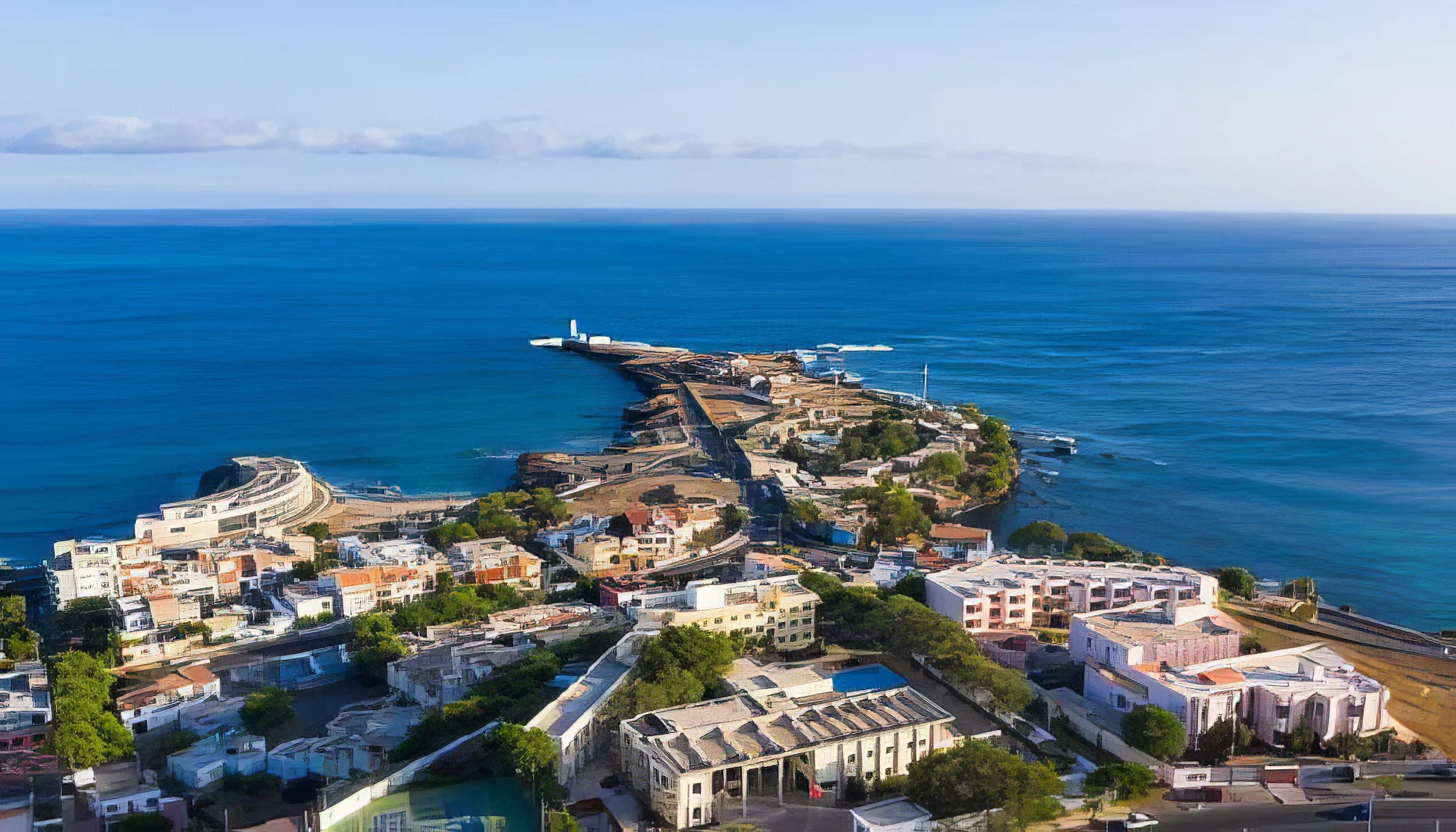
Explore Cape Verde's unique blend of African and Portuguese influences through its beautiful cities:
– Praia: The capital city supplies a mix of cultural sites, markets, and beautiful beaches.
– Mindelo: Known for its lively music scene, colonial architecture, and attractive festivals.
– Santa Maria: A popular tourist destination on Sal Island with remarkable beaches and water sports.
– Espargos: The main town on Sal Island, offering local culture and proximity to the airport.
– São Filipe: Located on Fogo Island, known for its colonial charm and views of the volcano.
– Tarrafal: A coastal town on Santiago Island famous for its beach and relaxed atmosphere.
– Ribeira Grande: Offers historical significance with its old churches and scenic landscapes.
Monuments
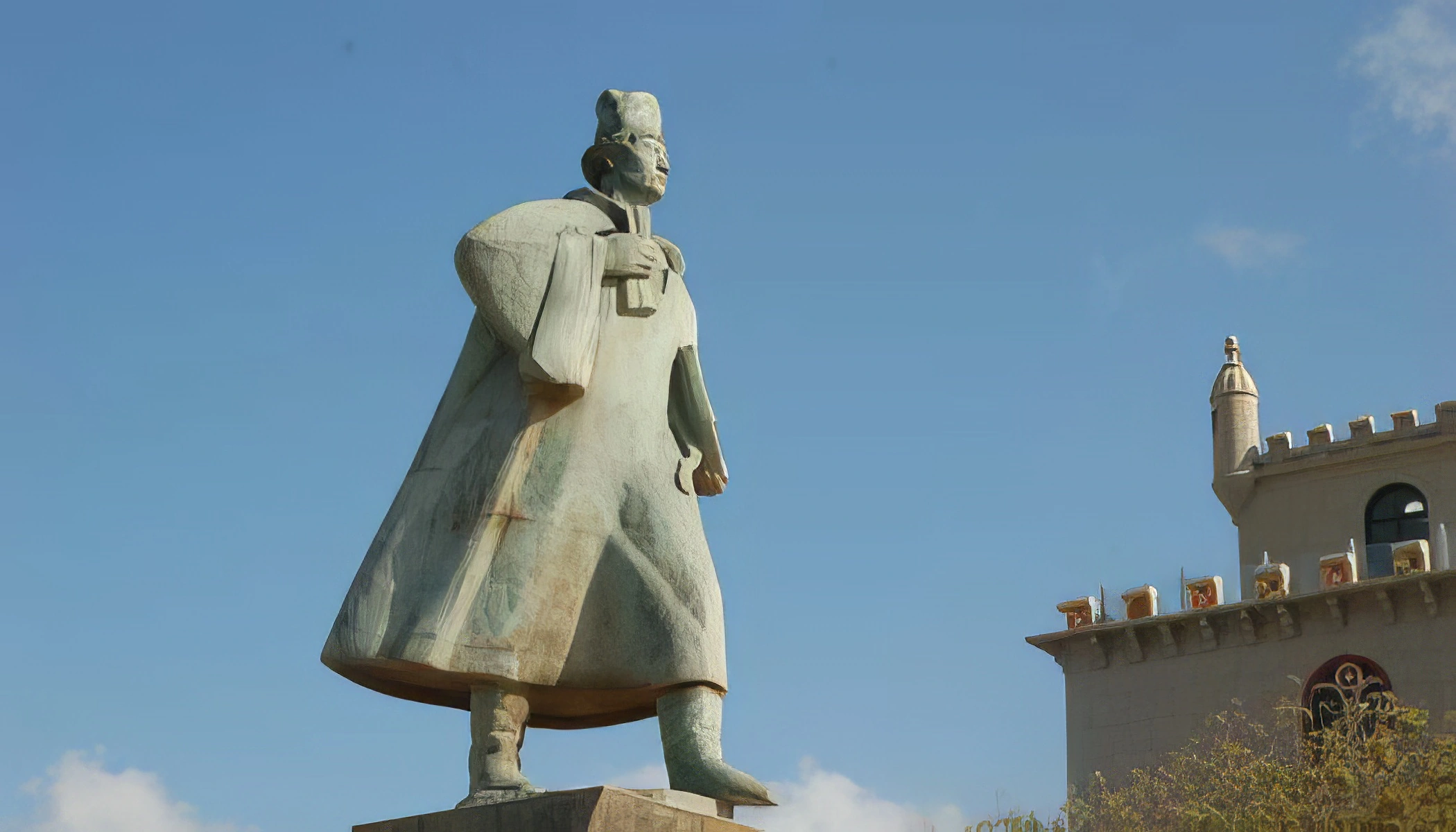
Cape Verde supplies a few notable monuments to explore:
– Cidade Velha, Santiago: UNESCO site, the first European colonial settlement in the tropics.
– Fort Real de São Filipe, Santiago: Historic fort offering panoramic views of Cidade Velha.
– Nossa Senhora do Rosário Church, Santiago: One of the oldest colonial churches in the world.
– Pelourinho, Santiago: Stone pillar symbolizing colonial justice in Cidade Velha's main square.
– Presidential Palace, Praia: Colonial-era building now serving as the official residence of Cape Verde's president.
– Monumento de Diogo Gomes, Praia: Statue honoring the Portuguese navigator who discovered Santiago Island.
– Farol de D. Maria Pia, Praia: Historic lighthouse guiding ships since 1881 on Santiago Island.
Natural wonder
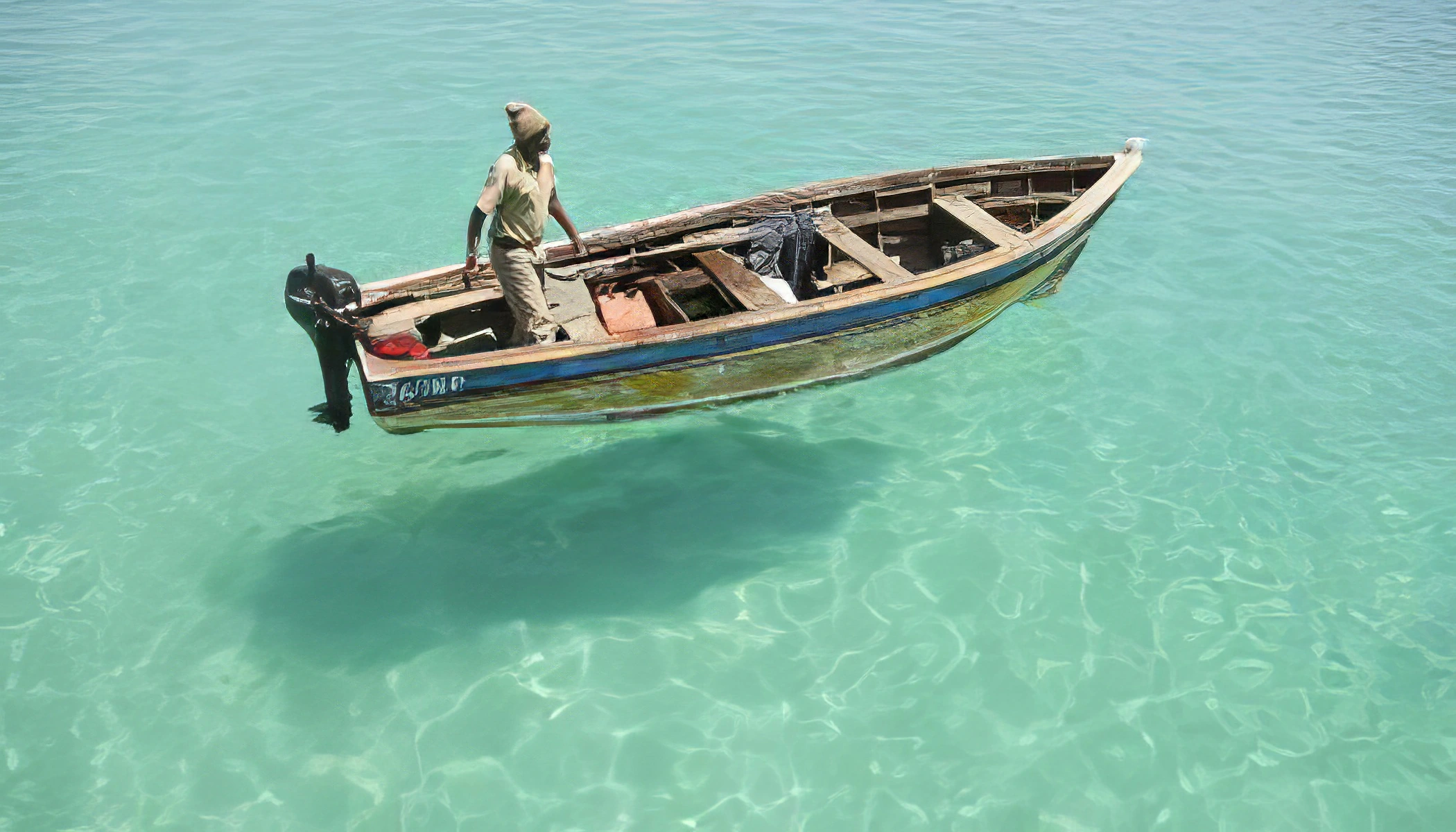
Explore Cape Verde's unique natural landscapes:
– Fogo Volcano: An active volcano with a striking conical shape and a challenging hiking trail.
– Salinas of Pedra de Lume: Salt flats in an extinct volcano crater, offering unique floating experiences.
– Serra Malagueta Natural Park: Provides diverse flora and fauna with scenic hiking trails.
– Monte Verde: The highest peak on São Vicente, providing panoramic island views.
– Viana Desert: A small desert on Boa Vista with shifting sand dunes.
– Ribeira do Paul Valley: Known for beautiful greenery and terraced farming landscapes.
– Buracona Blue Eye: A natural pool that creates a tempting blue eye effect under sunlight.
– Tarrafal Beach Caves: Features interesting rock formations and hidden caves along the coast.
– Pico do Antónia: The highest point on Santiago Island, ideal for hiking enthusiasts.
– Cova Crater: A volcanic crater offering fertile land and scenic views in Santo Antão.
Beaches
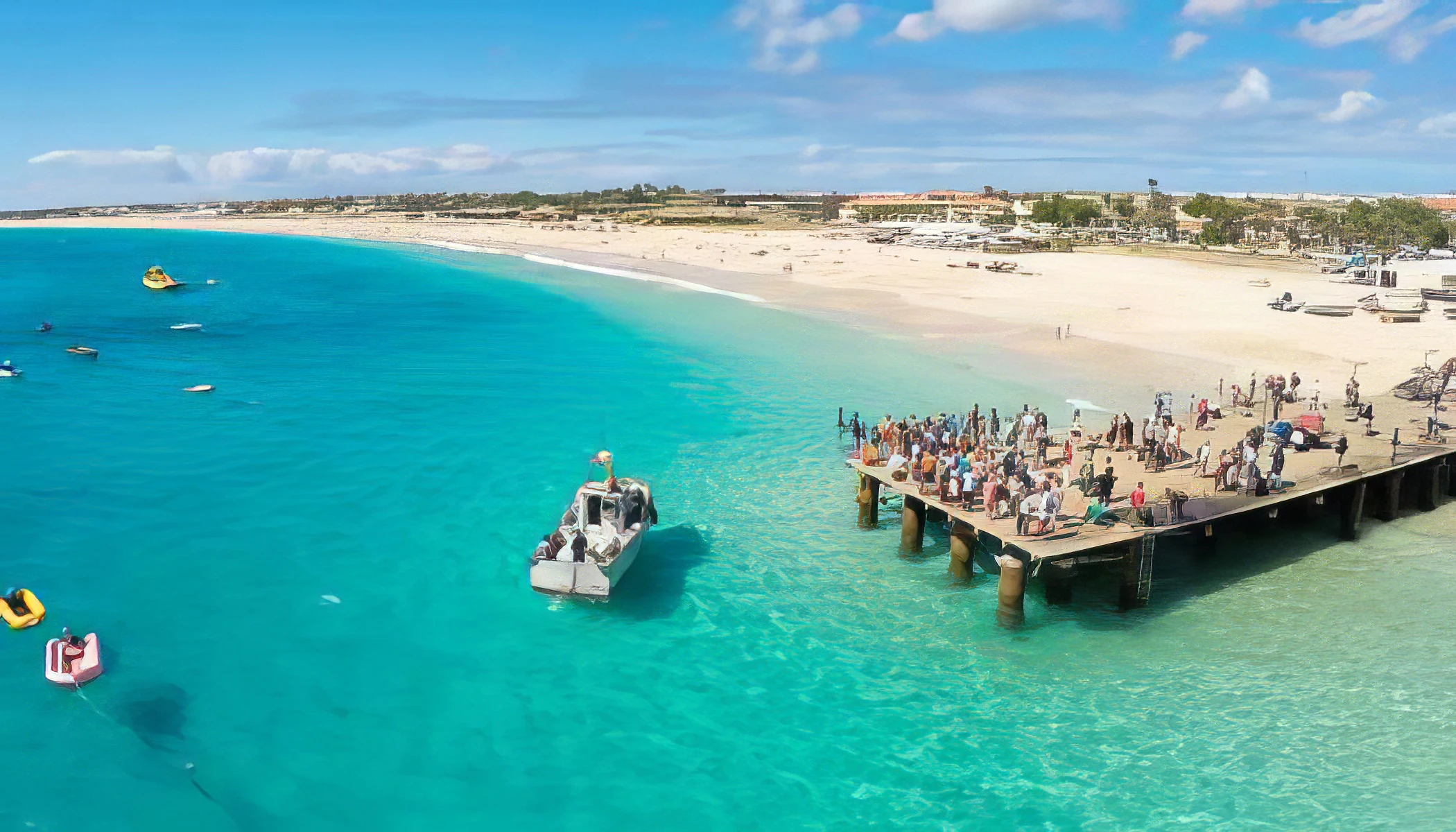
Cape Verde is known for its beautiful beaches and diverse landscapes.
– Santa Maria Beach: Popular for its golden sands and water sports on Sal Island.
– Praia de Chaves: Offers nice dunes and clear waters on Boa Vista Island.
– Tarrafal Beach: Known for its calm waters and scenic views on Santiago Island.
– Laginha Beach: A lively beach with clear waters in Mindelo, São Vicente Island.
– Praia de Estoril: Offers a relaxed atmosphere and windsurfing opportunities on Boa Vista Island.
– Ponta Preta Beach: Famous for strong waves, attracting surfers to Sal Island.
– Sao Pedro Beach: Known for windsurfing and scenic beauty near Mindelo, São Vicente.
Outdoor activities
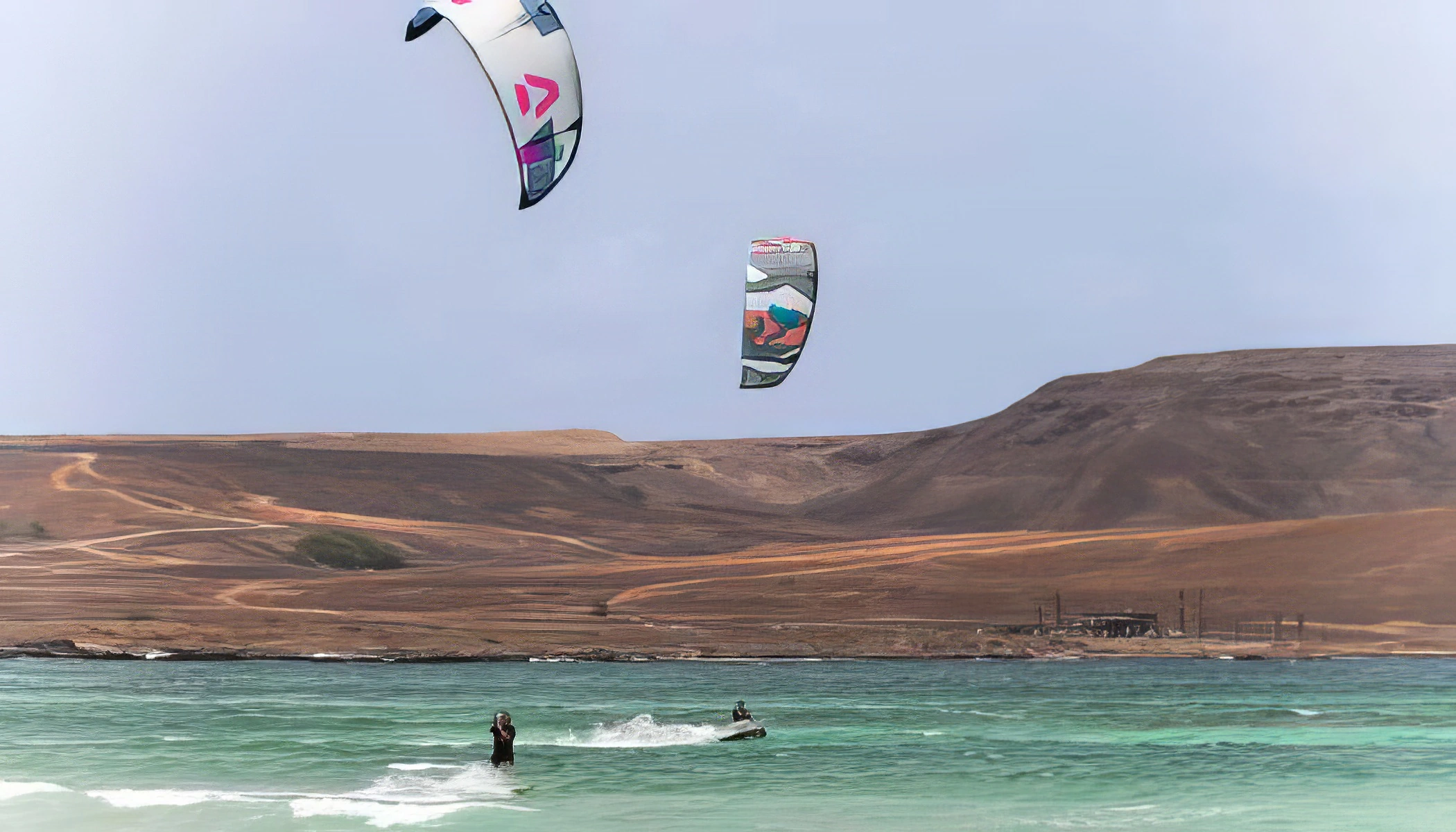
There are numerous outdoor activities to enjoy in Cape Verde's diverse landscapes:
– Hiking on Santo Antão: Traverse rugged mountains and nice valleys with scenic views.
– Windsurfing in Sal: Experience world-class conditions for windsurfing on crystalline beaches.
– Diving in Boa Vista: Explore underwater caves and animated marine life.
– Whale Watching off São Vicente: Spot humpback whales during their migration season.
– Trekking on Fogo Volcano: Climb the active volcano for panoramic island views.
– Birdwatching in Maio: Observe unique bird species in their natural habitats.
– Fishing in Santiago: Join local fishermen for a traditional fishing experience.
Kid Friendly
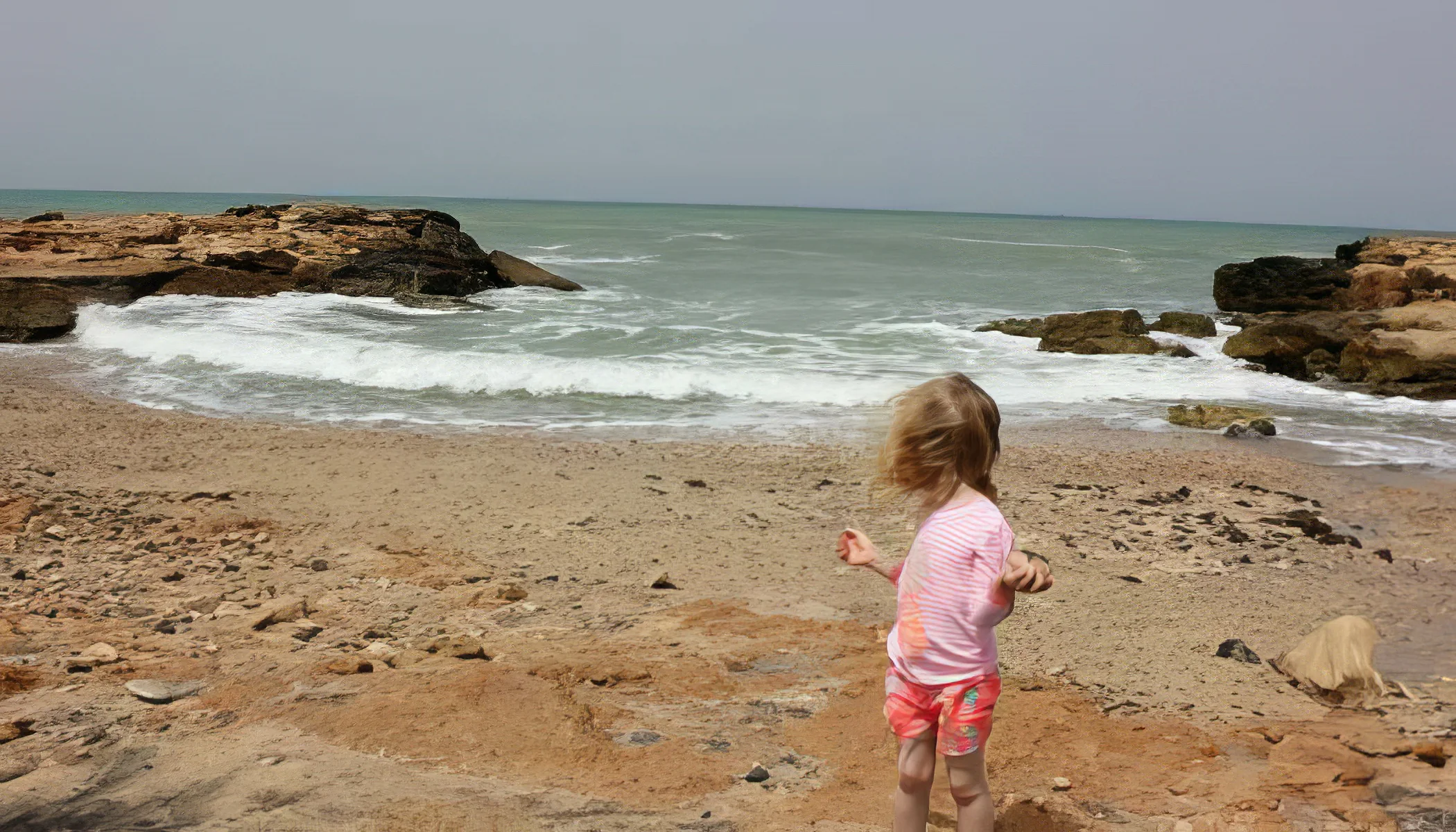
Cape Verde provides a range of activities that are enjoyable for children.
– Santa Maria Beach: A safe and sandy beach ideal for swimming and building sandcastles.
– Pedra de Lume Salt Crater: Kids can float in the salty waters of this unique volcanic crater.
– Boa Vista Dunes: Explore the vast sand dunes, perfect for sandboarding or a fun family walk.
– Fogo Volcano: A gentle hike up this active volcano offers gorgeous views and a sense of adventure.
– Salinas de Porto Inglês: Visit these salt flats to see how salt is harvested and enjoy the scenery.
– Tarrafal Beach: Known for its calm waters, it's great for snorkeling and spotting marine life.
– Serra Malagueta Natural Park: Provides easy trails where kids can spot local wildlife and enjoy nature.
– Mindelo Cultural Center: Engage with Cape Verdean culture through music, dance, and art workshops.
Cuisine
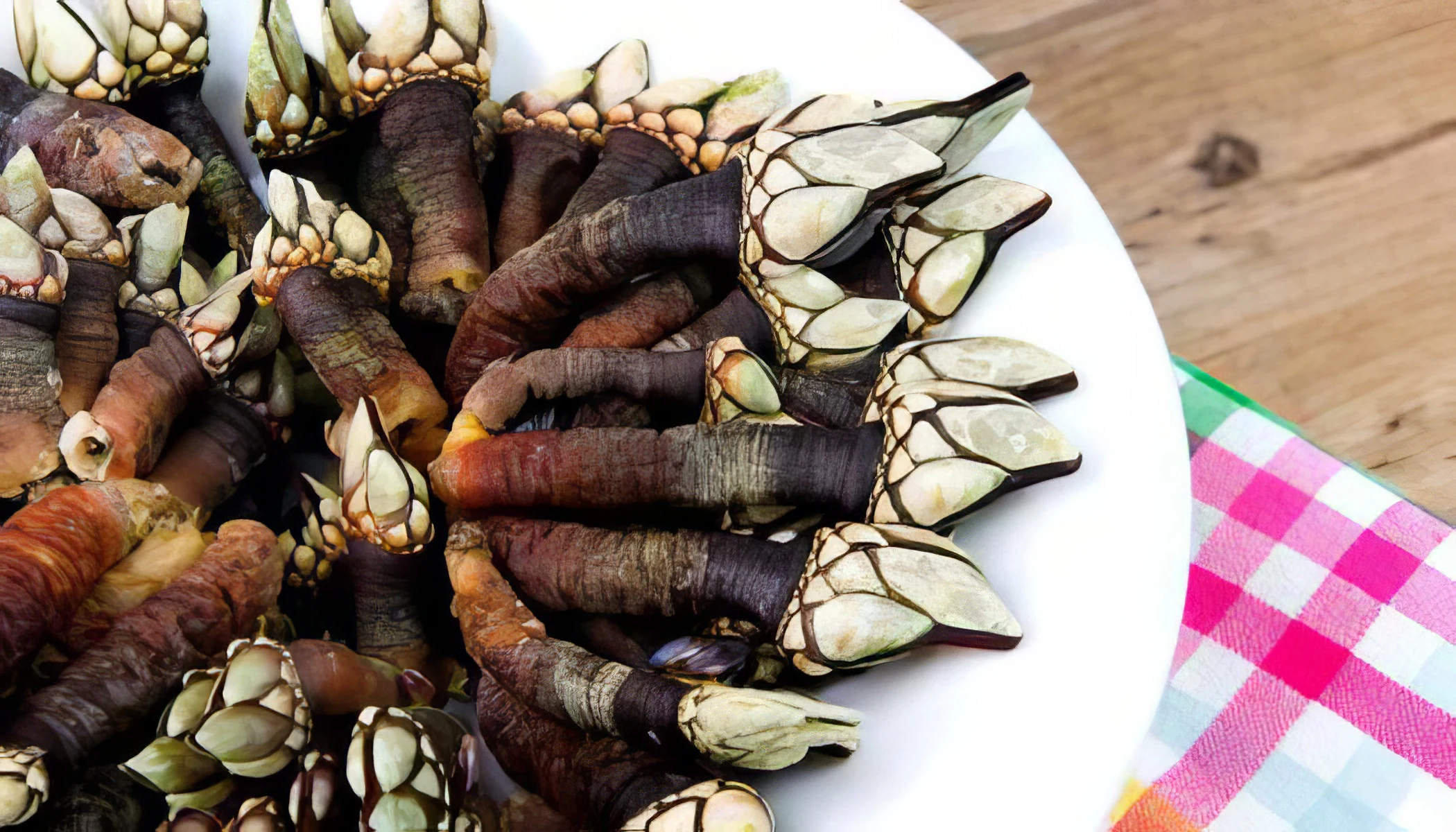
Cape Verdean cuisine is a fusion of African, Portuguese, and Brazilian influences, characterized by its use of fresh seafood and local produce. The food is simple yet flavorful, often featuring corn and beans. Most famous dishes and desserts in Cape Verde are:
– Cachupa: A hearty stew with corn, beans, fish or meat, and vegetables.
– Pastel: Fried pastry filled with tuna or meat, often served as a snack.
– Lagostada: Lobster stew cooked with tomatoes, onions, and spices.
– Grogue: Traditional sugarcane liquor enjoyed as a strong alcoholic beverage.
– Pudim de Leite: Creamy caramel flan made with condensed milk.
Souvenir
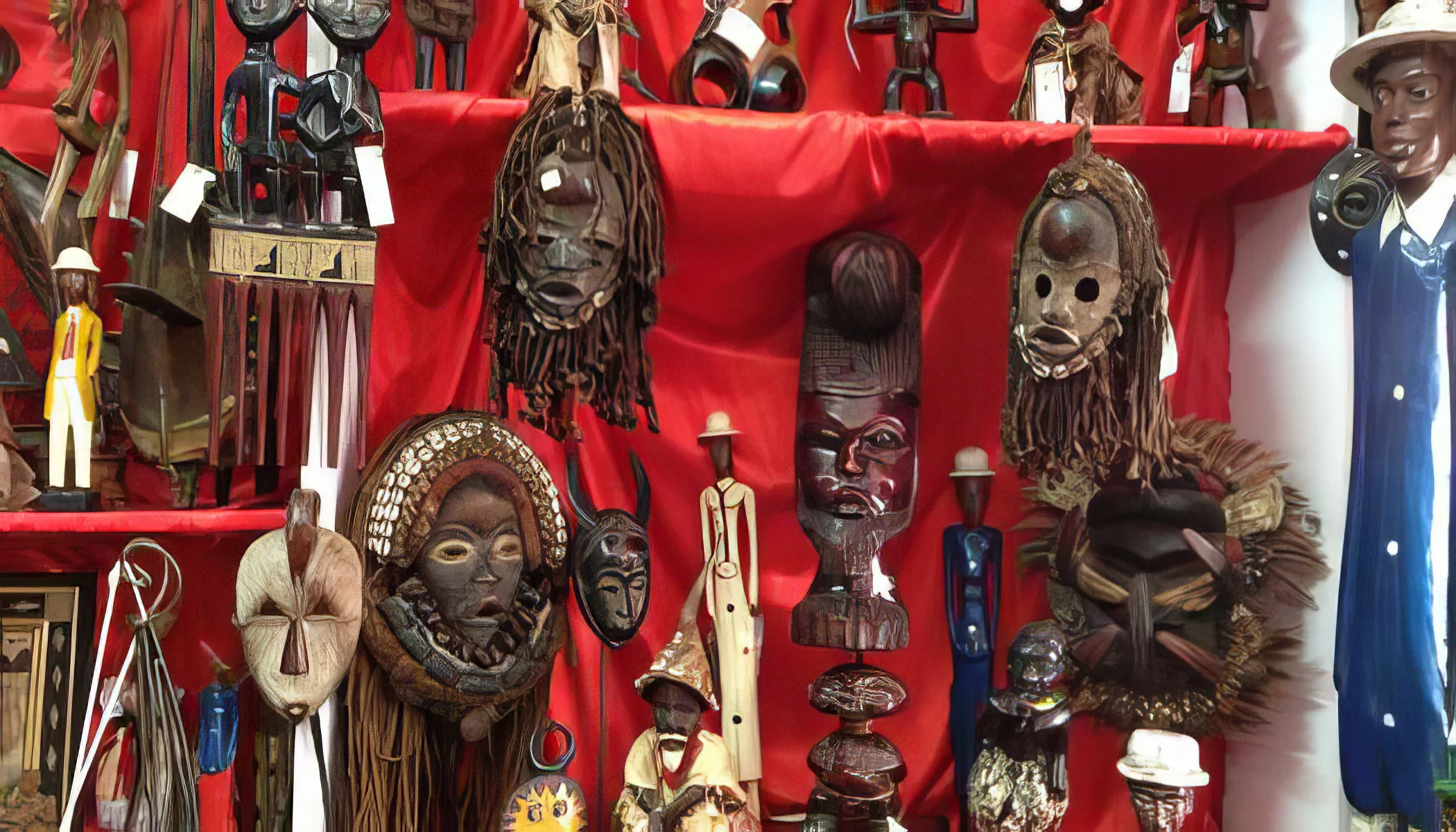
With its rich culture and lovely arts, Cape Verde supplies unique souvenirs for visitors. Here are some popular options:
– Grogu: A traditional Cape Verdean rum made from sugarcane, often enjoyed as a local drink.
– Handcrafted Jewelry: Locally made jewelry using materials like shells and beads reflects the island's culture.
– Batik Fabrics: Colorful batik fabrics are used in clothing and accessories, showcasing local artistry.
– Ceramic Art: Handmade ceramics featuring traditional designs make for unique decorative pieces.
– Music CDs: Cape Verdean music, especially morna and coladeira, is a great way to take home the island's sounds.
– Wooden Carvings: Intricately carved wooden items depict local scenes and wildlife.
– Basketry: Woven baskets and mats are practical souvenirs that highlight traditional craftsmanship.
Traditional Shows
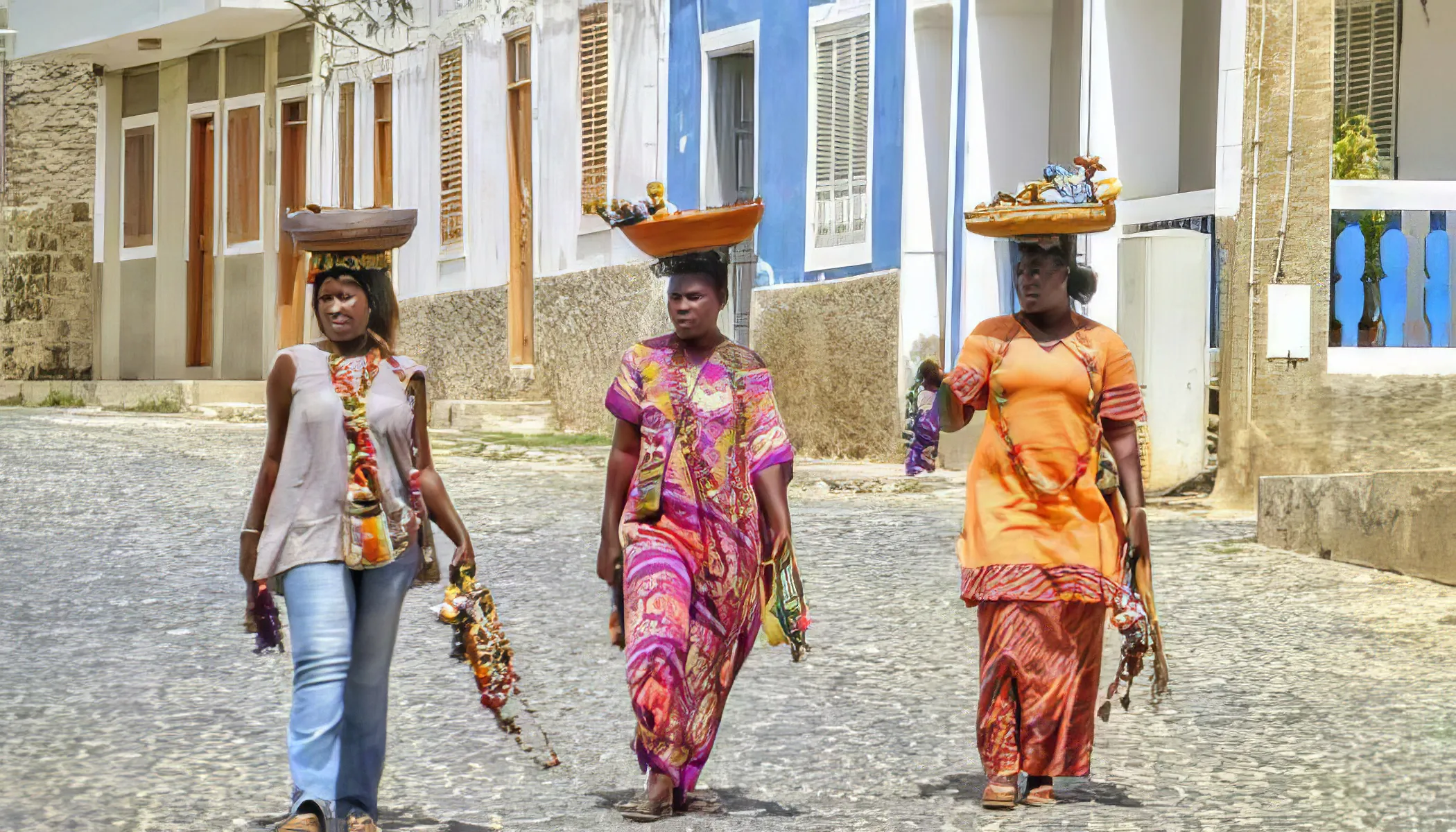
Cape Verde supplies lively traditional music and performances:
– Morna: Experience soulful melodies and poetic lyrics in Mindelo, capturing Cape Verde's essence through its most famous music genre.
– Funaná: Enjoy lively accordion-driven rhythms in Praia, showcasing Cape Verde's energetic dance music with African roots.
– Batuque: Witness this rhythmic drumming and call-and-response singing style in Santiago, reflecting the island's African heritage.
– Coladeira: Discover this upbeat, danceable music blending African and Portuguese influences, popular across Cape Verdean islands.
– Tabanka: Observe this traditional parade with music and dance in Santiago, celebrating Cape Verdean culture and history.
Events & Festivals
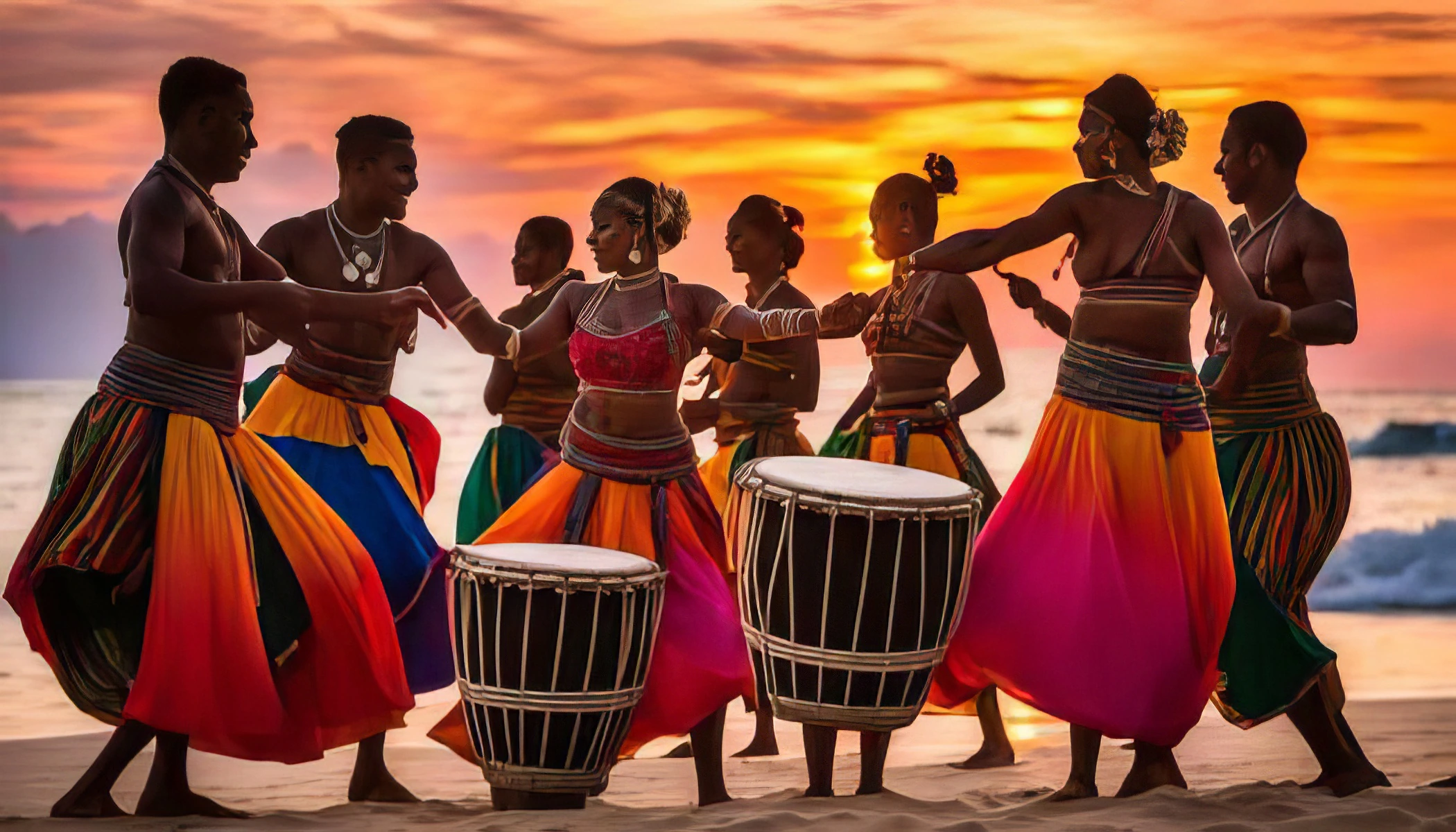
Cape Verde hosts a variety of cultural events and festivals throughout the year, reflecting its rich heritage:
– Carnival: February celebration with parades, music, and lively costumes, especially lively in Mindelo.
– Kriol Jazz Festival: April event in Praia featuring local and international jazz artists.
– Gamboa Festival: May music festival in Praia with diverse performances on the beach.
– Baia das Gatas Music Festival: August festival on São Vicente island, known for its beachside concerts.
– Santa Maria Festival: September event on Sal island with music and cultural activities.
– National Day: Celebrated on July 5 with parades and patriotic events across the islands.
– New Year's Eve: December 31 celebrations with fireworks and parties welcoming the new year.
Famous People

Cape Verde has a rich cultural and political history, producing several notable figures recognized globally.
– Amílcar Cabral (1924 to 1973, Bafatá): Revolutionary leader and intellectual who played a key role in Cape Verde's independence movement.
– Cesária Évora (1941 to 2011, Mindelo): Renowned singer known as the "Barefoot Diva," famous for her morna music style.
– Jorge Carlos Fonseca (born 1950, Mindelo): Politician and lawyer who served as the President of Cape Verde from 2011 to 2021.
– Bana (1932 to 2013, Mindelo): Influential singer and musician credited with popularizing Cape Verdean music internationally.
– Germano Almeida (born 1945, Boa Vista): Acclaimed author known for his novels depicting Cape Verdean society and culture.
Books

These books provide insights into Cape Verde's culture, history, and the experiences of its people both on the islands and in the diaspora.
– "Chiquinho" by Baltasar Lopes da Silva: Chronicles a young man's journey from Cape Verde to Portugal for education.
– "The Last Will and Testament of Senhor da Silva Araújo" by Germano Almeida: Satirical novel about a wealthy Cape Verdean's life and legacy.
– "The Madwoman of Serrano" by Dina Salústio: Explores themes of identity and community in a fictional Cape Verdean village.
– "Cape Verdean Blues" by Shauna Barbosa: Poetry collection reflecting on Cape Verdean-American identity and heritage.
– "A House in the Sky" by Ivan Évora: Depicts life in Cape Verde through interconnected stories of family and migration.
Songs
Cape Verdean music is renowned for its rich cultural heritage, blending African, Portuguese, and Brazilian influences.
– Sodade: Cesária Évora's iconic song expressing longing and nostalgia.
– Angola: A popular track by Cesária Évora celebrating Cape Verdean identity.
– Mar Azul: Evokes the beauty of Cape Verde's oceanic landscapes.
– Nha Sentimento: Mayra Andrade's song reflecting personal and cultural emotions.
– Regresso: A classic by Bana about returning to one's roots.
– Lua Nha Testemunha: Ildo Lobo's heartfelt tribute to Cape Verdean life and love.
Films

Exploring Cape Verde through cinema supplies a unique glimpse into its culture and history:
– "Nha Fala": Directed by Flora Gomes, this musical comedy follows a young woman who defies a family curse to pursue singing.
– "The Blue Eyes of Yonta": Flora Gomes' film portrays the life and dreams of a young woman in post-independence Cape Verde.
– "Cabo Verde Inside": A documentary by Ana Sofia Fonseca, exploring the pleasant music scene and cultural identity of Cape Verde.
– "Fintar o Destino": Directed by Fernando Vendrell, it tells the story of a retired footballer reflecting on his life in Cape Verde.
– "Os Dois Irmãos": A short film by Francisco Manso about two brothers dealing with family and societal expectations in Cape Verde.