

Central African Republic Attractions & Travel Advice – Plan Your Visit
Located in the heart of Africa, this landlocked country is known for its rich biodiversity and natural resources. Despite facing economic challenges and political instability, it offers unique wildlife experiences in national parks and a glimpse into diverse cultural traditions.
- Capital
- Bangui
- Population
- 4.9 millions
- Superficy
- 623000 sq.km
- Months to Visit
- Nov. to Feb.
- Living Cost
- Moderate
Overview
The Central African Republic (CAR) is a landlocked country located in the heart of Africa. It is rich in natural resources, including diamonds, gold, and timber, but remains one of the world's least developed nations. The capital city, Bangui, serves as the political and economic center. CAR has faced ongoing challenges such as political instability and conflict, which have impacted its development and humanitarian situation. The country is home to diverse ethnic groups and wildlife, with national parks like Dzanga-Sangha offering glimpses of unique ecosystems. Efforts for peace and rebuilding continue with support from international organizations.
Pros & Cons
GOOD REASONS TO VISIT CENTRAL AFRICAN REPUBLIC
– Dzanga-Sangha Reserve: Home to diverse wildlife, including forest elephants, gorillas, and unique bird species.
– Cultural Diversity: Experience rich traditions and customs of various ethnic groups like the Baka and Aka people.
– Scenic Landscapes: Explore dense rainforests, savannas, and the sensational Lobaye River.
– Unique Flora and Fauna: Discover rare plant species and endemic animals in untouched natural habitats.
– Adventure Opportunities: Engage in activities like trekking, wildlife safaris, and river expeditions. CHALLENGES WHEN VISITING CENTRAL AFRICAN REPUBLIC
– Political Instability: Ongoing conflicts pose safety risks; check travel advisories before planning a visit.
– Limited Infrastructure: Basic facilities can be lacking; expect challenges with transport and accommodation.
– Health Concerns: Malaria is prevalent; vaccinations and precautions are necessary for safe travel.
Before Departure
Before traveling to the Central African Republic, consider the following essential information:
– Passport: Ensure your passport is valid for at least six months from your entry date.
– Visa: A visa is required for all tourists; apply through an embassy or consulate before travel.
– Currency: Central African CFA Franc (XAF); credit cards rarely accepted; cash is essential; ATMs are scarce.
– Internet access: Limited WiFi availability; consider purchasing a local SIM card for mobile data access.
– Language barrier: French is the official language; Sango widely spoken; English and other European languages are not common.
What to Pack
Traveling to the Central African Republic requires careful preparation due to its tropical climate and limited infrastructure in some areas.
– Essentials: Passport with visa, travel insurance, flight tickets, itinerary, accommodation confirmations, and emergency contact information.
– Clothing: Lightweight, breathable clothing, long sleeves and pants for mosquito protection, sturdy walking shoes, hat and sunglasses for sun protection.
– Health & Safety: Prescription medications, comprehensive first aid kit, insect repellent with DEET, anti-malarial medication, high SPF sunscreen.
– Electronics: Travel adapter for Type C or E outlets, mobile phone with charger, portable power bank.
Weather
Weather in the Central African Republic is tropical with distinct wet and dry seasons:
– Dry Season (November to April): Characterized by hot, dry weather with lower humidity and minimal rainfall.
– Wet Season (May to October): Marked by heavy rainfall, high humidity, and cooler temperatures. The best time to visit the Central African Republic is during the dry season from November to April.
– Pros: Easier travel conditions, wildlife viewing is optimal as animals gather around water sources.
– Cons: Higher temperatures can be uncomfortable for some travelers.
Travel Budget
The Central African Republic can be challenging for budget travelers due to limited infrastructure and higher costs for certain goods. Here are some average prices for tourists:
– Hotel: 30$ to 150$
– Lunch: 5$ to 20$
– Beverage (in bar/restaurant): 2$ to 6$
– Coffee: 1.5$ to 4$
– Transportation: (train N/A), (bus 1$ to 3$), (taxi /10km 5$ to 15$)
– Mobile data (per GB): 3$ to 10$
Language
In the Central African Republic, Sango is widely spoken alongside French. Here are some useful phrases in Sango for tourists:
– Hello: Balaô
– Thank you: Mèrèci
– Please: Mbênî
– How much is this?: Ngâ tî mbi?
– Excuse me: Kêkêlê
– I don't understand: Mbi a yèkè tîrî
– Yes: Ë
– No: Ala
– Goodbye: Balaô na lâkûë
History
The region was originally inhabited by various indigenous groups before becoming part of French Equatorial Africa in the late 19th century. It gained independence from France in 1960, becoming the Central African Republic (CAR). The country's post-independence history has been marked by political instability, with numerous coups and periods of military rule. In 1976, President Jean-Bédel Bokassa declared himself emperor, but his regime was overthrown in 1979. Despite attempts at democratic governance, CAR has faced ongoing challenges including civil unrest and conflict. International efforts have been made to stabilize the country, but peace remains fragile as it continues to grapple with political and economic difficulties.
Geopolitics
The Central African Republic (CAR) is a landlocked country in Central Africa, bordered by Chad, Sudan, South Sudan, the Democratic Republic of the Congo, the Republic of the Congo, and Cameroon. It has experienced chronic political instability and conflict since gaining independence from France in 1960. The country is rich in natural resources like diamonds and gold but remains one of the poorest nations due to ongoing internal conflicts and governance challenges. CAR's geopolitical situation is heavily influenced by regional dynamics and international peacekeeping efforts aimed at stabilizing the nation. It relies on support from international organizations such as the United Nations and African Union for peacekeeping missions. The country's strategic location makes it a focal point for regional security concerns, particularly regarding armed groups operating across its borders.
Sample Itinerary
This itinerary covers the natural beauty and wildlife of Central African Republic, focusing on Dzanga-Sangha Reserve and cultural experiences in Bangui.
– 2 days in Bangui: Visit the Boganda National Museum, Notre-Dame of Bangui Cathedral, and explore local markets for crafts and textiles.
– 3 days in Dzanga-Sangha Reserve: Track western lowland gorillas, observe forest elephants at Dzanga Bai, and enjoy guided walks through dense rainforest.
– 1 day in Boali: See the Boali Waterfalls and enjoy a picnic. Return to Bangui for departure.
Popular cities
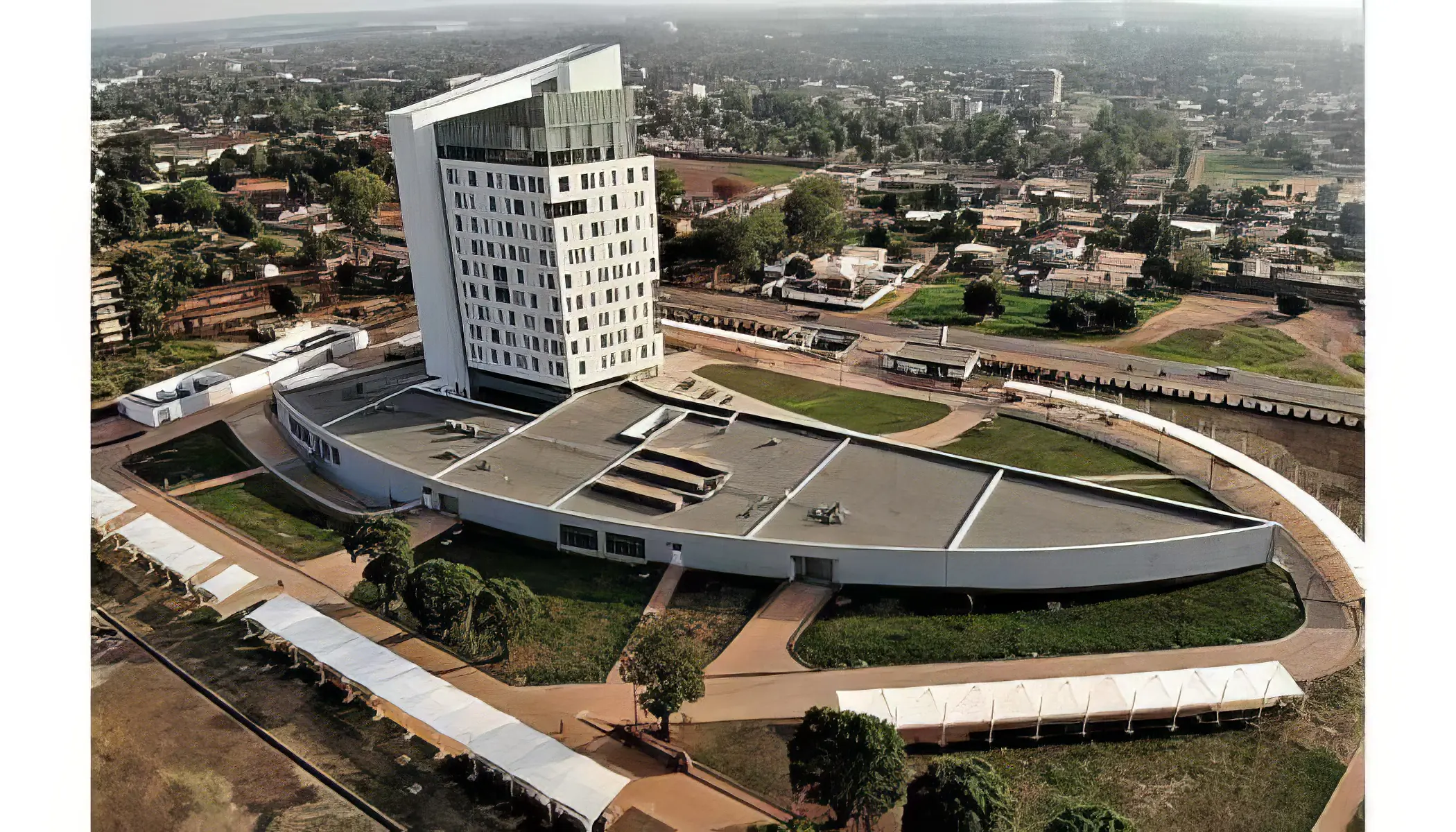
Exploring the Central African Republic offers unique experiences in its diverse cities:
– Bangui: The capital city, known for its lovely markets and the Boganda National Museum.
– Berbérati: A city surrounded by opulent forests, offering a glimpse into local diamond mining activities.
– Bambari: Known for its proximity to natural attractions and wildlife reserves.
– Bouar: Features ancient megaliths and serves as a gateway to nearby national parks.
– Bossangoa: Offers insights into local culture and is a hub for agricultural activities.
– Bria: Known for its diamond trade and surrounding natural beauty.
– Nola: A small town near the Sangha River, offering access to nearby rainforests.
Monuments
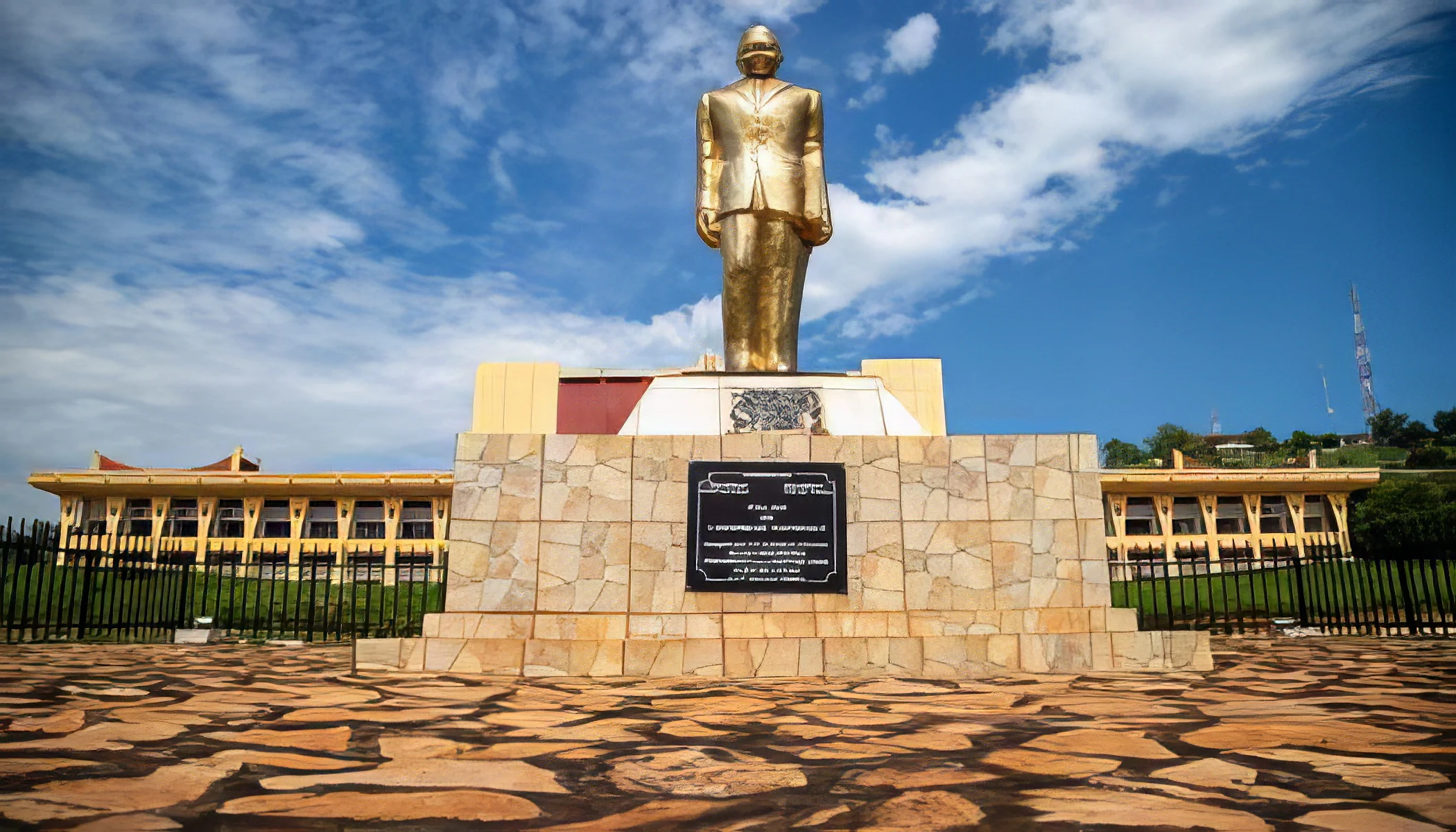
The Central African Republic has a few notable monuments to explore:
– Boganda National Museum, Bangui: Displays artifacts and exhibits on the country's history and culture.
– Notre-Dame of Bangui Cathedral: Prominent Catholic cathedral known for its architecture and religious significance.
– K-Cinq Monument, Bangui: Memorial dedicated to the country's independence from France in 1960.
– Place de la République, Bangui: Central square featuring a monument symbolizing national unity.
– Bamingui-Bangoran National Park: Known for its natural beauty and diverse wildlife rather than man-made structures.
– Boali Waterfalls: Natural site with scenic views, not a man-made monument but popular among visitors.
Natural wonder
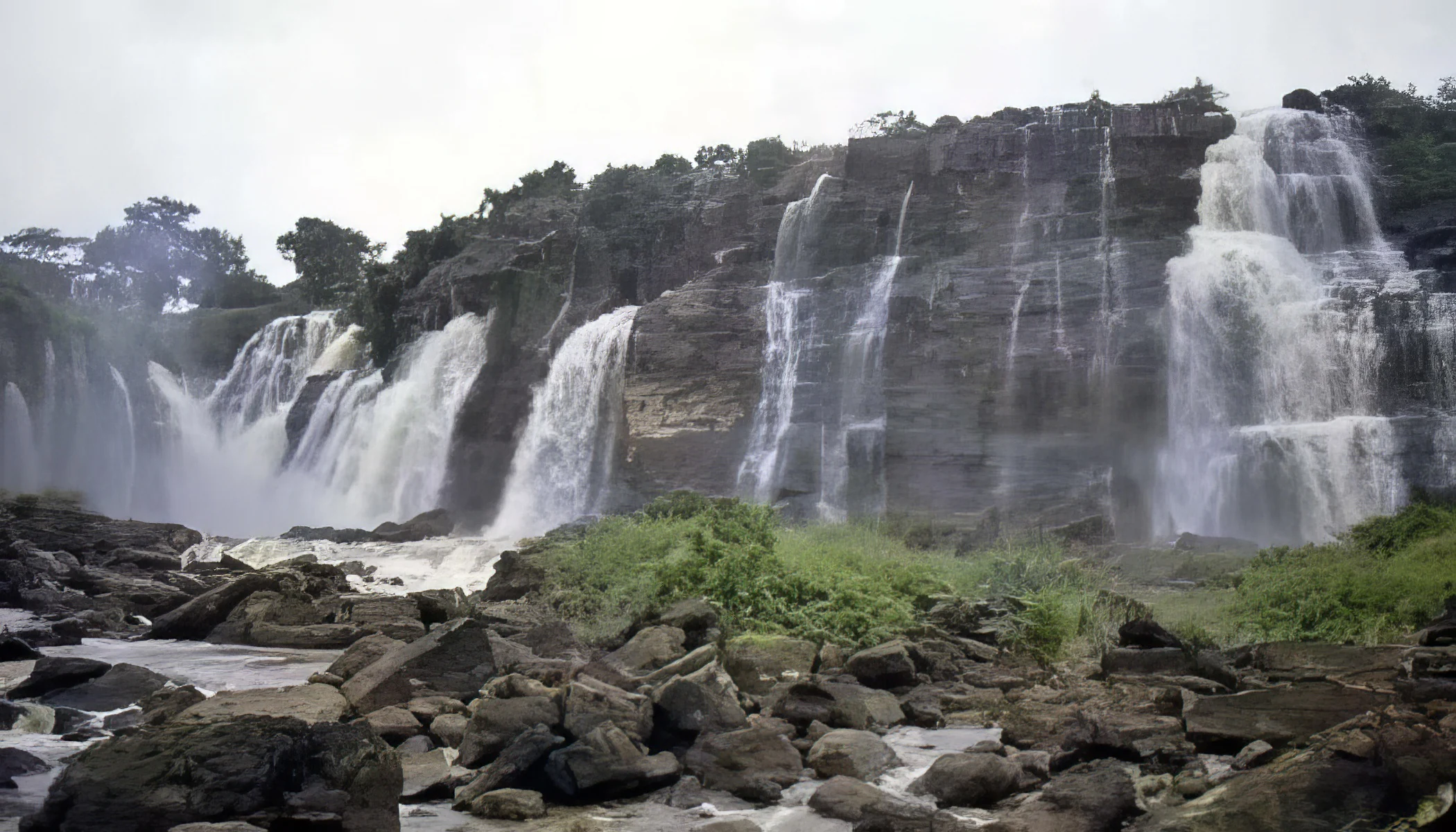
Explore the diverse natural landscapes of the Central African Republic:
– Dzanga-Sangha Reserve: Known for its dense rainforests and diverse wildlife, including forest elephants and gorillas.
– Manovo-Gounda St. Floris National Park: UNESCO site with savannas, wildlife like black rhinos, and diverse bird species.
– Bamingui-Bangoran National Park: Offers savanna landscapes and is home to various antelope species and lions.
– Chinko Nature Reserve: Vast wilderness area known for its biodiversity and conservation efforts.
– Boali Waterfalls: A series of waterfalls on the Mbali River, popular for their scenic beauty.
– Mbaéré Bodingué National Park: Features tropical forests and a variety of wildlife, including primates and birds.
– Mount Ngaoui: The highest peak in the country, offering panoramic views of surrounding landscapes.
– Sangha River: Important waterway supporting local ecosystems and communities along its banks.
– Kotto River Basin: Known for its rich biodiversity and traditional fishing practices by local communities.
Beaches
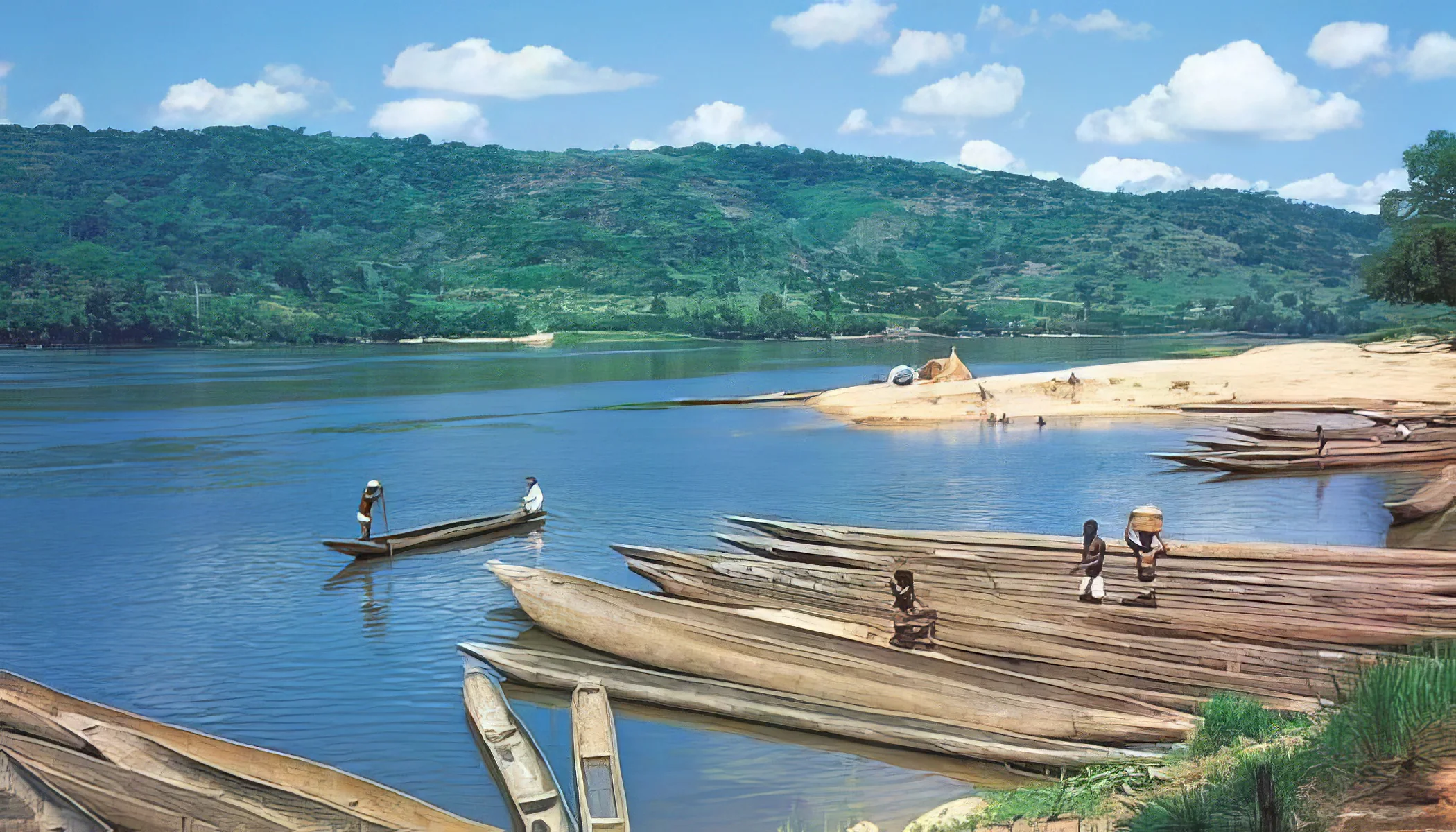
The Central African Republic is a landlocked country with no beaches.
Outdoor activities
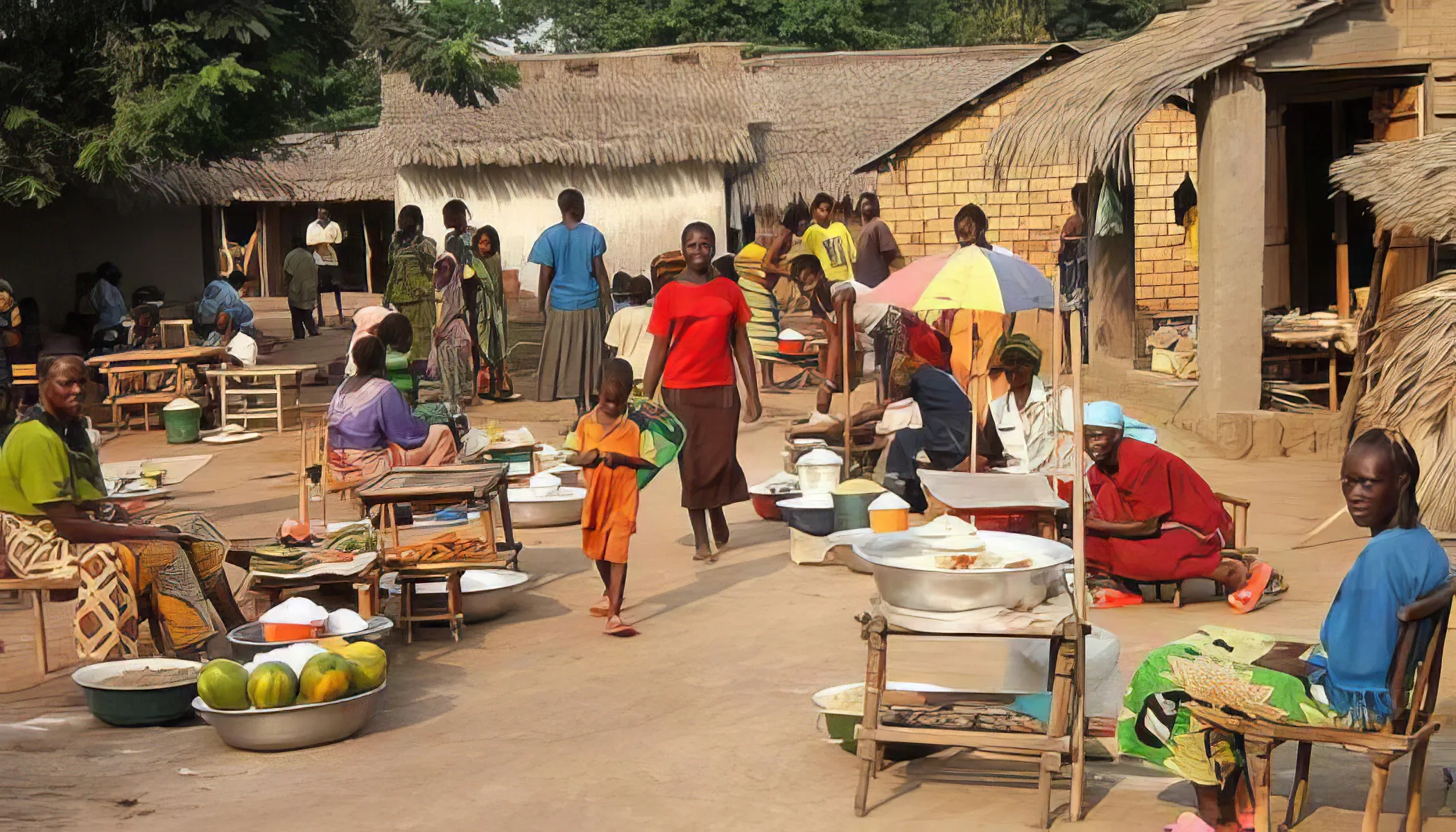
Outdoor experiences in the Central African Republic offer unique encounters with nature and wildlife:
– Dzanga-Sangha National Park Safari: Observe forest elephants and lowland gorillas in their natural environment.
– Boali Waterfalls Visit: Witness the impressive cascades and surrounding luxuriant scenery.
– Chinko Nature Reserve Exploration: Discover diverse ecosystems and rare wildlife species.
– River Canoeing on the Ubangi: Paddle through scenic landscapes and local villages.
– Birdwatching in Bamingui-Bangoran: Spot a variety of bird species in this rich habitat.
– Hiking in Manovo-Gounda St Floris National Park: Trek through savannahs and spot diverse wildlife.
– Fishing on the Oubangui River: Experience traditional fishing methods with local communities.
Kid Friendly
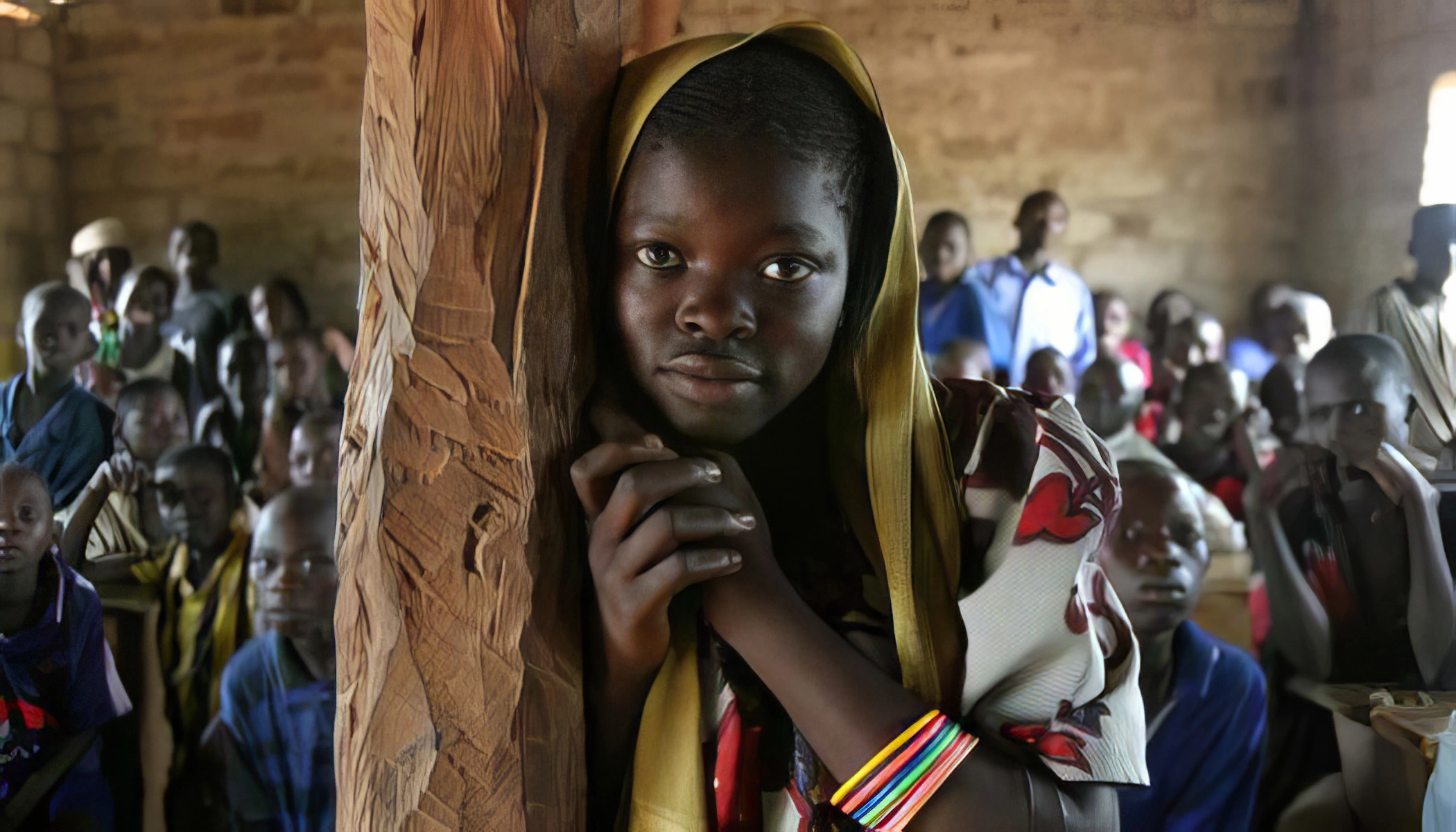
The Central African Republic supplies unique experiences for families with children.
– Dzanga-Sangha Reserve: A wildlife reserve where kids can see elephants, gorillas, and other animals in their natural habitat.
– Boali Waterfalls: A scenic spot where families can enjoy the view of cascading waterfalls.
– Bangui Zoo: A small zoo featuring local wildlife, providing an educational experience for children.
– Oubangui River: Provides opportunities for boat rides and observing local life along the riverbanks.
– Manovo-Gounda St. Floris National Park: A UNESCO site with diverse wildlife, ideal for a family safari adventure.
– Local Markets in Bangui: Experience lively markets where kids can see and learn about local crafts and foods.
– Chutes de la Mbi Waterfalls: Another beautiful waterfall location perfect for a family picnic and exploration.
– Village Visits: Engage with local communities to learn about traditional lifestyles and cultures.
Cuisine
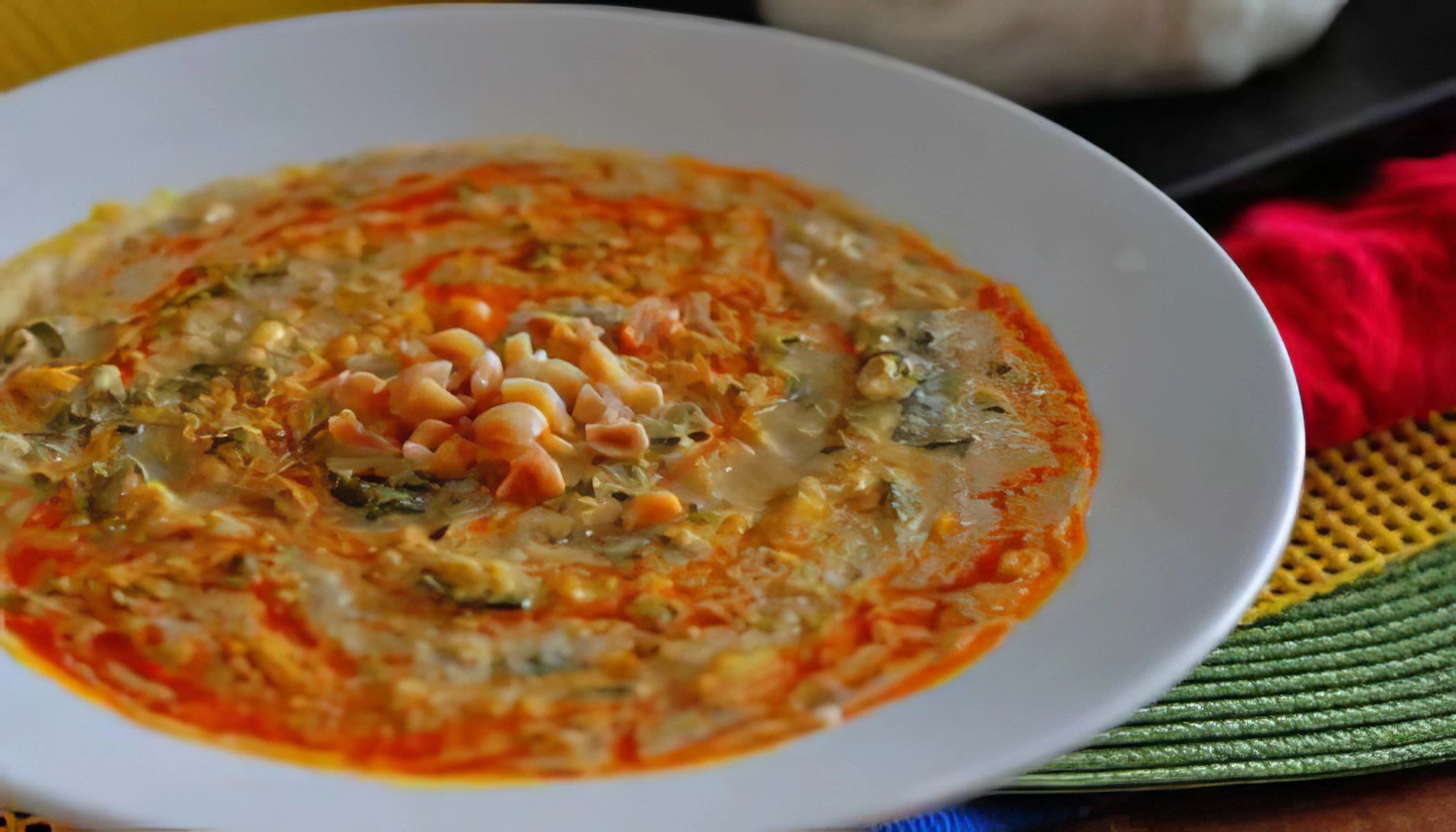
The Central African Republic's cuisine is characterized by its reliance on locally sourced ingredients, including cassava, plantains, and peanuts. Traditional dishes often feature hearty stews and porridges. The food scene reflects the country's diverse cultural influences and agricultural practices. Most famous dishes in the Central African Republic are:
– Muamba de Galinha: Chicken stew cooked with palm oil, garlic, and okra.
– Kanda: Meatballs made from ground meat and spices, often served in a tomato sauce.
– Ngoundja: Cassava leaves cooked with peanut butter and spices.
– Fufu: Starchy dough made from boiled cassava or yams, served as a side dish.
– Maboké: Fish wrapped in banana leaves with spices and grilled.
Souvenir
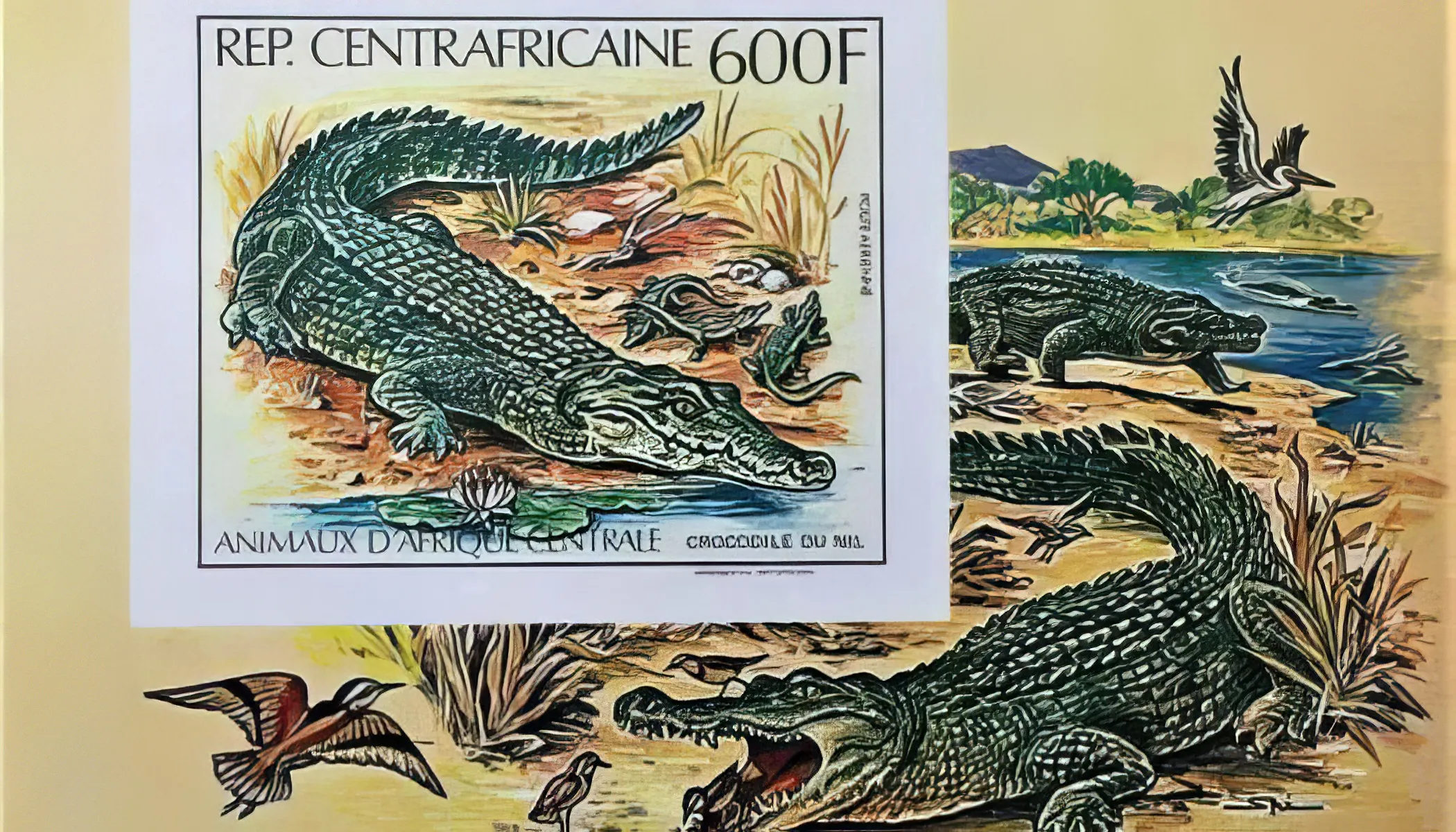
Exploring the Central African Republic offers a chance to discover unique local crafts and souvenirs. Here are some popular options:
– Traditional Masks: Handcrafted masks used in ceremonies, reflecting the diverse cultures of the region.
– Wood Carvings: Intricately carved wooden figures and sculptures representing local wildlife and cultural symbols.
– Beaded Jewelry: Colorful necklaces and bracelets made from locally sourced beads.
– Textiles: Lovely fabrics featuring traditional patterns, often used for clothing or home decor.
– Basketry: Handwoven baskets made from natural materials, showcasing local craftsmanship.
– Musical Instruments: Traditional instruments like drums and thumb pianos, often handmade by local artisans.
– Paintings: Artworks depicting everyday life and landscapes, created by local artists.
Traditional Shows
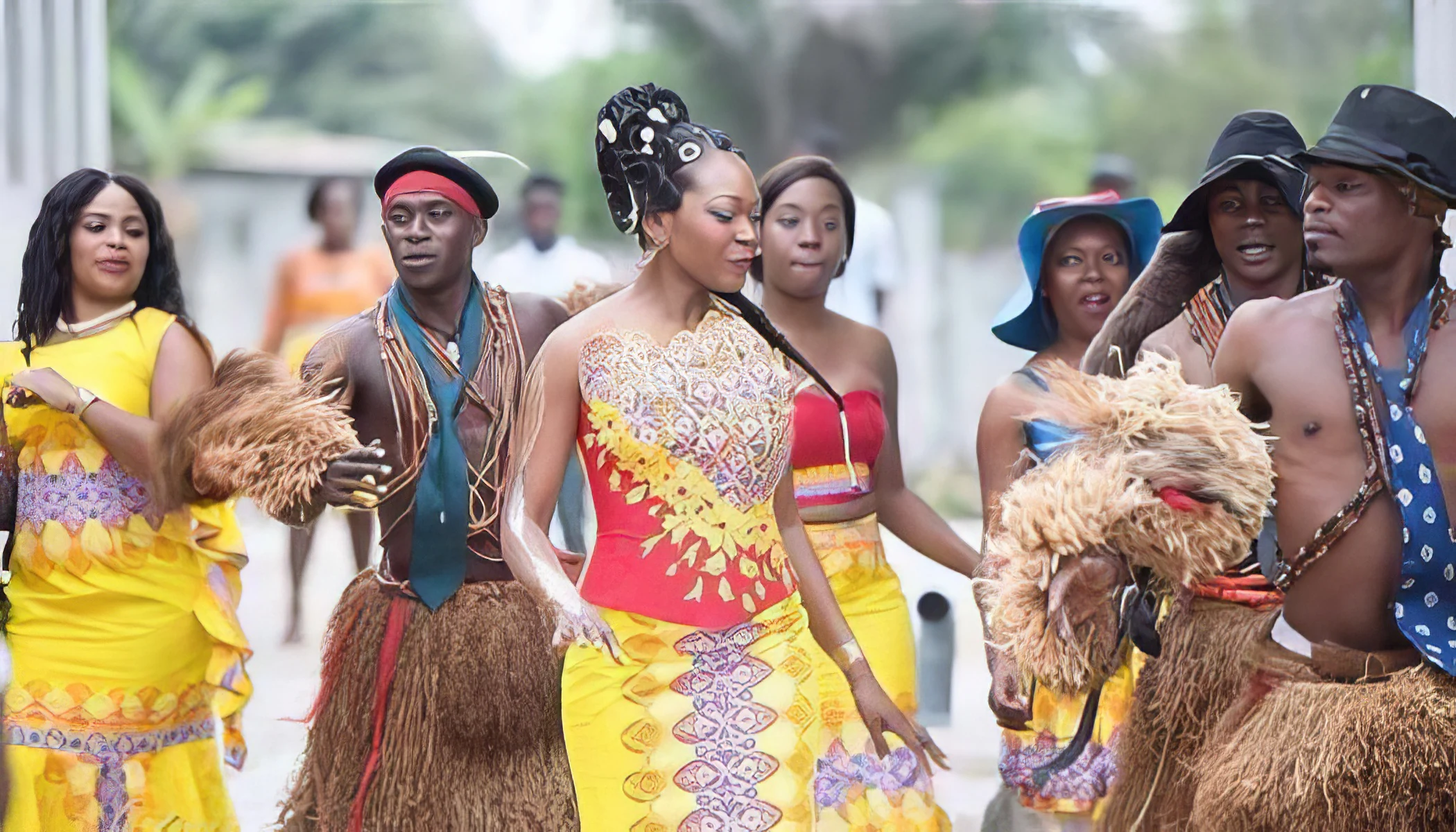
The Central African Republic offers unique traditional performances:
– Aka Pygmy Music: Experience the polyphonic singing and complex rhythms of the Aka Pygmies, showcasing their rich cultural heritage in forest regions.
– Sanza Performances: Enjoy the melodic sounds of the sanza, a traditional thumb piano, often played during community gatherings and celebrations.
– Traditional Dance Ceremonies: Witness attractive dance rituals featuring colorful costumes and energetic movements, reflecting diverse ethnic traditions across the country.
– Balafon Music: Listen to the resonant tones of the balafon, a wooden xylophone-like instrument, central to many local musical traditions.
– Ngombi Harp Music: Discover the soothing melodies of the ngombi harp, an integral part of spiritual and cultural ceremonies among various communities.
Events & Festivals
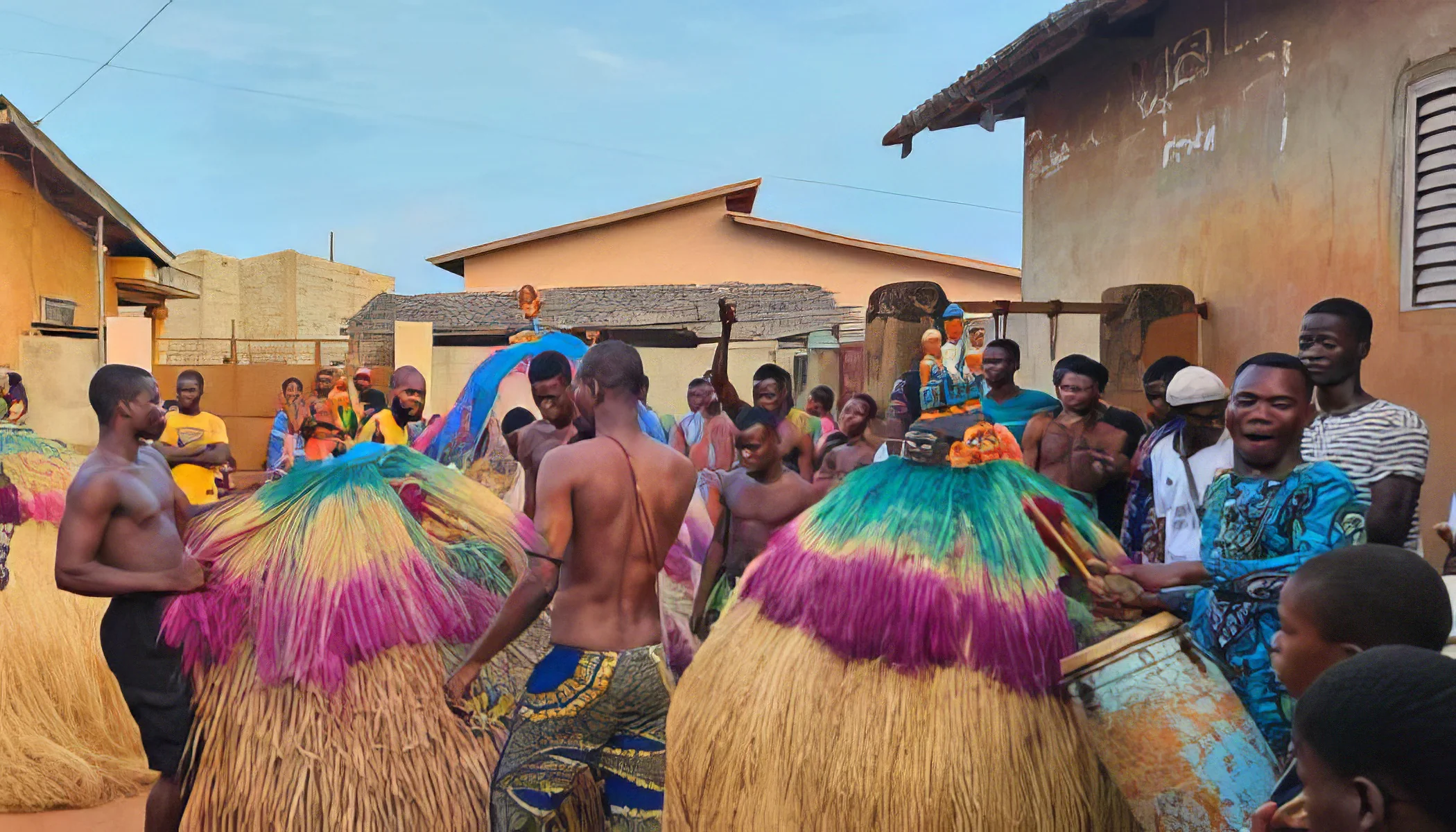
Several events and festivals in the Central African Republic highlight its cultural diversity and traditions:
– National Day: December 1 celebrates independence with parades, speeches, and cultural displays.
– World Music Day: June 21 features local musicians performing across the country.
– Independence Day: August 13 marks independence from France with festivities and national pride.
– Fête de la Musique: June event promoting music diversity with concerts in public spaces.
– Christmas Celebrations: December 25 includes church services, family gatherings, and community events.
– New Year's Day: January 1 is celebrated with parties, fireworks, and communal activities.
– All Saints' Day: November 1 involves visiting cemeteries to honor deceased loved ones.
Famous People
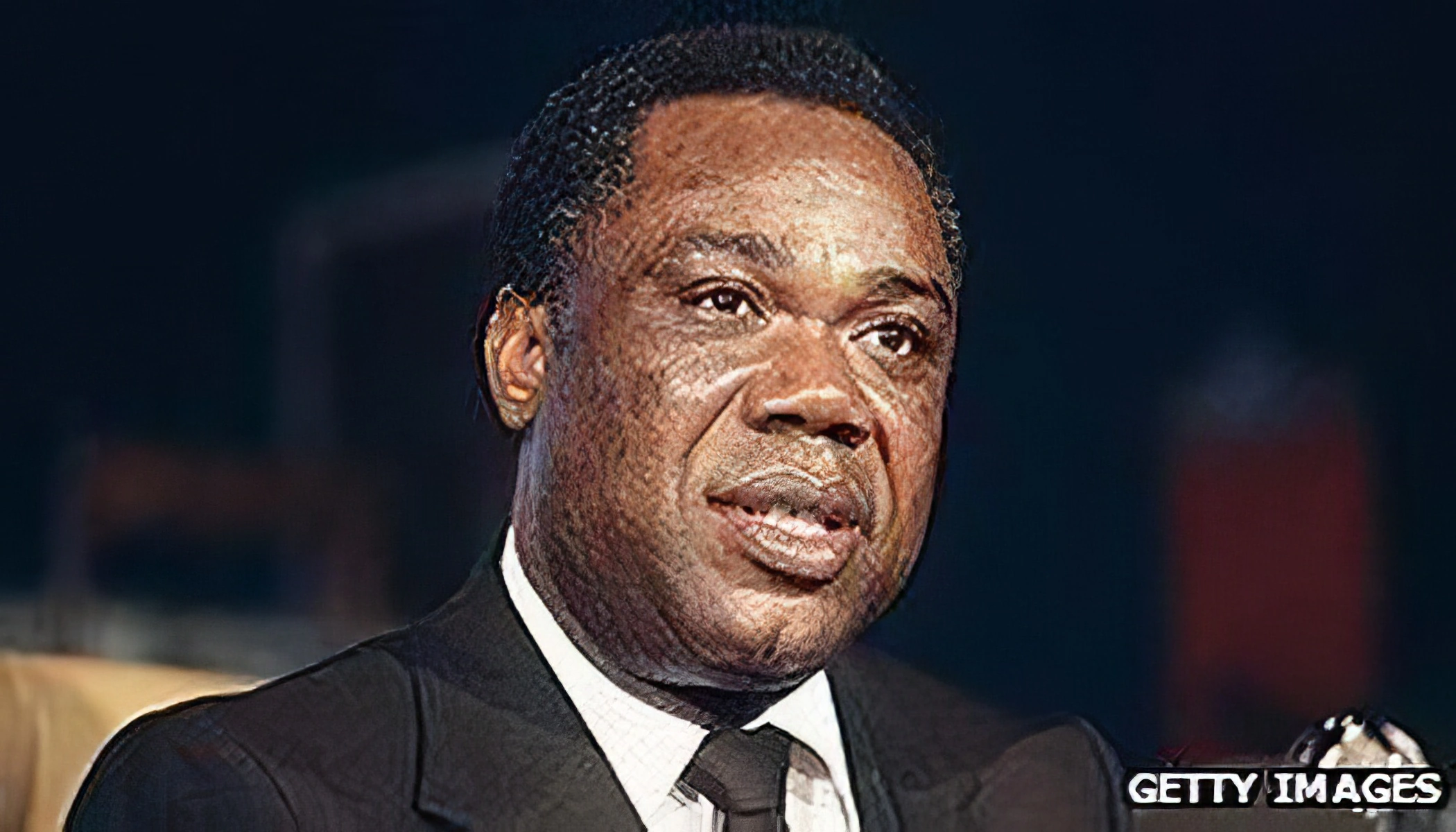
The Central African Republic has been home to notable figures who have made significant impacts in politics and culture.
– Barthélemy Boganda (1910 to 1959, Bobangui): First Prime Minister and a key figure in the country's independence movement.
– Jean-Bédel Bokassa (1921 to 1996, Bobangui): Military officer who became president and later declared himself emperor of the Central African Empire.
– David Dacko (1930 to 2003, Bouchia): First President of the Central African Republic after independence from France.
– Catherine Samba-Panza (born 1954, Fort Lamy): Politician who served as interim president during a critical transitional period.
– Dieudonné Nzapalainga (born 1967, Bangassou): Cardinal known for his peace-building efforts during times of conflict in the country.
Books
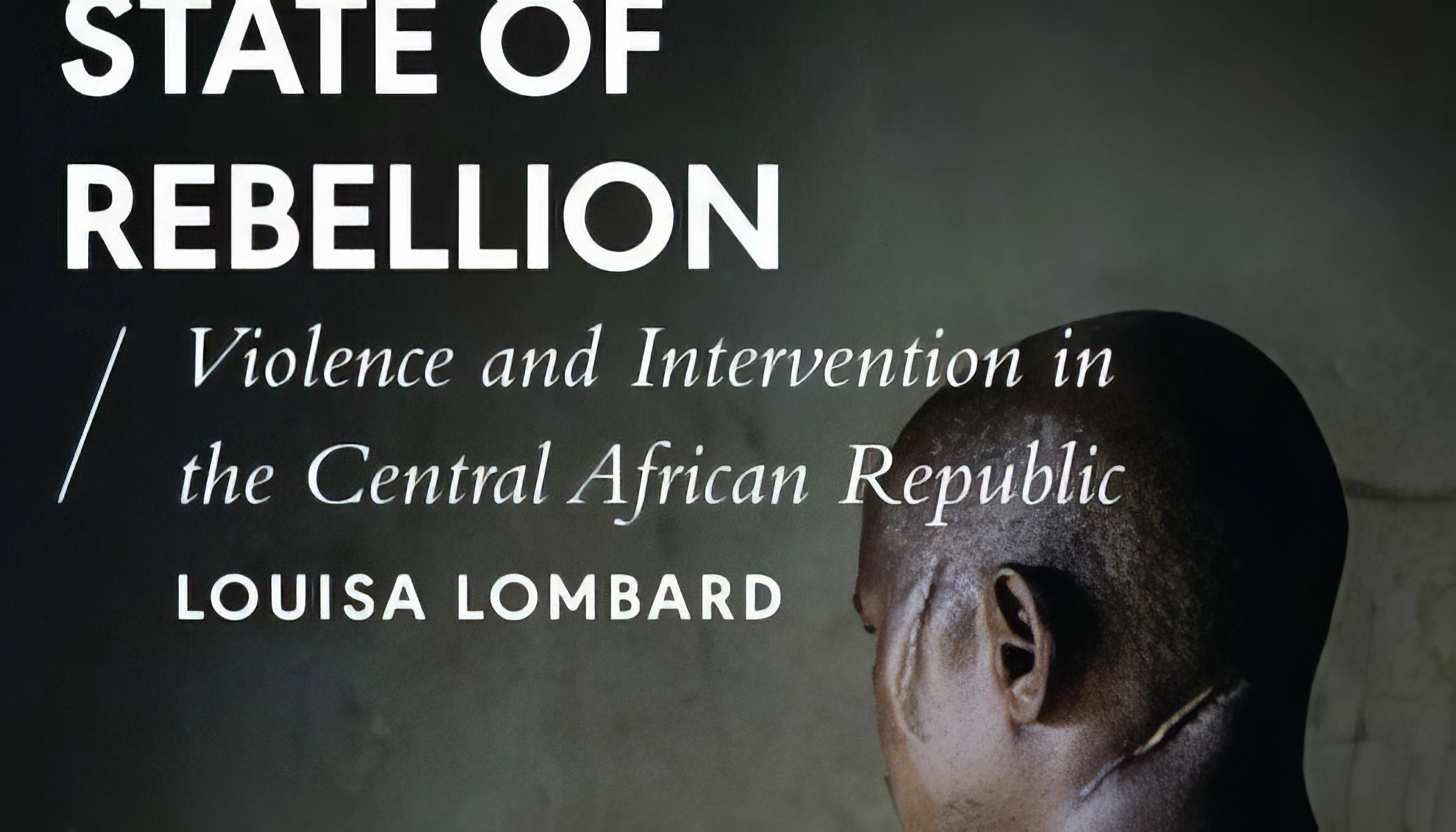
These books provide insights into the history, culture, and challenges faced by the Central African Republic through various narratives.
– "The Shadow of Imana: Travels in the Heart of Rwanda" by Véronique Tadjo: Explores post-genocide Rwanda with reflections on Central Africa.
– "African Psycho" by Alain Mabanckou: A satirical novel set in a fictional African country, reflecting broader regional issues.
– "The Lights of Pointe-Noire" by Alain Mabanckou: Memoir reflecting on life in Congo with cultural ties to Central Africa.
– "King Leopold's Ghost" by Adam Hochschild: Examines colonial exploitation in Central Africa, including historical context relevant to the region.
– "Heart of Darkness" by Joseph Conrad: Classic novella exploring colonialism's impact in Central Africa.
Songs
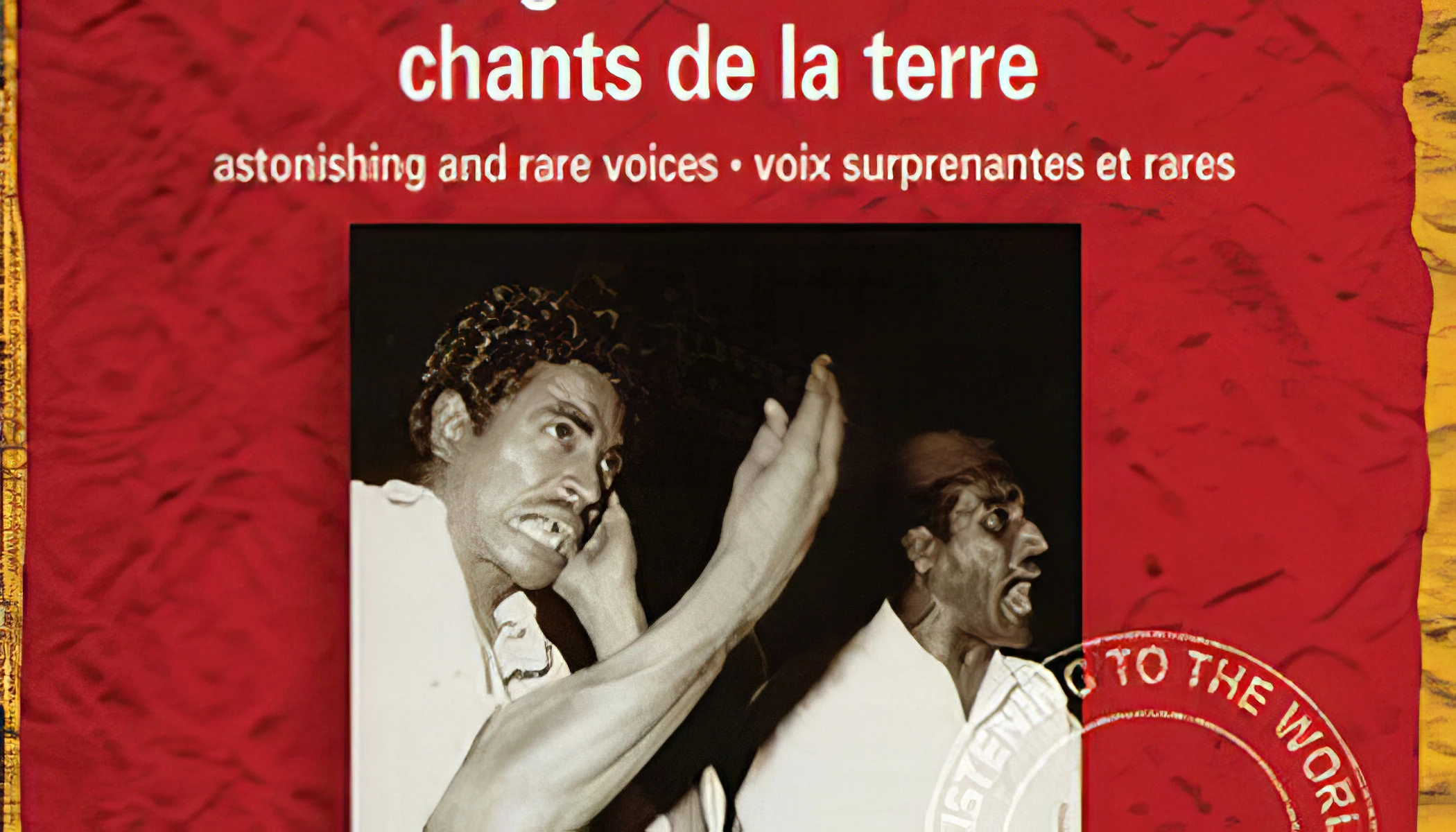
The music of the Central African Republic is rich with traditional rhythms and modern influences, reflecting its diverse cultural heritage.
– "Zo Kwè Zo": A popular song by Bibi Tanga, emphasizing unity and humanity.
– "La Voix du Centrafrique": Celebrated anthem by L'Orchestre Centrafrican Jazz, highlighting national pride.
– "M'Banza Mama": Influential track by Zokela, blending traditional sounds with contemporary beats.
– "Sango Ya Mawa": Known for its poignant lyrics about social issues, performed by Makembe.
– "Bêkou": A hopeful song by Idylle Mamba, focusing on peace and reconciliation.
Films
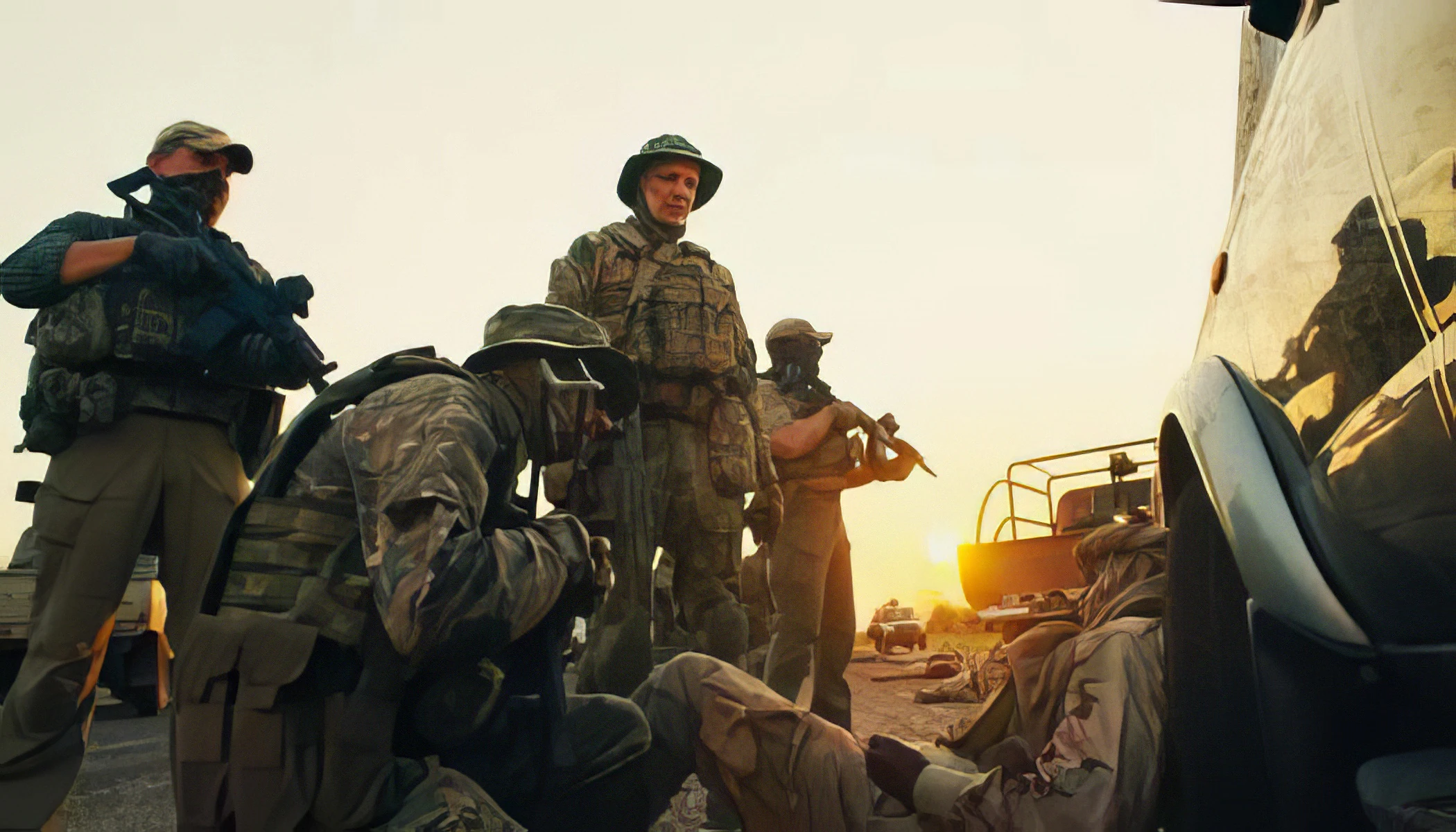
Exploring the cinematic landscape of the Central African Republic reveals a few notable films that capture its essence:
– "The Silence of the Forest": Directed by Didier Florent Ouénangaré and Bassek Ba Kobhio, it explores cultural clashes through a Frenchman's journey.
– "Zarafa": An animated film by Rémi Bezançon and Jean-Christophe Lie, inspired by a giraffe's journey from Africa to France.
– "Oka!": Directed by Lavinia Currier, this film follows an American ethnomusicologist's adventures with the Bayaka people in the Central African rainforest.
– "Rebelle" (War Witch): Though primarily set in Congo, Kim Nguyen's film touches on themes relevant to Central African conflicts.
– "Africa Paradis": Sylvestre Amoussou's satirical film envisions a future where Africans are prosperous and Europeans seek refuge there.