

Travel Guide to Chile: Top Things to Do & Tips
This long, narrow country stretches along South America's western edge, with the Pacific Ocean on one side and the Andes on the other. It's known for its diverse climate, animated cities, rich wines, and nice landscapes, including the Atacama Desert and Patagonia.
- Capital
- Santiago
- Population
- 16.8 millions
- Superficy
- 757000 sq.km
- Months to Visit
- Sept. to Nov. & Mar. to May.
- Living Cost
- Moderate
Overview
Chile is a long, narrow country stretching along South America's western edge, with the Pacific Ocean on one side and the Andes Mountains on the other. Its diverse landscapes range from the world's driest desert, the Atacama, in the north, to the vast ice fields and fjords in the south. Santiago, its capital, is a vibrant city with a mix of modern and colonial architecture. Chile is known for its wine production, with numerous vineyards located in its central region. The country also has a rich cultural heritage, with influences from its indigenous Mapuche population and its Spanish colonial past. Despite its geographical isolation, Chile has a stable economy and is considered one of South America's most prosperous nations.
Pros & Cons
GOOD REASONS TO VISIT CHILE
– Diverse Landscapes: From Atacama Desert's dryness to Patagonia's glaciers, Chile offers a variety of natural wonders.
– Rich History and Culture: Explore indigenous Mapuche culture, colonial architecture, and dynamic local festivals.
– Wine Tours: Chile's wine regions produce world-class wines, offering excellent vineyard tours and tastings.
– Adventure Sports: Ideal for outdoor enthusiasts with opportunities for hiking, skiing, and surfing.
– Wildlife Viewing: Encounter unique wildlife in Patagonia and Easter Island, including penguins, llamas, and marine life. CHALLENGES WHEN VISITING CHILE
– Long Distances: Chile's length makes traveling between regions time-consuming and potentially expensive.
– Seasonal Weather: Weather can be extreme, particularly in Atacama and Patagonia, requiring careful planning.
– Limited English: Outside major cities, English is less common, potentially causing communication difficulties.
Before Departure
Before setting off on your adventure to Chile, there are several key points to consider:
– Passport: Ensure your passport is valid for at least six months beyond your planned departure date.
– Visa: Most tourists can enter Chile without a visa for up to 90 days. Check your country's specific requirements before travel.
– Currency: The local currency is the Chilean Peso (CLP). Credit cards are widely accepted and ATMs are readily available.
– Internet access: WiFi is common in urban areas and tourist spots. Prepaid SIM cards for data are available from local providers.
– Language barrier: The official language is Spanish. English is not widely spoken outside of major cities and tourist areas, so basic Spanish knowledge is beneficial.
What to Pack
Packing for a trip to Chile requires consideration of diverse climates, from the dry Atacama Desert to the cold Andean peaks.
– Essentials: Passport and visa (if required), travel insurance details, flight tickets and itinerary, accommodation reservations.
– Clothing: Layered clothing for varying climates, sturdy shoes for hiking, swimwear (for beach or hot springs), hat and sunglasses for sun protection.
– Health & Safety: Prescription medications and a basic first aid kit, sunscreen with high SPF, personal hygiene items, water purification tablets for remote areas.
– Electronics: Travel adapter for Chilean outlets, mobile phone, camera, portable charger.
Weather
Chile's weather varies greatly from north to south due to its elongated geography:
– Summer (December to February): Northern Chile is hot and dry, Central Chile has warm temperatures and southern Chile has mild temperatures with increased rainfall.
– Autumn (March to May): Northern and Central Chile experience mild temperatures, while Southern Chile begins to cool down with increased rainfall.
– Winter (June to August): Northern Chile remains dry, Central Chile is cool and rainy, and Southern Chile is cold with heavy snowfall in the mountains.
– Spring (September to November): Northern Chile remains dry, Central Chile begins to warm up and Southern Chile experiences mild temperatures with decreasing rainfall. The best time to visit Chile is during the summer (December to February) when the weather is warm and days are longer. However, this is also the peak tourist season, so expect higher prices and more crowds. For those interested in skiing, winter (June to August) is the best time.
Travel Budget
Chile is a country with a moderate cost of living. Here are some average costs for tourists:
– Hotel: 50$ to 200$
– Lunch: 10$ to 25$
– Beverage (in bar/restaurant): 3$ to 7$
– Coffee: 2$ to 4$
– Transportation: (train 10$ to 30$), (bus 2$ to 5$), (taxi /10km 10$ to 20$)
– Mobile data (per GB): 3$ to 5$
Language
The official language of Chile is Spanish, and here are some useful phrases for tourists:
– Hello: Hola
– Thank you: Gracias
– Please: Por favor
– How much is this?: ¿Cuánto cuesta esto?
– Excuse me: Perdón
– I don't understand: No entiendo
– Yes: Sí
– No: No
– Goodbye: Adiós
History
Chile's history begins with the indigenous Mapuche people, who resisted Inca and Spanish invasions. The Spanish eventually colonized Chile in the 16th century, establishing a society based on agriculture and mining. Chile gained independence from Spain in 1818 after a long struggle led by Bernardo O'Higgins and José de San Martín. The 19th and early 20th centuries saw Chile expand its territory and experience significant economic growth, largely due to copper mining. A military coup in 1973 overthrew democratically elected President Salvador Allende and established a dictatorship under Augusto Pinochet until 1990. Today, Chile is a democratic republic known for its stable governance and strong economy.
Geopolitics
Chile is a democratic republic located on the southwestern coast of South America, bordered by Peru to the north, Bolivia to the northeast, Argentina to the east, and the Pacific Ocean to the west. Its capital is Santiago. Chile maintains diplomatic relations with a wide range of countries and is a member of several international organizations, including the United Nations and the Organization of American States. It has had historical border disputes with its neighbors, but these have largely been resolved. Chile's economy is heavily dependent on mining, particularly copper, and it is the world's largest exporter of this mineral. Its geopolitical position is influenced by its relationships with neighboring countries, its economic ties, and its role in regional and global affairs.
Sample Itinerary
This itinerary offers a journey through Chile's diverse landscapes, from the Atacama Desert in the north to the Patagonian fjords in the south.
– 2 days in Santiago: Explore the city's historic center, visit La Chascona and Cerro San Cristobal for panoramic views.
– 2 days in Valparaiso: Discover the colorful houses, street art, and ride the historic funiculars. Visit La Sebastiana, Pablo Neruda's house.
– 3 days in Atacama Desert: Experience the driest desert on earth, visit Moon Valley, El Tatio Geysers, and the Atacama Salt Flat.
– 2 days in Puerto Varas: Enjoy views of Osorno Volcano, visit Vicente Perez Rosales National Park and Petrohue Waterfalls.
– 3 days in Torres del Paine: Hike in the national park, see the iconic granite towers, glaciers, and wildlife.
– 1 day in Punta Arenas: Visit the city's main square, the Maggiorino Borgatello Museum, and the local cemetery. Depart from Punta Arenas.
Popular cities
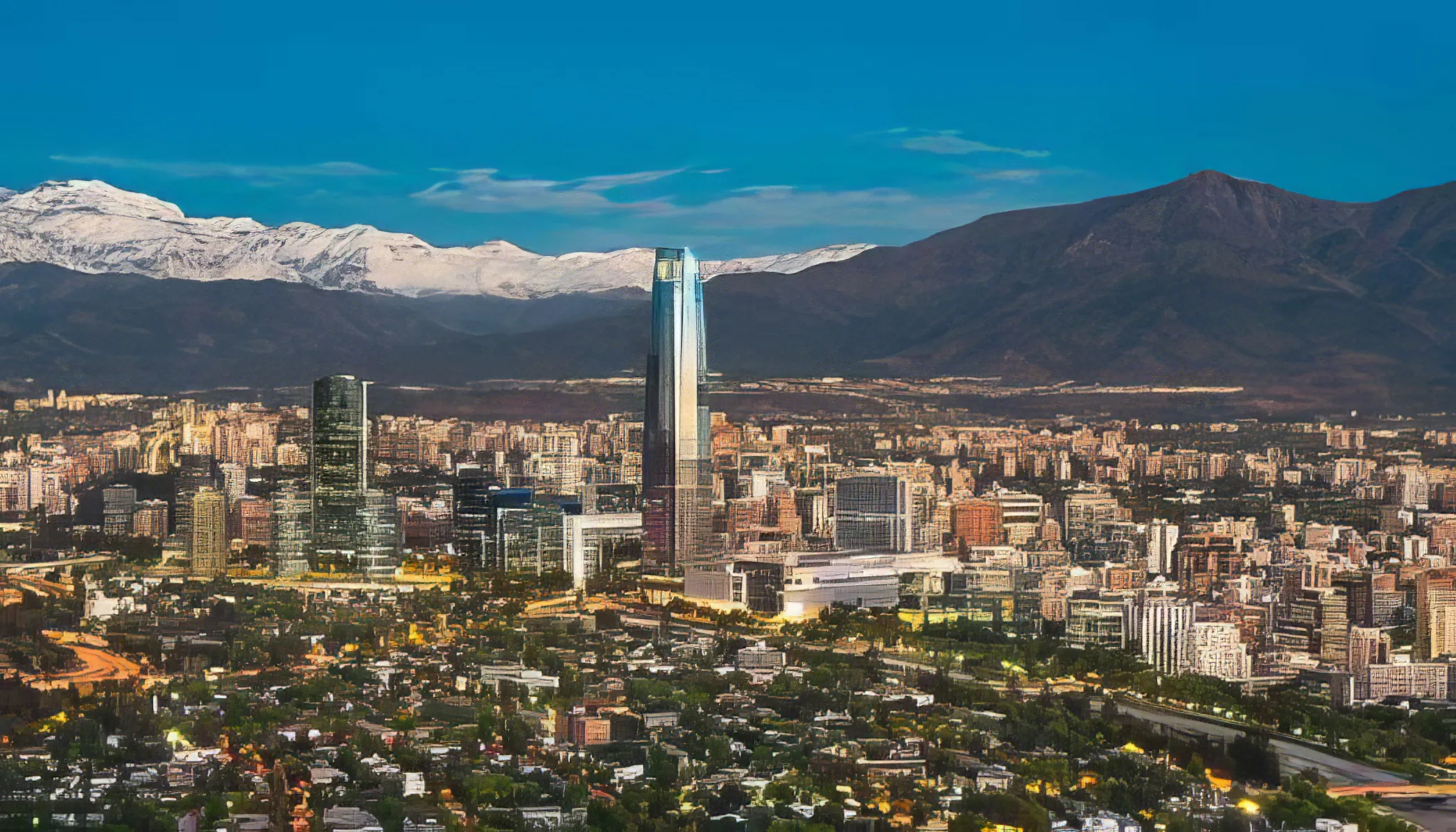
Chile offers a diverse range of cities, each with its unique charm and attractions:
– Santiago: The capital city, known for its attractive culture, historic sites, and nice Andean backdrop.
– Valparaiso: A coastal city famous for its colorful houses, street art, and historic funiculars.
– Concepcion: Known for its universities, parks, and the Biobío River.
– Vina del Mar: A popular seaside resort city with beautiful beaches and a lively nightlife.
– Punta Arenas: The gateway to Patagonia, known for its historic sites and wildlife.
– Iquique: A coastal city famous for its beaches, historic architecture, and duty-free shopping zone.
– Puerto Varas: Known for its German-influenced architecture, beautiful lake views, and proximity to national parks.
Monuments
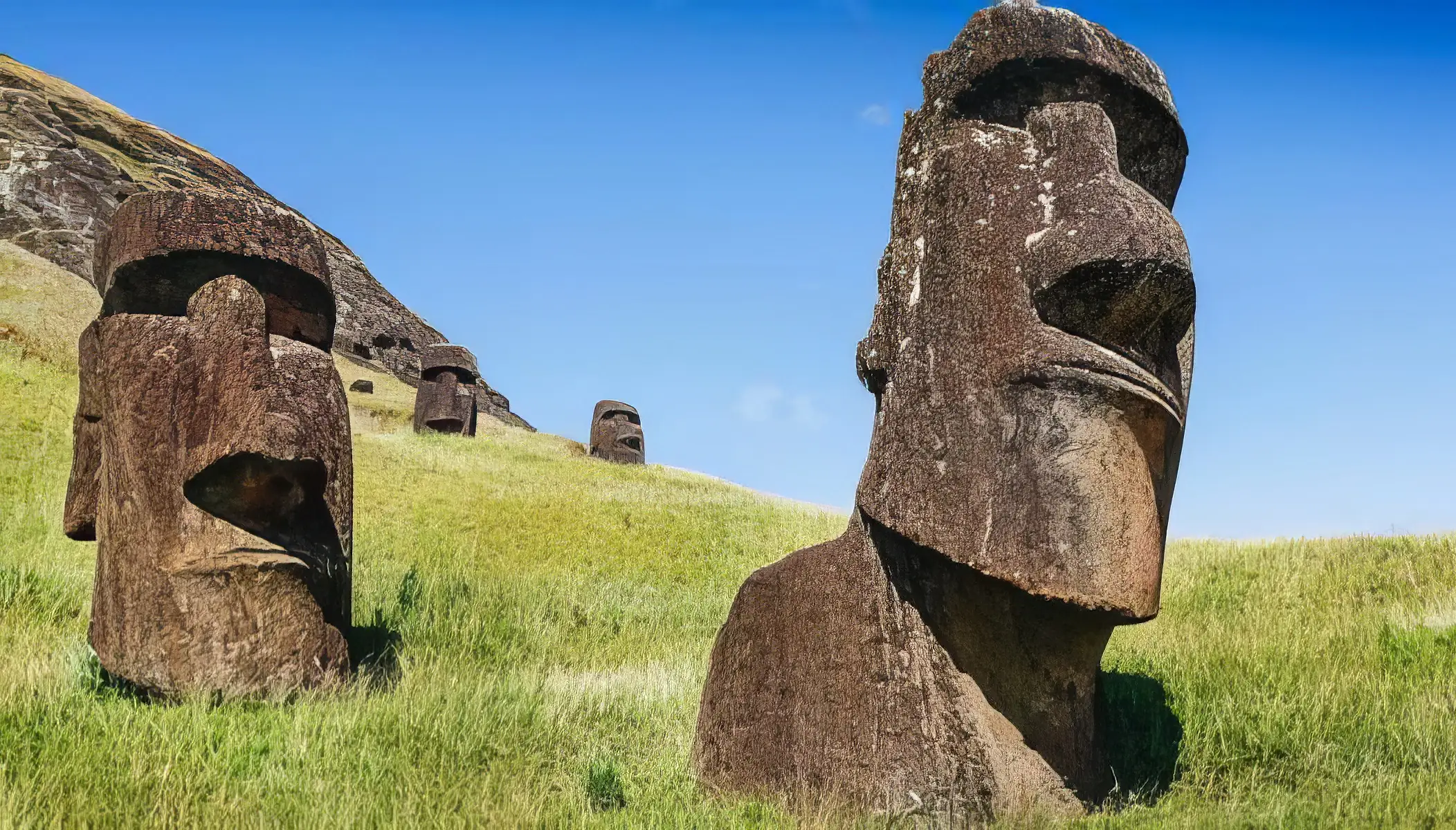
Chile is home to a variety of historical and architectural monuments:
– Easter Island Moai Statues: Mysterious ancient stone figures on a remote volcanic island.
– La Moneda Palace, Santiago: Chile's presidential palace with neoclassical design, also a historical site.
– San Francisco Church, Santiago: Oldest colonial-era building in Chile, with a museum of colonial artifacts.
– Santa Lucia Hill, Santiago: Historic urban park with fort remnants, fountains, and panoramic views.
– Valparaiso Historic Quarter: UNESCO site, known for its 19th-century architecture and street art.
– Humberstone and Santa Laura Saltpeter Works: Abandoned mining towns, now a UNESCO World Heritage site.
– Ahu Tongariki, Easter Island: Largest ceremonial platform with 15 restored Moai statues.
– Chiloé Churches: Group of 16 wooden churches on Chiloé Island, recognized as a UNESCO World Heritage site.
Natural wonder
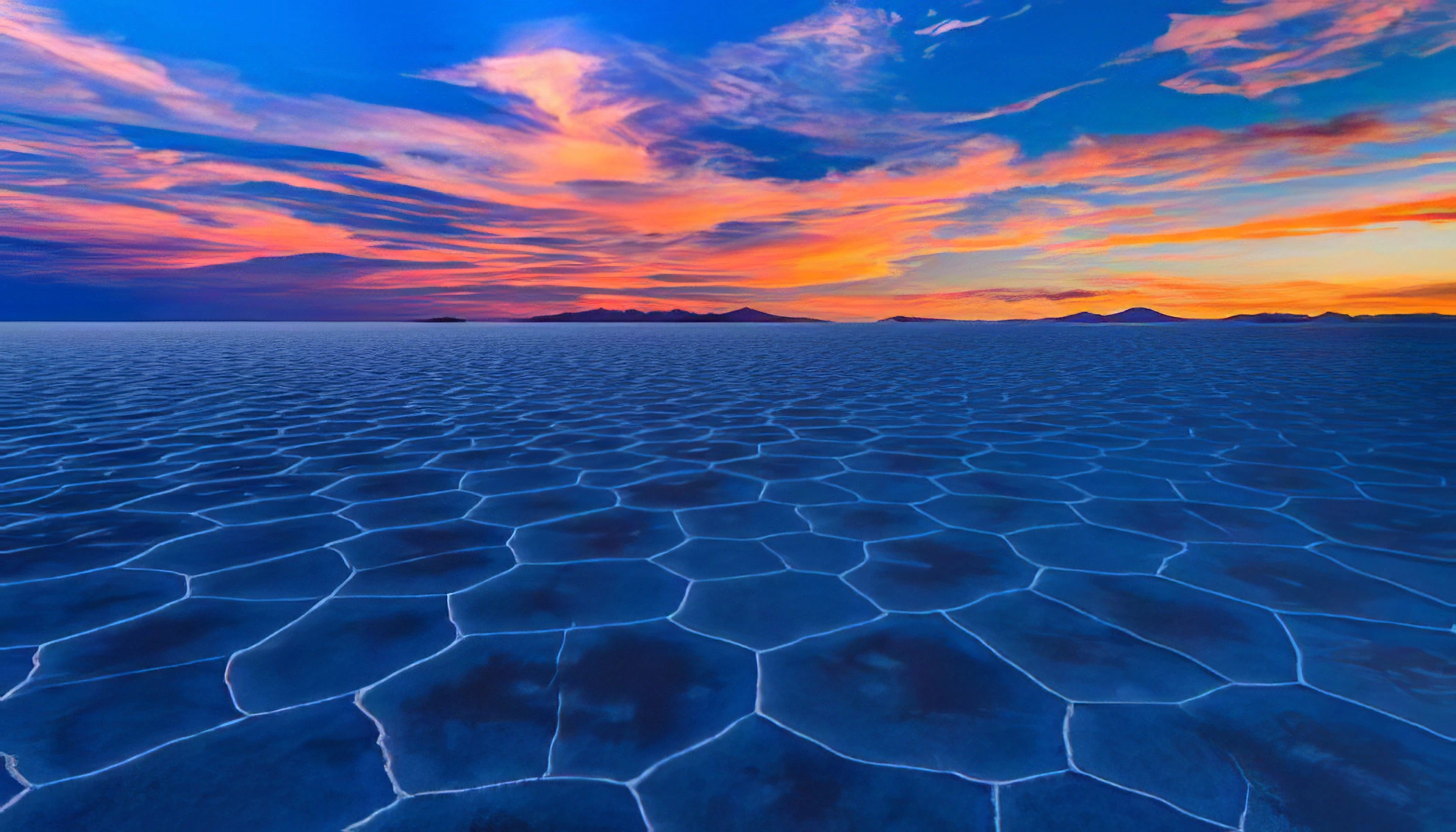
Explore the diverse natural wonders of Chile:
– Torres del Paine National Park: Known for its towering mountains, bright blue icebergs, and golden pampas.
– Atacama Desert: The driest desert in the world, featuring unique landscapes and geysers.
– Easter Island: Famous for its mysterious moai statues and volcanic landscapes.
– Lake District: Home to deep blue mountain lakes, snow-capped volcanoes, and attractive forests.
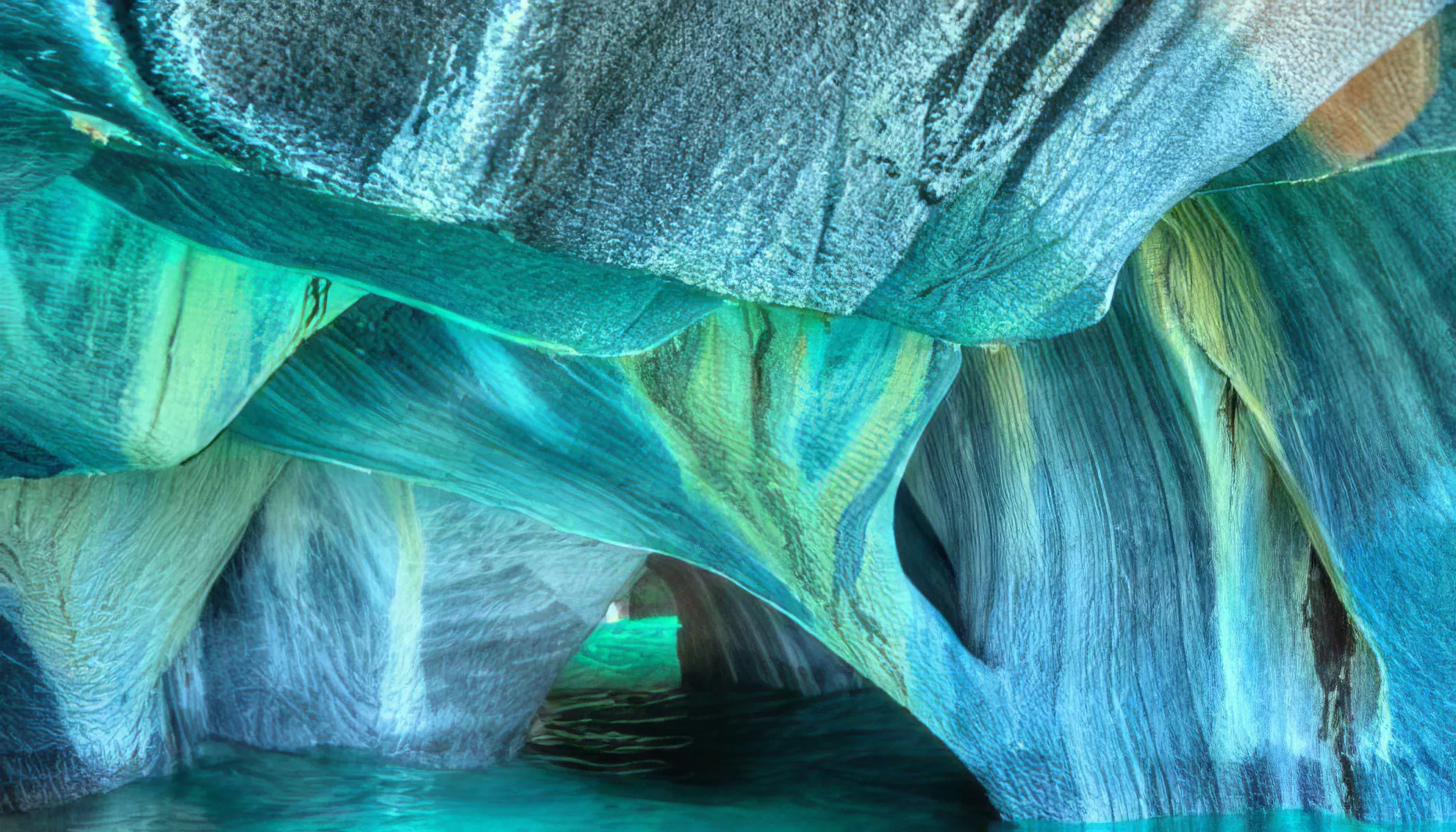
– Marble Caves: Unique geological formations on General Carrera Lake.
– Lauca National Park: High-altitude park with volcanoes, lakes, and rich wildlife.
– Chiloé Archipelago: Known for its unique fauna, flora, and traditional culture.
– San Rafael Glacier: One of the most accessible glaciers in Patagonia.
– Valle De La Luna: Offers moon-like landscapes, sand dunes, and rock formations.
– Juan Fernández Islands: Remote volcanic islands with unique biodiversity.
Beaches
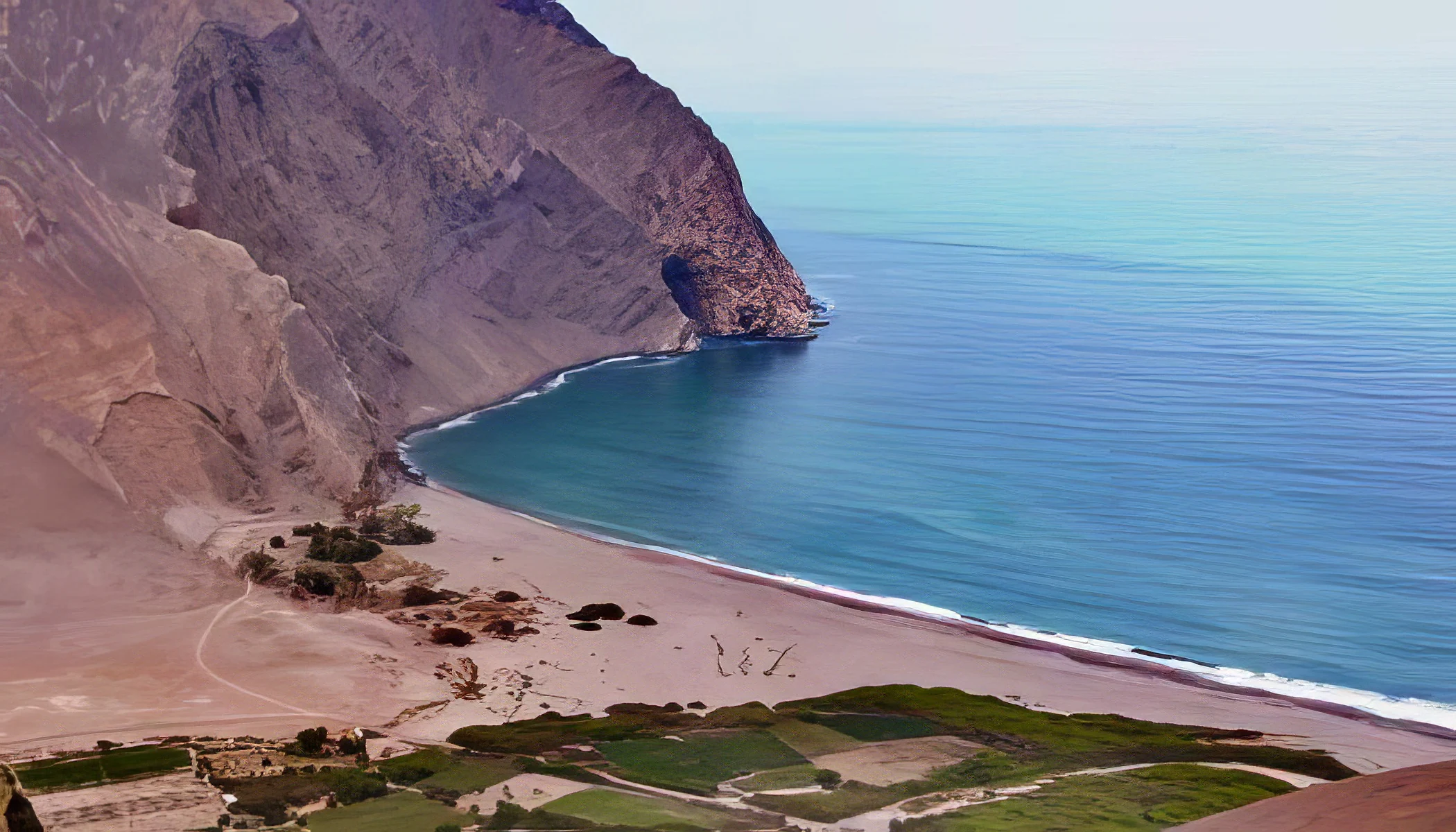
Here are some of the most visited beaches in Chile:
– Viña del Mar: Known for its long coastline, modern amenities, and lively festivals.
– Reñaca Beach: Popular for surfing and its upscale neighborhood in Viña del Mar.
– La Serena Beach: Famous for its long sandy beach and historic lighthouse.
– Pichilemu Beach: Renowned for its big waves, making it a top destination for surfers.
– Algarrobo Beach: A family-friendly beach with calm waters near Santiago.
– Bahia Inglesa: Known for its white sands and turquoise waters in the Atacama region.
– Zapallar Beach: A charismatic beach in a high-end resort town north of Santiago.
Outdoor activities
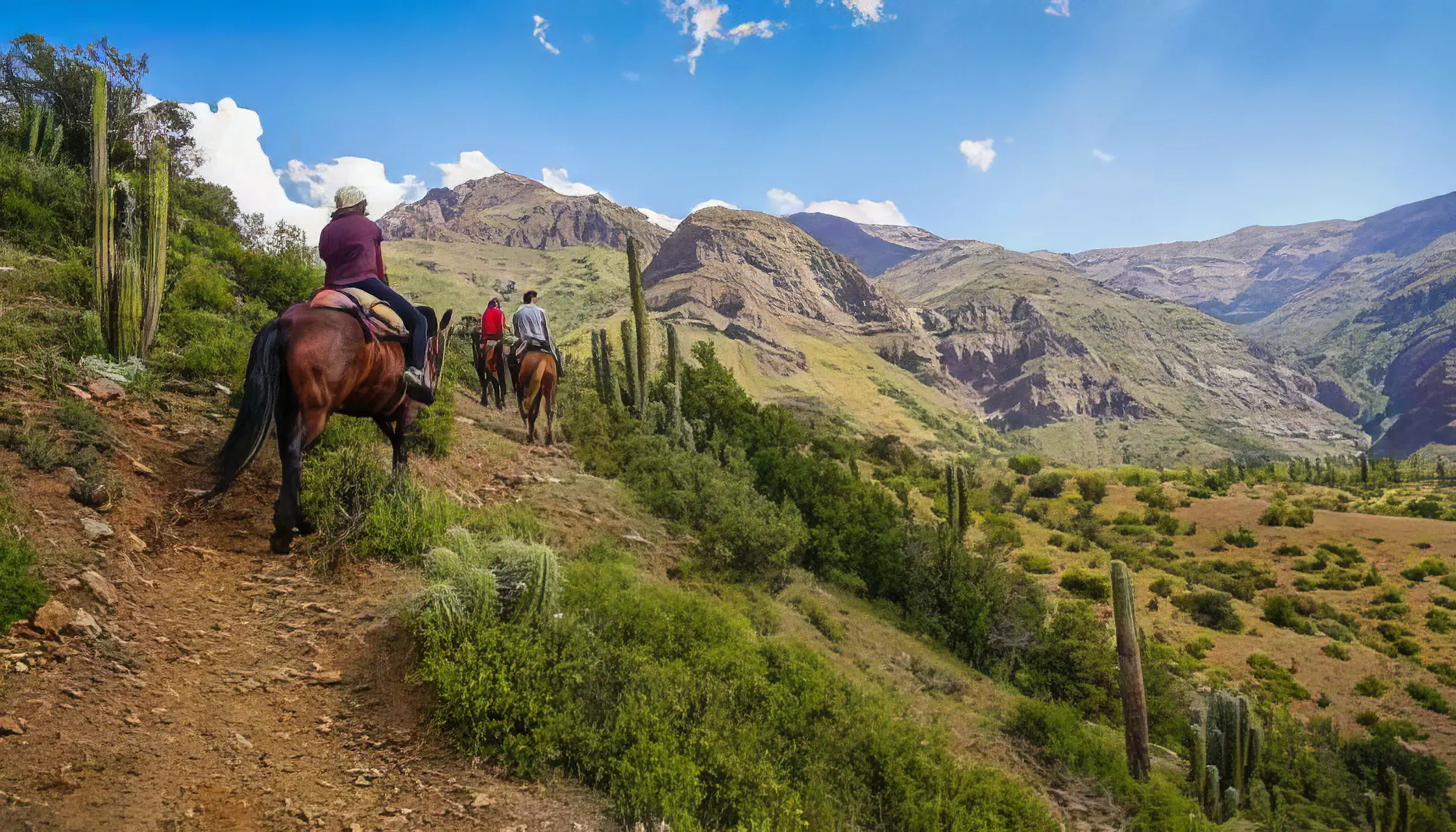
Chile offers a variety of outdoor experiences due to its diverse landscapes and climates:
– Trekking in Torres del Paine: Traverse through glaciers, lakes, and mountains in Patagonia.
– Stargazing in Atacama Desert: Experience the world's clearest night skies.
– Surfing in Pichilemu: Ride the waves in Chile's surf capital.
– Wine Tour in Colchagua Valley: Explore vineyards and taste world-class wines.
– White-water Rafting in Futaleufú River: Navigate through some of the world's most challenging rapids.
– Skiing in Portillo: Enjoy snow sports in the Andes with remarkable lake views.
– Wildlife Watching in Chiloé: Spot penguins, sea lions, and other wildlife on this unique island.
Kid Friendly
Chile offers a variety of activities that are perfect for families with children:
– Fantasilandia: A large amusement park in Santiago with a variety of rides and attractions.
– Buin Zoo: A well-maintained zoo with a wide range of animals and educational exhibits.
– KidZania Santiago: An interactive city made for children where they can try out different professions.
– Parque Bicentenario: A large park in Santiago with playgrounds, picnic areas, and a lagoon with flamingos.
– La Serena Observatory: A chance for kids to learn about the stars and planets.
– Valle De La Luna: A unique desert landscape that resembles the moon's surface, great for adventurous families.
– Torres del Paine National Park: A beautiful natural park with wildlife, lakes, and glaciers.
– Pomaire: A small town known for its pottery, where kids can try their hand at making their own.
Cuisine

Chilean cuisine is a reflection of the country's topographical variety, featuring seafood from the coast, produce from the fertile valleys, and meats from the Andes. It's simple, hearty, and influenced by European and indigenous traditions. The most famous dishes and desserts from Chile are:
– Empanadas: Baked or fried pastry filled with meat, cheese, or seafood.
– Cazuela: A hearty stew made with meat, corn, pumpkin, and potatoes.
– Pastel de Choclo: Corn and meat pie, often sweetened with sugar.
– Curanto: A traditional dish of seafood, meat, and potatoes cooked in a hole in the ground.
– Alfajores: Shortbread cookies filled with dulce de leche and covered in powdered sugar.
Souvenir
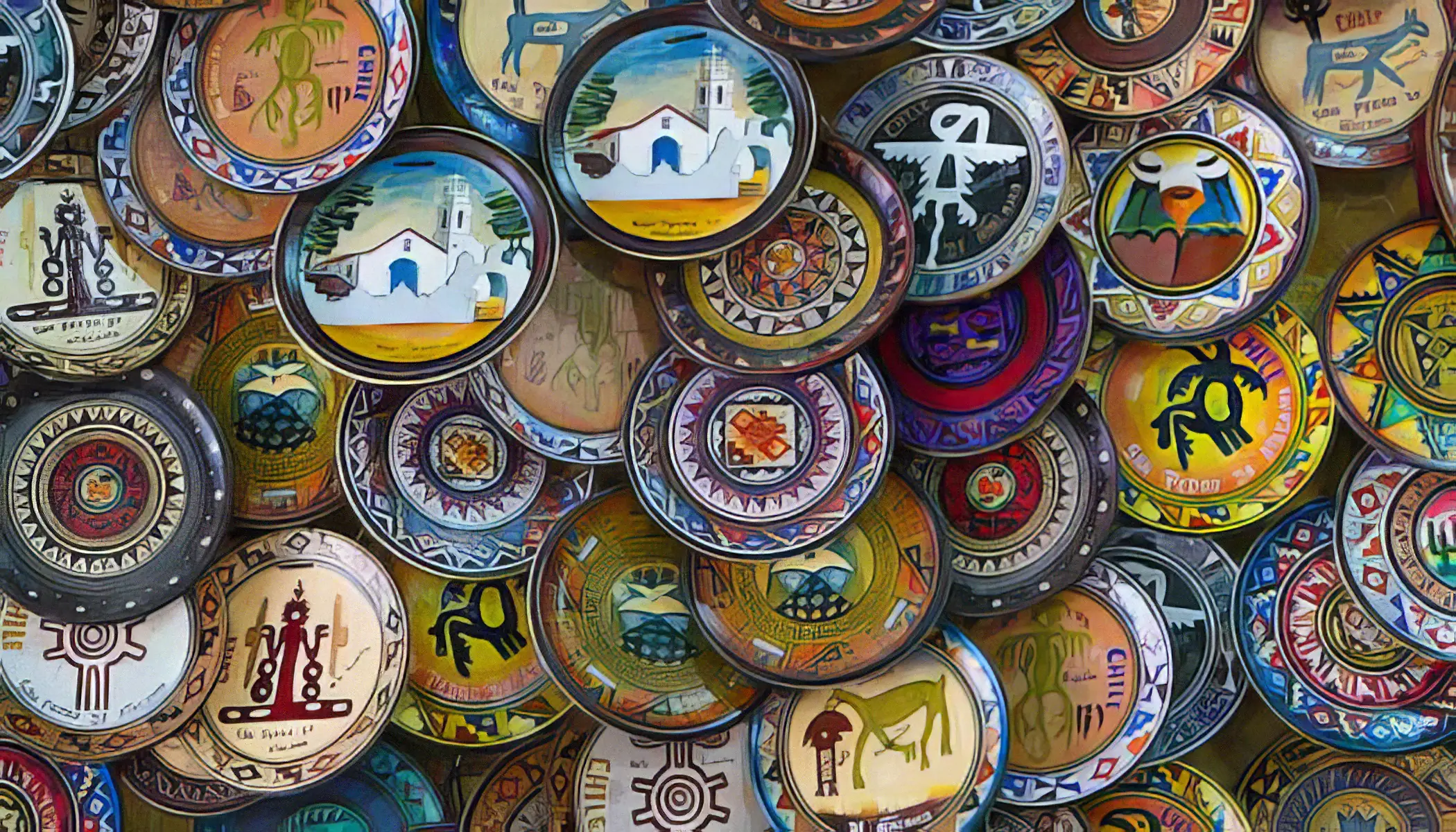
Chile is a country rich in culture and tradition, offering a variety of unique souvenirs. Here are some popular items to consider:
– Lapis Lazuli Jewelry: Chile is one of the few places in the world where you can find this semi-precious stone.
– Chilean Wine: Chile is famous for its high-quality wines, making it a great souvenir.
– Alpaca Wool Products: Alpaca wool is soft, warm, and durable, making it a popular choice for clothing and blankets.
– Copper Crafts: Chile is the world's largest producer of copper, and you can find a variety of copper crafts.
– Rapa Nui Crafts: These are inspired by the indigenous Rapa Nui people of Easter Island.
– Pisco: This is a type of brandy that is a popular alcoholic beverage in Chile.
– Mapuche Silver Jewelry: Traditional Mapuche silver jewelry is a beautiful and unique souvenir.
Traditional Shows
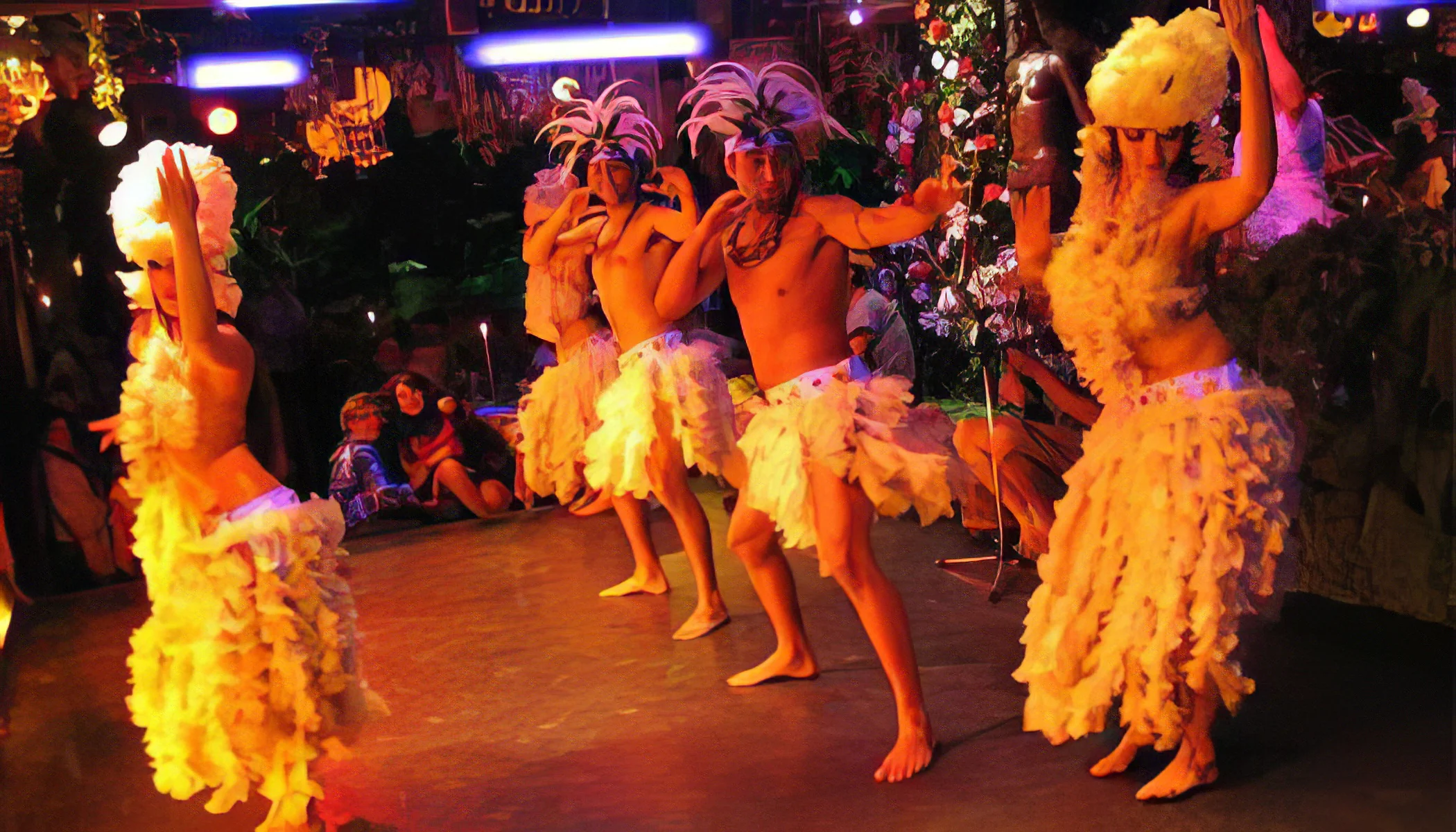
Chile is rich in traditional performances that reflect its cultural heritage:
– Cueca Dance: Witness Chile's national dance, a dynamic display of courtship and flirtation, often performed during national holidays and festivals.
– Mapuche Music: Experience the indigenous sounds of the Mapuche people, featuring traditional instruments and ancestral chants, primarily in southern Chile.
– La Tirana Festival: Attend this religious festival in the town of La Tirana, where dance groups perform in colorful costumes to honor the Virgin del Carmen.
– Chilean Folklore Shows: Enjoy a variety of traditional dances and music, showcasing Chile's diverse cultural heritage, commonly performed in Santiago.
– New Chilean Cumbia: Listen to this modern take on traditional cumbia music, a popular genre that blends Latin rhythms with local influences, especially in urban areas.
Events & Festivals
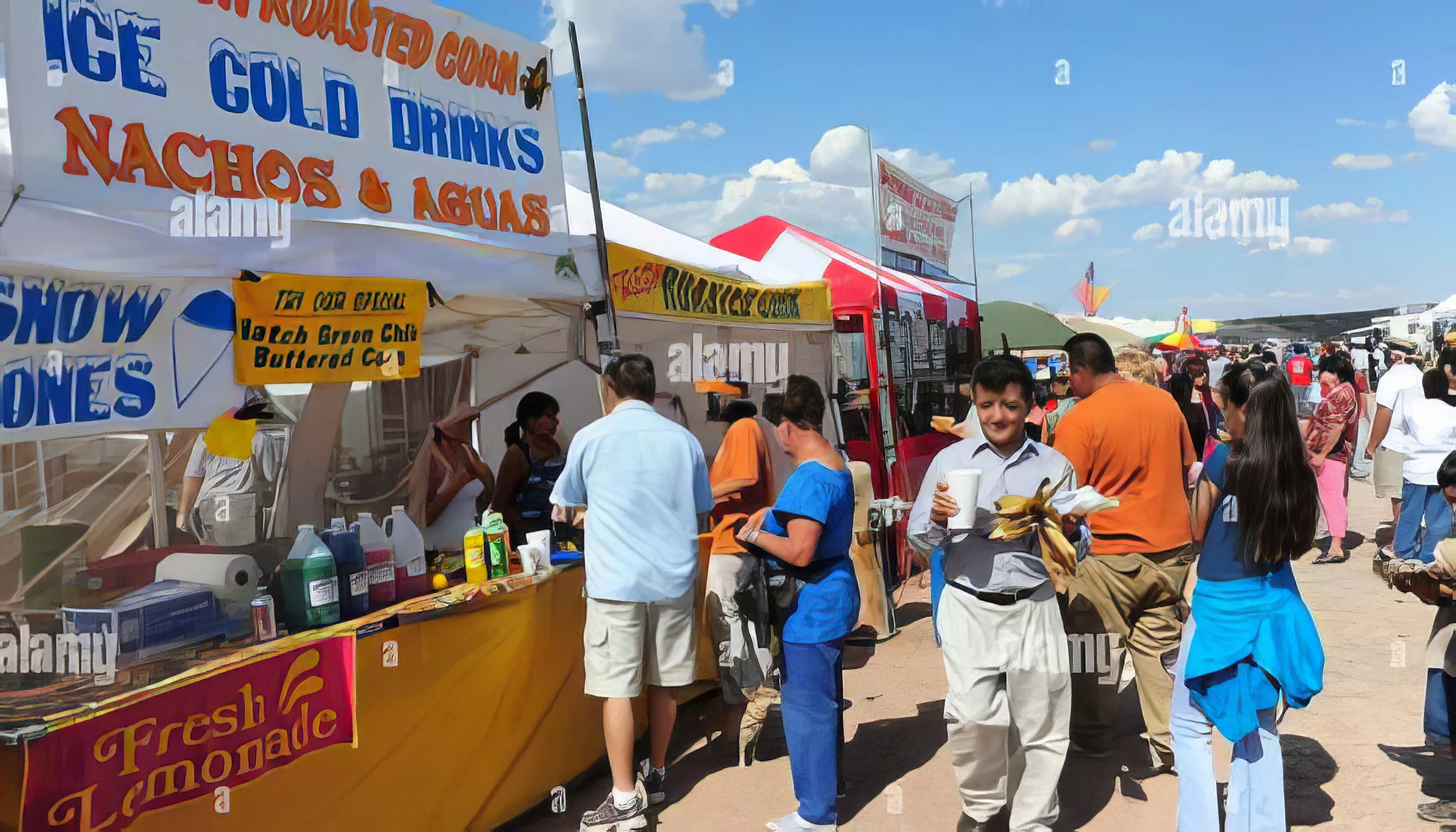
Chile, a country with a rich cultural heritage, hosts several significant events and festivals each year:
– Tapati Rapa Nui: A February festival on Easter Island, celebrating Polynesian culture with music, dance, and sports.
– Fiesta de la Vendimia: March wine harvest festival in Curico Valley, featuring wine tasting and traditional music.
– Semana Santa: Holy Week in April with religious processions and ceremonies across the country.
– Fiestas Patrias: Chile's Independence Day celebrations in September, marked by parades, music, and traditional food.
– Festival Internacional de la Cancion de Vina del Mar: A popular music festival held in February.
– Santiago a Mil: A January performing arts festival in Santiago, showcasing international and local theater, dance, and music.
– New Year's Eve in Valparaiso: Massive December 31st fireworks display, one of the largest in South America.
Famous People
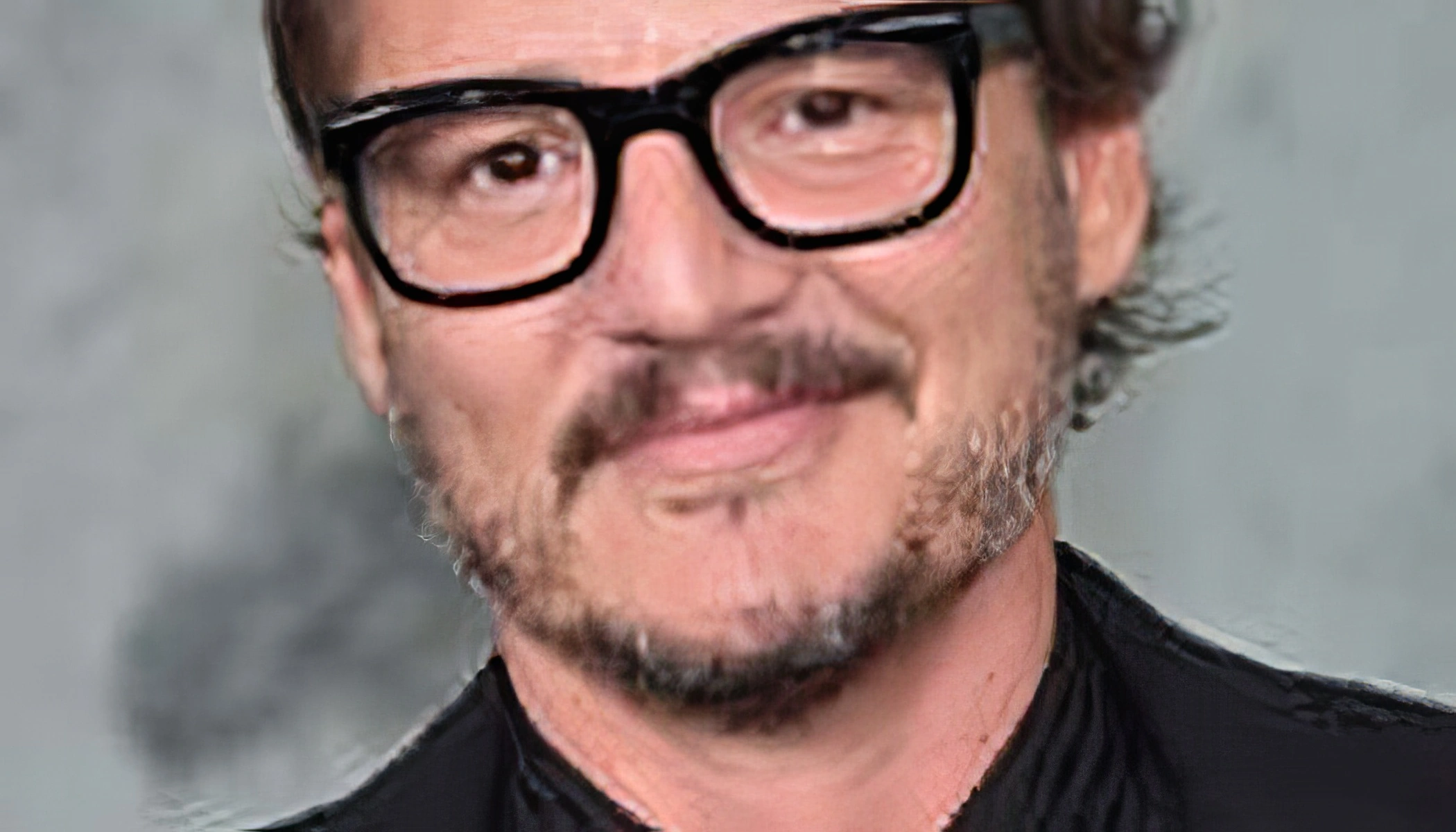
Chile has been home to many influential figures who have made significant contributions in various fields.
– Salvador Allende (1908 to 1973, Santiago): Chile's first socialist president, known for his nationalization policies.
– Pablo Neruda (1904 to 1973, Parral): Nobel laureate poet, famous for his passionate love poems.
– Gabriela Mistral (1889 to 1957, Vicuña): First Latin American Nobel laureate in Literature, known for her poetry and educational work.
– Augusto Pinochet (1915 to 2006, Valparaiso): Military dictator whose regime was marked by human rights abuses.
– Isabel Allende (born 1942, Lima): Acclaimed author known for her novels, including "The House of the Spirits."
Books
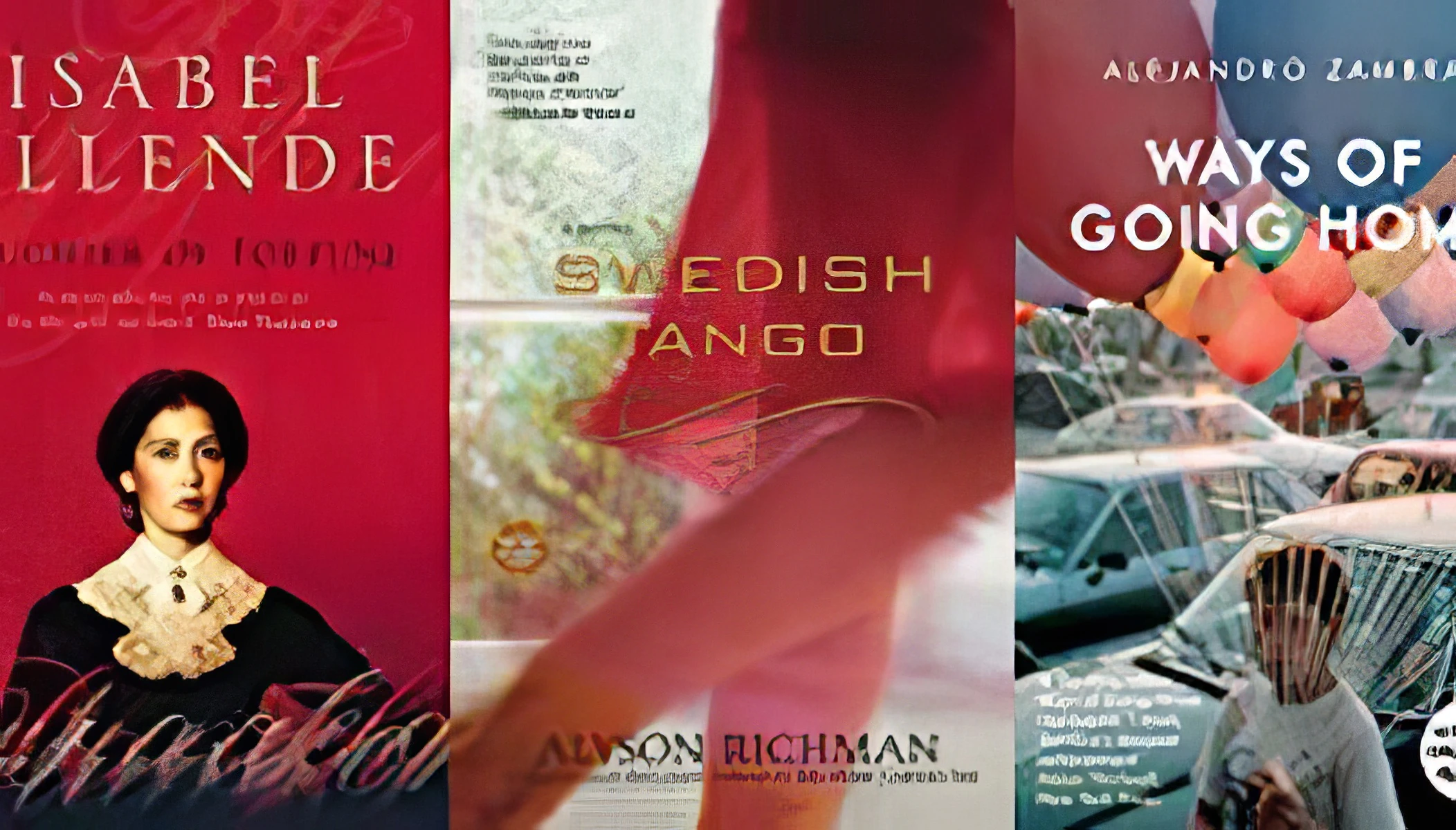
These books provide a rich exploration of Chile's history, culture, and political landscape.
– "The House of the Spirits" by Isabel Allende: A multi-generational family saga set against the backdrop of post-colonial Chile.
– "Twenty Love Poems and a Song of Despair" by Pablo Neruda: A collection of romantic poems by Chile's Nobel laureate.
– "Inés of My Soul" by Isabel Allende: Historical novel about Inés Suárez, a female conquistador and founder of Santiago.
– "By Night in Chile" by Roberto Bolaño: A deathbed confession of a Chilean priest during Pinochet's regime.
– "A Nation of Enemies: Chile Under Pinochet" by Pamela Constable and Arturo Valenzuela: A comprehensive account of Pinochet's dictatorship.
Songs
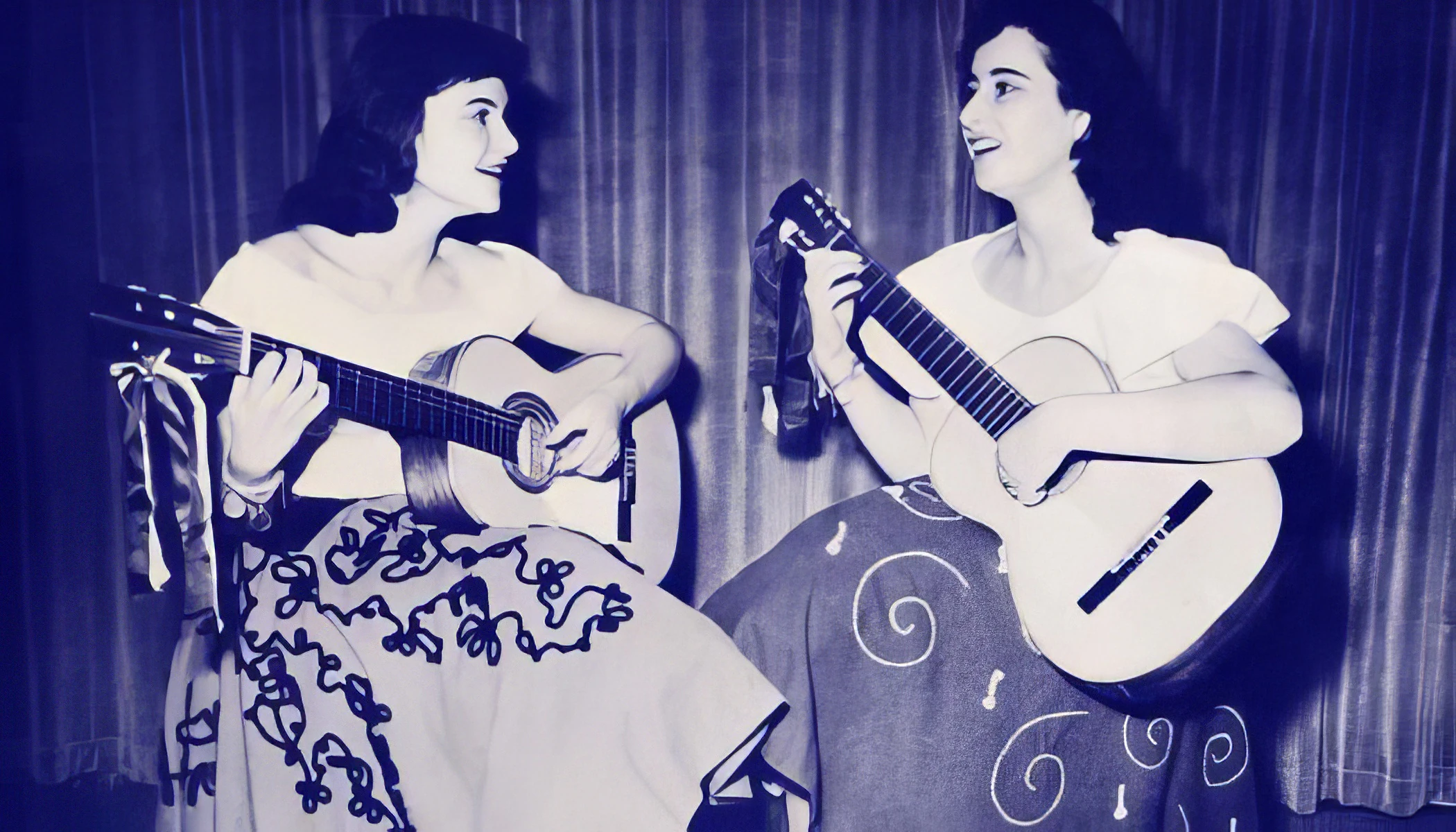
Chilean music is a pretty blend of indigenous, European, and African influences, with these songs standing out for their popularity and cultural significance.
– Gracias a la Vida: Violeta Parra's most famous song, covered by many artists worldwide.
– El Derecho de Vivir en Paz: Iconic protest song by Victor Jara.
– Te Recuerdo Amanda: Another popular song by Victor Jara, telling a tragic love story.
– Mira Niñita: A classic by Los Jaivas, blending rock with Andean folk music.
– La Joya del Pacifico: Celebrated waltz by Lucho Barrios, paying tribute to the city of Valparaiso.
– Me Gustas Tu: Internationally recognized song by French-Chilean rapper, Manu Chao.
Films
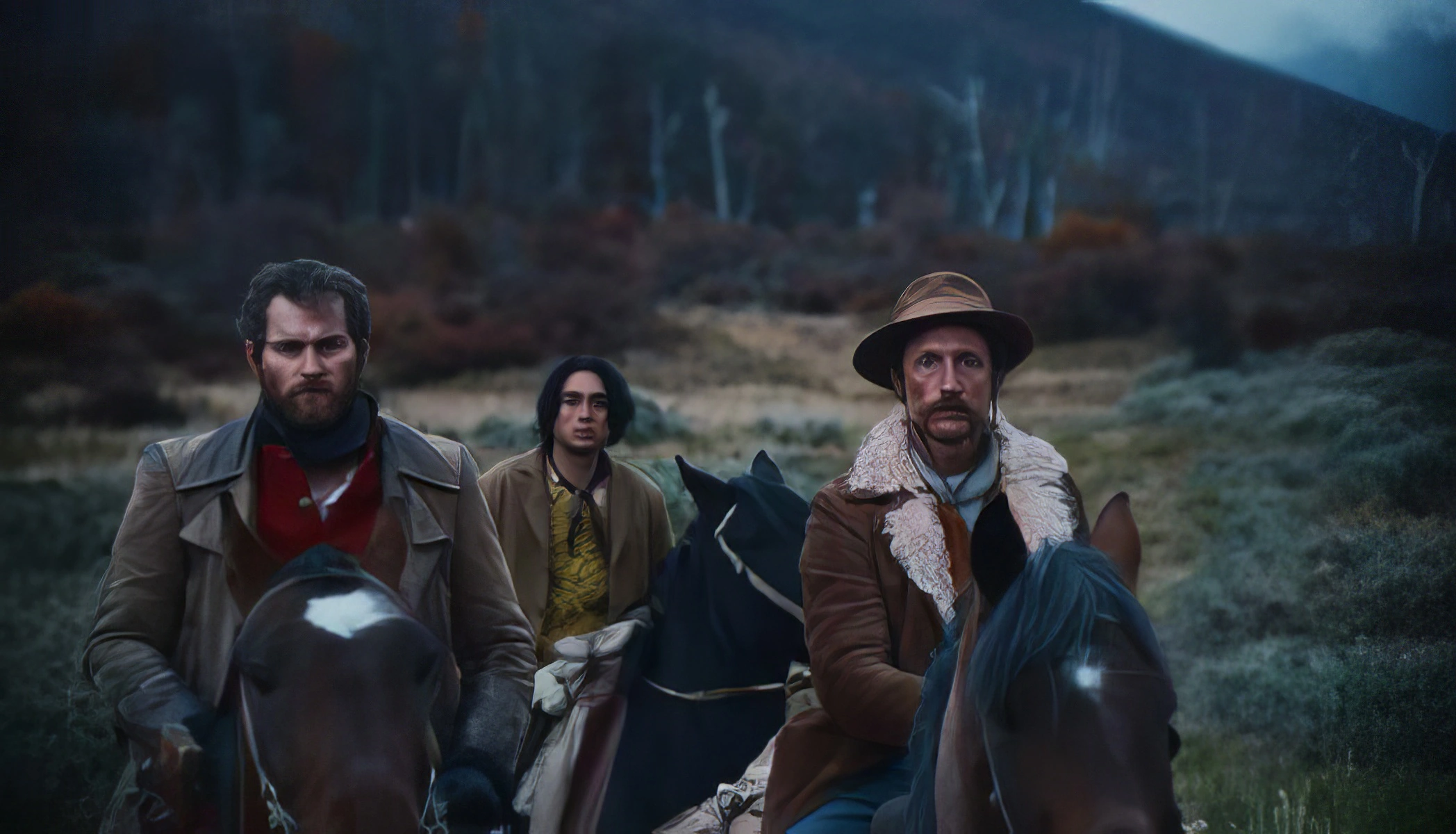
Chilean cinema offers a unique perspective on the country's history, culture, and society. Here are some of the most famous films about Chile:
– "No": A film by Pablo Larraín about an ad executive who creates a campaign to defeat Pinochet in Chile's 1988 referendum.
– "The Club": Directed by Pablo Larraín, a drama about a group of disgraced priests living in seclusion.
– "Machuca": Andrés Wood's film explores the friendship of two boys during the 1973 Chilean military coup.
– "Neruda": Pablo Larraín's biographical drama about the Nobel-winning Chilean poet, Pablo Neruda.
– "A Fantastic Woman": Sebastián Lelio's Oscar-winning film about a transgender woman facing discrimination.