

Travel Guide to Colombia: Top Things to Do & Tips
Located in South America, this country is known for its rich cultural heritage and diverse landscapes. From the Andes mountains to Amazon rainforests and Caribbean beaches, it provides remarkable cities, coffee plantations, and a mix of indigenous and colonial influences.
- Capital
- Bogotá
- Population
- 47.8 millions
- Superficy
- 1139000 sq.km
- Months to Visit
- Dec. to March & July to Aug.
- Living Cost
- Economical
Overview
Colombia, located in the northwest of South America, is known for its diverse landscapes, including the Andes mountains, Amazon rainforest, and Caribbean and Pacific coastlines. Bogotá, the capital, is a cultural hub with museums and charming street art. Medellín has transformed from a troubled past to a model of urban innovation. Colombia is famous for its coffee production and rich biodiversity. The country has made significant progress in improving safety and stability over recent years. Its cultural heritage includes influences from Indigenous peoples, Spanish colonization, and African traditions.
Pros & Cons
GOOD REASONS TO VISIT COLOMBIA
– Diverse Landscapes: Explore Amazon rainforest, Andean mountains, Caribbean beaches, and coffee plantations in one country.
– Rich Culture: Experience animated music, dance, festivals, and a blend of indigenous and colonial influences.
– Coffee Experience: Visit coffee farms in the Coffee Triangle for tours and tastings of world-renowned Colombian coffee.
– Historic Cities: Discover Cartagena's colonial architecture and Medellín's transformation from past violence to innovation.
– Warm Hospitality: Colombians are known for their friendliness and welcoming nature towards visitors. CHALLENGES WHEN VISITING COLOMBIA
– Safety Concerns: Some areas have crime issues; research destinations and stay informed about safety advisories.
– Language Barrier: Spanish is predominant; English is less spoken outside tourist areas, so basic Spanish helps.
– Transportation Issues: Infrastructure varies; expect delays or challenges in remote regions.
Before Departure
Before traveling to Colombia, it's important to be informed about the following aspects:
– Passport: Ensure your passport is valid for at least six months from your entry date.
– Visa: Many nationalities can enter visa-free for up to 90 days; check specific requirements based on nationality.
– Currency: Colombian Peso (COP); credit cards widely accepted in cities; ATMs are prevalent in urban areas.
– Internet access: WiFi is common in hotels and cafes; consider buying a local SIM card for reliable data.
– Language barrier: Spanish is the official language; English is not widely spoken outside tourist areas. Basic Spanish phrases are helpful.
What to Pack
Exploring Colombia requires preparation for diverse climates and lively cultural experiences.
– Essentials: Passport, visa (if needed), travel insurance, flight tickets, itinerary, accommodation confirmations, and emergency contact information.
– Clothing: Lightweight clothing for warm areas, rain jacket for rainy seasons, comfortable walking shoes, swimwear for beaches, and layers for cooler mountain regions.
– Health & Safety: Prescription medications, basic first aid kit, insect repellent, sunscreen with high SPF, and personal hygiene products.
– Electronics: Travel adapter for Colombian outlets (Type A/B), mobile phone with charger, camera with extra batteries or memory card.
Weather
Weather in Colombia varies by region due to its diverse geography:
– Winter (December to February): Dry season in most regions, especially the Andes and Caribbean coast.
– Spring (March to May): Rainy season begins, particularly in the Amazon and Pacific coast.
– Summer (June to August): Dry season returns in the Andes and Caribbean; wet in the Amazon.
– Autumn (September to November): Rainy season peaks, especially in the Andean and Amazon regions. December to March is the best time to visit Colombia:
– Enjoy dry weather ideal for exploring cities and beaches.
– Experience cultural events like Carnival.
Note that this is peak tourist season, leading to higher prices and larger crowds.
Travel Budget
Colombia offers a range of budget-friendly options for travelers. Here are some average prices for common expenses:
– Hotel: 30$ to 120$
– Lunch: 3$ to 10$
– Beverage (in bar/restaurant): 2$ to 6$
– Coffee: 1$ to 3$
– Transportation: (train not widely available), (bus 0.5$ to 2$), (taxi /10km 4$ to 8$)
– Mobile data (per GB): 1.5$ to 3.5$
Language
In Colombia, Spanish is the official language, and here are some useful phrases for tourists:
– Hello: Hola
– Thank you: Gracias
– Please: Por favor
– How much is this?: ¿Cuánto cuesta esto?
– Excuse me: Perdón
– I don't understand: No entiendo
– Yes: Sí
– No: No
– Goodbye: Adiós
History
The area was originally inhabited by indigenous peoples before Spanish explorers arrived in the early 16th century, leading to colonization. It became part of the Viceroyalty of New Granada, gaining independence from Spain in 1819 under Simón Bolívar's leadership. The Republic of Gran Colombia was formed but dissolved in 1831, leading to the establishment of the Republic of New Granada, which later became Colombia. Throughout the 19th and early 20th centuries, Colombia experienced political instability and civil wars. The mid-20th century saw a period known as "La Violencia," a decade-long civil conflict between political factions. In recent decades, Colombia has faced challenges with drug cartels and guerrilla warfare but has made strides towards peace and economic development through government reforms and peace agreements.
Geopolitics
Located in the northwest of South America, Colombia shares borders with Venezuela, Brazil, Peru, Ecuador, and Panama. It has coastlines on both the Pacific Ocean and the Caribbean Sea, making it strategically significant for maritime trade. The country has faced internal challenges due to decades-long armed conflict involving guerrilla groups like FARC and ELN, though peace efforts have been ongoing. Colombia is a key ally of the United States in Latin America, particularly in counter-narcotics operations. It is a member of regional organizations such as the Organization of American States (OAS) and the Pacific Alliance. The country's geopolitical strategy focuses on regional stability, economic integration, and addressing security issues related to drug trafficking and insurgency.
Sample Itinerary
This itinerary covers Colombia's vibrant cities, coffee region, and Caribbean coast, offering a mix of culture, nature, and relaxation.
– 2 days in Bogotá: Explore the Gold Museum, Botero Museum, and La Candelaria. Take a cable car to Monserrate for city views.
– 2 days in Medellín: Visit Comuna 13 for street art and history. Enjoy the Botanical Garden and take a ride on the Metrocable.
– 2 days in Coffee Region: Tour coffee farms near Salento. Hike in Cocora Valley to see wax palms and enjoy local cuisine.
– 2 days in Cartagena: Walk through the Walled City with its colonial architecture. Relax at nearby beaches or visit Rosario Islands.
– 1 day in Santa Marta: Discover Tayrona National Park's beaches and trails. Experience local culture at Quinta de San Pedro Alejandrino.
Popular cities
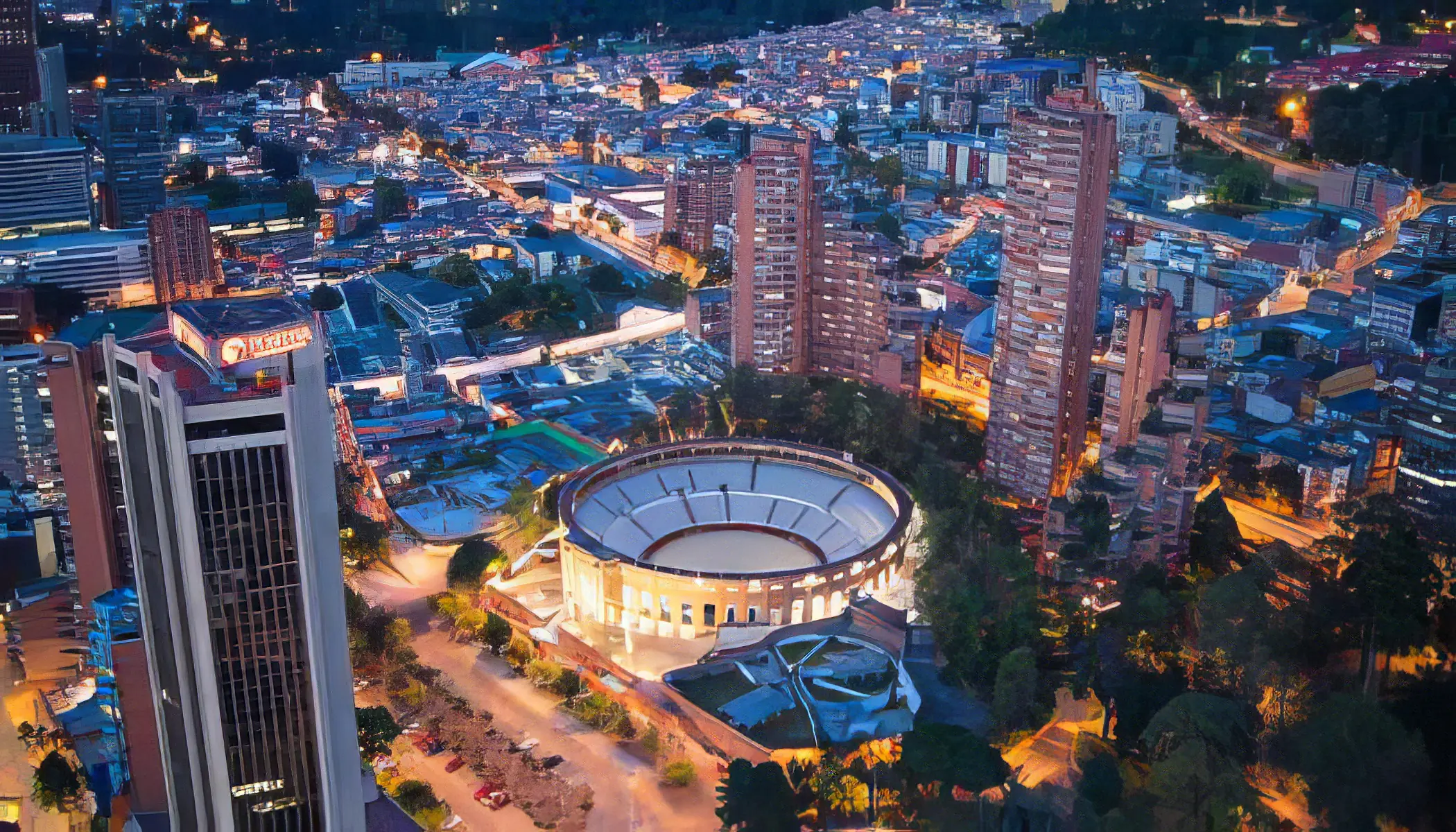
Explore Colombia's diverse culture and landscapes through its beautiful cities:
– Bogotá: The capital city offers museums, historic neighborhoods, and a lively cultural scene.
– Medellín: Known for its pleasant climate, innovative public transport, and the annual Flower Festival.
– Cartagena: A coastal city with a well-preserved colonial old town and beautiful beaches.
– Cali: Famous for salsa music and dance, with a magnificient nightlife.
– Barranquilla: Hosts one of the largest carnivals in the world with colorful parades and festivities.
– Santa Marta: A gateway to Tayrona National Park, offering beaches and historical sites.
– Pereira: Located in the coffee region, known for coffee tours and attractive landscapes.
Monuments
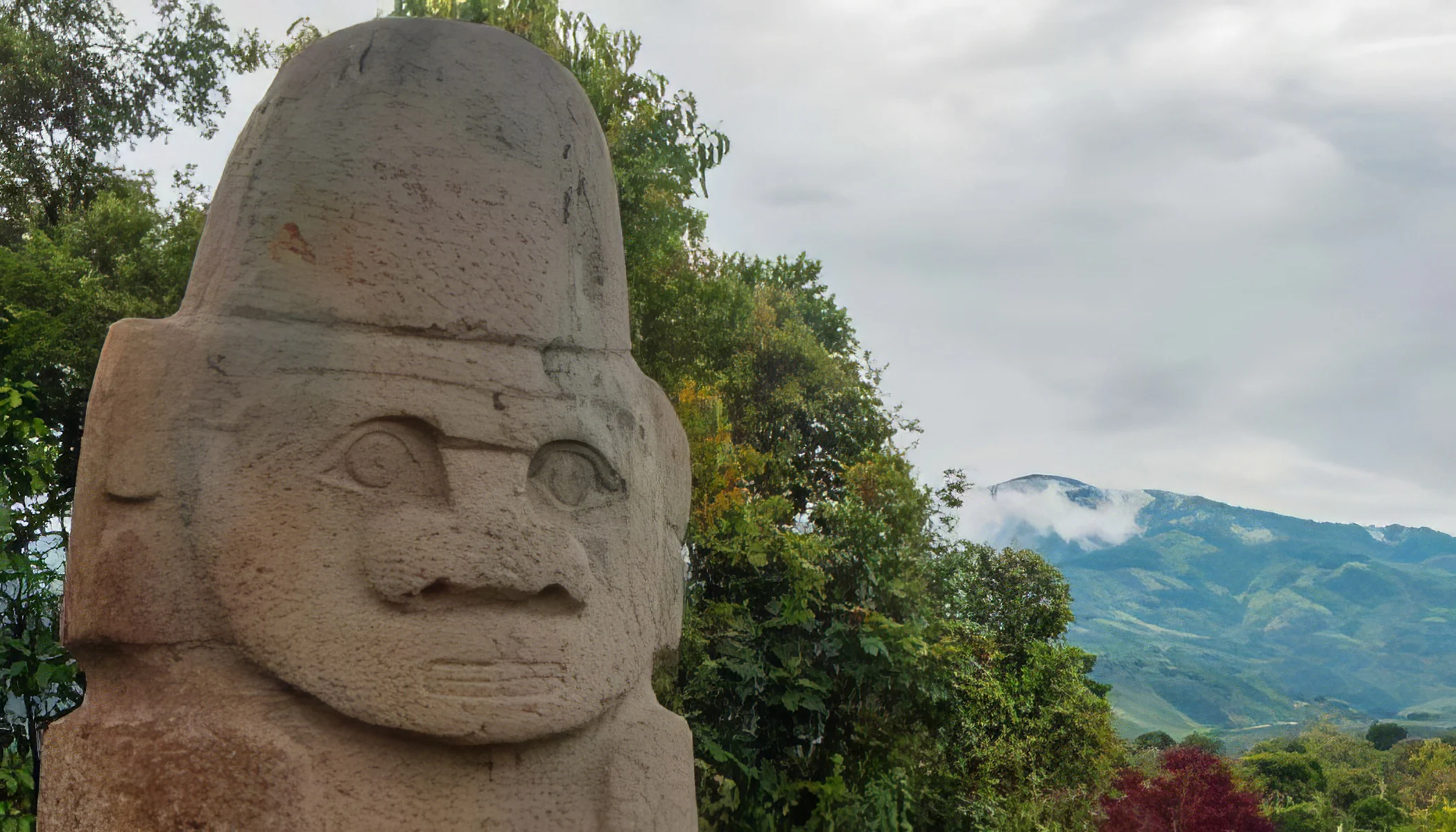
Colombia supplies a variety of historical and architectural monuments to explore:
– Castillo San Felipe de Barajas, Cartagena: Massive fortress built by the Spanish to protect against invasions.
– La Candelaria, Bogotá: Historic district with colonial buildings, museums, and cultural landmarks.
– Salt Cathedral of Zipaquirá: Underground church built within a salt mine, known for its unique architecture.
– Ciudad Perdida (Lost City), Sierra Nevada: Ancient city predating Machu Picchu, accessible via a challenging trek.
– Monserrate, Bogotá: Hilltop church offering panoramic views of the city and surrounding mountains.
– Puente de Boyacá: Monument commemorating the Battle of Boyacá, crucial in Colombia's independence from Spain.
– Popayán's Historic Center: Known as the "White City" for its whitewashed colonial buildings and churches.
– San Agustín Archaeological Park: UNESCO site with mysterious stone statues from an ancient civilization.
Natural wonder
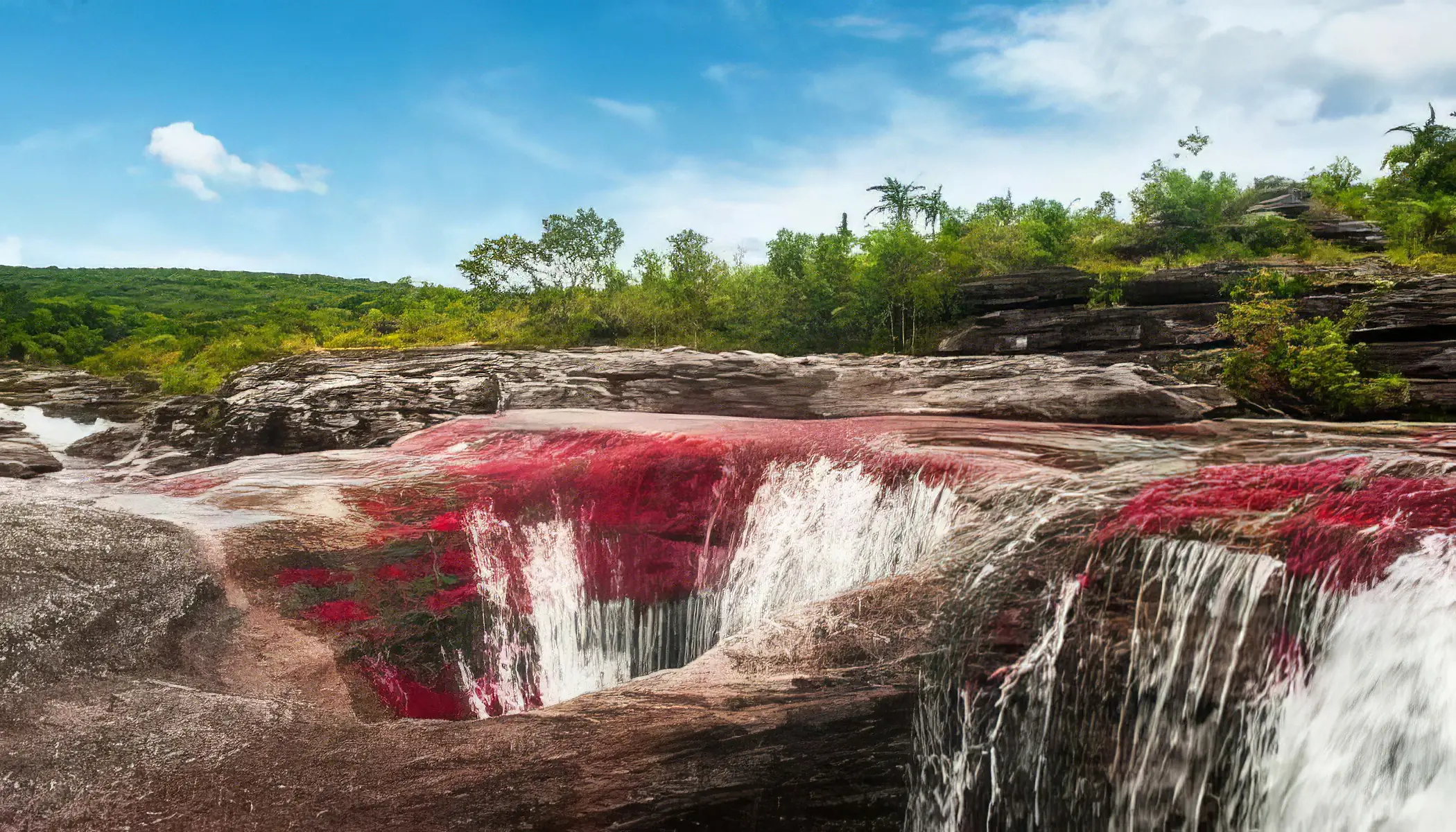
Colombia supplies diverse natural wonders across its varied landscapes:
– Caño Cristales: Known as the "River of Five Colors" due to its beautiful aquatic plants.
– Cocora Valley: Famous for its towering wax palms, Colombia's national tree.
– Tayrona National Park: Combines nice rainforest with fascinating Caribbean coastline.
– Chicamocha Canyon: One of the largest canyons in the world, offering magnificent views.
– Los Nevados National Natural Park: Features snow-capped volcanoes and diverse ecosystems.
– Tatacoa Desert: A unique arid zone with striking red and grey landscapes.
– Serranía de la Macarena: Home to diverse flora and fauna, including Caño Cristales.
– Amacayacu National Park: Part of the Amazon rainforest, rich in biodiversity.
– Puracé National Natural Park: Known for its active volcano and thermal springs.
– Sierra Nevada de Santa Marta: The world's highest coastal mountain range with diverse habitats.
Beaches
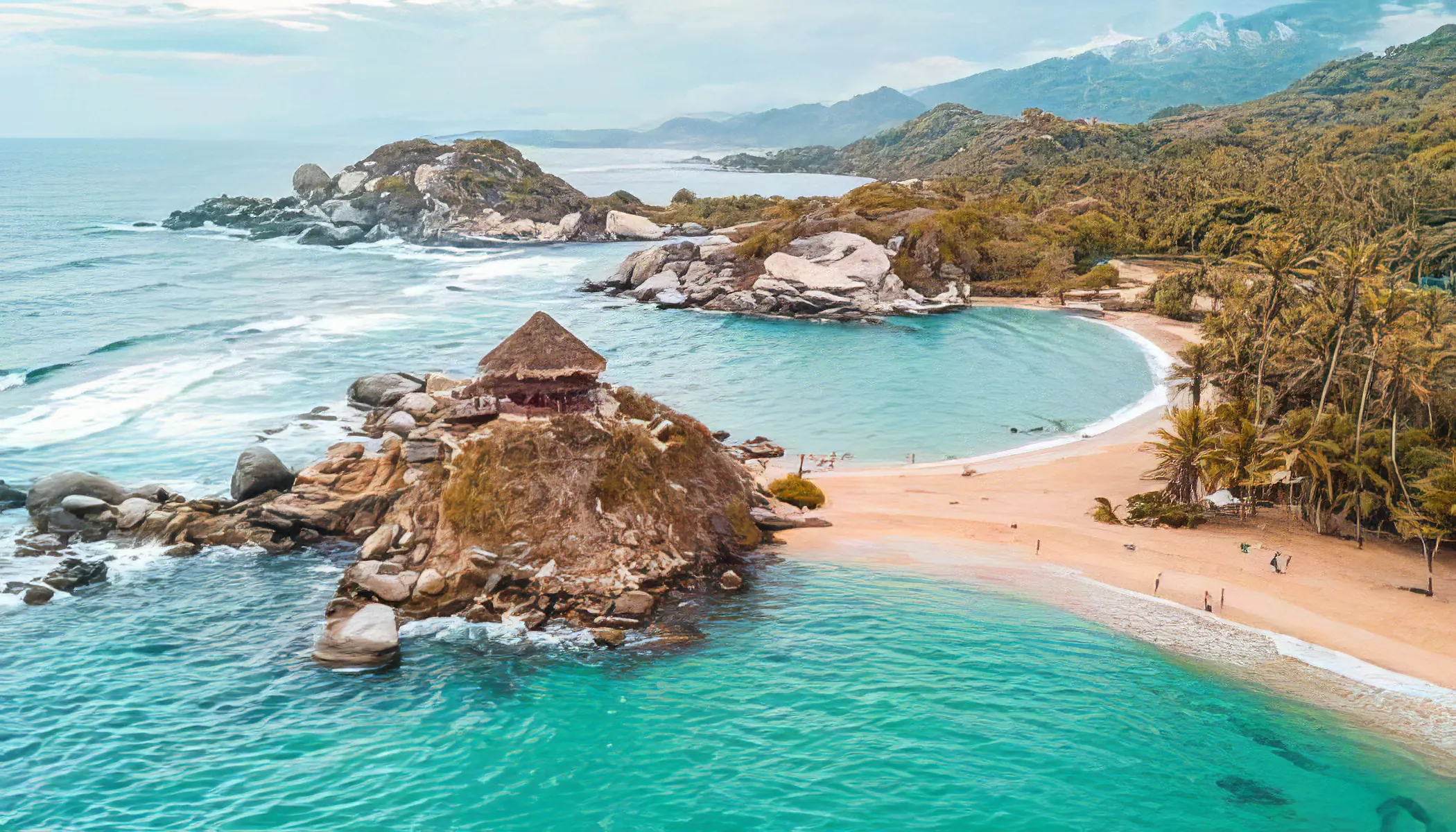
Colombia offers a variety of beautiful beaches along its Caribbean and Pacific coasts.
– Playa Blanca: Known for its white sands and clear waters on Isla Barú near Cartagena.
– Tayrona National Park Beaches: Features nice beaches like Cabo San Juan with lush jungle backdrops.
– San Andrés Island Beaches: Supplies crystal-clear waters and dynamic marine life in the Caribbean Sea.
– Palomino Beach: A carefree beach with views of the Sierra Nevada mountains.
– Capurganá Beach: Known for its remote location and natural beauty near the Panama border.
– Nuquí Beaches: Supplies pristine, secluded beaches ideal for ecotourism on the Pacific coast.
– Taganga Beach: Popular for diving and fishing, located near Santa Marta.
Outdoor activities
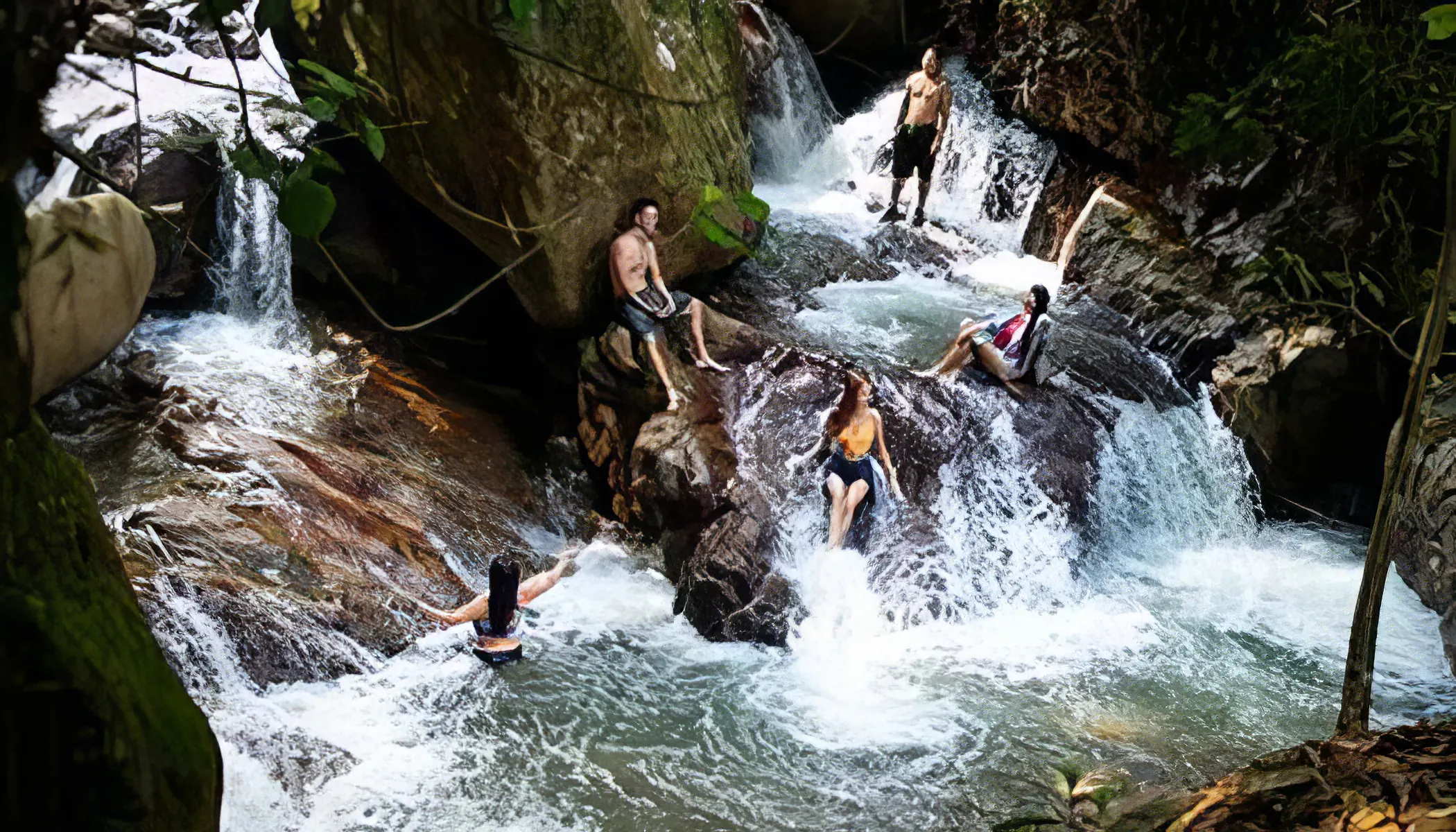
Colombia supplies a variety of outdoor activities for nature and adventure enthusiasts:
– Trekking to the Lost City: Hike through dense jungle to discover ancient ruins.
– Paragliding in San Gil: Soar above beautiful landscapes and opulent valleys.
– Canoeing in the Amazon: Paddle through the world's largest rainforest and observe diverse wildlife.
– Hiking in Cocora Valley: Walk among towering wax palms in a picturesque setting.
– Diving in Providencia: Explore vibrant coral reefs and abundant marine life.
– Birdwatching in Chingaza National Park: Spot rare bird species in diverse ecosystems.
– Rafting on the Rio Negro: Experience thrilling rapids surrounded by tropical scenery.
Kid Friendly

Colombia supplies a range of activities that are perfect for families with children:
– Parque Explora: An interactive science museum in Medellín with hands-on exhibits and an aquarium.
– Hacienda Nápoles: A theme park with a water park, zoo, and dinosaur replicas, once owned by Pablo Escobar.
– Salt Cathedral of Zipaquirá: An underground church built within the tunnels of a salt mine, offering guided tours.
– Parque del Café: A coffee-themed amusement park featuring rides, shows, and beautiful gardens.
– Tayrona National Park: A coastal reserve where families can enjoy beaches, hiking trails, and wildlife spotting.
– Maloka Museum: A science and technology museum in Bogotá with interactive exhibits for kids.
– Rosario Islands: A group of islands near Cartagena ideal for snorkeling and exploring marine life.
– Valle de Cocora: Known for its towering wax palms, it's great for family hikes and picnics in nature.
Cuisine
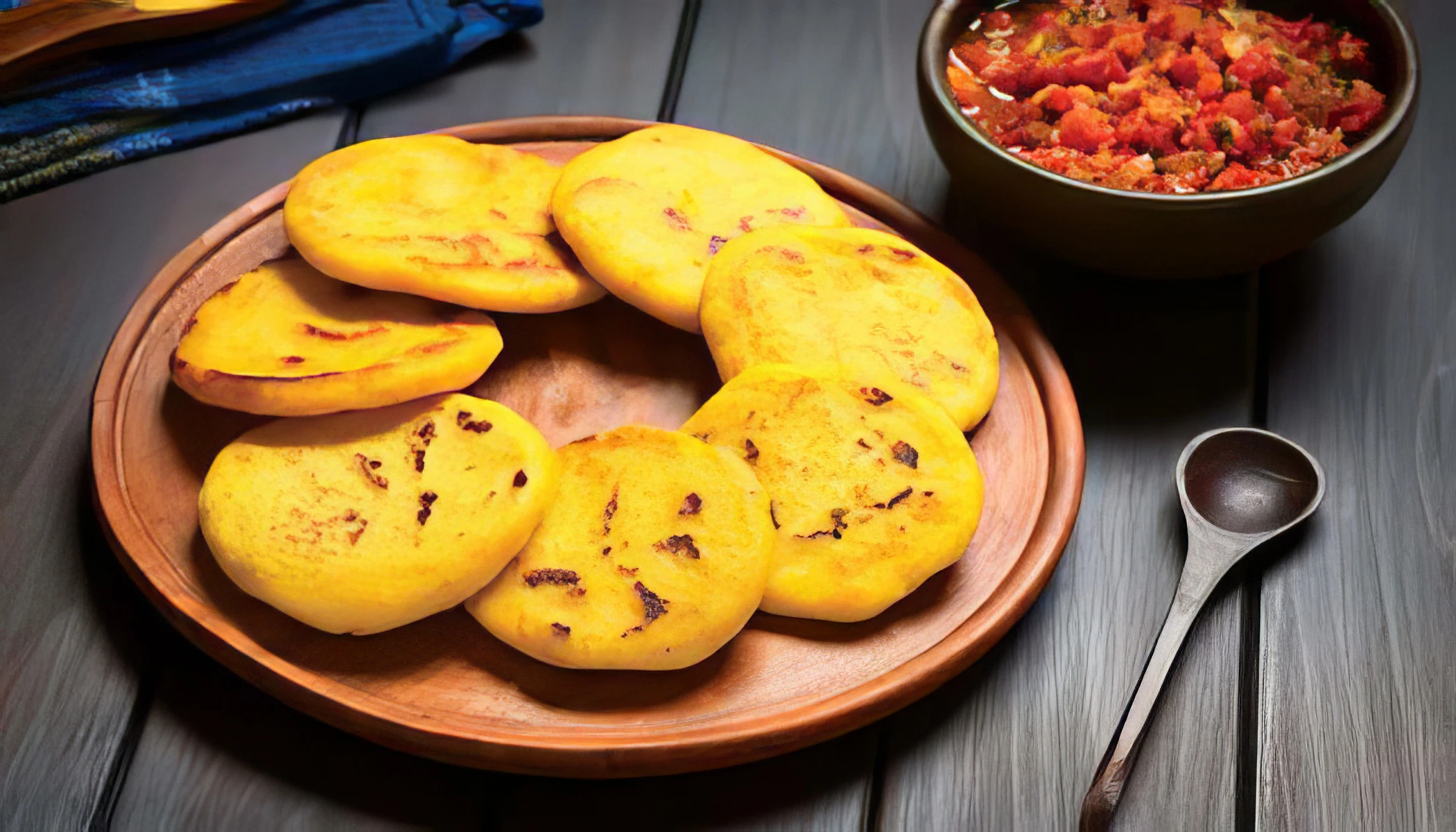
Colombian cuisine is diverse, reflecting its varied geography and cultural influences, with hearty meals and fresh ingredients. Regional specialties highlight local produce and traditional cooking methods. Street food and home-cooked meals are central to the Colombian food experience.
– Arepas: Cornmeal cakes often filled with cheese or meats, served as a staple side dish.
– Bandeja Paisa: Hearty platter with beans, rice, meat, plantain, avocado, and fried egg.
– Ajiaco: Chicken soup with potatoes, corn, capers, and cream from the Andean region.
– Sancocho: Traditional stew with meat, plantains, yucca, corn, and herbs.
– Empanadas: Fried pastries filled with beef or chicken and potatoes.
– Buñuelos: Fried dough balls made from cheese-infused batter.
– Arroz con Leche: Creamy rice pudding flavored with cinnamon and sugar.
Souvenir
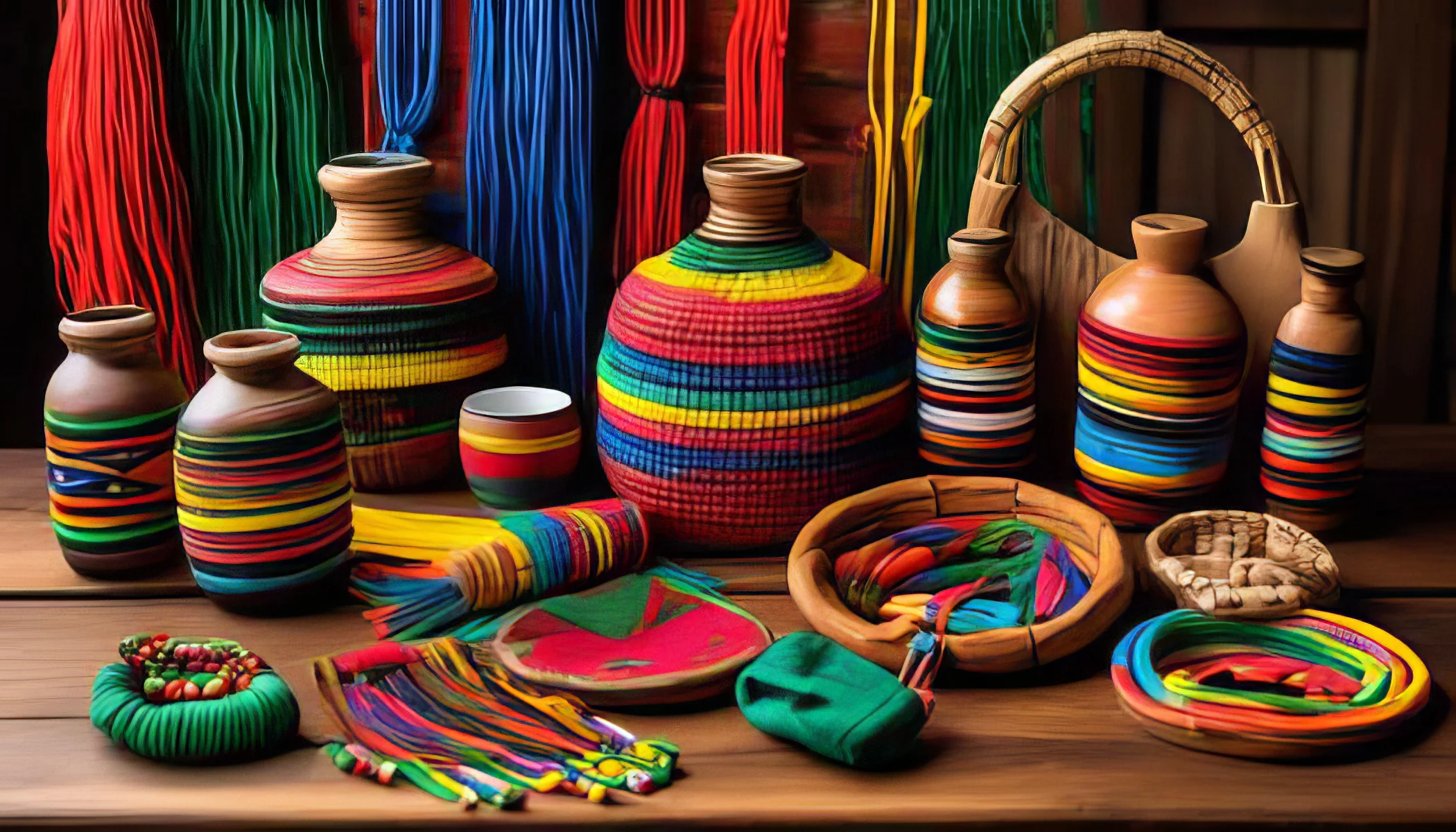
Colombia supplies a variety of unique souvenirs that reflect its rich culture and traditions. Here are some popular options:
– Coffee: Colombian coffee is world-renowned for its quality and flavor, making it a must-buy souvenir.
– Emeralds: Colombia is famous for its emeralds, offering a range of jewelry options.
– Wayuu Bags: Handwoven by the Wayuu people, these colorful bags are both stylish and traditional.
– Aguardiente: This anise-flavored liquor is a popular Colombian spirit to take home.
– Mochilas Arhuacas: These handcrafted bags are made by the Arhuaco people and feature unique designs.
– Vallenato Music CDs: Take home the sounds of Colombia with traditional Vallenato music.
– Caña Flecha Products: Items made from this natural fiber include hats, bags, and accessories.
Traditional Shows

Colombia is rich in diverse traditional music and performances:
– Cumbia Dance: Experience Colombia's national dance, blending African, Indigenous, and Spanish influences, often performed at festivals across the country.
– Vallenato Music: Enjoy this accordion-driven folk music from Valledupar, telling stories of everyday life and love in Colombia.
– Joropo Dance: Witness this lively dance with fast-paced footwork and harp music, popular in the eastern plains of Colombia.
– Mapalé Dance: See this energetic Afro-Colombian dance with rhythmic drumming and lively movements, commonly performed along the Caribbean coast.
– Bambuco Music: Listen to this Andean rhythm featuring guitar and tiple, reflecting Colombia's mountainous regions' cultural heritage.
Events & Festivals
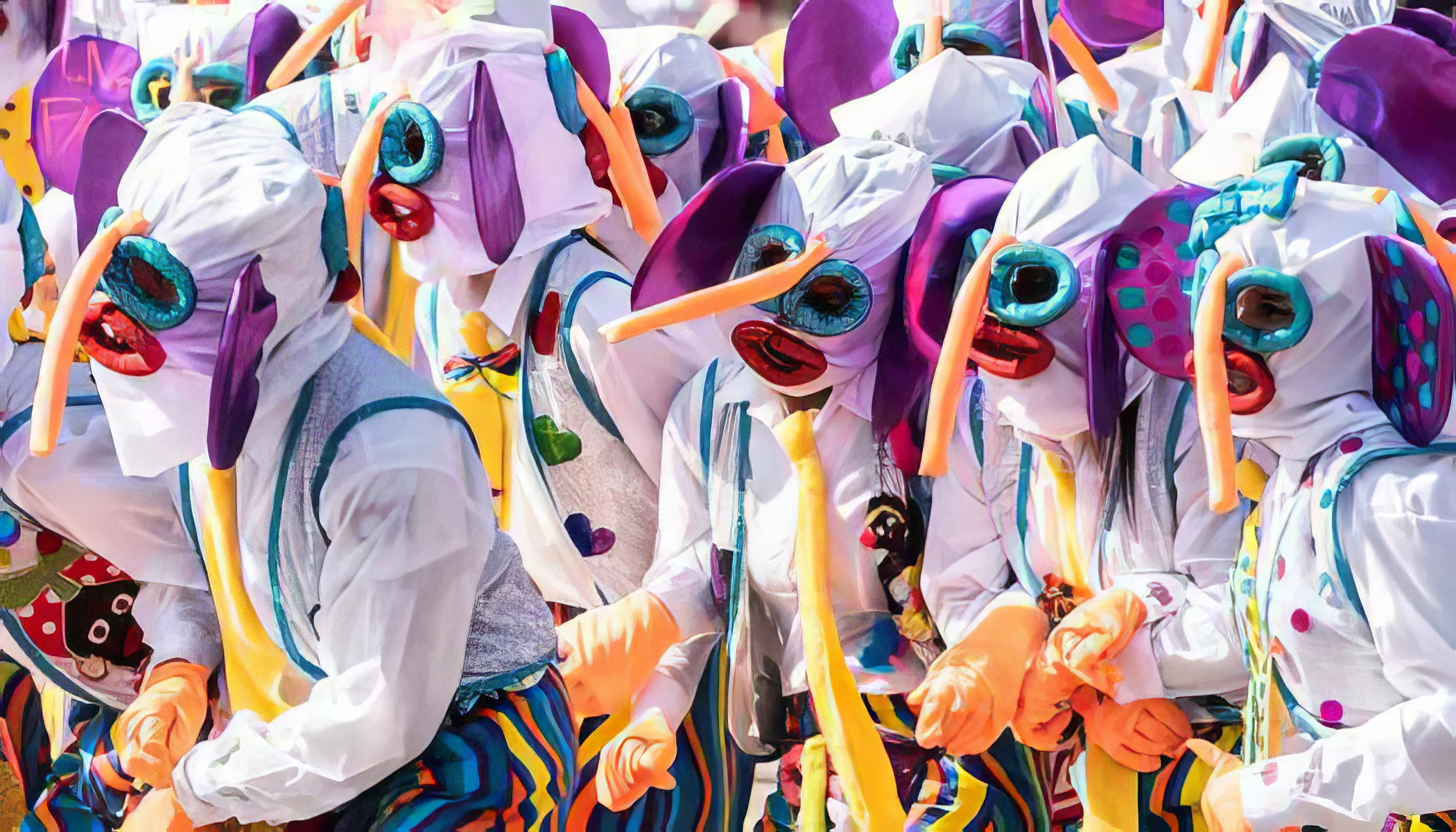
Colombia hosts a variety of lively events and festivals throughout the year, reflecting its rich culture and traditions:
– Carnival of Blacks and Whites: January event in Pasto with parades, music, and cultural expressions.
– Barranquilla Carnival: February/March celebration with colorful parades, dances, and traditional music.
– Holy Week in Popayán: March/April religious processions in Popayán, known for its solemnity and tradition.
– Vallenato Legend Festival: April festival in Valledupar celebrating vallenato music with competitions and concerts.
– Medellín Flower Fair: August event featuring flower displays, parades, and cultural activities.
– Bogotá International Book Fair: April/May event attracting authors and publishers from around the world.
– Cali Fair: December festival with salsa music, dance events, and cultural showcases.
Famous People
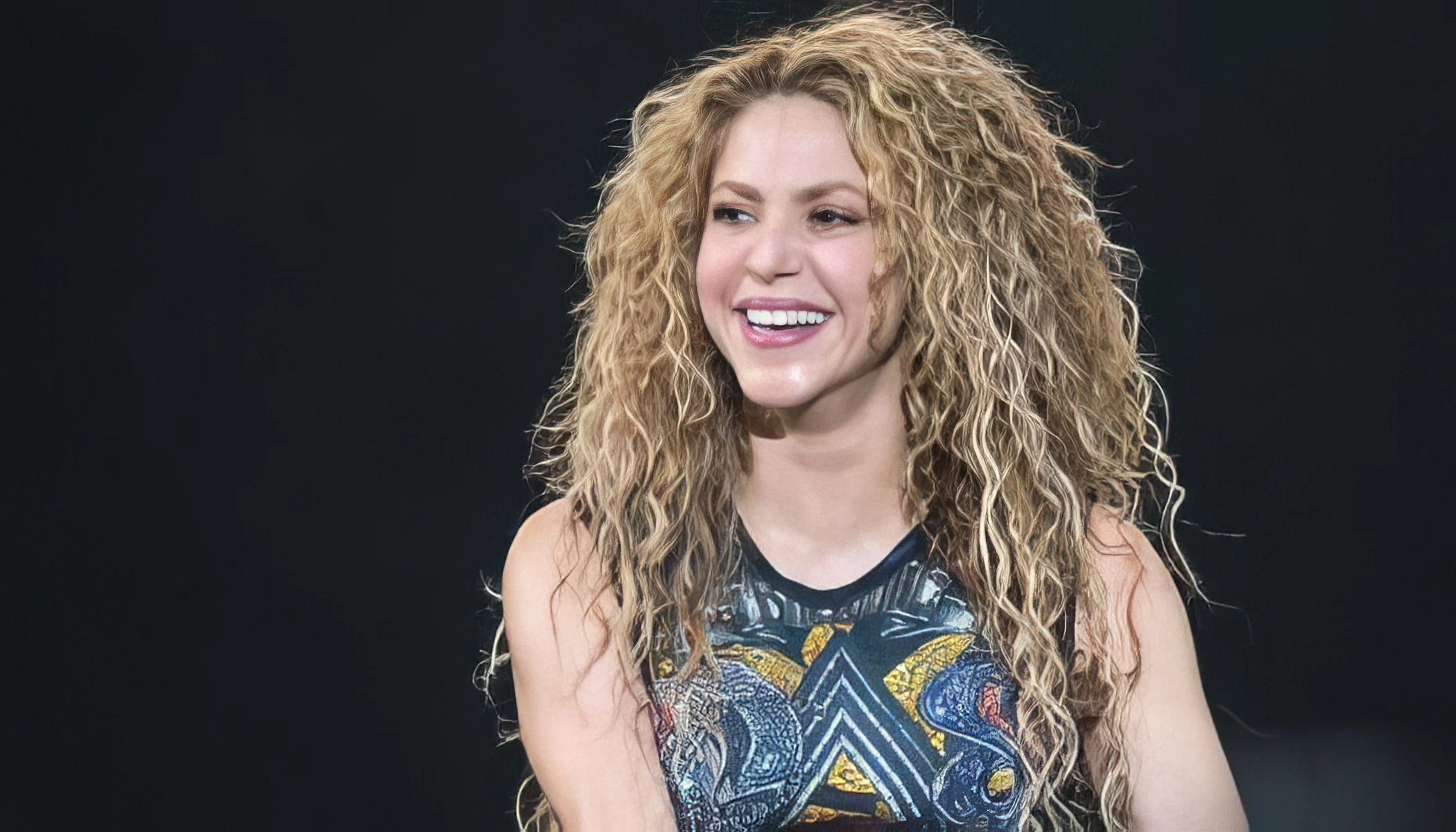
Colombia is home to many notable individuals who have made significant impacts in various fields globally.
– Gabriel García Márquez (1927 to 2014, Aracataca): Nobel Prize-winning author known for "One Hundred Years of Solitude."
– Shakira (born 1977, Barranquilla): Internationally renowned singer-songwriter and philanthropist with numerous global hits.
– Fernando Botero (born 1932, Medellín): Celebrated artist famous for his distinctive style depicting exaggerated human figures.
– Simón Bolívar (1783 to 1830, Caracas, Venezuela): Military leader instrumental in Latin America's independence from Spanish rule; associated with Colombia's liberation.
– Juan Manuel Santos (born 1951, Bogotá): Former president awarded the Nobel Peace Prize for efforts in ending Colombia's civil conflict.
Books
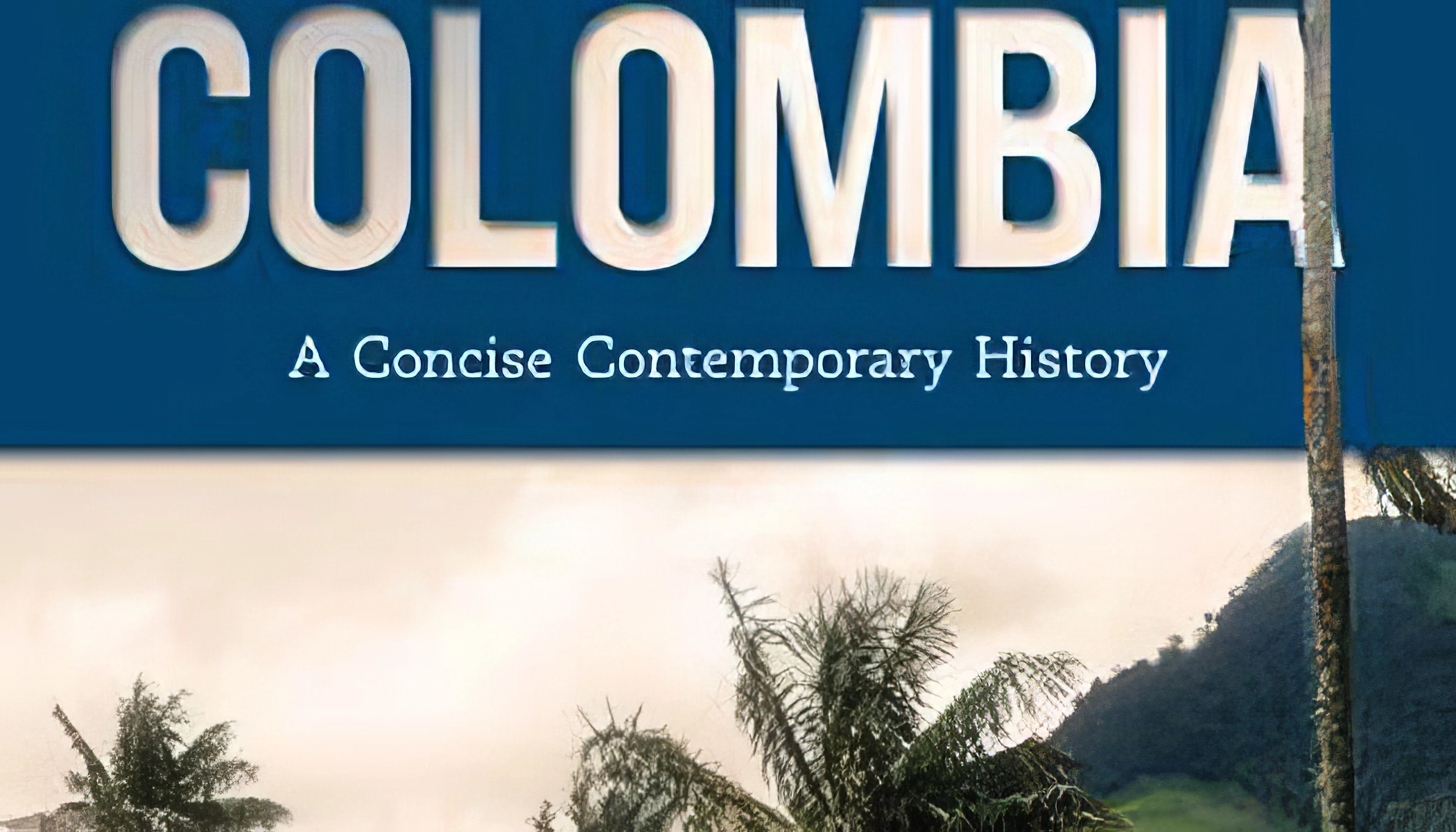
These books capture the essence of Colombia, from its magical realism to its complex social and political landscapes.
– "One Hundred Years of Solitude" by Gabriel García Márquez: Chronicles the Buendía family's multi-generational saga in the fictional town of Macondo.
– "Love in the Time of Cholera" by Gabriel García Márquez: Explores enduring love set against a backdrop of Caribbean Colombia.
– "The Sound of Things Falling" by Juan Gabriel Vásquez: Examines personal and societal impacts of Colombia's drug trade.
– "Delirium" by Laura Restrepo: A man's search for truth about his wife's mental breakdown amidst Bogotá's chaos.
– "Fruit of the Drunken Tree" by Ingrid Rojas Contreras: A young girl's perspective on life during Pablo Escobar's reign.
Songs
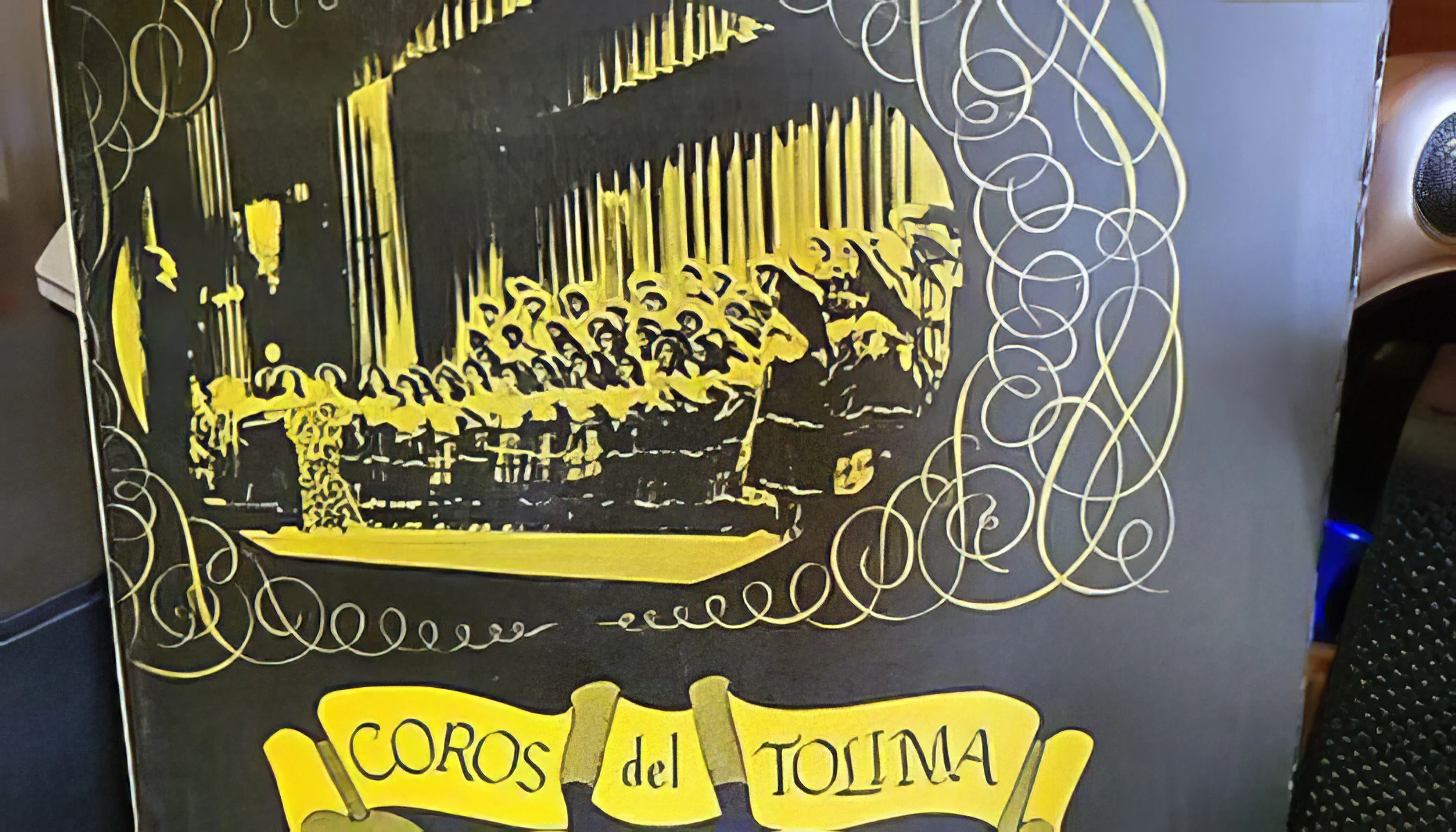
Colombian music is rich and diverse, featuring rhythms like cumbia and vallenato, and these songs highlight the country's magnificient culture.
– La Pollera Colorá: Iconic cumbia song symbolizing Colombian folklore and dance.
– La Gota Fría: Vallenato classic by Carlos Vives, narrating a legendary musical rivalry.
– El Pescador: Celebrated song by Totó la Momposina, depicting the life of Colombian fishermen.
– Oye Como Va: Famous salsa tune popularized by Tito Puente, with deep roots in Colombian dance halls.
– Colombia, Mi Encanto: From Disney's "Encanto," celebrating Colombia's beauty and diversity.
– A Dios le Pido: Juanes' hit song blending rock with traditional Colombian sounds for peace and hope.
Films
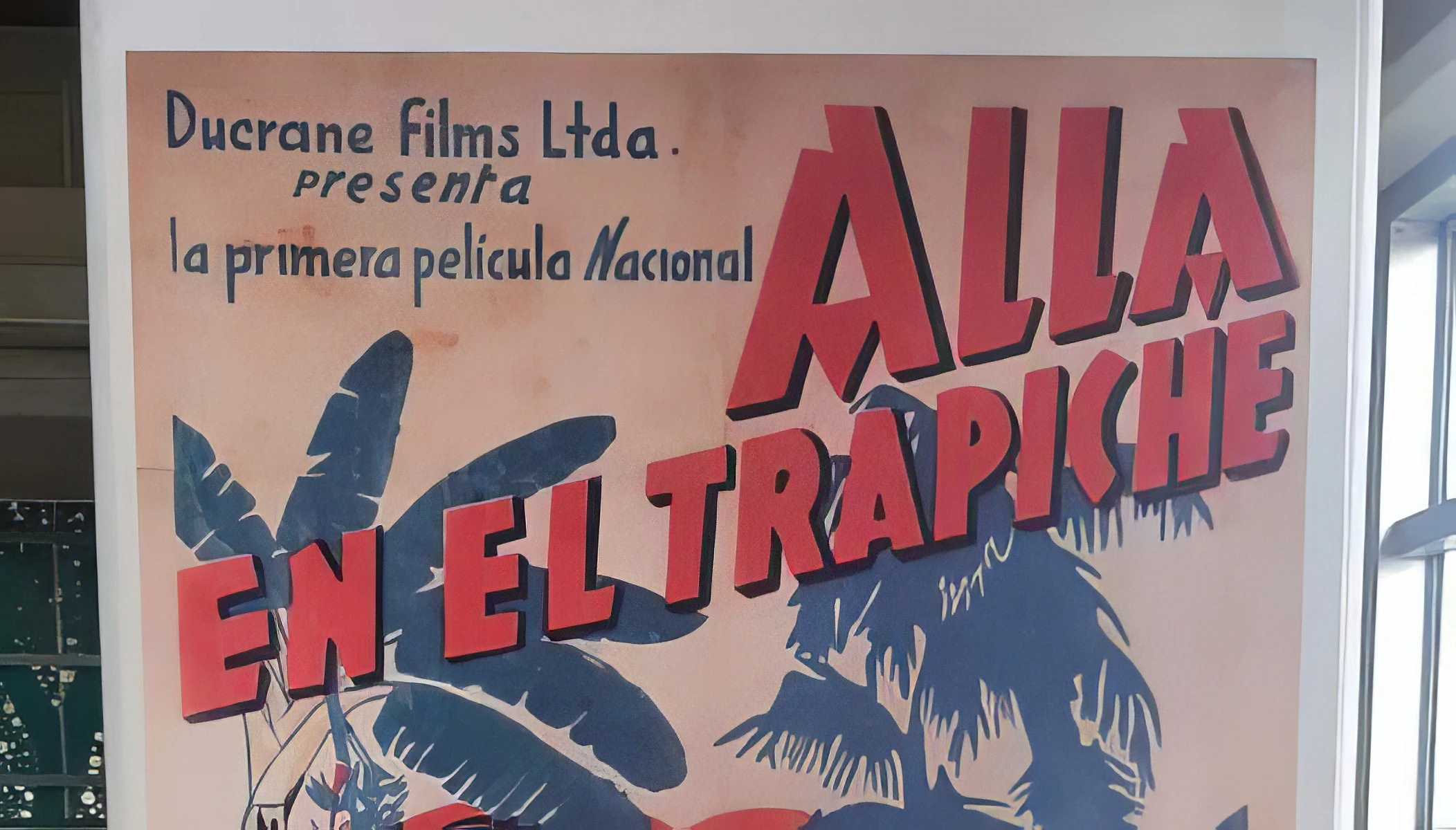
A selection of films that delve into the rich and complex narratives of Colombia:
– "Maria Full of Grace": A gripping tale of a young Colombian woman entangled in drug trafficking, directed by Joshua Marston.
– "Embrace of the Serpent": Ciro Guerra's film explores Amazonian culture and colonial impact through two parallel journeys.
– "The Wind Journeys": Directed by Ciro Guerra, it follows a musician's quest to return a cursed accordion across Colombia.
– "Birds of Passage": Cristina Gallego and Ciro Guerra depict the rise and fall of a Wayuu family during the marijuana boom.
– "La Vendedora de Rosas": Victor Gaviria's gritty portrayal of street children in Medellín, inspired by Hans Christian Andersen's tale.