

Explore Comoros: Culture, Cities & Places to Visit
An island nation in the Indian Ocean, it consists of volcanic islands known for their rich biodiversity and unique culture. With a blend of African, Arab, and French influences, it offers scenic beaches and a quiet atmosphere for visitors.
- Capital
- Moroni
- Population
- 0.8 millions
- Superficy
- 3000 sq.km
- Months to Visit
- May to Nov.
- Living Cost
- Moderate
Overview
Comoros is an island nation located in the Indian Ocean, off the eastern coast of Africa. It consists of three main islands: Grande Comore, Mohéli, and Anjouan. The country is known for its diverse culture, influenced by African, Arab, and French heritage. Comoros has a predominantly agricultural economy, with vanilla and ylang-ylang as key exports. The islands feature volcanic landscapes and beautiful beaches but face challenges such as political instability and limited infrastructure. Despite these issues, Comoros provides unique natural beauty and cultural experiences for visitors.
Pros & Cons
GOOD REASONS TO VISIT COMOROS
– Immaculate Beaches: Enjoy uncrowded, beautiful beaches with clear waters, ideal for relaxation and water activities.
– Unique Wildlife: Discover diverse marine life, including dolphins and turtles, and endemic species like the Livingstone's fruit bat.
– Rich Culture: Experience a blend of African, Arab, and French influences in local traditions and cuisine.
– Volcanic Landscapes: Explore Mount Karthala, an active volcano offering hiking opportunities with lovely views.
– Authentic Experience: Comoros supplies an off-the-beaten-path destination with genuine interactions away from mass tourism. CHALLENGES WHEN VISITING COMOROS
– Limited Infrastructure: Basic facilities and services; travel can be challenging due to underdeveloped infrastructure.
– Language Barrier: French and Comorian are primary languages; English is not widely spoken outside tourist areas.
– Political Instability: Occasional political unrest may affect travel plans; stay informed about current conditions.
Before Departure
Before traveling to Comoros, it's important to be informed about the following aspects:
– Passport: Ensure your passport is valid for at least six months from your entry date.
– Visa: Tourists can obtain a visa on arrival, valid for 45 days. Ensure you have a return ticket and accommodation proof.
– Currency: Comorian Franc (KMF); credit cards are rarely accepted; ATMs are limited, mainly in Moroni.
– Internet access: WiFi is limited; consider purchasing a local SIM card for better connectivity.
– Language barrier: Official languages are Comorian, Arabic, and French; English is not widely spoken.
What to Pack
Comoros supplies a tropical climate and beautiful beaches, so packing appropriately is essential for a comfortable visit.
– Essentials: Passport, visa (if required), travel insurance, flight tickets, itinerary, and accommodation confirmations.
– Clothing: Lightweight clothing, swimwear, comfortable sandals or walking shoes, sunhat, sunglasses, and a light jacket for cooler evenings.
– Health & Safety: Prescription medications, basic first aid kit, insect repellent with DEET, sunscreen with high SPF.
– Electronics: Travel adapter for Comorian outlets (Type C/E), mobile phone with charger, camera for capturing scenic views.
Weather
Weather in Comoros is tropical with two main seasons:
– Hot and rainy season (November to April): Characterized by high temperatures, humidity, and heavy rainfall.
– Cool and dry season (May to October): Features milder temperatures, lower humidity, and minimal rainfall. The best time to visit Comoros is from May to October:
– Pros: Pleasant weather with cooler temperatures and less rain. Ideal for outdoor activities.
– Cons: Fewer cultural events compared to the rainy season.
Travel Budget
Comoros is a relatively affordable destination, though options may be limited due to its small size. Here are some average prices for tourists:
– Hotel: 50$ to 150$
– Lunch: 5$ to 15$
– Beverage (in bar/restaurant): 2$ to 6$
– Coffee: 1.5$ to 3$
– Transportation: (taxi /10km 10$ to 20$)
– Mobile data (per GB): 5$ to 10$
Language
Comoros has three official languages: Comorian (Shikomori), Arabic, and French, with Comorian being the most widely spoken. Here are some useful phrases in Comorian:
– Hello: Bariza djioni
– Thank you: M'rci
– Please: Tafadhali
– How much is this?: Hiki ni bei gani?
– Excuse me: Pole
– I don't understand: Sihfahamu
– Yes: Ehe
– No: Hapana
– Goodbye: Kwa heri
History
The islands were first settled by Bantu-speaking people, followed by Arab and Persian traders who introduced Islam. In the 16th century, European powers, including the Portuguese and later the French, showed interest in the islands. By the mid-19th century, France established colonial control over Comoros. The islands gained independence from France in 1975. Post-independence, Comoros experienced political instability with numerous coups and attempted secessions. Despite these challenges, a new constitution was adopted in 2001 to promote stability and power-sharing among the islands. The country's history is marked by its diverse cultural influences and ongoing efforts to maintain unity among its islands.
Geopolitics
The Comoros is an island nation located in the Indian Ocean, positioned between Madagascar and Mozambique. It consists of three main islands and has experienced political instability, with numerous coups since gaining independence from France in 1975. The country has a complex relationship with France, particularly regarding the island of Mayotte, which remains under French administration despite Comoros' claims. Comoros is a member of the African Union, the Arab League, and the Indian Ocean Commission, seeking regional cooperation and support. Its strategic location along key maritime routes makes it geopolitically significant for regional security and trade. Economic challenges persist, with reliance on agriculture and remittances from abroad impacting its development prospects.
Sample Itinerary
This itinerary covers the natural beauty and cultural highlights of Comoros, focusing on Grande Comore, Anjouan, and Mohéli.
– 2 days in Moroni: Explore the capital's medina, visit the Friday Mosque, and enjoy views of Mount Karthala. Discover local markets and traditional crafts.
– 1 day in Mount Karthala: Hike to the summit of this active volcano for panoramic views. Experience diverse landscapes along the trail.
– 1 day in Anjouan: Visit Mutsamudu's old town with its narrow streets and citadel. Explore waterfalls and nice plantations.
– 2 days in Mohéli: Discover marine life at Mohéli Marine Park with snorkeling or diving. Relax on secluded beaches and observe sea turtles.
– 1 day in Itsamia: Witness turtle nesting sites and learn about conservation efforts. Enjoy a peaceful village atmosphere.
Popular cities
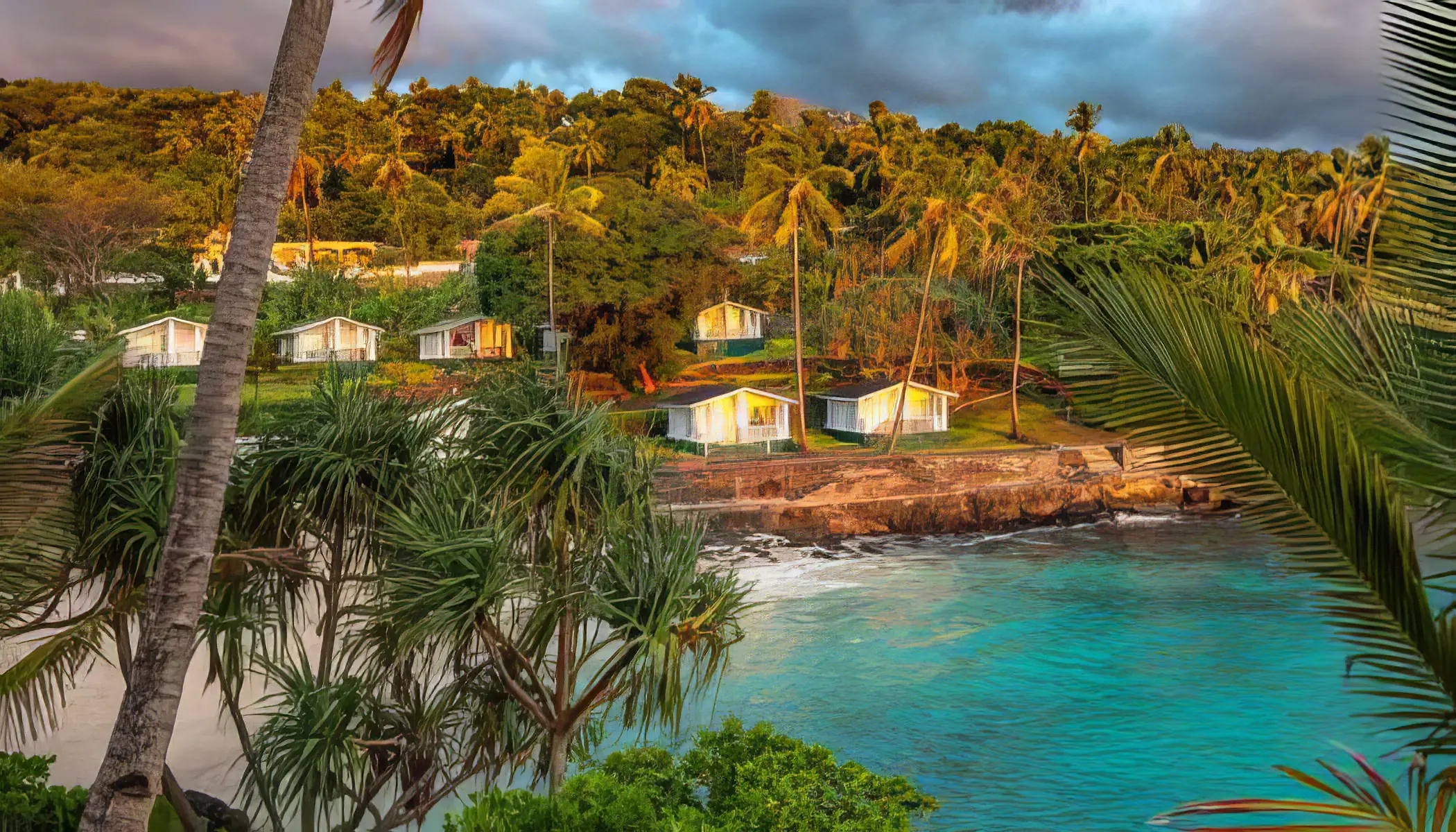
Explore the unique blend of culture and nature in Comoros' cities:
– Moroni: The capital city supplies a mix of traditional architecture, markets, and views of Mount Karthala.
– Mutsamudu: Known for its historic medina, narrow streets, and the 18th-century citadel.
– Fomboni: A quiet town on Moheli Island with beautiful beaches and a relaxed atmosphere.
– Domoni: Features traditional Swahili architecture and is one of the oldest towns on Anjouan Island.
– Ouani: Provides access to scenic landscapes and is close to the airport on Anjouan Island.
– Iconi: Known for its historical significance and proximity to natural attractions like waterfalls.
Monuments
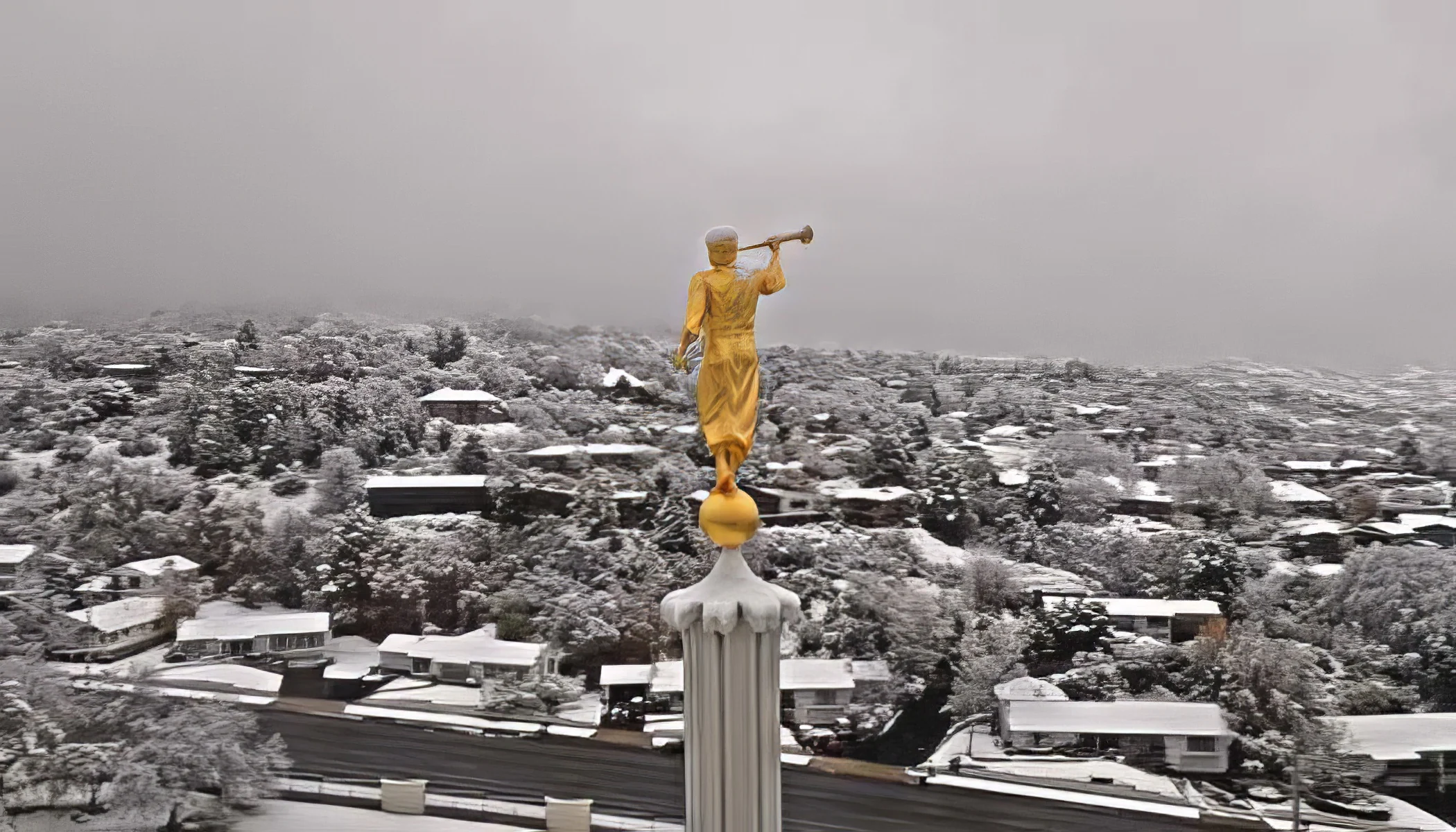
Comoros provides a few notable monuments reflecting its history and culture:
– Old Friday Mosque, Moroni: Historic mosque with distinct white facade and views of the harbor.
– Iconi Citadel, Grande Comore: Ruins of an ancient fortress with historical significance.
– Sultan's Palace, Anjouan: Remnants of a 19th-century palace showcasing sultanate history.
– Mutsamudu Fort, Anjouan: 18th-century fortification built to protect against pirates.
– Chomoni Beach Ruins, Grande Comore: Historical site with remnants of old Arab settlements.
– Mitsamiouli Mosque, Grande Comore: Notable mosque known for its architecture and community role.
Natural wonder
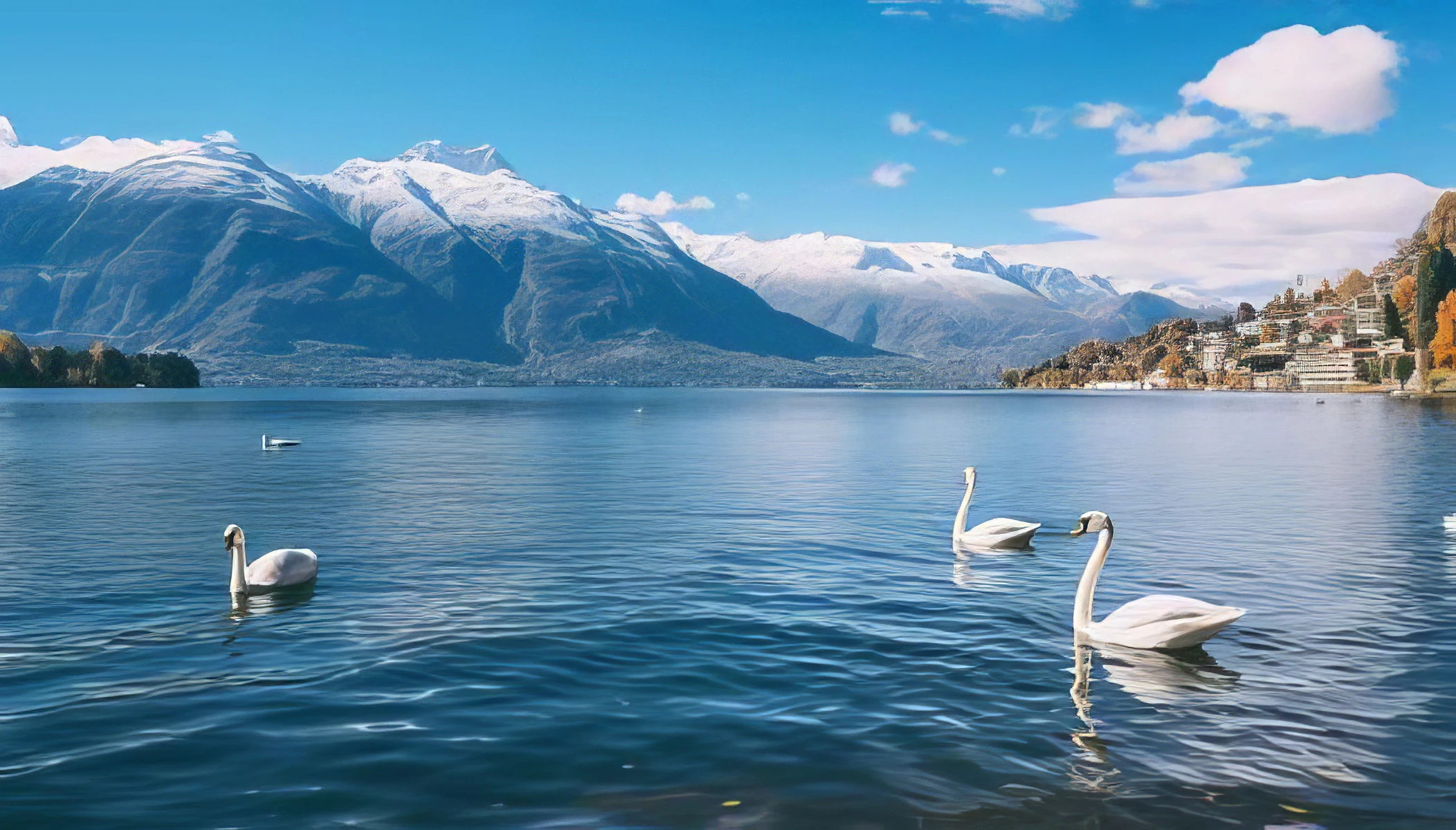
Explore the natural beauty of Comoros:
– Mount Karthala: An active volcano and the highest point in Comoros, offering hiking opportunities.
– Lac Salé: A saltwater crater lake known for its unique circular shape.
– Moheli Marine Park: Provides diverse marine life and is a prime spot for snorkeling and diving.
– Chomoni Beach: Known for its volcanic black sand and clear waters.
– Nioumachoua Islets: Small islands with rich biodiversity, ideal for nature enthusiasts.
– Trou du Prophète: A scenic bay with historical significance and beautiful views.
– Mitsamiouli Beach: Provides white sands and is popular for swimming and relaxation.
– Bouni Peninsula: Features rugged coastlines and opulent vegetation, perfect for exploration.
– Itsamia Village: Known for turtle nesting sites, especially green turtles.
– Anjouan Waterfalls: Series of waterfalls surrounded by dense tropical forests on Anjouan Island.
Beaches
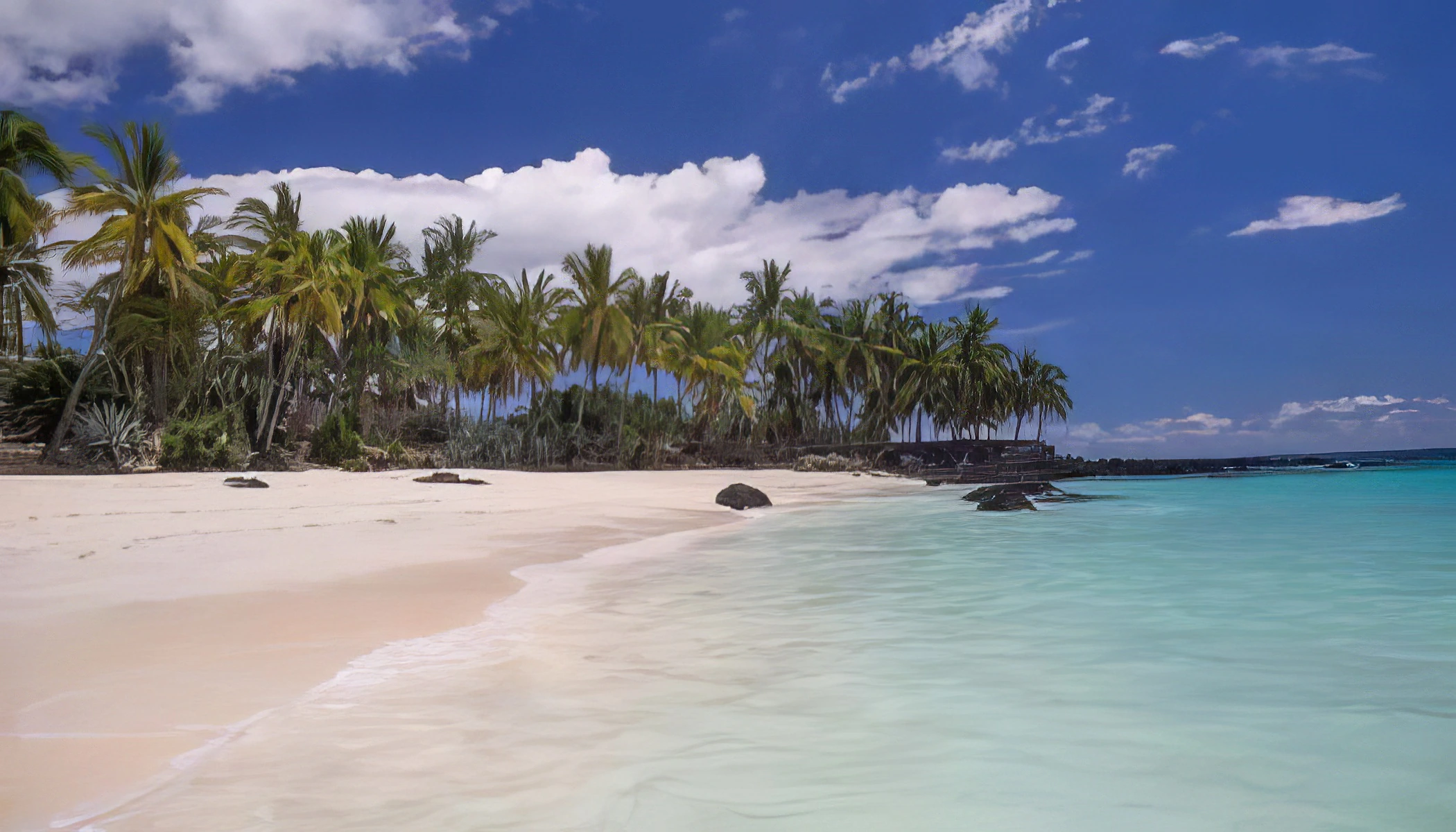
Comoros offers some beautiful beaches with unique volcanic landscapes.
– Chomoni Beach: Known for its white sand and clear waters on Grande Comore.
– Bouni Beach: Offers a peaceful setting with palm trees and volcanic rocks.
– Itsandra Beach: Popular for swimming and local fishing boats near Moroni.
– Mitsamiouli Beach: Features long stretches of sand and calm waters on Grande Comore.
– Galawa Beach: Supplies snorkeling opportunities with coral reefs nearby.
– Nioumachoua Beach: Known for its scenic views and proximity to small islets in Moheli.
– Moya Beach: A quiet beach with natural beauty on Anjouan Island.
Outdoor activities
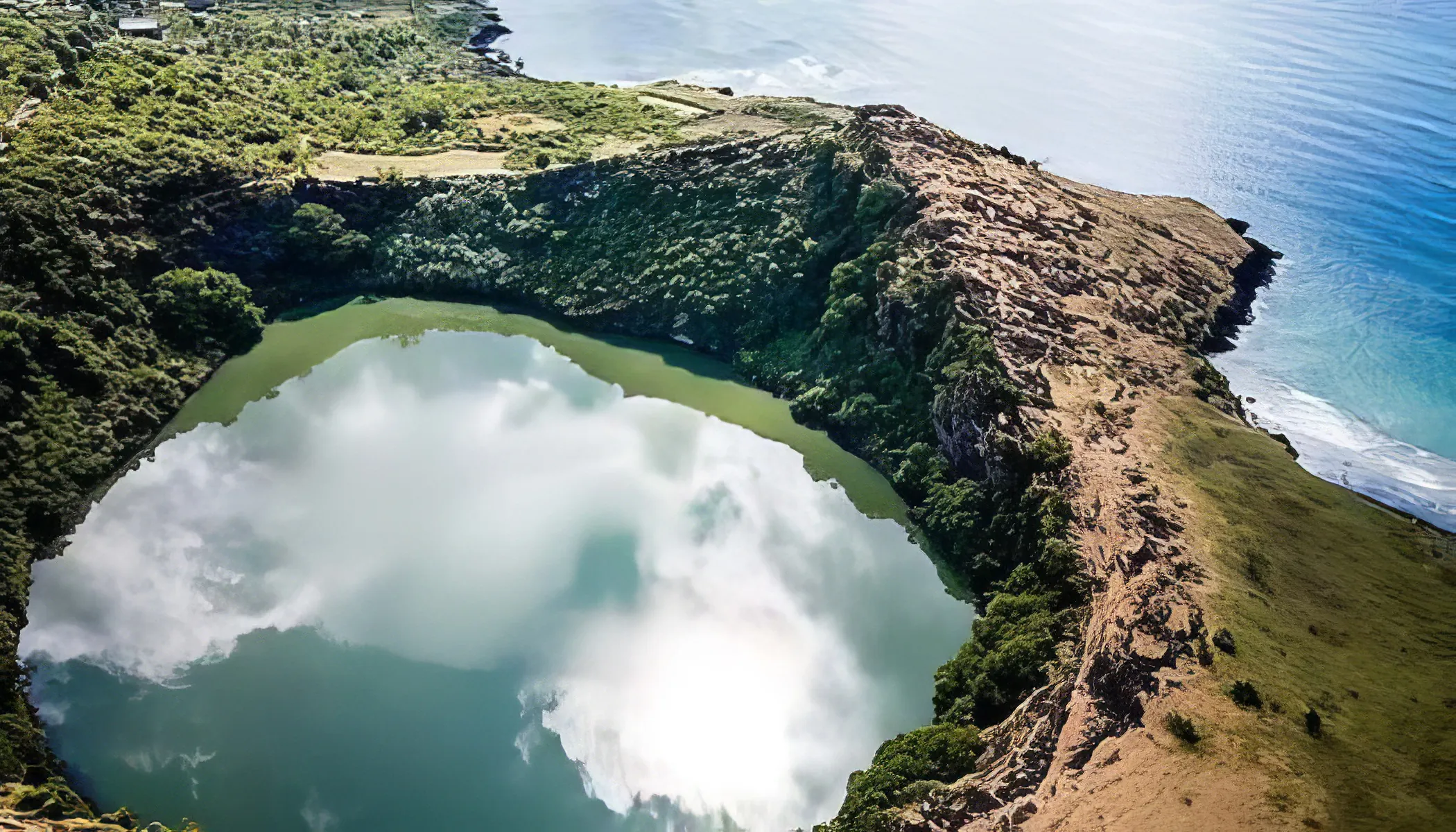
The Comoros Islands offer unique outdoor activities for nature enthusiasts:
– Hiking Mount Karthala: Trek up one of the world's largest active volcanoes.
– Snorkeling in Moheli Marine Park: Explore diverse marine life and coral reefs.
– Whale Watching off Anjouan: Observe humpback whales during their migration season.
– Diving in Mitsamiouli: Discover underwater caves and beautiful marine ecosystems.
– Beachcombing on Grande Comore: Relax on preserved beaches with volcanic rock formations.
– Exploring Lac Salé: Visit the saltwater crater lake surrounded by abundant vegetation.
– Birdwatching in Nioumachoua: Spot rare bird species in a peaceful setting.
Kid Friendly
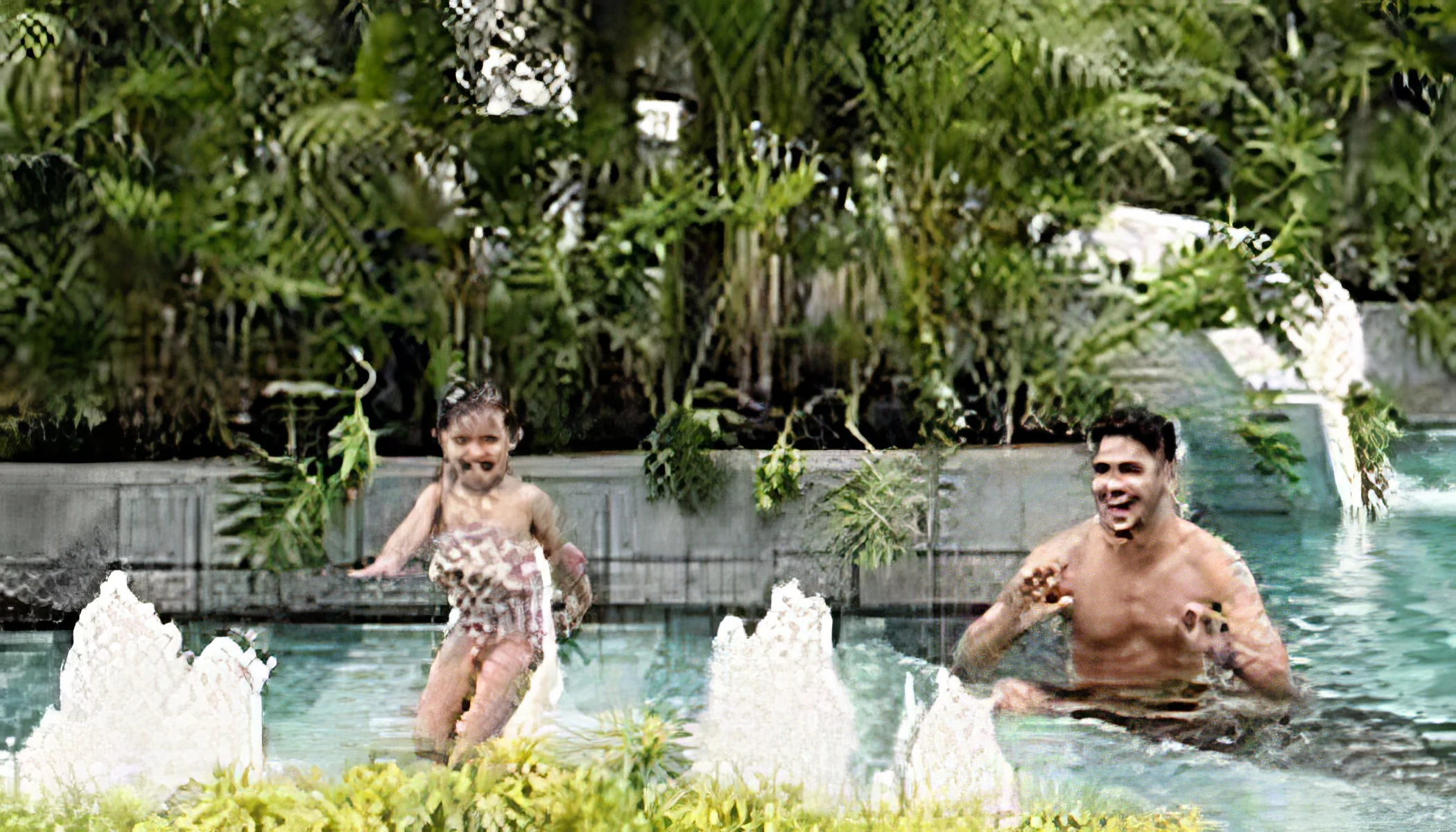
Comoros provides several engaging activities for children to enjoy.
– Moheli Marine Park: A protected area where kids can snorkel and see diverse marine life.
– Chomoni Beach: A family-friendly beach with calm waters ideal for swimming and playing.
– Mount Karthala: An active volcano offering safe hiking trails with remarkable views.
– Lac Salé: A saltwater lake where kids can learn about local geology and enjoy the scenery.
– Mutsamudu Fort: A historical site where children can explore old fortifications and learn about Comorian history.
– Anjouan Waterfalls: Scenic waterfalls that provide a refreshing spot for family picnics and exploration.
– Volo Volo Market: A busy market where kids can experience local culture and try new foods.
– Mitsamiouli Beach: Known for its clear waters, perfect for swimming and building sandcastles.
Cuisine
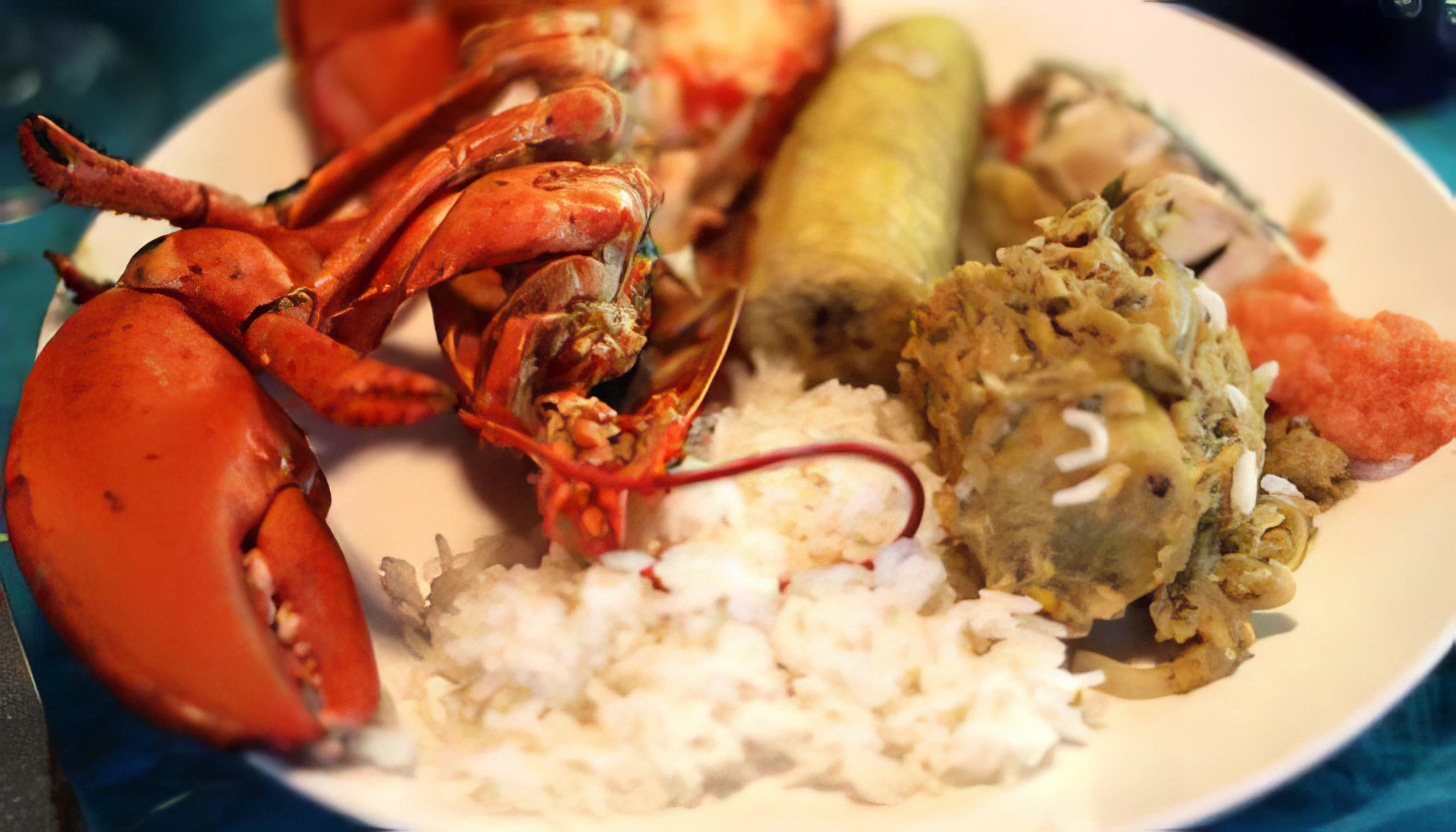
Comorian cuisine is a fusion of African, Arab, and French influences, featuring fresh seafood, tropical fruits, and fragrant spices. Meals often include rice or cassava as staples. The food scene is simple yet flavorful, reflecting the island's diverse cultural heritage.
– Langouste a la Vanille: Lobster cooked with vanilla sauce, showcasing Comoros' unique blend of seafood and spice.
– Mkatra Foutra: Fried bread made with coconut milk, often served as a breakfast staple.
– Pilaou: Spiced rice dish with meat or fish, similar to pilaf.
– Mataba: Cassava leaves cooked in coconut milk with spices.
– Mshakiki: Skewered and grilled marinated meat, popular as street food.
Souvenir
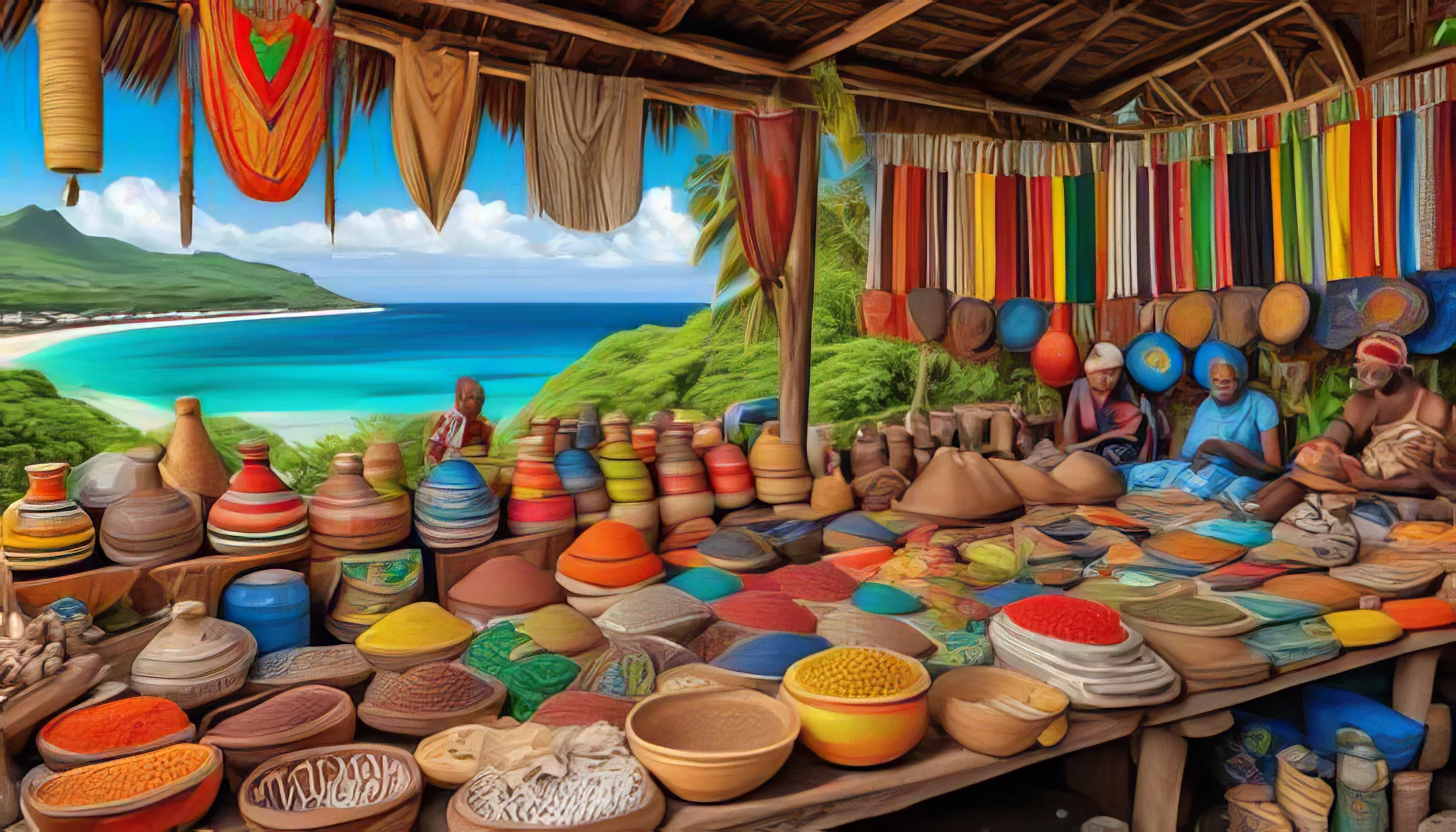
Known for its rich culture and natural beauty, Comoros supplies unique souvenirs. Here are some popular options:
– Vanilla: Comoros is famous for its high-quality vanilla, often used in cooking and perfumes.
– Essential Oils: Locally produced essential oils, especially ylang-ylang, are popular for their fragrance and therapeutic properties.
– Handwoven Mats: Traditional mats made from palm leaves are a practical and cultural souvenir.
– Spices: A variety of spices like cloves and cinnamon are grown locally and make great gifts.
– Wood Carvings: Intricately carved wooden items reflect the local craftsmanship and culture.
– Traditional Jewelry: Handmade jewelry using local materials offers a unique piece of Comorian culture.
– Basketry: Colorful baskets made from natural fibers showcase the island's artisanal skills.
Traditional Shows

Comoros offers unique traditional performances:
– Taarab Music: Enjoy this Swahili-Arabic fusion music, featuring poetic lyrics and orchestral sounds, commonly performed at weddings and celebrations.
– M'godro Dance: Experience this energetic dance with rhythmic drumming and singing, reflecting the island's African heritage.
– Debaa Dance: Witness women performing synchronized movements and chants in this spiritual dance, often seen during religious festivals.
– Boma Dance: Engage with this lively dance involving storytelling through movement, popular in community gatherings.
– Ndzumara Music: Listen to traditional Comorian music played on handmade instruments, showcasing the islands' diverse cultural influences.
Events & Festivals
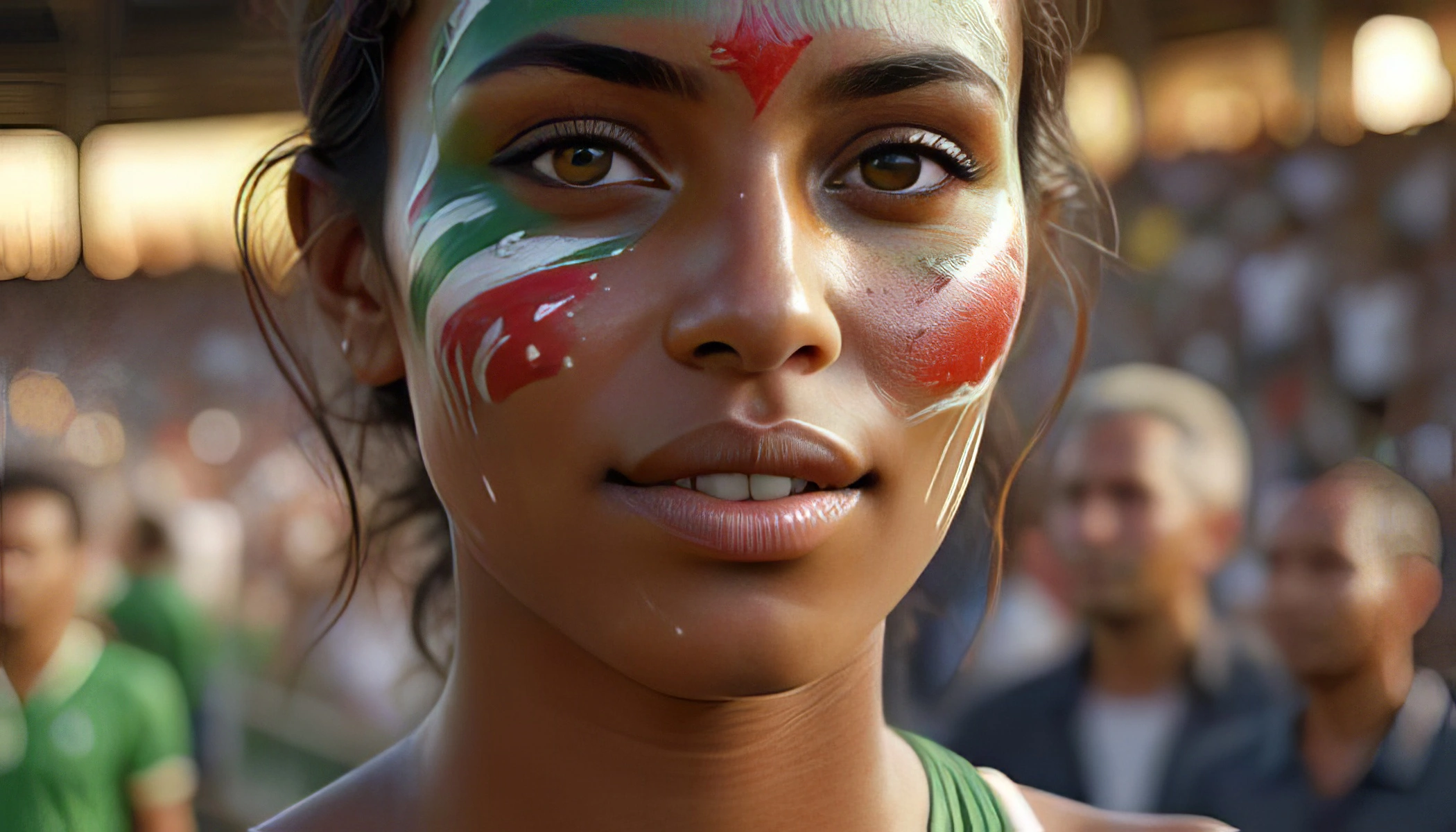
Comoros hosts several cultural and religious events that reflect its rich traditions and community spirit:
– Eid al-Fitr: Celebrated at the end of Ramadan with prayers, feasting, and family gatherings.
– Independence Day: July 6 marks independence from France with parades, speeches, and cultural displays.
– Eid al-Adha: Known as the Feast of Sacrifice, celebrated with communal prayers and sharing meat.
– Mouloud: Commemorates the Prophet Muhammad's birth with religious activities and community events.
– National Youth Day: August 12 focuses on youth empowerment through sports and educational activities.
– Harvest Festival: Celebrated in various villages to mark the end of harvest season with traditional music and dance.
– New Year's Day: January 1 is observed with family gatherings and local festivities to welcome the new year.
Famous People

Comoros, a small island nation, has produced notable figures in politics and culture.
– Ahmed Abdallah (1919 to 1989, Domoni): First President of Comoros, played a key role in the country's independence.
– Said Mohamed Djohar (1918 to 2006, Majunga): Served as President and was influential in Comorian politics during the 1990s.
– Ali Soilih (1937 to 1978, Majunga): Revolutionary leader and President known for his socialist policies and reforms.
– Salim Ali Amir (born 1964, Moroni): Renowned musician and composer celebrated for promoting traditional Comorian music.
– Mohamed Ahmed-Chamanga (born 1952, Mutsamudu): Linguist recognized for his work on preserving and promoting the Comorian language.
Books
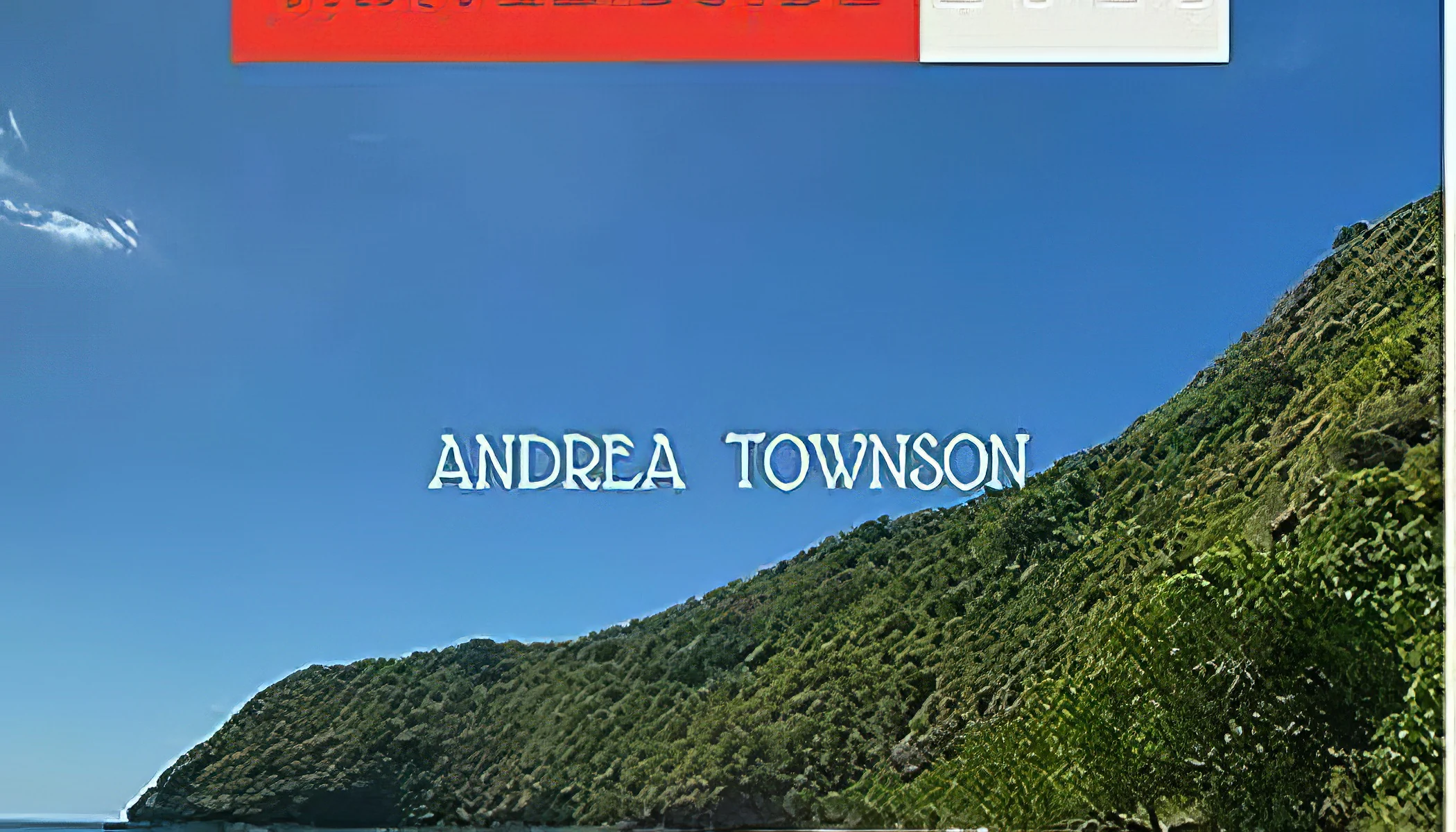
Literature about the Comoros is limited, but these works provide insight into the islands' culture and history.
– "A Girl Called Eel" by Ali Zamir: Follows a young girl's journey across the Indian Ocean, reflecting Comorian life.
– "The Kafir of Karthala" by Mohamed Toihiri: Explores political and social issues in Comoros through a fictional narrative.
– "Le Bal des Murènes" by Soeuf Elbadawi: A poetic exploration of identity and belonging in the Comoros.
Songs
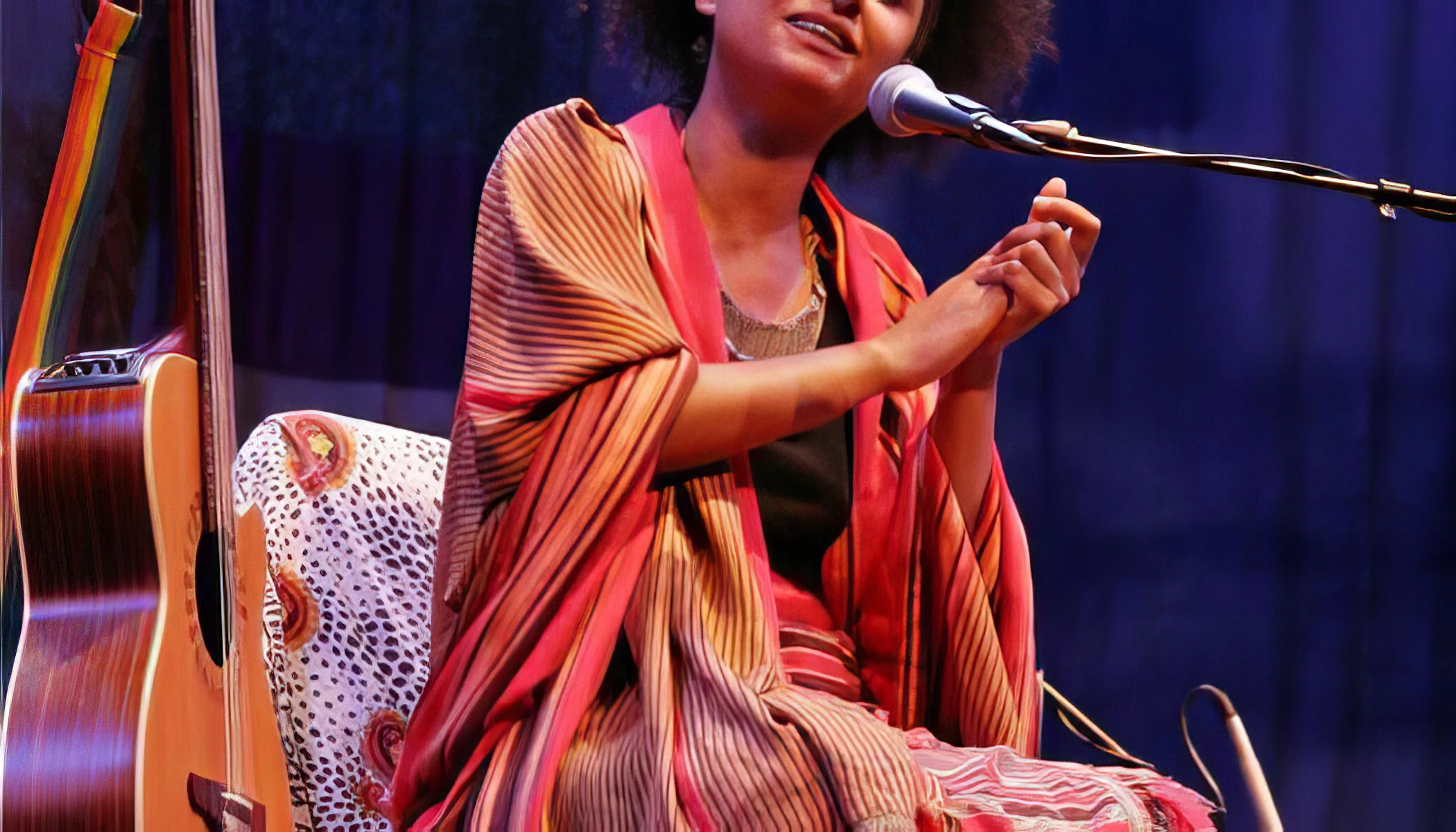
Comoros music is a vibrant blend of African, Arab, and French influences, reflecting the islands' rich cultural heritage.
– Masiwa: A popular song by Maalesh celebrating Comorian unity and identity.
– Hiziya: Iconic track by Nawal blending traditional Comorian sounds with modern influences.
– Salama: A soulful song by Cheikh Mc that addresses social issues in Comoros.
– Mwana Wa Masiwa: A traditional song often performed at cultural events, highlighting island life.
– Uziyo Wa Masiwa: By Soubi, this song captures the essence of Comorian daily life and traditions.
Films
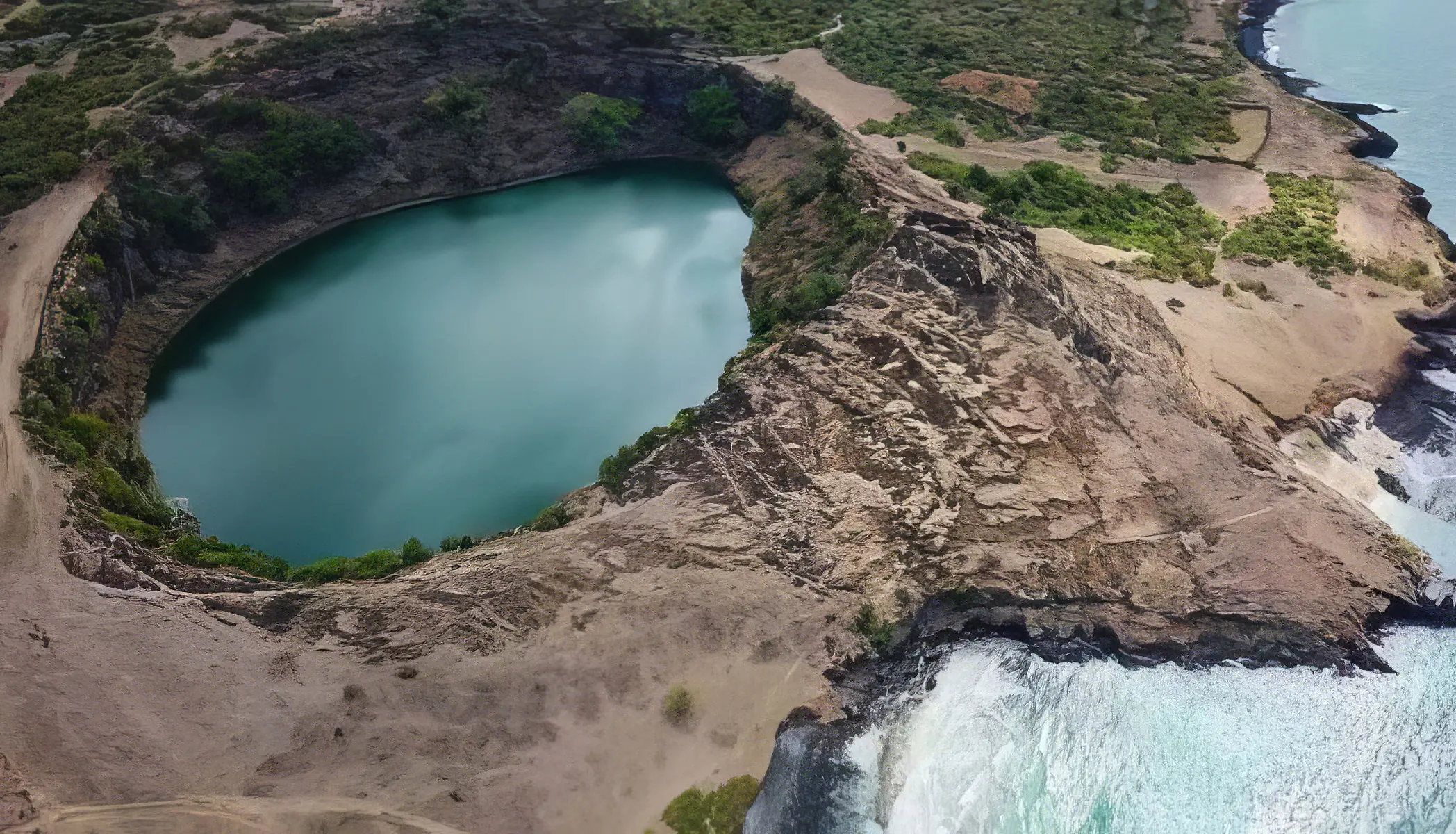
Exploring the cinematic landscape of Comoros reveals a few notable films that capture its culture and stories:
– "The Ylang Ylang Residence": A film by Hachimiya Ahamada, exploring themes of identity and belonging in Comoros.
– "Tambour Battant": Directed by Hachimiya Ahamada, this short film delves into the daily life and traditions of Comorian people.
– "Baco": A documentary by Idriss M'Rada about a Comorian musician's journey to preserve traditional music.
– "La Lune de Banga": This short film by Hachimiya Ahamada portrays the dreams and aspirations of a young Comorian girl.
– "Kwassa Kwassa": A documentary highlighting the perilous boat journeys from Comoros to Mayotte in search of a better life.