

Costa Rica Attractions & Travel Advice – Plan Your Visit
This Central American country is known for its rich biodiversity, with coastlines on both the Caribbean and Pacific. It boasts a stable democracy, high literacy rates, and a commitment to environmental sustainability. Its capital, San Jose, is a cultural hub.
- Capital
- San José
- Population
- 4.6 millions
- Superficy
- 52000 sq.km
- Months to Visit
- Dec. to April
- Living Cost
- Moderate
Overview
Costa Rica is a Central American country known for its diverse ecosystems and commitment to environmental sustainability. It boasts a range of landscapes, from rainforests and beaches to volcanoes and hot springs. The capital, San Jose, is home to cultural institutions like the Pre-Columbian Gold Museum. Costa Rica is renowned for its biodiversity, with numerous national parks and protected areas. The country's economy relies heavily on tourism, agriculture, and electronics exports. Despite its small size, Costa Rica offers a rich blend of natural beauty, wildlife, and cultural experiences.
Pros & Cons
GOOD REASONS TO VISIT COSTA RICA
– Biodiversity: Costa Rica is home to 5% of the world's biodiversity, offering unique wildlife and plant life.
– Adventure Activities: Enjoy zip-lining, surfing, hiking, and white-water rafting in sensational natural settings.
– Eco-Tourism: Costa Rica is a leader in eco-tourism with numerous sustainable hotels and eco-lodges.
– Beaches: With both Pacific and Caribbean coasts, Costa Rica offers beautiful beaches for relaxation and water sports.
– Volcanoes: Visit active volcanoes like Arenal and Irazu, offering hot springs and fascinating views. CHALLENGES WHEN VISITING COSTA RICA
– Cost: Compared to other Central American countries, Costa Rica can be more expensive, particularly for accommodations and dining.
– Safety: Petty theft and pickpocketing can be an issue, especially in tourist areas. Be vigilant with belongings.
– Road Conditions: Some rural areas have poor road conditions, making travel difficult without a 4×4 vehicle.
Before Departure
Before setting off on your adventure to Costa Rica, there are several key points to consider:
– Passport: Ensure your passport is valid for at least six months from your planned departure date.
– Visa: Most tourists can stay in Costa Rica for 90 days without a visa. Check Costa Rica's visa policy based on your nationality.
– Currency: The local currency is the Costa Rican Colón. Credit cards are widely accepted and ATMs are readily available.
– Internet access: WiFi is widely available in urban areas and tourist spots. Prepaid SIM cards for data are available from local providers.
– Language barrier: Spanish is the official language. English is widely spoken in tourist areas, but learning some basic Spanish phrases can enhance your experience.
What to Pack
Packing for a trip to Costa Rica requires consideration of the tropical climate, outdoor activities, and local customs.
– Essentials: Passport, travel insurance details, flight tickets, itinerary, and accommodation reservations.
– Clothing: Lightweight clothing, waterproof jacket, hiking shoes, swimwear, hat, sunglasses, and sunscreen for sun protection.
– Health & Safety: Prescription medications, basic first aid kit, insect repellent, sunscreen, water purification tablets or a water filter.
– Electronics: Travel adapter for Costa Rican outlets, mobile phone, waterproof camera or GoPro for adventure activities.
Weather
Costa Rica's weather is typically tropical with wet and dry seasons:
– Dry Season (December to April): Warm temperatures and little to no rain throughout the country.
– Green Season (May to November): Rainfall increases, especially in the afternoons, while mornings often remain clear. The best time to visit Costa Rica is during the dry season, from December to April.
– Pros: Less rain, more sunshine, and all regions and activities are accessible.
– Cons: It's the peak tourist season, so expect higher prices and more crowds.
Travel Budget
Costa Rica is a popular tourist destination with a range of prices. Here are some average costs for reference:
– Hotel: 50$ to 200$
– Lunch: 10$ to 25$
– Beverage (in bar/restaurant): 3$ to 7$
– Coffee: 2$ to 4$
– Transportation: (train 1$ to 3$), (bus 1$ to 5$), (taxi /10km 10$ to 20$)
– Mobile data (per GB): 3$ to 10$
Language
The official language of Costa Rica is Spanish, and here are some useful phrases for tourists:
– Hello: Hola
– Thank you: Gracias
– Please: Por favor
– How much is this?: ¿Cuánto cuesta esto?
– Excuse me: Perdón
– I don't understand: No entiendo
– Yes: Sí
– No: No
– Goodbye: Adiós
History
Costa Rica was inhabited by indigenous tribes before Christopher Columbus arrived in 1502, marking the beginning of Spanish colonization. It remained a Spanish colony until 1821 when it declared independence, joining the Federal Republic of Central America two years later. After the federation dissolved in 1838, Costa Rica became a fully sovereign nation. The country experienced several civil wars, the most significant in 1948, leading to the abolition of its military. Since then, Costa Rica has remained one of the most stable, prosperous, and progressive nations in Latin America. It's known for its strong commitment to the environment and peace.
Geopolitics
Costa Rica is a democratic republic located in Central America, bordered by Nicaragua to the north, Panama to the southeast, the Pacific Ocean to the west, and the Caribbean Sea to the east. Its capital and largest city is San Jose. Costa Rica maintains a neutral stance in its international relations and has no standing military, having abolished it in 1948. It is a member of the United Nations and the Organization of American States, among other international organizations. The country's geopolitical focus is largely on regional cooperation, environmental sustainability, and human rights advocacy. Economically, Costa Rica has a mixed economy with a focus on tourism, agriculture, and electronics exports.
Sample Itinerary
This tour offers a blend of Costa Rica's diverse wildlife in Tortuguero, active volcanoes in Arenal, cloud forests in Monteverde, and beautiful beaches in Manuel Antonio.
– 2 days in Tortuguero: Explore the national park, known for its turtles, via boat tours. Visit the village and the Sea Turtle Conservancy.
– 2 days in Arenal: Hike around Arenal Volcano, relax in hot springs, and explore the hanging bridges.
– 2 days in Monteverde: Discover the cloud forest reserve, walk on suspension bridges, and visit the butterfly and hummingbird gardens.
– 2 days in Manuel Antonio: Enjoy the national park's beaches, hike through rainforest trails, and spot diverse wildlife.
– 1 day in San Jose: Visit the National Museum, Central Market, and Jade Museum before departure.
Popular cities
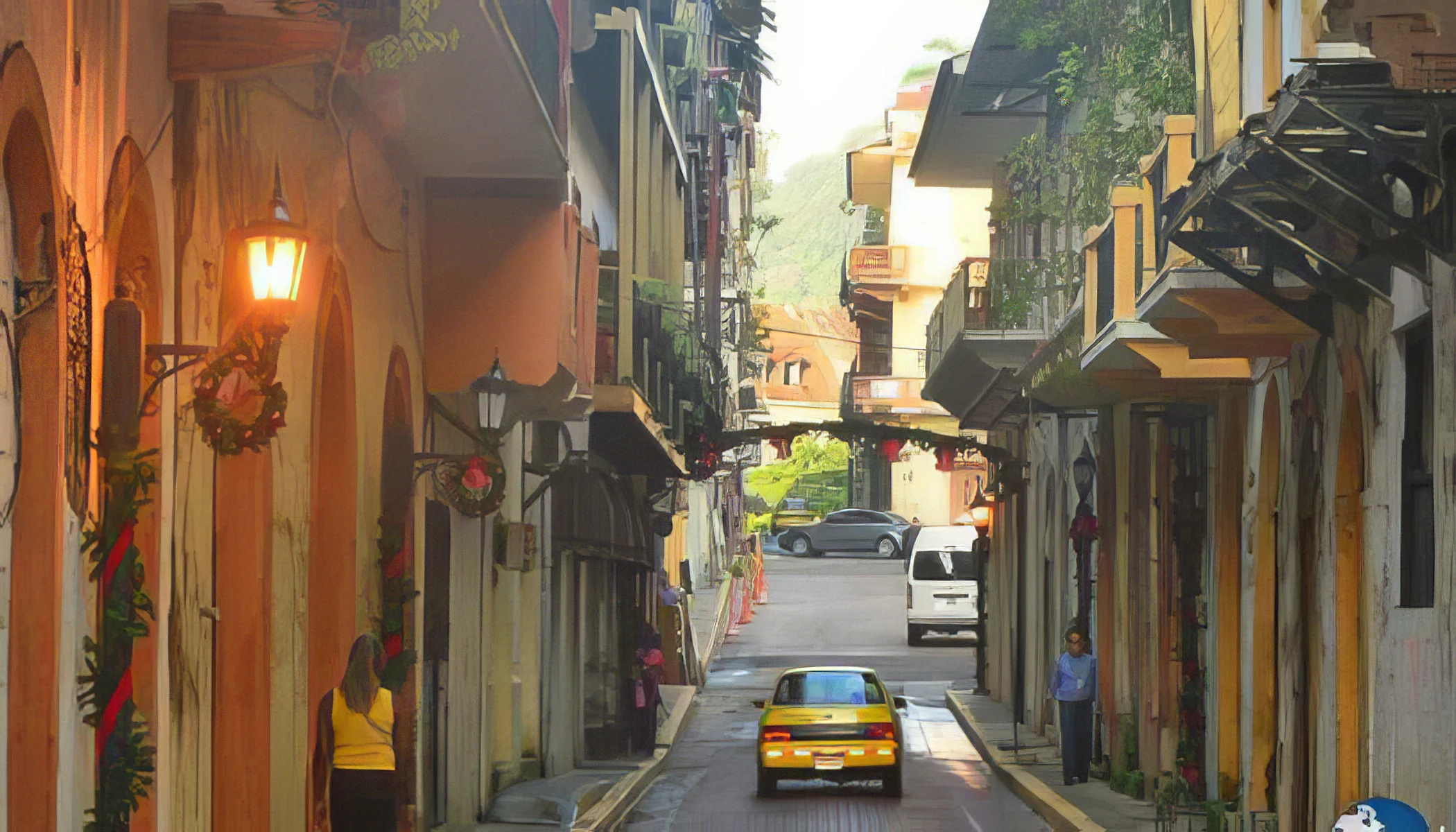
Costa Rica offers a diverse range of cities, each with its unique charm and attractions:
– San Jose: The capital city, known for its attractive culture, museums, and markets.
– Alajuela: Home to the famous Poas Volcano and La Paz Waterfall Gardens.
– Cartago: Known for the Basilica of Our Lady of the Angels, a major pilgrimage site.
– Heredia: Offers coffee plantations, the historic Church of the Immaculate Conception, and Braulio Carrillo National Park.
– Limon: A port city with unique Afro-Caribbean influence, beautiful beaches, and national parks.
– Puntarenas: A popular tourist destination with beaches, national parks, and the Monteverde Cloud Forest Reserve.
– Liberia: Known as the gateway to the beaches of Guanacaste and Rincon de la Vieja National Park.
Monuments
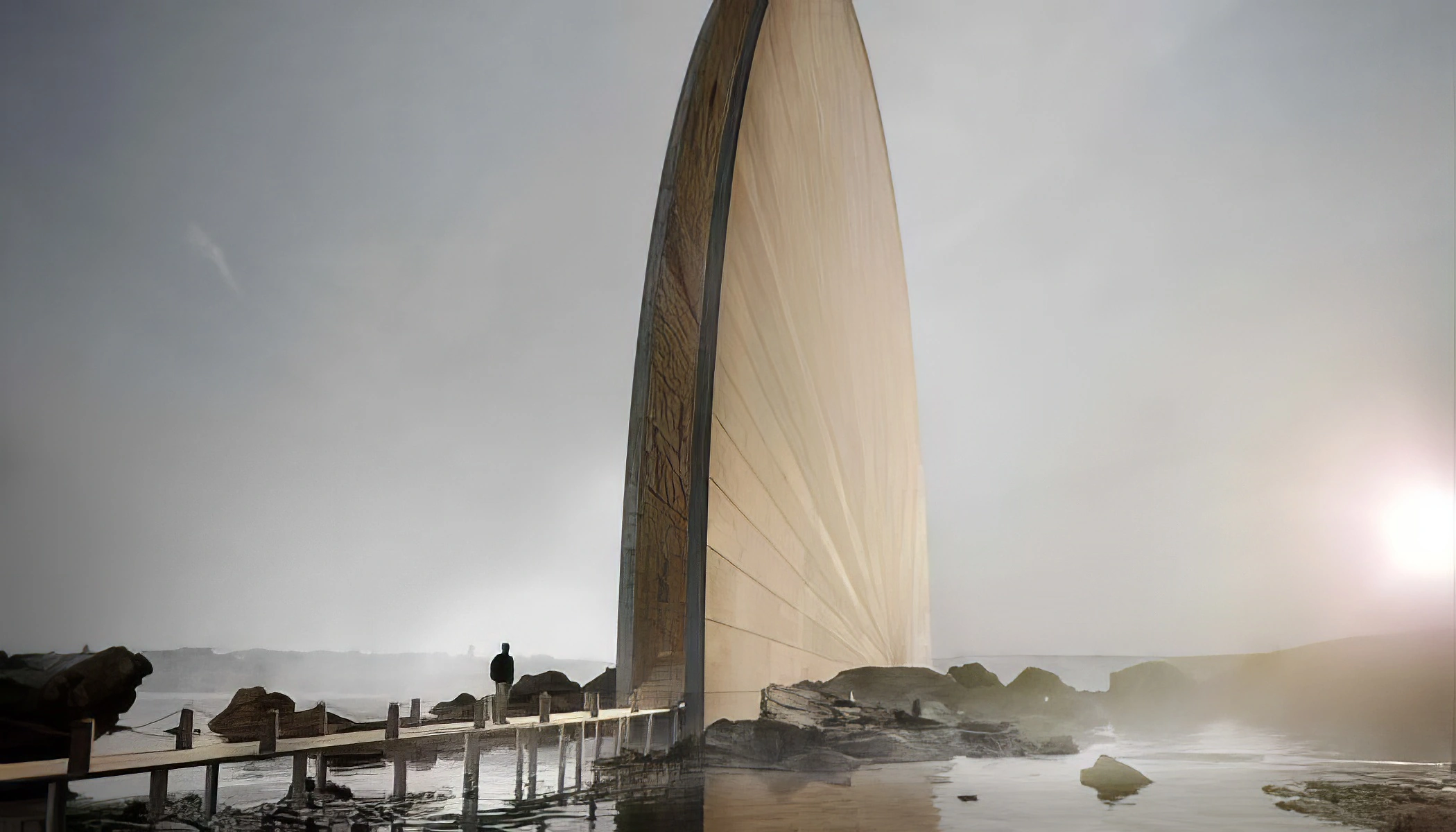
Costa Rica is home to a variety of historical and architectural landmarks:
– National Theatre, San Jose: A 19th-century neoclassical building known for its lavish interior.
– Basilica of Our Lady of the Angels, Cartago: A Byzantine-style Catholic basilica, pilgrimage site.
– Pre-Columbian Gold Museum, San Jose: Underground museum showcasing Costa Rica's rich pre-Columbian gold artifacts.
– Guayabo National Monument: Costa Rica's most significant archaeological site with pre-Columbian ruins.
– Orosi Church, Cartago: The oldest still-standing church in Costa Rica, built in 1743.
– San Lucas Island Prison: Historic and infamous prison island, now a national park.
– Santa Elena Skywalk, Monteverde: Suspended bridges offering views of cloud forest biodiversity.
– Ujarras Ruins, Cartago: Remains of one of the oldest churches in Costa Rica, in a beautiful setting.
Natural wonder
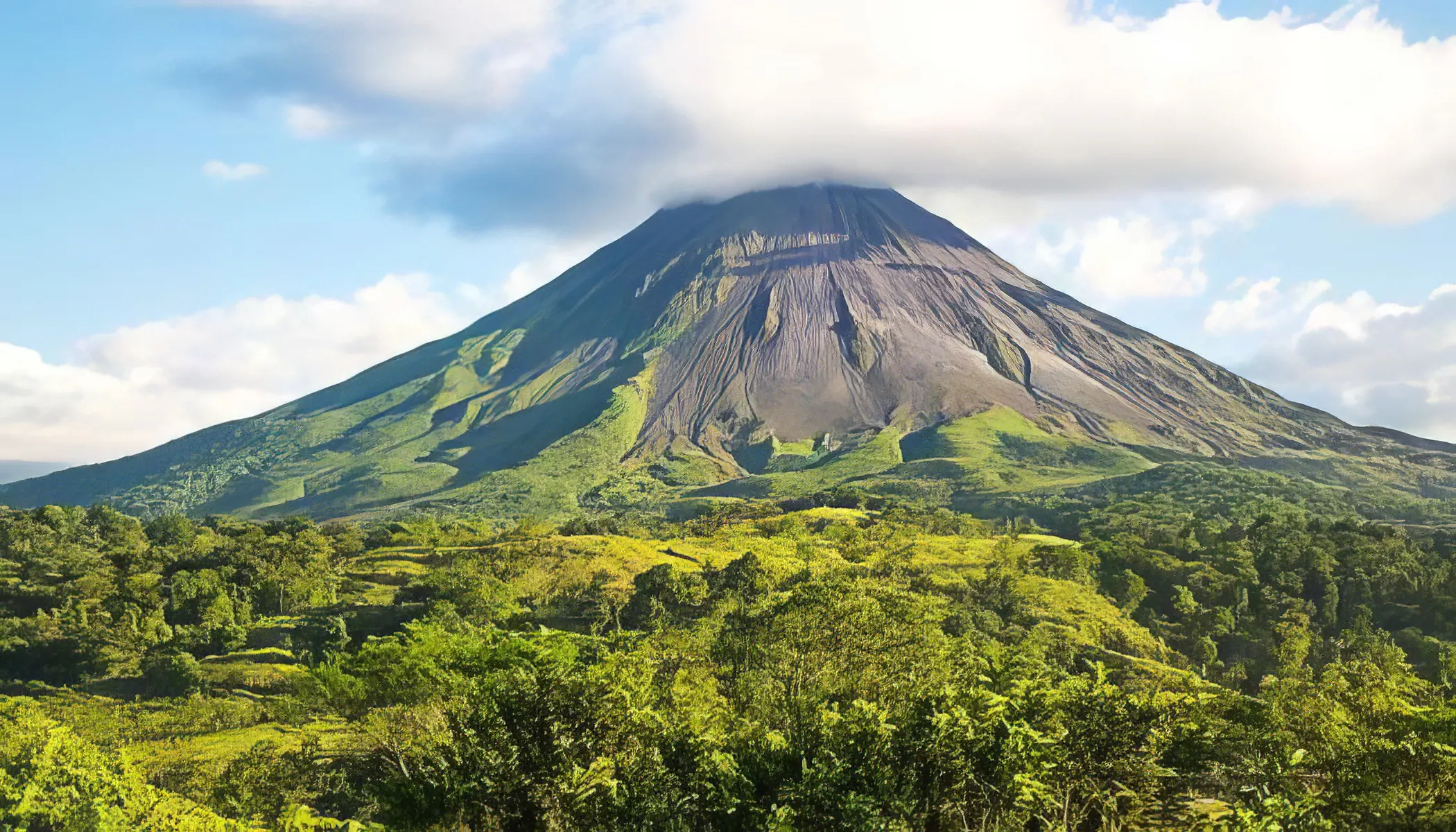
Explore the diverse natural wonders of Costa Rica:
– Arenal Volcano: An active volcano surrounded by hot springs and beautiful forest.
– Monteverde Cloud Forest Reserve: A high-altitude rainforest with diverse flora and fauna.
– Corcovado National Park: Home to a large percentage of Costa Rica's biodiversity.
– Tortuguero National Park: Known for its sea turtle nesting sites and navigable canals.
– Manuel Antonio National Park: Combines jungle, white-sand beaches and coral reefs.
– Poás Volcano: Features one of the world's largest active craters.
– Rio Celeste: Known for its distinctive turquoise waters.
– Irazú Volcano: Costa Rica's tallest volcano with a green crater lake.
– Cocos Island: A UNESCO World Heritage site known for its marine biodiversity.
– Guanacaste's Rincon de la Vieja: Features hot springs, waterfalls, and an active volcano.
Beaches
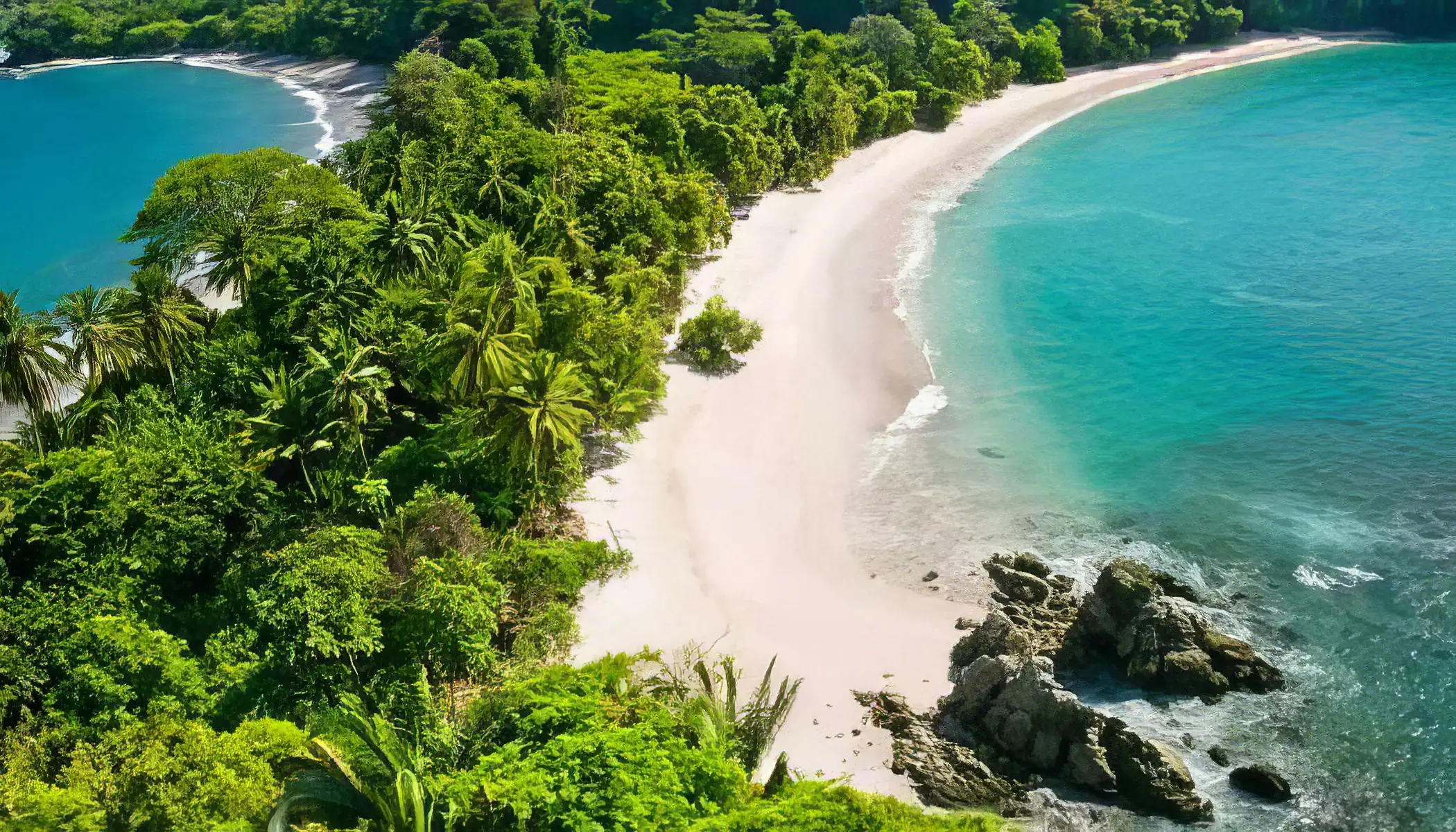
Here are some of the most visited beaches in Costa Rica:
– Manuel Antonio Beach: Located in a national park, known for its biodiversity.
– Tamarindo Beach: Popular for surfing and nightlife in Guanacaste.
– Conchal Beach: Known for its unique shell-covered sand and clear waters.
– Jaco Beach: Close to San Jose, famous for surfing and nightlife.
– Santa Teresa Beach: A favorite among surfers and yoga enthusiasts.
– Tortuguero Beach: Known for sea turtle nesting sites in the Tortuguero National Park.
– Playa Hermosa: Noted for its calm waters and beautiful sunsets in Guanacaste.
Outdoor activities
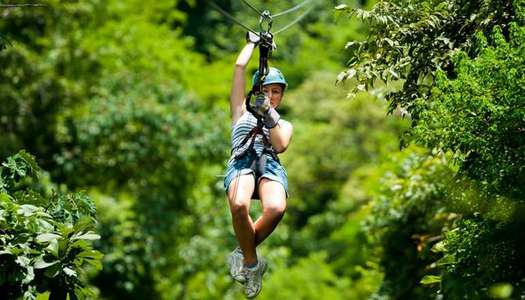
Costa Rica offers a variety of outdoor experiences for nature and adventure lovers:
– Ziplining in Monteverde: Glide through the sumptuous cloud forest canopy.
– Surfing in Tamarindo: Ride the waves on one of Costa Rica's best surf spots.
– Hiking in Arenal Volcano National Park: Walk around an active volcano and enjoy hot springs.
– Wildlife Watching in Corcovado National Park: Spot diverse wildlife in one of the world's most biodiverse regions.
– Snorkeling in Cahuita National Park: Explore pretty coral reefs and tropical fish.
– White Water Rafting on the Pacuare River: Experience thrilling rapids surrounded by rainforest.
– Turtle Watching in Tortuguero National Park: Witness sea turtles nesting on the beach.
Kid Friendly
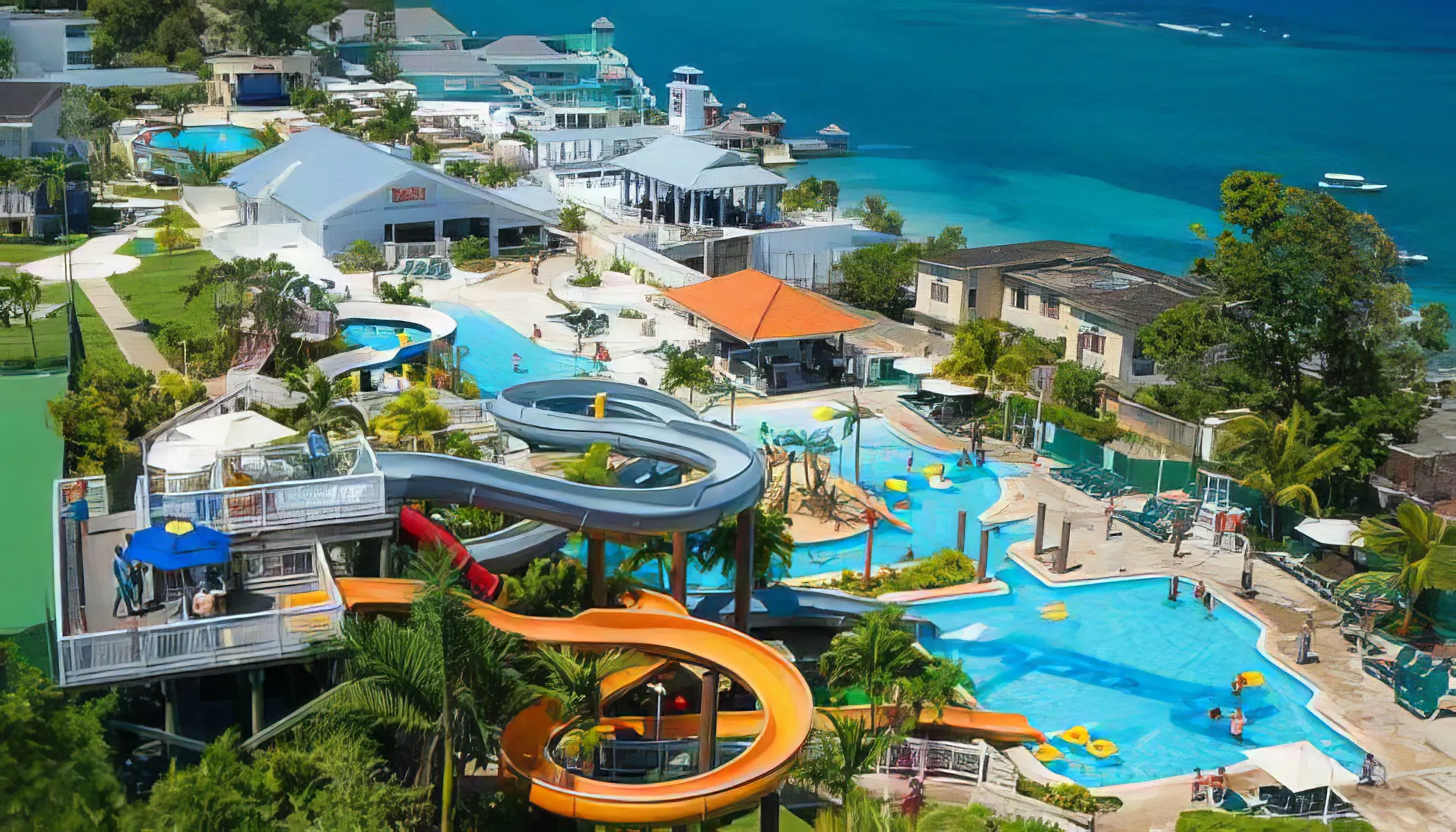
Costa Rica is a paradise for families, offering a variety of kid-friendly activities:
– Tortuguero National Park: A park known for its sea turtle nesting sites.
– Arenal Volcano National Park: A park with an active volcano and hot springs.
– Manuel Antonio National Park: A coastal park with beautiful beaches and abundant wildlife.
– Monteverde Cloud Forest Reserve: A high-altitude rainforest with a variety of unique flora and fauna.
– La Paz Waterfall Gardens: A park with nice waterfalls and a wildlife rescue center.
– Corcovado National Park: A biodiverse park with opportunities to see monkeys, sloths, and more.
– Children's Museum in San Jose: An interactive museum with exhibits on science, culture, and history.
– Diamante Eco Adventure Park: A park offering zip-lining, animal exhibits, and a botanical garden.
Cuisine
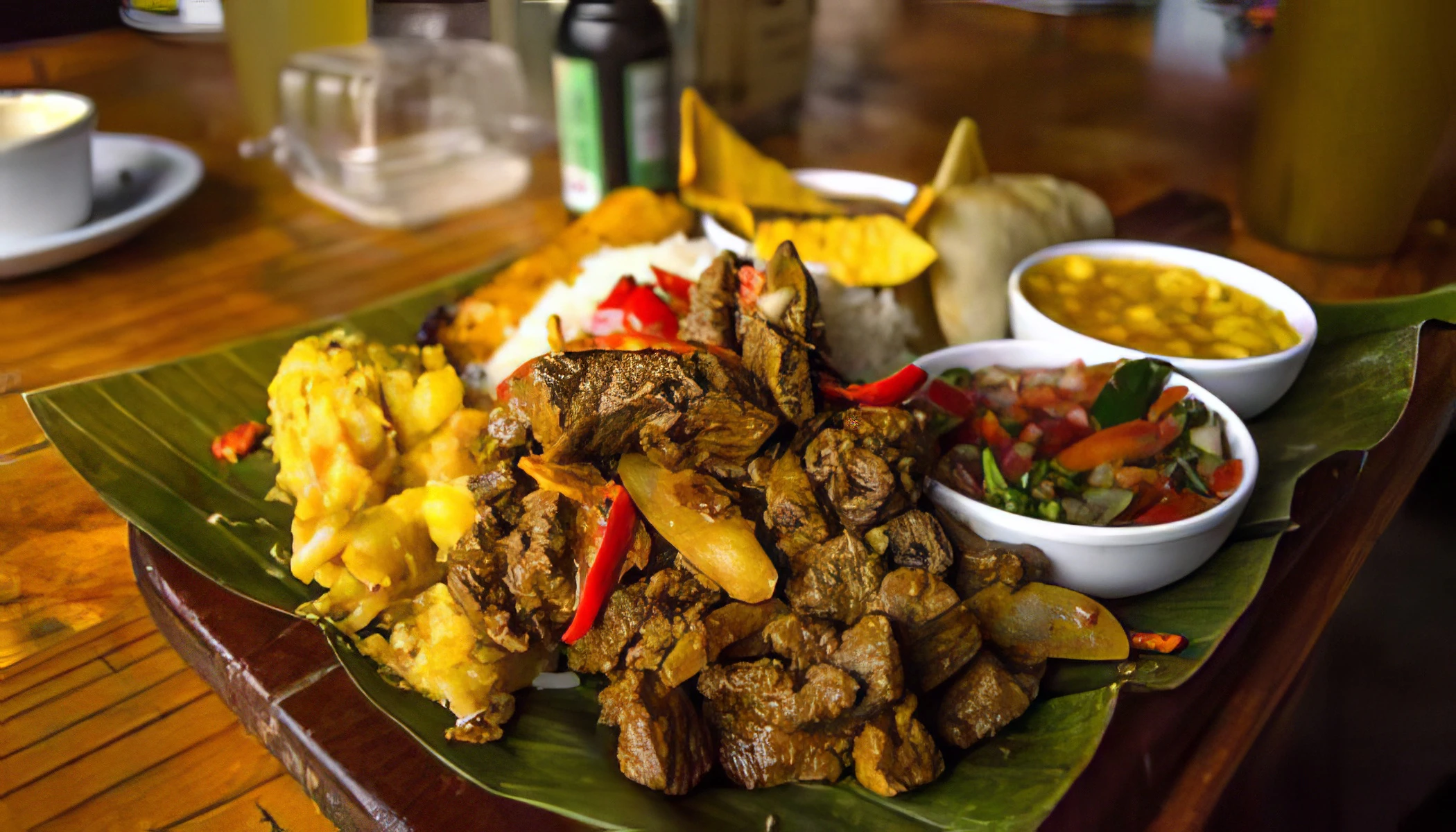
Costa Rican cuisine is simple, hearty, and often centered around rice and beans. It reflects the agricultural abundance of the country, with fresh fruits, vegetables, and seafood playing key roles. Here are some of the most famous dishes and desserts:
– Gallo Pinto: Traditional breakfast dish of rice and black beans.
– Casado: Lunch plate with rice, beans, meat, salad, and plantains.
– Ceviche: Raw seafood marinated in citrus juices, usually served with tortilla chips.
– Tamales: Corn dough filled with meat, vegetables, and spices, wrapped in banana leaves.
– Arroz con Leche: Creamy rice pudding dessert, often spiced with cinnamon.
Souvenir
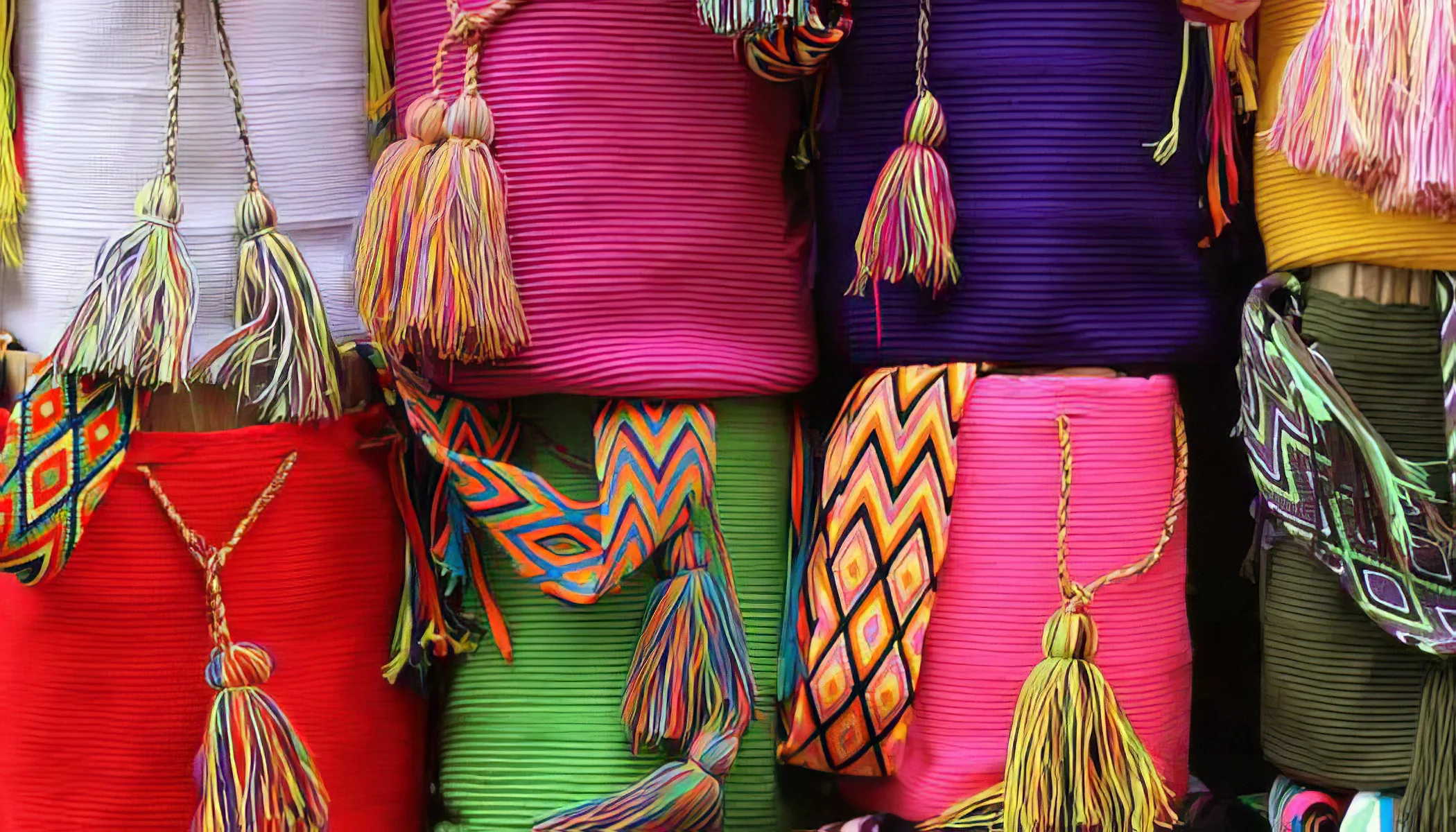
Costa Rica is a country rich in culture and biodiversity, which is reflected in its unique souvenirs. Here are some items you might want to consider:
– Coffee: Costa Rica is famous for its high-quality coffee, making it a popular souvenir.
– Salsa Lizano: This traditional Costa Rican sauce is a must-buy for food lovers.
– Wood Crafts: Handmade wooden items, such as bowls and carvings, are common souvenirs.
– Painted Oxcarts: Miniature versions of the traditional painted oxcarts are a colorful and unique souvenir.
– Jewelry: Costa Rica is known for its beautiful and unique handmade jewelry.
– Leather Goods: Handcrafted leather goods, such as belts and wallets, are popular souvenirs.
– Traditional Masks: Hand-painted traditional masks are a unique and cultural souvenir.
Traditional Shows
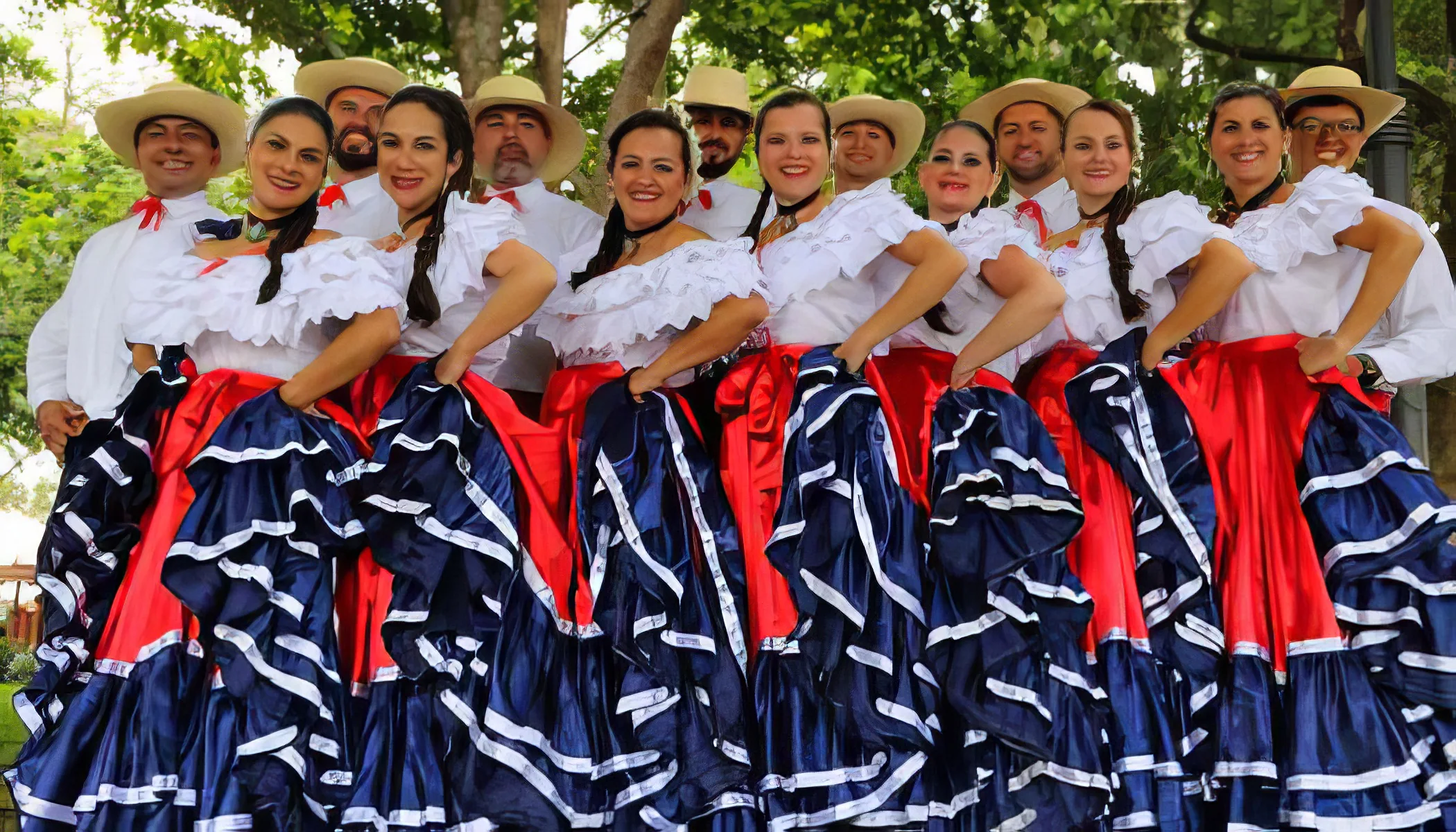
Costa Rica is a vibrant country with a rich tradition in performing arts:
– Folkloric Dance: Witness the traditional Costa Rican dance, characterized by colorful costumes and lively music, typically performed in San Jose.
– Marimba Music: Enjoy this traditional music form, played on a wooden xylophone-like instrument, often heard in Guanacaste.
– Limon Calypso: Experience the Afro-Caribbean rhythms of Calypso music, a significant part of the cultural identity in Limon.
– Salsa Dancing: Join the locals in San Jose for a night of salsa dancing, a popular social activity with Latin roots.
– Masked Street Parades: Watch traditional parades featuring large, colorful masks in towns like Escazu, a unique Costa Rican cultural experience.
Events & Festivals

Costa Rica, a animated country, hosts several events and festivals throughout the year:
– Palmares Fiestas: A two-week festival in January with rodeos, concerts, and carnivals.
– Envision Festival: A February event focusing on music, yoga, and sustainability.
– Semana Santa: Holy Week in April with religious processions and traditional foods.
– Labor Day: Celebrated on May 1 with parades and cultural activities.
– Guanacaste Day: July 25th celebration of Guanacaste's annexation with traditional music and dance.
– Independence Day: September 15th national holiday with parades, music, and traditional foods.
– Christmas: Celebrated in December with religious ceremonies, family gatherings, and festive decorations.
Famous People

Costa Rica, known for its rich culture and history, has produced many notable figures in various fields.
– Oscar Arias Sanchez (born 1940, Heredia): Nobel Peace Prize laureate and two-time President of Costa Rica.
– Laura Chinchilla (born 1959, San Jose): The first and, to date, only female President of Costa Rica.
– Franklin Chang Diaz (born 1950, San Jose): Astronaut and physicist, flew seven Space Shuttle missions for NASA.
– Claudia Poll (born 1972, Managua, Nicaragua but raised in Costa Rica): Olympic gold medalist swimmer, Costa Rica's most decorated Olympian.
– Giannina Facio (born 1955, San Jose): Internationally recognized actress, known for her roles in Ridley Scott films.
Books
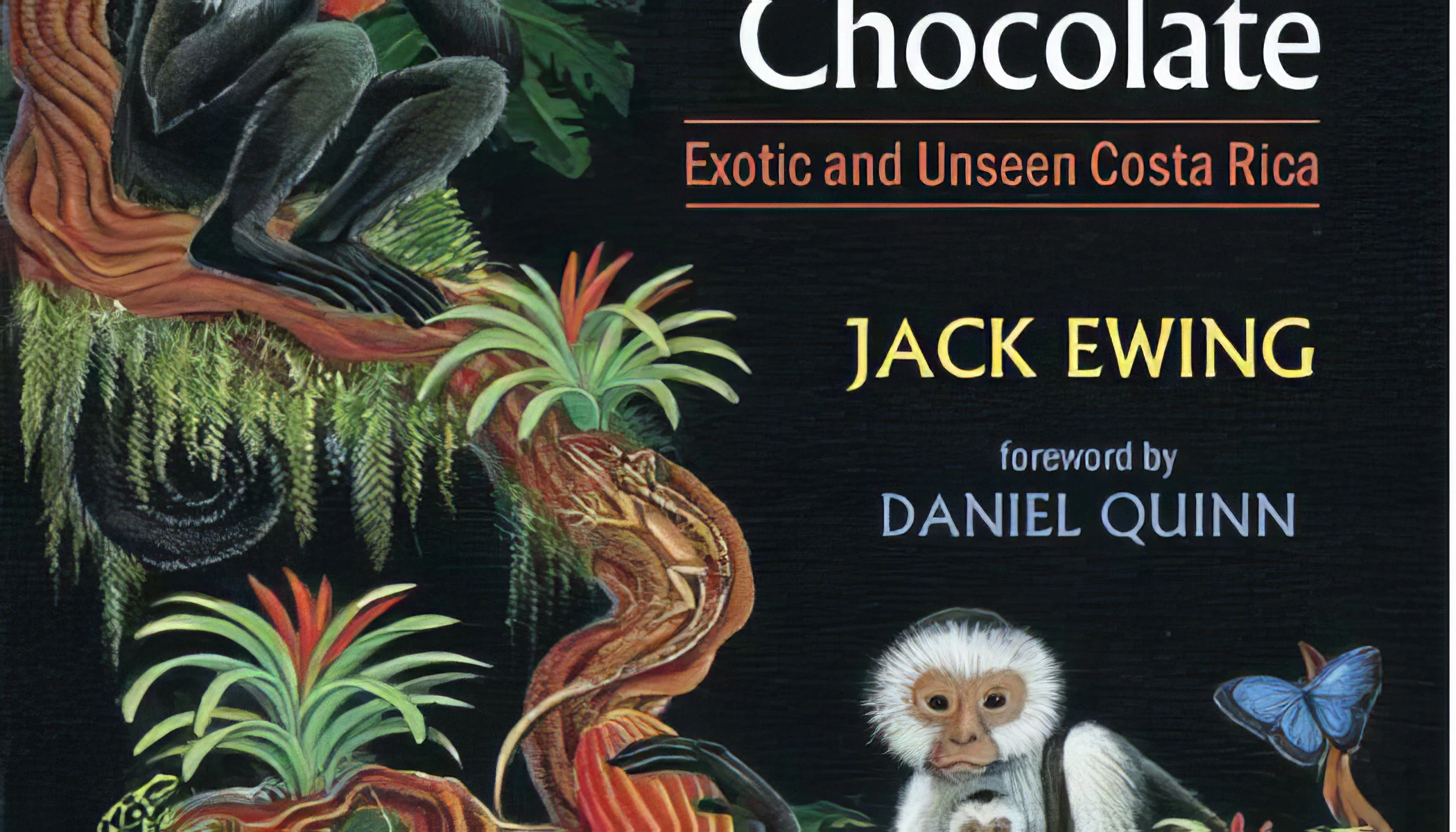
These books provide a rich understanding of Costa Rica's history, culture, and natural beauty.
– "Mamita Yunai" by Carlos Luis Fallas: A novel about the United Fruit Company's exploitation in Costa Rica.
– "The Old Man and The Sea" by Ernest Hemingway: A classic tale of an old fisherman's struggle with a giant marlin.
– "Monkeys Are Made of Chocolate" by Jack Ewing: Explores Costa Rica's diverse wildlife and ecosystems.
– "The Ticos: Culture and Social Change in Costa Rica" by Mavis Hiltunen Biesanz: Insightful study of Costa Rican society and culture.
– "Costa Rica: A Traveler's Literary Companion" by Barbara Ras: Collection of stories by Costa Rican authors, showcasing the country's literary talent.
Songs
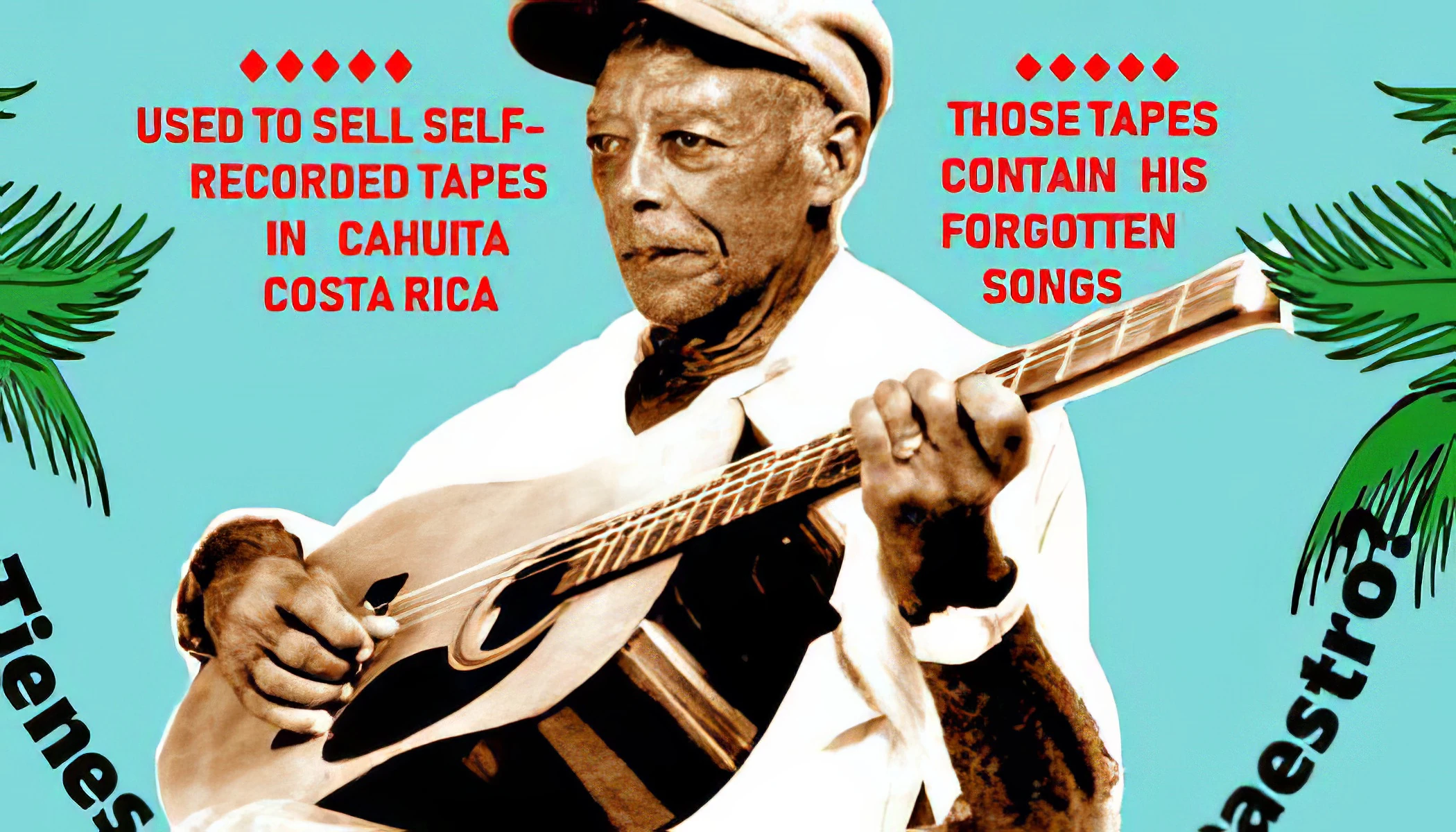
Costa Rican music is a blend of cultural influences, with songs that reflect its rich history, vibrant culture, and natural beauty.
– Pampa: A traditional Guanacaste song, often considered the second national anthem.
– Luna Liberiana: A popular Costa Rican waltz by Jesus Bonilla.
– Patriótica Costarricense: A patriotic song often played during national celebrations.
– Maleku: A song by Malpaís, one of Costa Rica's most famous bands.
– El Barvímetro: A popular song by the Costa Rican group, Los Ajenos.
– Mi Pueblo: A song by Editus, reflecting the beauty of Costa Rican towns.
Films
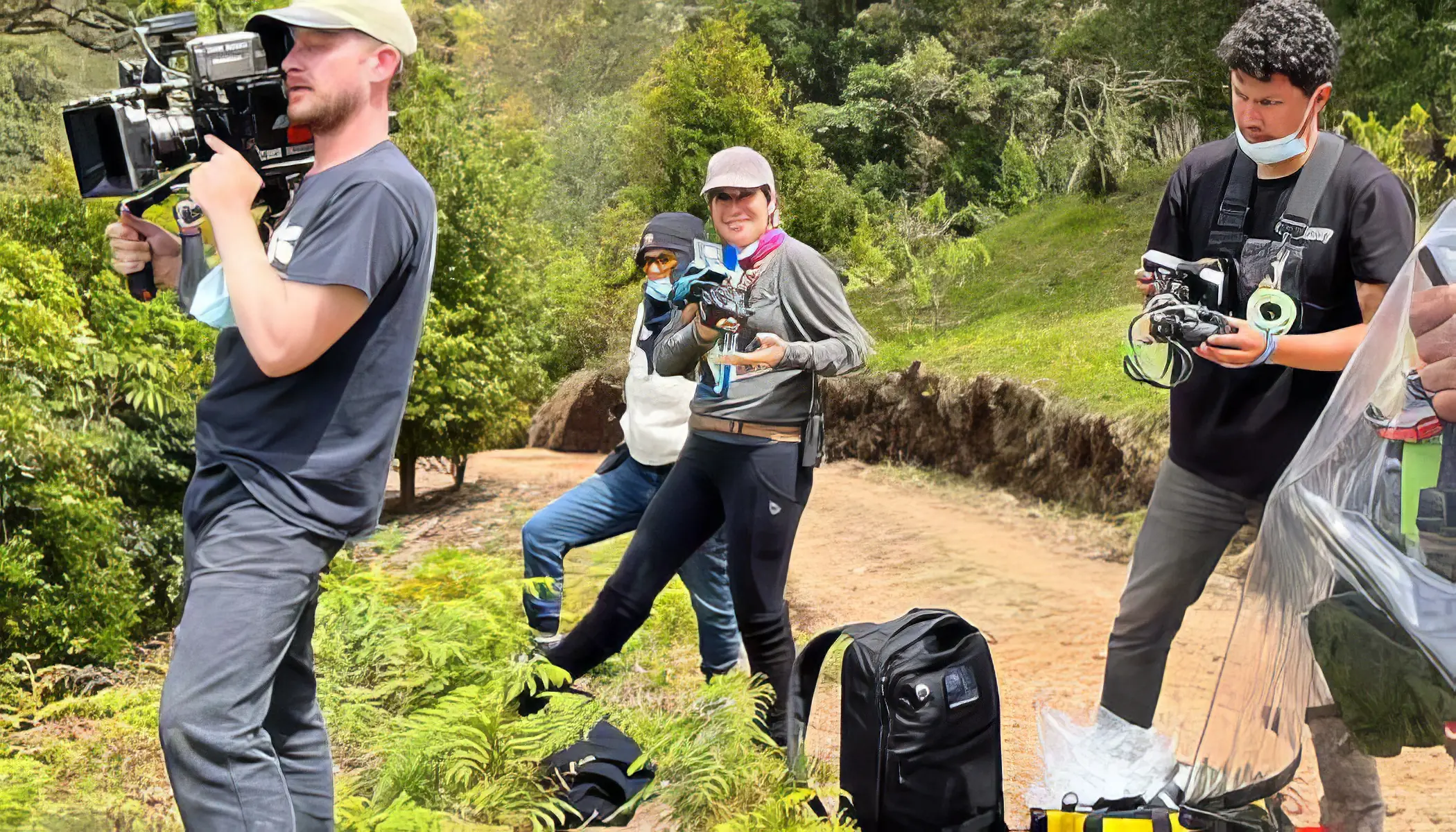
Costa Rica's film industry has produced some notable films that beautifully capture the country's culture and landscapes:
– "El Regreso": Directed by Hernán Jiménez, a comedy-drama about a man returning to his Costa Rican roots.
– "Gestación": A film by Esteban Ramírez, it explores teen pregnancy and societal norms in Costa Rica.
– "Del Amor y Otros Demonios": Based on Gabriel García Márquez's novel, it's partially filmed in Costa Rica.
– "Maikol Yordan de Viaje Perdido": A comedy by Miguel Gómez, about a farmer traveling to Europe to raise money.
– "Presos": Directed by Esteban Ramírez, a drama about a woman who develops a relationship with a prisoner.