

Travel Guide to Croatia: Top Things to Do & Tips
This Southeast European country is known for its diverse terrain, from the Dinaric Alps to the Adriatic Sea coastline. Its rich history is evident in its preserved medieval cities, while its islands offer beautiful beaches and lively nightlife.
- Capital
- Zagreb
- Population
- 4.5 millions
- Superficy
- 57000 sq.km
- Months to Visit
- May to June & Sept. to Oct.
- Living Cost
- Moderate
Overview
Croatia is a Southeast European country known for its long coastline along the Adriatic Sea. The capital, Zagreb, is distinguished by its 18th and 19th-century Austro-Hungarian architecture. Croatia's coastal region, Dalmatia, is home to historic cities like Split and Dubrovnik, which are famous for their ancient walls and fortresses. The country also boasts several national parks, including the Plitvice Lakes, renowned for their remarkable waterfalls and turquoise lakes. Croatia's cuisine is diverse, with seafood being a staple along the coast and hearty meat dishes popular inland. The country's rich history, natural beauty, and warm climate make it a popular European tourist destination.
Pros & Cons
GOOD REASONS TO VISIT CROATIA
– Diverse Landscapes: From Plitvice Lakes' waterfalls to Dubrovnik's coastline, Croatia offers nice natural beauty.
– Rich History: Explore Roman ruins, medieval castles, and UNESCO World Heritage sites.
– Delicious Cuisine: Enjoy seafood, truffles, and local wines, reflecting Croatia's Mediterranean and Central European influences.
– Beautiful Beaches: Croatia's Adriatic coast boasts clear waters and pebble beaches, perfect for relaxation.
– Festivals and Events: Experience Croatia's nice culture through music festivals, carnivals, and local celebrations. CHALLENGES WHEN VISITING CROATIA
– High Tourist Crowds: Popular destinations like Dubrovnik can be crowded, especially during summer.
– Expensive During Peak Season: Prices for accommodation and services can increase significantly in high season.
– Limited Public Transport: Rural areas can be difficult to access without a car; plan accordingly.
Before Departure
Before setting off on your Croatian adventure, there are several key points to consider:
– Passport: Ensure your passport is valid for at least three months beyond your planned departure date.
– Visa: Croatia is part of the EU, so many tourists won't need a visa for stays up to 90 days. Check your country's specific requirements.
– Currency: The local currency is Croatian Kuna (HRK). Credit cards are widely accepted and ATMs are readily available.
– Internet access: WiFi is widely available in cities and tourist areas. Prepaid SIM cards for data are also easily accessible.
– Language barrier: The official language is Croatian. English is widely spoken, especially in tourist areas, while German and Italian are also commonly understood.
What to Pack
When packing for a trip to Croatia, it's important to consider the country's Mediterranean climate, historical sites, and beautiful beaches.
– Essentials: Passport, travel insurance details, flight tickets, itinerary, and accommodation reservations.
– Clothing: Comfortable walking shoes for exploring cities, swimwear for beach visits, lightweight clothing for summer, warm layers for cooler months, and a rain jacket.
– Health & Safety: Prescription medications, basic first aid kit, sunscreen, insect repellent, and personal hygiene items.
– Electronics: Travel adapter for Croatian outlets, mobile phone, camera, and portable power bank.
Weather
Croatia experiences a mix of Mediterranean and continental climates:
– Winter (December to February): Cold and snowy inland, mild and rainy along the coast.
– Spring (March to May): Increasingly warm and sunny, with occasional rain showers.
– Summer (June to August): Hot and dry throughout, with coastal areas enjoying a refreshing sea breeze.
– Autumn (September to November): Warm early on, becoming cooler and wetter as winter approaches. The best time to visit Croatia is from May to June or September to October. Reasons are:
– Pleasant weather with less crowds.
– Lower prices compared to peak summer season. However, keep in mind that some tourist attractions and services may have reduced hours outside of the peak season.
Travel Budget
Croatia is a country with a moderate cost of living. Here are some average prices for reference:
– Hotel: 50$ to 200$
– Lunch: 10$ to 20$
– Beverage (in bar/restaurant): 3$ to 6$
– Coffee: 1$ to 3$
– Transportation: (train 10$ to 40$), (bus 3$ to 15$), (taxi /10km 10$ to 20$)
– Mobile data (per GB): 2$ to 5$
Language
Croatian is the official language of Croatia, and knowing a few phrases can enhance your travel experience. Here are some useful phrases:
– Hello: Bok
– Thank you: Hvala
– Please: Molim
– How much is this?: Koliko ovo košta?
– Excuse me: Oprostite
– I don't understand: Ne razumijem
– Yes: Da
– No: Ne
– Goodbye: Doviđenja
History
Croatia's history begins in the early Middle Ages, when the Croats arrived and established their own kingdom by the 10th century. It later joined a personal union with Hungary in the 12th century, lasting until the end of World War I. After the war, Croatia became part of the Kingdom of Yugoslavia. During World War II, it was made into a Nazi puppet state, the Independent State of Croatia. After the war, it became a socialist republic within Tito's Socialist Federal Republic of Yugoslavia. Following the breakup of Yugoslavia in the 1990s, Croatia endured a bloody war of independence, but has since established itself as an independent democratic republic.
Geopolitics
Croatia is a parliamentary republic located in Southeast Europe, bordering Hungary, Serbia, Bosnia and Herzegovina, Montenegro, and Slovenia, with a long coastline along the Adriatic Sea. Its capital and largest city is Zagreb. Croatia is a member of the European Union (EU), NATO, and the United Nations, which influences its foreign policy and economic decisions. The country has had historical territorial disputes with Slovenia over maritime boundaries in the Adriatic Sea and land borders. Croatia's geopolitical position is shaped by its strategic location as a gateway to the Balkans and its role in EU and NATO structures.
Sample Itinerary
This tour offers a blend of historical exploration in Dubrovnik, natural beauty in Plitvice Lakes, and the charm of Split and Hvar.
– 2 days in Dubrovnik: Walk the city walls, explore the Old Town, and visit Fort Lovrijenac. Take a cable car ride for panoramic views.
– 2 days in Split: Visit Diocletian's Palace, stroll along Riva Promenade, and explore Marjan Park. Enjoy local cuisine and nightlife.
– 1 day in Hvar: Discover the historic town, visit Fortica Fortress, and enjoy the beaches. Experience the magnificient nightlife.
– 2 days in Plitvice Lakes: Explore the national park with its cascading lakes and waterfalls. Enjoy hiking, photography, and wildlife spotting.
– 1 day in Zagreb: Visit the historic Upper Town, explore the Museum Of Broken Relationships, and stroll in Zrinjevac Park. Depart from Zagreb.
Popular cities
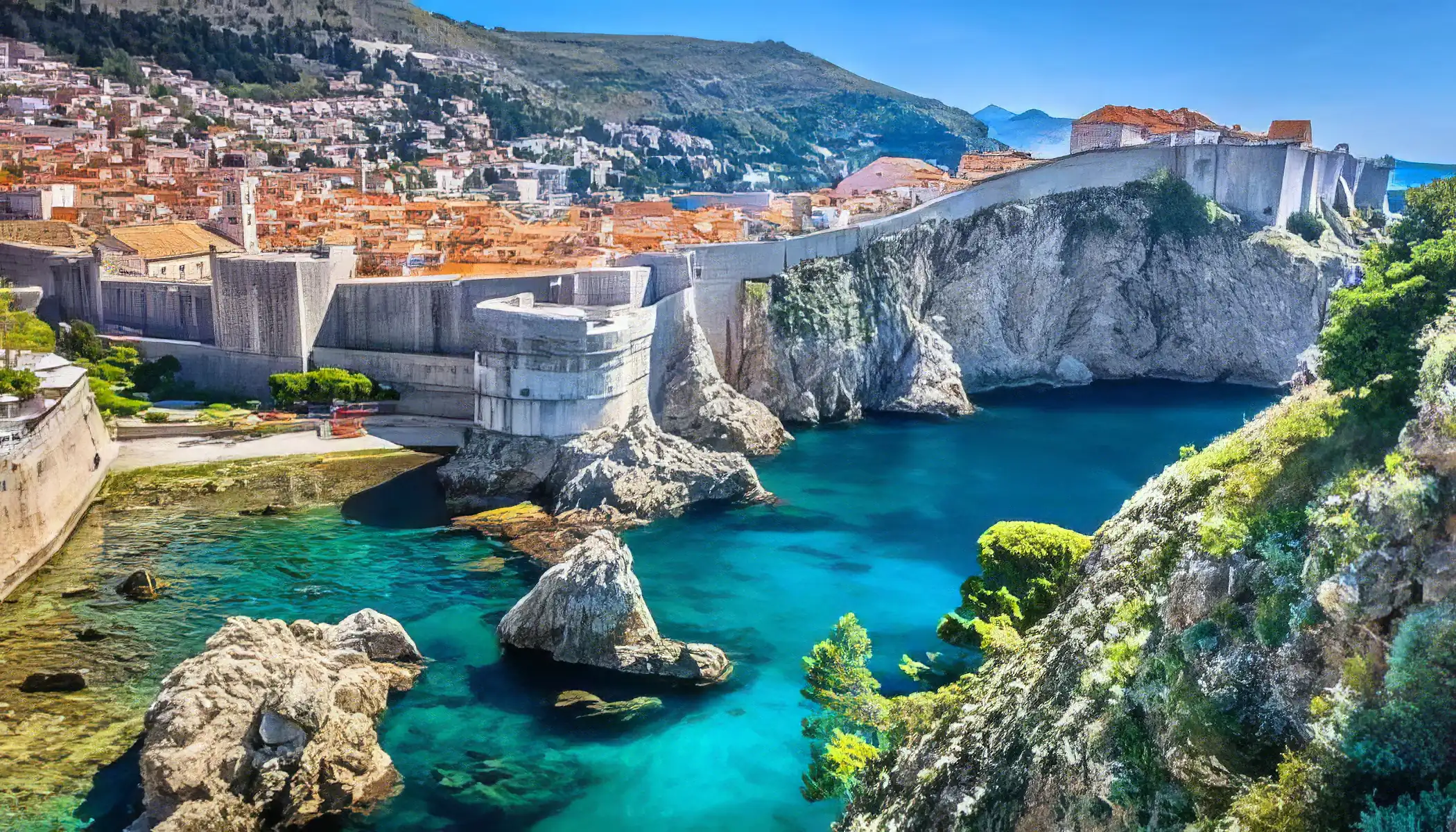
Croatia offers a mix of historic cities and beautiful coastlines:
– Zagreb: The capital city, known for its museums, parks, and lovely street life.
– Dubrovnik: Famous for its handsome Old Town, fortified walls, and Game of Thrones filming locations.
– Split: Home to the ancient Diocletian's Palace, beautiful beaches, and a lively waterfront promenade.
– Zadar: Known for its Roman and Venetian ruins, and unique sea organ.
– Pula: Famous for its well-preserved Roman amphitheater and beautiful beaches.
– Rovinj: A charming coastal town known for its Venetian architecture and cobblestone streets.
– Hvar: An island city known for its fortress, beautiful harbor, and lovely nightlife.
Monuments
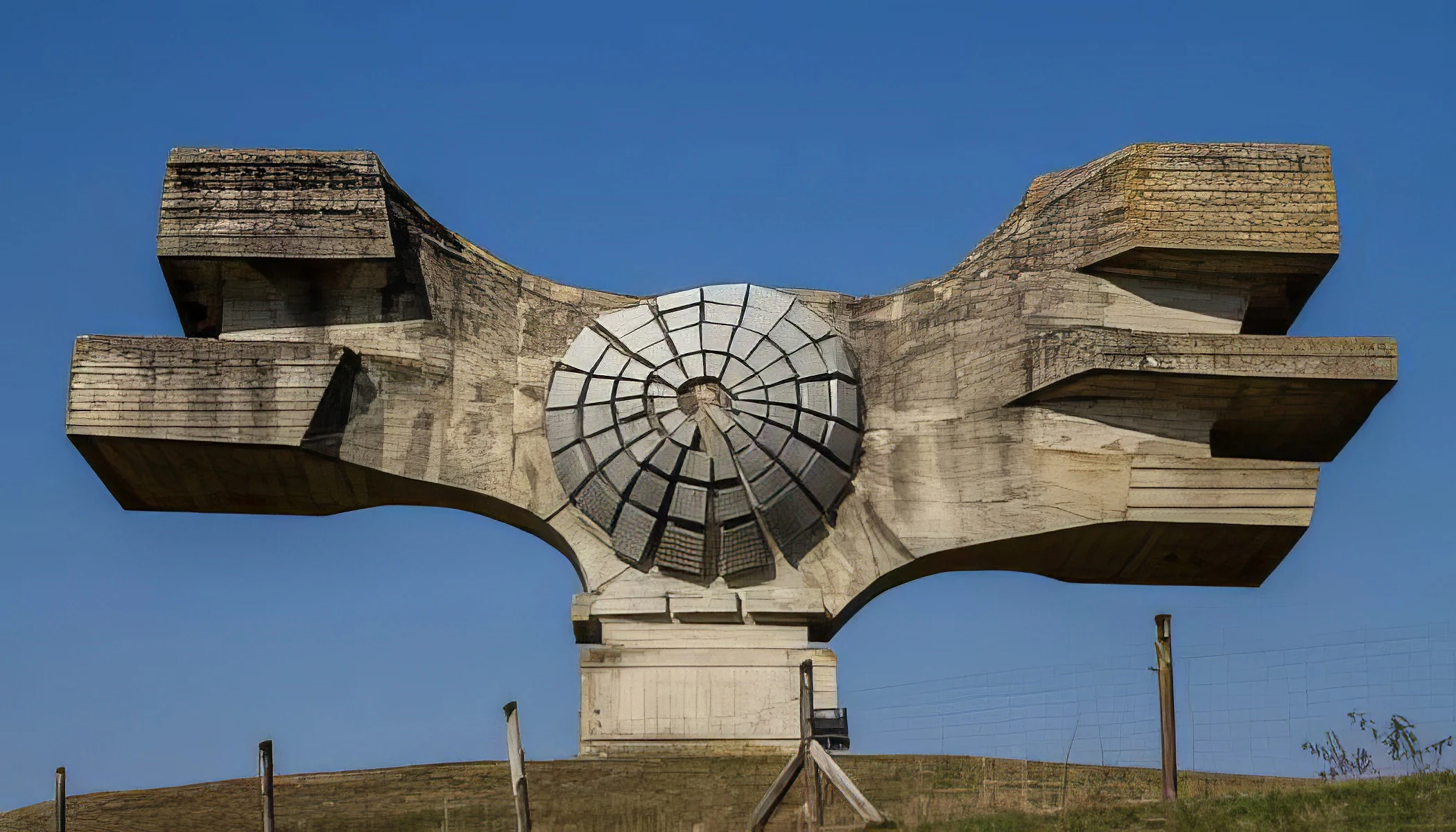
Croatia is home to a variety of historical monuments and architectural wonders:
– Diocletian's Palace, Split: Ancient Roman palace, now a lively city center.
– Pula Arena: One of the best-preserved Roman amphitheaters in the world.
– Dubrovnik Walls: Iconic defensive walls surrounding the old city of Dubrovnik.
– Euphrasian Basilica, Poreč: UNESCO site, early Christian complex with nice mosaics.
– St. James Cathedral, Šibenik: UNESCO site, Renaissance architecture with unique stone work.
– Plitvice Lakes National Park: UNESCO site, series of lakes, waterfalls, and limestone caves.
– Mirogoj Cemetery, Zagreb: Notable for its arcades, domes, and beautiful landscaping.
– Trakošćan Castle: 13th-century castle with a museum and park, reflecting Gothic and Renaissance styles.
Natural wonder
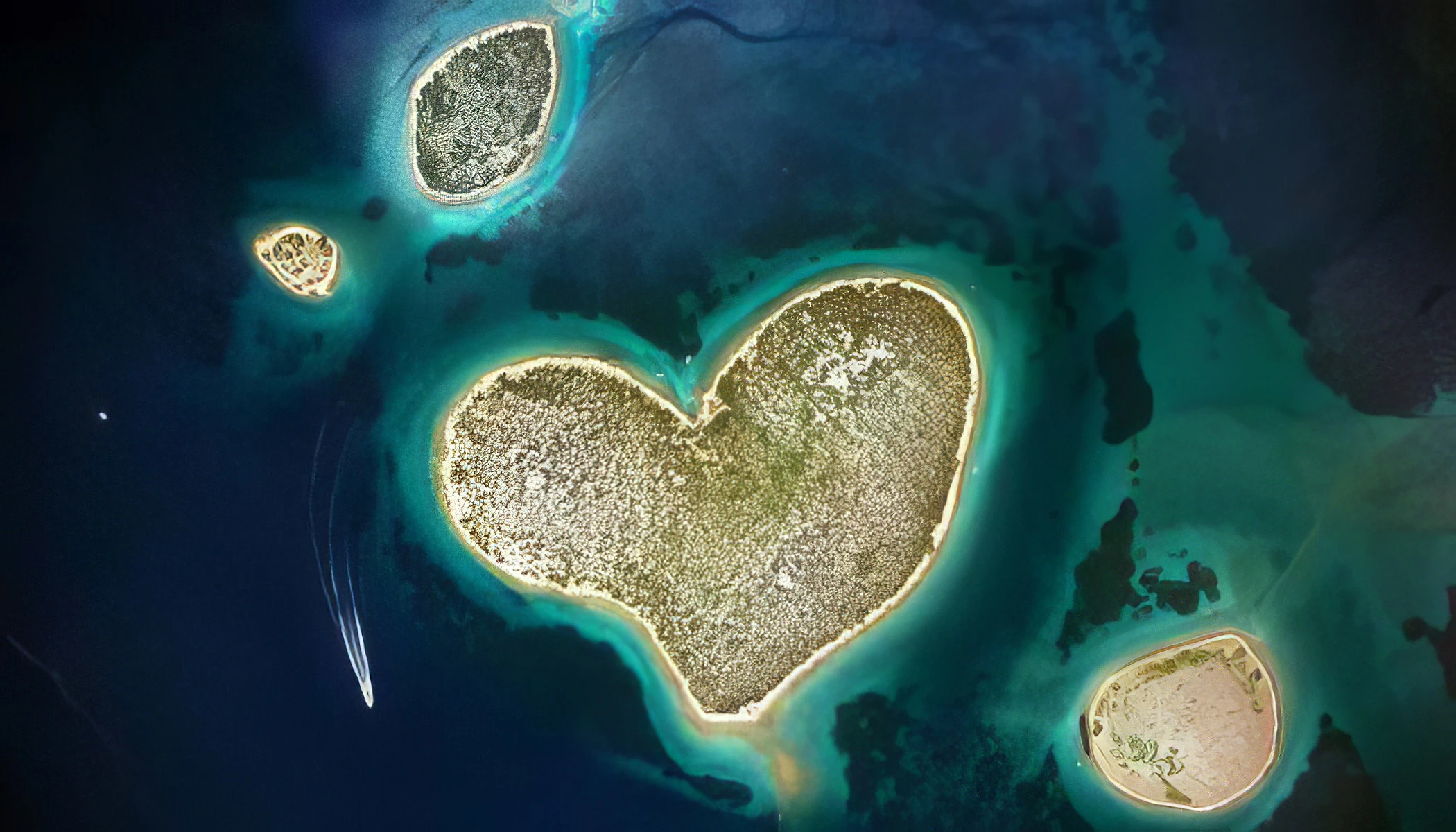
Explore the natural beauty of Croatia:
– Plitvice Lakes National Park: Known for its cascading lakes, waterfalls, and diverse wildlife.
– Krka National Park: Home to remarkable waterfalls and a rich variety of bird species.
– Mljet National Park: Features a saltwater lake and a Benedictine monastery on an islet.
– Paklenica National Park: Offers impressive canyons and diverse flora and fauna.
– Kornati National Park: Comprises 89 uninhabited islands with unique marine life.
– Biokovo Mountain: The second-highest mountain range in Croatia, offering panoramic views.
– Blue Cave, Bisevo: A sea cave known for its glowing blue light.
– Zlatni Rat Beach: A unique pebble beach that changes shape and position.
– Galesnjak Island: Known as Lover's Island due to its heart shape.
– Velebit Mountain: The largest mountain range in Croatia, rich in biodiversity.
Beaches
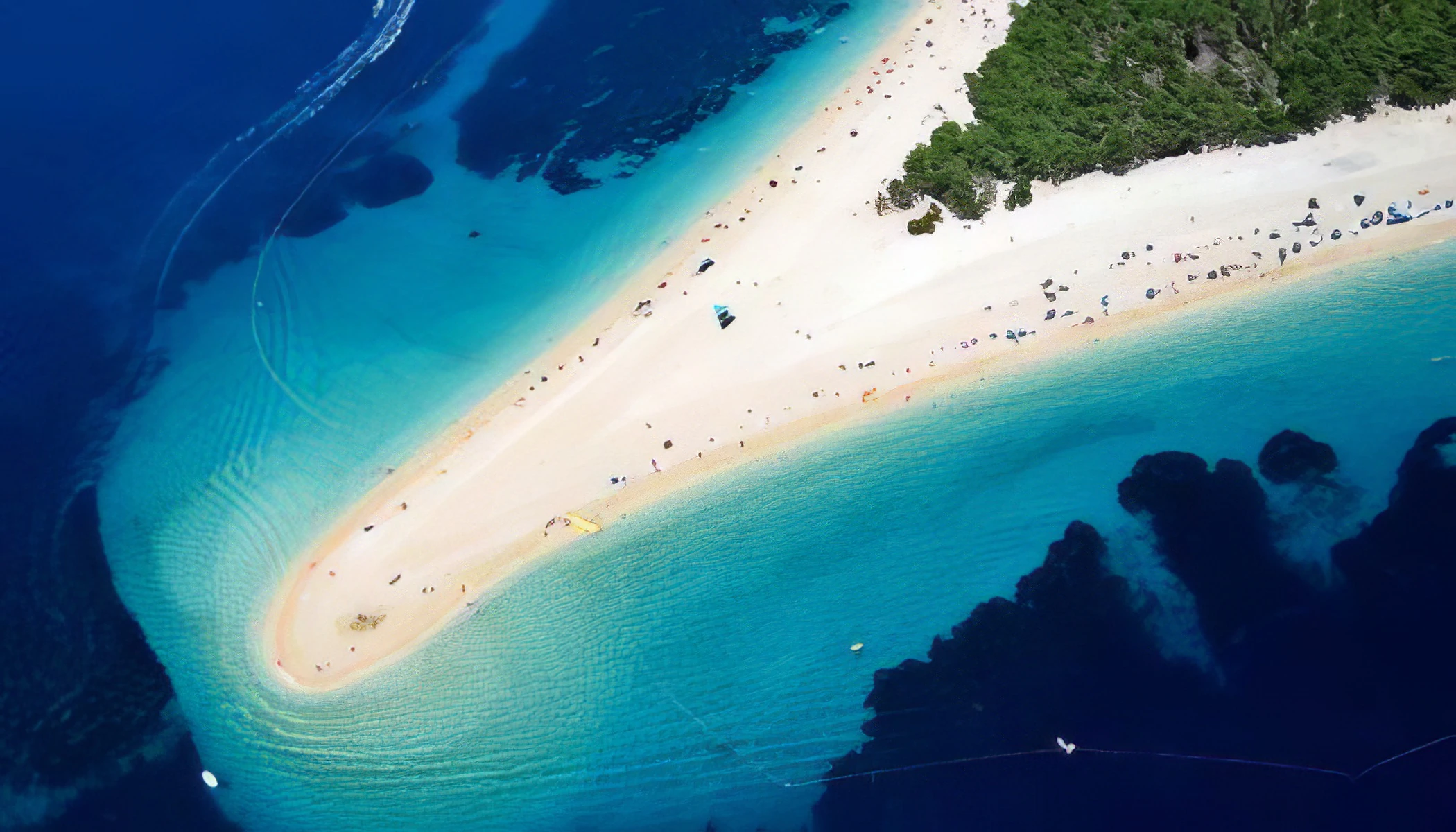
Here are some of the most visited beaches in Croatia:
– Zlatni Rat Beach: Known for its unique shape and clear waters on Brac Island.
– Banje Beach: Offers a view of Dubrovnik's Old Town and Adriatic Sea.
– Sakarun Beach: Famous for its white sand and turquoise water on Dugi Otok.
– Lovrecina Bay: A sandy beach on Brac Island, ideal for families.
– Sunj Beach: A sandy beach on Lopud Island, known for its shallow waters.
– Baska Beach: A pebble beach on Krk Island, popular for water sports.
– Stiniva Beach: A secluded beach on Vis Island, accessible only by boat or hike.
Outdoor activities
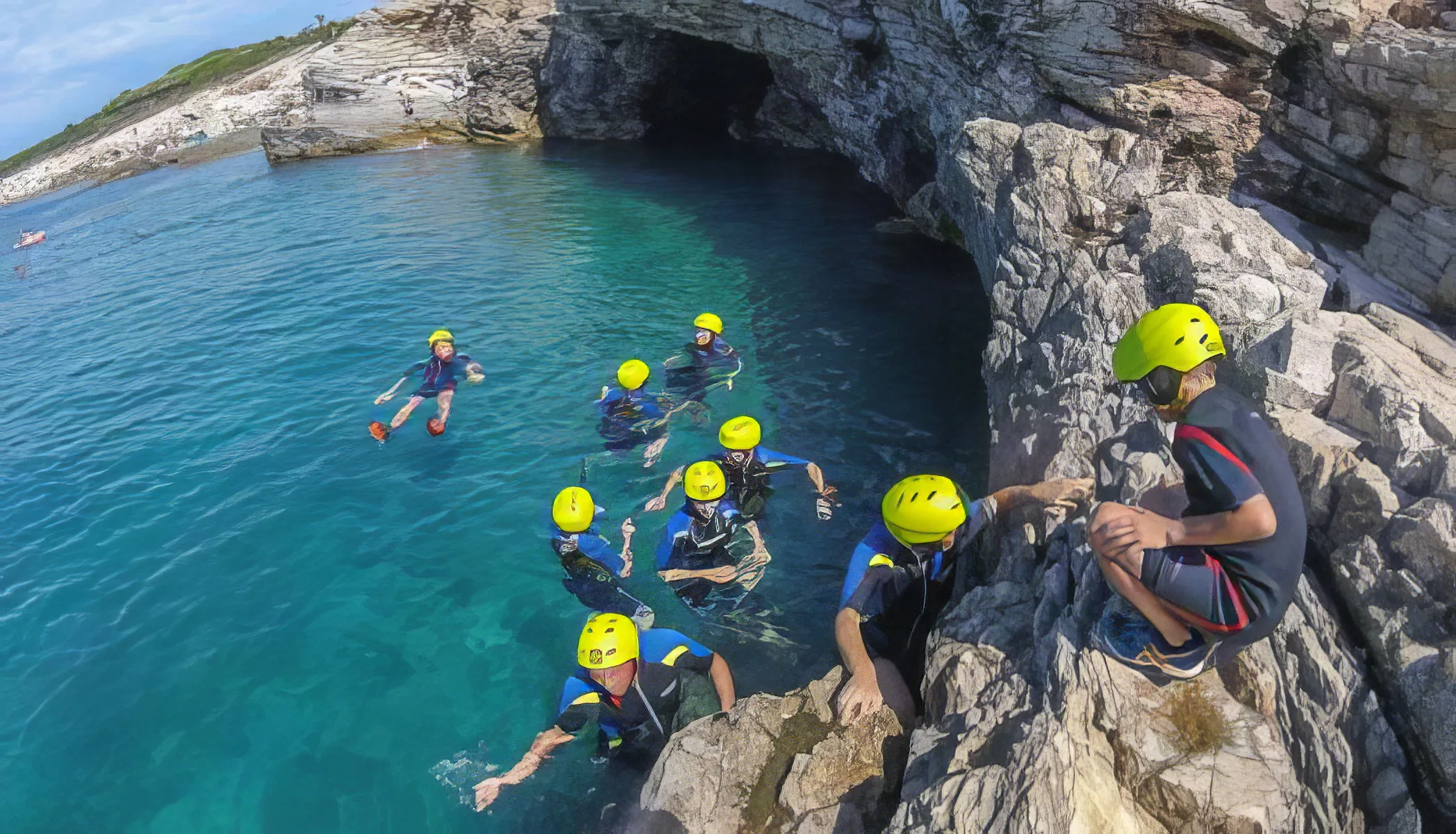
Croatia offers a variety of outdoor experiences for nature lovers and adventure seekers:
– Sailing in the Adriatic Sea: Experience the beauty of Croatia's coastline and islands.
– Hiking in Plitvice Lakes National Park: Explore remarkable waterfalls and turquoise lakes.
– Kayaking in Dubrovnik: Paddle around the ancient city walls and explore nearby caves.
– Cycling on Hvar Island: Enjoy the scenic landscapes and lavender fields.
– Snorkeling in the Blue Cave: Discover the underwater world of the Adriatic Sea.
– Zip-lining in Omis: Get an adrenaline rush while enjoying panoramic views.
– Wildlife Watching in Kopacki Rit Nature Park: Observe diverse bird species in one of the largest wetlands in Europe.
Kid Friendly
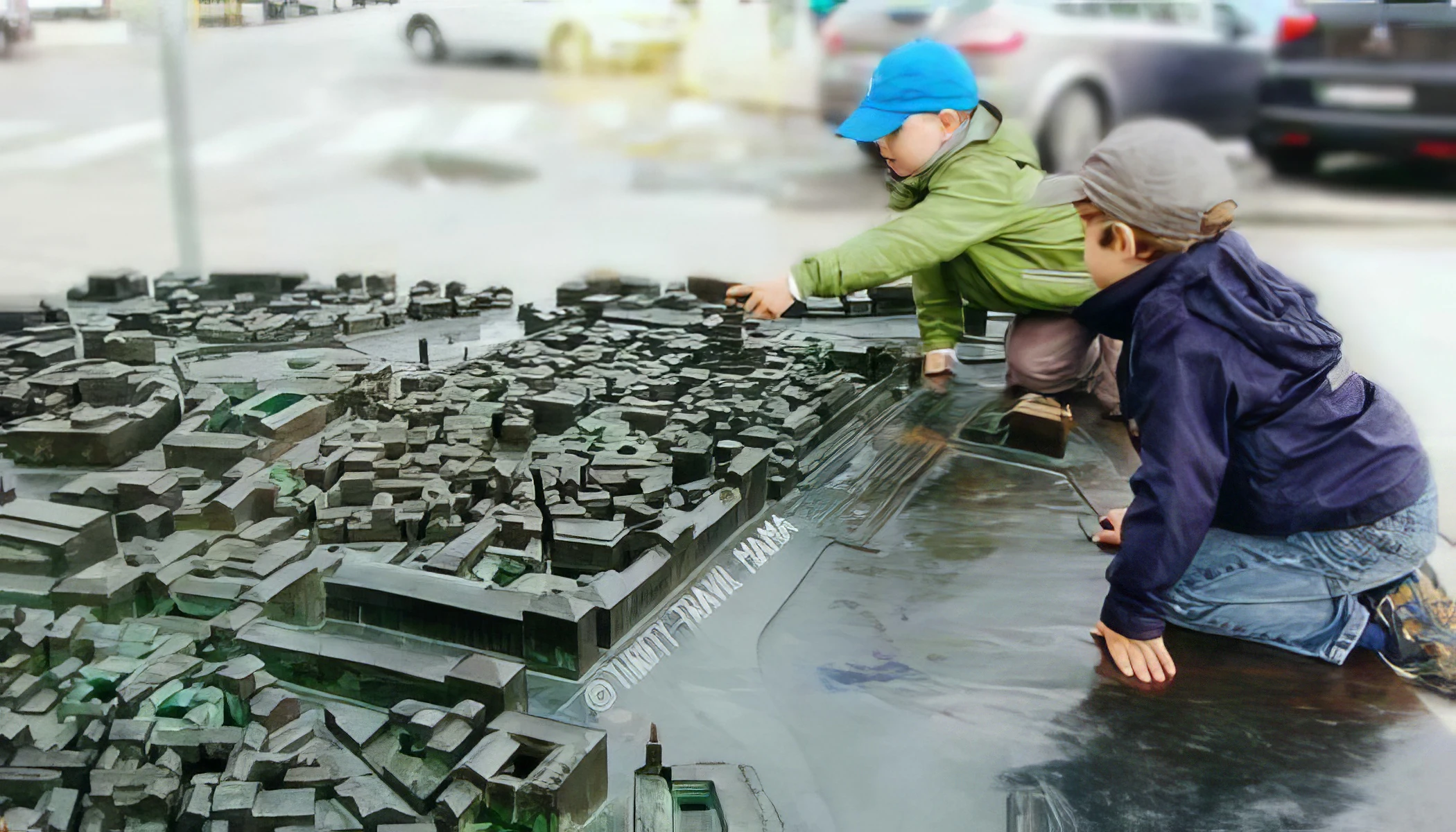
Here are some activities in Croatia that are suitable for children:
– Plitvice Lakes National Park: A UNESCO site with beautiful waterfalls and lakes.
– Aquapark Istralandia: A large water park with various slides and pools.
– Dinopark Funtana: A dinosaur-themed park with life-sized models and shows.
– Dubrovnik Cable Car: Offers panoramic views of the historic city and the Adriatic Sea.
– Zagreb Zoo: A well-maintained zoo with a variety of animals and play areas.
– Kamenjak National Park: Offers beautiful beaches and opportunities for swimming and snorkeling.
– Sea Organ in Zadar: A unique architectural sound art object that creates music by the sea waves.
– Trsat Castle in Rijeka: A historic castle with gorgeous views, perfect for little explorers.
Cuisine
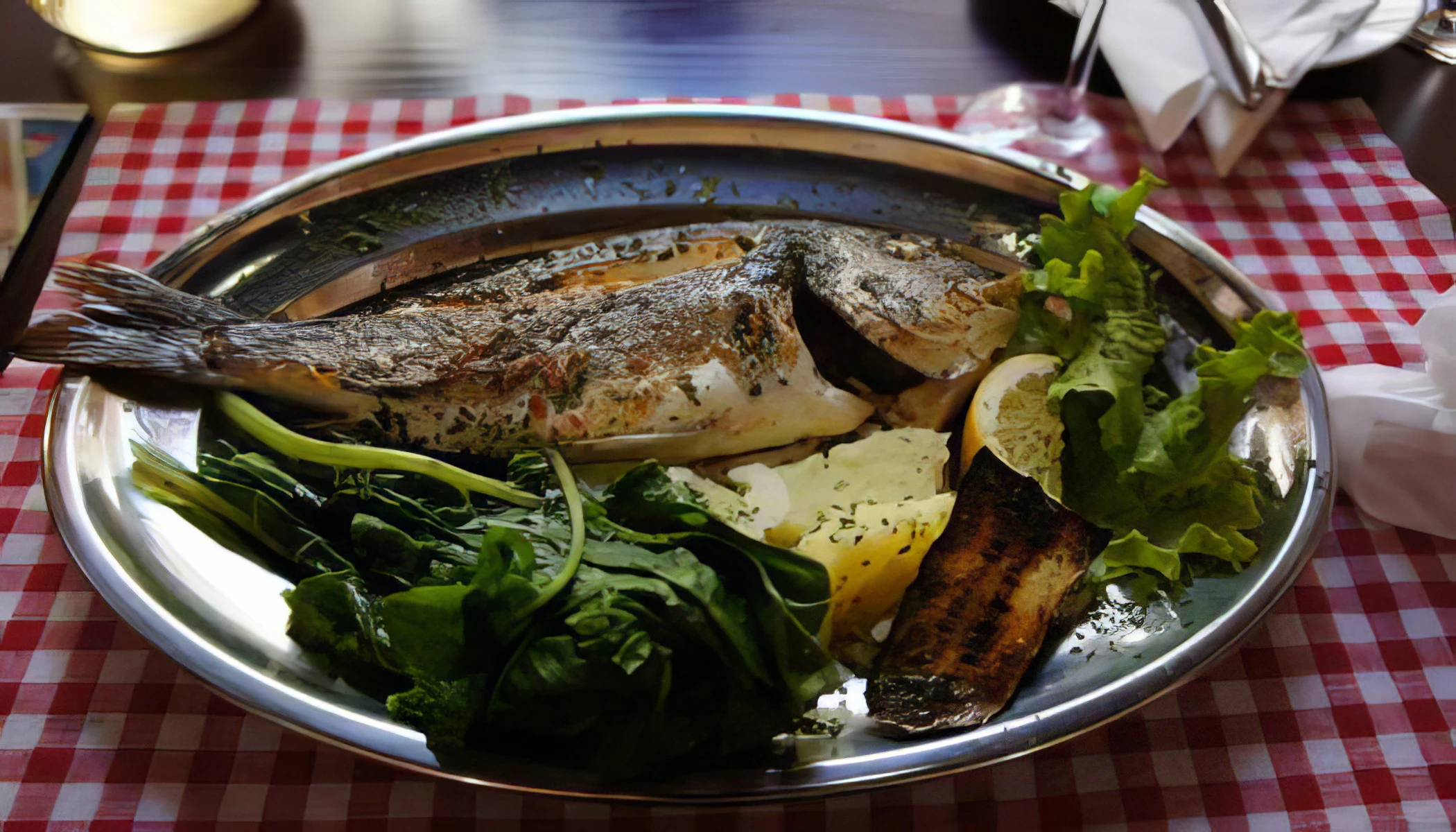
Croatian cuisine is diverse and regionally varied, with coastal areas favoring seafood and Mediterranean flavors, while inland regions lean towards hearty meats and cheeses. Local produce and traditional cooking methods are highly valued. Here are some of the most famous Croatian dishes:
– Peka: Baked dish with meat and vegetables, traditionally prepared under a bell-like dome.
– Pljeskavica: A meat patty dish, often served with onions and ajvar sauce.
– Pag Cheese: Hard, sheep's milk cheese from the island of Pag.
– Crni Rizot: Black risotto made with cuttlefish or squid ink.
– Rozata: A custard pudding dessert similar to flan, often flavored with rose liqueur.
Souvenir
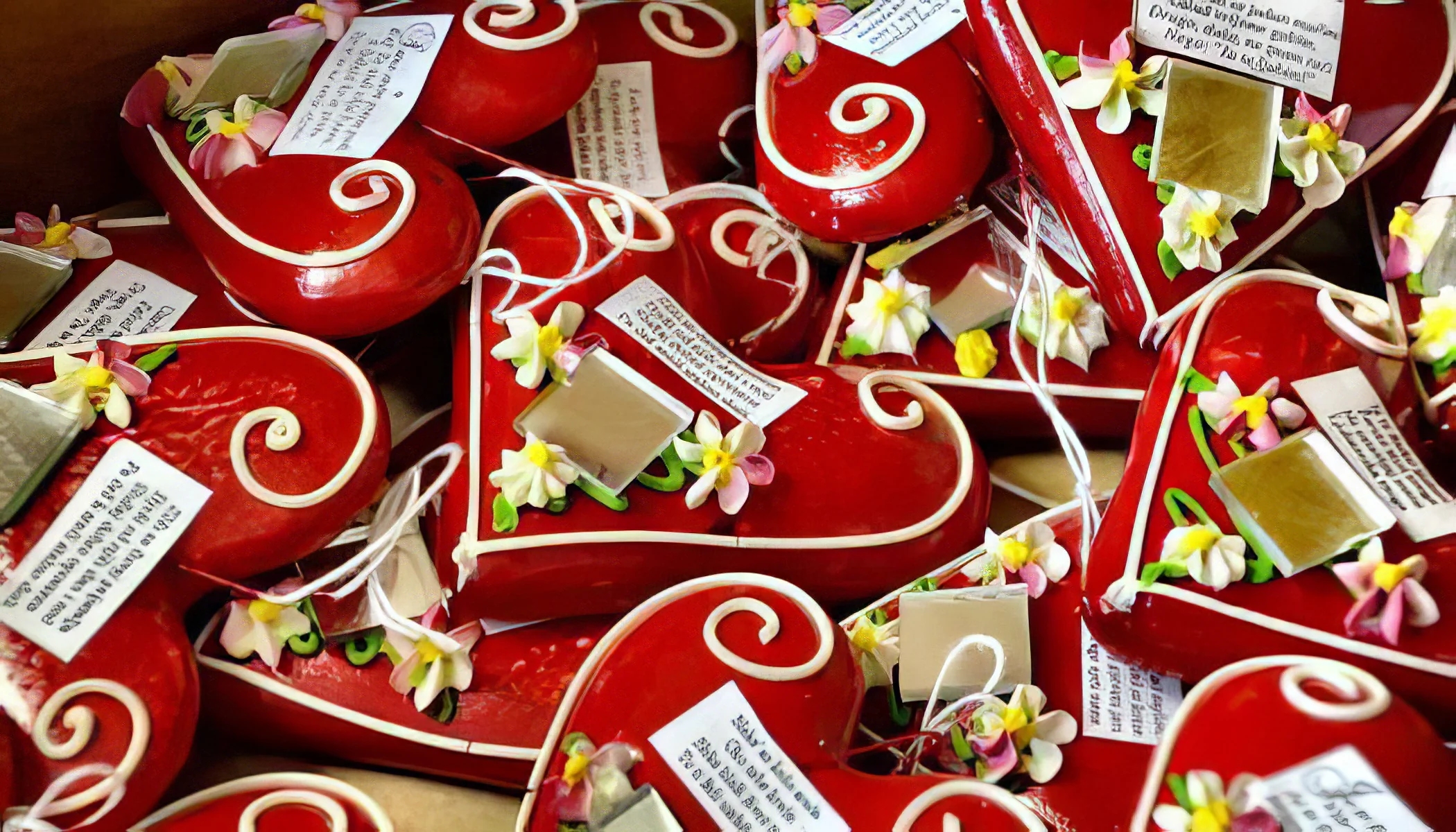
Croatia is a country rich in culture and tradition, which is reflected in its variety of unique souvenirs. Here are some items you might want to consider:
– Lavender Products: Croatia, especially Hvar Island, is known for its lavender fields. You can buy lavender oil, soap, and sachets.
– Olive Oil: Croatian olive oil is of high quality and makes a great souvenir.
– Rakija: This is a traditional Croatian brandy that comes in various flavors.
– Licitar Hearts: These are colorful, decorated gingerbread hearts that are a symbol of Zagreb.
– Cravat: The necktie originated in Croatia, making a cravat a unique and historical souvenir.
– Truffle Products: Istria, a region in Croatia, is famous for its truffles. You can buy truffle oil, truffle salt, and other truffle products.
– Croatian Wine: Croatia has a long history of winemaking, and Croatian wines are a popular souvenir.
Traditional Shows
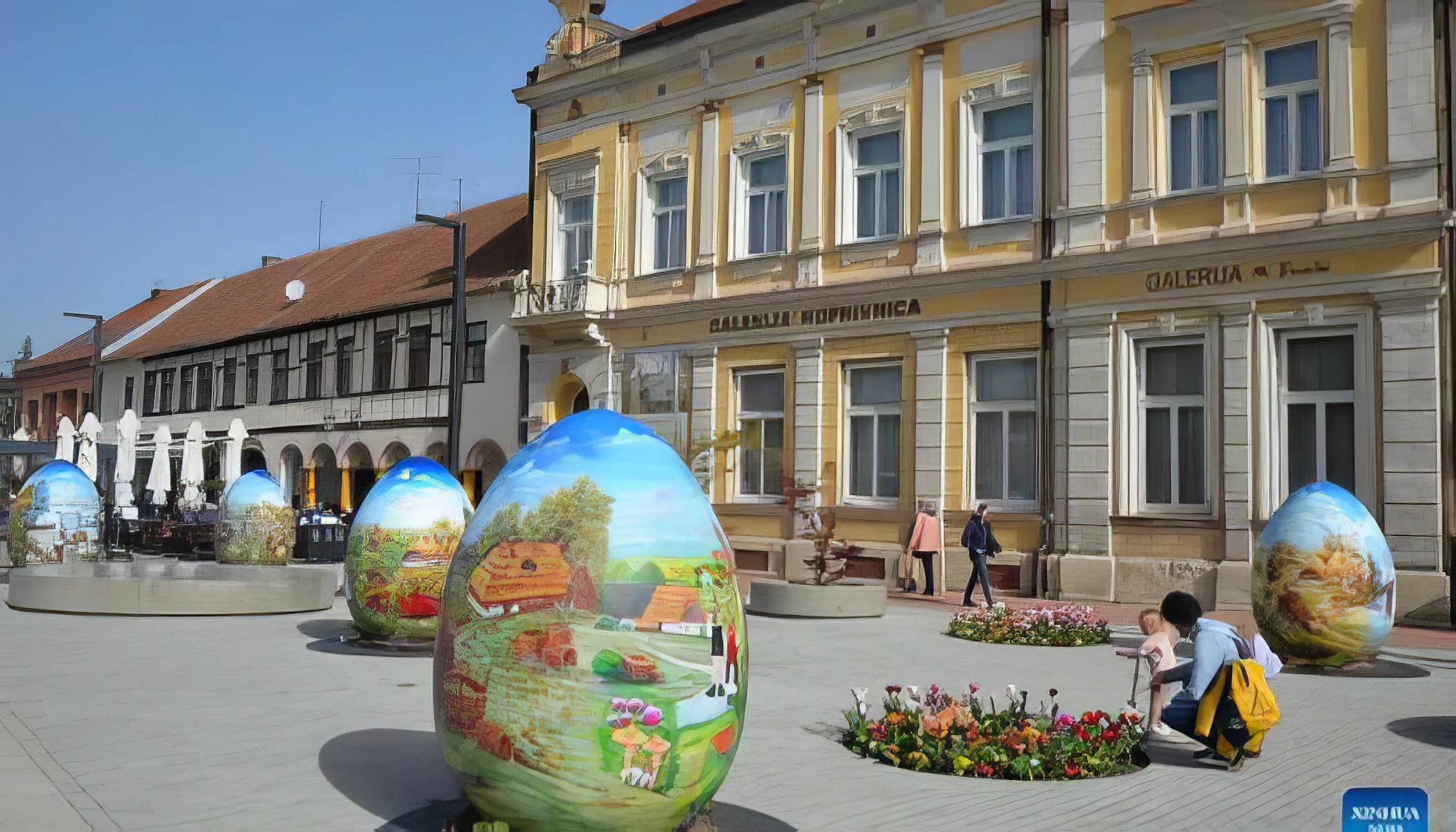
Croatia is rich in traditional music and art performances:
– Klapa Singing: Experience this a cappella singing style, a UNESCO Intangible Cultural Heritage, in Dalmatian towns like Split.
– Linđo Folklore Ensemble: Witness traditional Croatian dances and music in Dubrovnik, performed by this renowned ensemble.
– Tamburica Music: Enjoy this string instrument music, a symbol of Slavonia region, performed in Osijek and other towns.
– Moreška Sword Dance: Watch this dramatic sword dance, a Korčula island tradition, depicting a medieval battle.
– Alka Tournament: Visit Sinj to see this 300-year-old equestrian competition, a unique blend of sport and living history.
Events & Festivals
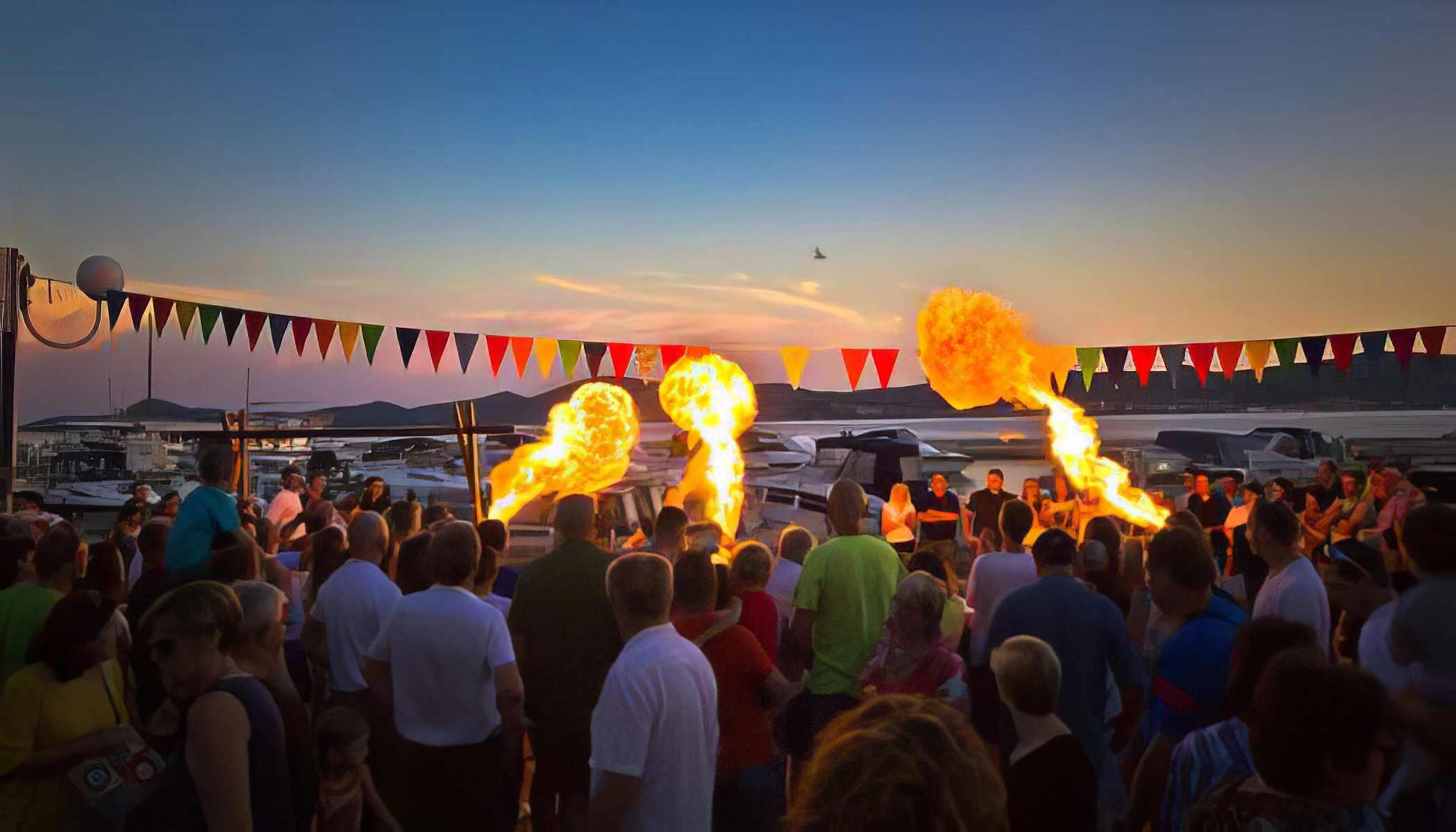
Croatia, a country with rich cultural heritage, hosts several events and festivals throughout the year:
– Rijeka Carnival: A animated February event with parades and parties, one of the largest carnivals in Europe.
– Dubrovnik Summer Festival: A July/August event showcasing theater, ballet, and classical music in open-air venues.
– Pula Film Festival: A July event featuring Croatian and international films in a Roman amphitheater.
– Motovun Film Festival: An international film festival held in a small hilltop town in late July.
– Split Summer Festival: A July/August event with opera, theater, and music performances in historic venues.
– Outlook Festival: A September electronic music festival held in an abandoned fort in Pula.
– Advent in Zagreb: A December event with Christmas markets, concerts, and ice skating, voted Europe's best Christmas market.
Famous People
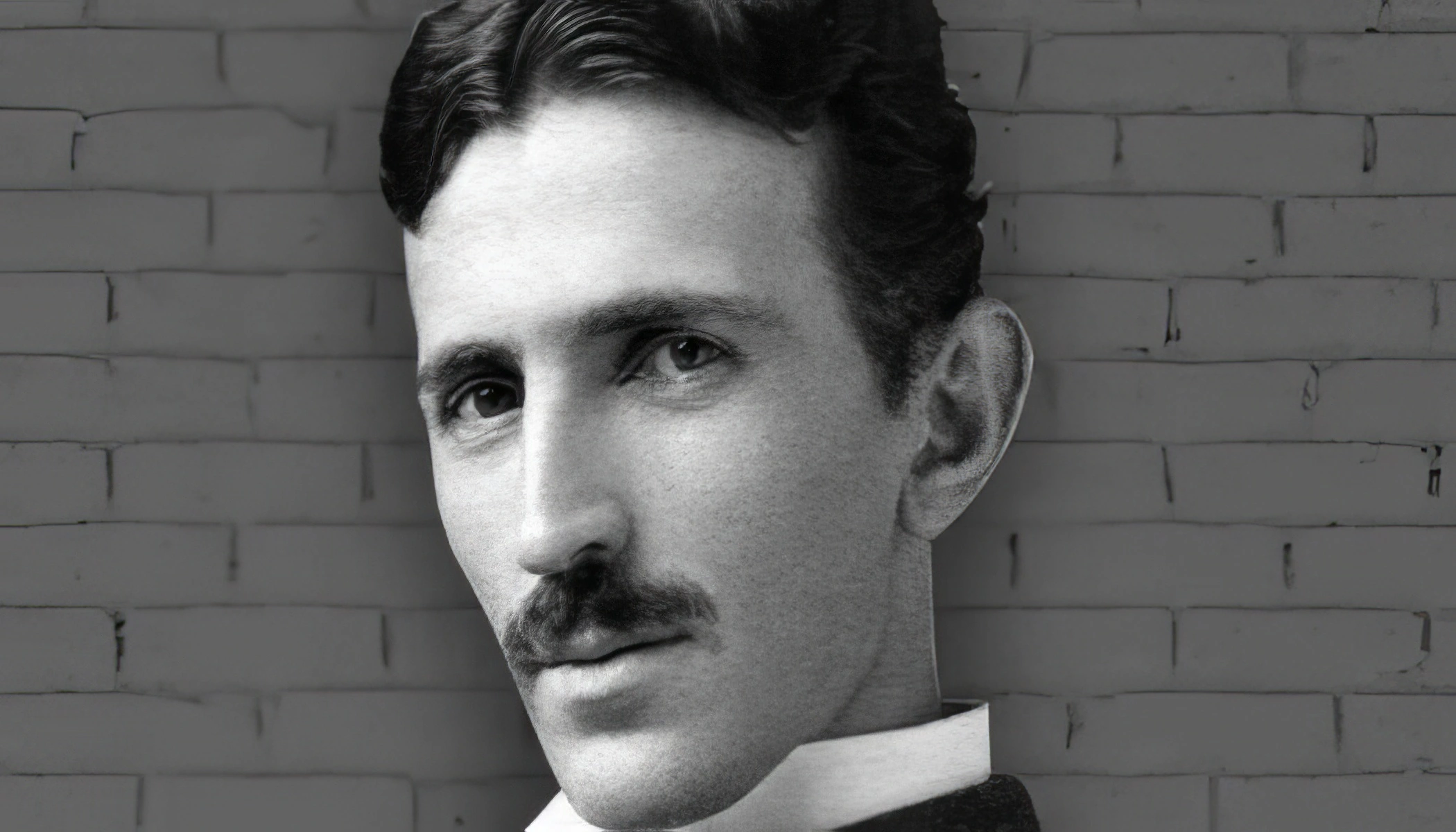
Croatia, a country rich in history and culture, has produced many notable figures recognized globally.
– Nikola Tesla (1856 to 1943, Smiljan): World-renowned inventor, electrical engineer, and physicist known for his work on alternating current.
– Franjo Tuđman (1922 to 1999, Veliko Trgovišće): First President of Croatia, key figure in the country's independence.
– Luka Modrić (born 1985, Zadar): Internationally acclaimed footballer, winner of the Ballon d'Or in 2018.
– Slavenka Drakulić (born 1949, Rijeka): Prominent author and journalist, known for her works on feminism and socialism.
– Ivo Andrić (1892 to 1975, Dolac): Nobel Prize-winning author, best known for his novel "The Bridge on the Drina."
Books
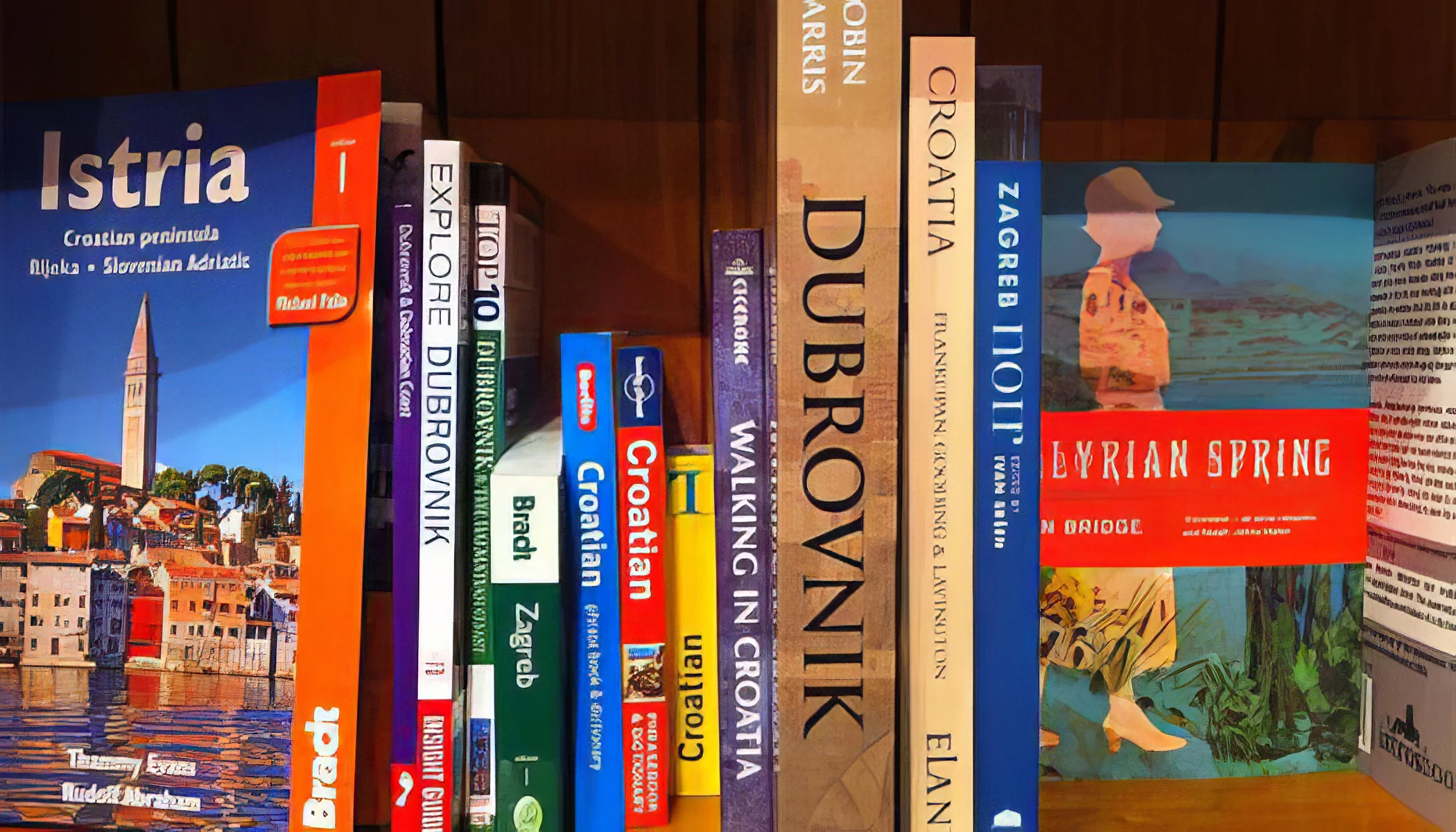
These books provide a glimpse into Croatia's rich history, culture, and the experiences of its people.
– "The Hired Man" by Aminatta Forna: A tale of love, war, and the ghosts of Croatia's past.
– "Girl at War" by Sara Nović: A young girl's life is upended by the Yugoslav Wars.
– "Black Lamb and Grey Falcon" by Rebecca West: A travelogue exploring the history and culture of Yugoslavia, including Croatia.
– "The Museum of Unconditional Surrender" by Dubravka Ugrešić: A novel exploring the complexities of exile and memory.
– "Croatia: A Nation Forged in War" by Marcus Tanner: A comprehensive history of Croatia and its struggles.
Songs

Croatian music is a blend of diverse genres, from traditional folk to modern pop, and these songs are some of the most famous from Croatian artists or about Croatia.
– Molitva Za Magdalenu: A classic ballad by Oliver Dragojević.
– Pismo Moja: A popular song by Croatian singer-songwriter Gibonni.
– Cesarica: A beloved song by Oliver Dragojević, often considered his signature song.
– Moja Prva Ljubav: A hit song by the band Haustor, known for its nostalgic lyrics.
– Tek Je 12 Sati: A popular dance song by the group ET.
– Dalmatino Poviscu Pritrujena: A traditional Dalmatian song by the band Dalmatino.
Films
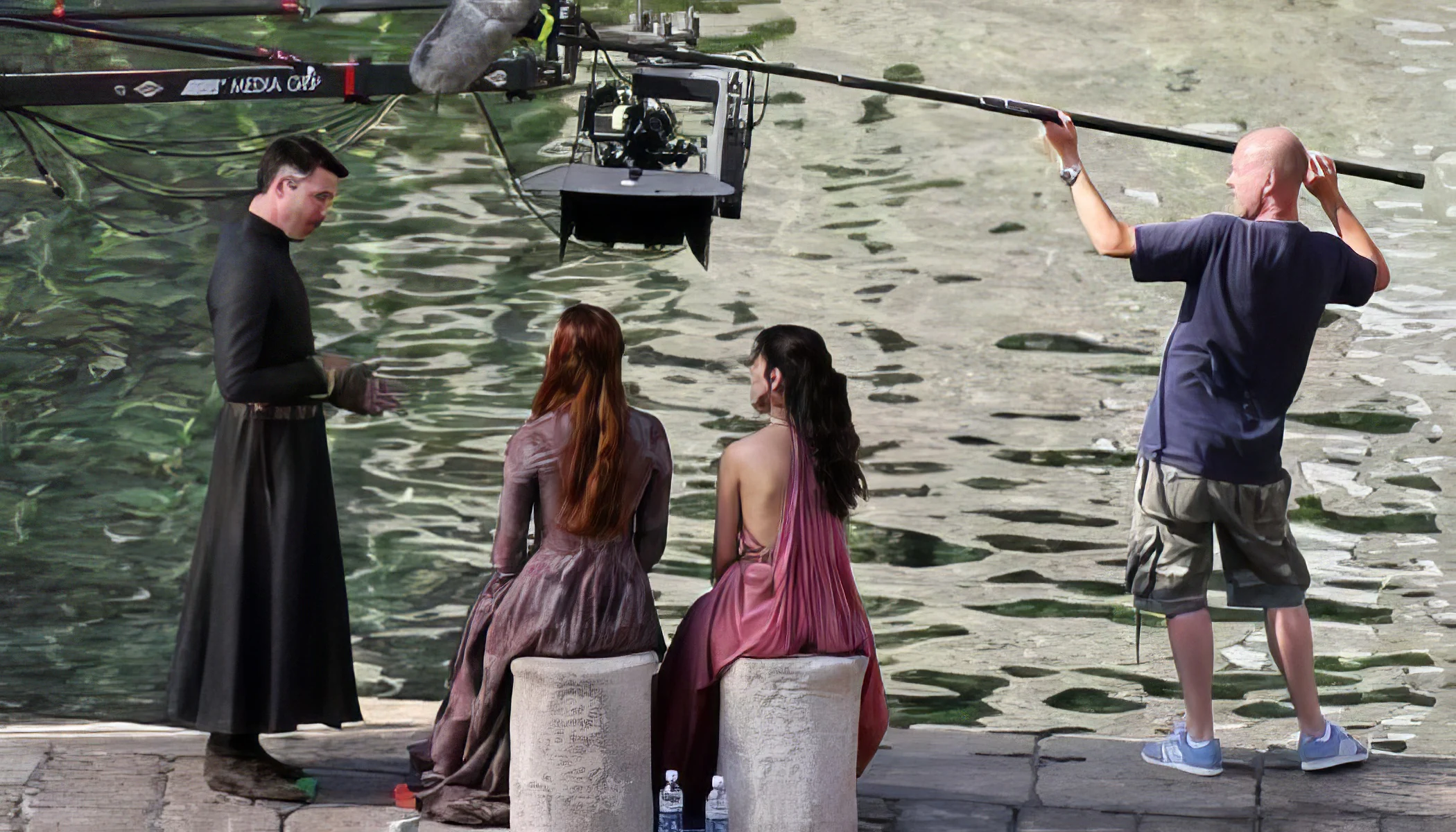
Here are some of the most renowned films that beautifully depict the culture and history of Croatia:
– "When the Dead Start Singing": Directed by Krsto Papić, it's a tragicomic tale about two Croatian emigrants.
– "Witnesses": Vinko Bresan's film is a gripping war drama set during the Croatian War of Independence.
– "Fine Dead Girls": Dalibor Matanic's film is a dark social critique focusing on a lesbian couple in Zagreb.
– "The Constitution": Directed by Rajko Grlic, it's a poignant drama about the complexities of post-war Croatian society.
– "What a Country!": Vinko Bresan's satirical film explores the absurdities of Croatian politics and society.