

Explore Cyprus: Culture, Cities & Places to Visit
An island nation in the eastern Mediterranean, Cyprus is known for its rich history and cultural blend. It features ancient ruins, beautiful beaches, and a mix of Greek and Turkish influences. The capital, Nicosia, is uniquely divided between two communities.
- Capital
- Nicosia
- Population
- 1.2 millions
- Superficy
- 10000 sq.km
- Months to Visit
- April to June & Sept. to Oct.
- Living Cost
- Moderate
Overview
Cyprus is an island nation in the Eastern Mediterranean known for its rich history and cultural diversity. The capital, Nicosia, is unique as it remains divided between Greek Cypriot and Turkish Cypriot communities. The island features a mix of ancient ruins, such as those in Paphos, and beautiful beaches along its coastline. Cyprus has a Mediterranean climate, making it a popular destination for tourists seeking sun and sea. The country has a complex political situation due to its division since 1974. Despite this, Cyprus maintains a charming culture influenced by Greek and Turkish traditions.
Pros & Cons
GOOD REASONS TO VISIT CYPRUS
– Beautiful Beaches: Cyprus offers remarkable beaches with clear waters, perfect for relaxation and water sports.
– Rich History: Explore ancient ruins, castles, and UNESCO sites reflecting Cyprus's diverse historical influences.
– Delicious Cuisine: Enjoy Mediterranean flavors with dishes like halloumi, souvlaki, and fresh seafood.
– Pleasant Climate: Cyprus enjoys a warm climate year-round, ideal for outdoor activities and sunbathing.
– Welcoming Locals: Experience friendly hospitality from Cypriots who are known for their warmth and helpfulness. CHALLENGES WHEN VISITING CYPRUS
– High Summer Temperatures: Summers can be extremely hot; visitors should prepare for intense heat.
– Limited Public Transport: Public transport options are limited; renting a car is often necessary to explore fully.
– Political Division: The island is divided; crossing between the Greek and Turkish areas requires planning.
Before Departure
Before traveling to Cyprus, consider the following essential information:
– Passport: Ensure your passport is valid for at least three months beyond your intended stay.
– Visa: EU citizens do not need a visa; others may require one. Tourist visas typically allow stays up to 90 days.
– Currency: Euro (€); credit cards widely accepted; ATMs are readily available throughout the country.
– Internet access: WiFi is common in hotels and cafes; local SIM cards with data plans are available from Cyta, MTN, and PrimeTel.
– Language barrier: Greek and Turkish are official languages; English is widely spoken, especially in tourist areas.
What to Pack
Cyprus provides a mix of beautiful beaches, historical sites, and energetic culture, so packing appropriately is key to enjoying your visit.
– Essentials: Passport and visa (if required), travel insurance details, flight tickets and itinerary, accommodation confirmations.
– Clothing: Light summer clothing, comfortable sandals or walking shoes, swimwear for beaches, sunglasses and a hat for sun protection, light jacket for cooler evenings.
– Health & Safety: Prescription medications and basic first aid kit, sunscreen with high SPF, insect repellent for evenings outdoors.
– Electronics: Travel adapter for Cyprus outlets (Type G), mobile phone with charger, camera for capturing scenic views.
Weather
Weather in Cyprus is Mediterranean, with hot, dry summers and mild, wet winters.
– Winter (December to February): Mild temperatures with occasional rain; snow in the Troodos Mountains.
– Spring (March to May): Warm and sunny with blooming flowers; minimal rainfall.
– Summer (June to August): Hot and dry, especially inland; coastal areas are cooler due to sea breezes.
– Autumn (September to November): Warm temperatures with decreasing heat; occasional rain begins in November. The best time to visit Cyprus is from April to June or September to October.
– Pros: Pleasant weather for outdoor activities and fewer tourists compared to peak summer months.
– Cons: Some tourist facilities may have limited operations outside the peak season.
Travel Budget
Cyprus offers a range of prices for tourists, with costs varying between urban and rural areas. Here are some average prices for common expenses:
– Hotel: 50$ to 150$
– Lunch: 10$ to 25$
– Beverage (in bar/restaurant): 3$ to 8$
– Coffee: 2$ to 5$
– Transportation: (train not applicable), (bus 1.5$ to 3$), (taxi /10km 15$ to 25$)
– Mobile data (per GB): 5$ to 10$
Language
Cyprus has two official languages, Greek and Turkish, but Greek is more widely spoken in the southern part of the island. Here are some useful phrases in Greek for tourists:
– Hello: Γειά σου (Yia sou)
– Thank you: Ευχαριστώ (Efharisto)
– Please: Παρακαλώ (Parakalo)
– How much is this?: Πόσο κοστίζει αυτό; (Poso kostizei afto?)
– Excuse me: Συγγνώμη (Signomi)
– I don't understand: Δεν καταλαβαίνω (Den katalaveno)
– Yes: Ναι (Ne)
– No: Όχι (Ohi)
– Goodbye: Αντίο (Adio)
History
The island has a long history of strategic importance due to its location in the Eastern Mediterranean. It was ruled by various powers, including the Assyrians, Egyptians, Persians, and Romans. In the Middle Ages, it was controlled by the Byzantines, followed by the Crusaders and then the Venetians. The Ottoman Empire took control in 1571 and ruled for over three centuries until British administration began in 1878. Cyprus gained independence from Britain in 1960 but soon faced intercommunal tensions between Greek Cypriots and Turkish Cypriots. A coup d'état by Greek nationalists in 1974 led to a Turkish military intervention and subsequent division of the island into a Greek Cypriot south and a Turkish Cypriot north. Efforts to reunify the island have been ongoing but remain unresolved as of today.
Geopolitics
Located in the Eastern Mediterranean, Cyprus is strategically positioned at the crossroads of Europe, Asia, and Africa. The island is divided between the Republic of Cyprus in the south and the Turkish Republic of Northern Cyprus, recognized only by Turkey, in the north. This division stems from a conflict in 1974 and remains a central geopolitical issue. Cyprus is a member of the European Union, which influences its foreign policy and economic relations. The country has ongoing tensions with Turkey over maritime boundaries and energy exploration rights in the Eastern Mediterranean. Additionally, Cyprus maintains strong ties with Greece and engages in regional cooperation with neighboring countries like Israel and Egypt.
Sample Itinerary
This itinerary covers historical sites, natural beauty, and cultural experiences in Cyprus.
– 1 day in Nicosia: Explore the divided capital's old town, Ledra Street, and visit the Cyprus Museum for ancient artifacts.
– 1 day in Limassol: Walk along the seafront promenade, visit Limassol Castle, and explore the Old Port area.
– 1 day in Paphos: Discover the UNESCO-listed Paphos Archaeological Park with its Roman mosaics and visit the Tombs of the Kings.
– 1 day in Troodos Mountains: Hike through scenic trails and visit Kykkos Monastery. Enjoy traditional Cypriot villages like Omodos.
– 1 day in Larnaca: Relax at Finikoudes Beach, see the Church of Saint Lazarus, and stroll around Larnaca Salt Lake.
Popular cities
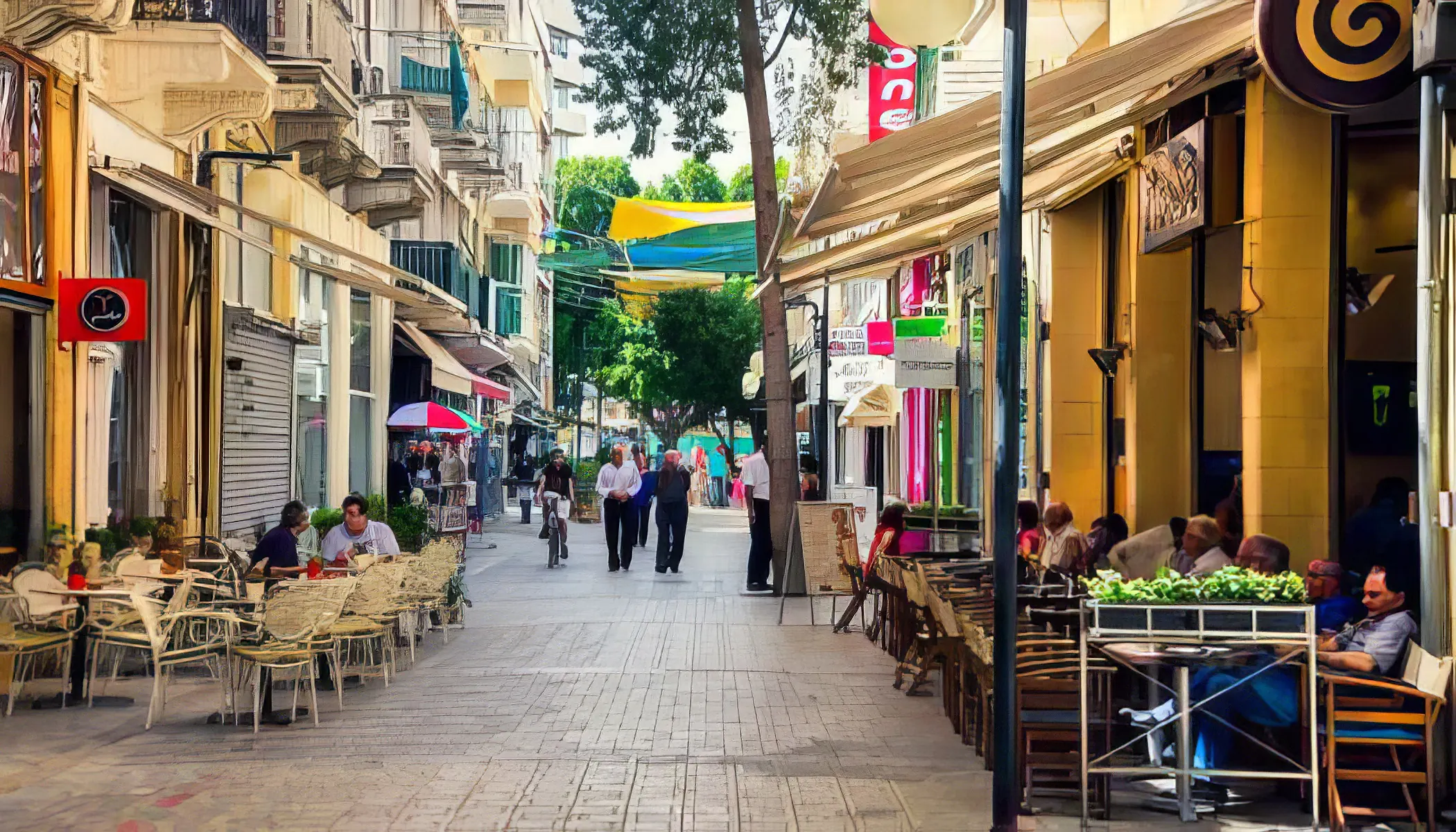
Explore Cyprus for its blend of ancient history and beautiful coastlines:
– Nicosia: The capital city supplies a mix of modern life and historical sites, including the Venetian walls.
– Limassol: Known for its dynamic nightlife, beaches, and the ancient ruins of Kourion nearby.
– Paphos: A UNESCO World Heritage site with archaeological treasures and beautiful coastal views.
– Larnaca: Offers sandy beaches, the Church of Saint Lazarus, and a relaxed atmosphere.
– Ayia Napa: Famous for its lively nightlife and stunning beaches like Nissi Beach.
– Protaras: Known for its family-friendly beaches and clear waters, ideal for snorkeling.
– Kyrenia (Girne): Provides a nice harbor, historic castle, and scenic mountain backdrop in Northern Cyprus.
Monuments
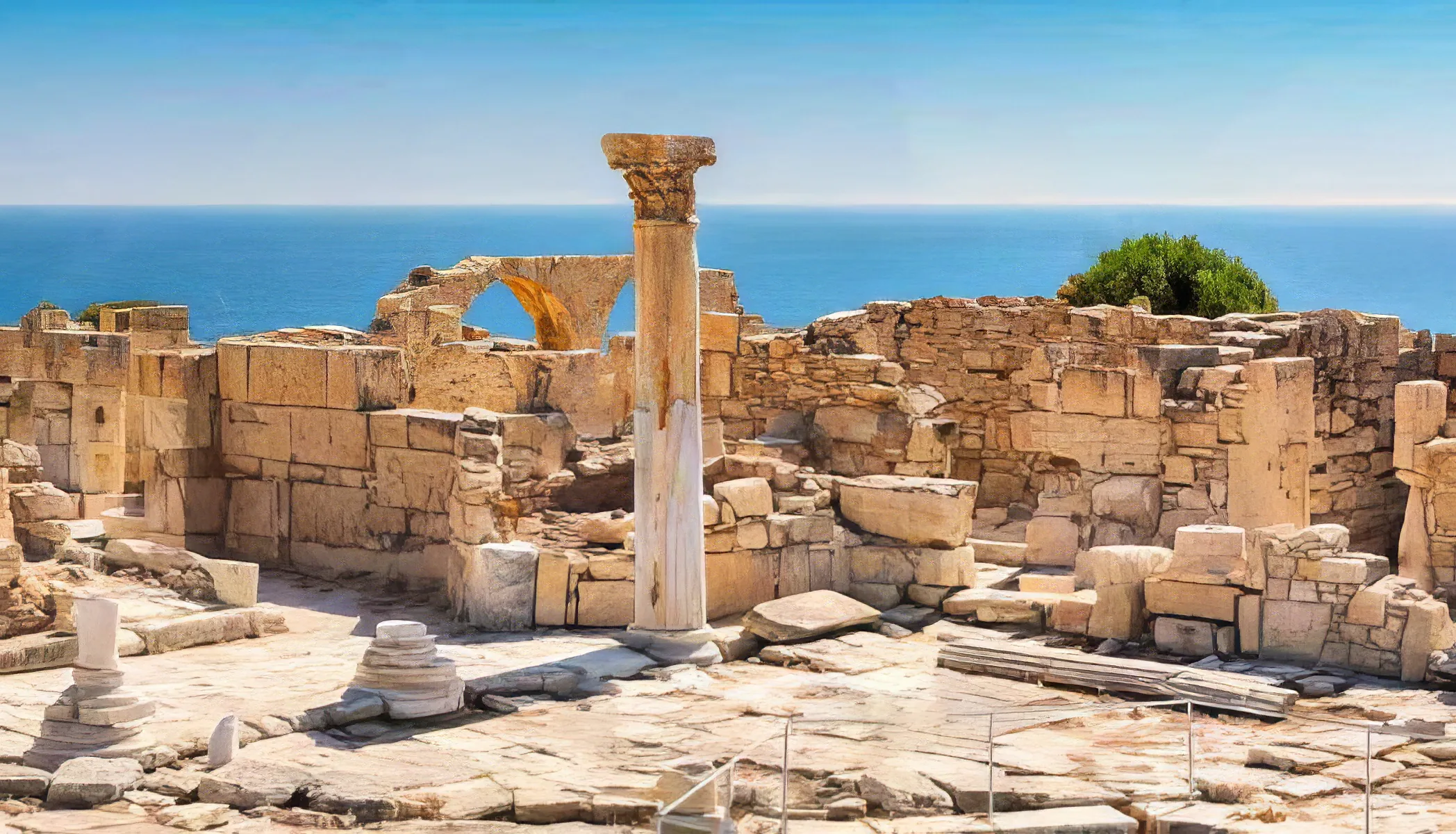
Cyprus supplies a variety of historical and architectural monuments to explore:
– Kourion Archaeological Site: Ancient city with well-preserved Greco-Roman theater and mosaics.
– Tombs of the Kings, Paphos: Large underground tombs from the Hellenistic period, carved out of solid rock.
– St. Hilarion Castle: Medieval castle offering panoramic views, linked to Richard the Lionheart's history.
– Kyrenia Castle: 16th-century fortress with a shipwreck museum and Byzantine chapel.
– Kolossi Castle: Crusader stronghold known for its role in producing Commandaria wine.
– Nea Paphos Archaeological Park: UNESCO site with Roman villas, mosaics, and ancient ruins.
– Salamis Ruins, Famagusta: Ancient city with gymnasium, theater, and Roman baths by the sea.
– Bellapais Abbey: Gothic monastery offering scenic views over Kyrenia and surrounding areas.
Natural wonder
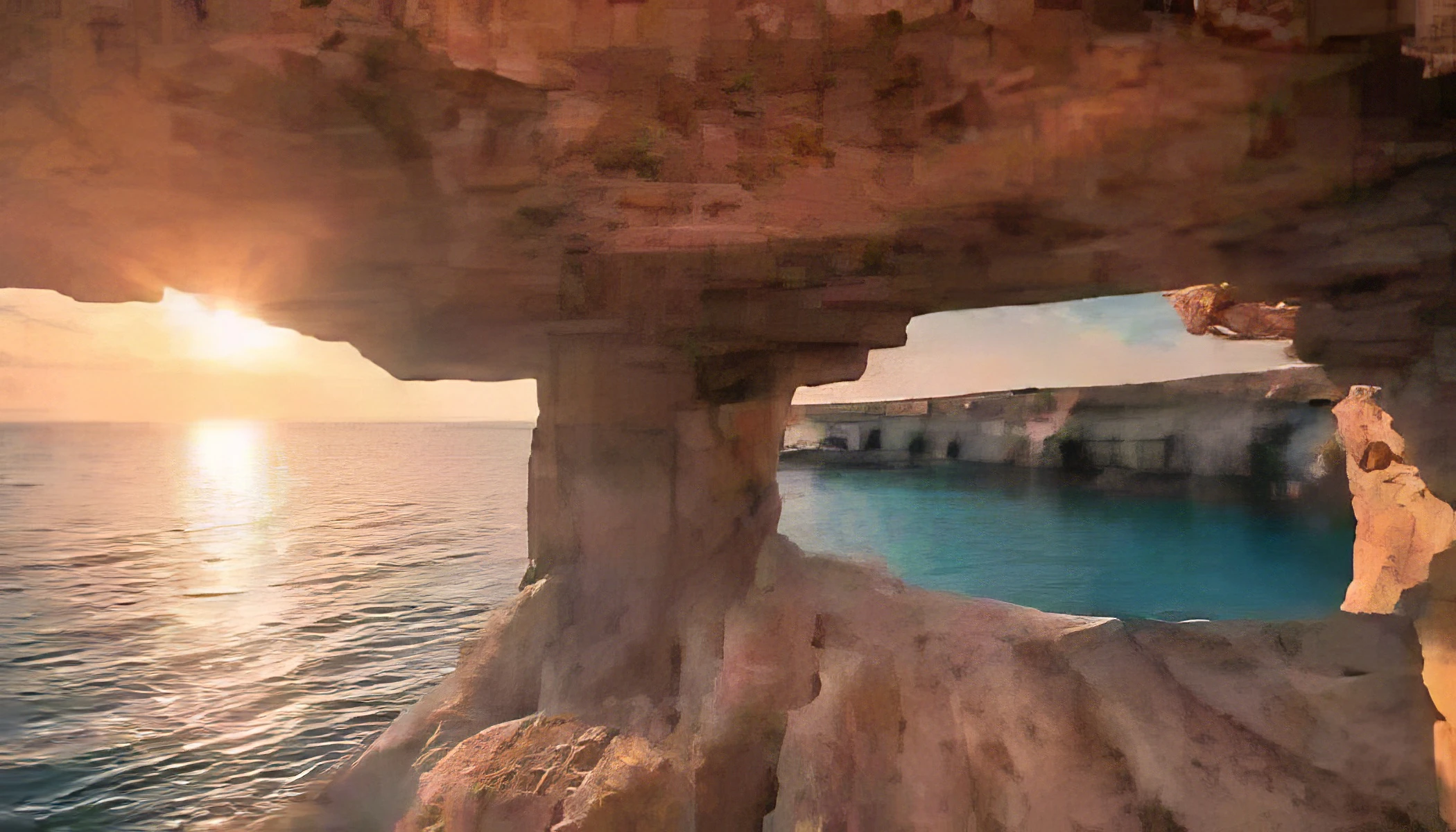
Explore Cyprus's diverse natural landscapes:
– Akamas Peninsula: A protected area with rugged cliffs, gorges, and diverse wildlife.
– Troodos Mountains: Known for its pine forests, hiking trails, and Mount Olympus.
– Cape Greco: Offers sea caves, clear waters, and scenic coastal views.
– Avakas Gorge: A narrow bright gorge with unique rock formations and rich flora.
– Salt Lake of Larnaca: Seasonal home to flamingos and other migratory birds.
– Kourion Cliffs: Provide beautiful views over the Mediterranean Sea and ancient ruins.
– Caledonia Waterfalls: A picturesque waterfall located in the Troodos Mountains.
– Petra tou Romiou (Aphrodite's Rock): Mythical birthplace of Aphrodite with striking coastal scenery.
– Cedar Valley: Home to rare Cyprus cedar trees in a quiet setting.
– Paphos Forest: Provides dense woodlands and is a habitat for the mouflon sheep.
Beaches
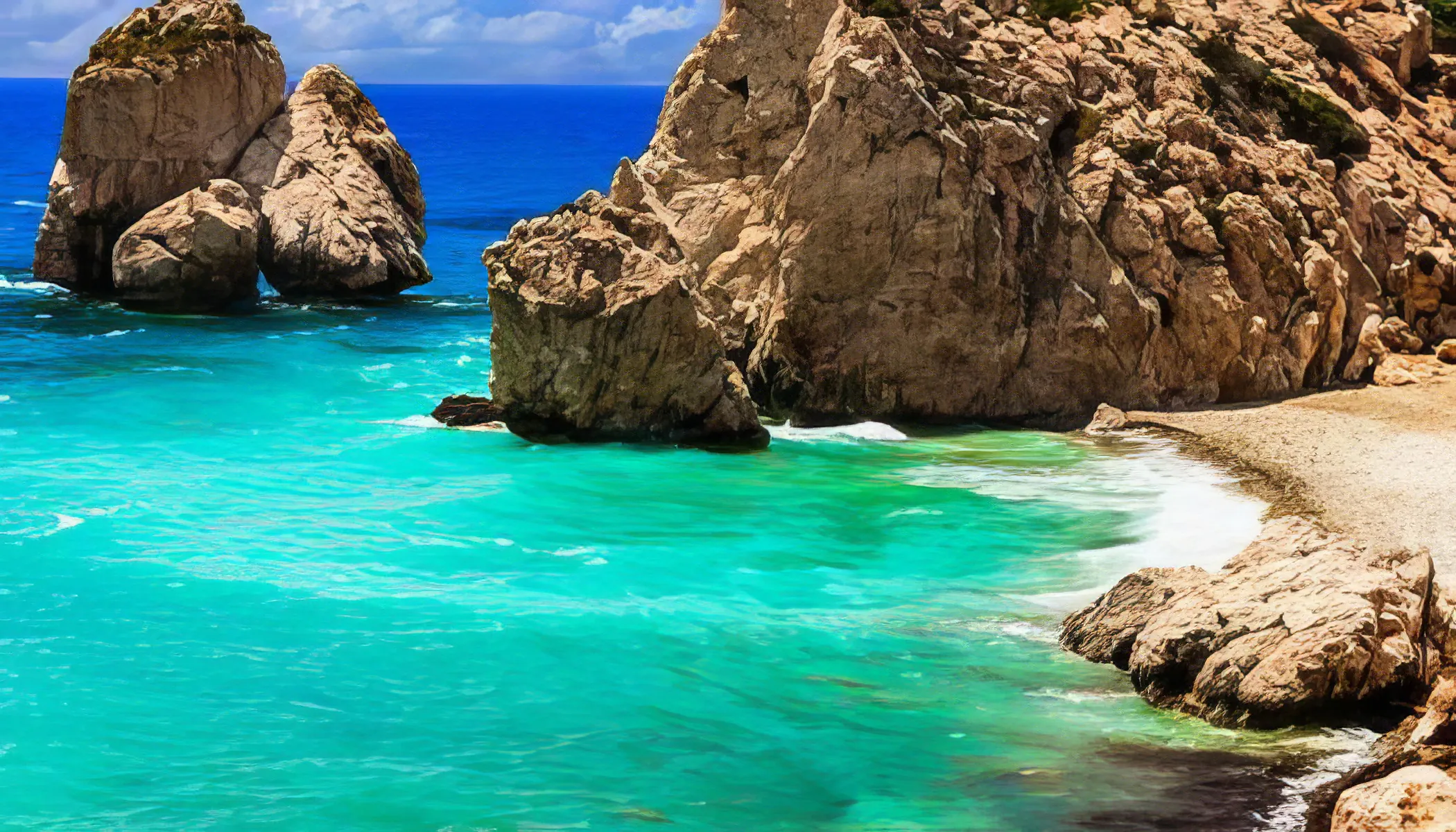
Cyprus is known for its beautiful Mediterranean beaches.
– Nissi Beach: Popular for its lively atmosphere and clear turquoise waters in Ayia Napa.
– Fig Tree Bay: Known for golden sands and a small island near Protaras.
– Coral Bay: Supplies family-friendly sandy shores and calm waters near Paphos.
– Konnos Bay: Features scenic views and crystal-clear waters in Cape Greco.
– Makronissos Beach: A quieter alternative with soft sands near Ayia Napa.
– Lara Beach: Known for its remote location and turtle nesting sites on the Akamas Peninsula.
– Governor's Beach: Supplies unique white cliffs and black sand near Limassol.
Outdoor activities
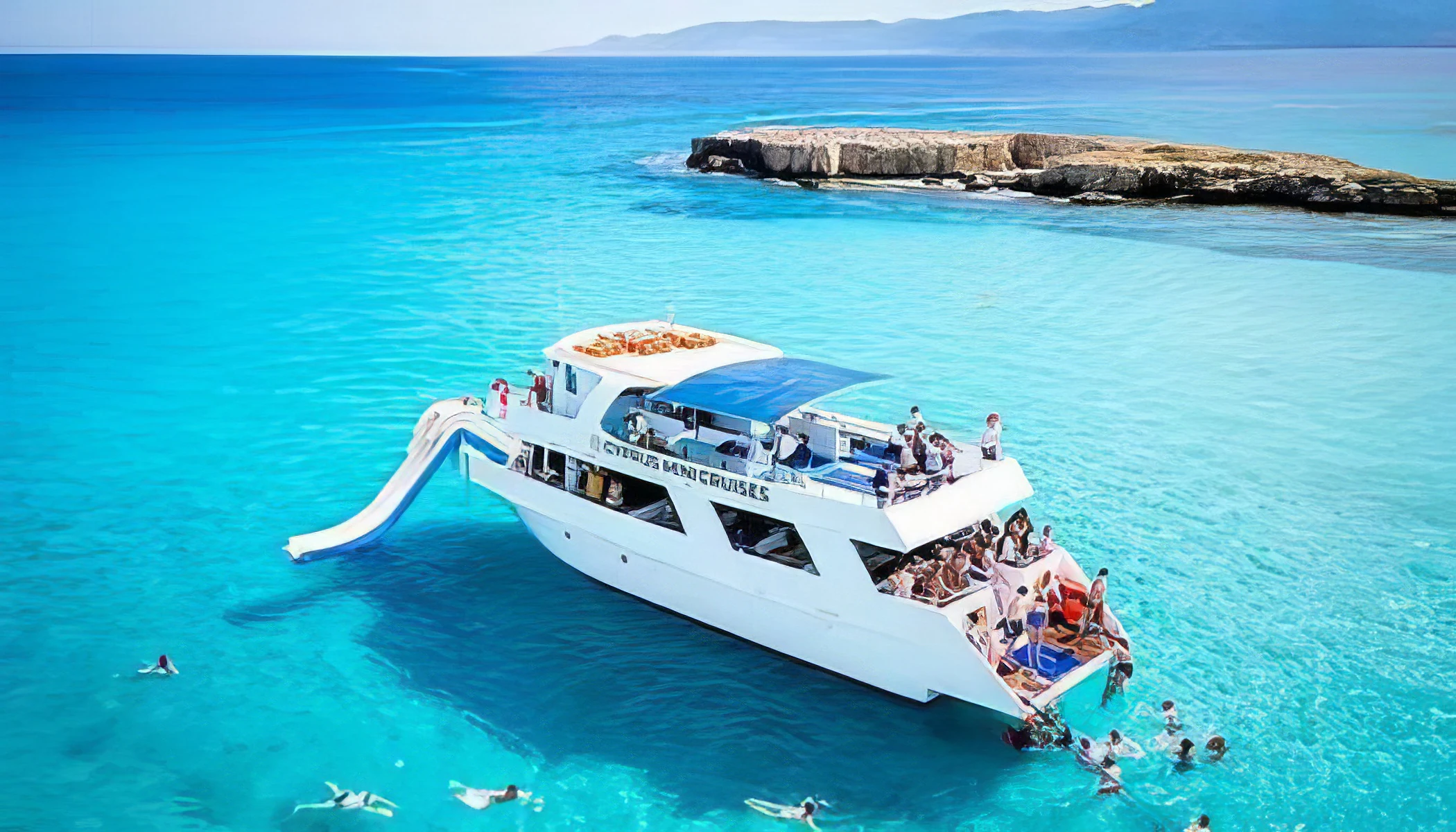
There are numerous outdoor activities to enjoy in the diverse landscapes of Cyprus:
– Hiking in Troodos Mountains: Traverse scenic trails with panoramic views and rich biodiversity.
– Diving in Larnaca: Explore the famous Zenobia shipwreck and dynamic marine life.
– Cycling in Akamas Peninsula: Ride through rugged terrain and picturesque coastal paths.
– Rock Climbing in Episkopi: Challenge yourself on shiny cliffs with nice sea views.
– Kayaking in Blue Lagoon: Paddle through crystal-clear waters and secluded coves.
– Birdwatching at Akrotiri Salt Lake: Observe migratory birds, including flamingos, in a natural habitat.
– Jeep Safari in Akamas National Park: Discover remote landscapes and hidden gems off the beaten path.
Kid Friendly

Cyprus offers a variety of activities that are perfect for families with children.
– Fasouri Watermania: A large water park with slides, wave pools, and lazy rivers for all ages.
– Pafos Zoo: A well-maintained zoo featuring a wide range of animals and daily bird shows.
– Camel Park Mazotos: Provides camel rides and a small amusement area for kids to enjoy.
– Limassol Municipal Gardens: A pleasant park with a playground and small zoo, ideal for family picnics.
– Cyprus Land: A medieval-themed park where kids can learn about Cyprus's history through interactive exhibits.
– Protaras Ocean Aquarium: Home to various marine life, including fish, turtles, and crocodiles.
– Golden Donkeys Farm: Kids can interact with donkeys and learn about traditional Cypriot farming.
– Adventure Mountain Park: Offers outdoor activities like rock climbing and archery in a natural setting.
Cuisine
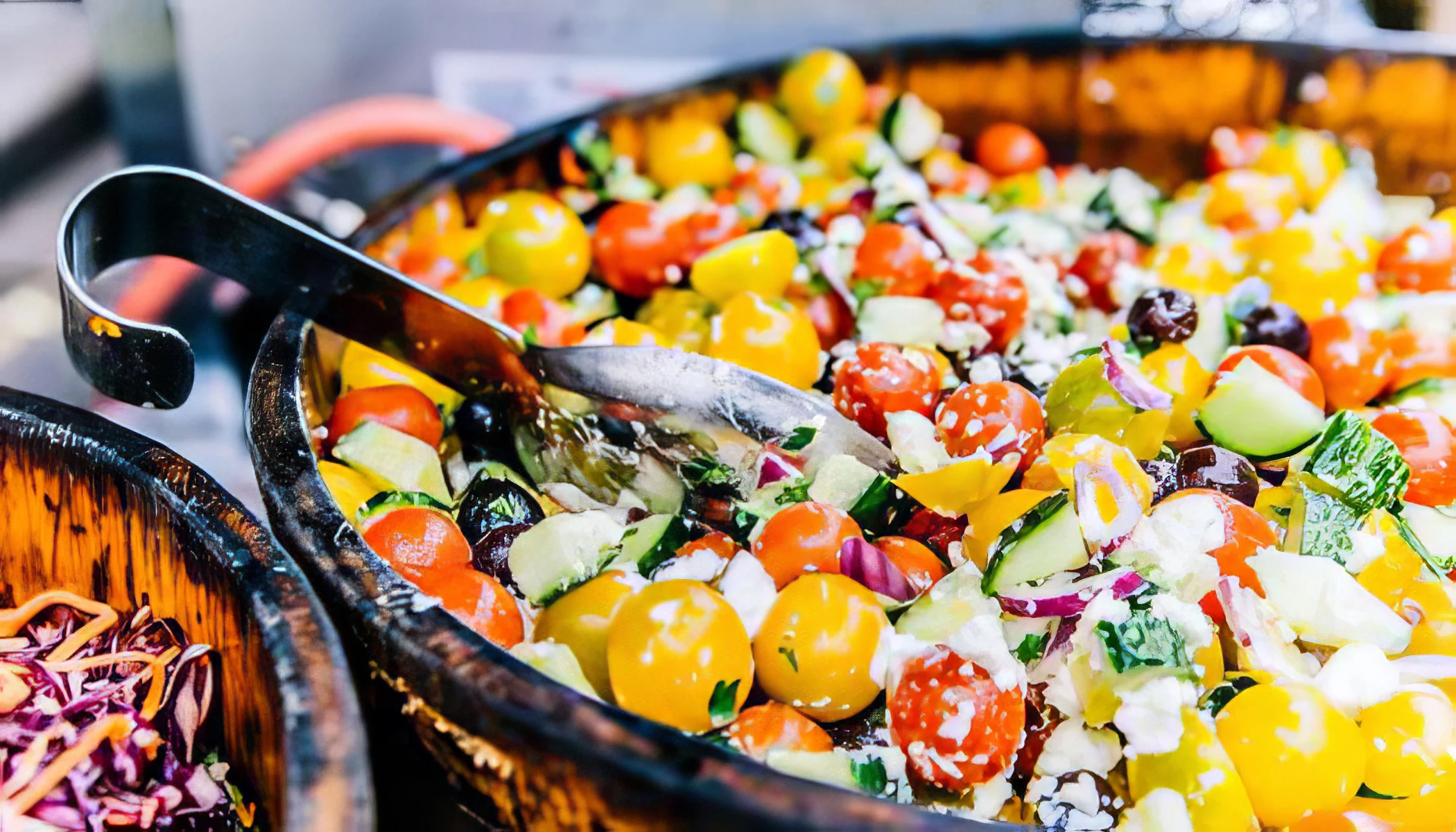
Cypriot cuisine is a fusion of Greek, Turkish, and Middle Eastern influences, characterized by fresh ingredients and bold flavors. Meze platters are popular, offering a variety of small dishes. Grilled meats and seafood are staples in this Mediterranean diet. Most famous cuisine in Cyprus are:
– Halloumi: Semi-hard cheese made from goat's and sheep's milk, often grilled or fried.
– Souvlaki: Skewered and grilled meat, typically pork or chicken, served with pita bread.
– Kleftiko: Slow-cooked lamb marinated with herbs and lemon juice.
– Moussaka: Layered dish with eggplant, minced meat, potatoes, and béchamel sauce.
– Loukoumades: Deep-fried dough balls soaked in honey syrup.
Souvenir
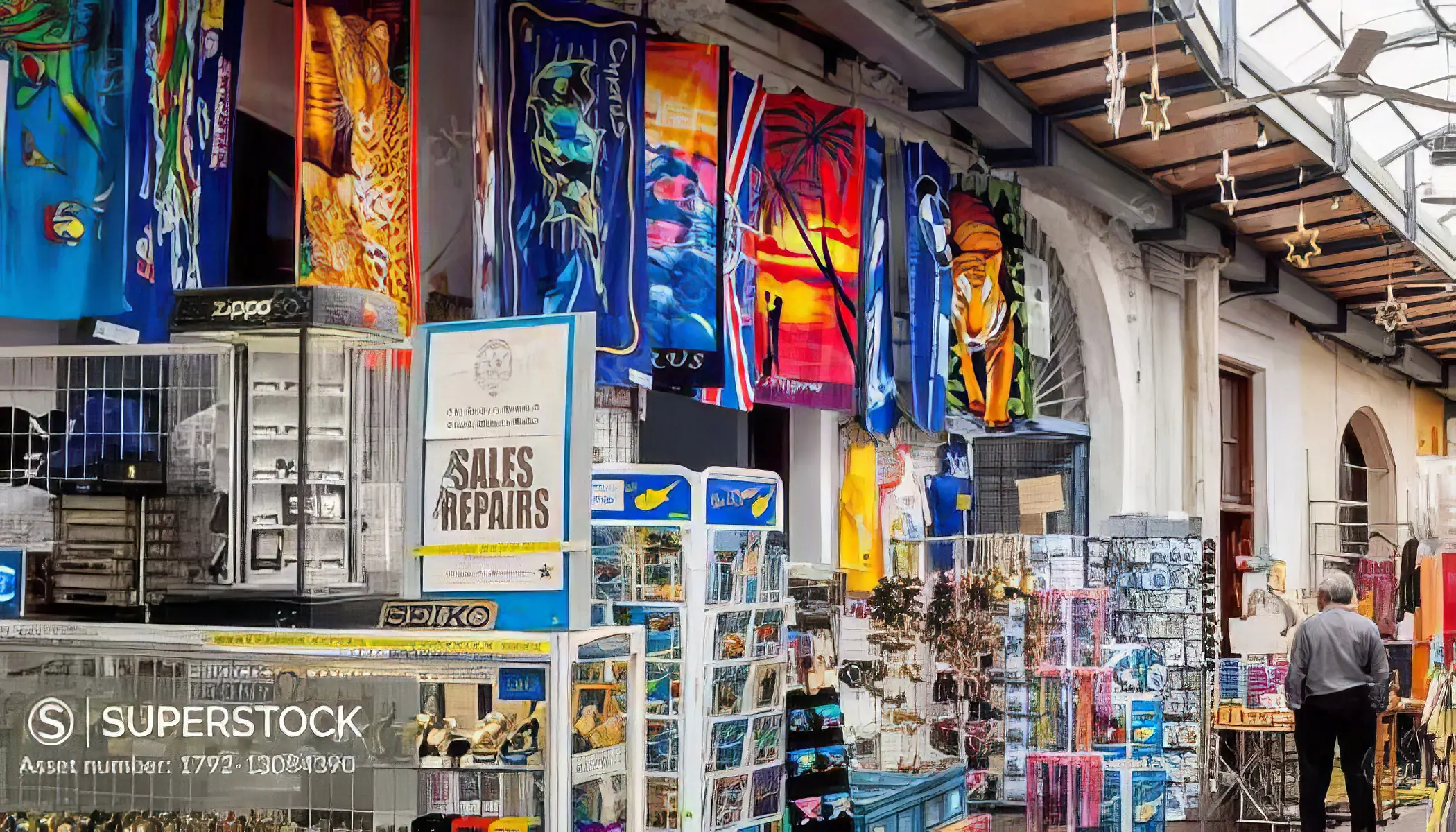
Known for its rich history and culture, Cyprus offers a variety of unique souvenirs. Here are some popular options:
– Lefkara Lace: Handmade lace from the village of Lefkara, known for its complex designs.
– Commandaria Wine: A sweet dessert wine with a history dating back thousands of years.
– Halloumi Cheese: A traditional Cypriot cheese that is often grilled or fried.
– Olive Oil Products: High-quality olive oil and related products like soaps and cosmetics.
– Carob Syrup: A natural sweetener made from carob pods, used in various Cypriot dishes.
– Pottery: Traditional pottery items featuring ancient designs and patterns.
– Silver Jewelry: Handcrafted silver jewelry reflecting Cypriot craftsmanship.
Traditional Shows
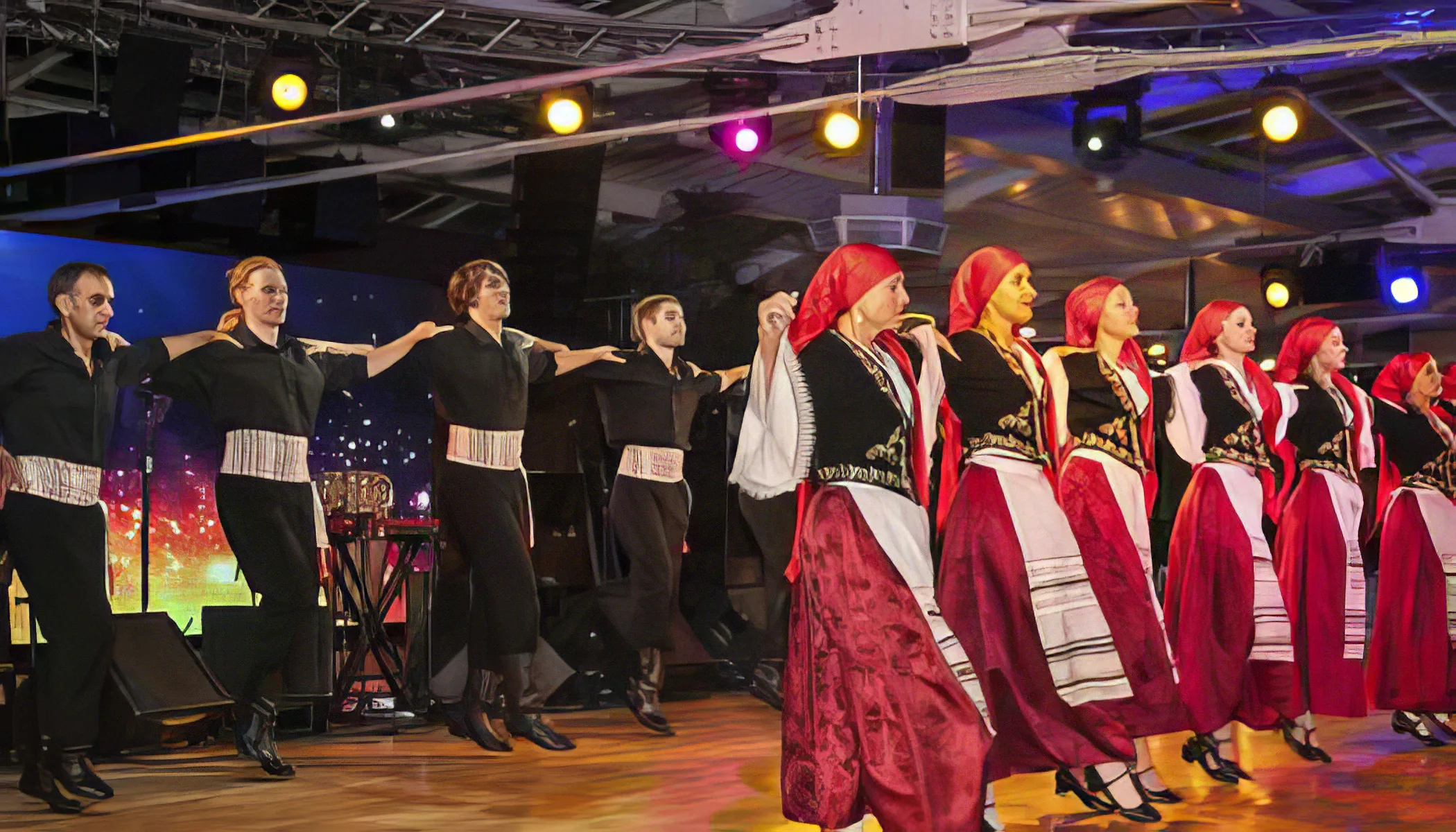
Cyprus offers a variety of traditional performances reflecting its rich cultural heritage:
– Cypriot Folk Dance: Experience lively traditional dances performed at festivals and cultural events across Cyprus, showcasing local customs and costumes.
– Bouzouki Music: Enjoy live performances of this Greek-influenced string instrument in Limassol's tavernas, offering a taste of Cypriot musical tradition.
– Rebetiko Nights: Discover the soulful sounds of Rebetiko music in Nicosia, blending Greek and Turkish influences in an intimate setting.
– Lefkara Lace Demonstrations: Witness the sophisticated art of lace-making in Lefkara village, a craft passed down through generations with UNESCO recognition.
– Traditional Storytelling: Attend storytelling sessions in Paphos where local myths and legends are shared, preserving Cyprus's oral traditions.
Events & Festivals
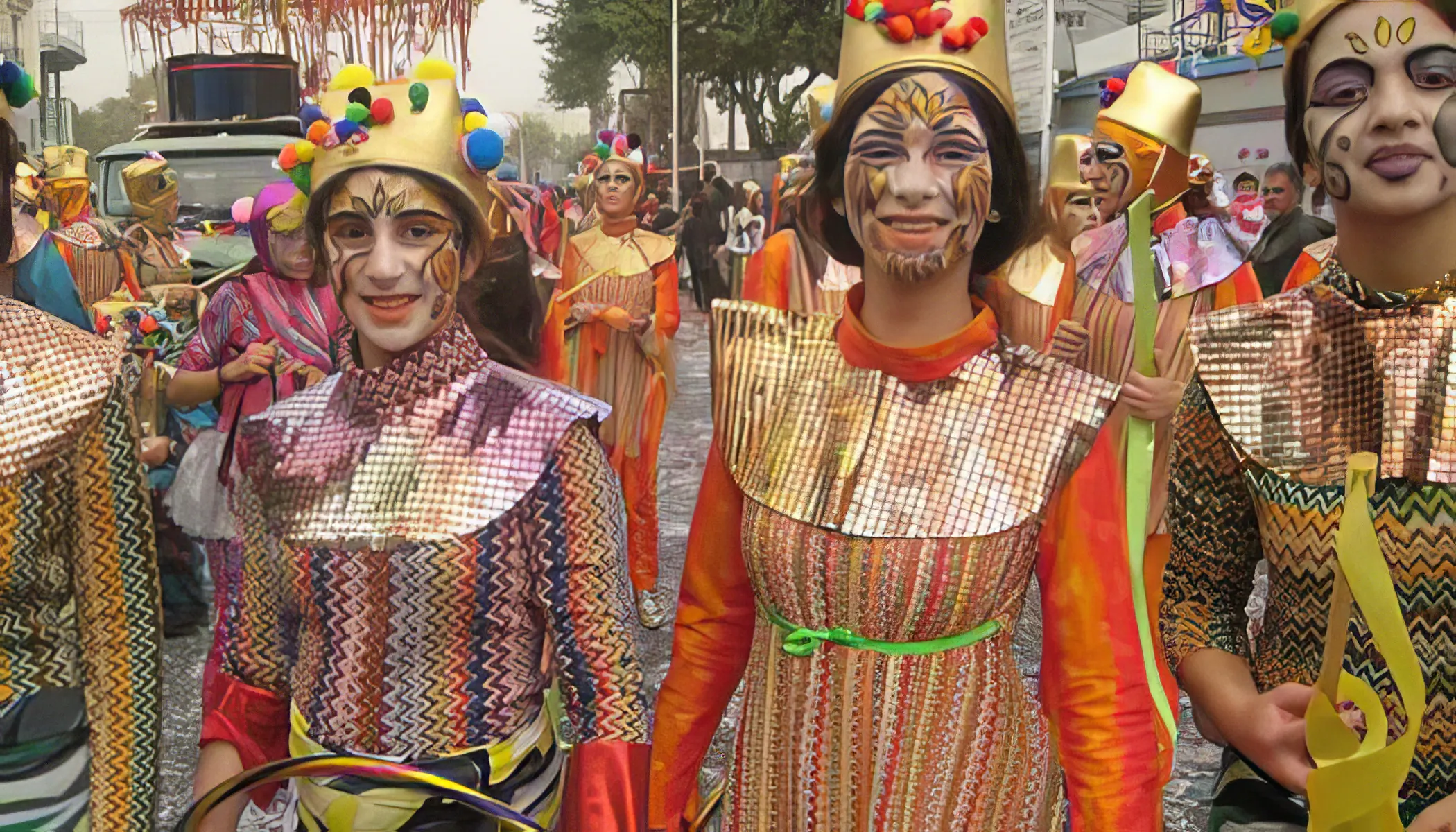
Cyprus hosts a variety of cultural events and festivals throughout the year, reflecting its rich heritage and traditions:
– Limassol Carnival: February/March event with parades, costumes, and music in Limassol.
– Kataklysmos Festival: June celebration of water with games, music, and dance across coastal towns.
– Ancient Greek Drama Festival: July/August festival featuring classic plays in ancient theaters.
– Wine Festival: Late August/early September event in Limassol celebrating Cypriot wine with tastings and entertainment.
– Pafos Aphrodite Festival: September opera performances at Paphos' medieval castle.
– Kypria International Festival: September/October arts festival showcasing theater, music, and dance across Cyprus.
– Christmas Festivities: December celebrations with markets, lights, and events in major cities.
Famous People

Cyprus has been home to many notable figures who have made significant contributions in various fields.
– Archbishop Makarios III (1913 to 1977, Paphos): First President of Cyprus, known for leading the country to independence in 1960.
– Zenon of Citium (c. 334 to c. 262 BC, Larnaca): Philosopher who founded the Stoic school of philosophy in Athens.
– George Michael (1963 to 2016, London): Internationally renowned singer-songwriter with Cypriot heritage, famous for hits like "Faith."
– Marios Tokas (1954 to 2008, Limassol): Composer and musician celebrated for his contributions to Greek music and culture.
– Marcos Baghdatis (born 1985, Limassol): Professional tennis player known for reaching the Australian Open final in 2006.
Books
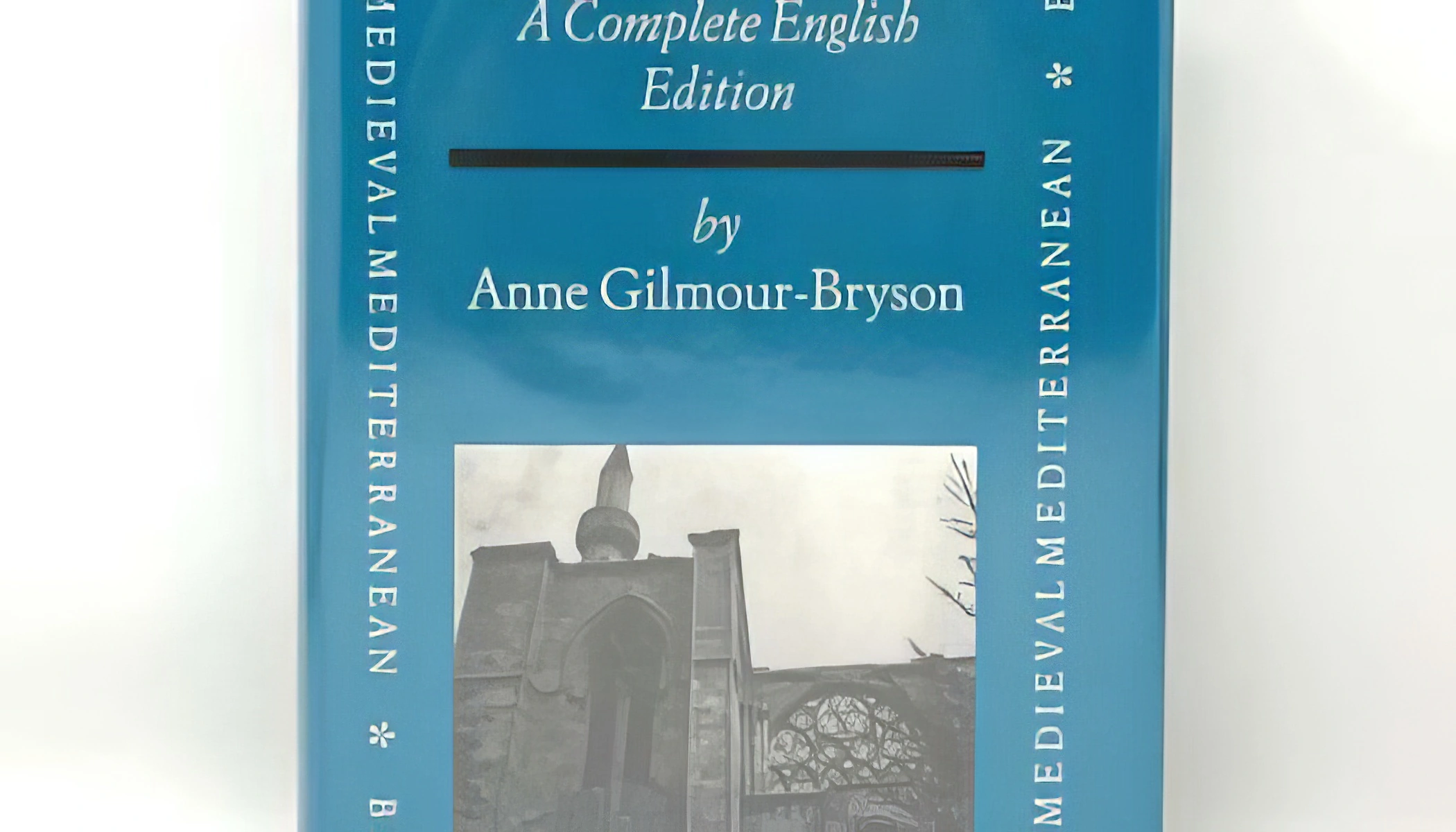
These books delve into the rich history, culture, and personal stories set against the backdrop of Cyprus.
– "Bitter Lemons of Cyprus" by Lawrence Durrell: Memoir capturing life and political tensions in 1950s Cyprus.
– "Small Wars" by Sadie Jones: British officer's family faces challenges during Cyprus Emergency.
– "The Sunrise" by Victoria Hislop: Fictional tale of love and conflict during 1974 Cypriot war.
– "The Island of Missing Trees" by Elif Shafak: Explores love and division in Cyprus through a unique narrative perspective.
– "Aphrodite's War" by Andrea Busfield: Chronicles a family's struggles amid the 1974 Turkish invasion.
Songs
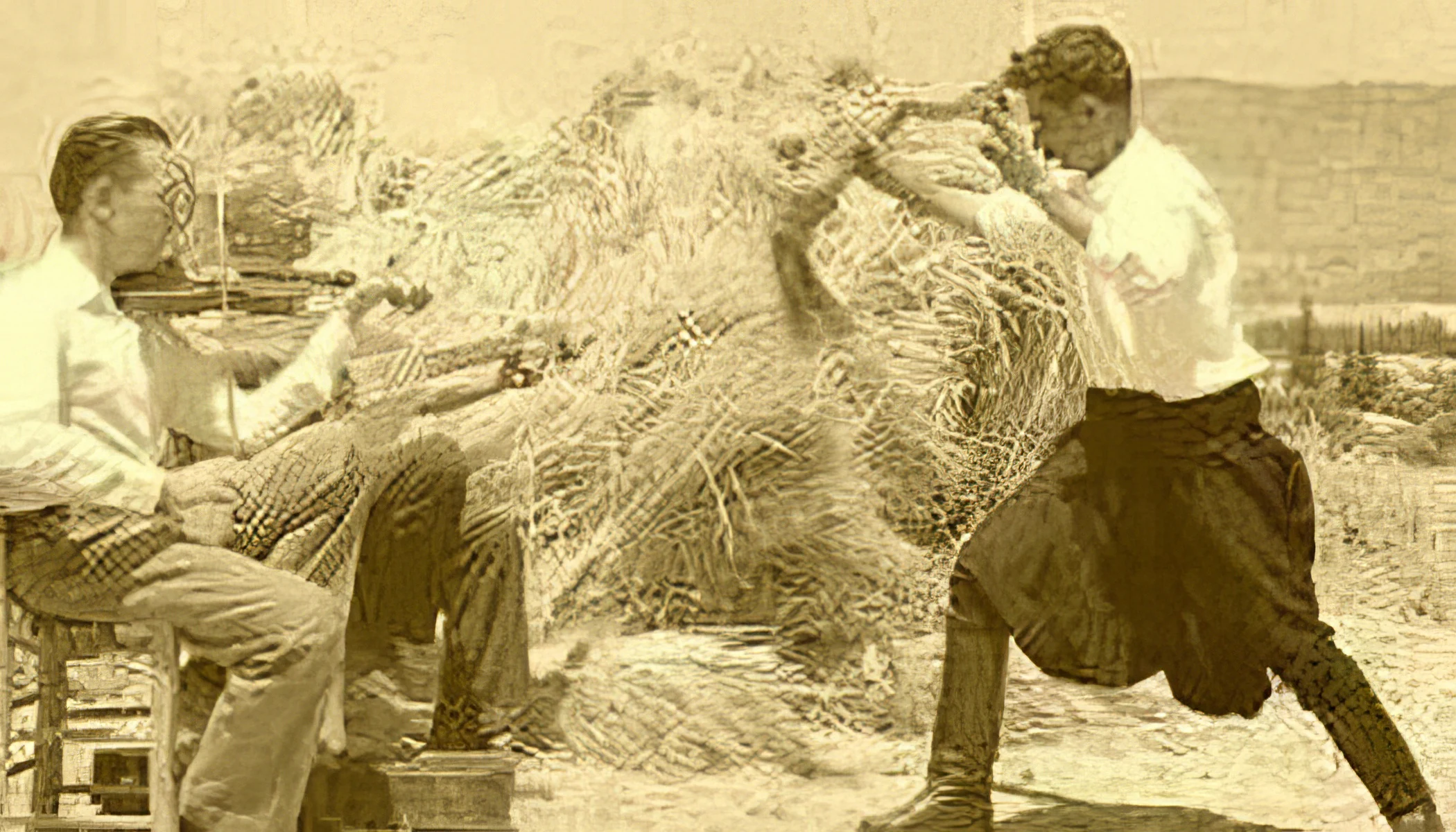
These songs highlight the rich cultural heritage and modern musical influences of Cyprus, often reflecting themes of love and tradition.
– To Gelakaki: A popular Cypriot folk song known for its lively rhythm and traditional lyrics.
– Anaveis Foties: Anna Vissi's hit song that showcases her powerful voice and emotional depth.
– Ela Ela: Cyprus' Eurovision entry by Constantinos Christoforou, blending pop with traditional elements.
– Stin Ygeia Mas: Michalis Hatzigiannis' song celebrating life and togetherness with a catchy melody.
– To Nisi: A nostalgic song by Evridiki, capturing the essence of island life in Cyprus.
Films

Explore the cinematic portrayal of Cyprus through these notable films:
– "Akamas": Directed by Panicos Chrysanthou, it tells a love story set against the backdrop of Cyprus's turbulent history.
– "Fish n' Chips": A comedy-drama by Elias Demetriou about a Cypriot immigrant returning home after years in London.
– "The Last Homecoming": Directed by Corinna Avraamidou, this film explores love and betrayal during the 1974 Turkish invasion.
– "Smuggling Hendrix": Marios Piperides' film is a comedic take on crossing the UN buffer zone in Cyprus with a dog.
– "Little England": Though primarily Greek, Pantelis Voulgaris' film touches on Cypriot themes through its exploration of love and war.