

Denmark Attractions & Travel Advice – Plan Your Visit
This Scandinavian country is known for its high standard of living and strong welfare system. It's home to modern cities like Copenhagen, historic Viking ruins, and beautiful landscapes. Its culture emphasizes happiness, sustainability, and a love for cycling.
- Capital
- Copenhagen
- Population
- 5.5 millions
- Superficy
- 44000 sq.km
- Months to Visit
- June to Aug.
- Living Cost
- Expensive
Overview
Denmark, located in Northern Europe, is a small, flat country made up of a peninsula and numerous islands. Copenhagen, the capital, is known for its historic architecture, cycling culture, and the famous Tivoli Gardens amusement park. The country is renowned for its commitment to sustainability and is a global leader in wind energy. Denmark's history includes significant contributions to art, literature, and science, with notable figures like author Hans Christian Andersen and physicist Niels Bohr. Danish cuisine, including smørrebrød and pastries, is a key part of the country's culture. Overall, Denmark's high standard of living and strong emphasis on social equality make it a unique and appealing destination.
Pros & Cons
GOOD REASONS TO VISIT DENMARK
– Historic Architecture: Explore ancient castles, Viking ruins, and the colorful waterfront houses of Nyhavn in Copenhagen.
– Biking Culture: Denmark's flat terrain and extensive bike lanes make it a cyclist's paradise.
– Hygge Lifestyle: Experience the Danish concept of 'hygge', promoting comfort, coziness, and contentment.
– Sustainable Living: Denmark is a global leader in sustainability, with eco-friendly initiatives and green spaces.
– Danish Design: Denmark is renowned for its minimalist and functional design in architecture, furniture, and fashion. CHALLENGES WHEN VISITING DENMARK
– High Cost of Living: Denmark is one of the most expensive countries in Europe, which may strain some budgets.
– Unpredictable Weather: Denmark's weather can be changeable, with rain possible even in summer.
– Limited Nightlife: Outside Copenhagen, nightlife is limited, which may disappoint those seeking pretty evening entertainment.
Before Departure
Before planning your trip to Denmark, there are several key points to consider:
– Passport: Ensure your passport is valid for at least six months beyond your planned departure date.
– Visa: Depending on your nationality, you may need a Schengen visa to visit Denmark. The visa is valid for 90 days and can be applied for online or at a Danish embassy.
– Currency: The official currency is Danish Krone (DKK). Credit cards are widely accepted and ATMs are readily available.
– Internet access: Denmark has widespread WiFi coverage, including in public areas. Prepaid SIM cards for data are also easily available.
– Language barrier: Danish is the official language, but English is widely spoken and understood. German is also commonly spoken in some regions.
What to Pack
When packing for Denmark, it's important to consider the country's temperate oceanic climate, its stylish and casual dress code, and its technologically advanced society.
– Essentials: Passport and visa (if required), travel insurance details, flight tickets and itinerary, accommodation reservations.
– Clothing: Warm clothing for colder months, waterproof jacket or umbrella, comfortable walking shoes, casual but stylish outfits for city visits.
– Health & Safety: Prescription medications and a basic first aid kit, personal hygiene items, sunscreen for summer months.
– Electronics: Travel adapter for Danish outlets, mobile phone, camera, portable charger.
Weather
Denmark's weather is characterized by its four distinct seasons.
– Winter (December to February): Cold with occasional snowfall, short daylight hours.
– Spring (March to May): Increasing temperatures, longer daylight hours, and blooming flowers.
– Summer (June to August): Warmest months with long daylight hours, occasional rain showers.
– Autumn (September to November): Cooler temperatures, colorful foliage, and increased rainfall. The best time to visit Denmark is during the summer months (June to August).
– Pros: Warm weather, long daylight hours, and numerous outdoor activities and festivals.
– Cons: It's the peak tourist season, so expect higher prices and more crowds.
Travel Budget
Denmark is known for its high living standards and correspondingly higher costs. Here are some average costs for reference:
– Hotel: 120$ to 200$
– Lunch: 15$ to 30$
– Beverage (in bar/restaurant): 5$ to 10$
– Coffee: 3$ to 5$
– Transportation: (train 20$ to 40$), (bus 2$ to 5$), (taxi /10km 20$ to 30$)
– Mobile data (per GB): 5$ to 10$
Language
Danish is the official language of Denmark and here are some useful phrases for tourists:
– Hello: Hej
– Thank you: Tak
– Please: Vær så venlig
– How much is this?: Hvor meget koster det?
– Excuse me: Undskyld mig
– I don't understand: Jeg forstår det ikke
– Yes: Ja
– No: Nej
– Goodbye: Farvel
History
Denmark's history dates back to the Viking Age around 800 AD, when it was a powerful nation with influence across Europe. In the 14th century, Denmark entered a union with Norway and Sweden, known as the Kalmar Union, which lasted until the 16th century. The 19th century was marked by wars with Prussia and Austria over territories, resulting in significant territorial losses for Denmark. The country remained neutral during World War I, but was occupied by Germany during World War II. Post-war, Denmark became a founding member of the United Nations and later joined the European Economic Community, now the European Union. Today, Denmark is a prosperous nation known for its high standard of living and strong welfare state.
Geopolitics
Denmark is a Nordic country located in Northern Europe, bordered by Germany to the south and surrounded by the North and Baltic Seas. It is a constitutional monarchy with a parliamentary system, with Copenhagen as its capital. Denmark is a member of the European Union (EU), NATO, the United Nations, and the Nordic Council, indicating its active participation in international cooperation. It maintains good relations with its neighbors and has no significant territorial disputes. Denmark's geopolitical significance is enhanced by its control of the Danish Straits, which are vital sea lanes connecting the Baltic Sea and the North Sea.
Sample Itinerary
This tour offers a blend of Denmark's pretty city life in Copenhagen, historical landmarks in Roskilde, and charming coastal scenery in Skagen.
– 2 days in Copenhagen: Visit the Little Mermaid statue, Tivoli Gardens, and explore the colorful Nyhavn district. Tour the National Museum and Christiansborg Palace.
– 1 day in Roskilde: Explore the Roskilde Cathedral, a UNESCO World Heritage site, and visit the Viking Ship Museum.
– 2 days in Aarhus: Visit the Old Town Museum, ARoS Aarhus Art Museum, and Moesgaard Museum. Enjoy the Botanical Garden and the Latin Quarter district.
– 1 day in Odense: Visit the birthplace of Hans Christian Andersen, explore the Funen Village open-air museum, and stroll in the Odense Zoo.
– 2 days in Skagen: Enjoy the unique light and landscapes that inspired artists, visit the Skagen Museum, and see the meeting point of two seas at Grenen.
Popular cities
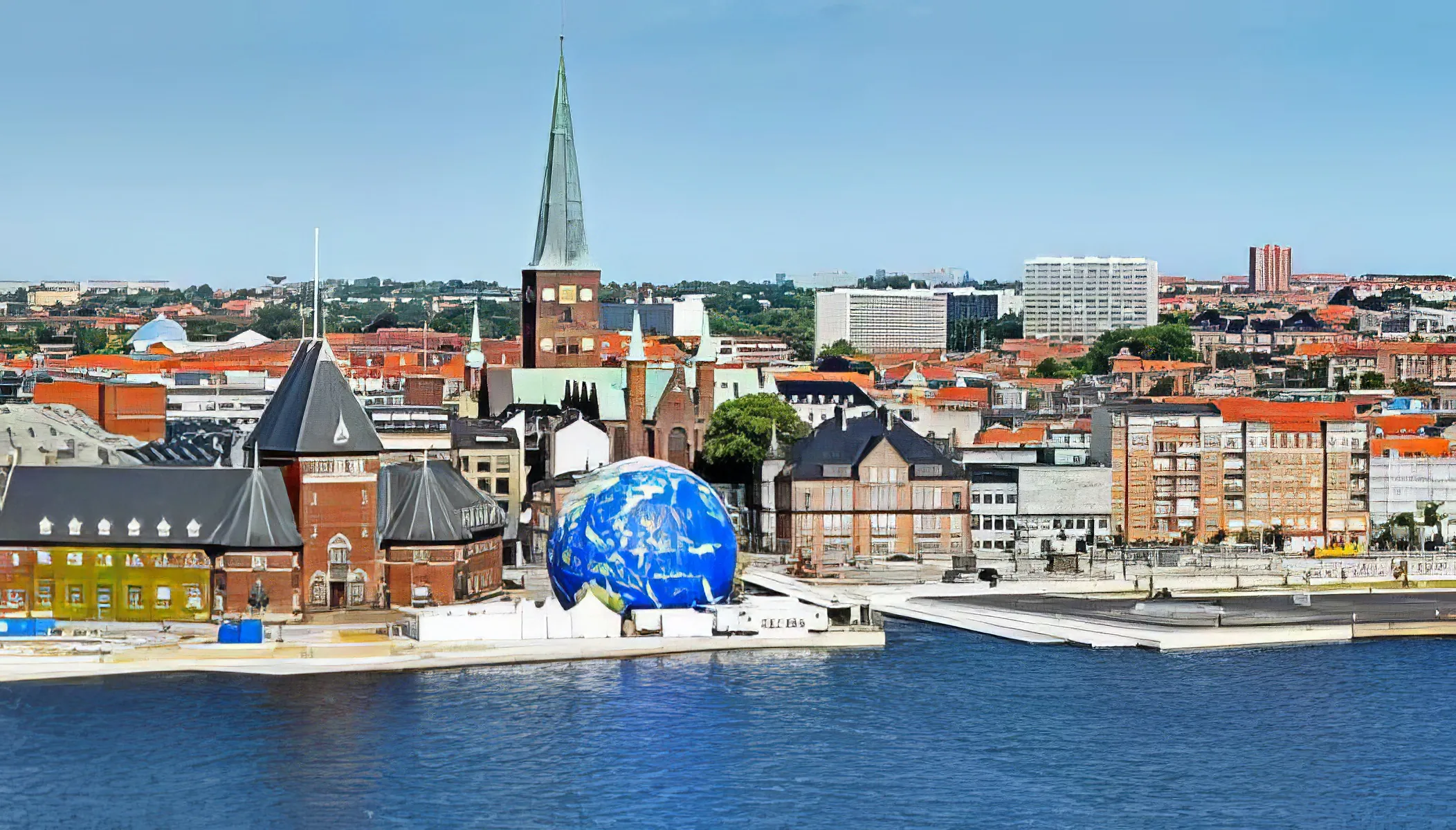
Denmark offers a variety of cities with rich history and unique charm:
– Copenhagen: The capital city, known for its historic sites, modern architecture, and the Tivoli Gardens.
– Aarhus: A city with a blend of modern living and rich history, home to the open-air museum, Den Gamle By.
– Odense: The birthplace of Hans Christian Andersen, offers a charming old town and a charming cultural scene.
– Aalborg: Known for its Renaissance architecture, modern art, and the Aalborg Carnival.
– Roskilde: Home to the Roskilde Cathedral, a UNESCO World Heritage Site, and the annual Roskilde Festival.
– Ribe: The oldest town in Denmark, offers medieval architecture and the Ribe Viking Center.
– Skagen: Known for its scenic landscapes, unique light, and the meeting point of two seas at Grenen.
Monuments
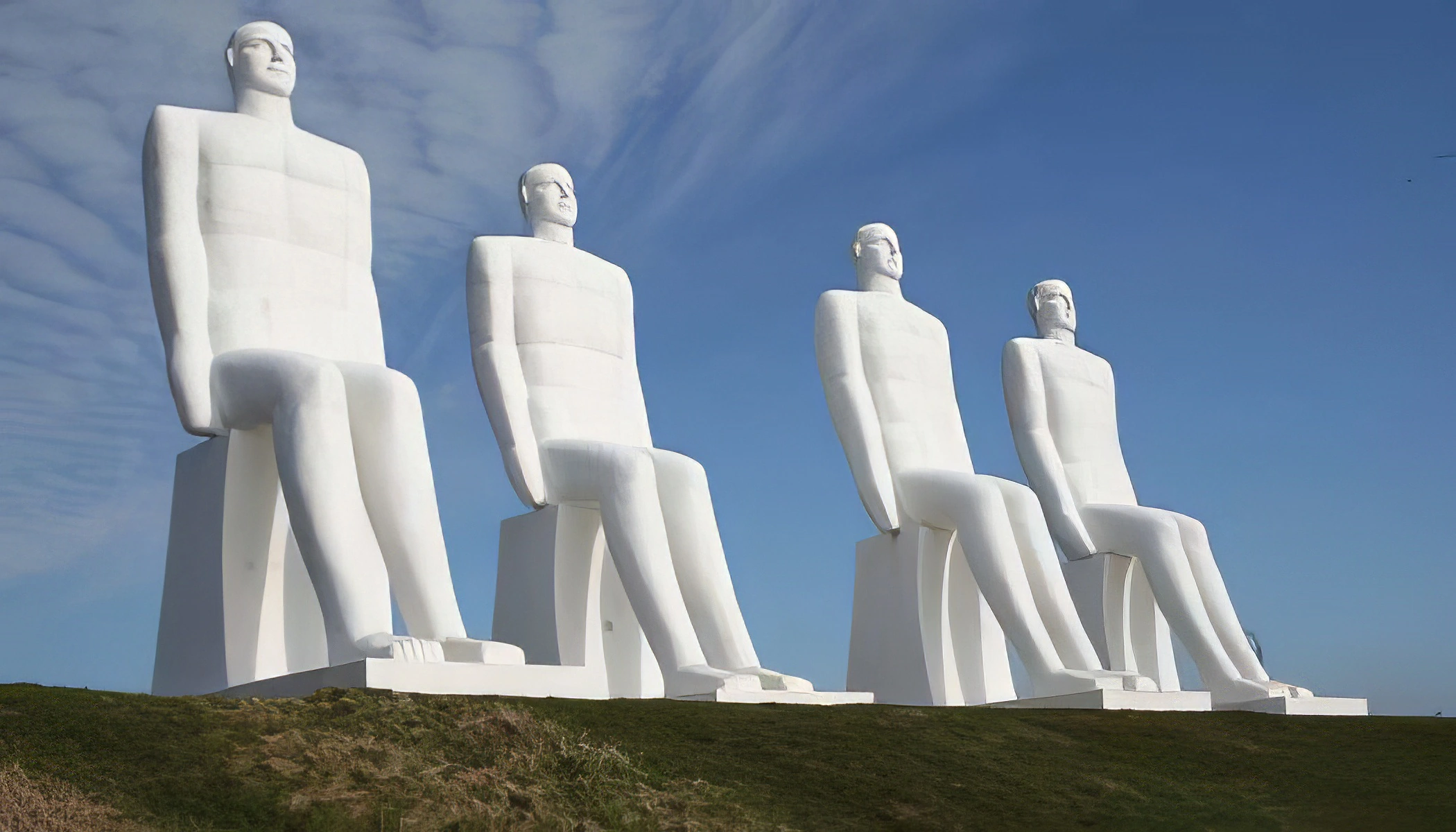
Denmark is home to a variety of historical and architectural monuments:
– The Little Mermaid, Copenhagen: Iconic bronze statue inspired by Hans Christian Andersen's fairy tale.
– Kronborg Castle, Helsingør: UNESCO site, setting of Shakespeare's Hamlet, with Renaissance and Baroque interiors.
– Roskilde Cathedral: UNESCO site, burial place of Danish monarchs, showcasing Gothic and Romanesque architecture.
– Amalienborg Palace, Copenhagen: Royal residence consisting of four identical rococo palaces around a square.
– Rundetaarn, Copenhagen: 17th-century tower offering panoramic views of the city, used as an astronomical observatory.
– Frederiksborg Castle, Hillerød: Lavish Renaissance castle surrounded by beautiful gardens, housing the Museum of National History.
– Jelling Mounds, Runic Stones and Church: UNESCO site, Viking Age monuments marking Denmark's transition to Christianity.
– Christiansborg Palace, Copenhagen: Seat of Danish Parliament with royal reception rooms and a tower for city views.
Natural wonder
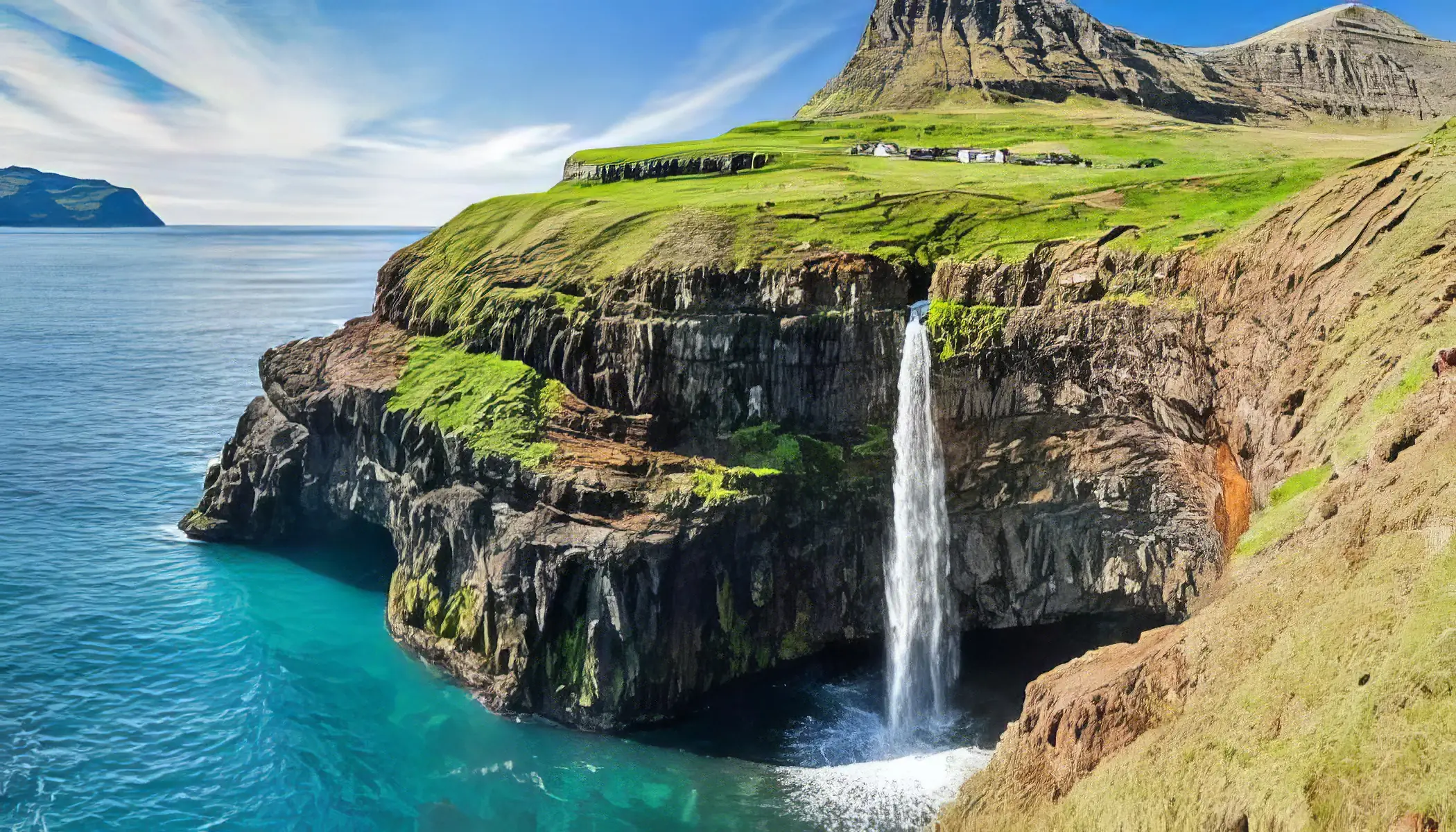
Explore the natural beauty of Denmark:
– Møns Klint: A 6 km stretch of chalk cliffs along the eastern coast of the island of Møn.
– Råbjerg Mile: The largest moving sand dune in Northern Europe.
– Wadden Sea National Park: A UNESCO World Heritage site, home to a rich biodiversity.
– The Cliffs of Sangstrup: Known for its fossil-rich sparkling cliffs.
– Fur Island: Famous for its moler clay cliffs and unique fossils.
– Skjoldungernes Land National Park: Offers rich biodiversity and historical landscapes.
– The Deer Park: A large forested area home to hundreds of free-roaming deer.
– The Blue Planet: Northern Europe's largest aquarium with marine life from around the world.
– The Iceberg: A striking modern architecture in Aarhus, mimicking floating icebergs.
– The Little Mermaid: Iconic statue inspired by Hans Christian Andersen's fairy tale.
Beaches
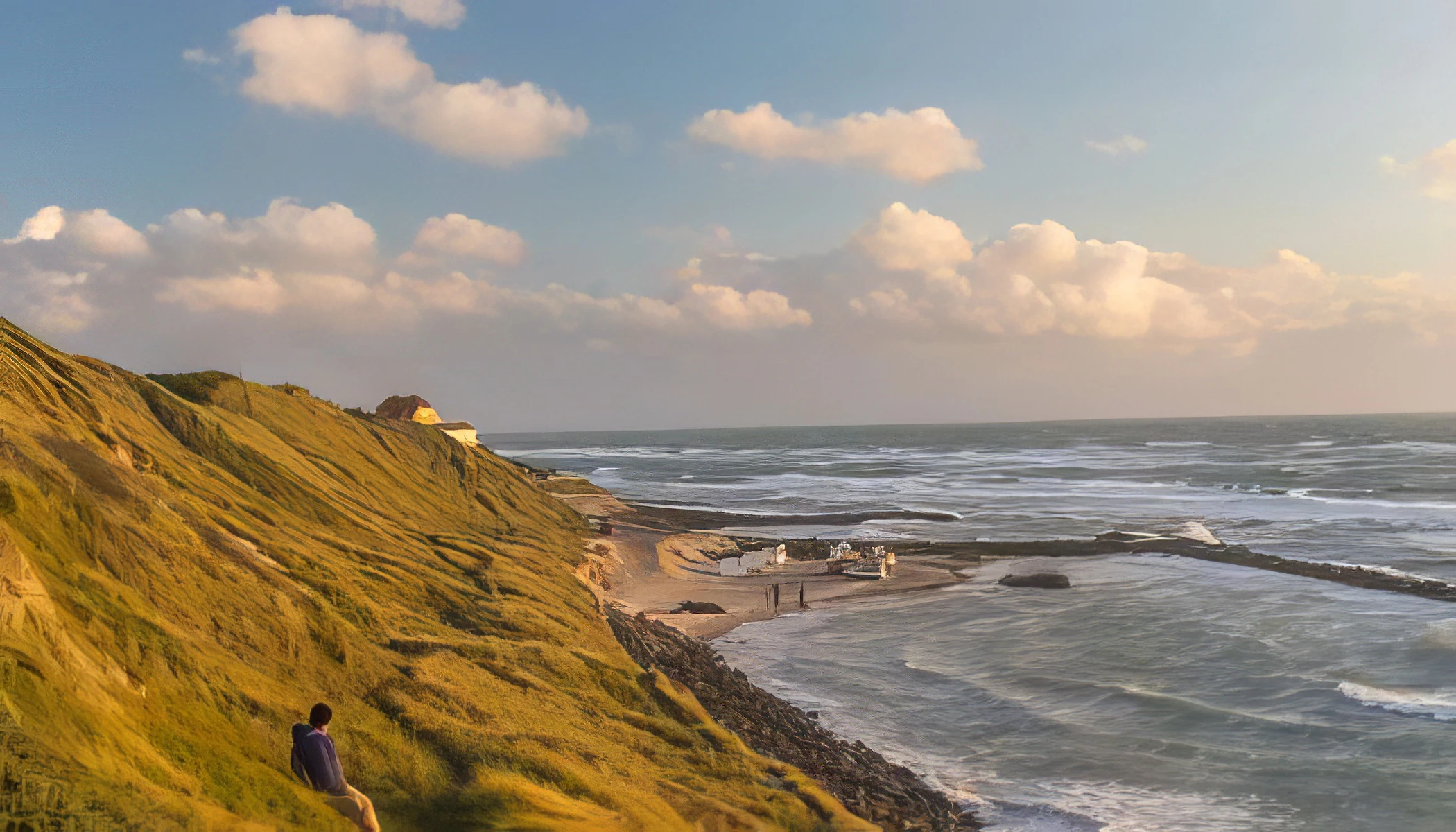
Here are some of the most visited beaches in Denmark:
– Skagen Beach: Known for its unique two-sea meeting point and wide sandy areas.
– Blokhus Beach: Popular for its white sand and dunes, located in North Jutland.
– Amager Beach: A man-made beach offering city views and various activities in Copenhagen.
– Bornholm Beaches: Island beaches known for their unique round pebbles and clear waters.
– Blavand Beach: Denmark's westernmost point, known for its lighthouse and wide sandy beach.
– Tisvildeleje Beach: A popular sandy beach with clean water on Zealand's north coast.
– Marielyst Beach: Located on Falster island, known for its white sand and shallow water.
Outdoor activities
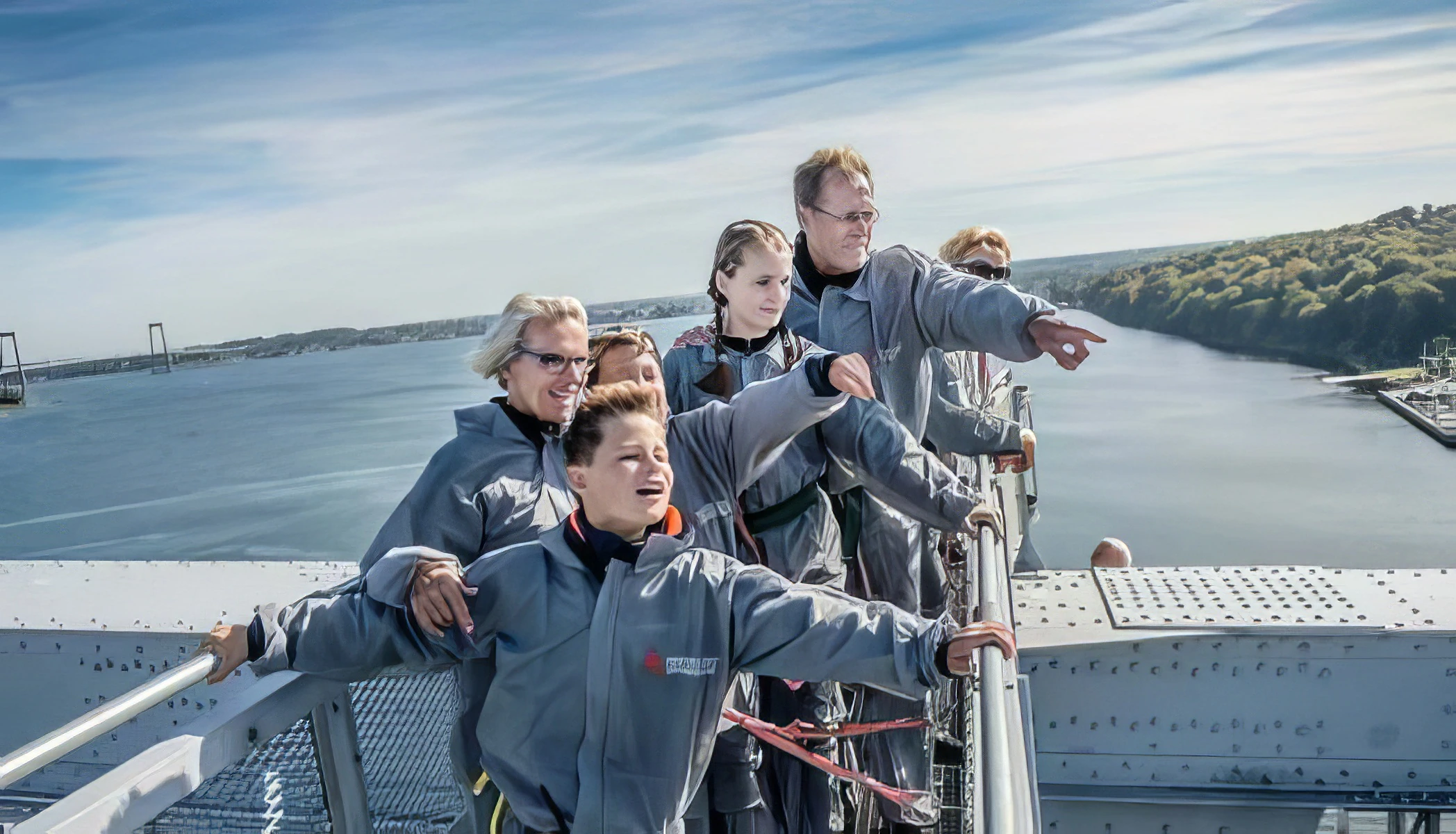
Denmark offers a variety of outdoor experiences that cater to different interests and abilities:
– Cycling in Copenhagen: Explore the city's sights on its extensive bike lanes.
– Kayaking in the South Funen Archipelago: Paddle through a network of islands and islets.
– Hiking in Mols Bjerge National Park: Enjoy the diverse landscapes and wildlife.
– Sailing in the Danish Riviera: Experience the scenic coastline and charming seaside towns.
– Birdwatching in Wadden Sea National Park: Observe a variety of bird species during migration season.
– Exploring the Cliffs of Møn: Witness the unique geological formations and fossils.
– Visiting the Deer Park in Aarhus: Walk among hundreds of freely roaming deer.
Kid Friendly
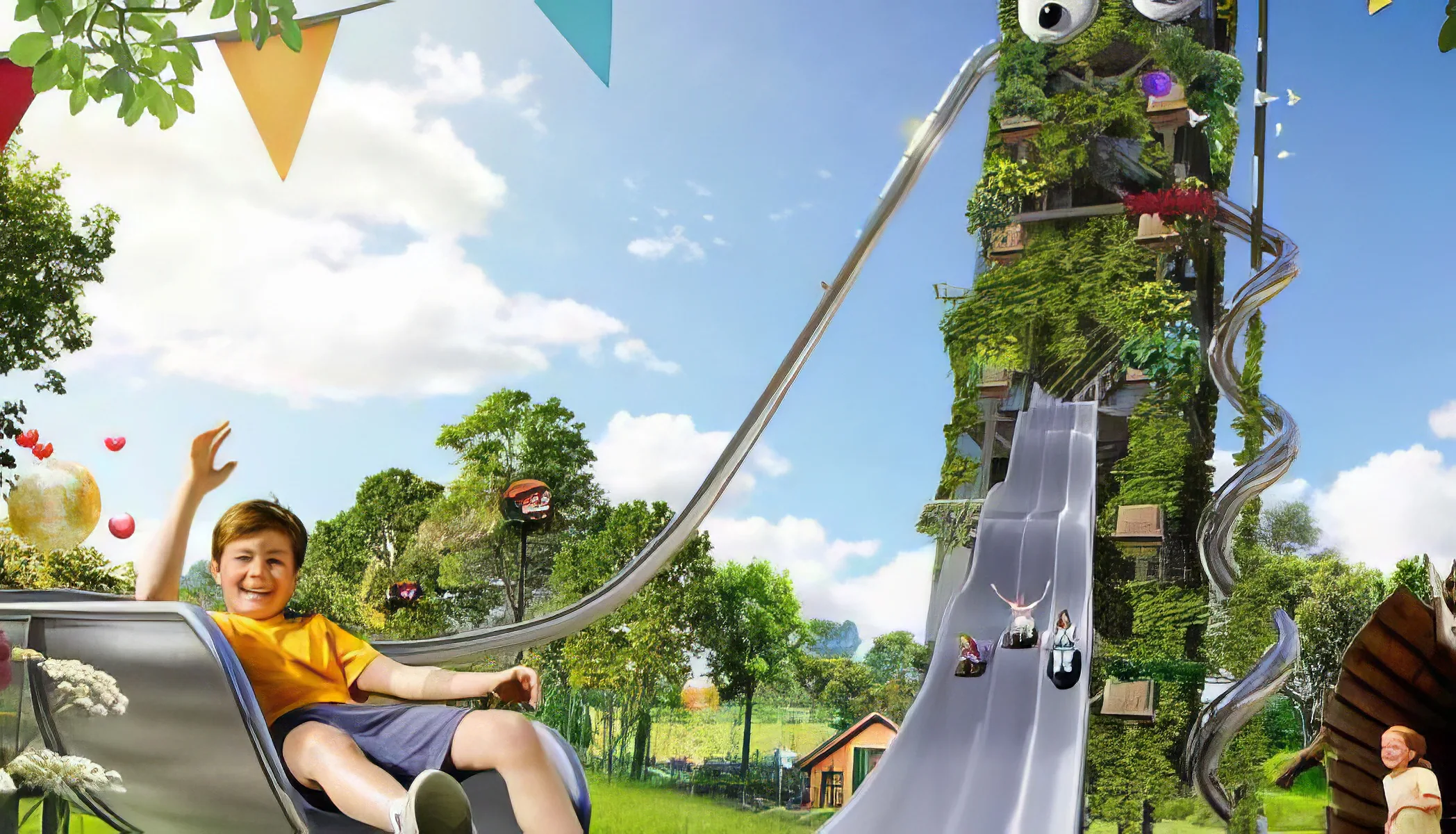
Denmark offers a variety of activities that are perfect for children:
– Tivoli Gardens: An amusement park in Copenhagen with rides, games, and performances.
– Legoland Billund: A theme park dedicated to all things Lego, with rides and displays.
– National Aquarium Denmark: A large aquarium with a variety of marine life.
– Experimentarium: A science center with interactive exhibits that make learning fun.
– Odense Zoo: A well-maintained zoo with a variety of animals and interactive exhibits.
– Fårup Sommerland: A large amusement park with water rides and roller coasters.
– The Blue Planet: Northern Europe's largest aquarium with marine life from around the world.
– Ribe Viking Centre: A historical center where kids can learn about Viking culture.
Cuisine

Denmark's food scene is rooted in traditional, hearty fare, but has evolved to embrace modern, innovative gastronomy. The country is known for its high-quality local produce and seafood, and its capital, Copenhagen, is a renowned culinary destination. Denmark's most famous dishes and desserts include:
– Smørrebrød: Open-faced sandwich on rye bread, topped with various ingredients.
– Frikadeller: Pan-fried meatballs, typically served with potatoes and gravy.
– Grød: A type of porridge, often made with oats or rice.
– Flæskesteg: Roast pork with crispy crackling, usually served with potatoes and red cabbage.
– Risalamande: Rice pudding with chopped almonds and cherry sauce, traditionally served at Christmas.
Souvenir
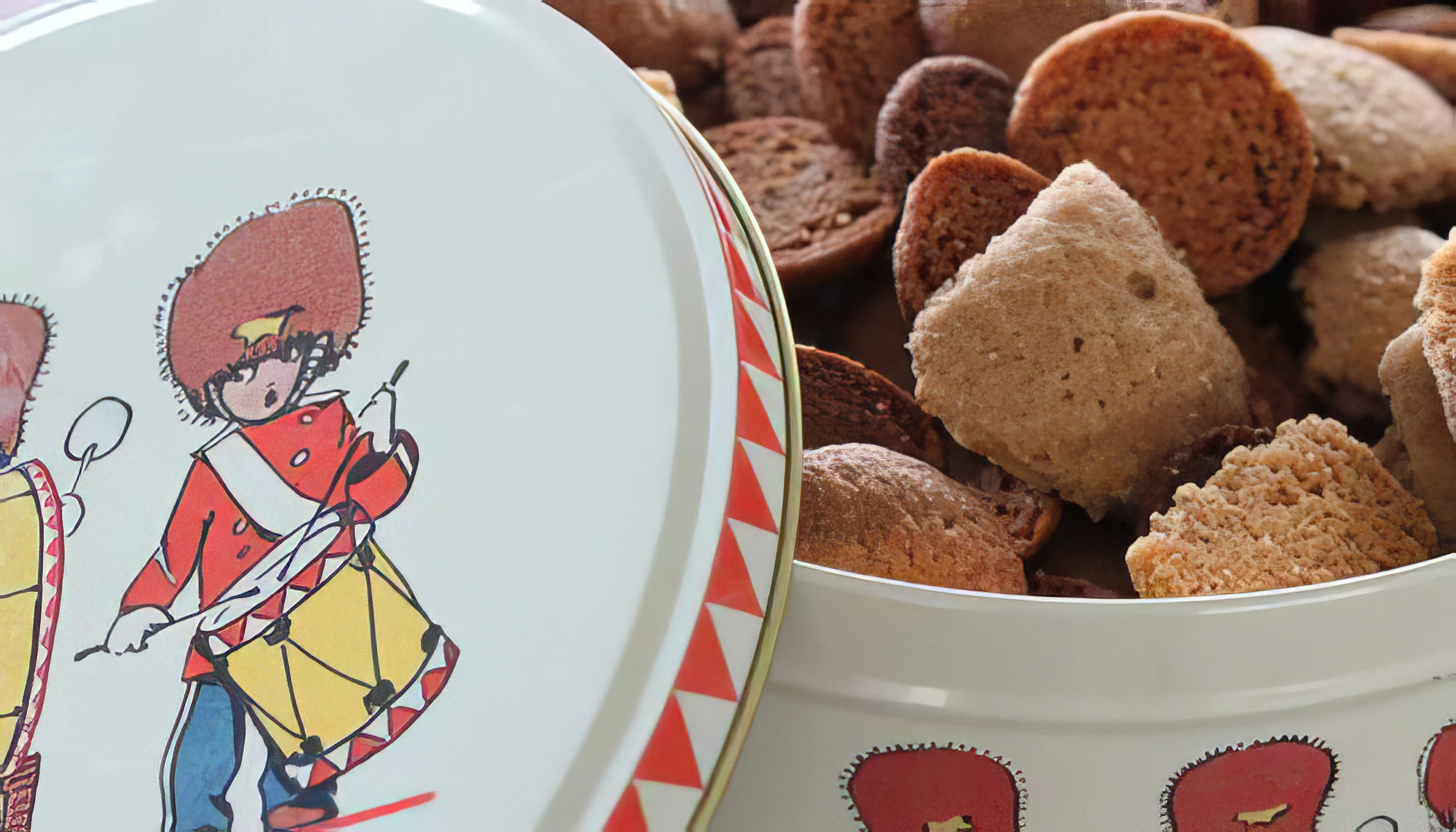
Denmark is a country with a rich history and a strong tradition of design. Here are some souvenirs you might want to consider:
– Danish Design Items: Denmark is famous for its minimalist and functional design in furniture, homewares, and accessories.
– Royal Copenhagen Porcelain: High-quality porcelain items, often hand-painted, are a popular Danish souvenir.
– Danish Butter Cookies: These sweet treats are a favorite among tourists and locals alike.
– Lego Sets: Lego, a Danish company, offers unique sets that can be a fun souvenir for kids and adults.
– Viking-Inspired Jewelry: Denmark has a rich Viking history, and Viking-inspired jewelry is a popular souvenir.
– Danish Liquorice: This is a unique and traditional Danish candy, known for its strong flavor.
– Danish Woolen Goods: Denmark produces high-quality woolen goods, such as scarves, hats, and sweaters.
Traditional Shows
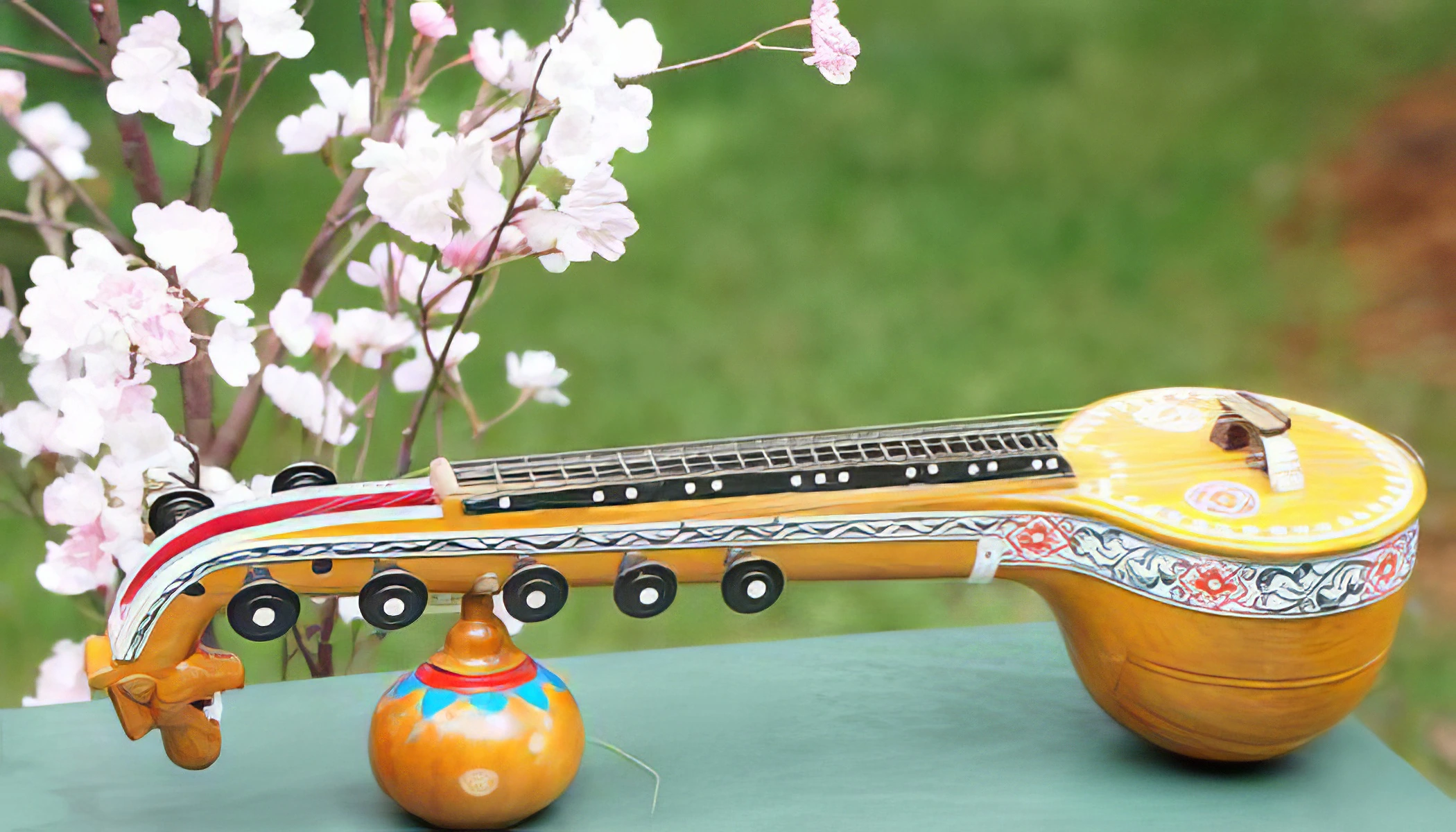
Denmark is rich in traditional music and art performances:
– Royal Danish Ballet: Experience classical ballet at its finest in Copenhagen, home to one of the world's oldest ballet companies.
– Tivoli Concert Hall: Enjoy a variety of music performances, from classical to modern, in this iconic venue located in Copenhagen.
– Roskilde Festival: Join this annual music festival in Roskilde, featuring a diverse range of genres, from rock to electronic.
– Aarhus Jazz Festival: Immerse yourself in jazz music at this annual festival held in Aarhus, showcasing both local and international talents.
– Viking Plays at Frederikssund: Witness historical Viking plays performed outdoors during summer in Frederikssund, offering a glimpse into Denmark's ancient past.
Events & Festivals
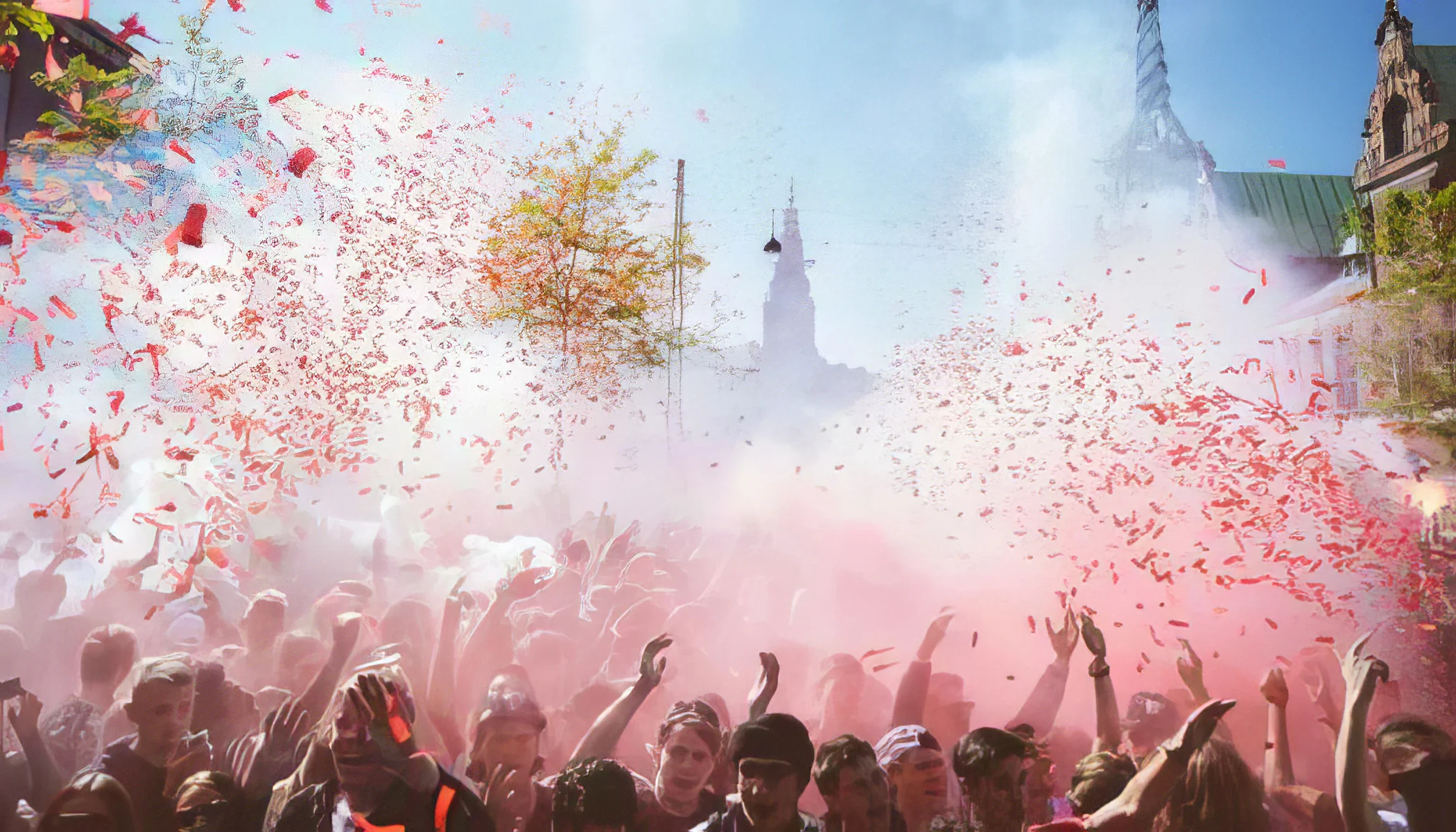
Denmark, a country known for its rich culture and traditions, hosts several annual events and festivals:
– Fastelavn: A children's carnival held in February, featuring costumes and barrel-hitting.
– Aarhus International Jazz Festival: A week-long jazz music event in July.
– Roskilde Festival: One of the largest European music festivals, held in late June/early July.
– Copenhagen Pride: A week-long LGBTQ+ celebration in August, featuring a parade and concerts.
– Aarhus Festival: A 10-day cultural festival in late August/early September, showcasing local and international talent.
– Halloween in Tivoli Gardens: October event with Halloween-themed decorations and activities.
– Christmas in Tivoli Gardens: November/December event with Christmas market and festive lights.
Famous People
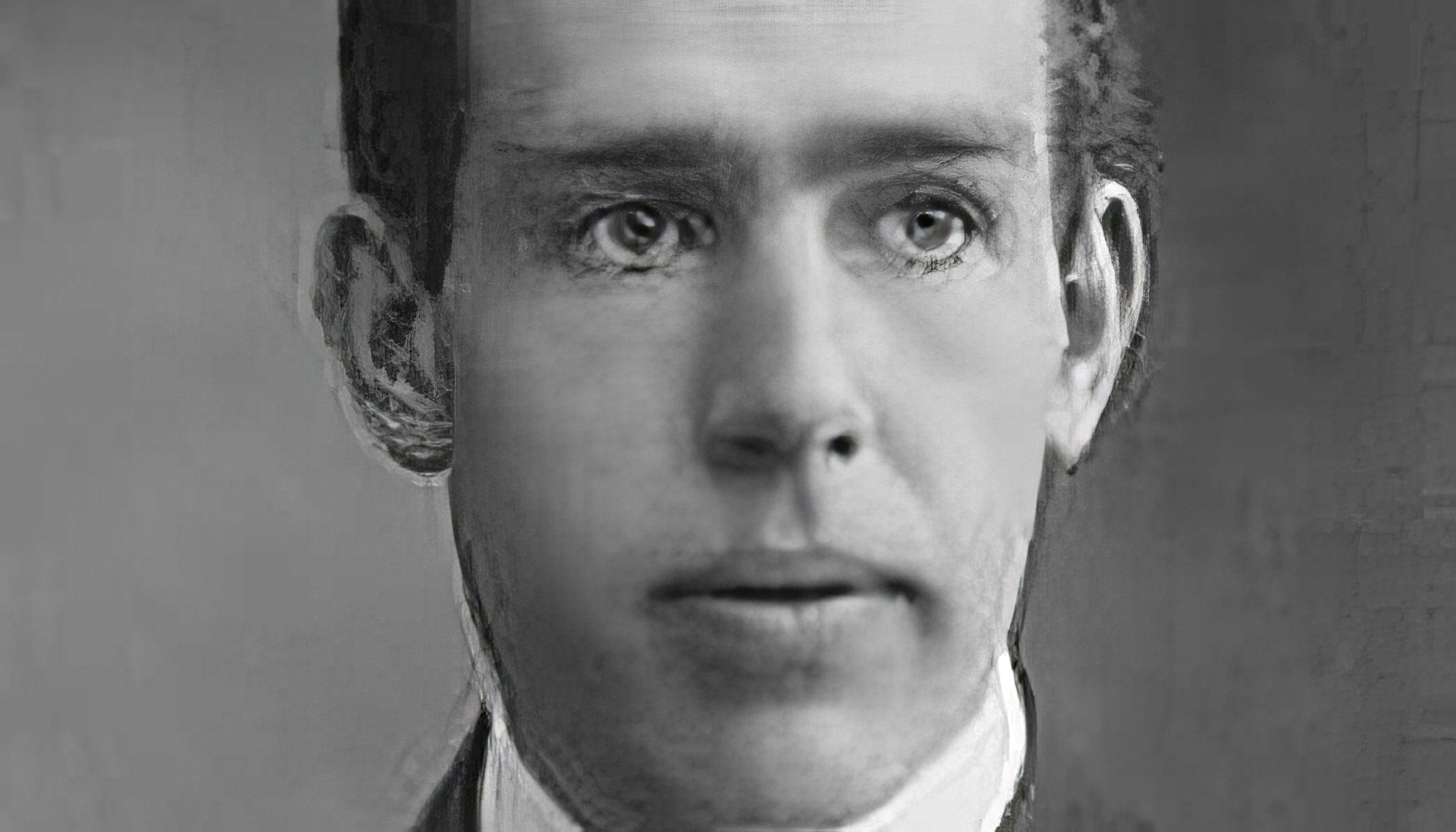
Denmark, known for its rich history and culture, has been home to many renowned figures.
– Hans Christian Andersen (1805 to 1875, Odense): World-famous author known for his fairy tales.
– Niels Bohr (1885 to 1962, Copenhagen): Nobel laureate physicist who made foundational contributions to understanding atomic structure and quantum theory.
– Søren Kierkegaard (1813 to 1855, Copenhagen): Philosopher and theologian, often considered the first existentialist philosopher.
– Lars von Trier (born 1956, Kongens Lyngby): Internationally acclaimed film director known for his provocative works.
– Margrethe II (born 1940, Copenhagen): The Queen of Denmark, the first female monarch of Denmark.
Books
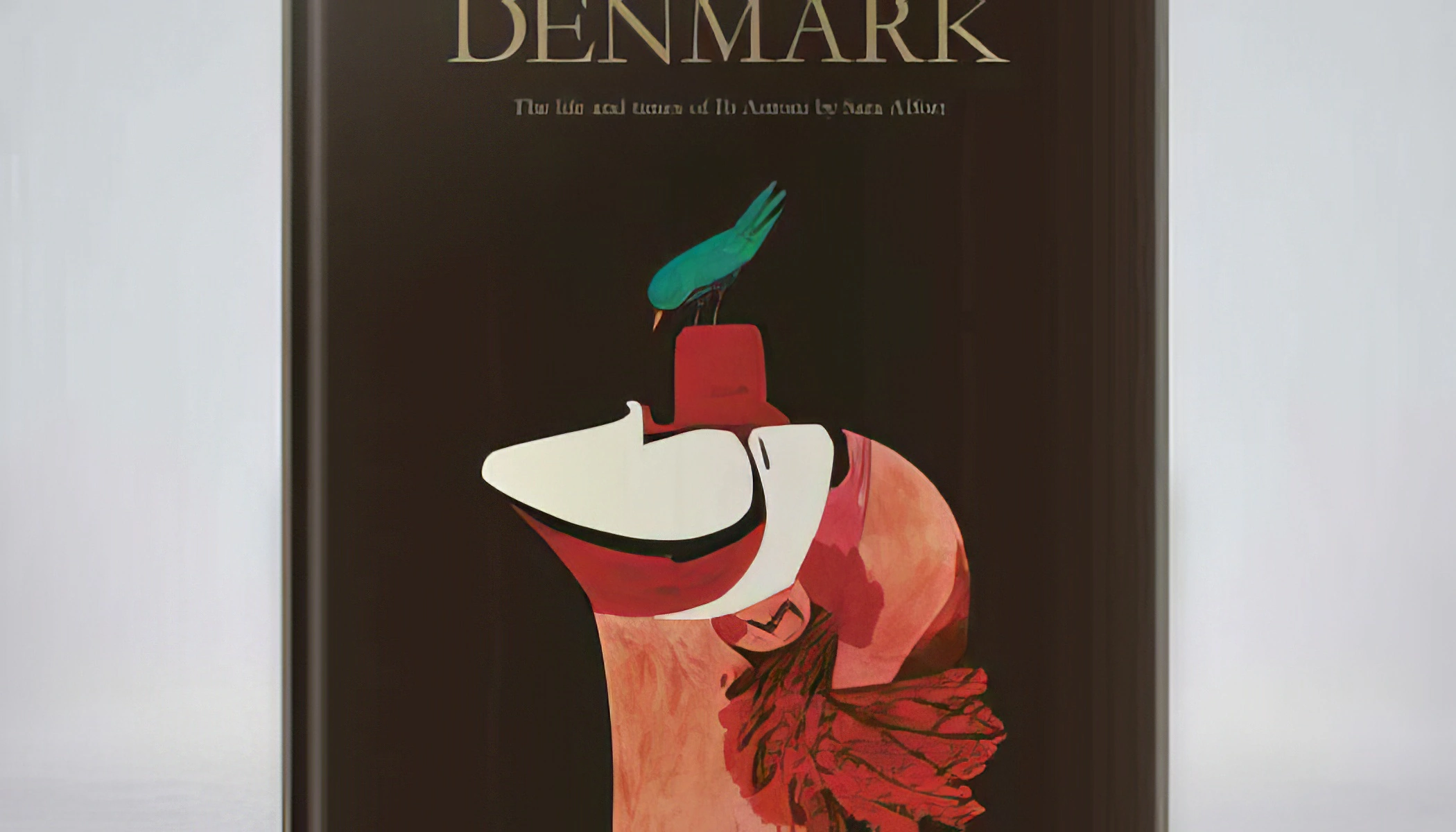
These books provide a glimpse into Danish culture, history, and society, offering readers a chance to experience Denmark through literature.
– "Out of Africa" by Isak Dinesen: A memoir of the author's life in Denmark and Kenya.
– "Number the Stars" by Lois Lowry: A historical fiction about the rescue of Danish Jews during World War II.
– "Smilla's Sense of Snow" by Peter Høeg: A mystery novel set in Copenhagen, exploring Danish culture.
– "The Year of Living Danishly" by Helen Russell: A memoir of a British journalist's year in rural Denmark.
– "Miss Smilla's Feeling for Snow" by Peter Høeg: A thriller set in Copenhagen, exploring Danish-Greenlandic relations.
Songs

Denmark's music scene is diverse, with songs ranging from pop to rock, and folk to electronic, here are some of the most famous ones.
– 7 Years: Global hit by Danish band Lukas Graham, reflecting on life's fast pace.
– Barbie Girl: Iconic 90s pop song by Danish-Norwegian band Aqua.
– Only Teardrops: Emmelie de Forest's song that won Eurovision 2013.
– The Riddle: Nik Kershaw's catchy tune, covered by Danish singer Gigi D'Agostino.
– Drunk in the Morning: Another popular song by Lukas Graham, showcasing their unique style.
– White Nights: Electronic pop song by Danish singer Oh Land.
Films
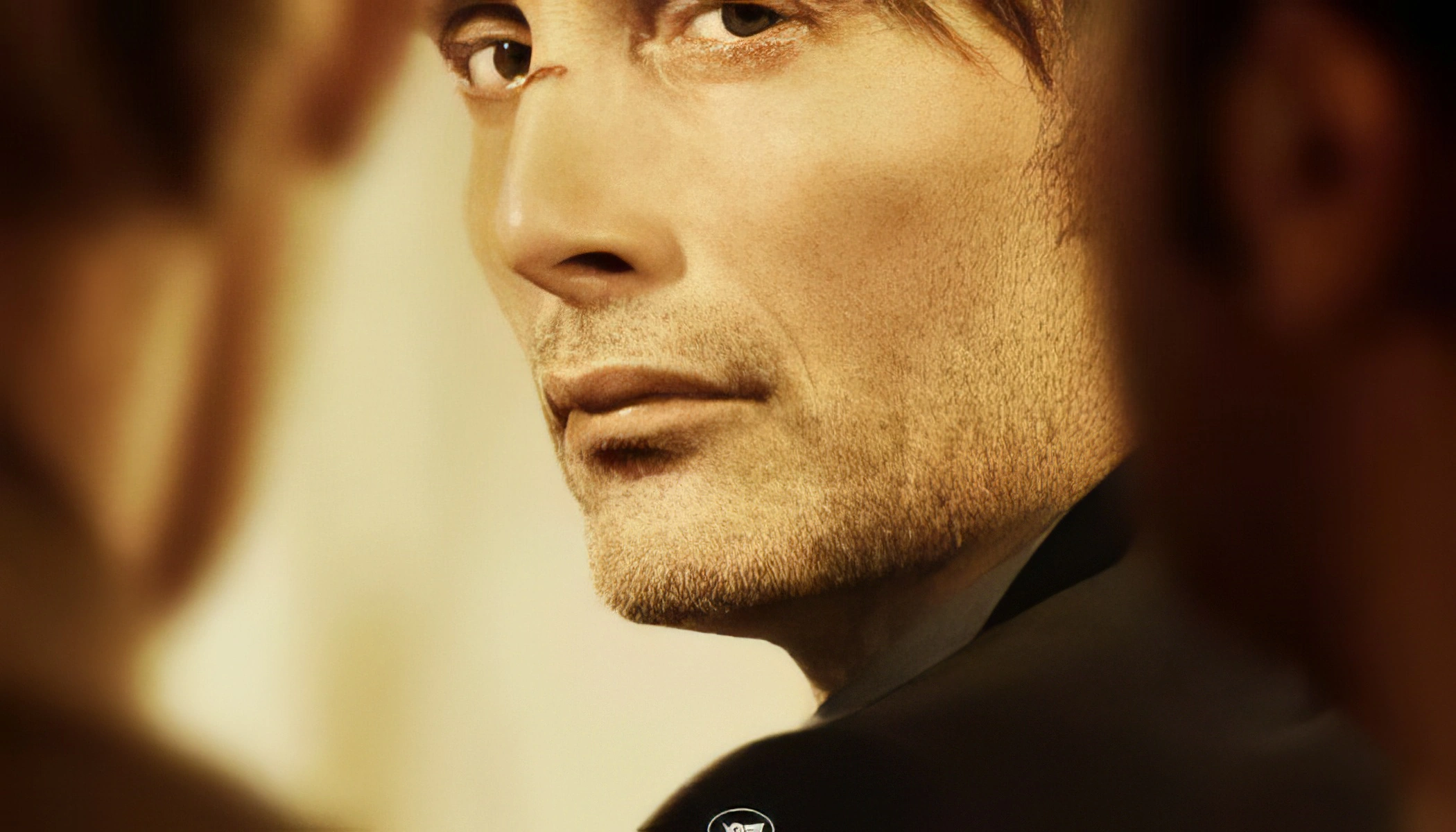
Denmark has a rich cinematic history, producing many internationally acclaimed films. Here are some of the most famous ones:
– "The Hunt": Directed by Thomas Vinterberg, a drama about a man wrongly accused of child abuse.
– "Festen": Thomas Vinterberg's film is a dark family drama and the first Dogme 95 film.
– "Babette's Feast": Gabriel Axel's film about a French housekeeper with a mysterious past; won the Best Foreign Language Film Oscar.
– "A Royal Affair": Nikolaj Arcel's historical drama about a queen who falls for her physician.
– "In a Better World": Susanne Bier's film about two Danish families crossing each other, and an extraordinary but risky friendship; won the Best Foreign Language Film Oscar.