

Dominican Republic Attractions & Travel Advice – Plan Your Visit
Located in the Caribbean, this nation shares the island of Hispaniola with Haiti. Known for its beaches, resorts, and rich history, it supplies dynamic music and dance. The capital, Santo Domingo, features colonial architecture and a lively cultural scene.
- Capital
- Santo Domingo
- Population
- 9.9 millions
- Superficy
- 49000 sq.km
- Months to Visit
- Dec. to April
- Living Cost
- Moderate
Overview
The Dominican Republic is located on the island of Hispaniola in the Caribbean, sharing it with Haiti. Known for its handsome beaches, it attracts tourists to destinations like Punta Cana and Puerto Plata. The capital, Santo Domingo, is rich in history, featuring the Zona Colonial with buildings dating back to the 16th century. The country has a diverse landscape that includes mountains, rainforests, and savannas. It has a lively culture influenced by Spanish, African, and Taino heritage. The economy relies heavily on tourism, agriculture, and services.
Pros & Cons
GOOD REASONS TO VISIT DOMINICAN REPUBLIC
– Beautiful Beaches: Punta Cana and Puerto Plata offer nice white sand beaches and clear turquoise waters.
– Rich Culture: Experience vibrant music, dance, and festivals reflecting the Dominican Republic's diverse cultural heritage.
– Outdoor Adventures: Enjoy hiking, zip-lining, and water sports in luxurious landscapes like Jarabacoa and Samana.
– Historical Sites: Explore Santo Domingo's Colonial Zone, a UNESCO World Heritage site with historic architecture.
– Delicious Cuisine: Savor local dishes like mofongo, sancocho, and fresh seafood with Caribbean flavors.
CHALLENGES WHEN VISITING DOMINICAN REPUBLIC
– Safety Concerns: Petty crime can occur; stay vigilant in crowded areas and tourist hotspots.
– Language Barrier: Spanish is the primary language; English is less common outside tourist areas.
– Weather Risks: Hurricane season runs June to November; plan accordingly for potential weather disruptions.
Before Departure
Before traveling to the Dominican Republic, consider the following essential information:
– Passport: Ensure your passport is valid for at least six months beyond your entry date.
– Visa: Most tourists can enter visa-free for up to 30 days; extensions available. Check specific requirements based on nationality.
– Currency: Dominican Peso (DOP); credit cards widely accepted in cities; ATMs are common in urban areas and tourist locations.
– Internet access: WiFi is accessible in hotels and cafes; local SIM cards with data plans are available from Claro or Altice.
– Language barrier: Spanish is the official language; English is spoken in tourist areas, but proficiency varies outside these zones.
What to Pack
Visiting the Dominican Republic requires preparation for tropical weather and beach activities, along with cultural considerations.
– Essentials: Passport, travel insurance, flight tickets, accommodation details, and itinerary.
– Clothing: Lightweight clothing, swimwear, sandals or flip-flops, sun hat, sunglasses, and a light jacket for cooler evenings.
– Health & Safety: Prescription medications, basic first aid kit, insect repellent with DEET, sunscreen with high SPF.
– Electronics: Travel adapter for North American outlets (if needed), mobile phone with charger, waterproof camera.
Weather
Weather in the Dominican Republic is tropical, with variations between wet and dry seasons:
– Winter (December to February): Generally dry and cooler, with pleasant temperatures and low humidity.
– Spring (March to May): Warm temperatures with increasing humidity and occasional rain showers.
– Summer (June to August): Hot and humid, with frequent afternoon thunderstorms; hurricane season begins.
– Autumn (September to November): Warm temperatures continue; peak hurricane activity occurs in September and October. The best time to visit the Dominican Republic is from December to April:
– Pros: Ideal weather conditions for beach activities, lower humidity, and minimal rainfall.
– Cons: Higher prices for accommodations and larger tourist crowds during peak season.
Travel Budget
The Dominican Republic supplies a range of budget-friendly options for travelers. Here are some average prices for common expenses:
– Hotel: 50$ to 200$
– Lunch: 5$ to 20$
– Beverage (in bar/restaurant): 2$ to 8$
– Coffee: 1.5$ to 3$
– Transportation: (train not widely available), (bus 0.5$ to 3$), (taxi /10km 10$ to 20$)
– Mobile data (per GB): 2$ to 5$
Language
In the Dominican Republic, Spanish is the official language, and here are some useful phrases for tourists:
– Hello: Hola
– Thank you: Gracias
– Please: Por favor
– How much is this?: ¿Cuánto cuesta esto?
– Excuse me: Perdón
– I don't understand: No entiendo
– Yes: Sí
– No: No
– Goodbye: Adiós
History
It shares the island of Hispaniola with Haiti and was originally inhabited by the Taíno people. Christopher Columbus arrived in 1492, and it became a Spanish colony. In 1821, it briefly gained independence from Spain but was soon occupied by Haiti until 1844 when it achieved independence as the Dominican Republic. The late 19th and early 20th centuries were marked by political instability and foreign interventions, including a U.S. occupation from 1916 to 1924. Rafael Trujillo's dictatorship from 1930 to 1961 was a significant period of authoritarian rule. Since then, the country has experienced periods of democratic governance and economic growth, despite ongoing challenges with political corruption and inequality.
Geopolitics
The Dominican Republic is located on the island of Hispaniola in the Caribbean, sharing the island with Haiti to the west. It has a democratic government and maintains strong diplomatic and economic ties with the United States, which is its largest trading partner. The country is a member of several international organizations, including the United Nations and the Organization of American States (OAS). Geopolitically, it plays a role in regional Caribbean affairs and often collaborates with neighboring countries on issues like trade, security, and disaster response. Relations with Haiti are complex due to historical tensions and migration issues. The Dominican Republic's strategic location makes it an important player in regional maritime routes and trade networks.
Sample Itinerary
This itinerary covers the cultural, historical, and natural highlights of the Dominican Republic.
– 2 days in Santo Domingo: Explore the Colonial Zone, visit Alcázar de Colón, and stroll along Calle El Conde. Discover local cuisine and museums.
– 1 day in Punta Cana: Relax on Bavaro Beach, enjoy water sports, or take a catamaran tour. Experience beautiful nightlife.
– 1 day in Samaná Peninsula: Visit El Limón Waterfall and Cayo Levantado. Enjoy whale watching (seasonal) or explore Los Haitises National Park.
– 1 day in Puerto Plata: Ride the cable car to Mount Isabel de Torres. Visit Fort San Felipe and Amber Museum.
– 1 day in La Romana: Tour Altos de Chavón, a replica of a Mediterranean village. Relax at Bayahibe Beach or visit Saona Island.
Popular cities
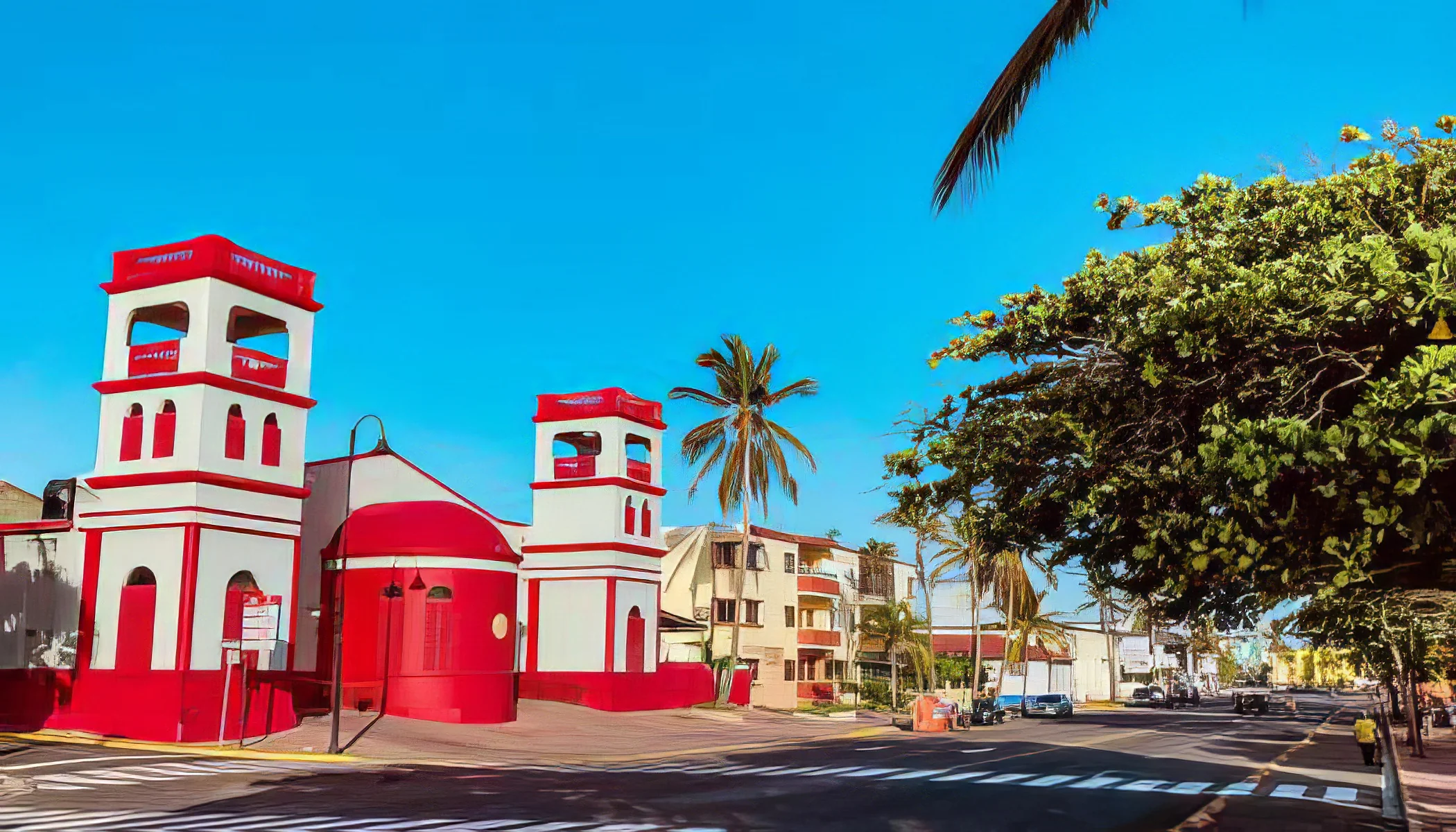
Explore the pretty culture and sensational landscapes of the Dominican Republic through its top cities:
– Santo Domingo: The capital city is rich in history, featuring the Zona Colonial with its cobblestone streets and historic buildings.
– Punta Cana: Known for its beautiful beaches, all-inclusive resorts, and remarkable nightlife.
– Puerto Plata: Provides beautiful beaches, a cable car ride to Mount Isabel de Torres, and historic sites.
– La Romana: Home to luxurious resorts, golf courses, and the artist village of Altos de Chavón.
– Santiago de los Caballeros: Known for its cultural attractions, including museums and the Monument to the Heroes of the Restoration.
– Samaná: Provides fascinating natural beauty with waterfalls, beaches, and whale watching opportunities.
– Bayahibe: A gateway to Saona Island with beautiful beaches and excellent diving spots.
Monuments
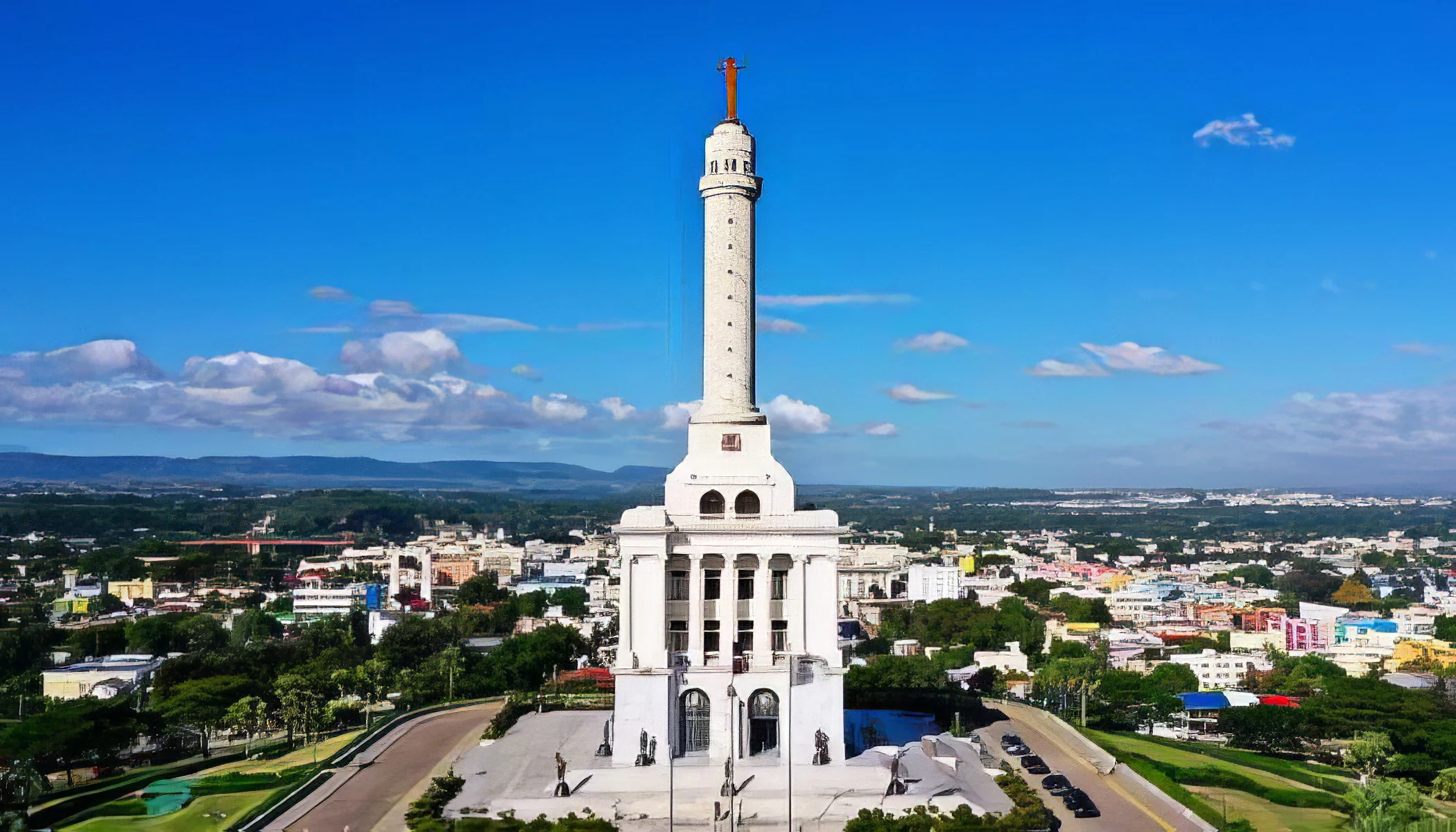
The Dominican Republic offers several notable monuments to explore:
– Alcázar de Colón, Santo Domingo: Former residence of Diego Columbus, showcasing colonial architecture and history.
– Catedral Primada de América, Santo Domingo: First cathedral in the Americas, known for its Gothic and Baroque styles.
– Fortaleza Ozama, Santo Domingo: Oldest fortress in the Americas, built to protect the city from pirates.
– Altos de Chavón, La Romana: Replica of a 16th-century Mediterranean village with an amphitheater and art school.
– Basilica Cathedral of Santa María la Menor, Santo Domingo: Oldest cathedral in the New World with impressive Gothic architecture.
– Faro a Colón, Santo Domingo: Monumental lighthouse and museum dedicated to Christopher Columbus.
– La Isabela Archaeological Site, Puerto Plata: Ruins of one of the first European settlements in the New World.
– San Felipe Fortress, Puerto Plata: Historic fort built to defend against pirate attacks in the 16th century.
Natural wonder
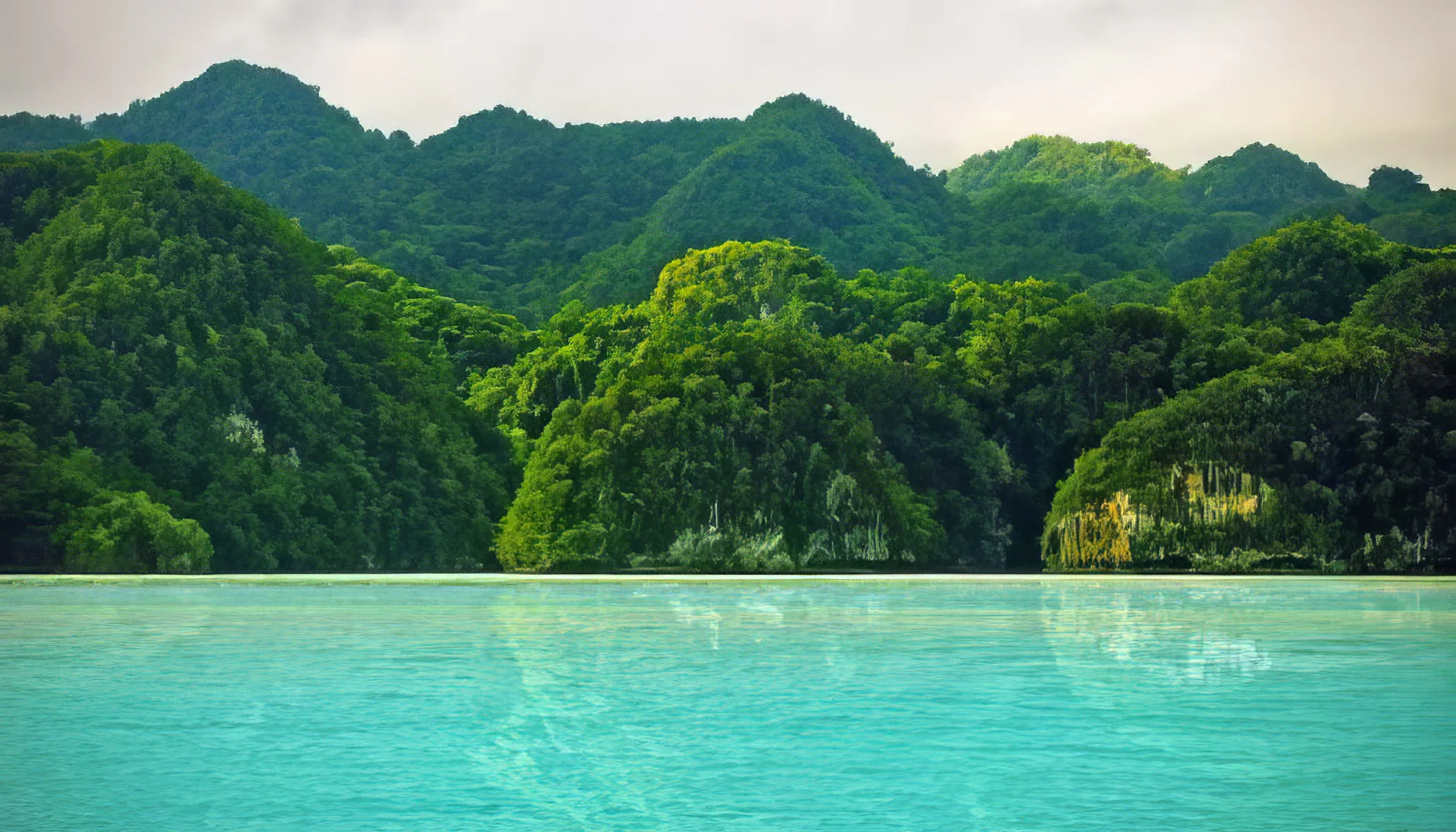
Explore the Dominican Republic's diverse natural landscapes:
– Los Haitises National Park: Features mangroves, caves, and unique rock formations.
– Lake Enriquillo: Largest saltwater lake in the Caribbean, home to crocodiles and flamingos.
– Pico Duarte: Highest peak in the Caribbean, offering challenging hikes and panoramic views.
– El Limón Waterfall: A 40-meter waterfall accessible through a scenic jungle trek.
– Samaná Bay: Known for humpback whale watching during migration season.
– 27 Charcos de Damajagua: Series of waterfalls and natural pools for adventurous canyoning.
– Jarabacoa Valley: Supplies rivers, waterfalls, and lush mountain scenery for outdoor activities.
– Bahía de las Águilas: Remote beach with clear waters and dramatic cliffs in Jaragua National Park.
– Valle Nuevo National Park: Features pine forests, unique flora, and cool climate at high altitudes.
– Cueva de las Maravillas: Cave system with impressive stalactites and ancient Taino petroglyphs.
Beaches
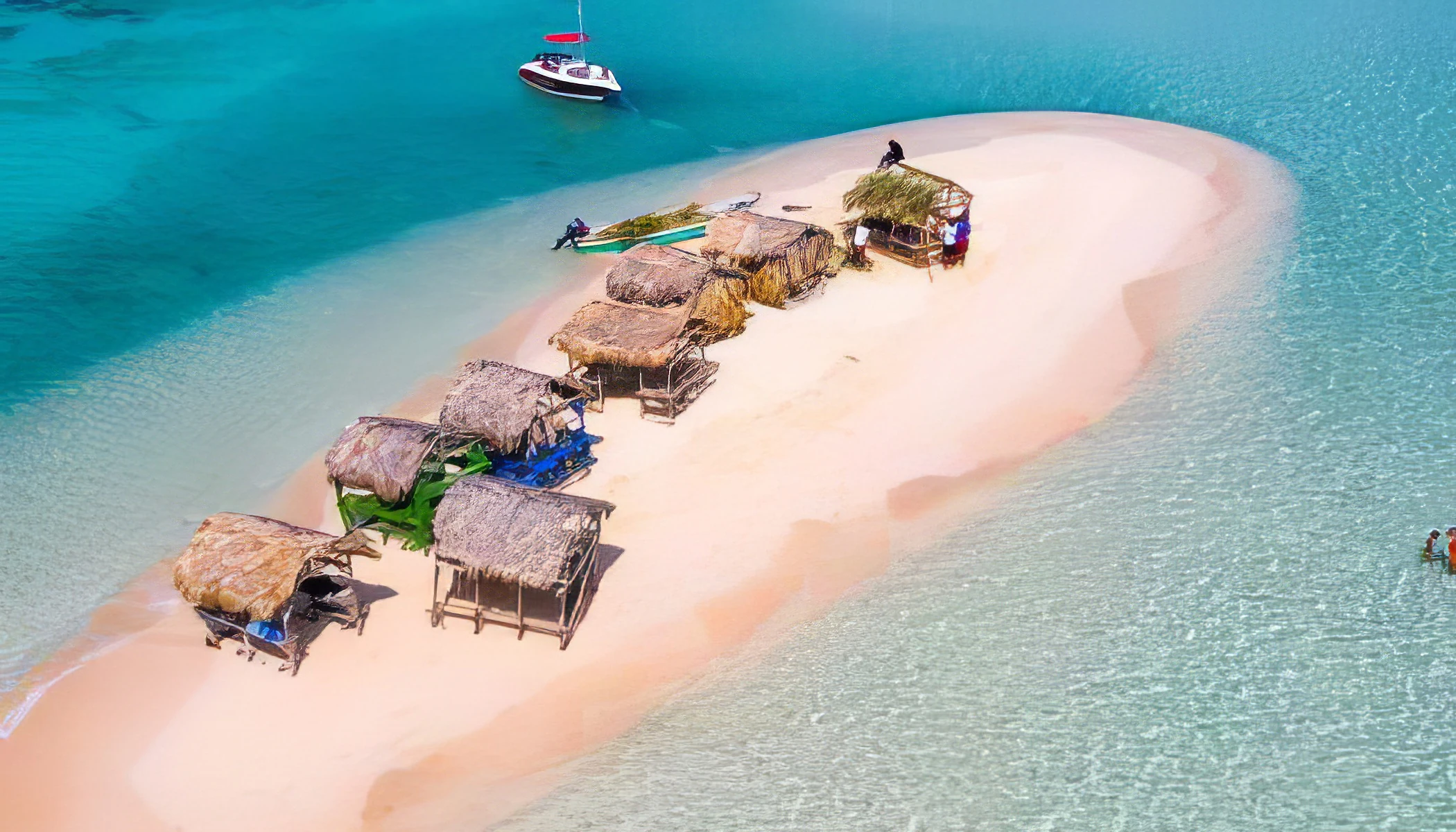
The Dominican Republic is known for its stunning Caribbean beaches.
– Punta Cana Beach: Renowned for its all-inclusive resorts and long stretches of white sand.
– Bavaro Beach: Offers clear waters and energetic coral reefs, ideal for snorkeling.
– Playa Rincon: Secluded beach with pristine sands and turquoise waters in Samana.
– Playa Dorada: Popular for its golden sands and golf courses near Puerto Plata.
– Sosua Beach: Known for lively atmosphere, diving spots, and local eateries.
– Bayahibe Beach: Gateway to Saona Island, famous for calm waters and marine life.
– Cabarete Beach: A hub for windsurfing and kiteboarding enthusiasts.
Outdoor activities
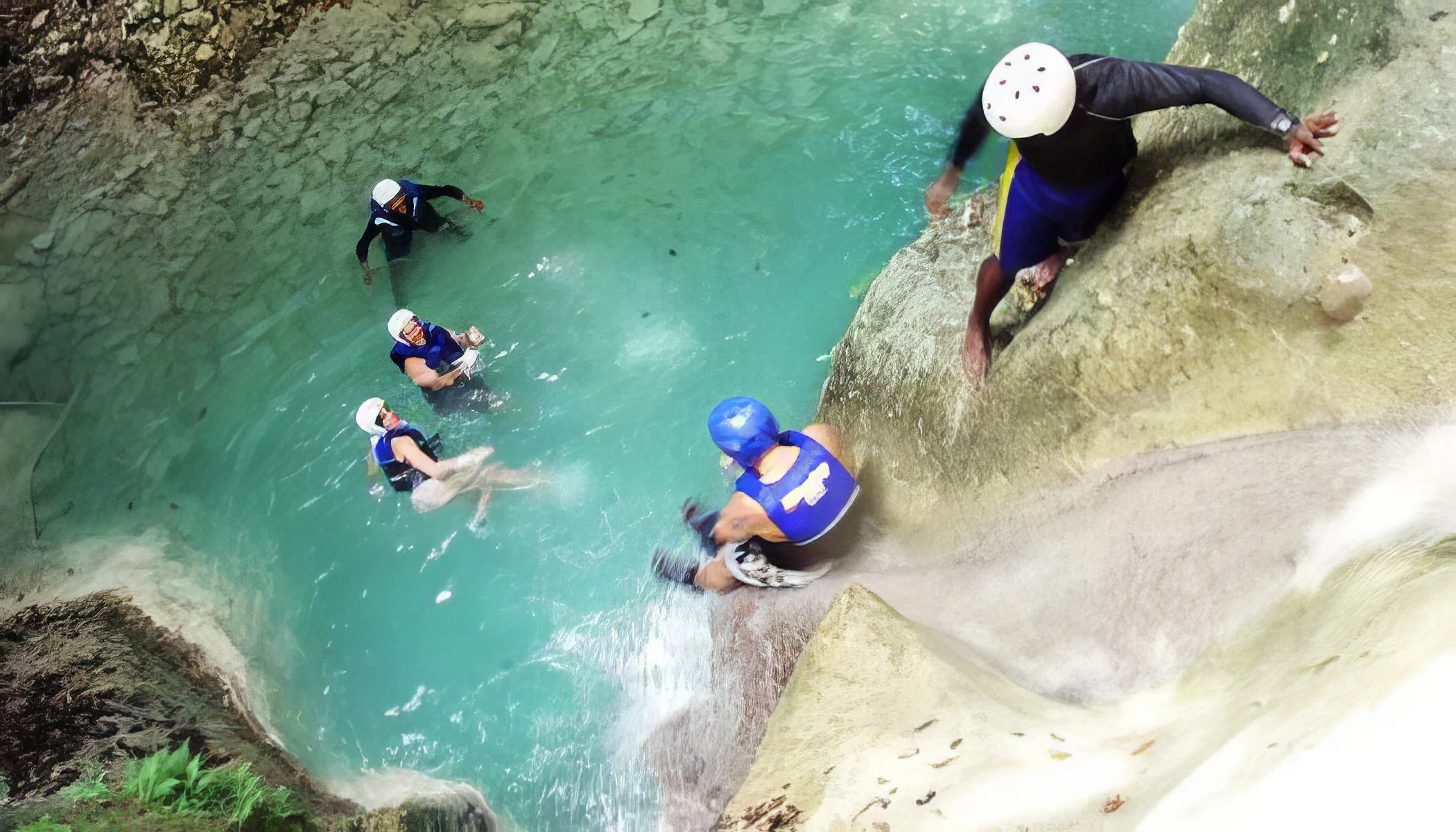
The Dominican Republic provides a variety of outdoor activities for nature enthusiasts:
– Whale Watching in Samaná Bay: Observe humpback whales during their annual migration.
– Hiking Pico Duarte: Climb the highest peak in the Caribbean for panoramic views.
– Snorkeling at Catalina Island: Explore animated coral reefs and diverse marine life.
– Zip-lining in Punta Cana: Glide through nice tropical forests and enjoy aerial views.
– Surfing at Cabarete Beach: Ride the waves at one of the top surf spots in the Caribbean.
– Caving in Los Haitises National Park: Discover ancient caves with petroglyphs and unique rock formations.
– River Rafting on the Yaque del Norte: Experience thrilling rapids in a scenic mountain setting.
Kid Friendly
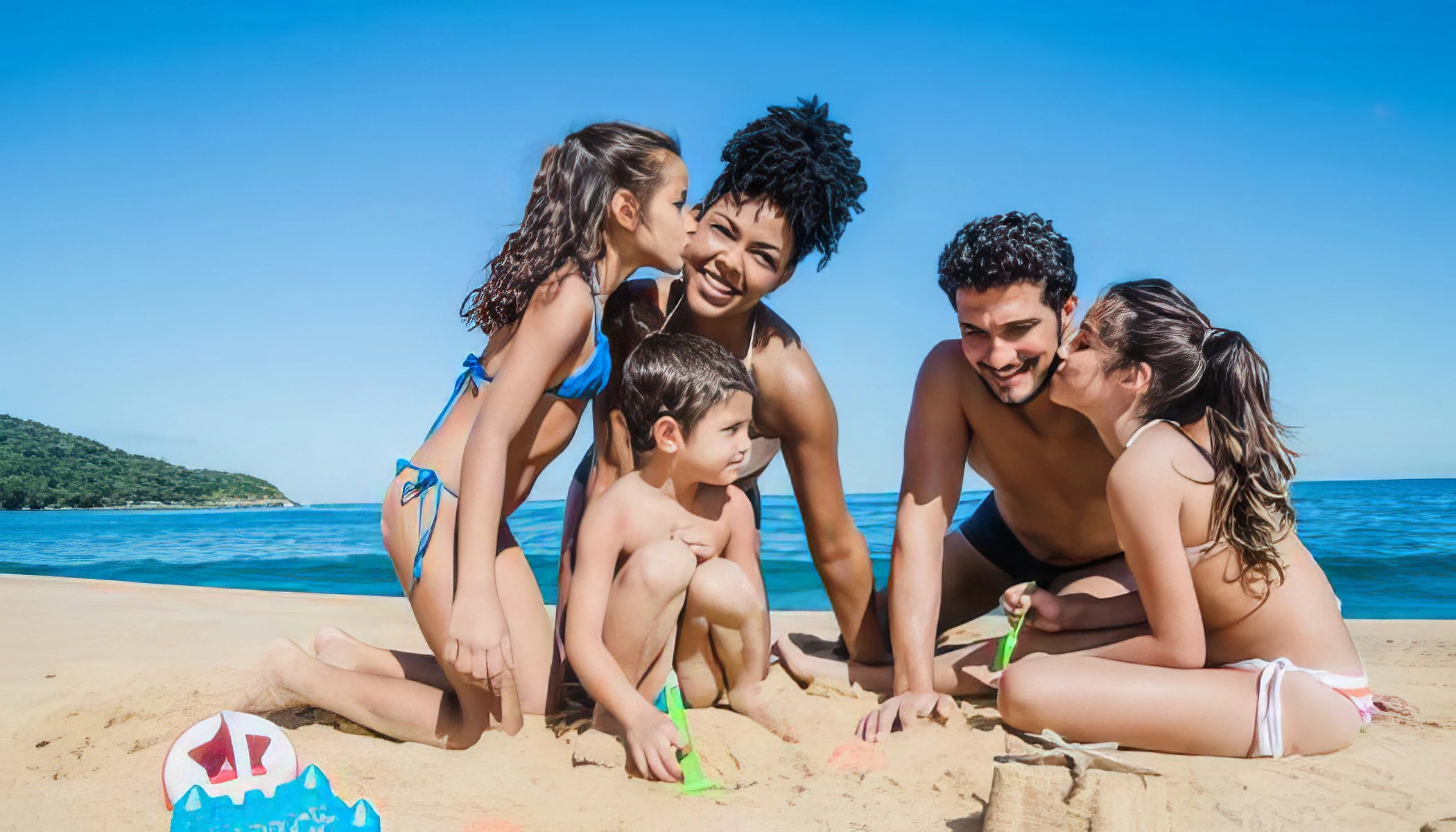
The Dominican Republic offers a variety of activities that children will enjoy.
– Ocean World Adventure Park: A marine park with dolphin encounters, sea lion shows, and an interactive aquarium.
– Monkeyland: A guided tour where kids can interact with friendly squirrel monkeys in their natural habitat.
– Scape Park: An adventure park featuring zip lines, caves, and a natural swimming hole called Hoyo Azul.
– Manati Park: A theme park with animal shows, cultural exhibits, and opportunities to swim with dolphins.
– Bavaro Adventure Park: An outdoor park offering zip lines, bungee trampolines, and dinosaur-themed attractions.
– Los Haitises National Park: A boat tour through mangroves and caves filled with ancient Taino petroglyphs.
– Laguna Dudu: A natural lagoon perfect for swimming and exploring nearby caves.
– Fun City Action Park: A go-kart racing track that provides fun for the whole family.
Cuisine
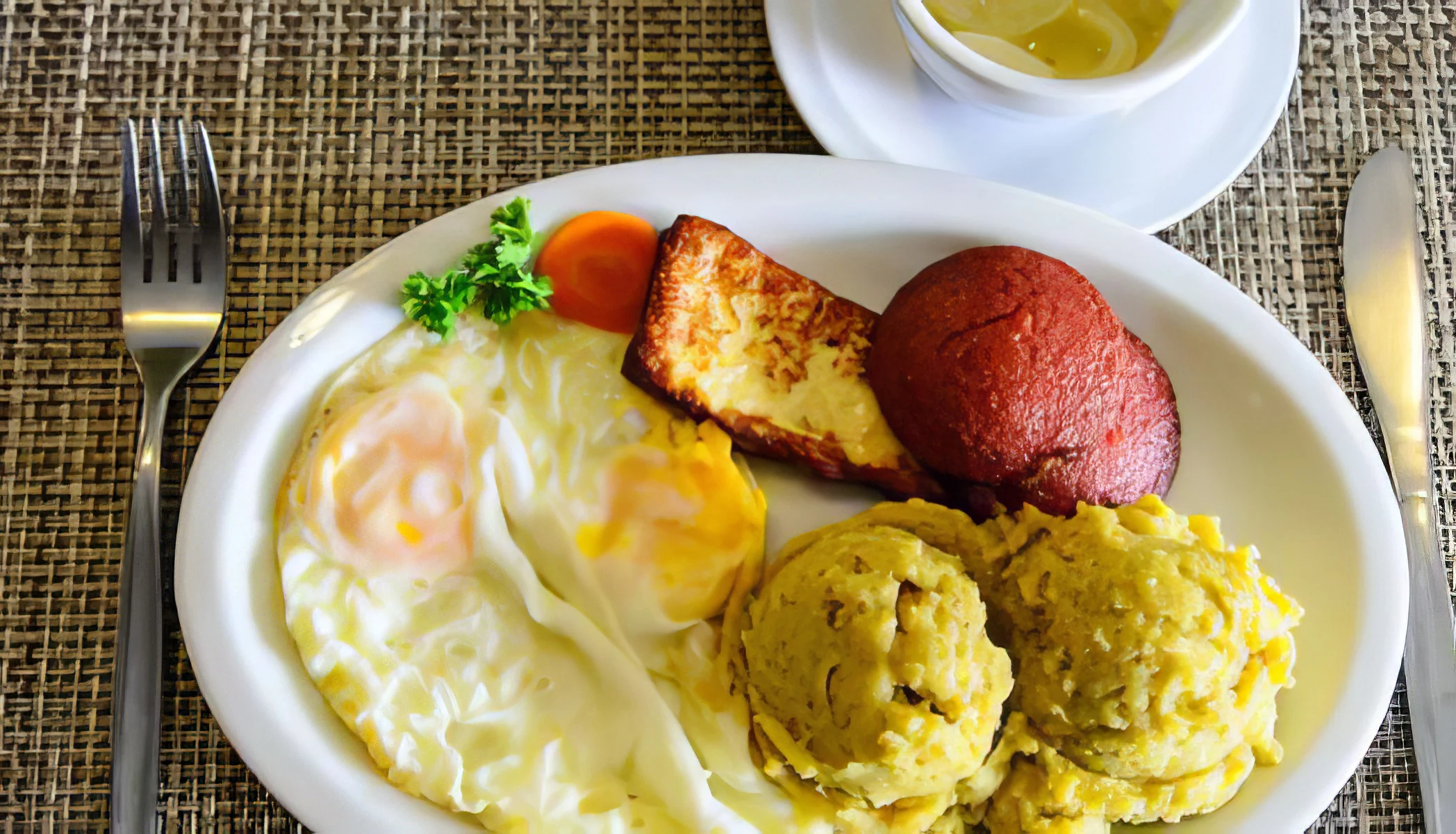
The Dominican Republic's food scene is a beautiful mix of Spanish, African, and Taino influences, offering hearty and flavorful dishes. Meals often feature rice, beans, and meats, reflecting the island's agricultural abundance. Street food and local markets are central to the culinary experience. Most famous cuisine in the Dominican Republic are:
– La Bandera: Traditional meal with rice, red beans, meat, and salad.
– Mangu: Mashed plantains served with eggs, cheese, and salami.
– Sancocho: Hearty stew with meats, root vegetables, and plantains.
– Tostones: Twice-fried green plantain slices served as a side dish.
– Arroz con Leche: Creamy rice pudding flavored with cinnamon and vanilla.
Souvenir
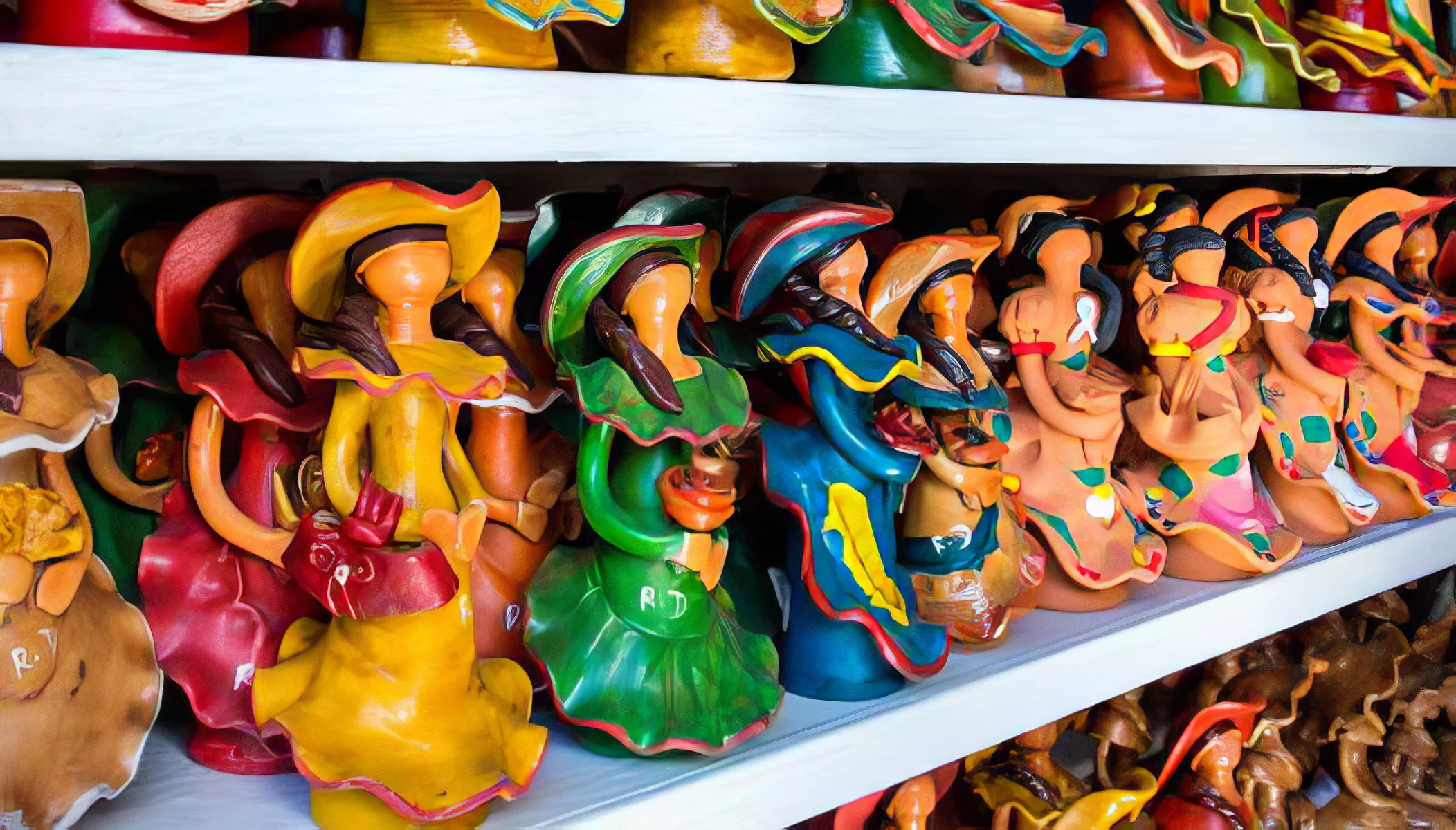
Known for its vibrant culture and rich traditions, the Dominican Republic offers a variety of unique souvenirs. Here are some popular options:
– Larimar Jewelry: This rare blue stone is only found in the Dominican Republic, making it a unique keepsake.
– Amber: Dominican amber is prized for its clarity and often contains ancient inclusions.
– Mamajuana: A traditional drink made from rum, red wine, honey, and local herbs.
– Cigars: The country is famous for its high-quality hand-rolled cigars.
– Merengue Music CDs: Take home the sounds of the Dominican Republic with local merengue music.
– Artisanal Crafts: Handcrafted items like pottery and wood carvings reflect local artistry.
– Coffee: Known for its rich flavor, Dominican coffee makes a great gift.
Traditional Shows
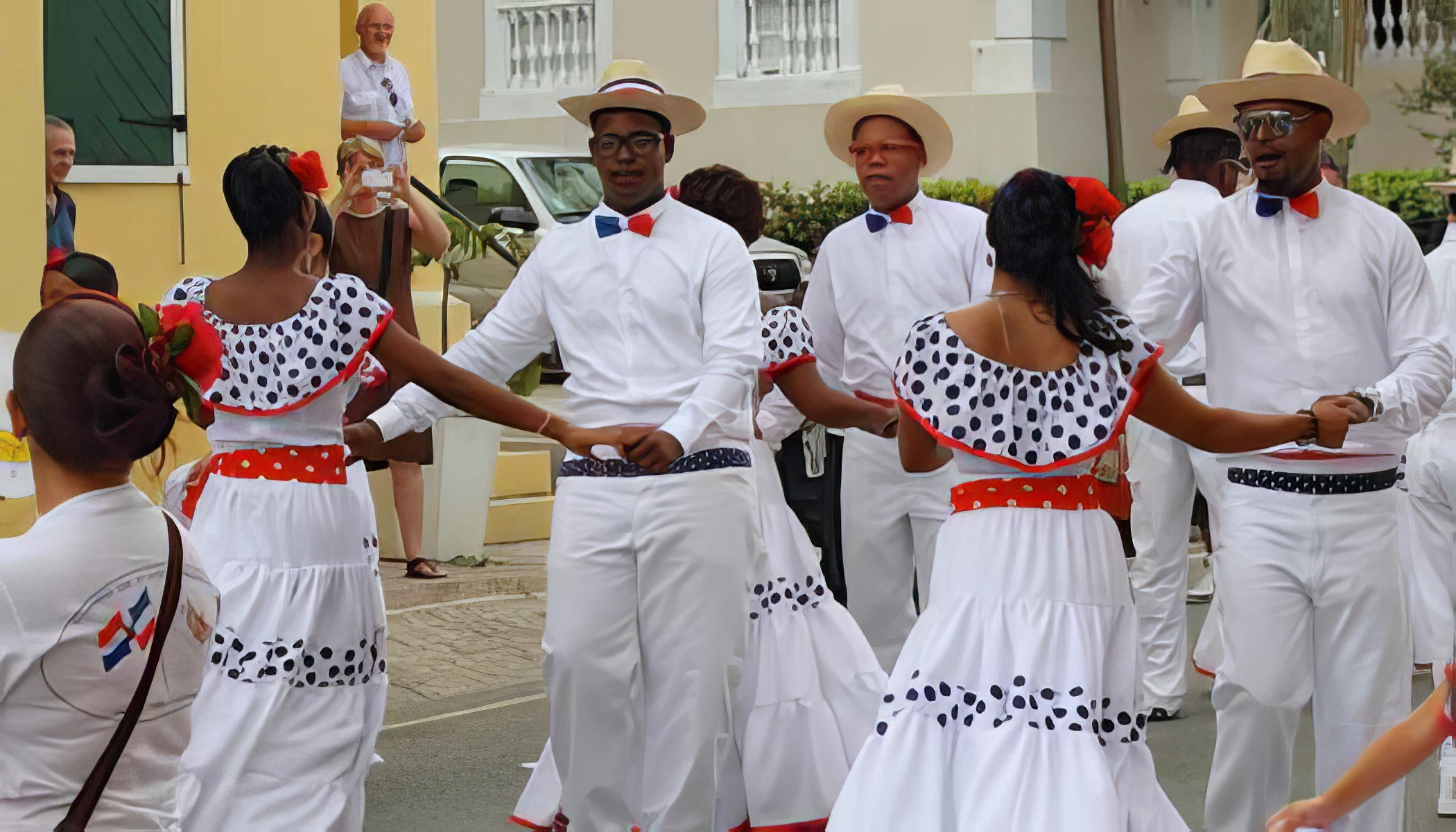
The Dominican Republic provides attractive traditional performances:
– Merengue Dance: Experience the lively rhythms and energetic dance of Merengue, a national symbol, at festivals and clubs across Santo Domingo.
– Bachata Music: Enjoy romantic Bachata music, characterized by its heartfelt lyrics and guitar melodies, in local bars and venues throughout the country.
– Palo Music: Witness Palo, a spiritual Afro-Dominican drumming tradition with deep roots in religious ceremonies, often performed in rural areas.
– Carnival Parades: Join colorful parades featuring masks, costumes, and traditional music during the annual Carnival celebrations in La Vega.
– Gagá Processions: Observe Gagá processions during Holy Week in the southeast region, showcasing African-influenced music and dance rituals.
Events & Festivals
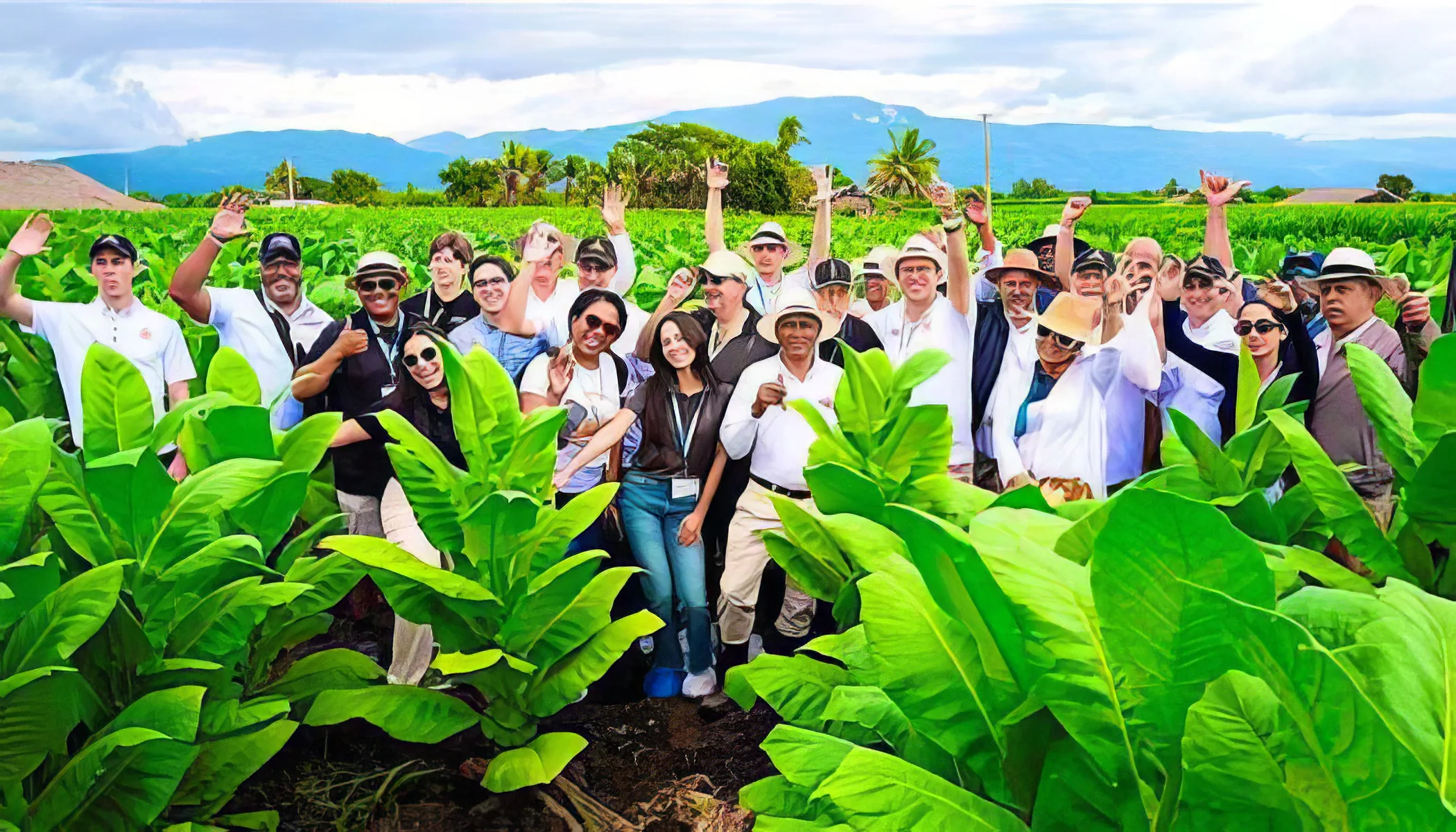
The Dominican Republic hosts energetic events and festivals throughout the year, reflecting its rich culture and traditions:
– Carnival: February celebration with parades, music, and colorful costumes across the country.
– Independence Day: February 27 marks independence from Haiti with parades and patriotic events.
– Holy Week: March/April religious observance with processions and church services.
– Merengue Festival: July/August event in Santo Domingo featuring live music and dance competitions.
– Restoration Day: August 16 commemorates the restoration of independence from Spain in 1865.
– Puerto Plata Cultural Festival: October event showcasing local arts, crafts, and performances.
– Dominican Republic Jazz Festival: November festival attracting international jazz artists to various cities.
Famous People

The Dominican Republic has been home to many notable figures who have made significant contributions in various fields.
– Juan Pablo Duarte (1813 to 1876, Santo Domingo): Founding father of the Dominican Republic, instrumental in its independence from Haiti.
– Rafael Trujillo (1891 to 1961, San Cristóbal): Dictator who ruled the Dominican Republic with an iron fist for over three decades.
– Julia de Burgos (1914 to 1953, Carolina): Renowned poet and civil rights activist known for her feminist and nationalist themes.
– Juan Luis Guerra (born 1957, Santo Domingo): Internationally acclaimed musician and composer known for his merengue and bachata hits.
– Sammy Sosa (born 1968, San Pedro de Macorís): Famous Major League Baseball player celebrated for his home run achievements.
Books
These books delve into the rich history, culture, and political landscape of the Dominican Republic through compelling narratives.
– "The Brief Wondrous Life of Oscar Wao" by Junot Díaz: Chronicles a Dominican-American family's curse across generations.
– "In the Time of the Butterflies" by Julia Alvarez: Fictionalized account of the Mirabal sisters' resistance against Trujillo's regime.
– "Feast of the Goat" by Mario Vargas Llosa: Explores Rafael Trujillo's dictatorship and its impact on Dominican society.
– "How the García Girls Lost Their Accents" by Julia Alvarez: Follows four sisters adjusting to life in America after fleeing the Dominican Republic.
– "Before We Were Free" by Julia Alvarez: A young girl's perspective on living under Trujillo's oppressive rule.
Songs
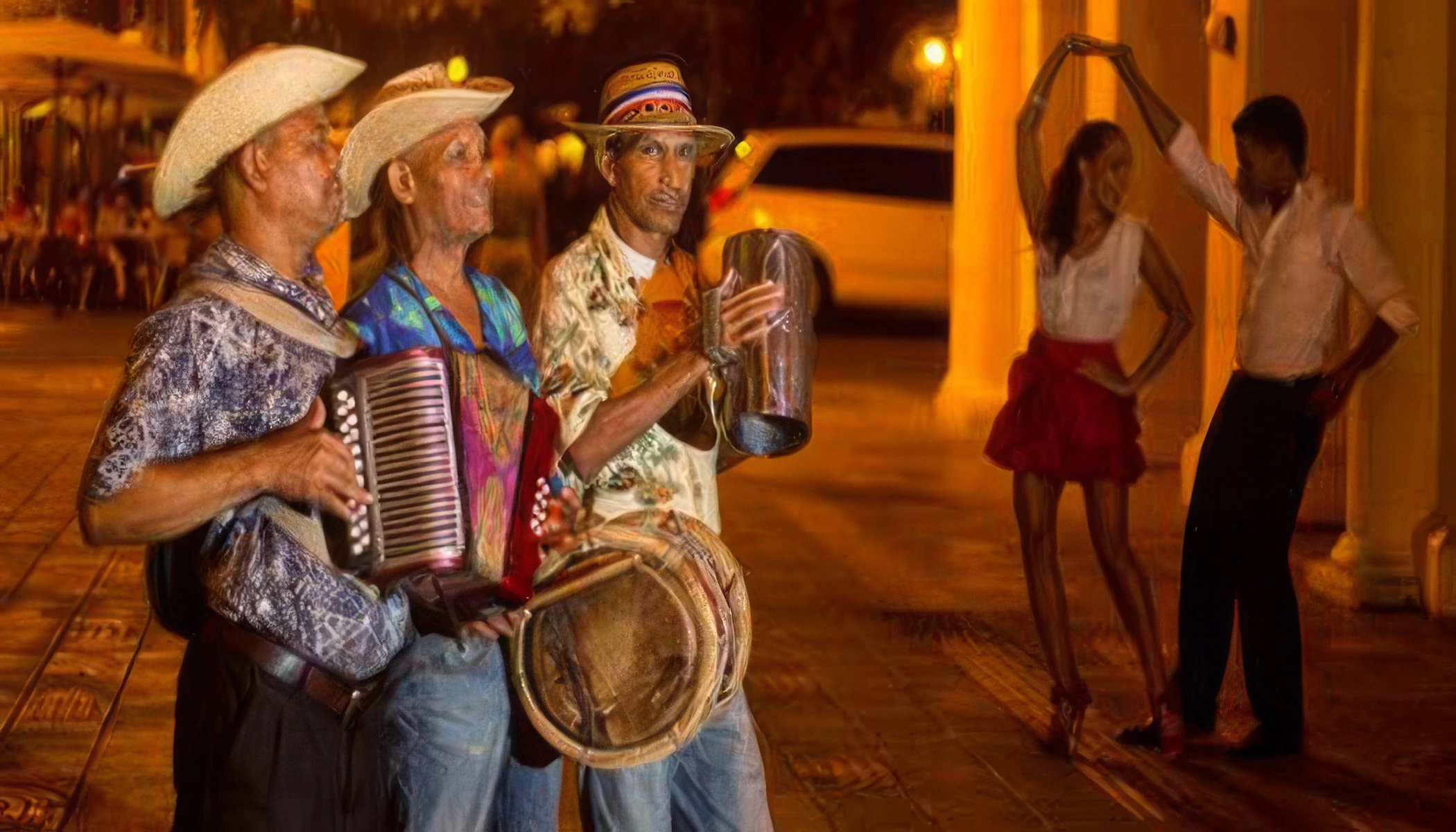
These songs highlight the vibrant musical culture of the Dominican Republic, featuring genres like merengue and bachata.
– Ojalá Que Llueva Café: Juan Luis Guerra's iconic song celebrating hope and abundance.
– La Bilirrubina: A lively merengue hit by Juan Luis Guerra about love's intoxicating effects.
– Bachata Rosa: Juan Luis Guerra's romantic bachata classic, blending traditional and modern sounds.
– El Niágara en Bicicleta: A metaphorical song by Juan Luis Guerra addressing healthcare challenges in the Dominican Republic.
– A Pedir Su Mano: Merengue track by Juan Luis Guerra, known for its catchy rhythm and joyful lyrics.
– Frío Frío: A romantic ballad by Juan Luis Guerra, celebrated for its poetic lyrics and melody.
Films
A selection of films that highlight the culture and stories of the Dominican Republic includes:
– "Sugar": Follows a Dominican baseball player's journey to the U.S. minor leagues, exploring dreams and cultural challenges.
– "La Soga": A gritty crime drama about a hitman in Santiago, dealing with corruption and personal redemption.
– "Nueba Yol": A comedy-drama depicting a Dominican man's immigration experience in New York City.
– "Cristo Rey": Set in Santo Domingo, this film explores gang rivalry and forbidden love in a tense neighborhood.
– "Cocote": A story of religious rituals and revenge as a man returns home for his father's funeral.