

Travel Guide to El Salvador: Top Things to Do & Tips
Located in Central America, this small country is known for its Pacific Ocean beaches, volcanic landscapes, and rich cultural heritage. Despite challenges like past civil unrest, it provides attractive cities and archaeological sites that reflect its complex history.
- Capital
- San Salvador
- Population
- 6.1 millions
- Superficy
- 22000 sq.km
- Months to Visit
- Nov. to April.
- Living Cost
- Moderate
Overview
El Salvador, the smallest country in Central America, is known for its Pacific Ocean beaches, mountainous landscapes, and archaeological sites. The capital city, San Salvador, is a hub of commerce and culture with museums and energetic markets. The country has a rich history influenced by indigenous cultures and Spanish colonization. El Salvador's economy relies heavily on agriculture, particularly coffee production, as well as remittances from abroad. It faces challenges such as economic inequality and crime but is working towards improvements in these areas. Despite its issues, El Salvador supplies natural beauty and cultural experiences for those who visit.
Pros & Cons
GOOD REASONS TO VISIT EL SALVADOR
– Beautiful Beaches: Surf and relax on Pacific coast beaches like El Tunco and El Sunzal.
– Rich Culture: Explore Mayan ruins, colonial towns, and beautiful local festivals showcasing El Salvador's heritage.
– Coffee Plantations: Tour scenic coffee farms in the highlands, learning about cultivation and tasting fresh brews.
– National Parks: Hike volcanoes and explore diverse ecosystems in parks like Cerro Verde and Montecristo.
– Affordable Travel: Enjoy budget-friendly accommodations, food, and activities without compromising on experiences. CHALLENGES WHEN VISITING EL SALVADOR
– Safety Concerns: High crime rates in certain areas; stay informed about safe regions to visit.
– Limited Infrastructure: Public transport can be unreliable; renting a car may be necessary for convenience.
– Language Barrier: Spanish is predominant; English is less spoken outside tourist areas.
Before Departure
Before traveling to El Salvador, consider the following essential information:
– Passport: Ensure your passport is valid for at least six months from your entry date.
– Visa: U.S. and EU tourists can enter visa-free for up to 90 days; others may require a visa or tourist card.
– Currency: U.S. Dollar (USD) is the official currency; credit cards widely accepted; ATMs available in urban areas.
– Internet access: WiFi is common in hotels and cafes; local SIM cards with data plans are affordable and available.
– Language barrier: Spanish is the official language; English is not widely spoken, so basic Spanish phrases are helpful.
What to Pack
El Salvador supplies diverse landscapes and a tropical climate, so packing appropriately is essential for a comfortable visit.
– Essentials: Passport, travel insurance, flight tickets, accommodation details, and itinerary.
– Clothing: Lightweight clothing for warm weather, comfortable walking shoes, swimwear for beaches, rain jacket for wet season, hat and sunglasses.
– Health & Safety: Prescription medications, basic first aid kit, insect repellent with DEET, sunscreen with high SPF.
– Electronics: Travel adapter for Type A/B outlets, mobile phone with charger, camera or smartphone for photos.
Weather
Weather in El Salvador is tropical with distinct wet and dry seasons:
– Dry Season (November to April): Characterized by warm temperatures and minimal rainfall, making it ideal for outdoor activities.
– Wet Season (May to October): Features heavy rainfall, especially in the afternoons, with beautiful landscapes and cooler temperatures. The best time to visit El Salvador is during the dry season from November to April.
– Pros: Ideal weather for exploring beaches, hiking, and cultural sites with less rain.
– Cons: Higher tourist numbers can lead to increased prices and crowded attractions.
Travel Budget
El Salvador supplies a range of budget-friendly options for travelers. Here are some average prices for common expenses:
– Hotel: 30$ to 120$
– Lunch: 5$ to 15$
– Beverage (in bar/restaurant): 2$ to 6$
– Coffee: 1.5$ to 3.5$
– Transportation: (bus 0.25$ to 1.5$), (taxi /10km 8$ to 15$)
– Mobile data (per GB): 2.5$ to 5$
Language
In El Salvador, Spanish is the official language, and here are some useful phrases for tourists:
– Hello: Hola
– Thank you: Gracias
– Please: Por favor
– How much is this?: ¿Cuánto cuesta esto?
– Excuse me: Perdón
– I don't understand: No entiendo
– Yes: Sí
– No: No
– Goodbye: Adiós
History
The region was originally inhabited by indigenous peoples, including the Pipil and Lenca. Spanish conquistadors arrived in the early 16th century, leading to colonization and the establishment of San Salvador in 1525. El Salvador gained independence from Spain in 1821 and briefly joined the Federal Republic of Central America before becoming a sovereign nation in 1841. The country experienced political instability and military rule throughout much of the 19th and 20th centuries. A brutal civil war from 1980 to 1992, fueled by social inequality and political repression, resulted in significant loss of life before peace accords were signed. Since then, El Salvador has worked towards democratic governance but continues to face challenges such as economic inequality and gang violence.
Geopolitics
Located in Central America, El Salvador is bordered by Honduras to the northeast, Guatemala to the northwest, and the Pacific Ocean to the south. It is the smallest and most densely populated country in the region. The country has faced challenges related to gang violence and political instability, which have influenced its domestic and international policies. El Salvador uses the U.S. dollar as its official currency and has strong economic ties with the United States, which is also home to a significant Salvadoran diaspora. In recent years, it has sought to diversify its international relations and economic partnerships beyond traditional allies. The government has also gained attention for adopting Bitcoin as legal tender, aiming to attract investment and innovation but facing skepticism from international financial institutions.
Sample Itinerary
This itinerary covers El Salvador's natural beauty, cultural heritage, and nice cities.
– 1 day in San Salvador: Visit the National Palace, Metropolitan Cathedral, and explore local markets. Enjoy views from El Boquerón National Park.
– 1 day in Suchitoto: Discover colonial architecture, visit the Church of Santa Lucia, and enjoy Lake Suchitlán's scenic views.
– 1 day in Joya de Cerén: Explore this UNESCO World Heritage Site known as the "Pompeii of the Americas" for its preserved Mayan village.
– 1 day in Santa Ana: Tour the Santa Ana Cathedral and Teatro de Santa Ana. Visit nearby Tazumal ruins for a glimpse into Mayan history.
– 1 day at Ruta de las Flores: Drive through charming towns like Juayúa and Ataco. Enjoy coffee plantations, waterfalls, and local crafts.
Popular cities
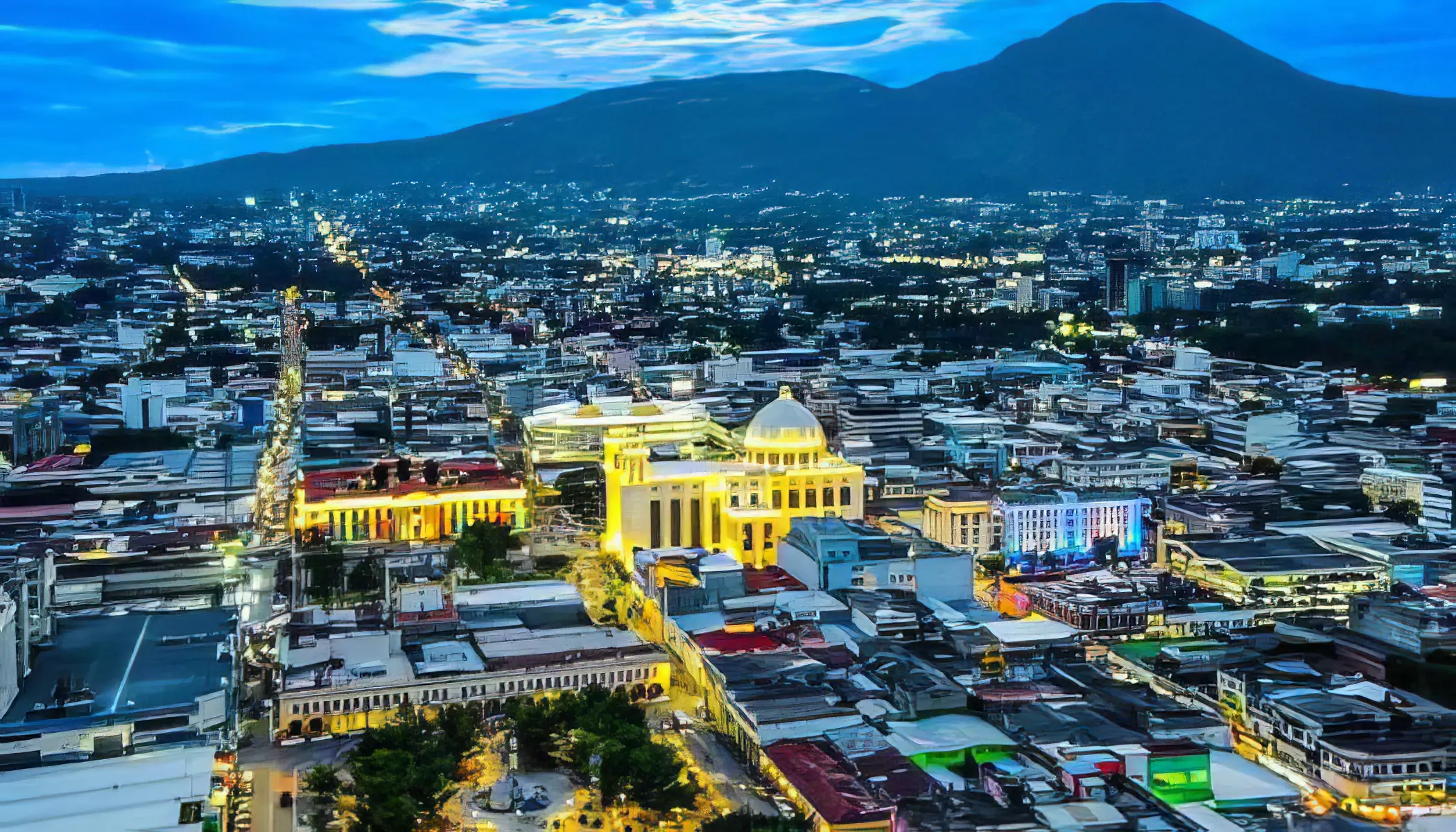
Explore El Salvador's vibrant cities, each offering unique experiences and attractions:
– San Salvador: The capital city features museums, historic sites, and a turbulent urban atmosphere.
– Santa Ana: Known for its beautiful cathedral, theater, and proximity to the Santa Ana Volcano.
– Suchitoto: A charming colonial town with cobblestone streets and cultural festivals.
– La Libertad: Popular for its beaches and surf spots along the Pacific coast.
– San Miguel: Hosts the annual Carnival of San Miguel and offers a lively local culture.
– Sonsonate: Gateway to the Ruta de las Flores, known for its coffee plantations and scenic views.
– Ahuachapán: Supplies geothermal attractions like hot springs and is part of the Ruta de las Flores.
Monuments
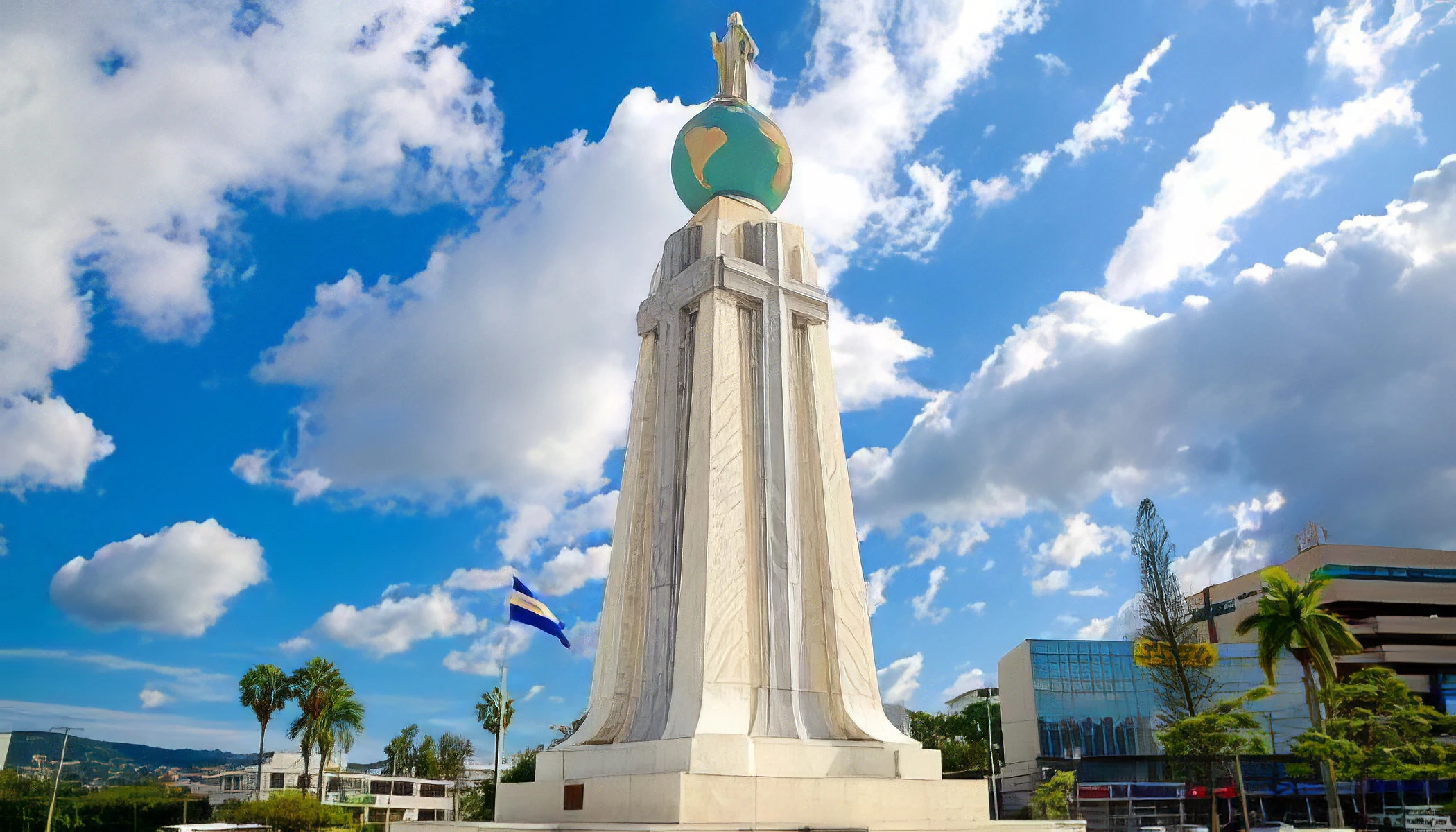
El Salvador supplies several notable monuments to explore:
– Joya de Cerén: UNESCO site, preserved pre-Hispanic village buried by volcanic ash.
– Tazumal: Ancient Mayan ruins featuring pyramids and ceremonial structures.
– San Andrés: Archaeological site with Mayan pyramids and a museum.
– Santa Ana Cathedral: Neo-Gothic cathedral known for its sophisticated facade and stained glass.
– El Rosario Church, San Salvador: Unique modern church with striking architecture and colorful interior.
– National Palace, San Salvador: Historic government building showcasing neoclassical architecture.
– Teatro Nacional de El Salvador: Oldest theater in Central America with beautiful interior design.
– Monumento al Divino Salvador del Mundo, San Salvador: Iconic monument symbolizing the country’s patron saint.
Natural wonder
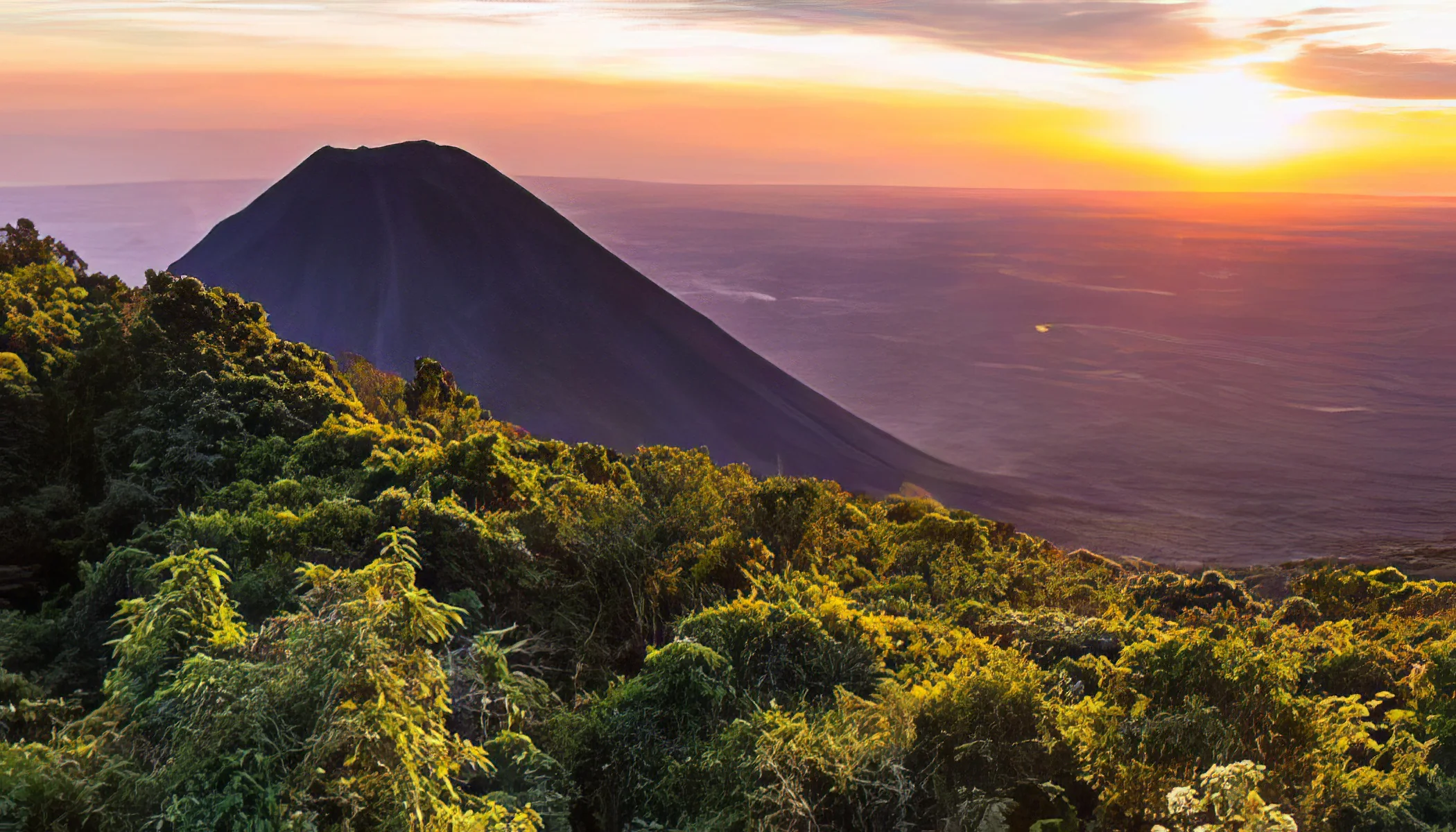
Explore the natural beauty of El Salvador:
– Santa Ana Volcano: The highest volcano in El Salvador with a gorgeous crater lake.
– Lake Coatepeque: A volcanic caldera lake known for its clear blue waters.
– El Imposible National Park: Supplies diverse ecosystems and is home to many endangered species.
– Cerro Verde National Park: Features cloud forests and panoramic views of nearby volcanoes.
– Suchitlán Lake: A man-made reservoir popular for birdwatching and boat tours.
– Tamanique Waterfalls: A series of waterfalls surrounded by abundant vegetation, ideal for hiking.
– Montecristo Cloud Forest: Known for its misty forests and rich biodiversity at high altitudes.
– Conchagua Volcano: Offers panoramic views of the Gulf of Fonseca from its summit.
– San Diego Waterfalls: Hidden waterfalls accessible through scenic hiking trails.
– Izalco Volcano: Known as the "Lighthouse of the Pacific" due to its frequent eruptions in the past.
Beaches
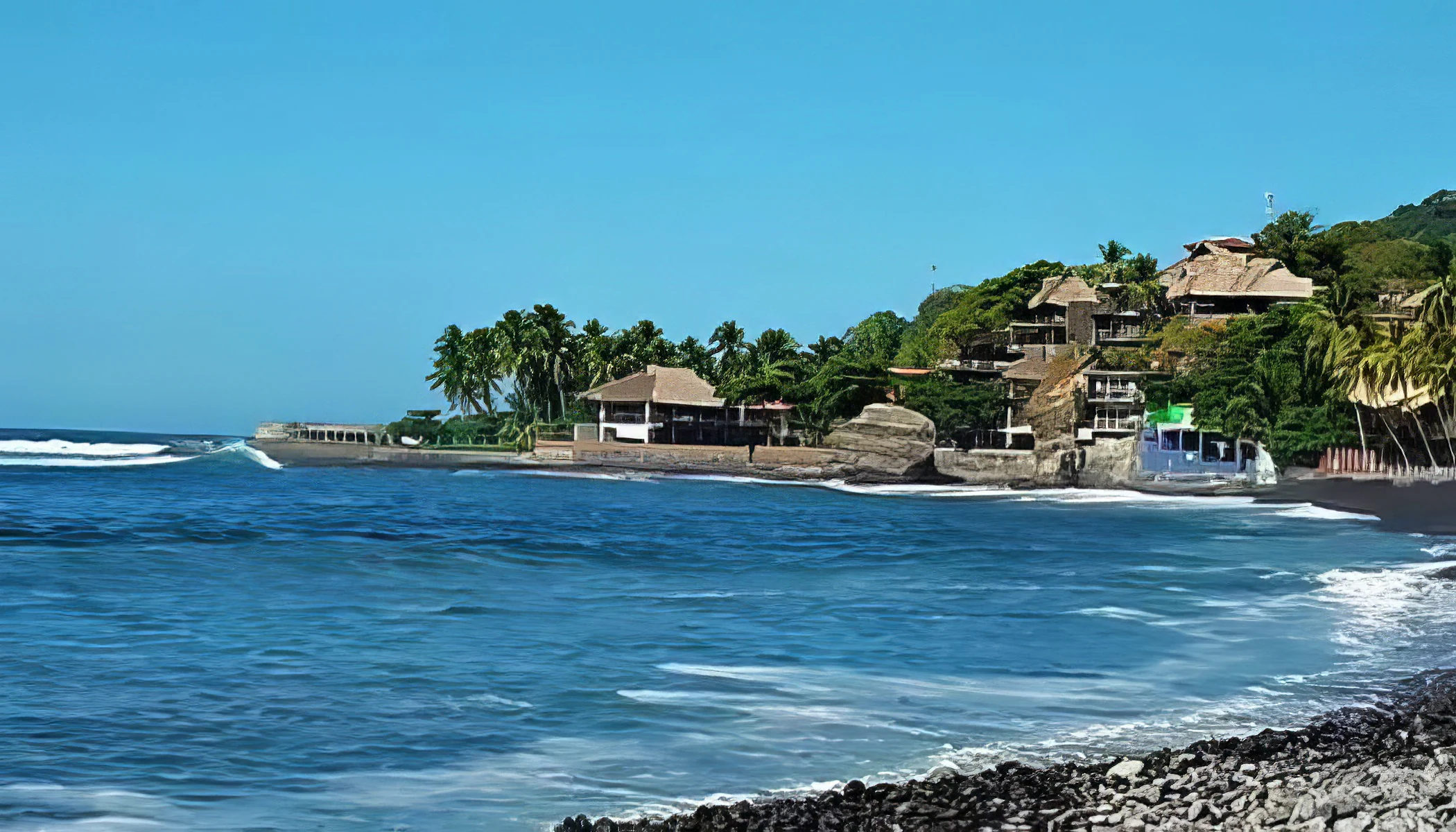
El Salvador offers several popular beaches along its Pacific coastline:
– El Tunco Beach: Known for surfing and lively nightlife, popular among international tourists.
– El Sunzal Beach: Provides consistent waves, ideal for both beginner and experienced surfers.
– La Libertad Beach: Features a busy fish market and is a gateway to nearby surf spots.
– Playa Las Flores: Renowned for its right-hand point break, attracting surfers worldwide.
– Costa del Sol: A long stretch of sandy beach, popular for family outings and relaxation.
– Playa El Cuco: Supplies a laid-back atmosphere with gentle waves suitable for swimming.
– Mizata Beach: Less crowded, known for its natural beauty and surf-friendly waves.
Outdoor activities
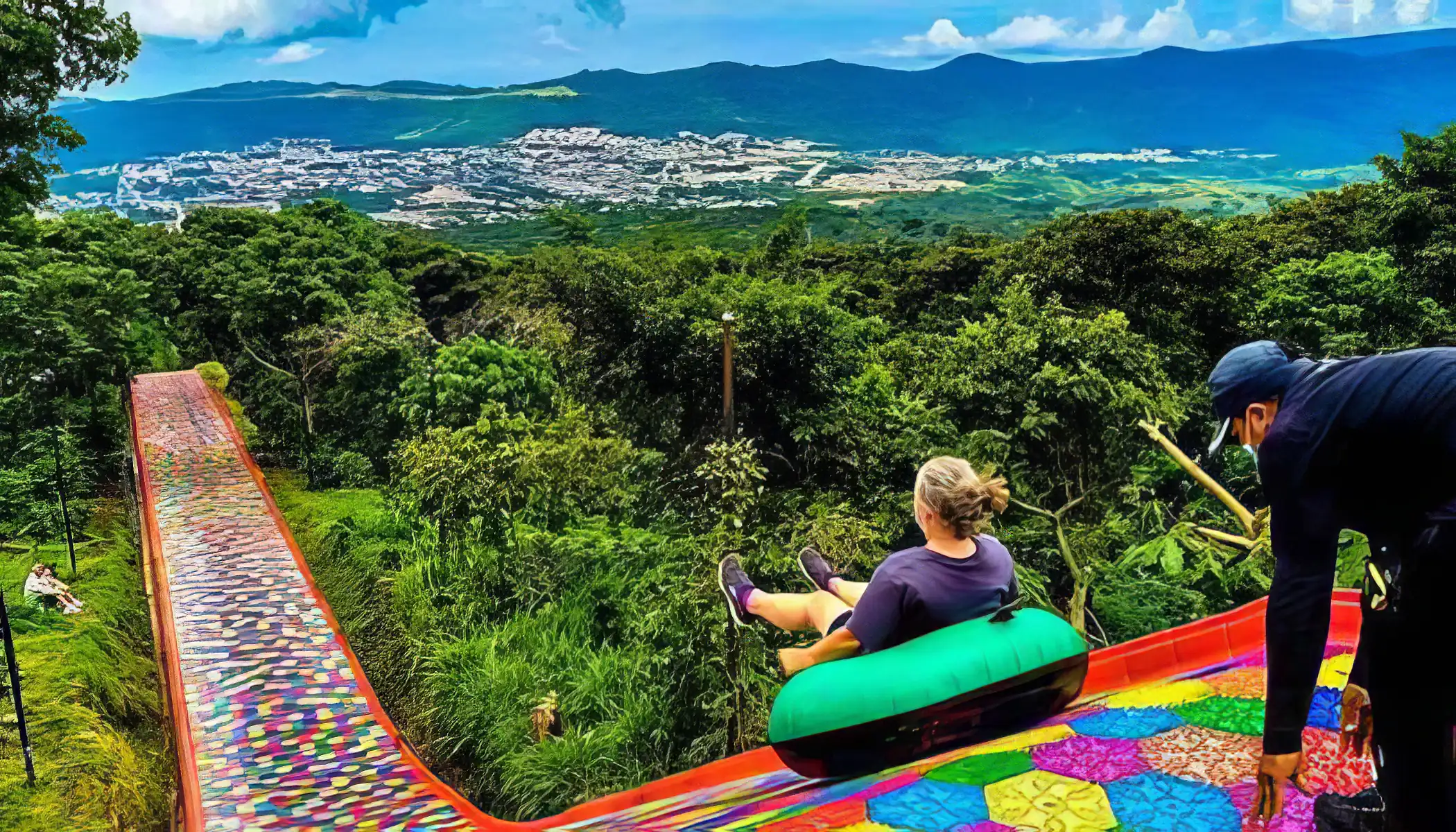
Outdoor enthusiasts will find plenty of activities to enjoy in El Salvador:
– Surfing at El Tunco: Ride the waves at one of Central America's top surf spots.
– Hiking Santa Ana Volcano: Trek to the summit for panoramic views and a turquoise crater lake.
– Exploring Suchitoto's Waterfalls: Discover hidden cascades and natural pools in attractive surroundings.
– Birdwatching in Barra de Santiago: Observe diverse bird species in this coastal mangrove forest.
– Kayaking on Lake Coatepeque: Paddle across a gorgeous volcanic crater lake with clear waters.
– Canopy Tour in Apaneca: Zipline through coffee plantations and cloud forests for an adrenaline rush.
– Diving at Los Cobanos: Explore underwater rock formations and marine life along the Pacific coast.
Kid Friendly
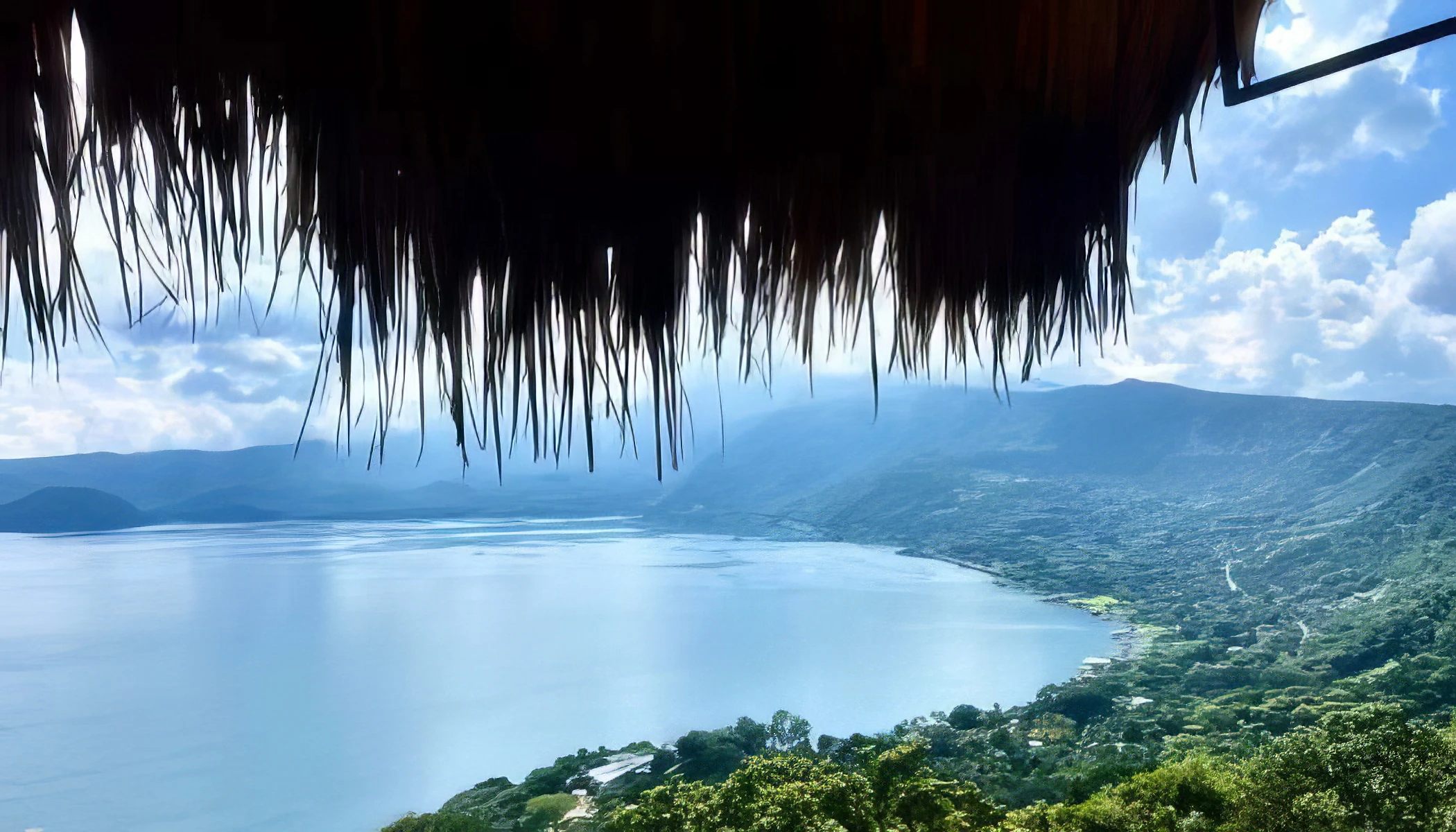
El Salvador provides several engaging activities for children to enjoy.
– El Boquerón National Park: Explore the crater of an inactive volcano with easy trails and scenic views.
– Joya de Cerén: Visit this UNESCO World Heritage site, known as the "Pompeii of the Americas."
– Lake Coatepeque: Enjoy swimming, kayaking, or a boat ride on this beautiful volcanic lake.
– El Imposible National Park: Discover diverse wildlife and nature trails in this protected area.
– San Andrés Archaeological Site: Learn about ancient Mayan civilization through well-preserved ruins and artifacts.
– La Libertad Beaches: Relax on family-friendly beaches with opportunities for surfing lessons.
– Museo Tin Marín: Engage with interactive exhibits at this children's museum in San Salvador.
– Suchitoto Town: Experience cultural activities and crafts in this charming colonial town.
Cuisine
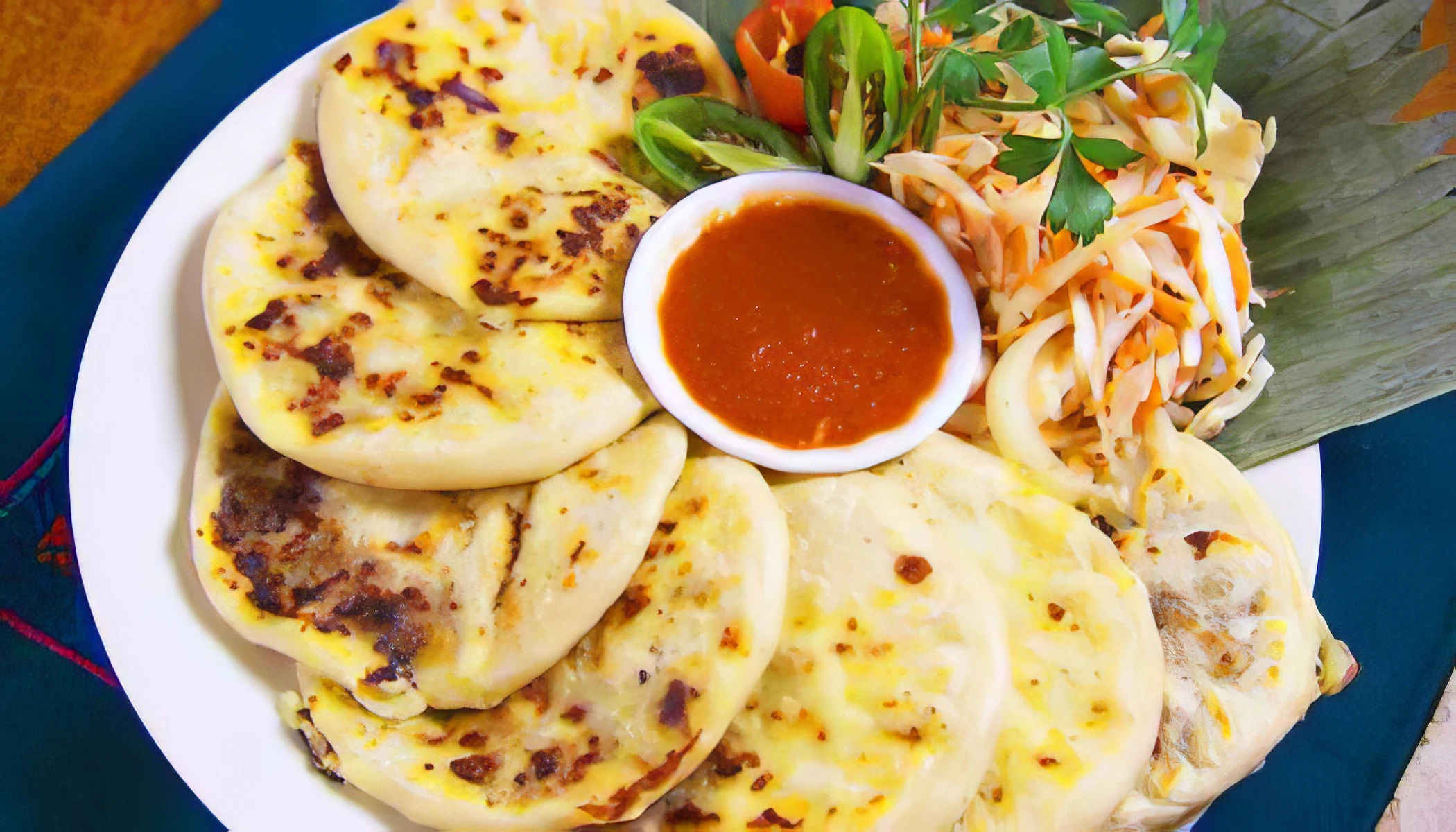
El Salvador's food scene is characterized by its hearty, corn-based dishes and attractive flavors, reflecting indigenous and Spanish influences. Street food is popular, offering affordable and tasty options. Most famous cuisine in El Salvador are:
– Pupusas: Thick corn tortillas stuffed with cheese, beans, or pork, served with pickled cabbage.
– Yuca Frita: Fried cassava root often served with curtido and chicharrón.
– Sopa de Pata: Hearty soup made with cow's feet, tripe, vegetables, and spices.
– Tamales: Corn dough filled with meat or vegetables, wrapped in banana leaves.
– Empanadas de Leche: Sweet plantain dough filled with milk custard and fried.
Souvenir
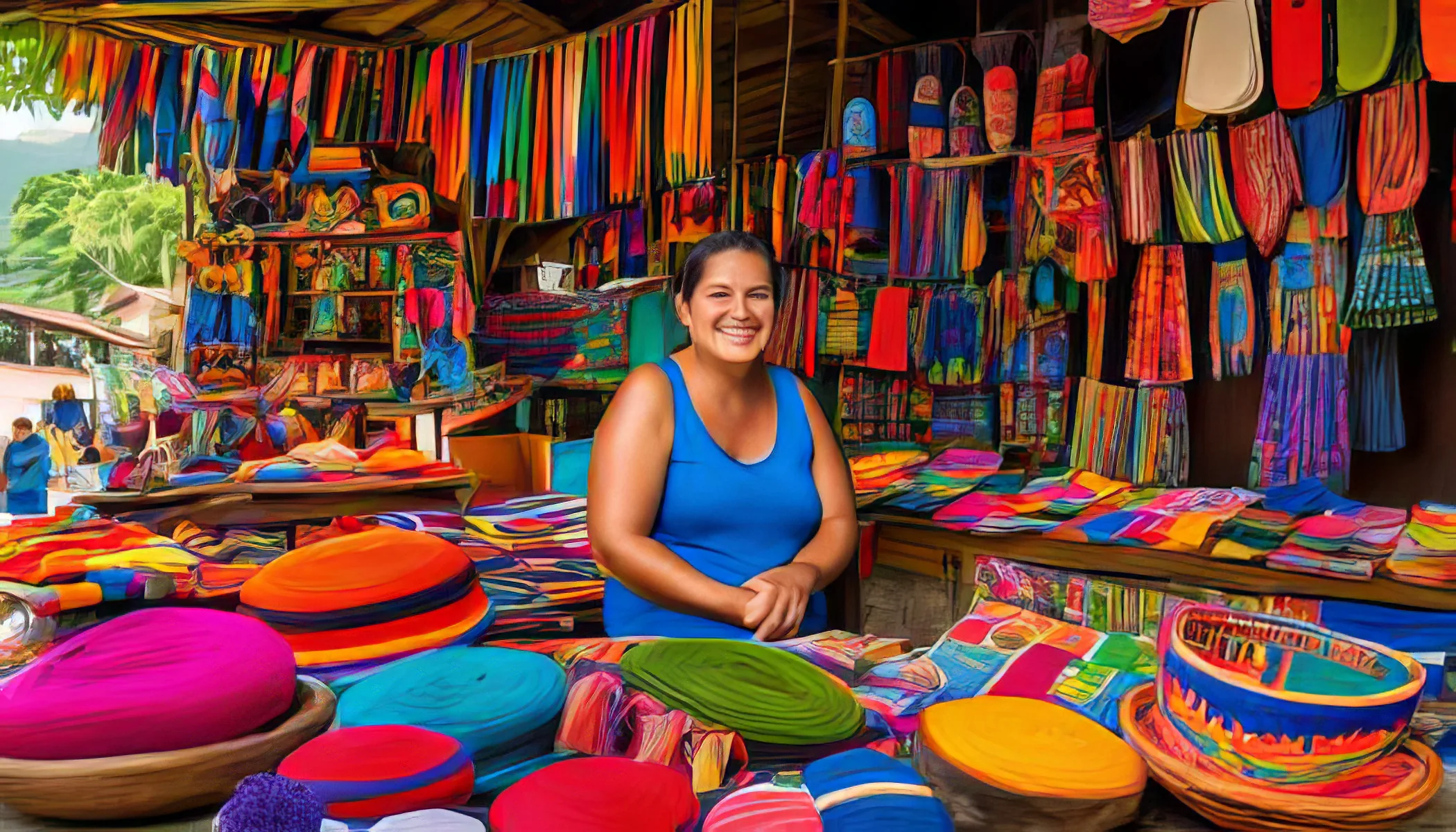
Known for its pleasant culture and craftsmanship, El Salvador offers a variety of unique souvenirs. Here are some popular options:
– Handwoven Textiles: Colorful textiles made by local artisans, often used for clothing and home decor.
– Coffee: El Salvador is famous for its high-quality coffee beans, perfect for coffee enthusiasts.
– Indigo-dyed Products: Traditional indigo dyeing techniques create beautiful blue fabrics and clothing.
– Ceramics: Handcrafted ceramics featuring traditional designs are widely available in markets.
– Hammocks: Comfortable and colorful hammocks are a staple in Salvadoran homes and make great gifts.
– Wood Carvings: Intricately carved wooden items, including masks and figurines, showcase local craftsmanship.
– Pilsner Beer Memorabilia: Items featuring the popular local beer brand are fun keepsakes.
Traditional Shows
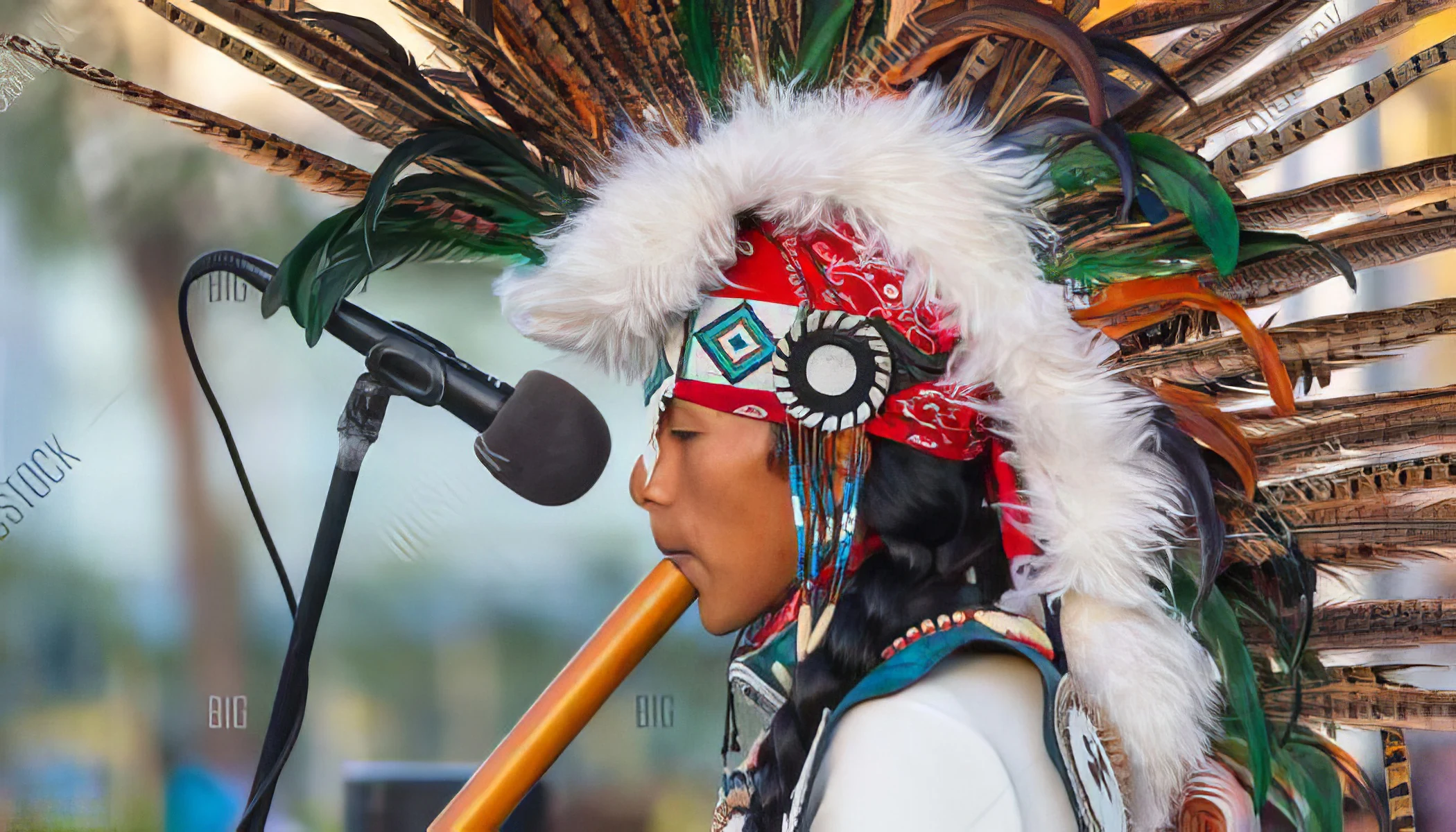
El Salvador provides unique traditional performances:
– Marimba Music: Enjoy lively marimba tunes, a staple in Salvadoran celebrations, often performed in San Salvador's cultural events.
– Cumbia Dance: Experience energetic cumbia dance performances, blending indigenous and African rhythms, popular at festivals across El Salvador.
– Ballet Folklórico Nacional: Witness traditional dances showcasing El Salvador's diverse cultural heritage, performed by the national ballet company in San Salvador.
– Xuc Music: Listen to this upbeat music genre, originating from Cojutepeque, featuring brass instruments and lively rhythms at local festivals.
– La Danza de los Chapetones: Observe this traditional dance depicting historical events with colorful costumes and masks during town festivities in Panchimalco.
Events & Festivals
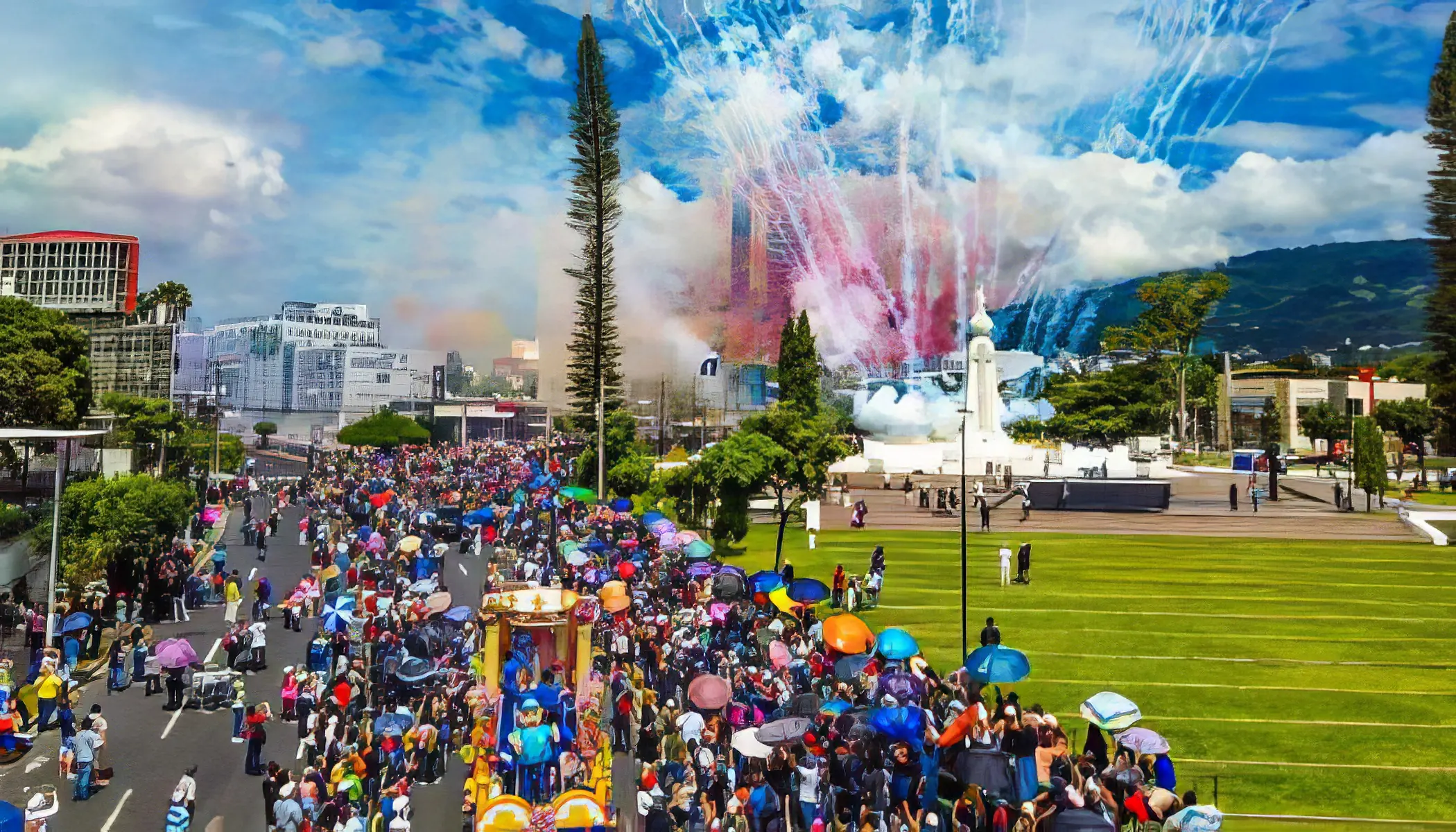
Several dynamic events and festivals take place annually, reflecting the country's rich culture and traditions:
– Semana Santa: March/April religious processions and reenactments of Christ's passion across the country.
– San Salvador August Festival: Week-long August celebration with parades, music, and fireworks honoring the Divine Savior.
– Independence Day: September 15 festivities with parades and cultural events marking independence from Spain.
– San Miguel Carnival: November event featuring colorful parades, music, and dancing in San Miguel city.
– Day of the Dead: November 2 observance with families visiting cemeteries to honor deceased loved ones.
– Christmas Celebrations: December festivities with nativity scenes, fireworks, and family gatherings throughout the country.
– New Year's Eve: December 31 celebrations with fireworks and parties to welcome the new year.
Famous People

El Salvador has been home to many notable individuals who have made significant contributions in various fields.
– Óscar Romero (1917 to 1980, Ciudad Barrios): Archbishop and human rights advocate, assassinated for speaking against social injustice.
– José Matías Delgado (1767 to 1832, San Salvador): Priest and leader in the movement for Central American independence from Spain.
– Claudia Lars (1899 to 1974, Armenia): Renowned poet known for her lyrical and emotive poetry reflecting Salvadoran culture.
– Roque Dalton (1935 to 1975, San Salvador): Influential poet and revolutionary figure known for his politically charged writings.
– Fernando Llort (1949 to 2018, San Salvador): Celebrated artist whose work became a symbol of national identity in El Salvador.
Books
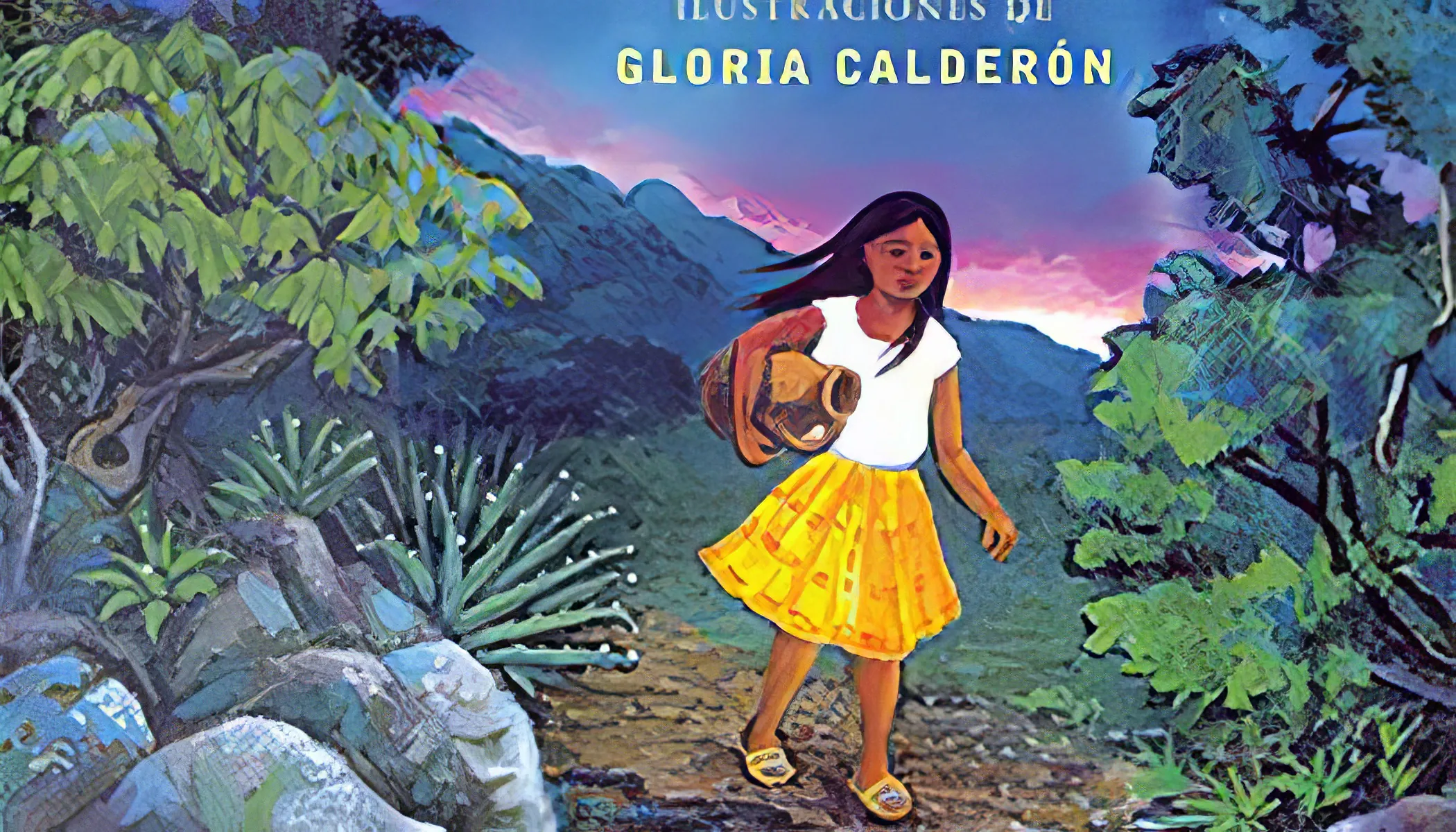
These books provide insights into the history, culture, and social issues of El Salvador through various narratives and perspectives.
– "One Day of Life" by Manlio Argueta: Depicts a peasant family's struggles during El Salvador's civil unrest.
– "The Weight of All Things" by Sandra Benítez: Follows a boy's journey through the Salvadoran Civil War after witnessing his mother's death.
– "Bitter Grounds" by Sandra Benítez: Chronicles three generations of women against the backdrop of El Salvador's political turmoil.
– "Senselessness" by Horacio Castellanos Moya: A writer grapples with trauma while editing testimonies from El Salvador's civil war survivors.
– "The Massacre at El Mozote" by Mark Danner: Investigative account of a brutal massacre during the Salvadoran Civil War.
Songs
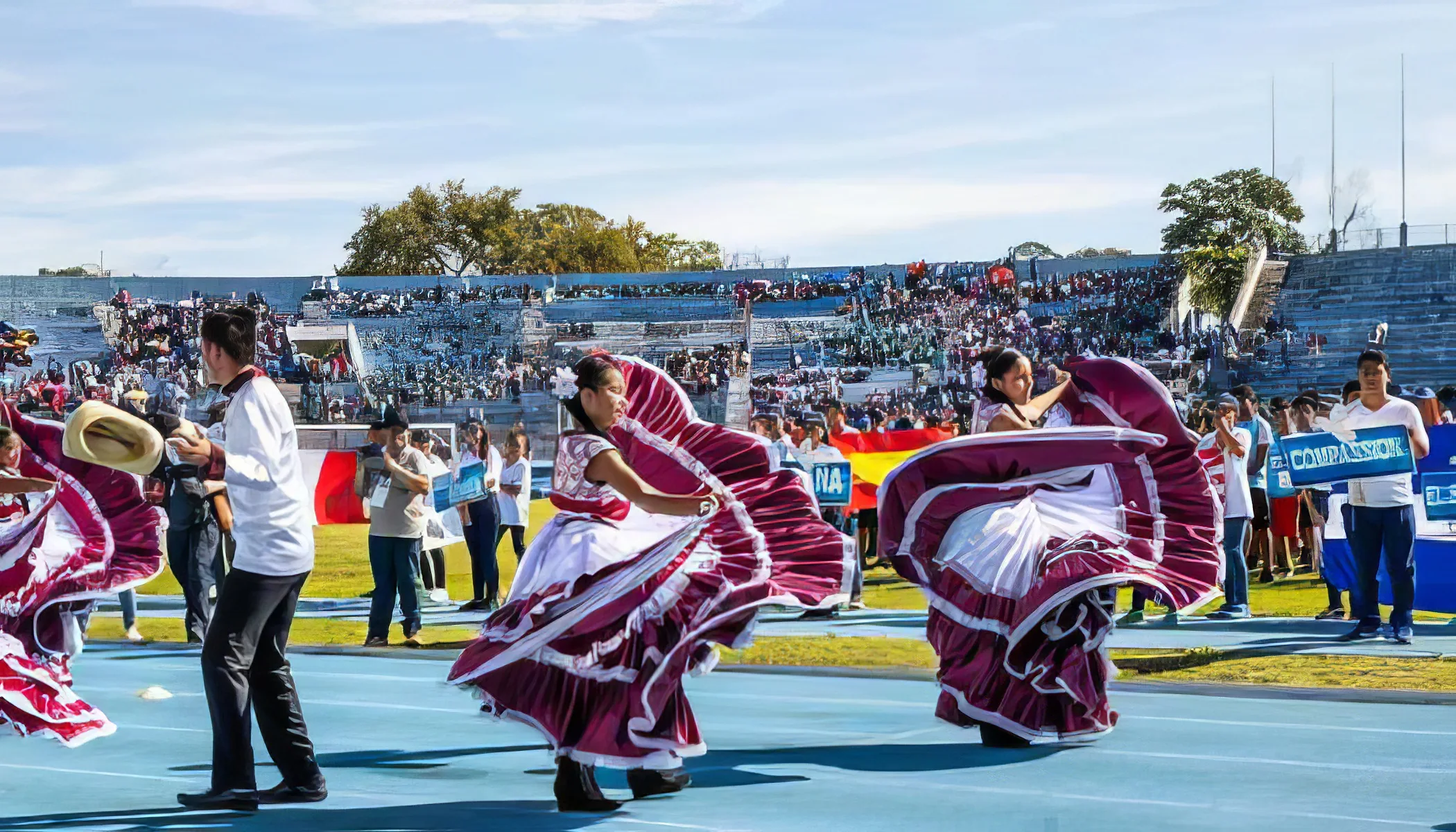
These songs highlight the rich cultural and musical heritage of El Salvador, reflecting its history, struggles, and animated spirit.
– El Carbonero: A traditional folk song symbolizing Salvadoran identity and pride.
– Patria Querida: A patriotic anthem celebrating the beauty and resilience of El Salvador.
– Adentro Cojutepeque: A classic tune that captures the essence of Salvadoran life and landscapes.
– La Bala: A song by Alvaro Torres addressing social issues in El Salvador.
– Cipota: By Los Hermanos Flores, this song is a lively cumbia representing Salvadoran music culture.
Films
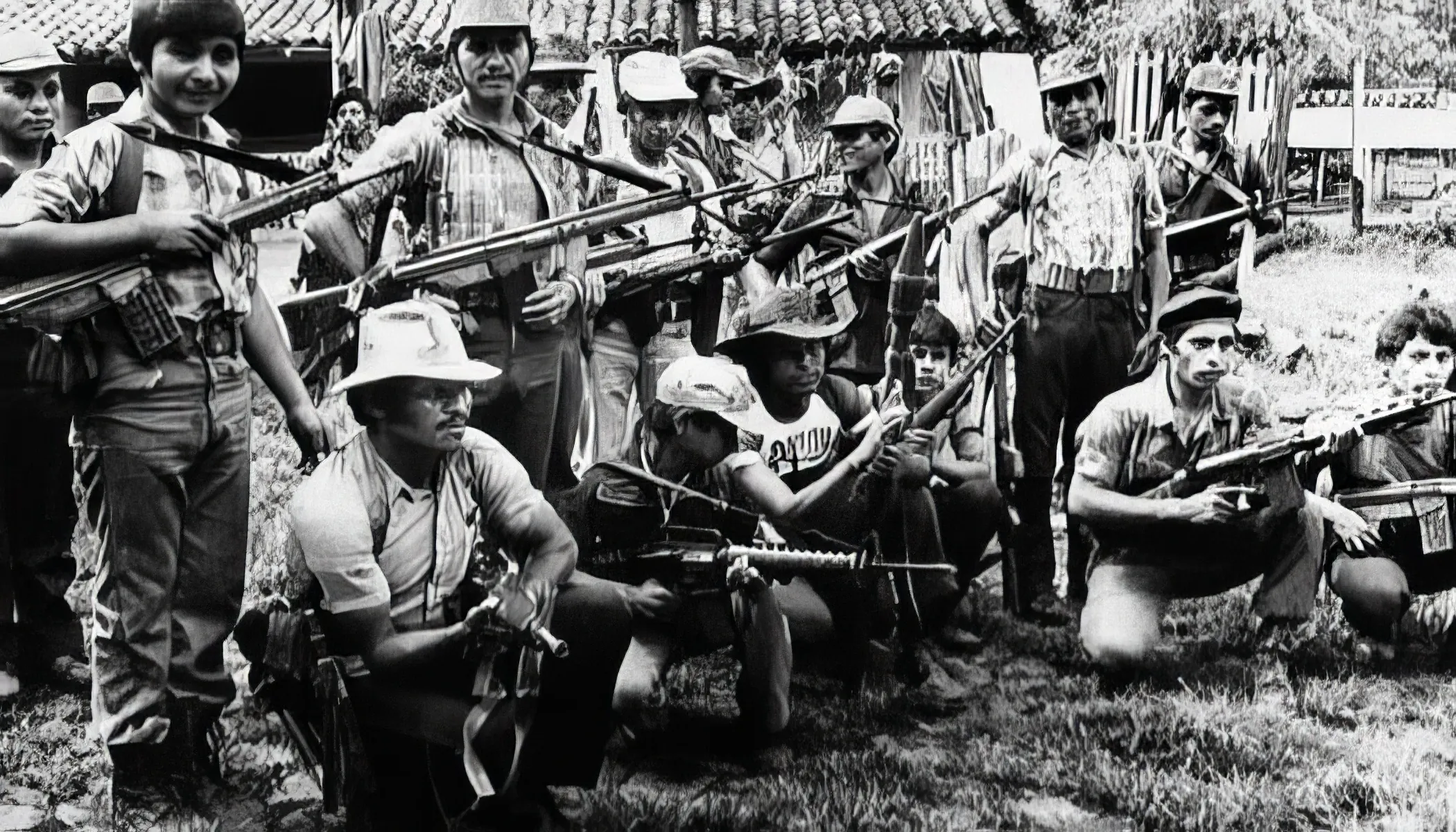
A selection of films that delve into the history and culture of El Salvador includes:
– "Voces Inocentes": Luis Mandoki's film portrays a child's perspective during El Salvador's civil war.
– "Salvador": Oliver Stone's drama follows an American journalist covering the Salvadoran Civil War in the 1980s.
– "La Vida Loca": Christian Poveda's documentary examines gang life and violence in El Salvador.
– "Innocent Voices": A powerful depiction of a young boy's struggle amidst the Salvadoran Civil War.
– "El Tigre y el Venado": A documentary by Sergio Sibrián about indigenous traditions and identity in El Salvador.