

Eritrea Attractions & Travel Advice – Plan Your Visit
Located in the Horn of Africa, this country features a mix of coastal plains and rugged mountains. Its capital, Asmara, is known for Italian colonial architecture. The nation has a complex history and diverse cultures, with nine recognized ethnic groups.
- Capital
- Asmara
- Population
- 5.8 millions
- Superficy
- 122000 sq.km
- Months to Visit
- Oct. to March.
- Living Cost
- Moderate
Overview
Eritrea is located in the Horn of Africa, bordered by Sudan, Ethiopia, and Djibouti, with a coastline along the Red Sea. The capital city, Asmara, is known for its well-preserved Italian colonial architecture. Eritrea's diverse landscapes range from coastal plains to mountainous regions and arid deserts. The country has nine recognized ethnic groups, contributing to a rich cultural tapestry. Eritrea gained independence from Ethiopia in 1993 after a prolonged conflict but continues to face challenges such as limited political freedoms and economic development issues. Despite these challenges, Eritrea's historical sites and natural beauty offer unique experiences for visitors.
Pros & Cons
GOOD REASONS TO VISIT ERITREA
– Unique Architecture: Asmara's Italian colonial buildings offer a rare glimpse into 1930s modernist architecture.
– Crystalline Coastline: The Red Sea coast and Dahlak Archipelago provide beautiful beaches and excellent diving opportunities.
– Cultural Diversity: Experience diverse ethnic groups, languages, and traditions in Eritrea's rich cultural tapestry.
– Historical Sites: Explore ancient ruins like Qohaito and the historic city of Massawa with its Ottoman influences.
– Scenic Landscapes: Enjoy varied landscapes from highland plateaus to desert plains and coastal regions. CHALLENGES WHEN VISITING ERITREA
– Limited Infrastructure: Travel can be challenging due to underdeveloped roads and limited public transport options.
– Restricted Movement: Travel outside Asmara requires permits, limiting spontaneous exploration of the country.
– Internet Access: Internet is slow and limited, making communication difficult for those reliant on connectivity.
Before Departure
Before traveling to Eritrea, it's important to be aware of the following details:
– Passport: Ensure your passport is valid for at least six months from your entry date.
– Visa: All tourists need a visa before arrival. Tourist visas are typically valid for 30 days and must be obtained through an Eritrean embassy or consulate.
– Currency: Eritrean Nakfa (ERN); credit cards are rarely accepted; cash is essential. ATMs are scarce and unreliable.
– Internet access: Limited WiFi availability; internet cafes exist but with slow speeds. Consider purchasing a local SIM card for better connectivity.
– Language barrier: Tigrinya, Arabic, and English are official languages; English is somewhat understood in urban areas but not widely spoken.
What to Pack
Traveling to Eritrea requires preparation for its unique climate and cultural environment.
– Essentials: Passport and visa, travel insurance, flight tickets, itinerary, accommodation confirmations, and local currency or credit card.
– Clothing: Lightweight clothing for warm weather, modest attire respecting local customs, comfortable walking shoes, hat and sunglasses for sun protection.
– Health & Safety: Prescription medications, basic first aid kit, insect repellent, sunscreen with high SPF, personal hygiene products.
– Electronics: Travel adapter for Type C or L outlets, mobile phone with charger, camera for capturing scenic views.
Weather
Weather in Eritrea varies by region, with coastal, central highlands, and western lowlands climates:
– Winter (December to February): Coastal areas are warm and dry; highlands are cooler with occasional rain.
– Spring (March to May): Coastal regions remain hot; highlands experience mild temperatures and some rainfall.
– Summer (June to August): Coastal areas are extremely hot; highlands have cooler temperatures and the main rainy season.
– Autumn (September to November): Coastal regions cool slightly; highlands become drier with pleasant temperatures. The best time to visit Eritrea is from October to February:
– Comfortable temperatures in the highlands and less humidity on the coast.
– Ideal for exploring cultural sites and outdoor activities. Note that some remote areas may be less accessible during this period due to occasional rains in the highlands.
Travel Budget
Eritrea offers a unique travel experience, though prices can vary due to limited tourism infrastructure. Here are some average costs for travelers:
– Hotel: 50$ to 150$
– Lunch: 5$ to 15$
– Beverage (in bar/restaurant): 2$ to 5$
– Coffee: 1$ to 3$
– Transportation: (train not widely available), (bus 0.5$ to 2$), (taxi /10km 5$ to 10$)
– Mobile data (per GB): 3$ to 7$
Language
In Eritrea, the most widely spoken languages are Tigrinya, Arabic, and English. Here are some useful phrases in Tigrinya:
– Hello: ሰላም (Selam)
– Thank you: የቐንየለይ (Yekenyeley)
– Please: በጃኻ (Beja-ka) [to a male] / በጃኺ (Beja-ki) [to a female]
– How much is this?: ክስ ይእውዎ? (Kis yi'ewwo?)
– Excuse me: ቕሬታ (Qreta)
– I don't understand: ኣይፈልጥን (Ayfeltin)
– Yes: እወ (Ewe)
– No: ኣይፋል (Ayfal)
– Goodbye: ቻው (Ciao)
History
It was part of the Aksumite Empire in ancient times and later came under the influence of various regional powers. In the late 19th century, it became an Italian colony, remaining so until World War II when British forces took control. After the war, Eritrea was federated with Ethiopia in 1952 but was annexed as a province in 1962, sparking a long struggle for independence. The Eritrean War of Independence lasted from 1961 to 1991, ending with Eritrean forces defeating Ethiopian troops. Eritrea officially gained independence in 1993 following a UN-supervised referendum. Since then, it has been governed by a single-party system under President Isaias Afwerki, facing challenges such as border conflicts and limited political freedoms.
Geopolitics
Eritrea is located in the Horn of Africa, bordered by Sudan to the west, Ethiopia to the south, Djibouti to the southeast, and the Red Sea to the northeast. It gained independence from Ethiopia in 1993 after a prolonged conflict. The country has a one-party political system with no national elections since independence. Eritrea's relationship with Ethiopia has been historically tense, though a peace agreement was signed in 2018. It is strategically positioned along key maritime routes in the Red Sea, impacting its geopolitical significance. Eritrea faces international criticism over human rights issues and has been subject to sanctions, affecting its global diplomatic relations.
Sample Itinerary
This itinerary covers the architectural charm of Asmara, the historical significance of Massawa, and the natural beauty of the Dahlak Archipelago.
– 2 days in Asmara: Explore Italian colonial architecture, visit the National Museum, and enjoy local cafes. See the Fiat Tagliero Building and St. Joseph's Cathedral.
– 1 day in Massawa: Discover Ottoman-era buildings, visit the Imperial Palace, and learn about Eritrean history at local sites. Experience coastal views and seafood.
– 2 days in Dahlak Archipelago: Enjoy snorkeling and diving in clear waters. Relax on preserved beaches and explore uninhabited islands with unique marine life.
Popular cities
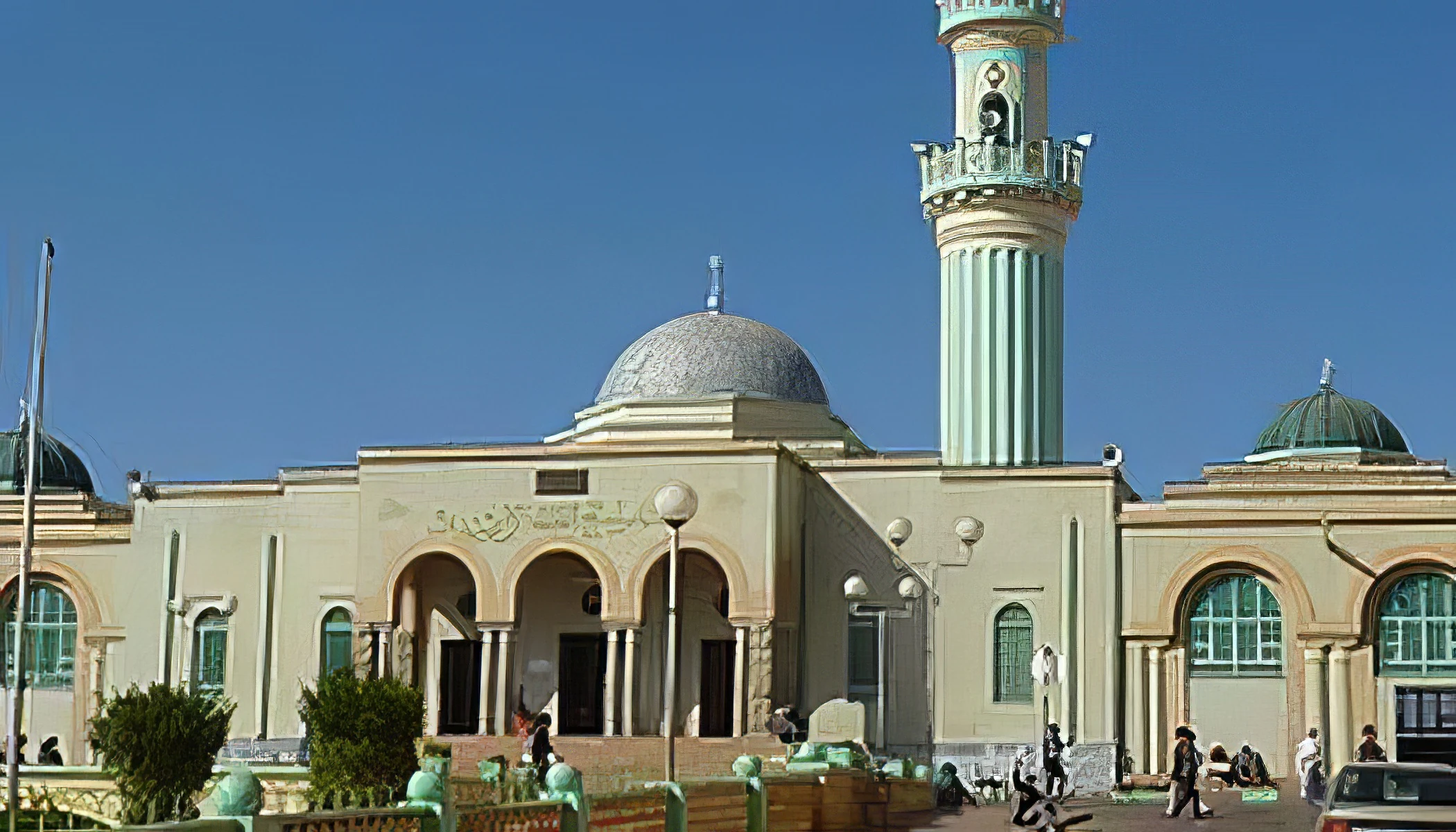
Explore Eritrea's unique blend of history, culture, and natural beauty through its cities:
– Asmara: The capital city is known for its well-preserved Italian colonial architecture and charming street life.
– Massawa: A port city with Ottoman-era buildings and access to the Dahlak Archipelago.
– Keren: Known for its markets, camel races, and the historic Italian fort.
– Mendefera: Offers a glimpse into local life with its markets and surrounding hills.
– Assab: A coastal city with a strategic port and nearby beaches.
– Dekemhare: Features Italian colonial architecture and scenic surroundings.
– Agordat: Known for its diverse cultural influences and archaeological sites nearby.
Monuments
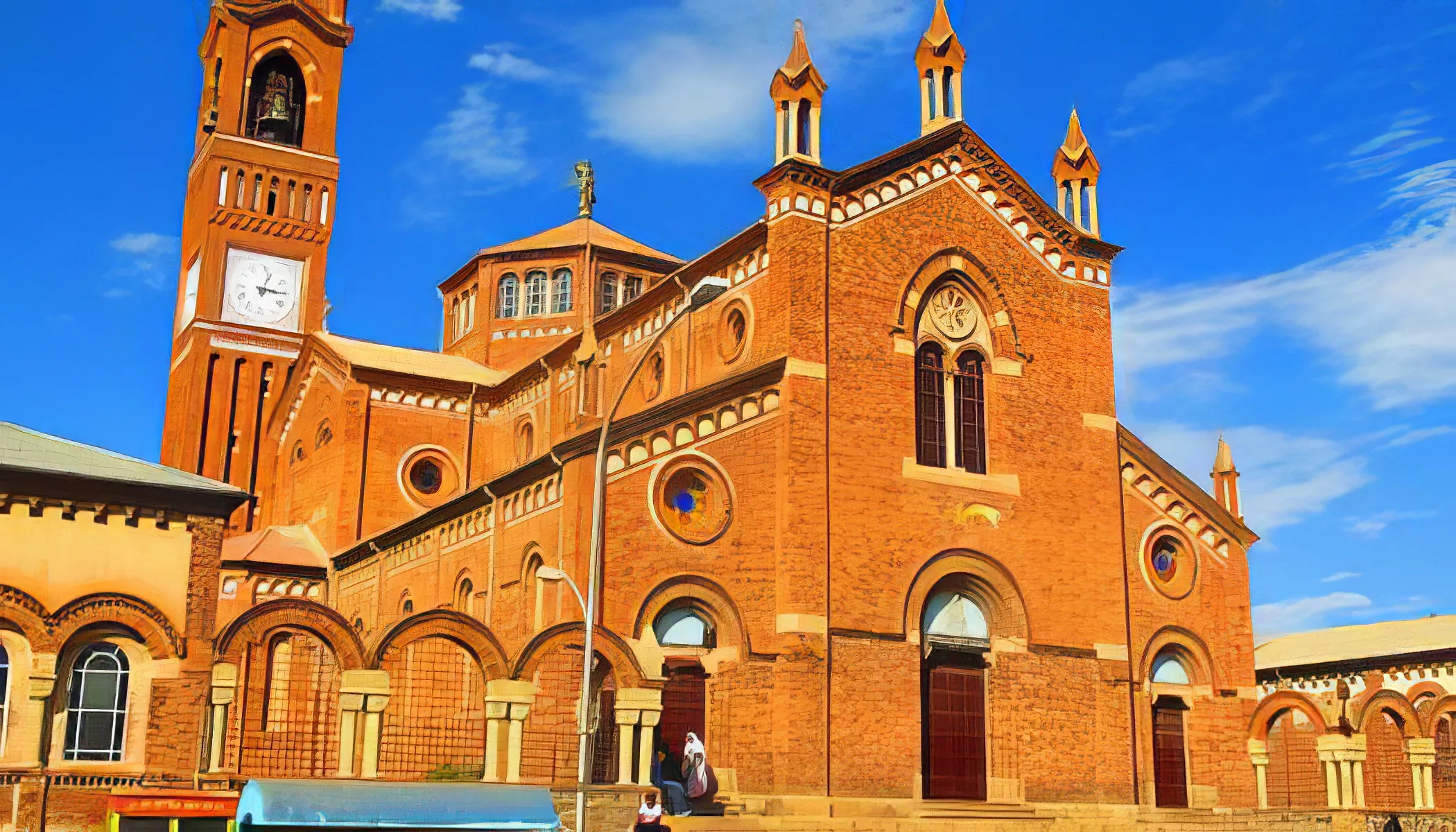
Eritrea provides several notable monuments to explore:
– Fiat Tagliero Building, Asmara: Futuristic 1930s service station showcasing Italian Rationalist architecture.
– Asmara Opera House: Elegant colonial-era building reflecting Italian architectural influence in Eritrea.
– Enda Mariam Orthodox Cathedral, Asmara: Prominent church with a blend of traditional and modern architectural styles.
– St. Joseph's Cathedral, Asmara: Iconic Catholic cathedral with Romanesque style and twin bell towers.
– National Museum of Eritrea, Asmara: Displays artifacts from Eritrea's history and cultural heritage.
– Qohaito Archaeological Site: Ancient ruins offering insights into pre-Aksumite civilization in Eritrea.
– Debre Bizen Monastery: Historic monastery perched on a mountain, accessible by a challenging hike.
– Massawa Old Town: Historic port city with Ottoman and Italian architectural influences.
Natural wonder
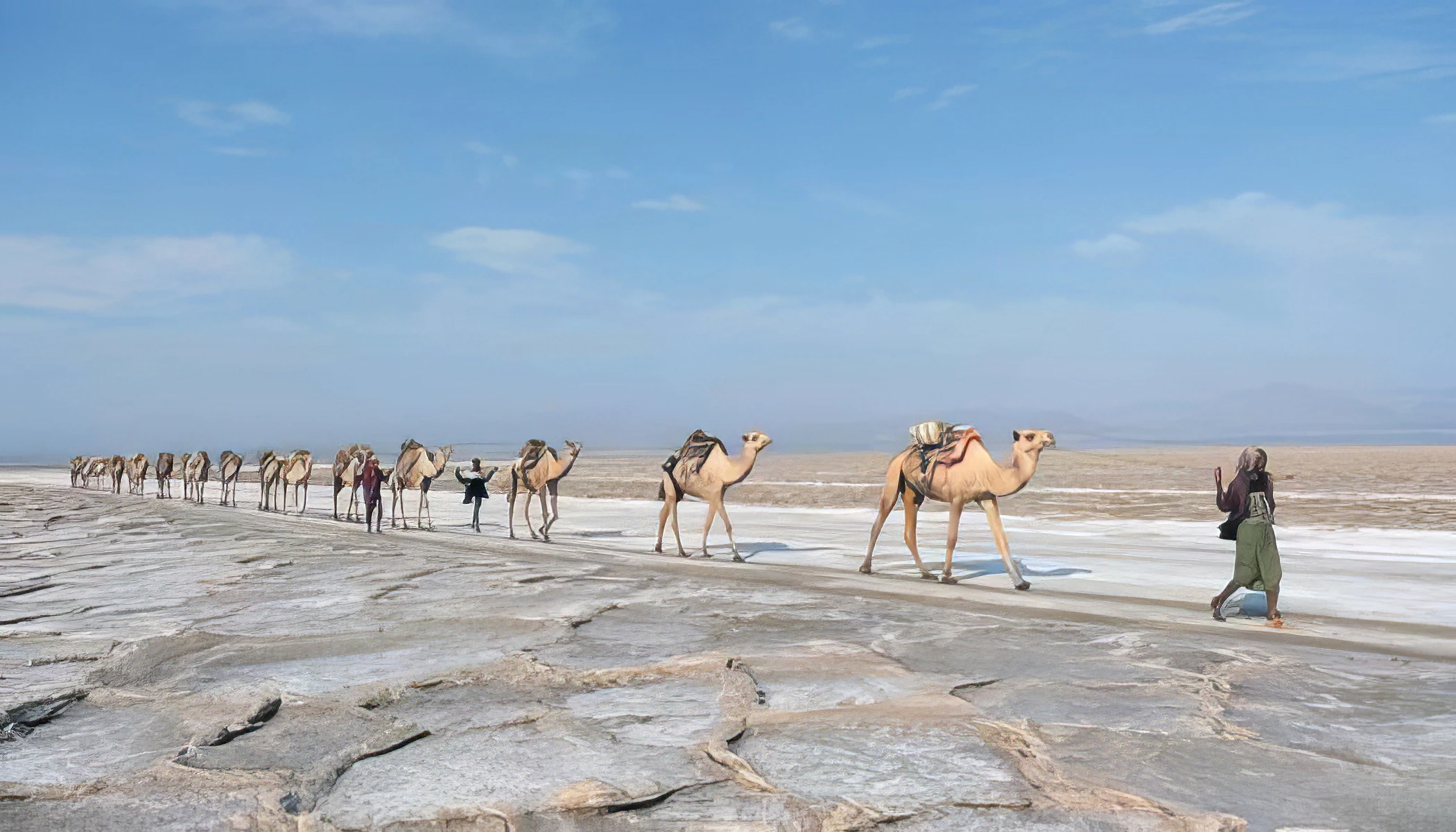
Eritrea offers unique natural landscapes worth exploring:
– Dahlak Archipelago: A group of islands known for their marine biodiversity and coral reefs.
– Danakil Depression: One of the hottest places on Earth, featuring salt flats and active volcanoes.
– Semenawi Bahri National Park: Supplies diverse wildlife and dense forests in a mountainous region.
– Buri Peninsula: Known for its volcanic landscape and geothermal activity.
– Gash-Barka Region: Features savannah landscapes with diverse flora and fauna.
– Filfil Solomuna: A beautiful green area with rich biodiversity, often called the "Green Belt."
– Anseba Region: Characterized by rugged terrain and scenic valleys.
– Massawa Coral Reefs: Provides animated underwater life ideal for diving enthusiasts.
– Nakfa Mountains: Known for their historical significance and dramatic landscapes.
Beaches
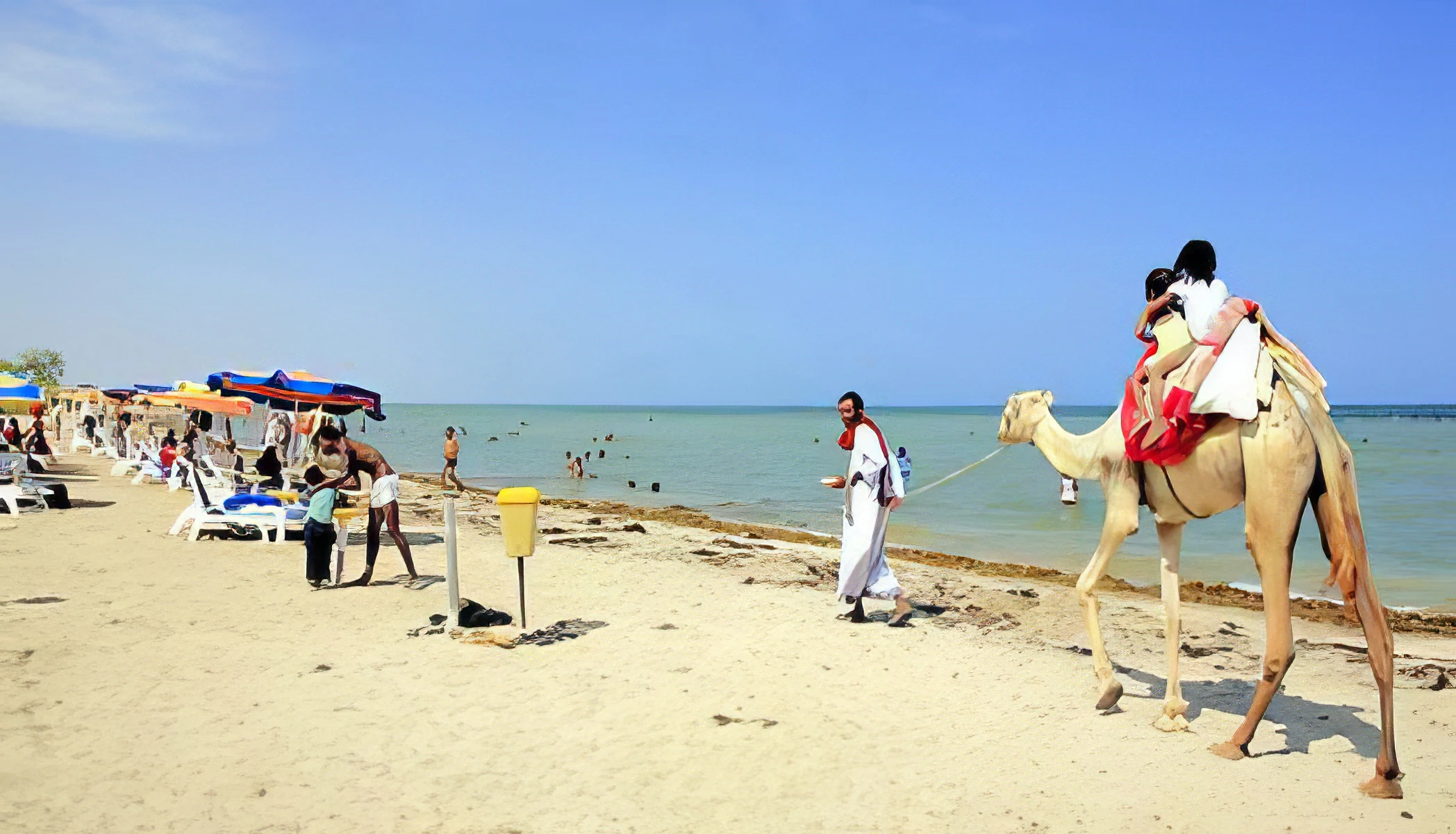
Eritrea has a coastline along the Red Sea with several notable beaches.
– Massawa Beach: Known for its historical port city and clear waters.
– Dahlak Archipelago: Supplies natural beaches and excellent diving spots.
– Gurgusum Beach: Popular for its sandy shores near Massawa.
– Dissei Beach: Features calm waters ideal for swimming and relaxation.
– Green Island: A small island with beautiful beaches near Massawa.
– Ras Fatuma: Known for its scenic views and peaceful environment.
– Tiwalet Beach: Provides a quiet retreat with natural beauty.
Outdoor activities
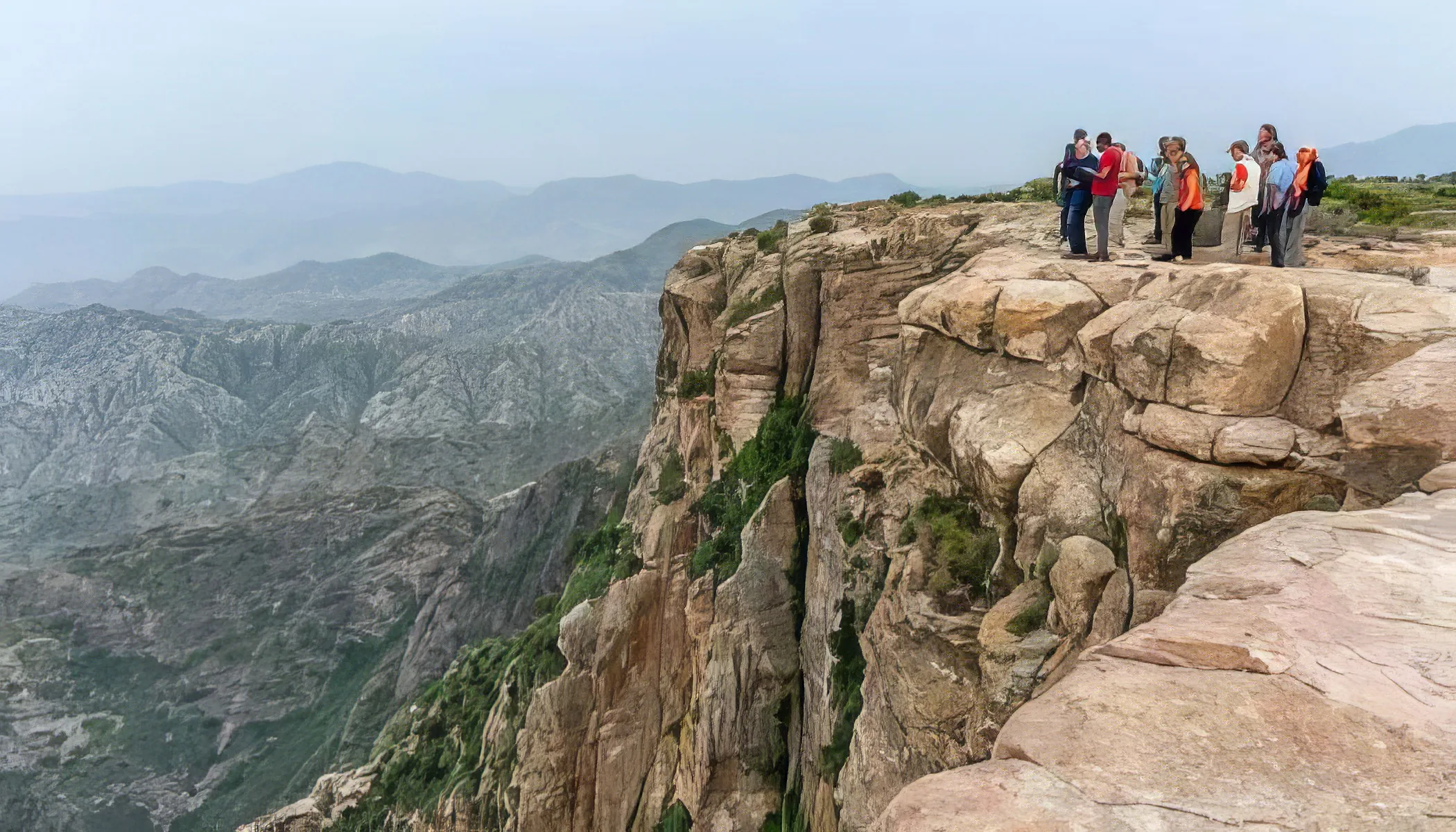
Eritrea offers unique outdoor experiences for those seeking adventure and natural beauty:
– Snorkeling in the Dahlak Archipelago: Explore lively coral reefs and diverse marine life.
– Hiking in the Asmara Highlands: Enjoy scenic views and cool mountain air.
– Birdwatching at Lake Kulul: Spot various bird species in a harmonious setting.
– Camel Trekking in the Danakil Desert: Experience the vast desert landscape on a traditional camel ride.
– Exploring Filfil Rainforest: Walk through luxurious greenery and spot native wildlife.
– Diving at Massawa: Discover underwater shipwrecks and colorful sea creatures.
– Rock Climbing in the Gheralta Mountains: Challenge yourself on rugged cliffs with panoramic views.
Kid Friendly
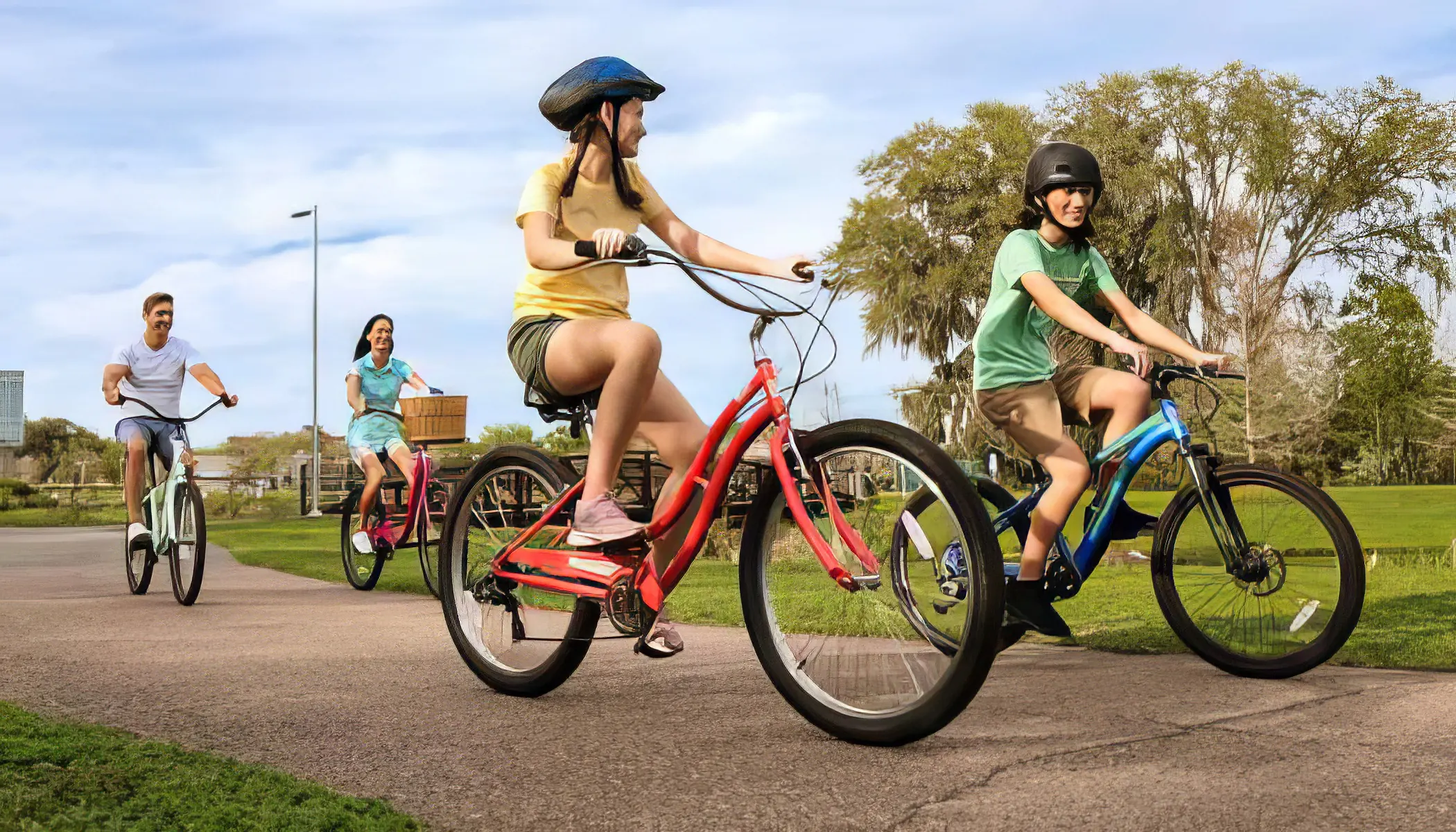
Eritrea provides unique experiences that can be enjoyable for children.
– Dahlak Archipelago: Explore beautiful islands with opportunities for snorkeling and spotting marine life.
– Asmara Zoo and Park: A small zoo with local wildlife and a playground for kids.
– Massawa Beaches: Relax on sandy beaches where children can play and swim safely.
– Tank Graveyard: An open-air display of old military tanks that can intrigue young history enthusiasts.
– Filfil Rainforest: A luxurious area perfect for family hikes and bird watching.
– Keren Camel Market: Experience a traditional market where kids can see camels up close.
– Debre Bizen Monastery: A historical site with scenic views, accessible by a family-friendly hike.
– National Museum of Eritrea: Supplies insights into the country's history with exhibits that might interest older kids.
Cuisine
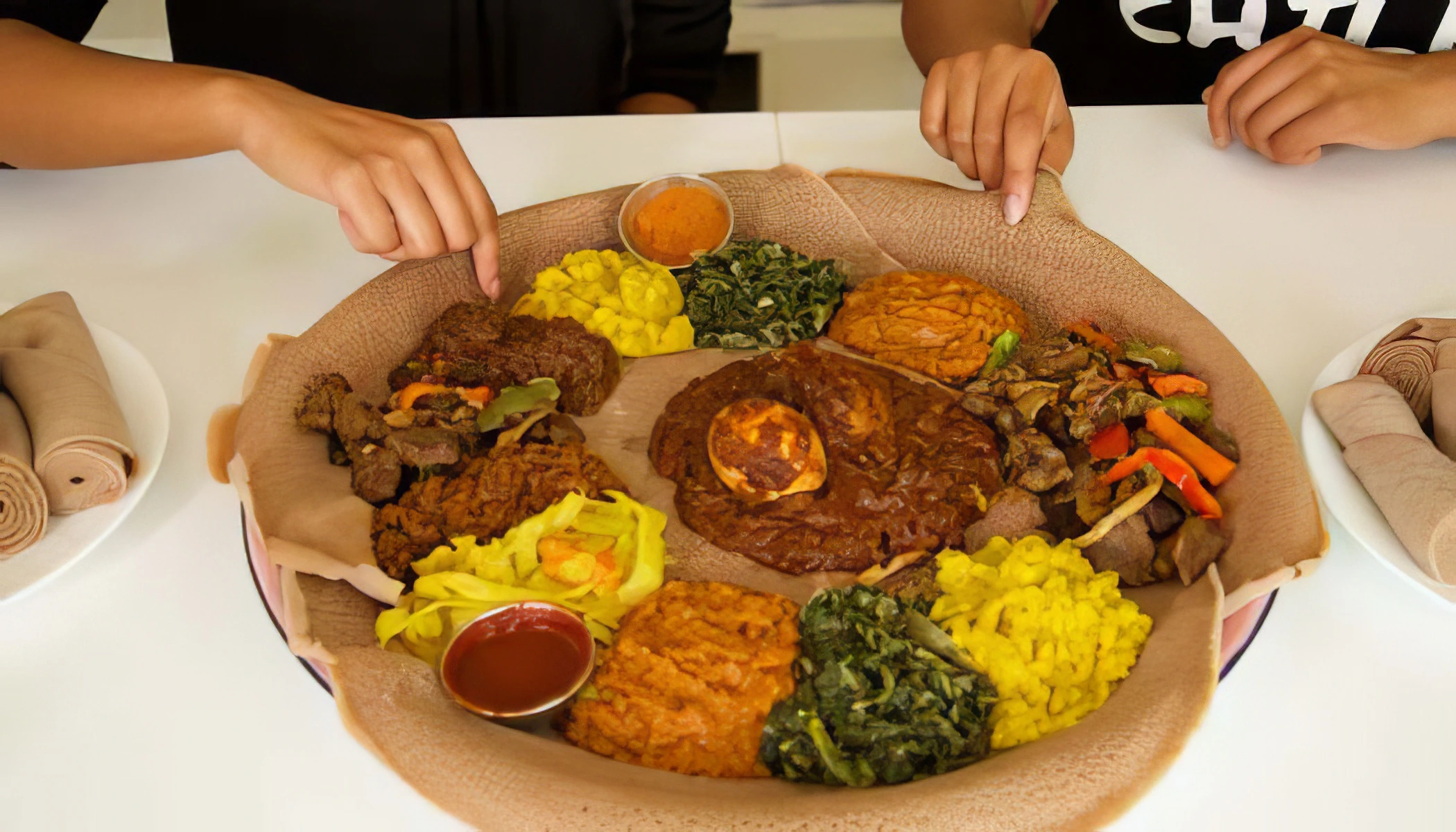
Eritrean cuisine is characterized by its rich, spicy flavors and communal dining style, often featuring injera as a staple. Influenced by Italian and Ethiopian culinary traditions, it provides a unique blend of tastes. Most famous dishes in Eritrea include:
– Zigni: Spicy stew made with beef or lamb, tomatoes, and berbere spice mix.
– Injera: Spongy flatbread made from teff flour, used as a base for various stews.
– Tsebhi Derho: Chicken stew cooked with tomatoes, onions, and berbere spices.
– Shiro: Chickpea or lentil stew seasoned with garlic and berbere spices.
– Kitcha Fit-Fit: Torn flatbread mixed with clarified butter and spices.
Souvenir
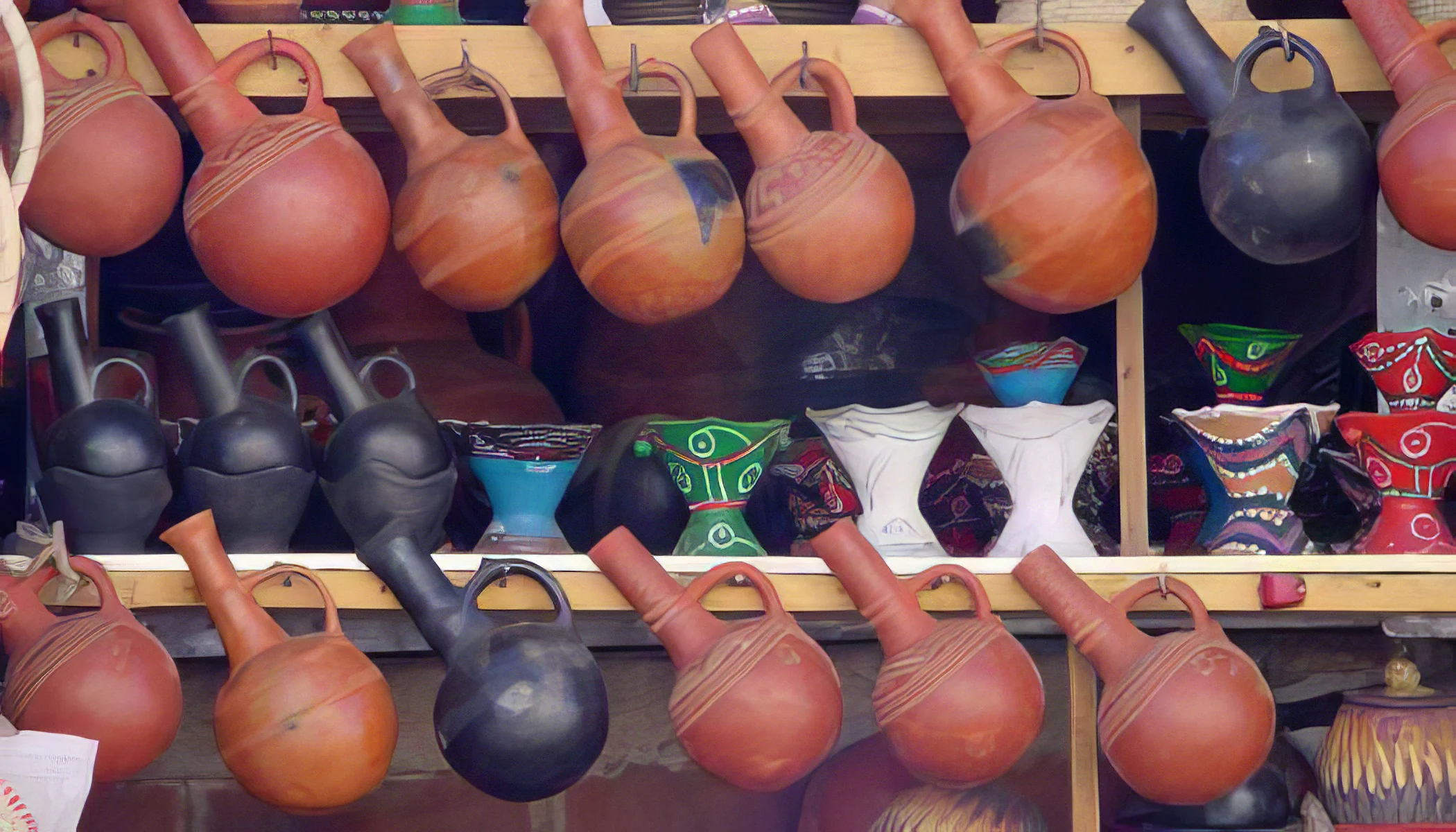
Eritrea supplies unique and culturally rich souvenirs that reflect its diverse heritage. Here are some popular options:
– Traditional Handicrafts: Intricately woven baskets and mats made by local artisans.
– Coffee Sets: Eritrean coffee sets, including jebena pots, are essential for traditional coffee ceremonies.
– Salt Crystals: Collected from the Danakil Depression, these are a natural and unique souvenir.
– Traditional Clothing: Colorful shawls and dresses that showcase Eritrean textile craftsmanship.
– Jewelry: Silver and beaded jewelry reflecting local designs and traditions.
– Wood Carvings: Hand-carved wooden items depicting local scenes or animals.
– Spices: Locally sourced spices used in traditional Eritrean cuisine.
Traditional Shows
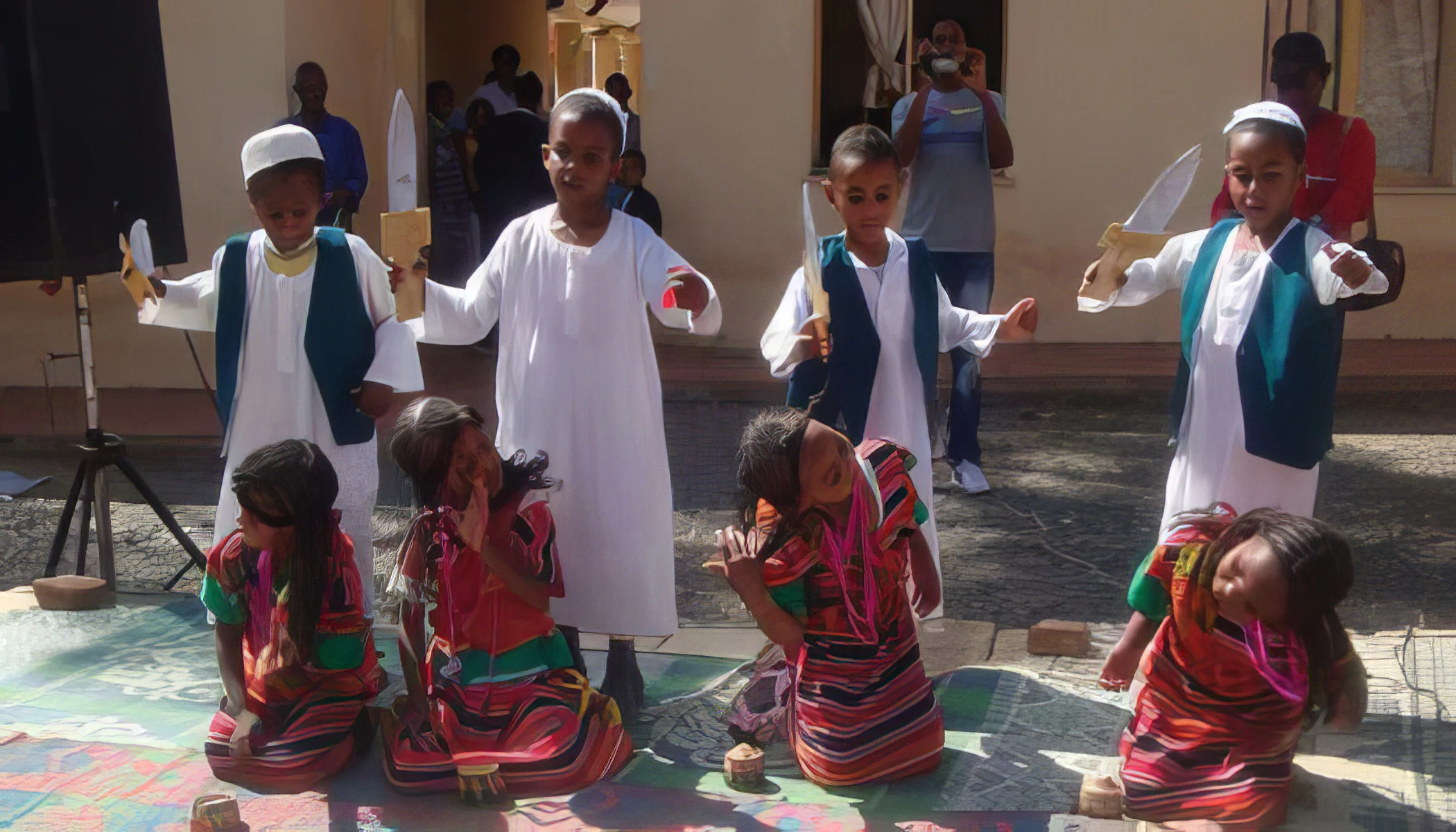
Eritrea provides unique traditional performances:
– Tigrigna Music: Experience rhythmic beats and traditional dances in Asmara, showcasing the cultural heritage of the Tigrigna-speaking people.
– Kunama Dance: Witness dynamic and energetic dances performed by the Kunama community, reflecting their rich cultural traditions.
– Saho Music: Enjoy melodic tunes and traditional instruments in Saho performances, highlighting the diverse musical landscape of Eritrea.
– Tigre Folk Songs: Listen to folk songs that tell stories of history and daily life, performed by the Tigre people across Eritrea.
– Bilen Cultural Dance: Observe traditional Bilen dances in Keren, featuring colorful costumes and lively movements.
Events & Festivals
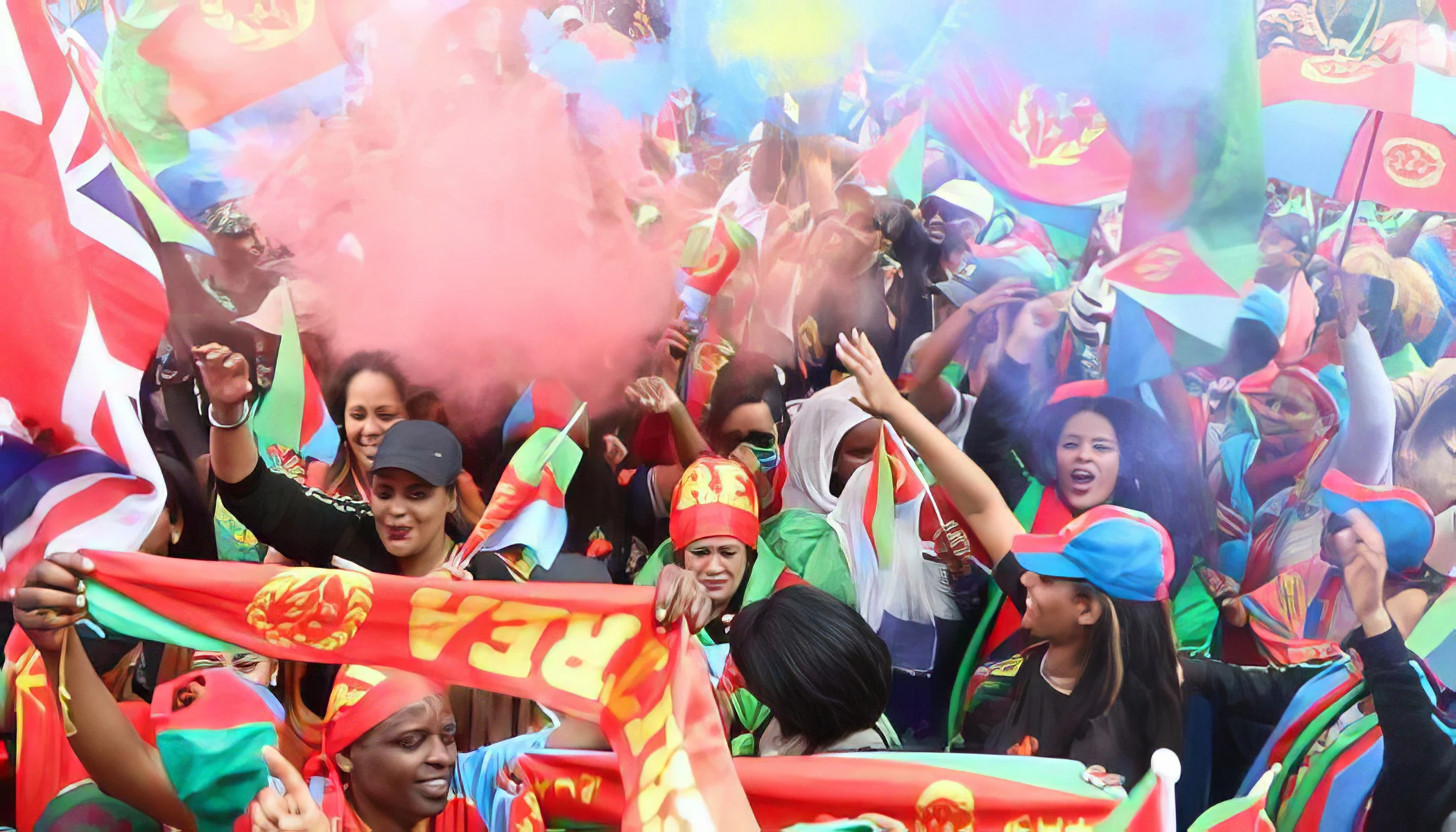
Eritrea hosts several cultural and national events throughout the year, reflecting its rich heritage and history:
– Independence Day: Celebrated on May 24 with parades, music, and national pride.
– Martyrs' Day: June 20 remembrance for those who died in the independence struggle.
– Meskel: September religious festival marking the finding of the True Cross with bonfires.
– New Year (Enkutatash): Celebrated on September 11 with family gatherings and traditional meals.
– Eid al-Fitr: Marks the end of Ramadan with prayers, feasting, and charity.
– Eritrean Revolution Day: January 1 event commemorating the start of the armed struggle for independence.
– Christmas (Genna): Celebrated on January 7 by Orthodox Christians with church services and family gatherings.
Famous People
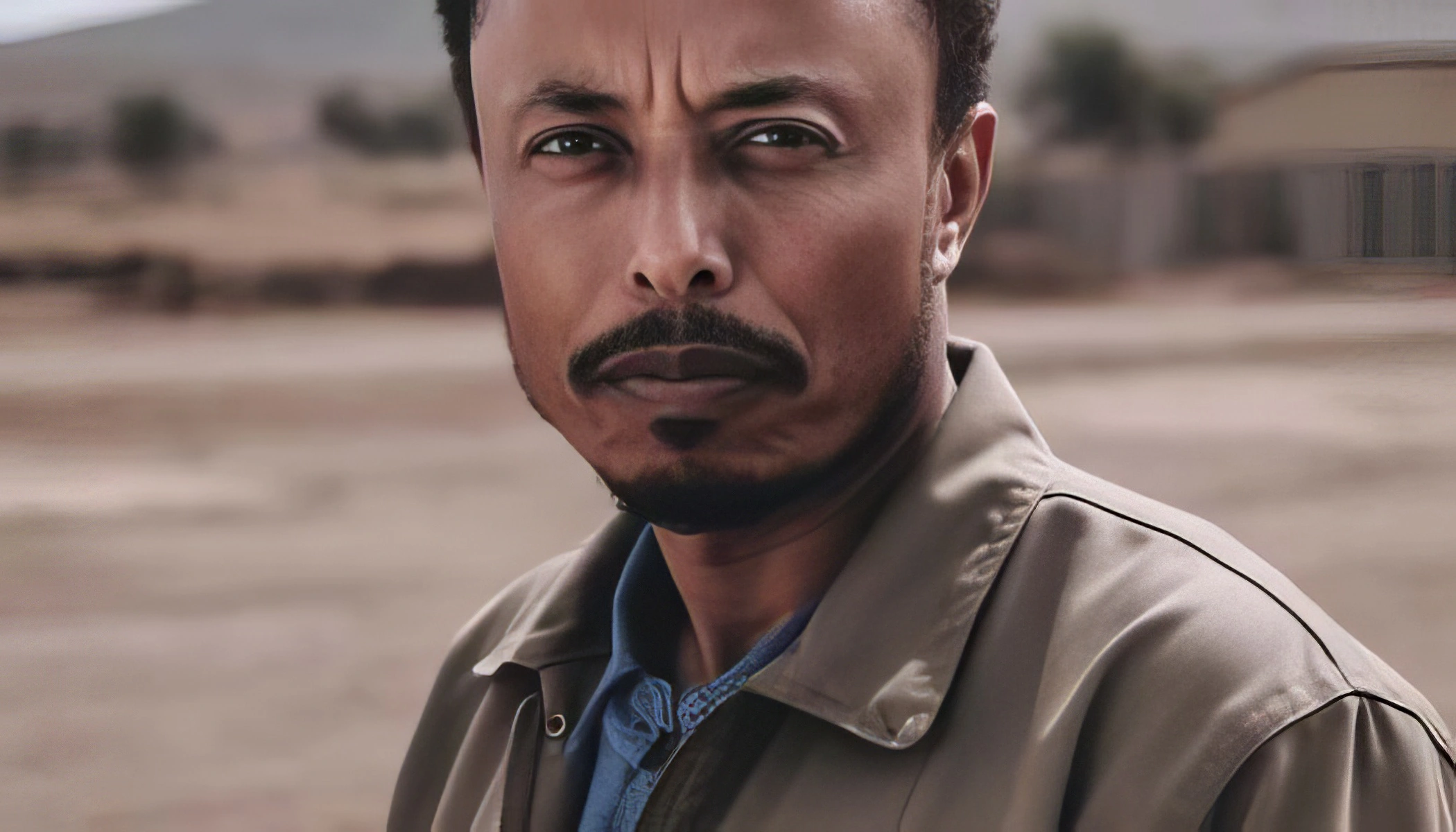
Eritrea has a rich history of influential figures who have made significant contributions to its culture and politics.
– Isaias Afwerki (born 1946, Asmara): First President of Eritrea, leading the country since its independence in 1993.
– Hamid Idris Awate (1910 to 1962, Gerset): National hero who initiated the Eritrean armed struggle for independence in 1961.
– Ruth Simon (born 1975, Asmara): Renowned long-distance runner who represented Eritrea in international competitions.
– Alemseged Tesfai (born 1944, Asmara): Acclaimed playwright and author known for works on Eritrean history and culture.
– Zeresenay Tadese (born 1982, Adi Bana): World-class long-distance runner and Olympic bronze medalist in the 10,000 meters.
Books

These books provide insights into Eritrea's history, culture, and the experiences of its people through various narratives.
– "I Didn't Do It for You" by Michela Wrong: Chronicles Eritrea's tumultuous history through colonialism and independence.
– "The Conscript" by Gebreyesus Hailu: Explores the impact of Italian colonial rule on Eritrean society.
– "Of Kings and Bandits" by Dawit Gebremichael Habte: A memoir detailing life during the Eritrean War of Independence.
– "Eritrea: A Dream Deferred" by Dan Connell: Investigates post-independence challenges and political dynamics in Eritrea.
– "The Consequences of Love" by Sulaiman Addonia: Set in Saudi Arabia, it reflects on an Eritrean refugee's life and love.
Songs
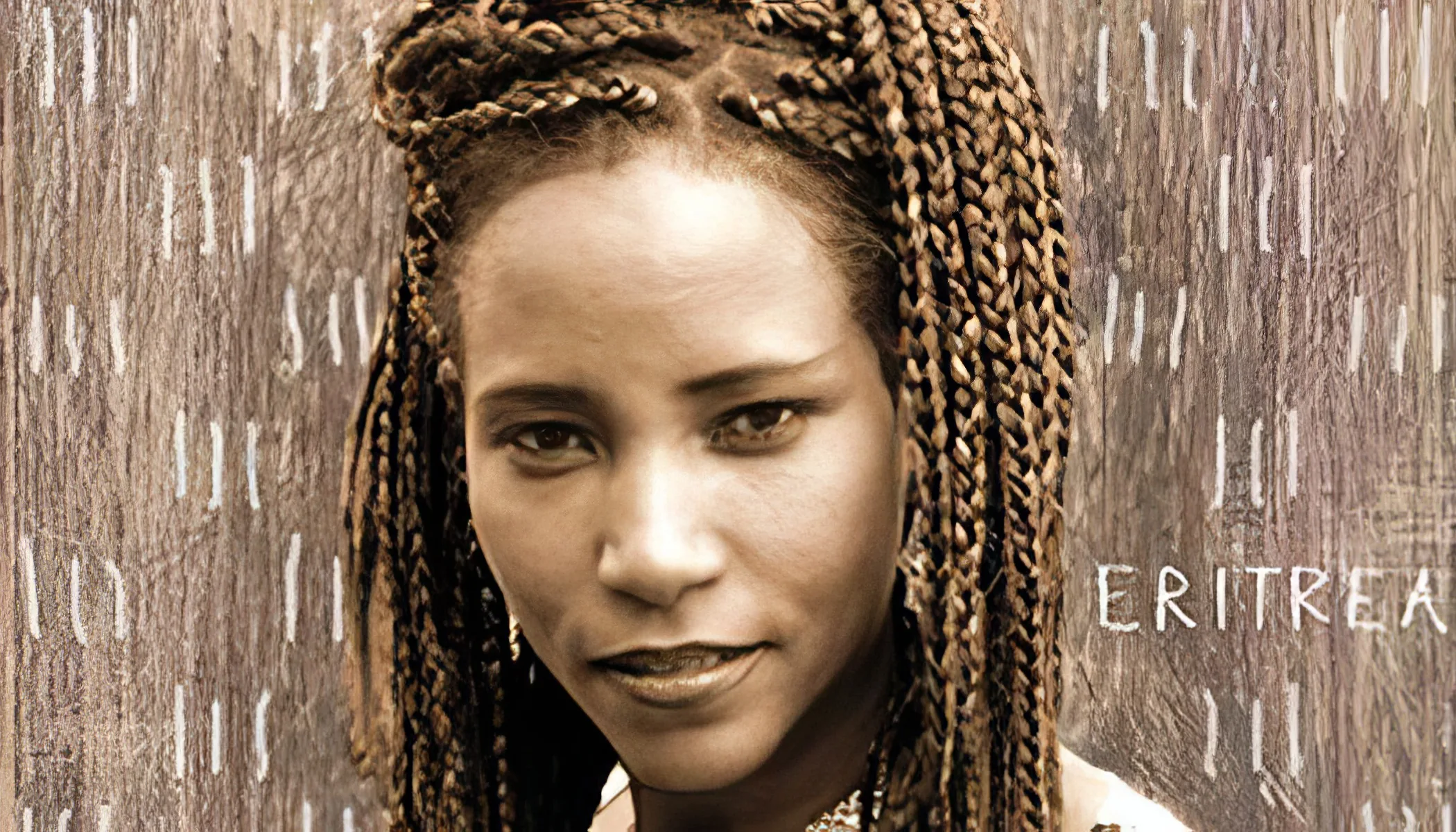
Eritrean music is rich with cultural heritage and often reflects themes of love, freedom, and national identity.
– "Shigey Habuni" by Helen Meles: Celebrated for its powerful vocals and patriotic themes.
– "Abeba Haile" by Bereket Mengisteab: A classic song that resonates with Eritrean nostalgia.
– "Asmara" by Yemane Baria: A tribute to Eritrea's capital city, capturing its beauty and spirit.
– "Fikri Tewali" by Tsehaytu Beraki: Known for its heartfelt lyrics about love and longing.
– "Hafash Wudubat" by Abraham Afewerki: Popular for its energetic rhythm and national pride.
– "Selam" by Wedi Tukul: A song promoting peace and unity among Eritreans.
Films

Exploring Eritrea through cinema provides a glimpse into its culture and history:
– "Asmarina": A documentary exploring the Eritrean and Ethiopian communities in Milan, highlighting their stories and cultural identity.
– "The Heart of Nuba": Chronicles Dr. Tom Catena's work in the Nuba Mountains, amidst conflict involving Sudan and Eritrea.
– "Eritrea: A Country Under the Sand": A documentary that delves into Eritrea's history, culture, and political landscape.
– "Sounds of Torture": Focuses on the plight of Eritrean refugees kidnapped in Sinai, shedding light on human trafficking issues.
– "Ainakid": An Eritrean film depicting a young boy's journey to find his father amidst war-torn landscapes.