

Travel Guide to Ethiopia: Top Things to Do & Tips
Located in the Horn of Africa, this country is known for its rich history and diverse cultures. It boasts ancient sites like Lalibela's rock-hewn churches and remarkable landscapes such as the Simien Mountains, offering a unique blend of tradition and natural beauty.
- Capital
- Addis Ababa
- Population
- 88.1 millions
- Superficy
- 1128000 sq.km
- Months to Visit
- Oct. to Feb.
- Living Cost
- Economical
Overview
Ethiopia, located in the Horn of Africa, is known for its ancient history and diverse cultures. It is home to the archaeological site of Aksum, linked to the legendary Queen of Sheba and ancient civilizations. The country boasts unique landscapes, including the Simien Mountains and the Danakil Depression. Ethiopia is notable for being one of the few African nations never colonized, maintaining a rich cultural heritage with over 80 ethnic groups. Addis Ababa, the capital, serves as a political hub for Africa and hosts the African Union headquarters. Coffee, believed to have originated here, plays a significant role in Ethiopian culture and economy.
Pros & Cons
GOOD REASONS TO VISIT ETHIOPIA
– Rich History: Explore ancient sites like Lalibela's rock-hewn churches and Aksum's obelisks, reflecting Ethiopia's deep historical roots.
– Unique Culture: Experience diverse ethnic groups, traditional music, dance, and the unique Ethiopian Orthodox Christian traditions.
– Lovely Landscapes: Discover the Simien Mountains, Danakil Depression, and the Great Rift Valley's impressive natural beauty.
– Coffee Heritage: Enjoy Ethiopia's coffee culture with traditional ceremonies in the birthplace of Arabica coffee.
– Wildlife Diversity: Spot endemic species like the Ethiopian wolf and gelada baboon in national parks. CHALLENGES WHEN VISITING ETHIOPIA
– Infrastructure Issues: Roads and public transport can be underdeveloped; travel may require patience and flexibility.
– Health Concerns: Malaria risk in some areas; vaccinations and precautions are necessary for safe travel.
– Political Instability: Occasional unrest may affect travel plans; stay informed about current events before visiting.
Before Departure
Before traveling to Ethiopia, consider the following essential information:
– Passport: Ensure your passport is valid for at least six months from your entry date.
– Visa: Most tourists require a visa; e-visas are available online for 30 or 90 days. Visa on arrival is possible at Addis Ababa Bole International Airport.
– Currency: Ethiopian Birr (ETB); credit cards accepted in major hotels and restaurants; ATMs available in cities but not always reliable.
– Internet access: WiFi is available in hotels and cafes in urban areas; consider purchasing an Ethio Telecom SIM card for better connectivity.
– Language barrier: Amharic is the official language; English is widely spoken in tourist areas, while other foreign languages are less common.
What to Pack
Traveling to Ethiopia requires preparation for diverse climates and cultural experiences.
– Essentials: Passport and visa (if required), travel insurance, flight tickets, itinerary, accommodation confirmations, and local currency or credit card.
– Clothing: Lightweight layers for varying temperatures, modest clothing for cultural sites, comfortable walking shoes, hat and sunglasses for sun protection.
– Health & Safety: Prescription medications, basic first aid kit, insect repellent with DEET, sunscreen with high SPF, water purification tablets.
– Electronics: Travel adapter for Ethiopian outlets (Type C/E/F), mobile phone with charger, camera with extra batteries or memory cards.
Weather
Ethiopia's weather varies by region, with distinct wet and dry seasons.
– Winter (December to February): Dry season with mild temperatures, especially in the highlands.
– Spring (March to May): Transition period with increasing temperatures and occasional rain showers.
– Summer (June to August): Main rainy season, particularly in the central and western highlands.
– Autumn (September to November): Short dry season with moderate temperatures and decreasing rainfall. The best time to visit Ethiopia is from October to March:
– Pleasant weather conditions for exploring historical sites and natural landscapes.
– Ideal for trekking in the Simien Mountains or visiting cultural festivals. Note that some remote areas may be less accessible during the rainy season due to road conditions.
Travel Budget
Ethiopia supplies a range of budget-friendly options for travelers. Here are some average prices for common expenses:
– Hotel: 20$ to 80$
– Lunch: 2$ to 10$
– Beverage (in bar/restaurant): 1$ to 4$
– Coffee: 0.5$ to 2$
– Transportation: (train not widely available), (bus 0.3$ to 2$), (taxi /10km 3$ to 8$)
– Mobile data (per GB): 1.5$ to 3.5$
Language
Amharic is the official language of Ethiopia and uses the Ge'ez script, but here are some useful phrases in phonetics for tourists:
– Hello: Selam
– Thank you: Ameseginalehu
– Please: Ebakih (to a male) / Ebakish (to a female)
– How much is this?: Sint noh?
– Excuse me: Yiqirta
– I don't understand: Algebagnim
– Yes: Awo
– No: Aydelem
– Goodbye: Dehna hunu
History
It is one of the oldest nations in the world, with human habitation dating back millions of years. The Kingdom of Aksum, a major trading empire, emerged around the 1st century AD and adopted Christianity in the 4th century. Unlike most African countries, it successfully resisted European colonization, except for a brief Italian occupation from 1936 to 1941. The monarchy was abolished in 1974 following a coup that led to a Marxist-Leninist military regime known as the Derg. This period was marked by political repression and famine until the regime's fall in 1991. Since then, Ethiopia has experienced significant political changes and economic growth, despite ongoing ethnic tensions and conflicts.
Geopolitics
Located in the Horn of Africa, Ethiopia is a landlocked country bordered by Eritrea, Djibouti, Somalia, Kenya, South Sudan, and Sudan. It has a federal parliamentary republic system with Addis Ababa as its capital. Ethiopia plays a significant role in regional politics as the headquarters of the African Union is based there. The country has faced internal ethnic tensions and conflicts, notably in the Tigray region, impacting its stability and international relations. Water rights over the Nile River have been a major geopolitical issue, particularly with Egypt and Sudan concerning the Grand Ethiopian Renaissance Dam. Ethiopia's strategic location makes it an important player in East African security and economic initiatives.
Sample Itinerary
This itinerary covers Ethiopia's historical, cultural, and natural highlights, including Addis Ababa, Lalibela, the Simien Mountains, and the Omo Valley.
– 1 day in Addis Ababa: Visit the National Museum to see Lucy's remains. Explore Holy Trinity Cathedral and Merkato market.
– 2 days in Lalibela: Discover rock-hewn churches, a UNESCO World Heritage site. Experience local culture and traditional Ethiopian cuisine.
– 2 days in Simien Mountains: Trek through dramatic landscapes with unique wildlife like gelada baboons. Enjoy panoramic views from high plateaus.
– 2 days in Gondar: Tour the Royal Enclosure with its castles. Visit Debre Berhan Selassie Church for its famous ceiling paintings.
– 2 days in Axum: Explore ancient stelae fields and the Church of St. Mary of Zion. Learn about Ethiopia's ancient history.
– 3 days in Omo Valley: Engage with diverse ethnic groups like the Mursi and Hamar tribes. Experience traditional customs and animated markets.
Popular cities
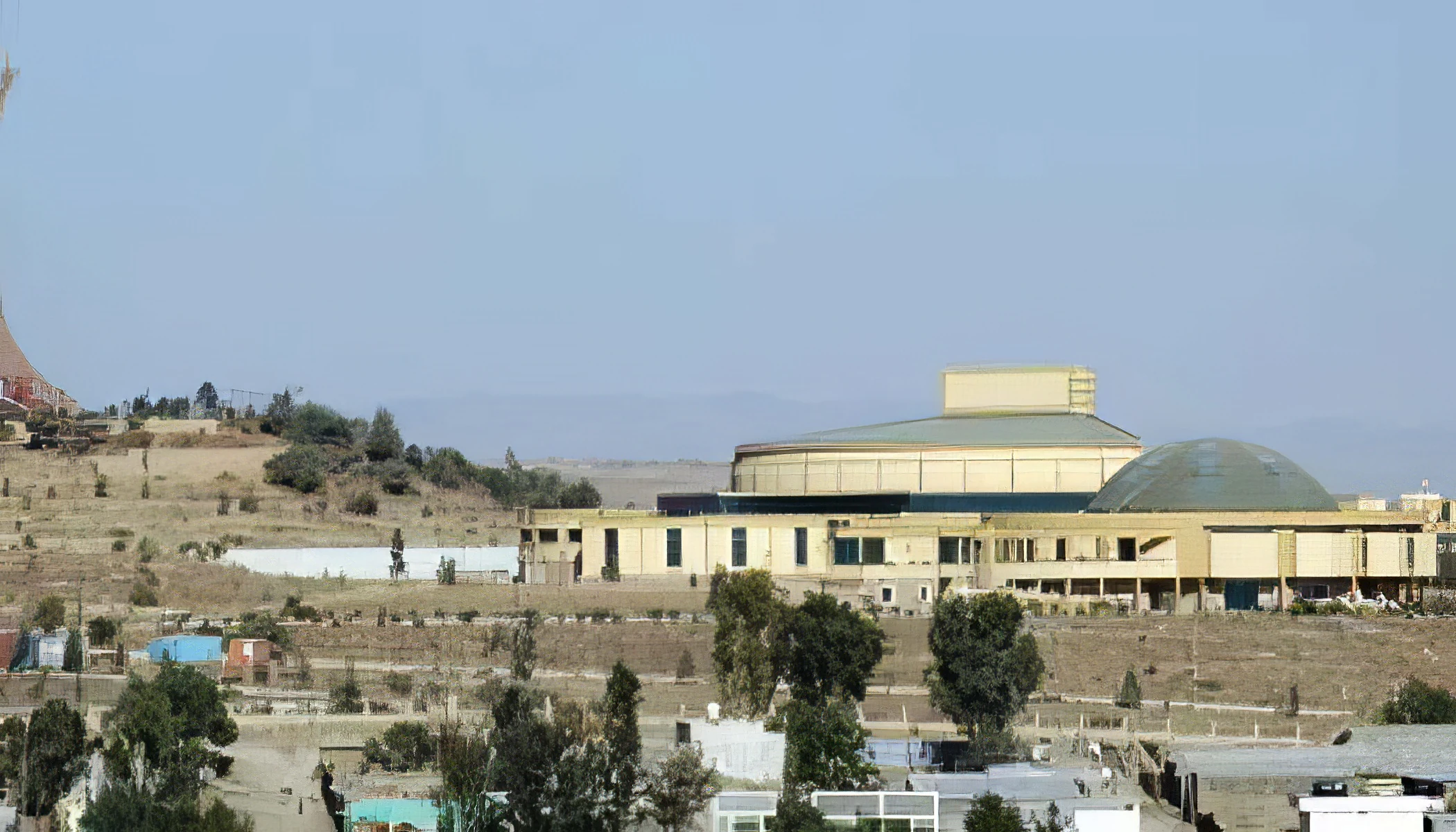
Explore Ethiopia's diverse culture and history through its lively cities:
– Addis Ababa: The capital city is the cultural and economic hub, home to museums and the African Union headquarters.
– Lalibela: Known for its rock-hewn churches, a UNESCO World Heritage site, attracting pilgrims and tourists alike.
– Gondar: Famous for its medieval castles and palaces, often referred to as the "Camelot of Africa."
– Bahir Dar: A gateway to Lake Tana and the Blue Nile Falls, offering scenic beauty and monasteries.
– Axum: An ancient city known for its obelisks, archaeological sites, and as a center of early Christianity.
– Harar: A historic walled city with narrow alleys, known for its unique architecture and cultural diversity.
– Mekelle: The capital of the Tigray region, close to the Danakil Depression and rock churches of Tigray.
Monuments
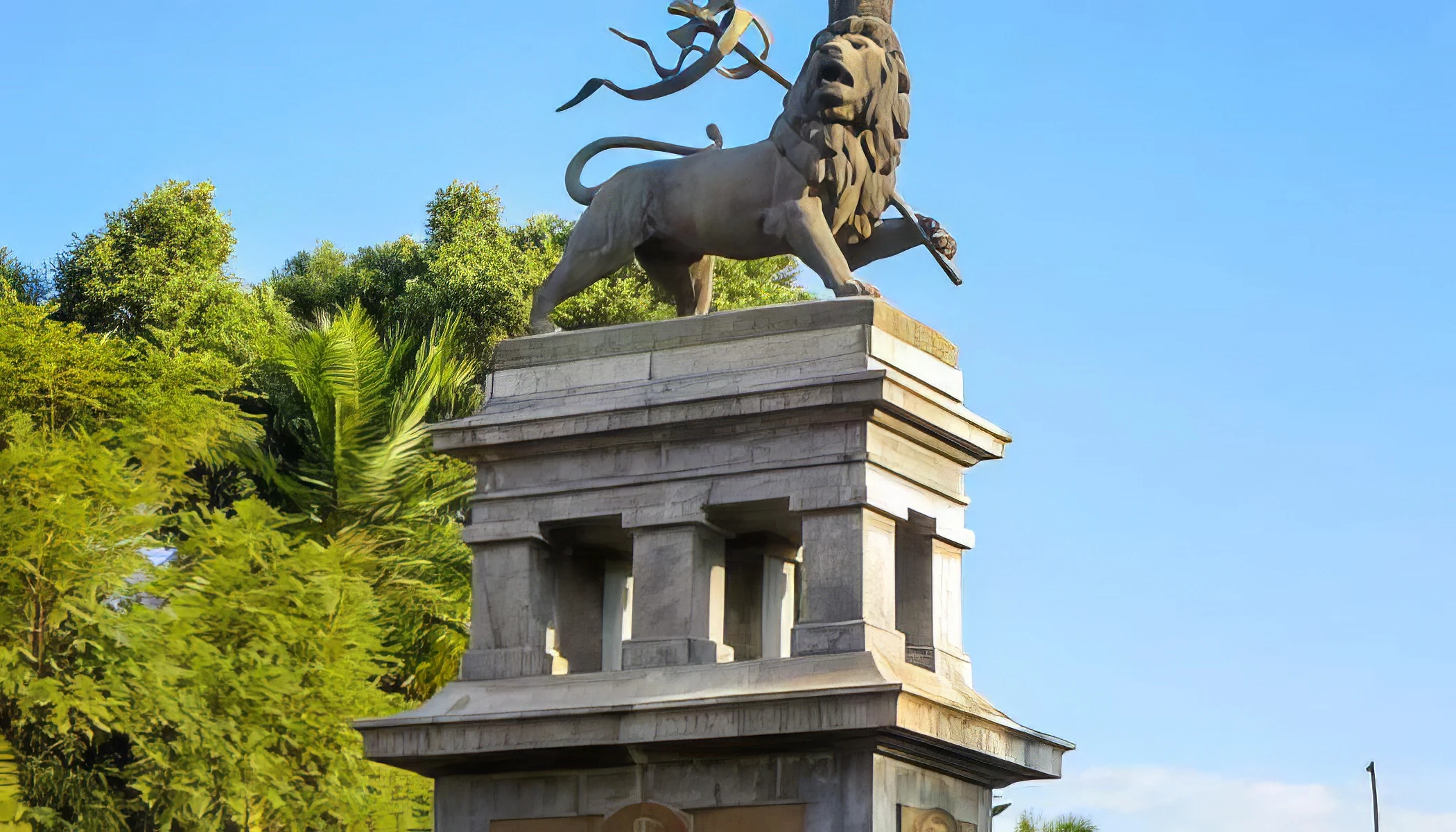
Ethiopia is home to several remarkable historical monuments and architectures:
– Lalibela Rock-Hewn Churches: 11 medieval monolithic churches carved from rock, a UNESCO World Heritage site.
– Aksum Obelisks: Ancient granite stelae marking the heart of the Aksumite Empire.
– Harar Jugol: Walled city with narrow alleys, historic mosques, and lively markets.
– Gondar Castles: Known as the "Camelot of Africa," featuring 17th-century castles and palaces.
– Tiya Stelae Field: Archaeological site with mysterious engraved stelae, part of UNESCO World Heritage.
– Debre Damo Monastery: Ancient monastery accessible only by climbing a rope up a cliff.
– Simien Mountains National Park: UNESCO site with dramatic landscapes and endemic wildlife, including Gelada baboons.
– Blue Nile Falls: Impressive waterfall on the Blue Nile River, known locally as "Tis Issat" or "Smoking Water."
Natural wonder
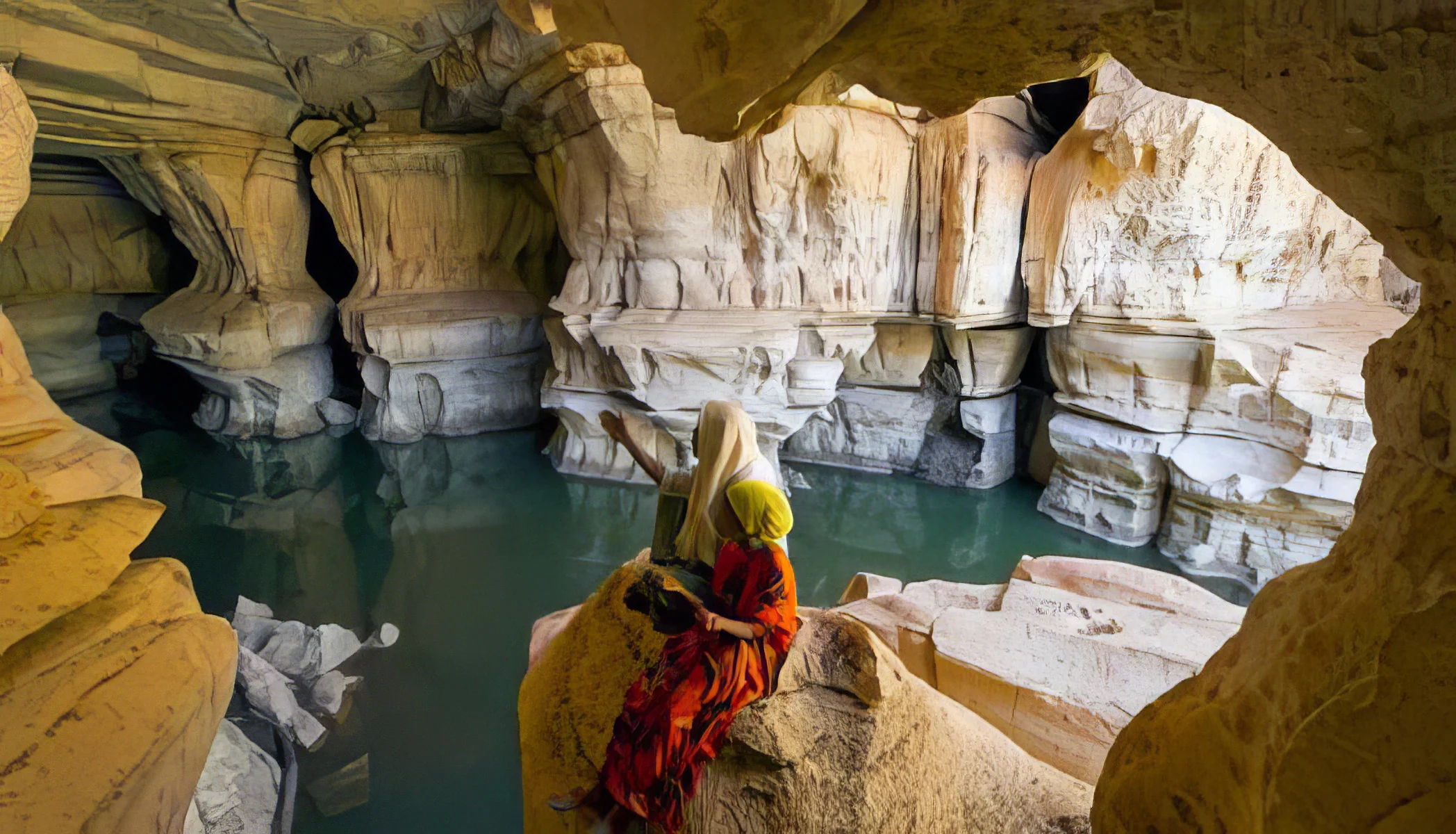
Explore Ethiopia's diverse and unique natural landscapes:
– Simien Mountains: Known for dramatic peaks, deep valleys, and rare wildlife like the Gelada baboon.
– Danakil Depression: One of the hottest places on Earth, featuring colorful sulfur springs and salt flats.
– Blue Nile Falls: Impressive waterfall locally known as "Tis Issat," meaning "smoking water."
– Lake Tana: Ethiopia's largest lake, home to ancient monasteries on its islands.
– Bale Mountains National Park: Supplies diverse ecosystems with endemic species like the Ethiopian wolf.
– Sof Omar Caves: Extensive sparkling cave system with impressive rock formations.
– Awash National Park: Features volcanic landscapes, hot springs, and diverse wildlife.
– Omo Valley: Known for its cultural diversity and unique tribal communities.
– Rift Valley Lakes: Series of lakes offering birdwatching opportunities and scenic views.
– Erta Ale Volcano: Active volcano with a continuously active lava lake in the Danakil Depression.
Beaches

Ethiopia is a landlocked country with no coastal beaches.
Outdoor activities
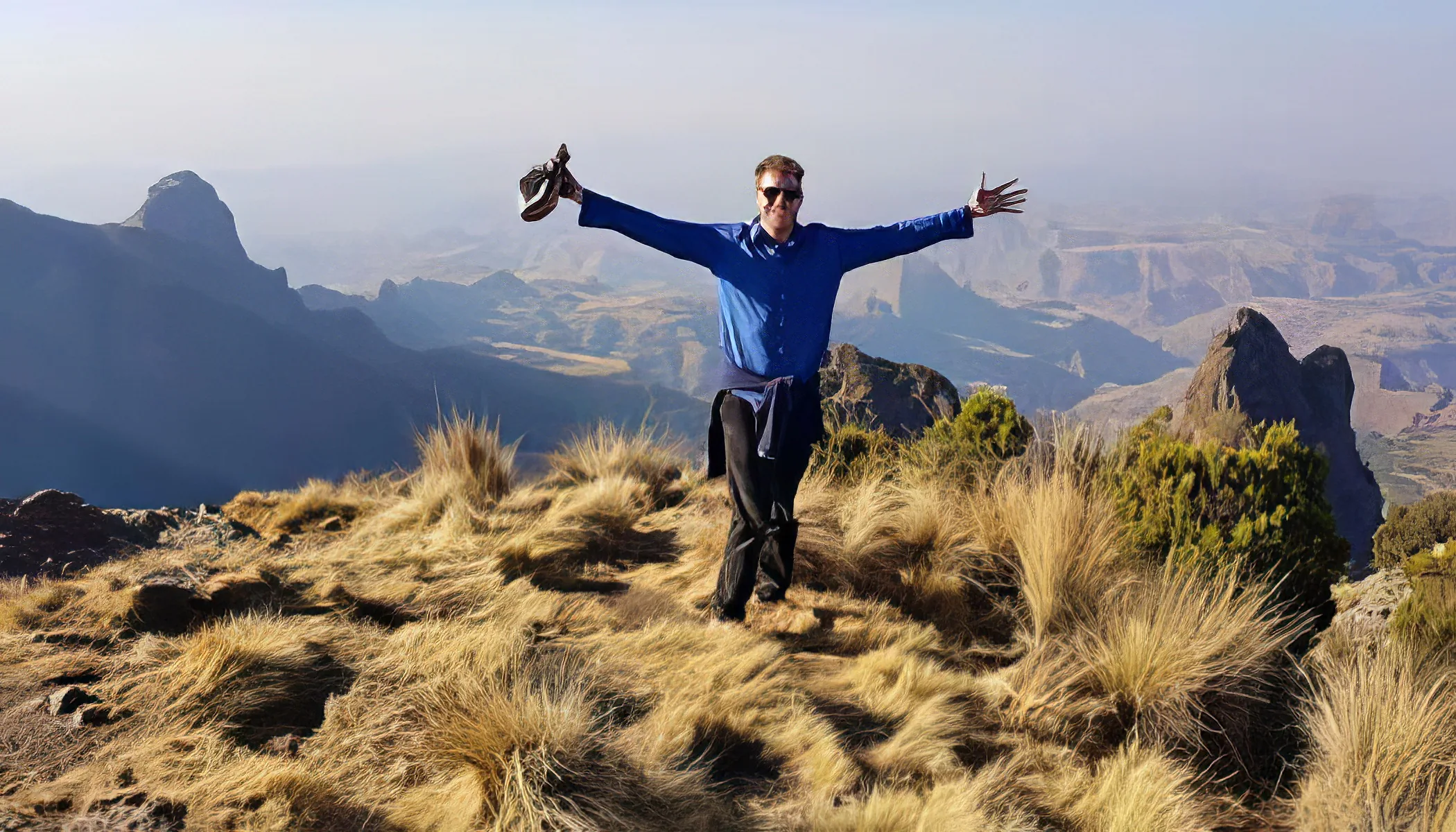
Ethiopia provides unique outdoor adventures for nature and culture enthusiasts:
– Trekking in the Simien Mountains: Hike through dramatic landscapes and spot endemic wildlife.
– Exploring the Danakil Depression: Visit one of the hottest places on Earth with colorful salt flats.
– Birdwatching in the Rift Valley Lakes: Observe diverse bird species in beautiful surroundings.
– Hiking to Erta Ale Volcano: Witness an active lava lake in a remote desert setting.
– Rafting on the Omo River: Experience thrilling rapids and view traditional tribal communities.
– Climbing Ras Dashen: Conquer Ethiopia's highest peak with panoramic views.
– Visiting Sof Omar Caves: Explore extensive limestone caverns with fascinating formations.
Kid Friendly
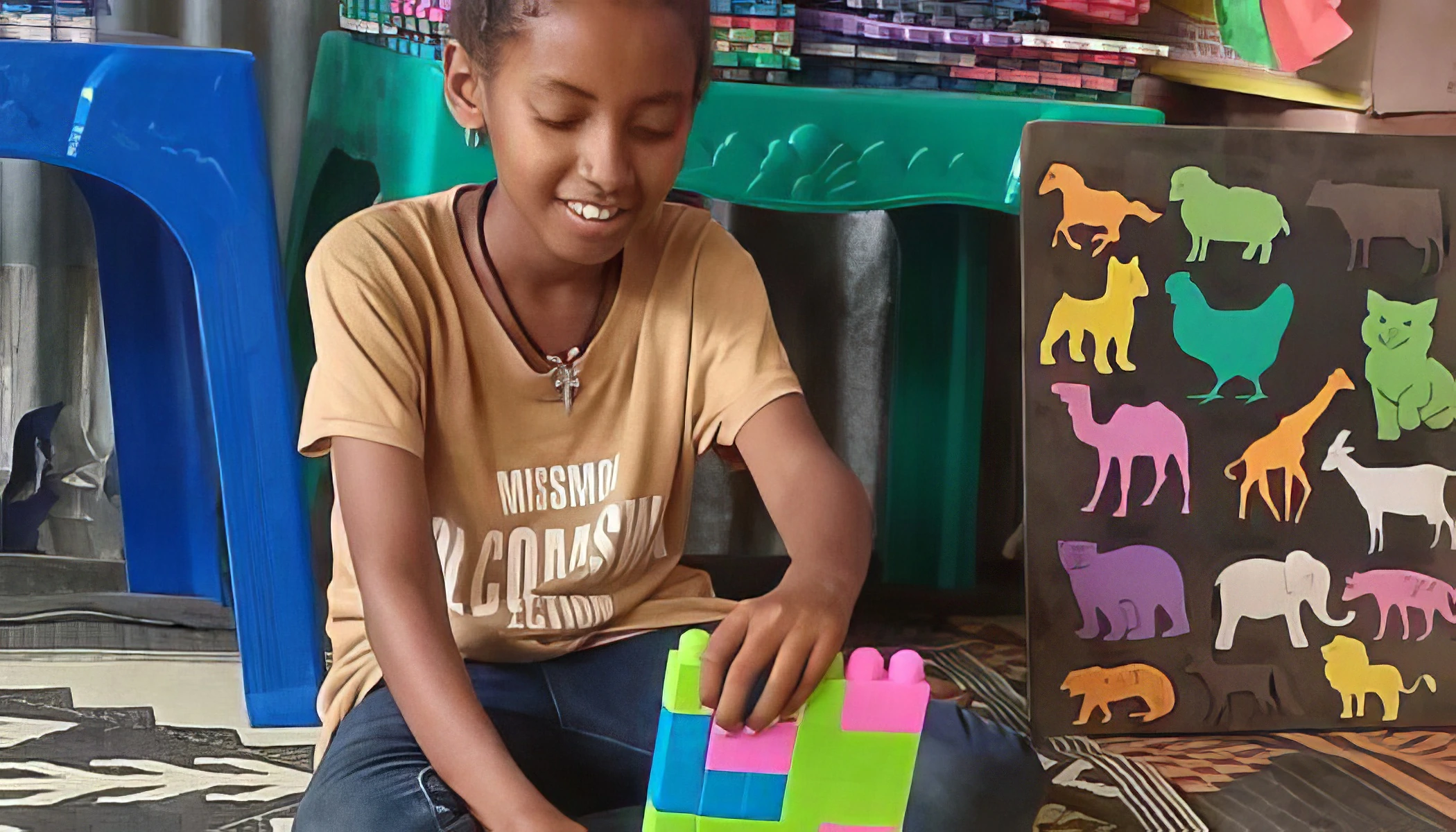
Ethiopia supplies a range of activities that children will find engaging and educational:
– Entoto Natural Park: A park with hiking trails and picnic spots, offering great views of Addis Ababa.
– National Museum of Ethiopia: Home to the famous fossil "Lucy," it's an educational stop for curious kids.
– Lake Tana Boat Ride: A relaxing boat trip on Ethiopia's largest lake, with opportunities to see monasteries.
– Awash National Park: Provides wildlife viewing, including baboons and antelopes, in a scenic setting.
– Simien Mountains National Park: Known for its dramatic landscapes and wildlife like the Gelada baboon.
– Addis Ababa Zoo: A small zoo featuring native Ethiopian animals such as lions and monkeys.
– Blue Nile Falls: A handsome waterfall that provides a great backdrop for family photos and exploration.
– Debre Libanos Monastery: Offers historical insights and beautiful views, with nearby wildlife like gelada monkeys.
Cuisine
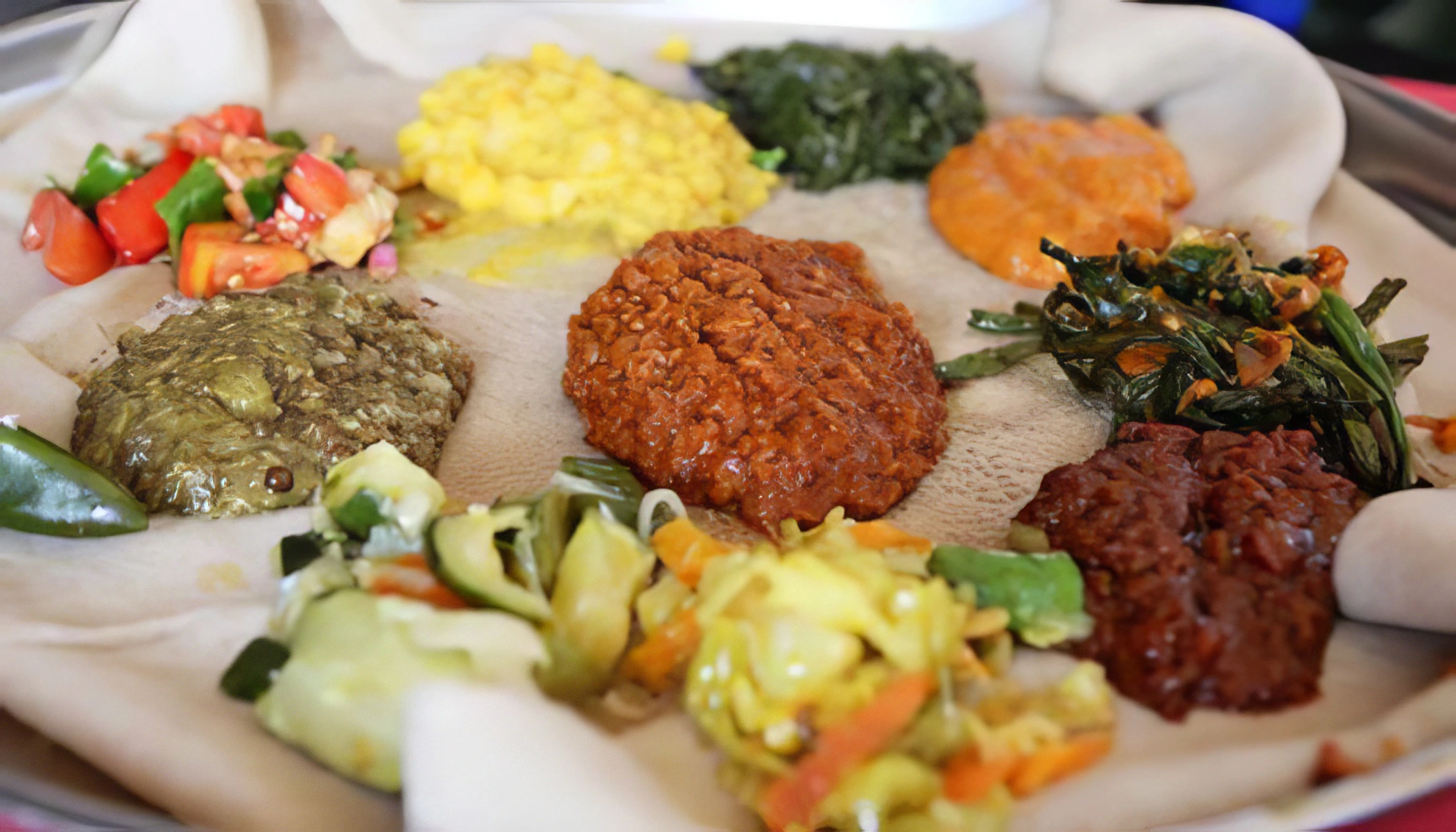
Ethiopian cuisine is characterized by its rich, spicy flavors and communal dining style, often centered around injera, a sourdough flatbread. Meals are typically shared on a large platter, emphasizing stews and vegetables. Most famous Ethiopian dishes and desserts include:
– Injera: Spongy sourdough flatbread made from teff flour, serving as both plate and utensil.
– Doro Wat: Spicy chicken stew with hard-boiled eggs, seasoned with berbere spice mix.
– Tibs: Sautéed meat dish with onions, garlic, and spices, often served with injera.
– Kitfo: Raw minced beef seasoned with spices and clarified butter, traditionally served rare.
– Shiro: Chickpea or lentil stew flavored with berbere and other spices.
Souvenir
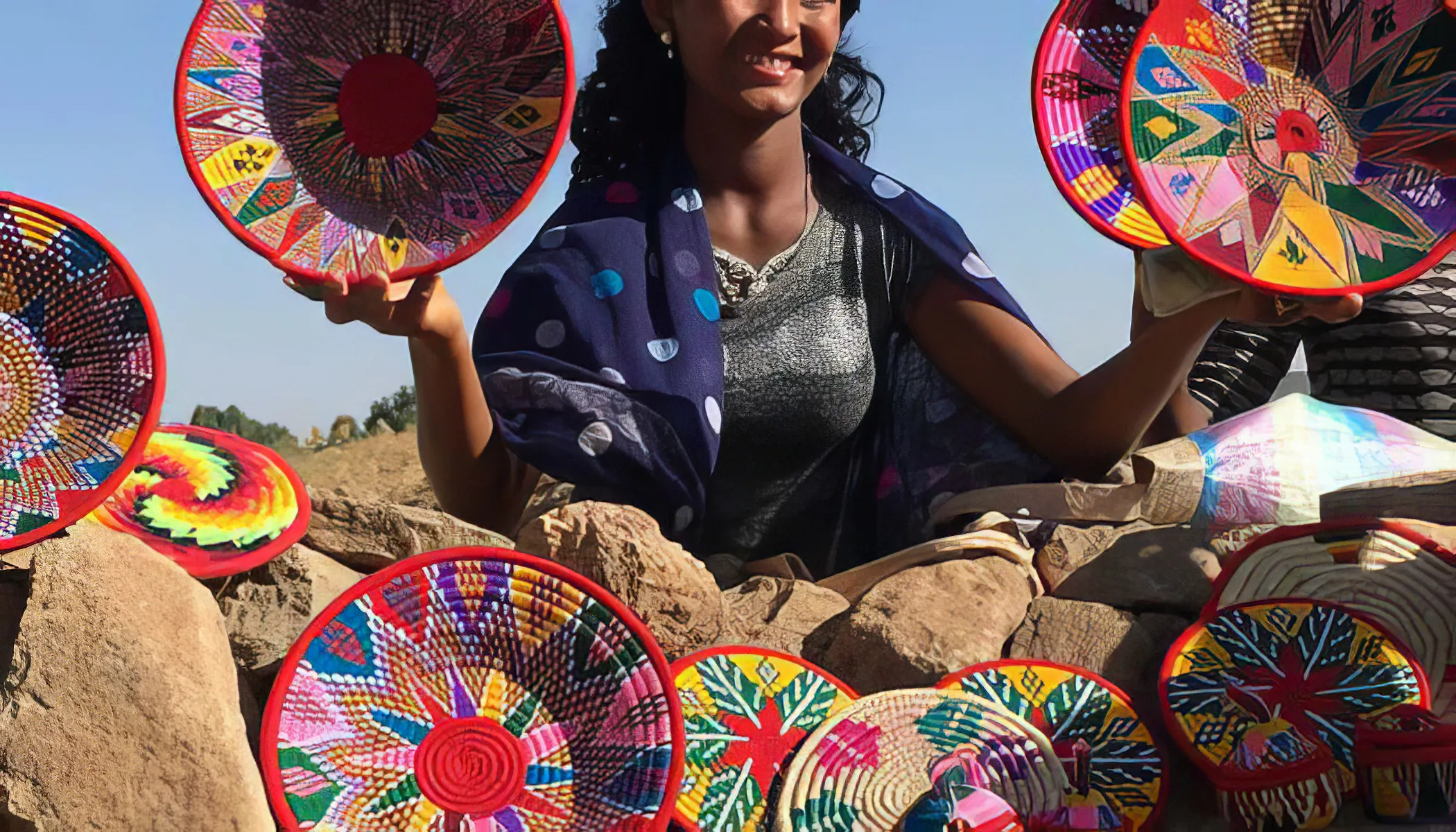
Ethiopia supplies a variety of unique souvenirs that reflect its rich culture and history. Here are some popular options:
– Coffee: Ethiopia is the birthplace of coffee, and its beans are renowned for their quality and flavor.
– Traditional Textiles: Handwoven scarves and shawls, often made from cotton, are popular for their pretty colors and patterns.
– Ethiopian Crosses: These intricate metal crosses are significant in Ethiopian Orthodox Christianity and make meaningful keepsakes.
– Spices: Ethiopian spices like berbere and mitmita add authentic flavors to your cooking back home.
– Handcrafted Jewelry: Silver jewelry with traditional designs is widely available in markets across the country.
– Basketry: Colorful handwoven baskets, known as mesob, are both decorative and functional.
– Musical Instruments: Traditional instruments like the krar or masenqo offer a piece of Ethiopia's musical heritage.
Traditional Shows
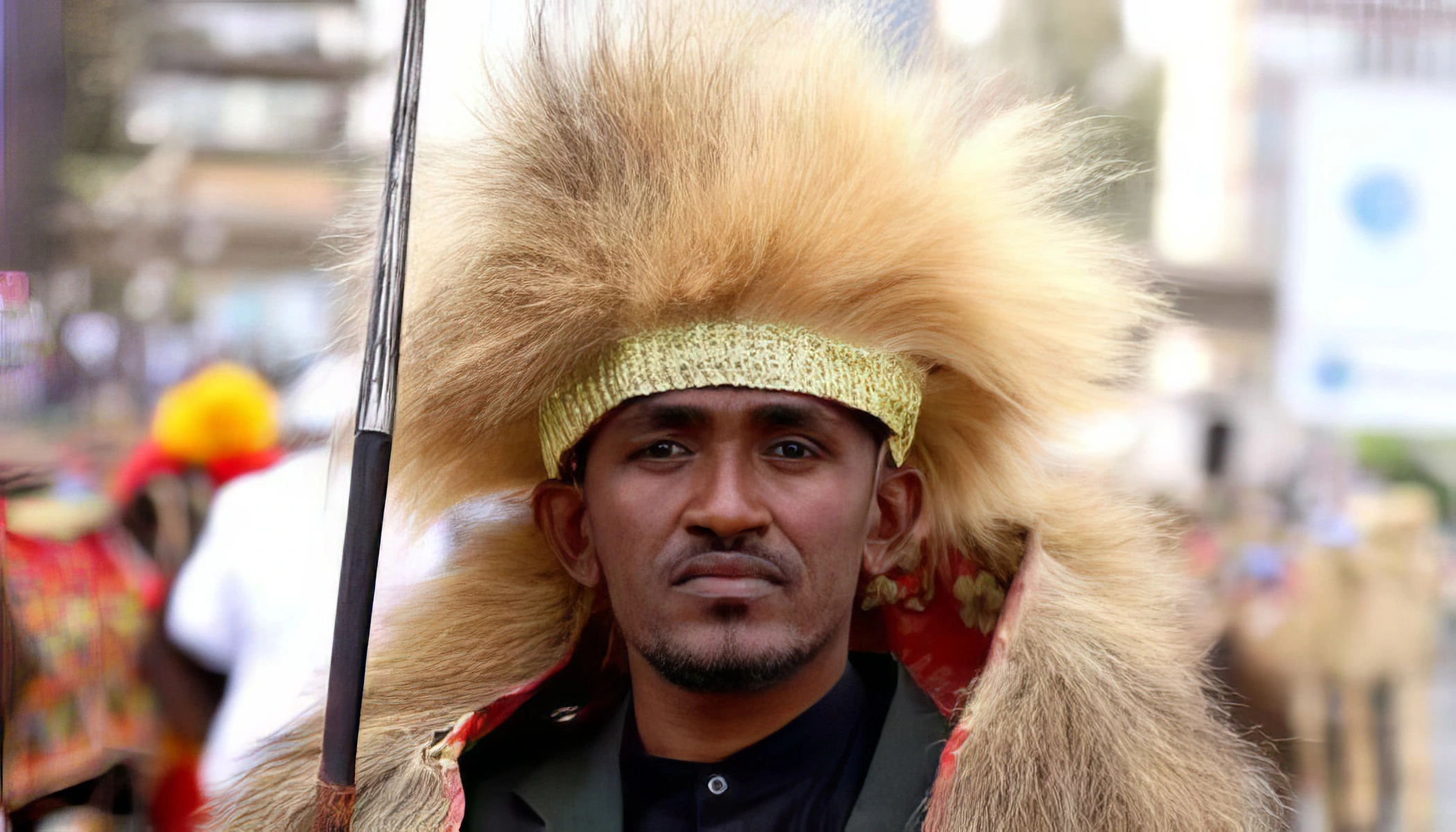
Ethiopia offers a rich tapestry of traditional music and performances:
– Eskista Dance: Witness this shoulder dance, characterized by rhythmic movements, performed at cultural events across Ethiopia, showcasing the country's diverse ethnic traditions.
– Azmari Performance: Enjoy storytelling through music and poetry by Azmari minstrels in Addis Ababa's local venues, offering insights into Ethiopian culture.
– Ethiopian Coffee Ceremony: Experience this social ritual with traditional music and dance, highlighting Ethiopia's coffee heritage and communal spirit.
– Fendika Cultural Club: Visit this Addis Ababa venue for live traditional music and dance performances that celebrate Ethiopia's cultural diversity.
– Meskel Festival: Attend this annual religious festival in Addis Ababa featuring lively processions, traditional songs, and dances celebrating the finding of the True Cross.
Events & Festivals
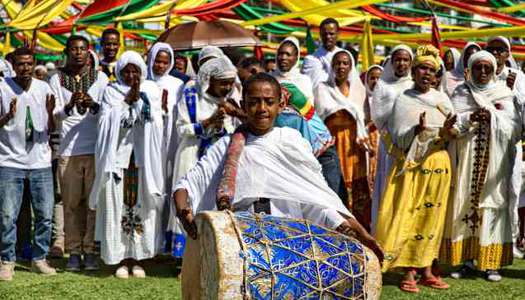
Ethiopia hosts a variety of cultural and religious festivals throughout the year, reflecting its rich heritage:
– Timkat: January celebration of Epiphany with colorful processions and water blessings.
– Meskel: September festival marking the finding of the True Cross with bonfires and dances.
– Genna: Ethiopian Christmas on January 7, celebrated with church services and feasting.
– Fasika: Ethiopian Easter, a significant religious event marked by fasting and church ceremonies in April.
– Enkutatash: Ethiopian New Year on September 11, celebrated with music, dancing, and family gatherings.
– Buhe: August festival where children sing door-to-door for gifts, marking the end of the rainy season.
– Hidar Tsion: November pilgrimage to Axum's St. Mary of Zion Church, honoring the Virgin Mary.
Famous People

Ethiopia is home to many notable figures who have made significant impacts in various fields throughout history.
– Haile Selassie I (1892 to 1975, Ejersa Goro): Emperor known for modernizing Ethiopia and his role in the League of Nations.
– Menelik II (1844 to 1913, Angolalla Tera): Emperor celebrated for defeating Italian forces at the Battle of Adwa.
– Meles Zenawi (1955 to 2012, Adwa): Prime Minister credited with economic reforms and development initiatives in Ethiopia.
– Lucy (Australopithecus afarensis, discovered 1974, Hadar): Ancient hominid fossil that provided crucial insights into human evolution.
– Abebe Bikila (1932 to 1973, Jato): Marathon runner famous for winning Olympic gold barefoot in Rome 1960.
Books
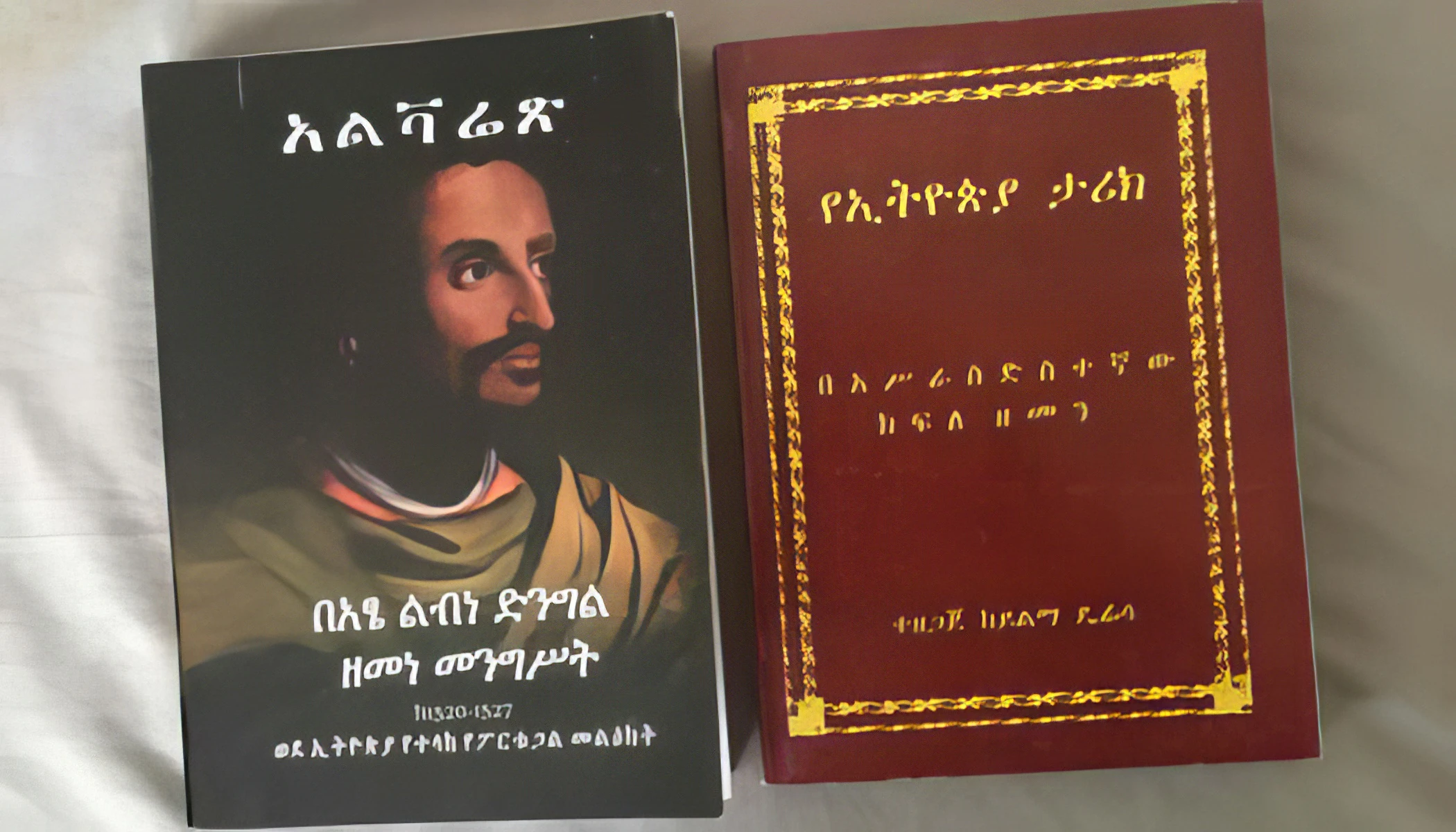
These books provide insights into Ethiopia's rich history, culture, and the personal stories of its people.
– "Cutting for Stone" by Abraham Verghese: A tale of twin brothers in Ethiopia, blending medicine and family saga.
– "Beneath the Lion's Gaze" by Maaza Mengiste: Chronicles a family's struggles during Ethiopia's 1974 revolution.
– "The Beautiful Things That Heaven Bears" by Dinaw Mengestu: Explores an Ethiopian immigrant's life in Washington D.C., reflecting on past and identity.
– "Sweetness in the Belly" by Camilla Gibb: Follows a British Muslim woman raised in Ethiopia amid political upheaval.
– "The Sign and the Seal" by Graham Hancock: Investigates the mystery of the Ark of the Covenant's location in Ethiopia.
Songs

Ethiopian music is rich with cultural heritage, blending traditional sounds with modern influences to create memorable songs.
– Tizita: A classic Ethiopian song expressing nostalgia and longing, often compared to the blues.
– Yekermo Sew: Mulatu Astatke's iconic Ethio-jazz piece, known for its unique fusion of jazz and traditional Ethiopian music.
– Abebayehosh: A popular traditional song performed during the Ethiopian New Year celebrations.
– Ewedhalehu: Teddy Afro's hit song celebrating love and unity in Ethiopia.
– Ambassel: A traditional Ethiopian tune that showcases the unique pentatonic scale of the region.
– Bati: Another classic melody named after a town in Ethiopia, often played on traditional instruments like the krar.
Films
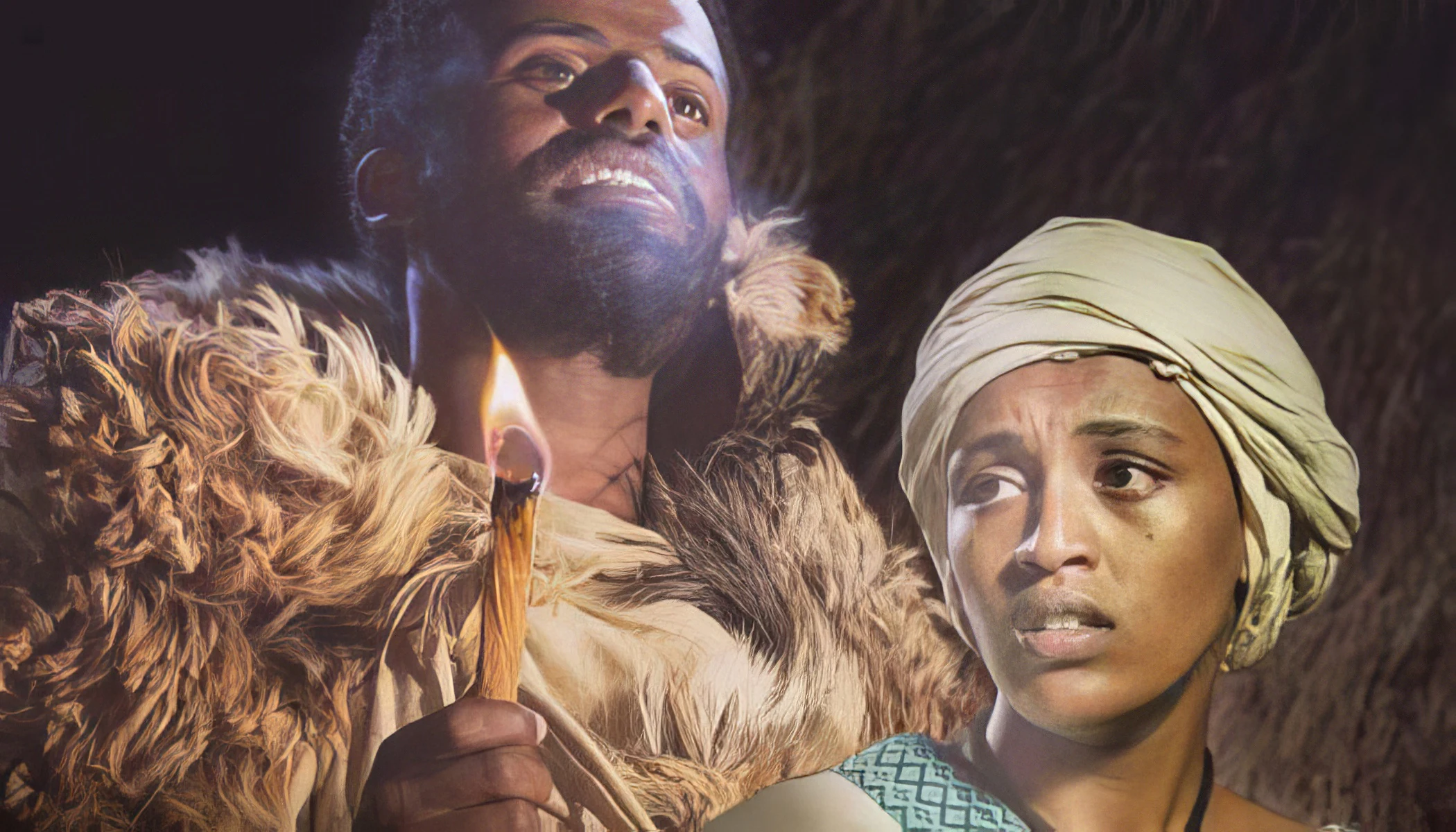
A selection of films that provide insight into Ethiopian culture and history includes:
– "Teza": Directed by Haile Gerima, it explores an Ethiopian intellectual's return home during the Derg regime.
– "Difret": Based on a true story, it follows a young girl's fight against child marriage in rural Ethiopia.
– "Lamb": Yared Zeleke's film about a boy and his sheep, highlighting rural Ethiopian life and family bonds.
– "The Athlete": A biographical film about Abebe Bikila, the first African to win an Olympic gold medal in marathon running.
– "Crumbs": A post-apocalyptic sci-fi film by Miguel Llansó set in Ethiopia, exploring themes of love and survival.