

Explore Fiji: Culture, Cities & Places to Visit
An island nation in the South Pacific, known for its clear waters and coral reefs. It consists of over 300 islands, offering tropical beaches and beautiful marine life. The culture blends indigenous traditions with colonial influences, creating a unique atmosphere.
- Capital
- Suva
- Population
- 0.9 millions
- Superficy
- 19000 sq.km
- Months to Visit
- May to Sept.
- Living Cost
- Moderate
Overview
Fiji is an island nation in the South Pacific, comprising over 300 islands, with Viti Levu and Vanua Levu being the largest. Known for its clear waters, coral reefs, and palm-lined beaches, Fiji is a popular destination for tourists seeking tropical scenery. The capital city, Suva, is located on Viti Levu and serves as the cultural and political hub. Fiji's population is diverse, with indigenous Fijians and Indo-Fijians making up the majority. The economy relies heavily on tourism, agriculture, and sugar exports. Despite its natural beauty, Fiji faces challenges such as vulnerability to climate change and economic dependency on external markets.
Pros & Cons
GOOD REASONS TO VISIT FIJI
– Beautiful Beaches: Fiji supplies gorgeous white-sand beaches and crystal-clear waters, perfect for relaxation and water activities.
– Friendly Locals: Fijians are known for their warm hospitality, making visitors feel welcome and at home.
– Diverse Marine Life: Snorkeling and diving reveal lively coral reefs teeming with colorful fish and marine creatures.
– Unique Culture: Experience traditional Fijian ceremonies, dances, and crafts that showcase the islands' rich cultural heritage.
– Adventure Activities: Enjoy hiking, zip-lining, and exploring beautiful rainforests for an exciting outdoor experience. CHALLENGES WHEN VISITING FIJI
– Cyclone Season: November to April brings potential cyclones; travel plans may be disrupted by severe weather.
– Limited Public Transport: Getting around can be challenging; renting a car or using taxis is often necessary.
– High Costs: Resort stays and activities can be expensive; budget travelers may find costs higher than expected.
Before Departure
Before traveling to Fiji, consider the following essential information:
– Passport: Ensure your passport is valid for at least six months beyond your intended stay.
– Visa: Many nationalities receive a 4-month visa on arrival; check specific requirements before travel.
– Currency: Fijian Dollar (FJD); credit cards widely accepted in urban areas; ATMs available in cities and towns.
– Internet access: WiFi is common in hotels and cafes; purchase a local SIM card for better coverage.
– Language barrier: English is an official language and widely spoken; Fijian and Hindi are also common.
What to Pack
Fiji is a tropical paradise, so packing should focus on comfort, sun protection, and beach activities.
– Essentials: Passport and visa (if required), travel insurance details, flight tickets and itinerary, accommodation confirmations.
– Clothing: Lightweight clothing, swimwear, flip-flops or sandals, sun hat and sunglasses, light rain jacket for occasional showers.
– Health & Safety: Prescription medications and basic first aid kit, insect repellent, high SPF sunscreen, personal hygiene products.
– Electronics: Travel adapter for Fijian outlets, mobile phone with charger, waterproof camera for underwater activities.
Weather
Fiji has a tropical climate with distinct wet and dry seasons.
– Summer (November to April): Hot and humid with heavy rainfall, especially from January to March.
– Winter (May to October): Cooler and drier, with pleasant temperatures and lower humidity. The best time to visit Fiji is from May to October.
– Pros: Ideal weather for outdoor activities, clear skies, and less rainfall.
– Cons: Higher tourist numbers can lead to increased prices and crowded attractions.
Travel Budget
Fiji can be a moderately priced destination, with costs varying based on location and type of service. Here are some average prices for common expenses:
– Hotel: 50$ to 200$
– Lunch: 5$ to 20$
– Beverage (in bar/restaurant): 3$ to 8$
– Coffee: 2$ to 5$
– Transportation: (train not applicable), (bus 0.5$ to 2$), (taxi /10km 8$ to 15$)
– Mobile data (per GB): 5$ to 10$
Language
Fijian is one of the official languages of Fiji, and here are some useful phrases for tourists:
– Hello: Bula
– Thank you: Vinaka
– Please: Yalo vinaka
– How much is this?: E vica na kena i-sau?
– Excuse me: Tulou
– I don't understand: Au sega ni taura rawa
– Yes: Io
– No: Sega
– Goodbye: Moce
History
The islands were first settled by Austronesian peoples around 3,500 years ago, followed by Melanesians. European contact began in the 17th century, with significant influence starting in the 19th century through missionaries and traders. In 1874, Fiji became a British colony after ceding to the British Crown due to internal conflicts and external pressures. Indentured laborers from India were brought in to work on sugar plantations, significantly impacting the demographic makeup. Fiji gained independence from Britain in 1970 but faced political instability marked by military coups in 1987, 2000, and 2006. The country has since worked towards establishing a stable democratic government while addressing ethnic tensions between indigenous Fijians and Indo-Fijians.
Geopolitics
Located in the South Pacific Ocean, Fiji is an archipelago comprising over 300 islands. It holds a strategic position between the United States and Asia, making it significant for regional maritime routes. The country has a history of political instability, including military coups, which have influenced its domestic and international relations. Fiji is a member of regional organizations like the Pacific Islands Forum and has sought to strengthen ties with larger powers such as Australia, New Zealand, China, and the United States. Its foreign policy often focuses on climate change advocacy due to its vulnerability to rising sea levels. Additionally, Fiji participates in UN peacekeeping missions, enhancing its international profile.
Sample Itinerary
This itinerary covers Fiji's fascinating beaches, beautiful marine life, and cultural experiences across its main islands.
– 2 days in Nadi: Visit the Garden of the Sleeping Giant and Sabeto Hot Springs. Explore local markets and enjoy a traditional Fijian dinner.
– 2 days in Mamanuca Islands: Relax on white sandy beaches, snorkel in clear waters, and take a day trip to Cloud 9 floating bar.
– 2 days in Yasawa Islands: Discover secluded beaches, swim with manta rays (seasonal), and visit local villages for cultural insights.
– 1 day in Suva: Tour the Fiji Museum, explore Colo-i-Suva Forest Park, and experience the capital's magnificient markets and colonial architecture.
– 1 day in Pacific Harbour: Engage in adventure activities like river rafting or shark diving. Visit the Arts Village for cultural performances.
Popular cities
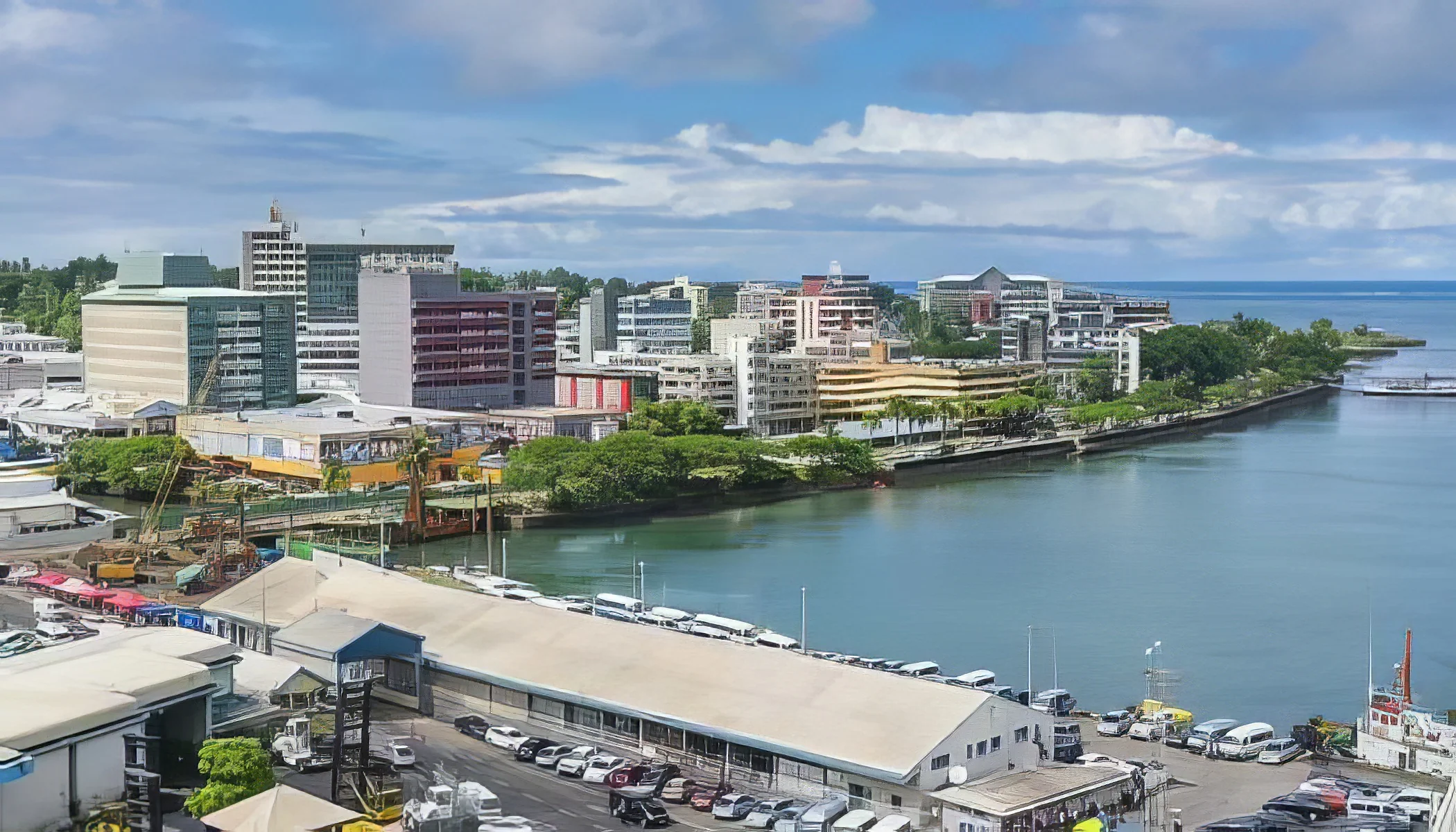
Explore Fiji's animated cities offering unique cultural and natural experiences:
– Suva: The capital city is known for its colonial architecture, museums, and attractive markets.
– Nadi: A gateway to the islands, famous for its Hindu temple and proximity to Denarau Island.
– Lautoka: Known as the "Sugar City," it offers a glimpse into Fiji's sugar industry and local life.
– Savusavu: A charming town on Vanua Levu, known for its hot springs and diving spots.
– Labasa: Located on Vanua Levu, it supplies a more authentic Fijian experience with less tourist traffic.
– Sigatoka: Known for its river safari tours and proximity to the Sigatoka Sand Dunes National Park.
– Levuka: A UNESCO World Heritage site with colonial-era buildings on Ovalau Island.
Monuments
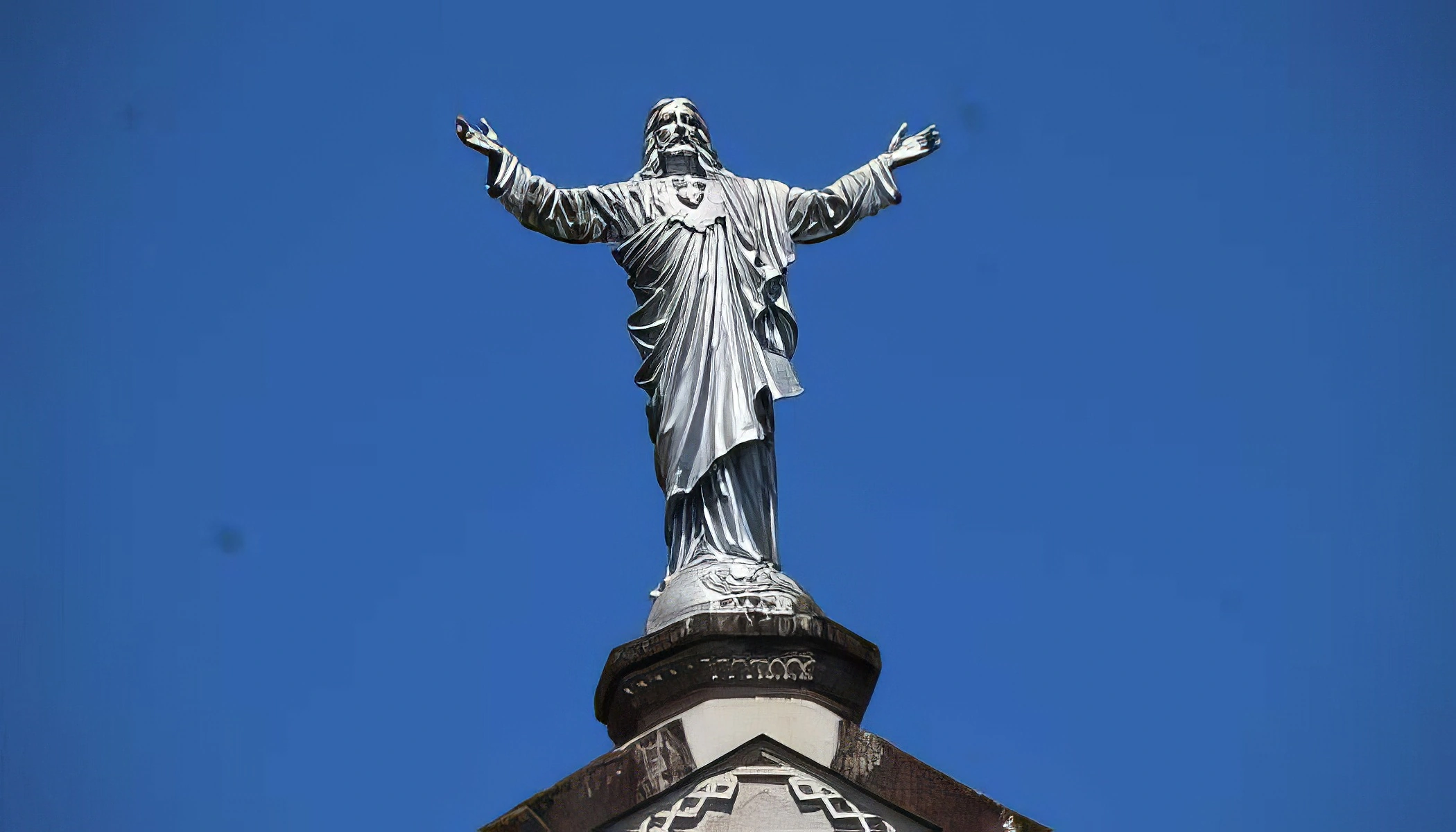
Fiji provides a range of historical and cultural sites to explore:
– Sri Siva Subramaniya Temple, Nadi: Largest Hindu temple in the Southern Hemisphere with attractive Dravidian architecture.
– Levuka Historical Port Town, Ovalau Island: UNESCO site with colonial buildings reflecting Fiji's first capital.
– Tavuni Hill Fort, Sigatoka: Ancient Tongan fortification offering insights into Fiji's pre-colonial history.
– Naihehe Cave, Sigatoka Valley: Sacred cave used as a fortress by Fijian tribes during tribal wars.
– Government House, Suva: Official residence of Fiji's President, showcasing colonial architecture.
– Momi Bay Battery Historic Park, Viti Levu: World War II coastal defense site with restored gun emplacements.
– Thurston Gardens and Fiji Museum, Suva: Botanical gardens housing the museum with artifacts from Fiji's history.
– Navala Village, Ba Highlands: Traditional Fijian village with well-preserved thatched bures (huts).
Natural wonder
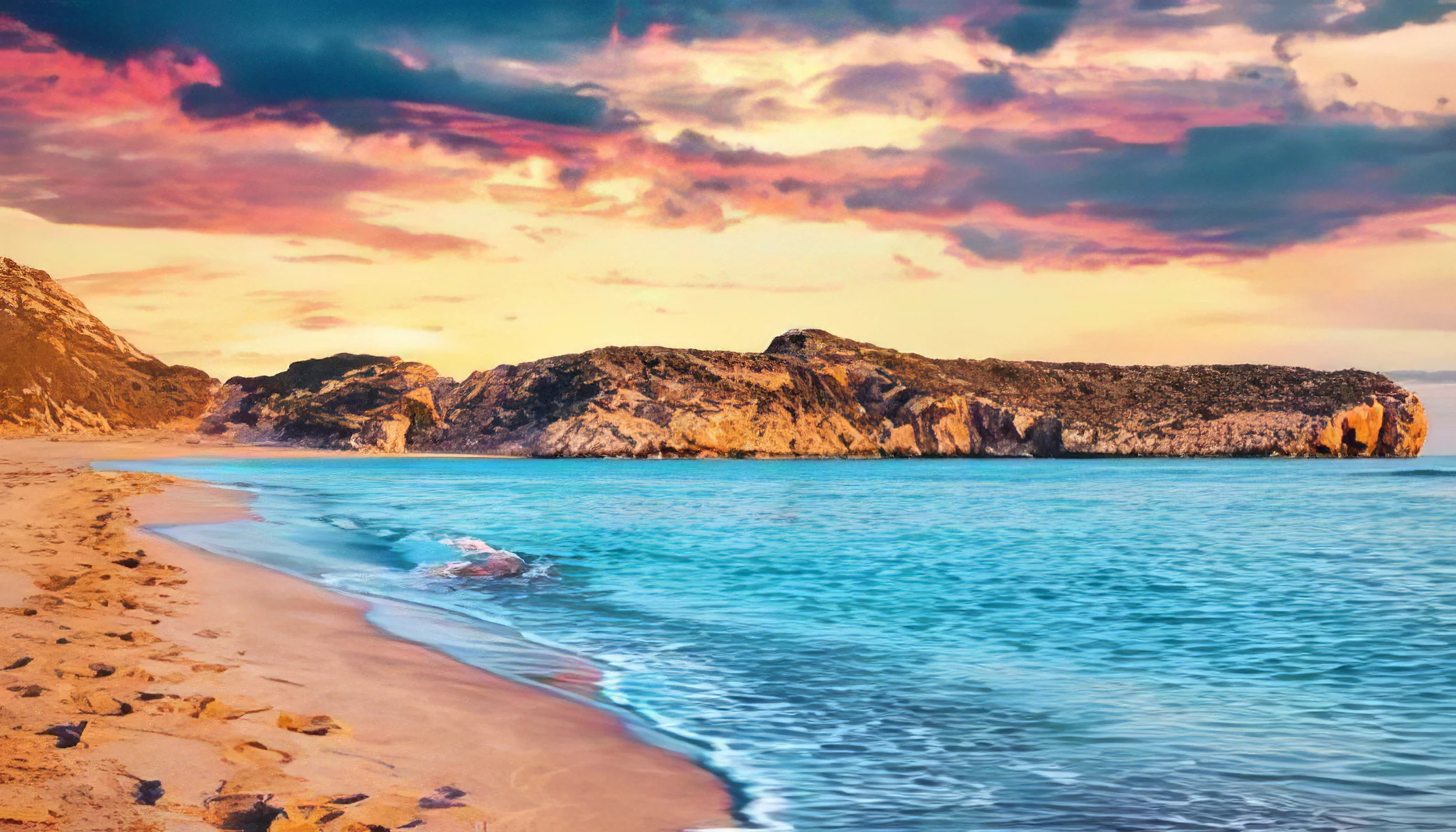
Explore Fiji's diverse natural landscapes:
– Bouma National Heritage Park: Features waterfalls, rainforest, and diverse wildlife on Taveuni Island.
– Sabeto Hot Springs and Mud Pool: Natural geothermal pools known for relaxation and therapeutic benefits.
– Sawa-i-Lau Caves: Lovely caves with crystal-clear waters, accessible by a short swim.
– Garden of the Sleeping Giant: Botanical garden with orchids and tropical plants near Nadi.
– Sigatoka Sand Dunes: Coastal dunes offering archaeological sites and scenic views.
– Colo-i-Suva Forest Park: Rainforest park with walking trails, waterfalls, and swimming holes near Suva.
– Tavoro Waterfalls: Series of three waterfalls in Bouma National Heritage Park on Taveuni Island.
– Great Astrolabe Reef: One of the largest barrier reefs, ideal for diving and snorkeling.
– Mount Tomanivi: Fiji's highest peak supplies challenging hikes and panoramic views.
– Navua River: Known for river rafting through rich rainforests and traditional villages.
Beaches
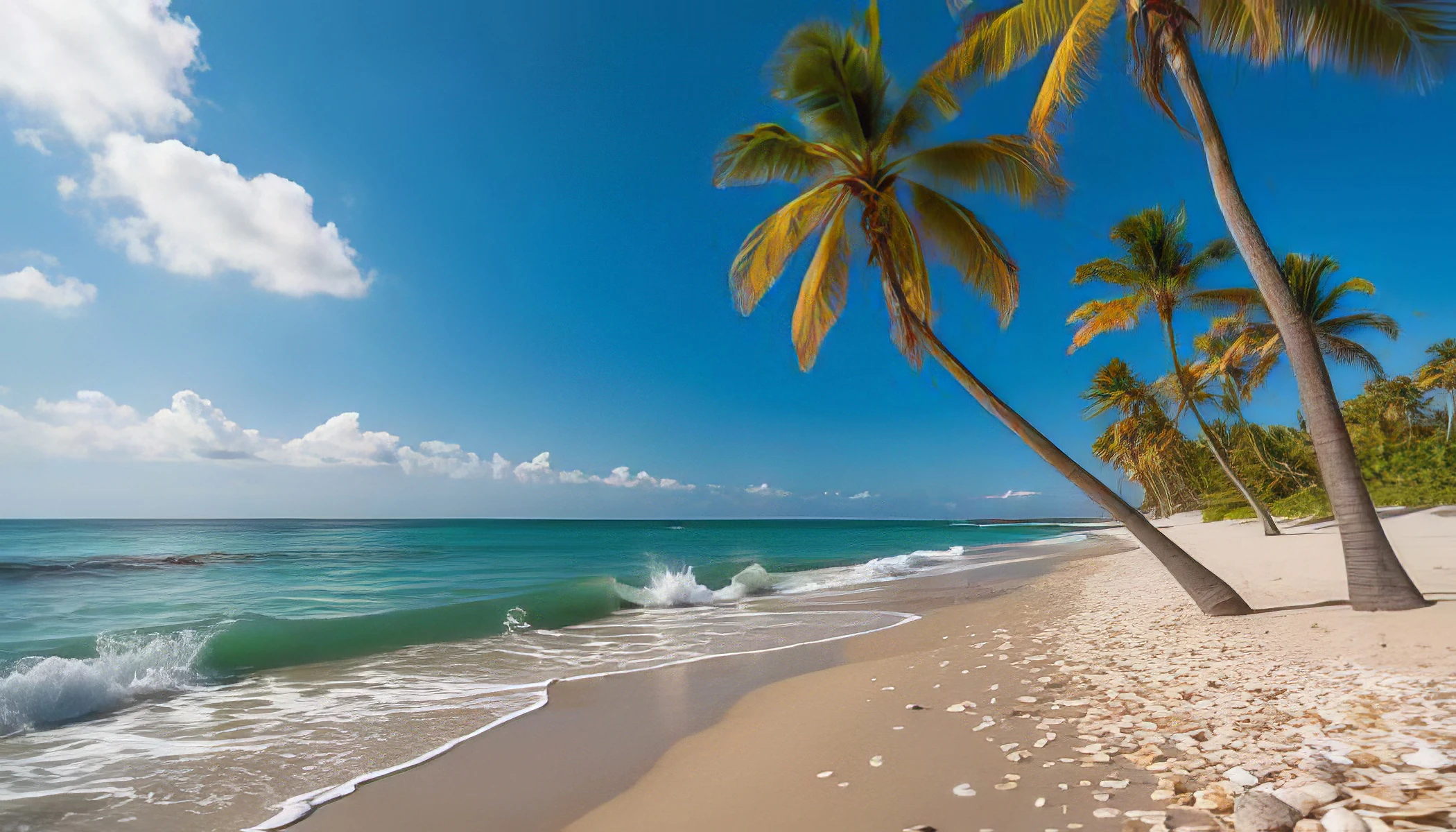
Fiji is known for its gorgeous beaches and clear waters.
– Natadola Beach: Offers soft white sands and excellent swimming conditions on Viti Levu.
– Yasawa Islands Beaches: Known for crystal-clear waters and beautiful coral reefs.
– Mamanuca Islands Beaches: Popular for snorkeling, diving, and island resorts.
– Coral Coast Beaches: Features diverse marine life and coral reefs along Viti Levu's southern coast.
– Taveuni Island Beaches: Offers abundant surroundings and access to the Bouma National Heritage Park.
– Denarau Island Beach: Known for luxury resorts and easy access to Nadi town.
– Beqa Island Beaches: Famous for diving experiences, including shark encounters.
Outdoor activities
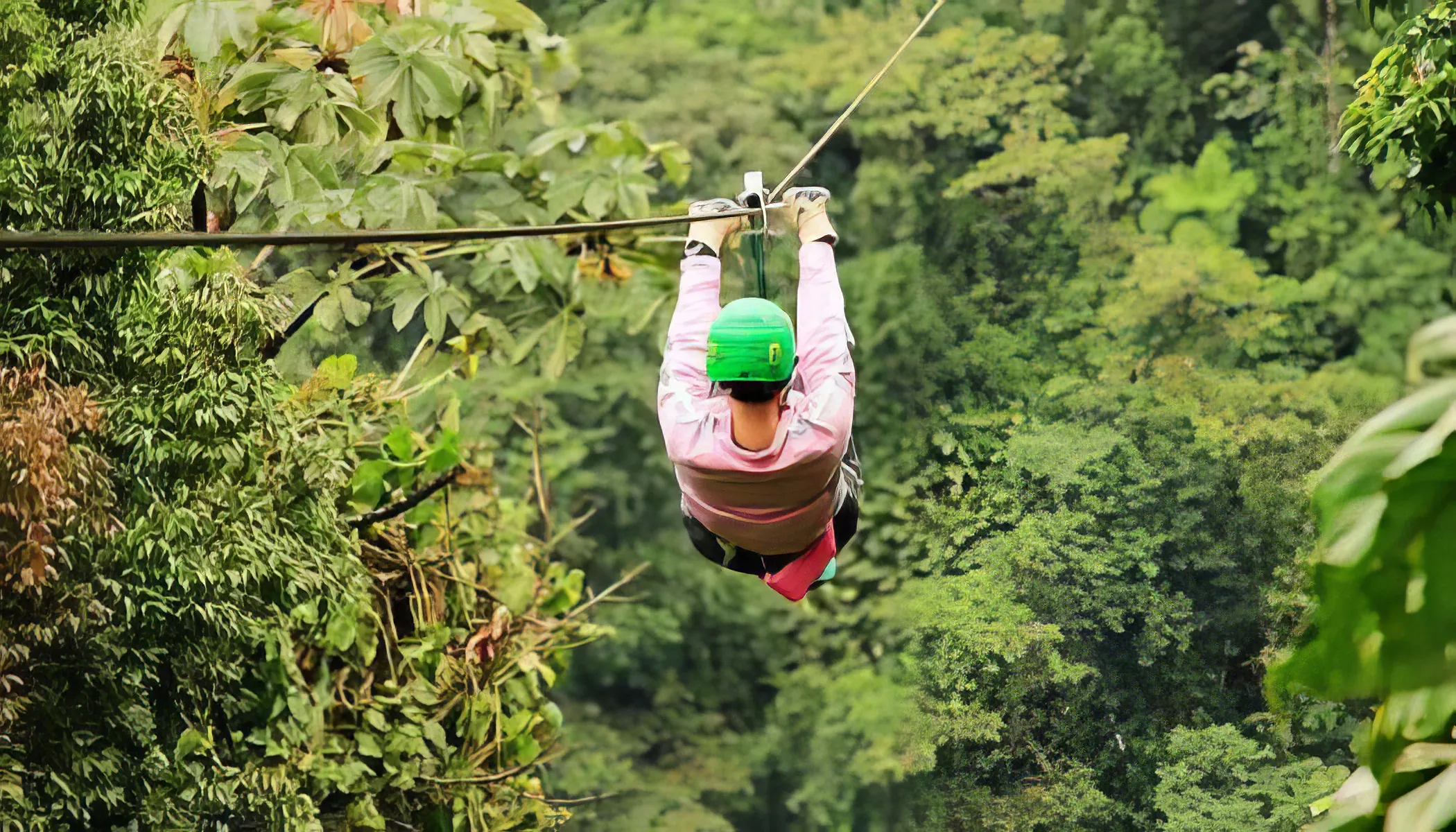
Fiji supplies a variety of outdoor activities for nature and adventure enthusiasts:
– Snorkeling in the Yasawa Islands: Explore nice coral reefs and diverse marine life.
– Diving in the Great Astrolabe Reef: Discover one of the world's largest barrier reefs.
– Hiking in Bouma National Heritage Park: Trek through sumptuous rainforests and visit remarkable waterfalls.
– River Rafting on the Upper Navua River: Experience thrilling rapids surrounded by tropical scenery.
– Surfing at Cloudbreak: Ride world-famous waves off Tavarua Island.
– Zip-lining in Pacific Harbour: Glide through treetops with panoramic views of the forest.
– Kayaking around Beqa Lagoon: Paddle through calm waters and explore hidden coves.
Kid Friendly
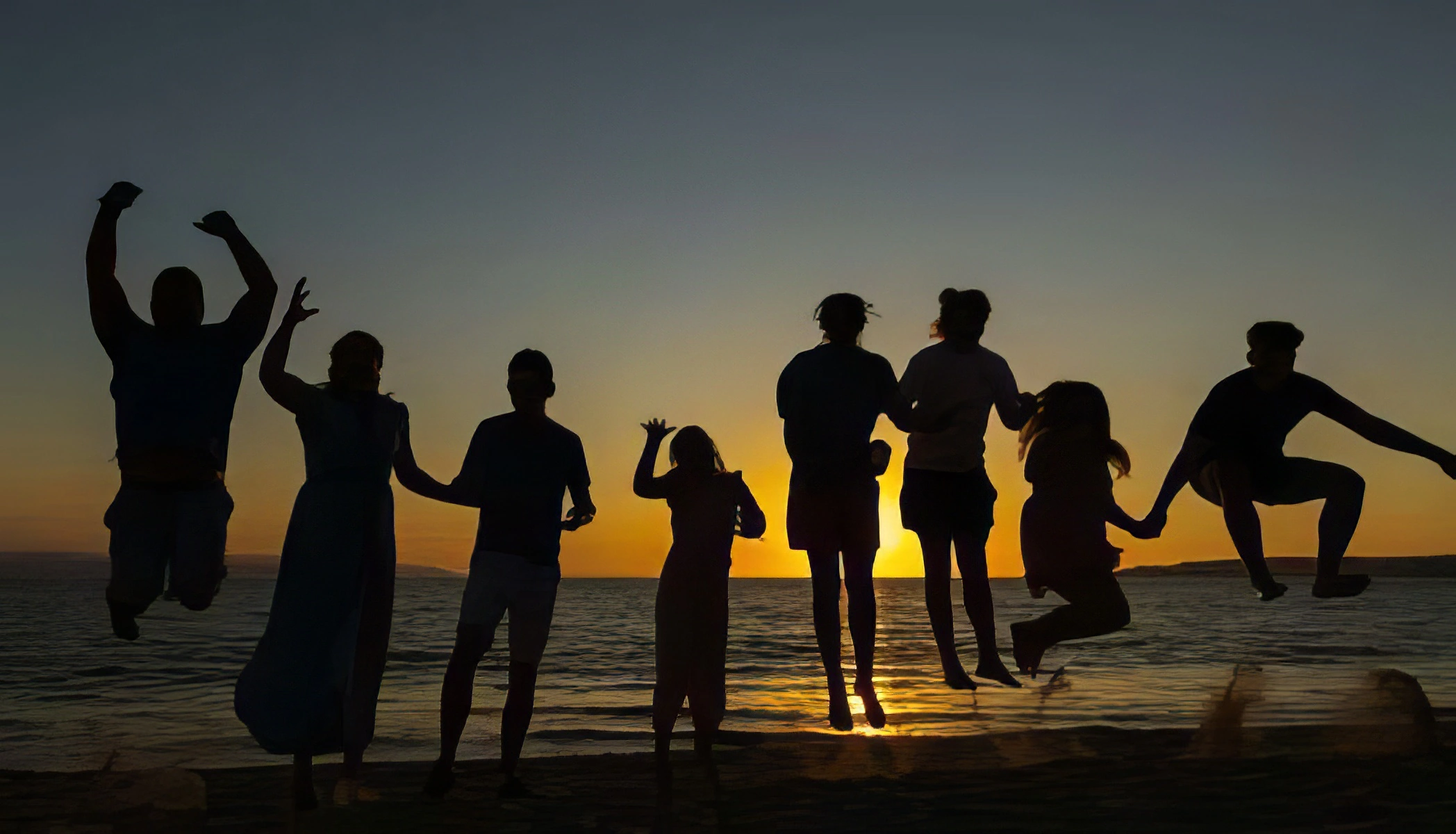
Fiji offers a range of activities that are perfect for families with children.
– Kula Wild Adventure Park: A wildlife park where kids can see native Fijian animals and enjoy water slides.
– Big Bula Waterpark: An inflatable water park with slides and pools, ideal for a fun day out.
– Sigatoka Sand Dunes: A national park with guided tours through impressive sand dunes and archaeological sites.
– Fiji Museum: Supplies insights into Fijian history and culture, with exhibits that engage young minds.
– Garden of the Sleeping Giant: A beautiful garden featuring orchids and walking paths, great for a family stroll.
– Robinson Crusoe Island Tours: Supplies cultural shows and activities like coconut climbing that kids will enjoy.
– Natadola Beach: A family-friendly beach known for its gentle waves, perfect for swimming and sandcastle building.
– Coral Coast Railway: A scenic train ride along the coast, offering views of local villages and landscapes.
Cuisine
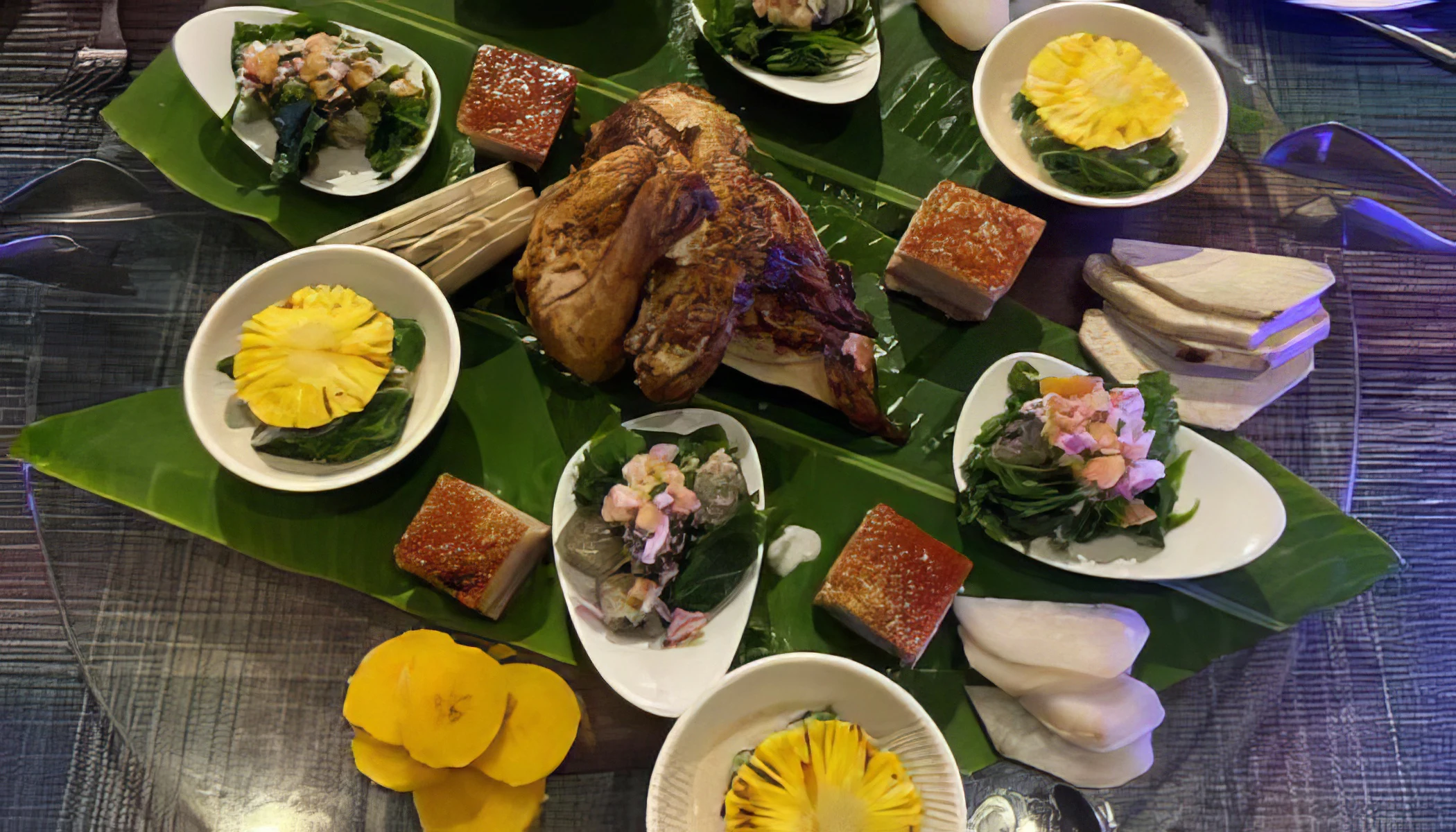
Fijian cuisine is a blend of indigenous flavors and influences from Indian, Chinese, and Western cuisines, emphasizing fresh seafood and tropical produce. Traditional cooking methods like lovo (earth oven) are common. The food scene is animated with both traditional and modern dishes.
– Kokoda: Raw fish marinated in lime juice with coconut cream, onions, and chilies.
– Lovo: Meat and vegetables cooked underground using heated stones.
– Rourou: Taro leaves cooked in coconut milk, often served as a side dish.
– Palusami: Taro leaves filled with coconut cream and sometimes meat or fish.
– Cassava Cake: Sweet cake made from grated cassava, sugar, and coconut milk.
Souvenir
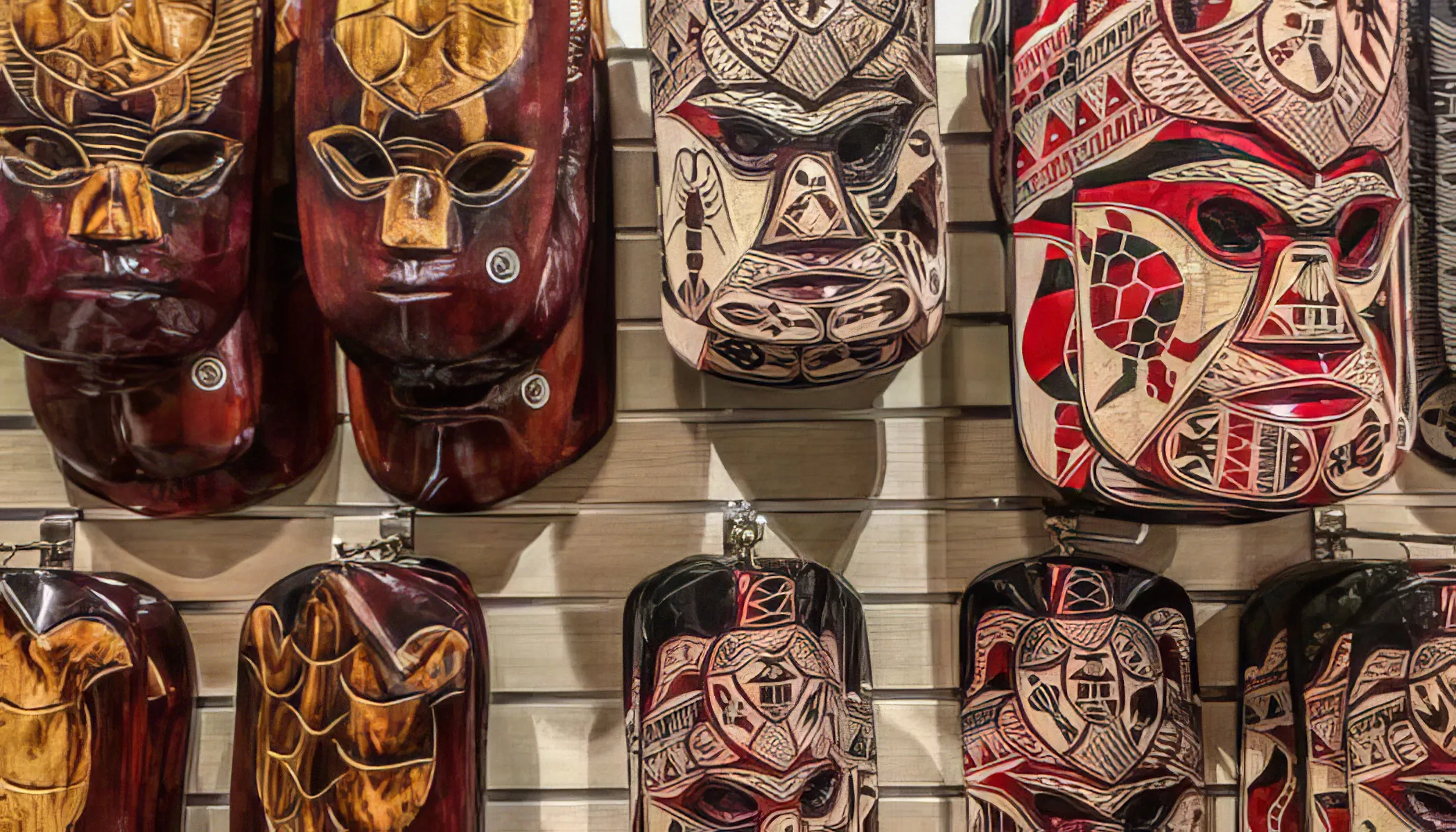
Fiji provides a variety of unique souvenirs that reflect its rich culture and natural beauty. Here are some popular options:
– Fijian Handicrafts: Traditional crafts like woven baskets and mats made from local materials.
– Kava Products: Kava, a traditional drink, is often sold in powder form as a souvenir.
– Shell Jewelry: Jewelry made from local shells is both beautiful and affordable.
– Wooden Carvings: Intricately carved wooden items, such as masks and bowls, are popular among tourists.
– Sulu: A traditional Fijian wrap-around skirt worn by both men and women.
– Black Pearls: Fiji is known for its high-quality black pearls, often set in jewelry.
– Coconut Oil Products: Locally produced coconut oil is used in skincare products and cooking.
Traditional Shows
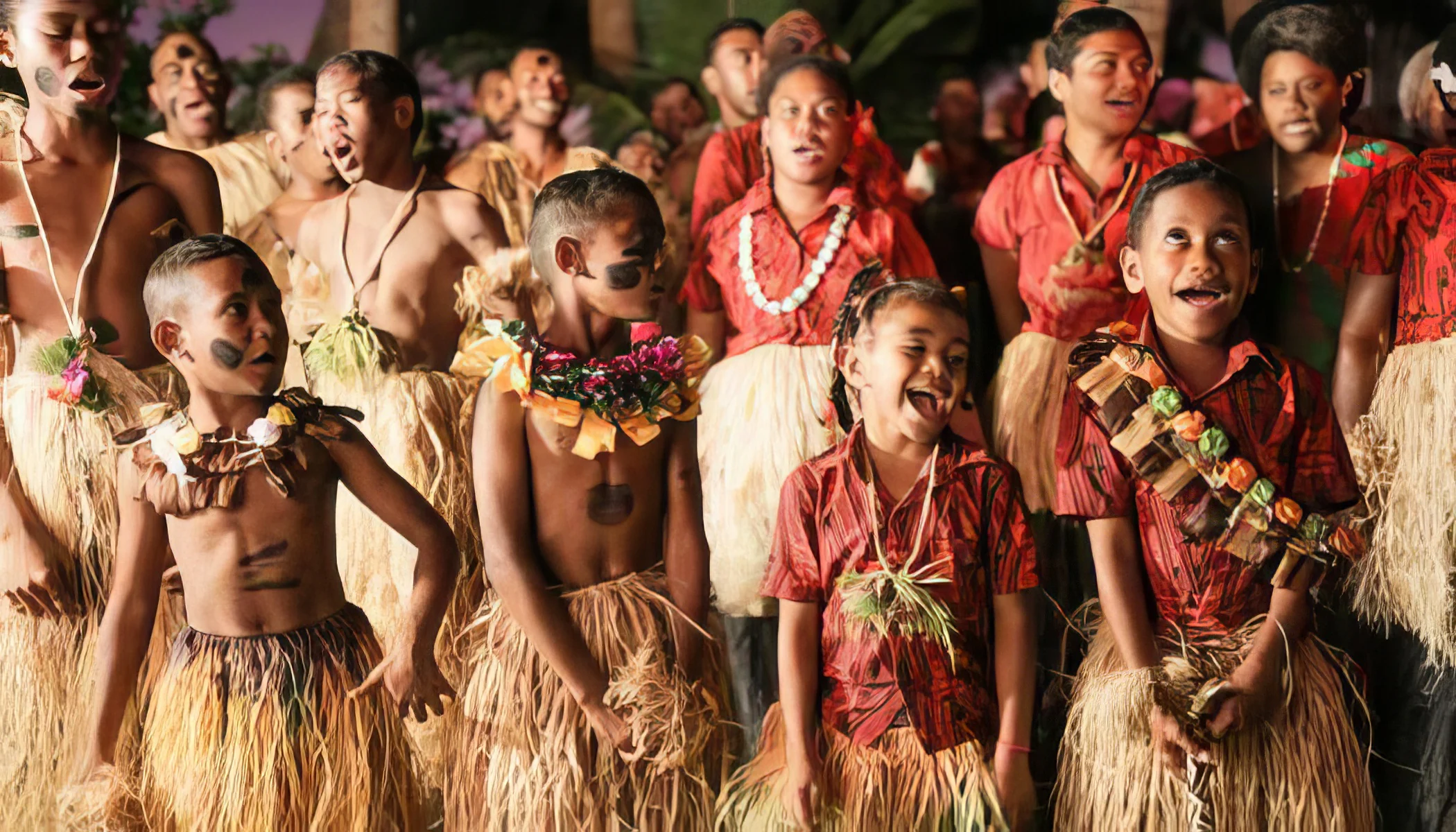
Fiji offers unique traditional performances:
– Meke Dance: Experience storytelling through dance and song, showcasing Fijian legends and history, often performed in villages and resorts.
– Firewalking Ceremony: Witness the Beqa Island tradition where men walk on hot stones, demonstrating spiritual strength and cultural heritage.
– Lali Drum Performances: Hear the rhythmic beats of the Lali drum, used in ceremonies and celebrations across Fiji to communicate important messages.
– Kava Ceremony: Participate in a traditional kava drinking ritual, a social event that fosters community bonding and cultural exchange.
– Polynesian Dance Shows: Enjoy animated dances from Fiji's Polynesian influences, featuring colorful costumes and energetic performances at local events.
Events & Festivals
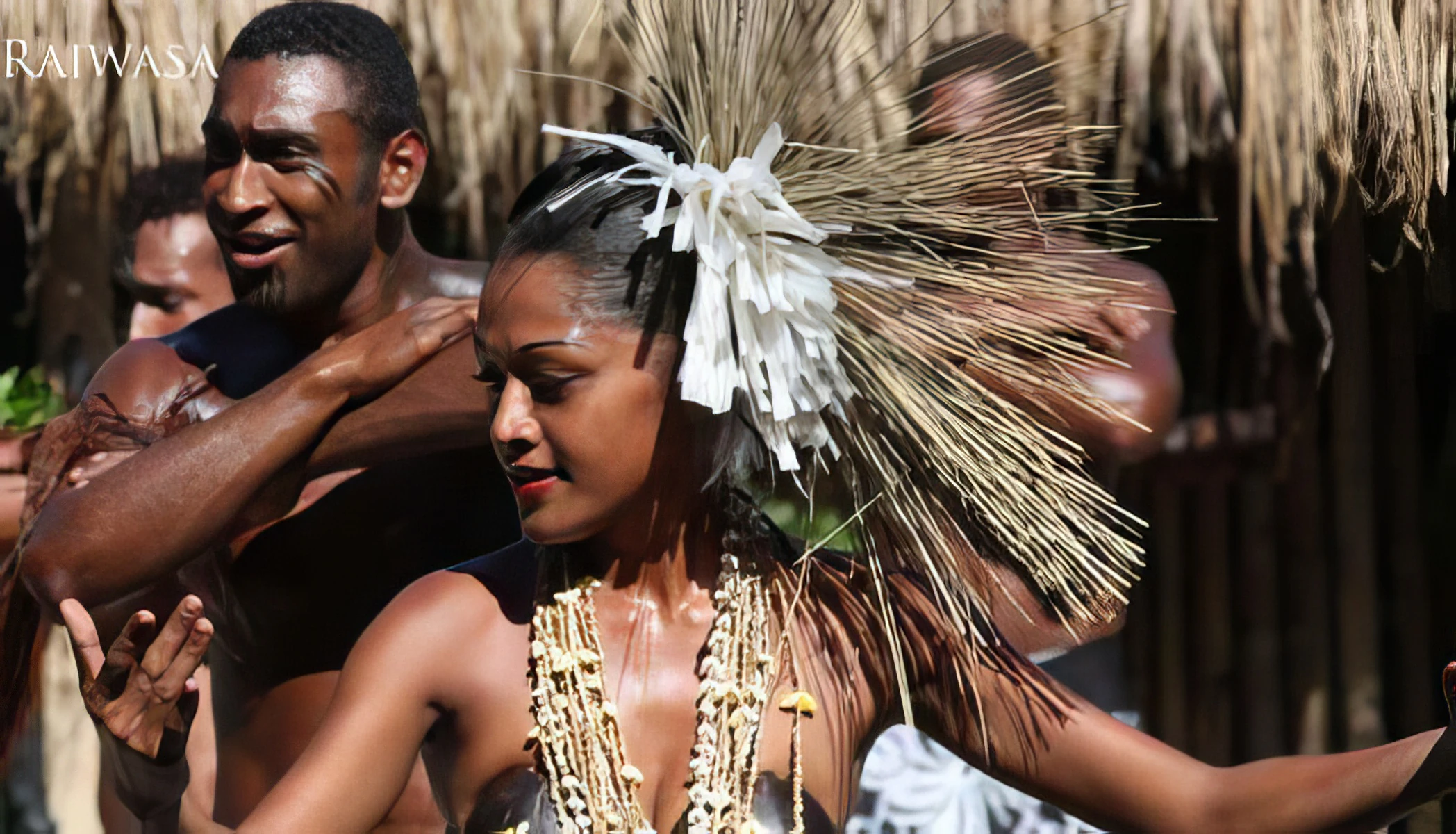
Fiji hosts a variety of cultural and religious festivals throughout the year, reflecting its diverse heritage:
– Hibiscus Festival: August event in Suva with parades, music, and beauty pageants.
– Bula Festival: July celebration in Nadi featuring traditional Fijian culture, food stalls, and entertainment.
– Diwali: October/November Hindu festival of lights celebrated with fireworks and sweets.
– Holi: March festival marking the arrival of spring with colorful powders and water.
– Fiji Day: October 10 national holiday celebrating independence with parades and cultural performances.
– Sugar Festival: September event in Lautoka highlighting the sugar industry with parades and competitions.
– Rotuma Day: May 13 celebration on Rotuma Island showcasing unique island traditions and dances.
Famous People

Fiji has a rich history of notable individuals who have made significant contributions in various fields.
– Ratu Sir Kamisese Mara (1920 to 2004, Lakeba): Founding father and first Prime Minister of Fiji, pivotal in gaining independence.
– Vijay Singh (born 1963, Lautoka): Professional golfer known for winning three major championships and being inducted into the World Golf Hall of Fame.
– Laisenia Qarase (1941 to 2020, Vanua Balavu): Politician who served as Prime Minister and was influential in Fijian economic reforms.
– Waisale Serevi (born 1968, Suva): Renowned rugby player and coach, often called the "King of Sevens" for his impact on the sport.
– Sitiveni Rabuka (born 1948, Cakaudrove): Military officer and politician known for leading two coups in 1987 and later serving as Prime Minister.
Books
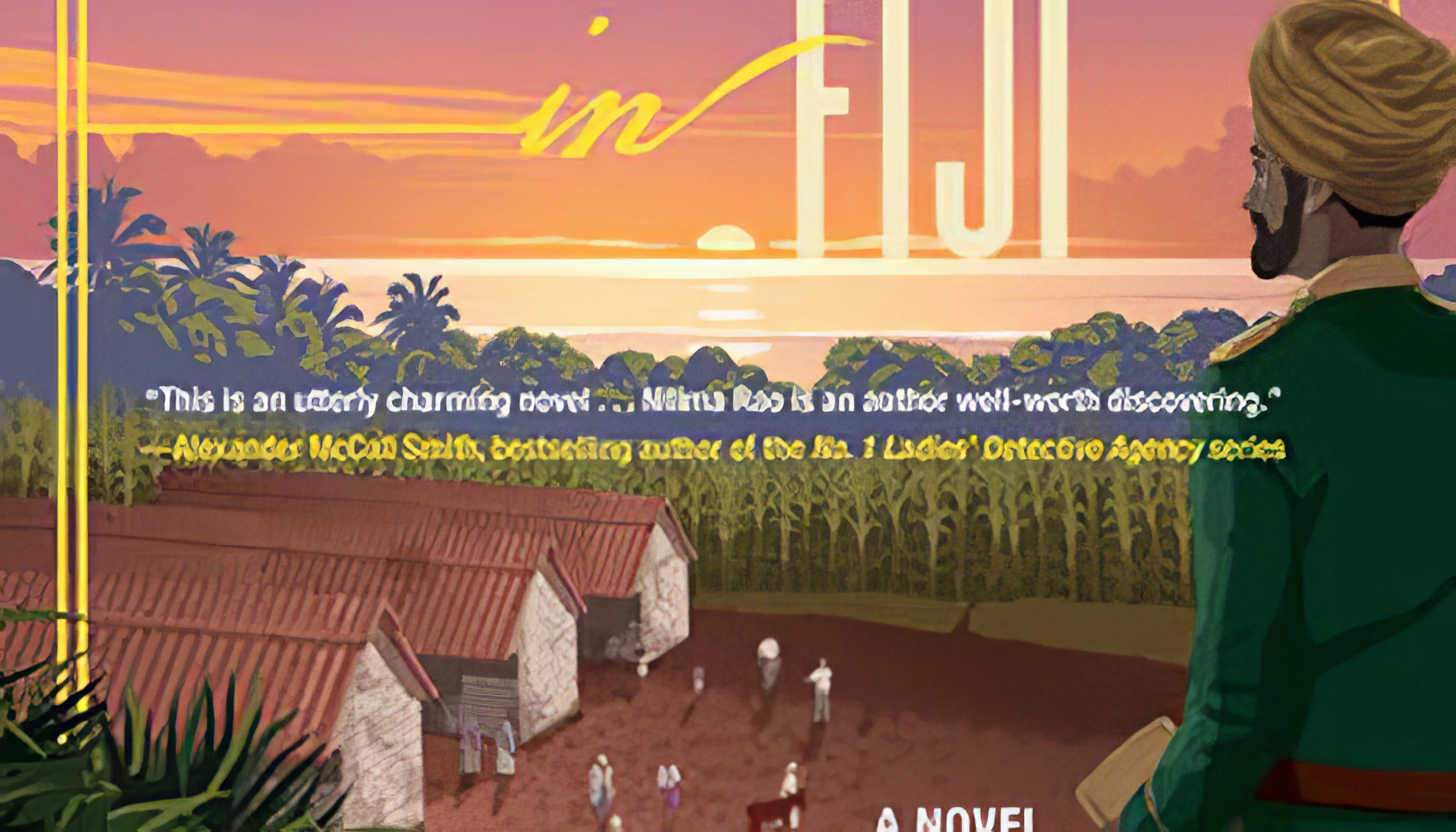
These books provide insights into Fiji's culture, history, and social dynamics through various narratives and perspectives.
– "The Wreck of the Mary Deare" by Hammond Innes: Adventure novel partially set in the waters around Fiji.
– "Getting Stoned with Savages" by J. Maarten Troost: Humorous memoir of life in Fiji and Vanuatu.
– "Kisses in the Nederends" by Epeli Hau'ofa: Satirical novel exploring Fijian society and cultural identity.
– "Tales of the Tikongs" by Epeli Hau'ofa: Collection of stories satirizing development efforts in a fictional Pacific island similar to Fiji.
– "The 2000 Coup: A Personal Perspective" by Brij V. Lal: Analysis of Fiji's political turmoil during the 2000 coup.
Songs
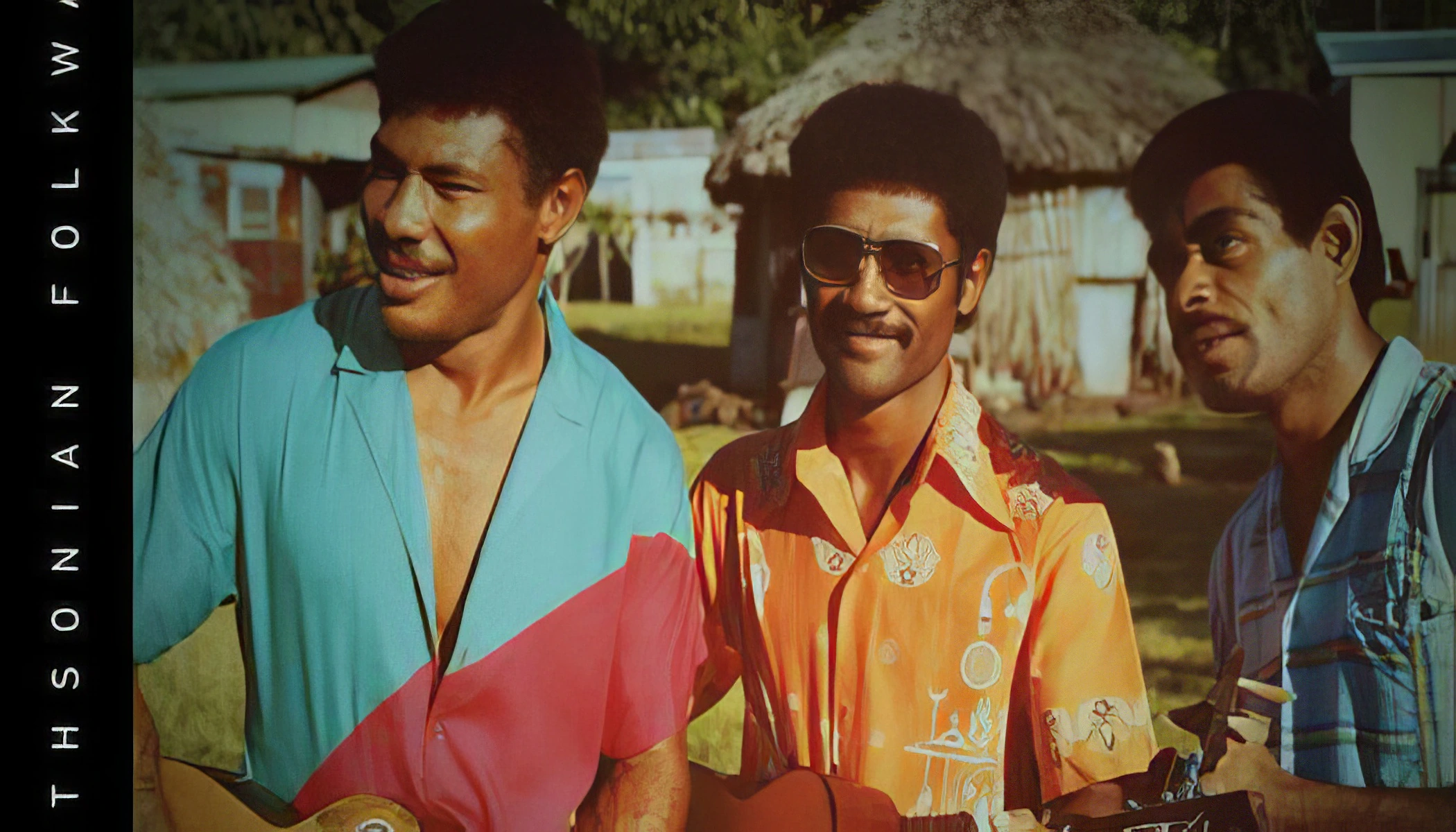
Fijian music is rich with cultural heritage, blending traditional and contemporary styles to celebrate the island's animated spirit.
– Isa Lei: Traditional farewell song, often associated with Fijian goodbyes.
– Chulu Chululu: Popular Fijian folk song known for its catchy tune.
– Marau Ni Siga: Celebrates the joy and beauty of a sunny day in Fiji.
– Rosi Ni Viti: A love song that praises the beauty of Fijian women.
– Vei Lomani: A heartfelt song about love and unity among Fijians.
Films

Fiji's nice landscapes have served as the backdrop for several notable films.
– "Cast Away": Tom Hanks stars in this survival drama filmed on Fiji's Monuriki Island, showcasing its immaculate beaches.
– "Blue Lagoon": A romantic adventure film set on Fiji's Turtle Island, highlighting its dense tropical scenery.
– "Anacondas: The Hunt for the Blood Orchid": Partially filmed in Fiji, this thriller follows a dangerous jungle expedition.
– "Contact": Features scenes shot in Fiji, adding to the film's diverse and exotic locations.
– "Return to the Blue Lagoon": A sequel to "Blue Lagoon," also filmed in Fiji, continuing the island romance theme.