
Gabon Attractions & Travel Advice – Plan Your Visit
Located on Central Africa's west coast, this country is known for its rich biodiversity and vast rainforests. It boasts a wealth of wildlife, including gorillas and elephants, and has significant oil reserves. Libreville serves as the capital and largest city.
- Capital
- Libreville
- Population
- 1.6 millions
- Superficy
- 268000 sq.km
- Months to Visit
- June to Sept.
- Living Cost
- Expensive
Overview
Gabon is a country located on the west coast of Central Africa, known for its significant natural resources and biodiversity. The capital city, Libreville, serves as the economic and cultural hub. Gabon is rich in oil, which plays a crucial role in its economy, alongside timber and manganese. The country is home to vast rainforests and national parks, such as Loango National Park, which are habitats for diverse wildlife including gorillas and elephants. Gabon's political landscape has been relatively stable compared to some of its neighbors. Efforts are ongoing to balance economic development with environmental conservation.
Pros & Cons
GOOD REASONS TO VISIT GABON
– Pristine National Parks: Gabon supplies diverse wildlife and ecosystems, including Loango and Lopé National Parks.
– Unique Wildlife: Home to gorillas, elephants, and hippos; ideal for wildlife enthusiasts seeking rare animal encounters.
– Rich Biodiversity: Dense rainforests and coastal habitats support a wide range of plant and animal species.
– Cultural Diversity: Experience traditional music, dance, and crafts from Gabon's various ethnic groups.
– Untouched Beaches: Enjoy peaceful beaches along the Atlantic coast, perfect for relaxation away from crowds. CHALLENGES WHEN VISITING GABON
– Limited Infrastructure: Travel can be difficult due to underdeveloped roads and limited public transport options.
– High Costs: Accommodation and services can be expensive compared to other African destinations.
– Language Barrier: French is the official language; English is not widely spoken outside major cities.
Before Departure
Before traveling to Gabon, it's important to be informed about several key aspects:
– Passport: Ensure your passport is valid for at least six months from your entry date.
– Visa: Most tourists require a visa; e-visas are available online. Tourist visas typically last 30 days.
– Currency: Central African CFA Franc (XAF); credit cards accepted in major cities; ATMs are limited outside urban areas.
– Internet access: WiFi is available in hotels and cafes in cities; consider purchasing a local SIM card for better connectivity.
– Language barrier: French is the official language; English is not widely spoken, so basic French can be helpful.
What to Pack
Traveling to Gabon requires preparation for its tropical climate and diverse wildlife experiences.
– Essentials: Passport with visa, travel insurance, flight tickets, itinerary, and accommodation confirmations.
– Clothing: Lightweight, breathable clothing, long sleeves and pants for mosquito protection, comfortable walking shoes, swimwear, hat and sunglasses.
– Health & Safety: Prescription medications, first aid kit, insect repellent with DEET, anti-malarial medication (consult a doctor), sunscreen with high SPF.
– Electronics: Travel adapter for Type C or E outlets, mobile phone with charger, camera with extra batteries or memory cards.
Weather
Weather in Gabon is equatorial, with a distinct wet and dry season pattern:
– Wet Season (October to May): Characterized by heavy rainfall, high humidity, and warm temperatures.
– Dry Season (June to September): Marked by less rainfall, lower humidity, and slightly cooler temperatures. The best time to visit Gabon is during the dry season from June to September:
– Pros: Wildlife viewing is optimal as animals gather around water sources; less rain makes travel easier.
– Cons: Some areas may be more crowded with tourists during this peak season.
Travel Budget
Gabon can be relatively expensive compared to other African countries due to its reliance on imports. Here are some average costs for tourists:
– Hotel: 50$ to 200$
– Lunch: 10$ to 25$
– Beverage (in bar/restaurant): 3$ to 8$
– Coffee: 2$ to 5$
– Transportation: (train not widely available), (bus 1$ to 3$), (taxi /10km 5$ to 15$)
– Mobile data (per GB): 5$ to 10$
Language
In Gabon, French is the official language and widely spoken, so here are some useful French phrases for tourists:
– Hello: Bonjour
– Thank you: Merci
– Please: S'il vous plaît
– How much is this?: Combien ça coûte?
– Excuse me: Excusez-moi
– I don't understand: Je ne comprends pas
– Yes: Oui
– No: Non
– Goodbye: Au revoir
History
The area now known as Gabon was inhabited by various ethnic groups, including the Pygmies and later the Bantu peoples. In the 15th century, Portuguese explorers were among the first Europeans to arrive, followed by Dutch, British, and French traders. By the mid-19th century, France established a protectorate over the region, which became part of French Equatorial Africa in 1910. Gabon gained independence from France in 1960. Post-independence, Léon M'ba became its first president, followed by Omar Bongo in 1967, who ruled for over four decades until his death in 2009. Under Bongo's leadership, Gabon maintained political stability and developed its oil industry but faced criticism for lack of democratic reforms. Today, Gabon is known for its relative stability and significant natural resources but continues to grapple with economic diversification challenges.
Geopolitics
Located on the west coast of Central Africa, Gabon borders Equatorial Guinea, Cameroon, and the Republic of the Congo. It is rich in natural resources, particularly oil and minerals, which significantly influence its economic and geopolitical landscape. The country maintains a stable political environment compared to some of its neighbors, with a government that has historically been dominated by a single party. Gabon is a member of several international organizations, including the African Union and the Economic Community of Central African States (ECCAS). Its foreign policy focuses on regional stability and cooperation, often mediating in regional conflicts. Gabon's strategic location along the Atlantic Ocean also plays a role in its international relations, particularly concerning maritime security and trade routes.
Sample Itinerary
This itinerary covers Gabon's diverse wildlife, preserved beaches, and cultural experiences in Libreville and Loango National Park.
– 1 day in Libreville: Explore the National Museum of Arts and Traditions, St. Michael's Cathedral, and local markets. Enjoy the city's beachfront.
– 3 days in Loango National Park: Experience wildlife safaris to see elephants, hippos, and gorillas. Enjoy guided walks through savannas and boat trips on lagoons.
– 2 days in Lopé National Park: Discover ancient rock carvings and diverse ecosystems. Spot mandrills and other wildlife on guided tours.
– 1 day in Pongara National Park: Visit for birdwatching and turtle nesting sites along the coast. Relax on unspoiled beaches.
– 1 day in Lambaréné: Tour the Albert Schweitzer Hospital Museum and learn about its history. Explore the Ogooué River by boat.
Popular cities
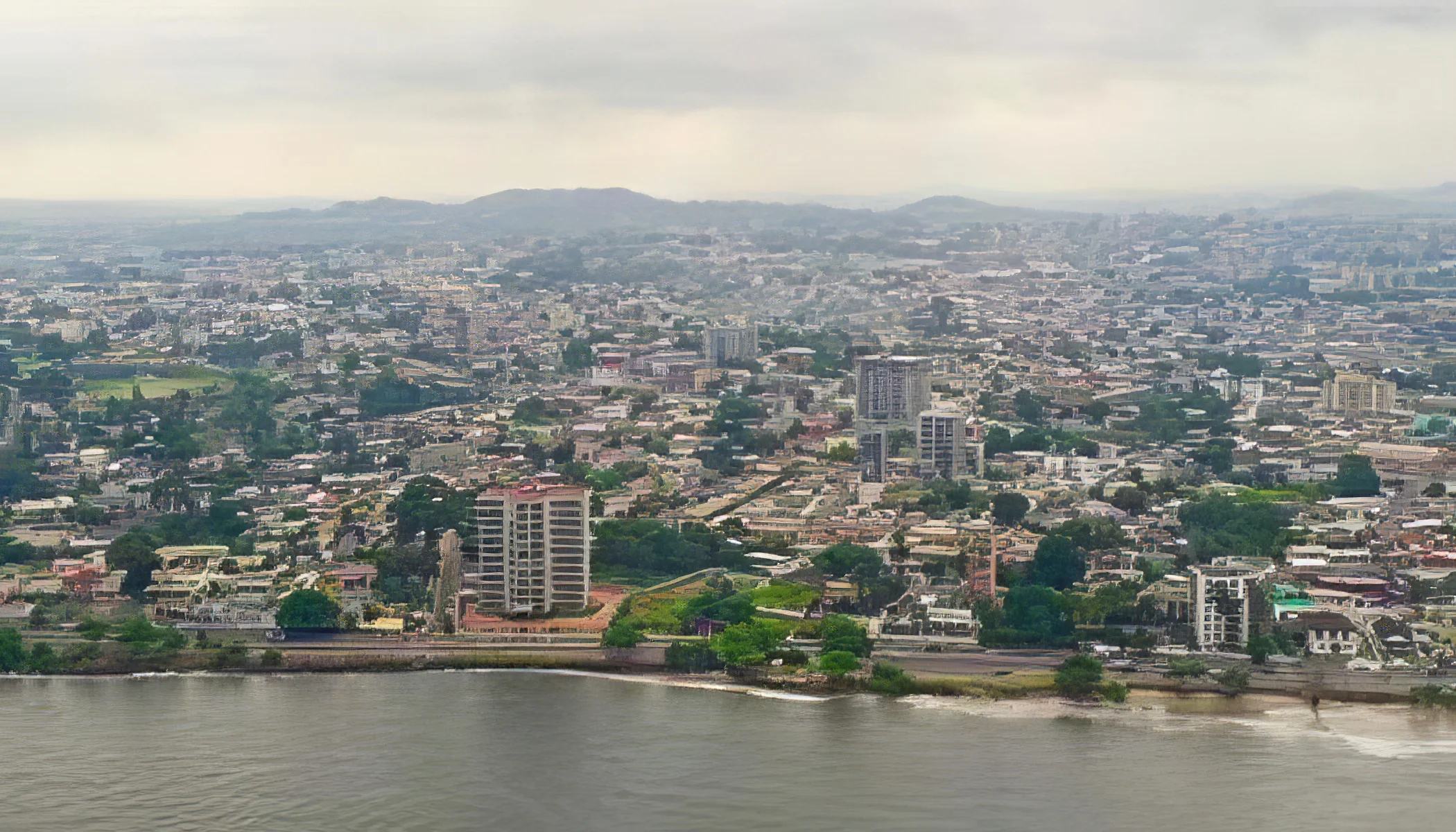
Explore Gabon's unique blend of nature and culture in its cities:
– Libreville: The capital city provides a mix of modern architecture, cultural sites, and beachfront views.
– Port-Gentil: Known for its oil industry, it also has beaches and lively nightlife.
– Franceville: A gateway to natural attractions like the Poubara Falls and the Léconi Canyons.
– Lambaréné: Famous for the Albert Schweitzer Hospital and its scenic river views.
– Oyem: A northern city surrounded by nice landscapes and traditional villages.
– Mouila: Offers access to beautiful lakes and is known for its local crafts.
– Tchibanga: A quieter city with access to national parks and wildlife experiences.
Monuments
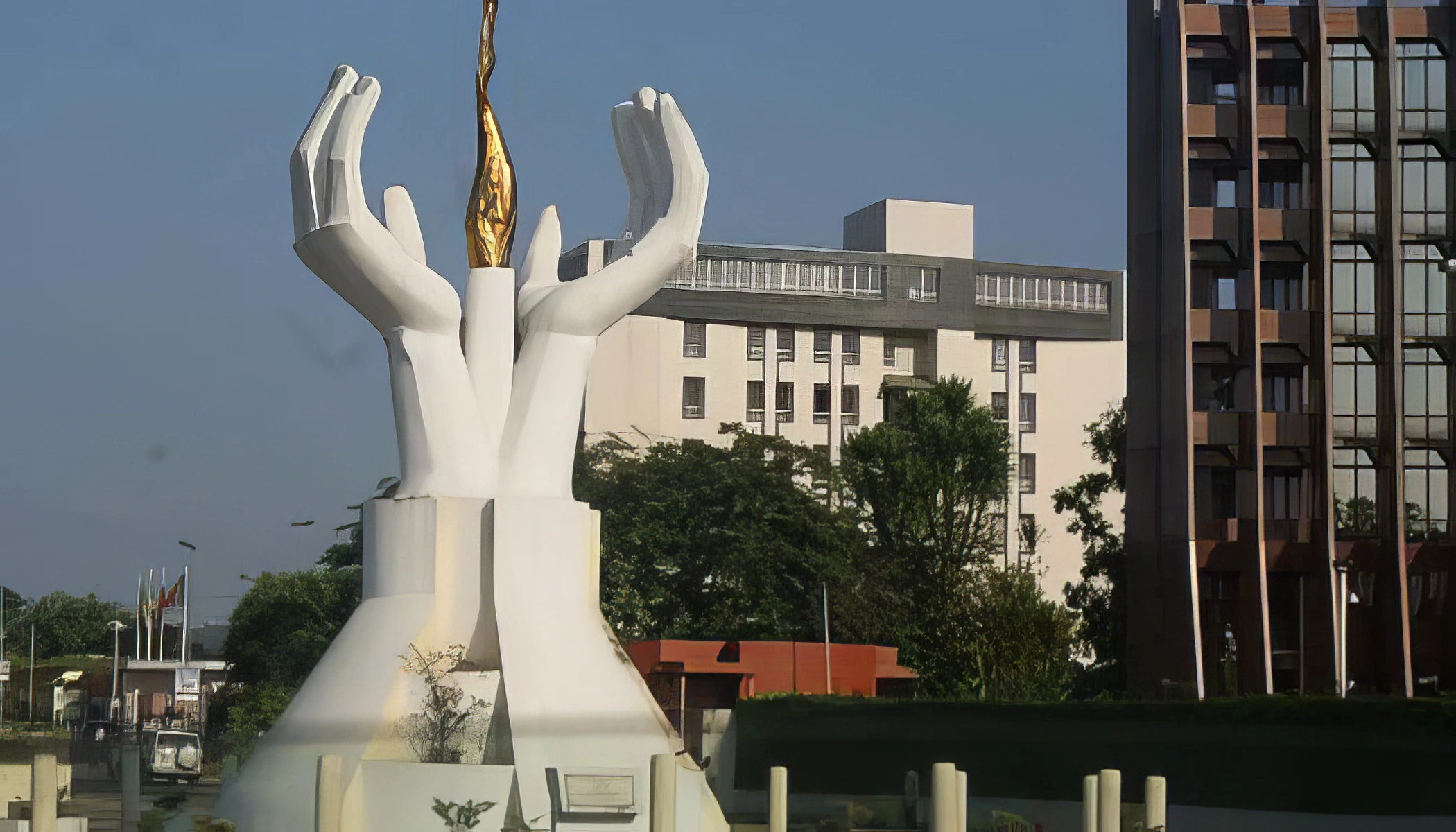
Gabon provides a few notable monuments to explore:
– L'Eglise St-Michel, Libreville: Known for its 31 tall wooden columns carved by a blind craftsman.
– Presidential Palace, Libreville: Official residence of Gabon's president, showcasing modern architecture.
– Fort d'Aumale, Mayumba: Historical fortification from the colonial era with ocean views.
– Notre-Dame de Lourdes Cathedral, Franceville: Prominent Catholic church with distinctive stained glass windows.
– Pointe Denis Lighthouse: Historic lighthouse offering panoramic views of the coastline.
– Lope National Park Petroglyphs: Ancient rock carvings depicting early human life and wildlife.
Natural wonder
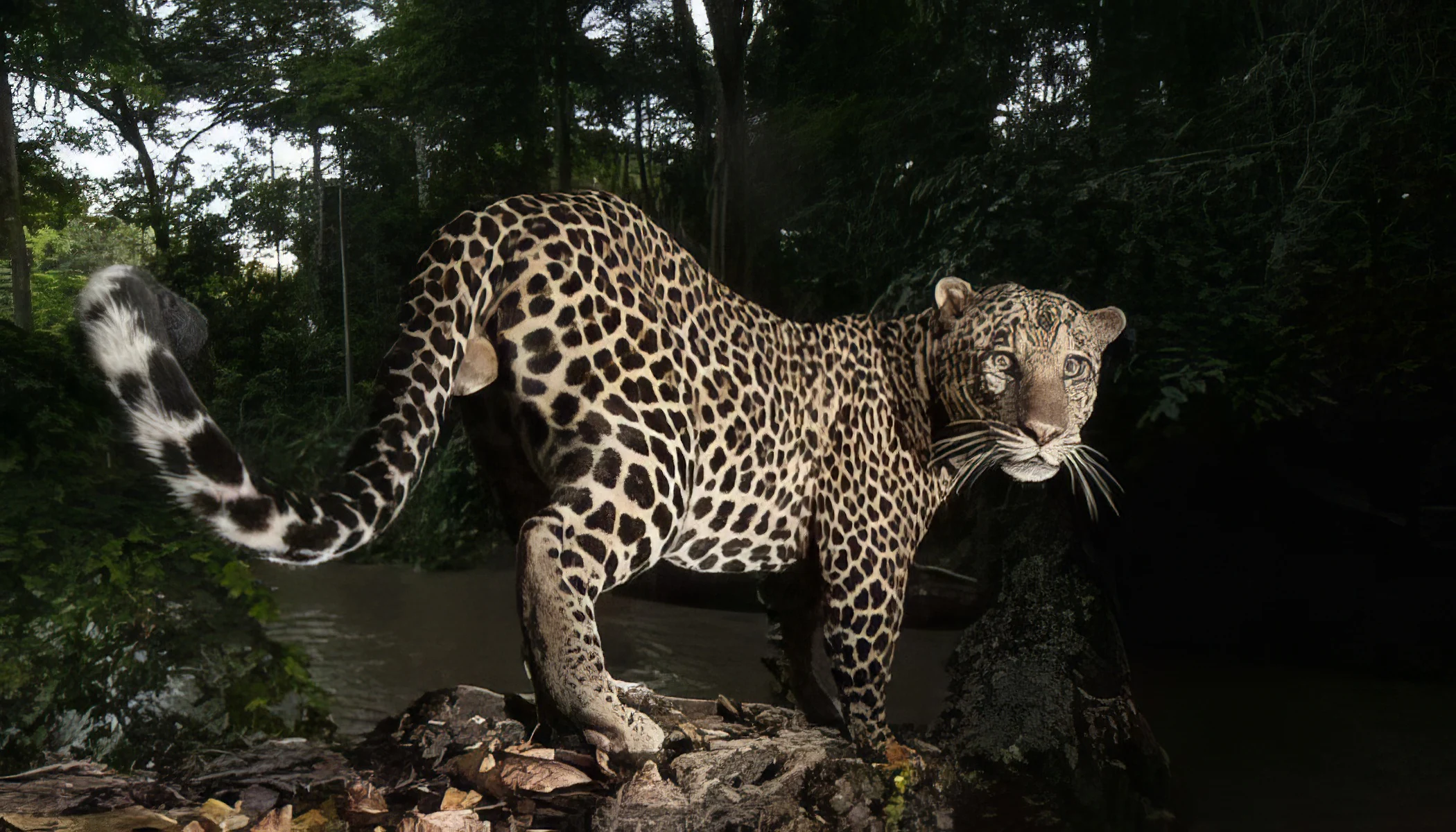
Explore Gabon's diverse and rich natural landscapes:
– Loango National Park: Known for its wildlife, including elephants and hippos on the beach.
– Ivindo National Park: Features Kongou Falls and diverse ecosystems with rich biodiversity.
– Lopé National Park: Supplies savannahs, forests, and ancient rock engravings.
– Akanda National Park: Mangroves and tidal beaches attract numerous bird species.
– Pongara National Park: Coastal park with mangroves, beaches, and nesting sea turtles.
– Minkébé National Park: Dense rainforest home to elephants, gorillas, and other wildlife.
– Mayumba National Park: Protects marine life including dolphins and humpback whales.
– Monts de Cristal National Park: Known for its mountainous terrain and unique plant species.
– Batéké Plateau National Park: Features savannah landscapes with rare flora and fauna.
– Wonga Wongué Reserve: Supplies diverse habitats from forests to savannahs with abundant wildlife.
Beaches
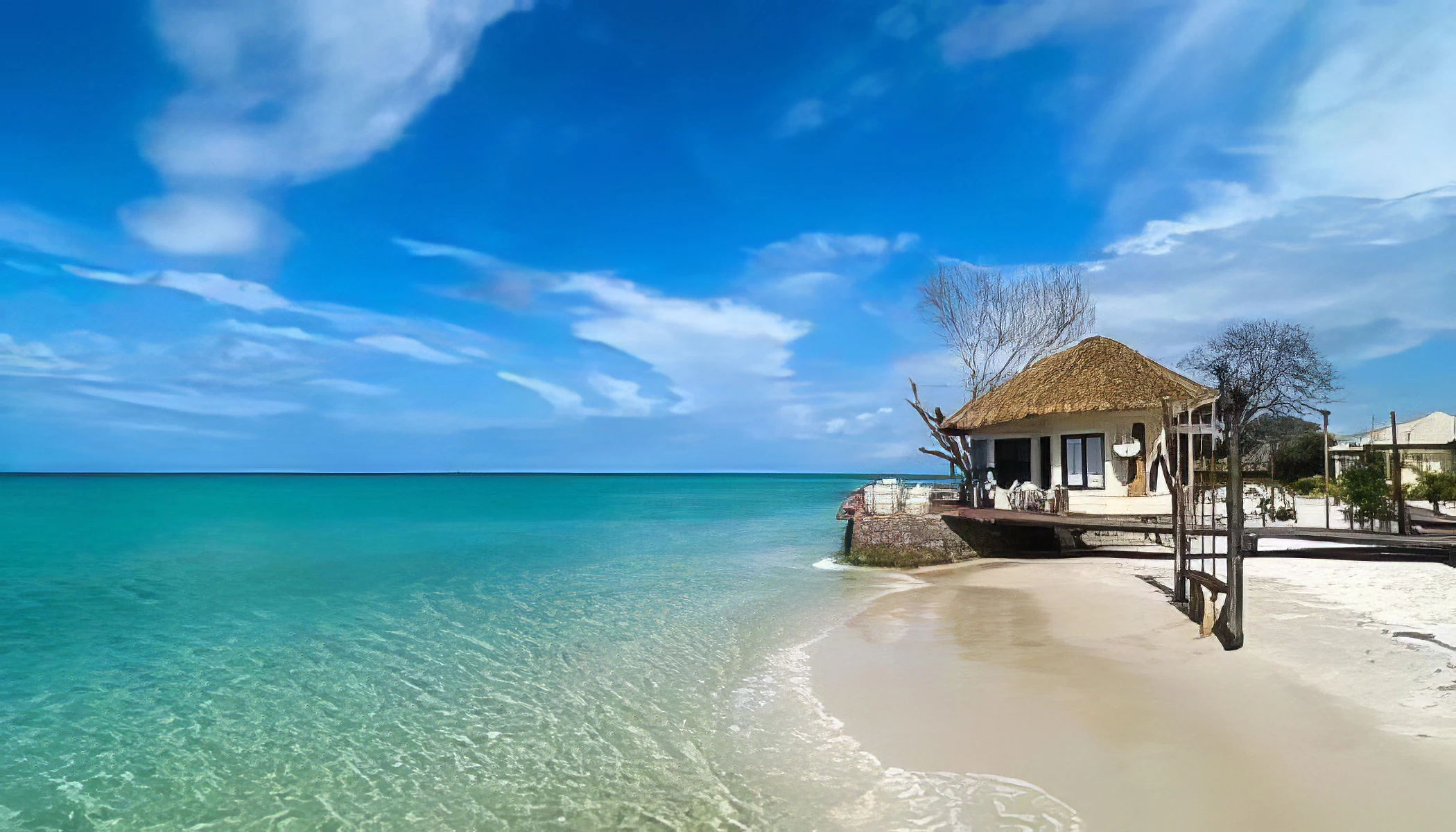
Gabon offers several beautiful beaches along its Atlantic coastline.
– Pointe Denis Beach: Popular for its proximity to Libreville and calm atmosphere.
– Sette Cama Beach: Known for its wildlife and access to Loango National Park.
– Ekwata Beach: Offers a peaceful setting with golden sands near Port-Gentil.
– Mayumba Beach: Famous for turtle nesting and part of Mayumba National Park.
– Cap Esterias Beach: A quiet beach ideal for relaxation near Libreville.
– Pongara Beach: Located in Pongara National Park, known for its natural beauty and wildlife.
– Santa Clara Beach: Provides scenic views and is a short drive from Libreville.
Outdoor activities
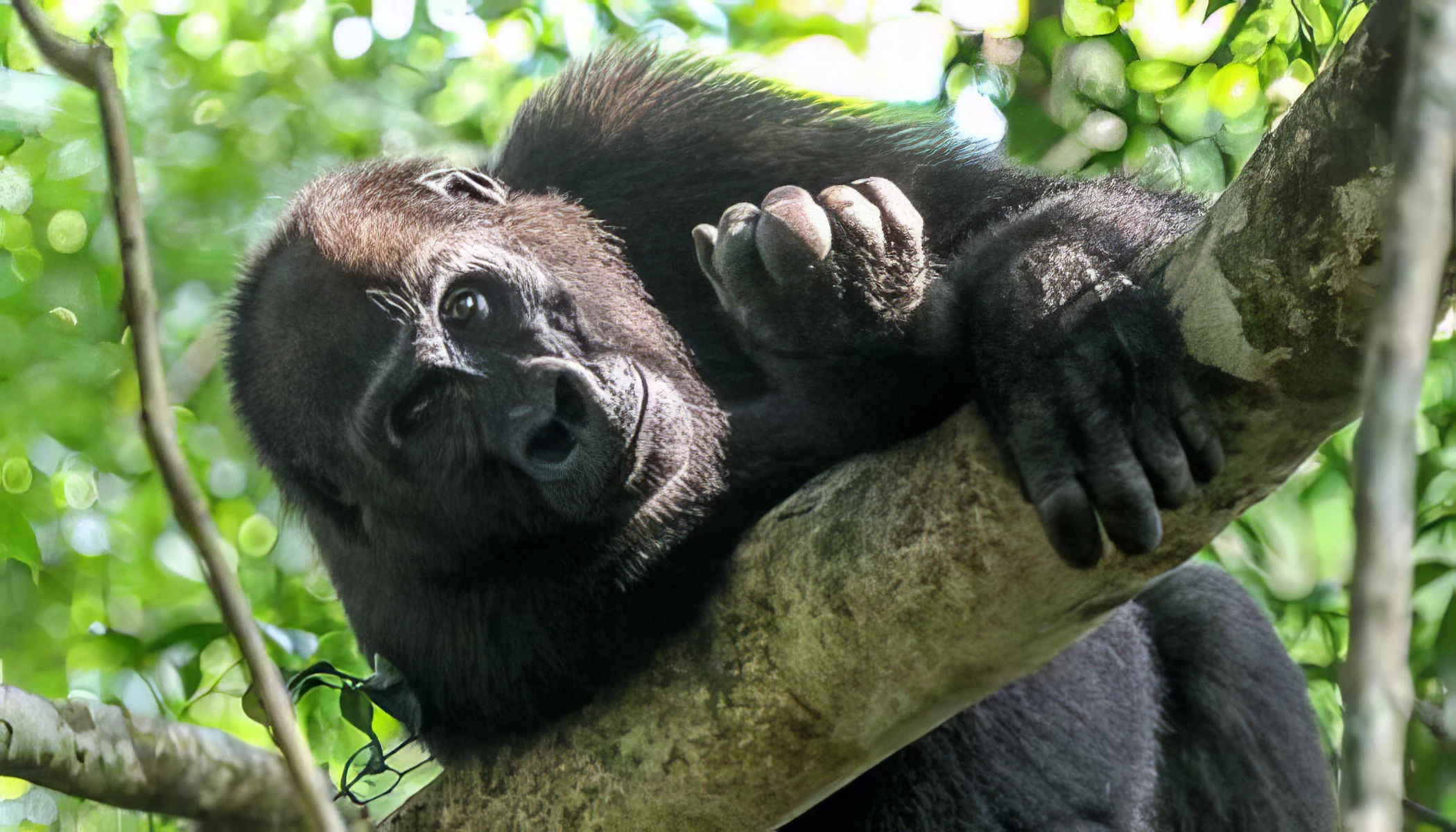
Gabon provides unique outdoor adventures for nature enthusiasts:
– Safari in Loango National Park: Witness elephants and hippos on the beach.
– Gorilla Trekking in Moukalaba-Doudou: Track western lowland gorillas in their natural habitat.
– Birdwatching in Ivindo National Park: Spot diverse bird species, including the African grey parrot.
– Hiking Monts de Cristal: Explore luxuriant rainforests and scenic waterfalls.
– Fishing in Pongara National Park: Catch fish along the Atlantic coast and estuaries.
– Whale Watching off the Coast: Observe humpback whales during their migration season.
– Canoeing on the Ogooué River: Paddle through dense forests and spot wildlife along the banks.
Kid Friendly
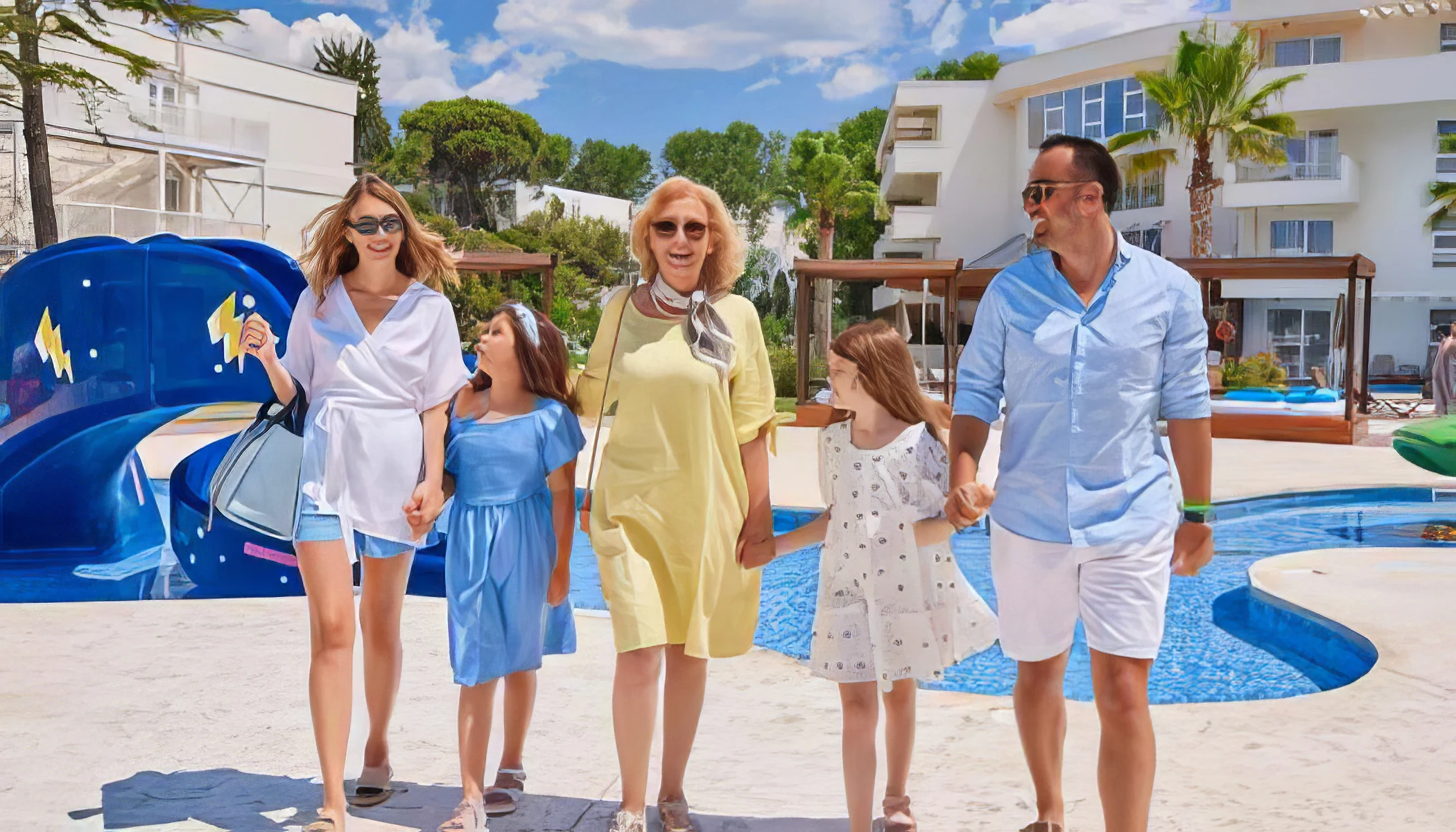
Gabon provides unique experiences for families with children to explore nature and wildlife.
– Loango National Park: Known for its diverse wildlife, including elephants and hippos on the beach.
– Pongara National Park: Supplies opportunities to see sea turtles nesting along the coast.
– Akanda National Park: A great spot for birdwatching with a variety of bird species.
– Lambaréné's Albert Schweitzer Hospital Museum: Provides insight into the life and work of Dr. Schweitzer.
– Pointe Denis Beach: A family-friendly beach ideal for swimming and picnics.
– Ivindo National Park: Features beautiful waterfalls like Kongou Falls, accessible through guided tours.
– Lopé National Park: Supplies safari tours to see forest elephants and other wildlife.
– Crystal Mountains National Park: Known for its rich biodiversity and scenic hiking trails.
Cuisine
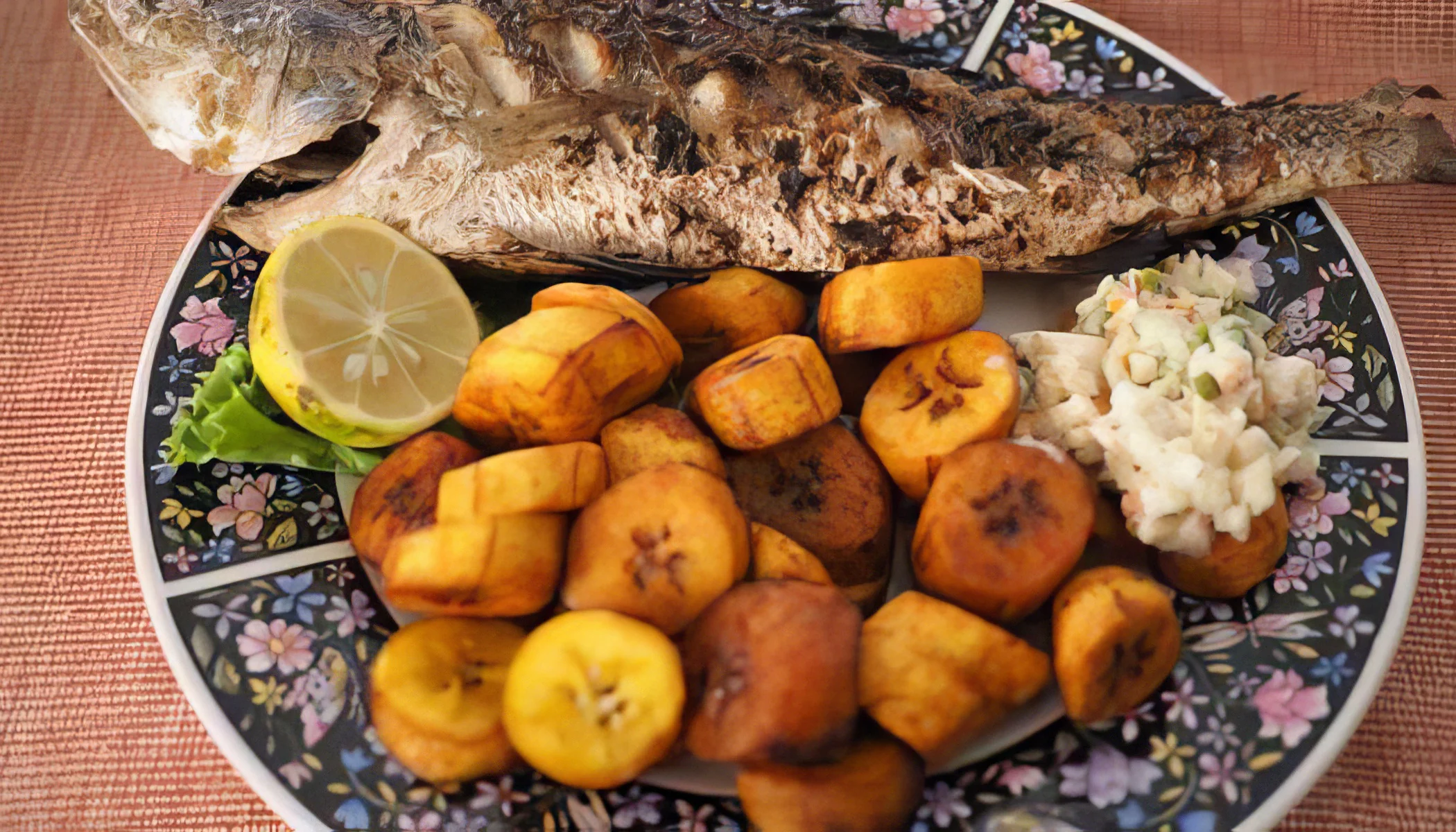
Gabonese cuisine is characterized by its use of local ingredients, including fresh fish, meats, and tropical fruits, reflecting the country's rich biodiversity. Traditional dishes often feature hearty stews and sauces. Street food and home-cooked meals are central to Gabon's culinary culture. Most famous cuisine in Gabon are:
– Poulet Nyembwe: Chicken cooked in a rich palm nut sauce with spices.
– Brochettes: Grilled meat skewers, often served with spicy sauce or vegetables.
– Nyembwe: A stew made from palm nuts, often with fish or meat.
– Manioc: Cassava root served boiled or as a dough-like side dish.
– Atanga: Also known as "bush butter," a fruit eaten raw or cooked.
Souvenir
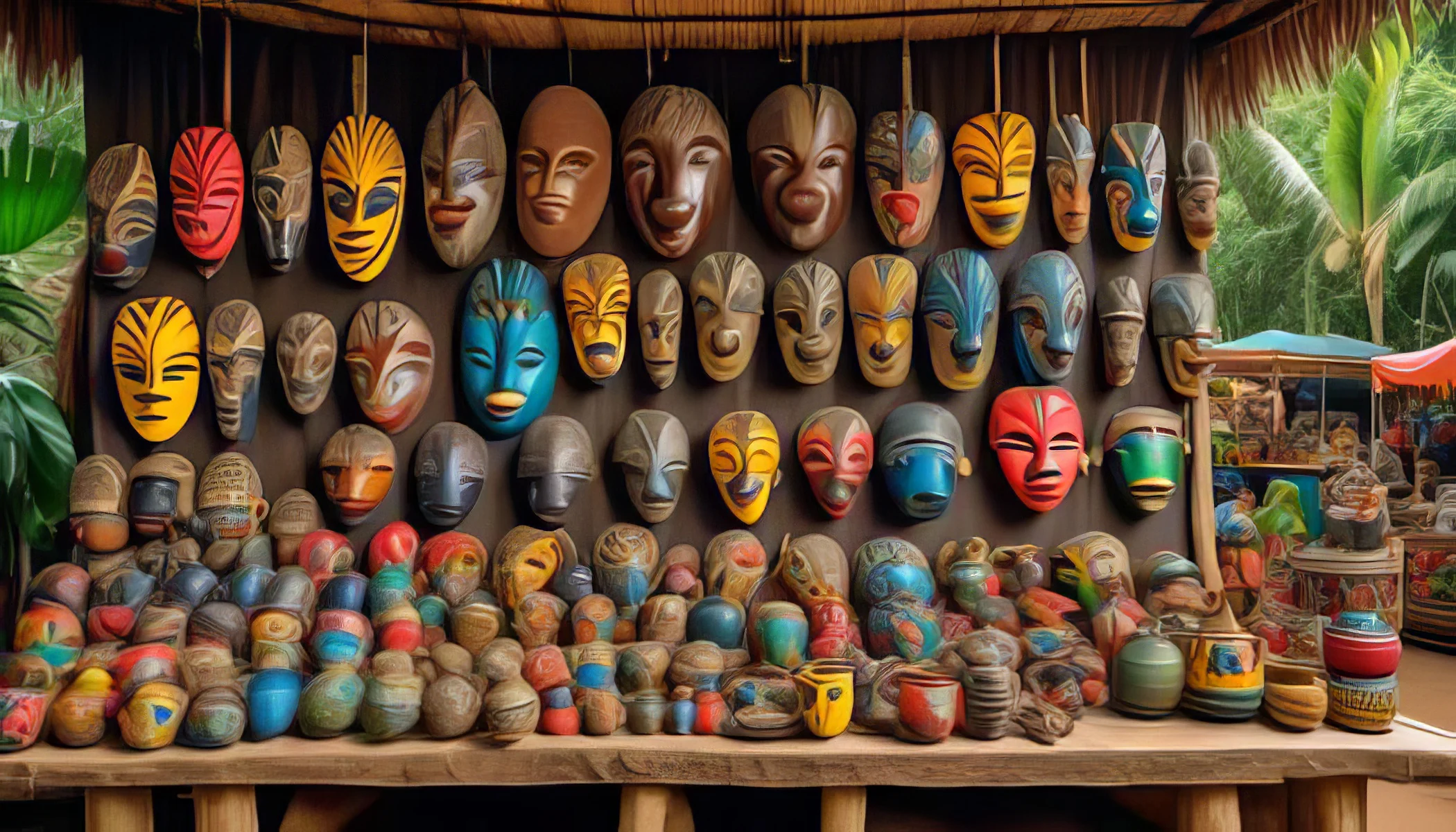
Gabon offers unique cultural items that make for memorable souvenirs. Here are some popular choices:
– Masks: Traditional Gabonese masks are intricately carved and hold cultural significance.
– Wood Carvings: Handcrafted wooden sculptures and figurines reflect Gabon's artistic heritage.
– Basketry: Woven baskets made from natural materials are both functional and decorative.
– Textiles: Colorful fabrics and garments showcase local patterns and designs.
– Jewelry: Handmade jewelry often incorporates local materials like beads and stones.
– Musical Instruments: Traditional instruments like drums can be found as unique souvenirs.
– Paintings: Local artists create dynamic paintings depicting Gabonese life and landscapes.
Traditional Shows
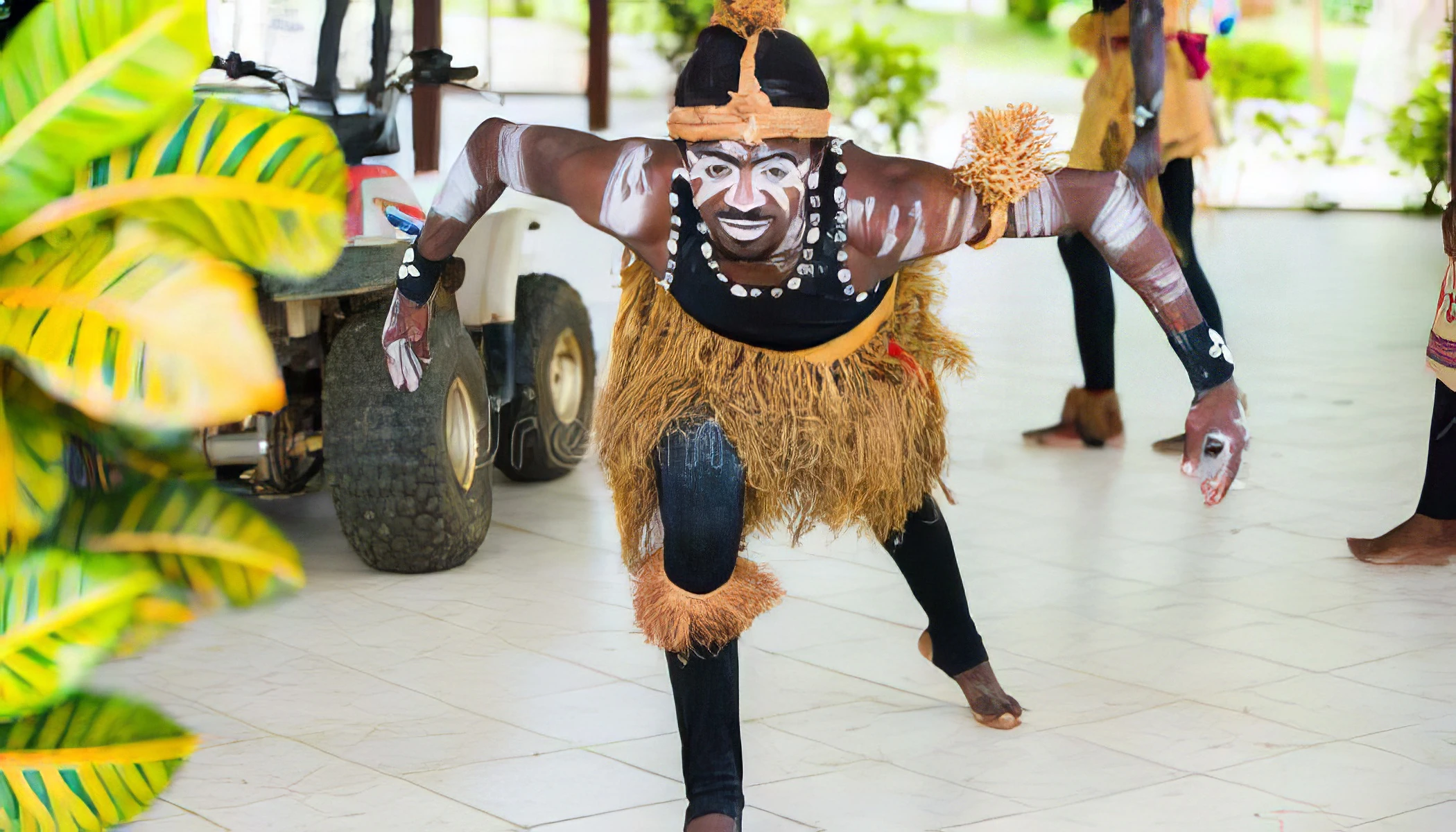
Gabon provides unique traditional performances:
– Bwiti Ceremonies: Experience spiritual rituals with music and dance, central to the Fang and Mitsogo cultures, often held in villages across Gabon.
– Mvet Music: Enjoy storytelling through the mvet harp, a traditional instrument used by the Fang people, showcasing Gabon's rich oral traditions.
– Ngombi Harp Performances: Listen to the soothing sounds of the ngombi harp, integral to Punu and Tsogo cultural ceremonies in Gabon.
– Ikoku Dance: Witness this lively dance performed by the Kota people, featuring colorful costumes and rhythmic drumming in rural areas.
– Eboga Dance: Participate in this communal dance that combines music and movement, reflecting the social traditions of various Gabonese ethnic groups.
Events & Festivals
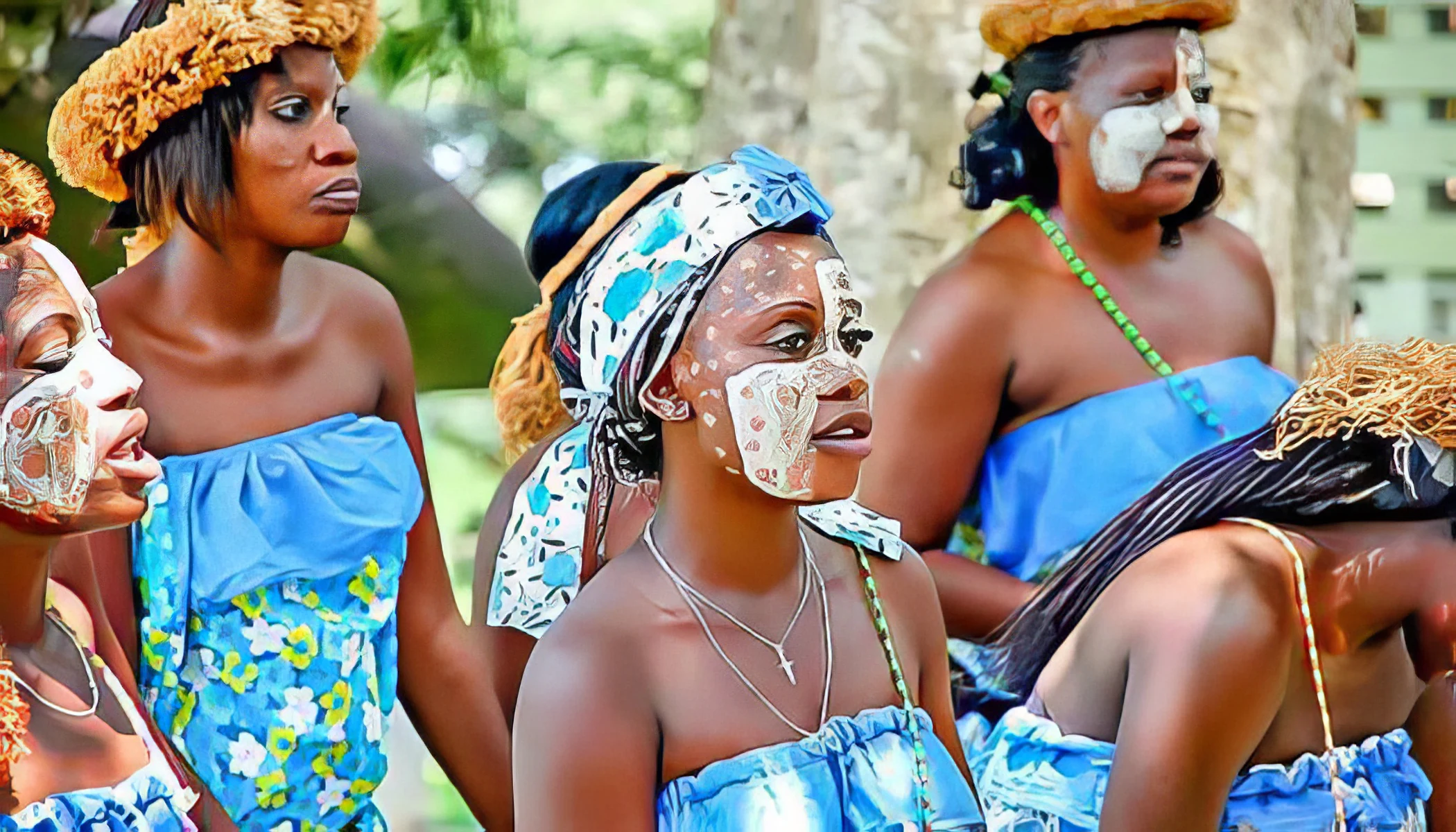
Gabon hosts a variety of cultural and traditional events throughout the year, reflecting its rich heritage:
– Gabon Independence Day: Celebrated on August 17 with parades, speeches, and cultural performances.
– New Year’s Day: January 1 festivities with family gatherings and fireworks.
– Assumption Day: August 15 religious holiday with church services and community events.
– Christmas Day: December 25 celebration with church services, feasts, and family gatherings.
– National Youth Day: Celebrated on March 25 to honor the contributions of young people.
– Labor Day: May 1 event featuring parades and discussions on workers' rights.
– All Saints' Day: November 1 observance with visits to cemeteries to honor deceased loved ones.
Famous People

Gabon has been home to several notable figures who have made significant contributions in various fields.
– Omar Bongo (1935 to 2009, Lewai): Longest-serving president of Gabon, leading the country from 1967 until his death.
– Ali Bongo Ondimba (born 1959, Brazzaville): Current president of Gabon and son of Omar Bongo, known for his political influence.
– Léon M'ba (1902 to 1967, Libreville): First president of Gabon after independence, serving from 1961 to 1967.
– Pierre-Emerick Aubameyang (born 1989, Laval): Internationally recognized footballer known for his speed and goal-scoring abilities.
– Patience Dabany (born 1944, Brazzaville): Renowned singer and former First Lady of Gabon, celebrated for her music career.
Books
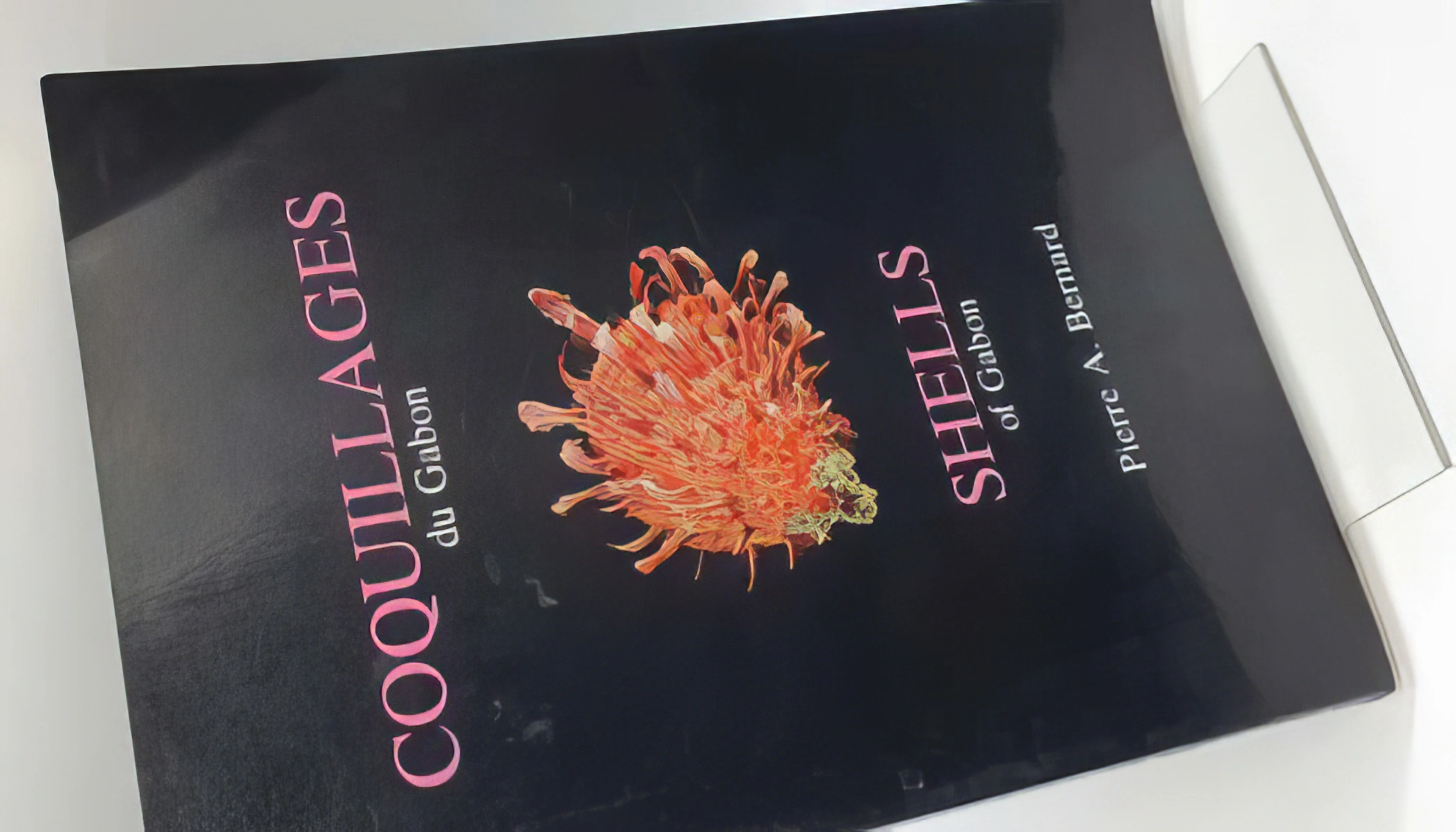
These books provide insights into Gabon's culture, history, and environment through various narratives and perspectives.
– "The Village of Waiting" by George Packer: Chronicles a Peace Corps volunteer's experiences in Gabon during the 1980s.
– "Tropical Fish: Tales from Entebbe" by Doreen Baingana: While primarily set in Uganda, it includes reflections on African identity relevant to Gabon.
– "Travels in West Africa" by Mary Kingsley: A classic account of the author's journey through West Africa, including Gabon, in the late 19th century.
Songs
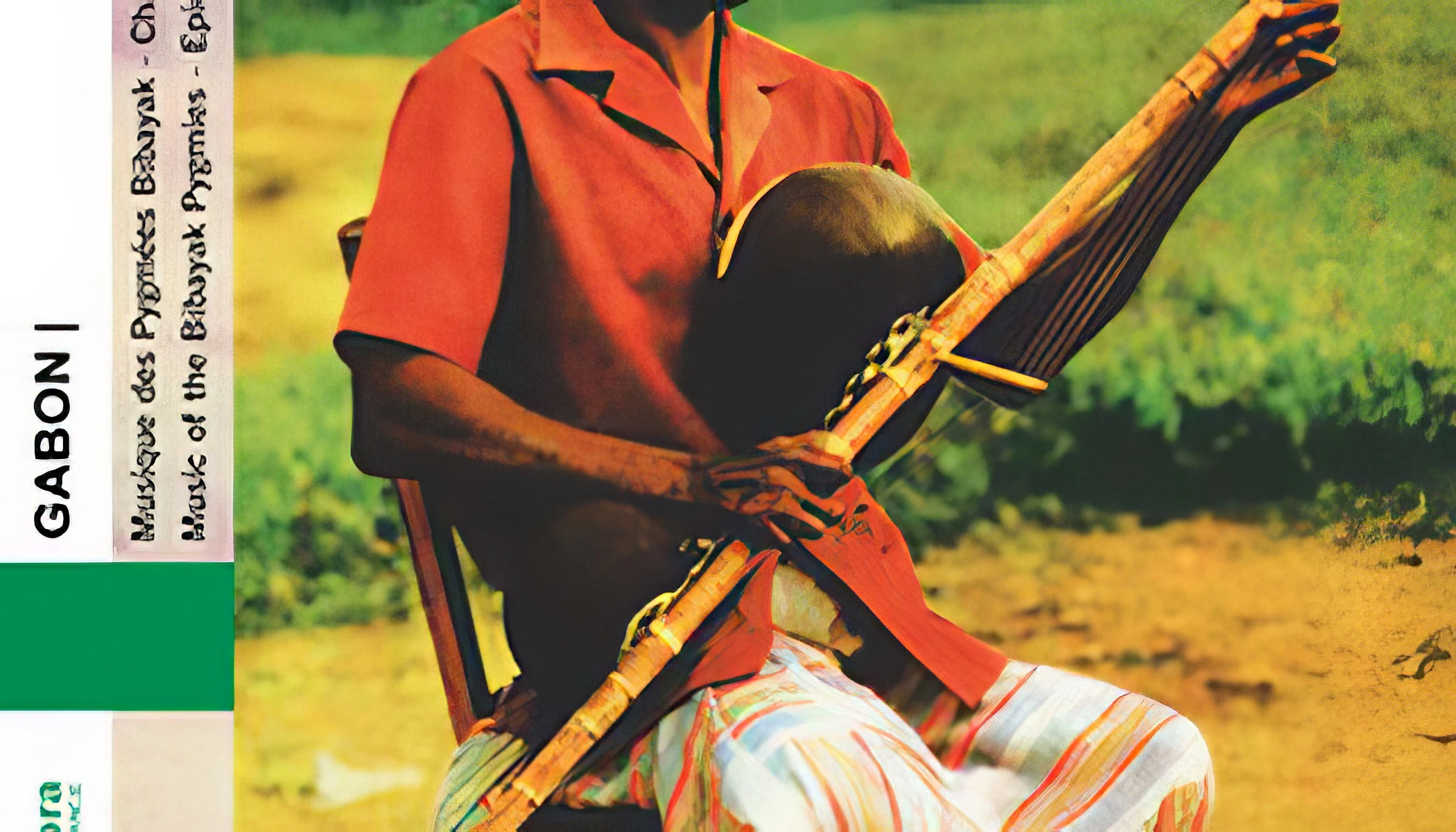
Gabonese music is rich with traditional rhythms and modern influences, reflecting the country's diverse cultural heritage.
– Zangalewa: Popularized by Golden Sounds, this song celebrates African military life and was famously sampled in "Waka Waka."
– Le Bwiti: Annie-Flore Batchiellilys' song inspired by Gabon's spiritual traditions.
– Minko: Oliver N'Goma's hit blending Afro-zouk with Gabonese rhythms.
– Bane: Oliver N'Goma's internationally acclaimed love song from his debut album.
– Africa: Patience Dabany's tribute to the continent, showcasing her powerful voice.
Films
Exploring Gabon's cinematic landscape reveals a few notable films that capture its culture and stories:
– "Dôlè": Directed by Imunga Ivanga, this film follows four boys in Libreville planning a heist to change their lives.
– "Les Couilles de l'éléphant": Amédée Pacôme Nkoulou's comedy-drama about political intrigue and personal ambition in Gabon.
– "L'Ombre de Liberty": A documentary by Imunga Ivanga exploring the impact of colonialism on Gabon's identity.
– "Le Grand Blanc de Lambaréné": Directed by Bassek Ba Kobhio, it portrays Albert Schweitzer's life and work in Gabon.
– "Boxing Libreville": A documentary by Amédée Pacôme Nkoulou following a young boxer's life amidst political change.