

Explore Ghana: Culture, Cities & Places to Visit
Located in West Africa, this country is known for its rich history and beautiful culture. It features diverse landscapes, from coastal beaches to savannahs. The busy capital, Accra, and historic sites like Cape Coast Castle attract many visitors.
- Capital
- Accra
- Population
- 24.4 millions
- Superficy
- 240000 sq.km
- Months to Visit
- Nov. to March
- Living Cost
- Moderate
Overview
Ghana, located in West Africa, is known for its rich cultural heritage and diverse ecosystems. Accra, the capital, is a bustling city that serves as the economic and administrative hub. The country has a stable democracy and is recognized for its significant role in African history, particularly as the first sub-Saharan nation to gain independence from colonial rule in 1957. Ghana's economy is largely driven by agriculture, mining, and recently, oil production. The nation is home to attractive traditions and festivals, with a strong emphasis on music and dance. Tourists often visit for its historical sites like Cape Coast Castle and natural attractions such as Kakum National Park.
Pros & Cons
GOOD REASONS TO VISIT GHANA
– Rich Cultural Heritage: Explore pretty festivals, traditional music, and dance reflecting Ghana's diverse ethnic groups.
– Historical Sites: Visit Cape Coast and Elmina Castles to learn about the transatlantic slave trade history.
– Wildlife and Nature: Experience Mole National Park's elephants and Kakum National Park's canopy walk in beautiful rainforests.
– Friendly Locals: Ghanaians are known for their warm hospitality, making visitors feel welcome and at ease.
– Beautiful Beaches: Relax on gorgeous beaches like Labadi, Kokrobite, and Busua along the Atlantic coast. CHALLENGES WHEN VISITING GHANA
– Inconsistent Infrastructure: Roads and public transport can be unreliable; expect delays when traveling between regions.
– Health Concerns: Malaria risk is present; vaccinations and precautions are necessary for a safe visit.
– Limited Tourist Facilities: Outside major cities, accommodation options may be basic; plan accordingly for comfort.
Before Departure
Before traveling to Ghana, consider the following essential information:
– Passport: Ensure your passport is valid for at least six months from your entry date.
– Visa: Most tourists need a visa; apply online or at an embassy. Tourist visas typically last 30-60 days.
– Currency: Ghanaian Cedi (GHS); credit cards accepted in cities; cash preferred in rural areas; ATMs widely available.
– Internet access: WiFi is common in hotels and cafes in urban areas. Purchase a local SIM card for reliable data.
– Language barrier: English is the official language and widely spoken; local languages include Twi, Ga, and Ewe.
What to Pack
Visiting Ghana requires preparation for its tropical climate and nice culture, ensuring a comfortable and enjoyable experience.
– Essentials: Passport with visa (if needed), travel insurance, flight tickets, itinerary, accommodation confirmations, and emergency contact information.
– Clothing: Lightweight and breathable clothing, comfortable walking shoes, swimwear for coastal areas, hat and sunglasses for sun protection, light jacket for cooler evenings.
– Health & Safety: Prescription medications, basic first aid kit, insect repellent with DEET, sunscreen with high SPF, malaria prophylaxis if recommended by a doctor.
– Electronics: Travel adapter for Ghanaian outlets (Type D/G), mobile phone with charger, camera or smartphone for photos.
Weather
Weather in Ghana is characterized by tropical climate with distinct wet and dry seasons:
– Winter (December to February): Dry season with Harmattan winds, cooler temperatures, and low humidity.
– Spring (March to May): Transition to wet season, increasing temperatures, and occasional rain showers.
– Summer (June to August): Wet season with heavy rainfall, especially in the south; cooler in the north.
– Autumn (September to November): End of wet season with decreasing rainfall and rising temperatures. The best time to visit Ghana is from November to March:
– Pros: Pleasant weather, less humidity, and ideal for wildlife viewing and cultural festivals.
– Cons: Popular tourist sites may be crowded during peak season.
Travel Budget
Ghana supplies a range of budget-friendly options for travelers. Here are some average prices for common expenses:
– Hotel: 30$ to 150$
– Lunch: 3$ to 10$
– Beverage (in bar/restaurant): 1.5$ to 5$
– Coffee: 1$ to 3$
– Transportation: (train not widely available), (bus 0.5$ to 2$), (taxi /10km 4$ to 8$)
– Mobile data (per GB): 2$ to 4$
Language
Ghana is a multilingual country with several languages, but Twi is one of the most widely spoken. Here are some useful phrases in Twi for tourists:
– Hello: Maakyé (Good morning) / Maaha (Good afternoon) / Maadwo (Good evening)
– Thank you: Medaase
– Please: Mepa wo kyɛw
– How much is this?: Sɛn na ɛyɛ?
– Excuse me: Mepa wo kyɛw
– I don't understand: Mennte aseɛ
– Yes: Aane
– No: Dabi
– Goodbye: Nante yie
History
It was home to several powerful West African empires, including the Ghana, Mali, and Songhai empires, known for their wealth and trade in gold. The area later became a focal point for European trade and colonization, with the Portuguese, Dutch, and British establishing forts along the coast. In 1957, it became the first sub-Saharan African country to gain independence from colonial rule under the leadership of Kwame Nkrumah. Post-independence Ghana experienced political instability with a series of coups until democratic governance was restored in 1992. Since then, it has been relatively stable politically and is considered one of Africa's more successful democracies. Its history reflects a journey from ancient empires through colonialism to modern nationhood.
Geopolitics
Located in West Africa, Ghana shares borders with Côte d'Ivoire to the west, Burkina Faso to the north, Togo to the east, and the Gulf of Guinea to the south. It is a stable democracy known for its peaceful transitions of power since adopting a multi-party system in 1992. Ghana is a member of regional organizations like ECOWAS (Economic Community of West African States) and the African Union, playing an active role in regional peacekeeping and diplomacy. The country has significant natural resources, including gold and oil, which influence its economic and foreign policy strategies. It maintains strong diplomatic relations with major global powers such as the United States, China, and European countries. Ghana's geopolitical strategy focuses on regional stability, economic development through resource management, and active participation in international organizations.
Sample Itinerary
This itinerary covers Ghana's cultural heritage, historical significance, and natural beauty.
– 2 days in Accra: Visit Independence Square, Kwame Nkrumah Mausoleum, and the charming Makola Market. Explore the W.E.B. Du Bois Center and Jamestown.
– 1 day in Cape Coast: Tour Cape Coast Castle and learn about the transatlantic slave trade. Walk along the beach and visit local markets.
– 1 day in Elmina: Explore Elmina Castle, a UNESCO World Heritage site. Discover the fishing harbor and St. George's Cathedral.
– 1 day in Kakum National Park: Experience a canopy walkway above the rainforest. Enjoy guided nature walks to observe diverse wildlife.
– 2 days in Kumasi: Visit Manhyia Palace Museum and Kejetia Market. Learn about Ashanti culture at the Prempeh II Jubilee Museum and Bonwire Kente Weaving Village.
– 1 day at Lake Volta: Relax by the lake, take a boat ride, or visit nearby villages to experience local life.
Popular cities
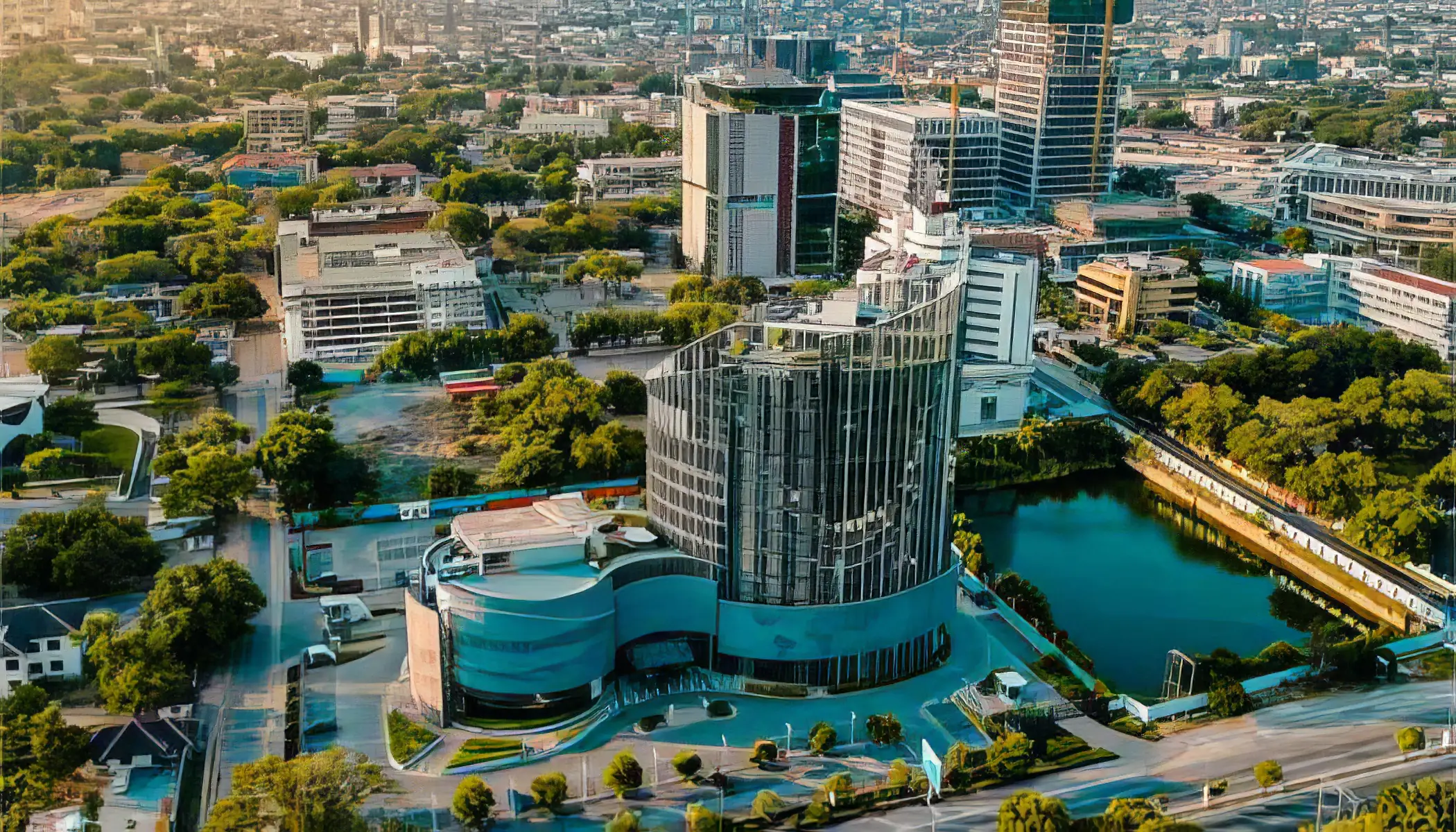
Explore Ghana's energetic cities, each offering unique cultural and historical experiences:
– Accra: The capital city is known for its hectic markets, historical sites, and pretty arts scene.
– Kumasi: Known as the Ashanti Region's capital, it provides rich history and the Manhyia Palace Museum.
– Cape Coast: Famous for its historic castles and role in the transatlantic slave trade.
– Takoradi: A port city with beautiful beaches and a lively harbor area.
– Tamale: The gateway to northern Ghana, known for its traditional culture and crafts.
– Sunyani: A peaceful city surrounded by natural attractions like waterfalls and wildlife reserves.
– Ho: Provides scenic landscapes and is a base for exploring the Volta Region.
Monuments
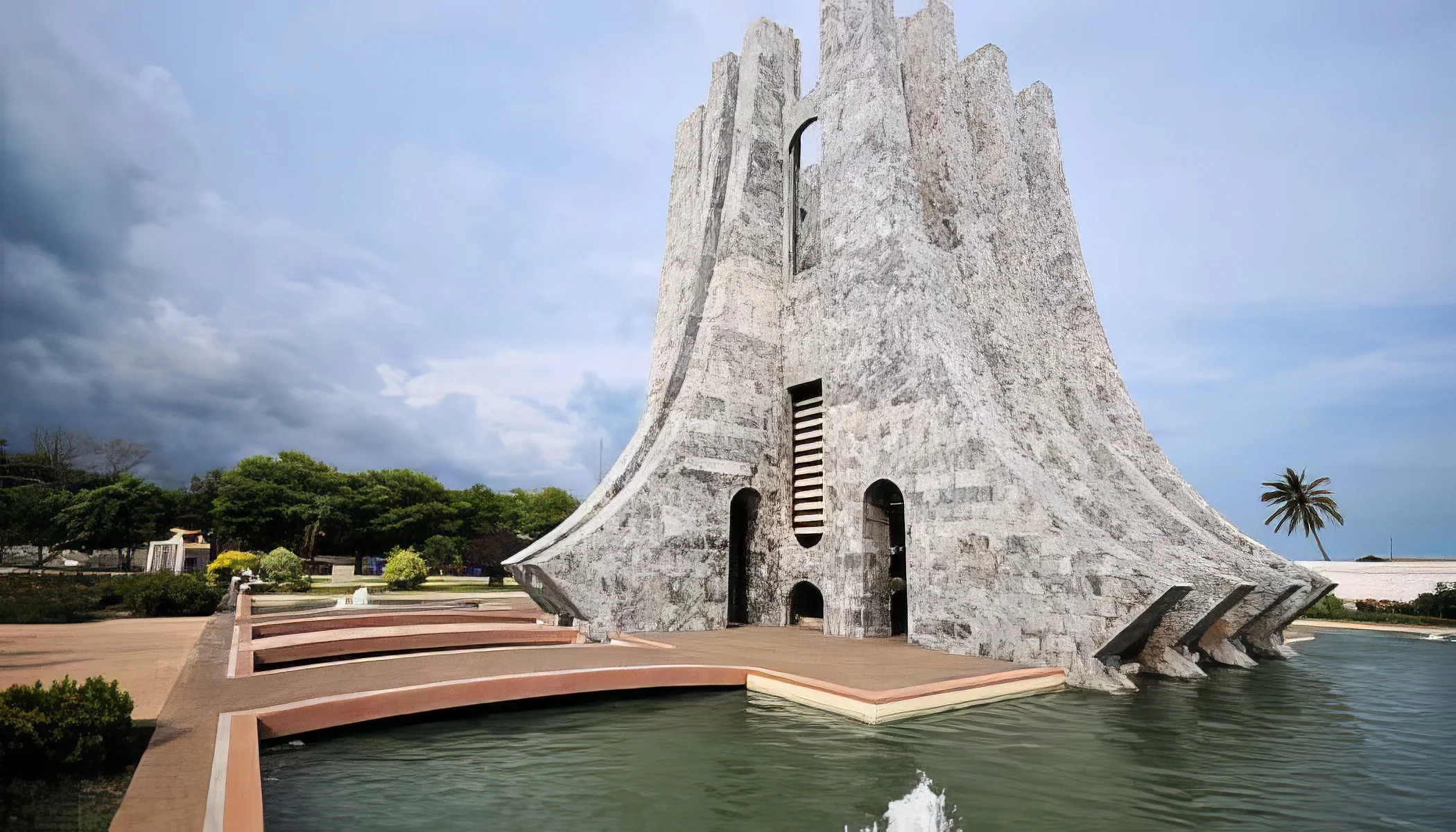
Ghana provides a variety of historical and architectural monuments to explore:
– Cape Coast Castle: A former slave trade hub, now a museum on Ghana's coast.
– Elmina Castle: Oldest European building in sub-Saharan Africa, significant in the transatlantic slave trade.
– Kwame Nkrumah Mausoleum, Accra: Memorial park dedicated to Ghana's first president and independence leader.
– Larabanga Mosque: One of West Africa's oldest mosques, built in Sudanese architectural style.
– Osu Castle, Accra: Former Danish fort with a complex history of colonial rule and governance.
– Manhyia Palace Museum, Kumasi: Home of the Ashanti kings, showcasing Ashanti culture and history.
– Fort Metal Cross, Dixcove: British-built fort used during the transatlantic slave trade era.
– W.E.B. Du Bois Center, Accra: Memorial center honoring the African-American scholar and civil rights activist.
Natural wonder
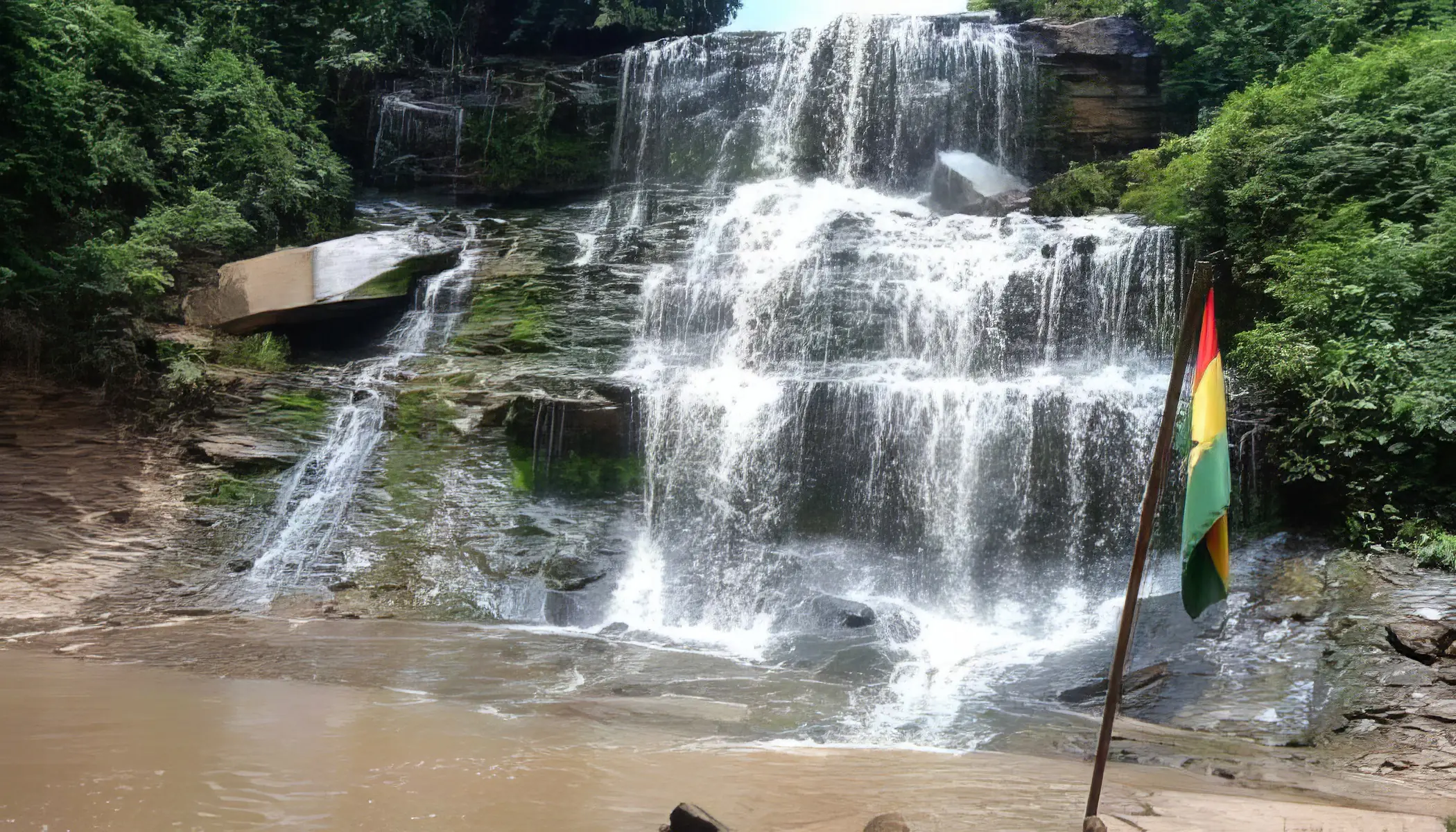
Explore Ghana's diverse natural landscapes:
– Mole National Park: Ghana's largest wildlife refuge, home to elephants and antelopes.
– Kakum National Park: Features a canopy walkway above the rainforest, offering unique wildlife views.
– Lake Volta: One of the world's largest artificial lakes, ideal for fishing and boating.
– Wli Waterfalls: The tallest waterfall in West Africa, located in the Volta Region.
– Bia National Park: Known for its rich biodiversity and rare primate species.
– Mount Afadja (Afadjato): Ghana's highest peak, offering panoramic views of surrounding landscapes.
– Bosumtwi Lake: A meteorite impact crater lake surrounded by dense hills.
– Tafi Atome Monkey Sanctuary: Home to sacred mona monkeys living in protected forest areas.
– Shai Hills Resource Reserve: Offers savannah plains and rocky hills with diverse wildlife.
– Nzulezo Stilt Village: Unique village built on stilts over Lake Tadane, accessible by canoe.
Beaches
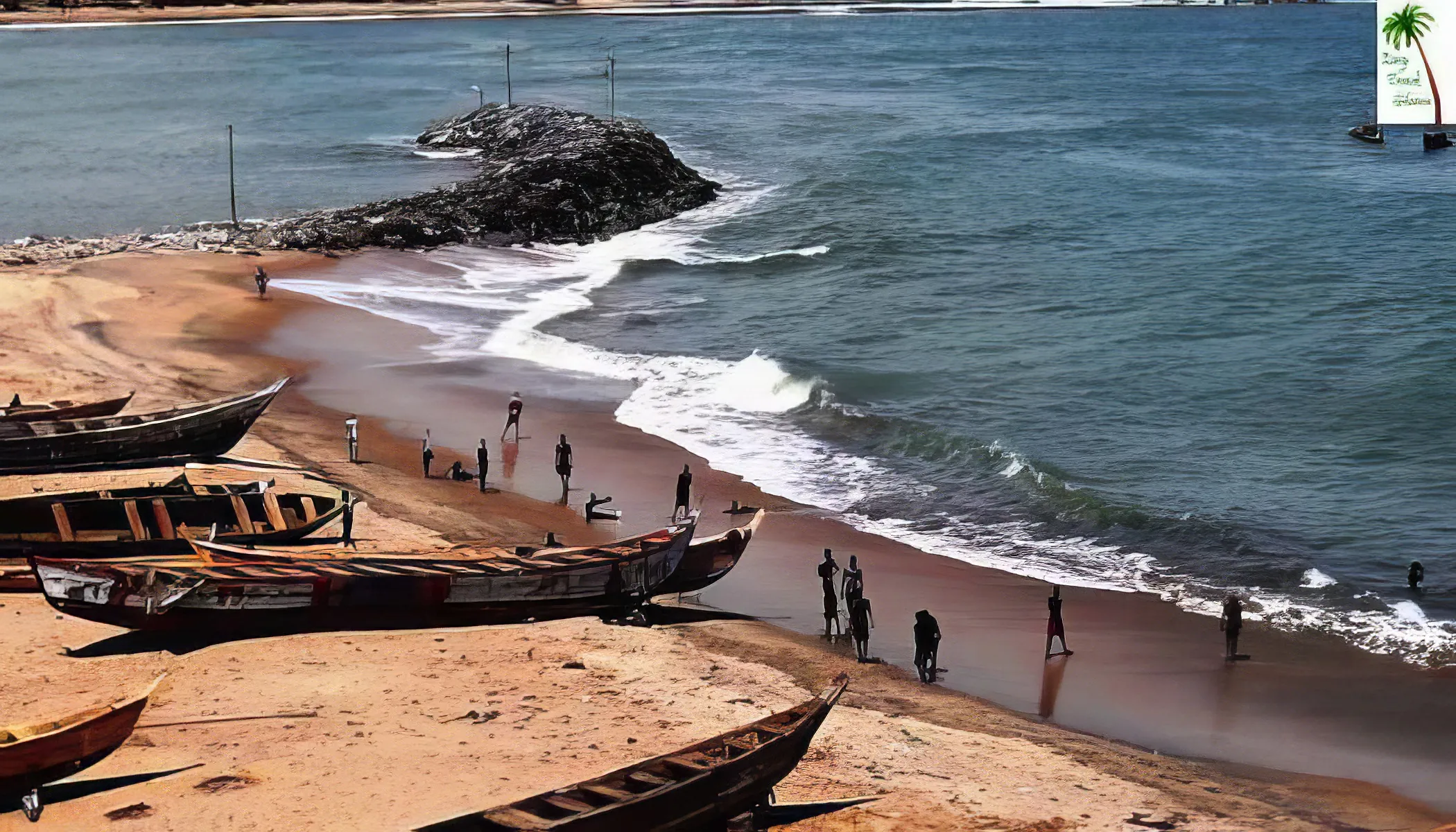
Ghana offers several beaches along its Atlantic coastline.
– Labadi Beach: Popular urban beach in Accra known for lively atmosphere and local entertainment.
– Kokrobite Beach: Known for reggae music, charming nightlife, and cultural experiences near Accra.
– Busua Beach: Offers surfing opportunities and a laid-back vibe in the Western Region.
– Anomabo Beach: Features historical significance and a peaceful setting near Cape Coast.
– Ada Foah Beach: Known for estuary views where the Volta River meets the Atlantic Ocean.
– Axim Beach: Provides scenic beauty and tranquility in the Western Region.
– Cape Three Points Beach: Notable for being Ghana's southernmost point with crystalline surroundings.
Outdoor activities
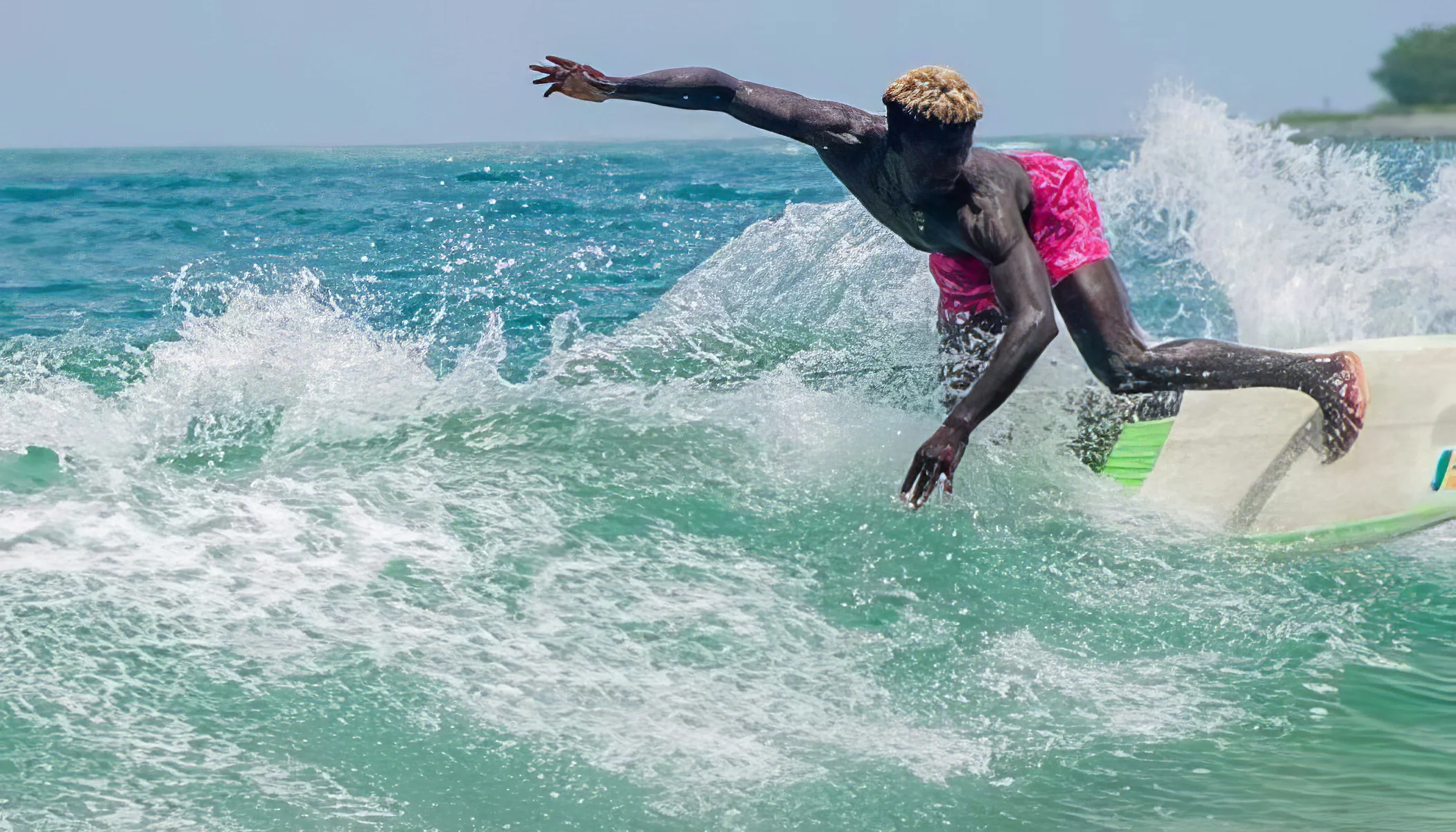
Ghana provides a variety of outdoor activities for nature and adventure enthusiasts:
– Safari in Mole National Park: Observe elephants, antelopes, and other wildlife in their natural environment.
– Hiking at Wli Waterfalls: Trek through sumptuous forests to reach Ghana's tallest waterfall.
– Canopy Walk in Kakum National Park: Walk above the forest on a suspended bridge for a unique perspective.
– Birdwatching at Ankasa Conservation Area: Spot diverse bird species in this biodiverse rainforest.
– Surfing at Busua Beach: Catch waves on one of Ghana's popular surfing spots.
– Boating on Lake Volta: Enjoy scenic views while cruising on one of the world's largest man-made lakes.
– Exploring Nzulezo Stilt Village: Visit this unique village built entirely on stilts over water.
Kid Friendly
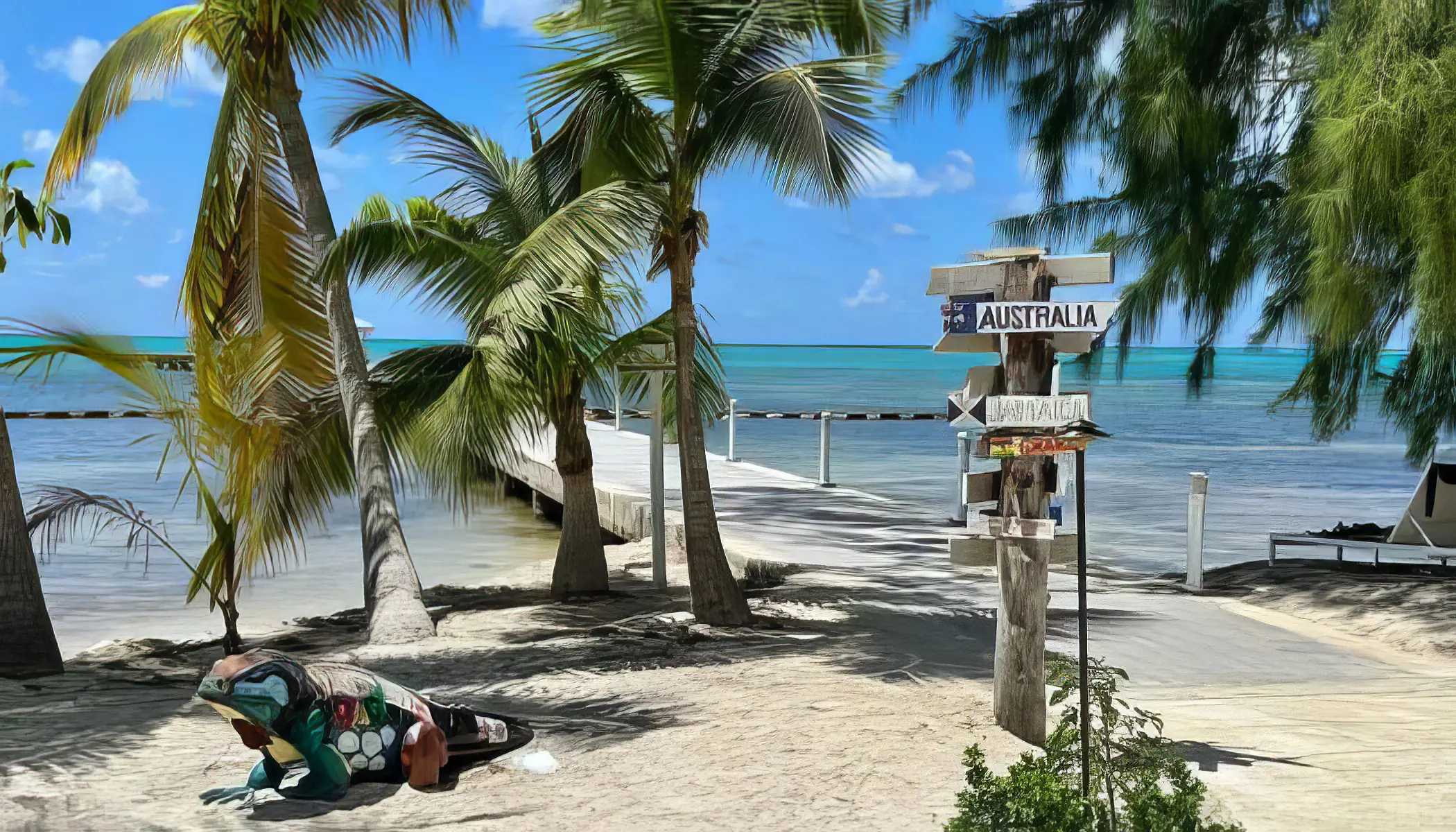
Ghana provides a variety of activities that are enjoyable for children.
– Kakum National Park: Walk the canopy walkway for a thrilling view of the rainforest.
– Cape Coast Castle: Explore this historical site with educational tours about Ghana's history.
– Mole National Park: Go on a safari to see elephants and other wildlife in their natural habitat.
– Labadi Beach: Enjoy a family day out with sand, sea, and local food vendors.
– Aburi Botanical Gardens: A peaceful place for kids to learn about diverse plant species.
– Wli Waterfalls: Hike to the tallest waterfall in West Africa for an exciting adventure.
– Shai Hills Resource Reserve: Spot baboons and antelopes while exploring caves and rock formations.
– Legon Botanical Gardens: Provides playgrounds, rope courses, and boat rides for family fun.
Cuisine
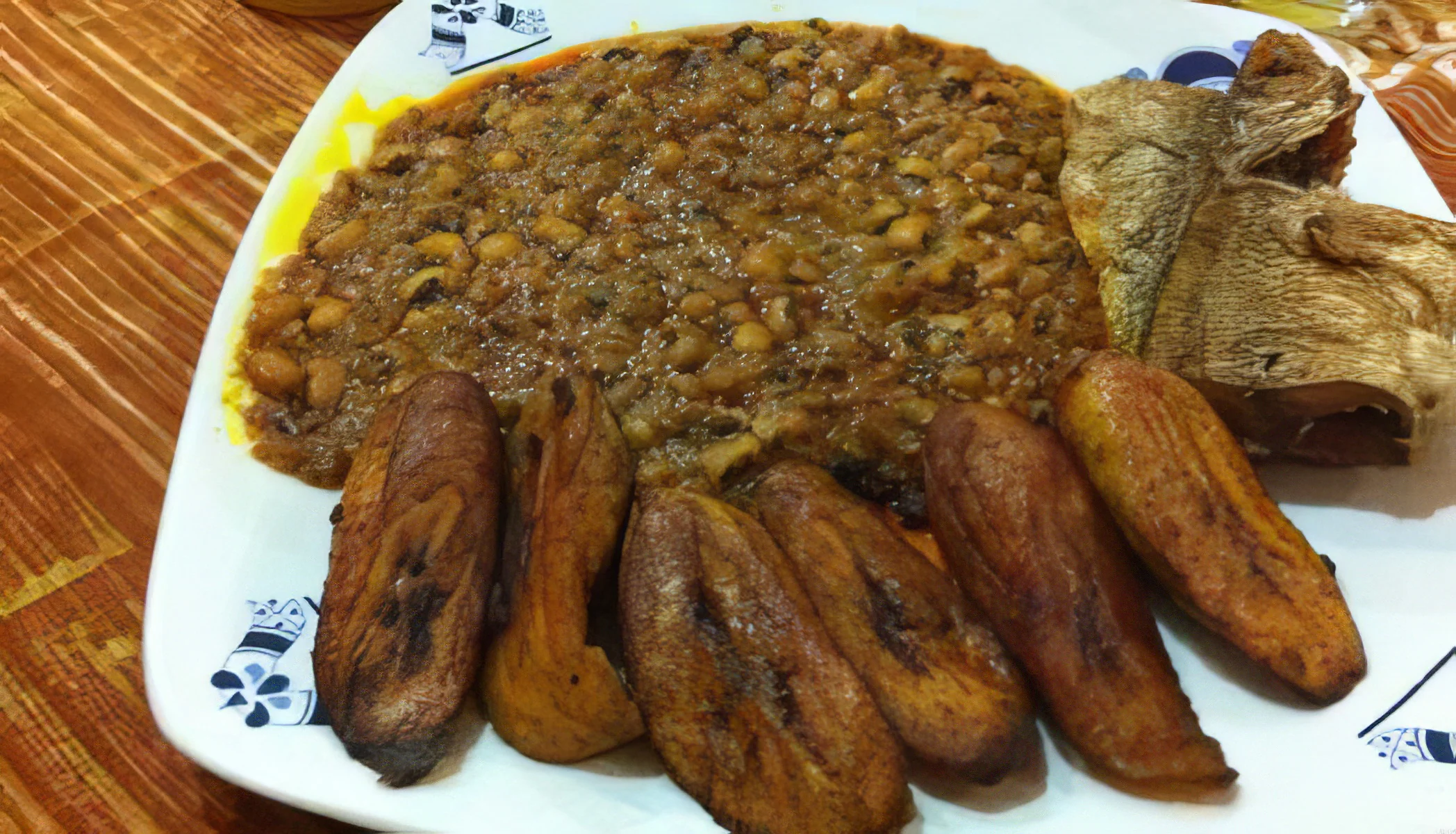
Ghanaian cuisine is rich in flavors, featuring staple ingredients like cassava, plantains, and rice, often accompanied by spicy stews and soups. Meals are communal and emphasize bold spices and hearty portions. Street food is popular, offering a taste of local culture. Most famous cuisine in Ghana are:
– Jollof Rice: Spiced tomato-based rice dish with vegetables and choice of meat or fish.
– Fufu: Starchy dough made from cassava or yams, served with soup or stew.
– Banku: Fermented corn and cassava dough served with soup or grilled fish.
– Waakye: Rice and beans cooked together, often served with fish or meat.
– Kelewele: Spicy fried plantain cubes seasoned with ginger and pepper.
Souvenir
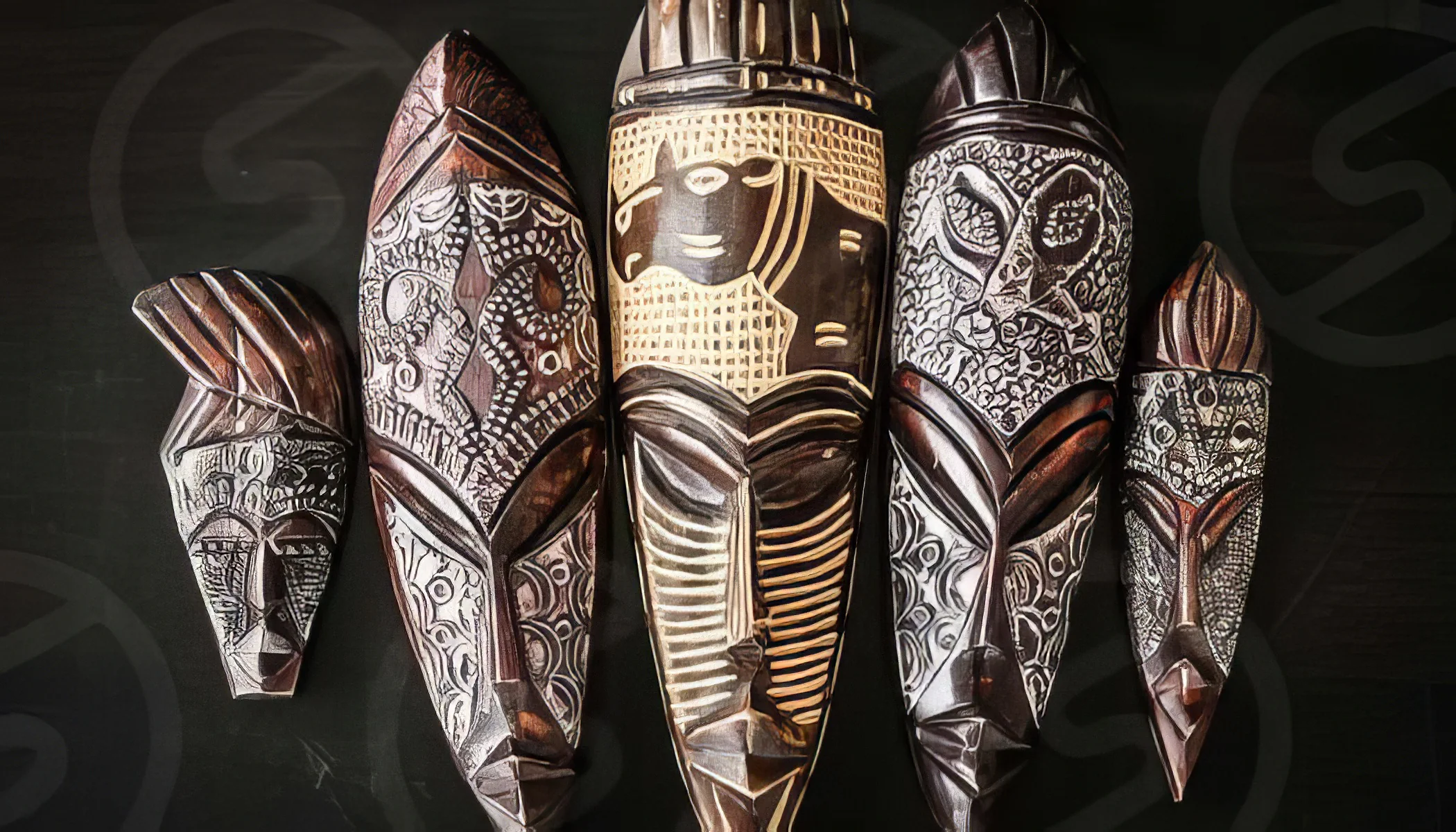
Ghana provides a variety of unique and culturally rich souvenirs for visitors. Here are some popular options:
– Kente Cloth: A vibrant, handwoven fabric that is a symbol of African heritage and pride.
– Bead Jewelry: Handmade beads crafted into necklaces, bracelets, and earrings, reflecting Ghanaian artistry.
– Wood Carvings: Intricately carved wooden masks and sculptures representing traditional Ghanaian culture.
– Shea Butter: Natural skincare product made from the nuts of the shea tree, known for its moisturizing properties.
– Drums: Traditional African drums like the djembe are popular for their cultural significance and craftsmanship.
– Bolga Baskets: Handwoven baskets from Bolgatanga, known for their durability and colorful designs.
– Adinkra Cloth: Fabric stamped with traditional symbols representing various concepts and proverbs.
Traditional Shows
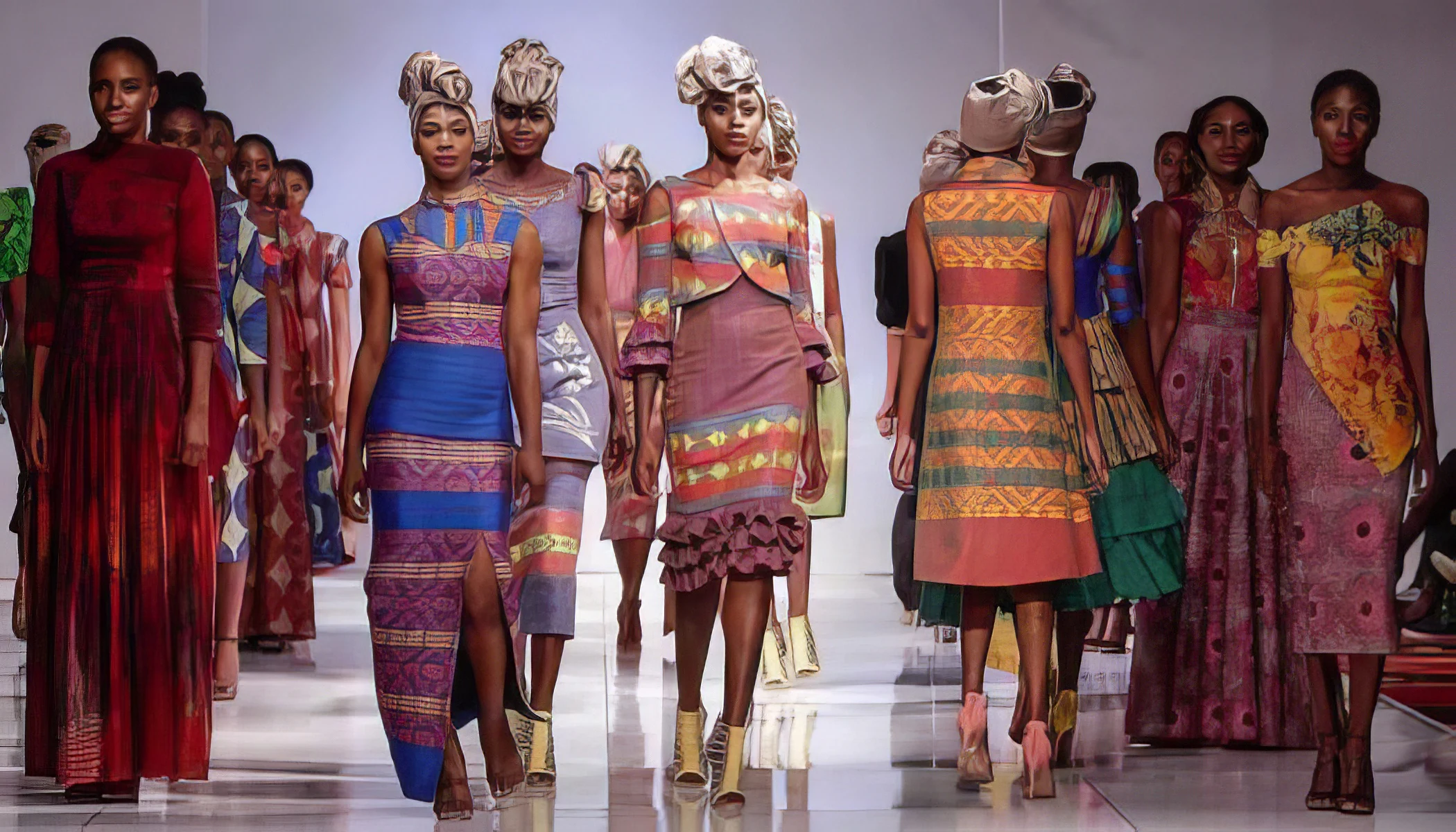
Ghana supplies nice traditional performances:
– Adowa Dance: Originating from the Ashanti people, this dance features graceful movements and drumming, often seen at cultural festivals in Kumasi.
– Kpanlogo Dance: A popular Ga dance from Accra, combining energetic drumming and storytelling, reflecting urban life and youth culture.
– Agbadza Dance: Performed by the Ewe people in the Volta Region, this dance involves rhythmic drumming and is often part of social gatherings.
– Damba Festival Drumming: Celebrated in Northern Ghana, this festival features traditional drumming and dancing to honor Islamic traditions and local chiefs.
– Borborbor Dance: From the Volta Region, this lively dance involves circular formations with drums and songs, typically performed during celebrations.
Events & Festivals
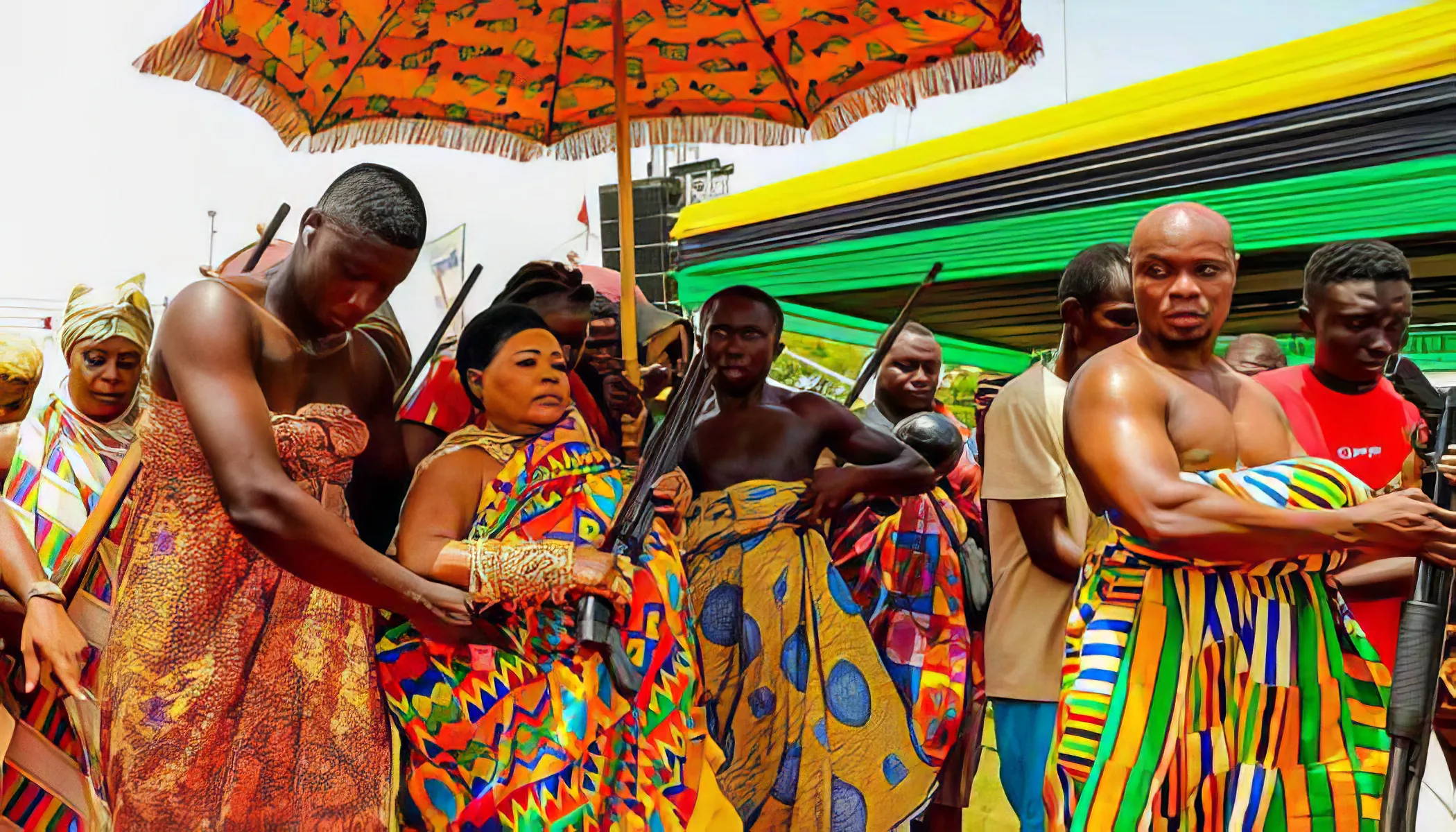
Ghana hosts a variety of cultural events and festivals throughout the year, reflecting its rich heritage:
– Homowo Festival: Celebrated by the Ga people in August/September, marking a successful harvest with feasting and dancing.
– Aboakyir Festival: May event in Winneba featuring a deer hunting competition to honor tribal gods.
– Panafest: Biennial July/August festival celebrating African culture and Pan-Africanism with performances and workshops.
– Hogbetsotso Festival: November festival by the Anlo Ewe people, commemorating their migration with drumming and dancing.
– Chale Wote Street Art Festival: August event in Accra showcasing street art, music, and performances.
– Damba Festival: Celebrated by Northern Ghana's Dagomba people in November/December with drumming, dancing, and horse riding.
– Fetu Afahye: September festival in Cape Coast honoring ancestors with parades, rituals, and cultural displays.
Famous People

Ghana is home to many notable individuals who have made significant impacts in politics, arts, and culture.
– Kwame Nkrumah (1909 to 1972, Nkroful): First Prime Minister and President of Ghana, leading the country to independence from British rule.
– Kofi Annan (1938 to 2018, Kumasi): Diplomat and former UN Secretary-General, awarded the Nobel Peace Prize for his humanitarian work.
– Yaa Asantewaa (circa 1840 to 1921, Besease): Queen Mother of Ejisu who led the Ashanti rebellion against British colonial forces in 1900.
– Azumah Nelson (born 1958, Accra): Renowned professional boxer known as one of Africa's greatest boxing champions with multiple world titles.
– Ama Ata Aidoo (1942 to 2023, Saltpond): Acclaimed author and playwright celebrated for her works exploring African women's experiences and postcolonial themes.
Books
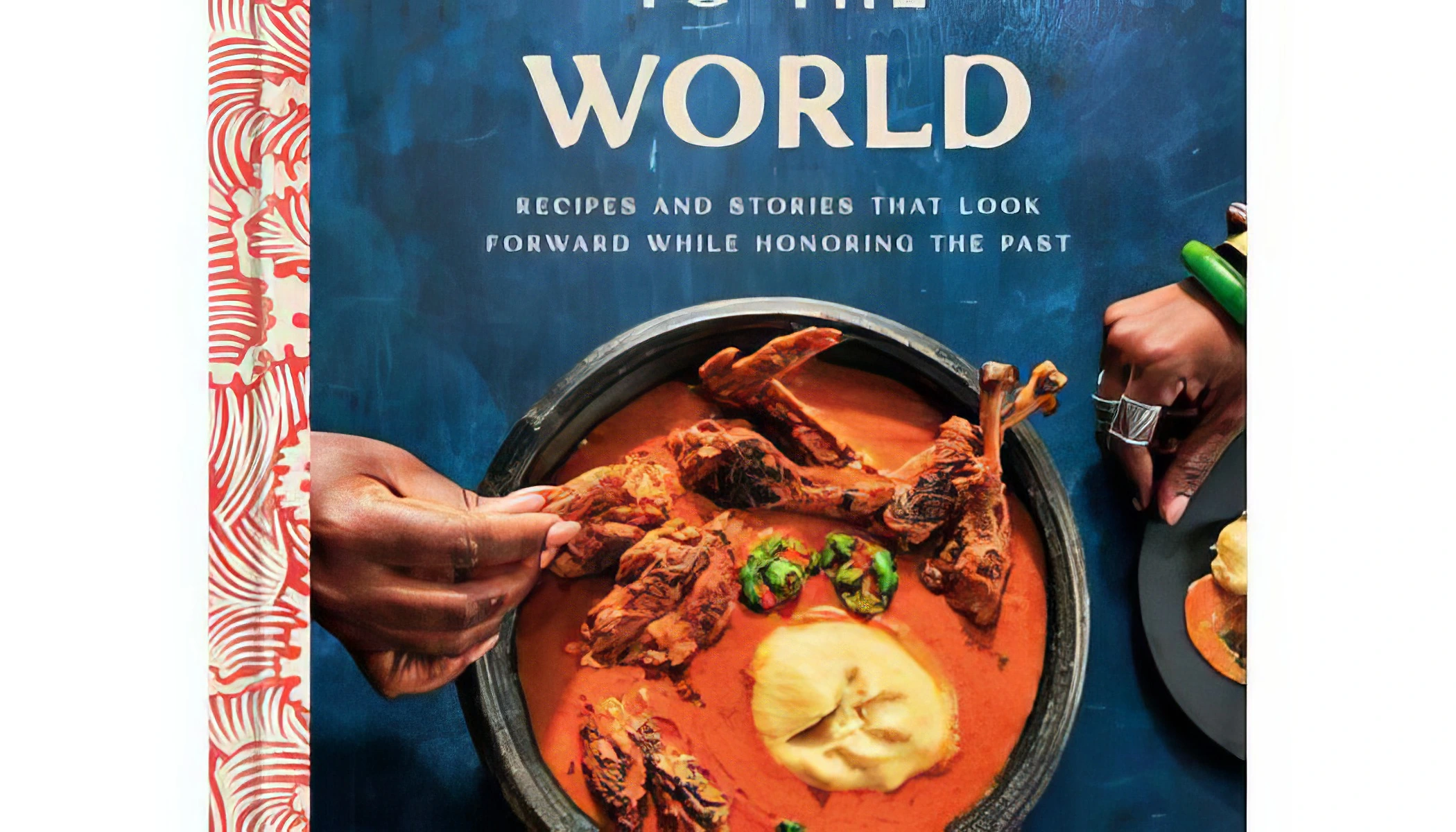
These books provide insights into Ghana's rich history, culture, and the complexities of its society through various narratives.
– "Homegoing" by Yaa Gyasi: Traces the divergent paths of two half-sisters' descendants from 18th-century Ghana to present-day America.
– "The Beautyful Ones Are Not Yet Born" by Ayi Kwei Armah: Critiques post-independence corruption and disillusionment in Ghana.
– "Changes: A Love Story" by Ama Ata Aidoo: Explores modern relationships and women's roles in contemporary Ghanaian society.
– "Our Sister Killjoy" by Ama Ata Aidoo: Examines a young Ghanaian woman's experiences in Europe and reflections on identity.
– "No Sweetness Here" by Ama Ata Aidoo: Collection of short stories depicting everyday life and social issues in Ghana.
Songs

Ghana's music scene is vibrant, featuring a mix of highlife, hiplife, and afrobeats that resonate both locally and internationally.
– Yentie Obiaa: Daddy Lumba's hit celebrating independence and self-reliance.
– Adonai: Sarkodie's collaboration with Castro, a massive afrobeats anthem.
– Odo: Kofi Nti's highlife classic about love and relationships.
– Angela: Kuami Eugene's popular afrobeats song about romance.
– Ayeeko: Obrafour's hiplife track honoring hard work and success.
– Akwaaba: GuiltyBeatz's international hit featuring Mr Eazi, Pappy Kojo, and Patapaa.
Films
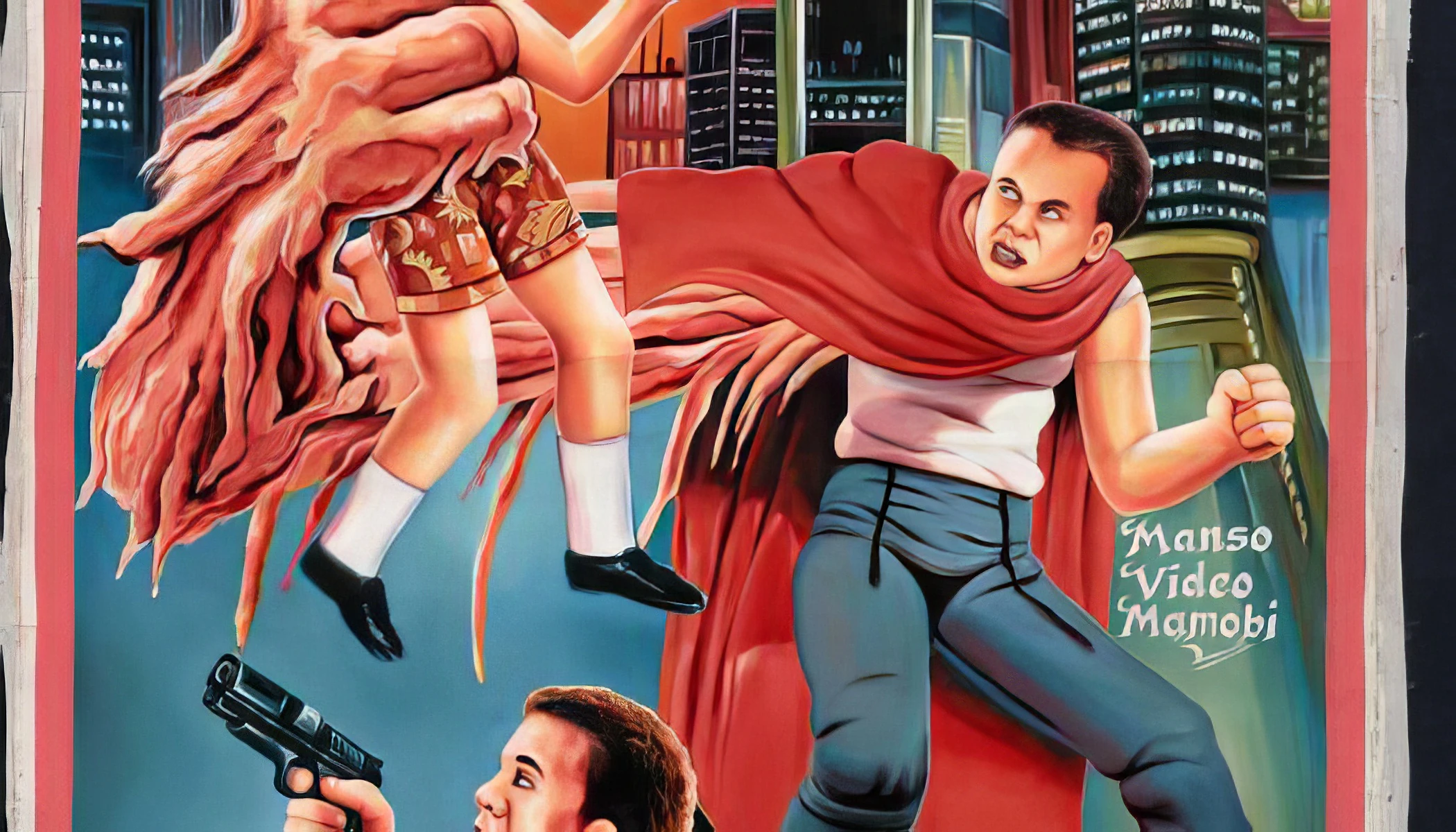
A selection of films that highlight Ghana's culture and stories:
– "Heritage Africa": Kwaw Ansah's film explores post-colonial identity through a civil servant's journey in 1950s Ghana.
– "I Told You So": A classic Ghanaian comedy by Egbert Adjesu, depicting societal norms and family dynamics.
– "Sinking Sands": Leila Djansi's drama about domestic abuse and personal transformation in a troubled marriage.
– "The Burial of Kojo": Blitz Bazawule's visually nice film blends magical realism with a family's emotional journey.
– "Beasts of No Nation": Cary Joji Fukunaga's intense portrayal of a child soldier in an unnamed West African country, filmed in Ghana.