

Explore Guinea: Culture, Cities & Places to Visit
Located in West Africa, this country is known for its rich mineral resources and diverse ecosystems. It features the Fouta Djallon highlands and coastal plains. The nation faces economic challenges but holds cultural significance with a mix of ethnic groups and traditions.
- Capital
- Conakry
- Population
- 10.4 millions
- Superficy
- 246000 sq.km
- Months to Visit
- Nov. to Feb.
- Living Cost
- Moderate
Overview
Guinea is a West African country known for its rich natural resources, particularly bauxite, which is a key export. The capital city, Conakry, serves as the main economic and cultural hub. Guinea's diverse landscapes include coastal plains, mountainous regions like the Fouta Djallon, and parts of the Upper Niger River basin. The country faces challenges such as political instability and infrastructure development. It has a mix of ethnic groups and languages, with French as the official language. Despite its challenges, Guinea's natural beauty and cultural diversity offer potential for tourism growth.
Pros & Cons
GOOD REASONS TO VISIT GUINEA
– Natural Beauty: Explore Fouta Djallon highlands, waterfalls, and dense forests offering nice landscapes and hiking opportunities.
– Rich Biodiversity: Discover diverse wildlife in national parks like Mount Nimba Strict Nature Reserve, a UNESCO World Heritage site.
– Cultural Diversity: Experience magnificient traditions and music from various ethnic groups, including the Fulani and Malinke.
– Traditional Markets: Visit hectic markets in Conakry for local crafts, textiles, and authentic Guinean cuisine.
– Untouched Beaches: Relax on peaceful beaches along the Atlantic coast, away from crowded tourist spots. CHALLENGES WHEN VISITING GUINEA
– Limited Infrastructure: Roads and public transport can be challenging; travel may require patience and flexibility.
– Health Concerns: Malaria risk is high; vaccinations and precautions are necessary for safe travel.
– Political Instability: Occasional unrest may affect safety; stay informed about current events before visiting.
Before Departure
Before traveling to Guinea, it's important to be informed about several key aspects:
– Passport: Ensure your passport is valid for at least six months beyond your intended stay.
– Visa: Tourists need a visa before arrival; typically valid for 30 days. Apply through the Guinean embassy or consulate.
– Currency: Guinean Franc (GNF); credit cards rarely accepted; cash is essential. ATMs are limited, mainly in Conakry.
– Internet access: WiFi is limited; consider purchasing a local SIM card from Orange or MTN for data.
– Language barrier: French is the official language; English and other European languages are not widely spoken.
What to Pack
Traveling to Guinea requires preparation for its tropical climate and consideration of health precautions.
– Essentials: Passport with visa, travel insurance, flight tickets, itinerary, accommodation confirmations, and emergency contact information.
– Clothing: Lightweight and breathable clothing, long sleeves and pants for mosquito protection, comfortable walking shoes, hat and sunglasses for sun protection.
– Health & Safety: Prescription medications, comprehensive first aid kit, insect repellent with DEET, anti-malarial medication if advised by a doctor.
– Electronics: Travel adapter for Type C/F outlets, mobile phone with charger, power bank for charging on the go.
Weather
Guinea has a tropical climate with distinct wet and dry seasons.
– Dry Season (November to April): Characterized by hot, dry weather with Harmattan winds bringing dust from the Sahara.
– Wet Season (May to October): Marked by heavy rainfall, high humidity, and occasional thunderstorms, especially in July and August. The best time to visit Guinea is during the dry season from November to April.
– Pros: Pleasant weather for outdoor activities and travel; less rain-related disruptions.
– Cons: Dusty conditions due to Harmattan winds can affect visibility and air quality.
Travel Budget
Guinea supplies a range of budget-friendly options for travelers. Here are some average prices for common expenses:
– Hotel: 30$ to 150$
– Lunch: 3$ to 10$
– Beverage (in bar/restaurant): 1$ to 4$
– Coffee: 1$ to 2$
– Transportation: (train not widely available), (bus 0.5$ to 2$), (taxi /10km 5$ to 15$)
– Mobile data (per GB): 2$ to 5$
Language
Guinea is a multilingual country with French as the official language and several indigenous languages spoken widely. Here are some useful phrases in French for tourists:
– Hello: Bonjour
– Thank you: Merci
– Please: S'il vous plaît
– How much is this?: Combien ça coûte?
– Excuse me: Excusez-moi
– I don't understand: Je ne comprends pas
– Yes: Oui
– No: Non
– Goodbye: Au revoir
History
The region was part of several African empires, including the Ghana, Mali, and Songhai empires. In the 1890s, it became a French colony known as French Guinea. It gained independence from France in 1958 under the leadership of Ahmed Sékou Touré, who established a one-party socialist state. Touré's rule lasted until his death in 1984, after which Lansana Conté seized power through a coup and ruled until his death in 2008. The country experienced political instability with military coups and contested elections following Conté's death. Despite its rich natural resources, Guinea has faced challenges such as political unrest and economic difficulties throughout its history.
Geopolitics
Located in West Africa, Guinea shares borders with six countries: Senegal, Mali, Côte d'Ivoire, Liberia, Sierra Leone, and Guinea-Bissau. It has significant mineral resources, particularly bauxite, which plays a crucial role in its economy and international relations. The country has experienced political instability and military coups, impacting its governance and regional influence. Guinea is a member of the African Union and the Economic Community of West African States (ECOWAS), engaging in regional diplomacy and economic cooperation. Its geopolitical challenges include managing ethnic tensions internally and maintaining stable relations with neighboring countries. The country's strategic location and natural resources make it an important player in regional geopolitics despite its internal challenges.
Sample Itinerary
This itinerary covers Guinea's natural landscapes, cultural sites, and attractive markets.
– 2 days in Conakry: Visit the National Museum, explore Soumba waterfalls, and stroll through Madina Market. Enjoy local music and cuisine.
– 1 day in Fouta Djallon: Trek through sumptuous highlands, visit Dalaba town, and see the Chutes de Kambadaga waterfalls.
– 1 day in Kindia: Explore Mount Gangan for panoramic views and visit the local market for crafts and produce.
– 1 day in Nzérékoré: Discover the beautiful culture of the Forest Region with visits to local villages and markets.
– 1 day in Boke: Learn about Guinea's mining history at the Boke Museum and enjoy a boat trip on the Rio Nunez River.
Popular cities
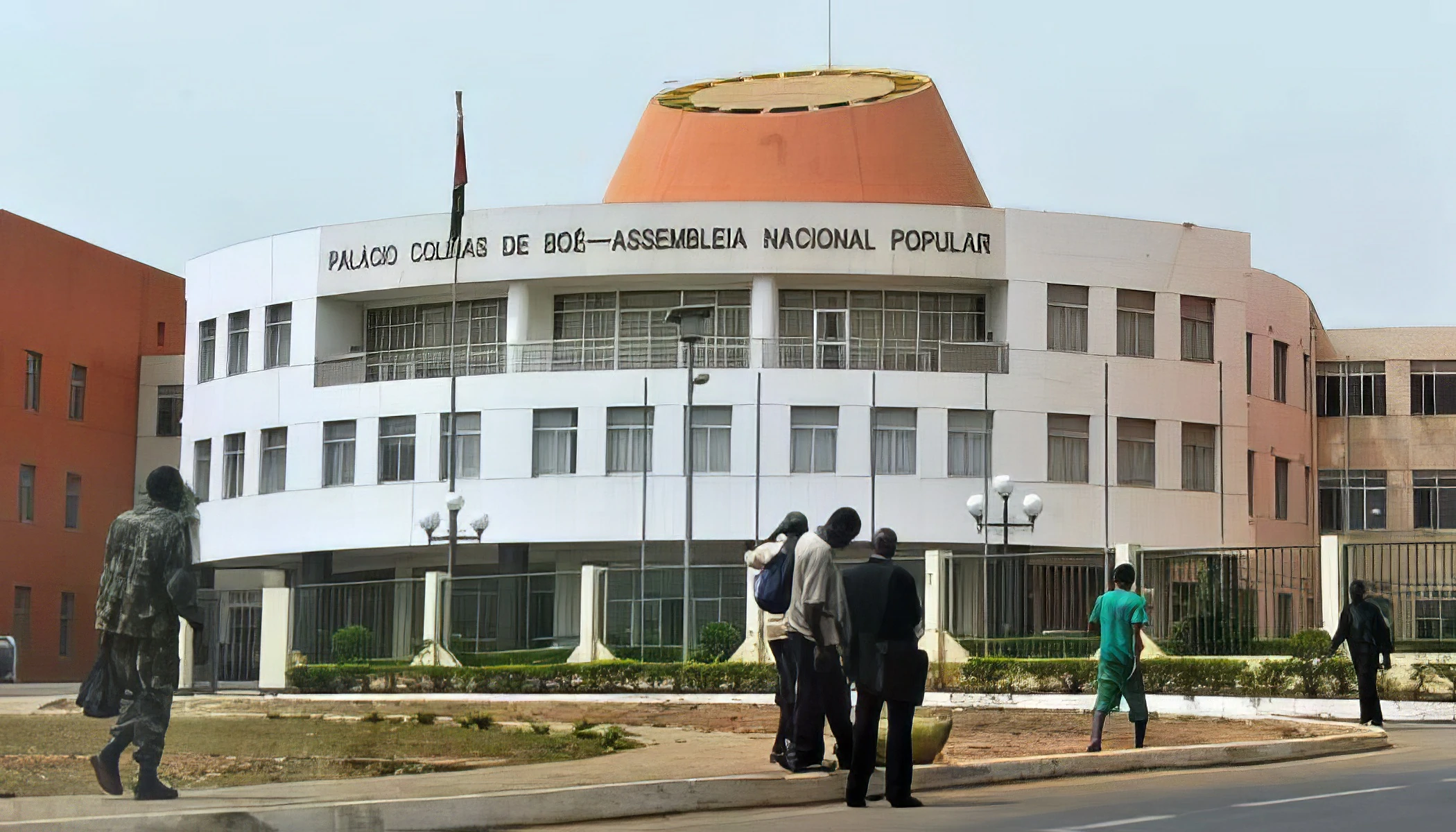
Explore Guinea's diverse cities, each offering unique experiences and cultural insights:
– Conakry: The capital city is the hub of Guinea's culture, economy, and pretty markets.
– Labé: Known for its scenic landscapes and as a gateway to the Fouta Djallon highlands.
– Kankan: A historic city with a rich cultural heritage and traditional festivals.
– Kindia: Provides beautiful waterfalls and is known for its agricultural produce.
– Nzérékoré: The largest city in the forest region, known for its ethnic diversity and markets.
– Mamou: A central city that serves as a transport hub with access to surrounding natural attractions.
– Boké: Known for its mining industry and proximity to the Tristao Islands.
Monuments
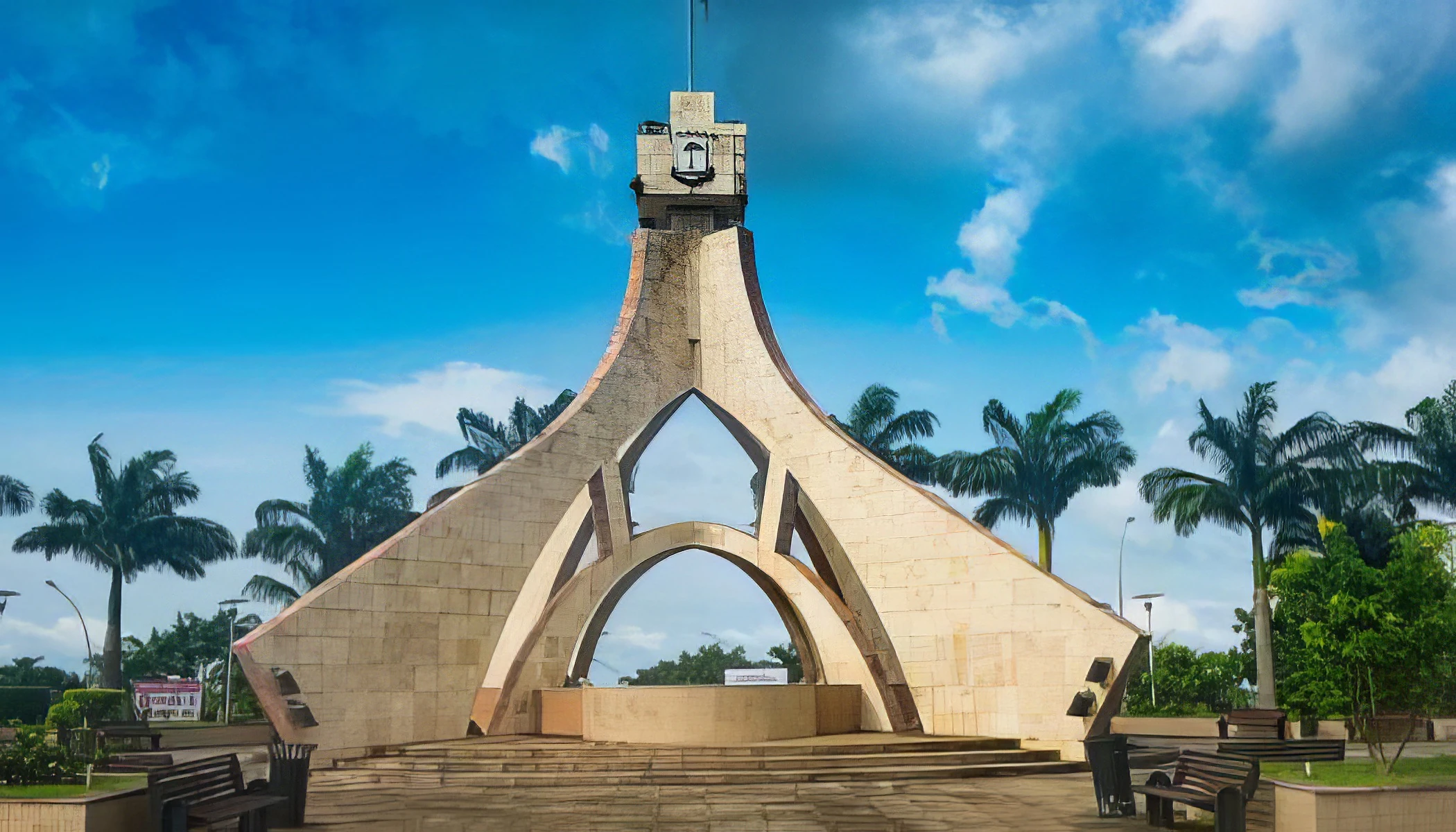
Guinea supplies several notable monuments reflecting its history and culture:
– Conakry Grand Mosque: One of West Africa's largest mosques, built with Saudi Arabian support.
– National Museum of Guinea, Conakry: Displays artifacts showcasing Guinea's cultural heritage and history.
– Fort du Bordo, Kankan: Historical fortification from the colonial era with significant historical relevance.
– Fouta Djallon Highlands: Known for traditional Fulani villages and unique architectural styles.
– Mount Nimba Strict Nature Reserve: UNESCO site with diverse flora, fauna, and ancient iron mining sites.
– Badiar Transboundary National Park: Features traditional villages and remnants of colonial architecture.
– Kankan Cathedral: Historic Catholic cathedral reflecting colonial-era religious architecture.
– Sante Marie Cathedral, Conakry: Prominent church known for its architectural design and community significance.
Natural wonder
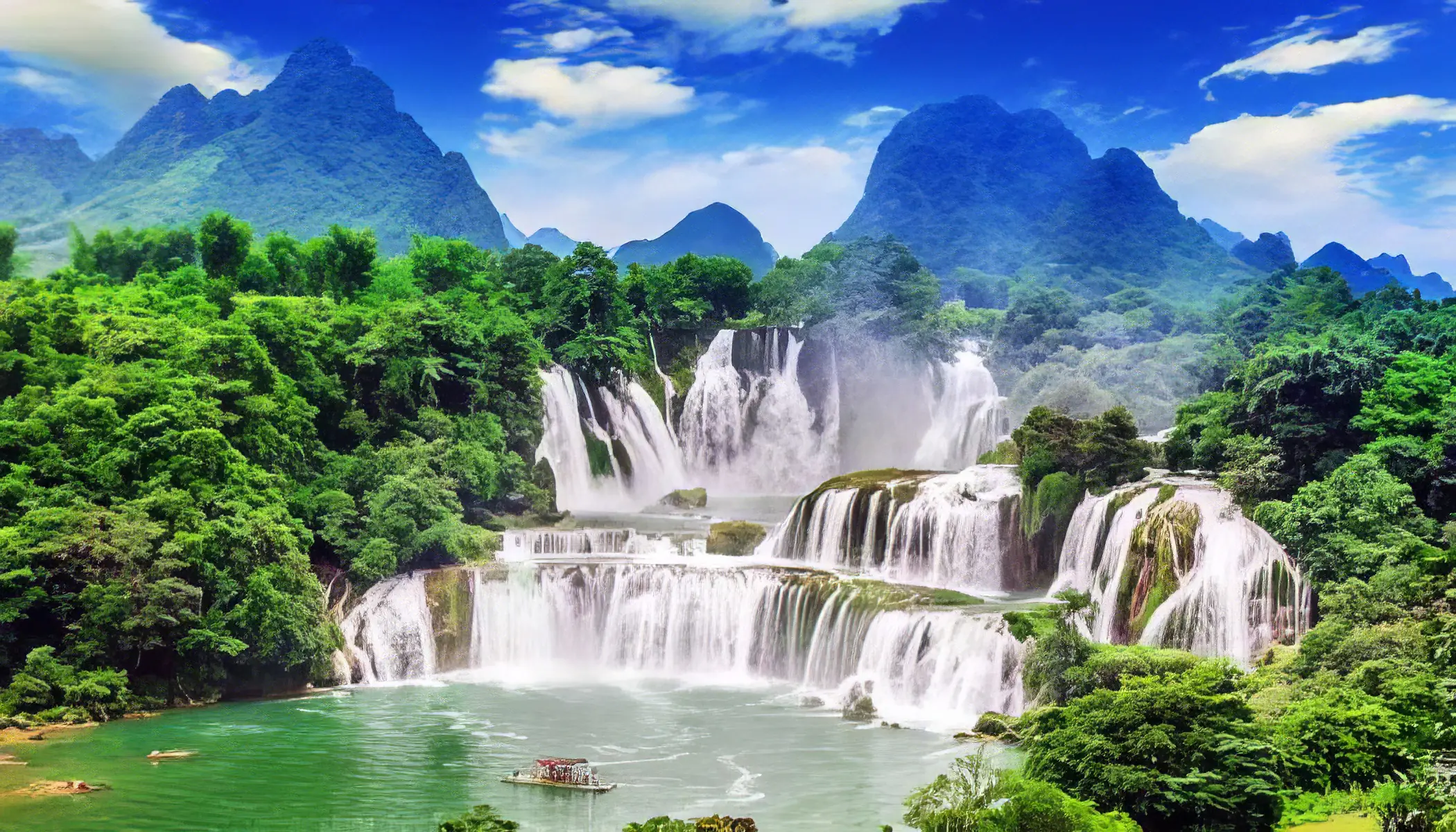
Explore Guinea's diverse natural landscapes:
– Mount Nimba: UNESCO site with unique flora and fauna, straddling Guinea, Liberia, and Côte d'Ivoire.
– Fouta Djallon Highlands: Known for its rolling hills, waterfalls, and traditional Fulani villages.
– Badiar National Park: Offers savannah landscapes and diverse wildlife near the Senegal border.
– Niger River Source: Originates in Guinea's highlands, crucial for West African ecosystems.
– Ziama Massif: Dense forest reserve home to elephants and chimpanzees.
– Konkouré River Basin: Features scenic river views and hydroelectric projects.
– Kinkon Falls: Impressive waterfall located near the town of Pita in the Fouta Djallon region.
– Haut Niger National Park: Protects savannahs and forests with rich biodiversity including hippos and monkeys.
– Soumba Waterfalls: Popular spot for picnics and swimming near Conakry.
– Tinkisso River Valley: Known for its gorgeous landscapes and traditional villages.
Beaches
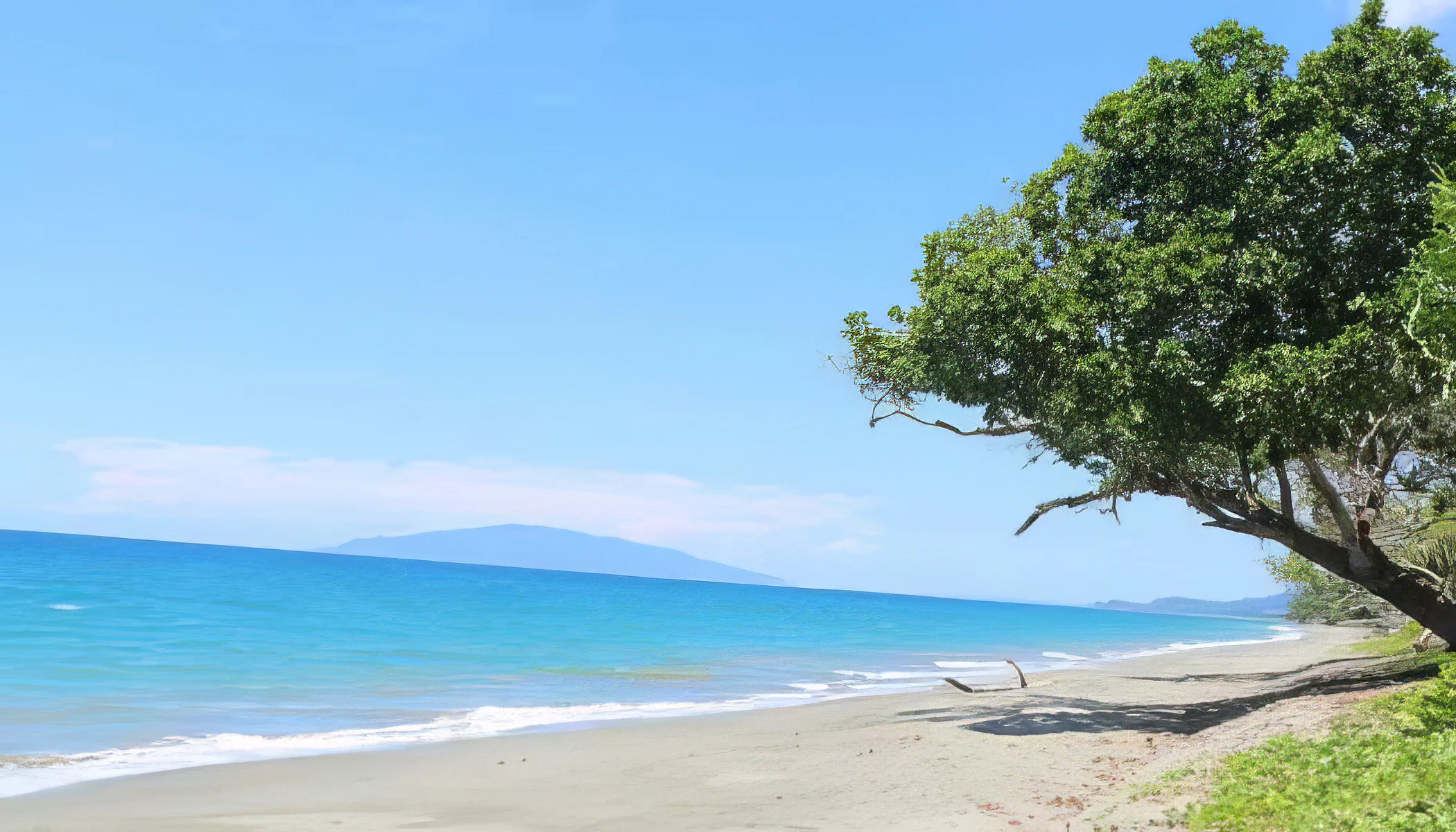
Guinea has a limited coastline with a few notable beaches.
– Îles de Los: Popular island beaches near Conakry, known for their natural beauty and tranquility.
– Bel Air Beach: A long sandy beach offering a peaceful retreat in Boffa.
– Sobane Beach: Known for its scenic views and local fishing activities near Kamsar.
Outdoor activities
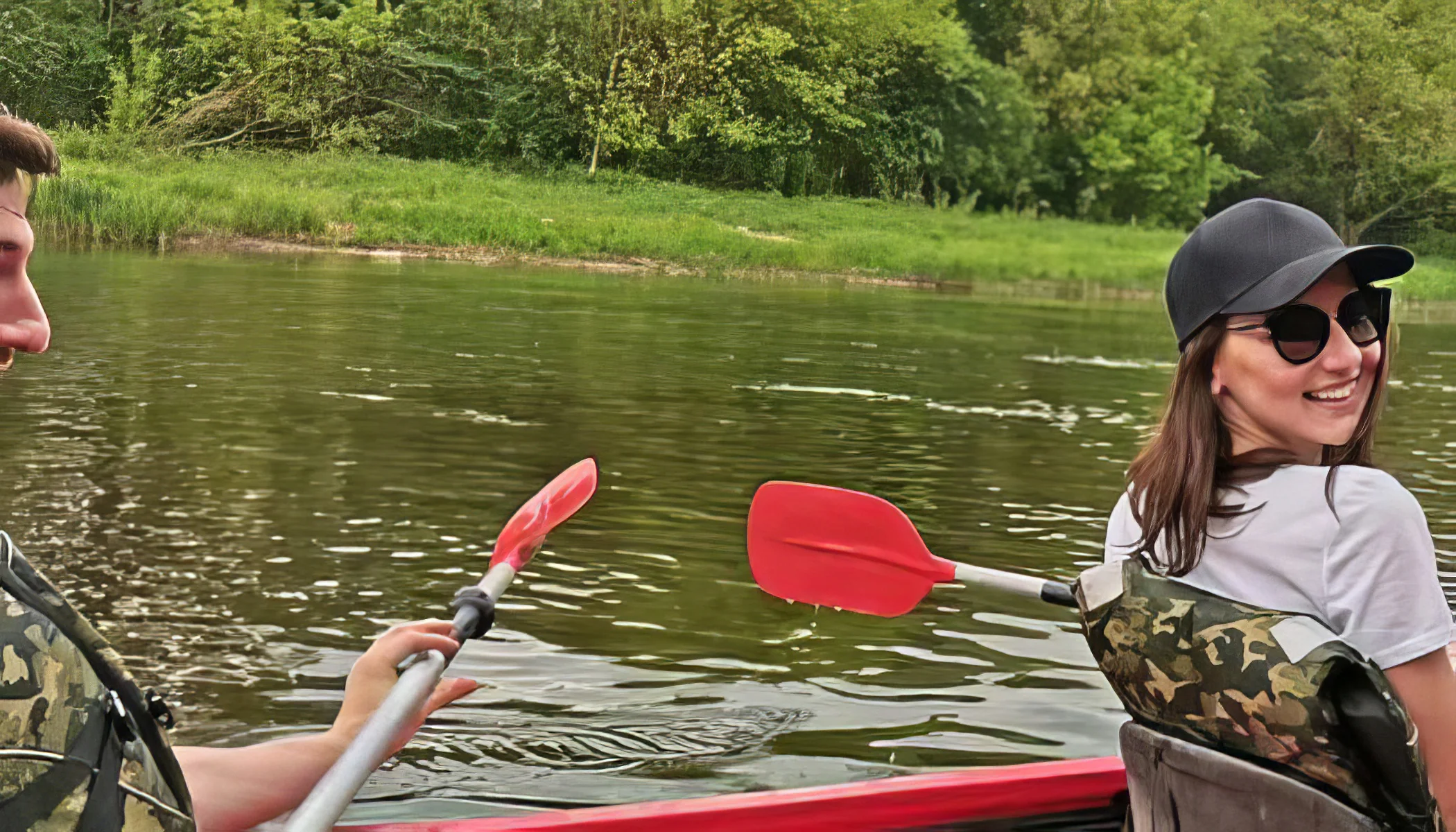
Guinea offers a variety of outdoor activities for nature enthusiasts and adventure seekers:
– Hiking Mount Nimba: Trek through dense forests to reach the summit with panoramic views.
– Exploring Fouta Djallon: Discover waterfalls, plateaus, and traditional villages in this scenic highland region.
– Birdwatching in Haut Niger National Park: Spot diverse bird species in their natural environment.
– Visiting Chutes de Kambadaga: Witness the impressive waterfalls cascading over rocky cliffs.
– Canoeing on the Niger River: Paddle along one of West Africa's major rivers and enjoy the quiet landscape.
– Trekking to Voile de la Mariée: Hike to this charming waterfall nestled in a forested area.
– Wildlife Viewing in Badiar National Park: Observe various wildlife species, including primates and antelopes.
Kid Friendly

Guinea supplies several engaging activities for children to enjoy.
– Mount Nimba Strict Nature Reserve: Explore diverse wildlife and unique landscapes in this UNESCO World Heritage site.
– Fouta Djallon Highlands: Enjoy hiking and discovering waterfalls in this scenic region.
– Conakry Botanical Garden: A peaceful spot to learn about local flora and have a family picnic.
– Soumba Waterfalls: A refreshing natural site perfect for a family day out with swimming opportunities.
– National Museum of Guinea: Discover the country's history and culture through various exhibits suitable for kids.
– Iles de Los: Relax on sandy beaches and enjoy water activities on these nearby islands.
– Kakimbon Caves: Explore fascinating caves with interesting rock formations near Conakry.
– Madina Market: Experience the lovely local market atmosphere, offering a chance to see local crafts and foods.
Cuisine
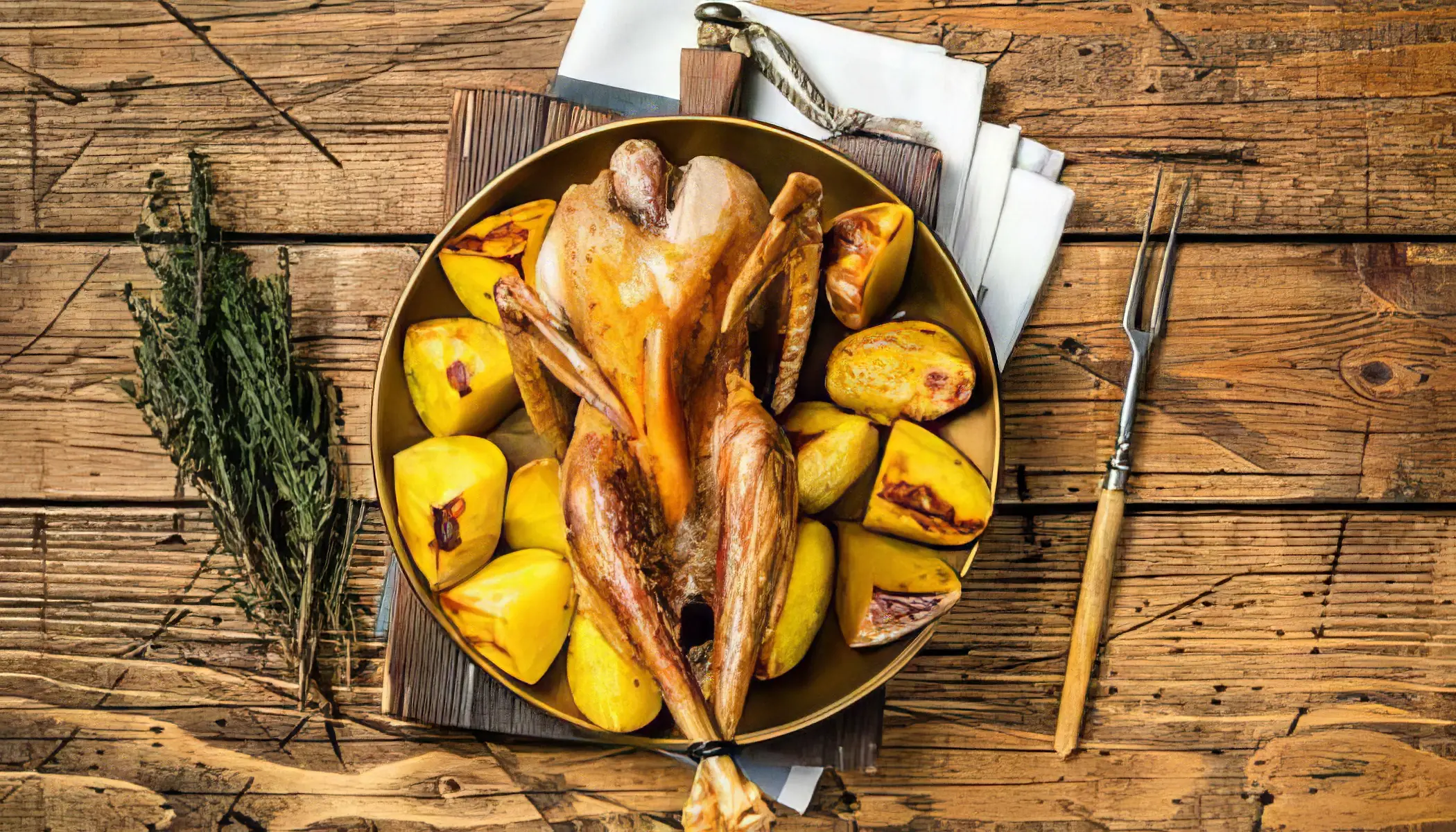
Guinea's food scene is characterized by hearty, flavorful dishes that reflect its rich cultural diversity and reliance on local ingredients. Rice and sauces are staples, often accompanied by fresh vegetables and meats. Traditional cooking methods highlight the country's agricultural bounty.
– Poulet Yassa: Chicken marinated in lemon juice, onions, and spices, then grilled or simmered.
– Jollof Rice: Spiced rice dish cooked with tomatoes, onions, and often chicken or fish.
– Fufu: Starchy dough made from boiled cassava or plantains, served with soups or stews.
– Maafe: Peanut stew with meat or fish, vegetables, and a rich sauce.
– Tapalapa Bread: Dense bread made from wheat flour, often eaten with stews or soups.
Souvenir
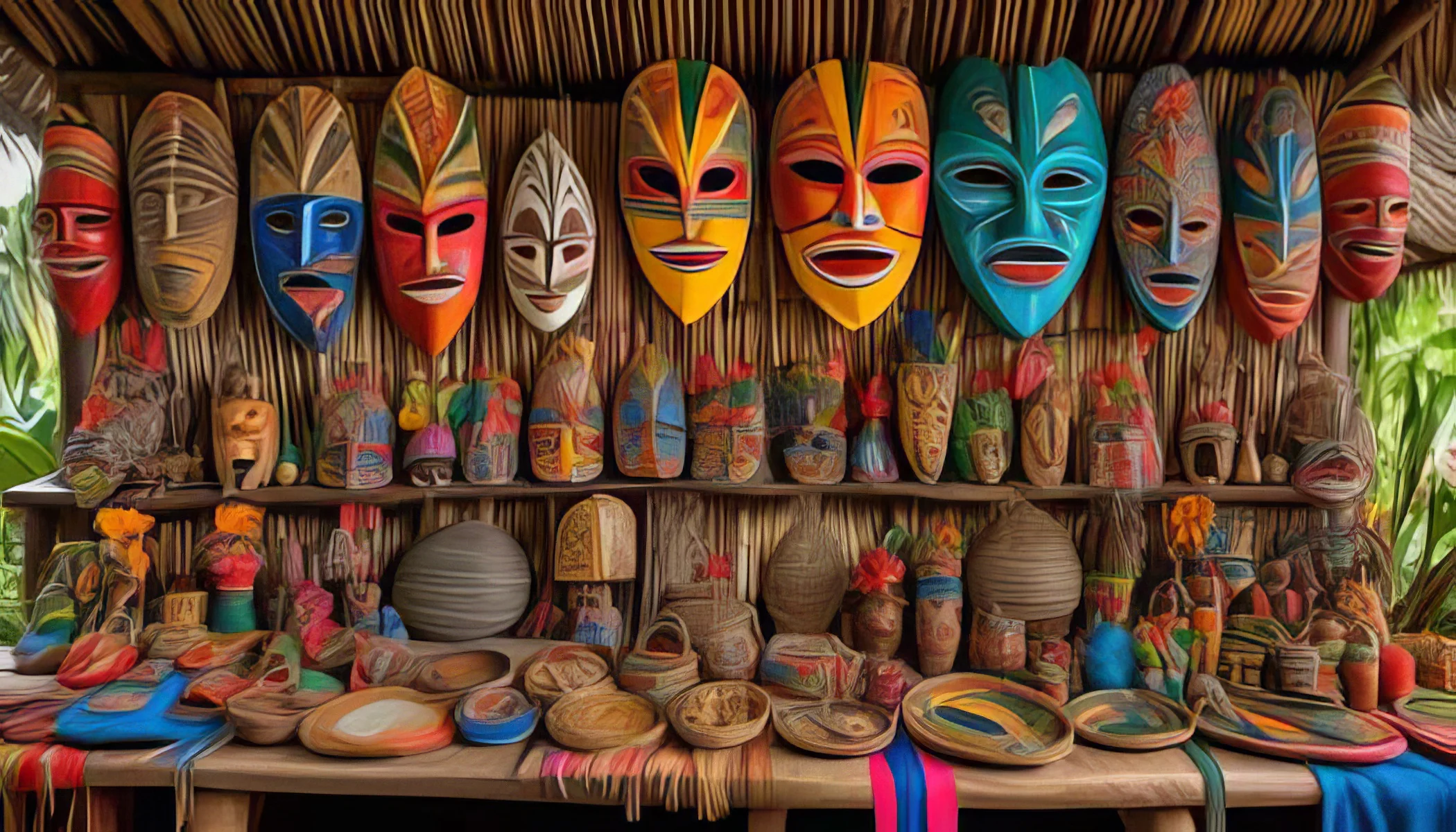
Guinea offers a variety of unique souvenirs that reflect its rich culture and traditions. Here are some popular options:
– Handcrafted Masks: Traditional masks used in ceremonies, often made from wood and painted with beautiful colors.
– Textiles: Colorful fabrics and traditional clothing like boubous are widely available in markets.
– Jewelry: Handmade jewelry crafted from local materials such as beads, shells, and metals.
– Musical Instruments: Djembe drums and balafons are popular musical instruments to bring home.
– Wood Carvings: Intricately carved wooden figures and sculptures representing local wildlife or cultural symbols.
– Basketry: Woven baskets made from natural fibers, useful for decoration or storage.
– Spices: Locally sourced spices that add authentic Guinean flavors to your cooking.
Traditional Shows
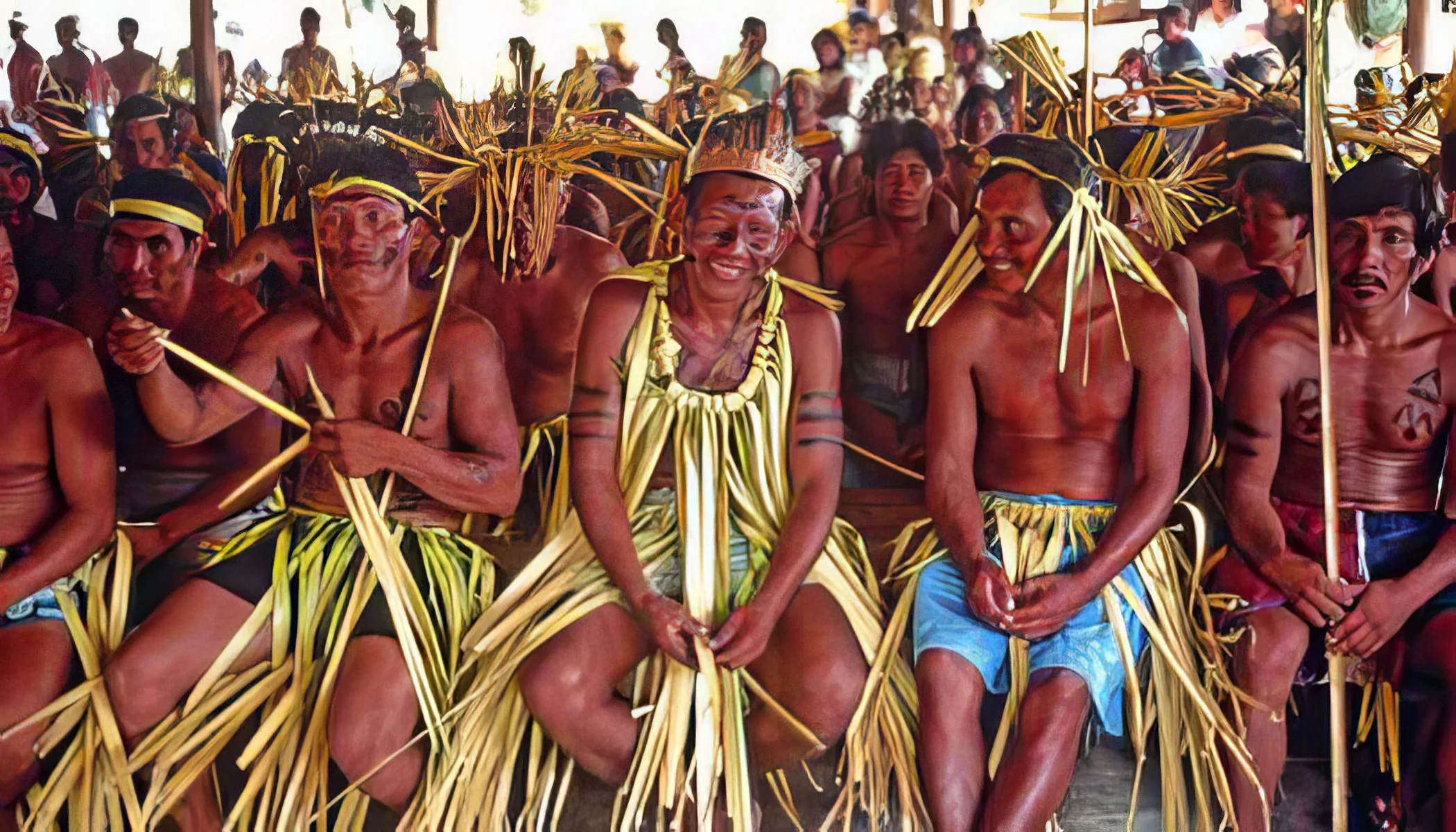
Guinea is rich in traditional music and dance performances:
– Djembe Drumming: Experience the powerful rhythms of djembe drumming, a key part of Guinean culture, often performed in Conakry.
– Ballet Africains: Enjoy this national dance troupe's pretty performances that showcase Guinea's diverse ethnic traditions and cultural heritage.
– Kora Music: Listen to the melodic sounds of the kora, a traditional string instrument, often played at cultural events across Guinea.
– Fula Flute Music: Discover the unique sounds of the Fula flute, integral to Fulani cultural expressions and celebrations throughout Guinea.
– Sosso-Bala Performance: Witness this ancient xylophone music from Boke, recognized by UNESCO as a Masterpiece of Oral and Intangible Heritage.
Events & Festivals
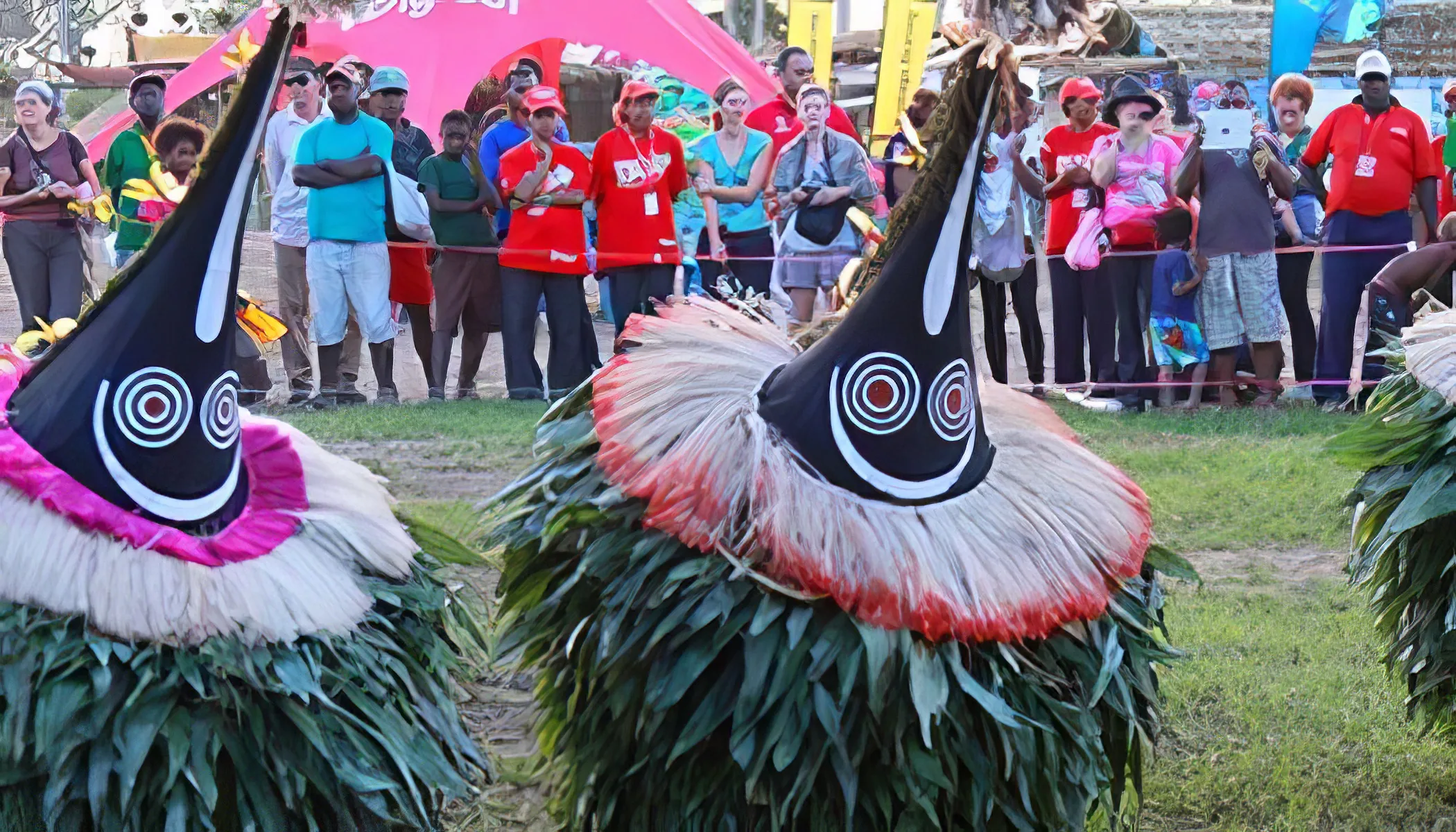
Guinea hosts several cultural and traditional events throughout the year, reflecting its diverse heritage:
– Independence Day: Celebrated on October 2 with parades and festivities marking Guinea's independence from France.
– Fête de la Musique: June 21 event featuring live music performances across the country.
– Conakry International Book Fair: Annual event promoting literature with book exhibitions and author talks.
– Ramadan: Observed by Muslims with fasting, prayer, and community gatherings, ending with Eid al-Fitr celebrations.
– Tabaski (Eid al-Adha): Islamic festival involving animal sacrifices and family feasts, celebrated annually.
– National Women's Day: March 8 celebration highlighting women's achievements and rights in Guinea.
– Christmas: Celebrated on December 25 by Christians with church services and family gatherings.
Famous People

Guinea has been home to several notable figures who have made significant impacts in politics, music, and sports.
– Ahmed Sékou Touré (1922 to 1984, Faranah): First President of Guinea, led the country to independence from France in 1958.
– Alpha Condé (born 1938, Boké): Politician and former President of Guinea, known for his efforts in political reform.
– Mory Kanté (1950 to 2020, Albadaria): Renowned musician famous for the hit song "Yéké Yéké," which gained international acclaim.
– Naby Keïta (born 1995, Conakry): Professional footballer playing for Liverpool FC and the Guinea national team.
– Sundiata Keita (circa 1217 to circa 1255, Niani): Founder of the Mali Empire; although not modern-day Guinea, he is a historical figure linked to the region.
Books

These books provide insights into Guinea's culture, history, and social dynamics through compelling narratives and personal experiences.
– "The Dark Child" by Camara Laye: Autobiographical novel depicting a young boy's life in colonial Guinea.
– "Allah is Not Obliged" by Ahmadou Kourouma: Follows a child soldier's harrowing journey through West African conflicts.
– "The Radiance of the King" by Camara Laye: A European man's quest for meaning in an African kingdom.
– "Waiting for the Wild Beasts to Vote" by Ahmadou Kourouma: Satirical tale of a fictional African dictator's rise and fall.
– "A Duty to the Dead" by Charles Todd: Although not set in Guinea, it touches on colonial influences in West Africa.
Songs
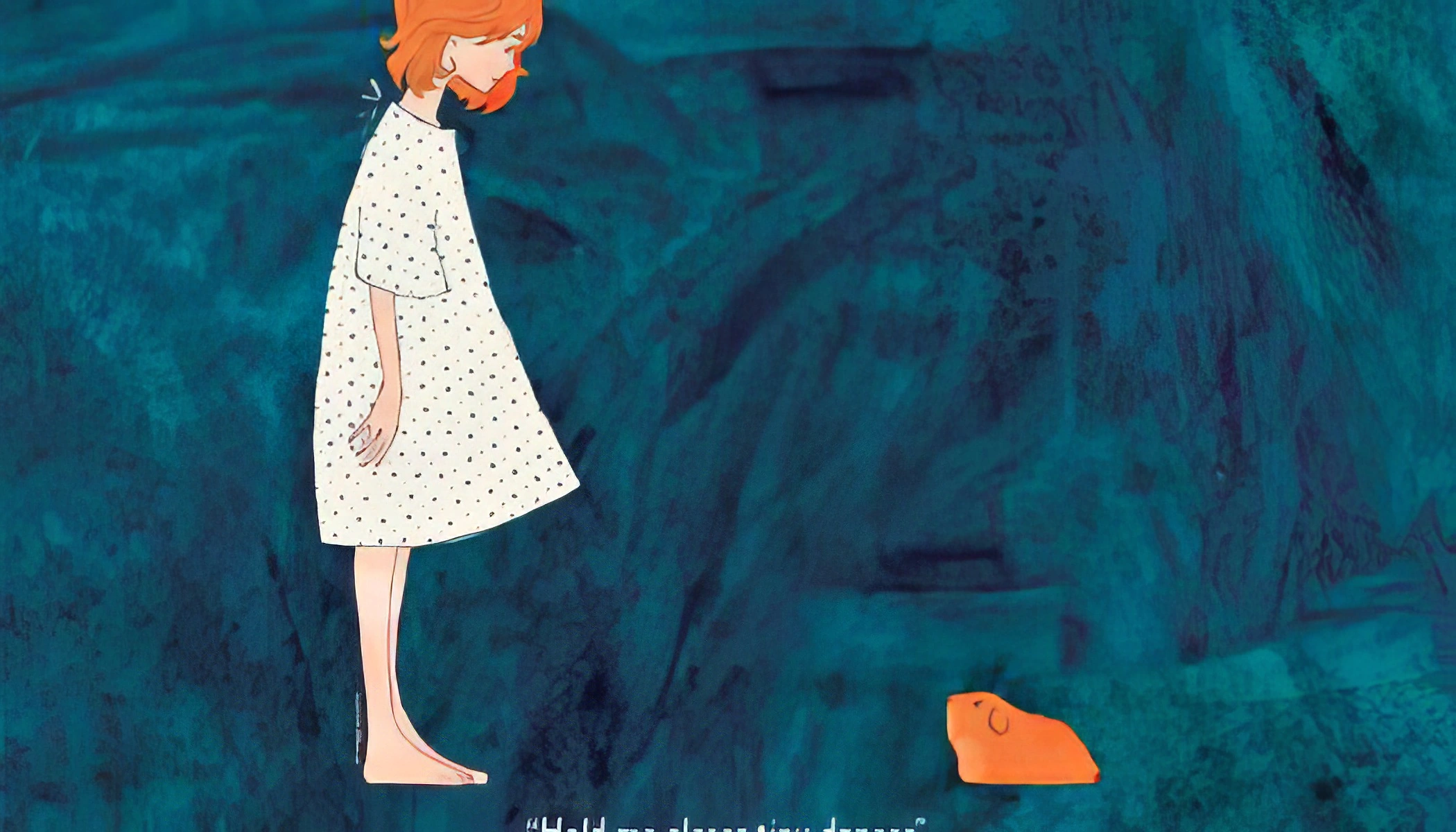
Guinea's music scene is rich with traditional rhythms and modern influences, reflecting the country's diverse cultural heritage.
– Yeke Yeke: Mory Kanté's global hit blending traditional Guinean sounds with electronic music.
– Sossouma: Salif Keita's song celebrating Mandinka culture and history.
– Mandjou: Salif Keita's tribute to Guinean President Sékou Touré, highlighting national pride.
– Nankoumandjan: Bembeya Jazz National's classic piece showcasing Guinea's nice musical tradition.
– Djarabi: A love song by Sekouba Bambino, featuring traditional Guinean melodies.
Films

Exploring Guinea through cinema provides a unique perspective on its culture and history:
– "Clouds Over Conakry": Cheick Fantamady Camara's film explores love, tradition, and modernity in Guinea's capital.
– "The Two Faces of a Bamileke Woman": A documentary by Rosine Mbakam reflecting on identity and cultural heritage.
– "Dakan": Mohamed Camara's groundbreaking film addresses homosexuality in West African society.
– "Sia, The Dream of the Python": Dani Kouyaté's adaptation of a traditional African legend set in a mythical kingdom.
– "Guinea: The Land of Hope": A documentary showcasing Guinea's landscapes and cultural diversity.