

Haiti Attractions & Travel Advice – Plan Your Visit
Located on the island of Hispaniola, this Caribbean nation is known for its charming culture and rich history. Despite facing economic challenges and natural disasters, it maintains a strong spirit. Its art, music, and traditions reflect a unique blend of influences.
- Capital
- Port-au-Prince
- Population
- 9.7 millions
- Superficy
- 28000 sq.km
- Months to Visit
- Nov. to March
- Living Cost
- Economical
Overview
Haiti is located on the island of Hispaniola in the Caribbean, sharing the island with the Dominican Republic. It was the first independent nation in Latin America and the Caribbean, gaining independence from France in 1804. The country has a rich cultural heritage, influenced by African, French, and indigenous Taíno traditions. Haiti faces significant challenges, including political instability, economic difficulties, and vulnerability to natural disasters like earthquakes and hurricanes. Despite these issues, it is known for its animated art scene and resilient spirit. Tourism is limited but provides unique experiences such as historical sites like the Citadelle Laferrière and beautiful beaches.
Pros & Cons
GOOD REASONS TO VISIT HAITI
– Rich Culture: Experience attractive music, art, and festivals reflecting Haiti's unique Afro-Caribbean heritage.
– Historical Sites: Explore the Citadelle Laferrière and Sans-Souci Palace, symbols of Haiti's independence.
– Beautiful Beaches: Enjoy wonderful beaches like Labadee and Jacmel for relaxation and water activities.
– Ecotourism Opportunities: Discover natural wonders like Bassin Bleu waterfalls and Pic Macaya National Park.
– Local Cuisine: Savor traditional dishes like griot, tassot, and spicy pikliz for a true taste of Haiti. CHALLENGES WHEN VISITING HAITI
– Political Instability: Frequent protests and unrest can affect travel plans; stay informed about current conditions.
– Limited Infrastructure: Roads and public services may be underdeveloped; expect travel delays in some areas.
– Safety Concerns: High crime rates in certain areas require caution; research safe regions before visiting.
Before Departure
Before traveling to Haiti, consider the following essential information:
– Passport: Ensure your passport is valid for at least six months beyond your intended stay.
– Visa: Many nationalities can enter visa-free for up to 90 days; check specific requirements based on nationality.
– Currency: Haitian Gourde (HTG); US dollars widely accepted; credit cards in urban areas; ATMs available but not widespread.
– Internet access: WiFi is available in hotels and cafes in major cities; local SIM cards offer data plans.
– Language barrier: Haitian Creole and French are official languages; English is not widely spoken outside tourist areas.
What to Pack
Visiting Haiti requires preparation for its tropical climate and consideration of local conditions and activities.
– Essentials: Passport, travel insurance, flight tickets, itinerary, accommodation details, and emergency contact information.
– Clothing: Lightweight clothing for warm weather, comfortable walking shoes, swimwear for beaches, hat and sunglasses for sun protection, raincoat or umbrella.
– Health & Safety: Prescription medications, basic first aid kit, insect repellent with DEET, sunscreen with high SPF, water purification tablets.
– Electronics: Travel adapter for Type A/B outlets (same as U.S.), mobile phone with charger, camera for capturing moments.
Weather
Haiti has a tropical climate with distinct wet and dry seasons:
– Winter (December to February): Dry season with cooler temperatures, especially in the mountains.
– Spring (March to May): Transition period with increasing temperatures and occasional rain showers.
– Summer (June to August): Hot and humid with frequent afternoon thunderstorms; hurricane season begins.
– Autumn (September to November): Continued hurricane risk, gradually decreasing rainfall towards November. The best time to visit Haiti is from December to March:
– Pros: Pleasant weather, minimal rainfall, and charming cultural events like Carnival.
– Cons: Higher tourist numbers can lead to increased prices and crowded attractions.
Travel Budget
Haiti supplies a range of budget-friendly options for travelers. Here are some average prices for common expenses:
– Hotel: 50$ to 150$
– Lunch: 5$ to 15$
– Beverage (in bar/restaurant): 2$ to 6$
– Coffee: 1.5$ to 3$
– Transportation: (train not available), (bus 0.5$ to 2$), (taxi /10km 10$ to 20$)
– Mobile data (per GB): 3$ to 7$
Language
Haitian Creole is the primary language spoken in Haiti, and here are some useful phrases for tourists:
– Hello: Bonjou
– Thank you: Mèsi
– Please: Souple
– How much is this?: Konbyen sa koute?
– Excuse me: Eskize mwen
– I don't understand: Mwen pa konprann
– Yes: Wi
– No: Non
– Goodbye: Orevwa
History
Originally inhabited by the Taíno people, the island was claimed by Spain in 1492 and later divided with France, which established the colony of Saint-Domingue. By the late 18th century, it became one of the wealthiest colonies due to sugar and coffee production, relying heavily on enslaved African labor. The Haitian Revolution began in 1791, led by figures like Toussaint Louverture and Jean-Jacques Dessalines, resulting in independence from France in 1804. This made it the first independent nation in Latin America and the Caribbean and the first post-colonial independent black-led nation in the world. Political instability followed independence, with numerous changes in leadership and foreign interventions throughout the 19th and 20th centuries. Despite challenges, including economic hardships and natural disasters, Haiti remains a symbol of resilience and a significant part of global history for its successful slave rebellion.
Geopolitics
Located on the island of Hispaniola in the Caribbean, Haiti shares its border with the Dominican Republic to the east. It is the first independent nation in Latin America and the Caribbean, having gained independence from France in 1804. The country has faced ongoing political instability, with frequent changes in government and challenges to democratic governance. Haiti's geopolitical significance is often linked to its strategic location near major shipping routes and its vulnerability to natural disasters, which have prompted international humanitarian assistance. Relations with neighboring countries and regional organizations like CARICOM (Caribbean Community) are crucial for trade and diplomatic support. The United States, Canada, and France are key international partners, often involved in aid and development efforts within Haiti.
Sample Itinerary
This itinerary covers Haiti's nice culture, historical landmarks, and natural beauty, offering a comprehensive experience of the country's highlights.
– 2 days in Port-au-Prince: Visit the National Museum, Iron Market, and explore local art at the Village Artistique de Noailles. Discover Haitian history at the Musée du Panthéon National Haïtien.
– 1 day in Jacmel: Explore colonial architecture and charming street art. Relax on nearby beaches and visit the Bassin Bleu waterfalls.
– 2 days in Cap-Haïtien: Tour the Citadelle Laferrière and Sans-Souci Palace. Walk through historic streets and enjoy local cuisine.
– 1 day in Labadee: Enjoy beach activities, water sports, or relax by the sea. Experience local crafts at the Artisan Market.
– 1 day in Île-à-Vache: Unwind on preserved beaches and explore small fishing villages. Engage with community tourism initiatives for a cultural experience.
Popular cities
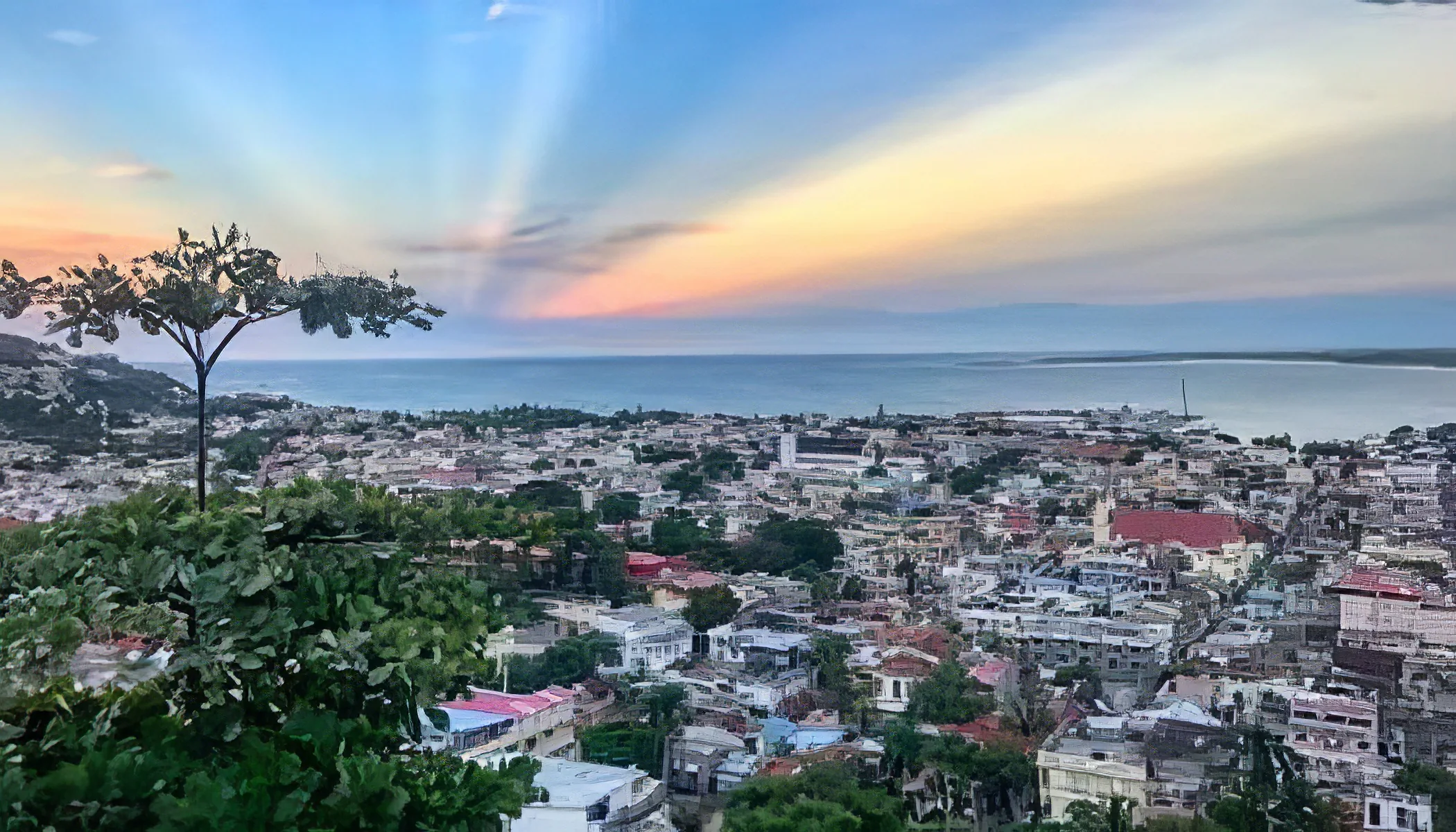
Explore Haiti's pretty culture and history through its notable cities:
– Port-au-Prince: The capital city offers museums, markets, and the Iron Market for a taste of local life.
– Cap-Haïtien: Known for its colonial architecture and proximity to the historic Citadelle Laferrière.
– Jacmel: A coastal town famous for its arts scene, colorful carnival, and beautiful beaches.
– Les Cayes: Supplies access to fascinating beaches and the nearby Île-à-Vache island.
– Gonaïves: Known as the "City of Independence," it holds historical significance in Haiti's history.
– Hinche: Provides access to Bassin Zim waterfalls and caves with ancient petroglyphs.
– Jérémie: Known as the "City of Poets," it features charming streets and a rich literary history.
Monuments
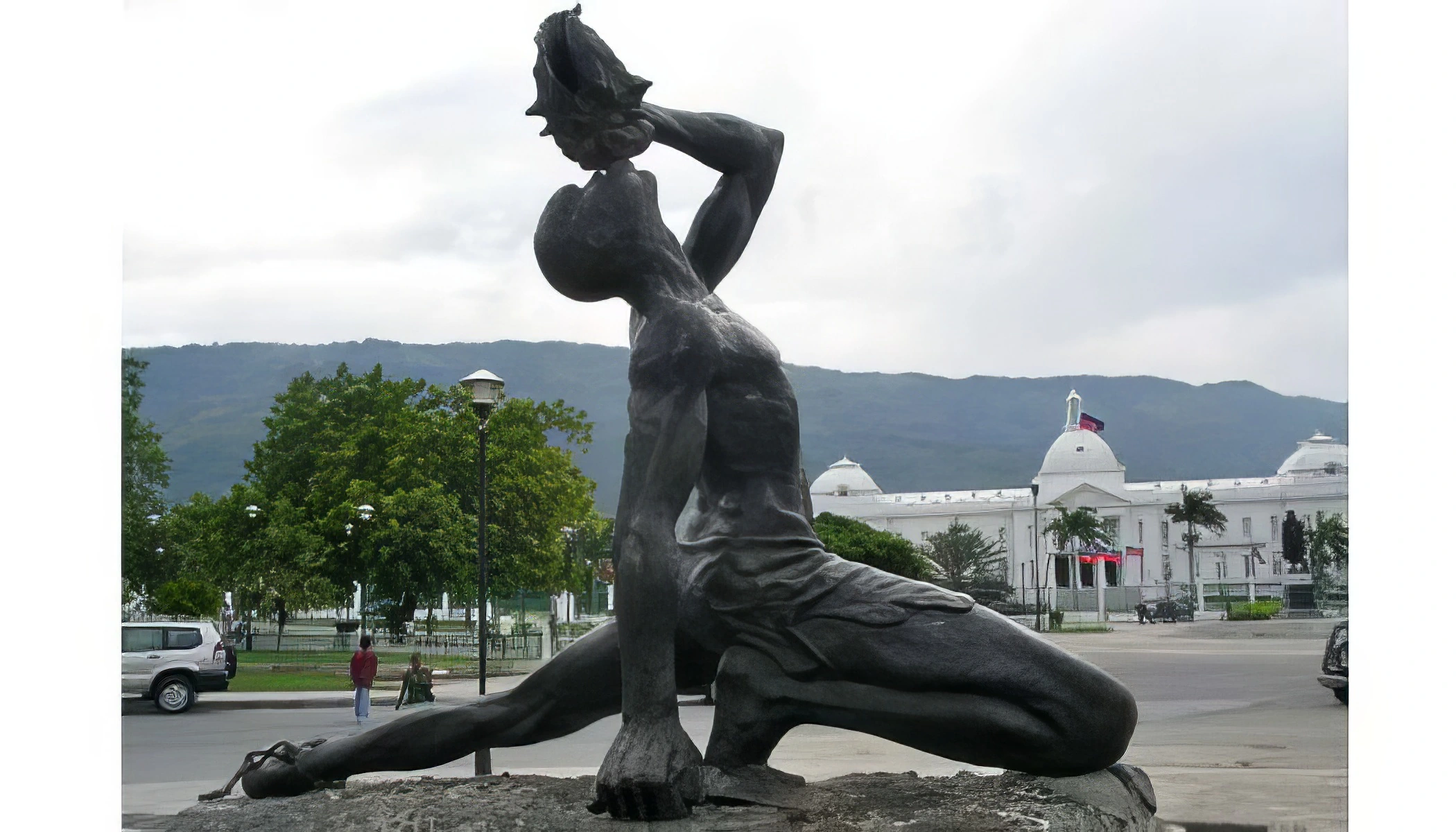
Haiti supplies several notable monuments reflecting its rich history and culture:
– Citadelle Laferrière: Massive mountaintop fortress symbolizing Haiti's independence.
– Sans-Souci Palace: Ruins of a royal palace, once home to King Henri Christophe.
– Iron Market, Port-au-Prince: Historic market known for its unique iron architecture and lively local trade.
– Cathedral of Our Lady of the Assumption, Port-au-Prince: Once a grand cathedral, now a symbol of resilience post-earthquake.
– Fort Jacques, Kenscoff: 18th-century fort built to defend against French forces.
– Musée du Panthéon National Haïtien (MUPANAH): Museum showcasing Haiti's history and heroes.
– Bassin Bleu, Jacmel: Natural waterfall site with cultural significance and scenic beauty.
– Gingerbread Houses, Port-au-Prince: Distinctive architectural style from the late 19th century with ornate wooden designs.
Natural wonder
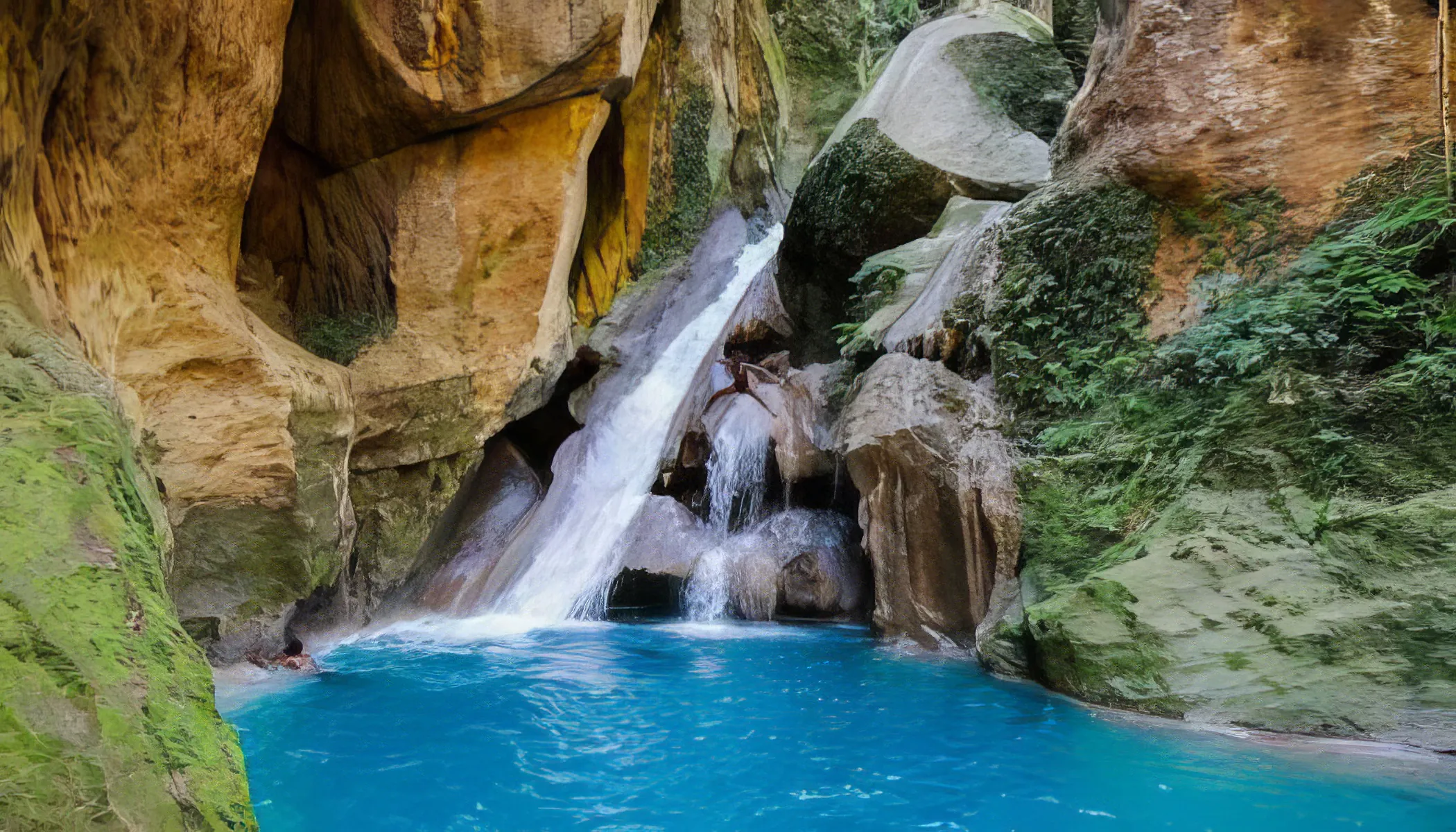
Explore Haiti's diverse natural landscapes:
– Bassin Bleu: A series of fascinating blue waterfalls and pools near Jacmel.
– Pic la Selle: Haiti's highest peak, offering panoramic views of the surrounding region.
– Labadee: Known for its attractive hills and clear waters, popular with cruise visitors.
– Saut-Mathurine: The largest waterfall in Haiti, located in the southwest region.
– Lake Azuei: A large saltwater lake near the Dominican border, home to diverse bird species.
– Macaya National Park: Features dense forests and unique biodiversity in the Massif de la Hotte.
– Citadelle Laferrière Surroundings: Offers scenic views from the fortress atop a mountain.
– Île-à-Vache: An island with luxurious vegetation and unspoiled natural beauty.
– Trou Caïman Lake: A freshwater lake known for its birdwatching opportunities.
– La Visite National Park: Provides mountainous terrain and rich biodiversity near Port-au-Prince.
Beaches
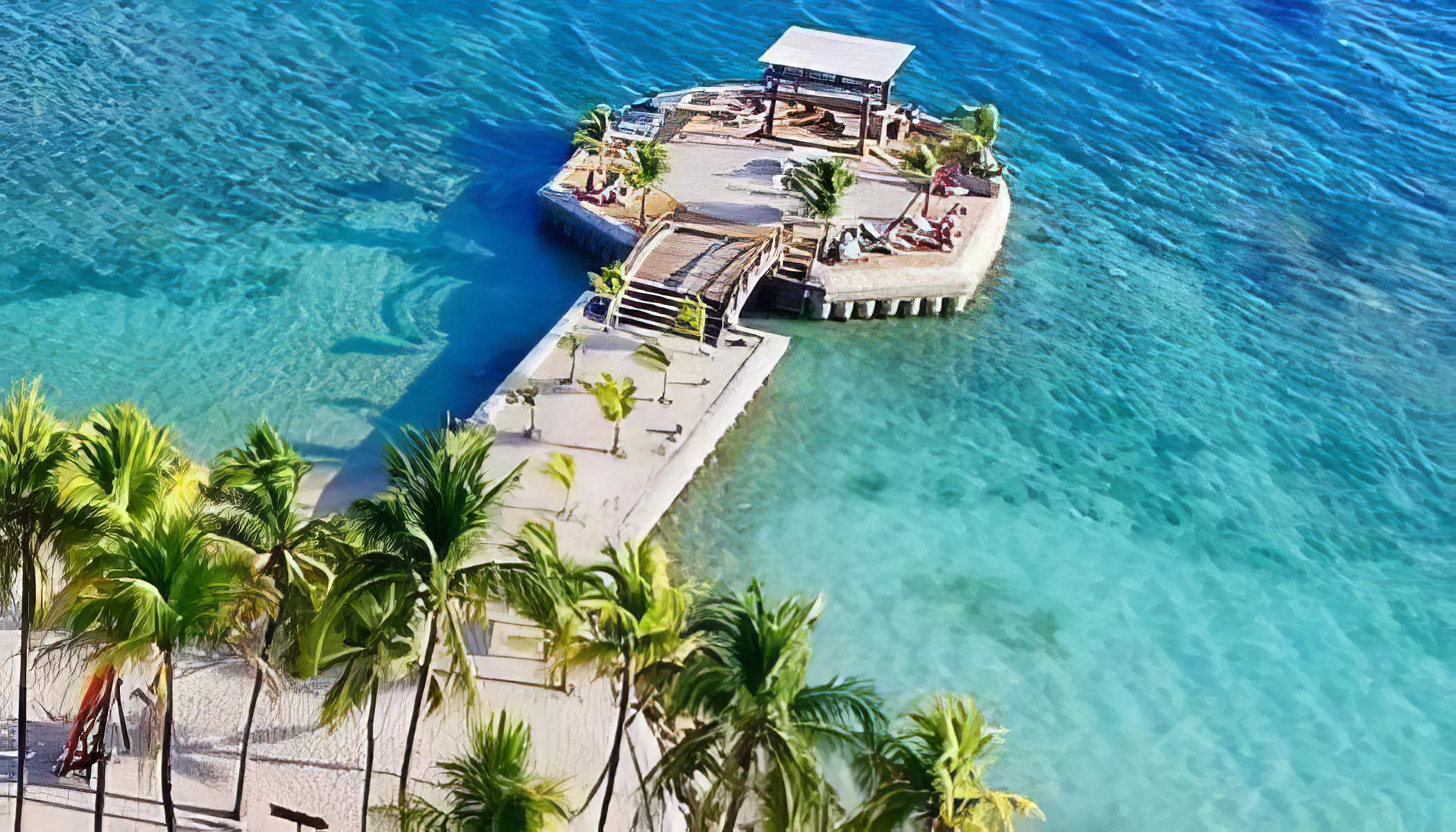
Haiti supplies several beautiful beaches along its coastline:
– Labadee: A private beach resort leased by Royal Caribbean with clear waters and water sports.
– Jacmel Beach: Known for its artistic vibe and nearby colonial architecture in Jacmel.
– Port-Salut Beach: Supplies white sands and calm waters, popular among locals.
– Île-à-Vache Beaches: Features secluded beaches with rich surroundings on a small island.
– Wahoo Bay Beach: A resort beach with clear waters, ideal for relaxation and snorkeling.
– Kokoye Beach: Accessible by boat, known for its preserved sands and turquoise waters.
– Gelee Beach: One of the longest beaches in Haiti, famous for local festivals.
Outdoor activities
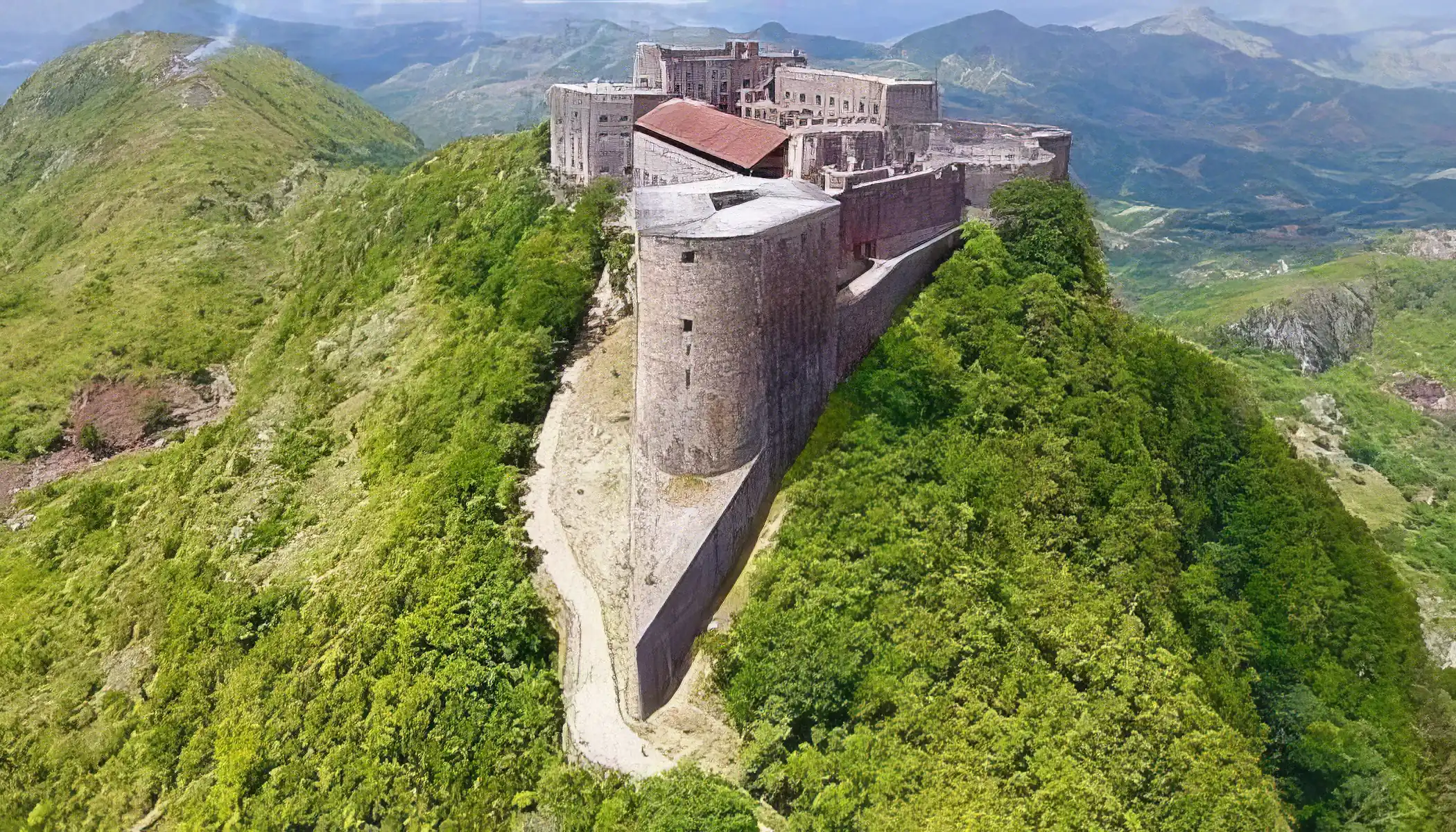
Haiti supplies unique outdoor experiences for those looking to explore its natural beauty:
– Hiking to the Citadelle Laferrière: Trek to a historic fortress with panoramic mountain views.
– Snorkeling at Labadee: Explore magnificient marine life in clear Caribbean waters.
– Exploring Bassin Bleu: Discover stunning waterfalls and natural pools in a lush setting.
– Kayaking in Jacmel Bay: Paddle along the scenic coastline and enjoy the peaceful waters.
– Visiting Pic Macaya National Park: Hike through diverse ecosystems and spot rare wildlife.
– Horseback Riding in Furcy: Ride through charming trails with mountain vistas.
– Caving at Grotte Marie Jeanne: Explore one of the largest cave systems in the Caribbean.
Kid Friendly
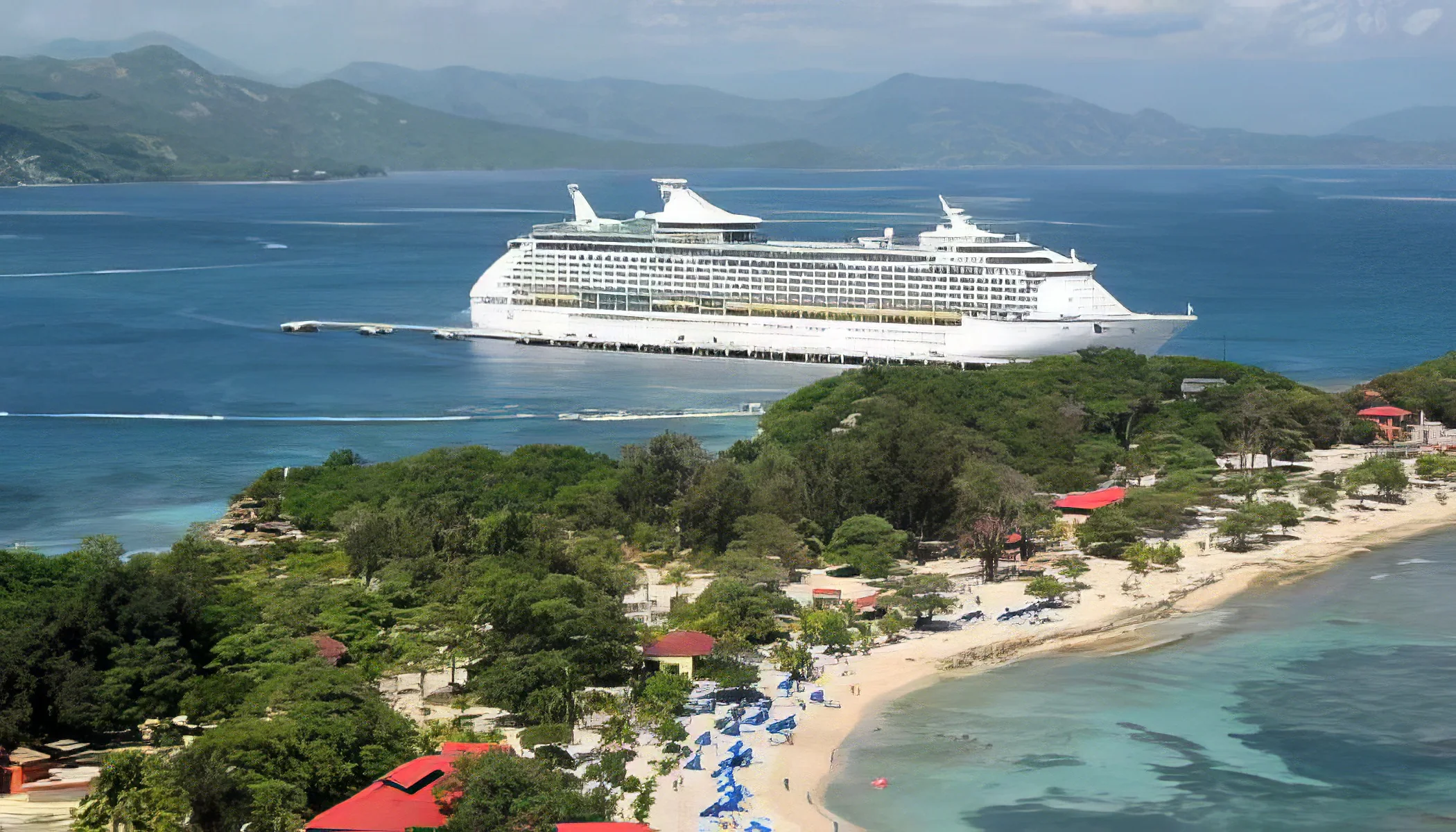
Haiti provides several engaging activities for children to enjoy.
– Bassin Bleu: A series of beautiful waterfalls and pools perfect for swimming and exploring nature.
– Parc Historique de la Canne à Sucre: An open-air museum showcasing Haiti's sugar industry history with old machinery and trains.
– Labadee Beach: A private beach resort area with calm waters ideal for family relaxation and water sports.
– Musée du Panthéon National Haïtien: A museum offering insights into Haiti's history with artifacts that can intrigue young minds.
– Jacmel Arts Center: A place where kids can engage in art workshops and see lively local artwork.
– Fort Jacques: An old fort offering panoramic views and a chance to learn about Haiti's colonial past.
– Saut-Mathurine Waterfall: The largest waterfall in Haiti, great for a family picnic and nature exploration.
– Wynne Farm Ecological Reserve: An educational farm where kids can learn about sustainable farming practices.
Cuisine
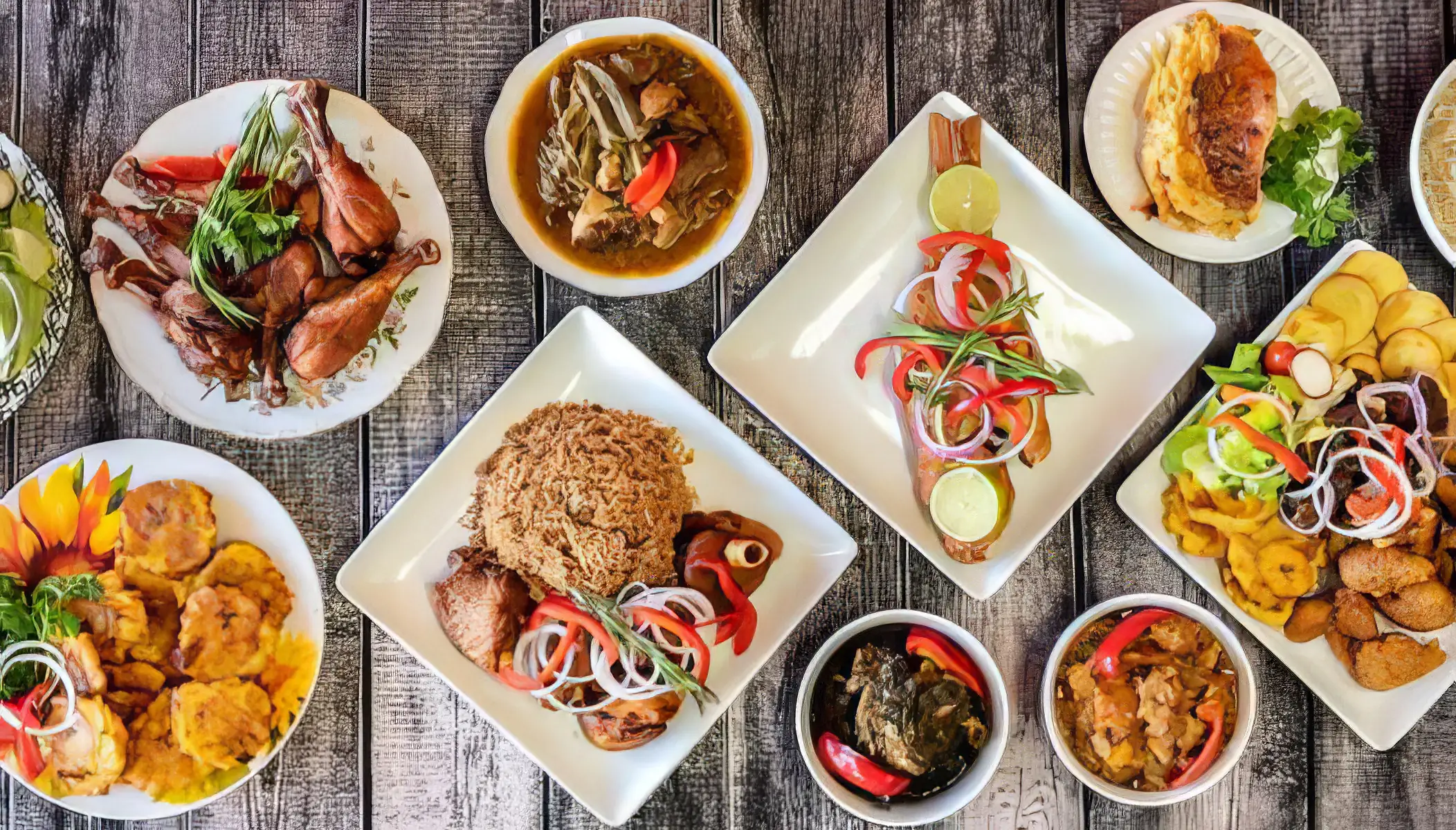
Haitian cuisine is a remarkable mix of African, French, and Caribbean influences, characterized by bold flavors and hearty ingredients. It often features rice, beans, and meats with spicy seasonings. Street vendors and local markets are key to experiencing authentic Haitian dishes. Most famous cuisine in Haiti are:
– Griot: Marinated fried pork chunks served with pikliz and rice.
– Tasso: Spicy fried beef or goat pieces often paired with plantains.
– Joumou Soup: Pumpkin soup with beef, vegetables, and pasta traditionally eaten on New Year's Day.
– Diri Ak Djon Djon: Black mushroom rice dish cooked with spices and seafood.
– Akasan: Sweet cornmeal drink flavored with vanilla and cinnamon.
Souvenir
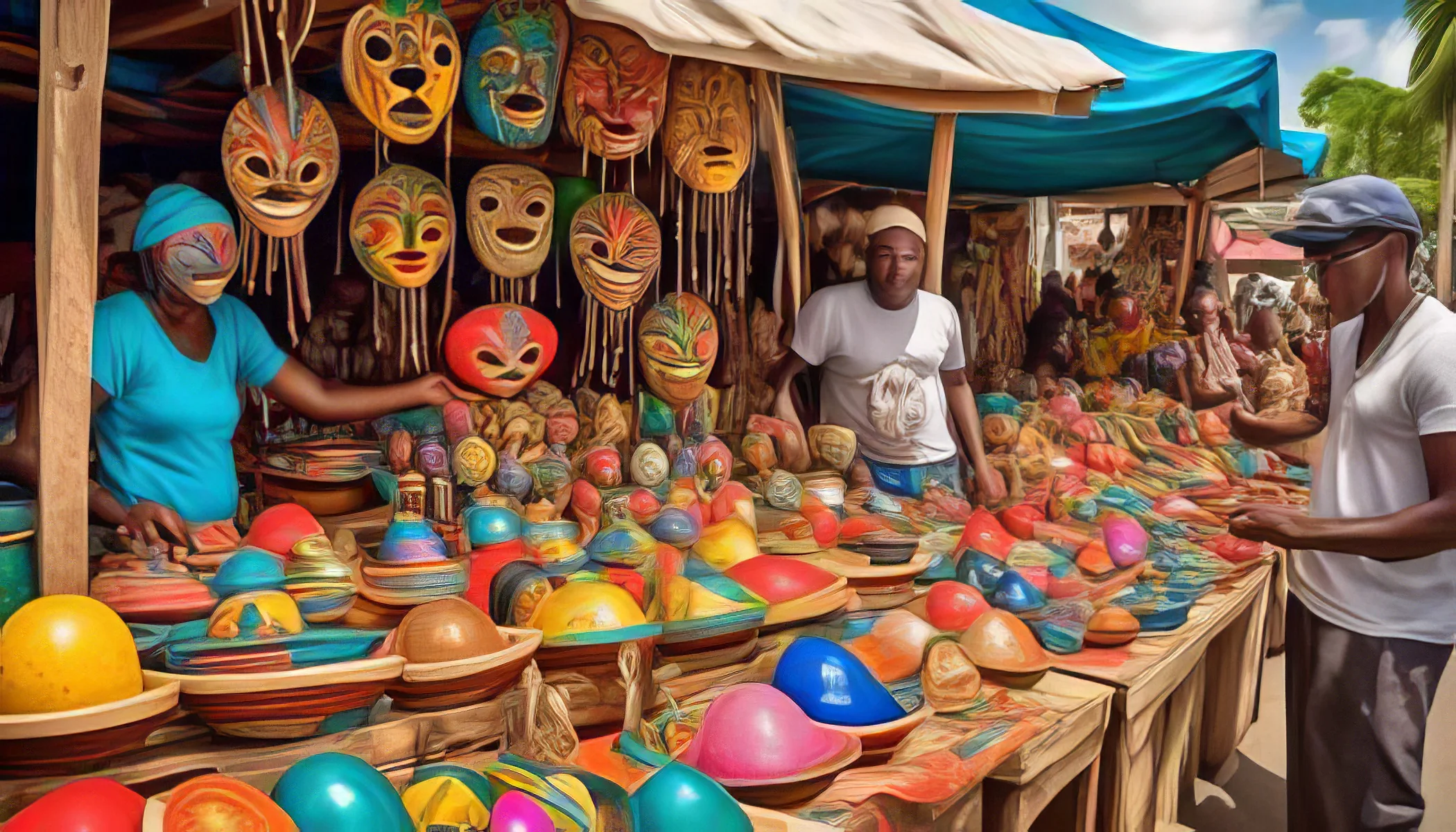
Haiti provides a variety of unique and culturally rich souvenirs for visitors. Here are some popular options:
– Metal Art: Crafted from recycled oil drums, these nice pieces are a testament to Haitian creativity.
– Paintings: Animated and colorful, Haitian paintings often depict local life and landscapes.
– Vodou Flags: These sequined flags are used in Vodou ceremonies and make for unique decorative items.
– Straw Hats and Bags: Handmade from local materials, these items are both practical and stylish.
– Coffee: Haitian coffee is known for its rich flavor and makes a great gift for coffee lovers.
– Wooden Carvings: Skilled artisans create detailed carvings depicting various aspects of Haitian culture.
– Jewelry: Handmade jewelry using local materials like seeds, wood, and stones is widely available.
Traditional Shows
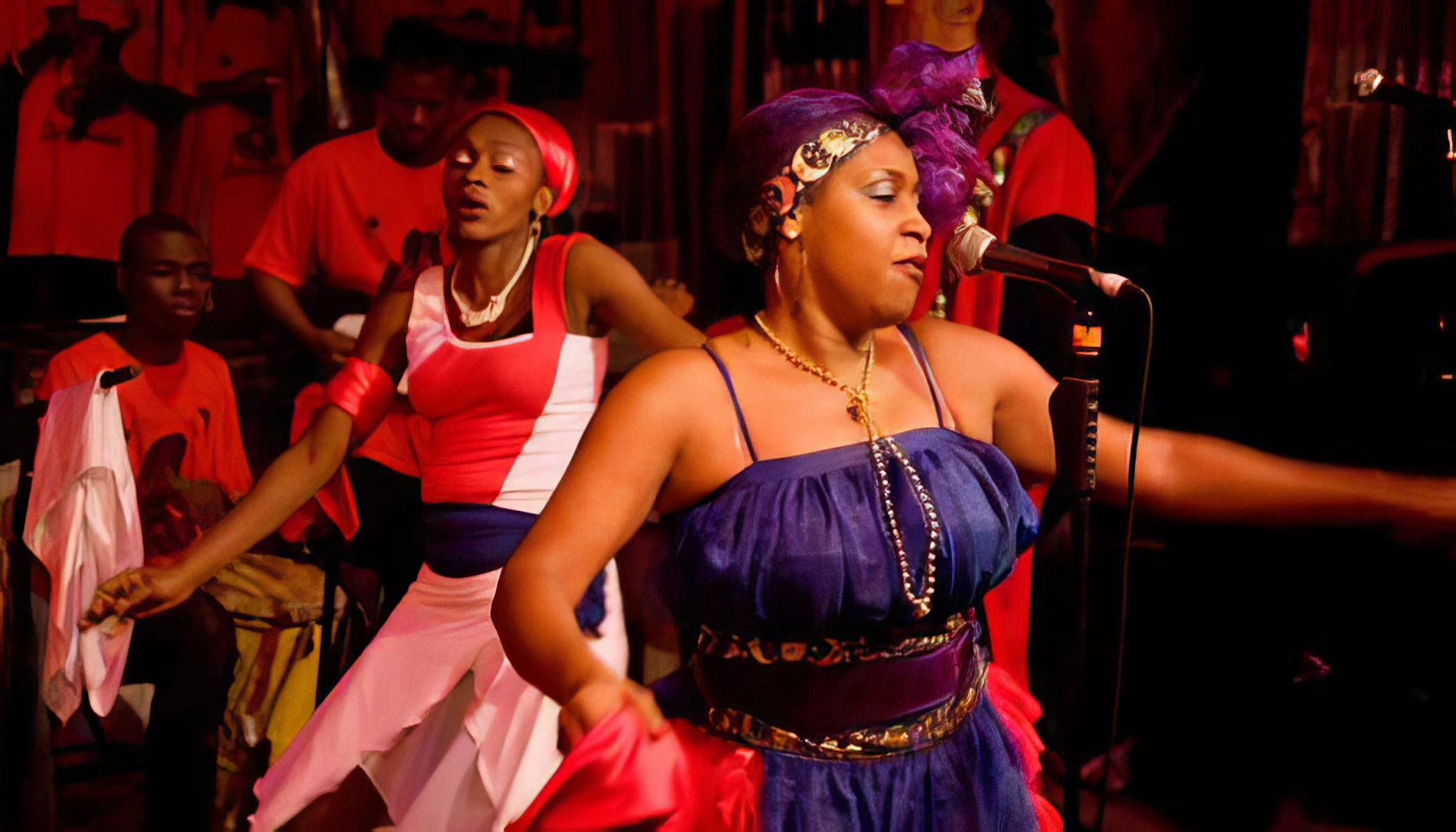
Haiti provides animated traditional performances:
– Rara Music: Experience lively street processions with drums, bamboo instruments, and singing during Easter in Port-au-Prince.
– Vodou Ceremonies: Witness spiritual rituals with drumming, chanting, and dancing that reflect Haiti's cultural and religious heritage.
– Konpa Dance: Enjoy this popular Haitian music genre with rhythmic beats and partner dancing at local clubs in Port-au-Prince.
– Yanvalou Dance: Observe this traditional dance rooted in Vodou practices, characterized by fluid movements and rhythmic drumming.
– Twoubadou Music: Listen to acoustic guitar-based songs that blend Haitian folk with Latin influences, often performed at local gatherings.
Events & Festivals
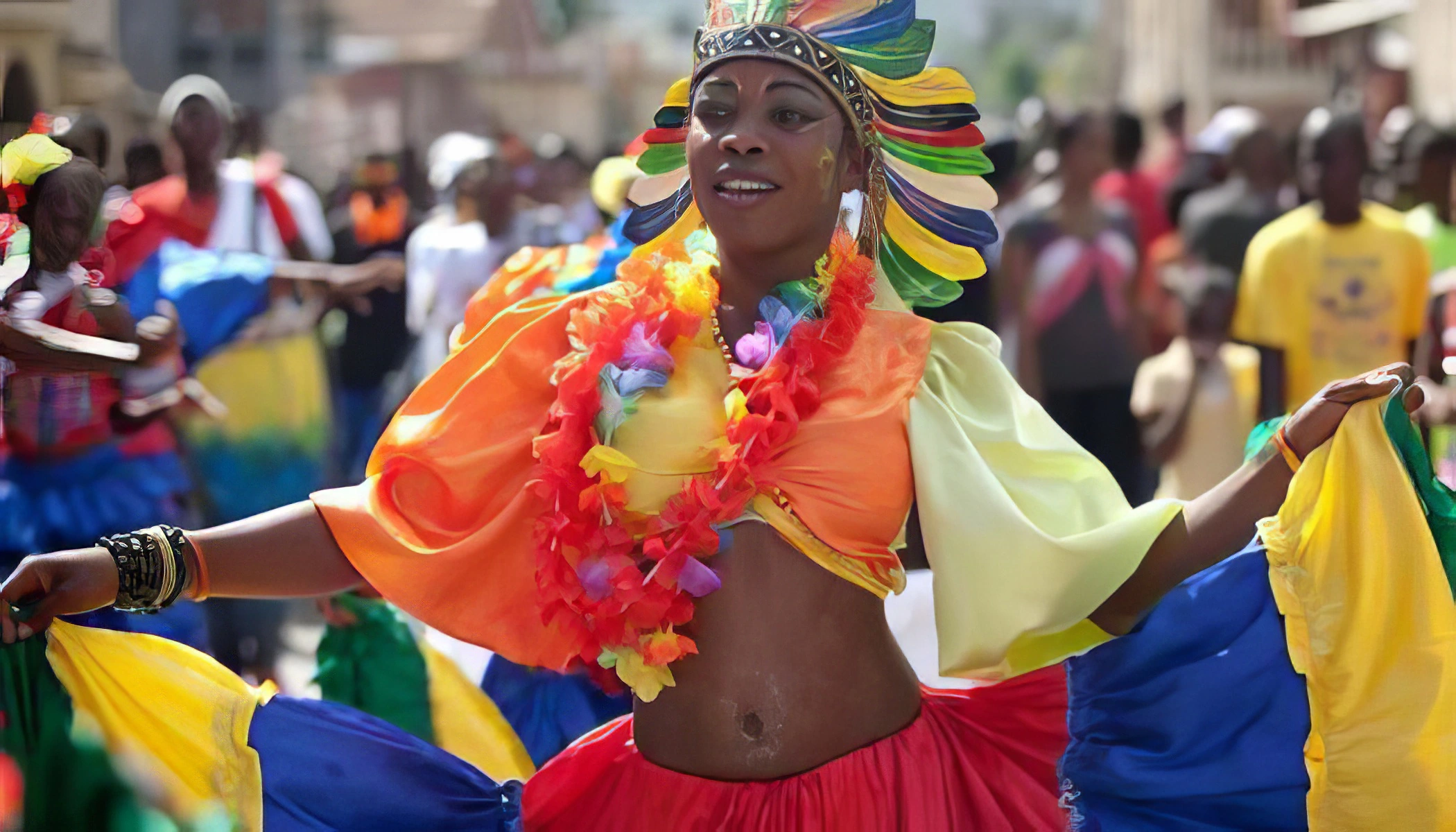
Haitians celebrate a variety of vibrant events and festivals throughout the year:
– Independence Day: Celebrated on January 1, marking Haiti's independence with parades and traditional soup joumou.
– Carnival: February event featuring colorful parades, music, and dancing in Port-au-Prince and other cities.
– Rara Festival: Lenten season street processions with music, dance, and traditional instruments.
– Dessalines Day: October 17 holiday honoring Jean-Jacques Dessalines with ceremonies and speeches.
– Jacmel Film Festival: Annual December event showcasing local and international films in the coastal town of Jacmel.
– Fête Gede: November 1-2 Vodou festival celebrating ancestors with rituals, music, and offerings.
– Carifesta: Regional arts festival hosted occasionally in Haiti, featuring Caribbean culture through performances and exhibitions.
Famous People

Haiti has a rich history of influential figures who have made significant contributions to politics, arts, and culture.
– Toussaint Louverture (1743 to 1803, Cap-Haïtien): Leader of the Haitian Revolution who played a key role in Haiti's independence.
– Jean-Jacques Dessalines (1758 to 1806, Grande-Rivière-du-Nord): Revolutionary leader and first ruler of independent Haiti after defeating French forces.
– Wyclef Jean (born 1969, Croix-des-Bouquets): Grammy-winning musician and producer known for his work with The Fugees and solo career.
– Edwidge Danticat (born 1969, Port-au-Prince): Acclaimed author known for her novels and stories exploring Haitian identity and diaspora.
– Michaëlle Jean (born 1957, Port-au-Prince): Journalist and former Governor General of Canada, promoting multiculturalism and social justice.
Books

These books provide insights into Haiti's rich culture, history, and the resilience of its people through various narratives.
– "The Farming of Bones" by Edwidge Danticat: Chronicles the 1937 Parsley Massacre affecting Haitians in the Dominican Republic.
– "Krik? Krak!" by Edwidge Danticat: Collection of stories depicting Haitian life and struggles.
– "The Comedians" by Graham Greene: Set in Haiti under Duvalier's regime, exploring political turmoil and personal morality.
– "Brother, I'm Dying" by Edwidge Danticat: Memoir intertwining family history with Haiti's political landscape.
– "Masters of the Dew" by Jacques Roumain: Classic novel about community and hope amidst rural Haitian life.
Songs
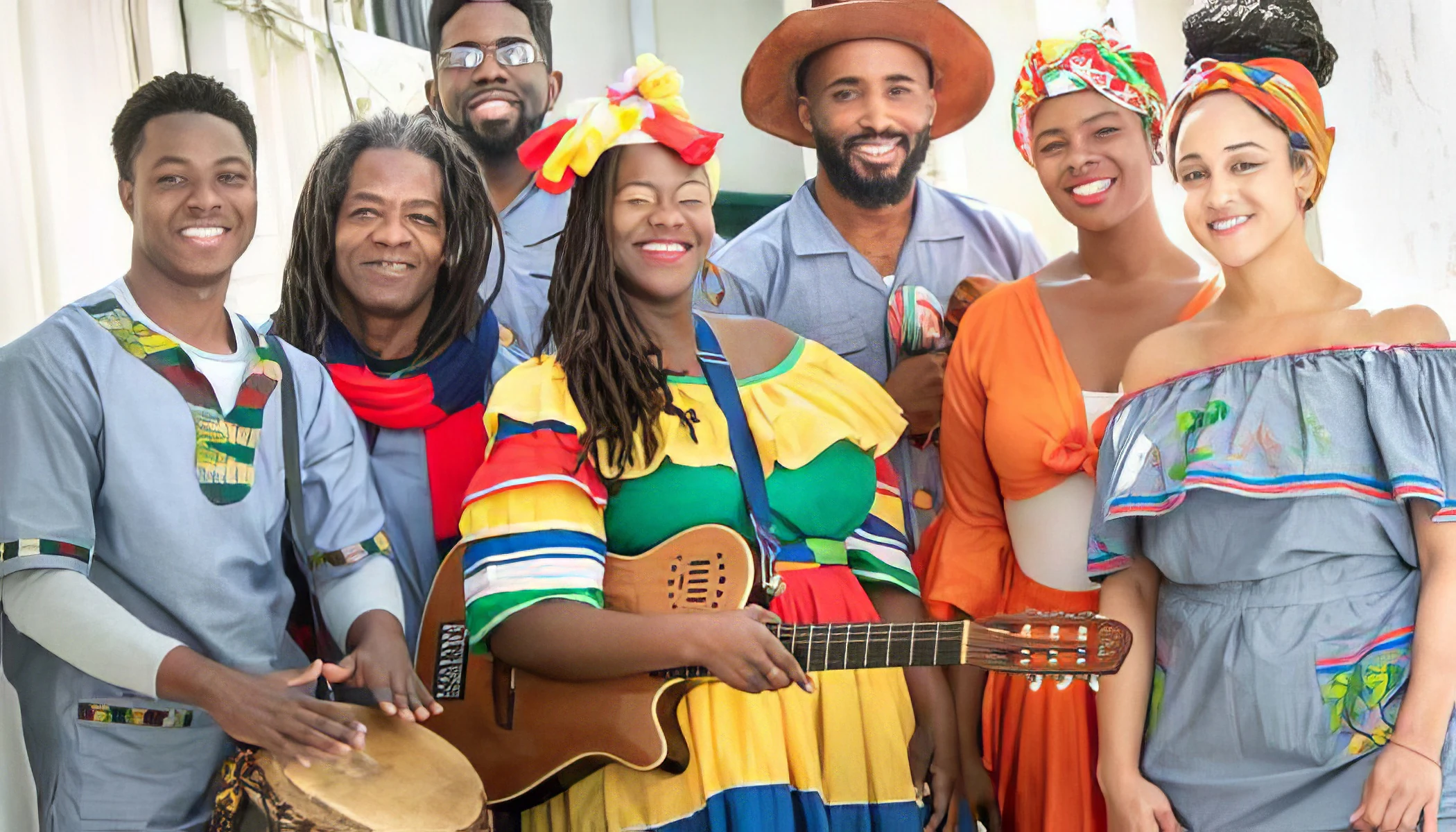
Haitian music is rich with cultural influences, blending traditional rhythms with modern sounds to create memorable and impactful songs.
– Ayiti Se: A patriotic anthem by Boukman Eksperyans celebrating Haiti's spirit and resilience.
– Carnival: Wyclef Jean's hit song that showcases Haitian culture and pretty carnival traditions.
– Dekole: A popular track by J Perry that became an uplifting anthem for Haiti's progress.
– La Dessalinienne: Haiti's national anthem, embodying the country's history and pride.
– Anba Radyo: A classic by Manno Charlemagne reflecting on social issues in Haiti.
– Nou Se Wozo: Emeline Michel's song highlighting the strength and resilience of the Haitian people.
Films

Explore the cinematic portrayal of Haiti through these notable films:
– "The Serpent and the Rainbow": Wes Craven's horror film explores Haitian voodoo and zombification, inspired by true events.
– "Moloch Tropical": Raoul Peck's political drama depicts a fictional Haitian president facing turmoil on the eve of a national celebration.
– "Lumumba": Directed by Raoul Peck, this film chronicles the rise and fall of Congolese leader Patrice Lumumba, with scenes shot in Haiti.
– "Royal Bonbon": Charles Najman's film follows a man who believes he is King Christophe, exploring themes of power and delusion.
– "Haiti: Dreams of Democracy": Jonathan Demme's documentary captures Haiti's struggle for democracy during the 1990s political upheaval.