

Explore Honduras: Culture, Cities & Places to Visit
Located in Central America, this country features Caribbean coastlines and mountainous interiors. Known for its Mayan ruins at Copán and rich biodiversity, it supplies rainforests and coral reefs. Economic challenges persist, but its cultural heritage and natural beauty attract visitors.
- Capital
- Tegucigalpa
- Population
- 8 millions
- Superficy
- 113000 sq.km
- Months to Visit
- Nov. to April.
- Living Cost
- Economical
Overview
Honduras is a Central American country bordered by Guatemala, El Salvador, and Nicaragua. Its capital is Tegucigalpa, and it features diverse landscapes, including mountains, rainforests, and Caribbean coastlines. The country is known for its Mayan ruins at Copán and the Bay Islands, which are popular for diving and snorkeling. Agriculture plays a significant role in the economy, with coffee and bananas as key exports. Honduras faces challenges such as poverty and crime but also provides rich cultural traditions and natural beauty. Efforts are ongoing to improve infrastructure and promote tourism as a means of economic development.
Pros & Cons
GOOD REASONS TO VISIT HONDURAS
– Natural Beauty: Explore beautiful rainforests, gorgeous waterfalls, and diverse wildlife in national parks like Pico Bonito.
– Wonderful Beaches: Roatán and Utila offer beautiful beaches, clear waters, and excellent diving spots in the Caribbean.
– Rich Mayan History: Visit Copán Ruins to see impressive Mayan sculptures and hieroglyphics, a UNESCO World Heritage site.
– Dynamic Culture: Experience traditional music, dance, and festivals reflecting Honduras' diverse cultural heritage.
– Adventure Activities: Enjoy zip-lining, hiking, and white-water rafting for thrill-seekers in various natural settings. CHALLENGES WHEN VISITING HONDURAS
– Safety Concerns: High crime rates in certain areas; research destinations and stay informed about local safety advice.
– Limited Infrastructure: Rural areas may lack reliable transportation and amenities; plan logistics carefully.
– Language Barrier: Spanish is the primary language; English speakers may face communication challenges outside tourist areas.
Before Departure
Before traveling to Honduras, consider the following essential information:
– Passport: Ensure your passport is valid for at least six months beyond your entry date.
– Visa: Many nationalities can enter visa-free for up to 90 days; check specific requirements based on nationality.
– Currency: Honduran Lempira (HNL); credit cards accepted in cities; ATMs widely available but carry cash in rural areas.
– Internet access: WiFi is common in hotels and cafes in urban areas; consider purchasing a local SIM card for reliable data.
– Language barrier: Spanish is the official language; English is spoken in tourist areas, especially on the Bay Islands.
What to Pack
Honduras offers diverse experiences from beaches to rainforests, so packing appropriately is key for a comfortable trip.
– Essentials: Passport, travel insurance, flight tickets, itinerary, accommodation confirmations, and any necessary visas or entry requirements.
– Clothing: Lightweight clothing for warm weather, sturdy hiking shoes, swimwear for beaches, rain jacket for wet season, hat and sunglasses.
– Health & Safety: Prescription medications, basic first aid kit, insect repellent with DEET, sunscreen with high SPF.
– Electronics: Travel adapter for Honduran outlets (Type A/B), mobile phone with charger, camera or smartphone for photos.
Weather
Weather in Honduras is tropical with distinct wet and dry seasons:
– Winter (December to February): Generally dry and cooler, especially in the highlands.
– Spring (March to May): Hot and dry, with increasing temperatures and humidity.
– Summer (June to August): Rainy season begins, particularly on the Caribbean coast; inland areas remain warm.
– Autumn (September to November): Peak of the rainy season, with potential for hurricanes, especially along the coast. The best time to visit Honduras is from December to April:
– Pros: Dry weather ideal for exploring beaches and Mayan ruins; pleasant temperatures in highlands.
– Cons: Higher tourist numbers can lead to crowded attractions and increased prices.
Travel Budget
Honduras supplies a range of budget-friendly options for travelers. Here are some average prices for common expenses:
– Hotel: 30$ to 120$
– Lunch: 3$ to 10$
– Beverage (in bar/restaurant): 2$ to 5$
– Coffee: 1$ to 3$
– Transportation: (bus 0.5$ to 2$), (taxi /10km 5$ to 15$)
– Mobile data (per GB): 2$ to 4$
Language
In Honduras, Spanish is the official language and knowing some basic phrases can be very helpful for tourists.
– Hello: Hola
– Thank you: Gracias
– Please: Por favor
– How much is this?: ¿Cuánto cuesta esto?
– Excuse me: Perdón
– I don't understand: No entiendo
– Yes: Sí
– No: No
– Goodbye: Adiós
History
The region was originally inhabited by indigenous peoples, including the Maya. In 1502, Christopher Columbus arrived on the coast, leading to Spanish colonization in the early 16th century. Honduras gained independence from Spain in 1821 and briefly joined the Mexican Empire before becoming part of the Central American Federation. After the federation dissolved in 1838, it became a separate republic. The late 19th and early 20th centuries saw political instability and foreign influence, particularly from U.S. banana companies. In recent decades, Honduras has faced challenges such as political coups, economic difficulties, and social issues but continues to work towards stability and development.
Geopolitics
Located in Central America, Honduras shares borders with Guatemala to the west, El Salvador to the southwest, and Nicaragua to the southeast, with coastlines on both the Caribbean Sea and the Pacific Ocean. It is a republic with a history of political instability, including military coups and contested elections. The country faces significant challenges related to crime and corruption, which impact its domestic and international relations. Honduras is part of regional organizations like the Central American Integration System (SICA) and engages in trade agreements such as CAFTA-DR with the United States. Migration issues are central to its geopolitical landscape, as many Hondurans migrate northward due to economic hardship and violence. The country seeks international aid and cooperation to address these challenges while striving for economic development and stability.
Sample Itinerary
This itinerary covers the natural beauty, cultural heritage, and historical sites of Honduras, including Copán Ruinas, Roatán, and La Ceiba.
– 2 days in Copán Ruinas: Explore the Mayan ruins with complex stelae and hieroglyphic stairway. Visit the Sculpture Museum and Macaw Mountain Bird Park.
– 3 days in Roatán: Relax on West Bay Beach, snorkel or dive in coral reefs. Visit Gumbalimba Park and explore local culture in West End Village.
– 1 day in La Ceiba: Discover Pico Bonito National Park with hiking trails and waterfalls. Experience local life at the turbulent market.
– 1 day in Tegucigalpa: Tour the National Art Gallery, visit historic churches like Los Dolores, and enjoy views from El Picacho Hill.
Popular cities
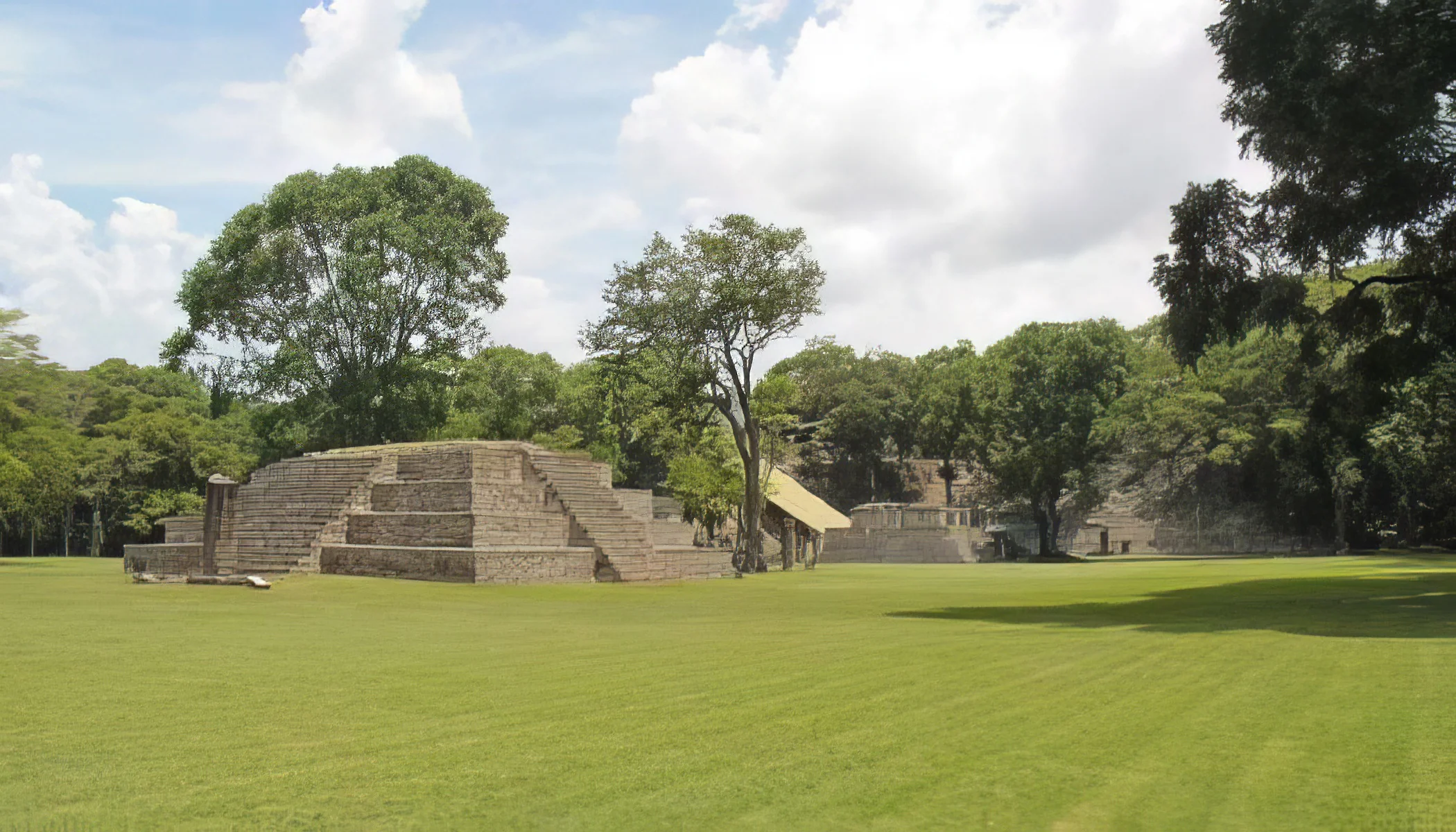
Explore the diverse cities of Honduras, each offering unique experiences for travelers:
– Tegucigalpa: The capital city features colonial architecture, museums, and nice markets.
– San Pedro Sula: Known as an industrial hub, it supplies shopping and access to nearby natural attractions.
– La Ceiba: A gateway to the Bay Islands, famous for its lively carnival and eco-tourism opportunities.
– Roatán: Part of the Bay Islands, it's renowned for beautiful beaches and excellent diving spots.
– Copán Ruinas: Home to the ancient Mayan ruins, a UNESCO World Heritage site with rich history.
– Tela: Supplies beautiful beaches and is close to national parks with diverse wildlife.
– Trujillo: Known for its historical significance and charming beaches along the Caribbean coast.
Monuments
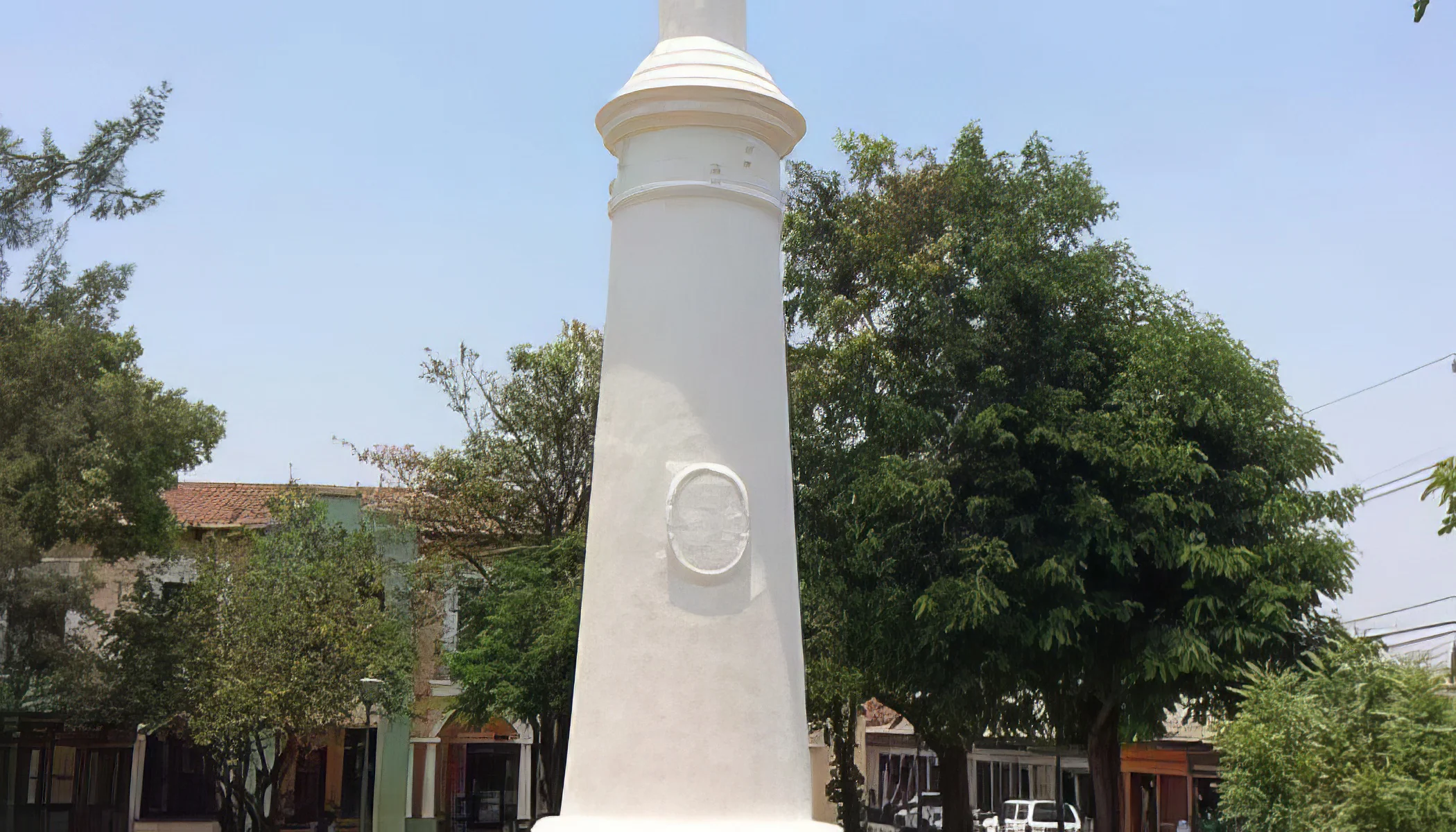
Honduras supplies several notable monuments to explore:
– Copán Ruins: Ancient Mayan city known for its sophisticated stone carvings and hieroglyphic stairway.
– Fortaleza de San Fernando, Omoa: 18th-century Spanish fortress built to protect against pirates.
– Comayagua Cathedral: Colonial-era cathedral with one of the oldest clocks in the Americas.
– El Puente Archaeological Site: Lesser-known Mayan site featuring plazas and pyramids.
– La Merced Church, Tegucigalpa: Historic church with a blend of Baroque and colonial architecture.
– Lancetilla Botanical Garden, Tela: One of the largest tropical botanical gardens in the world.
– Santa Bárbara Fort, Trujillo: Historic fort offering views of Trujillo Bay and Caribbean Sea.
– Caxa Real, Comayagua: Former royal treasury building showcasing colonial architecture.
Natural wonder
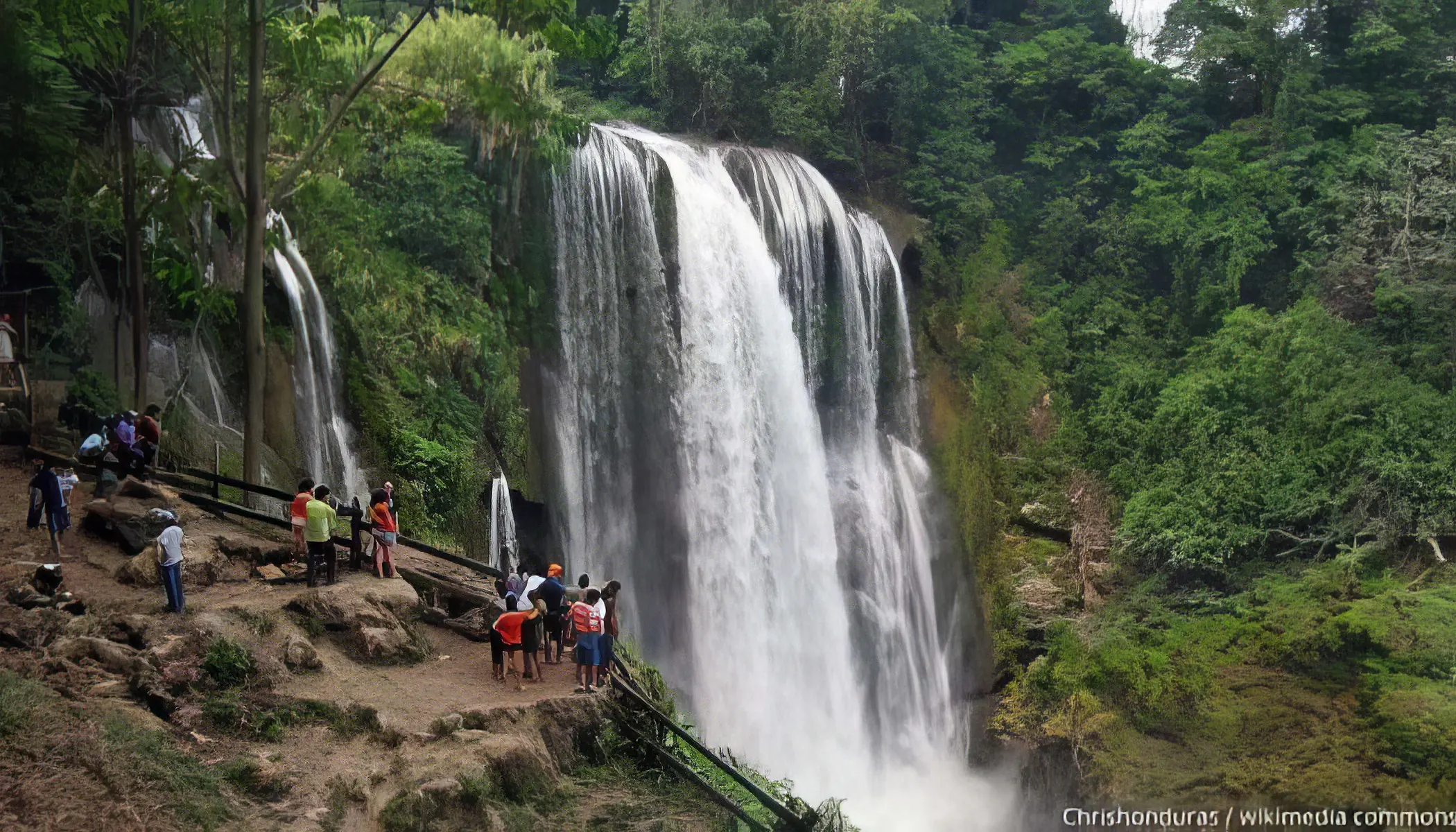
Explore the diverse natural wonders of Honduras:
– Pico Bonito National Park: Provides rich rainforests and diverse wildlife near La Ceiba.
– Lake Yojoa: Largest lake in Honduras, surrounded by mountains and rich birdlife.
– Cusuco National Park: Known for cloud forests and unique biodiversity in the Merendón mountain range.
– Río Plátano Biosphere Reserve: UNESCO site with tropical rainforest and indigenous communities.
– Celaque National Park: Home to Honduras' highest peak, Cerro Las Minas, with cloud forests.
– Cayos Cochinos: Group of small islands with coral reefs and clear waters.
– La Tigra National Park: Offers hiking trails through cloud forests near Tegucigalpa.
– Copán Ruinas Hot Springs: Natural hot springs set amidst abundant surroundings near ancient ruins.
– Lancetilla Botanical Garden: One of the largest botanical gardens in the world, near Tela.
– Guaimoreto Lagoon Wildlife Refuge: Coastal lagoon known for mangroves and diverse bird species.
Beaches
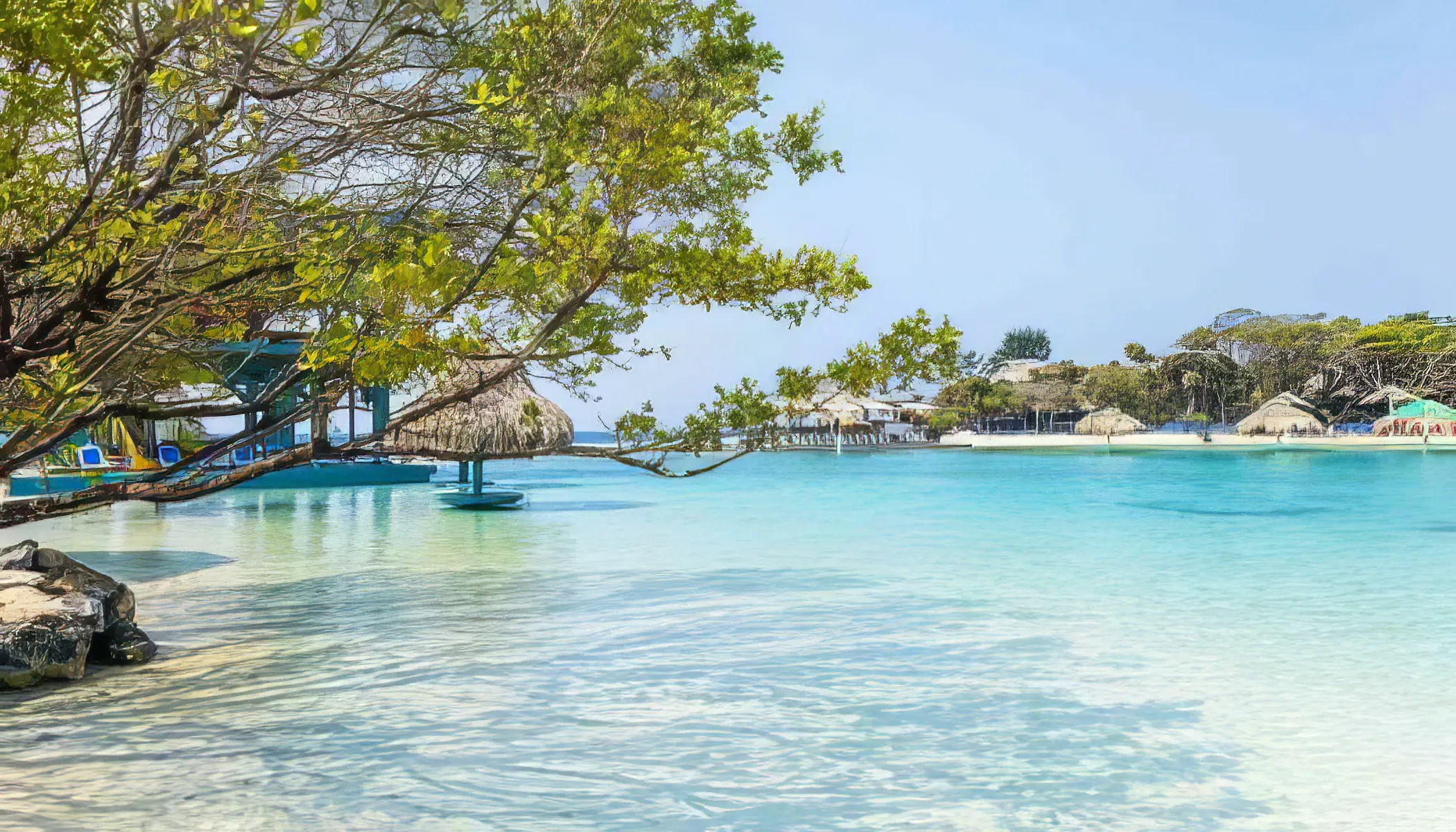
Honduras offers several beautiful beaches along its Caribbean coast and islands.
– West Bay Beach: Located on Roatán Island, known for clear waters and excellent snorkeling.
– Utila Beach: Popular for diving and whale shark sightings on Utila Island.
– Tela Beach: Features palm-lined shores and is close to the Jeannette Kawas National Park.
– Cayos Cochinos: A group of small islands with preserved beaches and coral reefs.
– Omoa Beach: Offers a quiet atmosphere with historical sites nearby in Omoa town.
– Trujillo Beach: Known for its long sandy stretch and historical significance in Trujillo.
– Sandy Bay Beach: Supplies a laid-back vibe with snorkeling opportunities on Roatán Island.
Outdoor activities
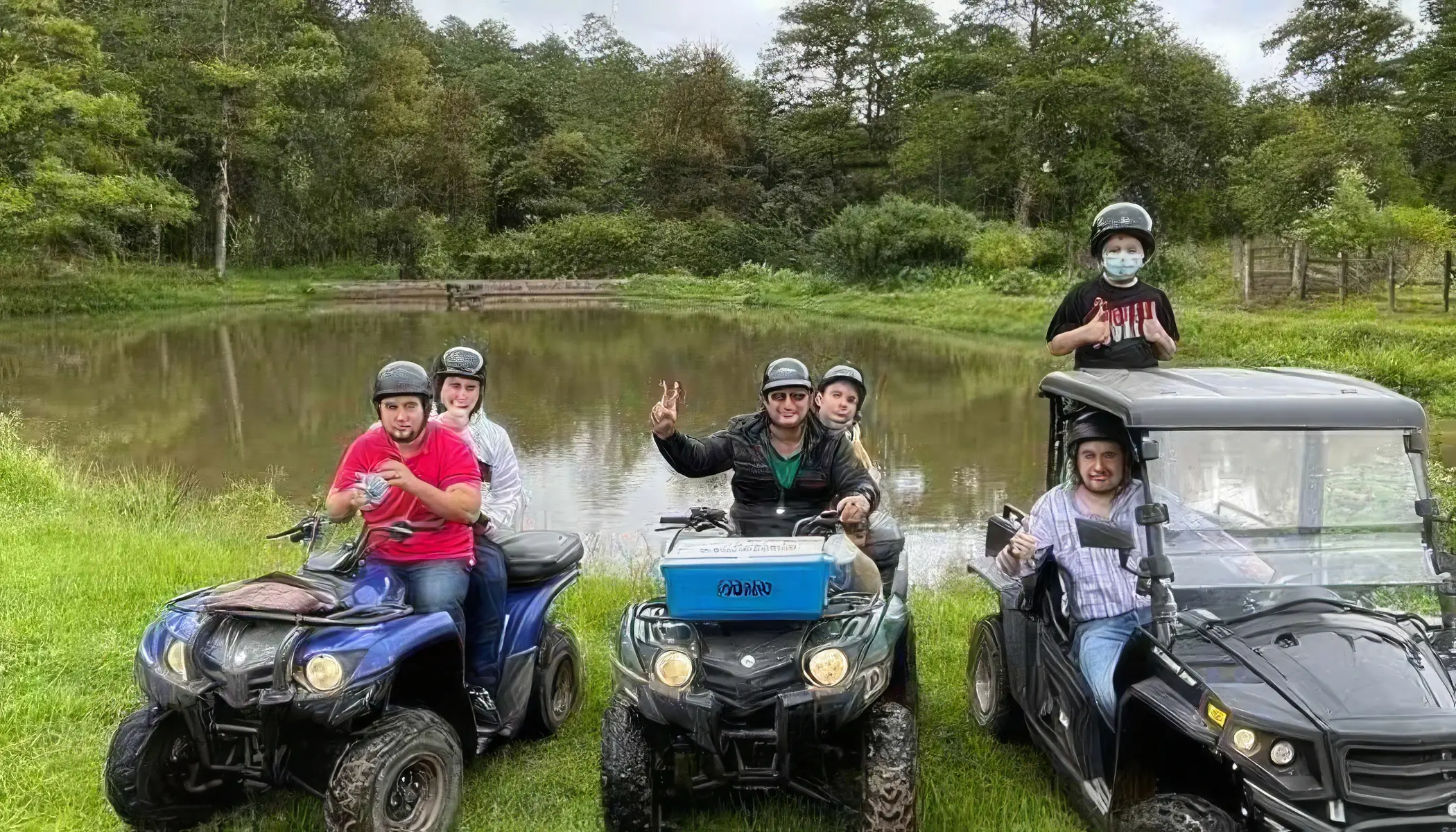
Honduras offers a variety of outdoor activities for nature and adventure enthusiasts:
– Diving in the Bay Islands: Explore beautiful coral reefs and diverse marine life.
– Hiking in Pico Bonito National Park: Trek through attractive rainforests with waterfalls and wildlife.
– Whitewater Rafting on the Cangrejal River: Experience thrilling rapids surrounded by tropical scenery.
– Birdwatching in Lake Yojoa: Spot numerous bird species in this rich biodiversity hotspot.
– Snorkeling at Cayos Cochinos: Discover preserved waters and colorful underwater ecosystems.
– Exploring Copán Ruins: Walk through ancient Mayan ruins set amidst jungle landscapes.
– Zip-lining in La Campa, Lempira: Glide over forest canopies with remarkable mountain views.
Kid Friendly
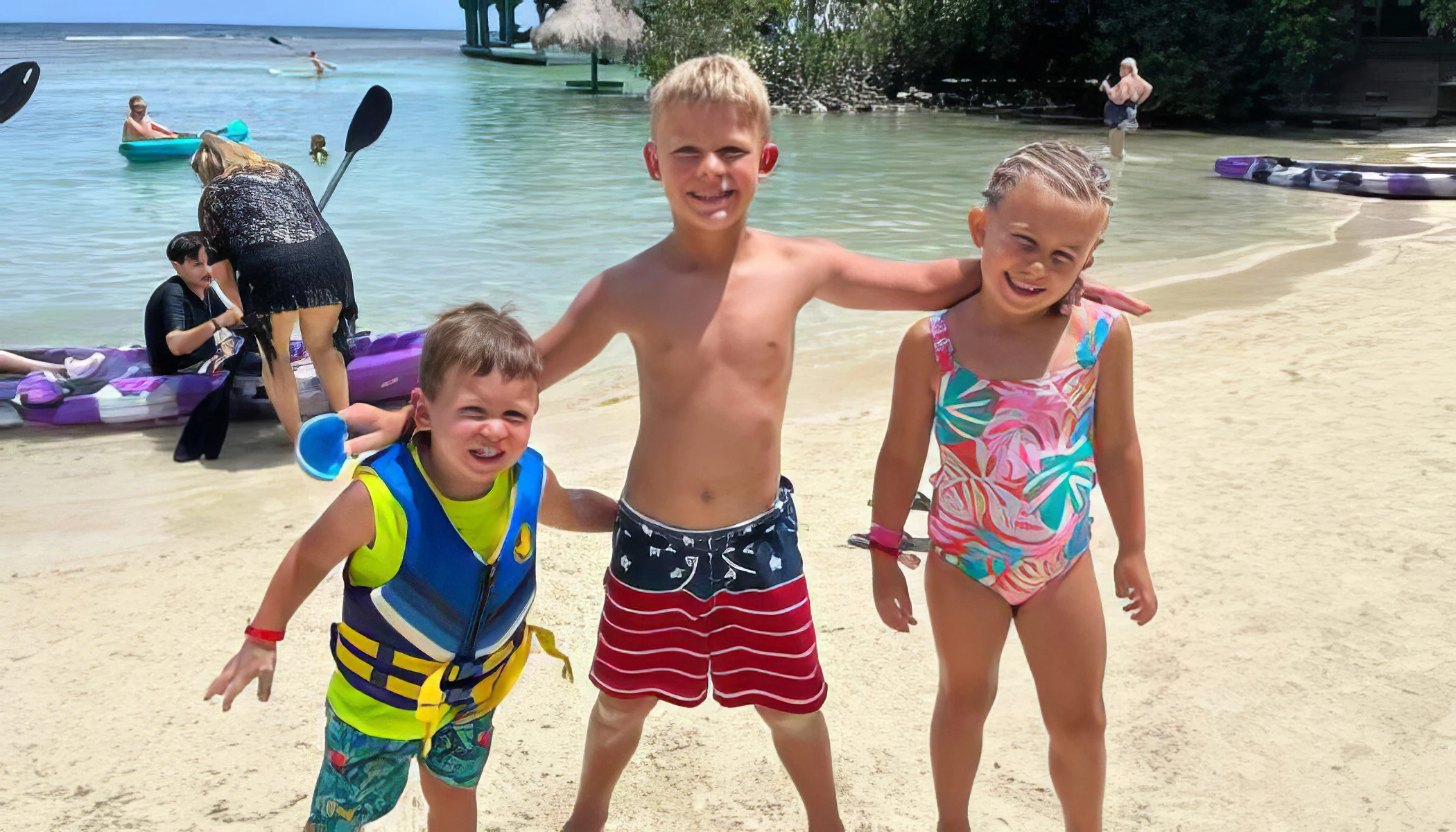
Honduras supplies a variety of activities that are enjoyable for children.
– Copán Ruins: Explore ancient Mayan ruins with fascinating carvings and structures.
– Roatán Beaches: Enjoy family-friendly beaches with calm waters and snorkeling opportunities.
– Macaw Mountain Bird Park: A sanctuary where kids can see colorful birds up close.
– Lancetilla Botanical Garden: Discover diverse plant species in one of the largest botanical gardens in Latin America.
– Pico Bonito National Park: Experience nature trails and waterfalls in a beautiful rainforest setting.
– Utila Island Snorkeling: Safe, shallow waters perfect for introducing kids to marine life.
– La Tigra National Park: Family-friendly hiking trails through cloud forests with diverse wildlife.
– Pulhapanzak Waterfall: A beautiful waterfall where families can enjoy picnics and guided tours.
Cuisine
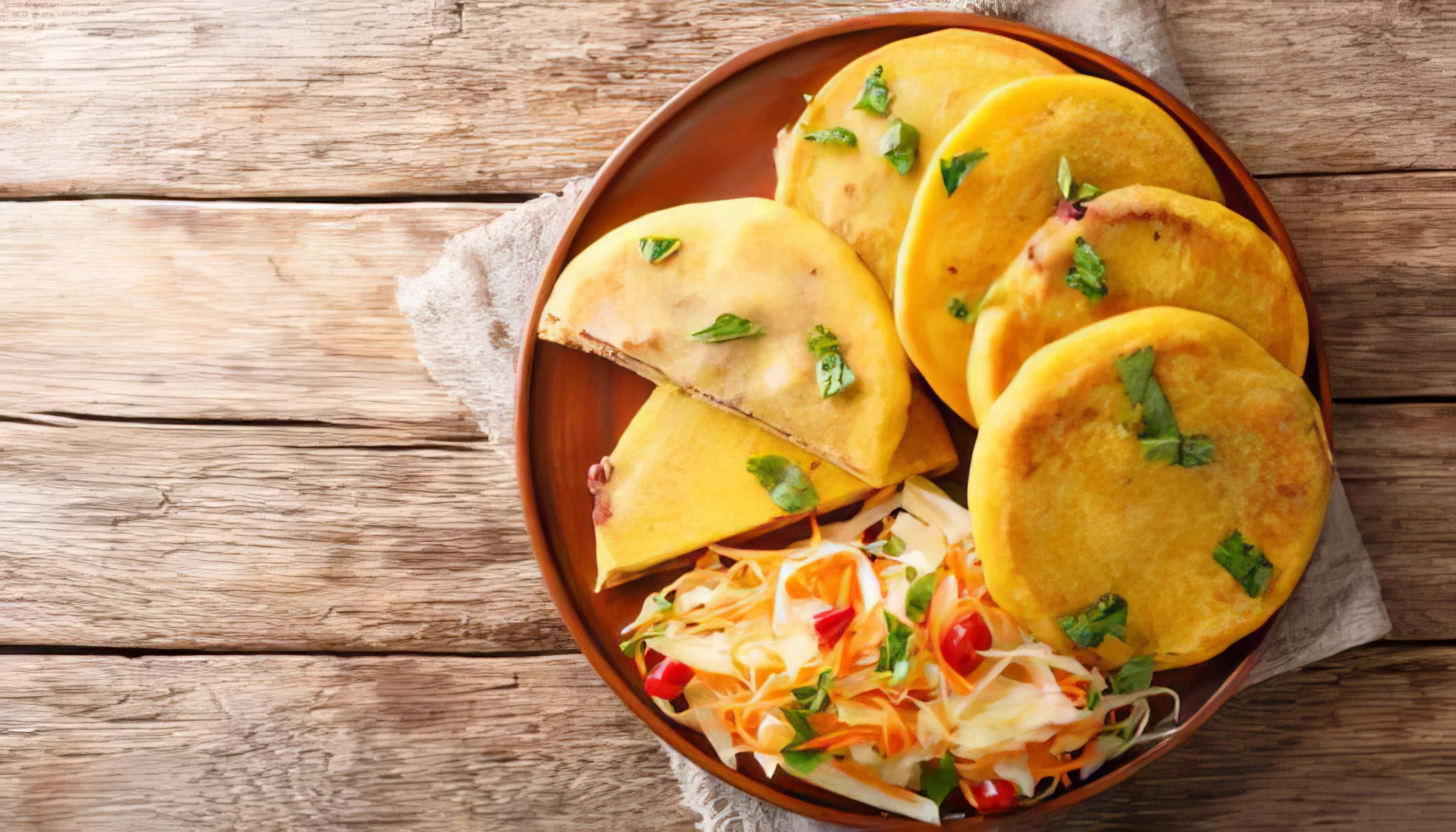
Honduran cuisine is a blend of indigenous, Spanish, and African influences, featuring hearty and flavorful dishes. Staples include corn, beans, and plantains, often accompanied by meats and seafood. Street food is popular, offering a taste of traditional flavors. Most famous cuisine in Honduras are:
– Baleadas: Flour tortillas filled with refried beans, cheese, and sometimes eggs or meat.
– Sopa de Caracol: Coconut milk-based conch soup with vegetables and spices.
– Carne Asada: Grilled beef served with chimol salsa and tortillas.
– Tamales: Corn dough filled with meat or vegetables, wrapped in banana leaves.
– Pastelitos: Fried pastries stuffed with meat or cheese.
Souvenir
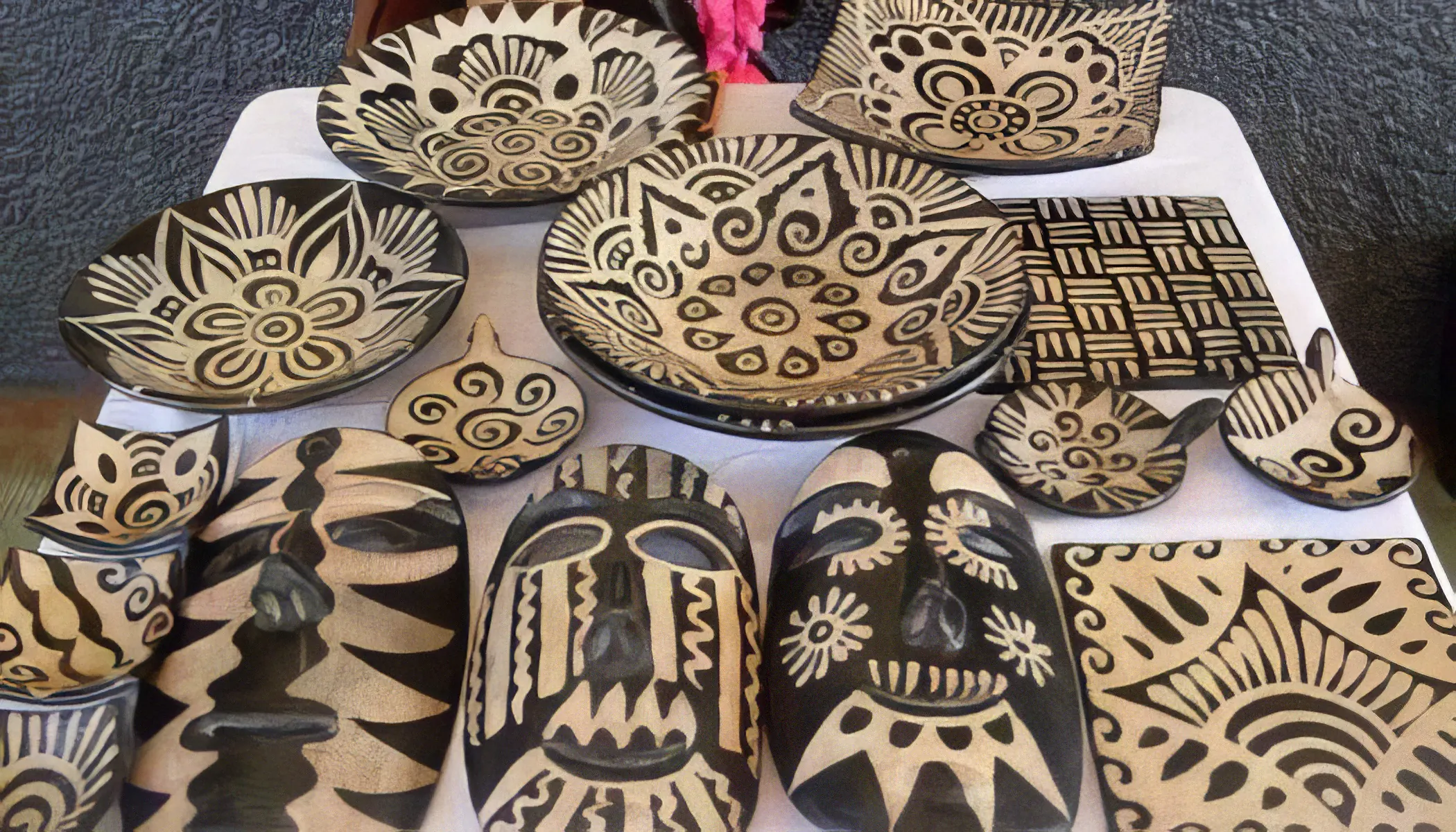
Honduras supplies a variety of unique souvenirs that reflect its rich culture and traditions. Here are some popular options:
– Lenca Pottery: Handcrafted by the Lenca people, these ceramics feature traditional designs and energetic colors.
– Wooden Carvings: Skilled artisans create sophisticated wooden sculptures, often depicting local wildlife or cultural symbols.
– Garifuna Drums: These handcrafted drums are an important part of Garifuna music and culture.
– Coffee: Honduras is known for its high-quality coffee beans, making it a great gift for coffee lovers.
– Textiles: Colorful woven textiles, including blankets and clothing, showcase traditional patterns and techniques.
– Cigars: Honduran cigars are renowned for their quality and craftsmanship, appealing to cigar enthusiasts.
– Jade Jewelry: Jewelry made from Honduran jade is both beautiful and culturally significant.
Traditional Shows

Honduras offers a variety of traditional music and art performances:
– Punta Dance: Experience the Garifuna culture through this energetic dance and music, especially nice in coastal towns like Tela.
– Garifuna Drumming: Enjoy rhythmic drumming performances that are central to Garifuna celebrations, commonly found in La Ceiba.
– Marimba Music: Listen to lively marimba tunes, a staple in Honduran festivities, often performed in Tegucigalpa.
– Lenca Folklore Dance: Witness traditional Lenca dances showcasing indigenous heritage during cultural festivals in Gracias.
– Carnival of La Ceiba: Participate in Honduras' largest carnival featuring parades, music, and dance celebrating local culture every May.
Events & Festivals
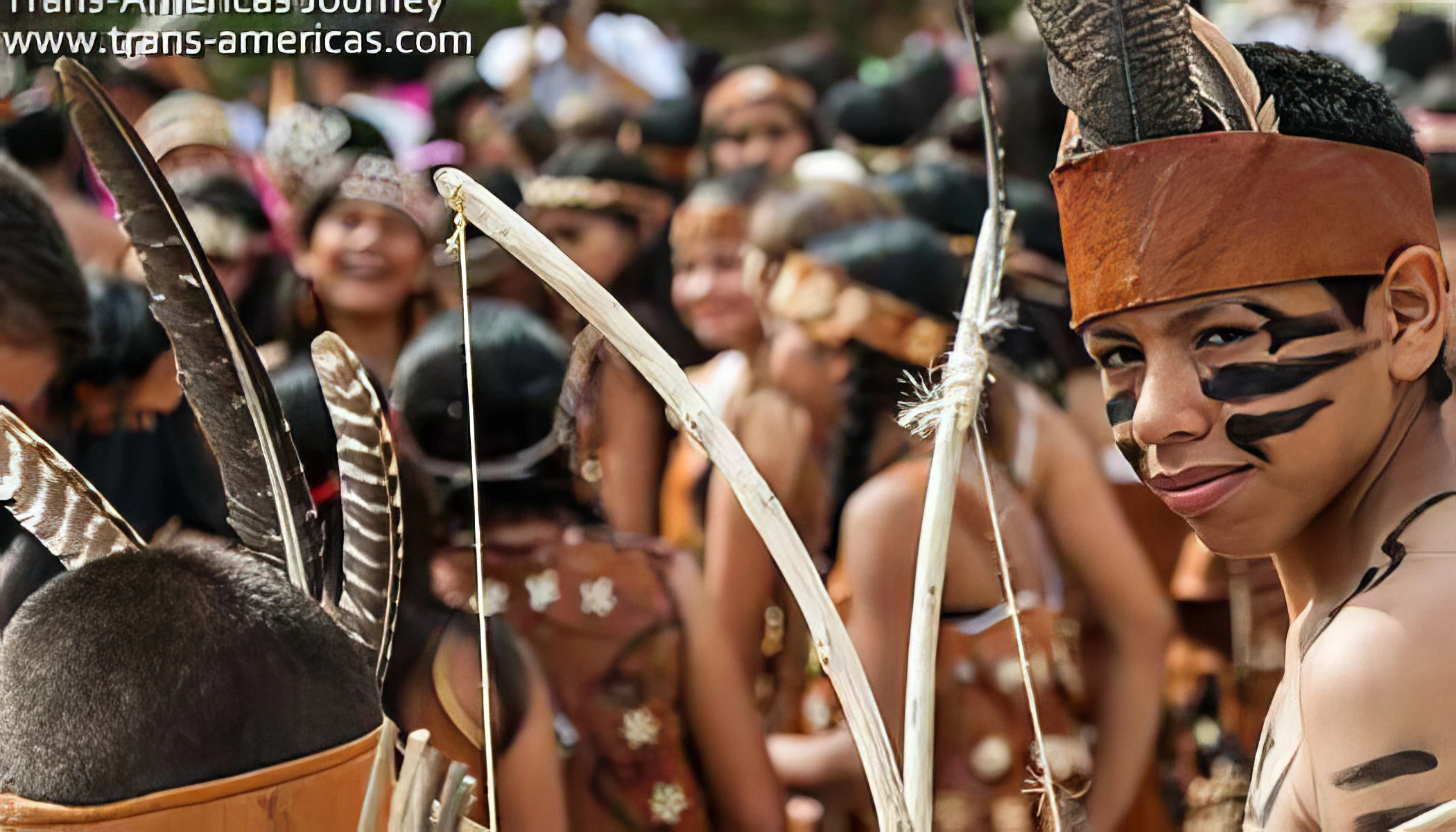
Honduras hosts a variety of cultural events and festivals throughout the year, reflecting its rich traditions and history:
– Feria Juniana: June festival in San Pedro Sula with parades, concerts, and local food.
– Punta Gorda Festival: April celebration on Roatán Island, marking the Garifuna people's arrival with music and dance.
– La Ceiba Carnival: May event featuring pleasant parades, music, and street parties in La Ceiba.
– Independence Day: Celebrated on September 15 with patriotic parades and cultural displays nationwide.
– Semana Santa: Holy Week in March/April with religious processions and traditional ceremonies.
– National Garifuna Festival: November event celebrating Garifuna culture with music, dance, and food in various towns.
– Feria de San Isidro: May agricultural fair in La Ceiba showcasing livestock, crafts, and local cuisine.
Famous People

Honduras has been home to many notable individuals who have made significant contributions in various fields.
– Francisco Morazán (1792 to 1842, Tegucigalpa): Military leader and politician known for his efforts to unite Central America.
– Lempira (early 16th century, Erandique): Indigenous leader who resisted Spanish conquest and became a national hero.
– Ramón Amaya Amador (1916 to 1966, Olanchito): Influential writer and journalist known for his novels depicting Honduran society.
– Carlos Pavón (born 1973, El Progreso): Renowned footballer and top scorer for the Honduras national team.
– Salvador Moncada (born 1944, Tegucigalpa): Acclaimed pharmacologist recognized for his research on nitric oxide's role in the cardiovascular system.
Books
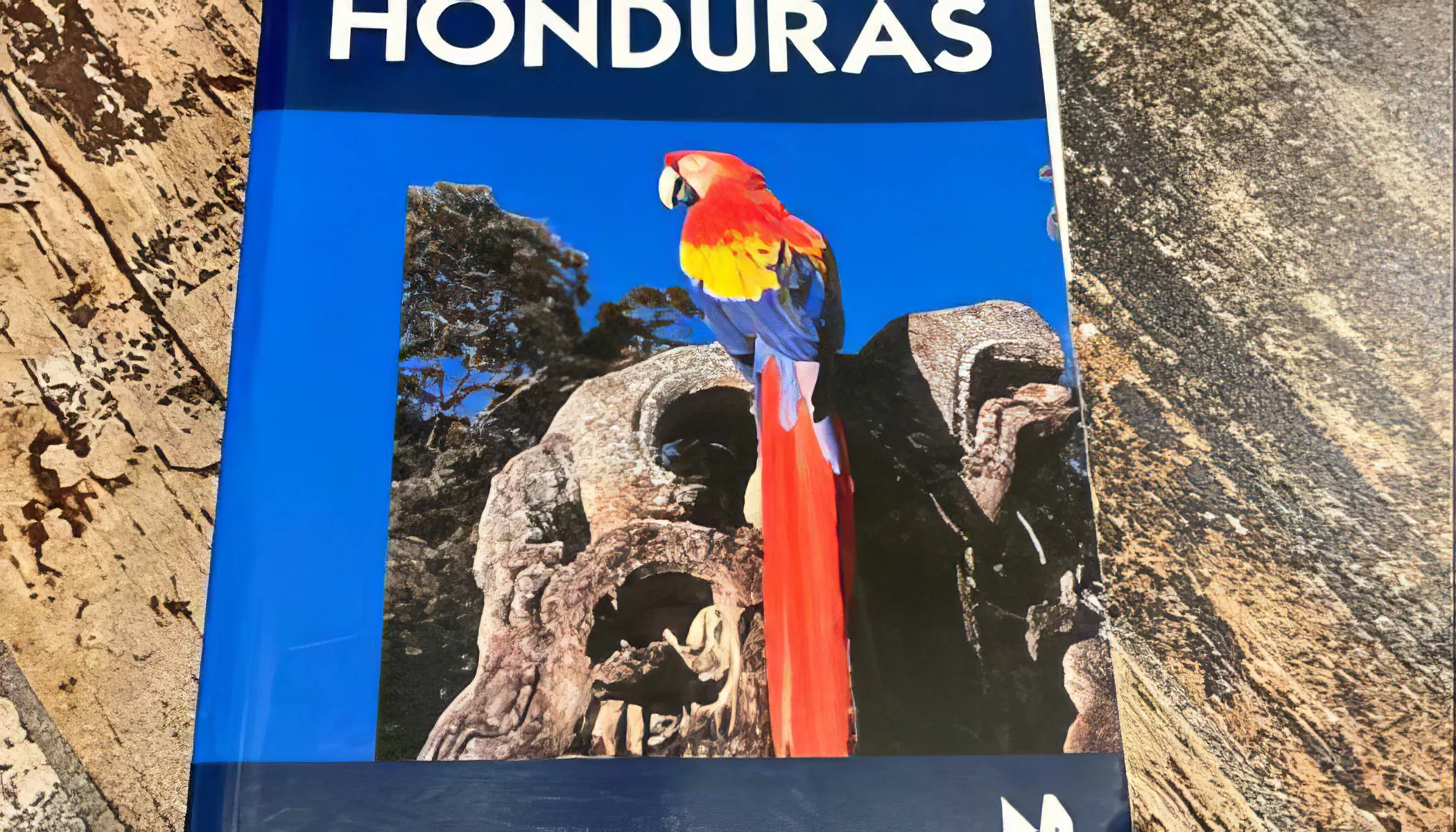
These books provide insights into the culture, history, and social issues of Honduras through various narratives and perspectives.
– "The Mosquito Coast" by Paul Theroux: Follows an inventor's journey to create a utopia in the Honduran jungle.
– "En el tiempo de las mariposas" by Julia Alvarez: Though primarily about the Dominican Republic, it touches on Central American themes relevant to Honduras.
– "Prisión Verde" by Ramón Amaya Amador: Critiques the exploitation of banana workers in Honduras during the early 20th century.
– "Cicatrices en la memoria" by Helen Umaña: Examines historical memory and political violence in Honduras.
– "La Diáspora" by Horacio Castellanos Moya: Explores themes of exile and identity with connections to Central America, including Honduras.
Songs
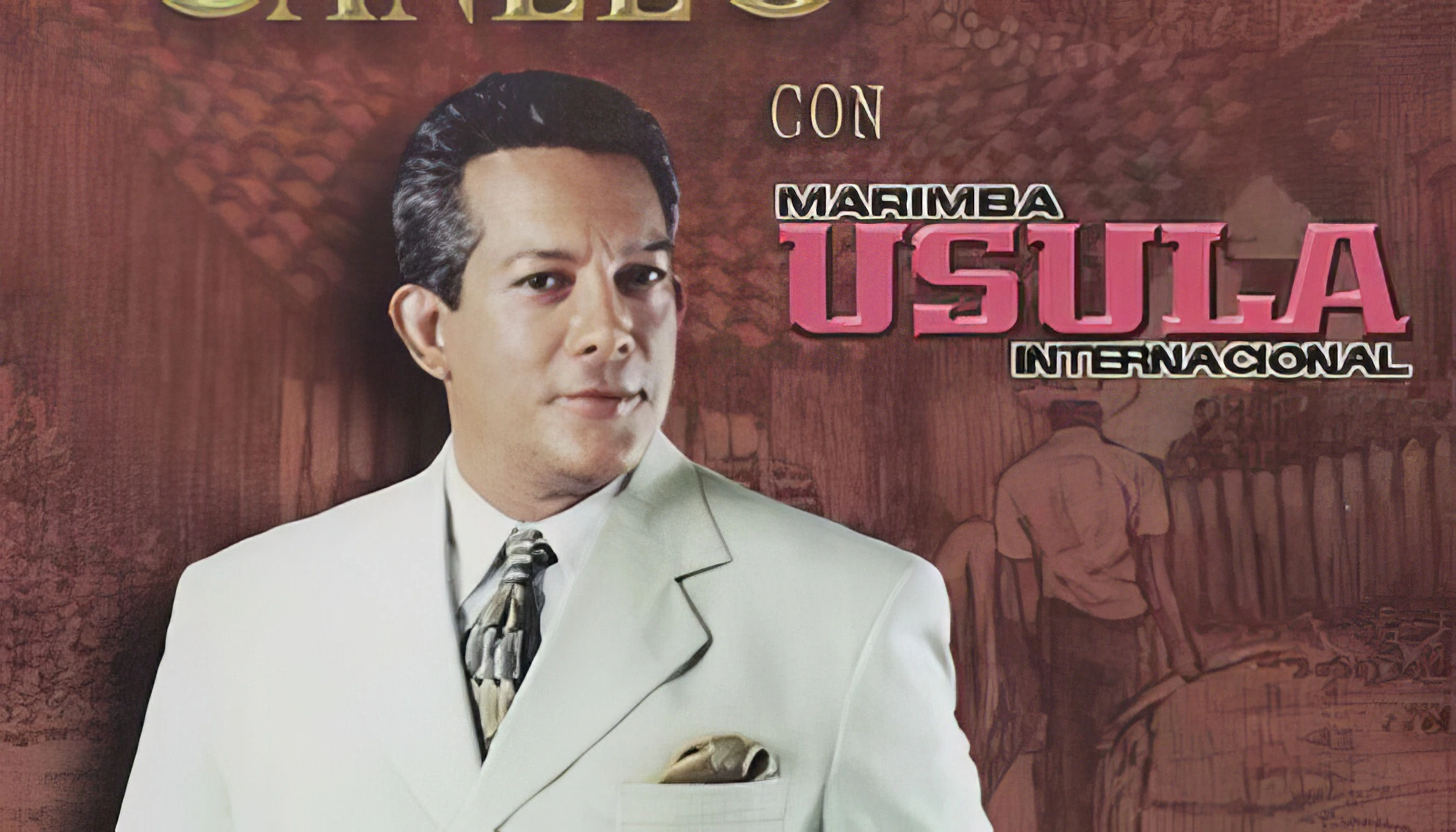
Honduran music is rich with cultural influences, reflecting the country's diverse heritage and lovely spirit.
– Sopa de Caracol: A lively punta song by Banda Blanca that gained international fame.
– La Ceiba: A traditional Garifuna song celebrating the coastal city of La Ceiba.
– El Pitero: A classic folk tune often associated with Honduran national identity.
– Campesino Parrandero: Guillermo Anderson's tribute to rural life and culture in Honduras.
– Mi País: Polache's patriotic song highlighting the beauty and pride of Honduras.
Films

Exploring the cinematic landscape of Honduras reveals a selection of films that highlight its culture and challenges:
– "El Xendra": A sci-fi thriller directed by Juan Carlos Fanconi, exploring survival after a mysterious event in Central America.
– "Amor y Frijoles": Directed by Mathew Kodath, this romantic comedy delves into love and daily life in rural Honduras.
– "Cipotes": Based on Ramón Amaya Amador's novel, it portrays the struggles of street children in Tegucigalpa.
– "Anita, la cazadora de insectos": A family film by Hispano Durón about a young girl's adventures and discoveries in nature.
– "Un Lugar en el Caribe": Directed by Juan Carlos Fanconi, this romantic drama explores love stories set against the backdrop of Roatán Island.