

Explore Hong Kong: Culture, Cities & Places to Visit
A animated city and special administrative region of China, it blends Eastern and Western influences. Known for its impressive skyline, busy harbor, and rich culinary scene, it provides a unique mix of modernity and tradition amidst densely populated urban areas.
- Capital
- Hong Kong is a Special Administrative Region of China and does not have a capital city. The region itself functions as its own administrative entity.
- Population
- 6.9 millions
- Superficy
- 2000 sq.km
- Months to Visit
- Oct. to Dec.
- Living Cost
- Expensive
Overview
Hong Kong is a Special Administrative Region of China, known for its beautiful economy and dense urban landscape. It is a major financial hub in Asia, with a skyline dominated by skyscrapers. The city blends Eastern and Western influences, evident in its diverse culinary scene and cultural festivals. Despite its small size, Hong Kong supplies varied attractions, from busy markets to carefree hiking trails in the surrounding hills. The region operates under the "one country, two systems" principle, granting it a degree of autonomy from mainland China. Challenges include political tensions and high living costs, impacting daily life for residents.
Pros & Cons
GOOD REASONS TO VISIT HONG KONG
– Iconic Skyline: Experience the beautiful Victoria Harbour skyline, especially during the Symphony of Lights show.
– Diverse Cuisine: Enjoy dim sum, street food, and international dining reflecting Hong Kong's multicultural influences.
– Shopping Paradise: From luxury malls to busy street markets, Hong Kong offers diverse shopping experiences.
– Cultural Heritage: Visit temples, museums, and historic sites showcasing Hong Kong's rich history and traditions.
– Efficient Transport: The MTR system and ferries make exploring Hong Kong convenient and accessible. CHALLENGES WHEN VISITING HONG KONG
– High Costs: Accommodation, dining, and attractions can be expensive compared to other Asian destinations.
– Crowded Spaces: Popular areas can be very crowded, especially during peak tourist seasons.
– Political Tensions: Ongoing political issues may affect travel plans; stay informed about current events.
Before Departure
Before traveling to Hong Kong, consider the following essential information:
– Passport: Ensure your passport is valid for at least one month beyond your intended stay.
– Visa: Many nationalities enjoy visa-free entry for 7 to 180 days. Check specific requirements based on nationality.
– Currency: Hong Kong Dollar (HKD); credit cards widely accepted; ATMs are plentiful and reliable throughout the city.
– Internet access: Free WiFi in public areas and hotels; local SIM cards with data plans are affordable and available at the airport.
– Language barrier: Chinese (Cantonese) and English are official languages; English is widely spoken in business and tourist areas.
What to Pack
Hong Kong is a beautiful city with a mix of modern attractions and traditional culture, requiring versatile packing for various activities and weather conditions.
– Essentials: Passport, travel insurance, visa (if needed), flight tickets, accommodation details, and itinerary.
– Clothing: Comfortable walking shoes, lightweight clothing for humid weather, a light jacket or sweater for cooler evenings, and an umbrella or raincoat.
– Health & Safety: Prescription medications, basic first aid kit, hand sanitizer, face masks (if required), and sunscreen.
– Electronics: Travel adapter for Hong Kong outlets, mobile phone with charger, portable power bank, and camera.
Weather
Weather in Hong Kong is subtropical with distinct seasons:
– Winter (December to February): Cool and dry with temperatures ranging from 15°C to 20°C.
– Spring (March to May): Warm and humid, with occasional rain and temperatures between 18°C and 25°C.
– Summer (June to August): Hot, humid, and rainy, with temperatures often exceeding 30°C. Typhoons may occur.
– Autumn (September to November): Pleasantly warm and dry, with temperatures from 19°C to 28°C. October to December is the best time to visit Hong Kong:
– Enjoy mild weather and clear skies ideal for outdoor activities.
– Experience cultural events like the Mid-Autumn Festival. Note that it can be crowded due to peak tourist season, leading to higher prices for accommodations.
Travel Budget
Hong Kong is known for its higher cost of living compared to other Asian destinations. Here are some average prices for tourists:
– Hotel: 70$ to 300$
– Lunch: 8$ to 20$
– Beverage (in bar/restaurant): 5$ to 15$
– Coffee: 3$ to 6$
– Transportation: (train 1.5$ to 3.5$), (bus 1$ to 3$), (taxi /10km 10$ to 20$)
– Mobile data (per GB): 2.5$ to 5$
Language
In Hong Kong, Cantonese is the most widely spoken language, and here are some useful phrases for tourists:
– Hello: Néih hóu
– Thank you: Mh'gōi (for service) / Dōjeh (for gifts)
– Please: M̀hgōi
– How much is this?: Nī gǒ géi dō chín?
– Excuse me: M̀hgōi
– I don't understand: Ngóh m̀h mìhng
– Yes: Haih
– No: M̀haih
– Goodbye: Joigin
History
Originally a sparsely populated area of fishing villages, it became a British colony after the First Opium War in 1842. The Treaty of Nanking ceded Hong Kong Island to Britain, and further territories were added in 1860 and 1898. During World War II, it was occupied by Japan from 1941 to 1945 before reverting to British control. In 1997, sovereignty was transferred back to China under the "one country, two systems" principle, allowing it to maintain its own legal and economic systems. Since then, there have been tensions over political freedoms and autonomy. Despite these challenges, it remains a major global financial center with a unique blend of Eastern and Western influences.
Geopolitics
Hong Kong is a Special Administrative Region (SAR) of China, operating under the "one country, two systems" framework, which grants it a degree of autonomy and its own legal system. It is strategically located on the southern coast of China, serving as a major global financial hub. The region has experienced tensions due to Beijing's increasing influence and control, leading to significant political unrest and protests advocating for democratic freedoms. Internationally, Hong Kong's status has been a point of contention between China and Western countries, particularly regarding human rights and autonomy issues. Its economic ties are deeply intertwined with both mainland China and global markets, making it a critical node in international trade. The geopolitical landscape is shaped by its unique status within China and its role in global finance amidst shifting international relations.
Sample Itinerary
This itinerary covers Hong Kong's remarkable city life, cultural landmarks, and natural attractions.
– 1 day in Central and Victoria Peak: Explore busy streets, visit Man Mo Temple, and take the Peak Tram for panoramic views from Victoria Peak.
– 1 day in Kowloon: Visit the Avenue of Stars, explore Tsim Sha Tsui Promenade, and enjoy the Symphony of Lights show. Discover local markets like Temple Street Night Market.
– 1 day in Lantau Island: See the Big Buddha and Po Lin Monastery. Take a cable car ride with views of the island's landscapes.
– 1 day in Hong Kong Disneyland: Spend a fun-filled day at Disneyland with themed rides, shows, and parades suitable for all ages.
– 1 day in Repulse Bay and Stanley: Relax at Repulse Bay Beach and explore Stanley Market for souvenirs. Visit Murray House for dining options.
Popular cities
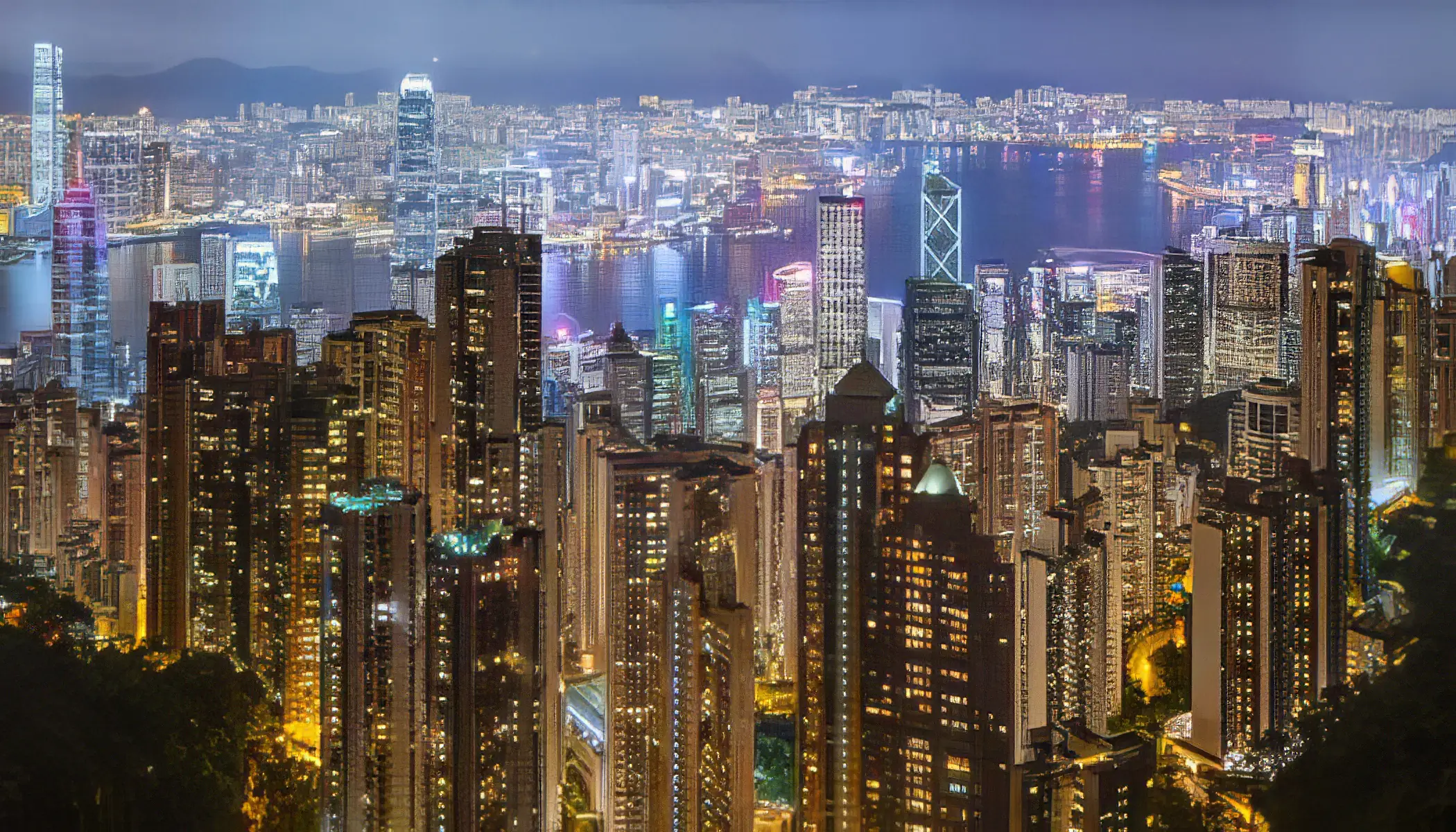
Hong Kong is a charming region with diverse attractions and urban experiences:
– Central: The business district supplies skyscrapers, shopping, and the iconic Victoria Peak.
– Tsim Sha Tsui: Known for its shopping, museums, and views of the Hong Kong skyline.
– Mong Kok: A busy area famous for its markets, street food, and neon lights.
– Causeway Bay: A major shopping district with malls, boutiques, and local eateries.
– Wan Chai: Supplies a mix of nightlife, historic sites, and cultural venues.
– Stanley: A coastal area known for its market, beaches, and relaxed atmosphere.
– Lantau Island: Home to the Big Buddha, Ngong Ping 360 cable car, and Disneyland.
Monuments
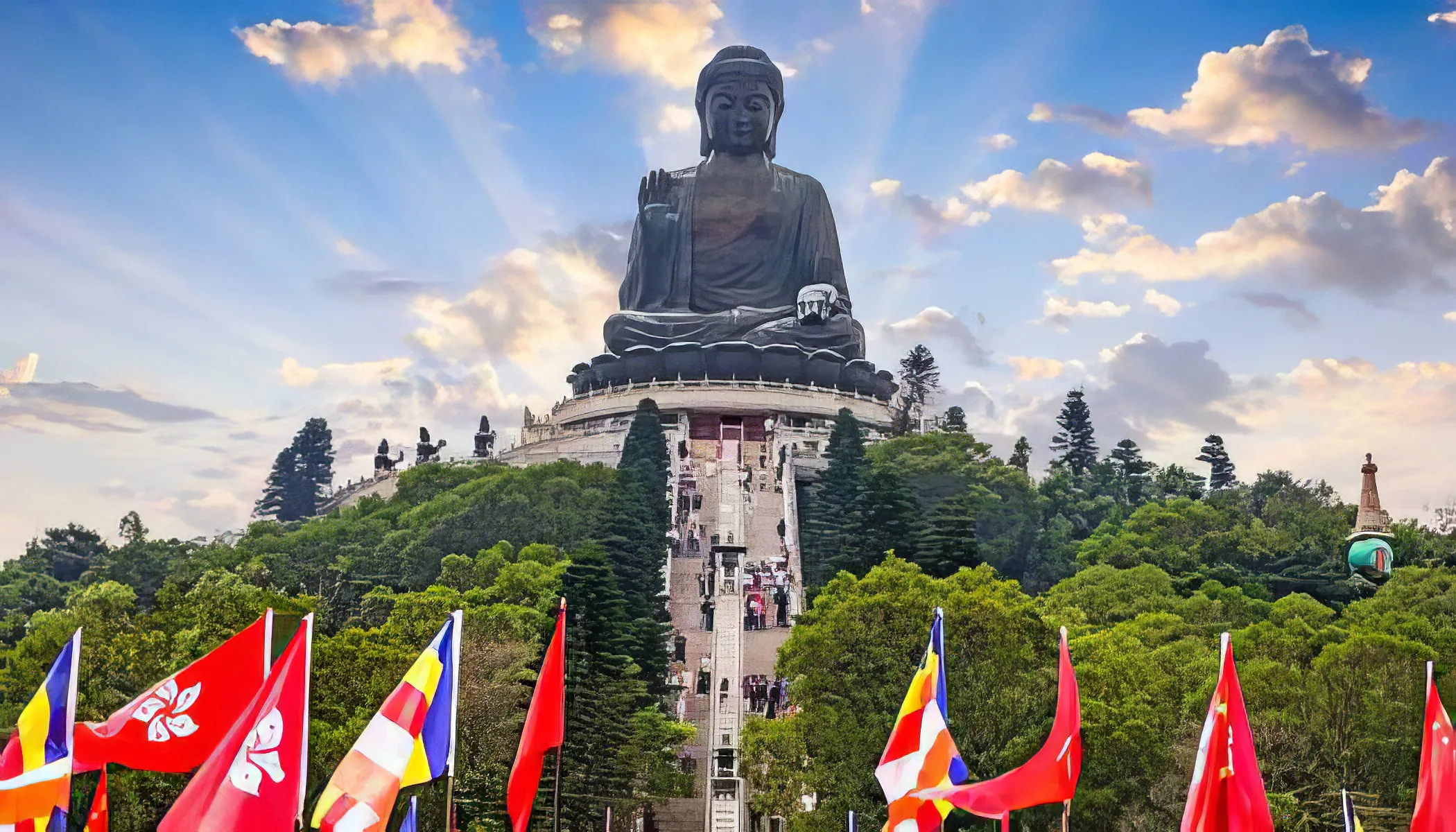
Hong Kong provides a mix of historical and modern architectural landmarks:
– Tian Tan Buddha (Big Buddha): Large bronze statue on Lantau Island, symbolizing harmony between man and nature.
– Man Mo Temple: Historic temple dedicated to the gods of literature and war, located in Sheung Wan.
– Victoria Peak: Provides panoramic views of Hong Kong's skyline, accessible by the historic Peak Tram.
– Wong Tai Sin Temple: Popular Taoist temple known for fortune-telling and traditional architecture.
– Chi Lin Nunnery: Buddhist complex with traditional Tang Dynasty architecture, located in Diamond Hill.
– Clock Tower: Remnant of the former Kowloon-Canton Railway terminus, symbolizing Hong Kong's colonial past.
– Po Lin Monastery: Important Buddhist site near Big Buddha, known for its peaceful gardens and architecture.
– Flagstaff House Museum of Tea Ware: Oldest colonial building in Hong Kong, now a museum showcasing tea culture.
Natural wonder

Explore Hong Kong's diverse natural landscapes:
– Victoria Peak: Provides panoramic views of the city and harbor.
– Dragon's Back: Popular hiking trail with coastal views and opulent greenery.
– Sai Kung East Country Park: Known for its beaches, hiking trails, and volcanic rock formations.
– Lantau Island: Features mountains, beaches, and the Tian Tan Buddha statue.
– Tai Mo Shan: Hong Kong's highest peak with misty forests and scenic vistas.
– Geopark High Island Reservoir: Showcases unique hexagonal rock columns and geological formations.
– Plover Cove Reservoir: Offers hiking trails around a large reservoir with scenic views.
– Tung Ping Chau: Remote island known for its unique sedimentary rock formations.
– Mai Po Nature Reserve: Important wetland area for birdwatching and biodiversity.
– Sharp Island: Features interesting rock formations and a tombolo connecting to a smaller island.
Beaches
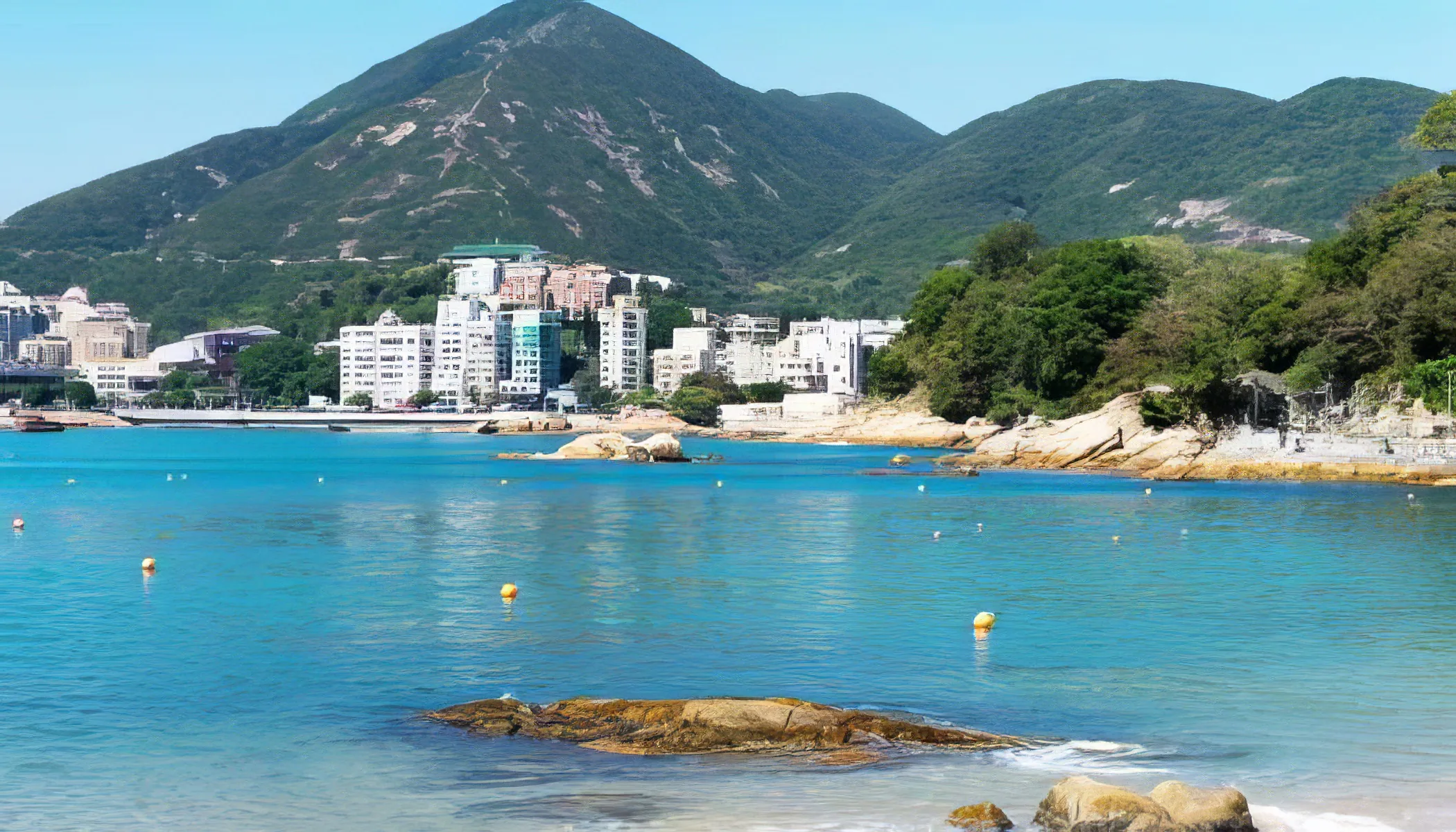
Hong Kong supplies a variety of beaches for relaxation and recreation:
– Repulse Bay Beach: Popular for its crescent-shaped bay and family-friendly atmosphere.
– Shek O Beach: Known for its scenic views and barbecue facilities.
– Big Wave Bay Beach: Favored by surfers for its consistent waves.
– Stanley Main Beach: Offers water sports and a nearby market in Stanley.
– Tai Long Wan: Remote beach with gorgeous natural beauty, ideal for hiking enthusiasts.
– Lamma Island Beaches: Features laid-back beaches like Hung Shing Yeh with seafood dining options.
– Clear Water Bay Second Beach: Supplies clear waters and is popular among locals for weekend getaways.
Outdoor activities

There are numerous outdoor activities to enjoy in the lovely city of Hong Kong:
– Hiking Dragon's Back: Walk along one of Asia's best urban hiking trails with scenic coastal views.
– Kayaking in Sai Kung: Paddle through clear waters and explore hidden sea caves.
– Cycling in Tai Po: Ride along the scenic Tolo Harbour cycling track.
– Rock Climbing at Tung Lung Chau: Challenge yourself on natural rock formations with sea views.
– Camping on Lantau Island: Experience nature and tranquility away from the city bustle.
– Birdwatching at Mai Po Nature Reserve: Observe diverse bird species in a protected wetland area.
– Paragliding at Shek O Beach: Soar above stunning beaches and rich landscapes.
Kid Friendly
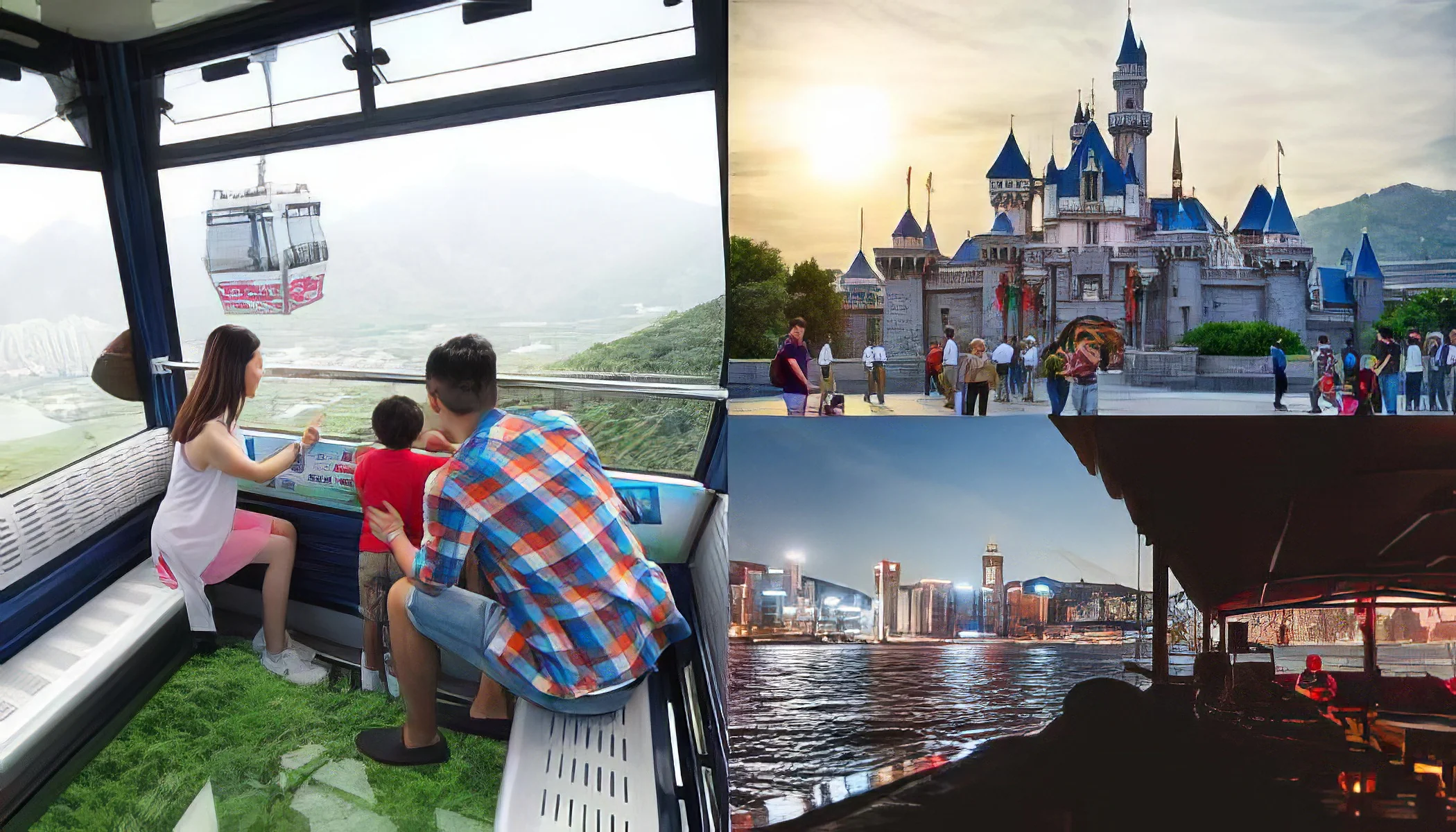
Hong Kong supplies a variety of activities that are perfect for children.
– Hong Kong Disneyland: A magical theme park with rides, shows, and beloved Disney characters.
– Ocean Park: A marine-life theme park featuring animal exhibits, thrill rides, and a giant aquarium.
– Hong Kong Science Museum: Interactive exhibits and hands-on activities make learning fun for kids.
– The Peak Tram: A historic funicular railway offering beautiful views of the city from Victoria Peak.
– Ngong Ping 360: A cable car ride with panoramic views leading to the Big Buddha and Po Lin Monastery.
– Hong Kong Park: A large public park with playgrounds, an aviary, and a greenhouse.
– Kowloon Walled City Park: A historical site with gardens and remnants of the old walled city.
– Repulse Bay Beach: A family-friendly beach perfect for swimming and building sandcastles.
Cuisine
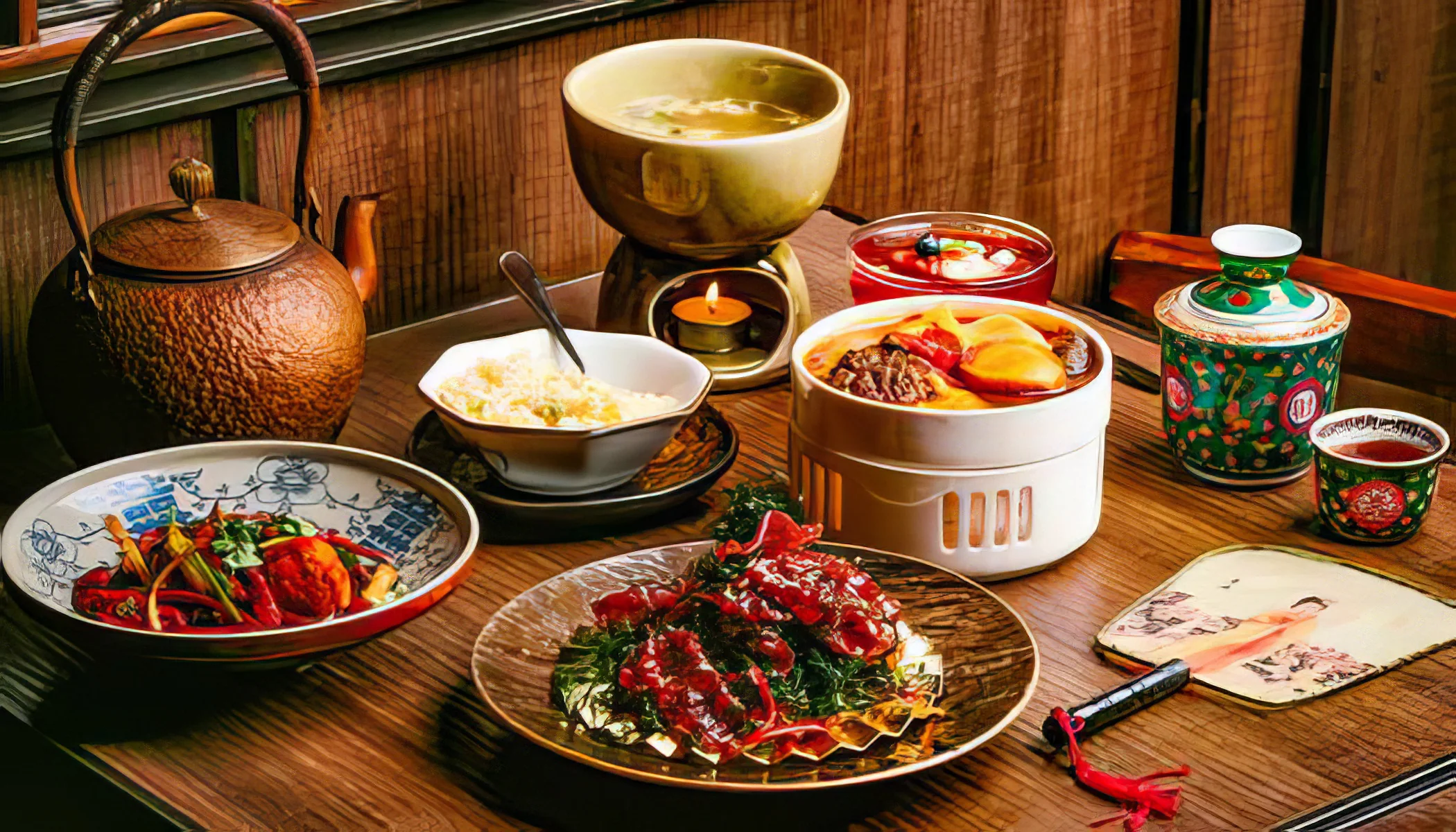
Hong Kong's food scene is a energetic mix of Cantonese traditions and international influences, offering a wide range of flavors. Street food and dim sum are central to its culinary identity. The city is known for its busy markets and diverse dining options. Most famous cuisine in Hong Kong are:
– Dim Sum: Bite-sized portions of dumplings, buns, and rolls served in bamboo steamers.
– Char Siu: Barbecued pork with a sweet and savory glaze.
– Wonton Noodles: Egg noodles with shrimp or pork wontons in a clear broth.
– Roast Goose: Crispy-skinned goose seasoned with spices and roasted to perfection.
– Egg Tart: Flaky pastry filled with smooth, sweet egg custard.
Souvenir
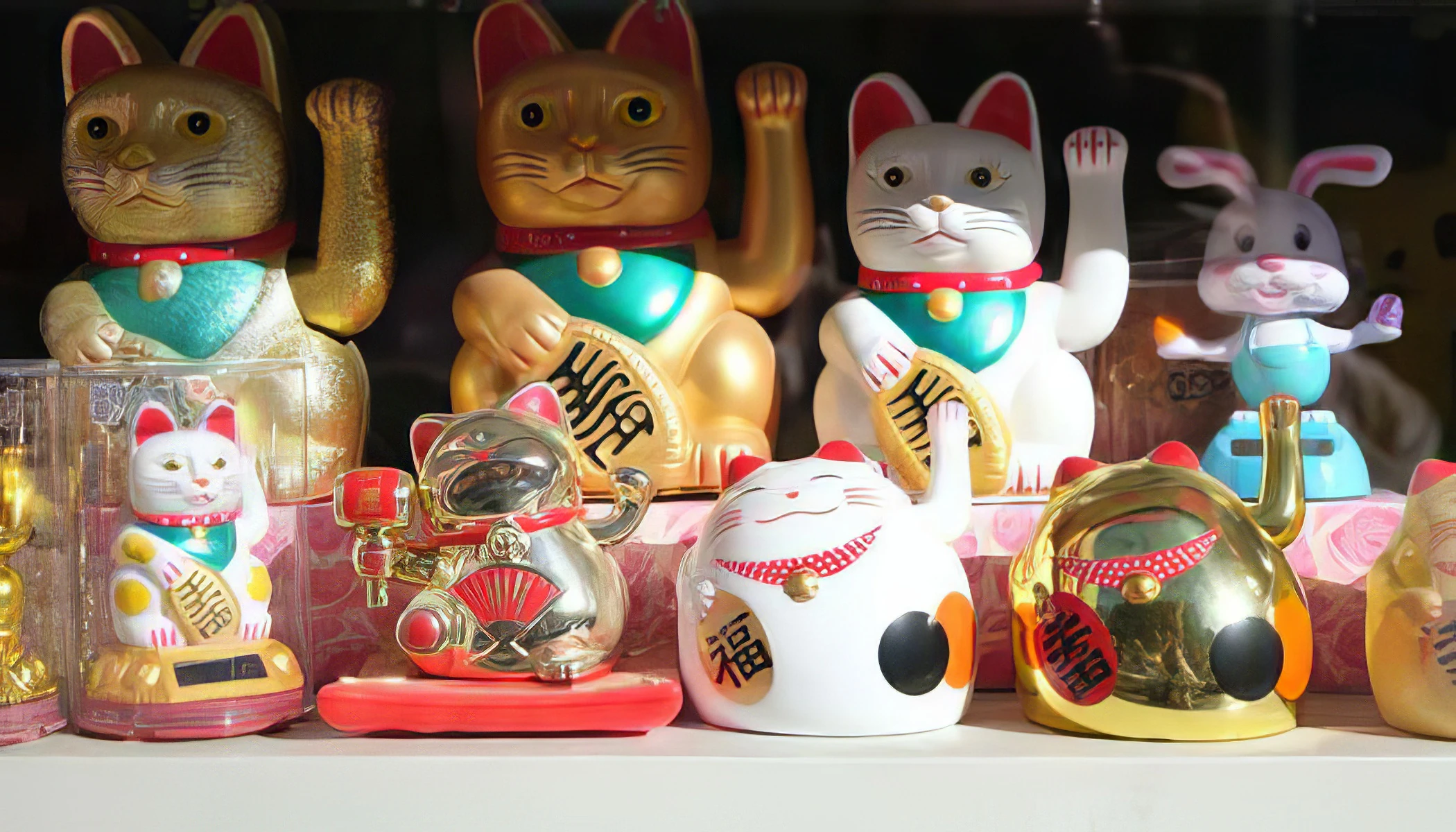
Known for its vibrant culture and shopping, Hong Kong provides a variety of unique souvenirs. Here are some popular options:
– Chinese Tea: Hong Kong offers a wide range of quality teas, including oolong and pu-erh.
– Jade Products: Jade is considered lucky in Chinese culture, and you can find jewelry and ornaments.
– Silk Clothing: High-quality silk garments are available in various styles and colors.
– Chinese Calligraphy Art: Beautiful calligraphy pieces make for meaningful keepsakes.
– Local Snacks: Try egg rolls, almond cookies, or dried seafood as tasty souvenirs.
– Chopsticks: Decorative chopsticks are both practical and symbolic gifts.
– Porcelain Ware: Fine porcelain items like vases or tea sets are popular among visitors.
Traditional Shows
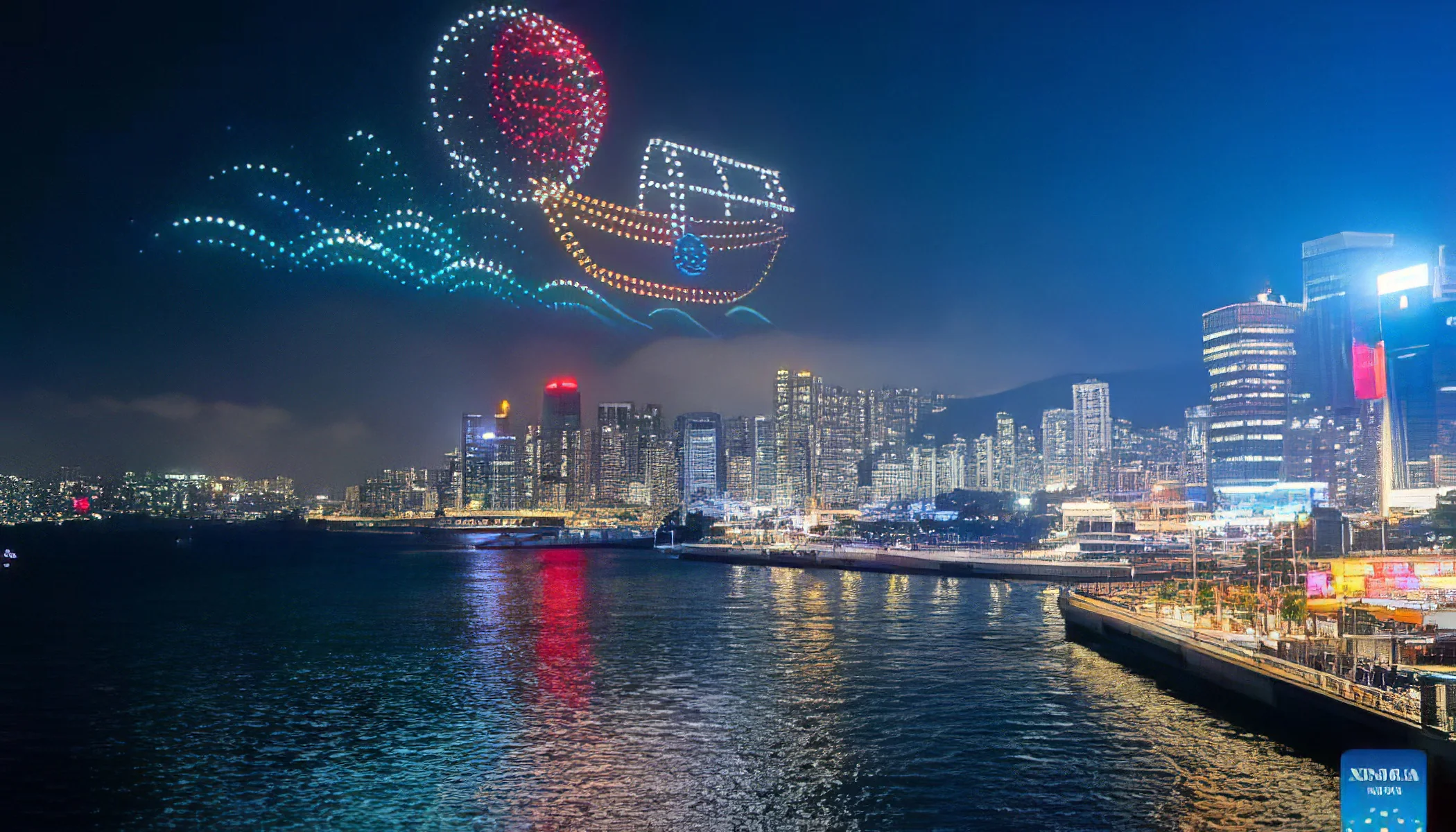
Hong Kong provides a variety of traditional performances:
– Cantonese Opera: Experience this charming art form combining music, singing, and martial arts at the Sunbeam Theatre in Hong Kong.
– Chinese Orchestra Concerts: Enjoy traditional Chinese music with modern influences performed by the Hong Kong Chinese Orchestra at various venues.
– Lion Dance Performances: Witness energetic lion dances during festivals and celebrations across Hong Kong, showcasing skillful acrobatics and drumming.
– Tea House Theatre Experience: Visit the Xiqu Centre for an intimate performance of Cantonese opera excerpts while enjoying tea and dim sum.
– Dragon Boat Festival Drumming: Hear rhythmic drumming accompanying dragon boat races during the annual festival held in Victoria Harbour.
Events & Festivals
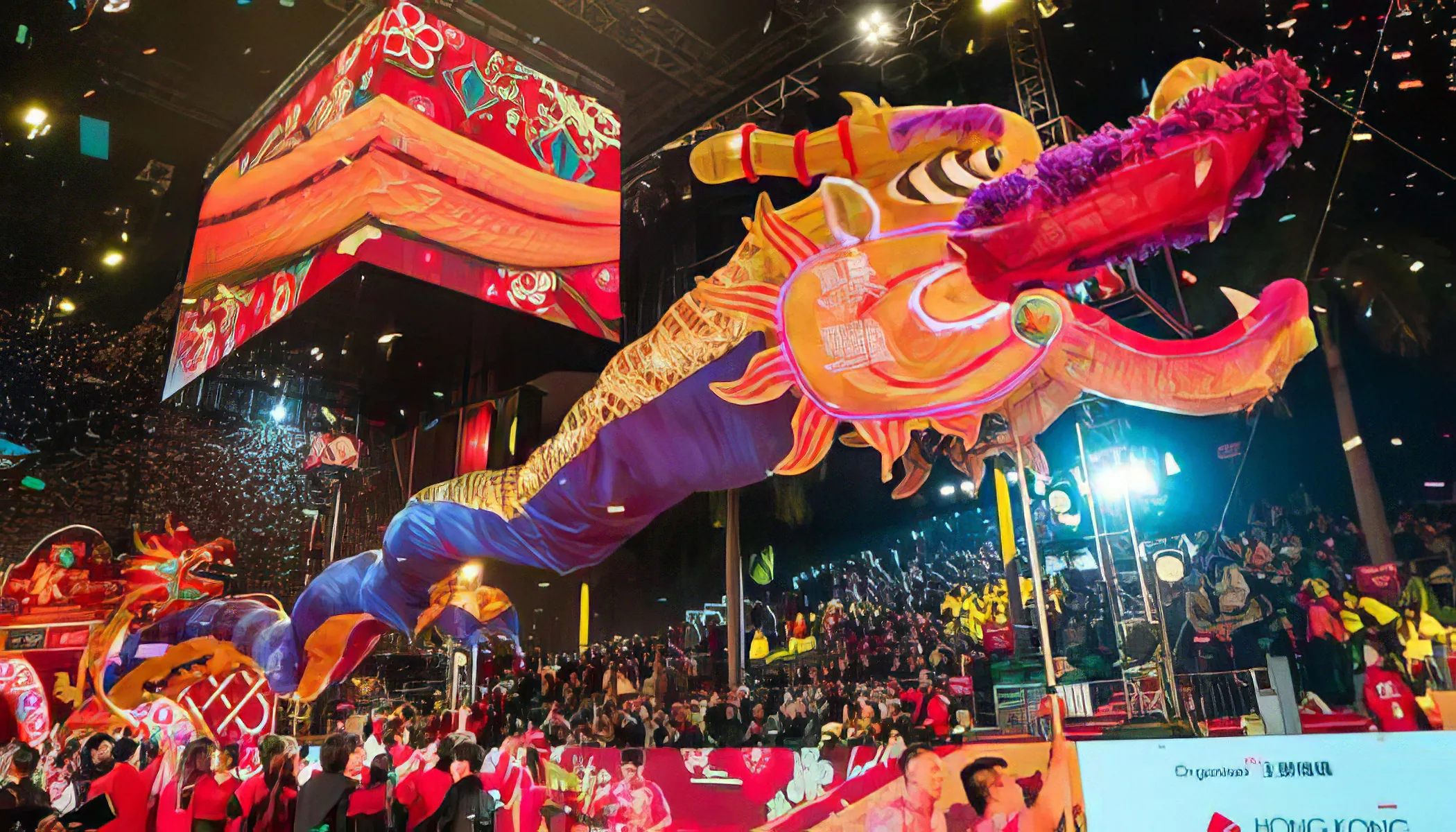
Numerous events and festivals in Hong Kong highlight its pretty culture and traditions:
– Chinese New Year: January/February celebration with parades, fireworks, and lion dances.
– Hong Kong Arts Festival: February/March event featuring international performances in music, dance, and theater.
– Dragon Boat Festival: June races with colorful boats and festive activities.
– Mid-Autumn Festival: September/October event with lantern displays and mooncakes.
– Hong Kong Wine & Dine Festival: October culinary event showcasing wines and gourmet food.
– Halloween Fest: October celebration with themed attractions at theme parks and venues.
– WinterFest: December festival featuring Christmas markets, lights, and events across the city.
Famous People
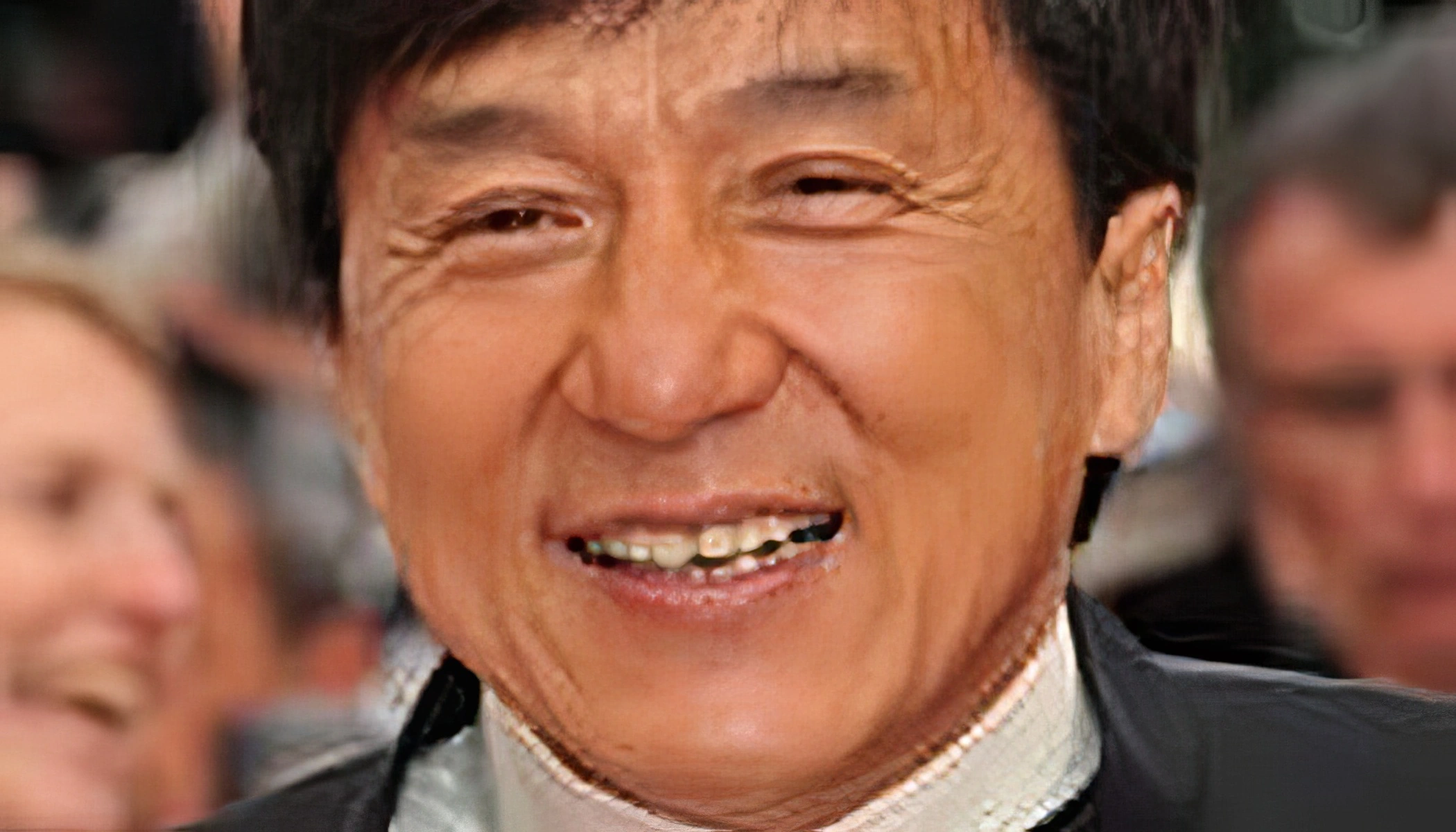
Hong Kong has been home to many influential figures who have made significant impacts in various fields.
– Bruce Lee (1940 to 1973, San Francisco): Martial artist and actor, revolutionized martial arts films and popular culture globally.
– Jackie Chan (born 1954, Hong Kong): Actor and martial artist known for his acrobatic fighting style and comedic timing in films.
– Anita Mui (1963 to 2003, Hong Kong): Iconic singer and actress, dubbed the "Madonna of Asia" for her impact on Cantopop.
– Wong Kar-wai (born 1958, Shanghai): Renowned film director celebrated for his visually unique storytelling style in movies like "In the Mood for Love."
– John Woo (born 1946, Guangzhou): Influential film director known for his action-packed movies that redefined the genre internationally.
Books
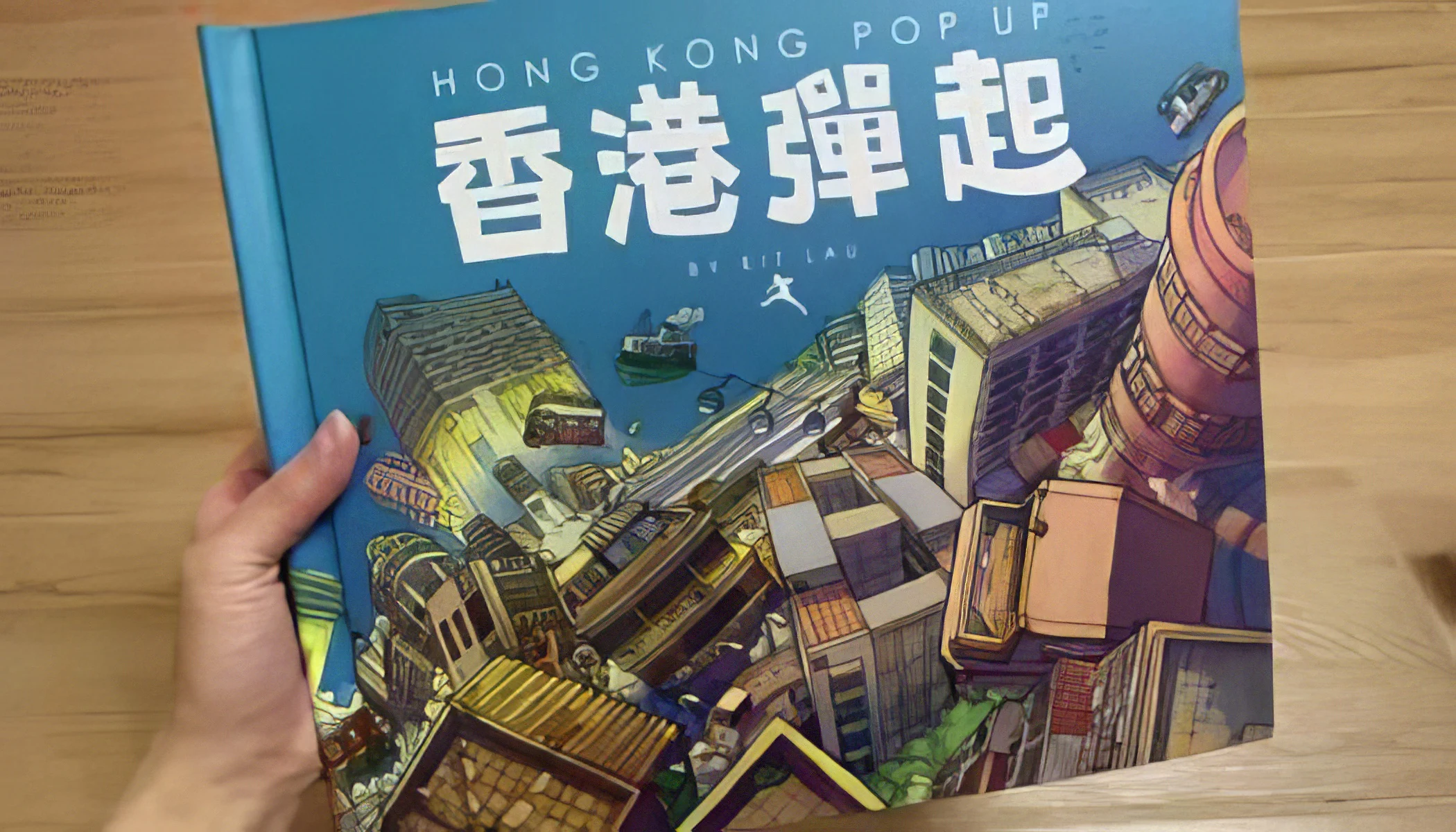
These books capture the essence of Hong Kong, from its lively culture to its complex history and societal changes.
– "The Piano Teacher" by Janice Y.K. Lee: A tale of love and betrayal set in 1940s and 1950s Hong Kong.
– "Fifth Chinese Daughter" by Jade Snow Wong: Autobiographical novel about a Chinese-American girl growing up in Hong Kong and San Francisco.
– "The World of Suzie Wong" by Richard Mason: Romance between an artist and a bar girl in 1950s Hong Kong.
– "Gweilo: Memories of a Hong Kong Childhood" by Martin Booth: Memoir detailing the author's childhood experiences in post-war Hong Kong.
– "Love in a Fallen City" by Eileen Chang: Collection of stories exploring love and society, including one set against the backdrop of wartime Hong Kong.
Songs
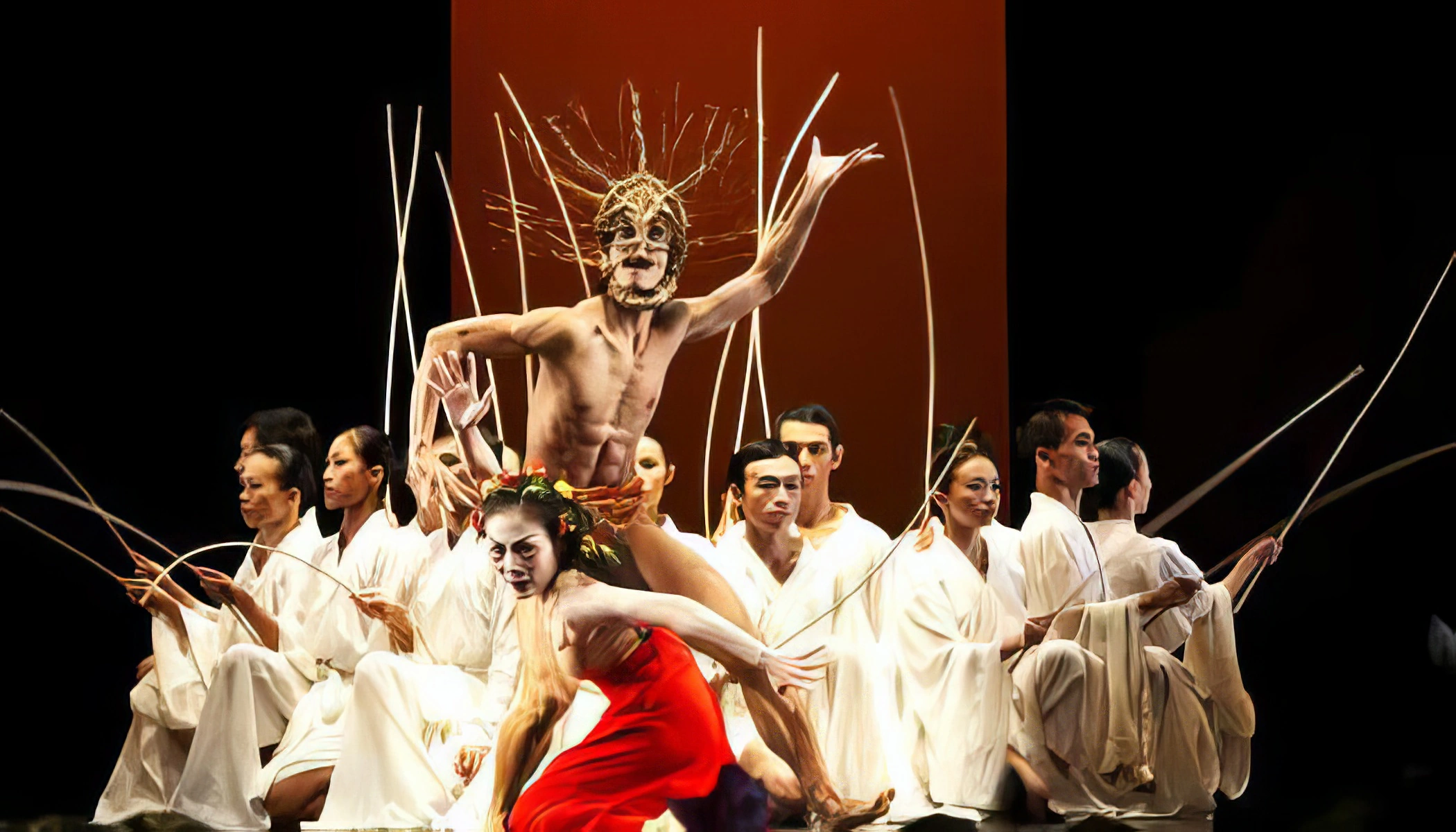
These songs highlight the rich musical heritage of Hong Kong, reflecting its culture, emotions, and urban life.
– Below the Lion Rock: Iconic song by Roman Tam symbolizing Hong Kong's spirit and resilience.
– Shanghai Beach: Frances Yip's classic theme song from a popular TV series, known for its dramatic melody.
– The Bund: Leslie Cheung's famous song capturing the essence of 1980s Hong Kong.
– Love is Forever: Jacky Cheung's romantic ballad celebrated across generations in Hong Kong.
– Under the Lion Rock: A modern rendition by various artists celebrating community and unity in Hong Kong.
– Kwan Kung Chung Yi: Alan Tam's tribute to traditional values and heroism in Hong Kong culture.
Films
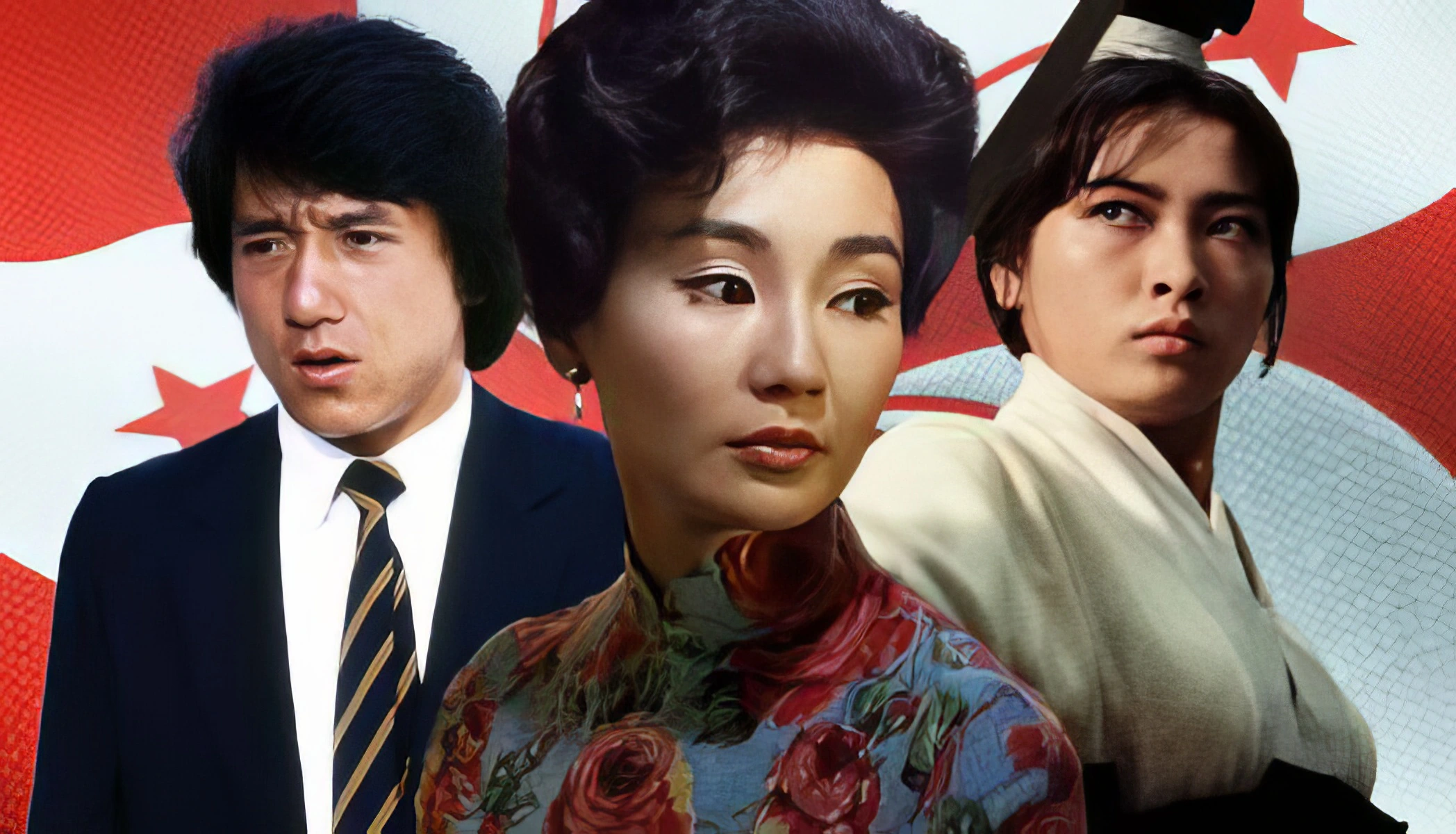
A selection of films that capture the essence and vibrancy of Hong Kong:
– "In the Mood for Love": Wong Kar-wai's romantic drama explores unfulfilled love in 1960s Hong Kong.
– "Chungking Express": Directed by Wong Kar-wai, intertwines two love stories set in lively Hong Kong.
– "Infernal Affairs": A gripping crime thriller about undercover cops and triads, later remade as "The Departed."
– "Police Story": Jackie Chan stars in this action-packed film showcasing his martial arts prowess and comedic timing.
– "Days of Being Wild": Wong Kar-wai's film delves into love and identity in 1960s Hong Kong.