

Travel Guide to Hungary: Top Things to Do & Tips
Located in Central Europe, this country is known for its rich history and architectural landmarks. The capital, Budapest, features the Danube River and thermal baths. Traditional cuisine and animated festivals reflect its cultural heritage, attracting visitors year-round.
- Capital
- Budapest
- Population
- 10 millions
- Superficy
- 94000 sq.km
- Months to Visit
- May, June, Sept., and Oct.
- Living Cost
- Moderate
Overview
Hungary, located in Central Europe, is known for its rich history and cultural heritage. Budapest, the capital, is famous for its beautiful architecture, thermal baths, and the Danube River that divides the city. The country provides diverse landscapes, from the Great Hungarian Plain to Lake Balaton, a popular summer destination. Hungarian cuisine features dishes like goulash and paprika-spiced meals. Hungary has a strong tradition in music and arts, with contributions to classical music and folk traditions. The nation balances its historical roots with modern developments, making it an interesting place to visit.
Pros & Cons
GOOD REASONS TO VISIT HUNGARY
– Architectural Beauty: Budapest's Parliament, Buda Castle, and thermal baths showcase beautiful historical and architectural marvels.
– Thermal Baths: Relax in Hungary's famous thermal spas, offering rejuvenating experiences in historic settings.
– Rich History: Explore Hungary's diverse history through museums, castles, and UNESCO World Heritage sites.
– Magnificient Festivals: Enjoy cultural events like Sziget Festival and Budapest Wine Festival for music and local flavors.
– Delicious Cuisine: Taste goulash, chimney cake, and paprika-infused dishes reflecting Hungary's culinary traditions. CHALLENGES WHEN VISITING HUNGARY
– Language Barrier: Hungarian is complex; English is not widely spoken outside tourist areas.
– Currency Confusion: Hungary uses the forint; currency conversion can be confusing for travelers used to euros.
– Limited Rural Transport: Public transport options are limited in rural areas; renting a car may be necessary.
Before Departure
Before traveling to Hungary, consider the following essential information:
– Passport: Ensure your passport is valid for at least three months beyond your planned departure date.
– Visa: EU/EEA citizens do not need a visa; others may require a Schengen visa. Tourist visas typically allow 90 days within 180 days.
– Currency: Hungarian Forint (HUF); credit cards widely accepted in cities; ATMs are readily available throughout the country.
– Internet access: WiFi is widely available in urban areas and hotels; purchase a local SIM card for reliable mobile data.
– Language barrier: Hungarian is the official language; English is commonly spoken in tourist areas, while German is also understood by some locals.
What to Pack
Visiting Hungary requires preparation for its diverse climate and rich cultural experiences.
– Essentials: Passport, visa (if needed), travel insurance, flight tickets, itinerary, accommodation confirmations, and local currency or credit card.
– Clothing: Comfortable walking shoes, layered clothing for varying temperatures, a raincoat or umbrella, swimwear for thermal baths, and a hat for sun protection.
– Health & Safety: Prescription medications, basic first aid kit, sunscreen with high SPF, insect repellent for outdoor activities.
– Electronics: Travel adapter for European outlets (Type C/E), mobile phone with charger, camera with extra batteries or memory card.
Weather
Hungary experiences a continental climate with distinct seasons.
– Winter (December to February): Cold and often snowy, with temperatures ranging from -5°C to 5°C.
– Spring (March to May): Mild and pleasant, with blooming flowers and temperatures between 10°C and 20°C.
– Summer (June to August): Warm to hot, with occasional thunderstorms; temperatures range from 20°C to 30°C.
– Autumn (September to November): Cool and crisp, with colorful foliage and temperatures between 10°C and 20°C. The best time to visit Hungary is during spring (April-May) or autumn (September-October). Pros: Pleasant weather, fewer tourists, lively natural scenery. Cons: Some attractions may have limited hours outside peak summer season.
Travel Budget
Hungary provides a range of budget-friendly options for travelers. Here are some average prices for common expenses:
– Hotel: 40$ to 150$
– Lunch: 5$ to 15$
– Beverage (in bar/restaurant): 2$ to 6$
– Coffee: 1.5$ to 3$
– Transportation: (train 10$ to 30$), (bus 1.5$ to 3.5$), (taxi /10km 8$ to 15$)
– Mobile data (per GB): 2.5$ to 4.5$
Language
Hungarian is known for its unique vocabulary and grammar, making it quite distinct from other European languages.
– Hello: Szia
– Thank you: Köszönöm
– Please: Kérem
– How much is this?: Mennyibe kerül?
– Excuse me: Elnézést
– I don't understand: Nem értem
– Yes: Igen
– No: Nem
– Goodbye: Viszlát
History
Its history dates back to the arrival of the Magyar tribes in the Carpathian Basin around 895 AD, forming the Kingdom of Hungary in 1000 AD under King Stephen I. It became a significant European power but faced invasions, including Mongol and Ottoman incursions. In 1526, Hungary was divided after the Battle of Mohács, with parts falling under Ottoman and Habsburg control. The Austro-Hungarian Compromise of 1867 established the dual monarchy of Austria-Hungary, which lasted until its dissolution after World War I. Post-World War II, Hungary became a socialist state under Soviet influence until the fall of communism in 1989. The country transitioned to a democratic republic and joined the European Union in 2004, marking its integration into Western political and economic structures.
Geopolitics
Located in Central Europe, Hungary is a landlocked country bordered by Austria, Slovakia, Ukraine, Romania, Serbia, Croatia, and Slovenia. It is a member of the European Union and NATO, aligning itself with Western political and military structures. The country has experienced tensions with the EU over issues related to rule of law and democratic governance. Hungary maintains a pragmatic foreign policy, balancing its commitments to the EU with strong bilateral relations with Russia and China. Its strategic location makes it a key transit point for energy supplies in Europe. Additionally, Hungary plays an active role in regional cooperation through organizations like the Visegrád Group alongside Poland, Czech Republic, and Slovakia.
Sample Itinerary
This itinerary covers Hungary's lively capital, historic towns, and scenic landscapes.
– 2 days in Budapest: Explore Buda Castle, Fisherman's Bastion, and Matthias Church. Relax at Széchenyi Thermal Bath and stroll along the Danube River.
– 1 day in Eger: Visit Eger Castle, the Basilica, and the Valley of the Beautiful Women for wine tasting.
– 1 day in Lake Balaton: Enjoy the beaches and water activities. Visit Tihany Peninsula for its abbey and panoramic views.
– 1 day in Pécs: Discover Roman ruins, Pécs Cathedral, and Zsolnay Cultural Quarter. Explore local art galleries.
– 1 day in Sopron: Walk through medieval streets, see Firewatch Tower, and visit Storno House. Enjoy local cuisine.
Popular cities
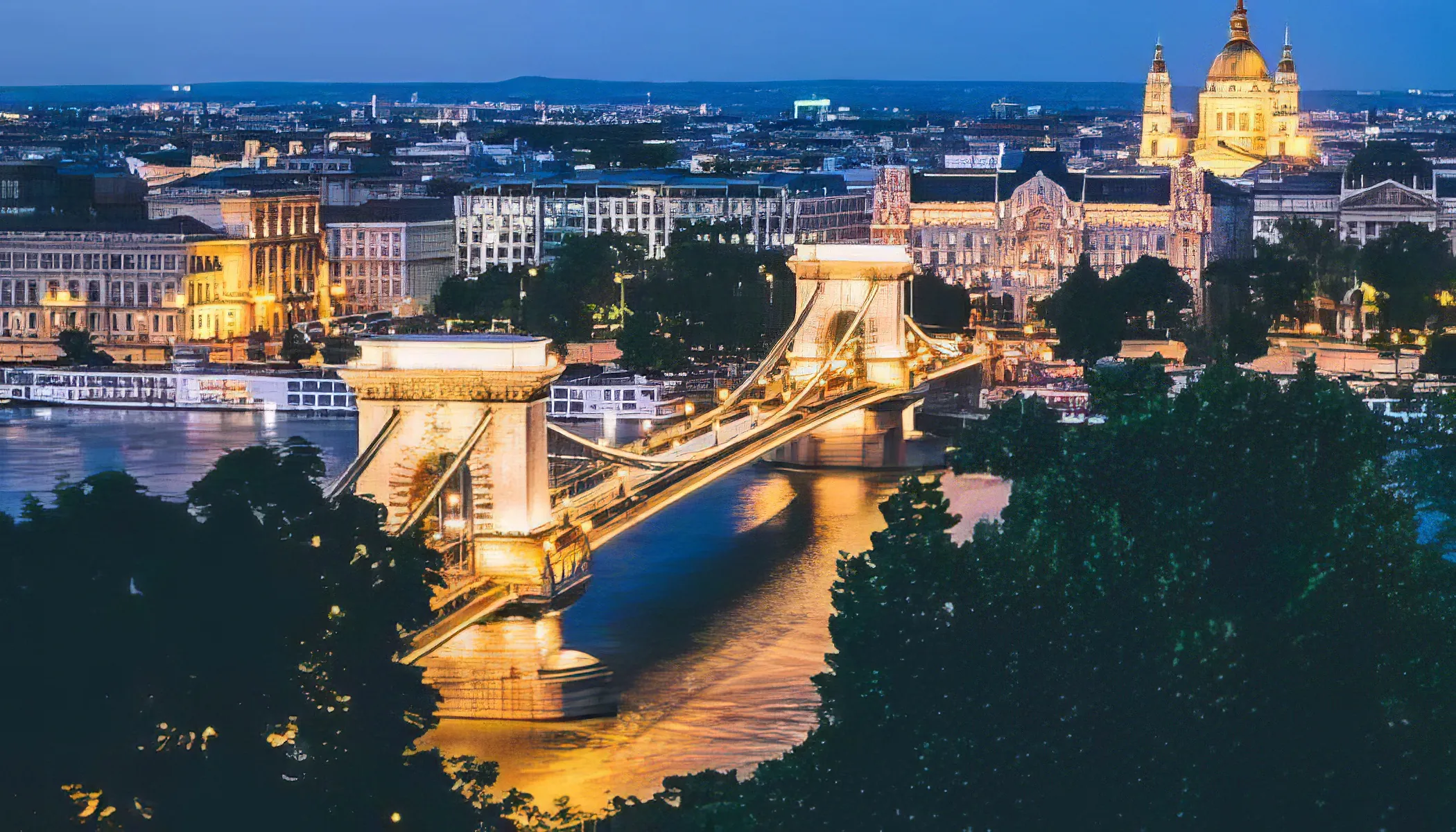
Explore Hungary's diverse cities, each offering unique cultural and historical experiences:
– Budapest: The capital city is famous for its thermal baths, historic architecture, and vibrant nightlife.
– Debrecen: Known for its cultural festivals, the Great Reformed Church, and proximity to Hortobágy National Park.
– Szeged: Offers beautiful Art Nouveau architecture and is known as the "City of Sunshine."
– Pécs: A city with Roman ruins, early Christian burial sites, and a lively arts scene.
– Eger: Famous for its castle, thermal baths, and the Valley of the Beautiful Women wine region.
– Győr: Known for its baroque architecture and strategic location between Budapest and Vienna.
– Sopron: A charming town near the Austrian border with medieval streets and wine cellars.
Monuments
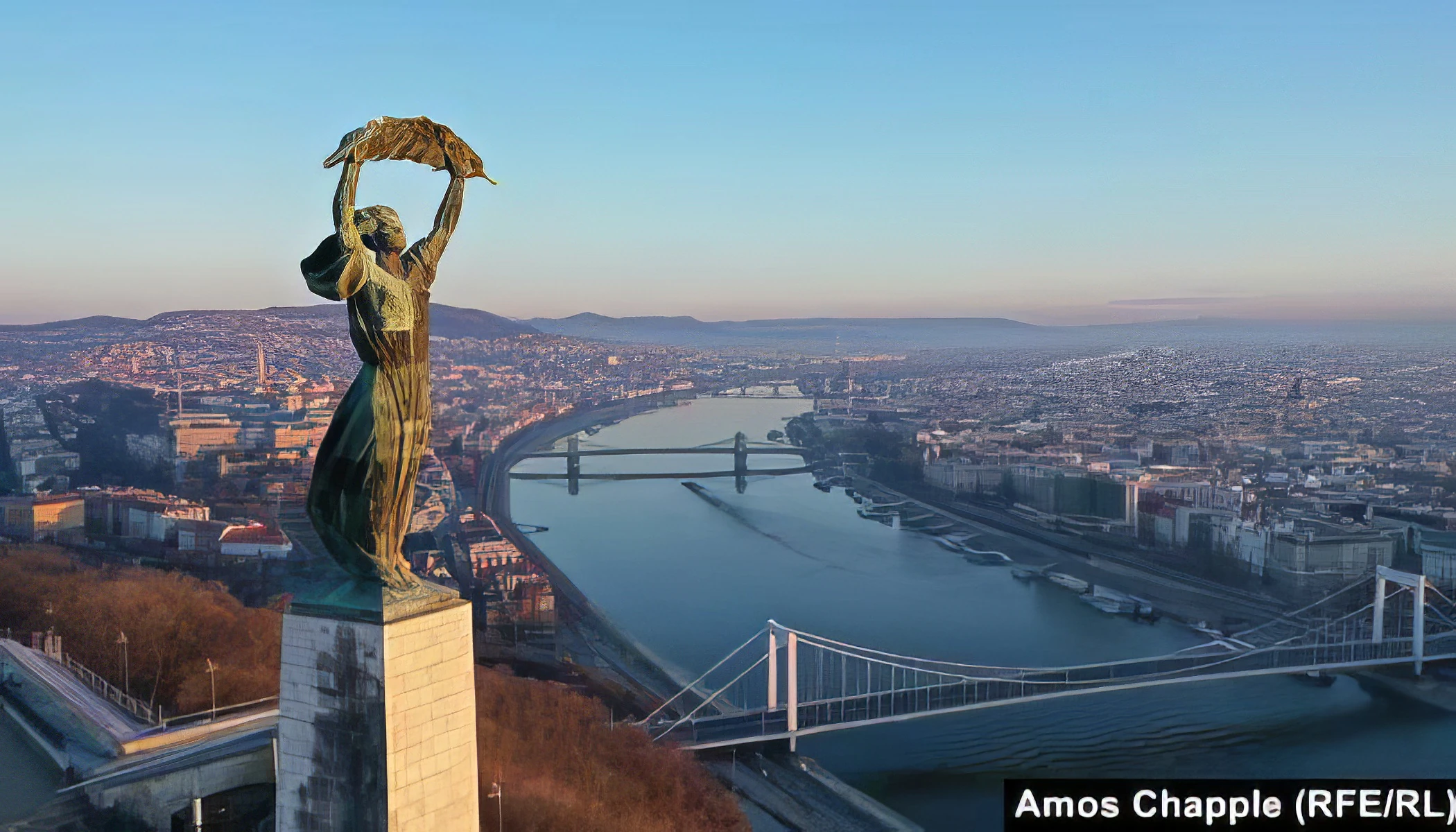
Hungary provides a variety of notable monuments to explore:
– Buda Castle, Budapest: Historic royal palace complex with museums and panoramic views of the city.
– Fisherman's Bastion, Budapest: Neo-Gothic terrace offering beautiful views of the Danube and Pest.
– Hungarian Parliament Building, Budapest: Iconic Gothic Revival structure on the Danube's banks.
– St. Stephen's Basilica, Budapest: Largest church in Budapest, named after Hungary's first king.
– Matthias Church, Budapest: Historic church known for its colorful roof tiles and medieval architecture.
– Esztergom Basilica: Largest church in Hungary with impressive dome and religious significance.
– Eger Castle: Medieval fortress known for its role in defending against Ottoman forces.
– Pannonhalma Archabbey: UNESCO site with a thousand-year-old Benedictine monastery and library.
Natural wonder
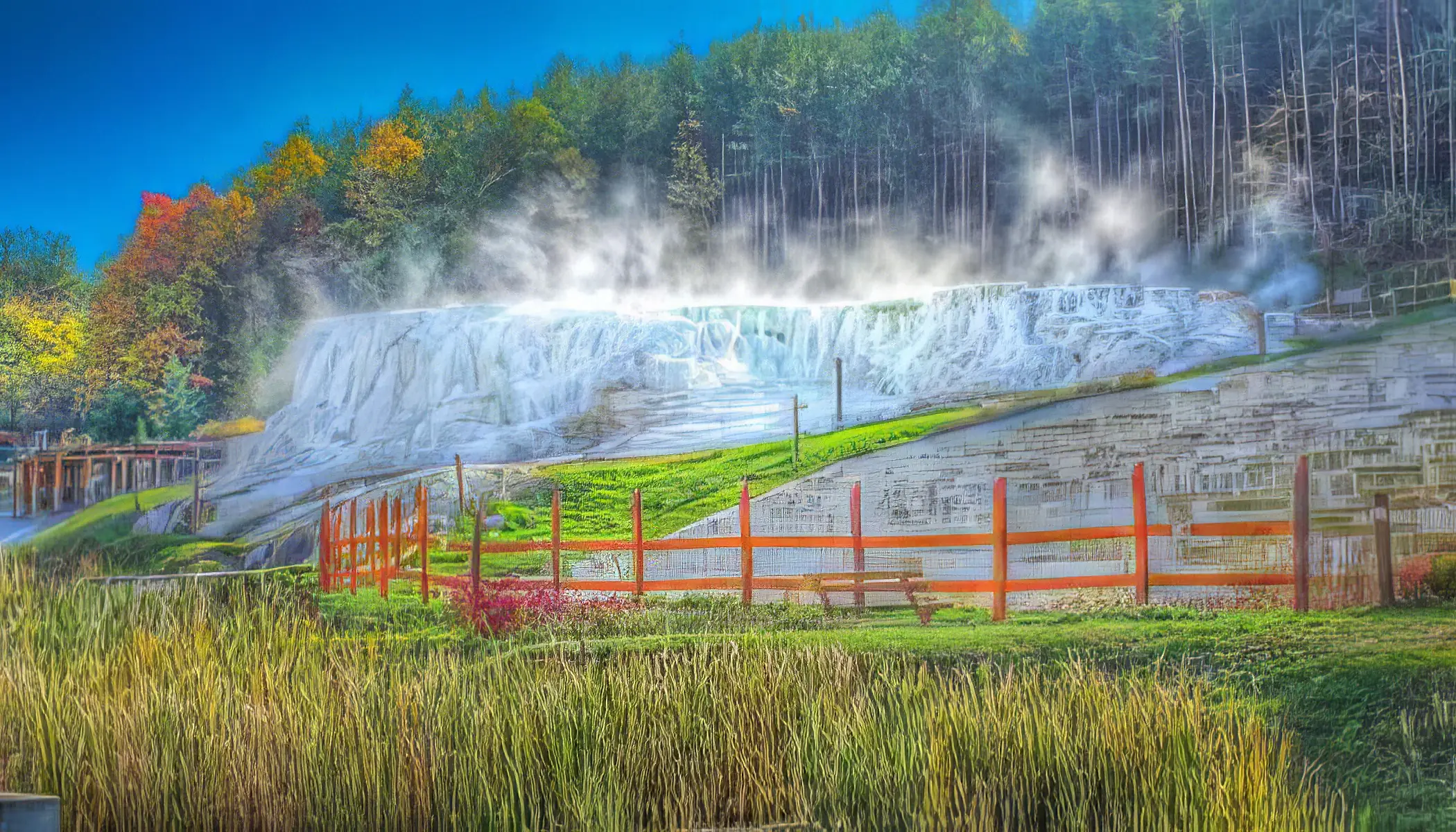
Explore Hungary's diverse natural landscapes:
– Lake Balaton: Central Europe's largest lake, popular for sailing and swimming.
– Hortobágy National Park: UNESCO site known for its vast plains and traditional Hungarian herding culture.
– Aggtelek National Park: Features the Baradla Cave, part of a UNESCO World Heritage site with impressive stalactites.
– Bükk National Park: Supplies dense forests, nice mountains, and rich biodiversity.
– Danube Bend: Scenic river curve with hills and historic towns along the Danube River.
– Lake Hévíz: Europe's largest thermal lake, known for its warm waters and healing properties.
– Kiskunság National Park: Known for its sand dunes, wetlands, and unique flora and fauna.
– Zemplén Mountains: Supplies hiking trails through forests and volcanic landscapes in northeastern Hungary.
– Pilis Mountains: Popular for hiking with panoramic views near Budapest.
– Balaton Uplands National Park: Features diverse landscapes including basalt formations and vineyards near Lake Balaton.
Outdoor activities
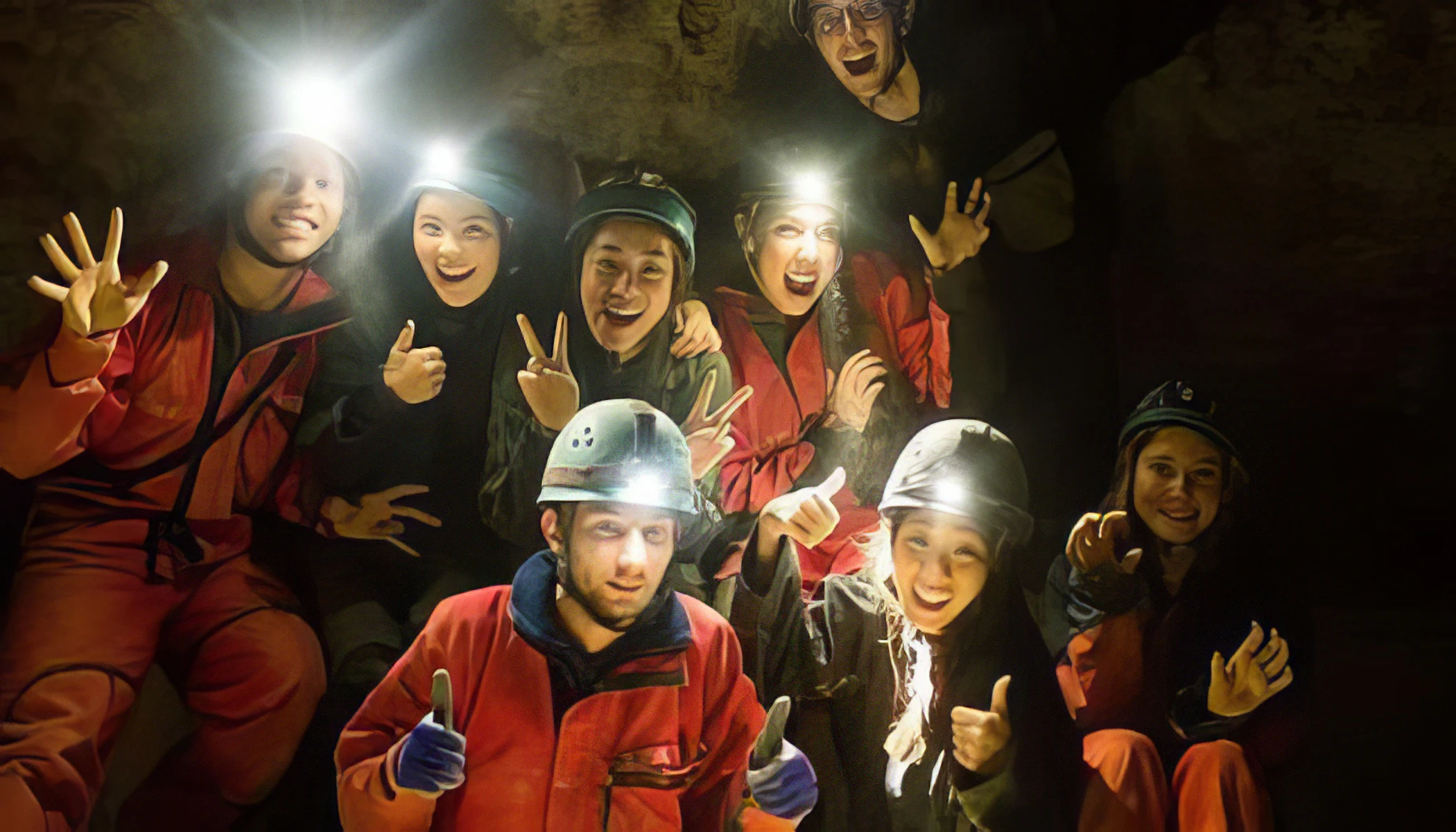
There are several outdoor activities to enjoy in Hungary's diverse landscapes:
– Hiking in the Buda Hills: Explore scenic trails with panoramic views of Budapest.
– Canoeing on the Danube River: Paddle through picturesque landscapes and historic towns.
– Cycling around Lake Balaton: Ride along the shores of Central Europe's largest lake.
– Caving in Aggtelek National Park: Discover impressive stalactites and underground formations.
– Birdwatching in Hortobágy National Park: Observe diverse bird species in this UNESCO World Heritage site.
– Thermal Bathing in Egerszalók: Relax in natural hot springs surrounded by nature.
– Horseback Riding in the Great Hungarian Plain: Experience traditional Hungarian horsemanship and vast open spaces.
Kid Friendly
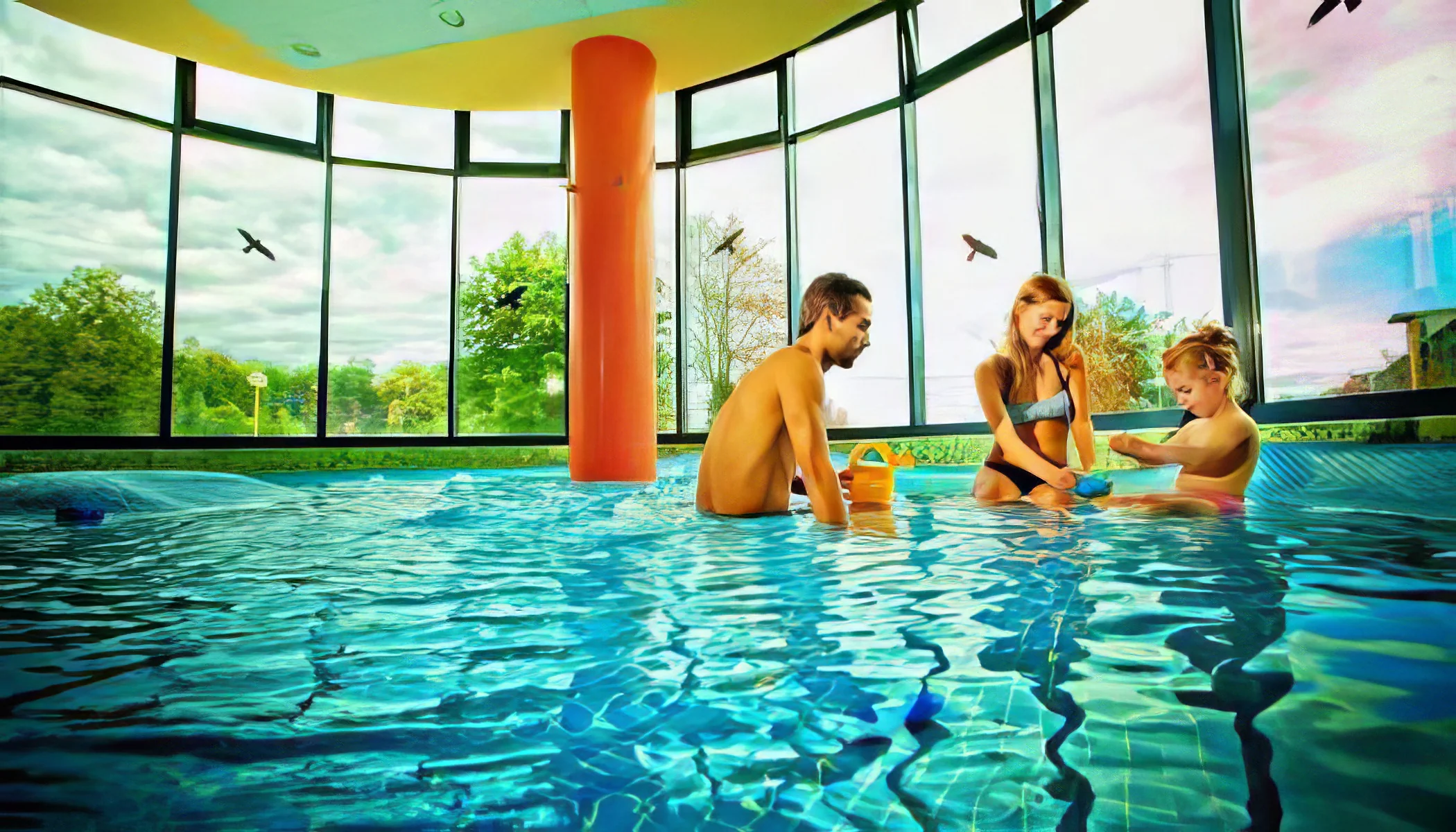
Hungary supplies a variety of activities that are enjoyable for children.
– Budapest Zoo & Botanical Garden: A historic zoo with diverse animals and interactive exhibits for kids.
– Lake Balaton: A large freshwater lake ideal for swimming, sailing, and family picnics.
– Aquaworld Budapest: One of Europe's largest indoor water parks with slides and wave pools.
– Buda Castle Labyrinth: An underground maze that provides a fun exploration experience for children.
– Miniversum: A detailed miniature model exhibition showcasing famous Hungarian landmarks.
– Palatinus Strand Baths: An outdoor water park on Margaret Island with thermal pools and slides.
– Children's Railway: A scenic train ride operated by children under adult supervision in the Buda Hills.
– Hortobágy National Park: A UNESCO World Heritage site where families can see traditional Hungarian wildlife and landscapes.
Cuisine
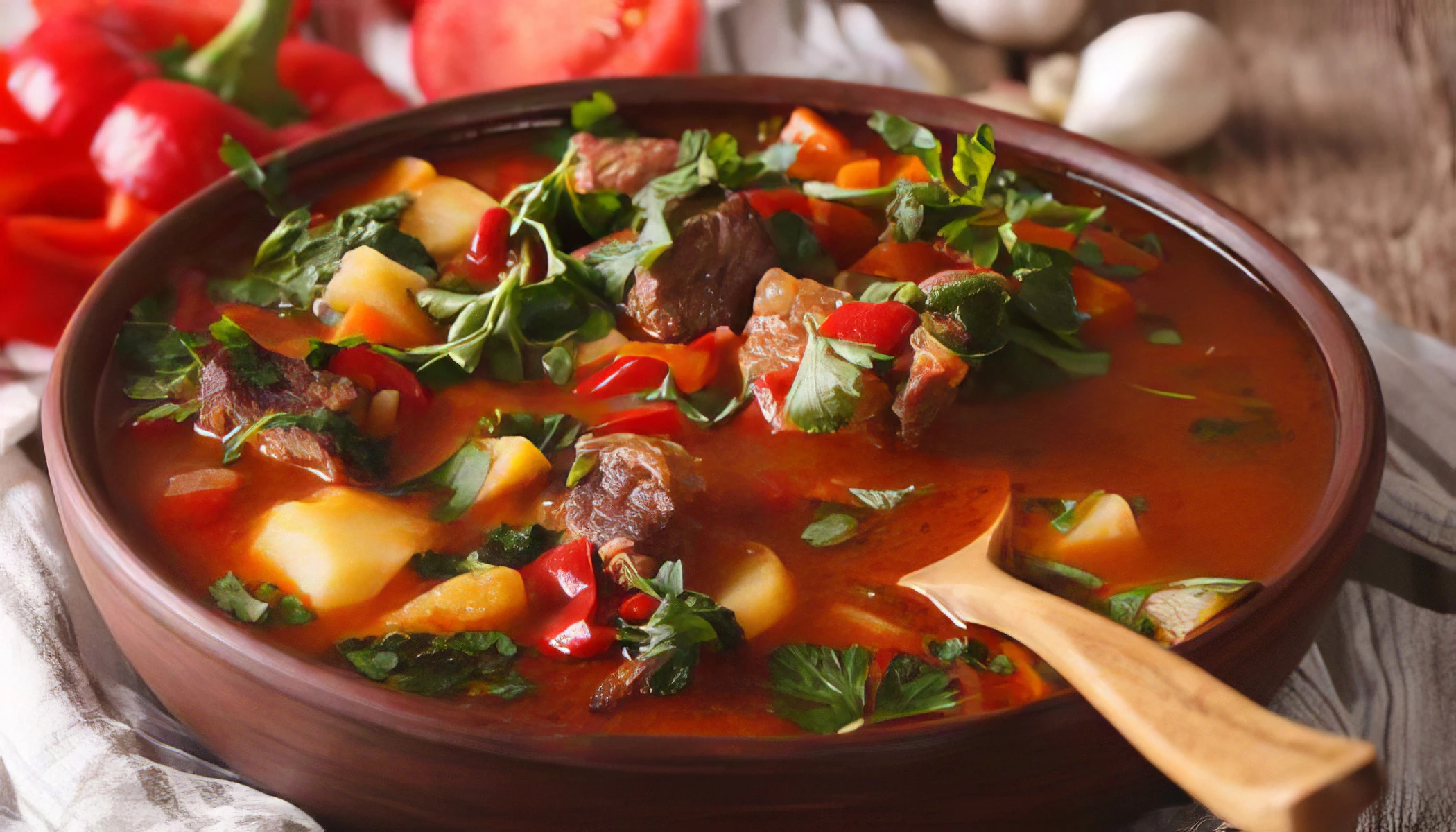
Hungarian cuisine is rich and hearty, featuring robust flavors and traditional techniques. It often includes meats, seasonal vegetables, and spices like paprika. The food scene reflects a blend of Eastern European influences with unique local twists. Most famous cuisine in Hungary are:
– Goulash: A thick stew made with beef, vegetables, and paprika.
– Chicken Paprikash: Chicken cooked in a creamy paprika sauce served with dumplings.
– Lángos: Deep-fried dough topped with sour cream and cheese.
– Hortobágyi Palacsinta: Savory crepes filled with meat and topped with paprika sauce.
– Dobos Torte: Layered sponge cake with chocolate buttercream and caramel topping.
Souvenir
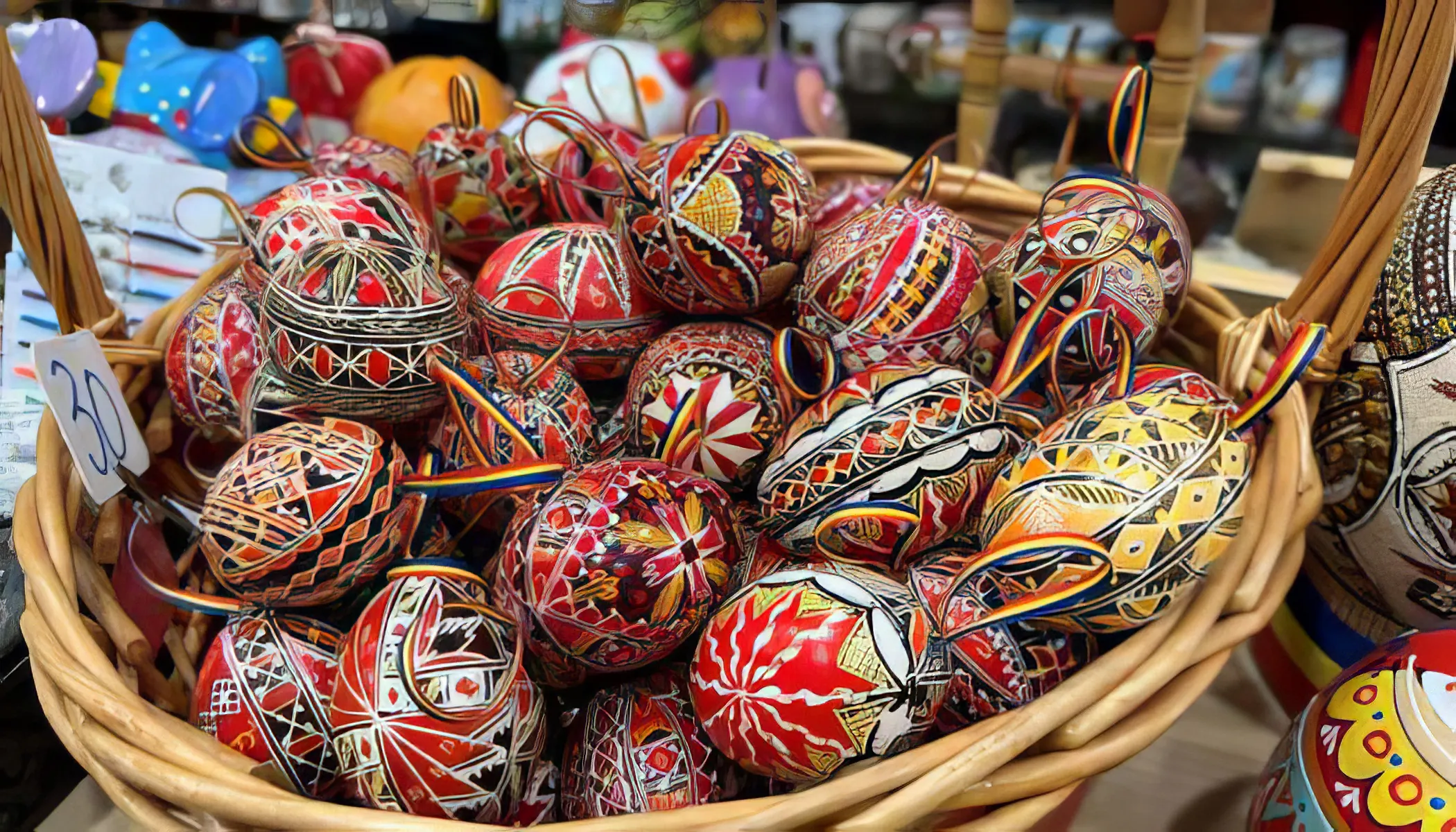
Hungary provides a variety of unique souvenirs that reflect its rich cultural heritage. Here are some popular options:
– Paprika: A staple in Hungarian cuisine, paprika is available in sweet and spicy varieties.
– Tokaji Wine: Known as the "Wine of Kings," Tokaji is a famous Hungarian dessert wine.
– Herend Porcelain: Renowned for its quality and sophisticated designs, Herend porcelain is a collectible item.
– Rubik's Cube: Invented by Hungarian Ernő Rubik, this puzzle is a classic souvenir.
– Embroidered Tablecloths: Traditional Hungarian embroidery features colorful floral patterns on linens.
– Pálinka: A strong fruit brandy, Pálinka is a traditional Hungarian spirit.
– Matyó Dolls: These dolls are dressed in traditional Matyó folk costumes and make charming gifts.
Traditional Shows
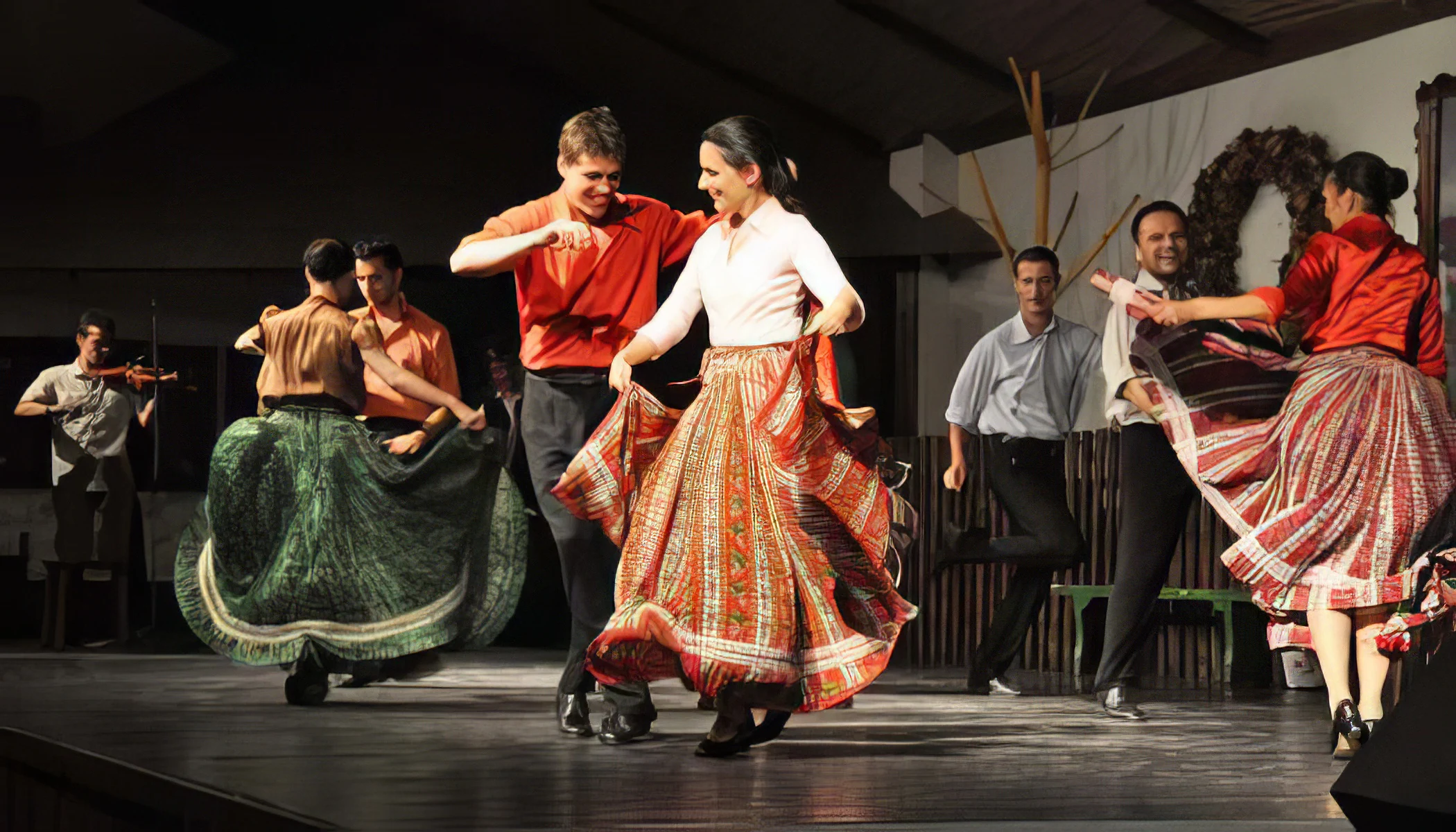
Hungary supplies a rich tapestry of traditional performances:
– Hungarian Folk Dance: Experience animated folk dances with colorful costumes and lively music at the Hungarian State Folk Ensemble in Budapest.
– Budapest Operetta Theatre: Enjoy operettas and musicals blending humor, romance, and drama in a historic venue in Budapest.
– Csárdás Dance: Witness this traditional Hungarian dance characterized by its fast tempo and energetic movements, often performed at cultural festivals.
– Gypsy Music: Listen to passionate and soulful Gypsy music performances, showcasing Hungary's Romani heritage, available in various venues across the country.
– Liszt Ferenc Academy Concerts: Attend classical music concerts featuring works by renowned Hungarian composers like Liszt and Bartók in Budapest's prestigious academy.
Events & Festivals
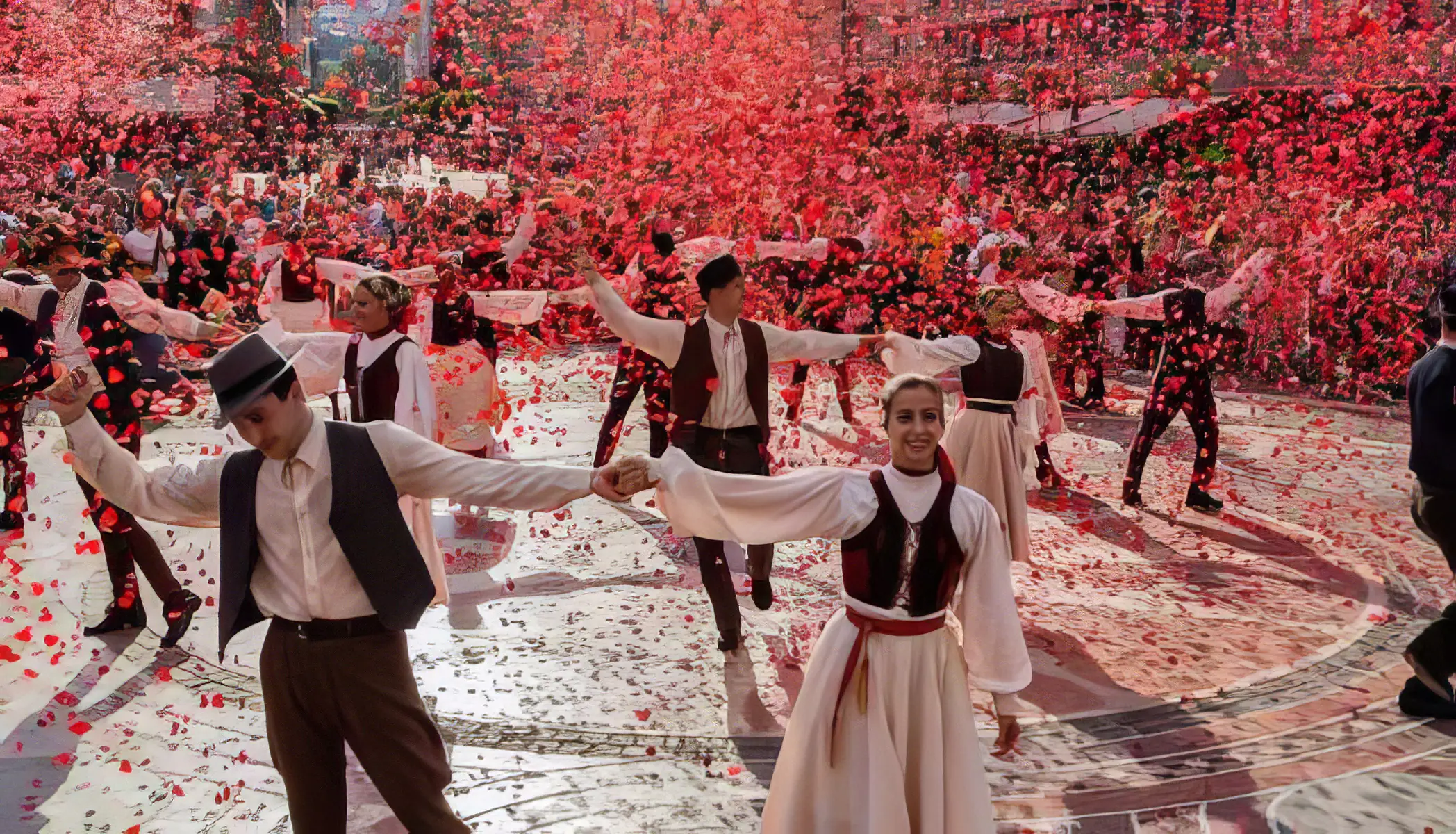
Hungary hosts a variety of cultural and traditional events throughout the year, attracting locals and tourists alike:
– Budapest Spring Festival: March-April event featuring classical music, opera, and dance performances.
– Busójárás: February carnival in Mohács with masks and folk traditions to chase away winter.
– Sziget Festival: August music festival in Budapest, one of Europe's largest, with international artists.
– Budapest Wine Festival: September event at Buda Castle showcasing Hungarian wines and gastronomy.
– Debrecen Flower Carnival: August parade with floral floats and cultural performances in Debrecen.
– St. Stephen's Day: National holiday on August 20 celebrating Hungary's founding with fireworks and parades.
– Christmas Markets: December markets in Budapest offering crafts, food, and festive atmosphere.
Famous People
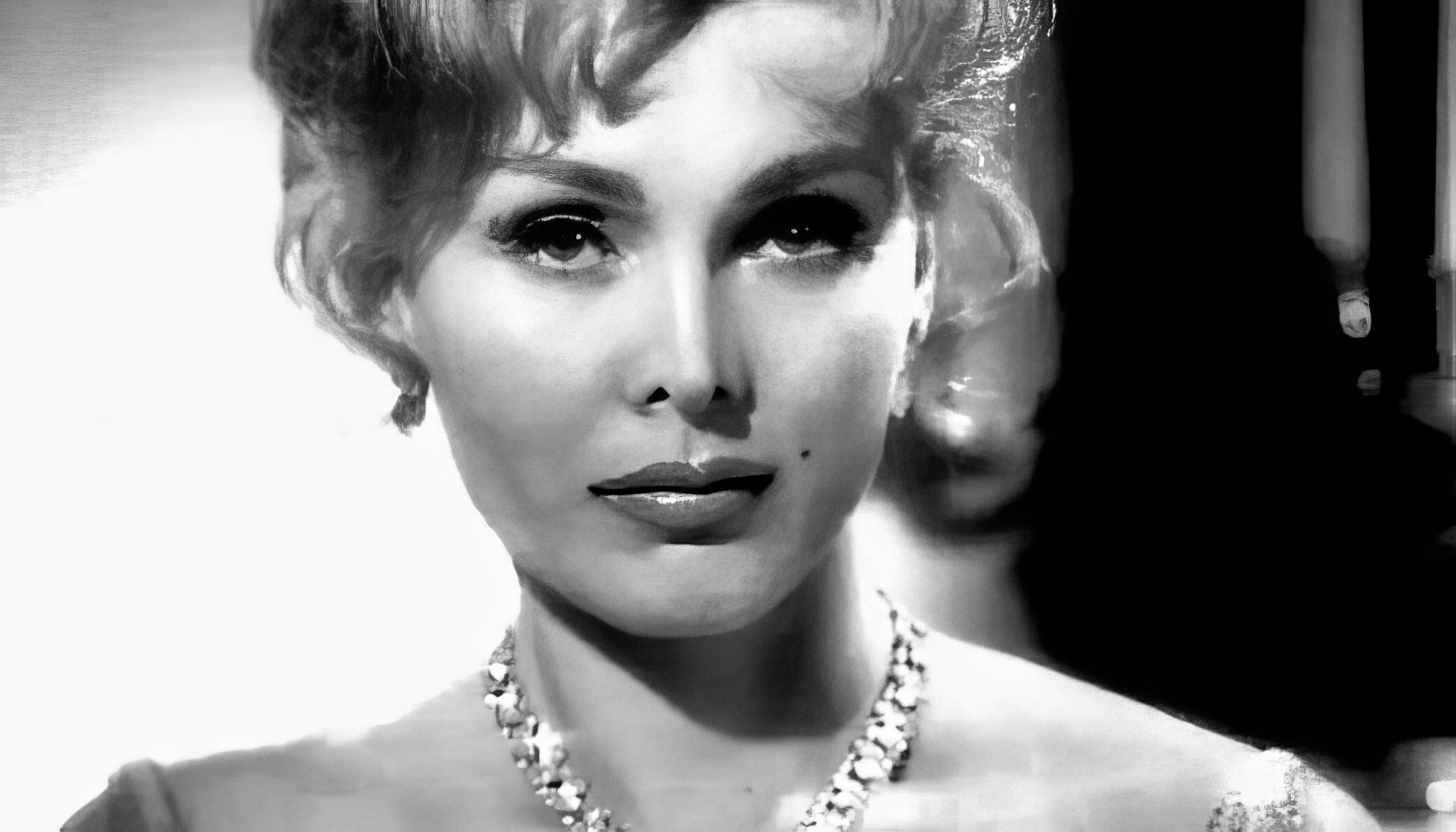
Hungary has been home to many notable individuals who have made significant contributions across various fields.
– László Bíró (1899 to 1985, Budapest): Inventor of the ballpoint pen, revolutionizing writing instruments worldwide.
– Ferenc Puskás (1927 to 2006, Budapest): Legendary footballer known for his exceptional goal-scoring ability and success with Real Madrid.
– Béla Bartók (1881 to 1945, Nagyszentmiklós): Influential composer and ethnomusicologist, renowned for integrating folk music into classical compositions.
– Albert Szent-Györgyi (1893 to 1986, Budapest): Nobel Prize-winning physiologist credited with discovering vitamin C and its health benefits.
– Imre Kertész (1929 to 2016, Budapest): Nobel Prize-winning author known for his novel "Fatelessness," depicting Holocaust experiences.
Books
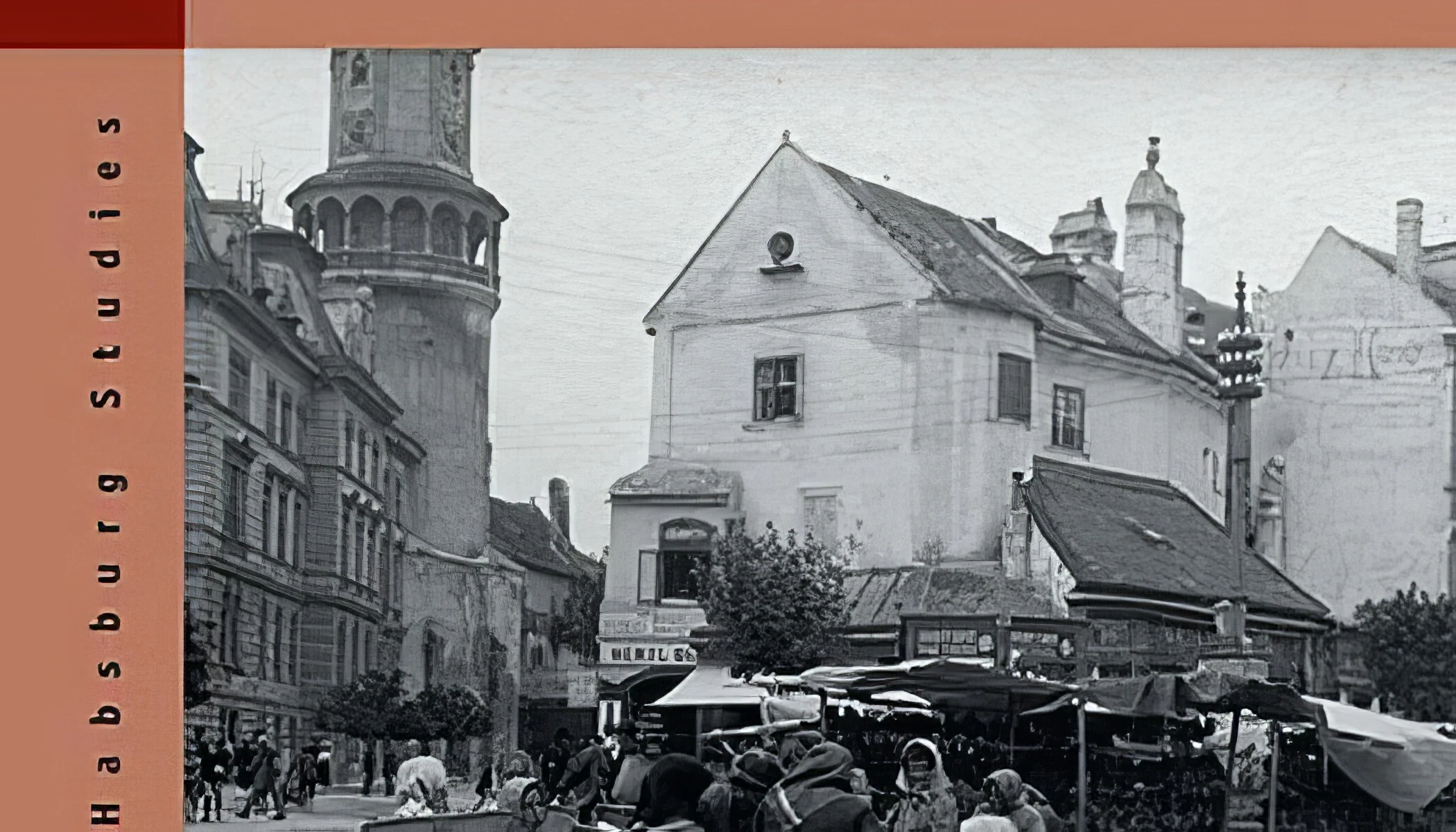
These books provide insights into Hungary's history, culture, and the personal stories of its people through various literary lenses.
– "The Door" by Magda Szabó: A complex relationship between a writer and her enigmatic housekeeper in post-war Hungary.
– "Fatelessness" by Imre Kertész: A young Hungarian Jew's harrowing experiences during the Holocaust.
– "Embers" by Sándor Márai: A tale of friendship, betrayal, and memory set in a decaying Austro-Hungarian Empire.
– "Satantango" by László Krasznahorkai: A bleak portrayal of life in a desolate Hungarian village after communism's fall.
– "The Paul Street Boys" by Ferenc Molnár: Classic story of youth and camaraderie in Budapest at the turn of the 20th century.
Songs
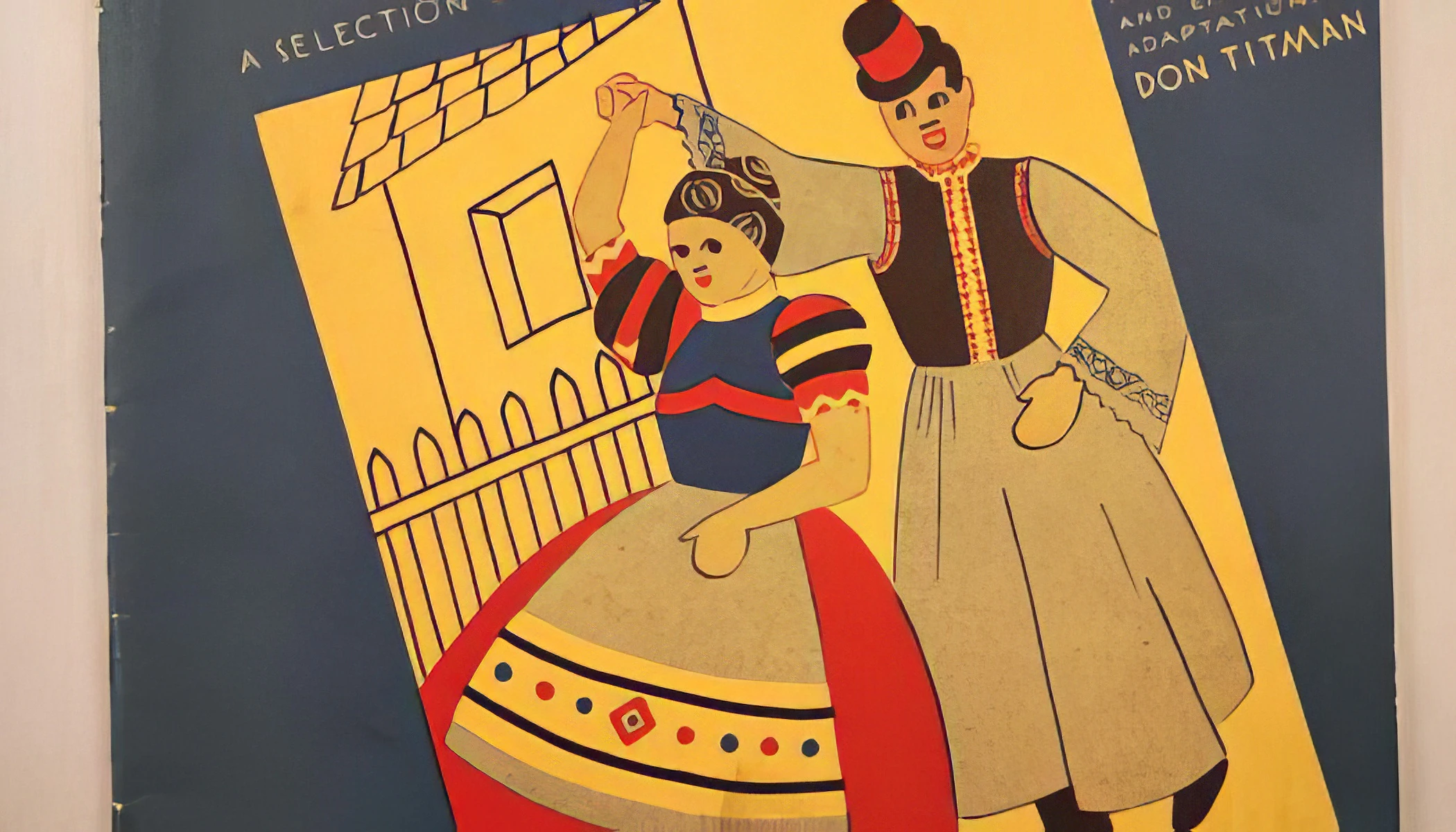
These songs highlight the rich musical heritage of Hungary, featuring themes of love, history, and cultural pride.
– Tavaszi Szél Vizet Áraszt: Traditional Hungarian folk song popularized by international artists like Queen.
– Szomorú Vasárnap: Known as "Gloomy Sunday," this melancholic song by Rezső Seress gained global fame.
– Most múlik pontosan: A modern classic by the band Republic, beloved for its emotional depth.
– 8 óra munka: A hit by Beatrice that became an anthem for workers' rights in Hungary.
– Meseautó: A nostalgic song from a classic Hungarian film, cherished across generations.
– Az a szép: Traditional folk song celebrating Hungarian beauty and culture.
Films
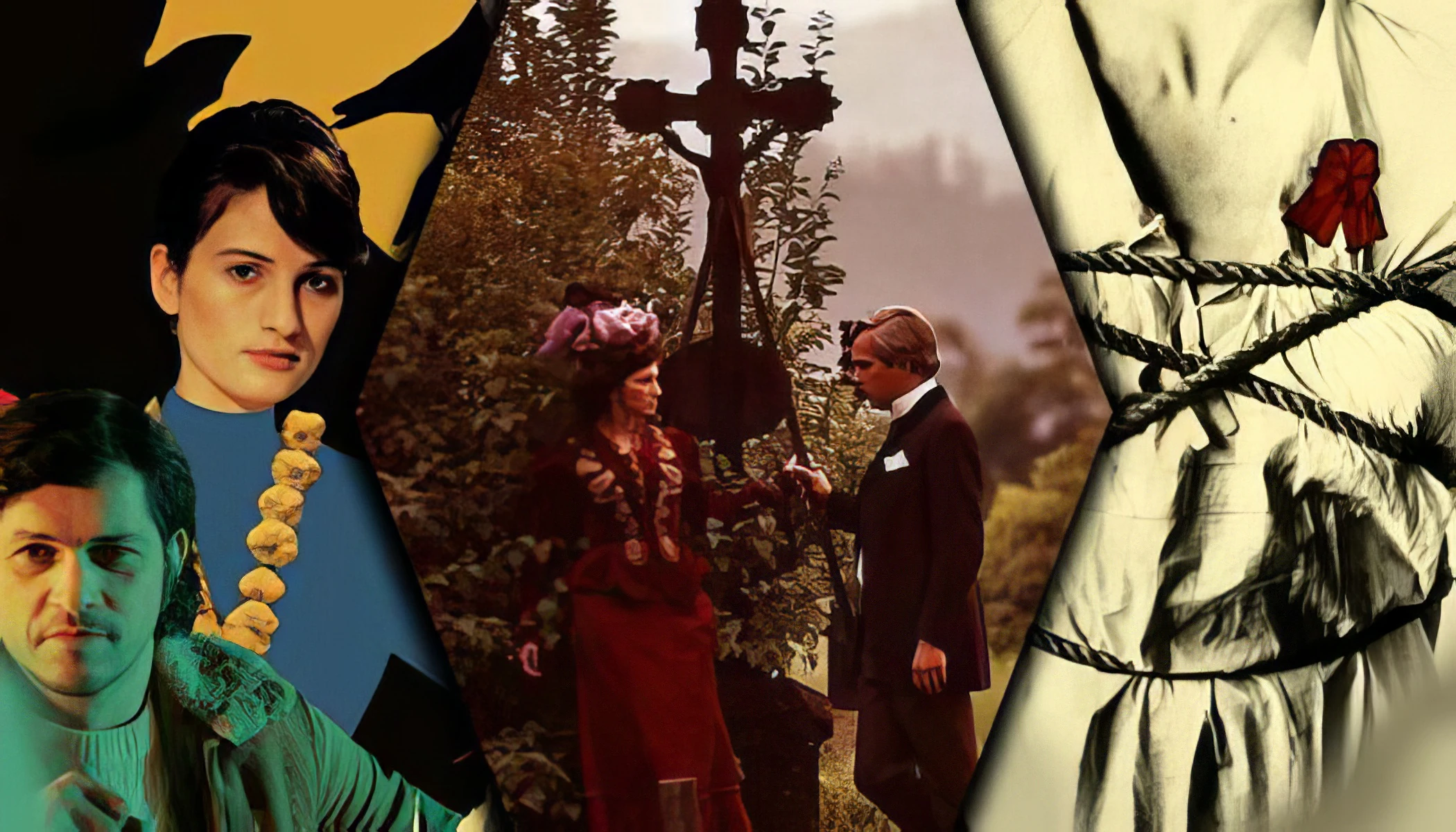
Explore the cinematic landscape of Hungary through these notable films:
– "Son of Saul": László Nemes' Oscar-winning Holocaust drama set in Auschwitz, focusing on a Jewish prisoner’s moral struggle.
– "The Turin Horse": Béla Tarr's film depicts the bleak existence of a farmer and his daughter in rural Hungary.
– "Mephisto": István Szabó's Oscar-winning film about an actor's moral compromise during Nazi Germany.
– "Kontroll": Nimród Antal's thriller set in Budapest's subway system, blending mystery and dark humor.
– "Satantango": Béla Tarr’s seven-hour epic exploring the collapse of a Hungarian village post-communism.