

Iceland Attractions & Travel Advice – Plan Your Visit
An island nation in the North Atlantic, known for its dramatic landscapes featuring volcanoes, geysers, hot springs, and lava fields. The capital, Reykjavik, runs on geothermal power. Its unique natural beauty and charming culture attract travelers seeking adventure and tranquility.
- Capital
- Reykjavik
- Population
- 0.4 millions
- Superficy
- 103000 sq.km
- Months to Visit
- June to August.
- Living Cost
- Expensive
Overview
Iceland, an island nation in the North Atlantic, is known for its dramatic landscapes featuring volcanoes, geysers, hot springs, and lava fields. The capital, Reykjavik, is the northernmost capital of a sovereign state and serves as a cultural hub with museums and nice nightlife. Iceland's small population enjoys a high standard of living and strong social welfare system. The country is notable for its use of renewable energy, primarily geothermal and hydroelectric power. Tourism has grown significantly due to attractions like the Blue Lagoon and the Northern Lights. Despite its remote location, Iceland maintains a rich cultural heritage with deep-rooted traditions in literature and music.
Pros & Cons
GOOD REASONS TO VISIT ICELAND
– Unique Landscapes: Explore geysers, volcanoes, glaciers, and black sand beaches; Iceland's natural beauty is unparalleled.
– Northern Lights: Witness the appealing aurora borealis during winter months, a bucket-list experience for many travelers.
– Geothermal Pools: Relax in natural hot springs like the Blue Lagoon, offering soothing warmth amidst fascinating surroundings.
– Wildlife Watching: Spot puffins, whales, and seals; Iceland supplies excellent opportunities for observing diverse wildlife.
– Cultural Heritage: Discover Viking history and folklore through museums, historic sites, and traditional Icelandic sagas.
CHALLENGES WHEN VISITING ICELAND
– High Costs: Accommodation, food, and activities can be expensive; budget carefully to manage expenses.
– Unpredictable Weather: Rapid weather changes require preparation for rain, wind, and cold at any time of year.
– Limited Public Transport: Renting a car is often necessary to explore beyond Reykjavik due to sparse public transport options.
Before Departure
Before traveling to Iceland, consider the following essential information:
– Passport: Ensure your passport is valid for at least three months beyond your intended departure date.
– Visa: Schengen Area rules apply; visa-free for many countries up to 90 days. Check specific requirements based on nationality.
– Currency: Icelandic Krona (ISK); credit cards widely accepted; ATMs readily available throughout the country.
– Internet access: WiFi is accessible in most hotels and cafes; local SIM cards with data plans are available from Síminn, Vodafone, or Nova.
– Language barrier: Icelandic is the official language; English is widely spoken, especially in tourist areas. Other languages like German and French are less common.
What to Pack
Iceland's unique climate and landscape require careful packing to ensure comfort and safety during your visit.
– Essentials: Passport, travel insurance details, flight tickets, itinerary, accommodation confirmations, and a valid driver's license if renting a car.
– Clothing: Waterproof jacket and pants, thermal layers, sturdy hiking boots, warm hat and gloves, swimwear for hot springs.
– Health & Safety: Prescription medications, basic first aid kit, sunscreen for UV protection in snow or ice conditions.
– Electronics: Travel adapter for Icelandic outlets (Type C/F), mobile phone with charger, camera with extra batteries or memory cards.
Weather
Weather in Iceland is unpredictable, with frequent changes throughout the year:
– Winter (December to February): Cold, dark, and snowy with temperatures ranging from -1°C to 4°C.
– Spring (March to May): Gradually warming with longer daylight hours; temperatures between 0°C and 10°C.
– Summer (June to August): Mild and bright with temperatures from 10°C to 15°C; occasional rain.
– Autumn (September to November): Cooling down with increasing rainfall; temperatures between 0°C and 10°C. The best time to visit Iceland is from June to August:
– Pros: Pleasant weather, long daylight hours, and accessibility to highland areas.
– Cons: Higher prices and more tourists during peak season.
Travel Budget
Iceland is known for its high cost of living, which is reflected in the prices tourists can expect. Here are some average costs for common expenses:
– Hotel: 100$ to 300$
– Lunch: 15$ to 30$
– Beverage (in bar/restaurant): 8$ to 15$
– Coffee: 3$ to 5$
– Transportation: (train not applicable), (bus 3$ to 5$), (taxi /10km 25$ to 40$)
– Mobile data (per GB): 5$ to 10$
Language
Icelandic can be challenging for tourists, but knowing a few key phrases can enhance your travel experience.
– Hello: Halló
– Thank you: Takk
– Please: Vinsamlegast
– How much is this?: Hvað kostar þetta?
– Excuse me: Afsakið
– I don't understand: Ég skil ekki
– Yes: Já
– No: Nei
– Goodbye: Bless
History
Settled by Norse explorers in the late 9th century, it established a unique parliamentary system with the founding of the Althing in 930 AD, one of the world's oldest parliaments. In 1262, Iceland came under Norwegian rule, later transitioning to Danish control in 1814. The country experienced a period of hardship and isolation until the 20th century. During World War II, British and then American forces occupied Iceland to prevent Nazi control. In 1944, Iceland declared independence from Denmark and became a republic. Post-war economic growth transformed it into a prosperous nation with a strong emphasis on renewable energy and fishing industries.
Geopolitics
Located in the North Atlantic, Iceland is a Nordic island nation with strategic importance due to its position between North America and Europe. It is a member of NATO but does not have its own standing army, relying on defense agreements with allied countries. The country is not part of the European Union but maintains close economic ties through the European Economic Area. Iceland's economy is heavily dependent on fishing, renewable energy, and increasingly on tourism. Geopolitically, it plays a role in Arctic affairs, participating in discussions about resource management and environmental protection as climate change opens new navigation routes. Its foreign policy focuses on maintaining strong transatlantic relations while promoting peace and cooperation in the Arctic region.
Sample Itinerary
This itinerary covers Iceland's fascinating landscapes, geothermal wonders, and cultural sites, offering a comprehensive experience of the country's natural beauty and unique attractions.
– 1 day in Reykjavik: Explore Hallgrímskirkja Church, Harpa Concert Hall, and Sun Voyager sculpture. Stroll through Laugavegur Street for shopping and dining.
– 1 day in Golden Circle: Visit Thingvellir National Park, Geysir geothermal area, and Gullfoss waterfall. Experience Iceland's geological wonders.
– 1 day in South Coast: See Seljalandsfoss and Skógafoss waterfalls. Walk on Reynisfjara black sand beach near Vík with views of basalt columns.
– 1 day in Vatnajökull National Park: Explore Jökulsárlón Glacier Lagoon with floating icebergs. Visit Diamond Beach for striking ice formations on black sand.
– 1 day in East Fjords: Drive through scenic fjords with small fishing villages. Enjoy the calm landscapes and wildlife spotting opportunities.
– 1 day in Lake Mývatn Area: Discover geothermal features like Hverir mud pots and Dimmuborgir lava formations. Relax at Mývatn Nature Baths.
– 1 day in Akureyri: Visit the Botanical Gardens and Akureyri Church. Explore local shops and cafes in Iceland's second-largest city.
Popular cities
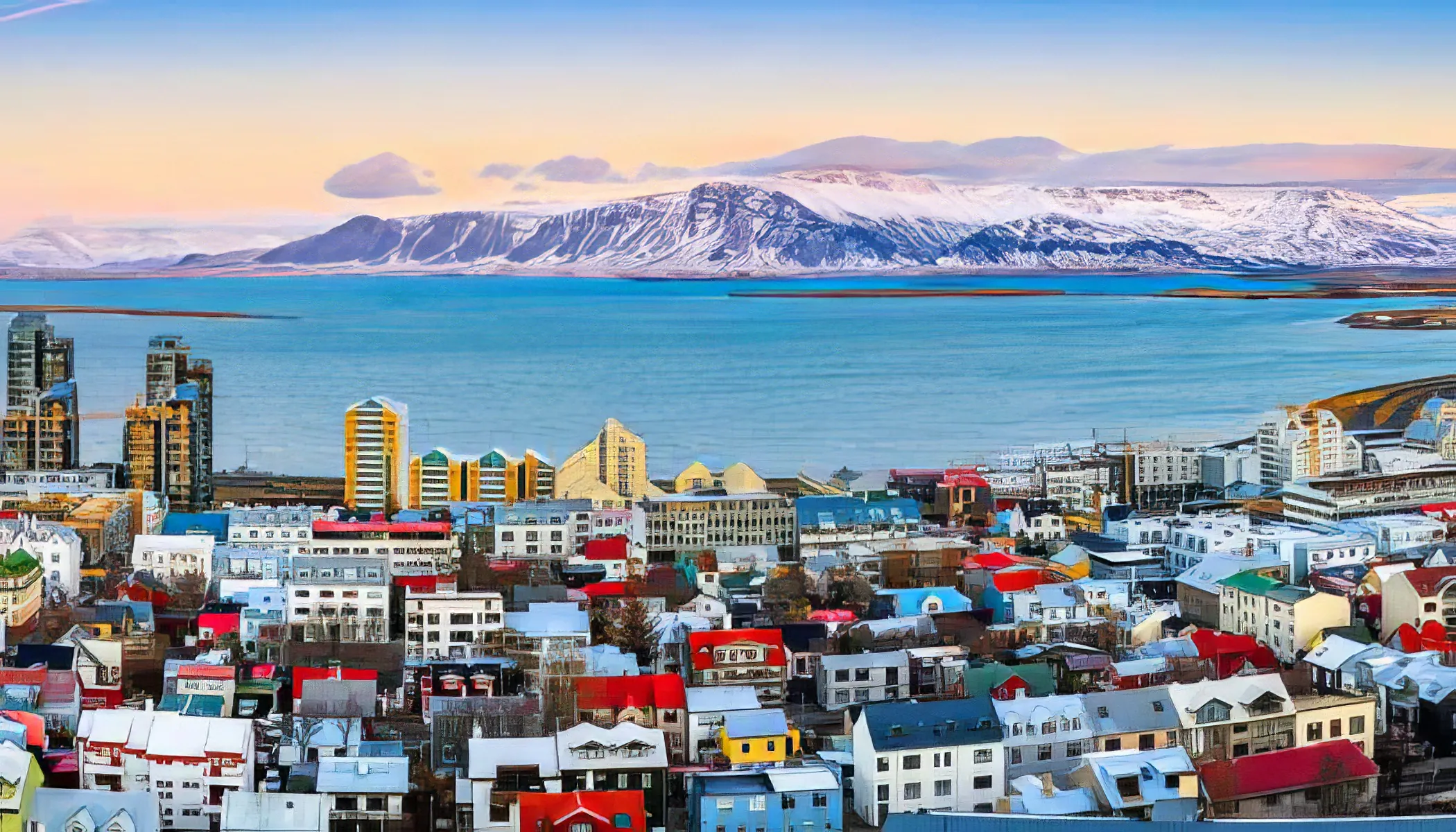
Explore Iceland's unique blend of natural beauty and beautiful city life:
– Reykjavik: The capital city provides a mix of modern culture, history, and access to natural wonders.
– Akureyri: Known as the "Capital of the North," it features botanical gardens and nearby natural attractions.
– Selfoss: A gateway to the Golden Circle, offering easy access to waterfalls and geysers.
– Vik: Famous for its black sand beaches and dramatic coastal scenery.
– Husavik: Renowned for whale watching tours in Skjálfandi Bay.
– Egilsstaðir: A hub in East Iceland, surrounded by forests and lakes.
– Seyðisfjörður: A charming town known for its colorful houses and artistic community.
Monuments
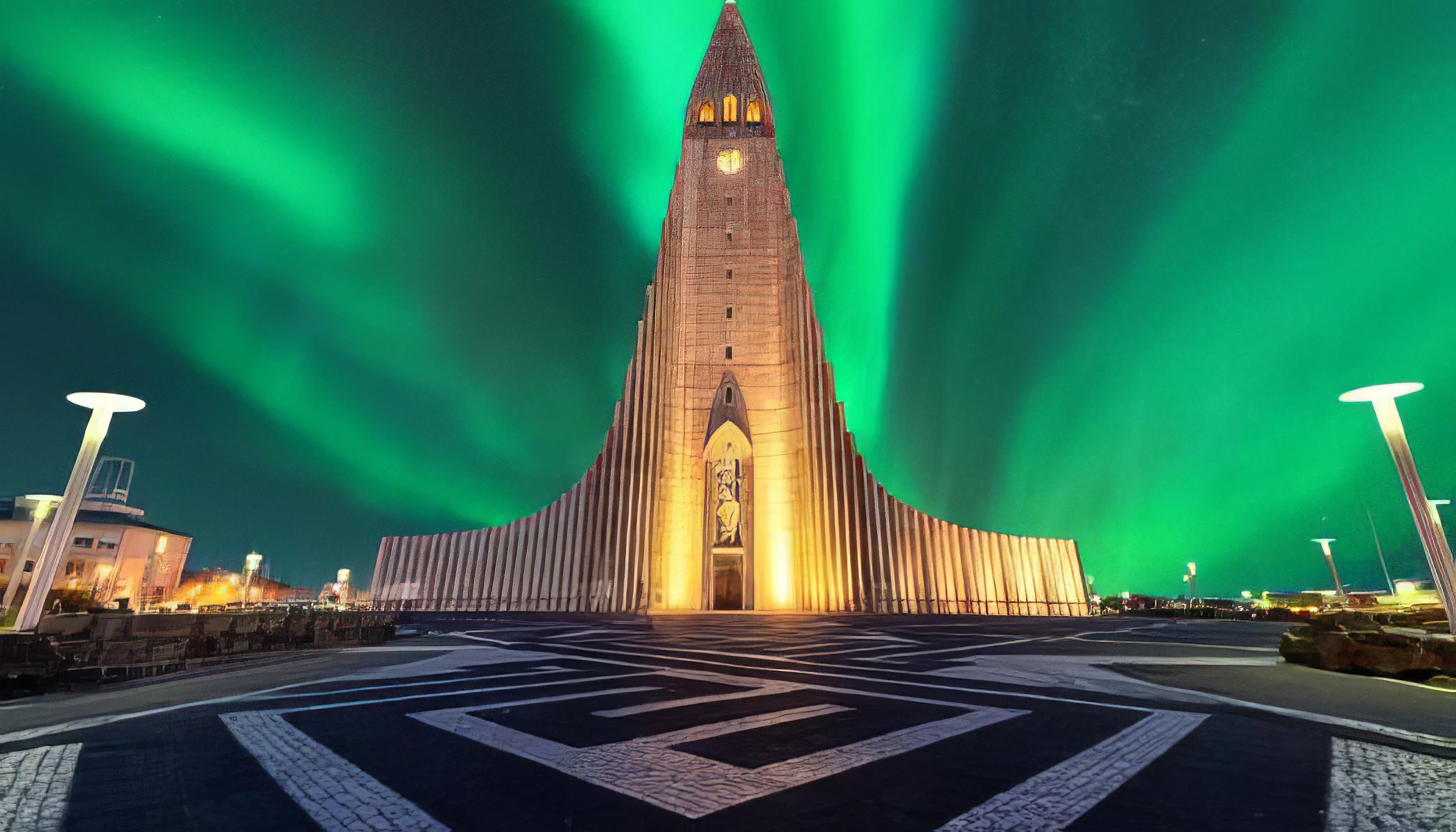
Iceland offers a range of unique monuments to explore:
– Hallgrímskirkja, Reykjavik: Iconic church with a striking design and panoramic city views.
– Harpa Concert Hall, Reykjavik: Modern glass building hosting concerts and cultural events.
– Thingvellir National Park: UNESCO site where Iceland's parliament was founded in 930 AD.
– Hofskirkja Turf Church, Hof: Traditional turf-roofed church blending into the landscape.
– Skálholt Cathedral, Skálholt: Historic religious site with roots dating back to the 11th century.
– Reykholt Historic Site, Reykholt: Home of medieval scholar Snorri Sturluson with ancient hot spring pool.
– Viðey Island, Reykjavik: Features Imagine Peace Tower and historical ruins from early settlements.
– Hólar Cathedral, Hólar í Hjaltadal: One of Iceland's oldest stone churches with significant religious history.
Natural wonder
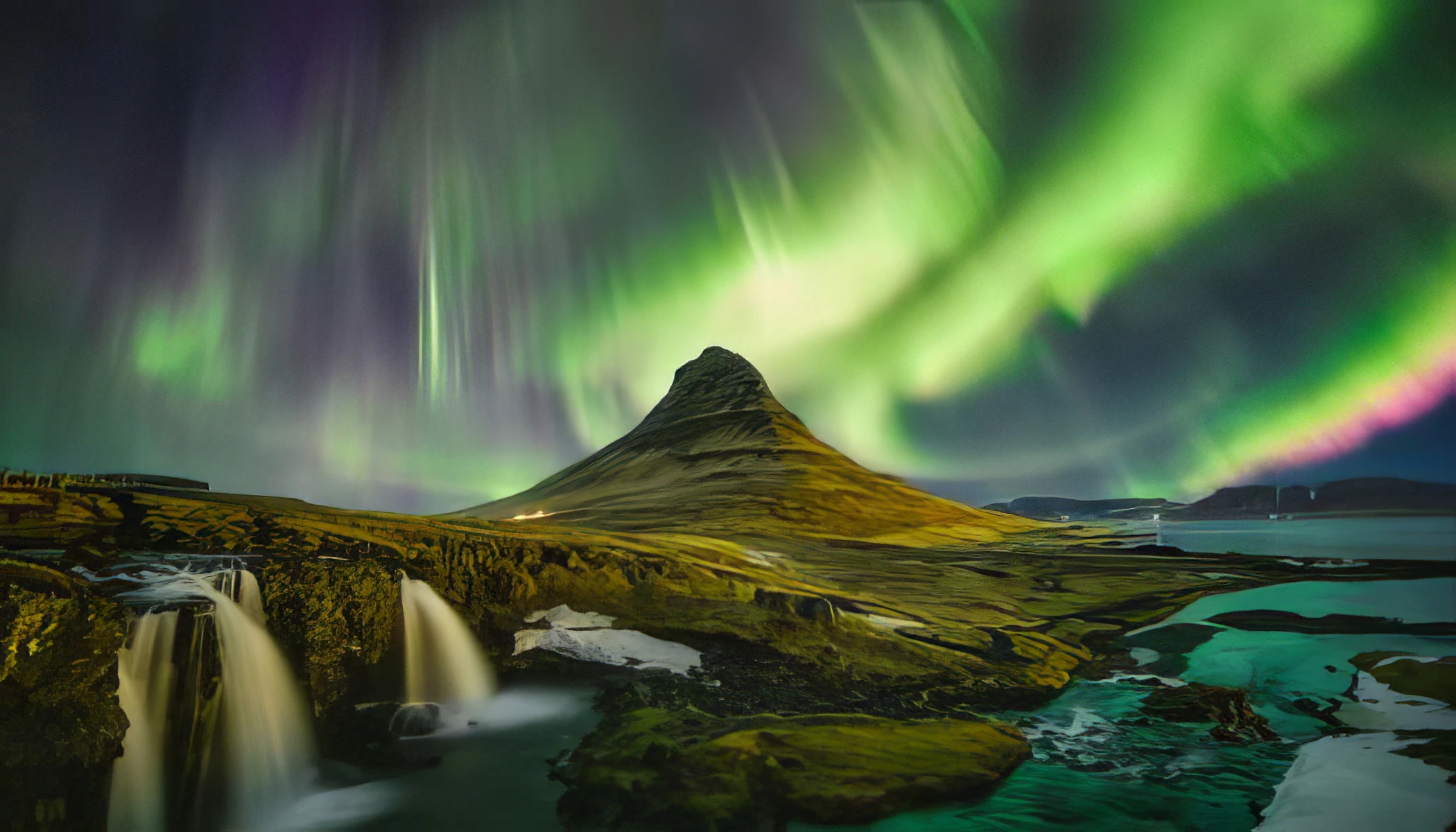
Iceland is renowned for its unique and nice natural landscapes:
– Gullfoss Waterfall: A powerful, multi-tiered waterfall on the Hvítá River.
– Geysir Geothermal Area: Known for its erupting hot springs, including the active Strokkur geyser.
– Vatnajökull Glacier: Europe's largest glacier, covering several active volcanoes.
– Jökulsárlón Glacier Lagoon: A glacial lake filled with floating icebergs from Breiðamerkurjökull glacier.
– Thingvellir National Park: A rift valley marking the boundary between North American and Eurasian tectonic plates.
– Skógafoss Waterfall: A large waterfall with a drop of 60 meters, often producing rainbows.
– Reynisfjara Black Sand Beach: Known for its black sands and basalt sea stacks near Vík í Mýrdal.
– Dettifoss Waterfall: Europe's most powerful waterfall, located in Vatnajökull National Park.
– Landmannalaugar: A geothermal area known for colorful rhyolite mountains and hiking trails.
– Mývatn Lake and Geothermal Area: Features volcanic craters, hot springs, and diverse birdlife.
Beaches
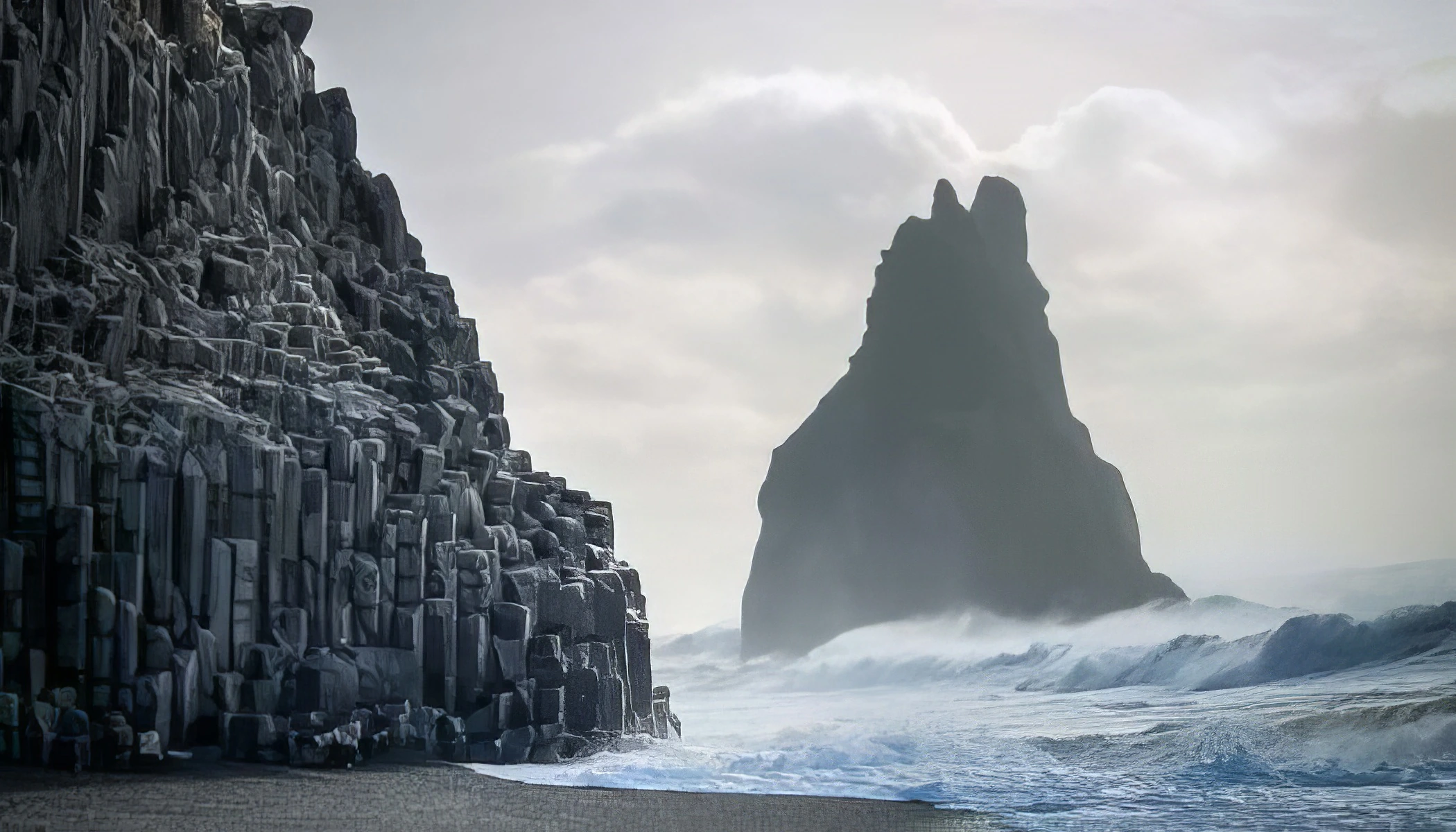
Iceland is known for its unique black sand beaches.
– Reynisfjara Beach: Famous for black sands, basalt columns, and powerful waves near Vik.
– Diamond Beach: Known for icebergs from Jökulsárlón glacial lagoon scattered on black sands.
– Djúpalónssandur Beach: Features dramatic rock formations and remnants of a shipwreck on the Snæfellsnes Peninsula.
– Stokksnes Beach: Provides remarkable views of Vestrahorn mountain with black sands and dunes.
– Rauðasandur Beach: Unique red sand beach located in the Westfjords, offering solitude and scenic views.
Outdoor activities
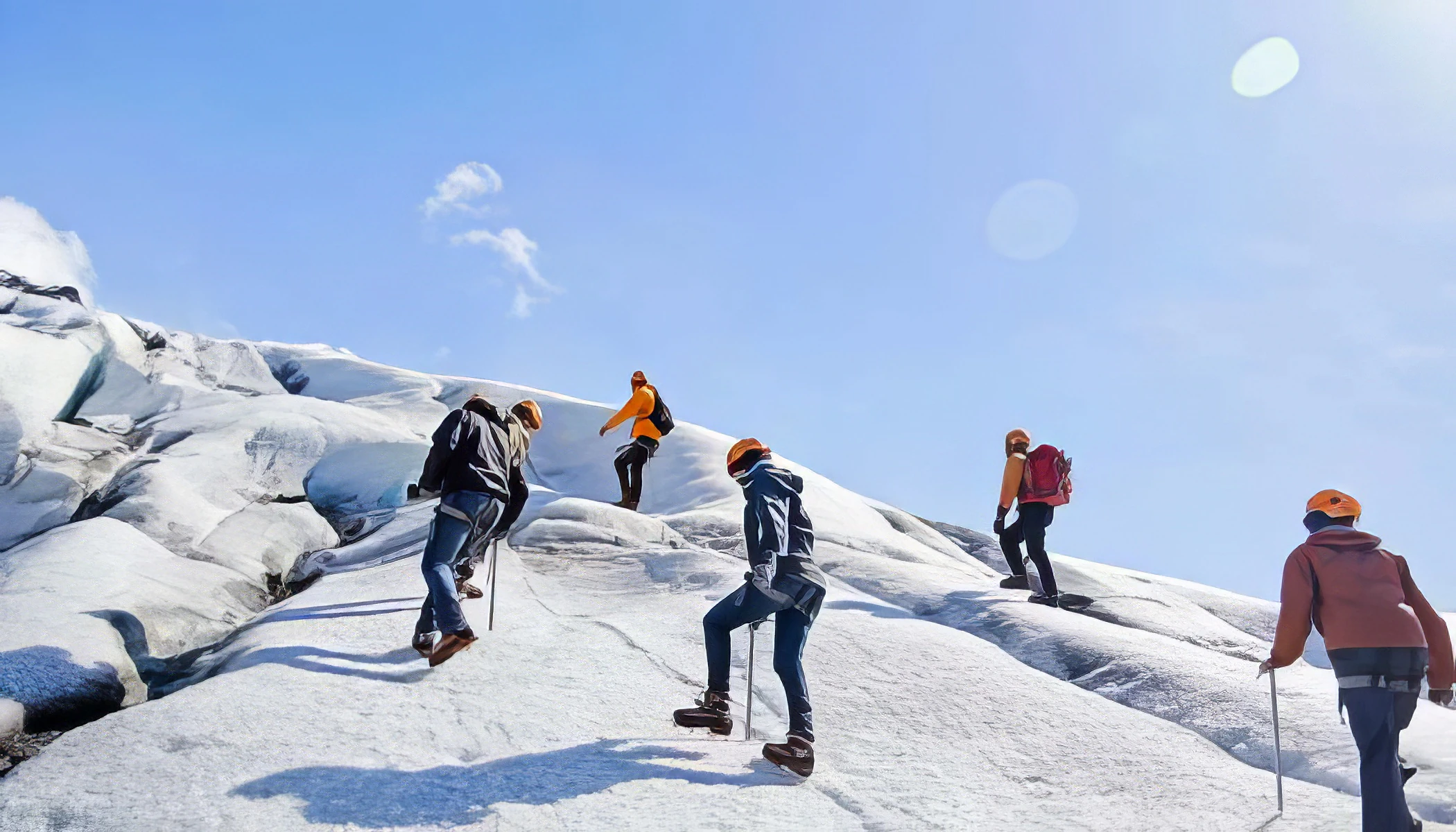
Iceland supplies unique outdoor adventures amidst its dramatic landscapes:
– Glacier Hiking on Vatnajökull: Traverse Europe's largest glacier with gorgeous ice formations.
– Whale Watching in Husavik: Observe majestic whales in their natural Arctic habitat.
– Exploring Thingvellir National Park: Walk between tectonic plates and see historical sites.
– Snorkeling in Silfra Fissure: Swim in crystal-clear waters between two continents.
– Hiking to Glymur Waterfall: Discover Iceland's second-highest waterfall through scenic trails.
– Northern Lights Tour: Witness the mesmerizing aurora borealis dance across the night sky.
– Horseback Riding on Icelandic Horses: Ride through volcanic landscapes and luxuriant valleys.
Kid Friendly
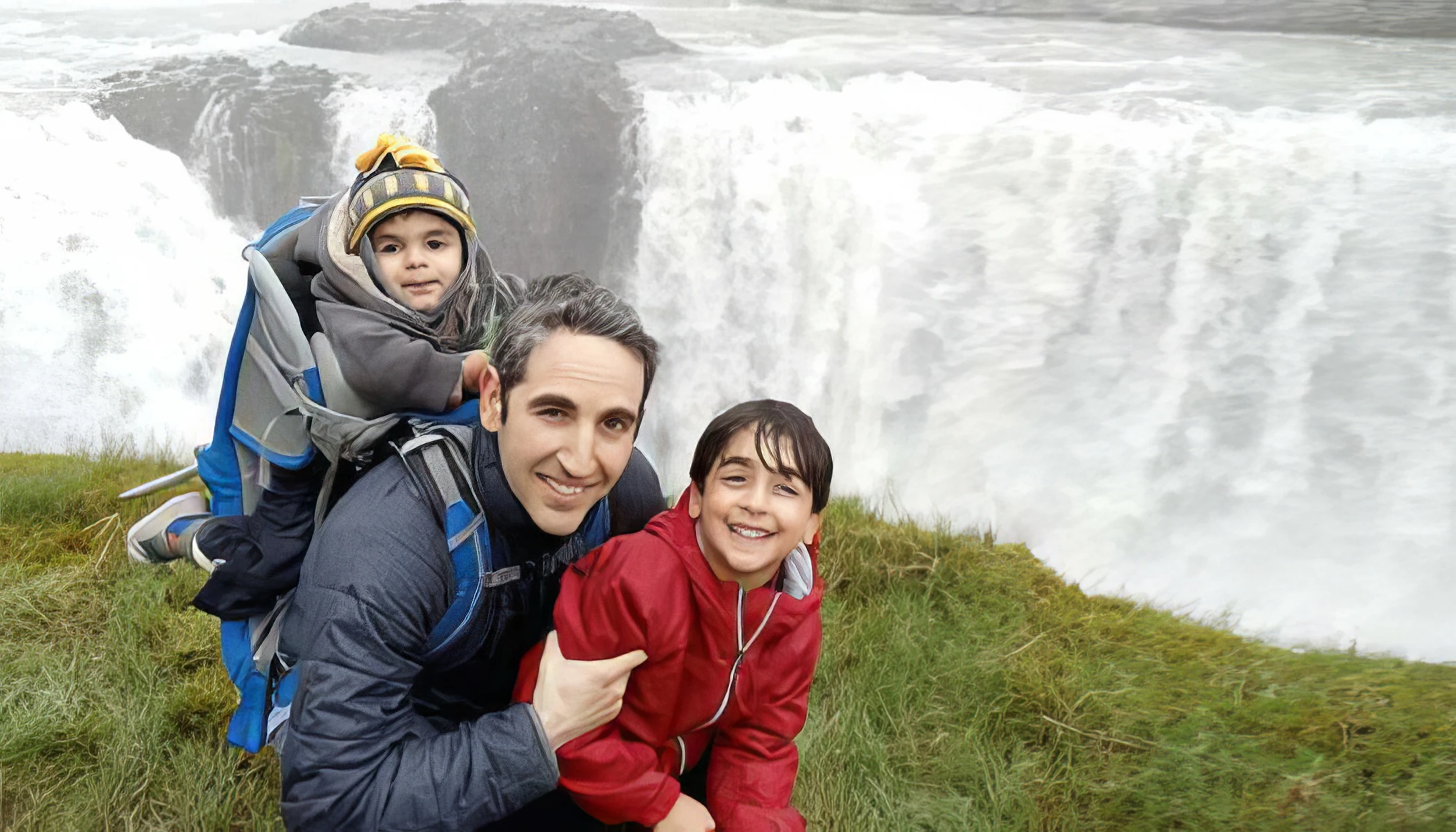
Iceland provides unique experiences that children will find both fun and educational:
– Blue Lagoon: A geothermal spa with warm, milky-blue waters perfect for a family swim.
– Whale Watching Tours: Exciting boat trips to see whales and dolphins in their natural habitat.
– Geysir Geothermal Area: Witness the Strokkur geyser erupting every few minutes, a thrilling sight for kids.
– Reykjavik Zoo and Family Park: A small zoo featuring Icelandic farm animals and a play area for children.
– Thingvellir National Park: Explore the rift valley where the North American and Eurasian tectonic plates meet.
– Laugardalslaug Swimming Pool: A large outdoor pool complex with slides and hot tubs in Reykjavik.
– Viking World Museum: Discover Viking history through interactive exhibits and a replica ship.
– Puffin Watching Tours: Boat tours to see puffins up close during their nesting season on coastal cliffs.
Cuisine
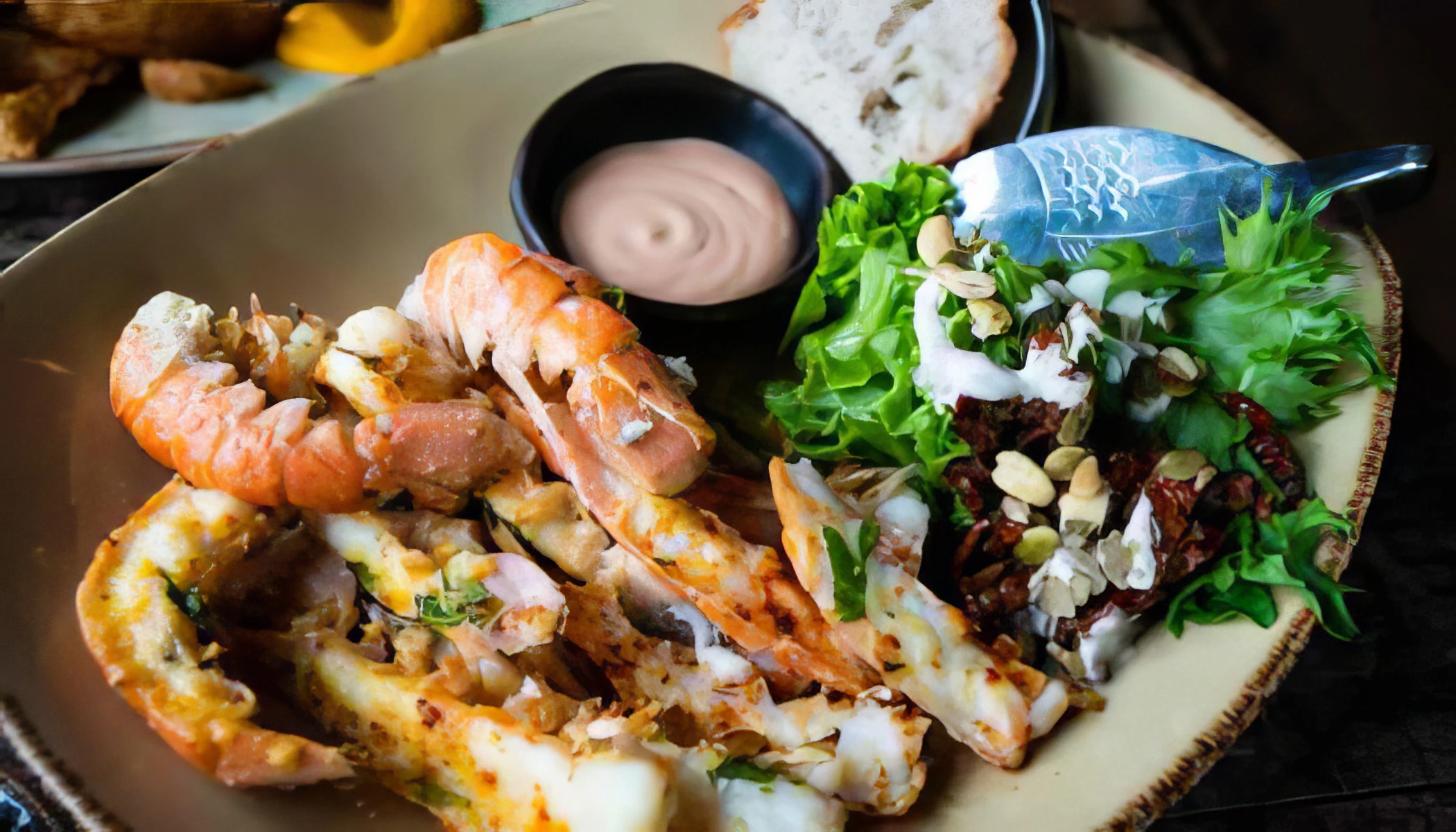
Icelandic cuisine is rooted in traditional preservation methods, featuring fresh seafood, lamb, and dairy products. The food scene emphasizes simplicity and purity of flavors. Modern influences are gradually blending with age-old recipes to create a unique culinary identity. Most famous cuisine in Iceland are:
– Hákarl: Fermented shark with a strong ammonia-rich taste, traditionally served as a delicacy.
– Skyr: Thick, creamy yogurt-like dairy product, often enjoyed with berries or honey.
– Plokkfiskur: Fish stew made from boiled fish, potatoes, onions, and béchamel sauce.
– Hangikjöt: Smoked lamb typically served with potatoes and white sauce during festive occasions.
– Rúgbrauð: Dense rye bread traditionally baked underground using geothermal heat.
Souvenir
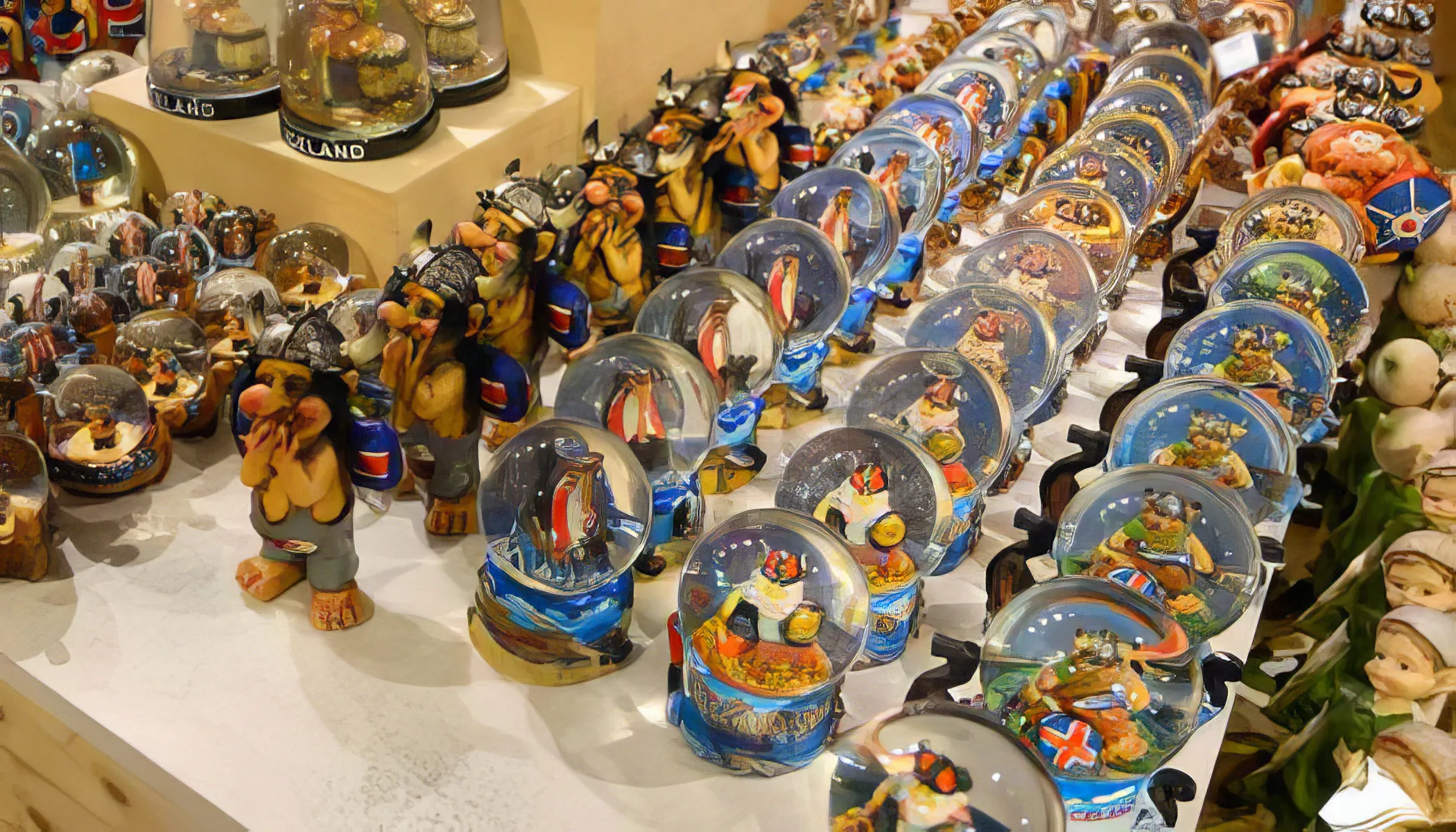
Iceland supplies unique souvenirs that reflect its natural beauty and cultural heritage. Here are some popular options:
– Icelandic Wool Sweaters: Known as Lopapeysa, these sweaters are warm and feature traditional patterns.
– Volcanic Rock Jewelry: Made from lava stones, these pieces are a unique reminder of Iceland's volcanic landscape.
– Icelandic Chocolate: Locally made chocolate often includes unique flavors like licorice or sea salt.
– Puffin Figurines: These cute bird figurines are popular due to the puffin's iconic status in Iceland.
– Skyr: A traditional dairy product similar to yogurt, available in various flavors.
– Viking Souvenirs: Items like helmets and drinking horns reflect Iceland's Viking history.
– Local Art Prints: Artwork depicting Iceland's landscapes and wildlife makes for a meaningful keepsake.
Traditional Shows
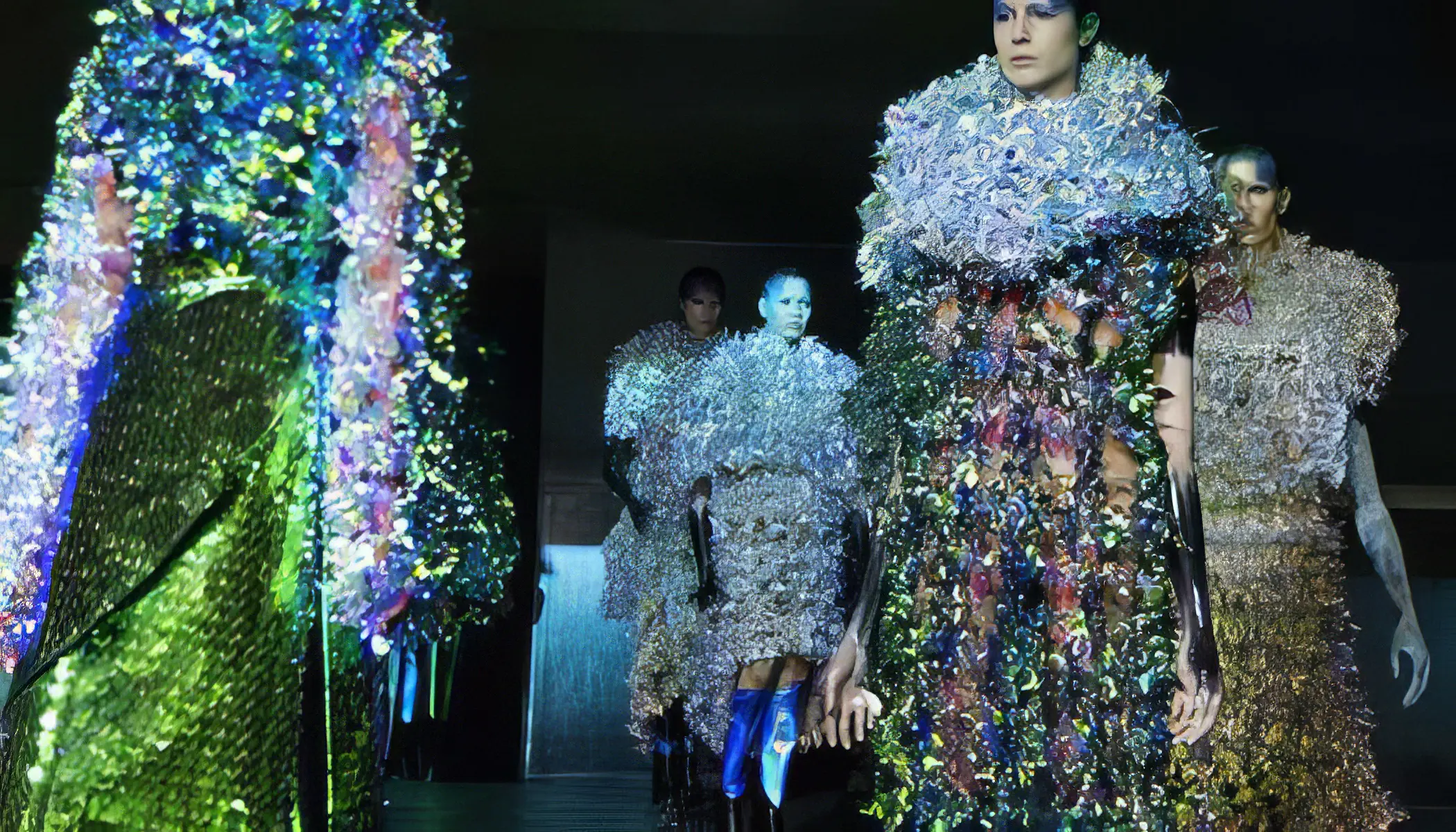
Iceland supplies unique traditional performances:
– Rímur Chanting: Experience this ancient form of Icelandic epic poetry, where rhythmic chanting tells stories of history and folklore.
– Icelandic Folk Dance: Enjoy traditional dances performed in Reykjavik, showcasing Iceland's cultural heritage through lively movements and music.
– Tónleikar Concerts: Attend these concerts featuring traditional Icelandic instruments like the langspil and fiðla, offering a glimpse into the country's musical roots.
– Þjóðlagasafn Folk Music Festival: Held annually, this festival celebrates Icelandic folk music with performances by local artists in various locations across the country.
– Saga Storytelling: Listen to captivating tales from the Icelandic sagas, often recited at cultural events or gatherings, highlighting the nation's rich narrative tradition.
Events & Festivals
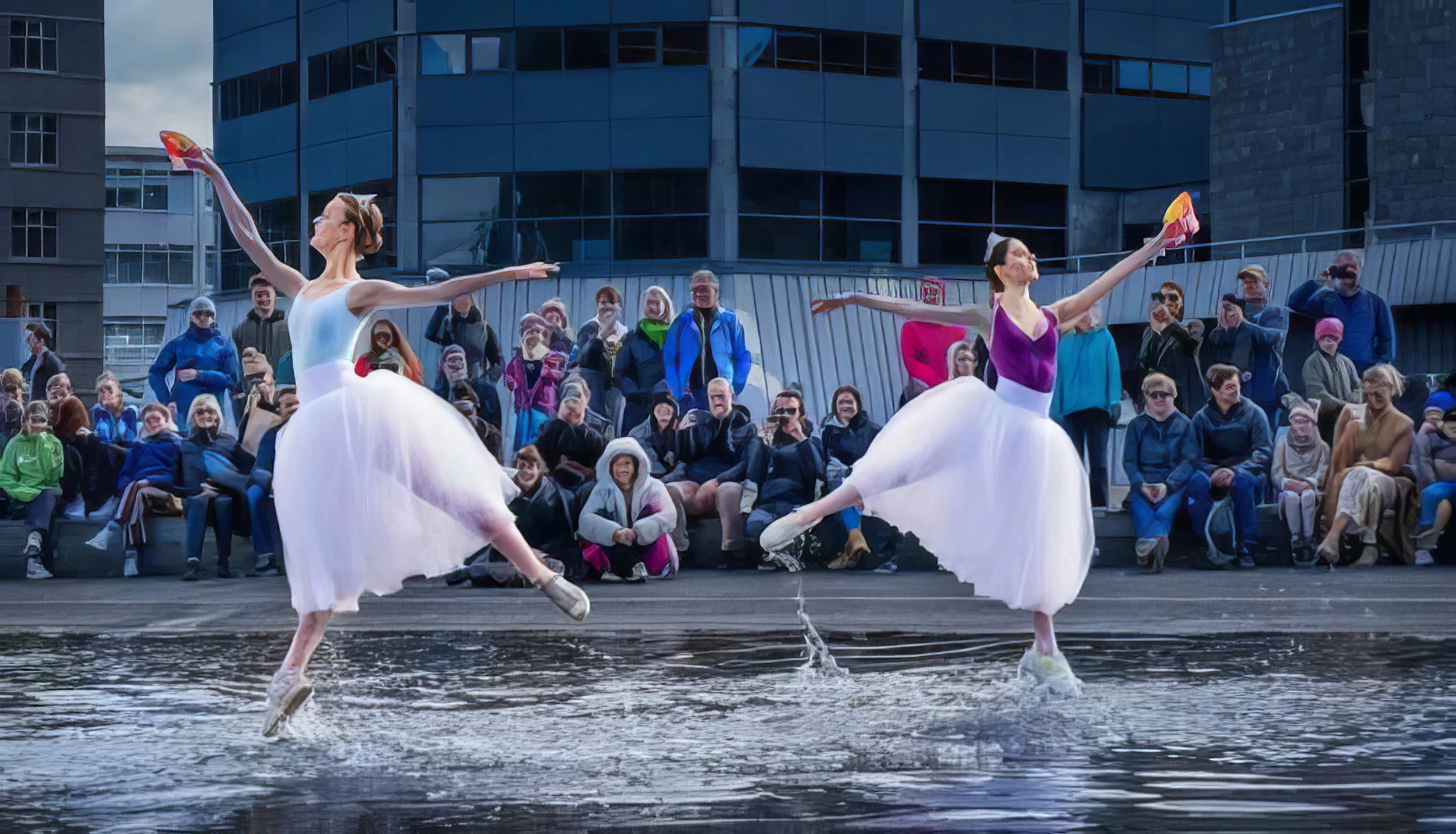
Iceland hosts a variety of unique events and festivals throughout the year, celebrating its culture and natural beauty:
– Þorrablót: January-February festival featuring traditional Icelandic foods and cultural gatherings.
– Reykjavik Arts Festival: May event showcasing local and international art, music, and performances.
– Secret Solstice: June music festival in Reykjavik with diverse genres during the midnight sun.
– National Day: Celebrated on June 17 with parades, speeches, and festivities marking Iceland's independence.
– Reykjavik Pride: August celebration promoting LGBTQ+ rights with parades and events.
– Reykjavik Culture Night: August event offering free cultural activities, concerts, and fireworks in the city.
– Iceland Airwaves: November music festival featuring local and international artists across various venues.
Famous People
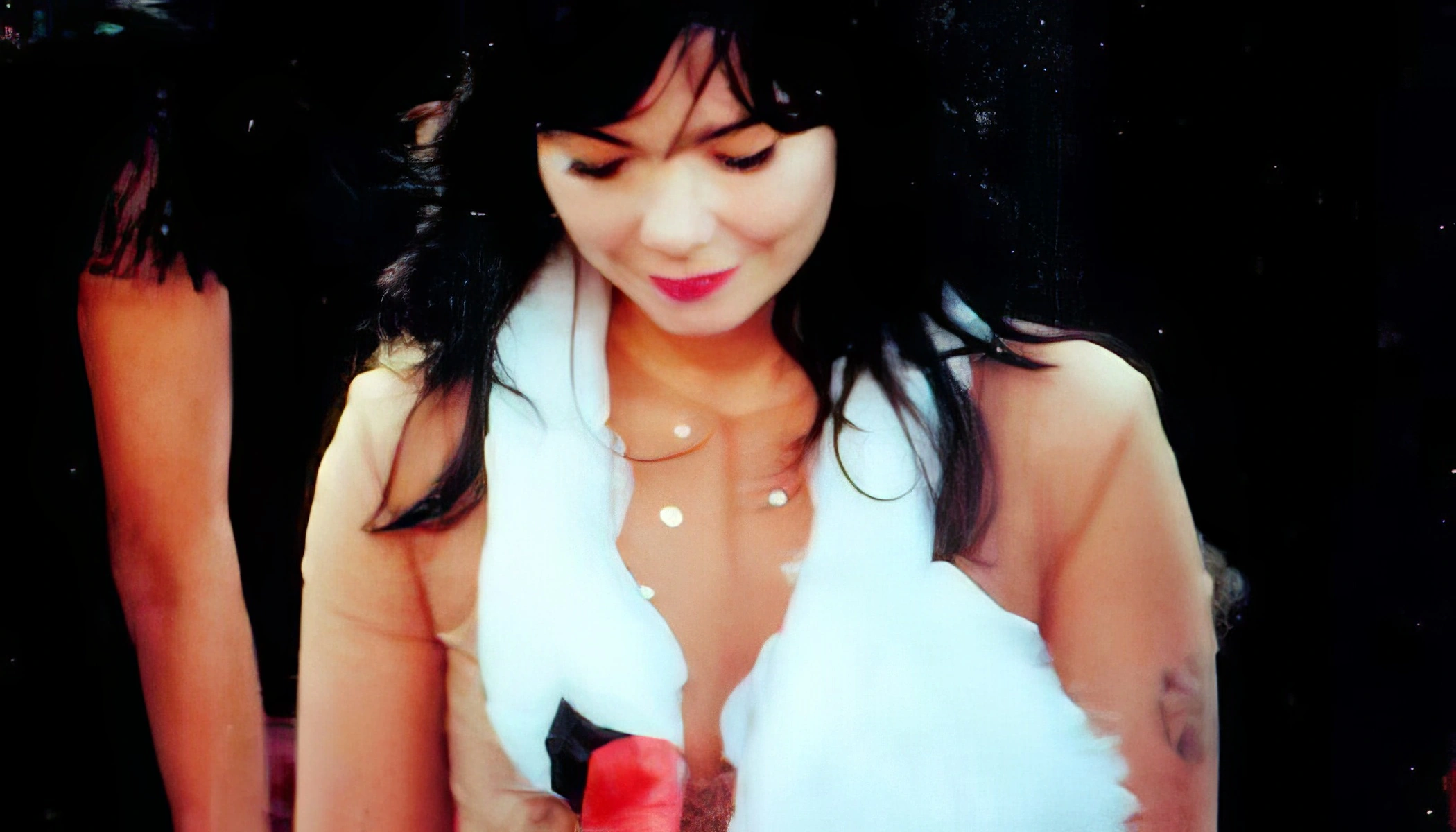
Iceland is home to many notable individuals who have made significant contributions in various fields.
– Leif Erikson (c. 970 to c. 1020, Iceland): Norse explorer credited with being the first European to land in North America.
– Snorri Sturluson (1179 to 1241, Hvammur): Historian and poet known for writing the Prose Edda and Heimskringla sagas.
– Halldór Laxness (1902 to 1998, Reykjavik): Nobel Prize-winning author recognized for his novels depicting Icelandic life and culture.
– Björk Guðmundsdóttir (born 1965, Reykjavik): Internationally acclaimed singer-songwriter known for her eclectic music style and innovative performances.
– Vigdís Finnbogadóttir (born 1930, Reykjavik): First female president of Iceland and the world's first democratically elected female head of state.
Books
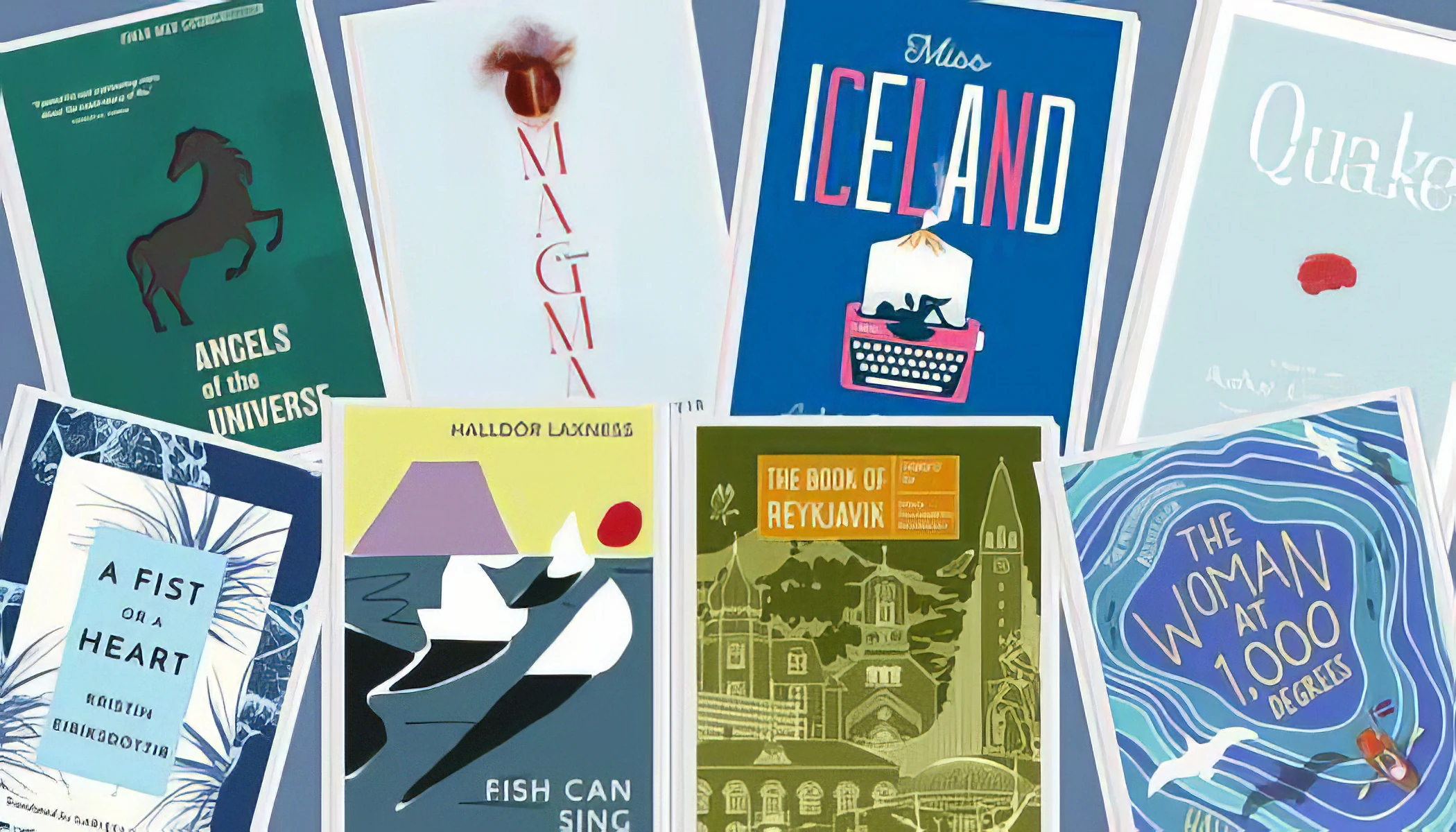
These books capture the unique landscapes, culture, and history of Iceland through various narratives and genres.
– "Independent People" by Halldór Laxness: Chronicles the struggles of a sheep farmer in early 20th-century Iceland.
– "Burial Rites" by Hannah Kent: Fictionalized account of the last execution in Iceland, set in 1829.
– "Jar City" by Arnaldur Indriðason: Crime novel featuring a detective unraveling mysteries in Reykjavik.
– "The Fish Can Sing" by Halldór Laxness: Coming-of-age story set in early 20th-century Reykjavik.
– "Names for the Sea: Strangers in Iceland" by Sarah Moss: Memoir of an Englishwoman's year living and teaching in Iceland.
Songs
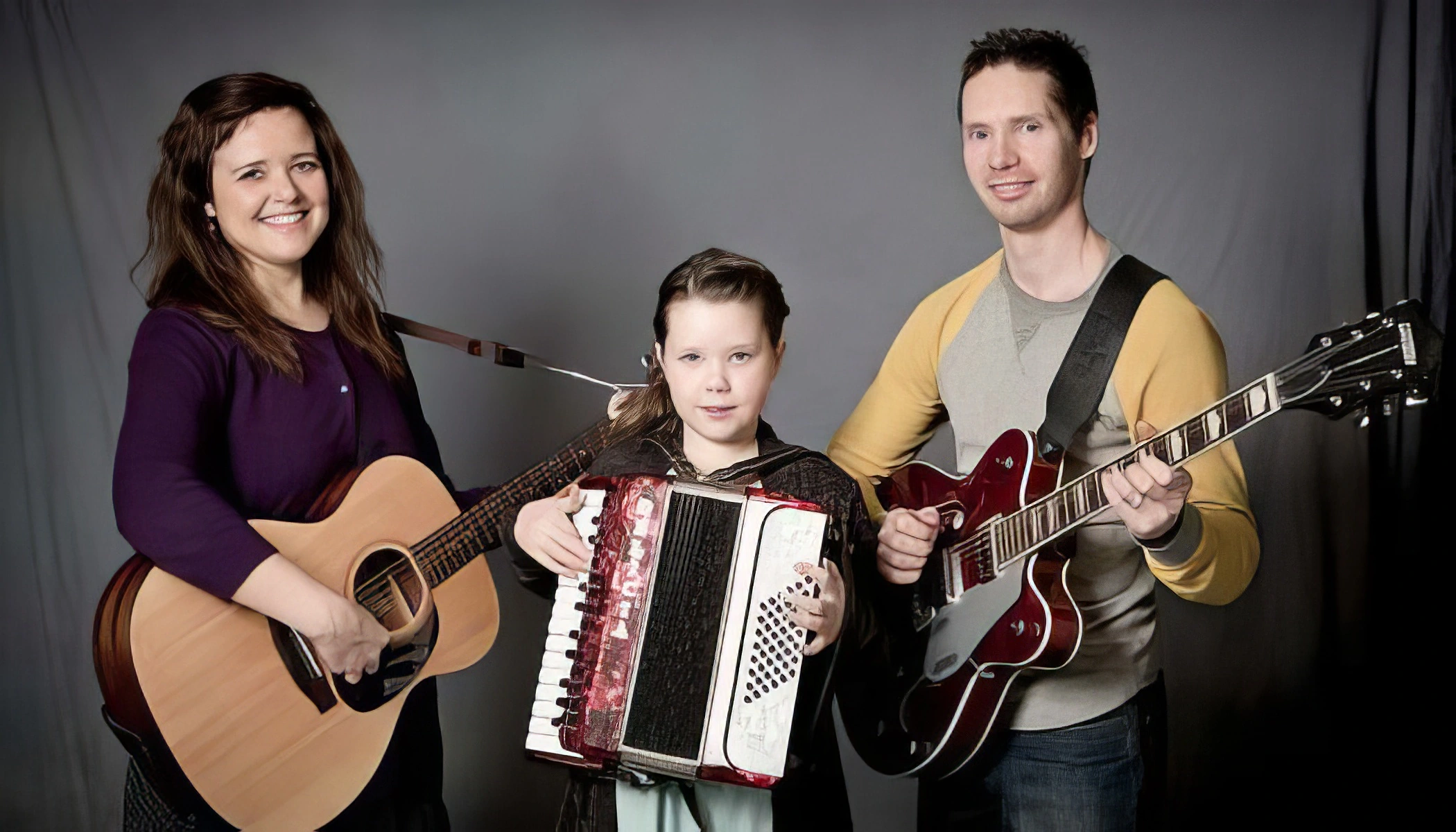
Icelandic music is known for its unique blend of ethereal sounds and deep connection to nature and folklore.
– Jóga: Björk's iconic song, celebrating emotional landscapes and inner strength.
– Hoppípolla: Sigur Rós's uplifting track, famous for its cinematic soundscapes.
– Sveitin milli sanda: Classic folk song by Bubbi Morthens, depicting Icelandic rural life.
– Isobel: Björk's enchanting song about nature and self-discovery.
– Glósóli: Sigur Rós's atmospheric piece, known for its gradual build-up and emotional depth.
Films
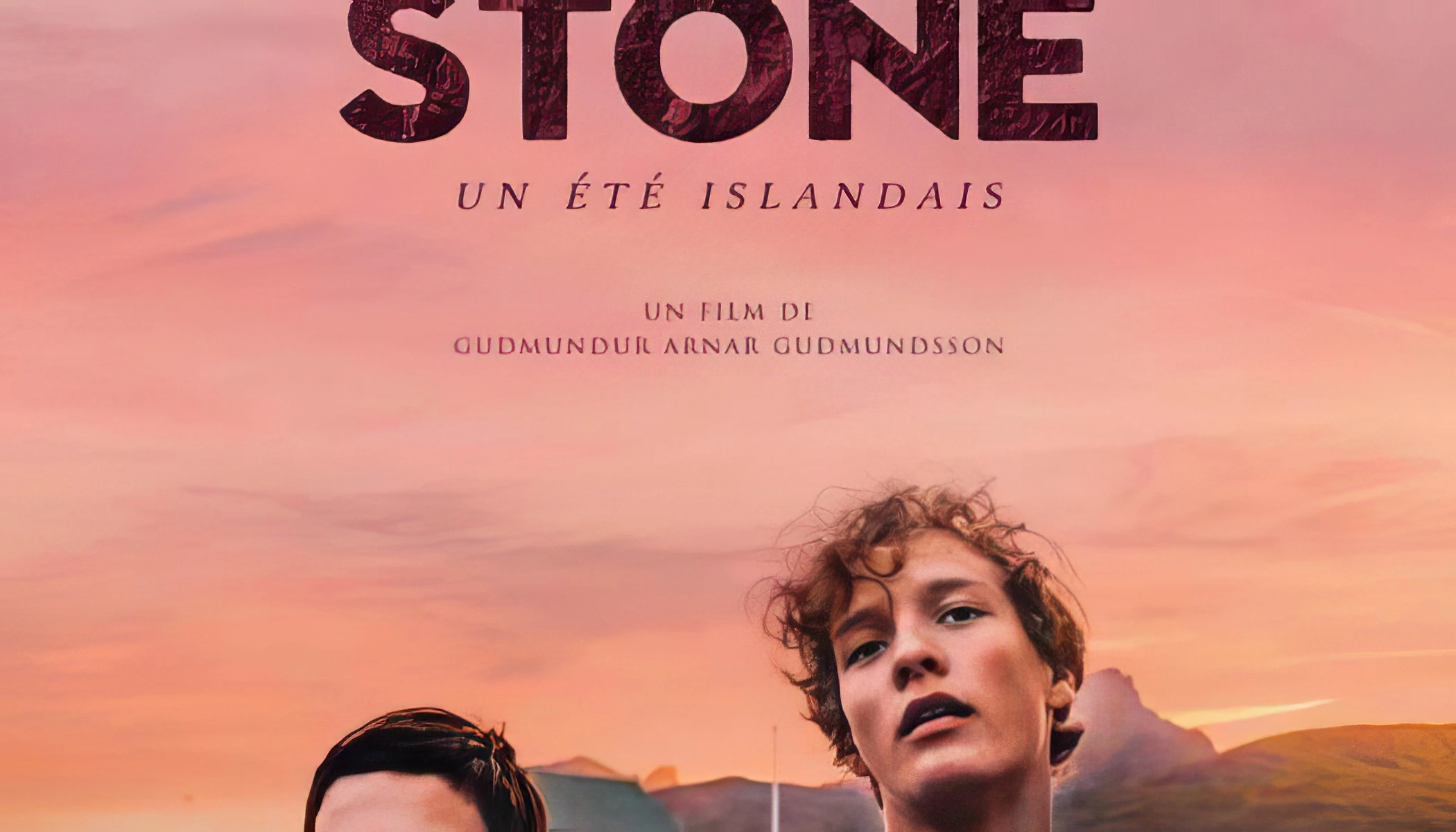
Explore the cinematic landscape of Iceland through these notable films:
– "Rams": Grímur Hákonarson's drama about estranged brothers in rural Iceland, united by a sheep disease crisis.
– "Of Horses and Men": Benedikt Erlingsson's film intertwines human and equine stories in the Icelandic countryside.
– "Jar City": Baltasar Kormákur directs a gripping crime thriller set against Iceland's stark landscapes.
– "Woman at War": Benedikt Erlingsson's eco-thriller follows a choir conductor turned environmental activist battling industry.
– "Noi the Albino": Dagur Kári's film portrays an outsider teen navigating life in a remote Icelandic village.