

Iran Attractions & Travel Advice – Plan Your Visit
Located in the Middle East, this country boasts a rich cultural heritage and ancient history. Known for its Persian architecture, it features diverse landscapes from deserts to mountains. The nation is also recognized for its lovely cities and traditional cuisine.
- Capital
- Tehran
- Population
- 77 millions
- Superficy
- 1648000 sq.km
- Months to Visit
- March to May & Sept. to Oct.
- Living Cost
- Economical
Overview
Iran, located in the Middle East, is known for its rich cultural heritage and historical significance. The capital, Tehran, is a turbulent metropolis that serves as the political and economic center of the country. Iran's history spans thousands of years, with ancient sites like Persepolis reflecting its past as a major empire. The country features diverse landscapes, from deserts to rich forests and mountain ranges like the Alborz and Zagros. Persian culture is celebrated for its contributions to art, literature, and architecture. Despite facing economic challenges and international tensions, Iran remains a nation with deep cultural roots and significant regional influence.
Pros & Cons
GOOD REASONS TO VISIT IRAN
– Rich History: Explore ancient sites like Persepolis and the historic city of Isfahan, showcasing Iran's past.
– Unique Architecture: Admire beautiful Persian architecture in mosques, palaces, and bridges with beautiful tile work.
– Diverse Landscapes: Experience deserts, mountains, and abundant forests offering varied outdoor activities and scenic views.
– Warm Hospitality: Iranians are known for their friendliness and welcoming nature towards visitors.
– Delicious Cuisine: Savor kebabs, stews, and saffron-infused dishes reflecting Iran's rich culinary heritage. CHALLENGES WHEN VISITING IRAN
– Strict Dress Code: Adhere to conservative dress codes; women must wear headscarves in public places.
– Limited Internet Access: Some websites are blocked; internet speed can be slow compared to global standards.
– Political Tensions: Be aware of regional tensions affecting travel advisories and safety considerations.
Before Departure
Before traveling to Iran, it's important to be aware of the following details:
– Passport: Ensure your passport is valid for at least six months beyond your entry date.
– Visa: Most tourists need a visa; apply online for an e-visa or get a visa on arrival. Validity typically 30 days.
– Currency: Iranian Rial (IRR); credit cards not widely accepted; cash is essential. ATMs dispense local currency but may not accept foreign cards.
– Internet access: WiFi available in hotels and cafes; speeds vary. Consider buying a local SIM card for better connectivity.
– Language barrier: Persian (Farsi) is the official language; English is not widely spoken outside tourist areas. Basic Farsi phrases can be helpful.
What to Pack
Traveling to Iran requires attention to cultural norms, especially regarding dress codes and necessary travel documents.
– Essentials: Passport with visa, travel insurance details, flight tickets and itinerary, accommodation reservations, and local currency or credit card.
– Clothing: Modest clothing respecting local customs (long sleeves and pants for men; headscarf, long tunic, and pants or skirt for women), comfortable shoes.
– Health & Safety: Prescription medications, basic first aid kit, sunscreen with high SPF, personal hygiene items.
– Electronics: Travel adapter for Iranian outlets (Type C or F), mobile phone with international roaming or local SIM card.
Weather
Weather in Iran varies significantly across its regions and seasons:
– Winter (December to February): Cold and snowy in the north and west; mild in the south.
– Spring (March to May): Pleasant temperatures with blooming landscapes; occasional rain showers.
– Summer (June to August): Extremely hot, especially in central and southern regions; cooler in the mountains.
– Autumn (September to November): Mild temperatures with less rainfall; ideal for outdoor activities. The best time to visit Iran is during spring (March to May) or autumn (September to November). Pros: Pleasant weather, fewer crowds, and animated landscapes. Cons: Some tourist sites may have limited access during off-peak seasons.
Travel Budget
Iran provides a budget-friendly travel experience with affordable prices for various services. Here are some average costs for tourists:
– Hotel: 15$ to 80$
– Lunch: 2$ to 10$
– Beverage (in bar/restaurant): 1$ to 4$
– Coffee: 1$ to 3$
– Transportation: (train 5$ to 30$), (bus 0.5$ to 2$), (taxi /10km 3$ to 7$)
– Mobile data (per GB): 0.5$ to 2$
Language
Persian, also known as Farsi, is the official language of Iran and here are some useful phrases for tourists:
– Hello: سلام (Salaam)
– Thank you: متشکرم (Moteshakeram)
– Please: لطفاً (Lotfan)
– How much is this?: قیمت این چنده؟ (Gheymat in chande?)
– Excuse me: ببخشید (Bebakhshid)
– I don't understand: من نمیفهمم (Man nemifahmam)
– Yes: بله (Baleh)
– No: نه (Na)
– Goodbye: خداحافظ (Khodahafez)
History
The region, historically known as Persia, has a history dating back to ancient times with the establishment of the Achaemenid Empire in the 6th century BCE. It was later conquered by Alexander the Great and subsequently became part of various empires, including the Parthian and Sassanian. The Islamic conquest in the 7th century introduced Islam, significantly influencing its culture and society. In 1501, the Safavid dynasty established Shi'a Islam as the state religion, shaping its identity. The 20th century saw significant changes with the Pahlavi dynasty's modernization efforts and subsequent overthrow during the 1979 Islamic Revolution, leading to the establishment of an Islamic Republic. Since then, it has experienced political tensions both internally and internationally while maintaining a distinct cultural heritage.
Geopolitics
Located in the Middle East, Iran is bordered by several countries, including Iraq, Turkey, Afghanistan, and Pakistan, with coastlines along the Persian Gulf and the Caspian Sea. It is an Islamic Republic with a theocratic government structure led by a Supreme Leader. Iran's geopolitical significance is heightened by its vast oil and natural gas reserves, making it a key player in global energy markets. The country has complex relations with Western nations due to its nuclear program and regional influence, particularly in Iraq, Syria, Lebanon, and Yemen. It is a member of international organizations like OPEC and has strategic partnerships with countries such as Russia and China. Tensions with neighboring Gulf states and Israel further shape its geopolitical landscape.
Sample Itinerary
This itinerary covers Iran's rich history, architecture, and cultural highlights across Tehran, Isfahan, Yazd, and Shiraz.
– 2 days in Tehran: Visit Golestan Palace, National Museum of Iran, and the Grand Bazaar. Explore the Sa'dabad Complex and Milad Tower.
– 2 days in Isfahan: Discover Naqsh-e Jahan Square, Sheikh Lotfollah Mosque, and Ali Qapu Palace. Stroll along Si-o-se-pol Bridge and visit Vank Cathedral.
– 1 day in Yazd: Explore the Zoroastrian Towers of Silence and Fire Temple. Walk through the old city with its windcatchers and visit Amir Chakhmaq Complex.
– 2 days in Shiraz: Tour Persepolis ruins nearby. In Shiraz itself, see Nasir al-Mulk Mosque, Eram Garden, Hafez Tomb, and Vakil Bazaar.
Popular cities
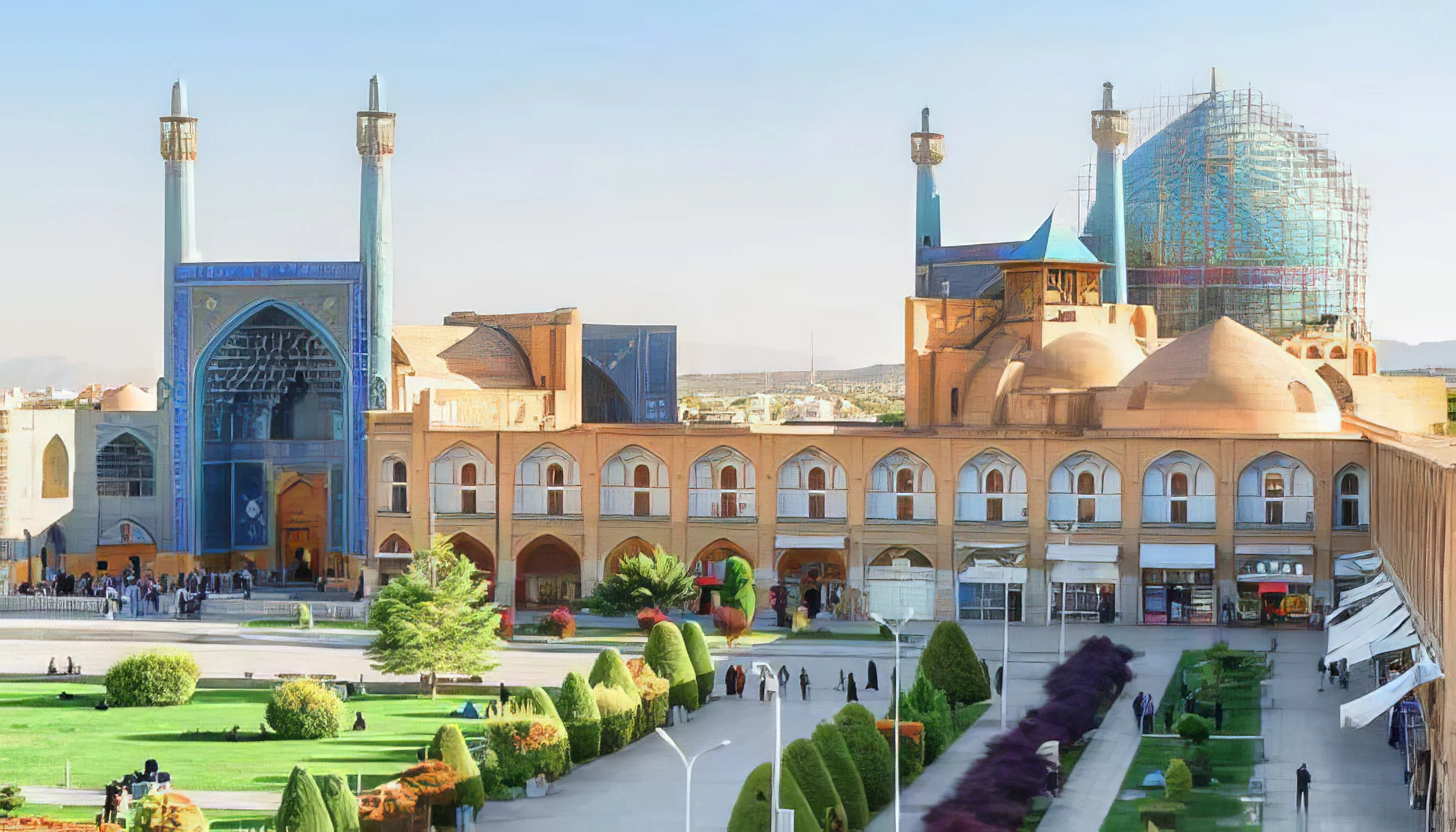
Explore Iran's diverse culture and history through its beautiful cities:
– Tehran: The capital city provides museums, parks, and a busy bazaar.
– Isfahan: Known for its lovely Islamic architecture, including mosques and bridges.
– Shiraz: Famous for its gardens, poetry heritage, and the ancient ruins of Persepolis nearby.
– Yazd: A desert city known for its unique windcatchers and Zoroastrian heritage.
– Tabriz: Offers historical sites like the Blue Mosque and a beautiful bazaar.
– Mashhad: A major pilgrimage site with the impressive Imam Reza Shrine.
– Kashan: Known for its traditional houses, gardens, and nearby desert landscapes.
Monuments
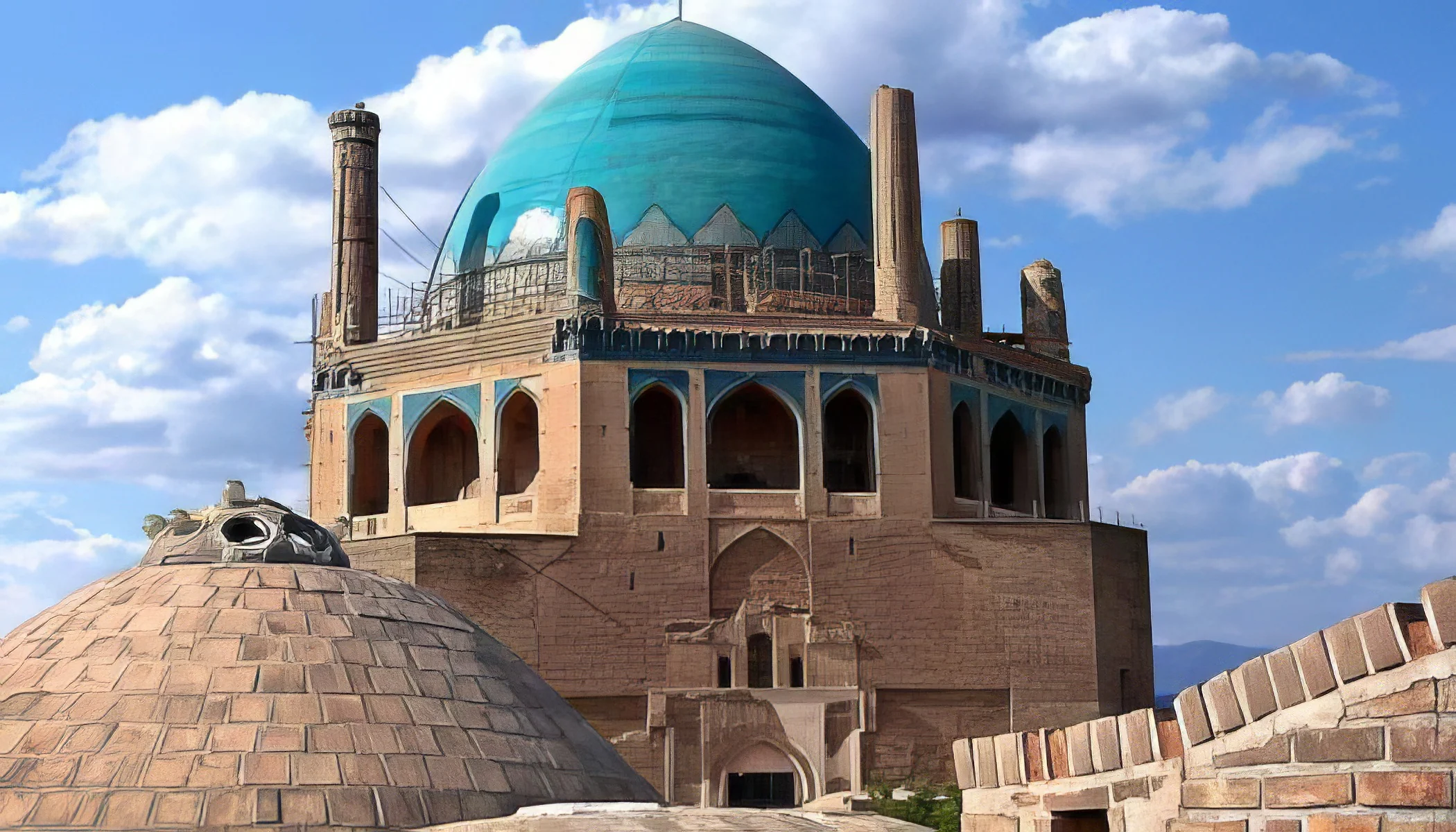
Iran is home to many remarkable historical and architectural monuments:
– Persepolis: Ancient ceremonial capital of the Achaemenid Empire, known for its grandiose ruins.
– Naqsh-e Jahan Square, Isfahan: UNESCO site with handsome mosques and palaces from the Safavid era.
– Golestan Palace, Tehran: Lavish Qajar-era palace complex with sophisticated tile work and gardens.
– Sheikh Lotfollah Mosque, Isfahan: Renowned for its exquisite tile work and unique architectural design.
– Pasargadae: Tomb of Cyrus the Great, showcasing early Persian architecture.
– Nasir al-Mulk Mosque, Shiraz: Famous for its lively stained glass windows creating colorful patterns.
– Bam Citadel: Ancient adobe structure in Kerman Province, once a key Silk Road trading post.
– Tower of Silence, Yazd: Zoroastrian burial site on a hilltop with historical significance.
Natural wonder
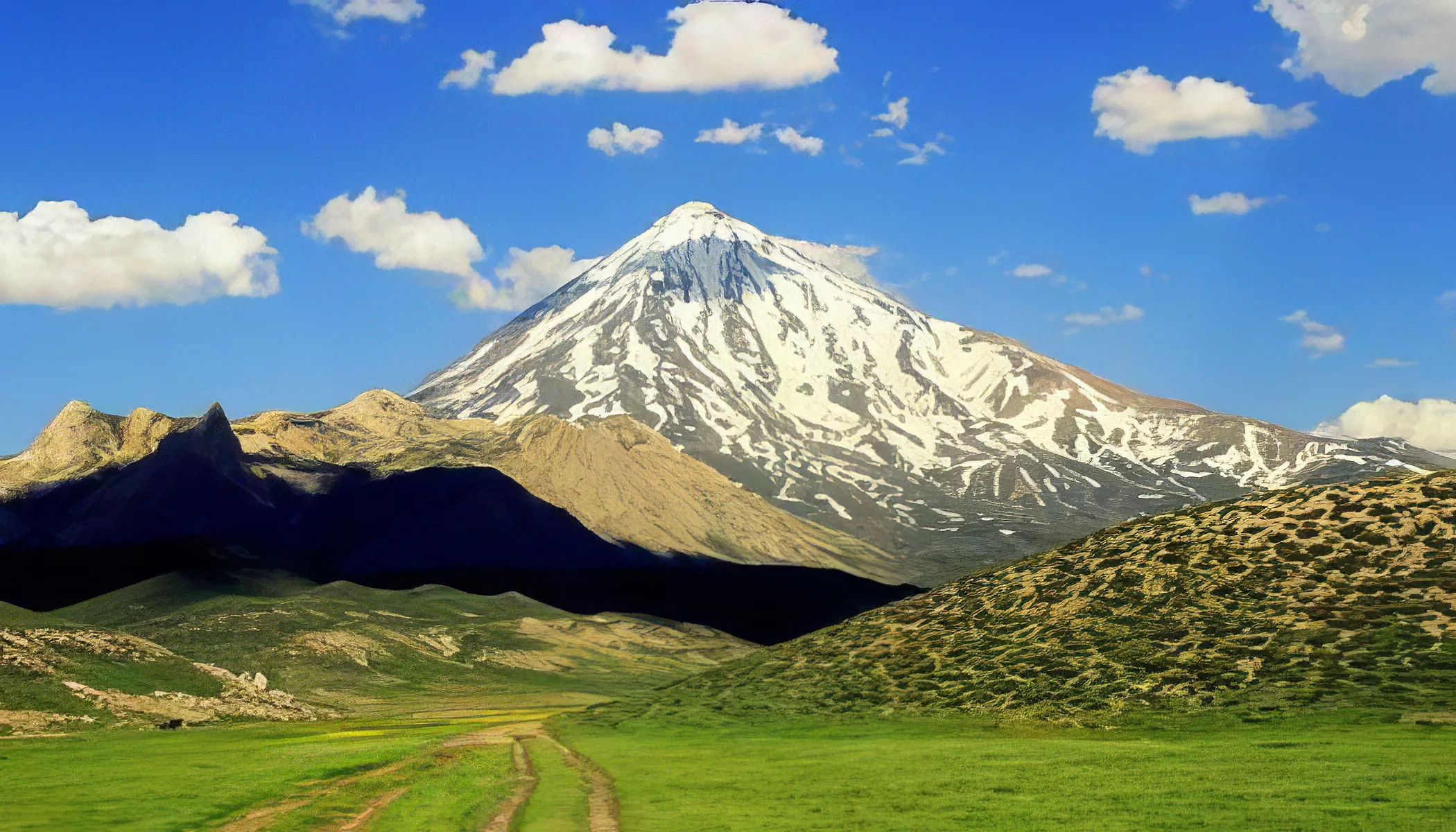
Explore Iran's diverse and remarkable natural landscapes:
– Mount Damavand: The highest peak in Iran, a dormant volcano with snow-capped summit.
– Lut Desert: UNESCO-listed desert known for its unique sand dunes and extreme temperatures.
– Alamut Valley: Famous for its dramatic landscapes and historical castles.
– Caspian Hyrcanian Forests: Ancient forests with rich biodiversity along the Caspian Sea coast.
– Badab-e Surt: Terraced travertine formations created by mineral springs over thousands of years.
– Hormuz Island: Known for its colorful soil and striking geological formations.
– Lake Urmia: Once one of the largest saltwater lakes, now significantly reduced in size.
– Dasht-e Kavir: Vast desert with salt flats, sand dunes, and unique wildlife.
– Golestan National Park: Iran's oldest national park, home to diverse flora and fauna.
– Qeshm Island's Hara Forests: Mangrove forests providing habitat for various bird species in the Persian Gulf.
Beaches
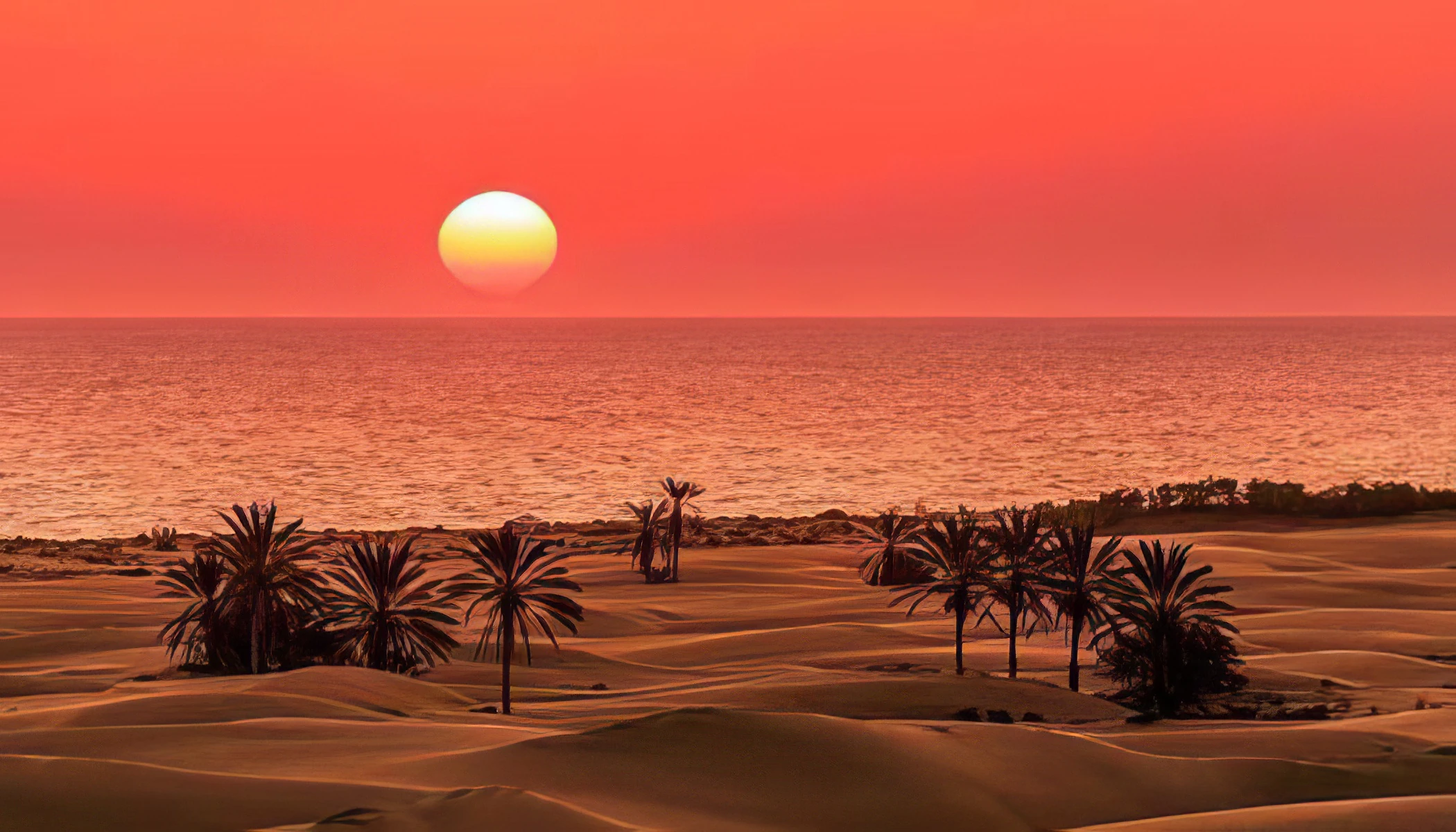
Iran has several beaches along its northern and southern coasts.
– Kish Island Beach: Known for clear waters and coral reefs in the Persian Gulf.
– Qeshm Island Beach: Supplies unique geological formations and diverse marine life.
– Chabahar Beach: Features untouched beauty with golden sands in southeastern Iran.
– Ramsar Beach: Located by the Caspian Sea, surrounded by luxurious greenery.
– Bandar Abbas Beach: A busy port city beach with views of the Persian Gulf.
– Tonekabon Beach: Provides a peaceful setting along the Caspian Sea coast.
– Anzali Lagoon Beach: Known for its wetlands and bird-watching opportunities near the Caspian Sea.
Outdoor activities
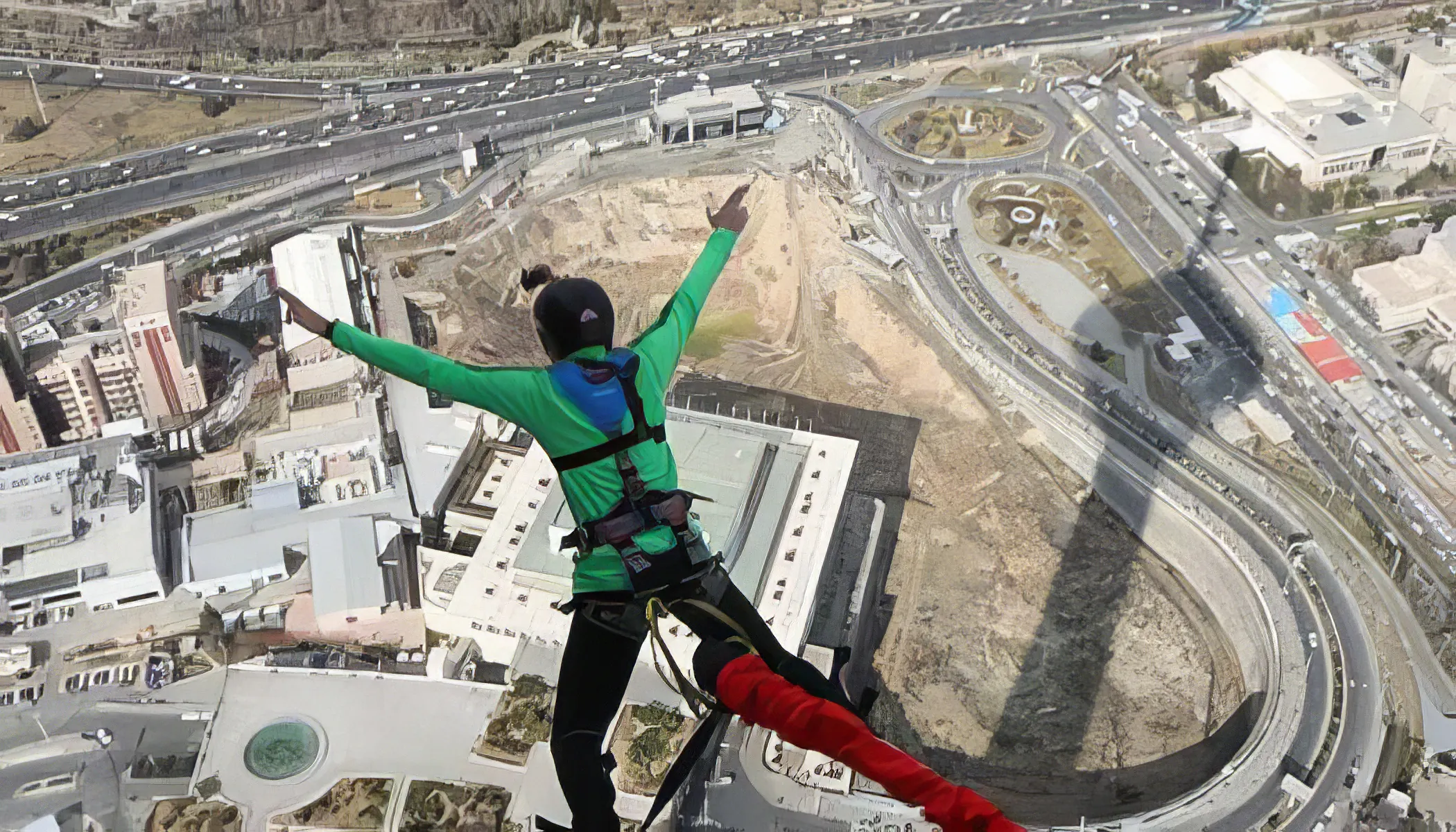
Iran offers a variety of outdoor activities for nature and adventure enthusiasts:
– Trekking in Alborz Mountains: Hike through scenic trails and reach the summit of Mount Damavand.
– Desert Safari in Dasht-e Kavir: Explore vast sand dunes and salt flats in a unique desert landscape.
– Skiing in Dizin: Enjoy winter sports at one of the largest ski resorts in the Middle East.
– Caving in Ali Sadr Cave: Paddle through one of the world's largest water caves with lovely formations.
– Birdwatching in Miankaleh Peninsula: Observe diverse bird species in this important biosphere reserve.
– Rock Climbing in Bisotun: Challenge yourself on historical lovely cliffs with various climbing routes.
– Rafting on Zayandeh River: Experience thrilling rapids and beautiful scenery near Isfahan.
Kid Friendly
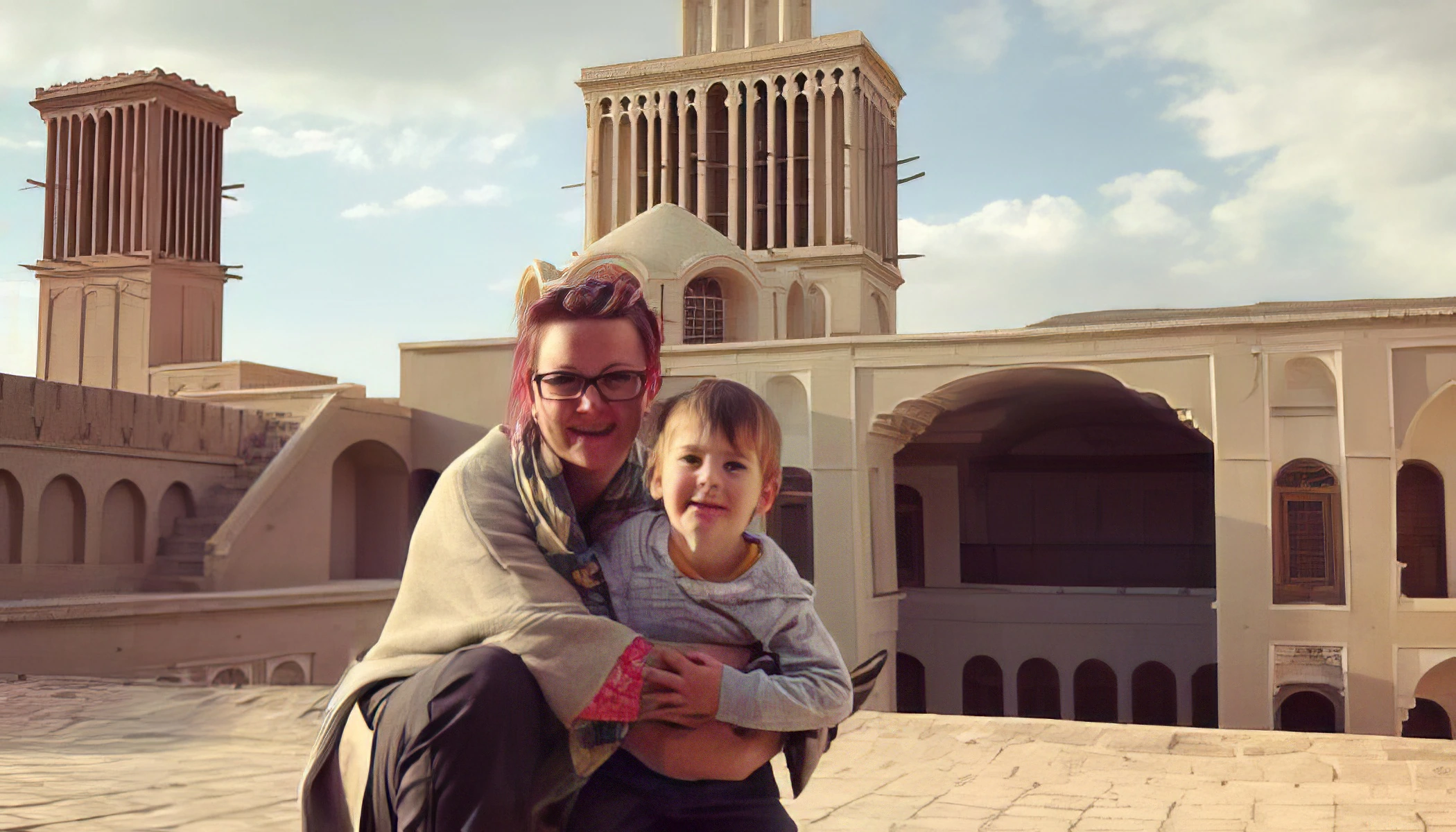
Iran supplies a variety of activities that are enjoyable for children.
– Tehran's Darband: A scenic area with hiking trails and food stalls, perfect for a family outing.
– Isfahan's Bird Garden: A large aviary home to numerous bird species, offering an educational experience for kids.
– Kish Dolphin Park: Features dolphin and sea lion shows that entertain and educate children about marine life.
– Tehran's Mellat Park: A large urban park with playgrounds, a small zoo, and boating facilities.
– Ali Sadr Cave: An impressive water cave where families can take boat tours through handsome rock formations.
– Laleh Park in Tehran: Provides playgrounds and open spaces for kids to play and enjoy outdoor activities.
– Sa'dabad Complex in Tehran: A cultural site with museums and gardens where children can learn about Iran's history.
– Shiraz's Eram Garden: A UNESCO World Heritage site with beautiful landscapes ideal for family picnics.
Cuisine
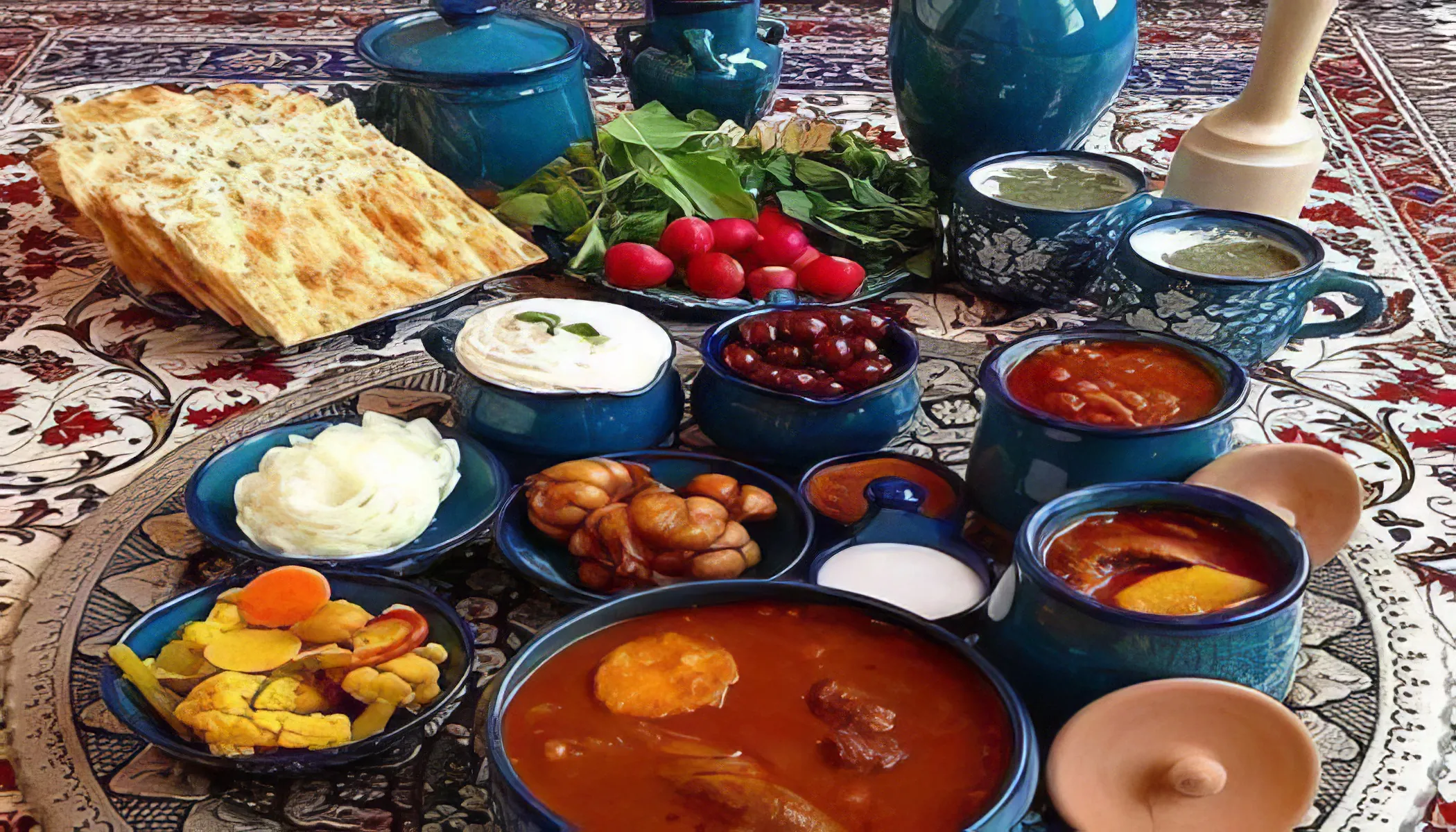
Iranian cuisine is rich in flavors, combining aromatic spices, fresh herbs, and diverse ingredients to create hearty and balanced dishes. Meals often feature rice, stews, and grilled meats. Most famous cuisine in Iran are:
– Chelo Kebab: Grilled meat served with saffron rice and grilled tomatoes.
– Ghormeh Sabzi: Herb stew with lamb, kidney beans, and dried limes.
– Fesenjan: Pomegranate walnut stew with chicken or duck.
– Tahdig: Crispy rice crust from the bottom of the pot.
– Ash Reshteh: Thick noodle soup with beans, herbs, and whey.
Souvenir
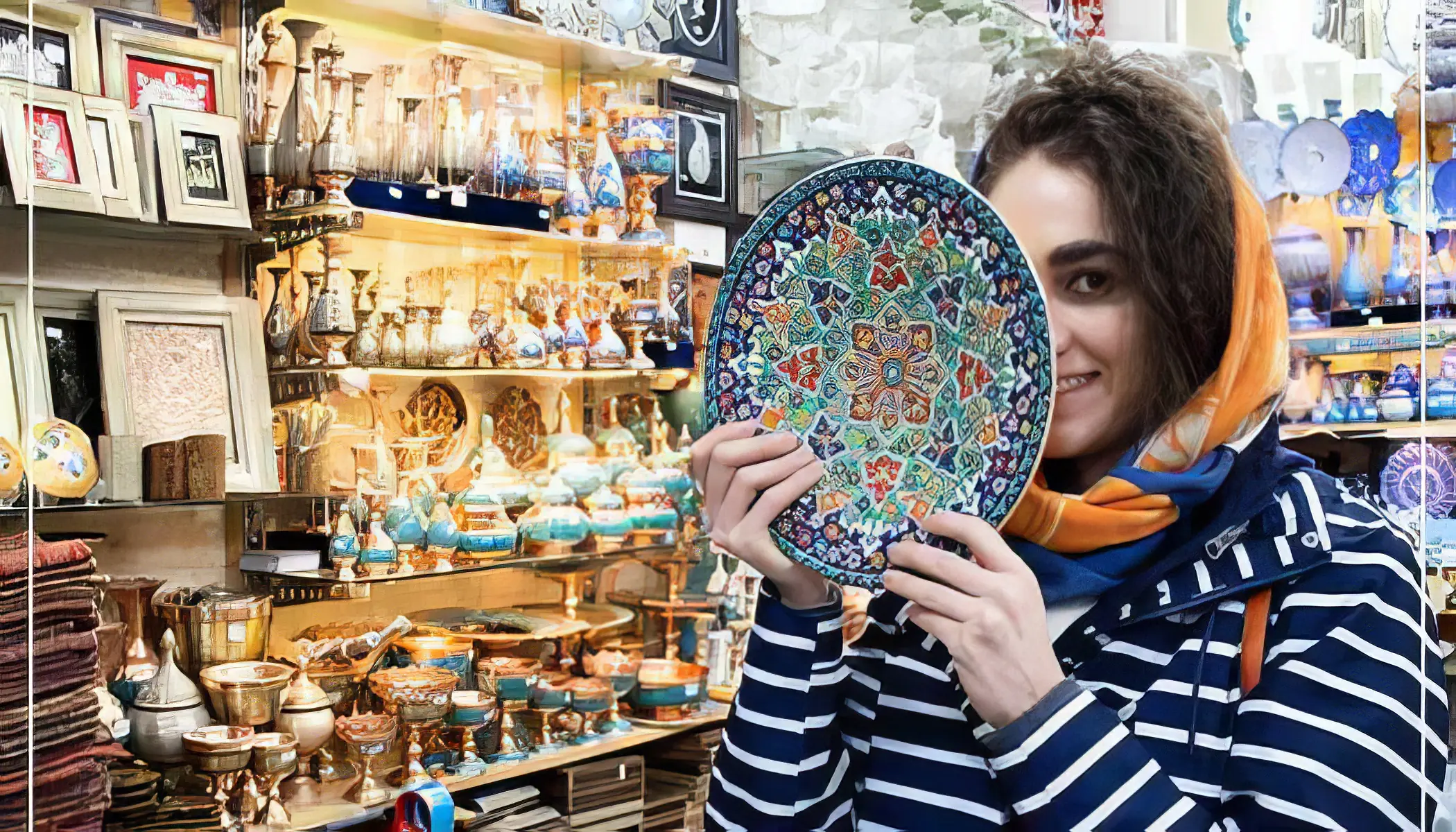
Iran offers a rich variety of traditional crafts and goods that make for memorable souvenirs. Here are some popular options:
– Persian Carpets: Known for their sophisticated designs and high quality, Persian carpets are a prized souvenir.
– Saffron: Iran produces some of the world's best saffron, a valuable spice used in cooking.
– Miniature Paintings: These detailed artworks depict historical and cultural scenes on small canvases.
– Copperware: Handcrafted copper items, such as trays and bowls, are both decorative and functional.
– Enamelware (Minakari): Colorful enamel designs on metal objects make unique decorative pieces.
– Khatam Kari: This is an nice form of marquetry using wood, bone, and metal to create geometric patterns.
– Pistachios: Iranian pistachios are renowned for their taste and quality.
Traditional Shows
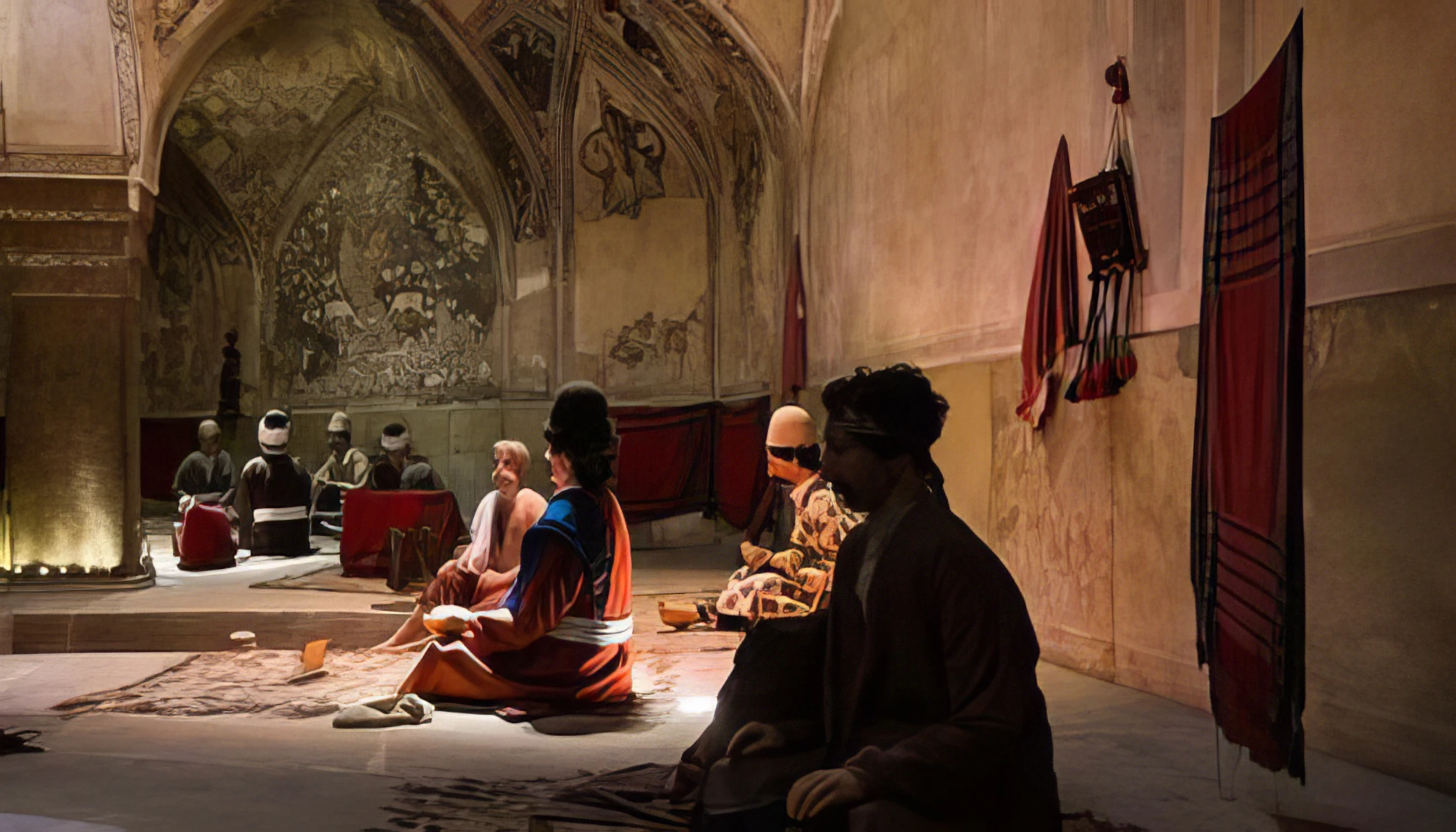
Iran boasts a rich tradition of music and art performances:
– Persian Classical Music: Experience the soulful melodies and refined rhythms of traditional Persian music, often performed in Tehran's cultural venues.
– Tazieh: Witness this unique form of Iranian passion play, depicting historical and religious events, commonly performed during Muharram in various cities.
– Naqqali: Enjoy this ancient storytelling art, where skilled performers narrate epic tales from Persian literature, often seen in cultural centers across Iran.
– Dastgah Music System: Explore the complex modal system of Iranian music through live performances that highlight its diverse scales and improvisational nature.
– Sufi Music and Dance: Attend a spiritual Sufi gathering to experience mystical music and whirling dances that aim to connect with the divine.
Events & Festivals
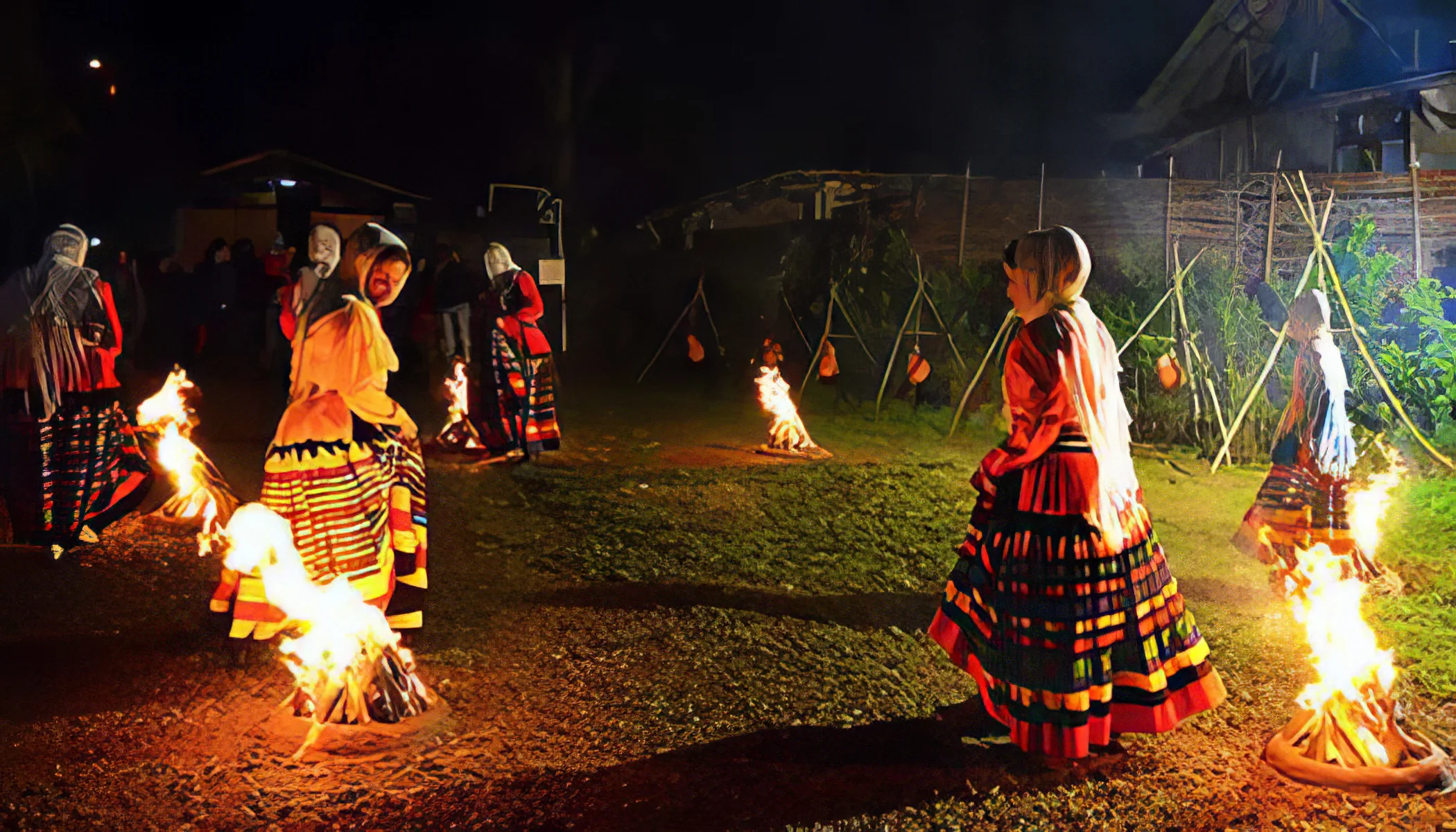
Iran hosts a variety of cultural and traditional events throughout the year, reflecting its rich heritage:
– Nowruz: Celebrated on March 21, marking the Persian New Year with family gatherings and special meals.
– Sizdah Bedar: Occurs on April 2, where families picnic outdoors to mark the end of Nowruz festivities.
– Ashura: A significant religious event in September/October, commemorating Imam Hussein's martyrdom with processions and rituals.
– Yalda Night: Celebrated on December 21, marking the longest night of the year with poetry readings and fruit sharing.
– Chaharshanbe Suri: Held on the last Wednesday before Nowruz, featuring bonfires and jumping over flames for good luck.
– Mehregan: An ancient Persian festival in October celebrating friendship, love, and harvest with feasts and gatherings.
– Tehran International Film Festival: Annual event showcasing global cinema in Tehran, attracting filmmakers and audiences.
Famous People
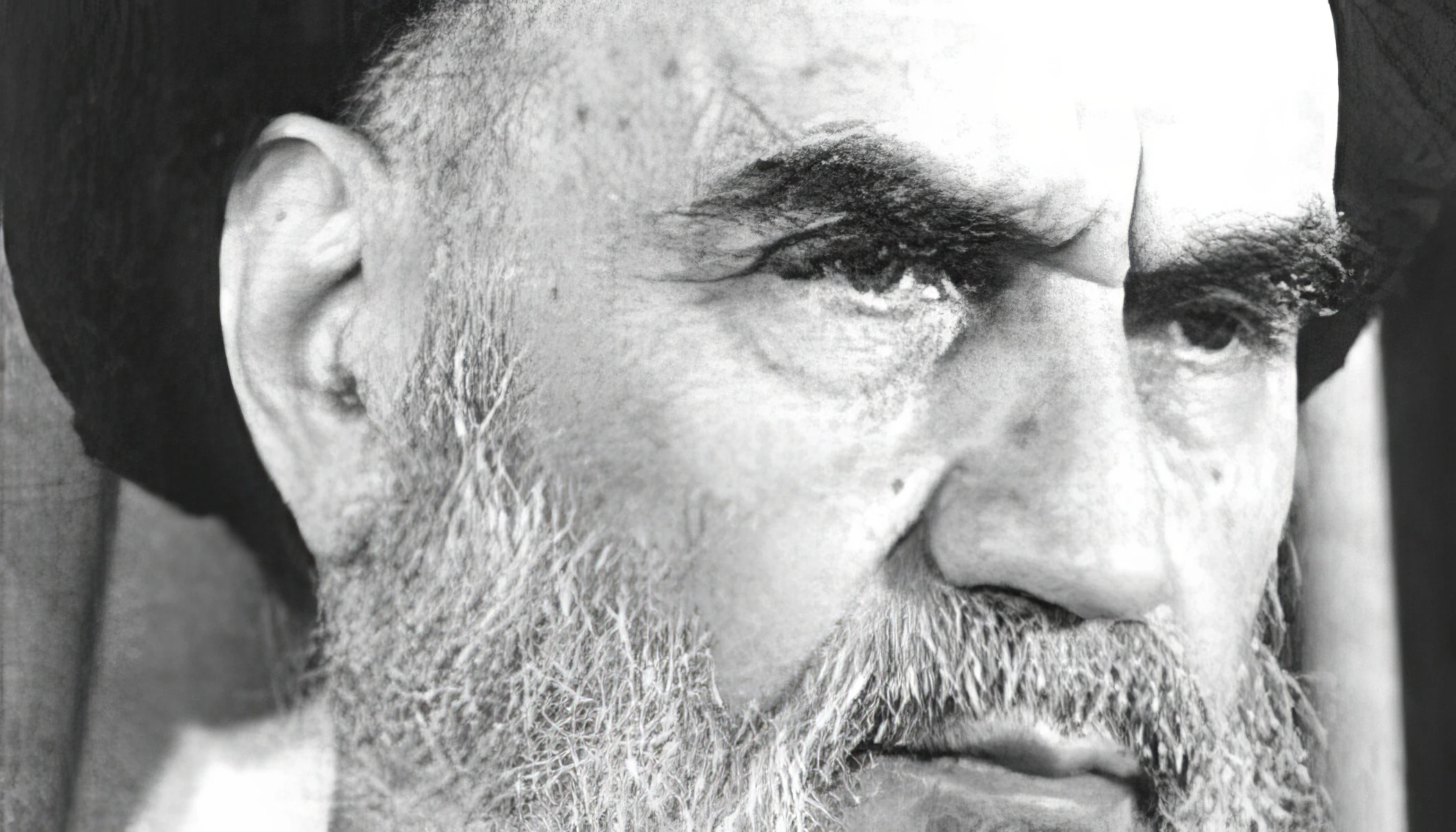
Iran has a rich history of influential figures in politics, literature, science, and the arts.
– Cyrus the Great (c. 600 to 530 BC, Anshan): Founder of the Achaemenid Empire, known for his progressive rule and human rights charter.
– Rumi (1207 to 1273, Balkh): Renowned Persian poet and Sufi mystic whose works have inspired millions worldwide.
– Ruhollah Khomeini (1902 to 1989, Khomeyn): Leader of the Iranian Revolution and founder of the Islamic Republic of Iran.
– Omar Khayyam (1048 to 1131, Nishapur): Mathematician and astronomer famous for his work on the Jalali calendar and Rubaiyat poetry.
– Shirin Ebadi (born 1947, Hamadan): Lawyer and human rights activist awarded the Nobel Peace Prize for her efforts in democracy and human rights.
Books
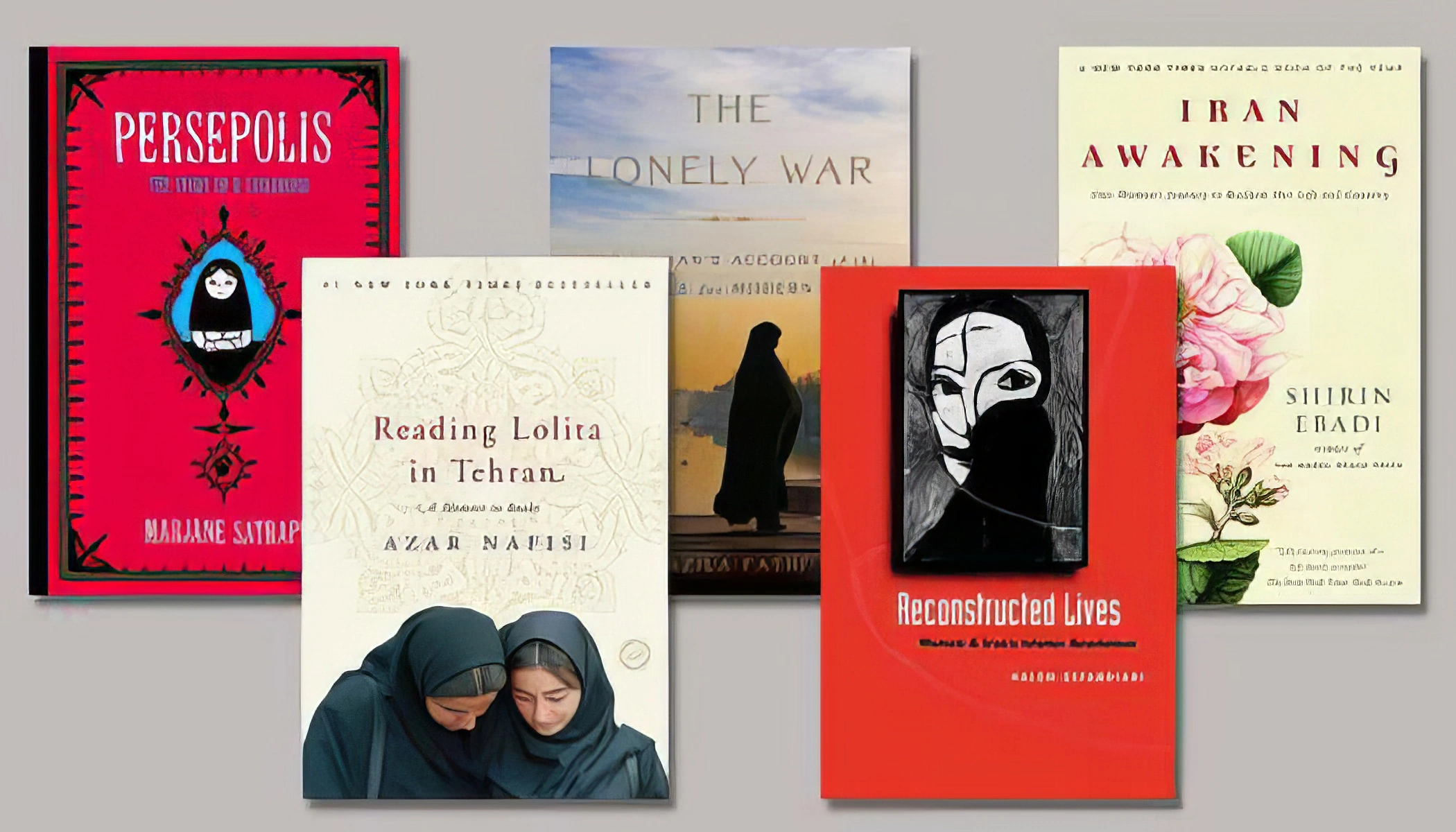
These books provide insights into Iranian culture, history, and the personal stories of those who have lived through significant events in the country.
– "Persepolis" by Marjane Satrapi: Graphic memoir depicting a girl's life during and after the Iranian Revolution.
– "Reading Lolita in Tehran" by Azar Nafisi: Memoir of a secret book club amidst post-revolutionary Iran's repression.
– "The Kite Runner" by Khaled Hosseini: Although primarily set in Afghanistan, it touches on Iranian cultural influences.
– "A Teaspoon of Earth and Sea" by Dina Nayeri: Explores twin sisters' diverging lives amid Iran's political upheaval.
– "The Complete Persepolis" by Marjane Satrapi: Combines both volumes of her graphic memoir about growing up in revolutionary Iran.
Songs
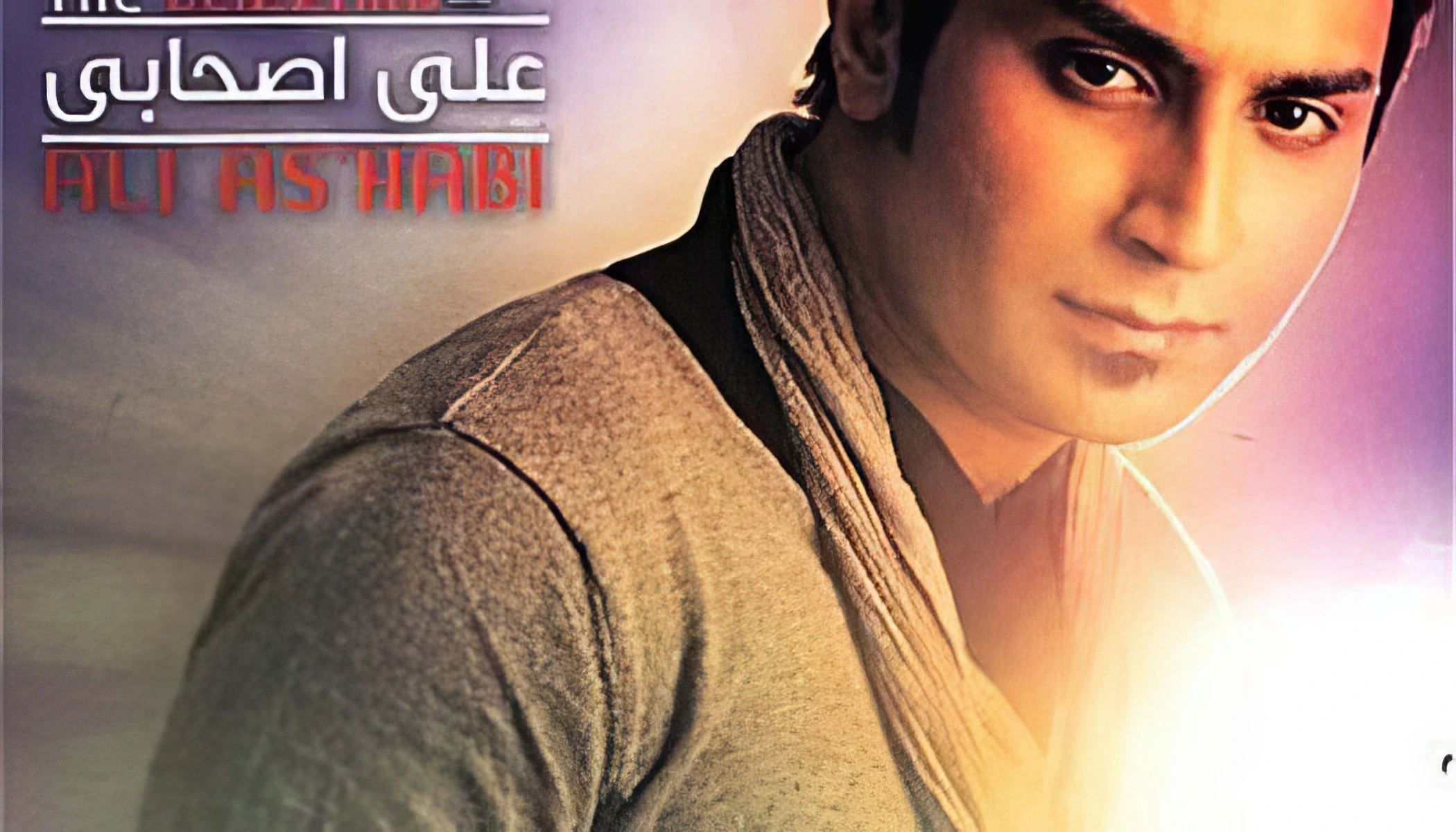
These songs highlight the rich cultural and emotional tapestry of Iranian music, reflecting themes of love, longing, and national identity.
– Morgh-e Sahar: A classic Persian song symbolizing hope and freedom.
– Soltane Ghalbha: Iconic love song by Aref, cherished across generations.
– Mosafer: Dariush's poignant song about life's journey and struggles.
– Ey Iran: Patriotic anthem expressing deep love for Iran.
– Gole Sangam: Hauntingly beautiful song by Hayedeh about unrequited love.
– Hamsafar: Googoosh's timeless hit about companionship and shared journeys.
Films
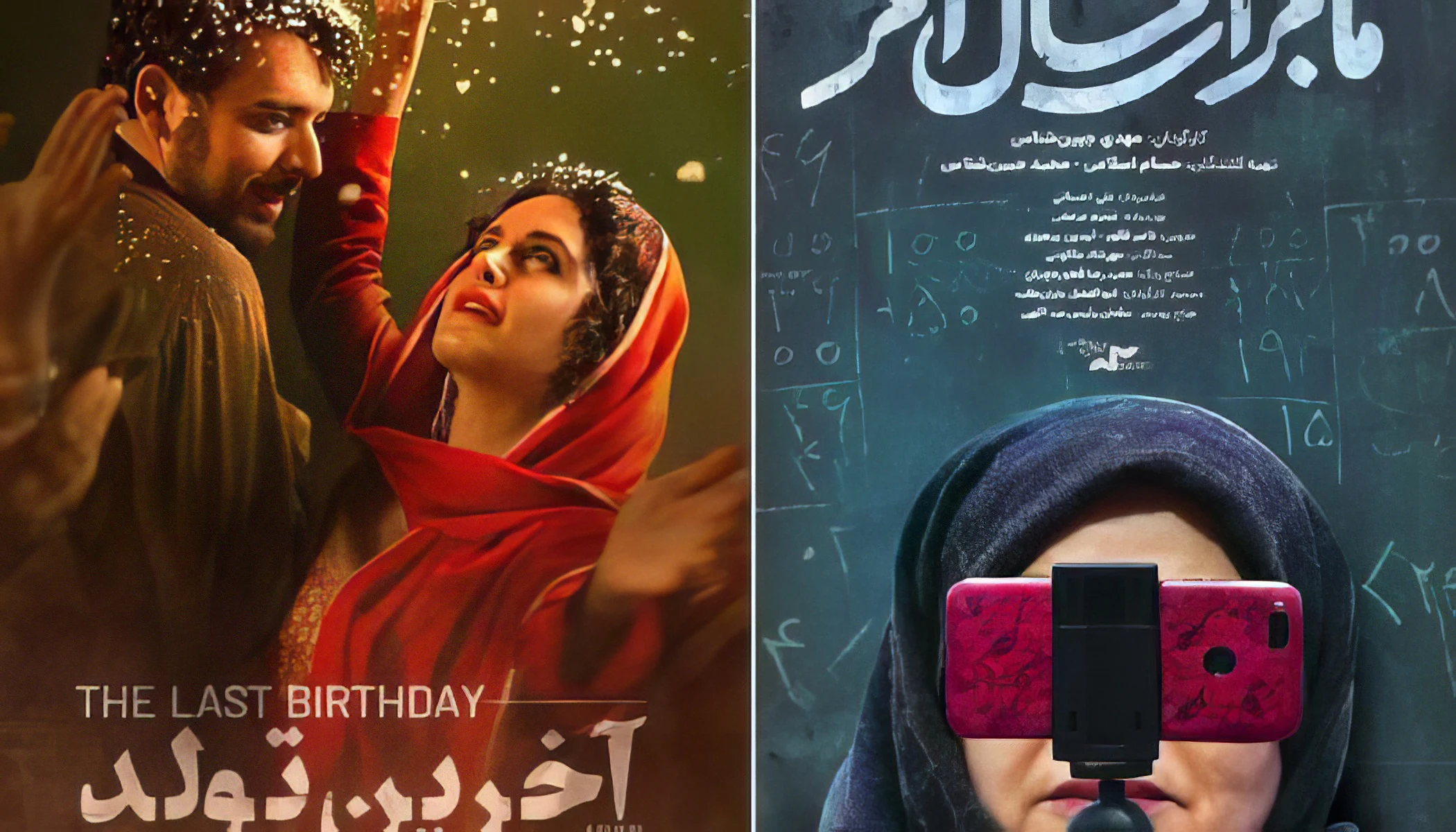
Explore the rich tapestry of Iranian cinema through these acclaimed films:
– "A Separation": Asghar Farhadi's Oscar-winning drama explores family, justice, and moral dilemmas in contemporary Iran.
– "Children of Heaven": Majid Majidi's touching story about a brother and sister sharing a pair of shoes.
– "Persepolis": Marjane Satrapi's animated film depicts her coming-of-age during and after the Iranian Revolution.
– "The Salesman": Asghar Farhadi's thriller intertwines personal trauma with a production of Arthur Miller's play.
– "Taste of Cherry": Abbas Kiarostami's contemplative film follows a man seeking someone to bury him after his suicide.