

Explore Iraq: Culture, Cities & Places to Visit
Located in the Middle East, this country is known for its rich history and ancient civilizations like Mesopotamia. It features diverse landscapes, from deserts to fertile plains. Despite recent conflicts, it holds significant cultural and historical sites, including Babylon and Ur.
- Capital
- Baghdad
- Population
- 29.7 millions
- Superficy
- 438000 sq.km
- Months to Visit
- March to May & Sept. to Nov.
- Living Cost
- Economical
Overview
Iraq is located in the Middle East, bordered by countries including Iran, Turkey, and Saudi Arabia. It has a rich history as part of ancient Mesopotamia, often referred to as the "cradle of civilization," with historical sites like Babylon and Ur. The capital city, Baghdad, was once a major center of learning and culture during the Islamic Golden Age. Iraq's modern history has been marked by conflict, including wars and political instability. The country is diverse in its ethnic and religious composition, with Arabs, Kurds, and other groups contributing to its cultural tapestry. Despite challenges, Iraq holds significant oil reserves and potential for economic development.
Pros & Cons
GOOD REASONS TO VISIT IRAQ
– Rich History: Explore ancient Mesopotamian sites like Babylon and Ur, showcasing early civilization's achievements.
– Cultural Heritage: Discover Iraq's diverse ethnic groups, traditions, and lively cultural festivals.
– Religious Significance: Visit important religious sites in Najaf and Karbala, significant for Shia Muslims.
– Unique Architecture: Admire Baghdad's historic buildings and the iconic spiral minaret of the Great Mosque of Samarra.
– Authentic Cuisine: Enjoy traditional dishes like kebabs, biryani, and masgouf, offering a taste of Iraqi flavors. CHALLENGES WHEN VISITING IRAQ
– Security Concerns: Ongoing conflicts and instability pose safety risks in certain regions.
– Limited Infrastructure: Tourist facilities and services are underdeveloped compared to other destinations.
– Travel Restrictions: Some areas have restricted access due to security or government regulations.
Before Departure
Before traveling to Iraq, it's important to be aware of several key factors:
– Passport: Ensure your passport is valid for at least six months from your entry date.
– Visa: Most tourists need a visa; apply through an Iraqi consulate or embassy. Some nationalities can obtain a visa on arrival.
– Currency: Iraqi Dinar (IQD); cash is preferred; credit cards are not widely accepted; ATMs are limited.
– Internet access: WiFi is available in hotels and cafes in major cities; consider purchasing a local SIM card for better connectivity.
– Language barrier: Arabic and Kurdish are official languages; English is not widely spoken outside major cities and tourist areas.
What to Pack
Traveling to Iraq requires careful preparation, considering the cultural norms and security situation in the region.
– Essentials: Passport and visa, travel insurance details, flight tickets and itinerary, accommodation reservations, emergency contact information.
– Clothing: Modest clothing covering shoulders and knees, comfortable walking shoes, headscarf for women (for visiting religious sites), sunglasses.
– Health & Safety: Prescription medications and basic first aid kit, insect repellent, sunscreen with high SPF, personal hygiene items.
– Electronics: Travel adapter for Iraqi outlets, mobile phone with international roaming or local SIM card.
Weather
Weather in Iraq varies significantly between seasons, with hot summers and mild winters.
– Winter (December to February): Mild temperatures with occasional rain, especially in the north and central regions.
– Spring (March to May): Pleasant temperatures with blooming landscapes; rainfall decreases as the season progresses.
– Summer (June to August): Extremely hot, especially in the south, with temperatures often exceeding 40°C (104°F).
– Autumn (September to November): Gradual cooling with decreasing temperatures and minimal rainfall. The best time to visit Iraq is from March to May or September to November.
– Pros: Pleasant weather for sightseeing and exploring historical sites.
– Cons: Potential for occasional rain in spring; autumn can still be warm in some areas.
Travel Budget
Iraq supplies a range of prices for travelers, with costs varying depending on the region. Here are some average prices for common expenses:
– Hotel: 30$ to 150$
– Lunch: 5$ to 15$
– Beverage (in bar/restaurant): 2$ to 6$
– Coffee: 1$ to 3$
– Transportation: (train not widely available), (bus 1$ to 5$), (taxi /10km 5$ to 10$)
– Mobile data (per GB): 2$ to 4$
Language
Iraq primarily uses Arabic, and here are some useful phrases for tourists:
– Hello: Marhaban (مرحبًا)
– Thank you: Shukran (شكرًا)
– Please: Min fadlak (من فضلك) [to a male] / Min fadlik (من فضلك) [to a female]
– How much is this?: Kam thaman hadha? (كم ثمن هذا؟)
– Excuse me: Afwan (عفواً)
– I don't understand: La afham (لا أفهم)
– Yes: Na'am (نعم)
– No: La (لا)
– Goodbye: Ma'a as-salama (مع السلامة)
History
The region, known as Mesopotamia, is one of the cradles of civilization, home to ancient Sumerians, Akkadians, Babylonians, and Assyrians. It later became part of various empires, including the Persian and Islamic Caliphates. The modern state was established after World War I under British mandate and gained independence in 1932. A series of coups led to the rise of the Ba'ath Party and Saddam Hussein's rule in 1979. The Iran-Iraq War (1980-1988) and the Gulf War in 1991 followed, severely impacting the country. The U.S.-led invasion in 2003 toppled Hussein but led to years of instability and conflict; efforts to rebuild continue amid ongoing challenges.
Geopolitics
Located in the Middle East, Iraq shares borders with Turkey, Iran, Kuwait, Saudi Arabia, Jordan, and Syria. It has a federal parliamentary republic system of government with Baghdad as its capital. The country is strategically significant due to its vast oil reserves and its position at the crossroads of regional power dynamics. Iraq has faced internal challenges, including sectarian divisions among Shia Arabs, Sunni Arabs, and Kurds, which have influenced its political landscape. It has been involved in regional conflicts and has had a complex relationship with neighboring Iran and other Gulf states. Internationally, Iraq seeks to balance relations with major powers like the United States and Russia while rebuilding its economy and infrastructure post-conflict.
Sample Itinerary
This itinerary covers Iraq's historical and cultural highlights, including ancient sites and vibrant cities.
– 2 days in Baghdad: Visit the National Museum, Al-Mustansiriya School, and explore the turbulent markets. Stroll along the Tigris River and see the Al-Shaheed Monument.
– 1 day in Babylon: Explore the ruins of ancient Babylon, including the Ishtar Gate and remnants of the Hanging Gardens.
– 1 day in Najaf: Visit the Imam Ali Shrine, a significant religious site. Explore local markets and learn about Shia Islam's history.
– 1 day in Karbala: Discover the Imam Husayn Shrine and Al-Abbas Mosque. Understand their importance to Shia Muslims.
– 2 days in Erbil: Tour the Citadel of Erbil, one of the oldest continuously inhabited sites. Visit local bazaars and enjoy Kurdish cuisine.
– 1 day in Mosul: See the rebuilt Great Mosque of al-Nuri and explore nearby archaeological sites like Nineveh if accessible.
Popular cities
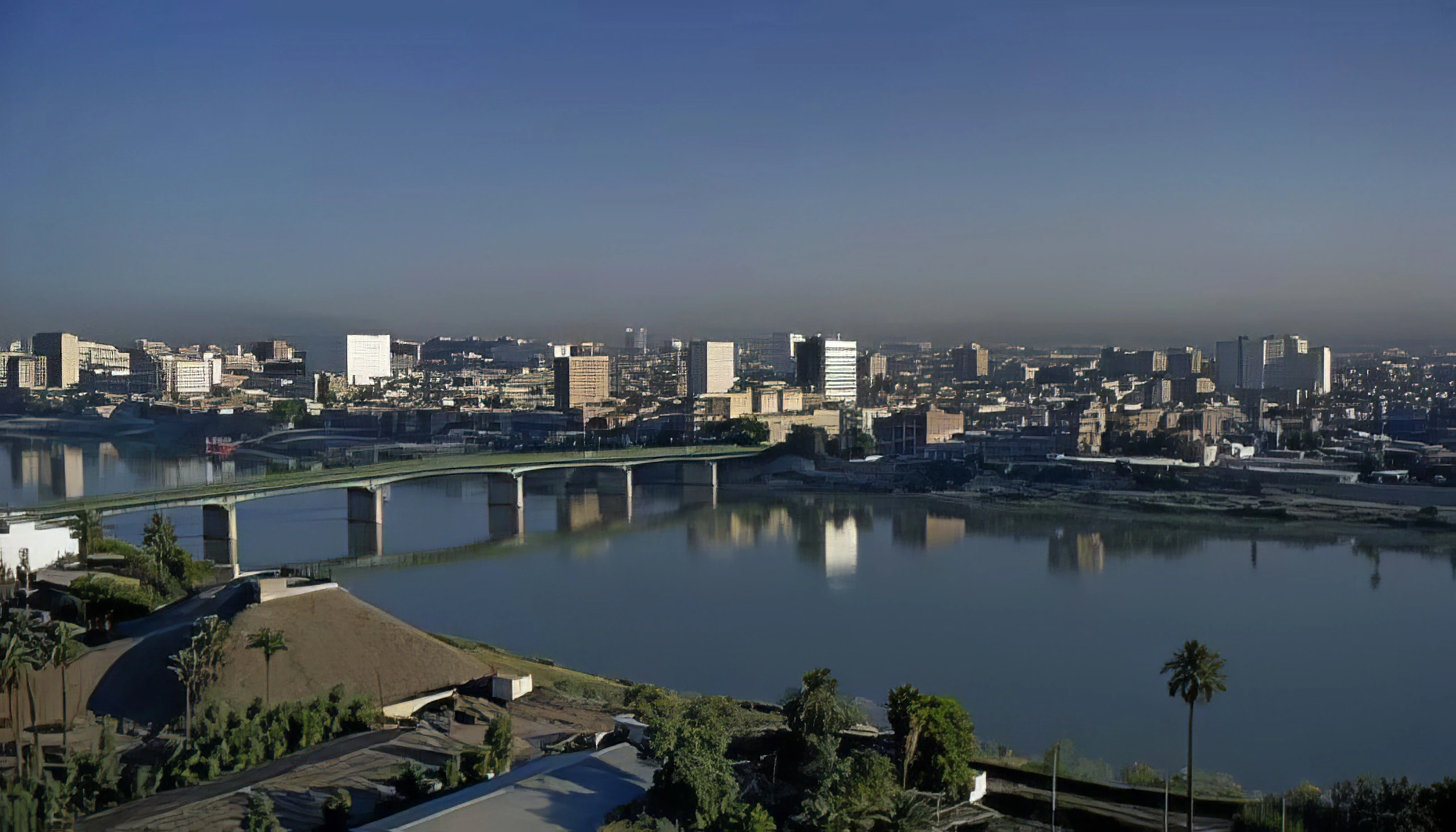
Explore Iraq's rich history and diverse culture through its key cities:
– Baghdad: The capital city, known for its historical significance and the National Museum of Iraq.
– Erbil: One of the oldest continuously inhabited cities, featuring the ancient Citadel of Erbil.
– Basra: A port city with a rich maritime history and access to the Shatt al-Arab waterway.
– Mosul: Home to historical sites like the Great Mosque of al-Nuri and ancient ruins.
– Najaf: A significant religious center, housing the Imam Ali Shrine, an important pilgrimage site.
– Karbala: Known for its religious importance, especially the Imam Husayn Shrine.
– Sulaymaniyah: A cultural hub in Iraqi Kurdistan with museums and vibrant markets.
Monuments
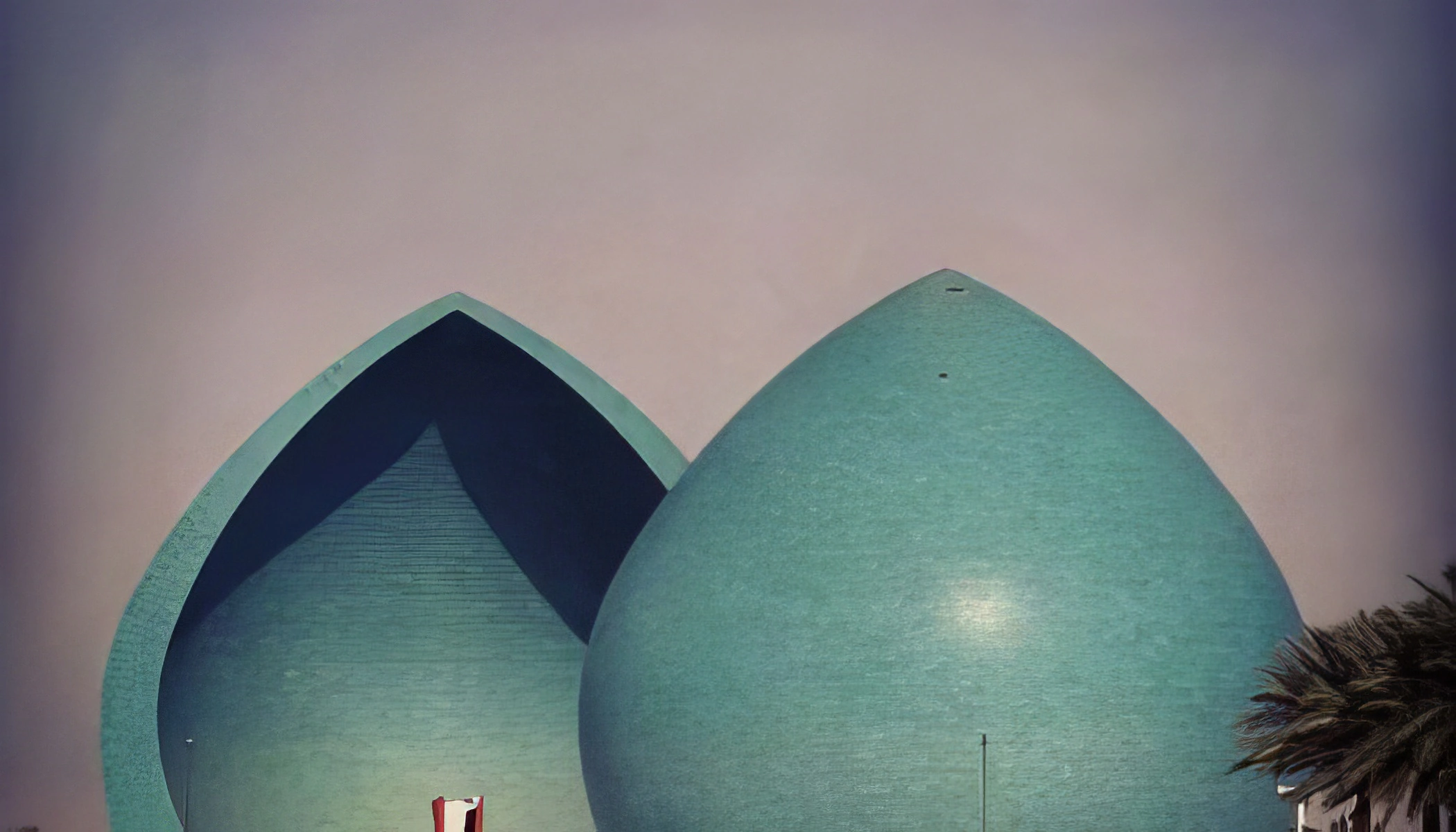
Iraq is home to several significant historical and architectural monuments:
– Ziggurat of Ur: Ancient Sumerian temple, one of the best-preserved ziggurats in Mesopotamia.
– Babylon Ruins: Remnants of the ancient city, famous for the Hanging Gardens and Ishtar Gate.
– Al-Mustansiriya School, Baghdad: Medieval Islamic educational institution with complex architecture from the Abbasid era.
– Erbil Citadel: Continuous settlement for thousands of years, offering panoramic views over Erbil.
– Great Mosque of Samarra: Known for its unique spiral minaret, once the largest mosque in the world.
– Hatra Ruins: Parthian Empire city with well-preserved temples and defensive walls, a UNESCO site.
– Ctesiphon Arch (Taq Kasra): Largest single-span brick arch in the world from the Sassanian Empire.
– Imam Ali Mosque, Najaf: Important Shia pilgrimage site with a handsome golden dome and complex tile work.
Natural wonder
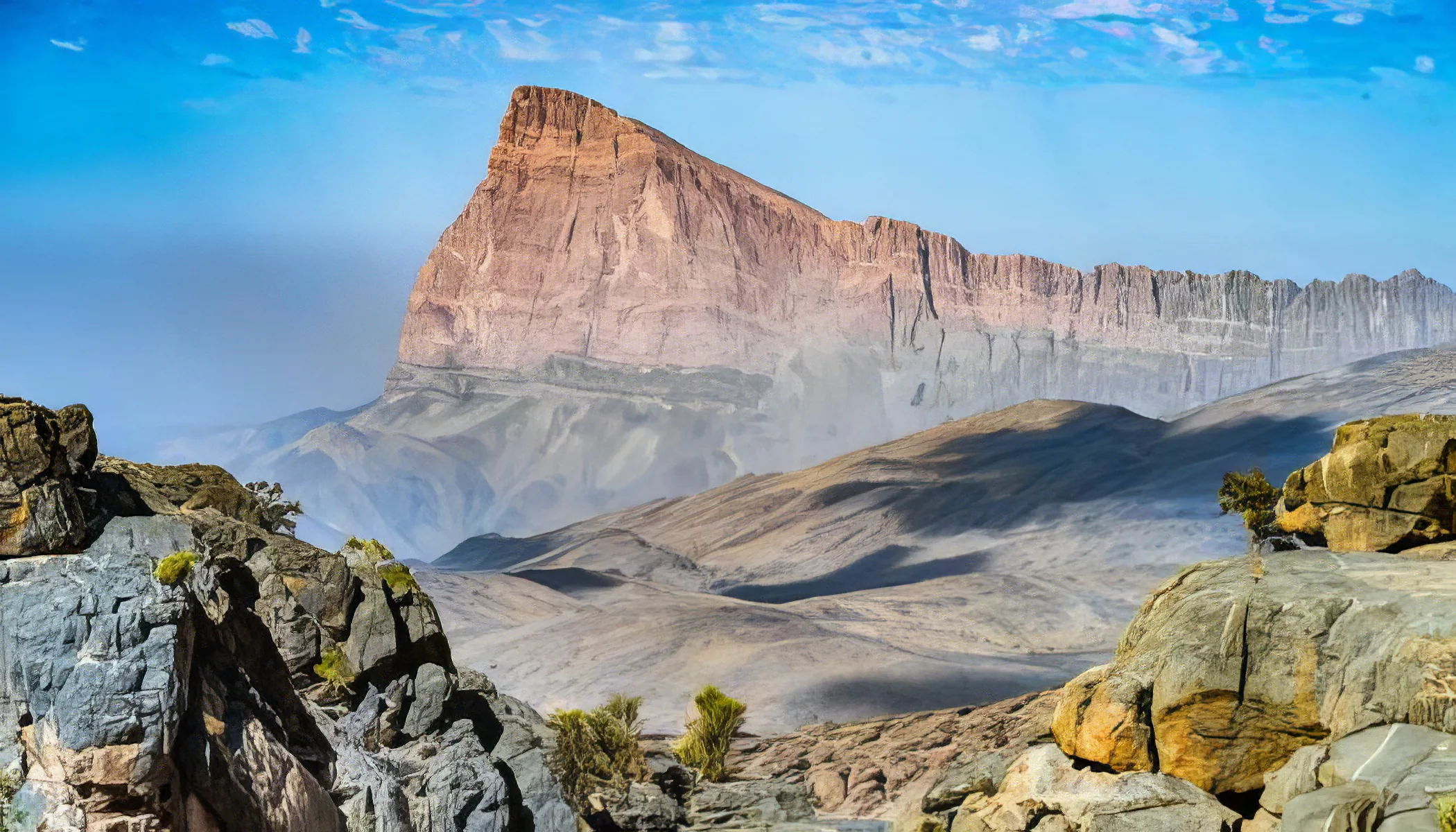
Explore Iraq's diverse natural landscapes:
– Halgurd Mountain: Iraq's highest peak, offering challenging hikes and remarkable views.
– Ahwar of Southern Iraq: UNESCO site with marshlands, home to unique wildlife and ancient history.
– Gali Ali Beg: A scenic gorge with waterfalls, popular for picnics and nature walks.
– Mount Korek: Known for its ski resort and panoramic views of the surrounding region.
– Lake Dukan: A large reservoir surrounded by mountains, ideal for boating and fishing.
– Rawanduz Canyon: Supplies dramatic cliffs and a river, perfect for adventure seekers.
– Jabal Sinjar: Mountain range with historical significance and diverse flora.
– Darbandikhan Lake: Artificial lake known for its serene environment and recreational activities.
– Choman Valley: Features abundant landscapes and is a gateway to the Zagros Mountains.
– Bekhal Waterfall: A popular spot with cascading waters set in a lovely valley.
Outdoor activities
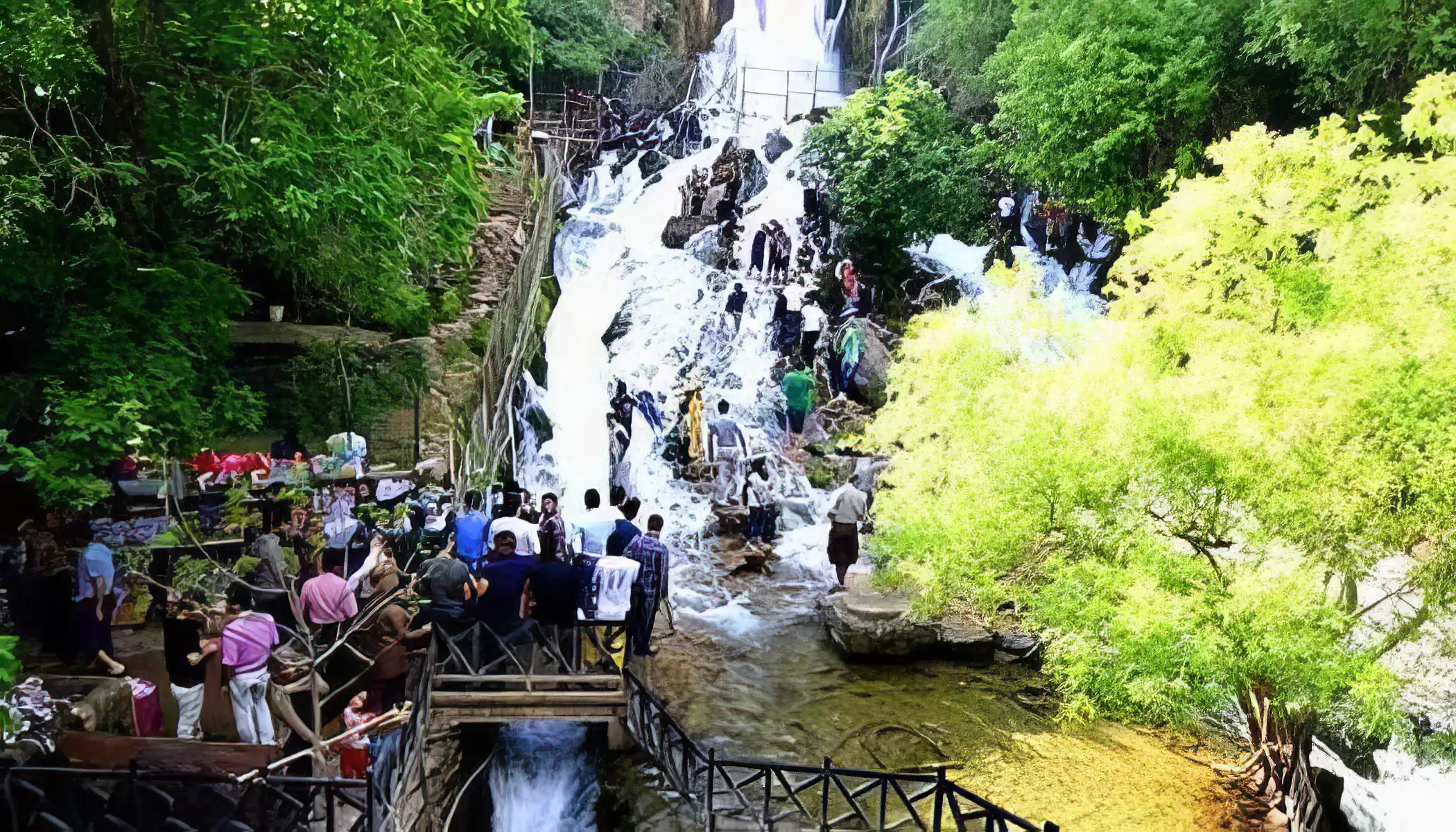
Iraq provides unique outdoor experiences for those interested in history and nature:
– Hiking in the Zagros Mountains: Explore rugged landscapes and ancient trails.
– Marshes of Southern Iraq: Take a boat tour through the Mesopotamian marshlands.
– Camping in the Kurdistan Region: Enjoy scenic views and peaceful surroundings.
– Birdwatching at Hammar Marshes: Spot diverse bird species in this wetland area.
– Exploring Erbil Citadel: Walk around one of the oldest continuously inhabited sites.
– Visiting Gali Ali Beg Waterfall: Experience the beauty of this popular natural attraction.
– Touring the Ruins of Babylon: Discover ancient history at this UNESCO World Heritage site.
Kid Friendly
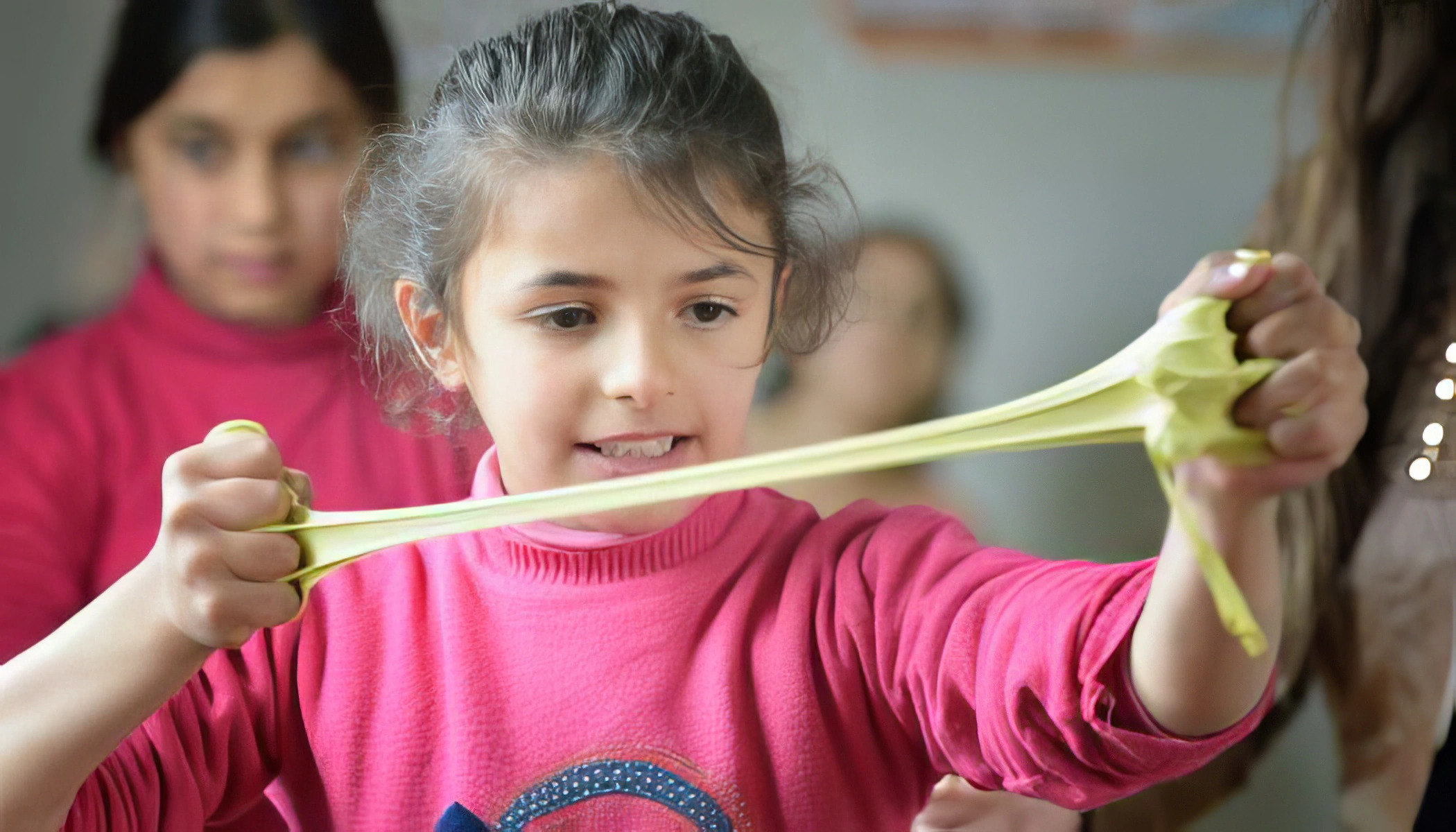
Iraq supplies several engaging activities for children to enjoy.
– Baghdad Zoo: A place where kids can see a variety of animals and learn about wildlife.
– Zawraa Park: A large park in Baghdad with playgrounds, a lake, and amusement rides.
– Basra Children's Park: Provides playgrounds and open spaces for kids to play and explore.
– Amna Suraka Museum: Features tanks and military vehicles that might intrigue older children interested in history.
– Kurdish Textile Museum: Provides interactive exhibits on traditional weaving techniques that can be educational for kids.
– Sami Abdulrahman Park: A vast green space in Erbil with walking paths, playgrounds, and picnic areas.
– Lalish Temple: A cultural site where families can learn about the Yazidi faith in a peaceful setting.
– Al-Shaheed Monument: Supplies an opportunity to learn about Iraq's history with impressive architecture.
Cuisine
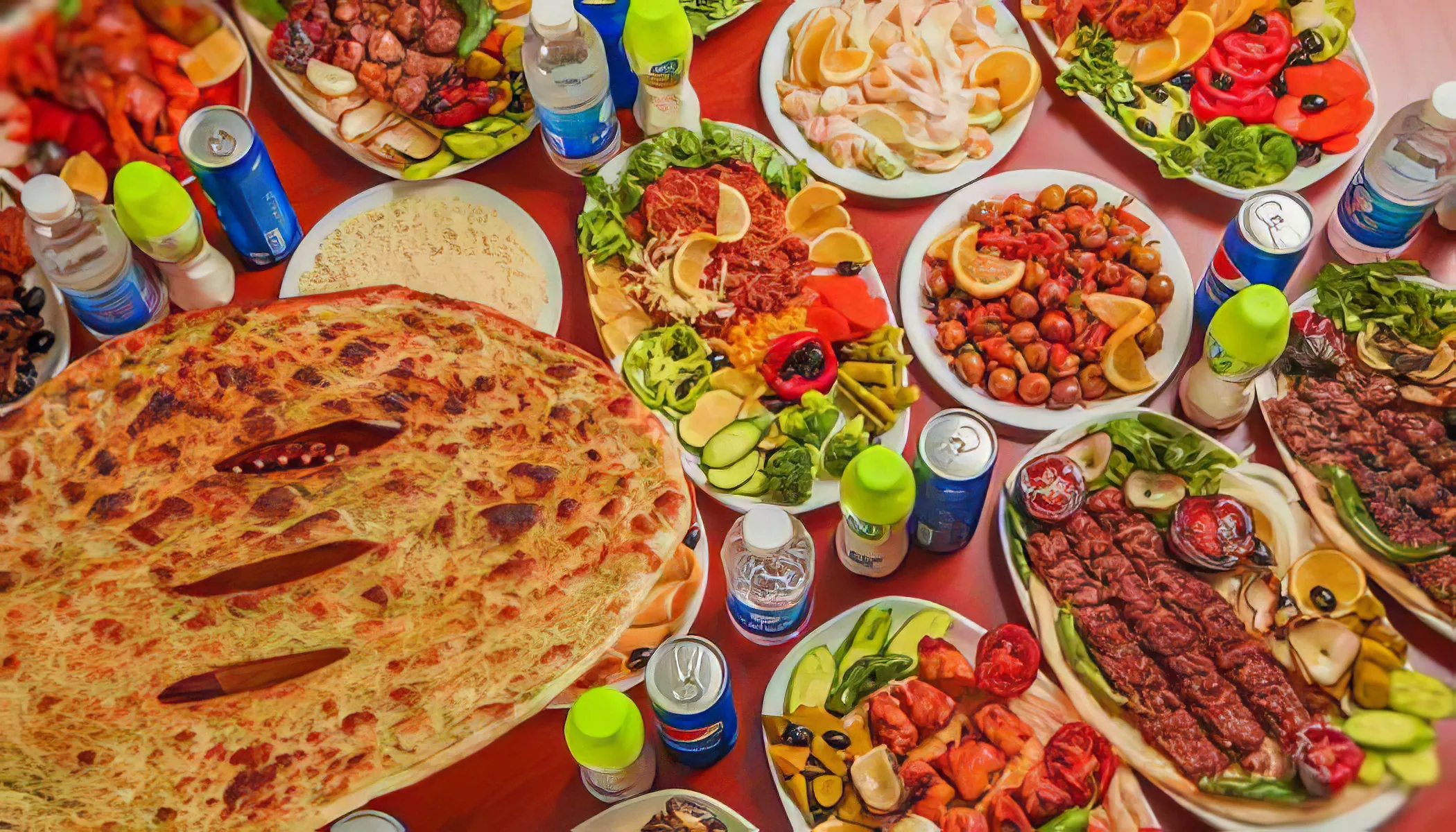
Iraqi cuisine is rich in history, featuring hearty dishes with bold flavors and aromatic spices, reflecting its diverse cultural influences. Meals often include rice, meats, and vegetables, showcasing traditional cooking methods. Most famous cuisine in Iraq are:
– Masgouf: Grilled fish seasoned with spices and cooked over an open flame.
– Dolma: Vegetables stuffed with rice, meat, and herbs, simmered in a tangy sauce.
– Kebab: Skewered and grilled minced meat seasoned with spices.
– Tashreeb: Bread soaked in a flavorful broth with meat and vegetables.
– Kubba: Fried or baked bulgur shells filled with spiced minced meat.
Souvenir
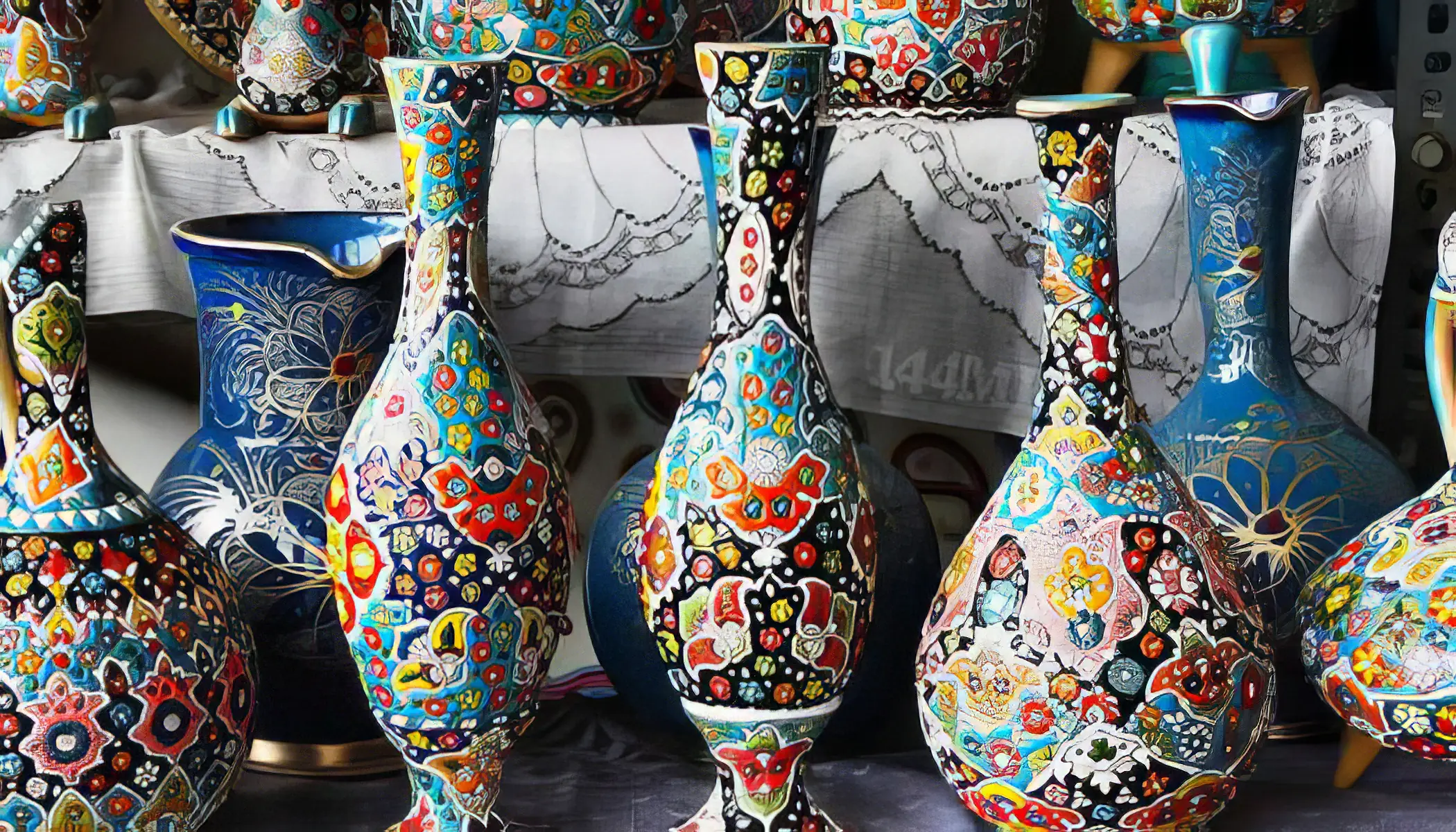
Iraq supplies a variety of unique souvenirs that reflect its rich history and culture. Here are some popular options:
– Persian Carpets: Known for their beautiful designs, these carpets are a traditional and valuable souvenir.
– Copperware: Handcrafted copper items like trays and pots are popular for their craftsmanship.
– Dates: Iraq is famous for its high-quality dates, which make for a sweet souvenir.
– Traditional Clothing: Items like the dishdasha or abaya can be found in local markets.
– Jewelry: Silver and gold jewelry with traditional designs are widely available.
– Calligraphy Art: Arabic calligraphy pieces make for meaningful decorative items.
– Spices: Local spices offer a taste of Iraqi cuisine to take home.
Traditional Shows
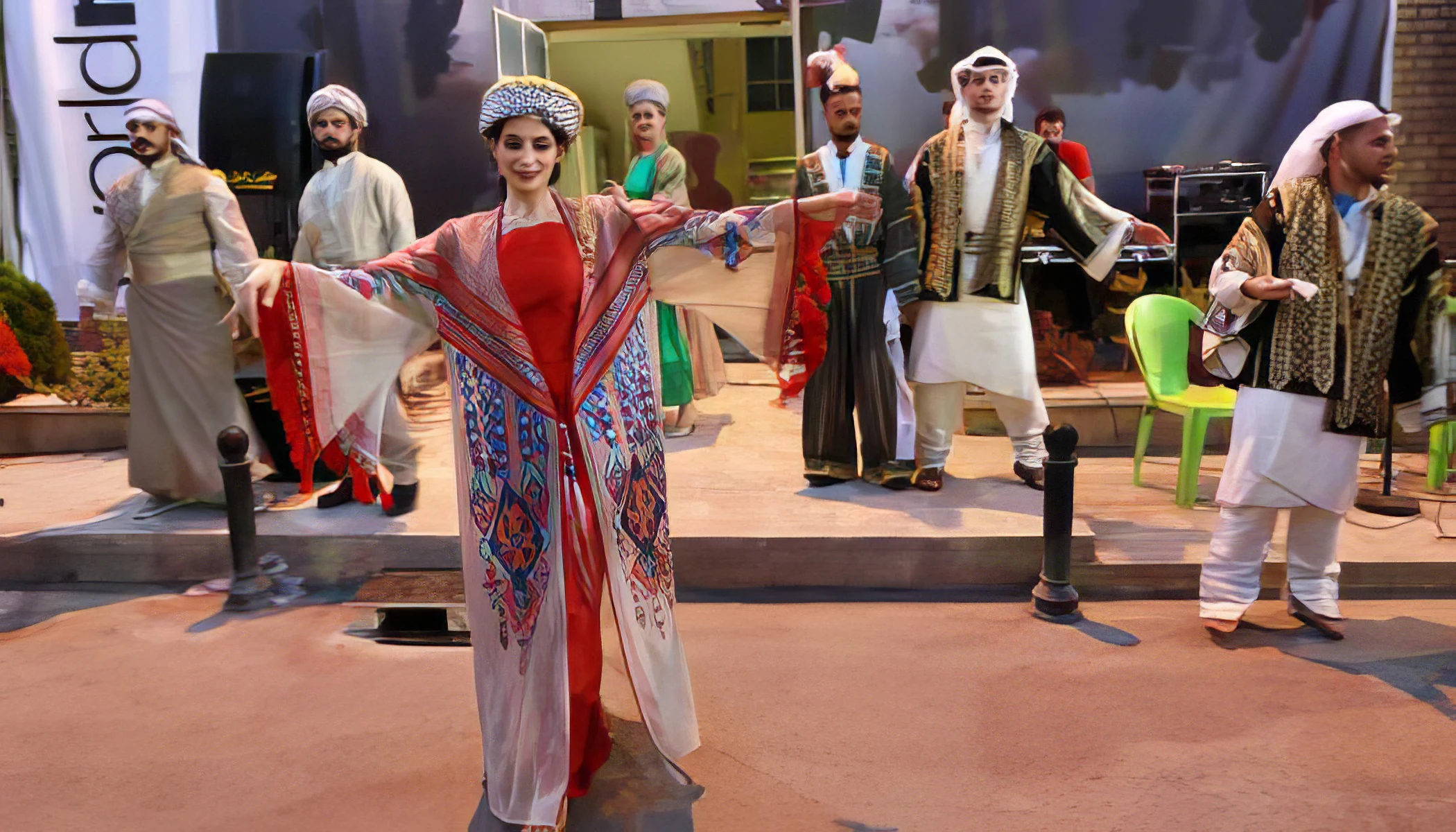
Iraq has a rich tradition of music and art performances:
– Maqam al-Iraqi: Experience this classical Arabic music form in Baghdad, featuring complex melodies and poetic lyrics that reflect Iraq's cultural heritage.
– Chobi Dance: Witness this energetic group dance at weddings and festivals across Iraq, characterized by rhythmic footwork and lively drumming.
– Oud Music Performances: Enjoy the sounds of the oud, a traditional string instrument, often played in intimate settings throughout Iraq.
– Dabka Dance: Participate in this traditional folk dance performed at celebrations, showcasing unity and cultural pride with synchronized steps.
– Iraqi Folk Music: Discover diverse regional styles with instruments like the santur and ney, offering a glimpse into Iraq's musical diversity.
Events & Festivals
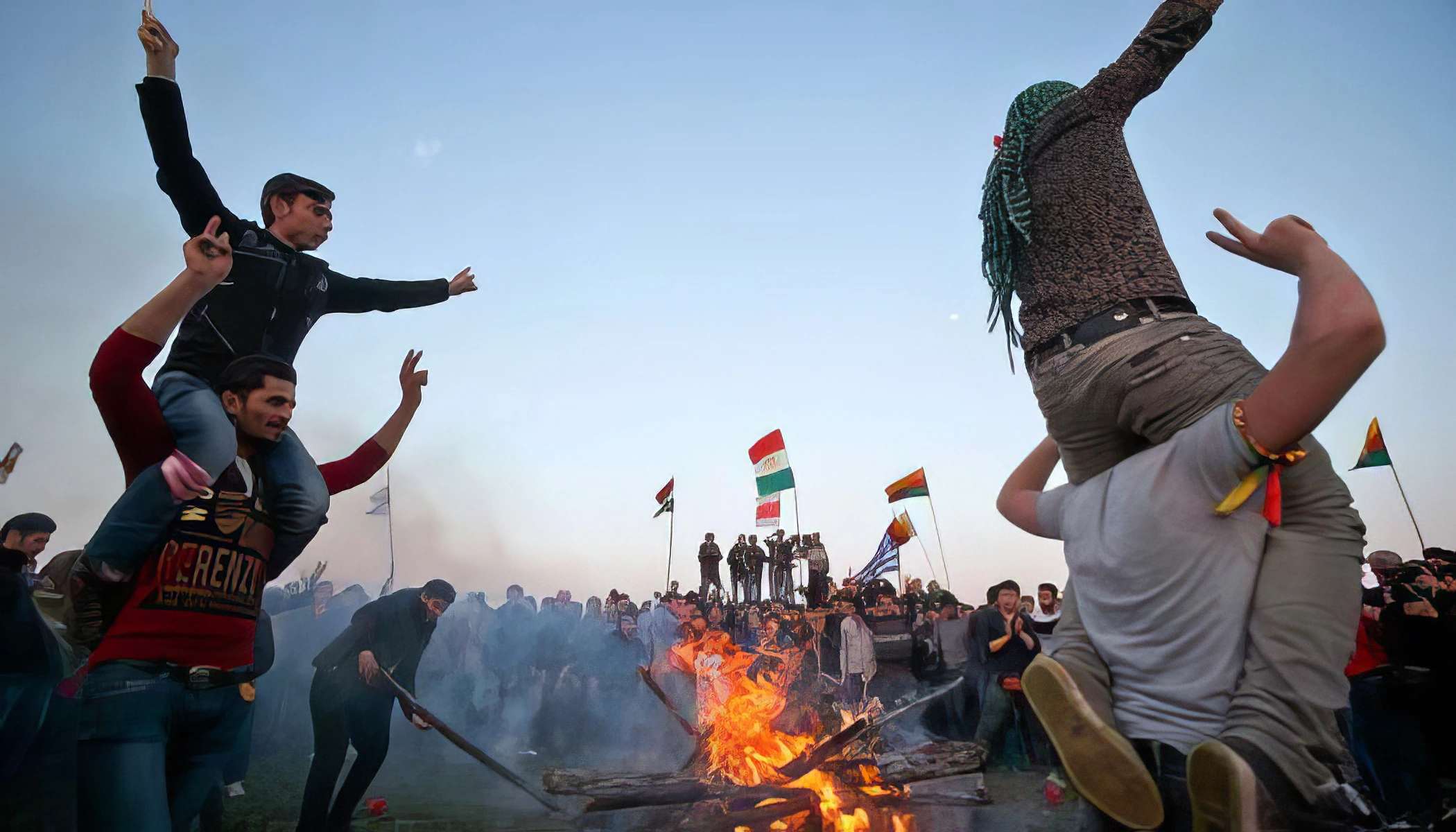
Iraq hosts several cultural and religious events throughout the year, reflecting its rich history and traditions:
– Nowruz: Celebrated on March 21, marking the Persian New Year with family gatherings and traditional foods.
– Eid al-Fitr: Marks the end of Ramadan with prayers, feasting, and charity in May/June.
– Baghdad International Film Festival: Annual October event showcasing local and international films.
– Arbaeen Pilgrimage: Millions walk to Karbala in October/November to commemorate Imam Hussein's martyrdom.
– Babylon International Festival: Cultural festival held in September at ancient Babylon with music, dance, and art.
– Eid al-Adha: Celebrated in July/August with prayers, feasts, and animal sacrifices to honor Abraham's willingness to sacrifice his son.
– Ashura: Observed in September/October with mourning rituals for Imam Hussein's martyrdom at Karbala.
Famous People
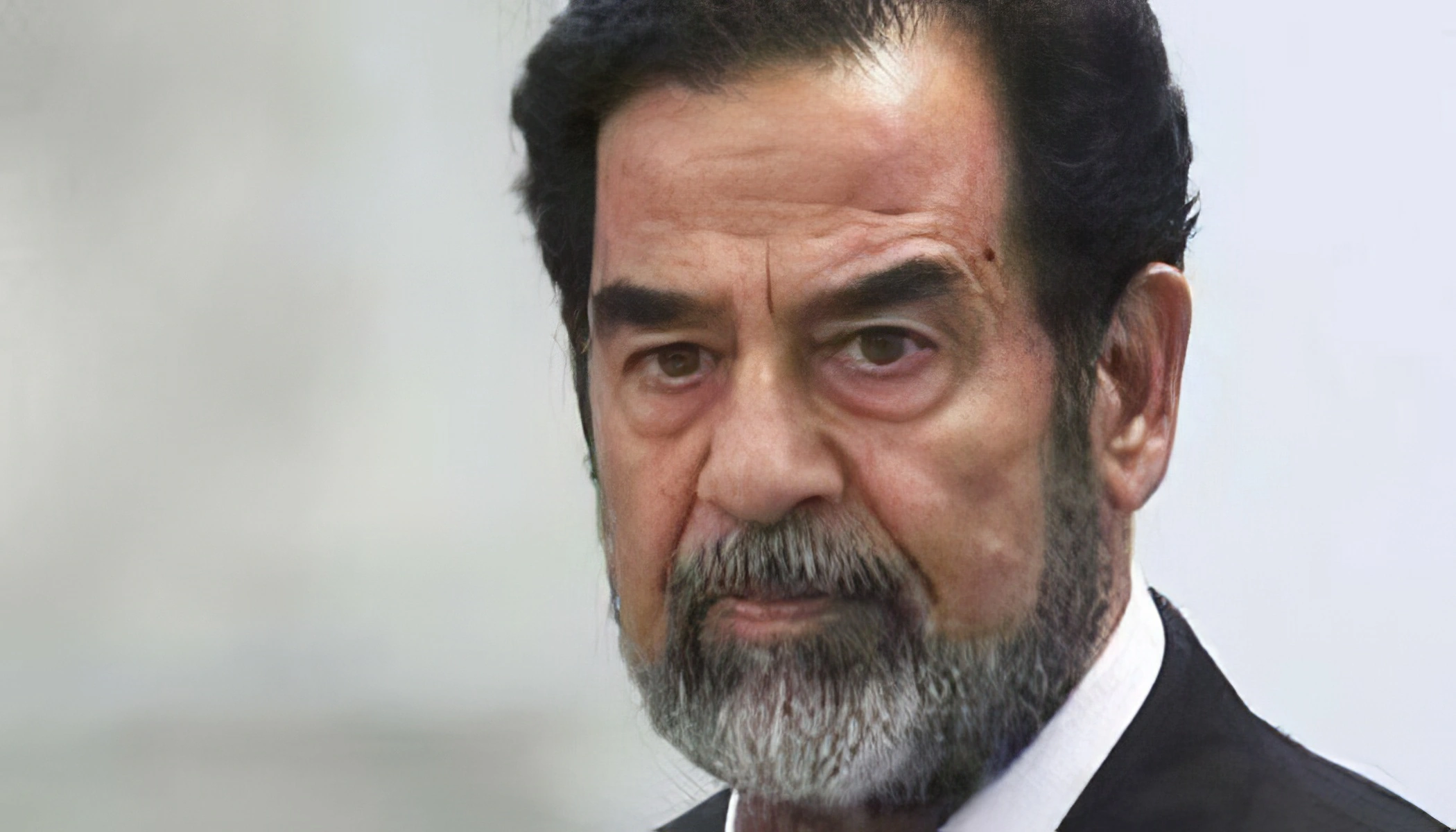
Iraq has been home to many influential figures who have shaped its rich cultural and political history.
– Saddam Hussein (1937 to 2006, Al-Awja): President of Iraq known for his authoritarian rule and involvement in regional conflicts.
– Nuri al-Maliki (born 1950, Al-Hindiya): Prime Minister who led Iraq during a critical post-Saddam era, focusing on rebuilding the nation.
– Zaha Hadid (1950 to 2016, Baghdad): Renowned architect known for her innovative designs and the first woman to win the Pritzker Architecture Prize.
– Gilgamesh (circa 2800 BCE, Uruk): Legendary king and central figure in "The Epic of Gilgamesh," one of the earliest works of literature.
– Sinan Antoon (born 1967, Baghdad): Acclaimed novelist and poet whose works explore themes of identity and exile.
Books
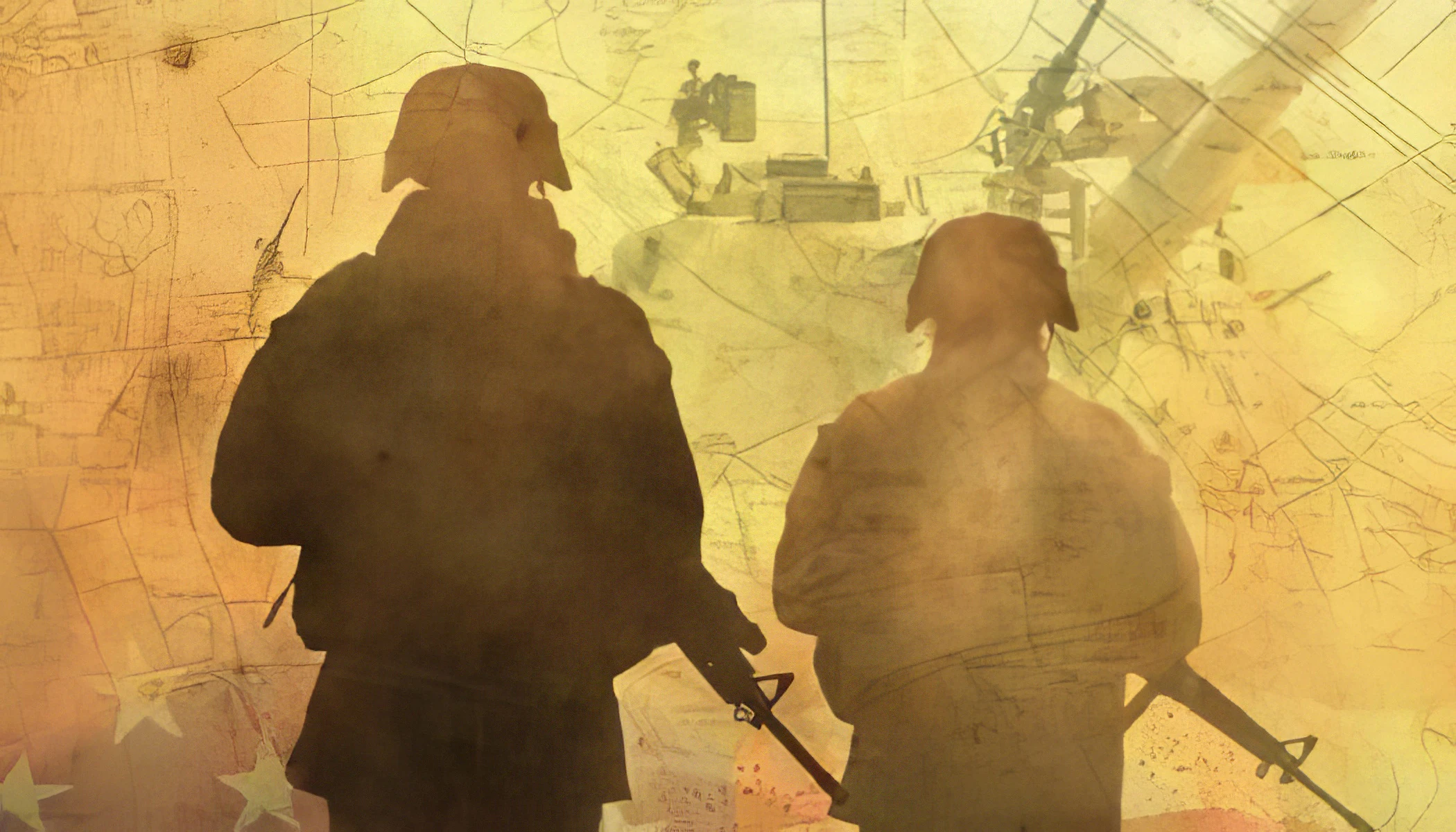
These books provide insights into the historical, cultural, and personal narratives surrounding Iraq, from ancient times to modern conflicts.
– "The Kite Runner" by Khaled Hosseini: Although primarily set in Afghanistan, it touches on Middle Eastern themes relevant to Iraq.
– "Frankenstein in Baghdad" by Ahmed Saadawi: A surreal tale of a man collecting body parts during the Iraq War.
– "The Corpse Washer" by Sinan Antoon: Chronicles a young man's struggle with tradition and war in Baghdad.
– "Baghdad Burning" by Riverbend: A blog-turned-book offering a civilian's perspective on life during the Iraq War.
– "My Father's Paradise" by Ariel Sabar: Explores Kurdish Jewish history and identity through a family's journey from Iraq to America.
Songs
These songs highlight the rich cultural heritage and emotional depth of Iraqi music, often reflecting themes of love, longing, and national identity.
– Fog El Nakhal: Traditional Iraqi folk song celebrating palm trees and love.
– Baghdad: Ilham Al Madfai's song capturing the spirit of Iraq's capital.
– Maqam Lami: Classic piece showcasing traditional Iraqi maqam music style.
– Ya Nasim Al-Rabee: Celebrated song by Nazem Al-Ghazali about springtime and renewal.
– Chathab: Kadim Al Sahir's popular song about heartbreak and longing.
– Hatha Mashi El Hal: Majid Al Mohandis' modern hit reflecting on life's challenges.
Films
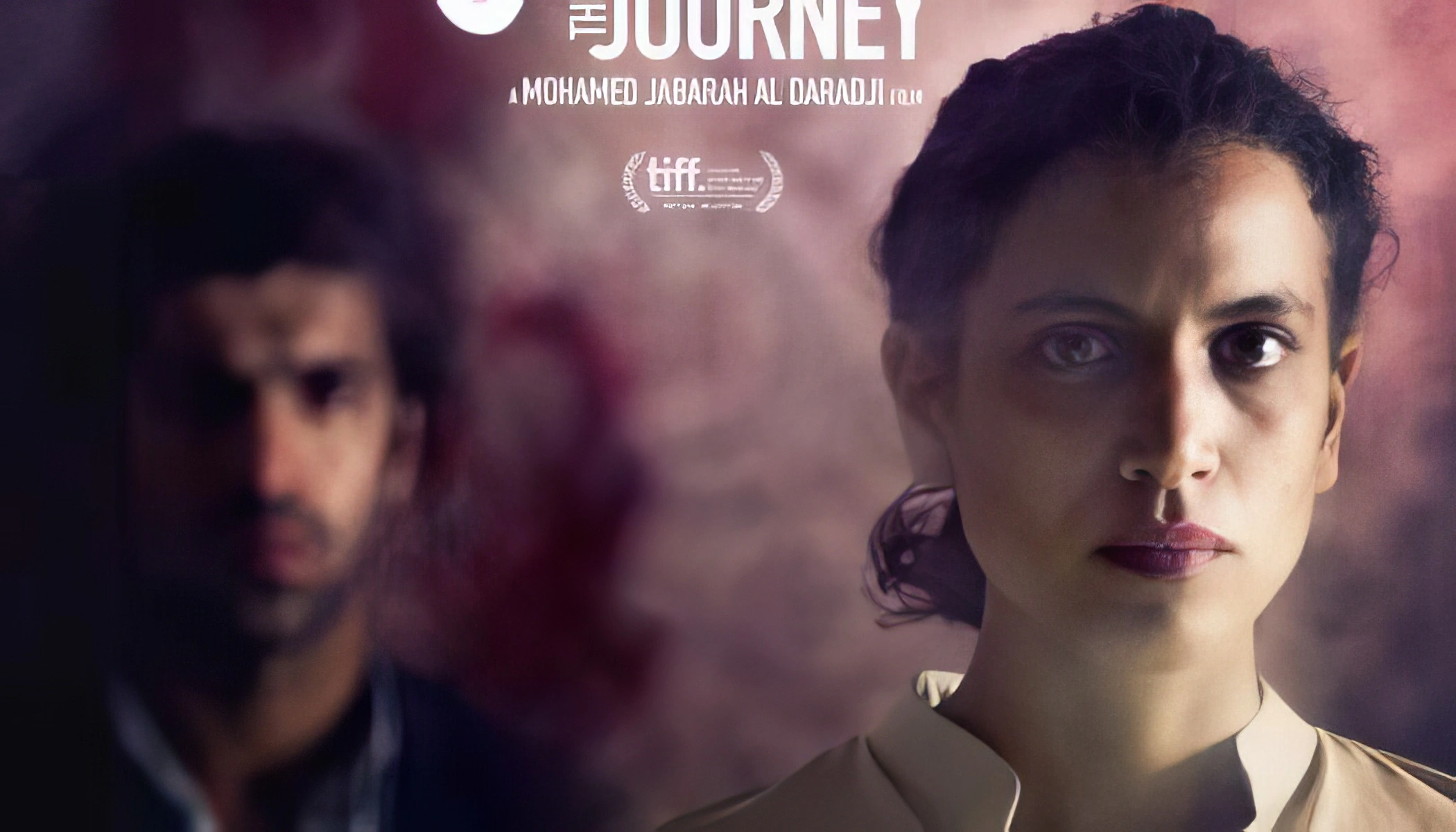
Explore the cinematic portrayal of Iraq through these notable films:
– "Turtles Can Fly": Bahman Ghobadi's film depicts Kurdish children in a refugee camp on the eve of the U.S. invasion of Iraq.
– "Ahlaam": Mohamed Al-Daradji's drama follows three patients in a Baghdad psychiatric hospital during the chaos of post-invasion Iraq.
– "Son of Babylon": Directed by Mohamed Al-Daradji, it tells a poignant story of a boy and his grandmother searching for his missing father.
– "My Country, My Country": Laura Poitras' documentary offers an intimate look at life in Iraq during the 2005 elections.
– "The Journey": Mohamed Jabarah Al-Daradji's film explores themes of redemption and forgiveness through a woman's decision on a fateful day in Baghdad.