

Explore Ireland: Culture, Cities & Places to Visit
This North Atlantic island is known for its rich landscapes, rich history, and animated culture. Famous for its castles, folklore, and the busy city of Dublin, it offers a unique blend of traditional charm and modern attractions.
- Capital
- Dublin
- Population
- 4.7 millions
- Superficy
- 71000 sq.km
- Months to Visit
- May, June, July, and Sept.
- Living Cost
- Moderate
Overview
Ireland, an island in the North Atlantic, is known for its lush landscapes, rich traditions, and complex history. Its capital, Dublin, is a animated city with landmarks like the historic Dublin Castle and the famous Guinness Storehouse. The country's rural areas are characterized by rolling hills, rugged cliffs, and a multitude of castles and ancient sites. Ireland's culture is deeply rooted in Celtic traditions, evident in its music, folklore, and Gaelic language. The country has a strong literary heritage, producing renowned authors like James Joyce and W.B. Yeats. Despite its small size, Ireland offers a diverse experience, from busy city life to quiet countryside.
Pros & Cons
GOOD REASONS TO VISIT IRELAND
– Scenic Beauty: Ireland offers diverse landscapes, from the Cliffs Of Moher to the Ring Of Kerry and Giant's Causeway.
– Rich History: Explore ancient castles, monastic ruins, and museums showcasing Ireland's historical and cultural heritage.
– Friendly Locals: Irish people are known for their warmth and friendliness, making visitors feel welcome.
– Pub Culture: Experience traditional Irish music, storytelling, and Guinness in the country's many pubs.
– Outdoor Activities: Hiking, cycling, and golfing opportunities abound in Ireland's natural landscapes. CHALLENGES WHEN VISITING IRELAND
– Unpredictable Weather: Ireland's weather can change quickly, often bringing rain; packing layers and waterproofs is advised.
– Rural Transport: Public transport in rural areas can be infrequent, making a rental car necessary for some.
– High Costs: Ireland, especially Dublin, can be expensive in terms of accommodation, dining, and attractions.
Before Departure
Before setting off on your adventure to Ireland, there are several key points to consider:
– Passport: Ensure your passport is valid for the duration of your stay in Ireland.
– Visa: Depending on your nationality, you may need a visa. Check the Irish Immigration Service Delivery website for details. E-visas are not available.
– Currency: Euro (€) is the official currency. Credit cards are widely accepted and ATMs are readily available.
– Internet access: WiFi is widely available in hotels, cafes, and public places. Prepaid SIM cards for data are easily accessible.
– Language barrier: English is widely spoken throughout Ireland. Irish (Gaelic) is also spoken in certain areas, but not necessary for tourists.
What to Pack
Packing for a trip to Ireland requires consideration of the country's often unpredictable weather and various indoor and outdoor activities.
– Essentials: Passport, travel insurance details, flight tickets, itinerary, accommodation reservations, and driving license if planning to rent a car.
– Clothing: Waterproof jacket and shoes for rainy days, warm clothing for cooler temperatures, comfortable walking shoes for city tours, and casual attire for pub visits.
– Health & Safety: Prescription medications, basic first aid kit, personal hygiene items, and sunscreen for summer months.
– Electronics: Travel adapter for Irish outlets, mobile phone, camera, and portable charger.
Weather
Ireland's weather is temperate, moist and changeable with abundant rainfall and a lack of temperature extremes.
– Spring (March to May): Weather starts to warm up with average temperatures ranging from 8-12°C. Rainfall is relatively low.
– Summer (June to August): Warmest months with temperatures around 15-20°C. Rainfall is unpredictable but it's the sunniest time of the year.
– Autumn (September to November): Temperatures drop to around 8-14°C. Rainfall increases, especially in November.
– Winter (December to February): Cold with temperatures around 4-7°C. Rainfall is at its highest, and snow is possible but not common. The best time to visit Ireland is during the summer months (June to August) for the warmest weather, outdoor activities and festivals. However, it's also the busiest time, so expect more crowds and higher prices. For fewer crowds, consider visiting in the shoulder seasons of spring or autumn.
Travel Budget
Ireland is a country with a higher cost of living compared to many other countries. Here are some average costs for reference:
– Hotel: 100$ to 200$
– Lunch: 15$ to 30$
– Beverage (in bar/restaurant): 5$ to 10$
– Coffee: 3$ to 5$
– Transportation: (train 20$ to 60$), (bus 3$ to 7$), (taxi /10km 15$ to 25$)
– Mobile data (per GB): 5$ to 10$
Language
The primary language spoken in Ireland is English, but Irish (Gaeilge) is also used, especially in certain regions. Here are some useful phrases in Irish:
– Hello: Dia dhuit
– Thank you: Go raibh maith agat
– Please: Le do thoil
– How much is this?: Cé mhéad é seo?
– Excuse me: Gabh mo leithscéal
– I don't understand: Ní thuigim
– Yes: Sea
– No: Níl
– Goodbye: Slán
History
Ireland's history dates back to 10,000 BC with the arrival of hunter-gatherers. It was Christianized in the 5th century by Saint Patrick and other missionaries. The Norman invasion in the 12th century marked the beginning of 800 years of English rule. The 19th century saw the Great Famine, which led to mass emigration and a significant population decline. The early 20th century was marked by the Irish War of Independence, leading to the partition of Ireland in 1921 into the Irish Free State (now the Republic of Ireland) and Northern Ireland, which remains part of the United Kingdom. The late 20th century saw a period of conflict in Northern Ireland known as "The Troubles", which ended with the Good Friday Agreement in 1998.
Geopolitics
Ireland is a parliamentary democracy located in Western Europe, sharing its only land border with Northern Ireland, which is part of the United Kingdom. It is a member of the European Union, which significantly influences its foreign policy and economic decisions. Ireland maintains a policy of military neutrality and does not belong to any military alliance, such as NATO. Its geopolitical position is largely shaped by its relationship with the UK, particularly in the context of Brexit and the resulting issues concerning the Irish border. Ireland also has strong ties with the United States, due to a large Irish diaspora residing there.
Sample Itinerary
This itinerary offers a blend of Ireland's vibrant city life in Dublin, the natural beauty of the Cliffs Of Moher, and the historic charm of Killarney and Cork.
– 2 days in Dublin: Visit Trinity College, Dublin Castle, and the Guinness Storehouse. Explore the beautiful Temple Bar area and enjoy local cuisine.
– 1 day in Galway: Experience the lively street scene, visit Galway Cathedral, and enjoy traditional Irish music in local pubs.
– 1 day at the Cliffs Of Moher: Take in the impressive views of the Atlantic Ocean from these towering cliffs. Visit the nearby Burren National Park.
– 2 days in Killarney: Explore Killarney National Park, Muckross House, and Ross Castle. Enjoy a traditional jaunting car ride.
– 1 day in Cork: Visit the historic Blarney Castle, kiss the Blarney Stone, and explore The English Market. Depart from Cork.
Popular cities
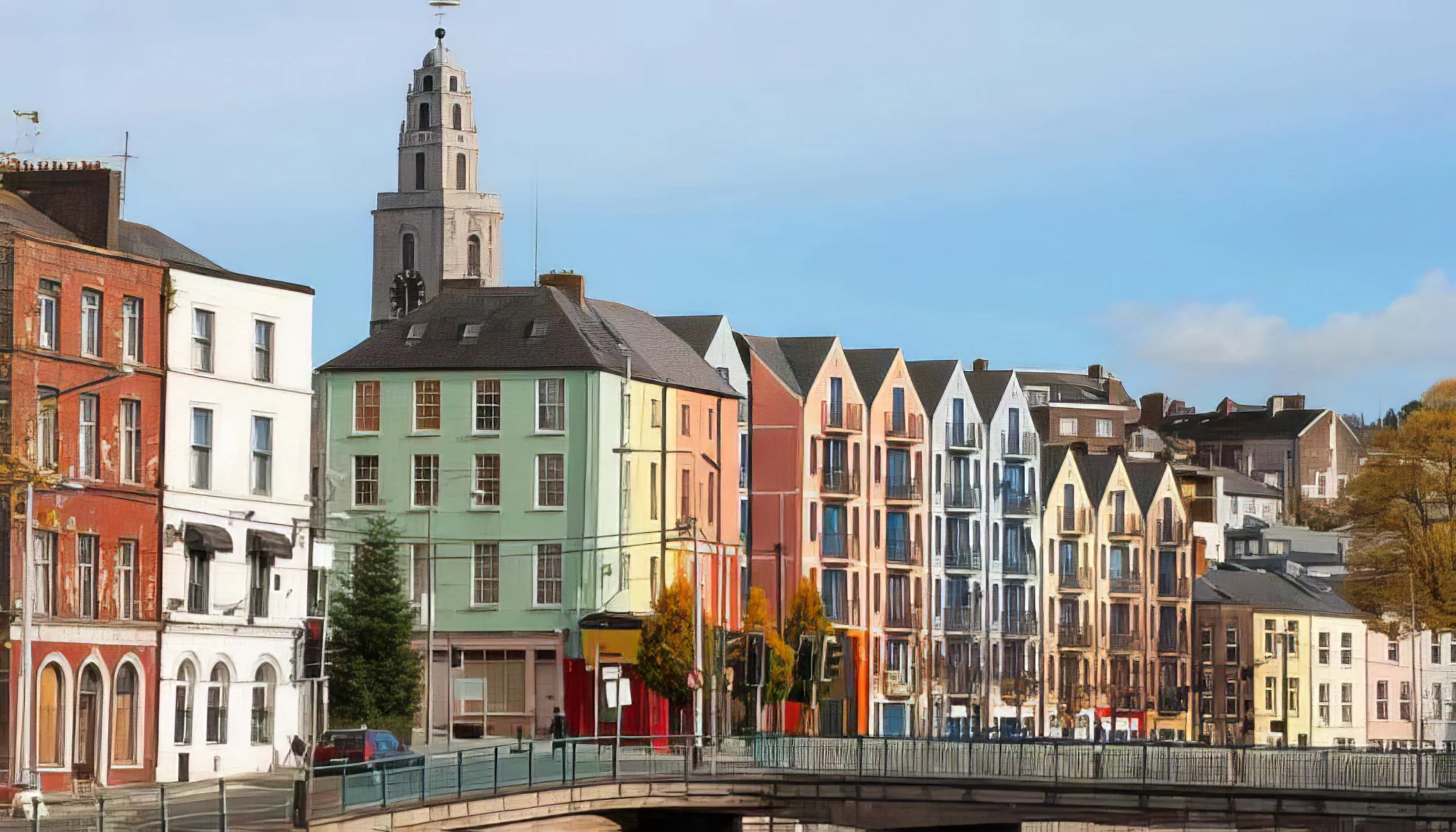
Ireland offers a mix of animated cities and fascinating landscapes:
– Dublin: The capital city, known for its historic landmarks like Dublin Castle and the Guinness Storehouse.
– Galway: A harbor city on Ireland's west coast, famous for its lively lifestyle and numerous festivals.
– Cork: Known for its maritime history, it's home to the famous English Market and Cork City Gaol.
– Killarney: A town on the shores of Lough Leane, it's a gateway to the scenic Killarney National Park.
– Limerick: A city on the River Shannon, it's home to the medieval-era King John's Castle.
– Kilkenny: Known for its medieval architecture, including the Kilkenny Castle.
– Derry: A walled city in Northern Ireland, it's known for its well-preserved 17th-century city walls.
Monuments
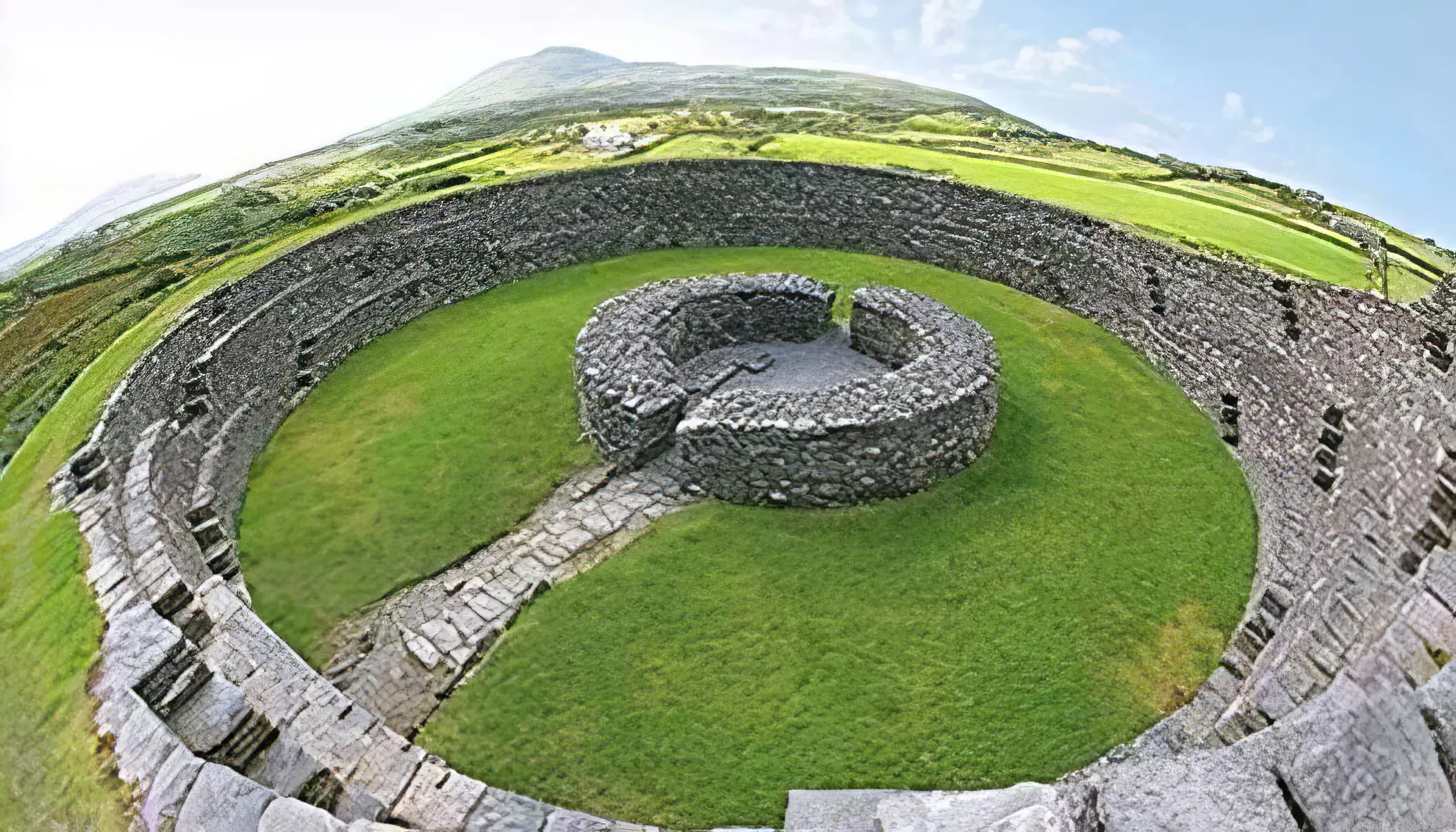
Ireland is home to a variety of historical monuments and architectural wonders:
– Blarney Castle, County Cork: Medieval stronghold known for the legendary Blarney Stone.
– Newgrange, County Meath: Prehistoric monument older than Stonehenge and the Egyptian pyramids.
– Rock Of Cashel, County Tipperary: Historic site with a collection of medieval ecclesiastical buildings.
– Dublin Castle, Dublin: Major Irish government complex, formerly a Viking settlement.
– Clonmacnoise, County Offaly: Ancient monastic site overlooking the River Shannon.
– Kylemore Abbey, County Galway: Benedictine monastery with a Victorian walled garden.
– Glendalough, County Wicklow: Early medieval monastic settlement in a glacial valley.
– Bru Na Boinne, County Meath: Archaeological landscape with Neolithic passage tombs.
Natural wonder
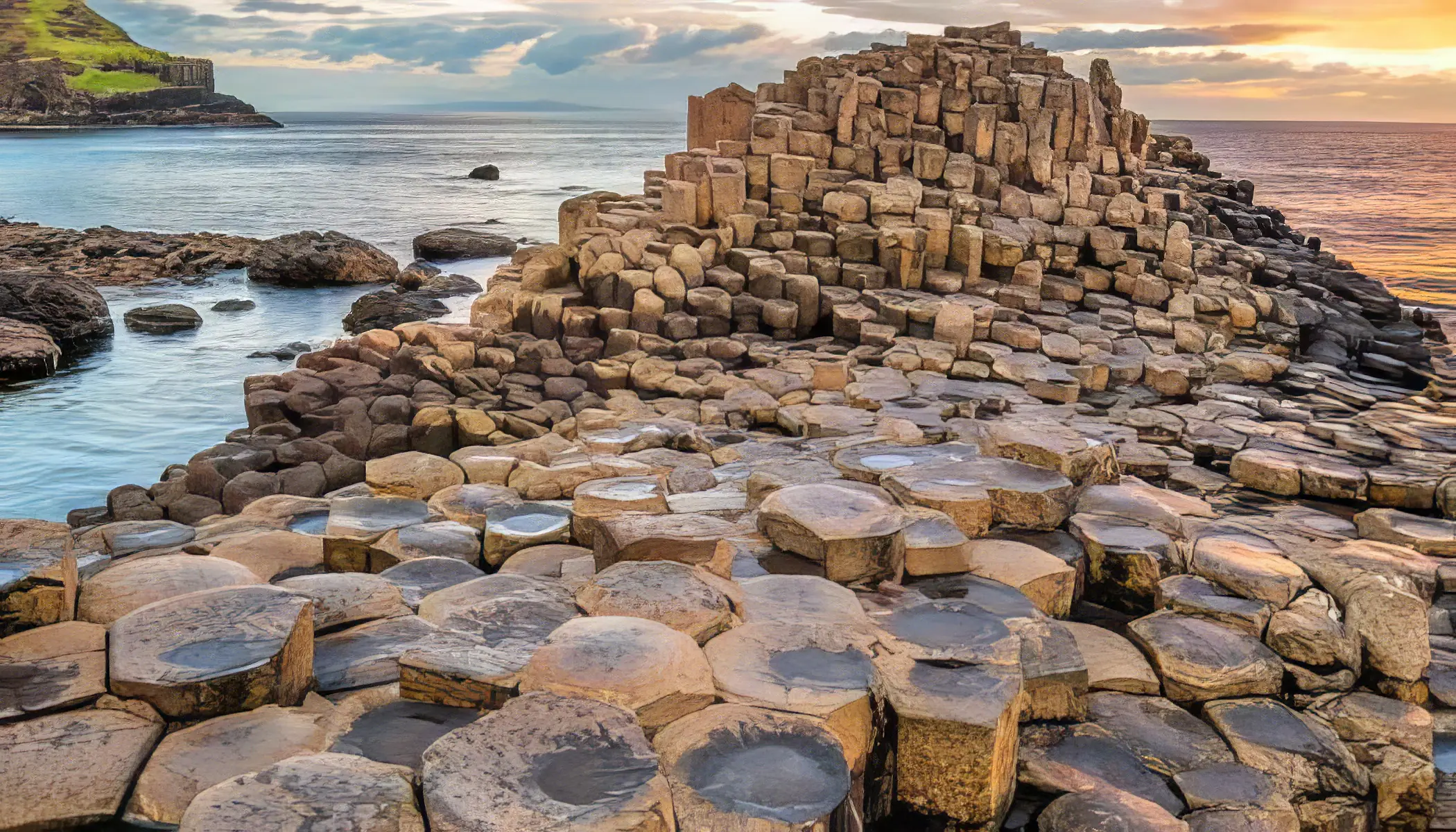
Explore the impressive natural beauty of Ireland:
– Cliffs Of Moher: Towering sea cliffs offering dramatic views over the Atlantic Ocean.
– The Burren: A unique karst landscape with a rich diversity of flora and fauna.
– Giant's Causeway: Unique hexagonal basalt columns formed by ancient volcanic activity.
– Killarney National Park: Home to Ireland's highest mountain range and beautiful lakes.
– Connemara National Park: Known for its mountains, extensive peat bogs, and rugged coastline.
– The Ring Of Kerry: A scenic drive with panoramic views of mountains and Atlantic Ocean.
– Skellig Islands: Remote, rocky outcrops with an ancient monastic settlement and abundant birdlife.
– Wicklow Mountains National Park: Offers nice landscapes of mountains, valleys, and lakes.
– Glenveagh National Park: A remote and rugged wilderness area in County Donegal.
– The Aran Islands: Known for their geological formation, historical monuments, and Gaelic culture.
Beaches
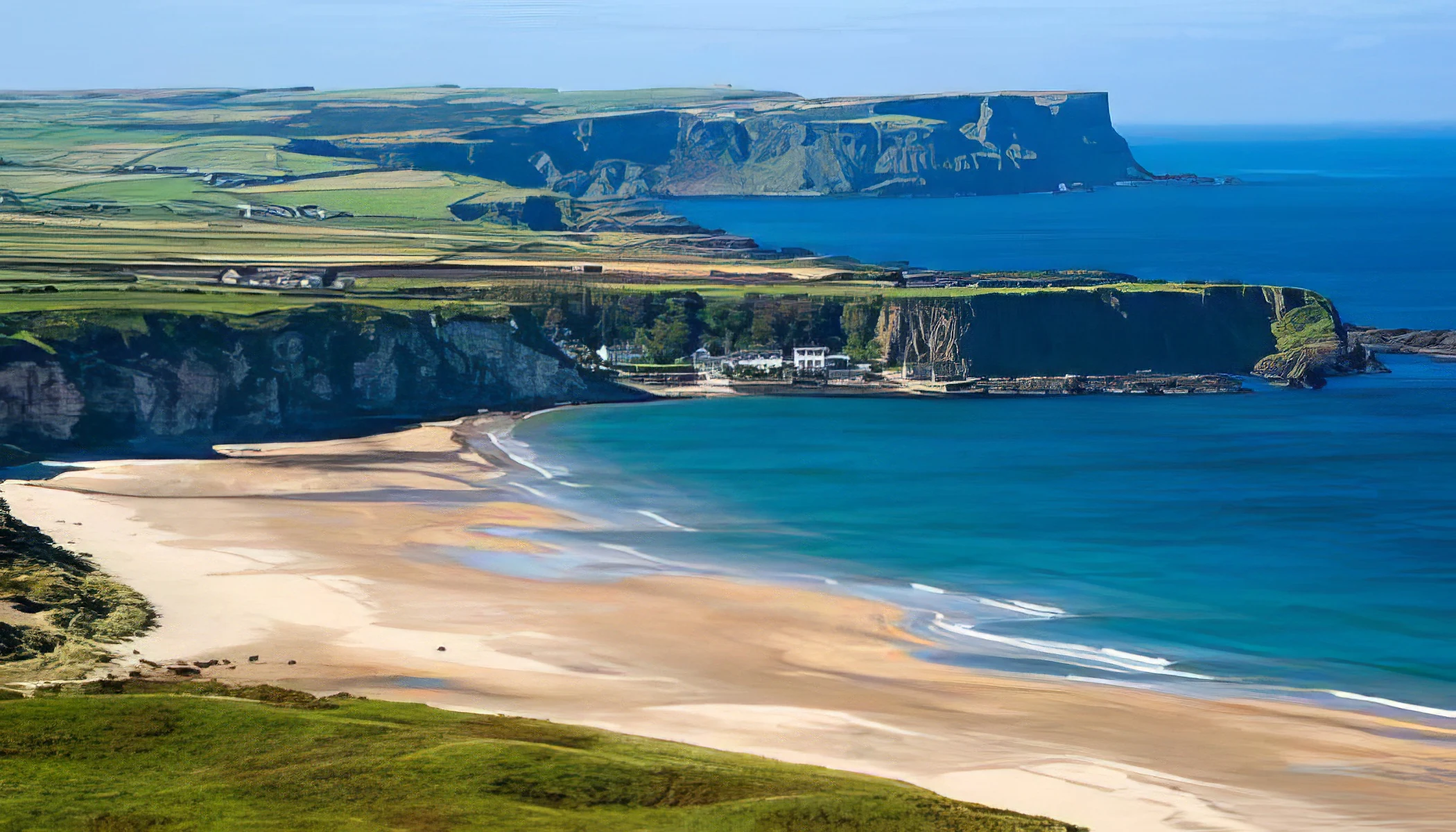
Here are some of the most visited beaches in Ireland:
– Inchydoney Beach: A beautiful sandy beach located in West Cork.
– Banna Strand: A long sandy beach in County Kerry, known for its natural beauty.
– Dog's Bay Beach: A horseshoe-shaped beach in Connemara, famous for its white sand.
– Keem Bay: A sheltered rural beach on Achill Island, Mayo.
– Lahinch Beach: A popular spot for surfing and other water sports in County Clare.
– Portmarnock Beach: Known as the Velvet Strand, located near Dublin.
– Rosses Point Beach: A blue flag beach in County Sligo, offering nice views.
Outdoor activities
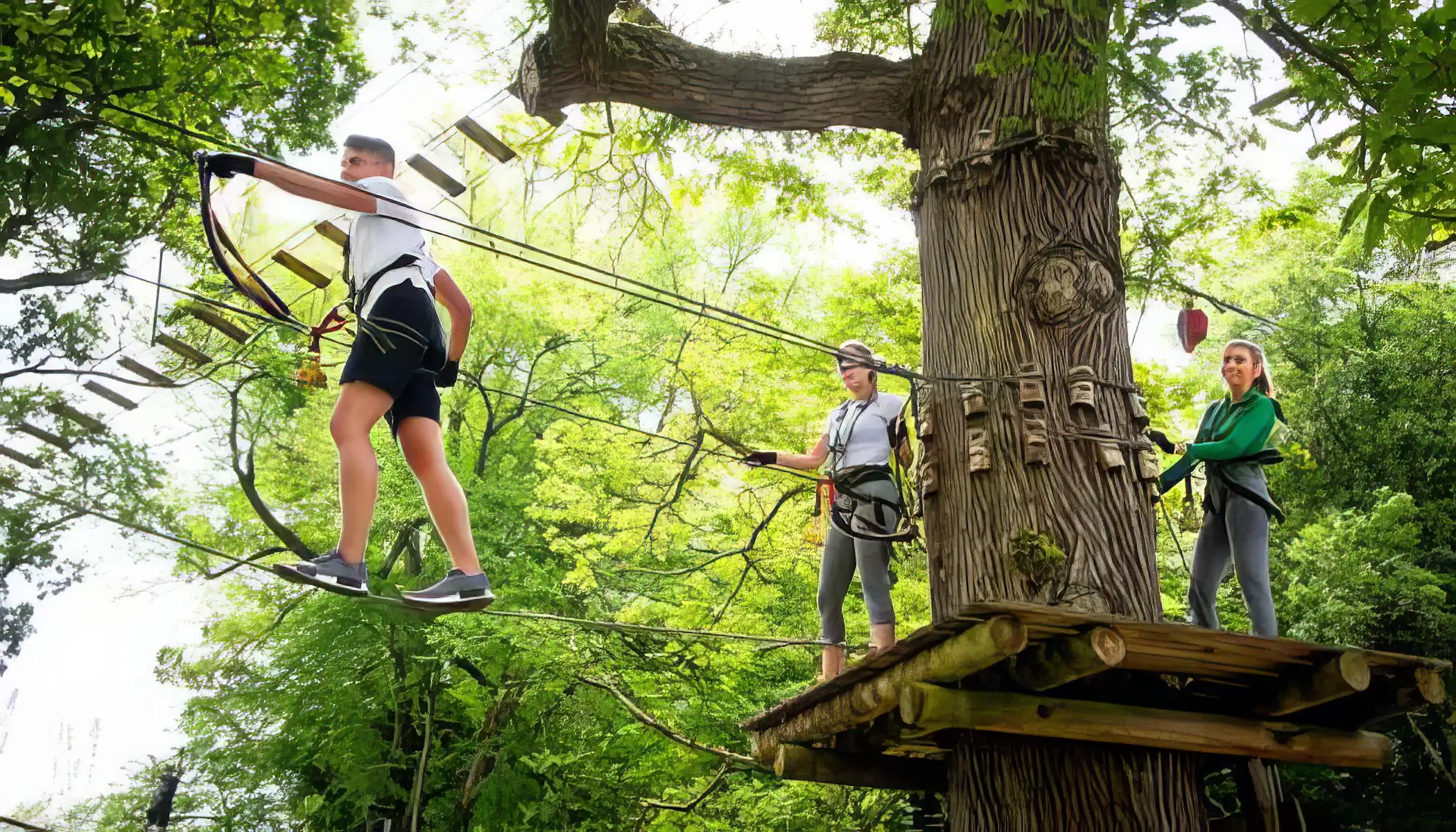
Ireland offers a variety of outdoor experiences, each more captivating than the last:
– Cliffs Of Moher Walk: Experience the dramatic sea cliffs on a coastal walk.
– Cycling the Ring Of Kerry: Enjoy panoramic views of mountains, lakes, and the Atlantic Ocean.
– Hiking in the Wicklow Mountains: Explore Ireland's largest upland area with its scenic trails.
– Surfing in Bundoran: Ride the waves in Ireland's surf capital.
– Boat Trip to Skellig Michael: Visit the ancient monastic settlement and bird sanctuary.
– Golfing in County Kerry: Play on world-class golf courses amidst stunning landscapes.
– Fishing on the River Shannon: Try your hand at catching salmon and trout in Ireland's longest river.
Kid Friendly
Here are some activities in Ireland that are perfect for families with children:
– Dublin Zoo: A popular attraction with a variety of animals and educational exhibits.
– Fota Wildlife Park: A park where kids can see and learn about animals in a natural setting.
– Tayto Park: An amusement park with rides, a zoo, and a factory tour of Ireland's famous Tayto crisps.
– The National Leprechaun Museum: A fun and interactive museum dedicated to Irish folklore and mythology.
– The Ailwee Caves: A fascinating underground cave system that offers guided tours.
– The Giant's Causeway: A natural wonder with unique hexagonal rock formations that kids will find intriguing.
– The Titanic Belfast: An interactive museum about the Titanic's construction, voyage, and legacy.
– The Cliffs Of Moher: A beautiful natural attraction with a visitor center that offers educational exhibits.
Cuisine
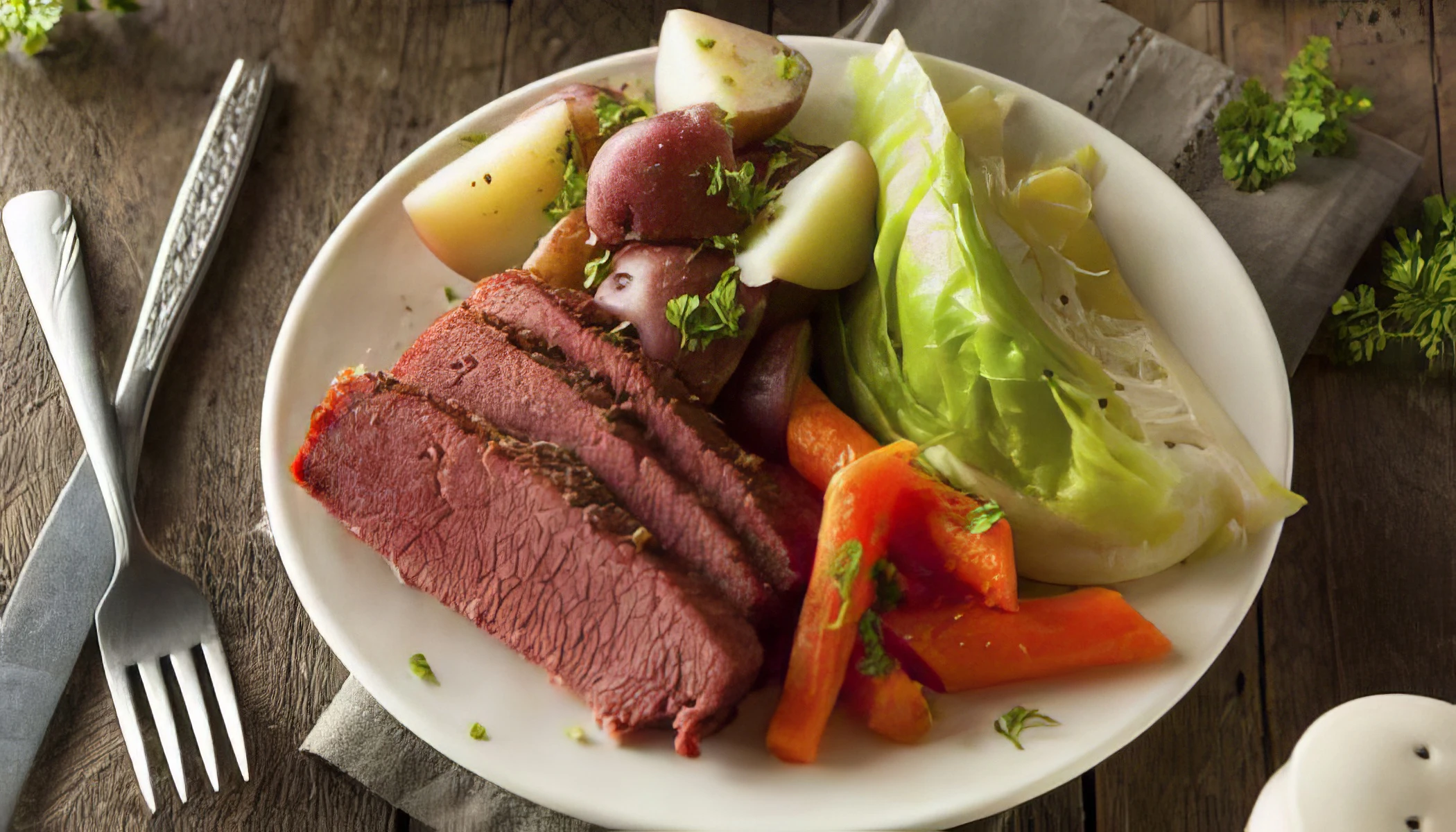
Irish cuisine is simple, hearty, and rooted in local ingredients. It's known for its quality meat, dairy, and seafood, with dishes often featuring potatoes. Traditional pubs serve comforting, home-style meals. Most famous cuisine in Ireland are:
– Irish Stew: A hearty stew made with lamb, potatoes, carrots, and onions.
– Soda Bread: A dense, slightly sweet bread made with baking soda instead of yeast.
– Colcannon: Mashed potatoes mixed with kale or cabbage.
– Boxty: Traditional Irish potato pancake.
– Black and White Pudding: Sausages made with pork, oatmeal, and blood (black) or without blood (white).
– Irish Coffee: Coffee mixed with whiskey and topped with cream.
– Guinness: A world-renowned Irish stout beer.
Souvenir
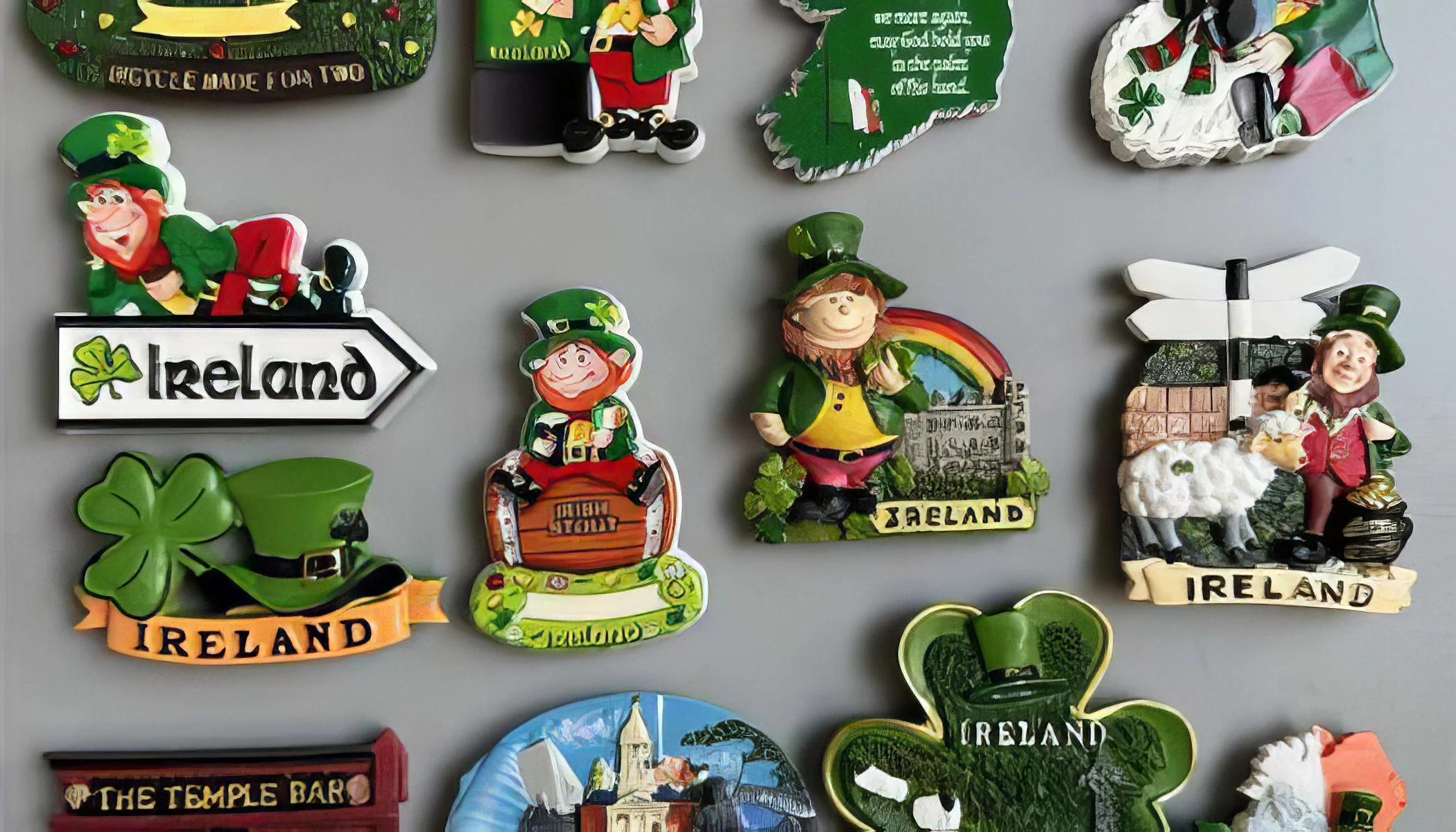
Ireland is a country rich in history and culture, and its souvenirs reflect this heritage. Here are some popular items to consider:
– Aran Sweaters: These traditional Irish sweaters are known for their distinctive cable patterns.
– Claddagh Rings: These rings, symbolizing love, loyalty, and friendship, are a popular Irish souvenir.
– Irish Whiskey: Ireland is famous for its whiskey, and a bottle makes a great souvenir.
– Belleek Pottery: This fine china, made in County Fermanagh, is a beautiful keepsake.
– Irish Linen: Known for its quality, Irish linen products like tablecloths and napkins are popular souvenirs.
– Celtic Jewelry: Celtic designs, often featuring refined knotwork, are a common theme in Irish jewelry.
– Irish Music CDs: Traditional Irish music is a great way to remember your trip.
Traditional Shows
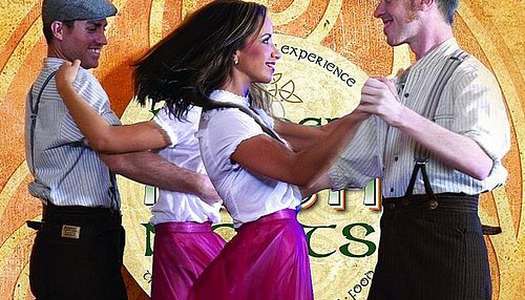
Ireland is renowned for its rich cultural heritage in music and performing arts:
– Traditional Irish Music Session: Experience authentic Irish music in a lively pub setting, commonly found in Dublin.
– Riverdance: This world-famous Irish dance show, combining traditional music and dance, can be seen in Dublin.
– Wexford Opera Festival: Attend this internationally acclaimed opera festival held annually in Wexford.
– Celtic Nights: Enjoy traditional Irish music, dance, and storytelling at this popular show in Dublin.
– Druid Theatre: Witness contemporary Irish plays and classic works in Galway, a hub for Irish theatre.
Events & Festivals
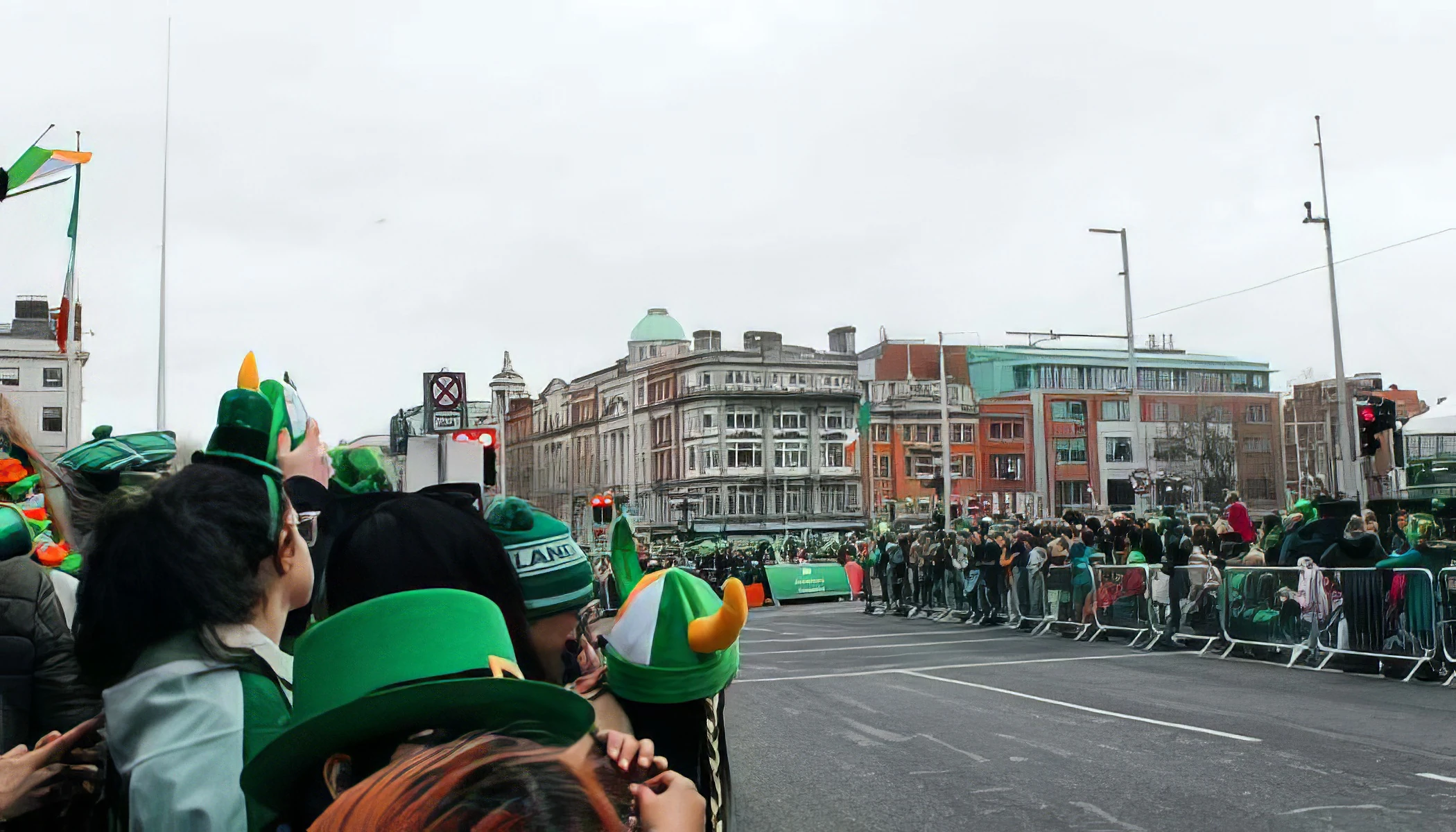
Ireland is known for its energetic festivals and events that take place throughout the year:
– St. Patrick's Festival: Celebrated in March, it's a multi-day event with parades and cultural activities.
– Easter Rising Commemoration: April event remembering the 1916 Easter Rising with parades and ceremonies.
– Bloomsday: June event in Dublin celebrating James Joyce's Ulysses with readings and performances.
– Galway International Arts Festival: Two-week July event showcasing theatre, dance, music, and visual arts.
– Rose of Tralee: August event featuring a competition to find the year's "Rose", with parades and concerts.
– Dublin Theatre Festival: September/October event showcasing the best of Irish and international theatre.
– Wexford Opera Festival: October/November event featuring performances of lesser-known operas.
Famous People
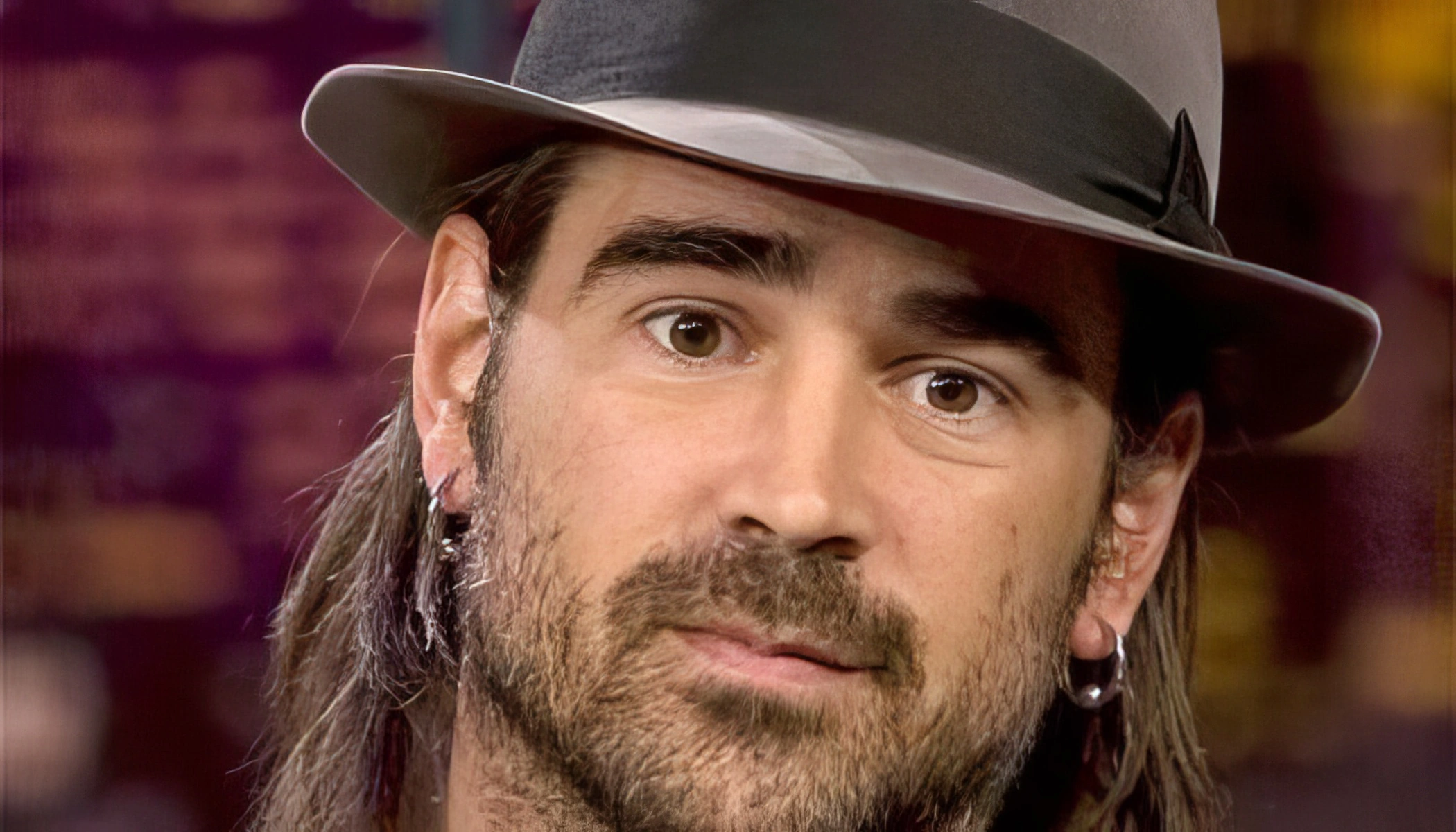
Ireland has been the birthplace of many renowned figures who have made significant contributions in various fields.
– James Joyce (1882 to 1941, Dublin): Celebrated writer known for his novel "Ulysses."
– Bono (born 1960, Dublin): Lead singer of U2, one of the world's best-selling music artists.
– Oscar Wilde (1854 to 1900, Dublin): Famous playwright, poet, and author known for his wit and flamboyance.
– Michael D. Higgins (born 1941, Limerick): Current President of Ireland and a prominent poet and sociologist.
– Maureen O'Hara (1920 to 2015, Dublin): Acclaimed actress known for her roles in Hollywood's Golden Age films.
Books
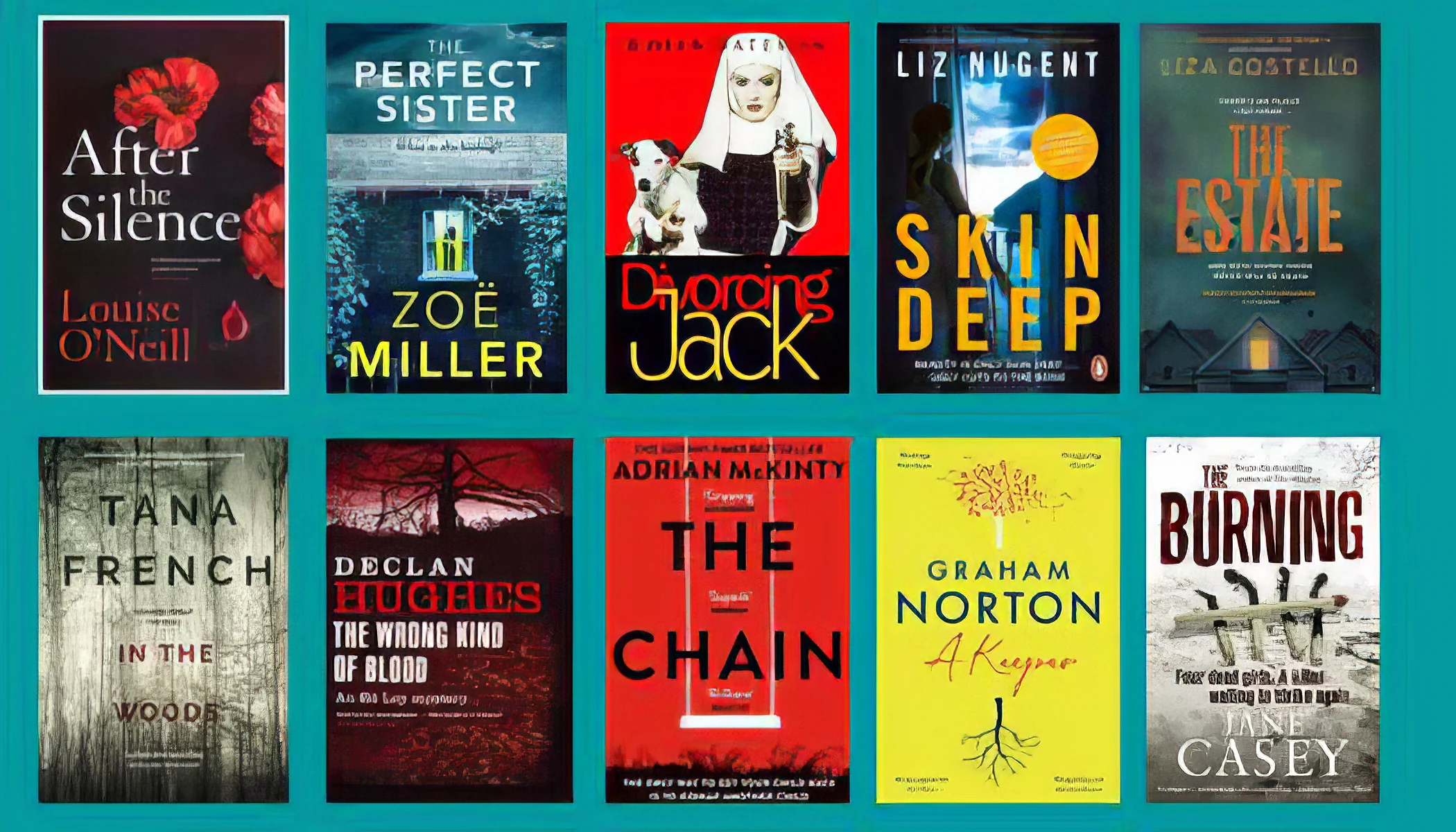
These books provide a rich exploration of Ireland's history, culture, and people.
– "Ulysses" by James Joyce: A day in the life of Dublin resident Leopold Bloom.
– "Angela's Ashes" by Frank McCourt: A memoir of a poverty-stricken childhood in Limerick.
– "The Sea" by John Banville: A man returns to an Irish seaside town to confront his past.
– "The Gathering" by Anne Enright: A woman investigates her brother's suicide and family history.
– "Dubliners" by James Joyce: A collection of 15 short stories depicting Irish middle class life in early 20th century.
Songs
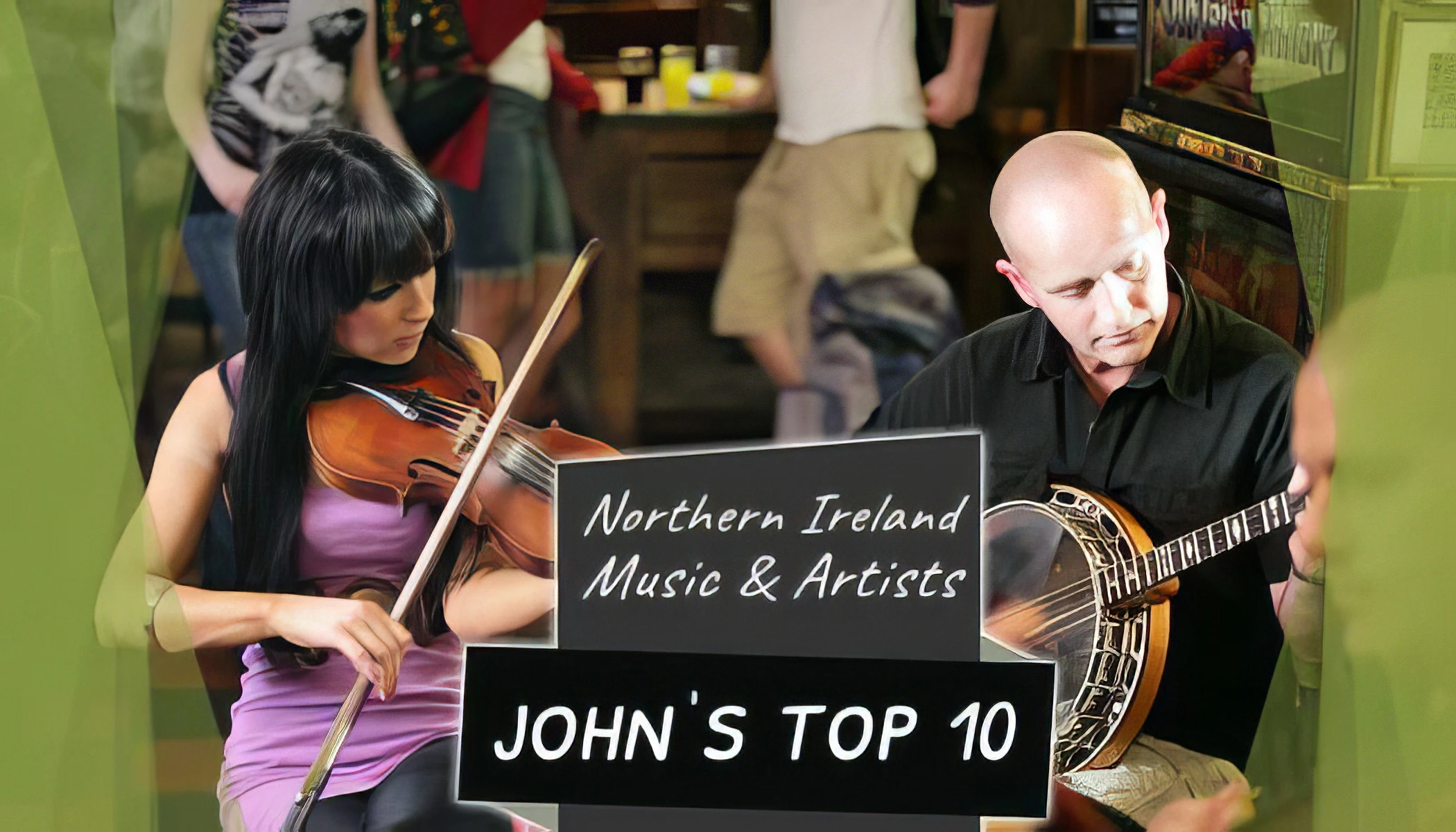
These songs are deeply rooted in Irish culture, showcasing the country's rich musical heritage and storytelling tradition.
– Molly Malone: Traditional Irish folk song, also known as "Cockles and Mussels."
– The Fields of Athenry: Popular Irish ballad by Pete St. John.
– Whiskey in the Jar: Classic Irish folk song, covered by many artists.
– Danny Boy: Iconic Irish ballad, often associated with Irish communities worldwide.
– The Wild Rover: Traditional Irish song, widely performed in Irish pubs.
– Fairytale of New York: Christmas song by The Pogues, featuring Kirsty MacColl.
Films
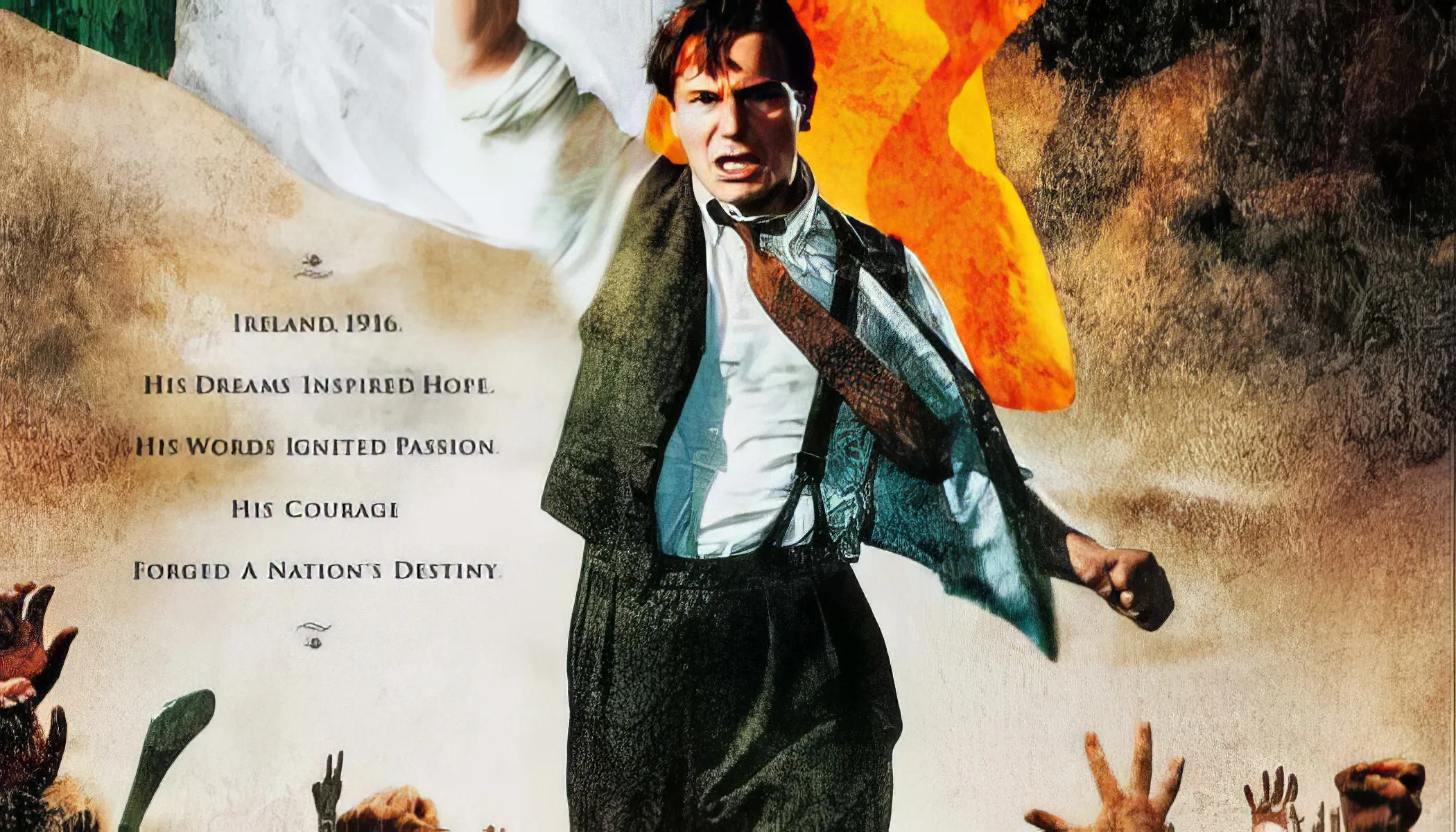
Here are some of the most renowned films that beautifully depict the culture and history of Ireland:
– "The Wind That Shakes the Barley": A Ken Loach film about two brothers during the Irish War of Independence.
– "In the Name of the Father": A Jim Sheridan film about a man wrongfully convicted for an IRA bombing.
– "The Commitments": Alan Parker's film about a working-class Dublin band playing soul music.
– "My Left Foot": Jim Sheridan's film about the life of Christy Brown, an Irishman born with cerebral palsy.
– "Once": A John Carney film about a busker and an immigrant during an eventful week in Dublin.