

Travel Guide to Israel: Top Things to Do & Tips
Located in the Middle East, this country is known for its historical and religious significance. It features diverse landscapes, from deserts to coastal plains. Key sites include Jerusalem's ancient landmarks and the modern city of Tel Aviv, offering rich cultural experiences.
- Capital
- The capital of Israel is Jerusalem. However, it is important to note that the status of Jerusalem is subject to international dispute, with some countries maintaining their embassies in Tel Aviv.
- Population
- 7.4 millions
- Superficy
- 21000 sq.km
- Months to Visit
- Mar. to May & Sept. to Nov.
- Living Cost
- Expensive
Overview
Israel, located in the Middle East along the eastern Mediterranean coast, is a country with deep historical and religious significance. It is home to key religious sites for Judaism, Christianity, and Islam, including Jerusalem's Western Wall and the Dome of the Rock. The modern city of Tel Aviv contrasts with its ancient history, known for its lively nightlife and tech industry. Israel's diverse landscapes range from the Negev Desert to the fertile Galilee region. The country has a complex political landscape, marked by ongoing regional tensions. Despite challenges, Israel remains a center for innovation and cultural diversity.
Pros & Cons
GOOD REASONS TO VISIT ISRAEL
– Historical Significance: Explore Jerusalem's ancient sites, including the Western Wall and Church of the Holy Sepulchre.
– Diverse Landscapes: Experience the Dead Sea, Negev Desert, and attractive Galilee region within a compact area.
– Cultural Diversity: Discover a mix of Jewish, Christian, Muslim, and Druze traditions in daily life and festivals.
– Magnificient Cities: Tel Aviv supplies lively nightlife, beaches, and a thriving arts scene for urban explorers.
– Culinary Variety: Enjoy Middle Eastern flavors with dishes like falafel, hummus, shakshuka, and fresh Mediterranean seafood. CHALLENGES WHEN VISITING ISRAEL
– Security Concerns: Regional tensions can lead to unpredictable situations; stay informed about current events before traveling.
– High Costs: Israel is relatively expensive; accommodation and dining can strain budgets compared to other destinations.
– Strict Entry Requirements: Visa policies and security checks may be rigorous; ensure all documentation is in order.
Before Departure
Before traveling to Israel, consider the following essential information:
– Passport: Ensure your passport is valid for at least six months from your entry date.
– Visa: Many nationalities receive a 90-day tourist visa on arrival; check specific requirements based on nationality.
– Currency: Israeli New Shekel (ILS); credit cards widely accepted; ATMs are readily available in urban areas.
– Internet access: WiFi is common in hotels and cafes; local SIM cards with data plans are available at the airport and shops.
– Language barrier: Hebrew and Arabic are official languages; English is widely spoken, especially in tourist areas.
What to Pack
Visiting Israel requires preparation for diverse climates and cultural experiences, from historical sites to modern cities.
– Essentials: Passport and visa (if required), travel insurance details, flight tickets and itinerary, accommodation confirmations, local currency or credit card.
– Clothing: Modest clothing for religious sites, comfortable walking shoes, swimwear for beaches or Dead Sea, hat and sunglasses for sun protection.
– Health & Safety: Prescription medications and basic first aid kit, sunscreen with high SPF, insect repellent for outdoor activities.
– Electronics: Travel adapter for Israeli outlets, mobile phone with charger, camera for capturing historical sites.
Weather
Weather in Israel varies significantly between regions and seasons:
– Winter (December to February): Mild and rainy in the north and central regions, with occasional snow in elevated areas.
– Spring (March to May): Pleasant temperatures with blooming landscapes; rain decreases as the season progresses.
– Summer (June to August): Hot and dry, especially in inland areas and the south; coastal regions are humid.
– Autumn (September to November): Warm temperatures with decreasing humidity; occasional rain begins late in the season. The best time to visit Israel is during spring (March to May) or autumn (September to November).
– Pros: Comfortable weather, fewer tourists than summer, and dynamic cultural events.
– Cons: Some tourist sites may be crowded during holidays like Passover or Sukkot.
Travel Budget
Israel is known for its relatively high cost of living, which can impact travel budgets. Here are some average prices for tourists:
– Hotel: 100$ to 300$
– Lunch: 10$ to 25$
– Beverage (in bar/restaurant): 5$ to 12$
– Coffee: 3$ to 6$
– Transportation: (train 5$ to 15$), (bus 1.5$ to 4$), (taxi /10km 15$ to 25$)
– Mobile data (per GB): 3$ to 8$
Language
Hebrew is the official language of Israel, and here are some useful phrases for tourists:
– Hello: Shalom
– Thank you: Toda
– Please: Bevakasha
– How much is this?: Kama ze oleh?
– Excuse me: Slicha
– I don't understand: Ani lo mevin (for males) / Ani lo mevina (for females)
– Yes: Ken
– No: Lo
– Goodbye: Lehitraot
History
The region has ancient roots, with Jewish kingdoms existing in biblical times. After centuries of foreign rule, including Roman and Ottoman empires, the early 20th century saw the rise of Zionism, advocating for a Jewish homeland. The United Nations proposed a partition plan in 1947 to create separate Jewish and Arab states, leading to the declaration of the State of Israel in 1948. This sparked the Arab-Israeli War, resulting in Israel's establishment but also ongoing regional conflict. Subsequent wars, such as those in 1967 and 1973, shaped its borders and geopolitical landscape. Peace treaties with Egypt and Jordan were milestones, yet tensions with Palestinians continue to affect its history.
Geopolitics
Located in the Middle East, Israel shares borders with Lebanon, Syria, Jordan, and Egypt, and has a coastline along the Mediterranean Sea. It is a parliamentary democracy with Jerusalem as its capital, though this status is internationally disputed. The country faces ongoing geopolitical tensions with neighboring Arab states and the Palestinian territories over territorial disputes and security concerns. Israel maintains strong strategic alliances with Western countries, particularly the United States, which provides significant military and economic support. It is a member of various international organizations but often finds itself at odds with some due to its policies in the occupied territories. The nation has also been expanding diplomatic relations through recent normalization agreements with several Arab countries under the Abraham Accords.
Sample Itinerary
This itinerary covers Israel's historical, religious, and cultural highlights, including Jerusalem, Tel Aviv, the Dead Sea, and Nazareth.
– 2 days in Jerusalem: Visit the Western Wall, Church of the Holy Sepulchre, Dome of the Rock, and Yad Vashem. Explore the Old City's quarters.
– 1 day in Tel Aviv: Walk along Rothschild Boulevard and visit Carmel Market. Relax on Mediterranean beaches and explore Jaffa's ancient port.
– 1 day at the Dead Sea: Experience floating in the salty waters. Visit Masada for historical insights and panoramic views.
– 1 day in Nazareth: Tour the Basilica of the Annunciation and St. Joseph's Church. Explore local markets and enjoy traditional cuisine.
– 1 day in Galilee: Visit Capernaum, Mount of Beatitudes, and Sea of Galilee. Enjoy scenic landscapes and historical sites.
Popular cities
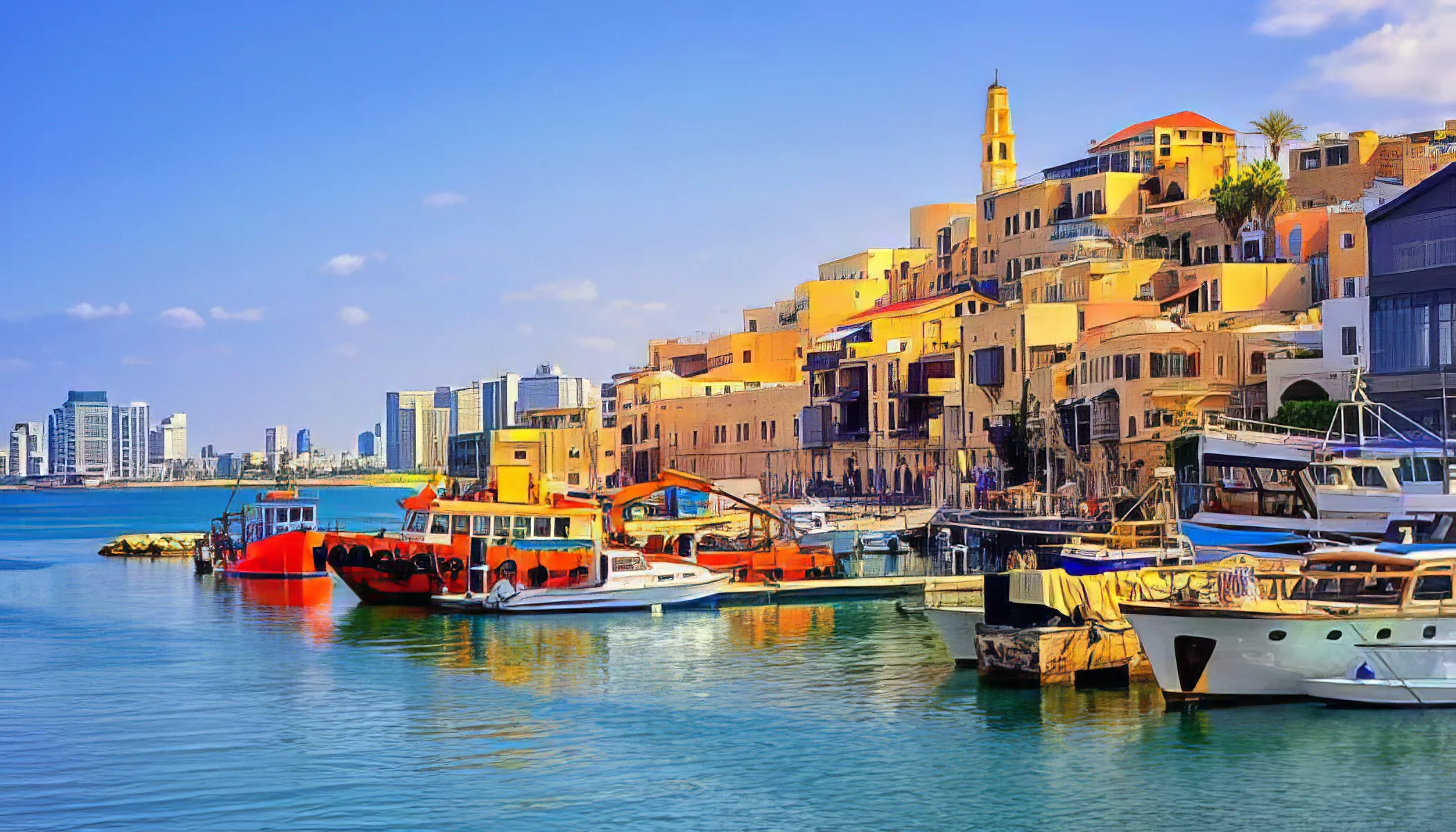
Explore Israel's diverse cities, each offering unique experiences and attractions:
– Jerusalem: A city of profound religious significance, home to the Western Wall, Dome of the Rock, and Church of the Holy Sepulchre.
– Tel Aviv: Known for its pleasant nightlife, beautiful beaches, and modern architecture.
– Haifa: Features the gorgeous Baha'i Gardens and a mix of cultural influences.
– Eilat: A resort city on the Red Sea known for its coral reefs and water sports.
– Nazareth: Renowned as the childhood home of Jesus, with significant Christian sites.
– Tiberias: Located by the Sea of Galilee, offering historical sites and hot springs.
– Acre (Akko): A historic port city with ancient walls, a Crusader fortress, and a lively market.
Monuments
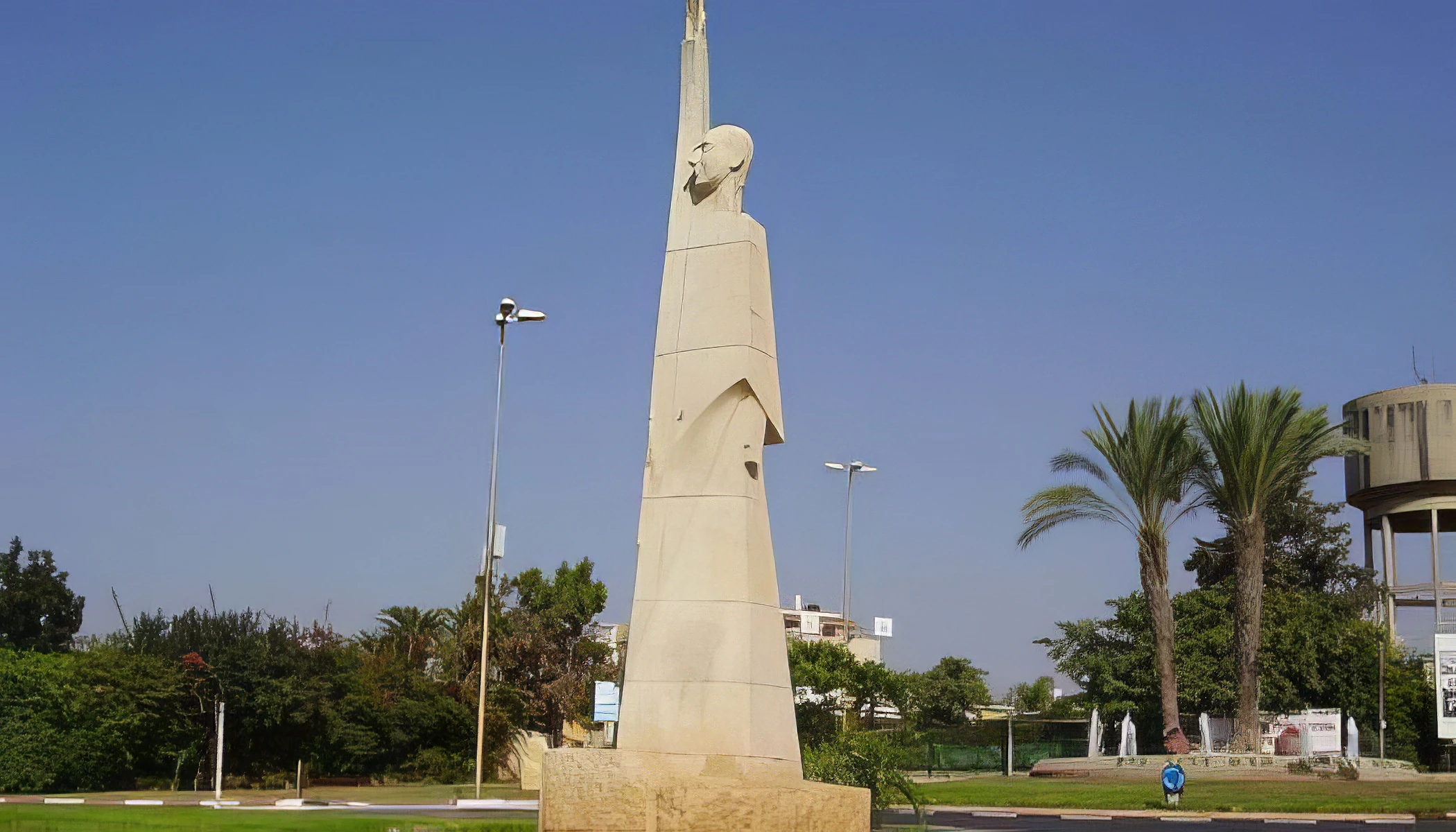
Israel is home to many significant historical and religious monuments:
– Western Wall, Jerusalem: Sacred Jewish site, remains of the Second Temple, a place for prayer and reflection.
– Church of the Holy Sepulchre, Jerusalem: Believed to be the site of Jesus' crucifixion and resurrection.
– Dome of the Rock, Jerusalem: Iconic Islamic shrine with a golden dome on Temple Mount.
– Masada: Ancient fortress overlooking the Dead Sea, known for its historical siege by Roman troops.
– Yad Vashem, Jerusalem: Holocaust memorial and museum dedicated to preserving the memory of Holocaust victims.
– Bahá'í Gardens, Haifa: Terraced gardens surrounding the Shrine of the Báb, a UNESCO World Heritage site.
– Caesarea National Park: Ruins of an ancient Roman port city with an amphitheater and aqueducts.
– Tower of David Museum, Jerusalem: Museum within an ancient citadel showcasing Jerusalem's history through various periods.
Natural wonder
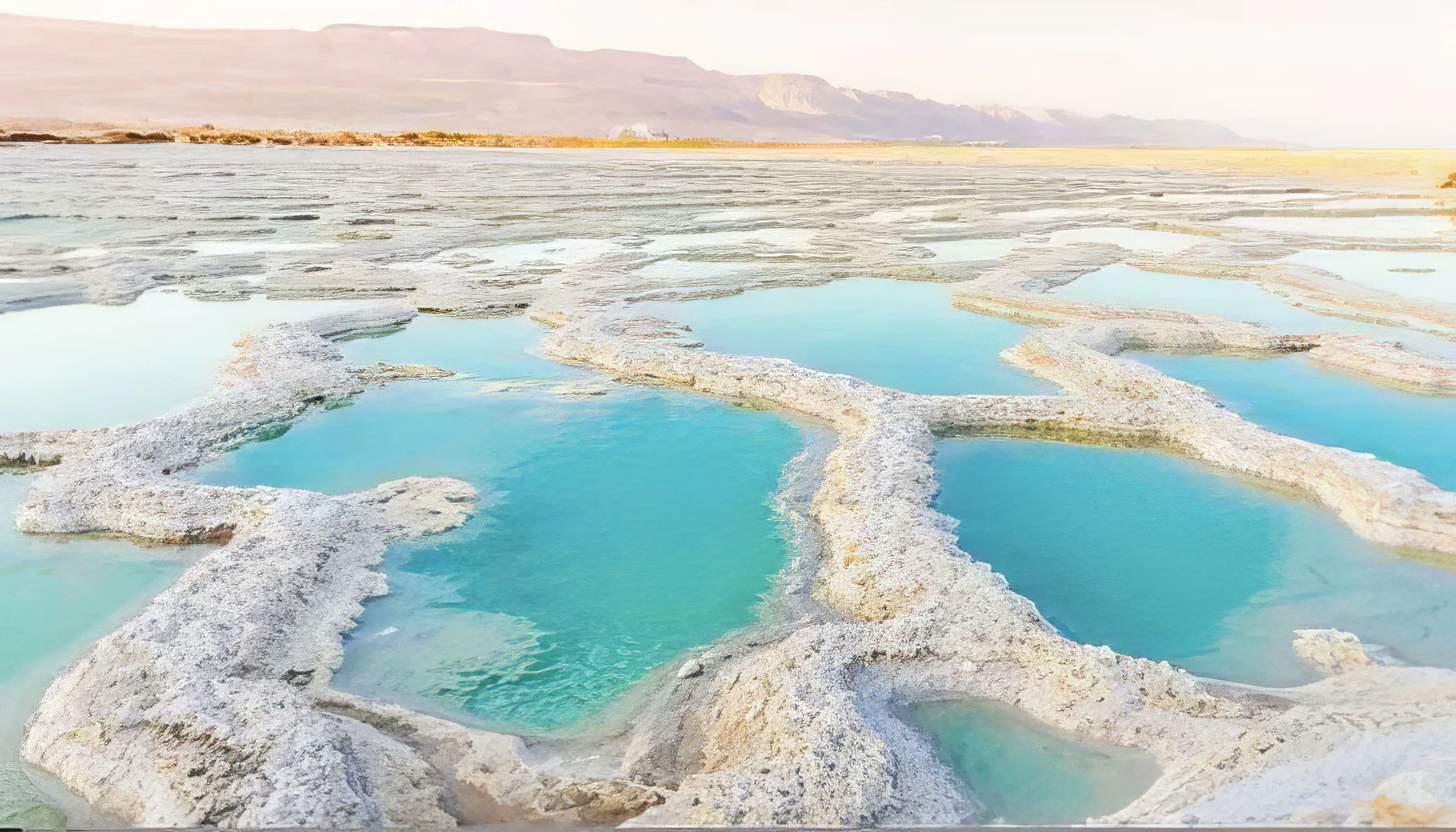
Explore Israel's diverse natural landscapes:
– Dead Sea: Earth's lowest point, known for its high salinity and mineral-rich mud.
– Ramon Crater: World's largest erosion crater, offering unique geological formations and desert views.
– Ein Gedi Nature Reserve: Oasis with waterfalls, wildlife, and hiking trails near the Dead Sea.
– Timna Park: Features ancient copper mines and striking rock formations in the Negev Desert.
– Mount Hermon: Israel's highest peak, offering skiing in winter and hiking in summer.
– Hula Valley: Important bird migration site with wetlands and diverse wildlife.
– Rosh Hanikra Grottoes: Lovely sea caves accessible by cable car on the Mediterranean coast.
– Makhtesh Ramon: A large erosion crater with unique geological features in the Negev Desert.
– Banias Nature Reserve: Features a waterfall and archaeological ruins at the foot of Mount Hermon.
– Sea of Galilee: Freshwater lake surrounded by historical sites and scenic landscapes.
Beaches
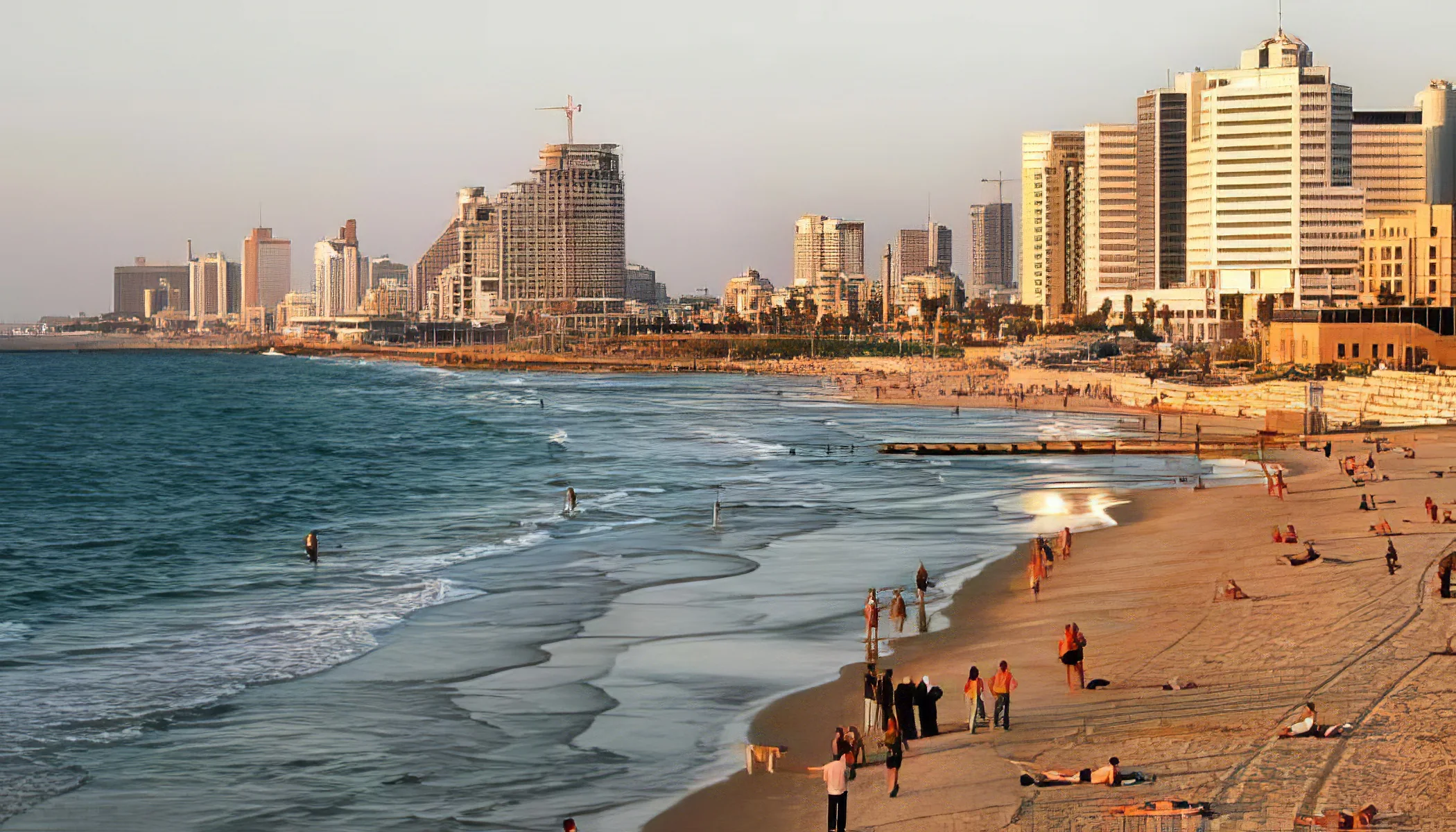
Israel has a diverse coastline with several popular beaches.
– Tel Aviv's Gordon Beach: Known for its lively atmosphere and proximity to city attractions.
– Eilat's Coral Beach: Offers snorkeling and diving opportunities in the Red Sea.
– Herzliya Beach: Features upscale resorts and a marina, popular for water sports.
– Caesarea Aqueduct Beach: Unique for its ancient Roman aqueduct backdrop.
– Netanya's Poleg Beach: Family-friendly with wide sands and nearby nature reserves.
– Haifa's Dado Beach: Provides a promenade, cafes, and views of Mount Carmel.
– Dead Sea Beaches: Famous for floating experiences due to high salinity.
Outdoor activities
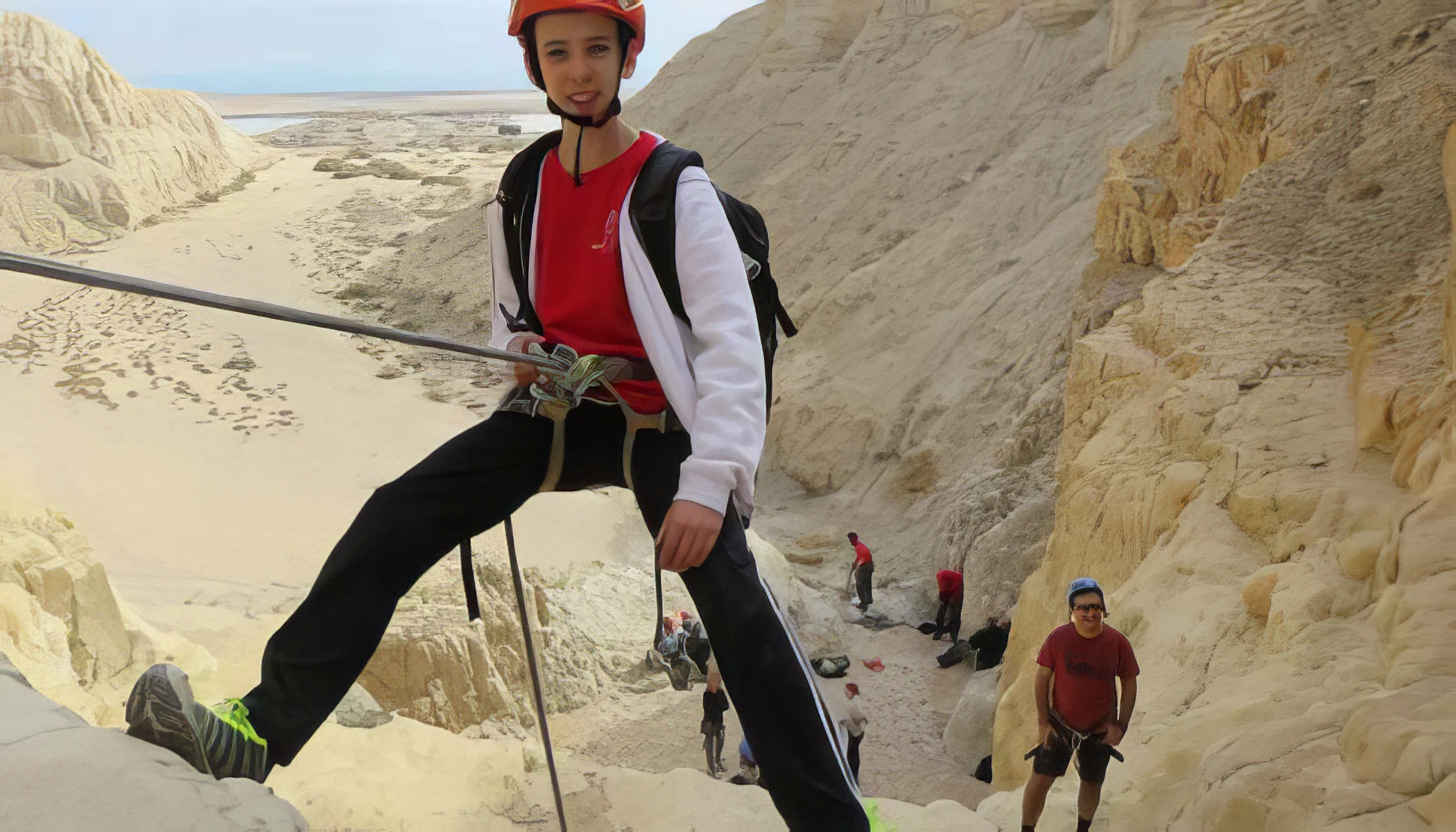
Outdoor enthusiasts can find a variety of activities to enjoy in Israel's diverse landscapes:
– Hiking in Masada: Climb the ancient fortress for panoramic views of the Dead Sea.
– Snorkeling in Eilat: Explore animated coral reefs and colorful marine life in the Red Sea.
– Floating in the Dead Sea: Experience the unique sensation of buoyancy in mineral-rich waters.
– Jeep Tour in the Negev Desert: Discover dramatic landscapes and unique geological formations.
– Cycling around the Sea of Galilee: Enjoy scenic routes with historical and religious significance.
– Birdwatching in Hula Valley: Observe migratory birds at one of the world's top birdwatching sites.
– Caving in Beit Guvrin National Park: Explore ancient caves and archaeological sites.
Kid Friendly
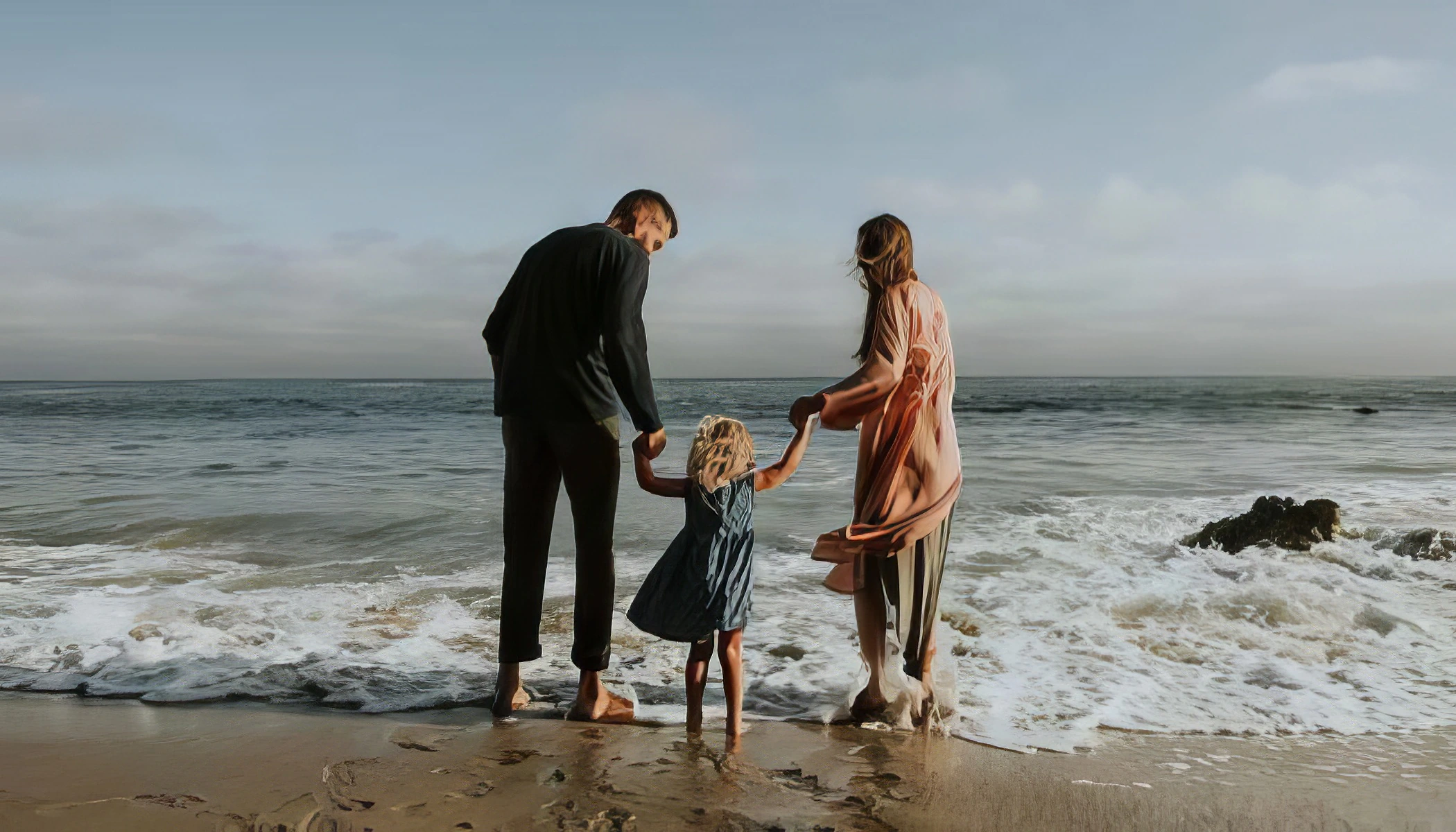
Israel supplies a variety of activities that are perfect for children.
– Biblical Zoo: A zoo in Jerusalem featuring animals mentioned in the Bible and a large children's area.
– Mini Israel: A miniature park showcasing scaled-down models of famous Israeli landmarks.
– Eretz Israel Museum: An interactive museum in Tel Aviv with exhibits on archaeology, folklore, and crafts.
– Timna Park: A desert park with unique rock formations and ancient copper mines to explore.
– Ramat Gan Safari: A drive-through safari park with a wide range of animals from around the world.
– Luna Park Tel Aviv: An amusement park offering rides and attractions suitable for all ages.
– Underwater Observatory Marine Park: Located in Eilat, it provides an up-close view of Red Sea marine life.
– Ein Gedi Nature Reserve: A natural oasis with hiking trails, waterfalls, and wildlife near the Dead Sea.
Cuisine

Israeli cuisine is a lovely mix of Middle Eastern, Mediterranean, and Jewish culinary traditions, emphasizing fresh produce and bold flavors. It reflects the country's diverse cultural heritage and innovative spirit. Street food and communal dining are central to the Israeli food experience.
– Falafel: Deep-fried chickpea balls served in pita with salad and tahini.
– Hummus: Creamy chickpea dip blended with tahini, lemon, and garlic.
– Shakshuka: Poached eggs in a spicy tomato sauce with peppers and onions.
– Sabich: Pita sandwich with fried eggplant, hard-boiled eggs, and salad.
– Jachnun: Slow-cooked rolled dough served with tomato sauce and hard-boiled eggs.
Souvenir
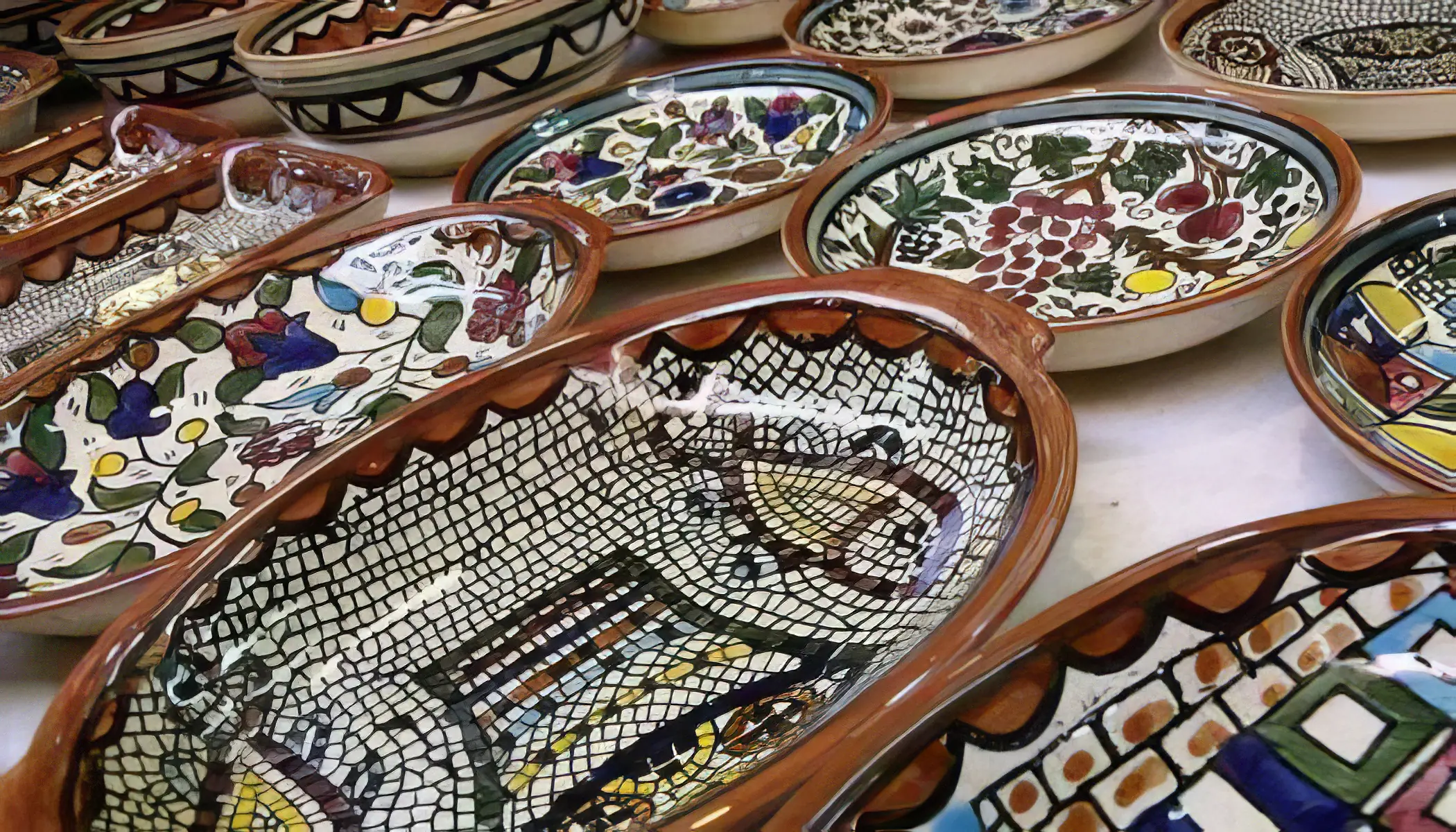
With its rich history and diverse culture, Israel supplies a variety of unique souvenirs. Here are some popular options:
– Dead Sea Products: Known for their therapeutic properties, these include mud masks, salts, and skincare items.
– Olive Wood Carvings: Handcrafted items made from local olive wood, often depicting religious scenes or symbols.
– Judaica: Items like menorahs, mezuzahs, and Shabbat candlesticks are meaningful souvenirs for many visitors.
– Israeli Wine: Israel produces a range of wines from its numerous vineyards in regions like the Golan Heights.
– Armenian Ceramics: Colorful and complex ceramics that are traditionally crafted in Jerusalem's Armenian Quarter.
– Hamsa Jewelry: A symbol of protection, hamsa jewelry is popular and comes in various designs and materials.
– Israeli Spices: Unique spice blends such as za'atar or sumac can be found in local markets for culinary enthusiasts.
Traditional Shows
Israel provides a variety of traditional performances:
– Klezmer Music: Experience lively Jewish folk music with Eastern European roots, often performed in Safed during the annual Klezmer Festival.
– Hora Dance: Join in or watch this energetic circle dance, a staple at celebrations and cultural events across Israel.
– Yemenite Jewish Music: Discover the unique rhythms and chants of Yemenite Jews, often performed at cultural festivals in Tel Aviv.
– Sephardic Piyyutim: Listen to poetic liturgical songs from the Sephardic tradition, blending Hebrew poetry with Middle Eastern melodies.
– Israeli Folk Dance: Participate in or observe these dances that reflect Israel's diverse cultural heritage, commonly seen at community gatherings.
Events & Festivals

Throughout the year, Israel hosts a variety of cultural and religious events that attract both locals and tourists:
– Purim: March festival with costumes, parades, and parties celebrating Jewish deliverance.
– Passover: Springtime holiday commemorating the Exodus with special meals and rituals.
– Independence Day: Celebrated in April/May with fireworks, concerts, and national pride.
– Jerusalem Film Festival: July event showcasing international films in historic venues.
– Rosh Hashanah: Jewish New Year in September/October marked by prayers and festive meals.
– Sukkot: Autumn festival featuring temporary huts, symbolizing shelter during the Exodus.
– Hanukkah: December festival of lights with menorah lighting, games, and treats.
Famous People

Israel is home to many notable figures who have made significant contributions in various fields globally.
– David Ben-Gurion (1886 to 1973, Płońsk, Poland): First Prime Minister of Israel, known for declaring the establishment of the State of Israel.
– Golda Meir (1898 to 1978, Kyiv, Ukraine): Fourth Prime Minister of Israel and one of the world's first female heads of government.
– Yitzhak Rabin (1922 to 1995, Jerusalem): Prime Minister and Nobel Peace Prize laureate for efforts in the Israeli-Palestinian peace process.
– Chaim Weizmann (1874 to 1952, Motal, Belarus): First President of Israel and a key figure in the Zionist movement.
– Amos Oz (1939 to 2018, Jerusalem): Renowned author and intellectual known for his novels and essays on Israeli society.
Books
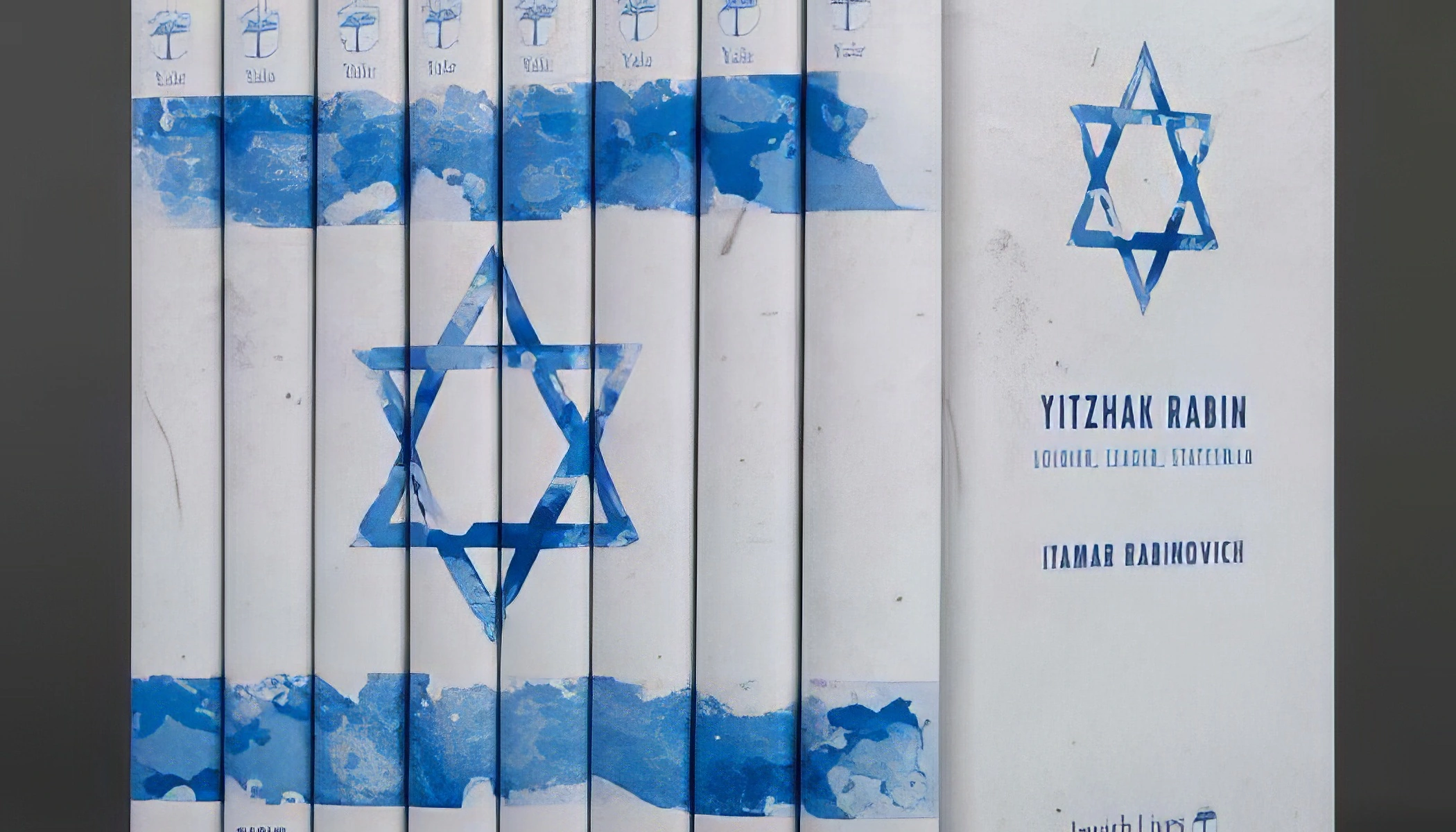
These books provide insights into the complex history, culture, and conflicts of Israel through various narratives and perspectives.
– "Exodus" by Leon Uris: Epic novel about the founding of the State of Israel.
– "A Tale of Love and Darkness" by Amos Oz: Memoir intertwining personal history with Israel's early years.
– "To the End of the Land" by David Grossman: A mother's journey across Israel amid conflict.
– "My Promised Land" by Ari Shavit: Journalist's exploration of Israel's history and identity.
– "The Lemon Tree" by Sandy Tolan: True story of friendship between an Israeli and a Palestinian.
Songs
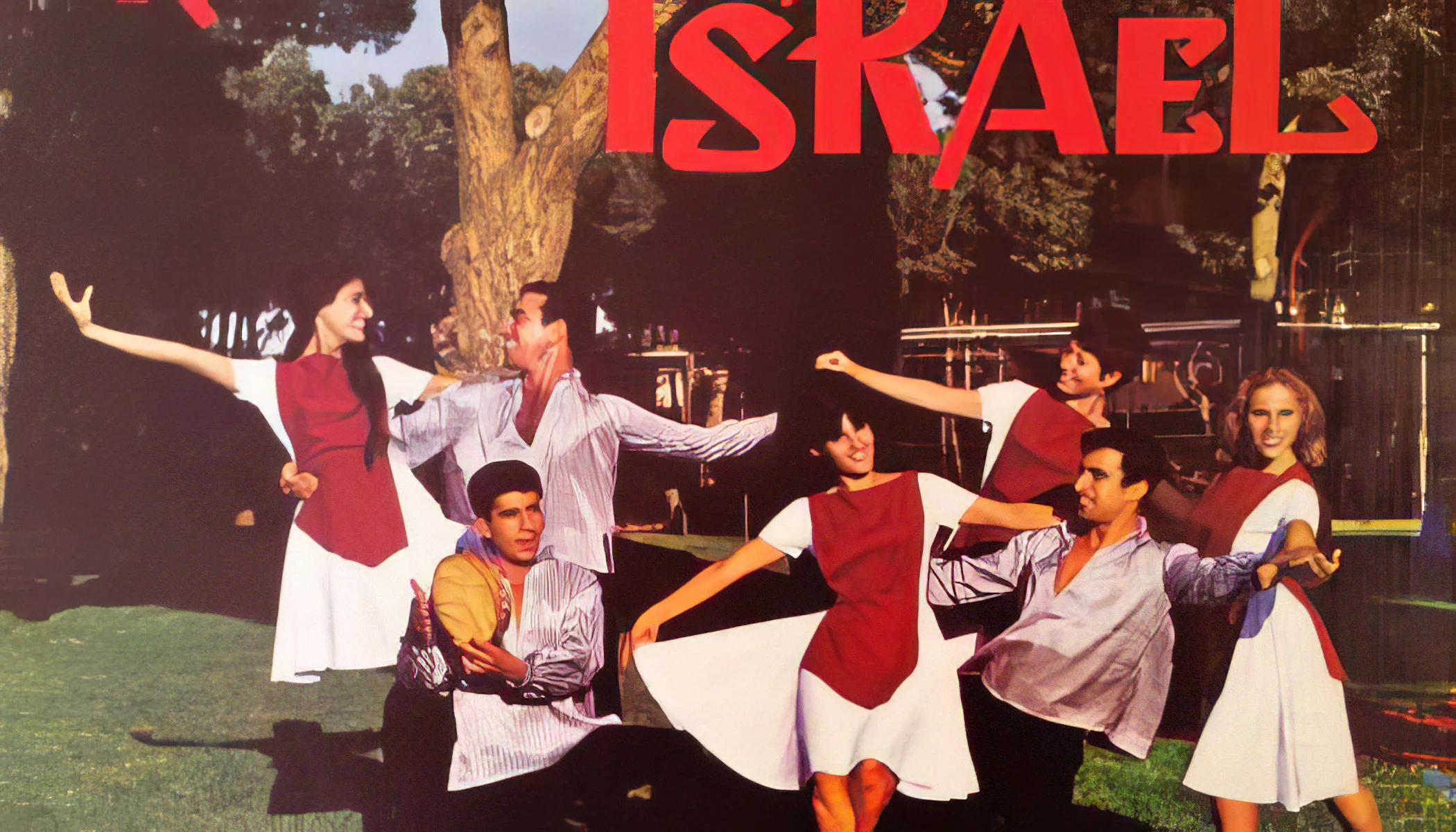
These songs highlight the rich cultural and historical tapestry of Israel, reflecting themes of peace, love, and national identity.
– Hatikvah: Israel's national anthem, symbolizing hope and Jewish longing for a homeland.
– Yerushalayim Shel Zahav: Naomi Shemer's iconic song celebrating Jerusalem's beauty and significance.
– Shir LaShalom: A peace anthem advocating for reconciliation and harmony in Israel.
– Hallelujah: Gali Atari & Milk and Honey's Eurovision-winning song promoting unity and joy.
– Eretz Tropit Yafa: Arik Einstein's classic capturing the essence of Israeli landscapes.
– Al Kol Eleh: Naomi Shemer's beloved song about cherishing life's bittersweet moments in Israel.
Films

A selection of films that delve into the complexities and culture of Israel:
– "Waltz with Bashir": Ari Folman's animated documentary explores his memories as a soldier in the 1982 Lebanon War.
– "Beaufort": Directed by Joseph Cedar, this film depicts the final days of an Israeli outpost in Lebanon.
– "Footnote": Joseph Cedar's drama about academic rivalry between a father and son, set in Jerusalem.
– "The Band's Visit": Eran Kolirin's film tells the story of an Egyptian police band stranded in an Israeli desert town.
– "Ajami": A crime drama co-directed by Scandar Copti and Yaron Shani, set in a mixed Jewish-Arab neighborhood in Jaffa.