

Travel Guide to Italy: Top Things to Do & Tips
This European country is known for its rich history, art, and culture. It's home to the ancient city of Rome, the romantic canals of Venice, and the fashion capital, Milan. Its cuisine, including pizza and pasta, is world-renowned.
- Capital
- Rome
- Population
- 60.4 millions
- Superficy
- 302000 sq.km
- Months to Visit
- April to June & Sept. to Oct.
- Living Cost
- Expensive
Overview
Italy, situated in Southern Europe, is known for its rich cultural heritage, historical significance, and diverse landscapes. Rome, the capital, is home to the Vatican as well as landmark art and ancient ruins. Other major cities include Florence, with Renaissance masterpieces such as Michelangelo’s "David", and Venice, the city of canals. The country is famous for its regional cuisine and is often associated with pizza, pasta, and fine wines. Italy's varied geography ranges from the mountainous Alps to remarkable coastlines along the Mediterranean. Its blend of historical sites, artistic treasures, and natural beauty make Italy a popular destination for travelers.
Pros & Cons
GOOD REASONS TO VISIT ITALY
– Rich History: Italy's ancient ruins, Renaissance art, and historic cities offer a deep dive into European history.
– Delicious Cuisine: Italy is famous for its pizza, pasta, gelato, and wine, each region offering unique culinary experiences.
– Beautiful Landscapes: From the Tuscan countryside to the Amalfi Coast, Italy's diverse landscapes are breathtaking.
– Iconic Landmarks: The Colosseum, Pisa/”>Leaning Tower Of Pisa, and Venice's canals are just a few of Italy's must-see sights.
– Fashion and Shopping: Italy, especially Milan, is a global fashion hub with high-end boutiques and markets. CHALLENGES WHEN VISITING ITALY
– Crowds and Tourist Traps: Popular sites can be crowded and overpriced, especially during peak tourist season.
– Language Barrier: While English is common in tourist areas, it's less so in rural regions.
– Strikes and Delays: Italy's public transportation can be unpredictable due to strikes or delays, potentially disrupting travel plans.
Before Departure
Before setting off on your Italian adventure, there are several key points to consider:
– Passport: Ensure your passport is valid for at least three months beyond your planned departure date.
– Visa: Non-EU tourists staying less than 90 days do not need a visa. For longer stays, apply for a visa at the Italian embassy in your country.
– Currency: Euro (€) is the official currency. Credit cards are widely accepted and ATMs are readily available.
– Internet access: WiFi is common in hotels, cafes, and some public areas. Prepaid SIM cards for data are available from various providers.
– Language barrier: Italian is the official language. English is widely spoken in tourist areas, while French and German are less common.
What to Pack
When packing for a trip to Italy, it's important to consider the country's varied climate, cultural norms, and the activities you plan to engage in.
– Essentials: Passport and visa (if required), travel insurance details, flight tickets and itinerary, accommodation reservations.
– Clothing: Comfortable walking shoes, lightweight clothing for summer, warmer layers for winter, swimwear (if visiting coastal areas), a stylish outfit for dining out.
– Health & Safety: Prescription medications and a basic first aid kit, sunscreen with high SPF, personal hygiene items.
– Electronics: Travel adapter for Italian outlets, mobile phone, camera, portable power bank for charging on the go.
Weather
Italy's weather varies greatly from north to south and from coast to mountains:
– Winter (December to February): North is cold and snowy, while South and coastal areas are mild and wet.
– Spring (March to May): Weather is generally mild throughout Italy with more rainfall in the North.
– Summer (June to August): North is hot and humid, South and coastal areas are hot and dry.
– Autumn (September to November): Weather is mild and rainy throughout Italy. The best time to visit Italy is during Spring (April to June) and Autumn (September and October). Reasons are:
– Pleasant weather and less crowded tourist spots.
– Lower prices compared to peak summer season. However, these periods may still be busy in major tourist cities like Rome, Venice, and Florence.
Travel Budget
Italy is a popular tourist destination with a range of prices. Here are some average costs for reference:
– Hotel: 70$ to 200$
– Lunch: 15$ to 40$
– Beverage (in bar/restaurant): 5$ to 15$
– Coffee: 1$ to 3$
– Transportation: (train 15$ to 60$), (bus 2$ to 7$), (taxi /10km 20$ to 40$)
– Mobile data (per GB): 5$ to 10$
Language
Italian is a Romance language mainly spoken in Italy. Here are some useful phrases for tourists:
– Hello: Ciao
– Thank you: Grazie
– Please: Per favore
– How much is this?: Quanto costa?
– Excuse me: Mi scusi
– I don't understand: Non capisco
– Yes: Sì
– No: No
– Goodbye: Arrivederci
History
Italy's history dates back to the ancient Romans, who built an empire that dominated the Mediterranean for centuries before its fall in the 5th century AD. The Middle Ages saw the rise of powerful city-states and maritime republics, such as Venice and Genoa. In the 19th century, Italy underwent a process of unification, becoming a single nation-state in 1861. The country experienced a fascist regime under Benito Mussolini from 1922 to 1943, which led to its involvement in World War II. Post-war Italy became a republic in 1946 after a referendum. Today, Italy is a democratic republic and a founding member of the European Union.
Geopolitics
Italy is a parliamentary republic located in Southern Europe, with Rome as its capital. It is a member of key international organizations, including the United Nations, NATO, the European Union, and the G7. Italy's strategic location in the Mediterranean Sea has made it a crucial player in issues related to migration, particularly from North Africa and the Middle East. The country maintains strong ties with the United States and other European nations, while also having significant economic relations with China. Italy's geopolitical role is shaped by its economic strength, its historical and cultural influence, and its strategic location at the crossroads of Europe, Africa, and the Middle East.
Sample Itinerary
This tour offers a blend of Italy's iconic cities, historical sites, and beautiful landscapes, from Rome's ancient ruins to Venice's romantic canals.
– 2 days in Rome: Visit the Colosseum, Roman Forum, and Vatican City. Explore the Pantheon, Trevi Fountain, and Spanish Steps.
– 2 days in Florence: Discover the Uffizi Gallery, Duomo, and Ponte Vecchio. Visit the Accademia Gallery to see Michelangelo's David.
– 1 day in Pisa: See the Leaning Tower, Pisa Cathedral, and Baptistery. Walk around Piazza Dei Miracoli.
– 2 days in Venice: Enjoy a gondola ride in the Grand Canal. Visit St. Mark's Square, Doge's Palace, and Rialto Bridge.
– 1 day in Milan: Explore the Duomo, Galleria Vittorio Emanuele II, and Sforza Castle. Visit the Last Supper painting at Santa Maria delle Grazie.
Popular cities
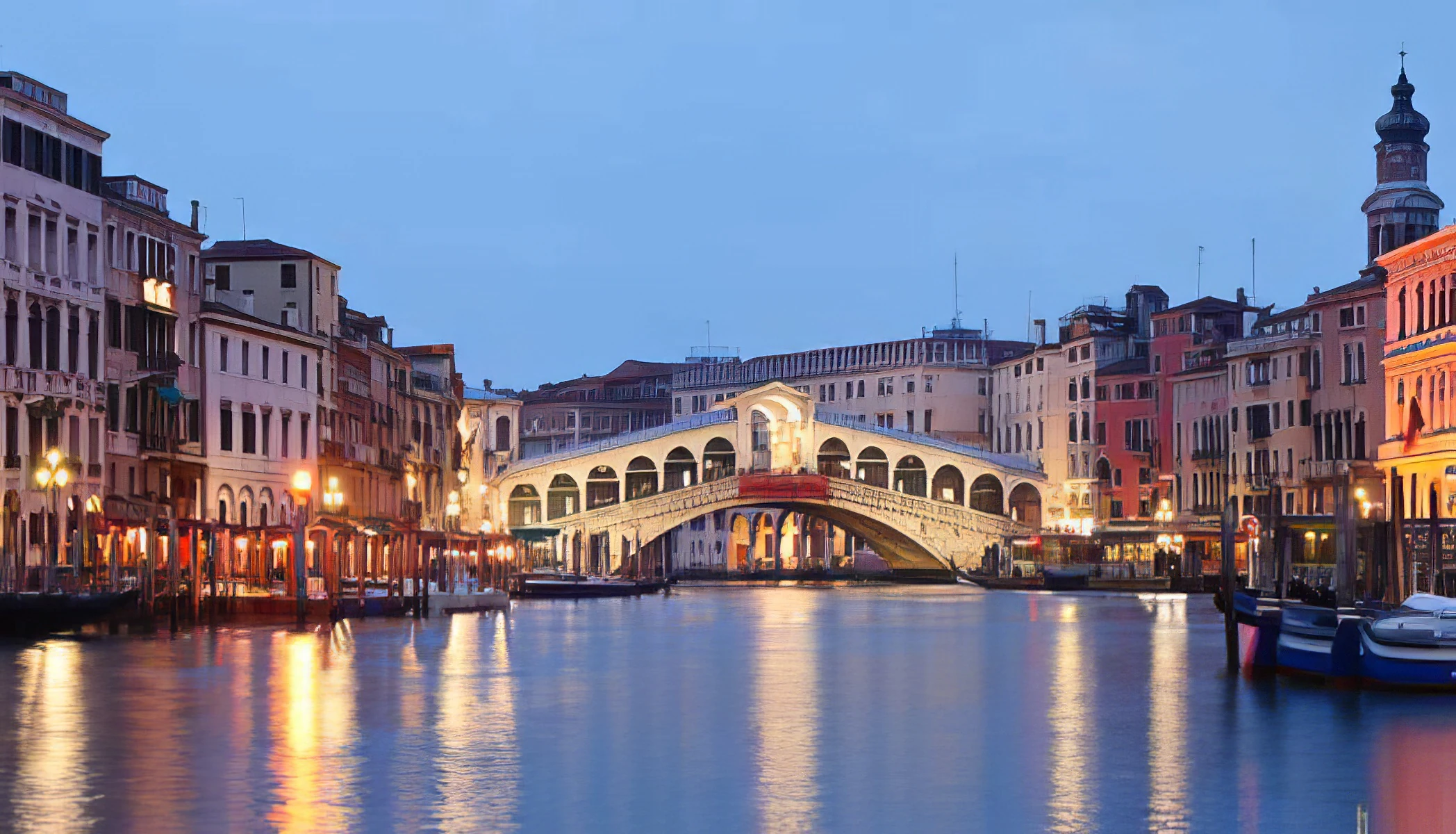
Italy offers a rich tapestry of experiences, from ancient ruins to modern city life:
– Rome: The capital city, home to the Colosseum, Vatican City, and ancient Roman ruins.
– Florence: Known for its Renaissance art and architecture, including the Duomo and Uffizi Gallery.
– Venice: Famous for its canals, gondolas, and historic sites like St. Mark's Square.
– Milan: A global capital of fashion and design, also known for its high-end restaurants and shops.
– Naples: Renowned for its rich history, art, culture, and gastronomy, including the birthplace of pizza.
– Verona: A medieval old town built between the Adige River, known for being the setting of Shakespeare's "Romeo and Juliet."
– Bologna: Known for its rich food culture, medieval architecture, and the oldest university in the Western world.
Monuments
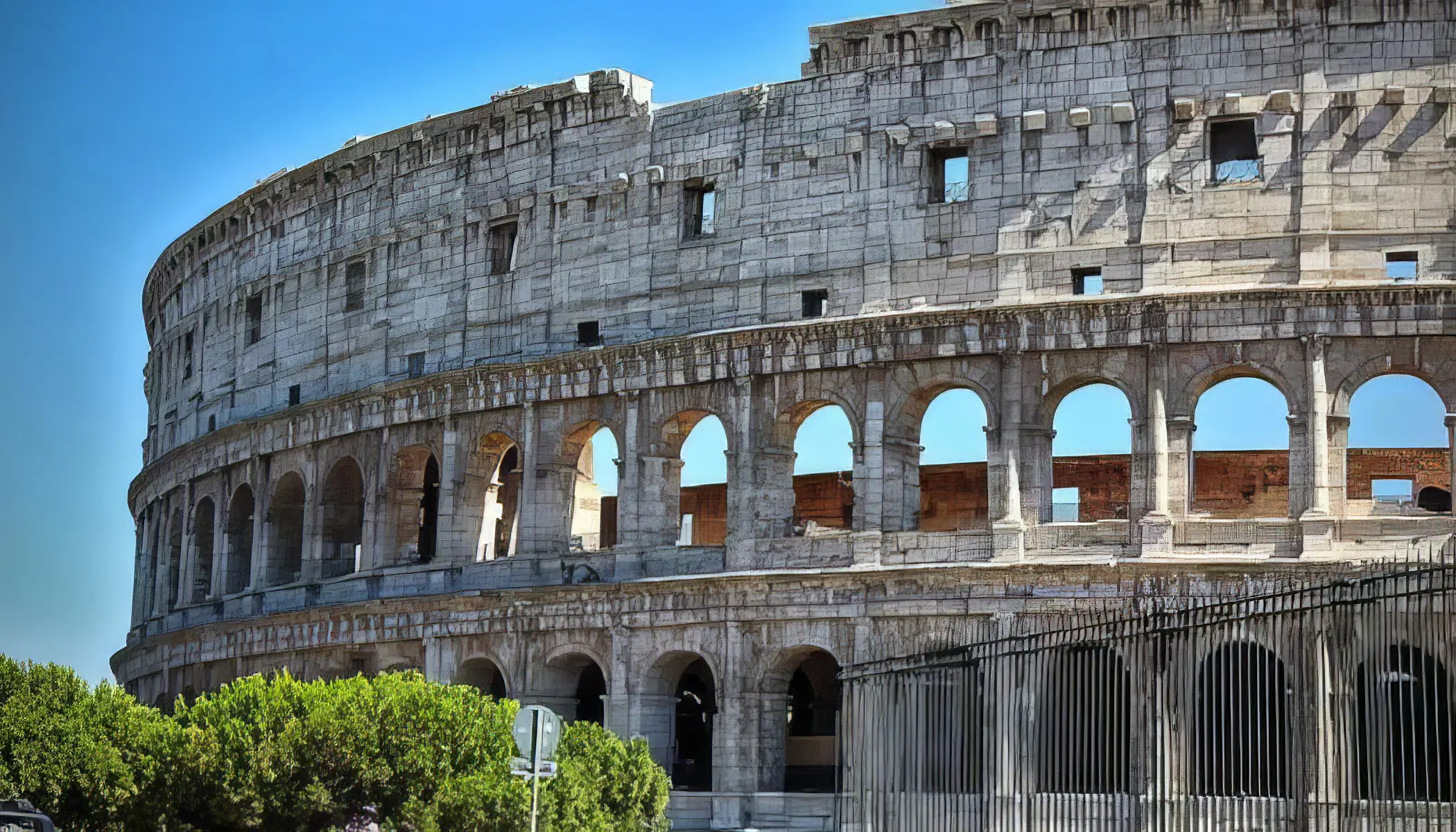
Italy is home to numerous iconic monuments and architectural wonders:
– Colosseum, Rome: Ancient Roman amphitheater, symbol of the Roman Empire.
– Pisa/”>Leaning Tower Of Pisa: Famous for its unintended tilt, a freestanding bell tower.
– Pantheon, Rome: Best-preserved Ancient Roman monument, renowned for its dome.
– St. Peter's Basilica, Vatican City: Largest Christian church, renowned for its Renaissance architecture.
– Pompeii, near Naples: Preserved ancient city, offering a glimpse into Roman life.
– Duomo Di Milano: One of the largest cathedrals in the world, known for its Gothic architecture.
– Rialto Bridge, Venice: Oldest and most famous bridge spanning the Grand Canal.
– Roman Forum, Rome: Ruins of government buildings at the center of the ancient city.
Natural wonder
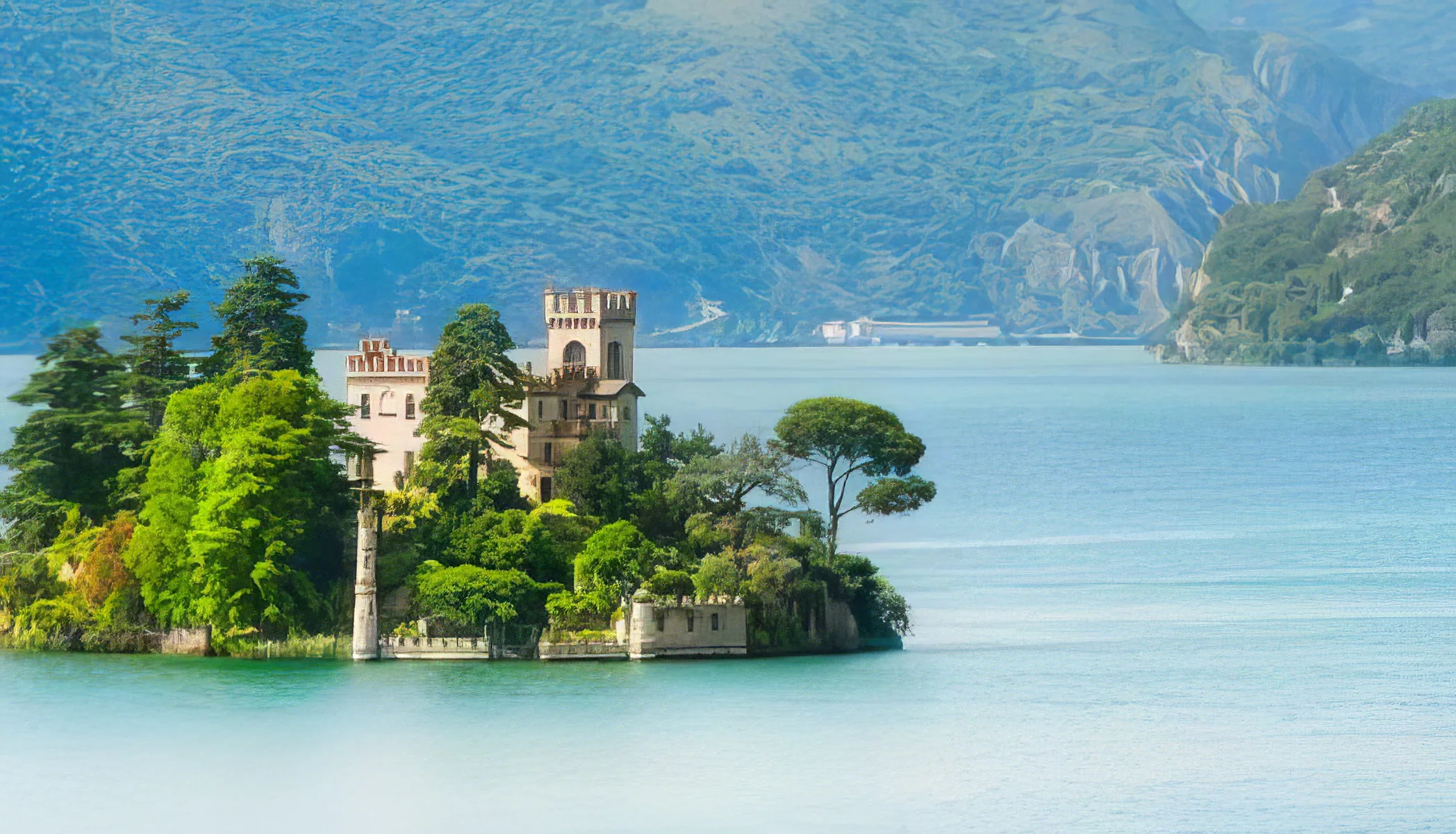
Explore Italy's diverse and captivating natural wonders:
– Dolomites: A mountain range in the Northern Italian Alps, known for its stunning peaks and valleys.
– Lake Como: A deep glacial lake with elegant towns along its shores.
– Mount Etna: Europe's highest and most active volcano, located in Sicily.
– Blue Grotto: A sea cave on the coast of the island of Capri, illuminated by an eerie blue light.
– Gran Paradiso National Park: Italy's first national park, home to diverse wildlife and stunning alpine landscapes.
– The Stelvio Pass: One of the highest mountain roads in Europe, offering amazing views.
– The Sassi di Matera: Ancient cave dwellings in the Basilicata region.
– The Val Grande National Park: The largest wilderness area in Italy, located in the Alps.
– The Marmore’s Falls: A man-made waterfall created by the ancient Romans.
– The Aosta Valley: Known for its castles, vineyards and alpine landscapes.
Beaches
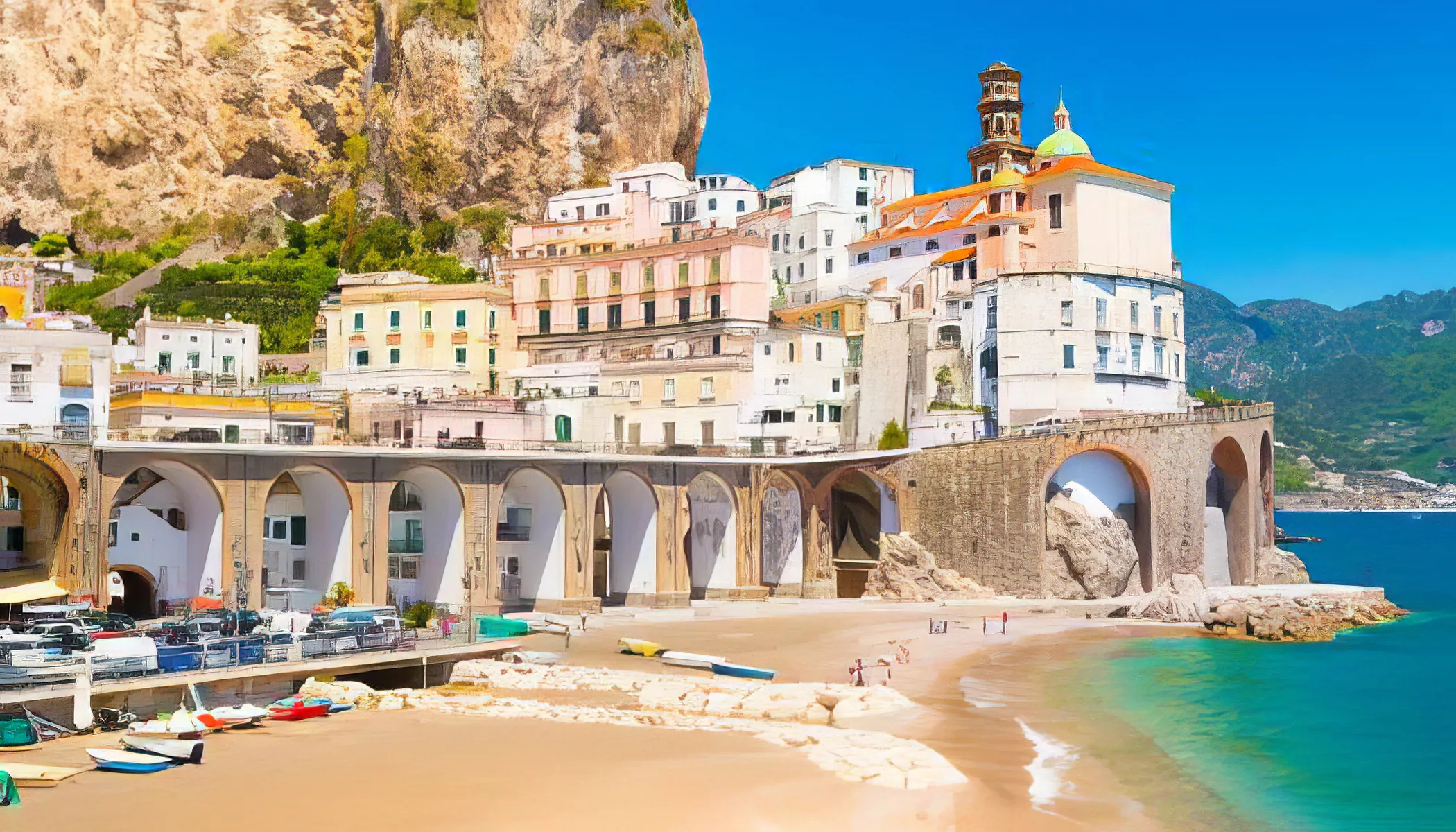
Here are some of the most visited beaches in Italy:
– Amalfi Coast: Known for its colorful cliffside villages and clear blue waters.
– Tropea Beach: Famous for its white sands and turquoise waters in Calabria.
– San Vito Lo Capo: Popular for its golden sands and clear waters in Sicily.
– Spiaggia dei Conigli: Noted for its preserved white sands and crystal-clear waters on Lampedusa Island.
– Cala Goloritze: Renowned for its turquoise waters and pebble beach in Sardinia.
– Monterosso Beach: Largest and most visited beach in the Cinque Terre.
– Marina Grande Beach: Famous pebble beach in Positano with gorgeous views of the Amalfi Coast.
Outdoor activities
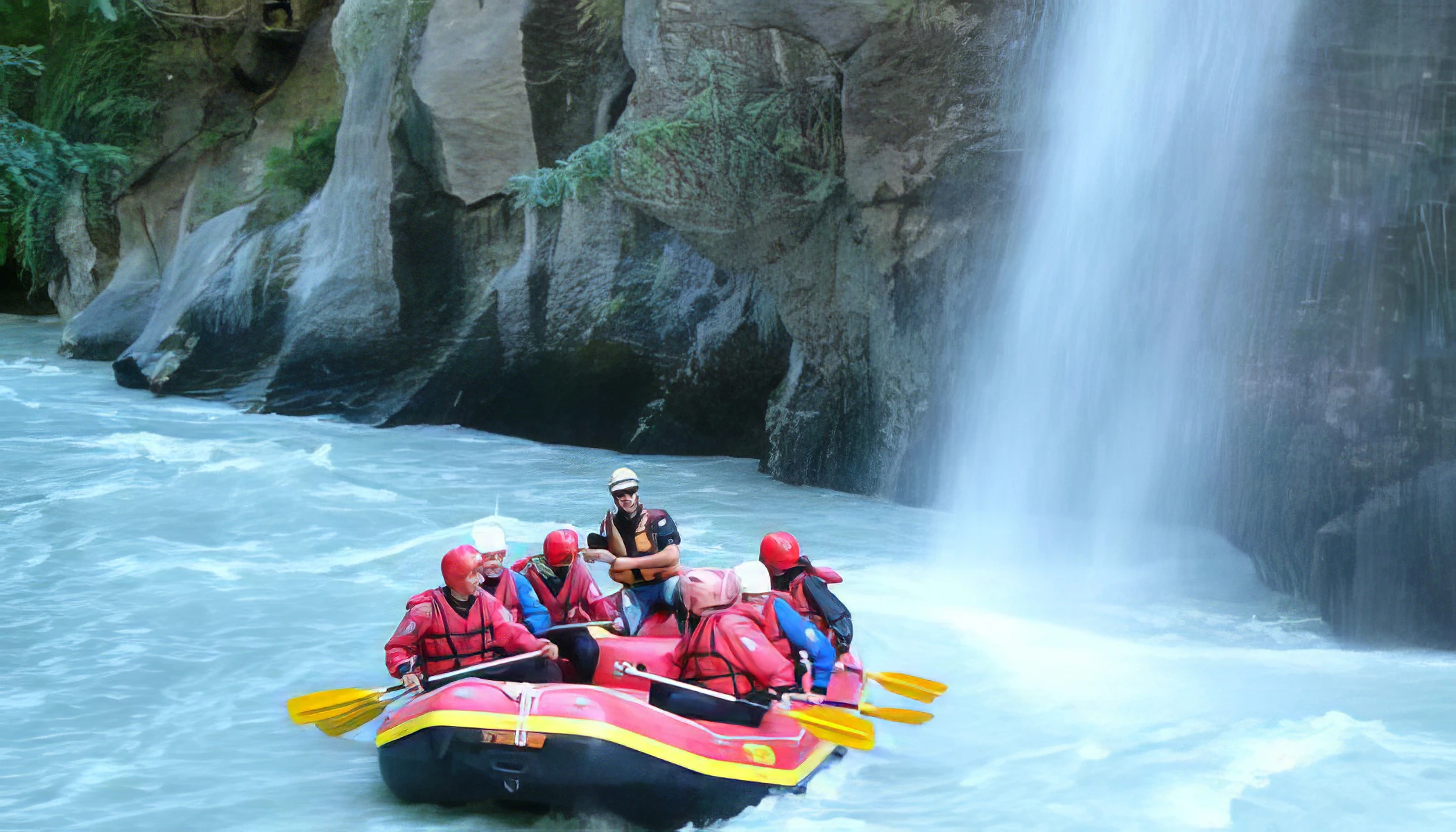
Italy offers a variety of outdoor experiences, from the mountains to the sea:
– Hiking in the Dolomites: Traverse through dramatic mountain landscapes and alpine meadows.
– Cycling in Tuscany: Ride through rolling hills, vineyards, and medieval towns.
– Sailing in the Amalfi Coast: Enjoy the nice coastline with its colorful cliffside villages.
– Skiing in the Alps: Experience world-class slopes and winter sports facilities.
– Snorkeling in Sardinia: Explore the clear waters and diverse marine life.
– Vespa Tour in Rome: Navigate the historic city on a classic Italian scooter.
– Wine Tasting in Piedmont: Visit vineyards and sample renowned Italian wines in a scenic setting.
Kid Friendly
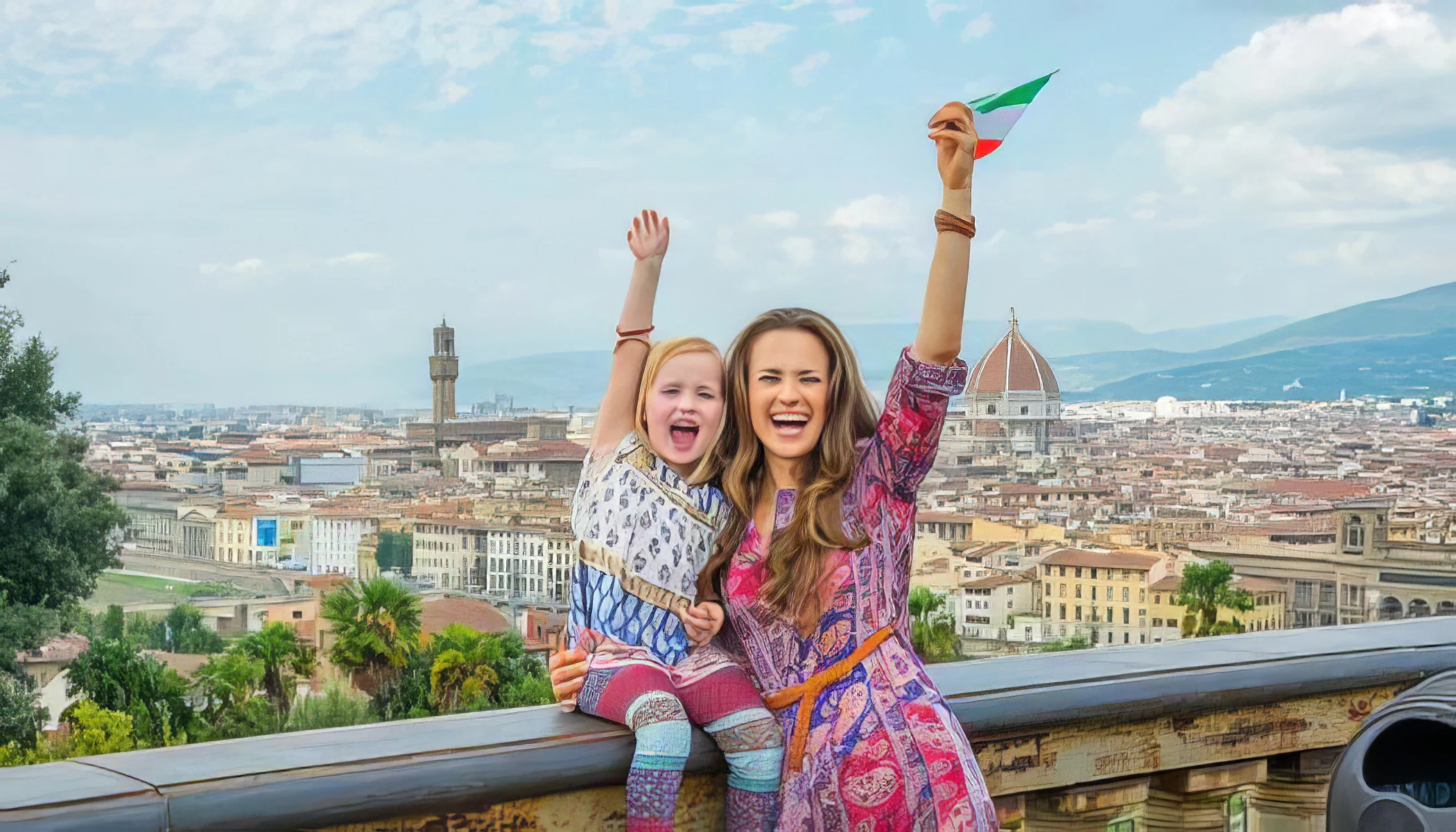
Italy offers a variety of activities that are perfect for children:
– Colosseum: A historic amphitheater in Rome where gladiatorial contests were held.
– Gardaland: A large amusement park with a variety of rides and shows.
– Pisa/”>Leaning Tower Of Pisa: A famous architectural anomaly that kids will find intriguing.
– Bioparco di Roma: A large zoo in Rome with a variety of animals and exhibits.
– Explora: A children's museum in Rome with interactive exhibits.
– Pompeii: An ancient city preserved by volcanic ash, offering a unique history lesson.
– Pinocchio Park: A park dedicated to the famous puppet, featuring sculptures and mazes.
– Venice's Canals: Kids will enjoy a gondola ride through the city's famous waterways.
Cuisine
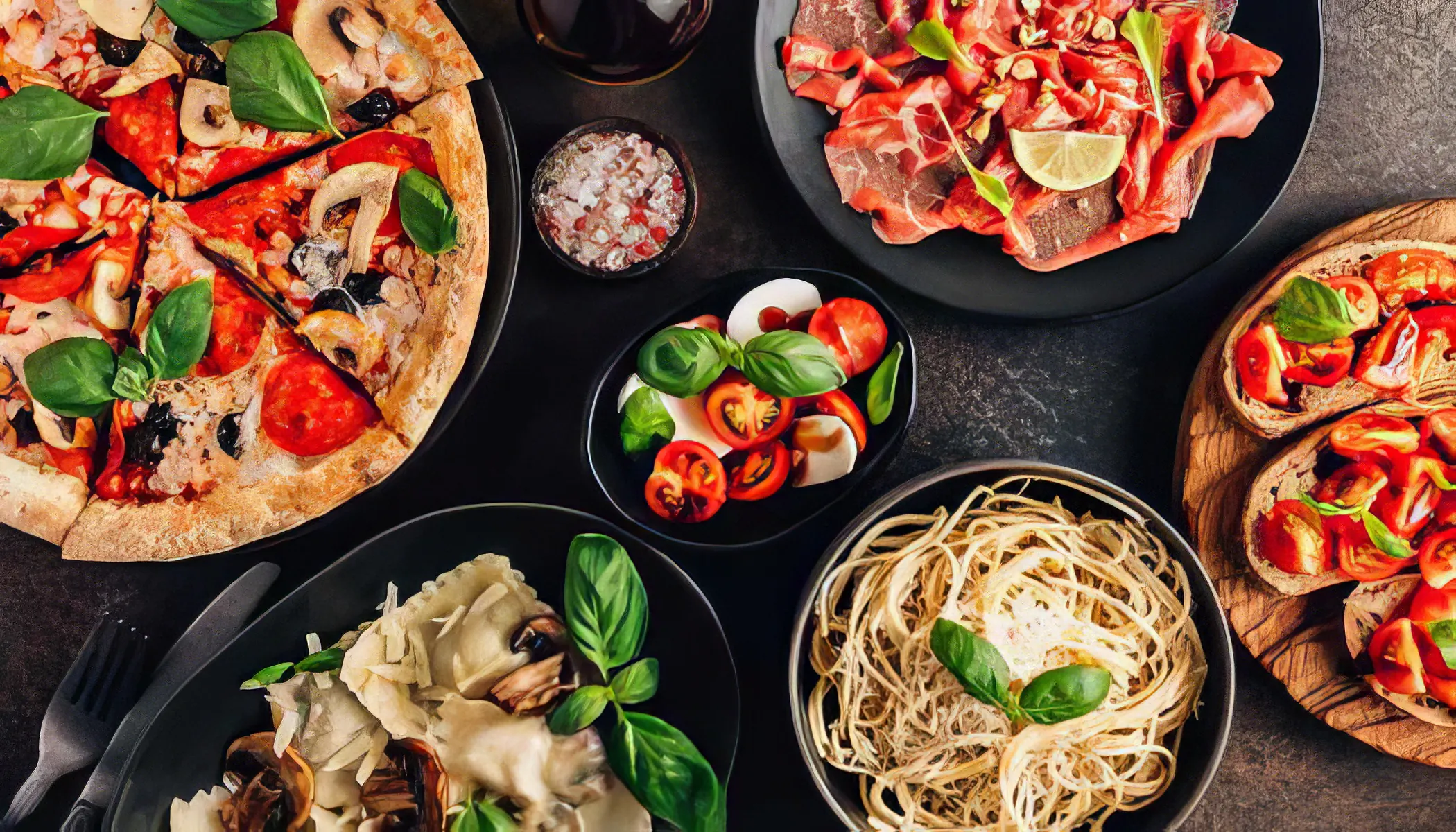
Italian cuisine is renowned for its simplicity, focusing on fresh, high-quality ingredients. Each region has its own specialties, but pasta, olive oil, and wine are staples throughout the country. Italian food is globally recognized and loved for its comforting and flavorful dishes.
– Pizza Napoletana: Traditional Neapolitan pizza with a thin, soft and chewy crust.
– Pasta Carbonara: Pasta dish with egg, cheese, pancetta, and pepper.
– Lasagna: Layered pasta dish with cheese, meat, and tomato sauce.
– Risotto: Creamy rice dish cooked with broth, often with additions like mushrooms or seafood.
– Tiramisu: Coffee-flavored dessert with layers of ladyfingers and mascarpone cream.
– Gelato: Italian version of ice cream, known for its smooth texture and intense flavor.
Souvenir
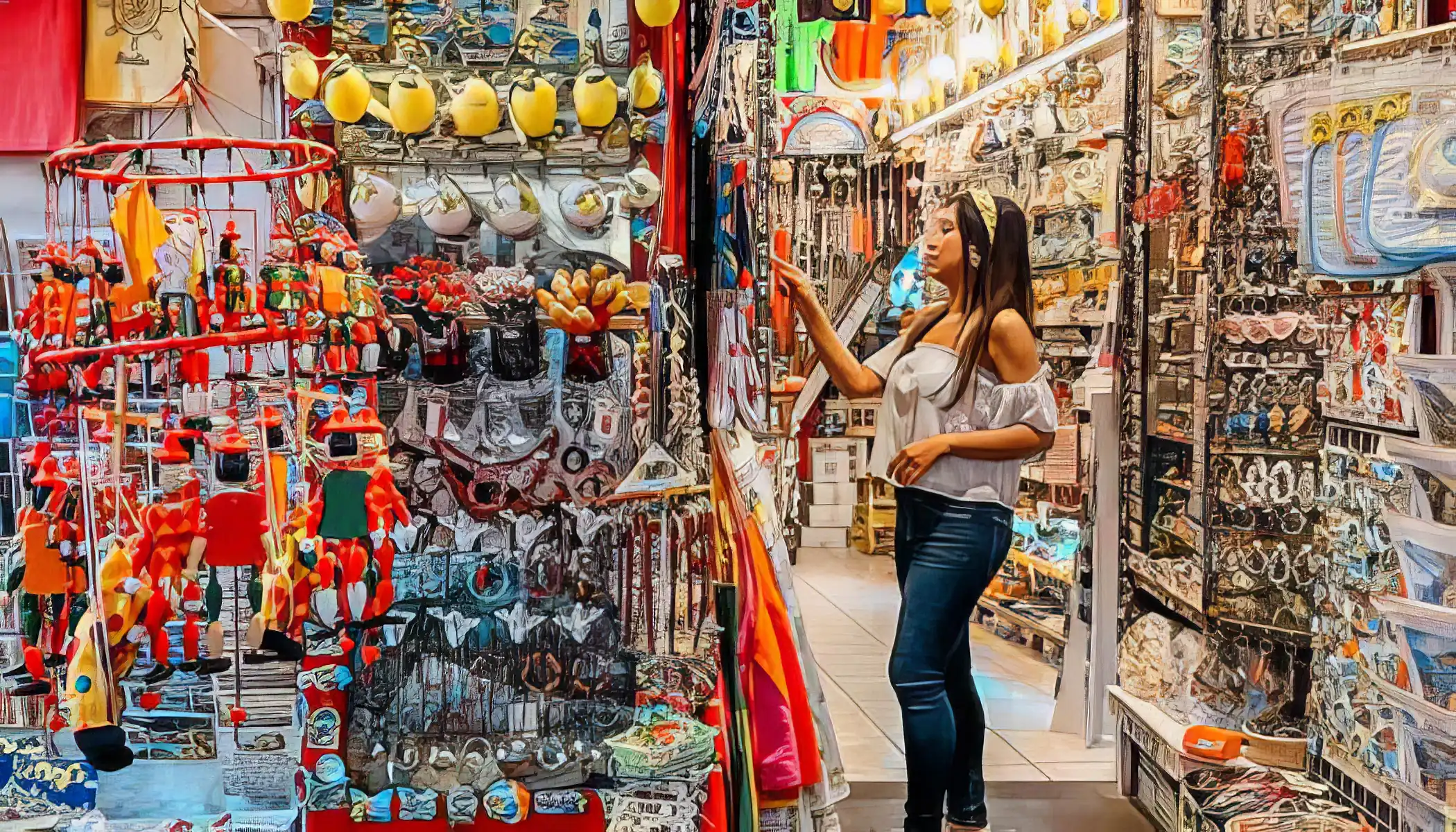
Italy is renowned for its rich history, art, and craftsmanship, making it a great place for souvenir shopping. Here are some items you might want to consider:
– Leather Goods: Italy, especially Florence, is famous for its high-quality leather products like bags, belts, and wallets.
– Murano Glass: Hand-blown glass from the island of Murano is a unique and beautiful souvenir.
– Olive Oil: Italy is known for its high-quality olive oil, which makes a great gift.
– Wine: Italy is one of the world's top wine producers, and a bottle of Italian wine is a classic souvenir.
– Ceramics: Hand-painted ceramics from regions like Amalfi and Sicily are popular souvenirs.
– Fashion Items: Italy is a fashion capital, and designer clothing or accessories are coveted items.
– Venetian Masks: Traditional Venetian masks are a unique and artistic souvenir.
Traditional Shows
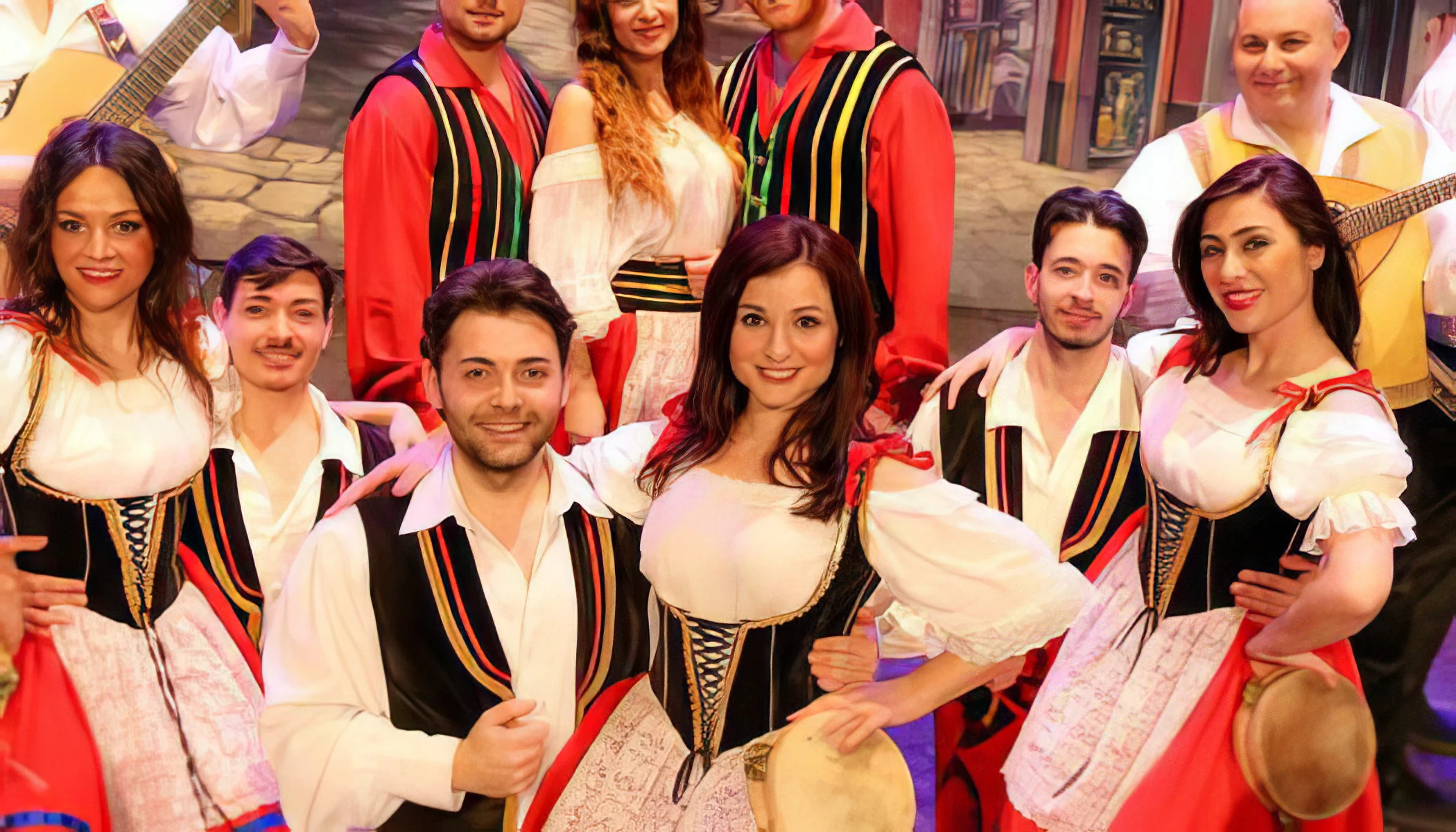
Italy is renowned for its rich cultural and artistic heritage. Here are some top-rated traditional performances:
– Opera at La Scala: Experience world-class opera in Milan's historic La Scala Theatre, a symbol of Italian culture and music.
– Commedia dell'arte in Venice: Witness this 16th-century theatrical form, featuring masked characters and improvised performances, a cornerstone of Italian theatre tradition.
– Tarantella Dance in Naples: Enjoy this lively and rhythmic folk dance, a charming expression of Southern Italian culture.
– Palio di Siena: Watch this traditional medieval horse race in Siena, a spectacle filled with pageantry and local pride.
– Puccini Festival: Attend this annual summer opera festival in Torre del Lago, dedicated to the works of the great Italian composer Giacomo Puccini.
Events & Festivals
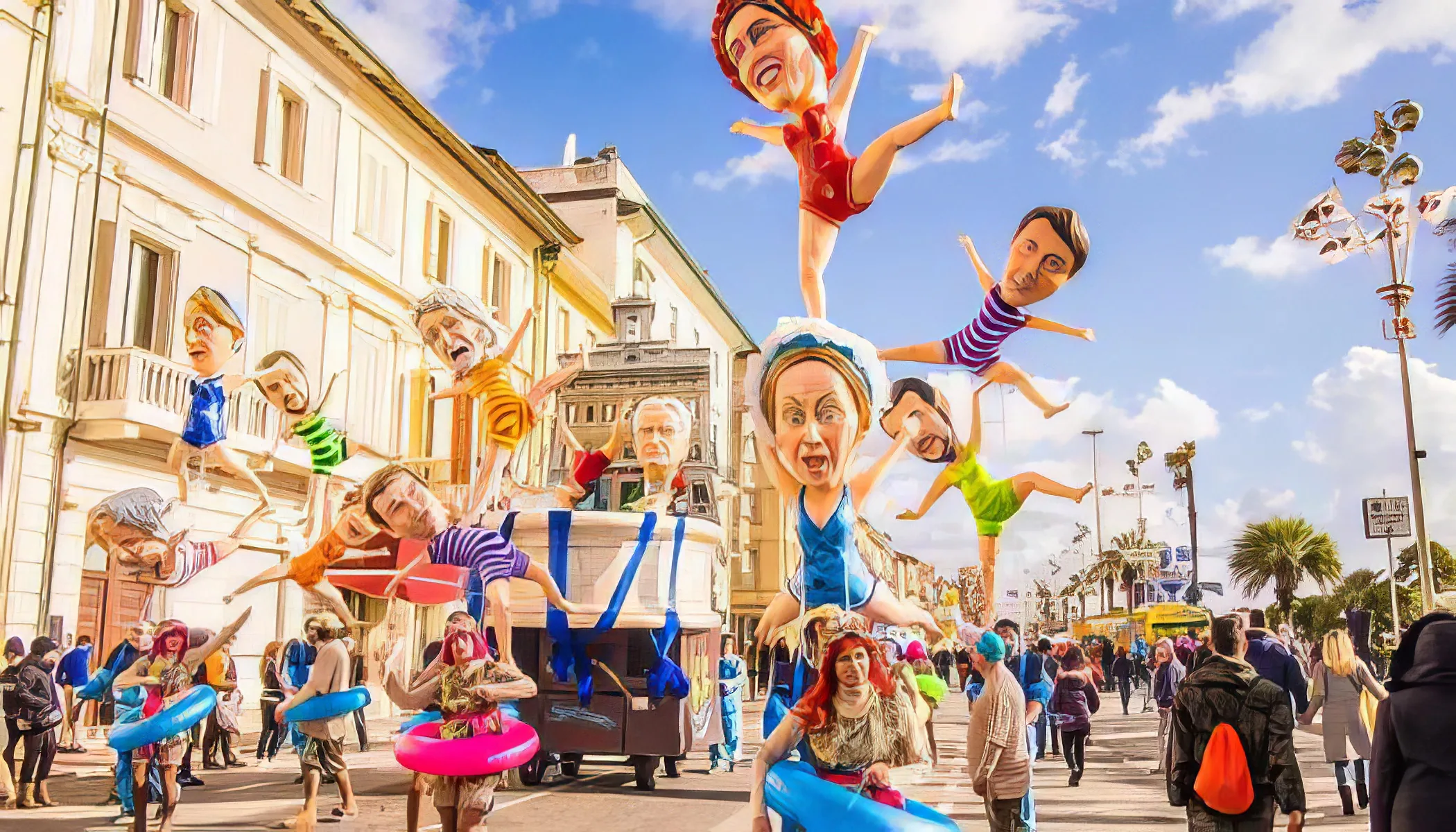
Italy is a country rich in culture and tradition, with numerous events and festivals taking place throughout the year:
– Carnevale: A nationwide festival in February with parades, masquerade balls, and entertainment.
– Scoppio del Carro: An Easter event in Florence where a cart is exploded in the Piazza Del Duomo.
– Festa della Repubblica: Italy's National Day on June 2, marked by parades and fireworks.
– Palio di Siena: A historic horse race held twice a year in July and August in Siena's main square.
– Ferragosto: A nationwide holiday on August 15, marking the height of the Italian summer vacation period.
– Venice Film Festival: An international film festival held annually in late August/early September.
– Christmas Markets: Held in various cities in December, offering food, gifts, and festive atmosphere.
Famous People
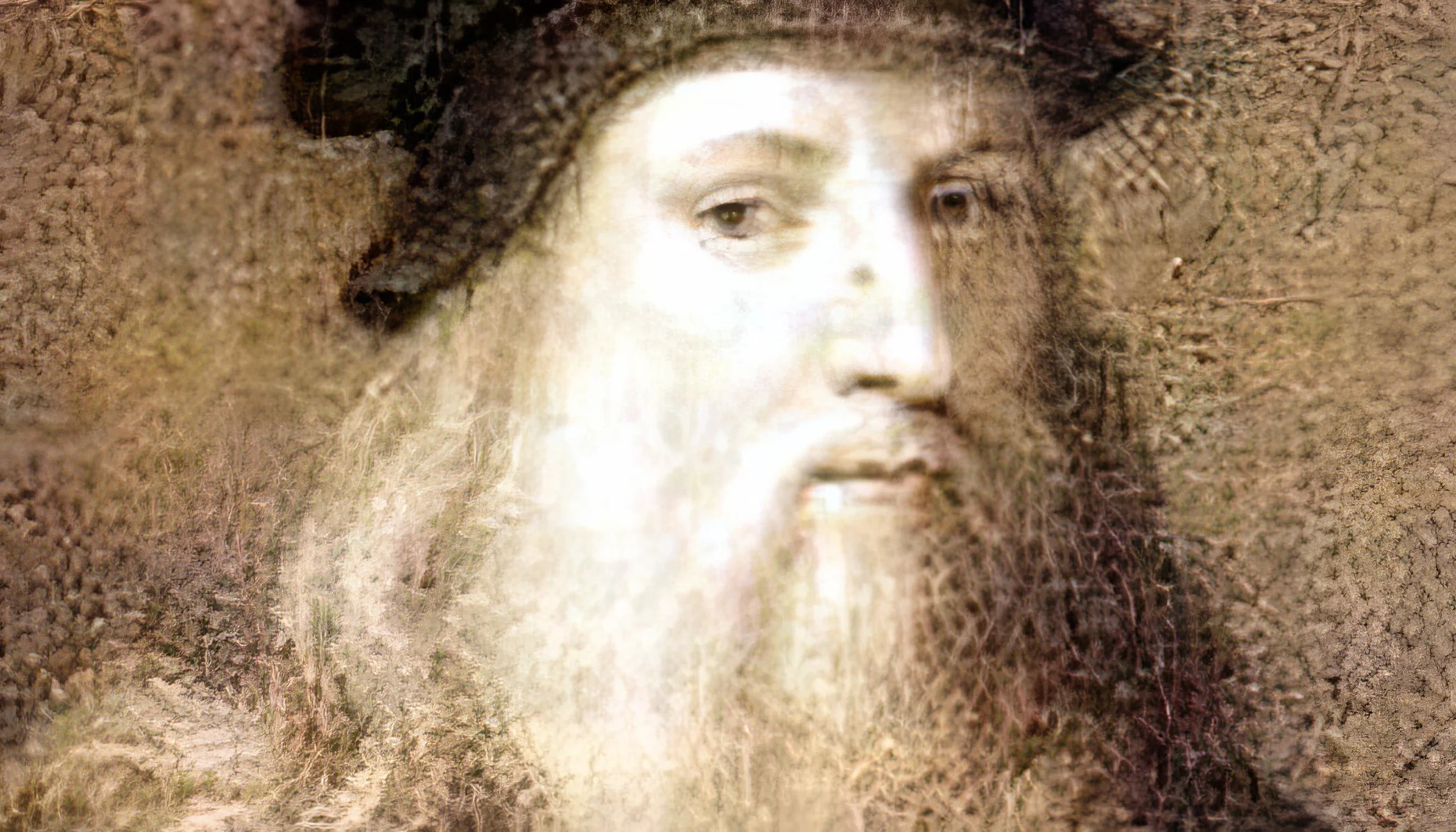
Italy, known for its rich history and culture, has been home to many globally renowned figures.
– Leonardo da Vinci (1452 to 1519, Vinci): Renowned polymath, artist, and inventor, famous for "Mona Lisa" and "The Last Supper."
– Galileo Galilei (1564 to 1642, Pisa): Astronomer and physicist, known for his significant contributions to the scientific revolution.
– Michelangelo (1475 to 1564, Caprese): Sculptor, painter, and architect, best known for the Sistine Chapel ceiling and "David" statue.
– Sophia Loren (born 1934, Rome): Internationally acclaimed actress, the first to win an Oscar for a non-English language film.
– Giuseppe Verdi (1813 to 1901, Le Roncole): Composer of operas, including famous works like "La Traviata," "Aida," and "Rigoletto."
Books
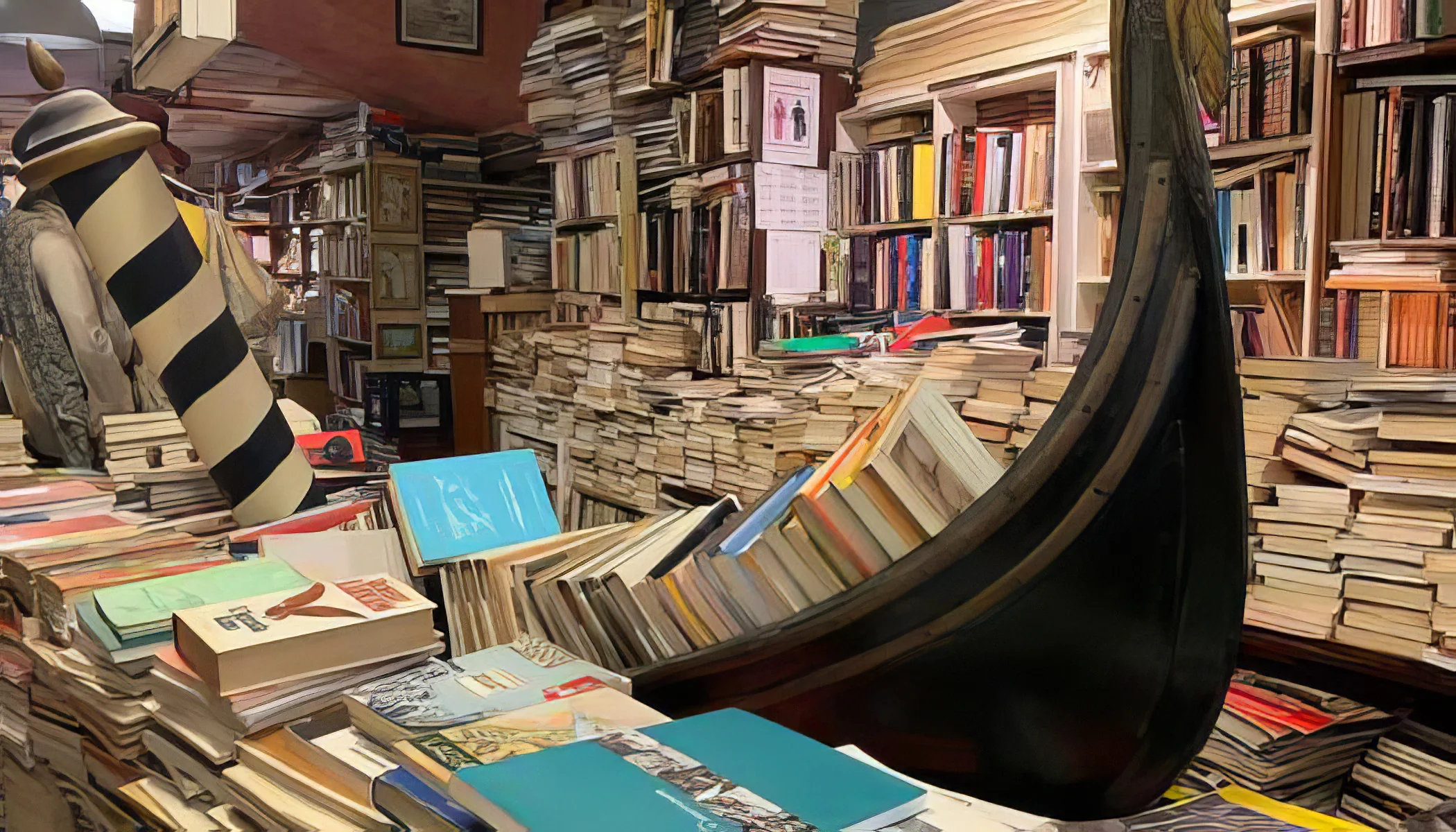
These books provide a rich exploration of Italy's history, culture, and landscape through various narratives and perspectives.
– "The Name of the Rose" by Umberto Eco: A historical mystery set in a 14th-century Italian monastery.
– "A Room with a View" by E.M. Forster: A young woman's self-discovery during a trip to Florence.
– "My Brilliant Friend" by Elena Ferrante: A tale of friendship in post-war Naples.
– "The Leopard" by Giuseppe Tomasi di Lampedusa: A Sicilian aristocrat's struggle during Italy's unification.
– "Inferno" by Dante Alighieri: An epic journey through Hell, depicting medieval Italy's life and values.
Songs

Italian music is renowned for its passionate melodies and deeply emotional lyrics, here are some of the most famous songs from Italy.
– Volare (Nel Blu Dipinto Di Blu): Domenico Modugno's international hit, known for its catchy tune.
– Con Te Partirò: Andrea Bocelli's signature song, a global sensation.
– O Sole Mio: Classic Neapolitan song, recognized worldwide.
– Ciao Bella: Iconic Italian resistance song, symbol of freedom.
– Caruso: Lucio Dalla's tribute to the legendary tenor Enrico Caruso.
– La Donna E Mobile: Famous aria from Verdi's opera Rigoletto, a staple in Italian music.
Films

Immerse yourself in the rich culture and history of Italy through these renowned films:
– "La Dolce Vita": Federico Fellini's iconic film explores the decadence of Rome's high society.
– "Bicycle Thieves": Vittorio De Sica's neorealist masterpiece about a man's desperate search for his stolen bicycle.
– "Cinema Paradiso": Giuseppe Tornatore's nostalgic film about a boy's love for movies in post-WWII Sicily.
– "Life is Beautiful": Roberto Benigni's Oscar-winning film, a tragicomic tale set in a WWII concentration camp.
– "The Great Beauty": Paolo Sorrentino's film captures the decadence and beauty of modern Rome.