

Ivory Coast Attractions & Travel Advice – Plan Your Visit
Located in West Africa, this country is known for its rich cultural heritage and animated cities like Abidjan. It features diverse landscapes, from beaches to rainforests. The economy is driven by agriculture, particularly cocoa and coffee production.
- Capital
- Yamoussoukro is the political capital of Ivory Coast, while Abidjan is the largest city and serves as the economic capital.
- Population
- 21.1 millions
- Superficy
- 323000 sq.km
- Months to Visit
- Nov. to Feb.
- Living Cost
- Moderate
Overview
Ivory Coast, or Côte d'Ivoire, is located in West Africa and is known for its economic significance in the region. Abidjan, the largest city, serves as a major urban center, while Yamoussoukro is the political capital. The country has diverse landscapes, including beaches, rainforests, and savannas. Ivory Coast is a leading producer of cocoa and coffee, contributing significantly to its economy. The nation has a mix of ethnic groups and cultures, reflected in its music and festivals. Despite past political instability, it continues to work towards economic growth and development.
Pros & Cons
GOOD REASONS TO VISIT IVORY COAST
– Diverse Wildlife: Explore national parks like Taï and Comoé, home to elephants, chimpanzees, and rare birds.
– Vibrant Culture: Experience traditional music, dance, and festivals reflecting the country's rich ethnic diversity.
– Beautiful Beaches: Relax on beautiful beaches in Assinie and Grand-Bassam along the Atlantic coast.
– Unique Cuisine: Savor local dishes like attiéké, aloco, and kedjenou for a taste of Ivorian flavors.
– Historical Sites: Visit UNESCO-listed Grand-Bassam and colonial architecture in Abidjan for a glimpse into history. CHALLENGES WHEN VISITING IVORY COAST
– Political Instability: Occasional unrest can affect safety; check travel advisories before planning your visit.
– Health Concerns: Malaria risk is present; vaccinations and precautions are necessary for safe travel.
– Language Barrier: French is the official language; limited English speakers may pose communication challenges.
Before Departure
Before traveling to Ivory Coast, consider the following essential information:
– Passport: Ensure your passport is valid for at least six months beyond your intended stay.
– Visa: Most tourists require a visa; apply online for an e-visa or at an embassy. Tourist visas are typically valid for 30 days.
– Currency: West African CFA Franc (XOF); credit cards accepted in major cities; ATMs available but not widespread.
– Internet access: WiFi is accessible in hotels and cafes in urban areas; purchase a local SIM card for better connectivity.
– Language barrier: French is the official language; English is not widely spoken, so basic French can be helpful.
What to Pack
Visiting Ivory Coast requires preparation for its tropical climate and lively culture, ensuring a comfortable and enjoyable experience.
– Essentials: Passport with visa (if needed), travel insurance, flight tickets, itinerary, accommodation confirmations.
– Clothing: Lightweight clothing for warm weather, comfortable walking shoes, swimwear for beaches, hat and sunglasses for sun protection, light jacket for cooler evenings.
– Health & Safety: Prescription medications, basic first aid kit, insect repellent with DEET, sunscreen with high SPF, personal hygiene products.
– Electronics: Travel adapter for Type C or E outlets, mobile phone with charger, camera for capturing moments.
Weather
Weather in Ivory Coast is tropical, with distinct wet and dry seasons:
– Winter (December to February): Dry season with cooler temperatures and lower humidity, especially in the north.
– Spring (March to May): Transition to wet season; increasing humidity and rainfall, particularly in the south.
– Summer (June to August): Wet season with heavy rains, high humidity, and occasional thunderstorms across the country.
– Autumn (September to November): Gradual decrease in rainfall; temperatures remain warm with high humidity levels. The best time to visit Ivory Coast is from December to February:
– Pros: Pleasant weather with less rain and comfortable temperatures for outdoor activities.
– Cons: Higher tourist numbers can lead to increased prices for accommodations and services.
Travel Budget
Ivory Coast offers a range of prices suitable for different budgets. Here are some average costs for tourists:
– Hotel: 30$ to 150$
– Lunch: 5$ to 20$
– Beverage (in bar/restaurant): 2$ to 6$
– Coffee: 1.5$ to 4$
– Transportation: (train 10$ to 40$), (bus 0.5$ to 2.5$), (taxi /10km 6$ to 12$)
– Mobile data (per GB): 2.5$ to 5$
Language
In Ivory Coast, French is the official language and widely spoken. Here are some useful phrases for tourists:
– Hello: Bonjour
– Thank you: Merci
– Please: S'il vous plaît
– How much is this?: Combien ça coûte?
– Excuse me: Excusez-moi
– I don't understand: Je ne comprends pas
– Yes: Oui
– No: Non
– Goodbye: Au revoir
History
Initially inhabited by various ethnic groups, the region became part of several African empires before European contact. In the late 19th century, it became a French colony, known as Côte d'Ivoire, and remained under French control until gaining independence in 1960. The first president, Félix Houphouët-Boigny, led the country for over three decades, fostering economic growth and stability. After his death in 1993, political instability grew, leading to a coup in 1999 and a civil war in 2002 that divided the country. A peace agreement in 2007 helped reunify the nation, but tensions persisted. The post-election crisis of 2010-2011 resulted in further conflict before Alassane Ouattara assumed presidency, ushering in a period of relative stability and economic recovery.
Geopolitics
Côte d'Ivoire, located in West Africa, shares borders with Liberia, Guinea, Mali, Burkina Faso, and Ghana. It has a history of political instability, including civil conflicts in the early 2000s and 2010-2011. The country is a key player in regional organizations like ECOWAS (Economic Community of West African States) and the African Union. Its economy is heavily reliant on agriculture, particularly cocoa and coffee exports, making it influential in global commodity markets. Côte d'Ivoire maintains diplomatic relations with various countries and seeks to strengthen ties with both Western nations and emerging economies. The government focuses on maintaining stability to attract foreign investment and support economic growth.
Sample Itinerary
This itinerary covers cultural, historical, and natural highlights of Ivory Coast, including Abidjan, Yamoussoukro, and the coastal beauty of Grand-Bassam.
– 2 days in Abidjan: Explore the hectic markets, visit St. Paul's Cathedral, and stroll through Banco National Park for a glimpse of local wildlife.
– 1 day in Yamoussoukro: Visit the Basilica of Our Lady of Peace and explore the Presidential Palace area with its unique architecture.
– 1 day in Grand-Bassam: Discover colonial architecture in the old town, relax on the beach, and visit the National Costume Museum.
– 1 day in Man: Experience the scenic beauty of La Dent de Man mountain and nearby waterfalls. Visit local villages to learn about traditional crafts.
Popular cities
Explore the lively cities of Ivory Coast, each offering unique experiences and attractions:
– Abidjan: The economic capital known for its modern skyline, lively markets, and cultural institutions.
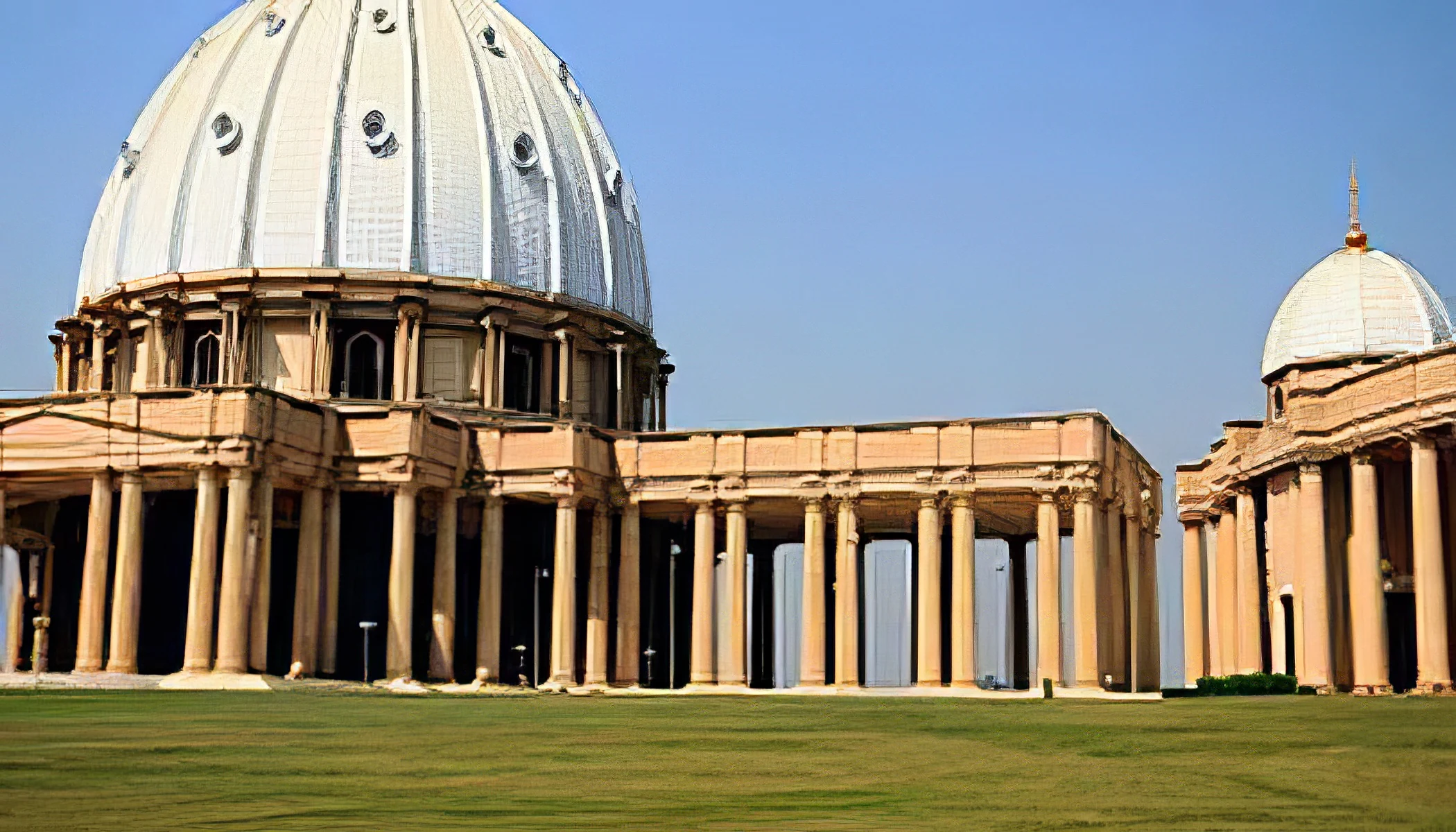
– Yamoussoukro: The political capital famous for the Basilica of Our Lady of Peace, one of the largest churches in the world.
– Bouaké: A major city in the center of the country, known for its hectic markets and local crafts.
– San Pedro: A coastal city with beautiful beaches and a gateway to Taï National Park.
– Man: Known for its surrounding mountains, waterfalls, and traditional Dan culture.
– Korhogo: Provides insights into Senufo culture with its crafts, textiles, and traditional villages.
– Grand-Bassam: A UNESCO World Heritage site with colonial architecture and a relaxing beach atmosphere.
Monuments
Ivory Coast supplies several notable monuments to explore:
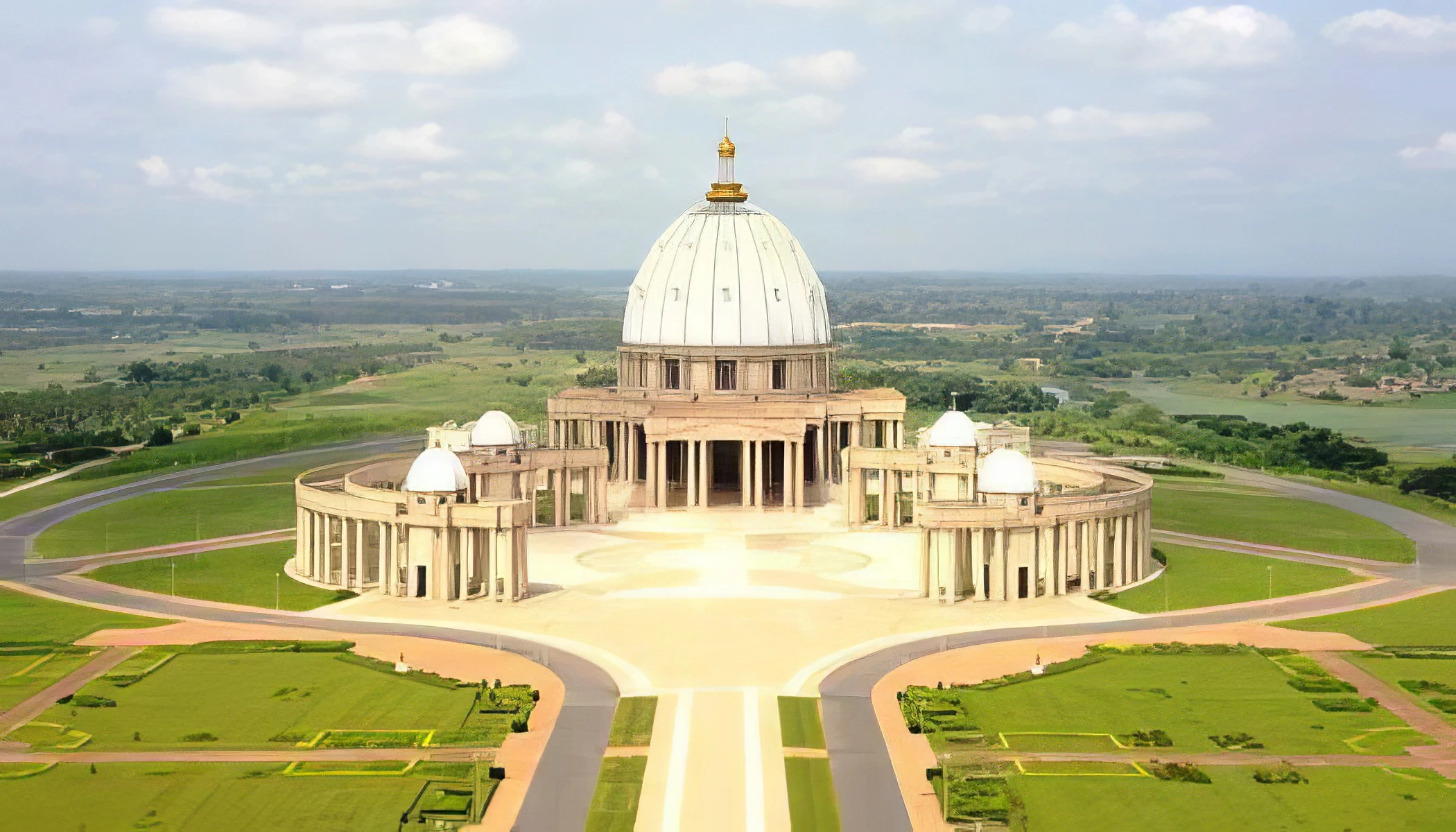
– Basilica of Our Lady of Peace, Yamoussoukro: One of the world's largest churches, inspired by St. Peter's Basilica.
– Grand Bassam: UNESCO World Heritage site with colonial architecture and historical significance.
– St. Paul's Cathedral, Abidjan: Modern architectural landmark with a striking design and large stained-glass windows.
– Comoe National Park: UNESCO site with diverse wildlife and ancient rock paintings.
– La Pyramide, Abidjan: Iconic pyramid-shaped building symbolizing modern Ivorian architecture.
– The Presidential Palace, Yamoussoukro: Official residence with grand design and historical importance.
– Man Waterfalls: Scenic natural site surrounded by nice greenery in the western region.
– Mount Nimba Strict Nature Reserve: UNESCO site known for biodiversity and unique geological formations.
Natural wonder
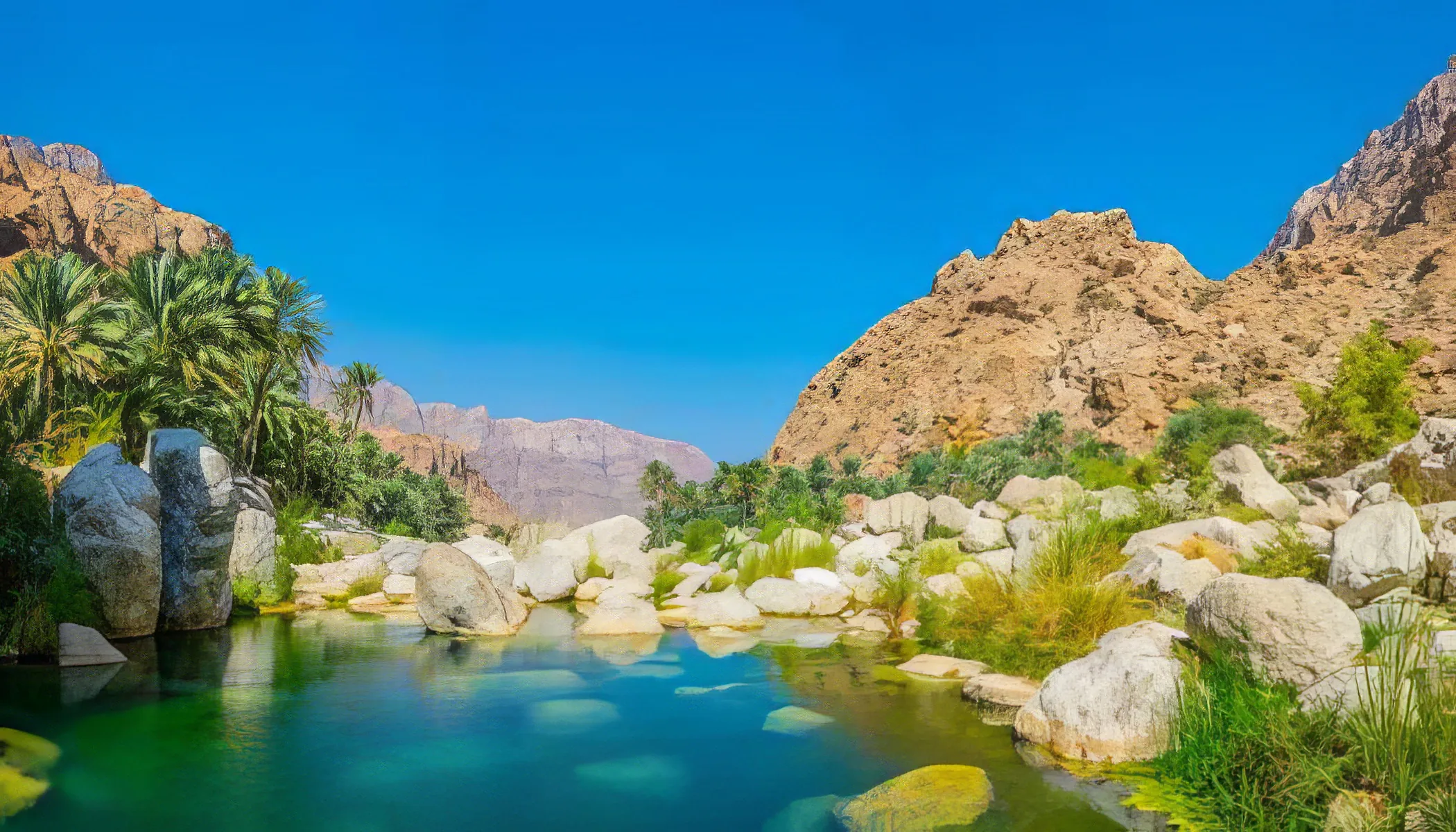
Explore the diverse natural landscapes of Ivory Coast:
– Taï National Park: UNESCO site with rich biodiversity and endangered species like pygmy hippos.
– Mount Nimba Strict Nature Reserve: Features unique flora and fauna on the Guinea border.
– Banco National Park: Urban park with dense rainforest near Abidjan, ideal for nature walks.
– Comoe National Park: One of West Africa's largest parks, known for its savannah and forest ecosystems.
– Assagny National Park: Coastal park with mangroves, lagoons, and diverse wildlife.
– Marahoué National Park: Supplies savannah landscapes and is home to elephants and primates.
– La Dent de Man: A striking rock formation offering panoramic views of surrounding areas.
– Mount Tonkoui: Second highest peak in Ivory Coast, popular for hiking and birdwatching.
– Ehotilé Islands National Park: Comprises six islands with rich marine life and bird species.
– Cavally River: Forms part of the border with Liberia, known for scenic views and fishing opportunities.
Beaches
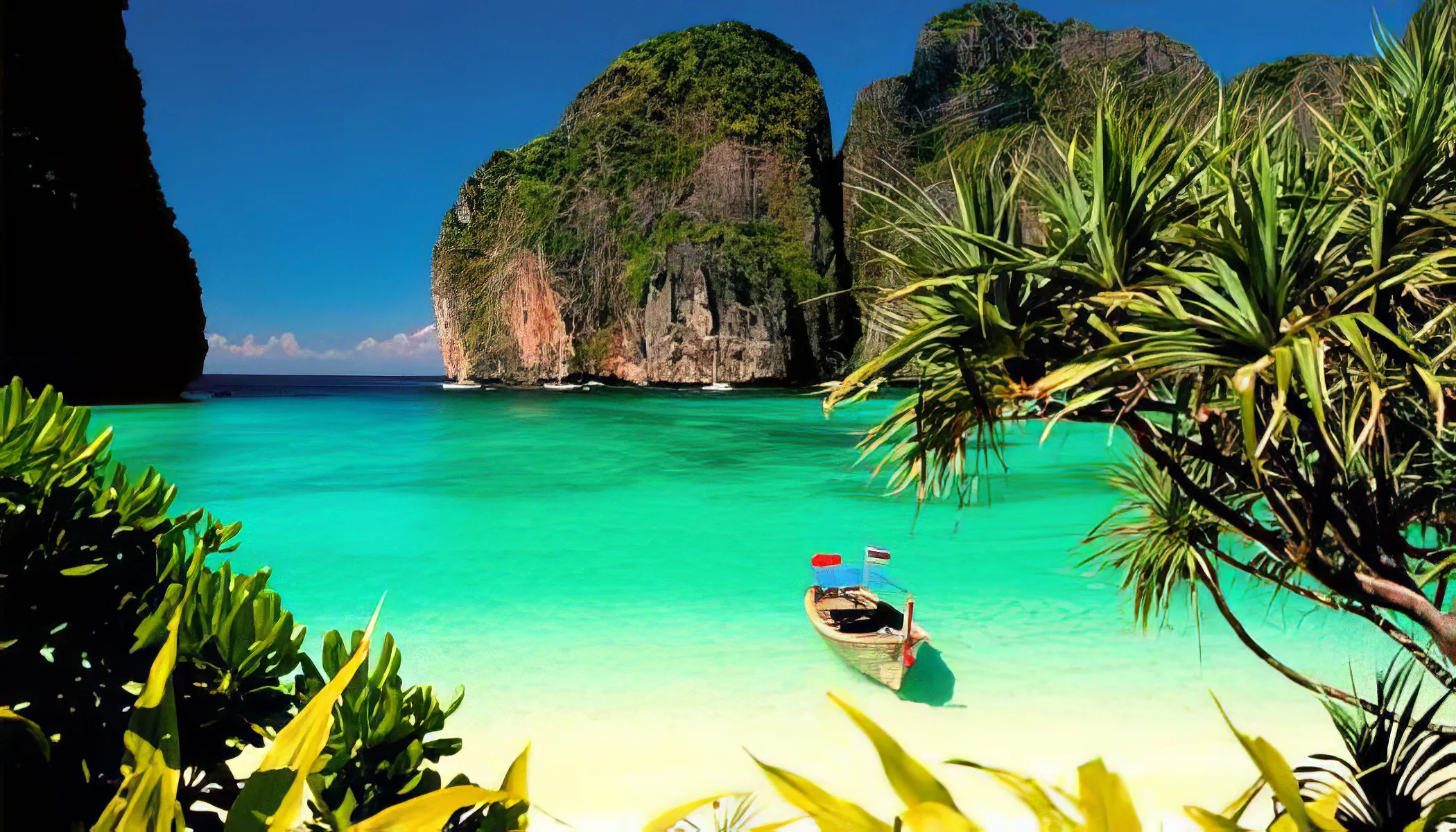
Ivory Coast provides several beaches along its Atlantic coastline.
– Assinie Beach: Popular for its resorts and water sports near Abidjan.
– Grand-Bassam Beach: Known for colonial architecture and a UNESCO World Heritage site nearby.
– San Pedro Beach: Offers a quieter experience with palm-lined shores in the southwest.
– Monogaga Beach: Features clear waters and is ideal for surfing enthusiasts.
– Sassandra Beach: Known for its fishing village charm and scenic views.
– Jacqueville Beach: Offers a relaxed atmosphere with coconut trees lining the shore.
– Lahou-Kpanda Beach: Known for its unique location between the sea and lagoon.
Outdoor activities
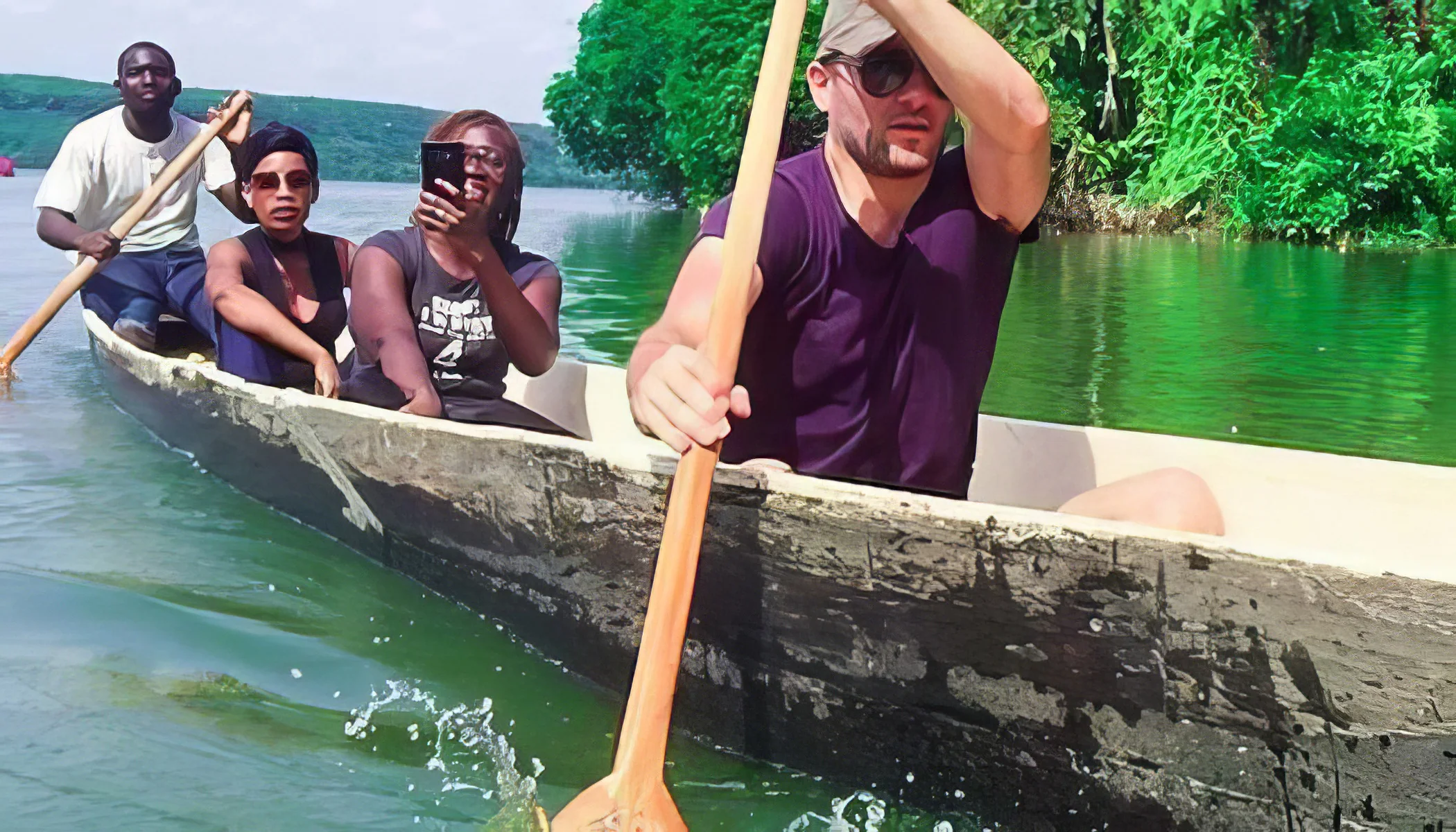
Explore a variety of outdoor activities that showcase the natural beauty of Ivory Coast:
– Hiking in Taï National Park: Discover diverse wildlife and dense rainforest trails.
– Surfing in Assinie: Ride the waves on one of West Africa's best surf spots.
– Birdwatching in Banco National Park: Spot unique bird species in a tropical forest setting.
– Canoeing on Lake Kossou: Paddle through laid-back waters surrounded by scenic landscapes.
– Safari in Comoé National Park: Encounter elephants, lions, and other wildlife on guided tours.
– Beach Relaxation at Grand-Bassam: Enjoy sunbathing and swimming on historic coastal shores.
– Exploring Mount Nimba Strict Nature Reserve: Hike through UNESCO-listed biodiversity hotspots.
Kid Friendly
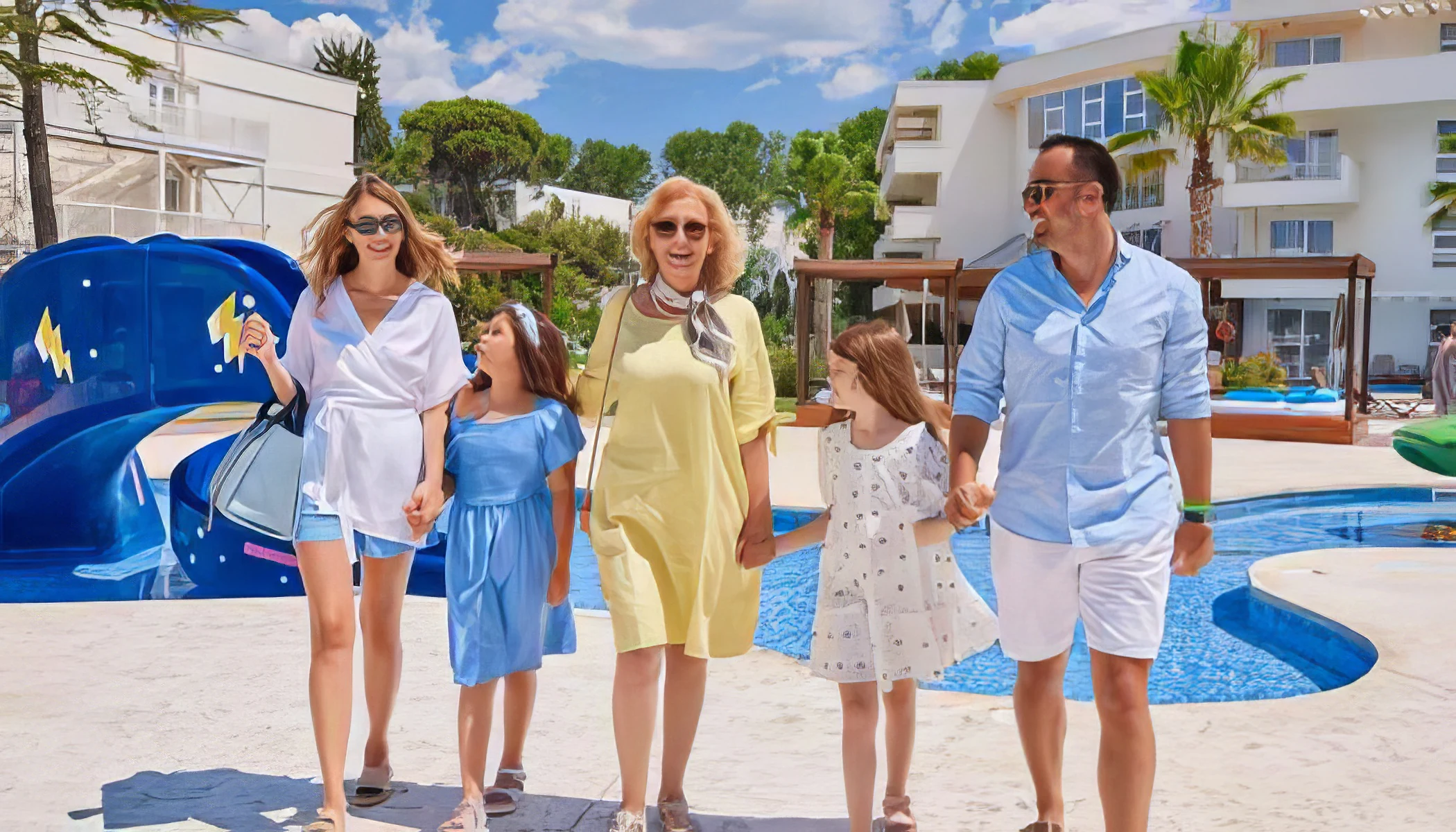
Ivory Coast supplies several engaging activities for children to enjoy.
– Banco National Park: A lush rainforest near Abidjan with trails and picnic spots for families.
– Zoo National d'Abidjan: A small zoo featuring local wildlife, including elephants and monkeys.
– Assinie Beach: A family-friendly beach perfect for swimming and building sandcastles.
– Taï National Park: A UNESCO World Heritage site with guided tours to see chimpanzees and other wildlife.
– Doraville Amusement Park: An amusement park in Abidjan with rides and games suitable for kids.
– Grand-Bassam Historical Town: Explore colonial architecture and learn about the country's history in a relaxed setting.
– Mount Nimba Strict Nature Reserve: Supplies hiking opportunities with diverse flora and fauna to discover.
– Comoe National Park: One of West Africa's largest parks, ideal for safaris to see elephants, lions, and more.
Cuisine
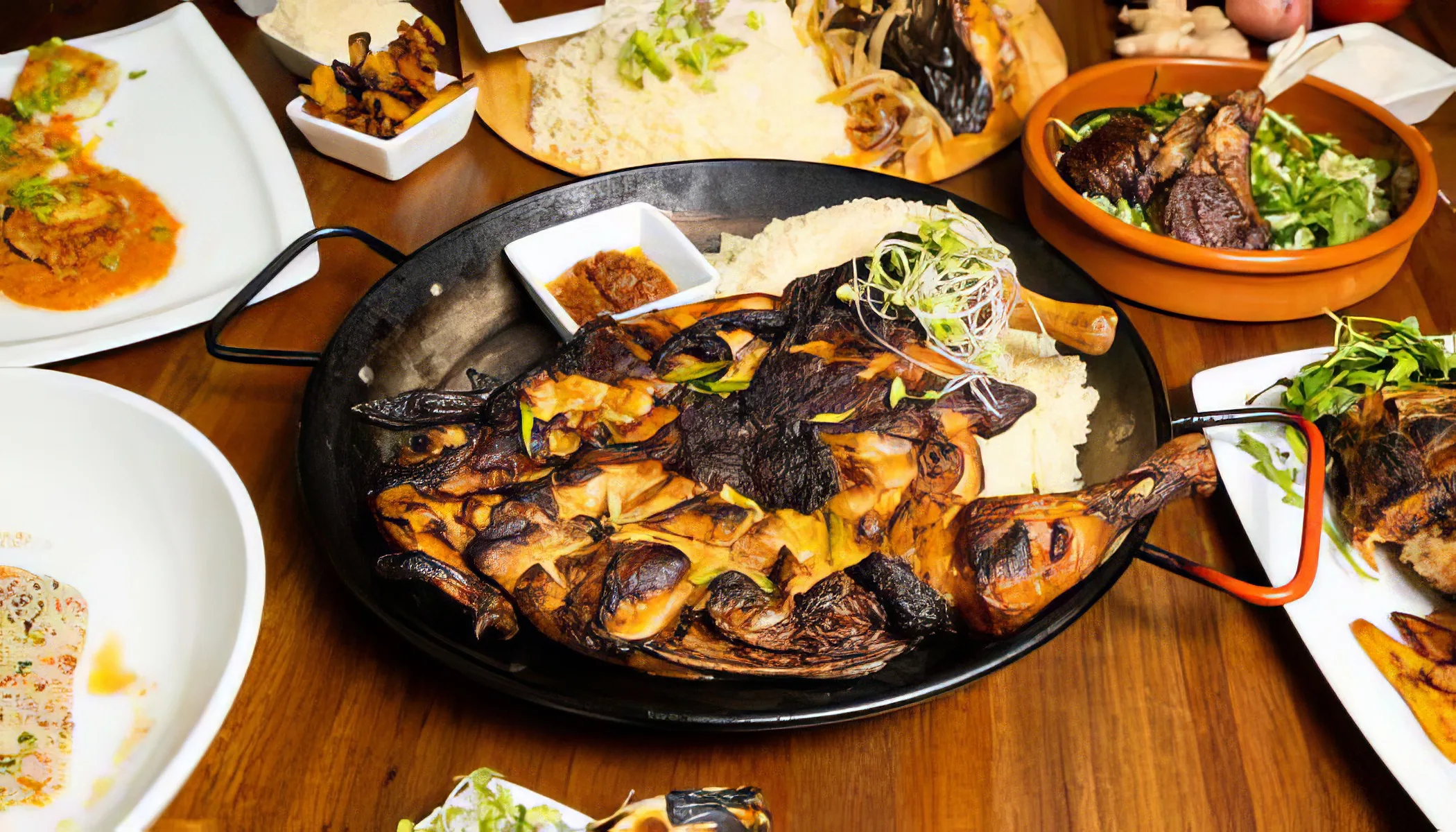
Ivory Coast's cuisine is rich and diverse, featuring hearty stews, grilled meats, and starchy staples like yams and plantains. Influenced by various ethnic groups, the food is flavorful and often spicy. Street food is popular, offering quick and tasty options.
– Attiéké: Fermented cassava couscous served with grilled fish or meat.
– Alloco: Fried ripe plantains often served with spicy sauce.
– Kedjenou: Slow-cooked chicken stew with vegetables in a sealed pot.
– Fufu: Starchy dough made from boiled yams or cassava, served with soup.
– Poulet Braisé: Grilled chicken marinated in spices, typically served with onions.
Souvenir
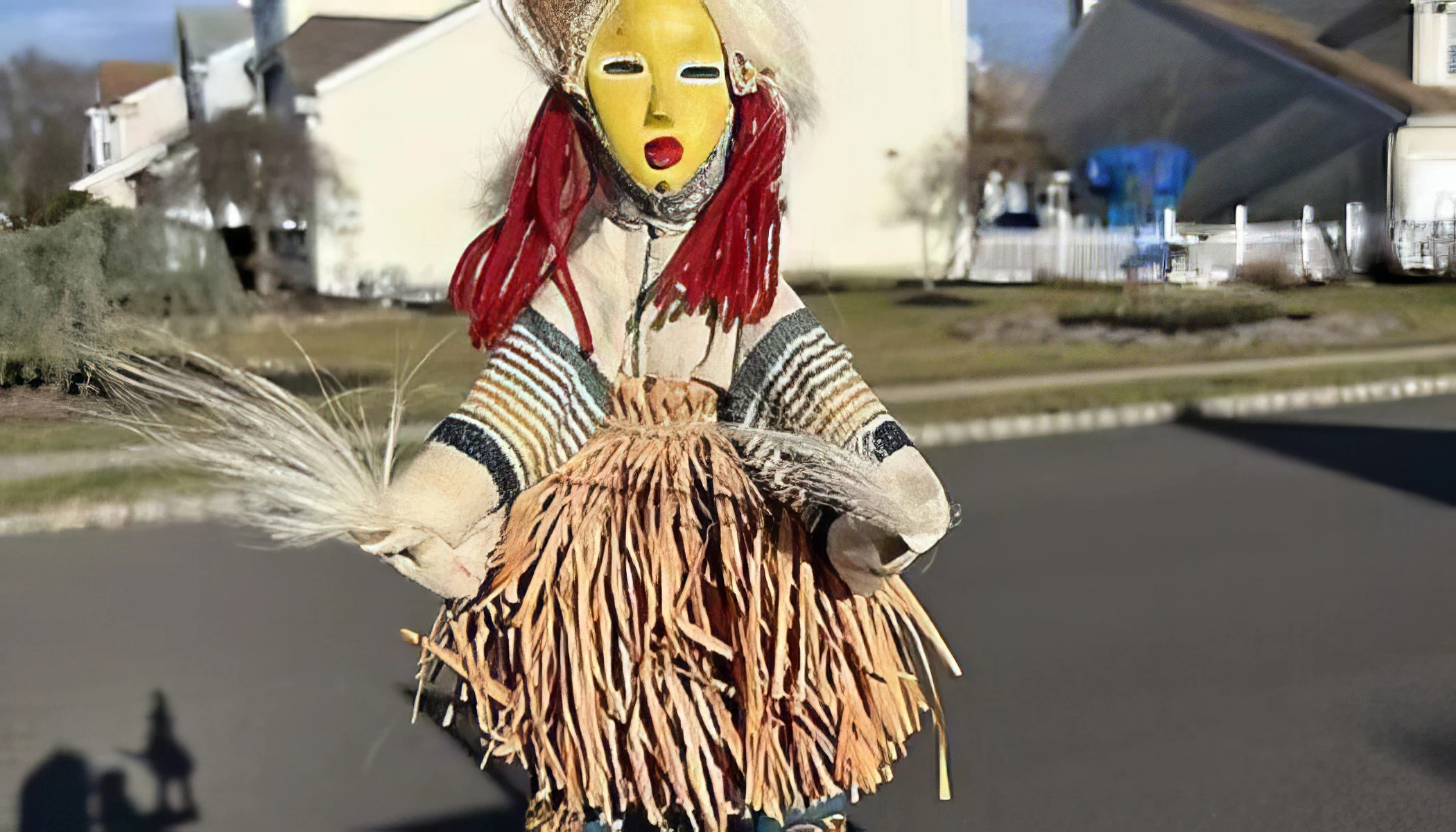
Known for its rich culture and craftsmanship, Ivory Coast provides a variety of unique souvenirs. Here are some popular options:
– Kente Cloth: This vibrant, handwoven fabric is a symbol of African heritage and tradition.
– Wooden Masks: Traditional Ivorian masks are intricately carved and often used in cultural ceremonies.
– Beaded Jewelry: Colorful beaded necklaces and bracelets reflect the local artistry and style.
– Painted Calabashes: These decorated gourds are used as bowls or decorative items, showcasing local art.
– Woven Baskets: Handcrafted baskets made from natural fibers are both practical and decorative.
– Cocoa Products: As a major cocoa producer, Ivory Coast provides high-quality chocolate and cocoa-based products.
– Traditional Drums: Handmade drums are an important part of Ivorian music and culture.
Traditional Shows
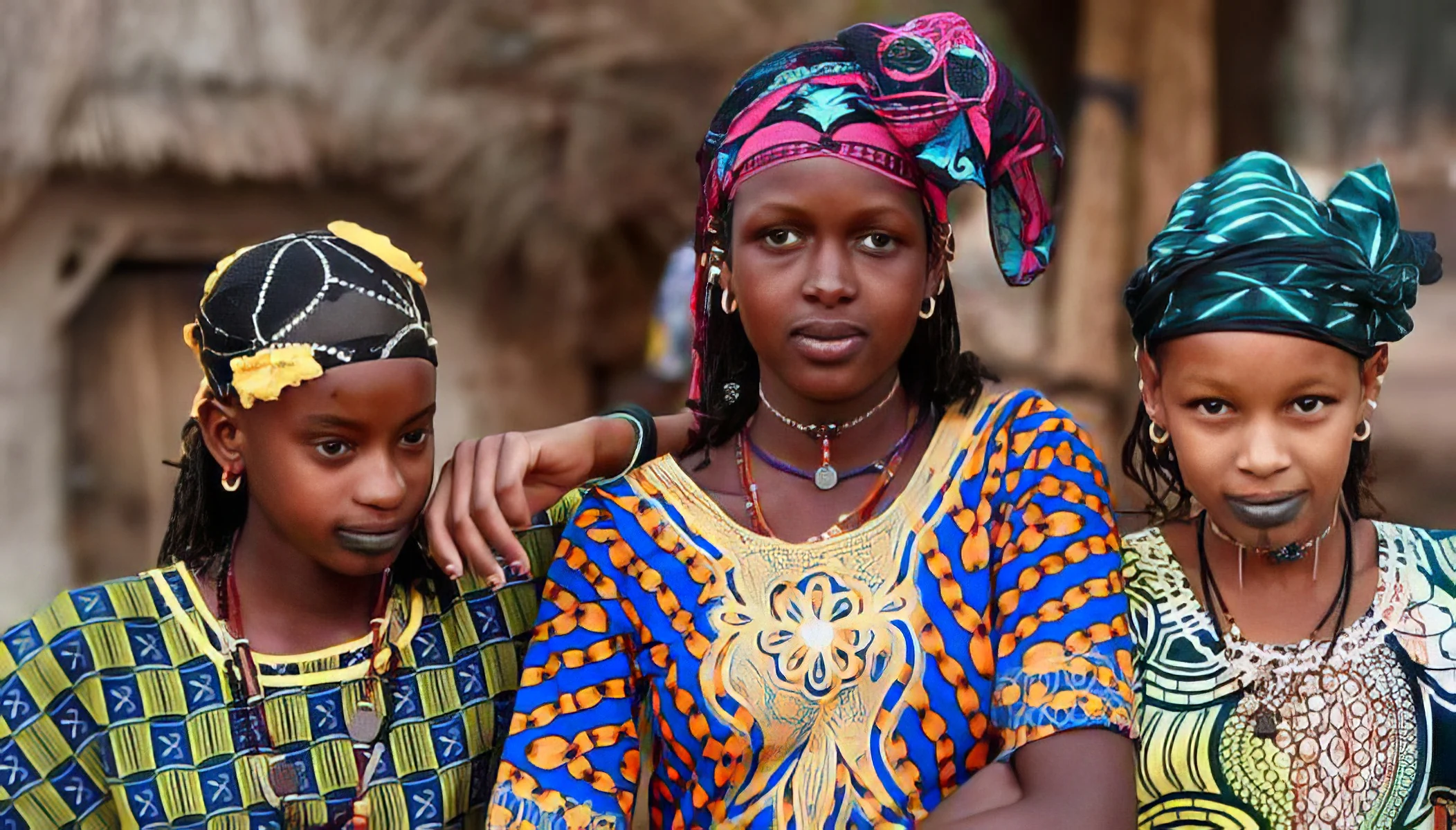
Ivory Coast supplies diverse traditional performances:
– Zaouli Dance: Witness the dynamic and energetic mask dance of the Guro people, performed in Man, showcasing cultural stories and community spirit.
– Boloye Dance: Experience the acrobatic and rhythmic dance of the Senoufo people in Korhogo, often performed during celebrations and festivals.
– Abissa Festival: Attend this annual festival in Grand-Bassam featuring music, dance, and masquerades that celebrate unity and cultural heritage.
– Balafon Music: Enjoy traditional xylophone music from the northern regions, highlighting complex rhythms and melodies central to local ceremonies.
– Masked Dances of the Dan People: Observe these spiritual dances in Man, where elaborate masks represent ancestral spirits and convey cultural narratives.
Events & Festivals

Ivory Coast hosts a variety of cultural events and festivals throughout the year, reflecting its rich traditions:
– Fête du Dipri: March festival in Gomon, featuring rituals to ward off evil spirits.
– Fête du Masque: April event in Man, showcasing traditional masks and dances of the Dan people.
– Abissa Festival: Celebrated in October/November in Grand-Bassam with music, dance, and social commentary.
– Yam Festival: August celebration marking the yam harvest with feasting and traditional ceremonies.
– Carnival of Bouaké: February/March carnival with parades, music, and colorful costumes.
– Independence Day: August 7 national holiday with parades and cultural performances across the country.
– Popo Carnival: April festival in Bonoua featuring parades, music, and traditional dances.
Famous People

Ivory Coast has been home to many notable figures who have made significant impacts in various fields.
– Félix Houphouët-Boigny (1905 to 1993, Yamoussoukro): First President of Ivory Coast, serving from 1960 to 1993, known for his role in independence.
– Didier Drogba (born 1978, Abidjan): Renowned footballer and humanitarian, celebrated for his career with Chelsea FC and contributions to peace efforts.
– Alpha Blondy (born 1953, Dimbokro): Influential reggae musician known for his politically charged lyrics and international hits like "Cocody Rock."
– Henri Konan Bédié (born 1934, Daoukro): Politician who served as President from 1993 to 1999 and played a key role in economic development.
– Amadou Gon Coulibaly (1959 to 2020, Korhogo): Prime Minister from 2017 until his death in 2020, noted for his economic reforms and leadership.
Books
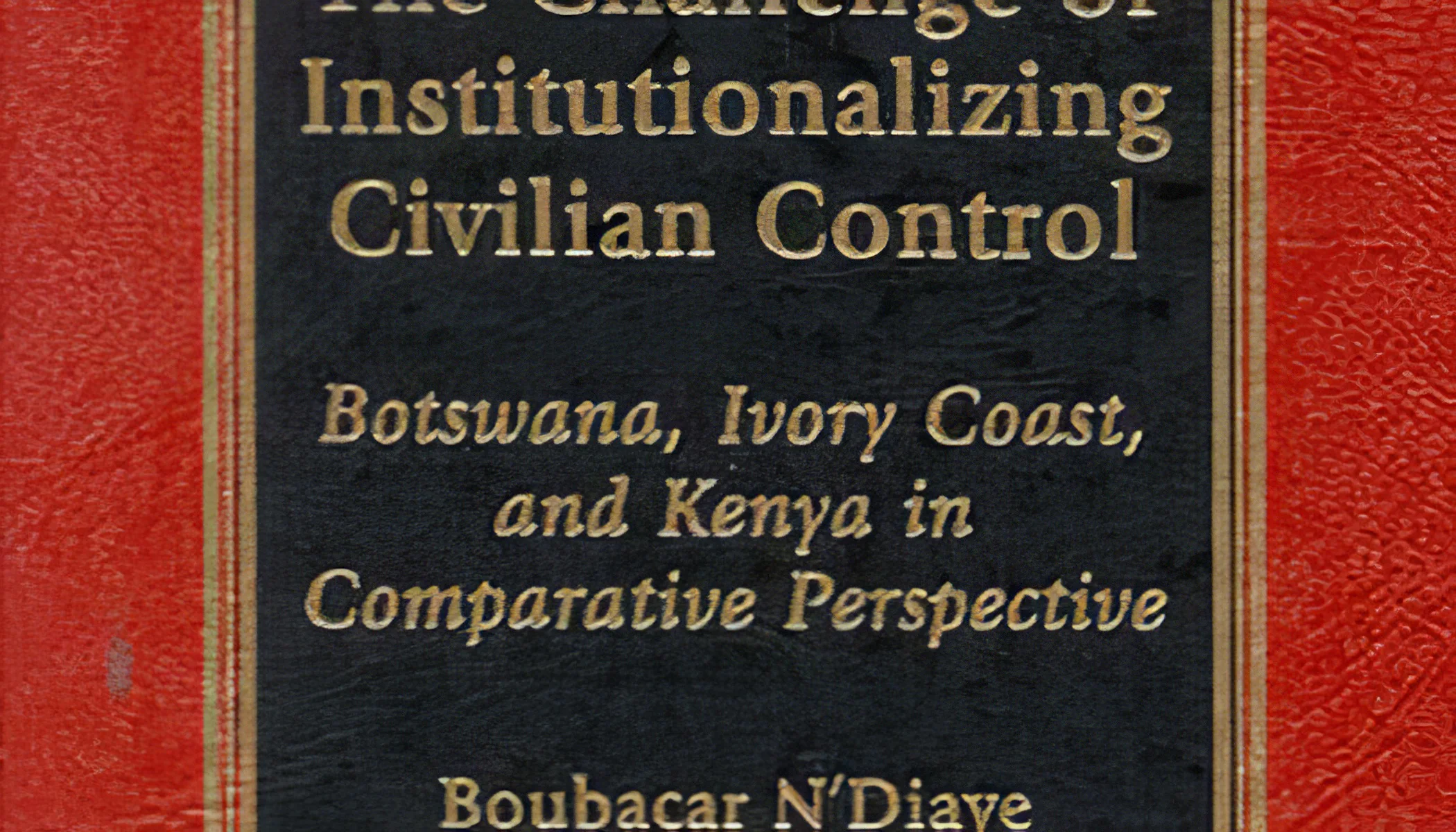
These books provide insights into the cultural, social, and political landscapes of Ivory Coast through various narratives and perspectives.
– "Allah is Not Obliged" by Ahmadou Kourouma: Follows a child soldier's harrowing journey through West African conflicts.
– "Waiting for the Wild Beasts to Vote" by Ahmadou Kourouma: Satirical novel about a fictional African dictator's rise and rule.
– "The Suns of Independence" by Ahmadou Kourouma: Examines post-colonial struggles in a newly independent African nation.
– "Aya: Life in Yop City" by Marguerite Abouet: Graphic novel depicting everyday life in 1970s Ivory Coast.
– "Climbié" by Bernard Binlin Dadié: Autobiographical novel exploring childhood and education in colonial Ivory Coast.
Songs
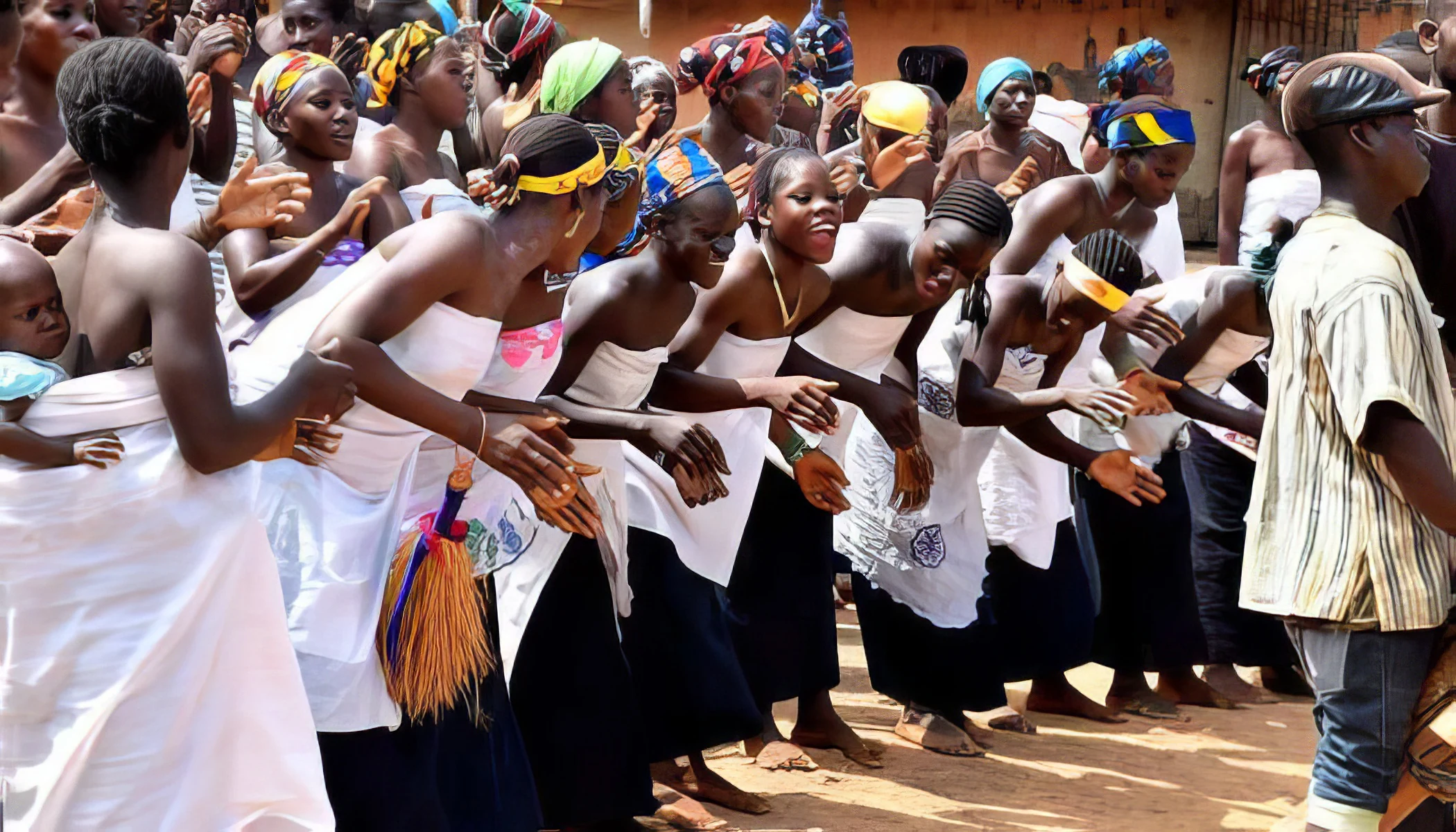
Ivory Coast's music scene is vibrant, featuring a mix of traditional rhythms and modern influences that resonate both locally and internationally.
– Premier Gaou: Magic System's hit song that gained international fame with its catchy tune and relatable story.
– Akwaba: Meiway's popular track celebrating Ivorian culture and hospitality.
– Zoblazo: Freddy Meiway's energetic song that popularized the zoblazo dance style in West Africa.
– Mon Coeur Balance: Alpha Blondy's reggae classic reflecting on love and social issues in Ivory Coast.
– Abidjan Farot: Espoir 2000's song capturing the lively spirit of Abidjan, Ivory Coast's largest city.
Films

Explore the cinematic landscape of Ivory Coast through these notable films:
– "Bal Poussière": Directed by Henri Duparc, this comedy explores polygamy and modernity in a rural Ivorian village.
– "Aya of Yop City": An animated film based on Marguerite Abouet's graphic novel, depicting life in 1970s Abidjan.
– "Run": Philippe Lacôte's drama follows a young man's journey from innocence to involvement in political violence.
– "Black and White in Color": Though primarily French, it won an Oscar and features colonial themes set partly in Ivory Coast.
– "The Night of Truth": Directed by Fanta Régina Nacro, this film addresses ethnic tensions and reconciliation efforts.