

Travel Guide to Jamaica: Top Things to Do & Tips
This Caribbean island nation is known for its beautiful culture, reggae music, and distinctive cuisine. Its landscape features beautiful beaches, luxurious mountains, and extensive reef systems. The country's rich history is evident in its colonial architecture and pirate lore.
- Capital
- Kingston
- Population
- 2.9 millions
- Superficy
- 11000 sq.km
- Months to Visit
- Dec. to April are best months.
- Living Cost
- Moderate
Overview
Jamaica is an island nation located in the Caribbean Sea, known for its nice topography of mountains, rainforests, and reef-lined beaches. Its capital, Kingston, is home to the Bob Marley Museum, dedicated to the famous reggae singer. The country's culture is rich with influences from Africa, Asia, Europe, and the Middle East, reflected in its music, cuisine, and language. Jamaica's economy relies heavily on tourism, agriculture, and mining. Despite its small size, Jamaica has a strong global presence due to its cultural exports, such as reggae music and track and field athletes. The country's beautiful culture, tropical climate, and natural beauty make it a popular tourist destination.
Pros & Cons
GOOD REASONS TO VISIT JAMAICA
– Beautiful Beaches: Jamaica is known for its stunning, sandy beaches like Seven Mile Beach and Doctor's Cave Beach.
– Pretty Music Scene: Birthplace of reggae, Jamaica offers live music experiences, including the Bob Marley Museum.
– Delicious Cuisine: Taste unique flavors in dishes like jerk chicken, ackee and saltfish, and patties.
– Adventure Activities: From Dunn's River Falls to Blue Mountains, Jamaica offers hiking, snorkeling, and rafting opportunities.
– Rich Cultural Heritage: Experience the Rastafarian culture, Maroon history, and local festivals. CHALLENGES WHEN VISITING JAMAICA
– Safety Concerns: Some areas have high crime rates; tourists are advised to stay in recommended areas and take precautions.
– Potential for Hurricanes: Jamaica is in the hurricane belt, with the season running from June to November.
– Limited Public Transportation: Public transport is not very reliable or extensive; private taxis or car rentals are often necessary.
Before Departure
Before setting off on your Jamaican adventure, there are several key points to consider:
– Passport: Ensure your passport is valid for the duration of your stay.
– Visa: Most tourists don't require a visa for stays up to 90 days, but check Jamaica's visa policy based on your nationality.
– Currency: Jamaican Dollar (JMD) is the local currency; US dollars widely accepted; ATMs and credit card facilities are common in urban areas.
– Internet access: WiFi is widely available in hotels and tourist areas; prepaid SIM cards for data are available from local providers like Digicel and Flow.
– Language barrier: English is the official language of Jamaica, so communication should not be a problem for English speakers.
What to Pack
Packing for a trip to Jamaica requires considering the tropical climate, beach activities, and local customs.
– Essentials: Passport, travel insurance details, flight tickets, itinerary, and accommodation reservations.
– Clothing: Lightweight clothing, swimwear, flip-flops for the beach, sunglasses, sun hat, and a light jacket for cooler evenings.
– Health & Safety: Sunscreen with high SPF, insect repellent, personal medications, basic first aid kit, and personal hygiene items.
– Electronics: Universal travel adapter, mobile phone, camera, and waterproof cases for electronics if planning water activities.
Weather
Jamaica experiences a tropical climate with little seasonal variation.
– Winter (December to March): Mild and dry, with average temperatures around 23-30°C.
– Spring (April to June): Slightly warmer, with occasional rain showers.
– Summer (July to September): Hot and humid, with temperatures reaching up to 32°C.
– Autumn (October to November): The rainiest season, with potential for hurricanes. The best time to visit Jamaica is from December to April.
– This period offers the most pleasant weather and less rainfall.
– However, it's also the peak tourist season, so expect higher prices and more crowds.
Travel Budget
Jamaica is a Caribbean island nation with a range of costs for tourists. Here are some average prices for reference:
– Hotel: 100$ to 250$
– Lunch: 10$ to 20$
– Beverage (in bar/restaurant): 3$ to 7$
– Coffee: 2$ to 4$
– Transportation: (train 20$ to 40$), (bus 2$ to 5$), (taxi /10km 10$ to 20$)
– Mobile data (per GB): 5$ to 10$
Language
Jamaican Patois, also known as Jamaican Creole, is the most widely spoken language in Jamaica. Here are some useful phrases for tourists:
– Hello: Wah gwaan
– Thank you: Mi tank yuh
– Please: Mi a beg yuh
– How much is this?: Owmuch dis cost?
– Excuse me: Beg yuh pardon
– I don't understand: Mi nuh undastan
– Yes: Yeah man
– No: Nuh
– Goodbye: Mi gone yah now
History
Jamaica was originally inhabited by the Arawak and Taino indigenous people before Christopher Columbus arrived in 1494. The Spanish claimed the island in 1509, but it was seized by the British in 1655. Under British rule, Jamaica became a leading sugar exporter, with a plantation economy dependent on African slaves. The abolition of slavery in 1834 led to social unrest and economic difficulties. Jamaica gained independence from Britain in 1962, becoming a member of the Commonwealth. Today, it's a democratic nation known for its energetic culture and significant contributions to music, sports, and literature.
Geopolitics
Jamaica is an island nation located in the Caribbean Sea, south of Cuba and west of Hispaniola. It operates as a parliamentary democracy, with Kingston as its capital. Jamaica is a member of the Commonwealth, with the British monarch as the head of state, and it maintains strong ties with the United States, Canada, and the United Kingdom. The country is also a member of the Caribbean Community (CARICOM), which aims to promote economic integration and cooperation among its members. Geopolitically, Jamaica's location makes it a key player in regional maritime security and drug trafficking issues. Its economy relies heavily on tourism, remittances, and exports of bauxite and alumina.
Sample Itinerary
This itinerary offers a blend of Jamaica's pretty city life in Kingston, the natural beauty of Ocho Rios, and the relaxing beaches of Negril.
– 2 days in Kingston: Visit the Bob Marley Museum, Devon House, and Emancipation Park. Explore the animated nightlife and local cuisine.
– 2 days in Ocho Rios: Experience Dunn's River Falls, Fern Gully, and Mystic Mountain. Enjoy water sports and local shopping.
– 2 days in Montego Bay: Explore Rose Hall Great House, Doctor's Cave Beach, and Sam Sharpe Square. Experience the local culture and food.
– 2 days in Negril: Relax on Seven Mile Beach, visit the Negril Lighthouse, and watch the sunset at Rick's Cafe. Enjoy local seafood dishes.
Popular cities
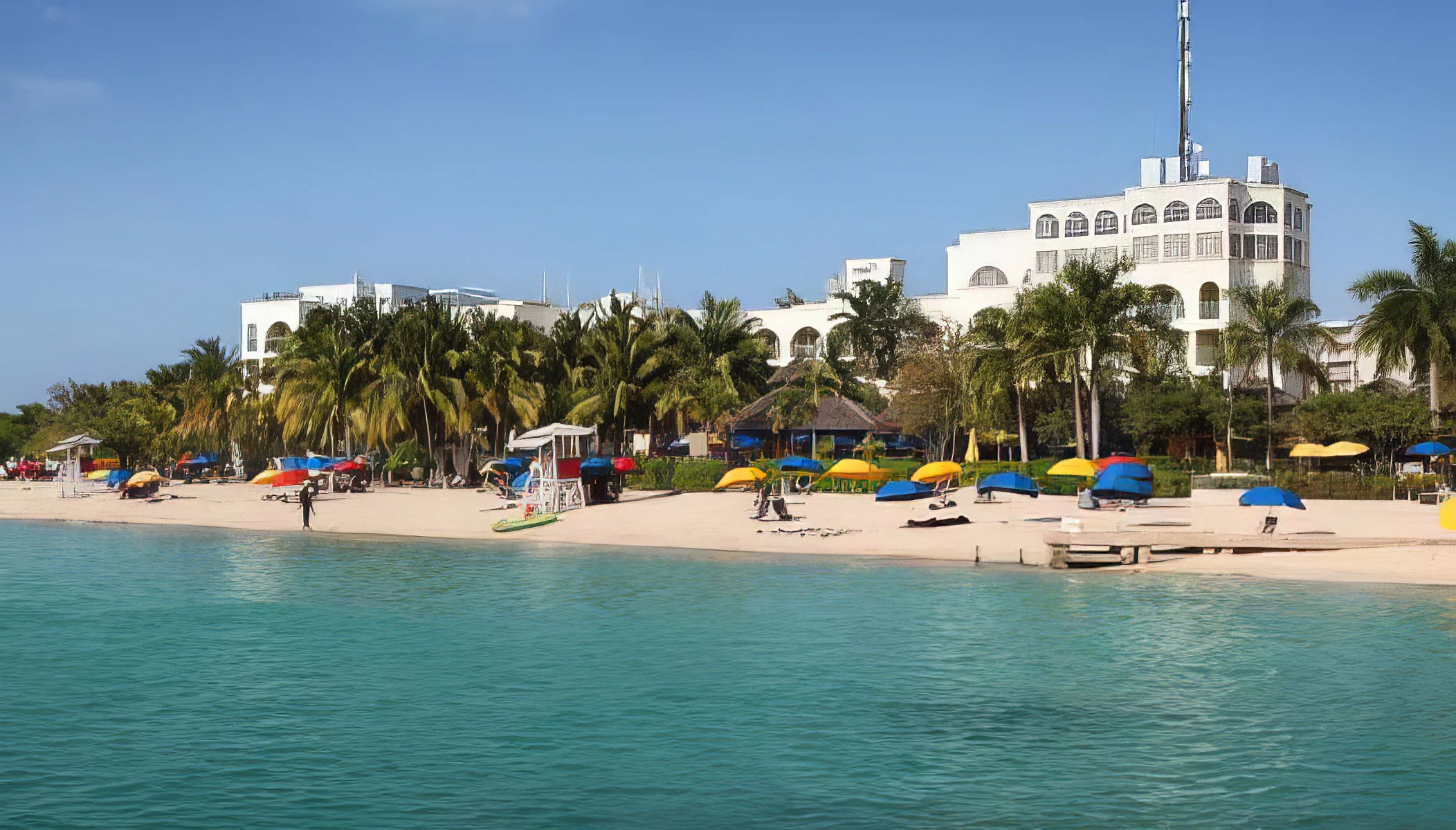
Jamaica offers a mix of magnificient cities, laid-back towns, and natural beauty:
– Kingston: The capital city, known for its music scene, museums, and historic sites.
– Montego Bay: A popular tourist destination with beautiful beaches and golf courses.
– Negril: Known for its miles of sandy beaches and crystal clear waters.
– Ocho Rios: Offers waterfalls, gardens, and duty-free shopping.
– Port Antonio: Known for its natural beauty, including the Blue Lagoon and Reach Falls.
– Falmouth: A historic town with Georgian architecture and a bioluminescent bay.
– Treasure Beach: A quiet fishing village with a laid-back vibe and beautiful beaches.
Monuments
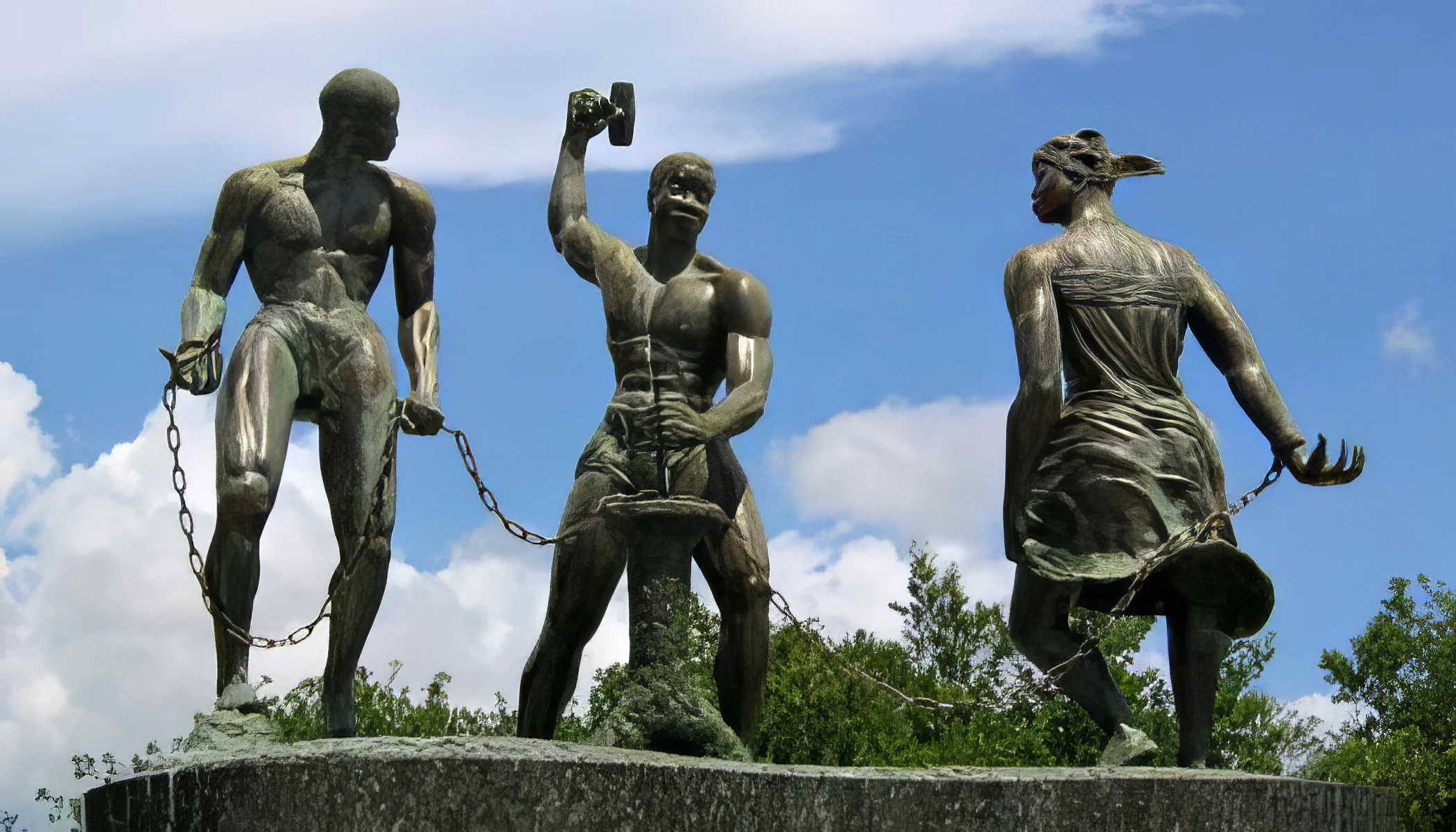
Jamaica is home to several notable monuments and architectural sites:
– Rose Hall Great House, Montego Bay: Restored plantation house showcasing Georgian architecture and local history.
– Devon House, Kingston: 19th-century mansion reflecting Jamaican Georgian architecture, now a cultural heritage site.
– Port Royal: Historic naval base, once known as the "wickedest city on earth", with preserved colonial buildings.
– Bob Marley Museum, Kingston: Former home of reggae legend Bob Marley, now a museum.
– Seville Great House and Heritage Park, St. Ann: Site of one of Jamaica's first Spanish settlements.
– Fort Charles, Port Royal: The oldest and largest fort in Jamaica, offering panoramic views.
– Trench Town Culture Yard Museum, Kingston: Historic site where reggae music was born.
– The Ward Theatre, Kingston: Historic theatre, a landmark of Jamaican performing arts.
Natural wonder
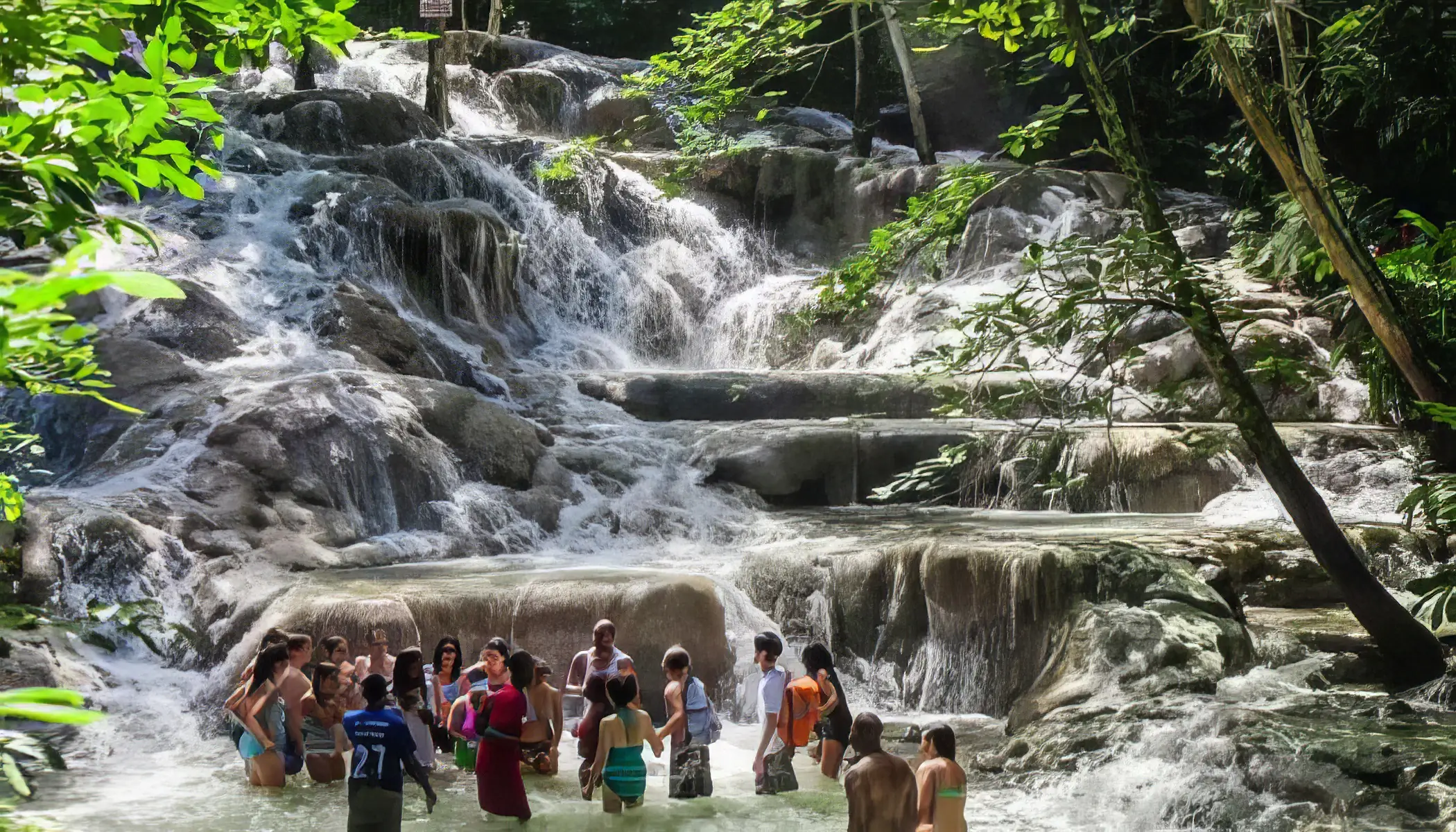
Explore the natural beauty of Jamaica:
– Dunn's River Falls: A famous waterfall near Ocho Rios, popular for climbing.
– Blue Mountains: Known for its coffee, hiking trails, and panoramic views.
– Black River: Home to crocodiles and diverse bird species, ideal for boat tours.
– Luminous Lagoon: Known for its bioluminescent microorganisms that glow at night.
– Blue Hole: A deep and clear water hole surrounded by dense vegetation.
– Reach Falls: A secluded waterfall with a natural heart-shaped jacuzzi.
– Cockpit Country: A unique karst landscape with diverse flora and fauna.
– Rio Grande River: Offers rafting experiences amidst abundant greenery.
– Mystic Mountain: Offers rainforest adventures with panoramic views.
– Negril Cliffs: Dramatic gorgeous cliffs ideal for cliff diving and sunset views.
Beaches
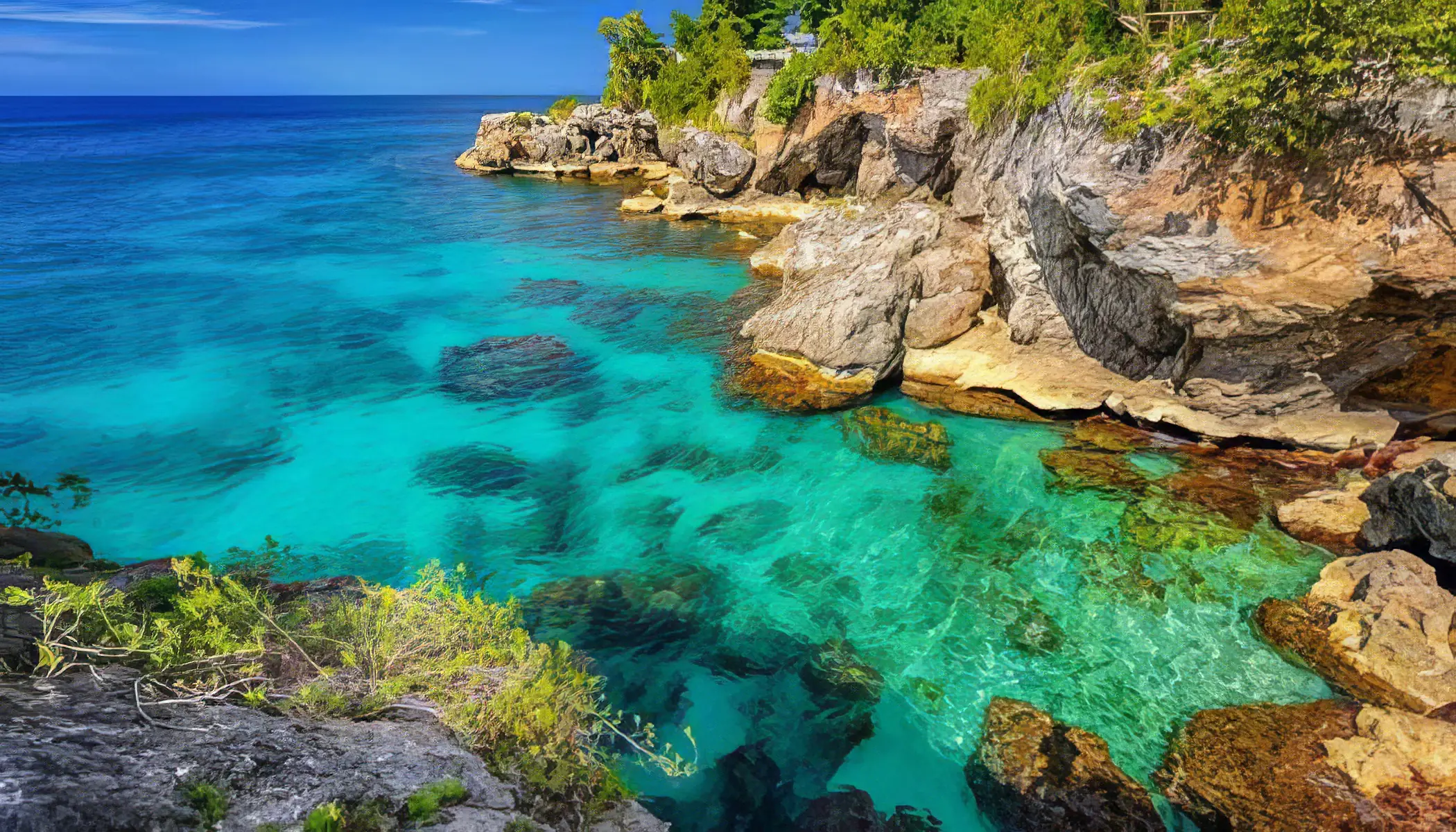
Here are some of the most visited beaches in Jamaica:
– Seven Mile Beach: Known for its long stretch of white sand and clear waters in Negril.
– Doctor's Cave Beach: Famous for its clear turquoise waters and white sand in Montego Bay.
– Boston Bay Beach: Popular for surfing and jerk food in Portland.
– Treasure Beach: A collection of fishing villages with black and golden sands in St. Elizabeth.
– Frenchman's Cove: A small, secluded beach with clear waters in Port Antonio.
– James Bond Beach: Known for its connection to the James Bond film "Dr. No" in Oracabessa.
– Winnifred Beach: A free public beach with clear waters and local food vendors in Portland.
Outdoor activities
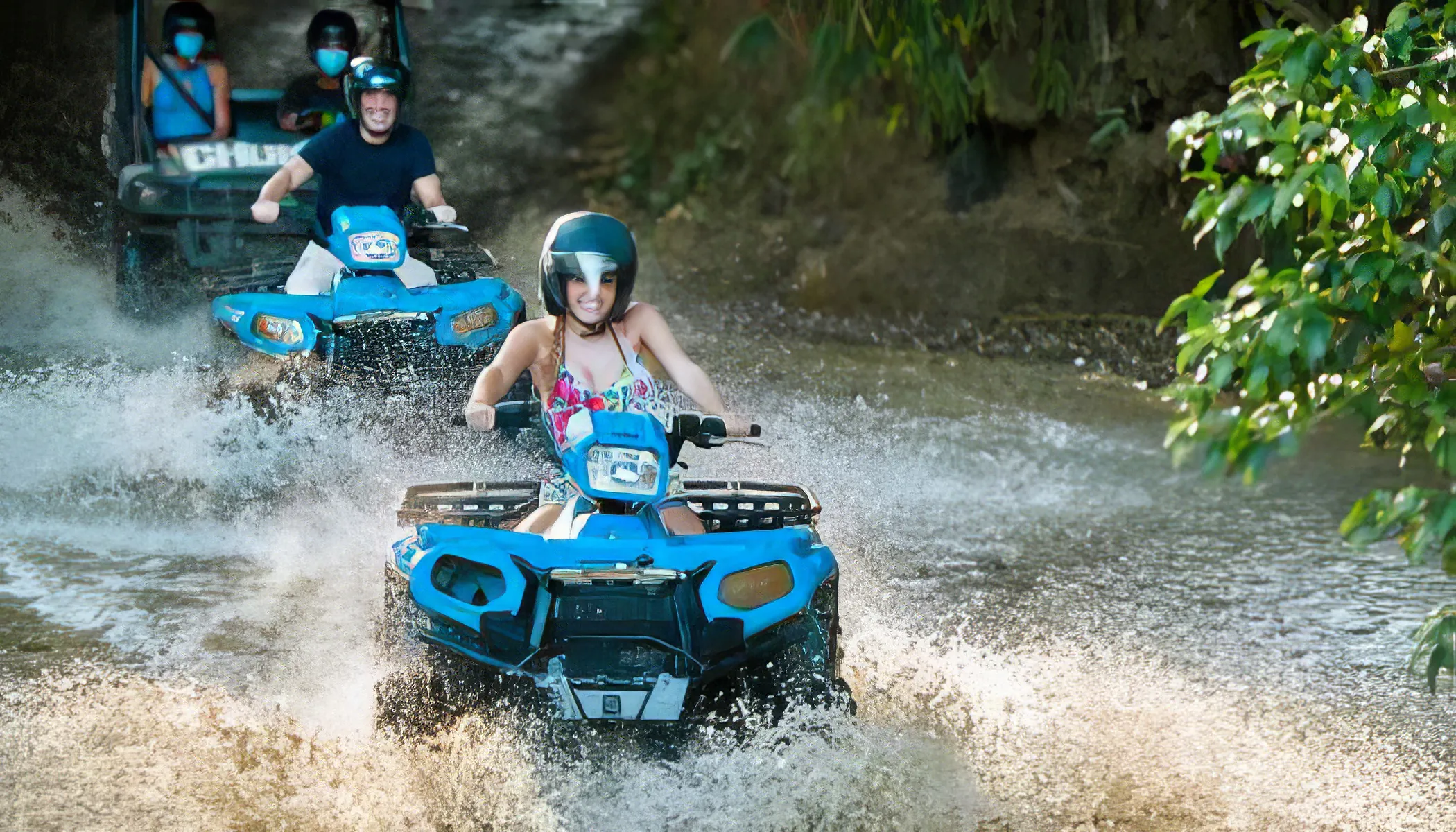
Jamaica offers a variety of outdoor experiences that cater to different interests and adventure levels:
– Rafting on the Martha Brae River: Enjoy a calm journey on a bamboo raft.
– Hiking the Blue Mountains: Experience beautiful views and diverse flora and fauna.
– Snorkeling in Montego Bay: Explore dynamic coral reefs and tropical fish.
– Ziplining in Ocho Rios: Soar through lush rainforests for an adrenaline rush.
– Exploring Dunn's River Falls: Climb the cascading waterfalls for a unique adventure.
– Bird Watching in Cockpit Country: Spot endemic bird species in this unique ecosystem.
– Surfing in Boston Bay: Catch waves in one of Jamaica's top surfing spots.
Kid Friendly
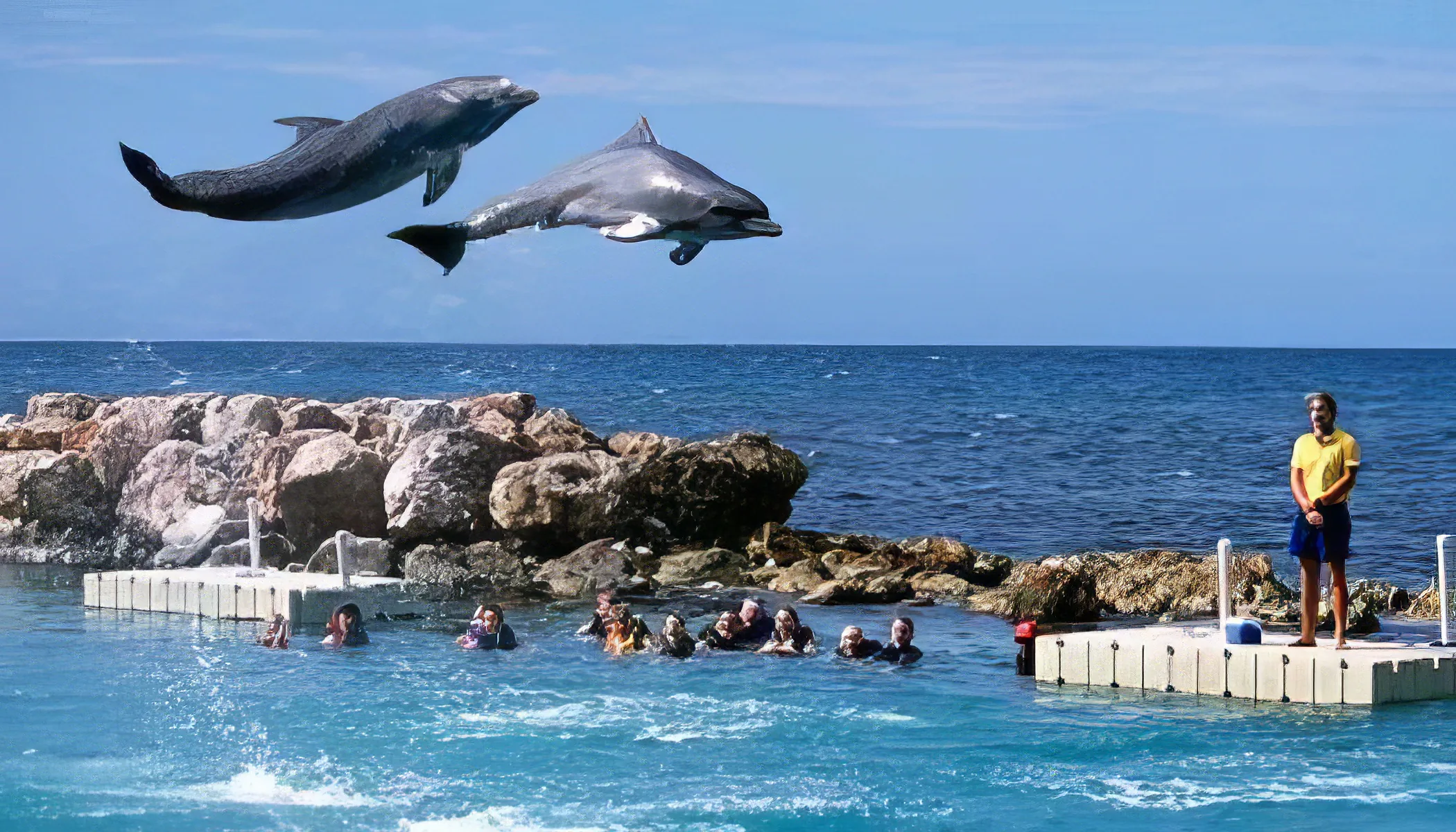
Jamaica offers a variety of activities that are perfect for families with children:
– Dolphin Cove: A marine park where kids can swim with dolphins and interact with other marine life.
– Mystic Mountain Rainforest Adventures: Offers bobsledding, zip-lining, and a sky explorer ride.
– Rocklands Bird Sanctuary: A place where children can feed and interact with a variety of bird species.
– Blue Hole: A natural swimming hole with clear blue water, perfect for a family swim.
– Doctor's Cave Beach: A popular beach with calm waters and white sand, ideal for kids.
– Green Grotto Caves: A network of underground caves that offer guided tours.
– Hope Zoo: Home to a variety of animals, including endemic Jamaican species.
– Kool Runnings Water Park: A large water park with a variety of slides and pools.
Cuisine
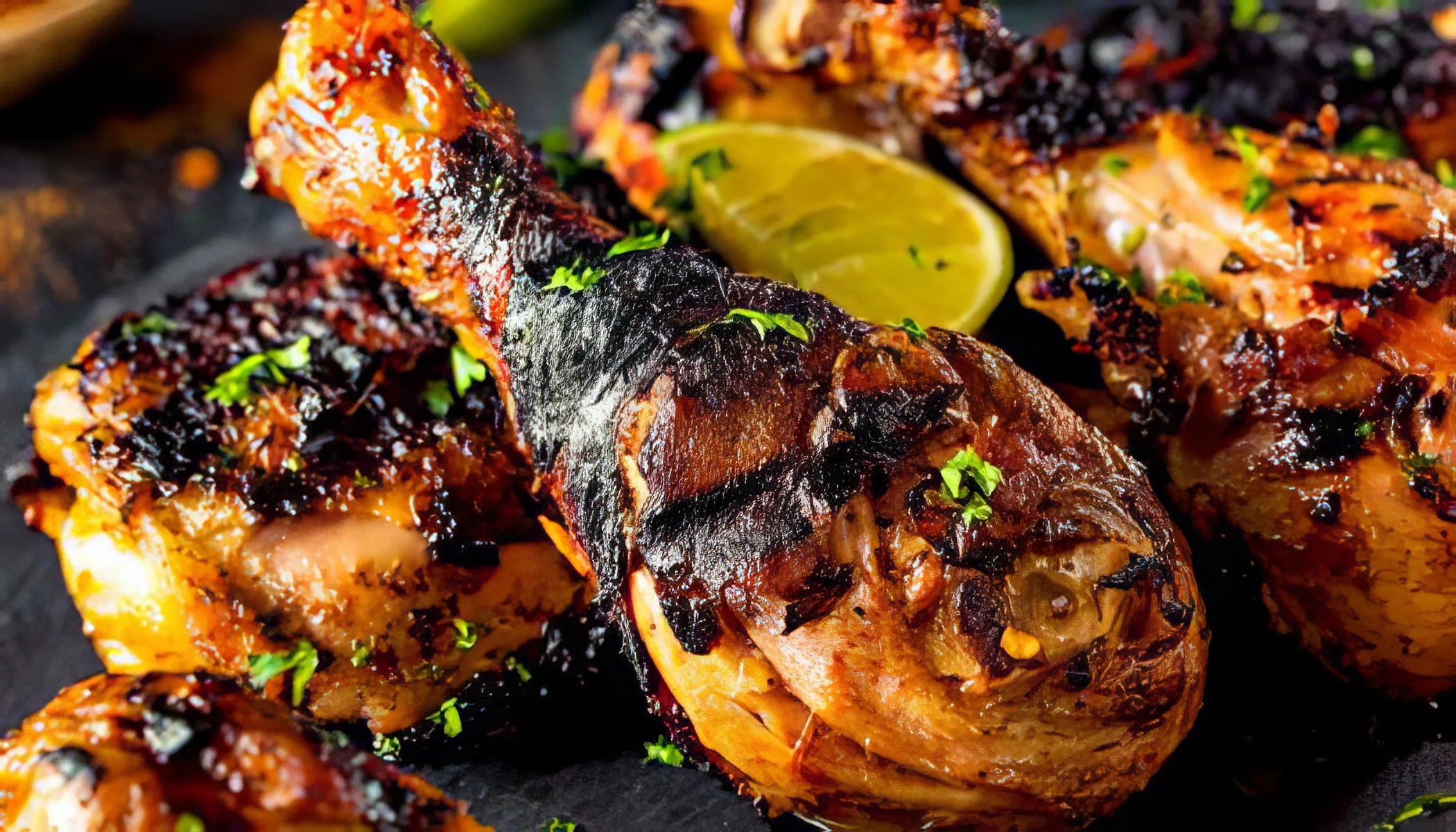
Jamaican cuisine is a flavorful fusion of diverse cultural influences, with a focus on local ingredients and spices. It's known for its bold, hearty dishes and sweet, tropical desserts. Street food is also a significant part of the food scene.
– Jerk Chicken: Chicken marinated in a spicy, flavorful jerk sauce and grilled.
– Ackee and Saltfish: Jamaica's national dish, made with salted cod and ackee fruit.
– Rice and Peas: Rice cooked with coconut milk, kidney beans, and spices.
– Patties: Flaky pastry filled with spiced meat or vegetables.
– Bammy: Flatbread made from cassava.
– Rum Cake: A rich dessert made with dark rum and dried fruit.
Souvenir
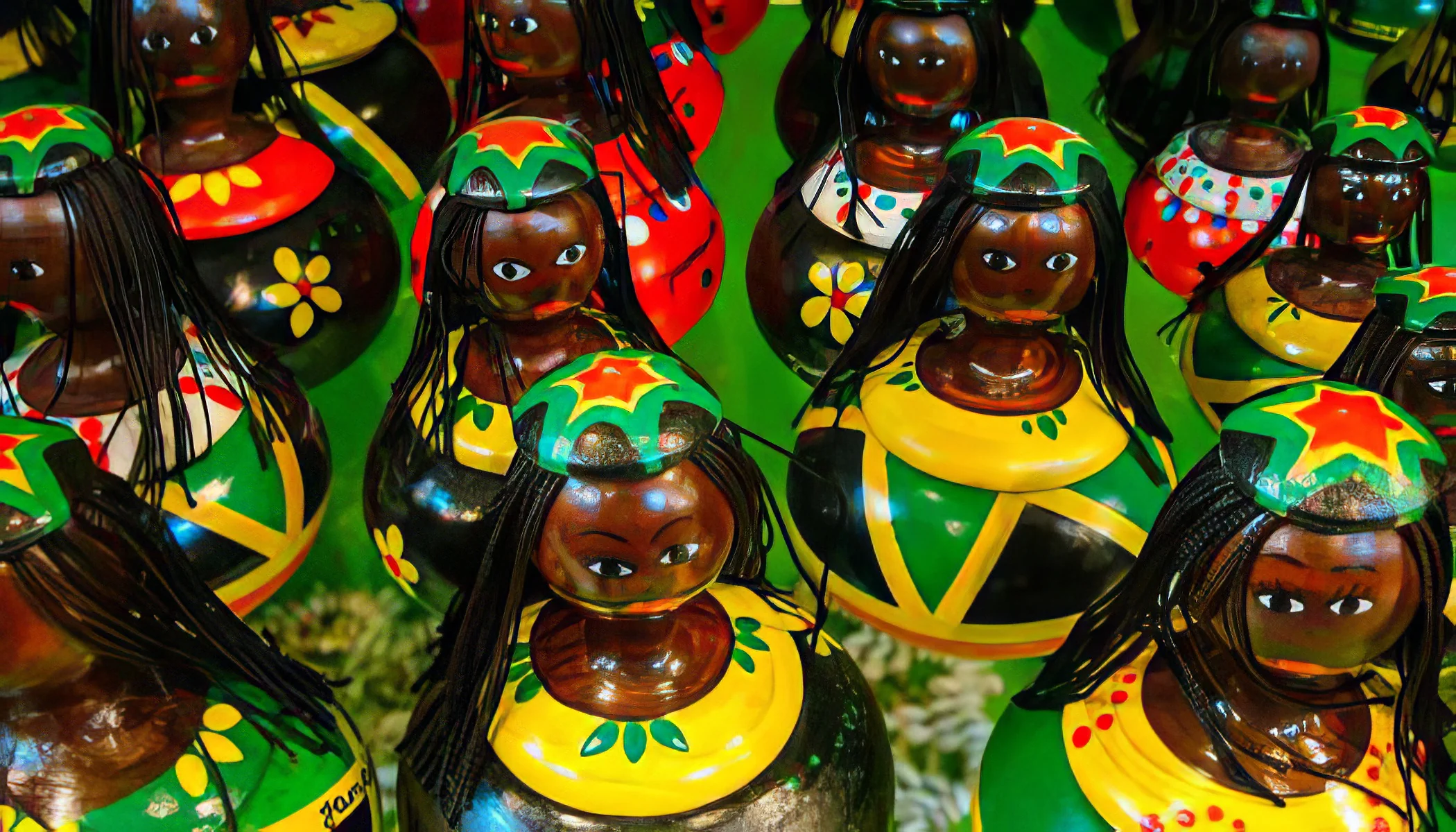
Jamaica, known for its dynamic culture and rich history, offers a variety of unique souvenirs. Here are some you might want to consider:
– Blue Mountain Coffee: Known worldwide for its distinctive taste and high quality.
– Rum: Jamaica is famous for its rum, with many local brands available.
– Jamaican Jerk Spices: Bring home the taste of Jamaica with traditional jerk seasoning.
– Reggae CDs: Jamaica is the birthplace of reggae music, making CDs a popular souvenir.
– Rasta Merchandise: Items such as hats, bracelets, and clothing are common and reflect the Rastafarian culture.
– Jamaican Cigars: Known for their quality, these are a popular choice for cigar enthusiasts.
– Craft Items: Handmade crafts like baskets, carvings, and pottery are unique and support local artisans.
Traditional Shows
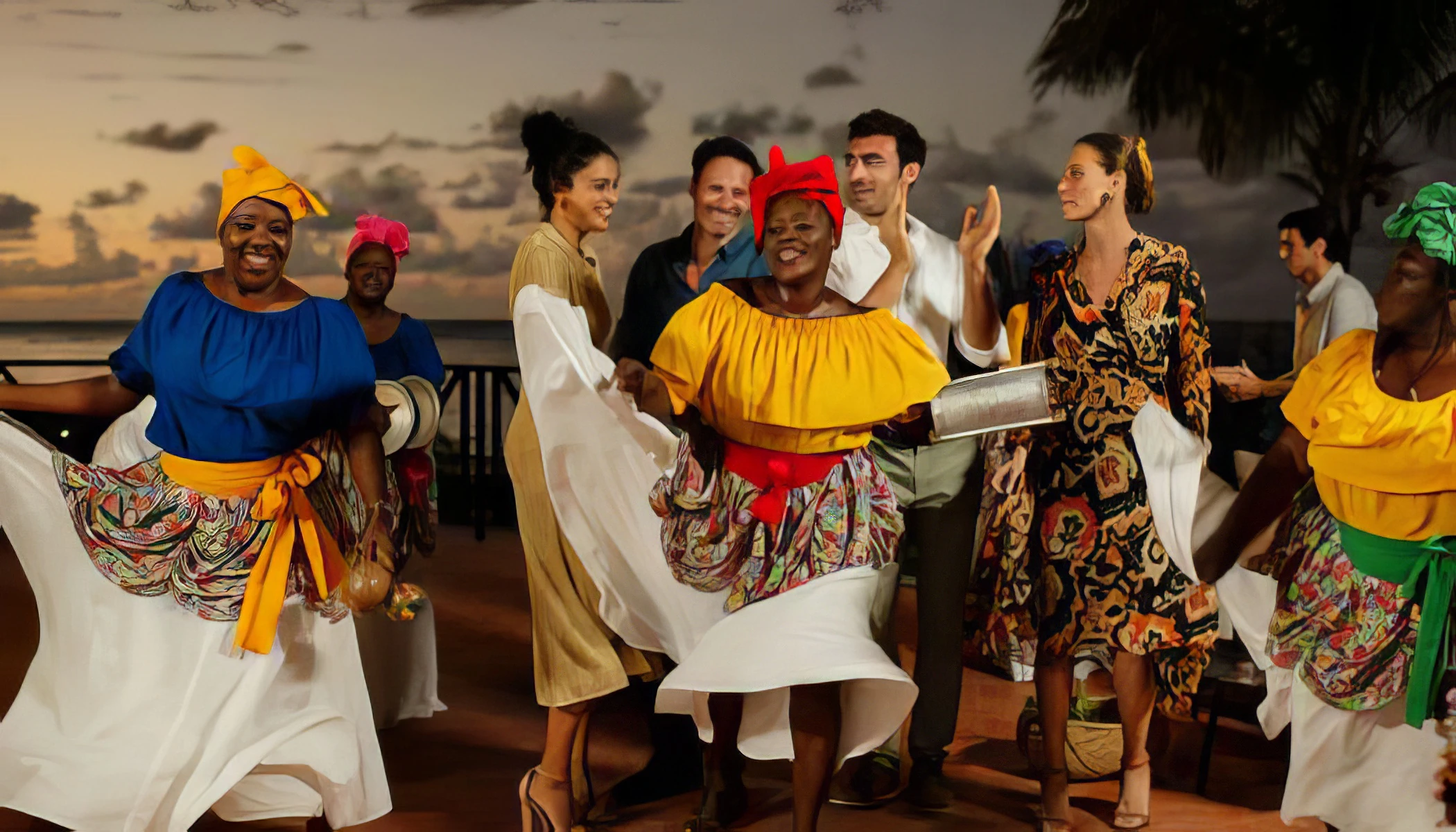
Jamaica is a vibrant hub of music and performance arts:
– Reggae Sumfest: This annual music festival in Montego Bay showcases the best of reggae, dancehall, and international music.
– National Dance Theatre Company Performances: Based in Kingston, this company performs traditional and modern dances reflecting Jamaica's cultural heritage.
– Kumina Ceremonies: These spiritual ceremonies in St. Thomas Parish feature traditional drumming, dancing, and singing.
– Jonkanoo Parades: These festive parades, held in various cities, feature traditional music, dance, and elaborate costumes.
– Rebel Salute: This annual music festival in St. Ann Parish promotes roots reggae and conscious dancehall music.
Events & Festivals
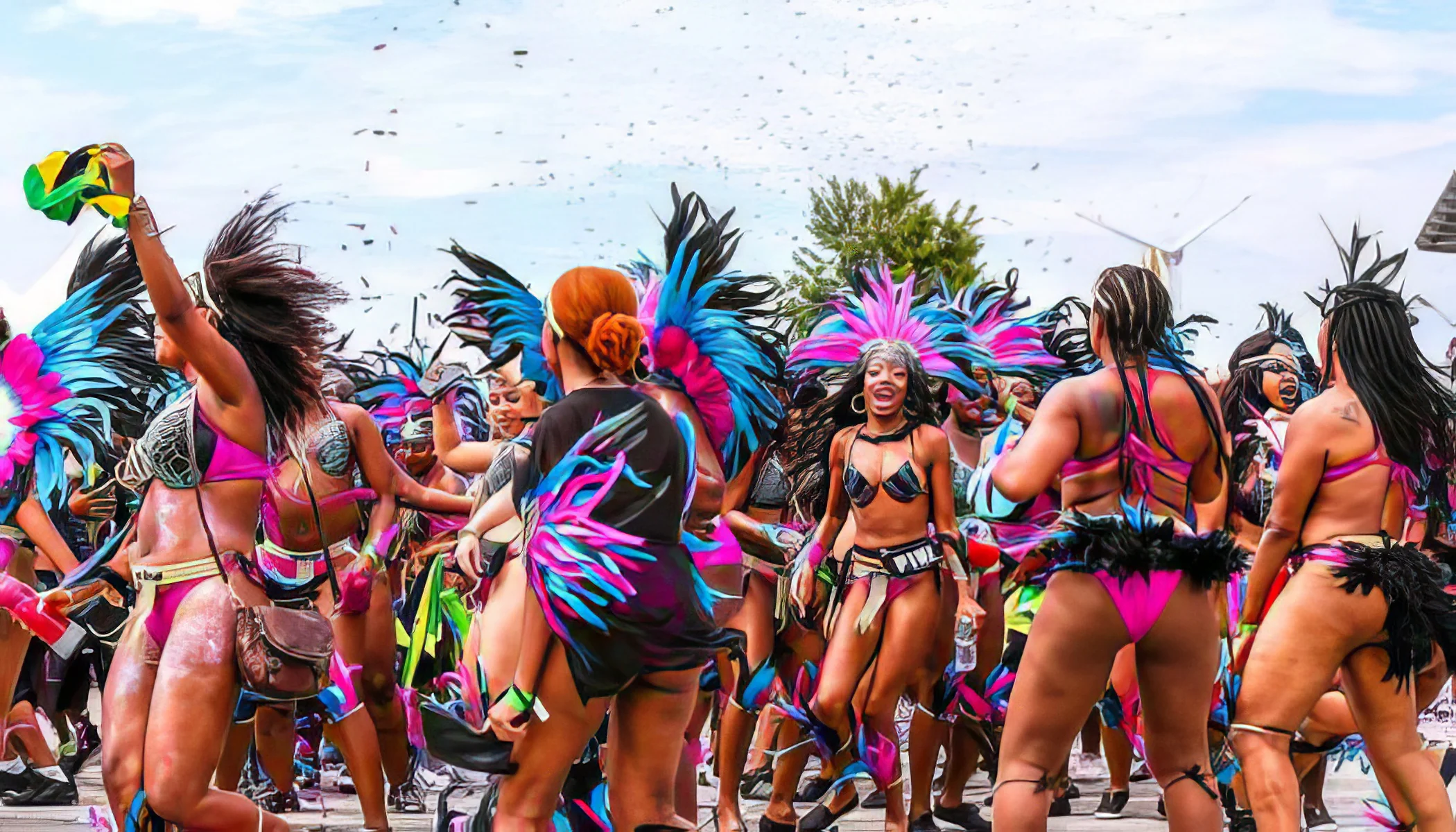
Jamaica, known for its animated culture, hosts several annual events and festivals:
– Accompong Maroon Festival: January event celebrating the signing of the peace treaty with the British in 1739.
– Bob Marley Week: February week-long celebration of the reggae legend's life and music.
– Jamaica Carnival: April event with parades, music, and dance, showcasing the island's cultural fusion.
– Calabash International Literary Festival: Biennial June event featuring local and international authors.
– Reggae Sumfest: July music festival in Montego Bay, featuring local and international reggae artists.
– Independence Day: Celebrated on August 6 with parades, concerts, and cultural performances.
– National Heroes' Day: October event honoring national heroes with ceremonies and awards.
Famous People

Jamaica, known for its dynamic culture and history, has produced many globally recognized figures.
– Usain Bolt (born 1986, Sherwood Content): World's fastest man and eight-time Olympic gold medalist in athletics.
– Bob Marley (1945 to 1981, Nine Mile): Internationally renowned musician who popularized reggae music.
– Marcus Garvey (1887 to 1940, Saint Ann's Bay): Political leader and proponent of the Black Nationalism and Pan-Africanism movements.
– Louise Bennett-Coverley (1919 to 2006, Kingston): Poet and cultural icon who championed Jamaican Patois on the world stage.
– Shaggy (born 1968, Kingston): Grammy-winning reggae fusion singer known for hits like "It Wasn't Me" and "Angel."
Books
These books provide a rich exploration of Jamaican culture, history, and life, offering readers a deeper understanding of the island nation.
– "A Brief History of Seven Killings" by Marlon James: A fictional exploration of the attempted assassination of Bob Marley.
– "The Harder They Come" by Michael Thelwell: A novelization of the life of Jamaican folk hero and outlaw, Rhygin.
– "Wide Sargasso Sea" by Jean Rhys: A prequel to Jane Eyre, set in Jamaica during British colonial rule.
– "The Pirate's Daughter" by Margaret Cezair-Thompson: A tale of love and history set in 20th century Jamaica.
– "No Telephone to Heaven" by Michelle Cliff: A novel about a young woman's journey of self-discovery in post-colonial Jamaica.
Songs
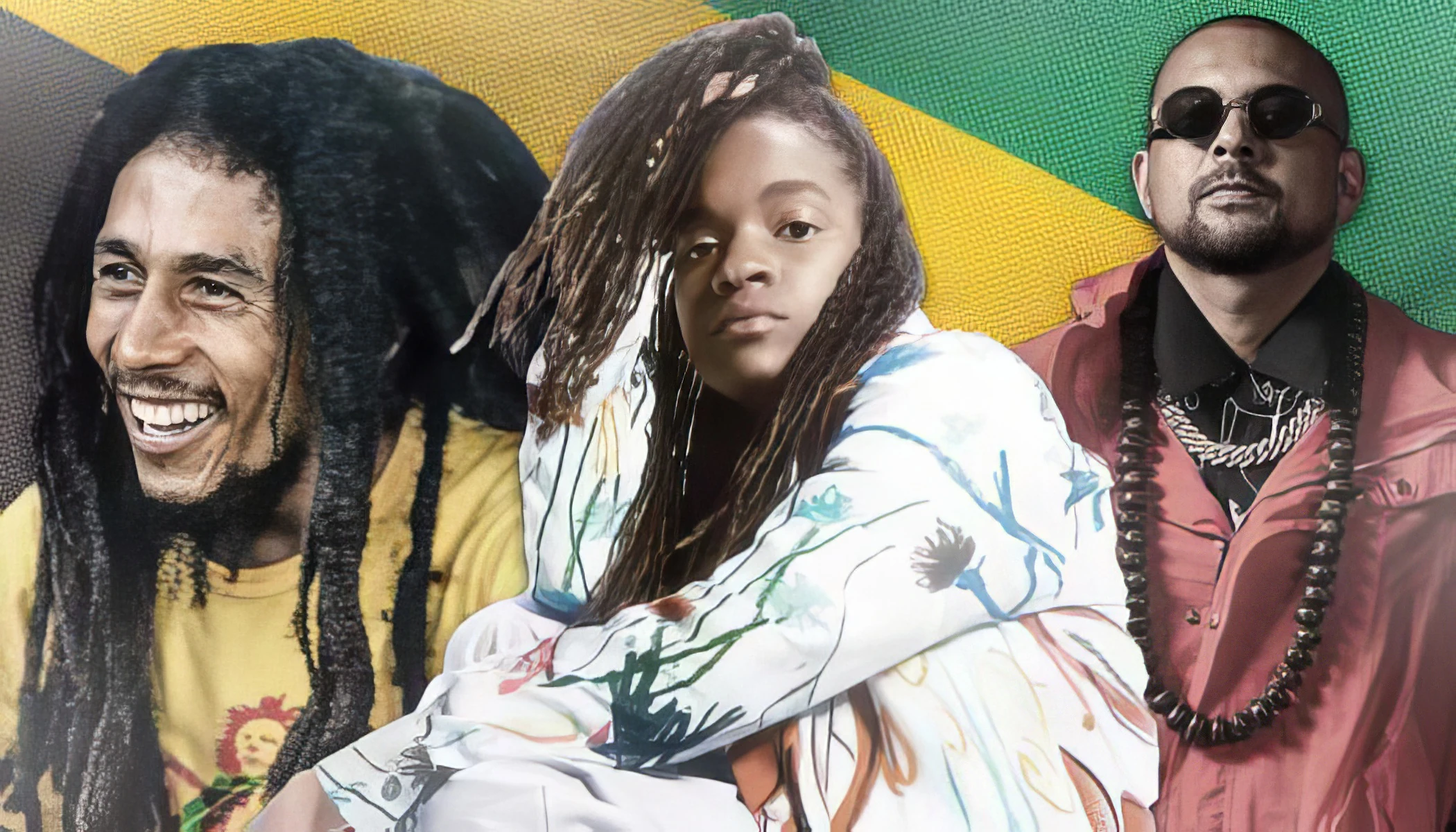
Jamaican music is globally recognized for its beautiful rhythms and powerful messages, with reggae being its most famous genre.
– One Love: Bob Marley's iconic song promoting peace and unity.
– The Harder They Come: Jimmy Cliff's song from the film of the same name.
– Israelites: Desmond Dekker's hit, one of the first international reggae successes.
– No Woman, No Cry: Another Bob Marley classic, a poignant anthem of resilience.
– Pressure Drop: Toots and the Maytals' song, a staple in reggae music.
– Stir It Up: Bob Marley's love song, known for its smooth, slow beat.
Films
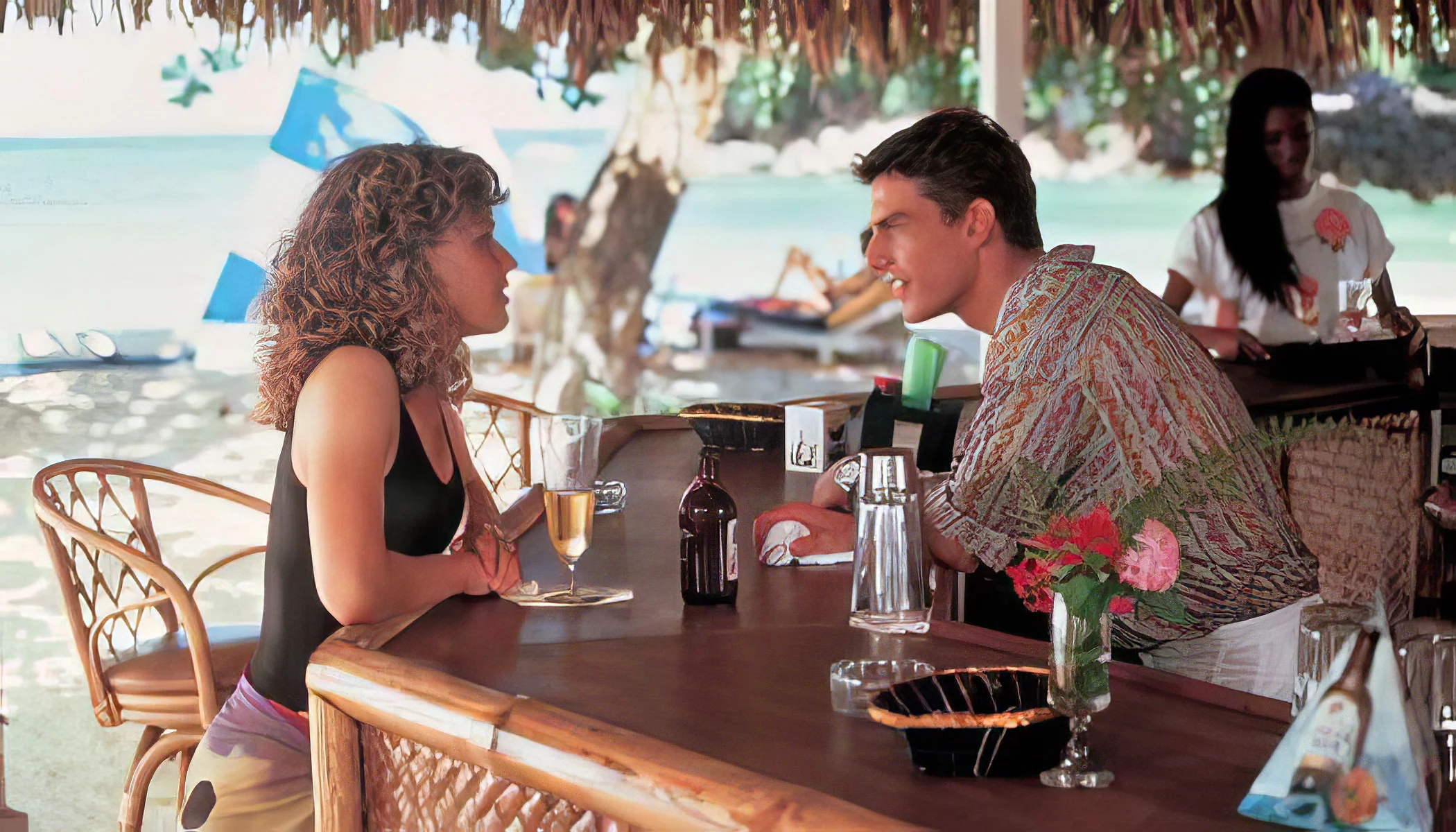
Here are some of the most iconic films that beautifully capture the spirit and culture of Jamaica:
– "The Harder They Come": Directed by Perry Henzell, it's a crime film that popularized reggae music worldwide.
– "Rockers": Directed by Ted Bafaloukos, it's a drama about the struggles of a reggae drummer in Kingston.
– "Dancehall Queen": Directed by Don Letts, it's a rags-to-riches story of a street vendor in Kingston.
– "Third World Cop": Directed by Chris Browne, it's a crime drama about a police officer in Kingston's ghettos.
– "Countryman": Directed by Dickie Jobson, it's an adventure film about a Jamaican fisherman with mystical abilities.