

Travel Guide to Jordan: Top Things to Do & Tips
Located in the Middle East, this country is known for its ancient history and archaeological sites like Petra. It features diverse landscapes, from the Dead Sea to desert expanses. The capital, Amman, blends modernity with tradition, offering a unique cultural experience.
- Capital
- Amman
- Population
- 6.5 millions
- Superficy
- 93000 sq.km
- Months to Visit
- Mar. to May & Sept. to Nov.
- Living Cost
- Moderate
Overview
Jordan is a Middle Eastern country known for its historical and archaeological sites. The ancient city of Petra, a UNESCO World Heritage site, is a major attraction with its rock-cut architecture. The capital, Amman, blends modernity with ancient ruins like the Roman Theater. The Dead Sea, the lowest point on Earth, provides unique floating experiences due to its high salinity. Jordan is also home to the Wadi Rum desert, known for its beautiful landscapes and Bedouin culture. Despite regional challenges, Jordan remains relatively stable and welcoming to tourists.
Pros & Cons
GOOD REASONS TO VISIT JORDAN
– Petra: Explore the ancient city carved into rose-red cliffs, a UNESCO World Heritage site.
– Dead Sea: Float effortlessly in the mineral-rich waters, known for therapeutic properties and unique experience.
– Wadi Rum: Discover stunning desert landscapes with dramatic rock formations, ideal for hiking and camel rides.
– Rich History: Visit Roman ruins in Jerash and biblical sites like Mount Nebo and Madaba.
– Warm Hospitality: Jordanians are known for their welcoming nature, offering genuine kindness to visitors. CHALLENGES WHEN VISITING JORDAN
– High Travel Costs: Accommodation and guided tours can be expensive compared to other Middle Eastern destinations.
– Limited Public Transport: Public transportation options are limited; renting a car or hiring a driver is often necessary.
– Extreme Weather: Summers can be extremely hot, especially in desert areas; plan visits during cooler months.
Before Departure
Before traveling to Jordan, consider the following essential information:
– Passport: Ensure your passport is valid for at least six months from your entry date.
– Visa: Most tourists can obtain a visa on arrival or apply for an e-visa; typically valid for 30 days.
– Currency: Jordanian Dinar (JOD); credit cards widely accepted in cities; ATMs are readily available.
– Internet access: WiFi is common in hotels and cafes; purchase a local SIM card for reliable data.
– Language barrier: Arabic is the official language; English is widely spoken, especially in tourist areas.
What to Pack
Visiting Jordan requires preparation for diverse climates and cultural experiences, from desert landscapes to historical sites.
– Essentials: Passport and visa (if required), travel insurance details, flight tickets and itinerary, accommodation reservations.
– Clothing: Modest clothing respecting local customs, comfortable walking shoes, hat and sunglasses for sun protection, warm layers for cooler nights in the desert.
– Health & Safety: Prescription medications and a basic first aid kit, sunscreen with high SPF, insect repellent for outdoor activities.
– Electronics: Travel adapter for Jordanian outlets, mobile phone with charger, camera for capturing historical sites.
Weather
Jordan experiences a Mediterranean climate with distinct seasons:
– Winter (December to February): Cool and wet, especially in the north and west; Amman can be chilly.
– Spring (March to May): Mild temperatures with blooming wildflowers; occasional rain showers.
– Summer (June to August): Hot and dry, particularly in the desert regions; cooler in the highlands.
– Autumn (September to November): Warm days and cool nights, with decreasing rainfall. The best time to visit Jordan is during spring (March to May) or autumn (September to November). Pros: Pleasant weather for exploring historical sites and natural landscapes. Cons: These are peak tourist seasons, leading to higher prices and larger crowds.
Travel Budget
Jordan supplies a range of options for travelers with varying budgets. Here are some average prices for common expenses:
– Hotel: 50$ to 200$
– Lunch: 5$ to 20$
– Beverage (in bar/restaurant): 3$ to 8$
– Coffee: 2$ to 5$
– Transportation: (train not widely available), (bus 1$ to 5$), (taxi /10km 7$ to 15$)
– Mobile data (per GB): 3$ to 6$
Language
In Jordan, Arabic is the official language, and here are some useful phrases for tourists:
– Hello: Marhaba
– Thank you: Shukran
– Please: Min fadlak (to a male) / Min fadlik (to a female)
– How much is this?: Kam thaman hadha?
– Excuse me: Afwan
– I don't understand: La afham
– Yes: Na'am
– No: La
– Goodbye: Ma'a as-salama
History
Its history dates back to ancient times, with the region being part of various empires, including the Roman and Byzantine Empires. In the 7th century, it became part of the Islamic Caliphate. The area was later incorporated into the Ottoman Empire in the early 16th century, remaining under its control until World War I. After World War I, the region came under British mandate as Transjordan, established in 1921. It gained independence in 1946 and became known as the Hashemite Kingdom of Jordan. The country has since navigated regional conflicts and internal challenges while maintaining relative stability in a turbulent region.
Geopolitics
Located in the Middle East, Jordan shares borders with Syria to the north, Iraq to the northeast, Saudi Arabia to the east and south, and Israel and Palestine to the west. It has maintained relative stability in a volatile region through a foreign policy focused on neutrality and alliance-building. The country is a monarchy, with King Abdullah II playing a significant role in its geopolitical strategies. Jordan hosts a large number of refugees from neighboring conflicts, particularly from Syria, impacting its economy and resources. It is a key ally of Western countries, including the United States, and participates in regional peace efforts. The country maintains a peace treaty with Israel signed in 1994, which plays a crucial role in its regional diplomacy.
Sample Itinerary
This itinerary covers Jordan's top-rated destinations, offering a blend of ancient history, natural wonders, and cultural insights.
– 1 day in Amman: Explore the Roman Theatre, Citadel, and Rainbow Street. Sample traditional Jordanian cuisine.
– 1 day in Jerash: Discover the well-preserved Greco-Roman ruins, including Hadrian's Arch and the Hippodrome.
– 2 days in Petra: Walk through the Siq to Al-Khazneh. Visit other tombs and structures within this UNESCO World Heritage Site.
– 1 day in Wadi Rum: Experience a jeep tour or camel ride through this desert landscape known for its red-dune vistas.
– 1 day at the Dead Sea: Float in the mineral-rich waters and enjoy spa treatments.
– 1 day in Aqaba: Relax on Red Sea beaches and explore local markets before departure.
Popular cities
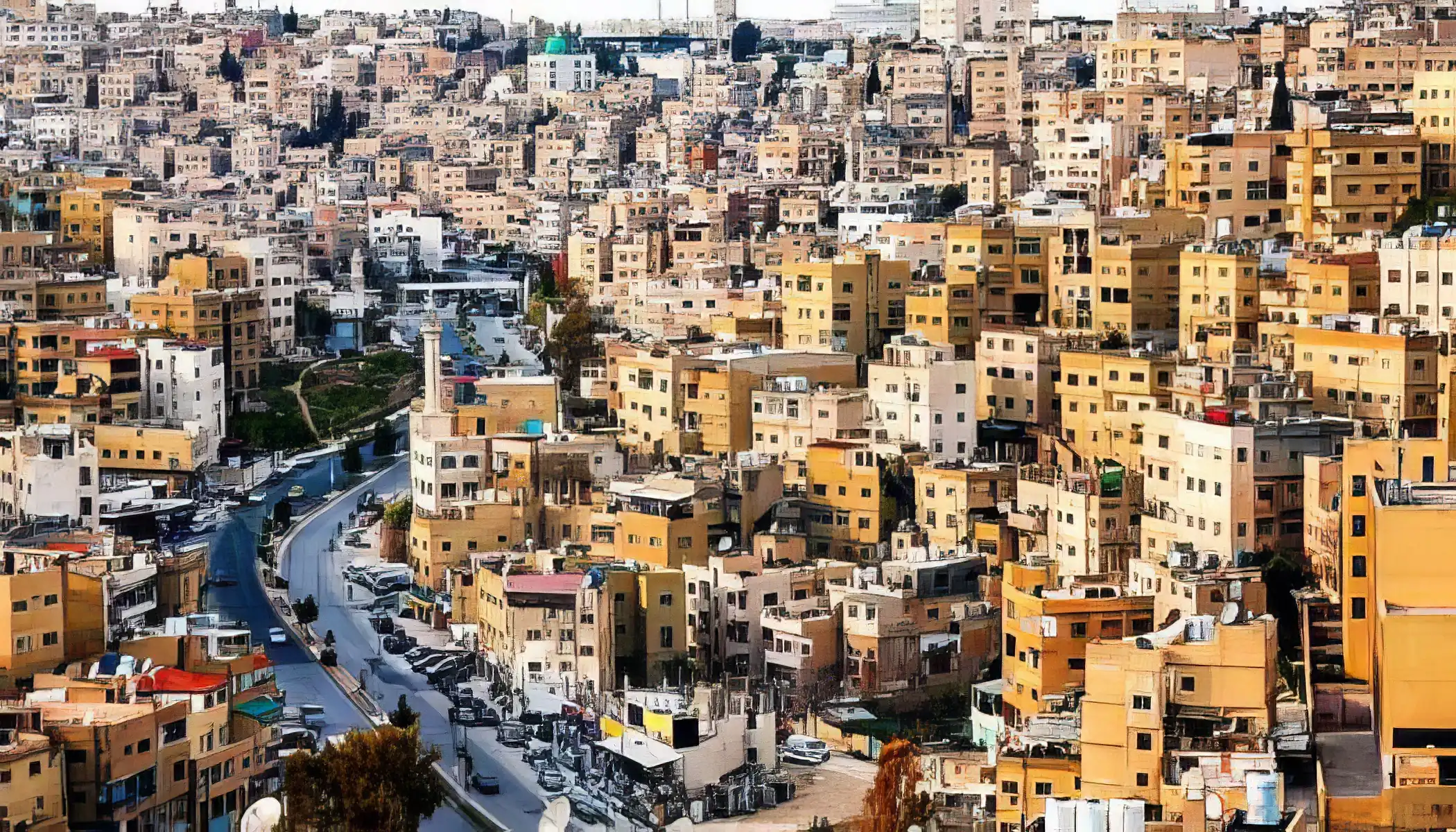
Discover the rich history and landscapes of Jordan through its cities:
– Amman: The capital offers ancient Roman ruins, lively markets, and a blend of modern and traditional life.
– Petra: Known for its rock-cut architecture, this archaeological site is a UNESCO World Heritage site.
– Wadi Rum: A desert landscape famous for its dramatic sandstone mountains and unique rock formations.
– Aqaba: A coastal city on the Red Sea known for diving, beaches, and marine life.
– Madaba: Renowned for its Byzantine mosaics, including the famous Madaba Map of Jerusalem.
– Jerash: Hosts well-preserved Roman ruins that showcase ancient columns, theaters, and plazas.
– Karak: Supplies a large Crusader castle with panoramic views over the surrounding valleys.
Monuments
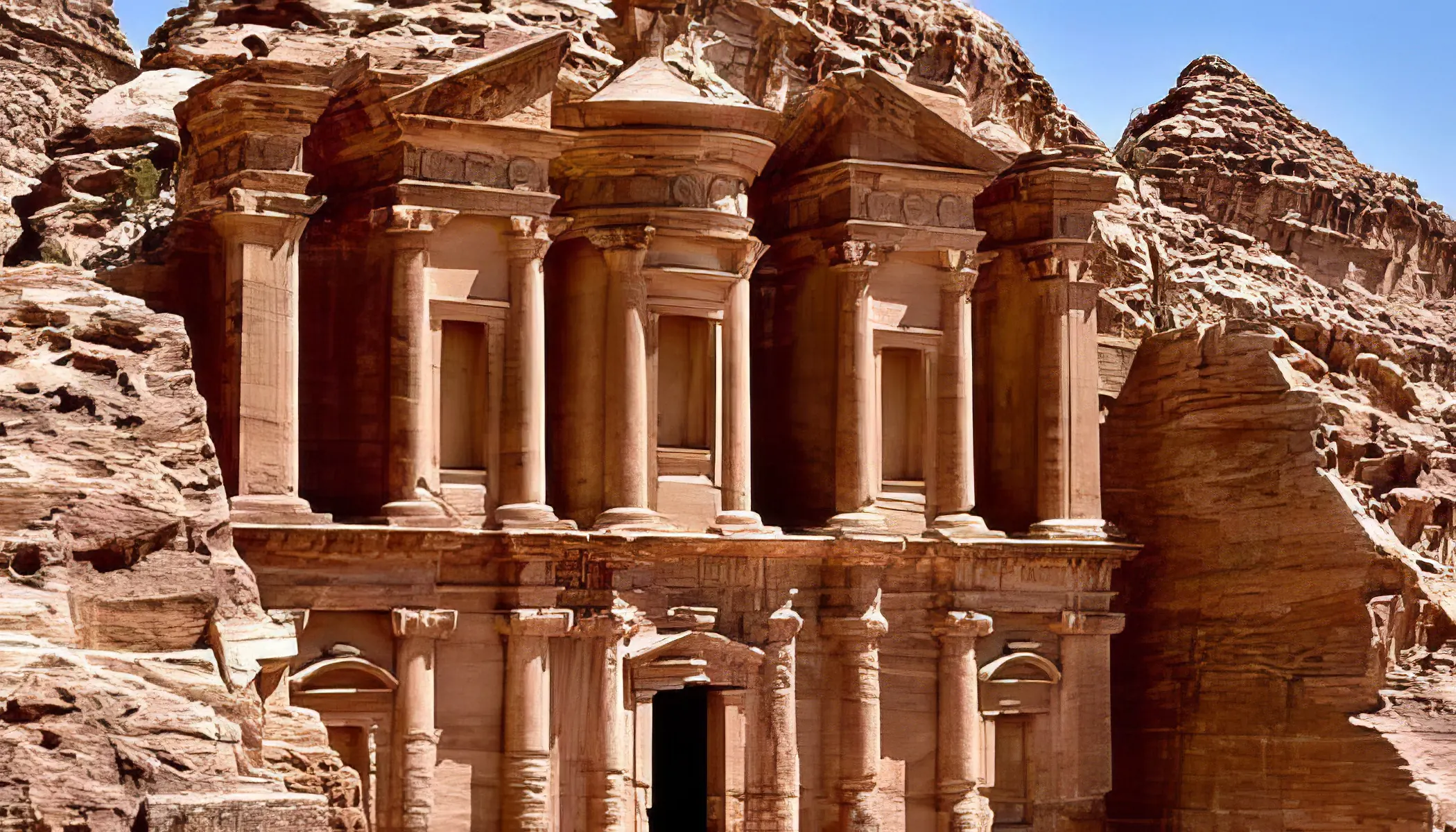
Jordan is home to several iconic historical monuments worth visiting:
– Petra: Ancient city carved into rose-red rocks, once a turbulent trade center of the Nabateans.
– Jerash: Well-preserved Roman ruins with impressive arches, theaters, and colonnaded streets.
– Amman Citadel: Historical site with ancient Roman, Byzantine, and Umayyad ruins atop a hill.
– Wadi Rum: Dramatic desert landscape with petroglyphs and the remains of Lawrence of Arabia's camp.
– Ajloun Castle: 12th-century Islamic fortress built to defend against Crusaders in a nice mountainous area.
– Madaba Map: Byzantine-era mosaic map depicting the Holy Land in St. George's Church.
– Qasr Amra: UNESCO-listed desert castle known for its well-preserved frescoes from the early Islamic period.
– Al-Khazneh (The Treasury), Petra: Iconic facade carved into sandstone cliffs, featured in Indiana Jones film.
Natural wonder
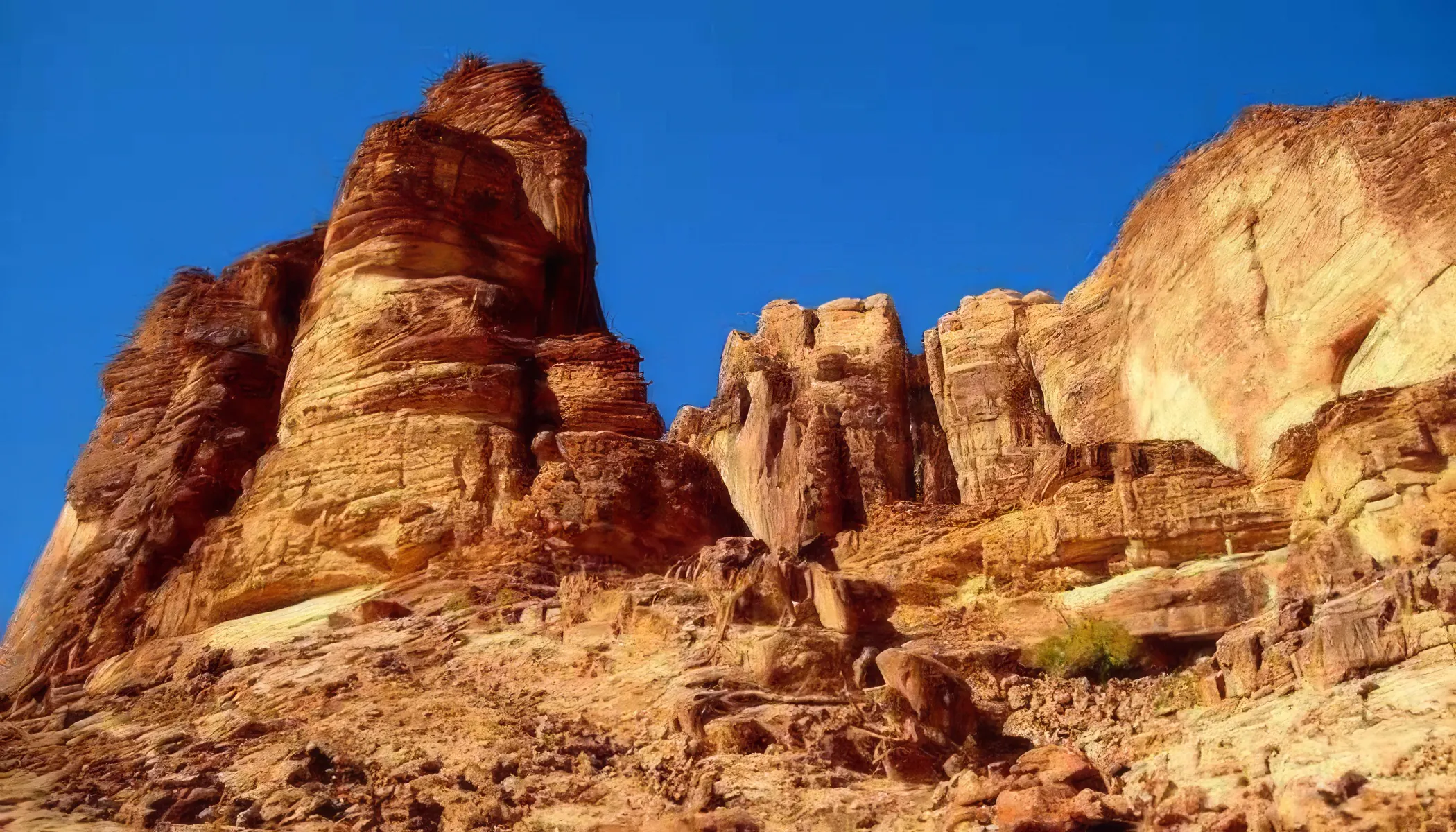
Explore the captivating natural wonders of Jordan:
– Wadi Rum: Known for its red desert landscapes and rock formations, popular for stargazing.
– Dead Sea: Earth's lowest point on land, famous for its buoyant salty waters.
– Dana Biosphere Reserve: Offers diverse wildlife and beautiful hiking trails in varied ecosystems.
– Mujib Nature Reserve: Features dramatic canyons and is great for adventurous water hikes.
– Azraq Wetland Reserve: A unique desert oasis home to migratory birds.
– Wadi Mujib: Known as Jordan's Grand Canyon, with deep gorges and steep cliffs.
– Ajloun Forest Reserve: Offers abundant woodlands with oak and pine trees, rich in biodiversity.
– Burqu Nature Reserve: Contains a desert castle and provides habitat for rare wildlife species.
– Wadi Bin Hammad: A lesser-known canyon with hot springs and sumptuous vegetation.
– Petra's Siq Canyon: The narrow gorge leading to Petra, flanked by towering rock walls.
Beaches
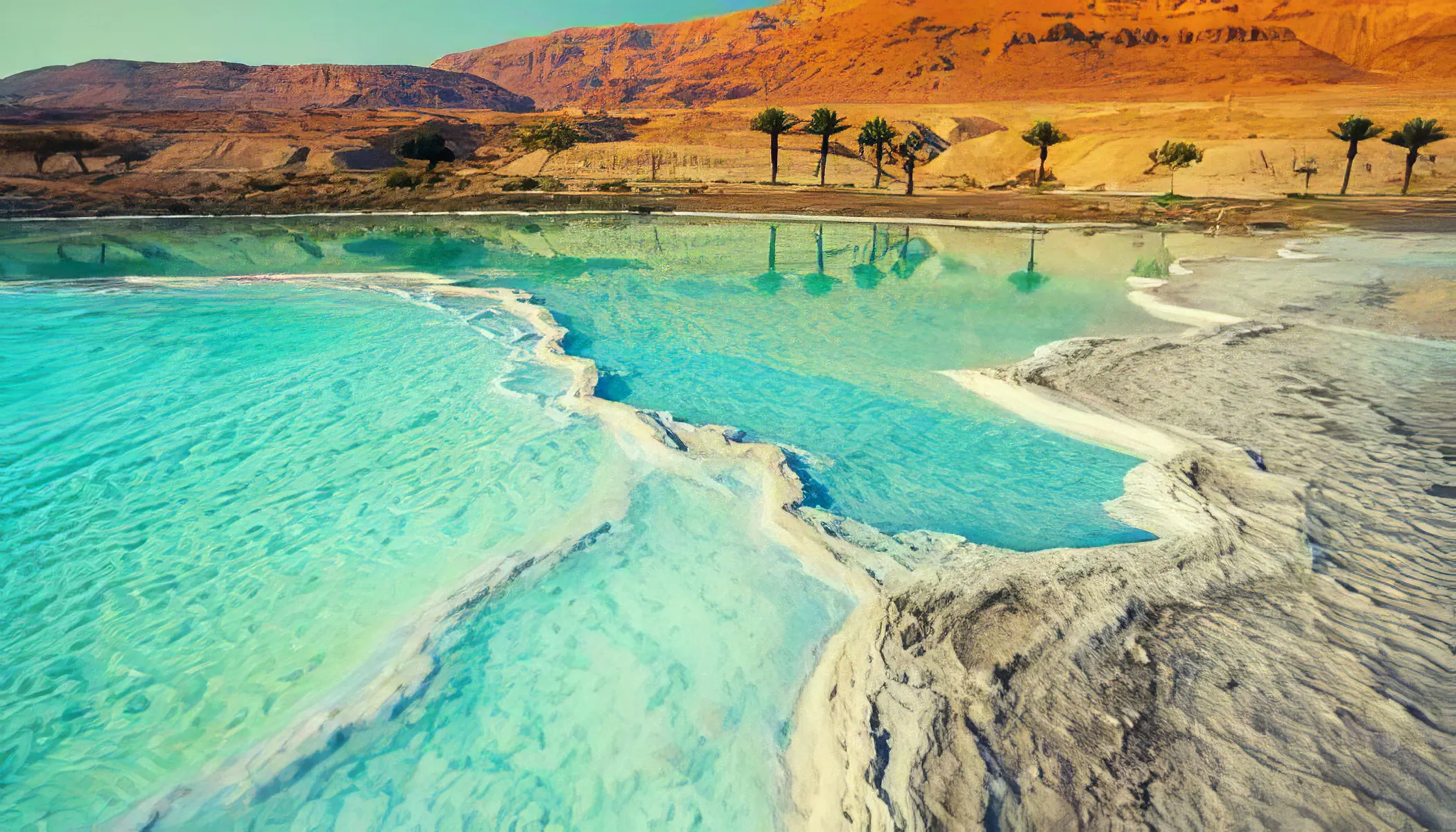
Jordan has a limited coastline but offers some unique beach experiences along the Red Sea and the Dead Sea.
– Aqaba Beach: Known for coral reefs and snorkeling opportunities in Jordan’s only coastal city.
– Berenice Beach: Offers private beach club amenities and water sports near Aqaba.
– South Beach Aqaba: Popular for diving and snorkeling with colorful marine life.
– Tala Bay: Features luxury resorts and a marina on the Red Sea.
– Amman Tourist Beach: Public access to the Dead Sea with basic facilities.
– O Beach Resort: Provides luxury Dead Sea experience with pools and spa services.
Outdoor activities

Jordan supplies a variety of outdoor experiences that showcase its natural beauty and cultural heritage:
– Hiking in Petra: Wander through ancient rock-cut architecture and rugged desert landscapes.
– Camping in Wadi Rum: Experience the magic of stargazing in the vast desert wilderness.
– Floating in the Dead Sea: Relax and float effortlessly on salty waters at Earth's lowest point.
– Canyoning in Wadi Mujib: Navigate through water-filled canyons with nice scenery.
– Diving in Aqaba: Explore nice coral reefs and marine life in the Red Sea.
– Exploring Dana Biosphere Reserve: Trek through diverse ecosystems ranging from desert to forest.
– Hot Air Ballooning over Wadi Rum: Soar above dramatic desert landscapes for beautiful views.
Kid Friendly
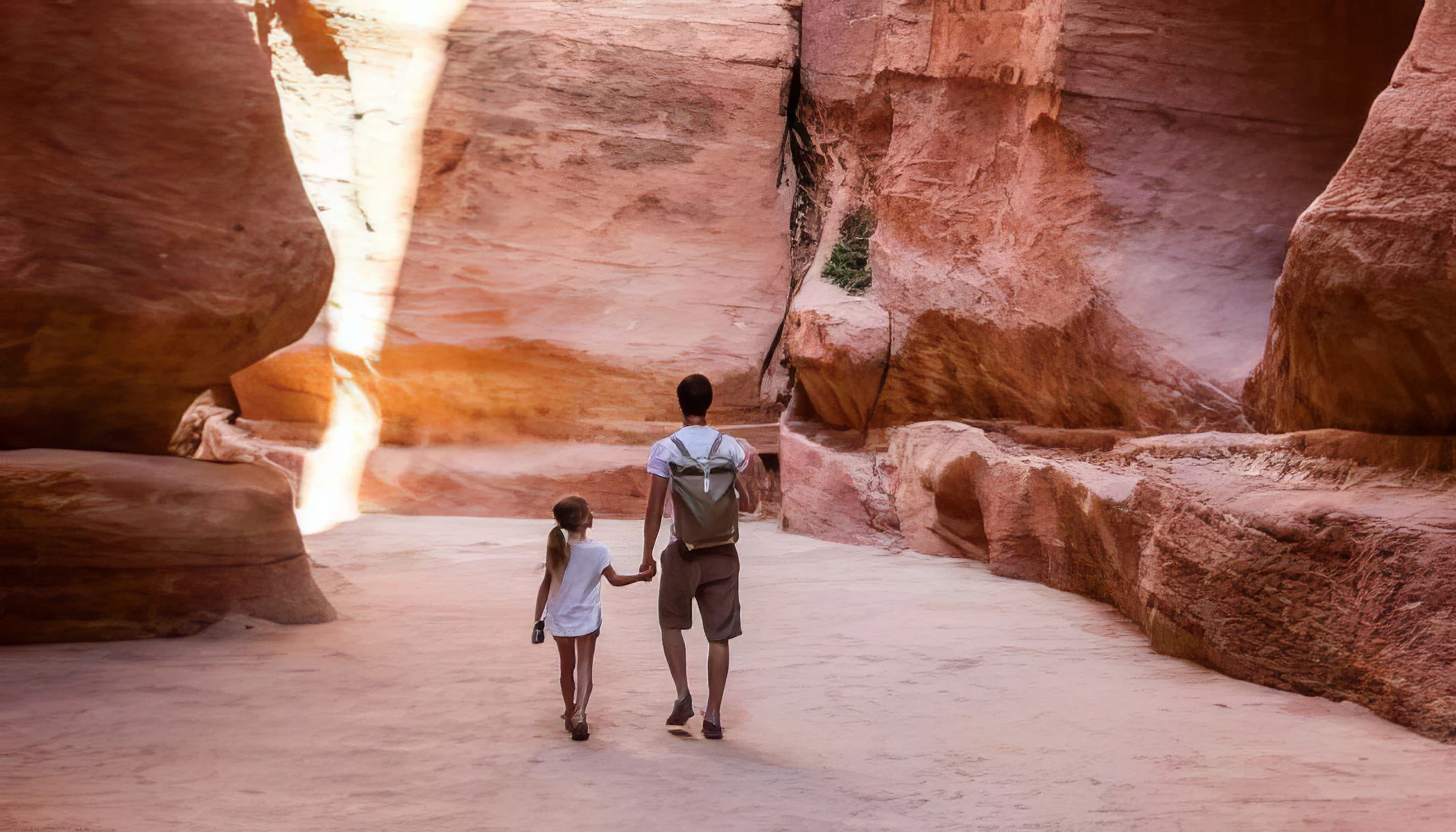
Jordan provides a variety of activities that children will enjoy:
– Petra By Night: Experience the ancient city of Petra illuminated by candlelight, creating a magical atmosphere.
– Wadi Rum Jeep Tour: Explore the gorgeous desert landscape with exciting jeep tours that captivate kids and adults alike.
– Dead Sea Floating: Enjoy the unique experience of floating effortlessly in the salty waters of the Dead Sea.
– Aqaba Snorkeling: Discover energetic marine life and colorful corals in Aqaba’s clear waters.
– Amman Children's Museum: An interactive museum where kids can learn through play and engaging exhibits.
– Ma'in Hot Springs: Relax and enjoy natural hot springs with waterfalls accessible for families.
– Dana Biosphere Reserve: Embark on nature hikes suitable for families and explore diverse wildlife.
– Jerash Ruins Exploration: Wander through ancient Roman ruins and let kids imagine life in historic times.
Cuisine
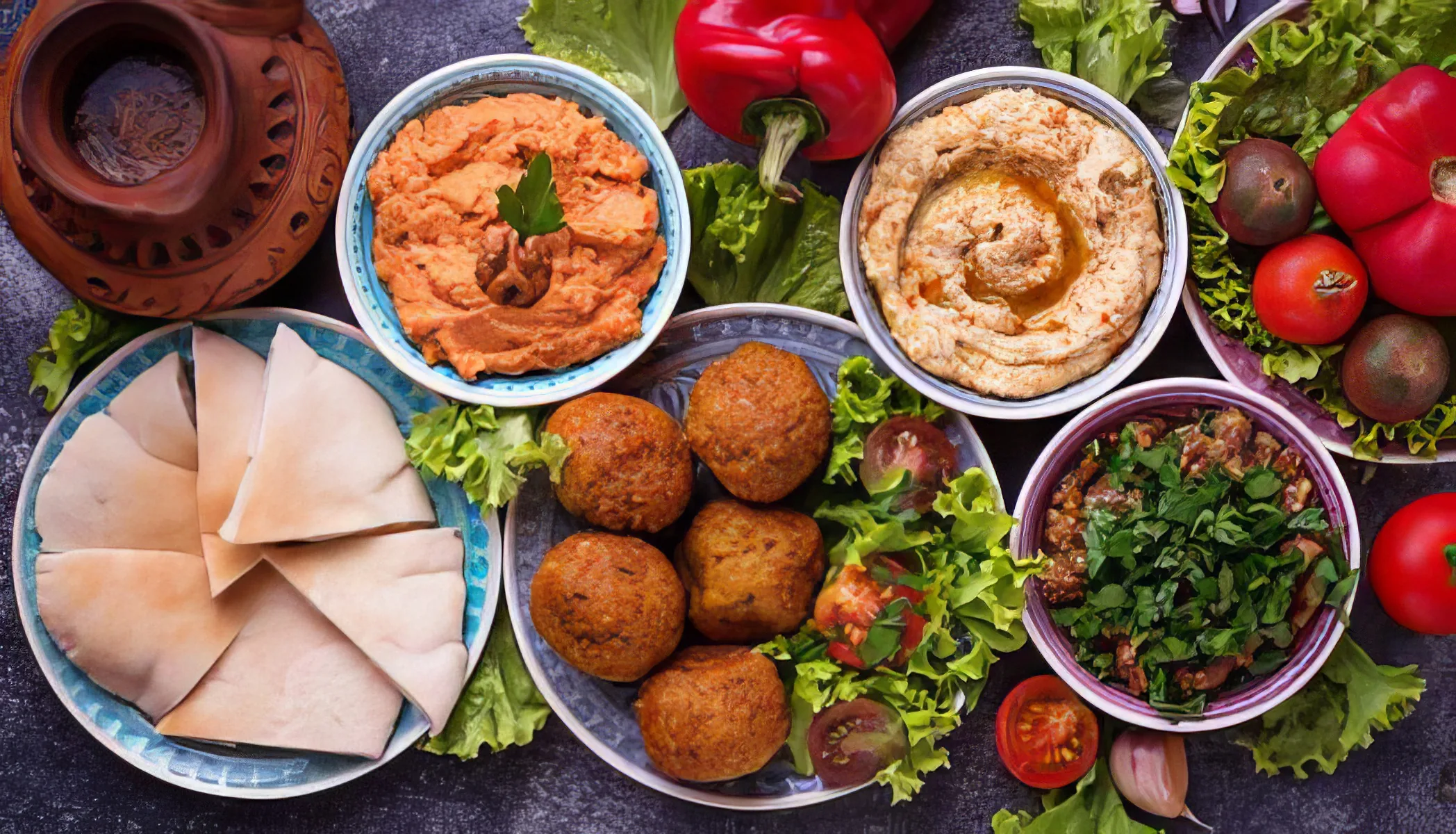
Jordanian cuisine emphasizes rich flavors and communal dining, with influences from Arabic, Mediterranean, and Bedouin traditions. Meals often feature fresh ingredients and aromatic spices. Most famous Jordanian dishes and desserts include:
– Mansaf: Lamb cooked in fermented yogurt sauce served over rice, a national dish.
– Maqluba: Layered rice dish with meat, vegetables, and aromatic spices, cooked upside down.
– Falafel: Deep-fried chickpea balls packed with herbs and spices.
– Knafeh: Sweet pastry made of thin noodle-like dough soaked in syrup with cheese.
– Mujadara: Lentil and rice dish topped with caramelized onions.
Souvenir
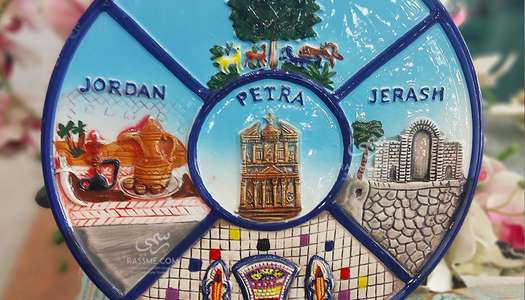
With its rich history and culture, Jordan supplies a variety of unique souvenirs for visitors. Here are some popular options:
– Dead Sea Products: Renowned for their therapeutic properties, these include salts, mud masks, and skincare items.
– Arabic Coffee: A traditional Middle Eastern coffee blend often infused with cardamom.
– Handwoven Rugs: Made by local artisans, these rugs showcase beautiful designs and energetic colors.
– Olive Wood Carvings: Crafted from locally sourced olive wood, these items range from kitchenware to religious figures.
– Bedouin Jewelry: Traditional silver jewelry often adorned with colorful beads and stones.
– Mosaic Art: Inspired by ancient designs, these mosaic pieces are found in various decorative forms.
– Pottery and Ceramics: Jordanian pottery often features traditional motifs and vivid glazes.
Traditional Shows
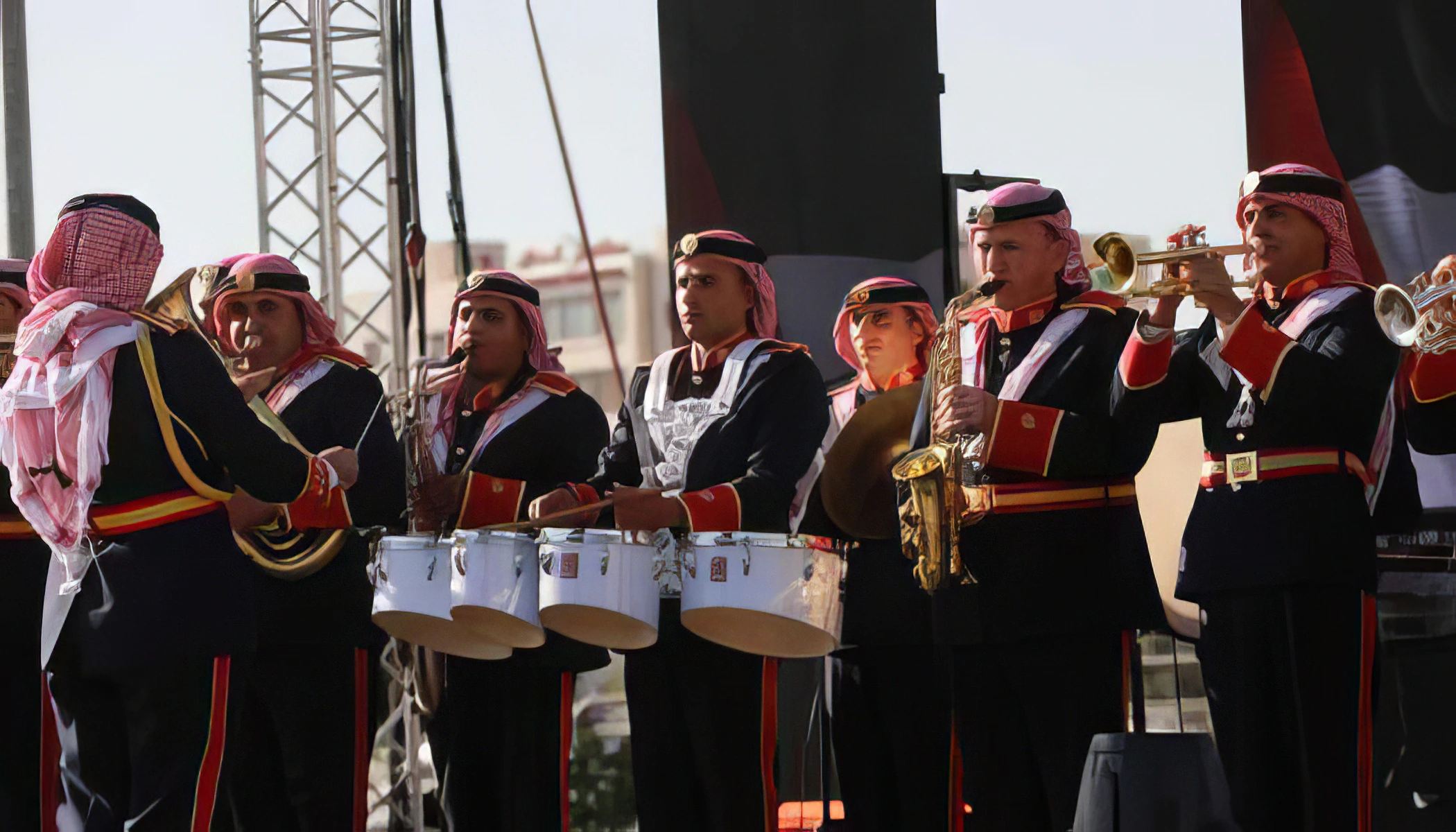
Jordan showcases a rich array of traditional performances:
– Dabke Dance: This energetic folk line dance, popular at celebrations, reflects Jordanian culture and is often seen in Amman.
– Bedouin Music: Experience traditional Bedouin songs and rhythms, accompanied by the oud and rababa, especially in Wadi Rum and Petra.
– Ma'an Folklore Festival: Held annually in Ma'an, this festival features Jordanian music and dance performances celebrating local traditions and heritage.
– Jerash Festival for Culture and Arts: This renowned festival in ancient Jerash combines both modern and traditional performances with various dance, music, and theater acts.
– Zajal Poetry: Attend lively poetic debates with musical elements, showcasing Jordan’s oral literature tradition at cultural events across the country.
Events & Festivals
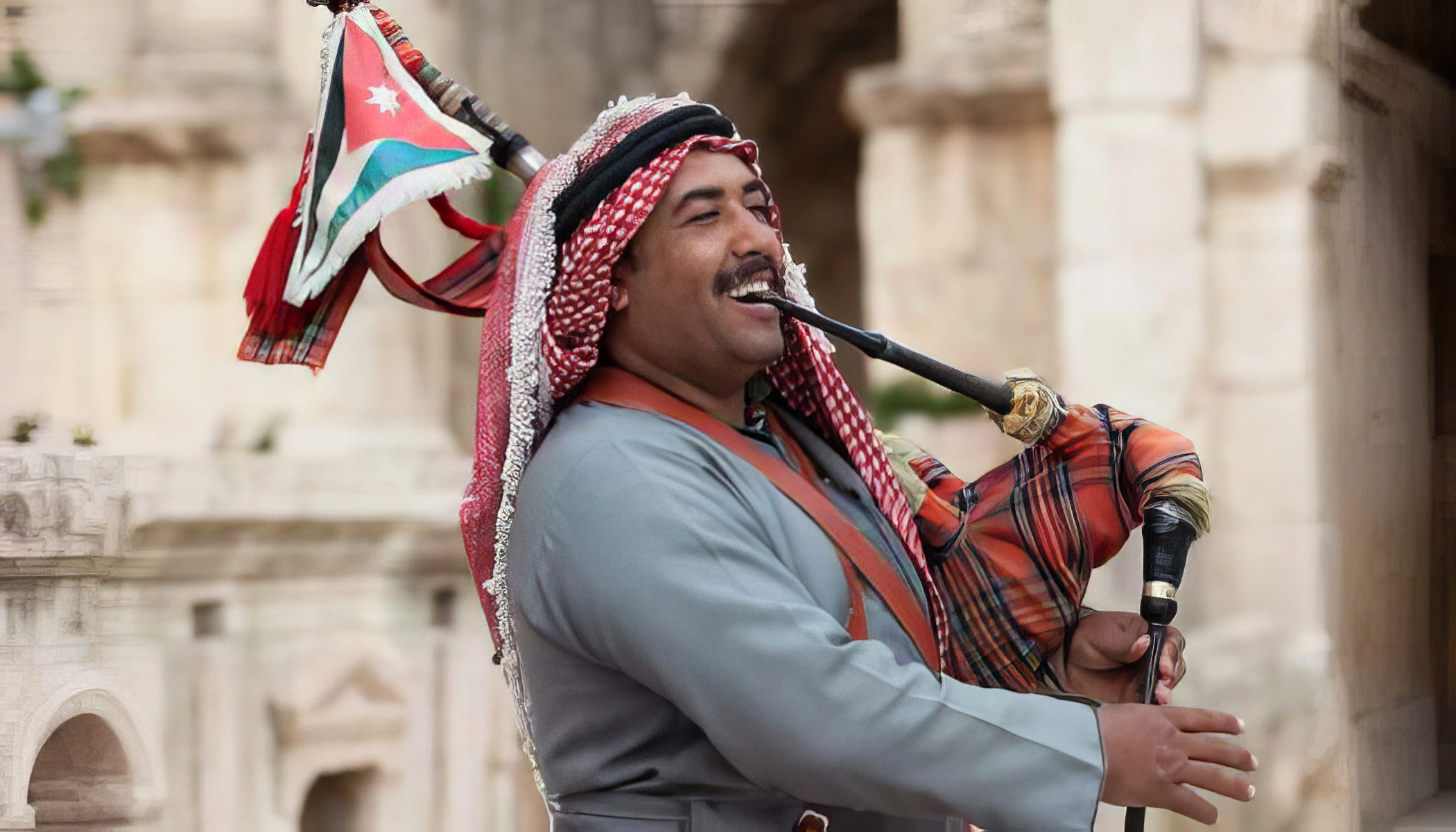
Jordan hosts several cultural and religious festivals throughout the year, reflecting its rich heritage:
– Jerash Festival: July event celebrating arts with performances in the ancient city of Jerash.
– Amman International Book Fair: Annual September/October event featuring local and international publishers.
– Amman Jazz Festival: April festival hosting international and local jazz musicians for live performances.
– Azraq Festival for Migratory Birds: March celebration raising awareness about bird migration through Jordan's wetlands.
– Eid al-Fitr: Islamic celebration marking the end of Ramadan with prayers, feasting, and family gatherings.
– Eid al-Adha: Muslim feast commemorating Abraham's sacrifice with communal prayers and charity activities.
– Dead Sea Ultra Marathon: Annual April race along the scenic Dead Sea, attracting runners worldwide.
Famous People

Jordan has been home to many notable figures who have impacted politics, culture, and arts globally.
– King Hussein (1935 to 1999, Amman): Ruler of Jordan for over four decades, known for modernizing the country.
– Queen Rania (born 1970, Kuwait City): Jordan's queen recognized for her advocacy in education and women's rights globally.
– Abdullah II (born 1962, Amman): Current king of Jordan known for political reforms and promoting peace in the Middle East.
– Mustafa Wahbi Tal (1899 to 1949, Irbid): Poet known for his works that blend classical Arabic poetry with modern themes.
– Omar Al-Abdillat (born 1968, Amman): Popular singer-songwriter renowned for blending traditional Jordanian music with contemporary styles.
Books

These books provide insights into the cultural, historical, and political landscapes of Jordan through various narratives and perspectives.
– "Married to a Bedouin" by Marguerite van Geldermalsen: True story of a New Zealand nurse's life in Petra after marrying a Bedouin.
– "The View from the Tower" by Charles Glass: Memoir exploring politics and society through experiences in Amman and beyond.
– "Leap of Faith: Memoirs of an Unexpected Life" by Queen Noor: Autobiography of an American woman's life as queen in Jordan.
– "Pillars of Salt" by Fadia Faqir: Novel capturing women's lives and societal changes in early 20th-century Jordan.
– "Snow in Amman" (various authors): Anthology showcasing contemporary Jordanian short stories translated into English.
Songs

Jordan's music scene is rich with songs that celebrate its culture, traditions, and patriotic spirit.
– Janna Janna: Popular song by Tony Qattan celebrating Jordan's beauty and pride.
– Ya Hala Ya Hala: Diana Karazon's vibrant song welcoming and celebrating Jordanian culture.
– Hashemi Hashemi: Patriotic anthem by Omar Al-Abdallat honoring Jordan's royal family and heritage.
– El Hussein Aleeena: A tribute by Zain Awad to King Hussein of Jordan, reflecting national pride.
– Ah Ya Halali: Traditional Jordanian song often performed at weddings and cultural events for its festive spirit.
Films

Explore the cinematic portrayal of Jordan's landscape and culture through these notable films:
– "Lawrence of Arabia": David Lean's epic showcases Jordan's desert landscapes as a backdrop for the legendary British officer's story.
– "Theeb": Naji Abu Nowar directs a Bedouin boy's survival tale during WWI in the Arabian Desert, Oscar-nominated for Best Foreign Language Film.
– "Captain Abu Raed": Amin Matalqa's film about an airport janitor who inspires local children with tales of adventure.
– "The Hurt Locker": Kathryn Bigelow's Oscar-winning film features scenes shot in Amman, depicting bomb disposal teams in Iraq.
– "Rosewater": Jon Stewart directs this film based on Maziar Bahari’s memoir, featuring scenes filmed in Jordan to depict Tehran.