

Travel Guide to Kyrgyzstan: Top Things to Do & Tips
This Central Asian country is known for its mountainous terrain, nomadic culture, and Silk Road history. Its capital, Bishkek, offers Soviet-era architecture, while the countryside is dotted with traditional yurts and pristine alpine lakes.
- Capital
- Bishkek
- Population
- 5.6 millions
- Superficy
- 199000 sq.km
- Months to Visit
- June to Sept.
- Living Cost
- Economical
Overview
Kyrgyzstan is a landlocked country in Central Asia, known for its mountainous terrain. The capital, Bishkek, is a busy city with Soviet-era architecture and a nice market culture. The country's landscape is dominated by the Tian Shan range, offering opportunities for hiking, horse riding, and winter sports. Kyrgyzstan's history is deeply rooted in nomadic traditions, reflected in its yurt-dotted countryside and annual festivals. The country's economy relies heavily on agriculture and mining. Despite its political instability and economic challenges, Kyrgyzstan's natural beauty and cultural heritage make it an unexpected destination for adventurous travelers.
Pros & Cons
GOOD REASONS TO VISIT KYRGYZSTAN
– Natural Beauty: Kyrgyzstan offers untouched landscapes, from Tian Shan mountains to sparkling lakes like Issyk-Kul.
– Nomadic Culture: Experience traditional yurt living, horse games, and local customs.
– Trekking Opportunities: Numerous trails for hiking and horseback riding, suitable for all skill levels.
– Silk Road History: Explore ancient caravanserais and historical sites along this historic trade route.
– Community-Based Tourism: Stay with local families, contributing directly to their economy. CHALLENGES WHEN VISITING KYRGYZSTAN
– Limited Infrastructure: Roads and public transport can be challenging, especially in remote areas.
– Language Barrier: Kyrgyz and Russian are widely spoken; English is less common.
– Health Risks: Altitude sickness can affect travelers in mountainous regions; proper acclimatization is necessary.
Before Departure
Before planning your trip to Kyrgyzstan, consider the following essential information:
– Passport: Ensure your passport is valid for at least six months beyond your planned departure date.
– Visa: Most tourists can enter Kyrgyzstan visa-free for up to 60 days; check your country's specific agreement with Kyrgyzstan.
– Currency: The local currency is the Kyrgyzstani Som (KGS). Credit cards are not widely accepted, and ATMs are available mainly in larger cities.
– Internet access: Internet access is available in cities, but can be limited in rural areas. Consider purchasing a local SIM card for data.
– Language barrier: The official languages are Kyrgyz and Russian. English is not widely spoken, so learning basic phrases in Russian or Kyrgyz can be beneficial.
What to Pack
Traveling to Kyrgyzstan requires careful packing to accommodate for its diverse climate and cultural norms.
– Essentials: Passport and visa (if required), Travel insurance details, Flight tickets and itinerary, Accommodation reservations.
– Clothing: Warm clothing for colder months, lightweight clothing for summer, sturdy walking shoes for hiking, modest attire for visiting religious sites.
– Health and Safety: Prescription medications and a basic first aid kit, sunscreen, personal hygiene items, water purification tablets.
– Electronics: Travel adapter for Kyrgyzstan outlets, mobile phone, camera, portable charger.
Weather
Kyrgyzstan experiences a continental climate with distinct seasonal variations:
– Winter (December to February): Cold and snowy, especially in the mountains.
– Spring (March to May): Weather is unpredictable with occasional rain and snow.
– Summer (June to August): Warm to hot, with cooler temperatures in the mountains.
– Autumn (September to November): Mild and dry, with beautiful fall foliage. The best time to visit Kyrgyzstan is from June to September. Reasons are:
– Pleasant weather suitable for outdoor activities and exploring the mountains.
– The traditional Nomad Games usually take place in September. However, it's also the peak tourist season, so expect more crowds and potentially higher prices.
Travel Budget
Kyrgyzstan is a budget-friendly destination. Here are some average costs for reference:
– Hotel: 30$ to 120$
– Lunch: 3$ to 20$
– Beverage (in bar/restaurant): 1$ to 4$
– Coffee: 1$ to 2.5$
– Transportation: (train 5$ to 30$), (bus 0.5$ to 2$), (taxi /10km 2$ to 5$)
– Mobile data (per GB): 0.5$ to 2$
Language
Kyrgyz is the official language of Kyrgyzstan, and knowing a few phrases can be helpful when traveling. Here are some useful phrases:
– Hello: Salamatsyzby (Саламатсызбы)
– Thank you: Rahmat (Рахмат)
– Please: Otuuchu (Отуучу)
– How much is this?: Bul kancha turat? (Бул канча турат?)
– Excuse me: Kechirasiz (Кечирасыз)
– I don't understand: Men tushunbaim (Мен тушунбайм)
– Yes: Ooba (Ооба)
– No: Jok (Жок)
– Goodbye: Jakshy kalynyz (Жакшы калыныз)
History
Kyrgyzstan's history dates back to ancient times, with nomadic tribes dominating the region. It was part of various empires, including the Mongol Empire in the 13th century. The region came under Russian control in the 19th century and became a Soviet Republic in 1936. After the dissolution of the Soviet Union, Kyrgyzstan declared independence in 1991. The country experienced significant political instability in the early 21st century, with two presidents being overthrown in 2005 and 2010. Today, Kyrgyzstan is a unitary parliamentary republic, striving for political stability and economic development.
Geopolitics
Kyrgyzstan is a landlocked country in Central Asia, bordered by Kazakhstan to the north, Uzbekistan to the west, Tajikistan to the south, and China to the east. It operates as a parliamentary republic, with Bishkek as its capital. The country has been a member of the Russian-led Eurasian Economic Union since 2015, which has significantly influenced its economic and political landscape. Kyrgyzstan maintains a delicate balance in its foreign relations, managing ties with Russia, China, and the West. Its geopolitical position is shaped by its strategic location on China's Belt and Road Initiative, its dependence on Russia for security and economic support, and its role in regional water management due to its significant water resources.
Sample Itinerary
This itinerary offers a journey through Kyrgyzstan's natural beauty, nomadic culture, and historical sites in Bishkek, Issyk-Kul Lake, Karakol, and Osh.
– 2 days in Bishkek: Visit Ala-Too Square, State History Museum, and Osh Bazaar. Explore local cuisine and nightlife.
– 2 days in Issyk-Kul Lake: Enjoy the lake views, swimming, and hiking. Visit nearby petroglyphs and local villages.
– 2 days in Karakol: Explore the Dungan Mosque, Russian Orthodox Church, and local markets. Take a day trip to Jeti-Oguz gorge.
– 2 days in Osh: Visit Sulayman Mountain, Babur Park, and Osh Bazaar. Explore the city's history and culinary scene.
Popular cities
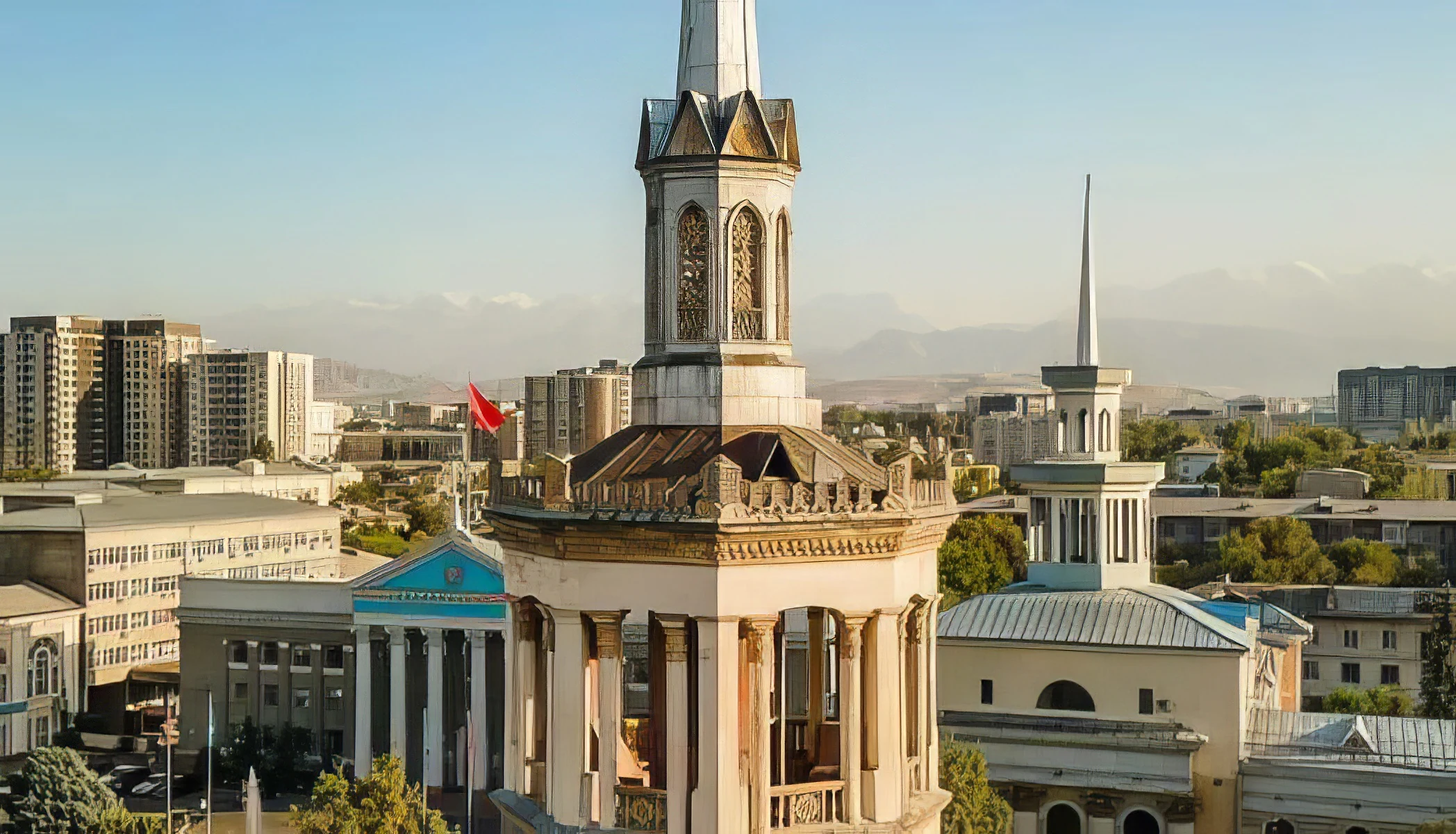
Kyrgyzstan offers a unique blend of natural beauty and cultural richness in its cities:
– Bishkek: The capital city, known for its wide boulevards, Soviet-era architecture, and busy bazaars.
– Osh: The country's second-largest city, famous for its historic bazaar and Sulayman Mountain.
– Karakol: A gateway to the beautiful Issyk-Kul Lake region, offering outdoor activities and historic sites.
– Cholpon-Ata: A resort town on the northern shore of Issyk-Kul Lake, popular for its beaches and petroglyphs.
– Naryn: Known for its beautiful mountainous landscapes and as a base for exploring the Tien Shan range.
– Talas: A small city in the west, offering a glimpse into traditional Kyrgyz life and beautiful natural surroundings.
– Jalal-Abad: Famous for its mineral springs and as a gateway to the Walnut Forest of Arslanbob.
Monuments
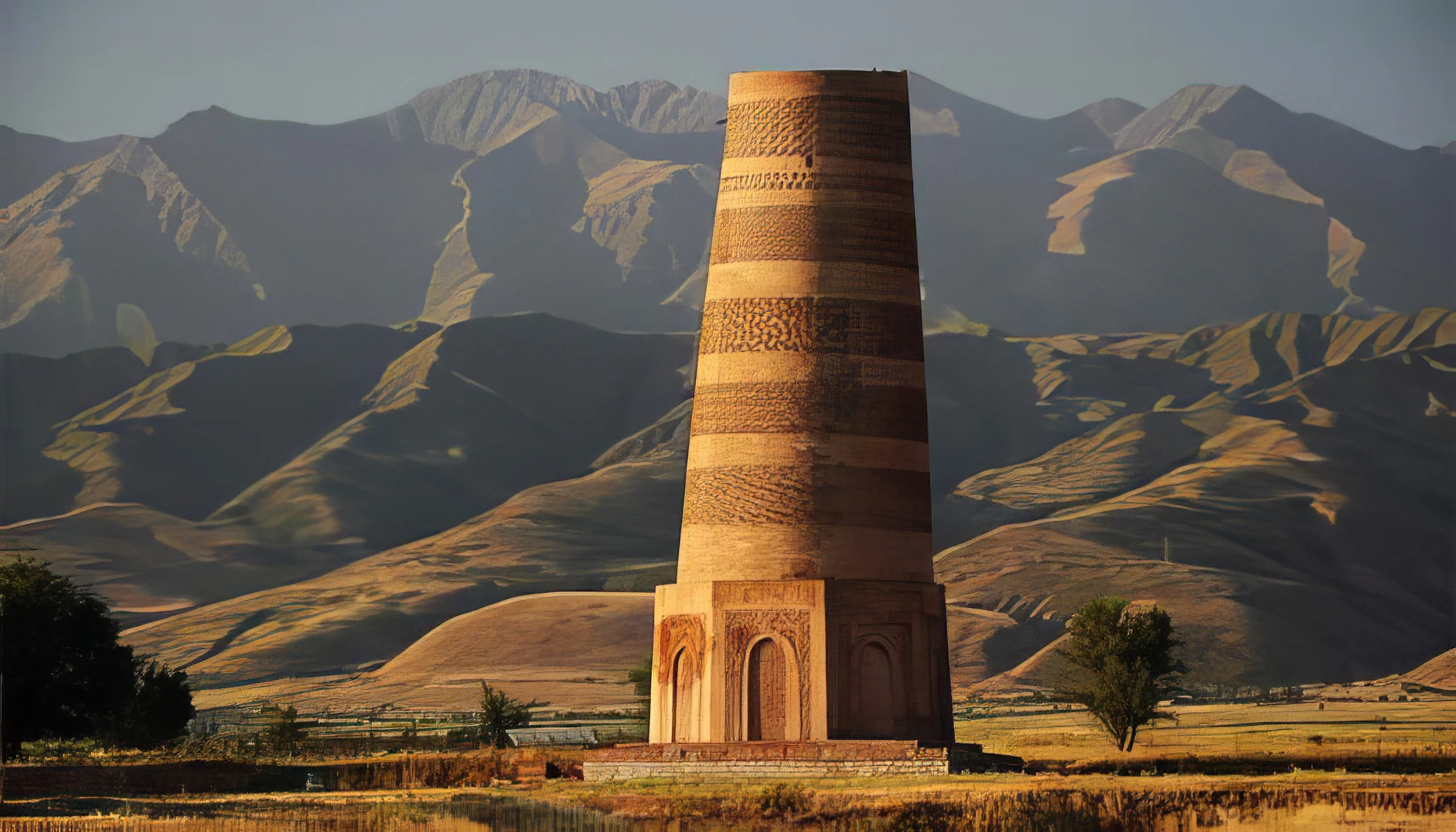
Kyrgyzstan is home to several notable monuments and architectural sites:
– Burana Tower: A large minaret in the Chuy Valley, a remnant of the ancient city of Balasagun.
– Tash Rabat: Well-preserved 15th-century stone caravanserai, once a resting place for Silk Road travelers.
– Sulayman Mountain: Sacred mountain and UNESCO World Heritage site with archaeological and religious significance.
– Ala-Too Square, Bishkek: Central square featuring statue of Manas, Kyrgyzstan's national hero.
– Manas Ordo: Historical complex dedicated to the epic hero Manas, with a museum and mausoleum.
– Rukh Ordo Cultural Center: Open-air museum showcasing Kyrgyzstan's diverse religious and cultural heritage.
– Dungan Mosque, Karakol: Unique wooden mosque built without nails, reflecting Chinese architectural influence.
– Uzgen Architectural Complex: 11th-century site with minaret, mausoleums, and archaeological remains of Karakhanid era.
Natural wonder
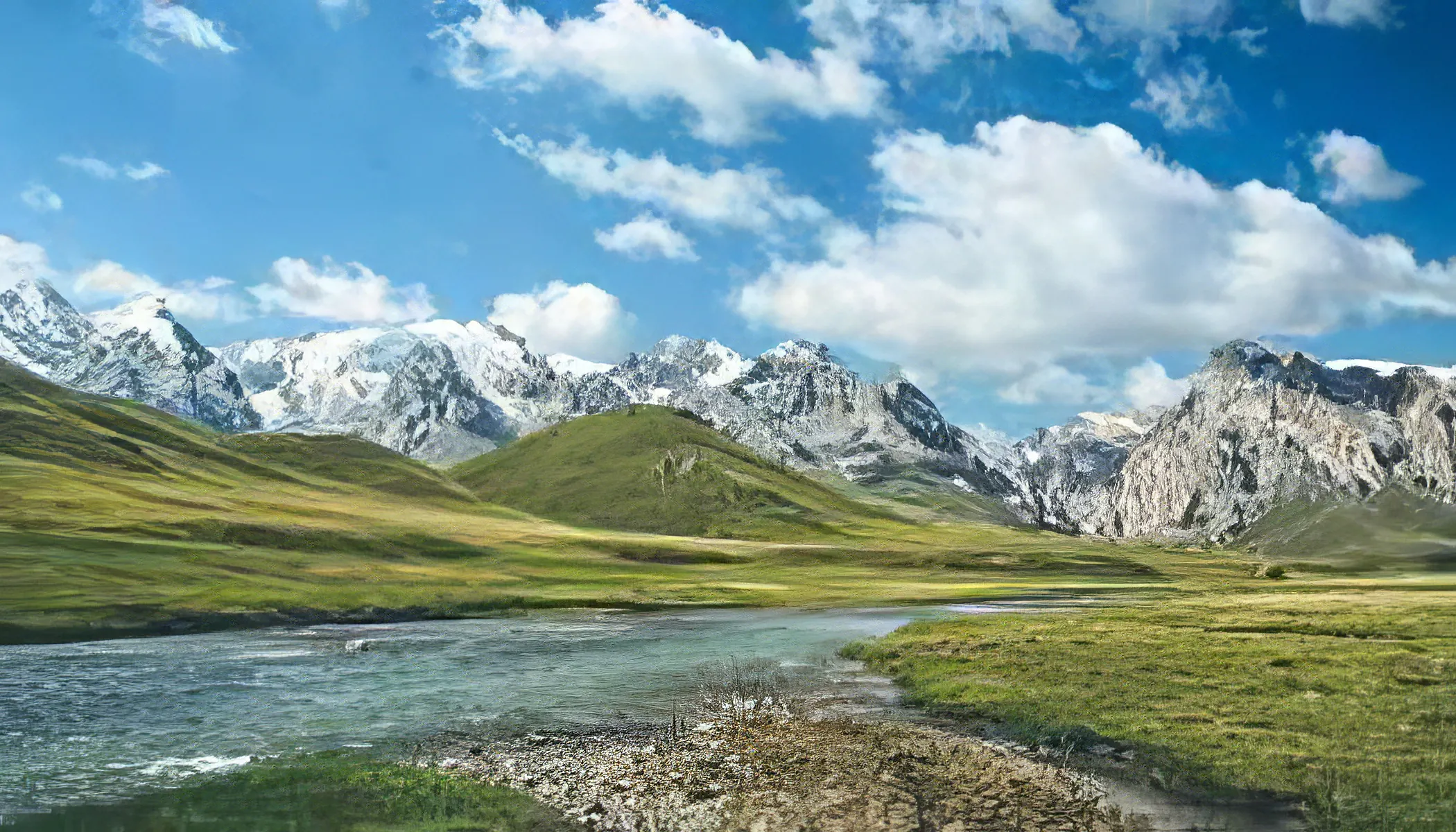
Explore the untouched beauty of Kyrgyzstan:
– Issyk-Kul Lake: Second largest saline lake in the world, surrounded by snow-capped peaks.
– Tien Shan Mountains: Large mountain range, home to diverse wildlife and glaciers.
– Son-Kul Lake: High altitude lake, known for its wild beauty and nomadic culture.
– Ala-Archa National Park: Offers hiking trails, glaciers, and rare wildlife.
– Sary-Chelek Biosphere Reserve: Features a deep blue lake surrounded by walnut forests.
– Arslanbob: World's largest natural walnut forest.
– Jeti-Oguz: Red sandstone formation resembling seven bulls.
– Sulayman Mountain: Sacred mountain offering panoramic views of Osh city.
– Kara-Suu Lake: Mountain lake known for its turquoise water.
– Skazka Canyon: Unique geological formation with colorful sandstone cliffs.
Outdoor activities
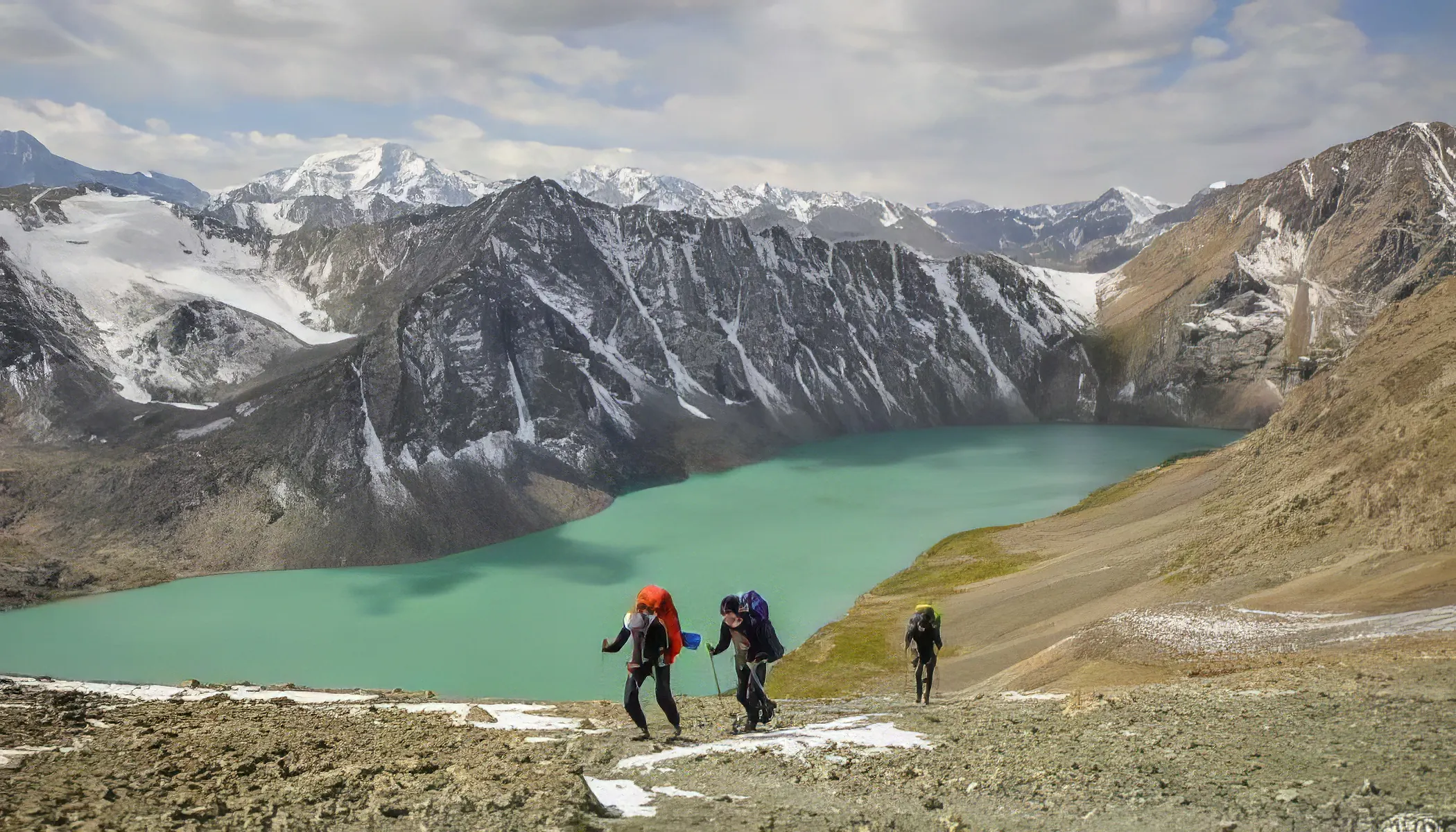
Kyrgyzstan offers a variety of outdoor experiences for those who love nature and adventure:
– Trekking in Ala Archa National Park: Hike amidst snow-capped peaks and alpine meadows.
– Horse Riding in Song Kol: Experience traditional nomadic life on a horseback journey.
– Skiing in Karakol: Enjoy the snow-covered slopes of this popular ski resort.
– Yurt Camping at Issyk Kul Lake: Spend a night in a traditional Kyrgyz yurt.
– Bird Watching in Sulayman Mountain: Spot diverse bird species in this UNESCO World Heritage site.
– Rafting on the Chu River: Experience the thrill of white-water rafting.
– Mountain Biking in the Tian Shan Mountains: Explore rugged terrain and fascinating landscapes on two wheels.
Kid Friendly
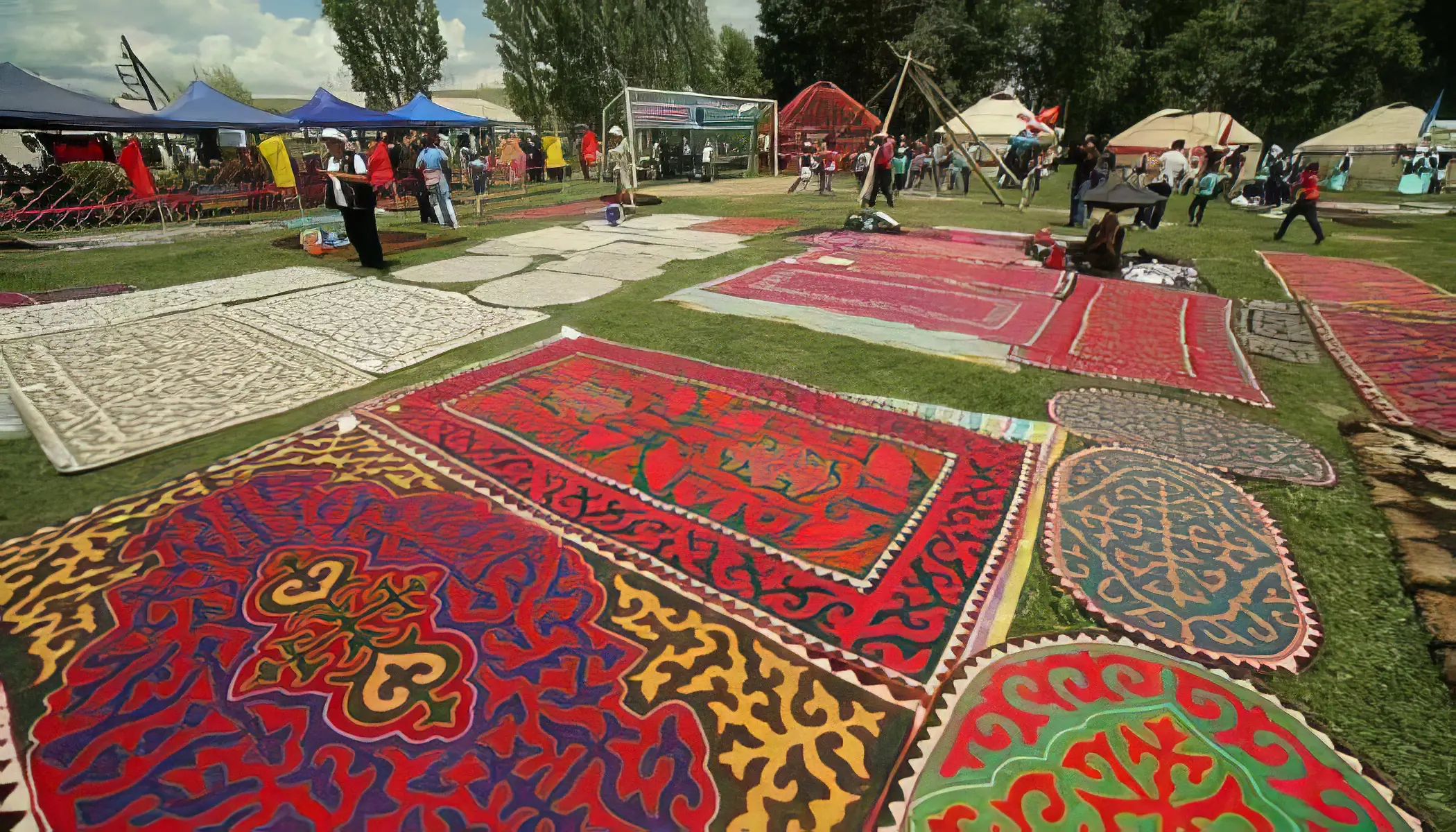
Kyrgyzstan offers a variety of activities that are suitable for children:
– Ala Archa National Park: A natural reserve with hiking trails and picnic spots.
– Bishkek's Oak Park: A city park with sculptures, playgrounds, and a small amusement park.
– Issyk-Kul Lake: A large, warm lake perfect for swimming and boating.
– Karakol Animal Market: A lively market where kids can see a variety of local livestock.
– Tash Rabat: An ancient stone caravanserai that offers a glimpse into the Silk Road history.
– Fairy Tale Canyon: A natural formation of sandstone cliffs and pillars that will spark kids' imagination.
– Burana Tower: A historical minaret with a small museum and a great view from the top.
– Ruh Ordo Cultural Center: An open-air museum with monuments dedicated to different religions.
Cuisine
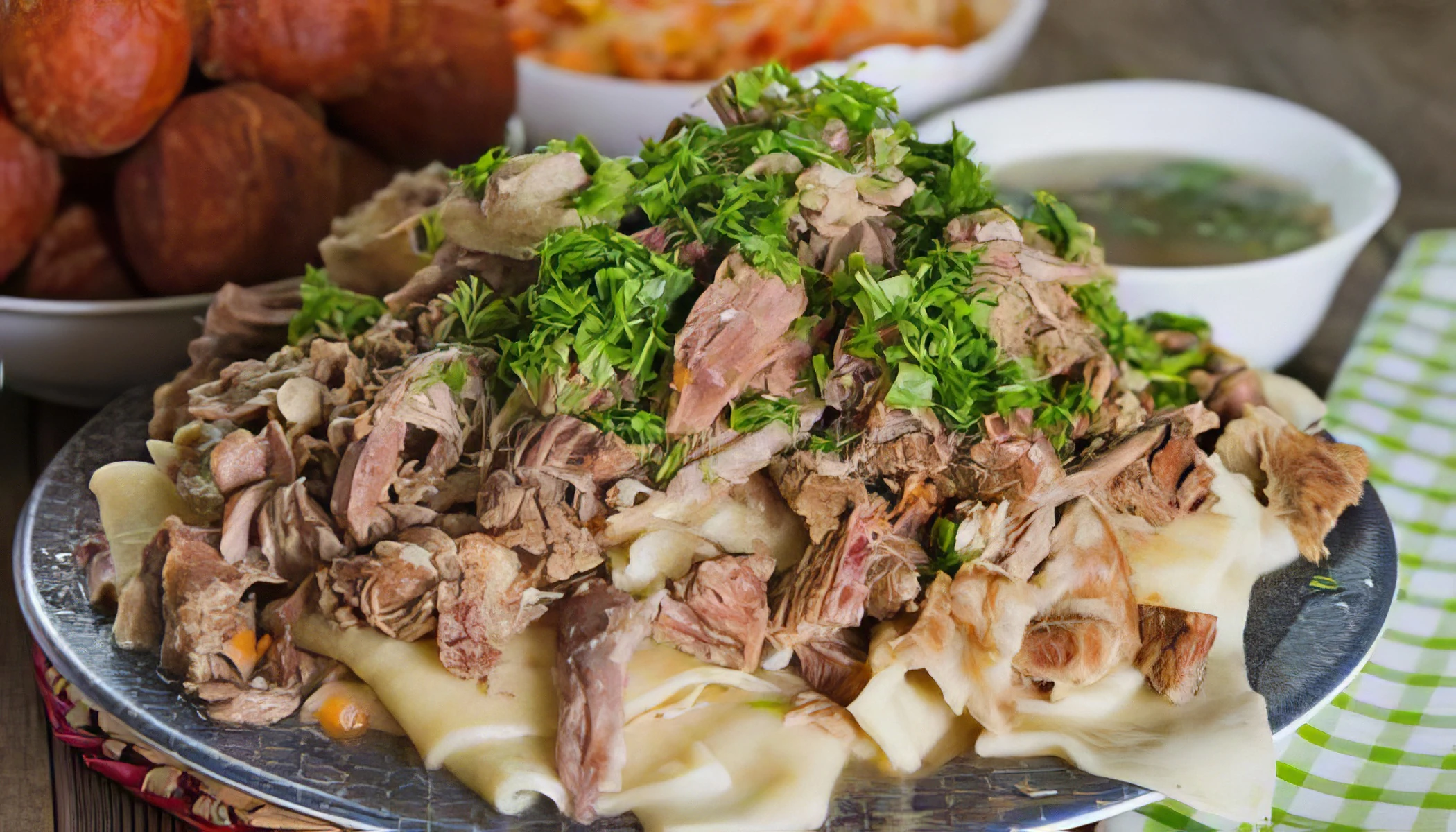
Kyrgyzstan's food scene is heavily influenced by its nomadic history, with a focus on meat and dairy products. The cuisine is hearty and simple, often cooked over an open fire. The country's most famous dishes and desserts include:
– Beshbarmak: Boiled meat served over pasta with onion sauce.
– Plov: Rice dish cooked with carrots, onions, and meat.
– Manti: Steamed dumplings filled with meat or vegetables.
– Shashlik: Skewered and grilled cubes of meat.
– Chuchvara: Small dumplings served in soup or fried.
– Samsa: Baked pastry filled with meat, cheese, or vegetables.
– Kurt: Salty cheese balls, a popular snack.
– Boorsok: Fried dough pieces, often served with tea.
Souvenir
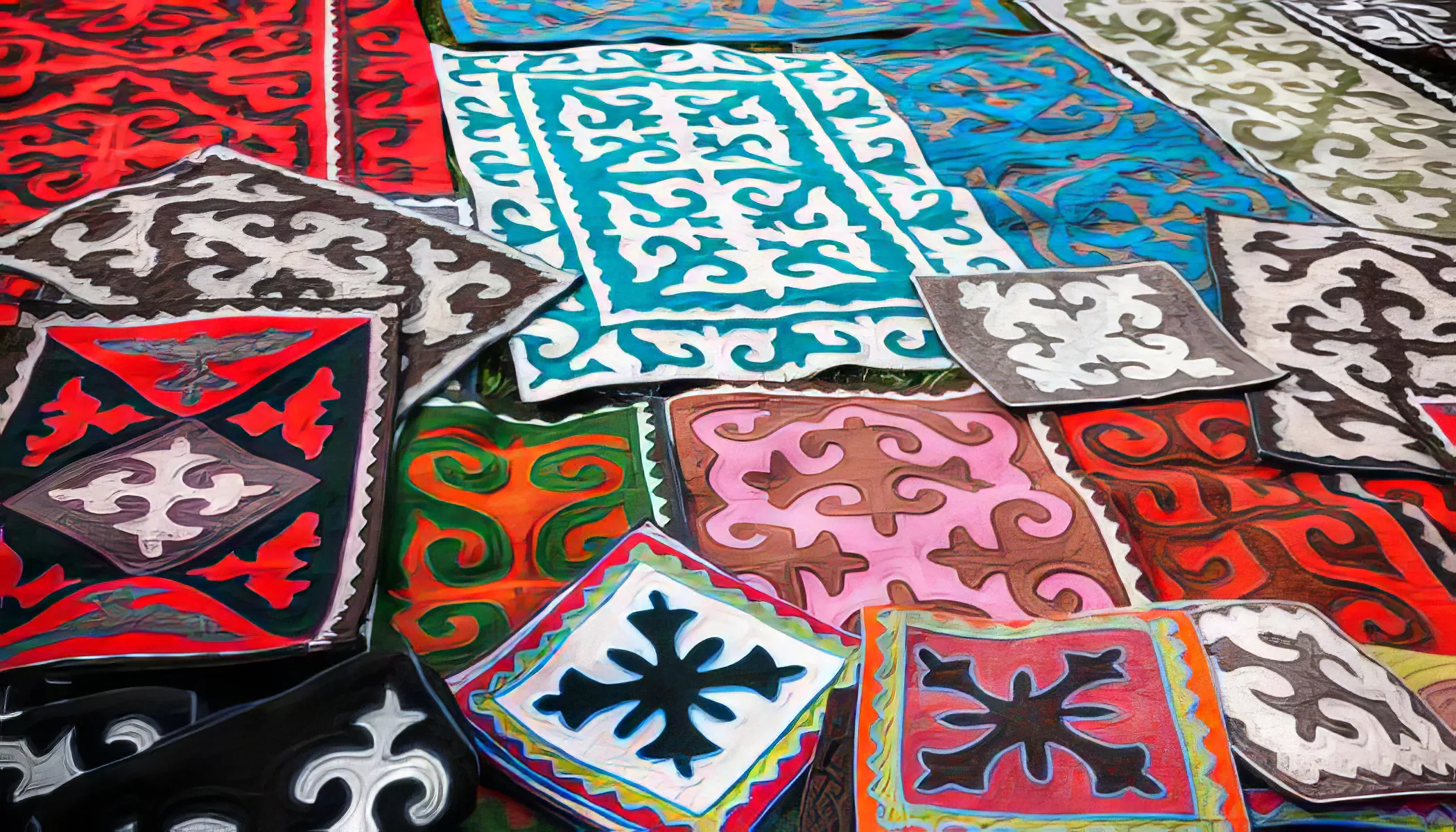
Kyrgyzstan, with its rich nomadic heritage and skilled artisans, offers a variety of unique souvenirs. Here are some you might want to consider:
– Shyrdak: A traditional Kyrgyz felt rug, often with sophisticated patterns and pretty colors.
– Kalpak: A traditional Kyrgyz hat made of white felt, often worn by men.
– Kumis: A traditional fermented horse milk drink, often sold in decorative bottles.
– Handmade Jewelry: Kyrgyzstan is known for its beautiful handmade jewelry, often made of silver and semi-precious stones.
– Kyrgyz Honey: Kyrgyzstan's honey is renowned for its quality and unique flavor.
– Felt Slippers: Handmade felt slippers are a warm and comfortable souvenir.
– Traditional Musical Instruments: Instruments like the komuz, a three-stringed lute, are popular souvenirs.
Traditional Shows
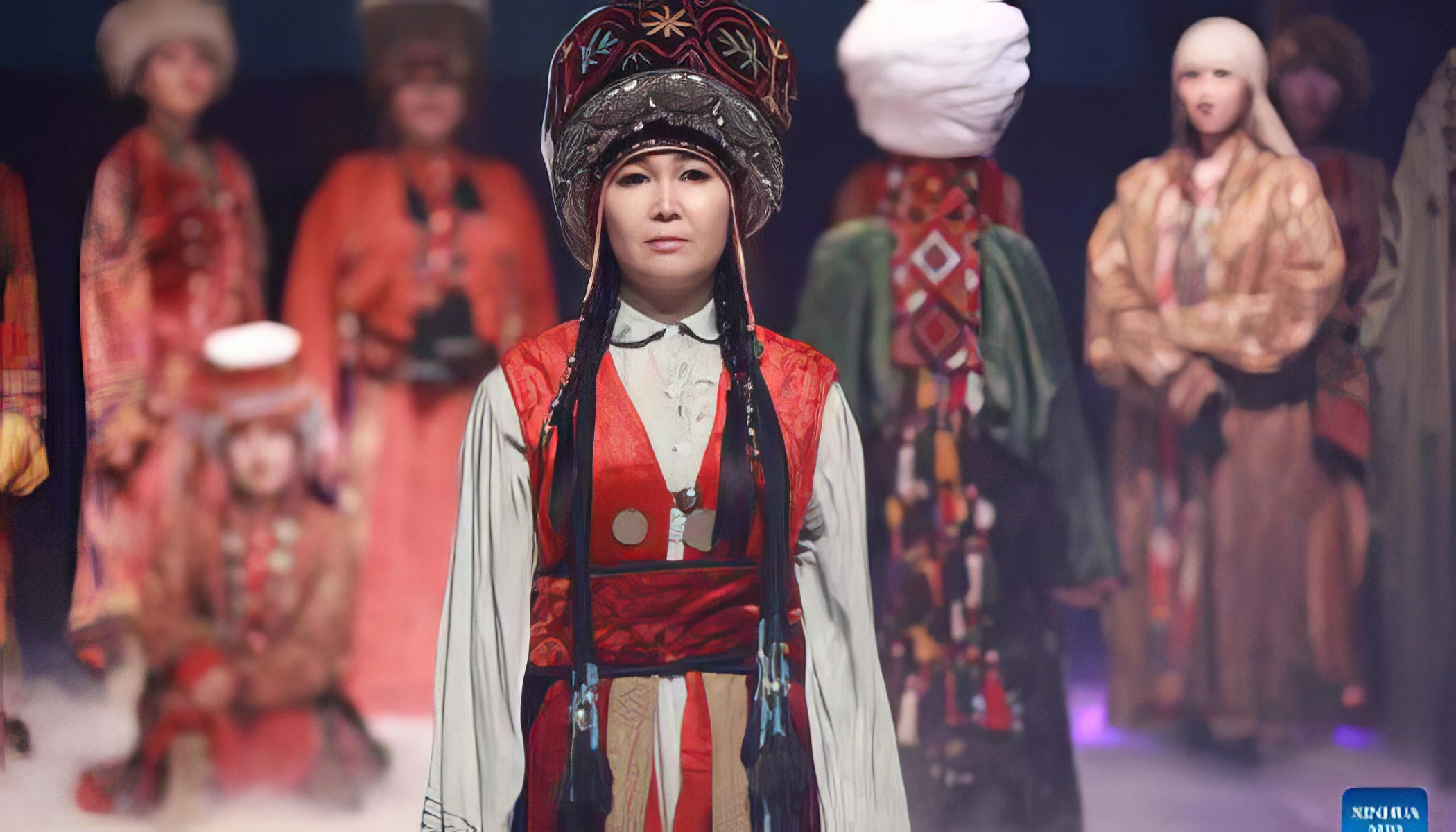
Kyrgyzstan is rich in traditional performances:
– Manas Epic: Witness the recitation of the world's longest epic poem, performed by skilled Manaschi storytellers, a UNESCO-recognized tradition.
– Komuz Music: Enjoy the soothing melodies of the Komuz, a three-stringed lute, a symbol of Kyrgyz music, often performed in Bishkek.
– Kyz Kuumai: Watch this traditional horse-riding game, a mix of sport and performance, showcasing the Kyrgyz people's equestrian skills.
– Tushoo Kesuu: Experience this traditional Kyrgyz custom of cutting the felt, a symbolic ceremony performed at various events.
– Kyrgyz Folk Dance: Observe the lively and energetic traditional dances, often performed at festivals and events, reflecting the spirit of the Kyrgyz people.
Events & Festivals
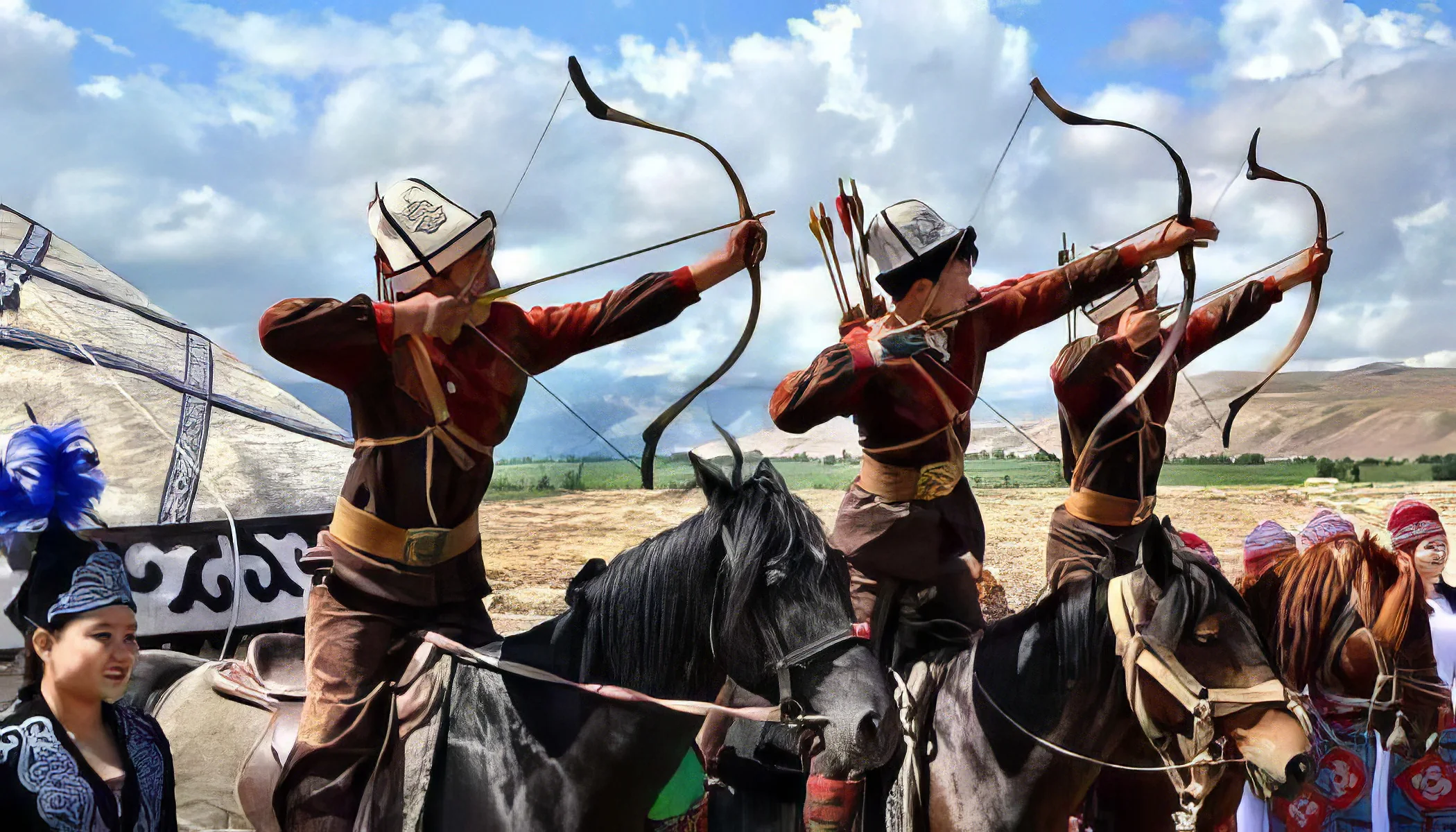
Kyrgyzstan, a country rich in cultural traditions, hosts several annual events and festivals:
– Nooruz: Celebrated in March, it marks the Persian New Year and the arrival of spring.
– Silk Road Festival: Held in June, it showcases traditional music, dance, and crafts.
– National Horse Festival: In July, it features horse games, races, and traditional Kyrgyz sports.
– Independence Day: Celebrated on August 31, it marks the country's independence from the Soviet Union.
– Birds of Prey Festival: Held in August, it showcases traditional hunting methods using birds.
– Apple Festival: Celebrated in September, it honors the apple harvest with various activities.
– Bread Festival: Held in October, it celebrates the importance of bread in Kyrgyz culture.
Famous People
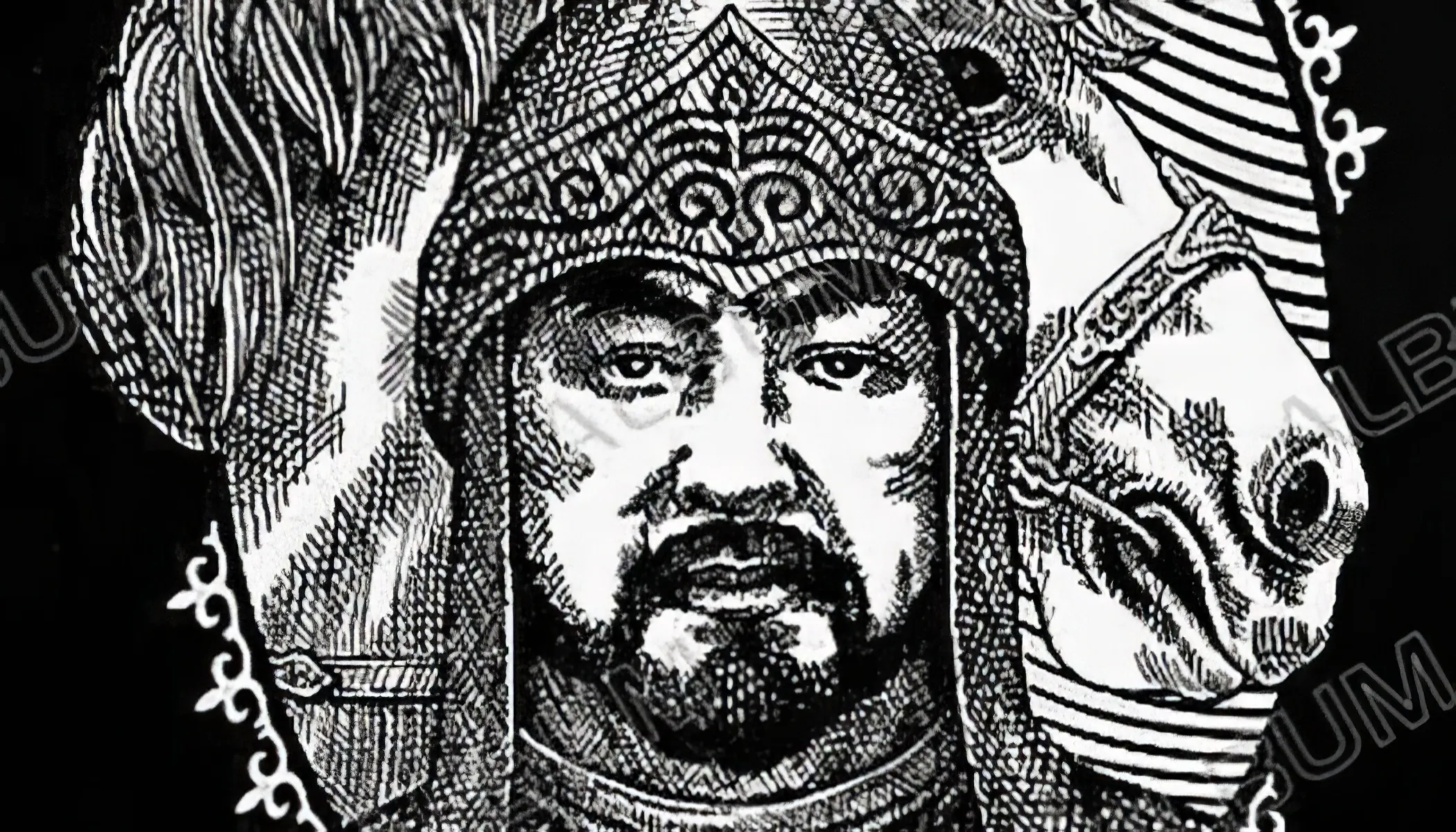
Kyrgyzstan, a country rich in history and culture, has produced several notable figures in various fields.
– Chinghiz Aitmatov (1928 to 2008, Sheker): Renowned author known for his novels and short stories blending folklore and contemporary issues.
– Roza Otunbayeva (born 1950, Osh): Former president and diplomat, played a key role in Kyrgyzstan's transition to democracy.
– Kurmanjan Datka (1811 to 1907, Alai): Historical leader known as the "queen of the south", played a significant role in maintaining Kyrgyz independence.
– Tchingiz Mustafayev (1969 to 1992, Bishkek): Journalist and war correspondent, known for his coverage of the Nagorno-Karabakh War.
– Askar Akayev (born 1944, Kyzyl-Bayrak): First President of Kyrgyzstan, physicist and academic before entering politics.
Books
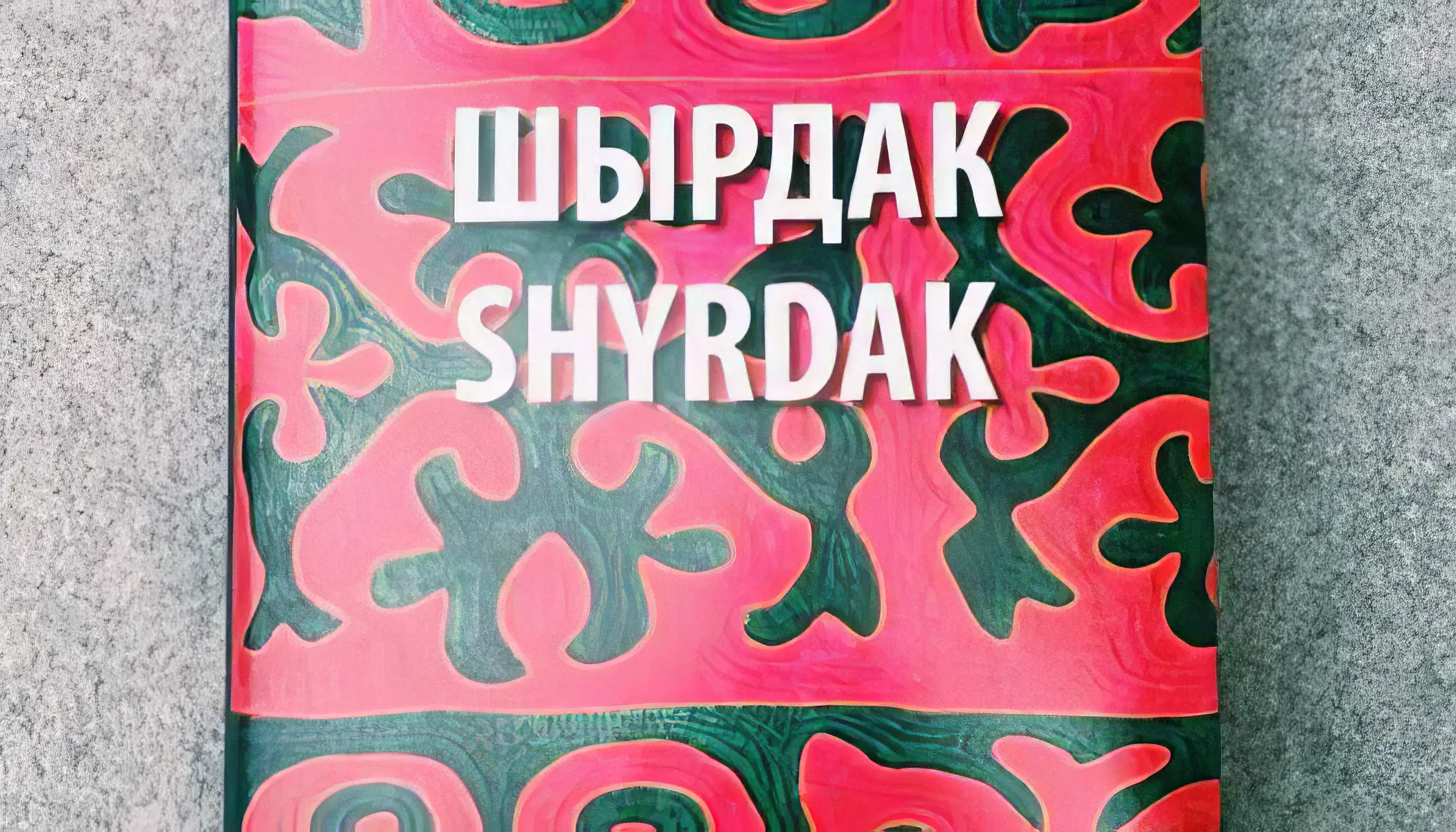
These books provide a glimpse into the rich culture, history, and life in Kyrgyzstan.
– "Jamilia" by Chingiz Aitmatov: A love story set against the backdrop of rural Kyrgyzstan.
– "The Day Lasts More Than a Hundred Years" by Chingiz Aitmatov: Interweaves modern and mythic narratives in Soviet-era Kyrgyzstan.
– "The White Steamship" by Chingiz Aitmatov: A tale of a young boy's coming of age in Kyrgyzstan.
– "The Sky-Blue Wolves" by S. A. Chakraborty: A fantasy novel set in a magical version of medieval Kyrgyzstan.
– "Inside Central Asia" by Dilip Hiro: A comprehensive exploration of the history and culture of Central Asian countries, including Kyrgyzstan.
Songs
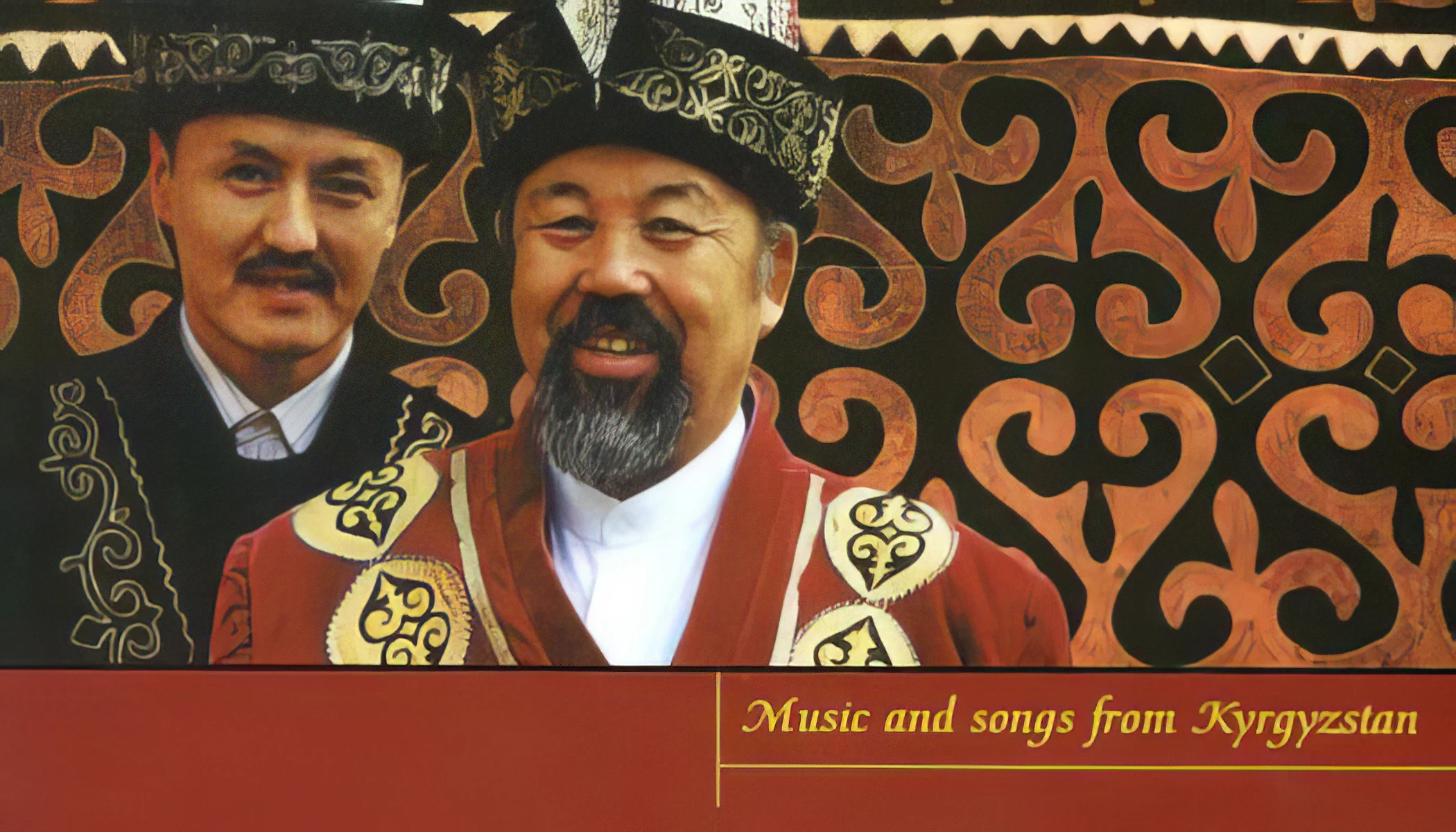
Kyrgyzstan's music scene is a rich blend of traditional folk music and modern pop, reflecting the country's cultural heritage and contemporary influences.
– Jana Jyl: A popular folk song that showcases traditional Kyrgyz music.
– Seze Bil: A modern pop song by popular Kyrgyz singer Mirbek Atabekov.
– Ak Kuu: A traditional Kyrgyz song often played on the komuz.
– Kyz Burak: A popular song by Kyrgyz singer Gulnur Satylganova.
– Suyunchu: A hit song by Kyrgyz pop star Ayperi.
– Kyz Zhibek: A traditional Kyrgyz song telling a famous love story.
Films
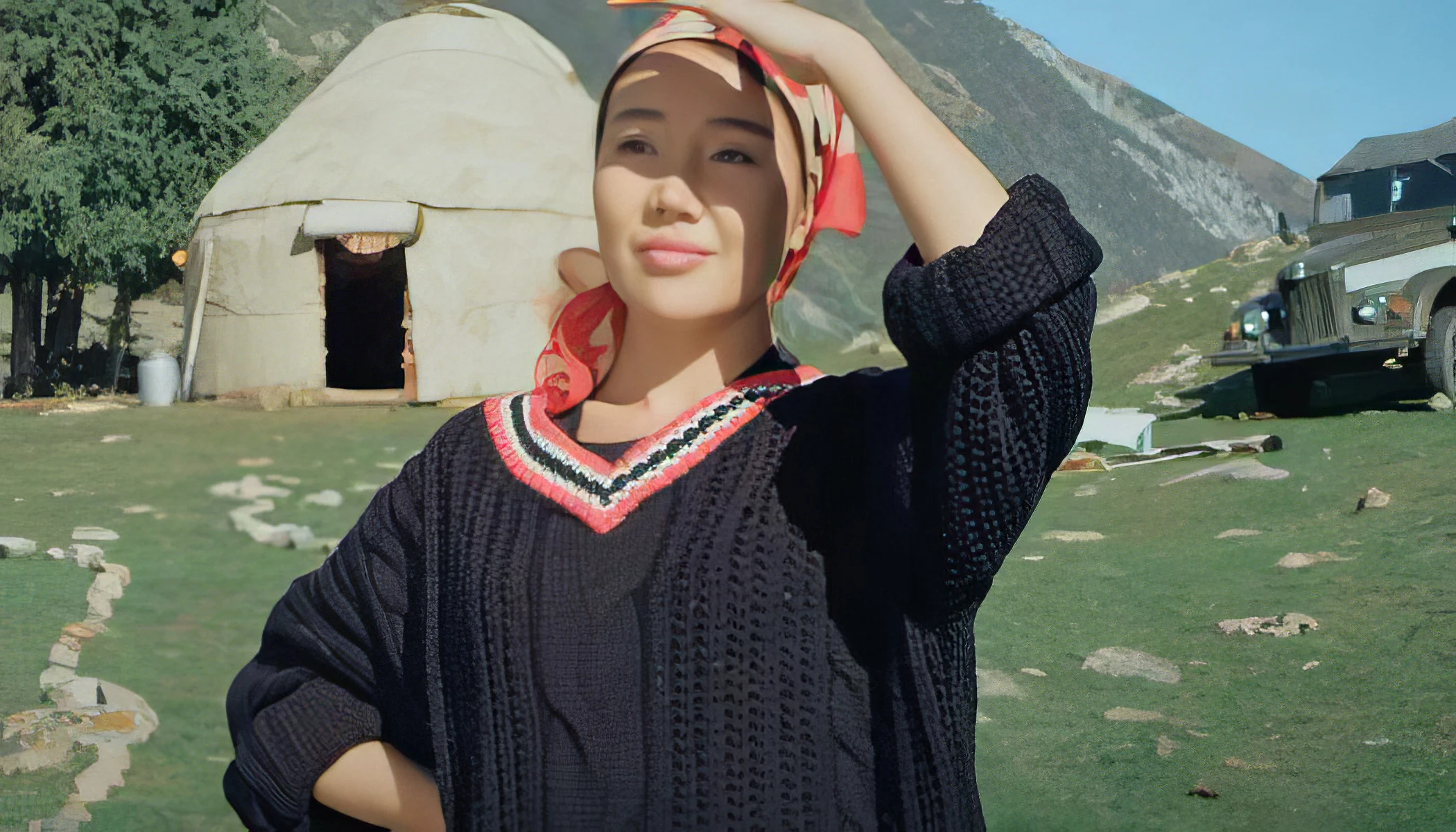
Kyrgyzstan's film industry has produced some remarkable films that beautifully depict the country's culture and history:
– "Beshkempir": Directed by Aktan Arym Kubat, it's a coming-of-age story set in a Kyrgyz village.
– "The Light Thief": A social-political drama by Aktan Arym Kubat about a man's struggle against corporate greed.
– "Heavenly Nomadic": Mirlan Abdykalykov's film portrays the life of a nomadic family in the beautiful Kyrgyz mountains.
– "The Song of the Tree": Aisuluu Tynybekova's musical drama set in the 19th century, exploring tribal customs and conflicts.
– "Pure Coolness": Ernest Abdyjaparov's romantic comedy about a city girl meeting a country boy in a Kyrgyz village.