

Explore Laos: Culture, Cities & Places to Visit
A landlocked country in Southeast Asia, known for its mountainous terrain and rich cultural heritage. It offers laid-back landscapes, ancient temples, and the Mekong River. The capital, Vientiane, blends French colonial architecture with traditional Buddhist influences.
- Capital
- Vientiane
- Population
- 6.4 millions
- Superficy
- 237000 sq.km
- Months to Visit
- Nov. to Feb.
- Living Cost
- Economical
Overview
Laos, a landlocked country in Southeast Asia, is known for its mountainous terrain and rich cultural heritage. The capital city, Vientiane, features notable sites like the Pha That Luang stupa and Patuxai monument. Luang Prabang, a UNESCO World Heritage site, is famous for its well-preserved architecture and energetic traditions. The Mekong River runs through Laos, playing a crucial role in the country's agriculture and daily life. Laos has a predominantly rural population with an economy largely based on agriculture and hydropower. Despite its natural beauty and cultural richness, Laos remains one of the less developed countries in the region.
Pros & Cons
GOOD REASONS TO VISIT LAOS
– Scenic Natural Beauty: Laos offers luxuriant landscapes, waterfalls, and the Mekong River's quiet beauty.
– Rich Cultural Heritage: Explore ancient temples, traditional villages, and UNESCO sites like Luang Prabang.
– Relaxed Atmosphere: Enjoy a slower pace of life, ideal for unwinding and relaxation.
– Adventure Opportunities: Trekking, kayaking, and caving are popular in Laos' diverse terrains.
– Unique Festivals: Experience charming festivals like Boun Pi Mai (Lao New Year) with traditional music and dance. CHALLENGES WHEN VISITING LAOS
– Limited Infrastructure: Roads can be rough; public transport options are less developed than neighboring countries.
– Language Barrier: English is not widely spoken outside tourist areas; basic Lao phrases are helpful.
– Health Concerns: Malaria risk in some areas; ensure vaccinations and precautions before traveling.
Before Departure
Before traveling to Laos, it's important to be informed about several key aspects:
– Passport: Ensure your passport is valid for at least six months from your entry date.
– Visa: Most tourists need a visa; available on arrival or e-visa for 30 days. Check specific nationality requirements.
– Currency: Lao Kip (LAK); credit cards accepted in cities; cash preferred in rural areas; ATMs available in urban centers.
– Internet access: WiFi is common in hotels and cafes in cities; consider buying a local SIM card for better connectivity.
– Language barrier: Lao is the official language; English is spoken in tourist areas, but proficiency varies widely.
What to Pack
Exploring Laos requires preparation for its tropical climate and respect for local customs and traditions.
– Essentials: Passport and visa (if required), travel insurance details, flight tickets and itinerary, accommodation confirmations, local currency or ATM card.
– Clothing: Lightweight, breathable clothing, modest attire for temples (covering shoulders and knees), comfortable walking shoes, hat and sunglasses for sun protection.
– Health & Safety: Prescription medications, basic first aid kit, insect repellent with DEET, sunscreen with high SPF, personal hygiene items.
– Electronics: Travel adapter for Type C or E/F outlets, mobile phone with charger, camera with extra batteries or memory cards.
Weather
Weather in Laos is characterized by a tropical monsoon climate with distinct wet and dry seasons:
– Dry Season (November to April): Cool and dry from November to February, becoming hotter from March to April.
– Wet Season (May to October): Hot and humid with heavy rainfall, especially from July to September. The best time to visit Laos is from November to February:
– Pleasant temperatures and minimal rainfall make it ideal for outdoor activities.
– Peak tourist season can lead to higher prices and crowded attractions.
Travel Budget
Laos provides a budget-friendly travel experience with generally low costs for tourists. Here are some average prices:
– Hotel: 15$ to 80$
– Lunch: 2$ to 10$
– Beverage (in bar/restaurant): 1$ to 4$
– Coffee: 1$ to 3$
– Transportation: (train not widely available), (bus 0.5$ to 2$), (taxi /10km 5$ to 12$)
– Mobile data (per GB): 2$ to 5$
Language
Lao is the official language of Laos and is closely related to Thai, making it useful for travelers to know some basic phrases:
– Hello: Sabaidee
– Thank you: Khawp jai
– Please: Kaluna
– How much is this?: Anii tao dai?
– Excuse me: Khaw thot
– I don't understand: Khoy bo khaw chai
– Yes: Jao
– No: Bo
– Goodbye: La khon
History
The region was once part of the powerful Lan Xang kingdom, established in the 14th century, which lasted until the 18th century. It later came under Siamese (Thai) influence and subsequently became a French protectorate in the late 19th century. After World War II, Laos gained full independence from France in 1953. The country endured a civil war that ran parallel to the Vietnam War, involving communist Pathet Lao forces against royalist factions. In 1975, following the collapse of Saigon and Phnom Penh, the Pathet Lao took control and established the Lao People's Democratic Republic. Since then, Laos has been a one-party socialist republic with gradual economic reforms introduced over recent decades.
Geopolitics
Laos is a landlocked country in Southeast Asia, bordered by China to the north, Vietnam to the east, Cambodia to the southeast, Thailand to the west, and Myanmar to the northwest. It is a one-party socialist republic with Vientiane as its capital. The country relies heavily on relationships with its neighbors for trade and infrastructure development, aiming to become a land-linked nation rather than landlocked. Laos is a member of ASEAN and pursues regional integration and cooperation. Its geopolitical strategy includes balancing relations between major powers like China and Vietnam while seeking foreign investment for economic growth. Hydroelectric power projects along the Mekong River are central to its development strategy but have raised concerns with downstream neighbors over water management and environmental impact.
Sample Itinerary
This itinerary highlights cultural, historical, and natural attractions in Vientiane, Luang Prabang, and Vang Vieng.
– 2 days in Vientiane: Visit Pha That Luang, Patuxai monument, and Wat Si Saket. Explore local markets and enjoy the Mekong River sunset.
– 3 days in Luang Prabang: Discover the Royal Palace Museum, climb Mount Phousi, and visit Wat Xieng Thong. Experience Kuang Si Falls and participate in morning alms-giving.
– 1 day in Vang Vieng: Admire nice karst landscapes by kayaking or tubing on the Nam Song River. Visit Tham Chang Cave for views of the countryside.
– 1 day in Plain of Jars: Explore the mysterious megalithic jar sites scattered across the plains near Phonsavan. Learn about their history at the visitor center.
Popular cities
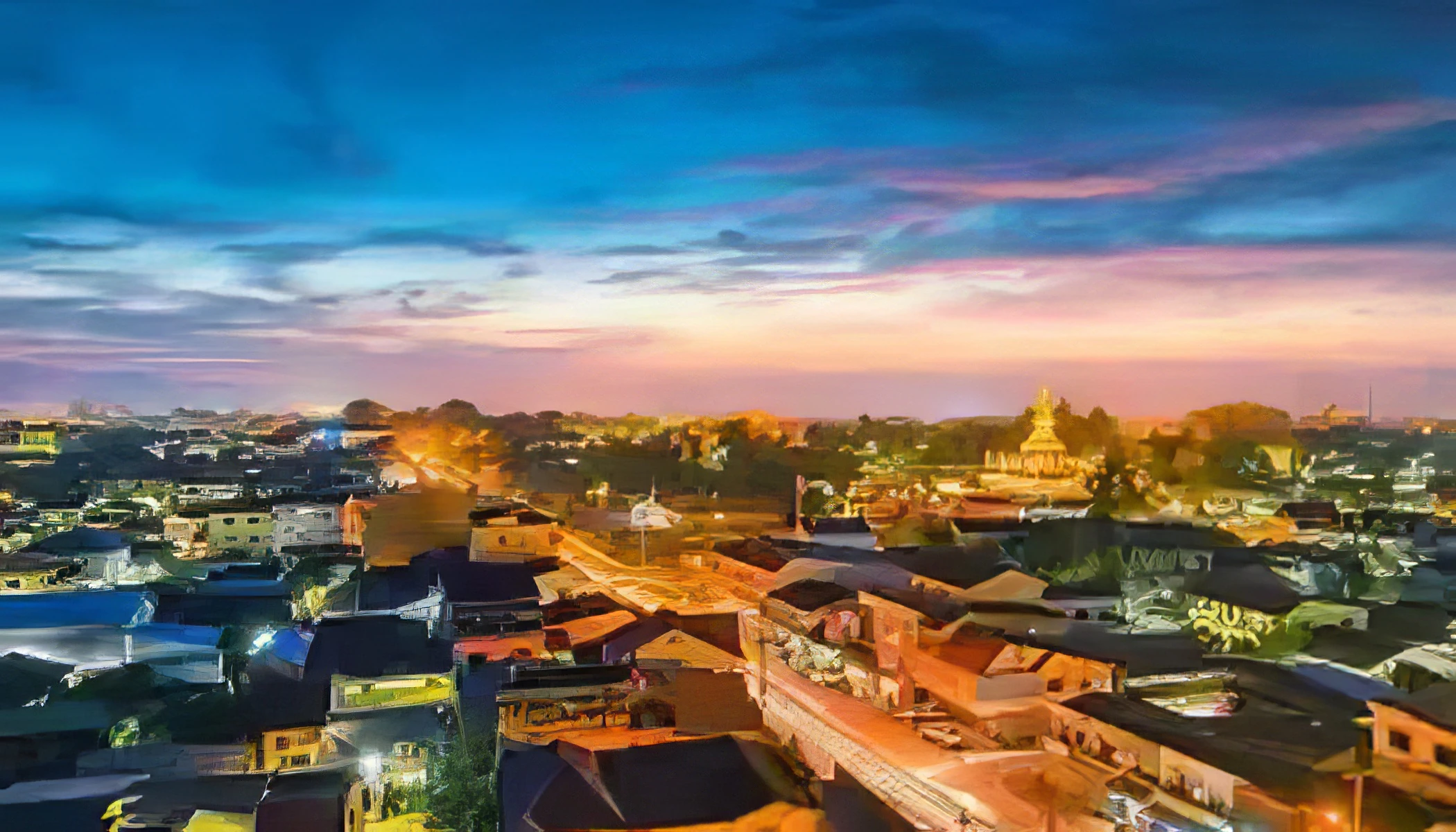
In Laos, several cities offer a glimpse into its culture and natural beauty:
– Luang Prabang: Known for its well-preserved temples, colonial architecture, and sensational mountain scenery.
– Vientiane: The capital city features Buddhist temples, the Patuxai monument, and the Mekong riverfront.
– Vang Vieng: Provides outdoor activities like tubing and caving amidst charming lovely mountains.
– Pakse: A gateway to the Bolaven Plateau with coffee plantations and waterfalls.
– Savannakhet: Known for its French colonial buildings and the historic Wat Sainyaphum temple.
– Phonsavan: Famous for the mysterious Plain of Jars archaeological site.
– Luang Namtha: Popular for eco-tourism and treks through ethnic minority villages.
Monuments
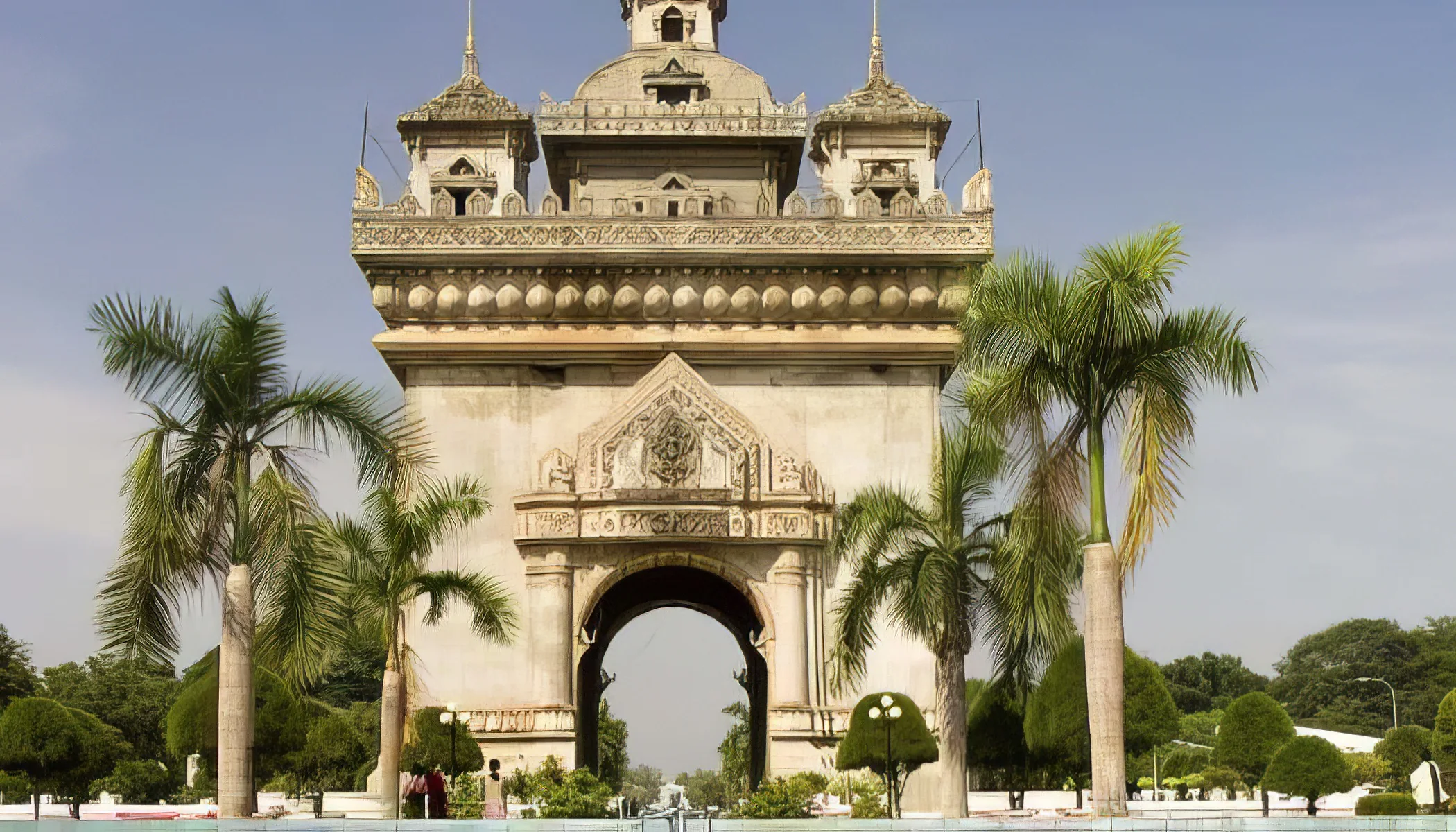
Laos is home to several notable historical and architectural sites:
– Pha That Luang, Vientiane: A national symbol and large Buddhist stupa covered in gold.
– Wat Xieng Thong, Luang Prabang: One of the most important monasteries with classic Laotian architecture.
– Patuxai, Vientiane: A war monument resembling the Arc de Triomphe but with Laotian artistic elements.
– Wat Phu, Champasak Province: Ancient Khmer temple complex recognized as a UNESCO World Heritage site.
– Plain of Jars, Xiangkhoang Plateau: Mysterious megalithic archaeological landscape with thousands of stone jars.
– Royal Palace Museum, Luang Prabang: Former royal residence now showcasing art and artifacts of Laos.
– That Dam, Vientiane: A large stupa believed to house a protective naga (mythical serpent).
– Wat Si Saket, Vientiane: The oldest temple in Vientiane with thousands of miniature Buddha statues.
Natural wonder
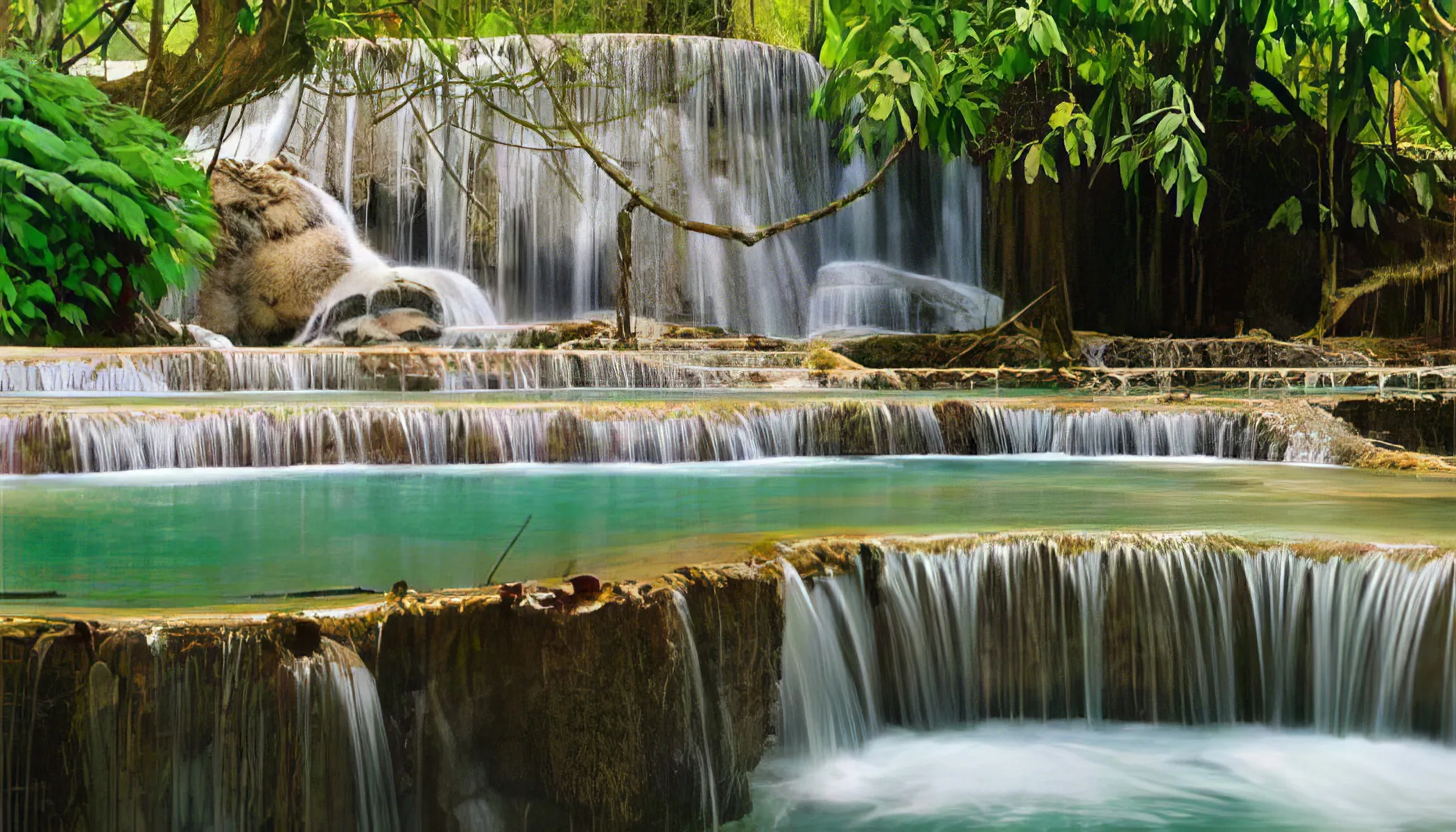
Laos is home to diverse landscapes and stunning natural wonders:
– Kuang Si Falls: A multi-tiered waterfall known for its turquoise pools near Luang Prabang.
– Plain of Jars: Mysterious large stone jars scattered across the Xieng Khuang Plateau.
– Vang Vieng Karst Mountains: Dramatic shiny mountains offering caves, trails, and river activities.
– Si Phan Don (4000 Islands): Mekong River archipelago with waterfalls and rare Irrawaddy dolphins.
– Nam Et-Phou Louey National Park: A haven for wildlife conservation with diverse flora and fauna.
– Tham Kong Lo Cave: Enormous bright cave with a navigable underground river.
– Bolaven Plateau: Renowned for coffee plantations, waterfalls, and cool climate.
– Phou Hin Poun National Biodiversity Conservation Area: Limestone karsts with caves, forests, and rivers.
– Nong Khiaw: Scenic village surrounded by dramatic peaks and accessible hiking routes.
– Tad Fane Waterfall: Twin waterfalls plunging over 100 meters in dense jungle setting.
Outdoor activities
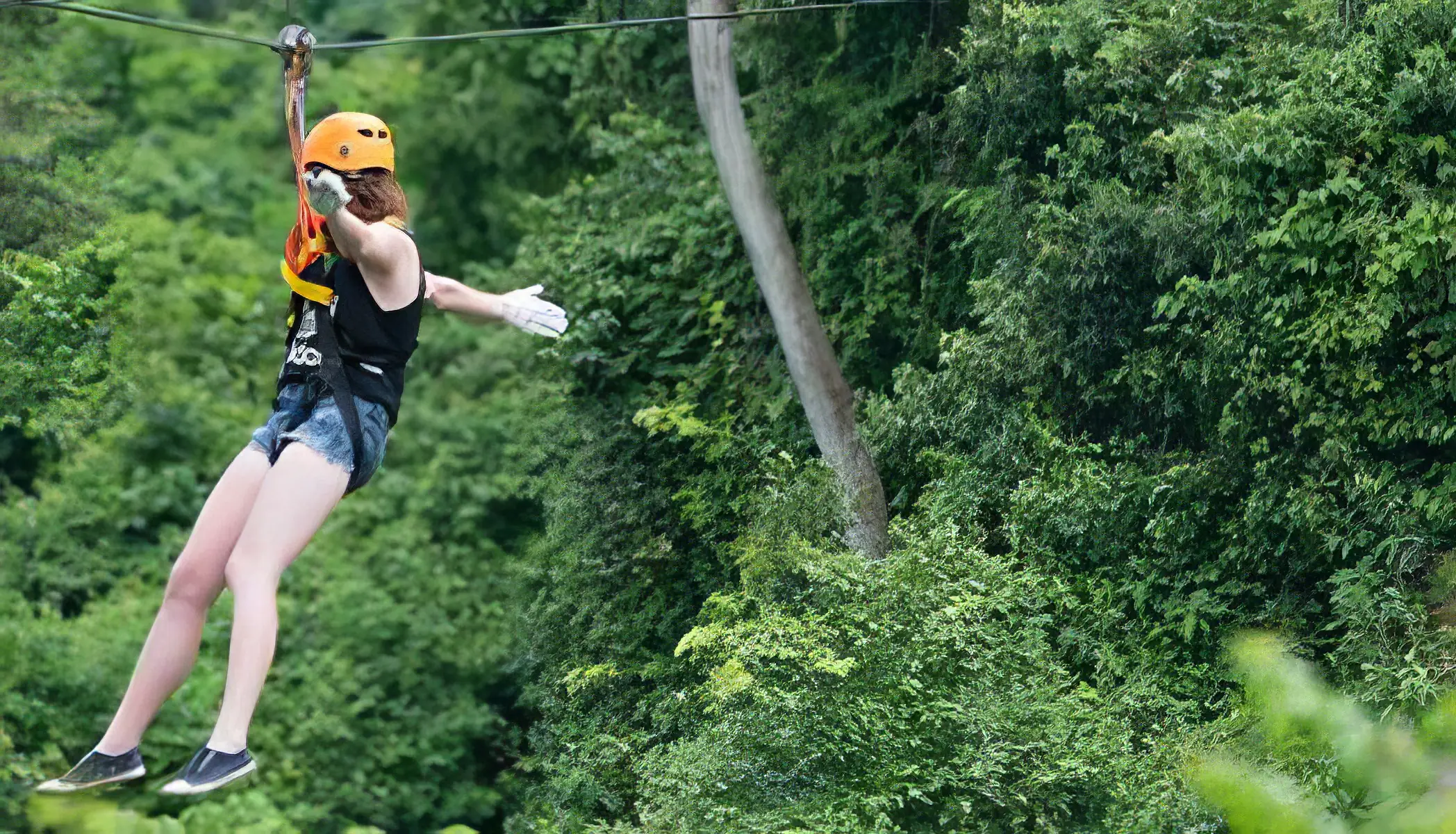
Outdoor experiences in Laos offer a mix of adventure and natural beauty:
– Tubing in Vang Vieng: Float down the Nam Song River surrounded by karst landscapes.
– Trekking in Luang Namtha: Explore remote villages and opulent jungles on guided hikes.
– Kayaking the Nam Ou River: Paddle through scenic valleys and traditional villages.
– Zip-lining in Bokeo Nature Reserve: Fly through the forest canopy with views of dense jungle.
– Caving in Tham Kong Lo: Navigate this impressive 7.5 km underground river cave.
– Climbing in Nong Khiaw: Scale lovely cliffs with panoramic views of rugged terrain.
– Biking around Si Phan Don: Discover relaxed islands on flat, easy cycling paths.
Kid Friendly
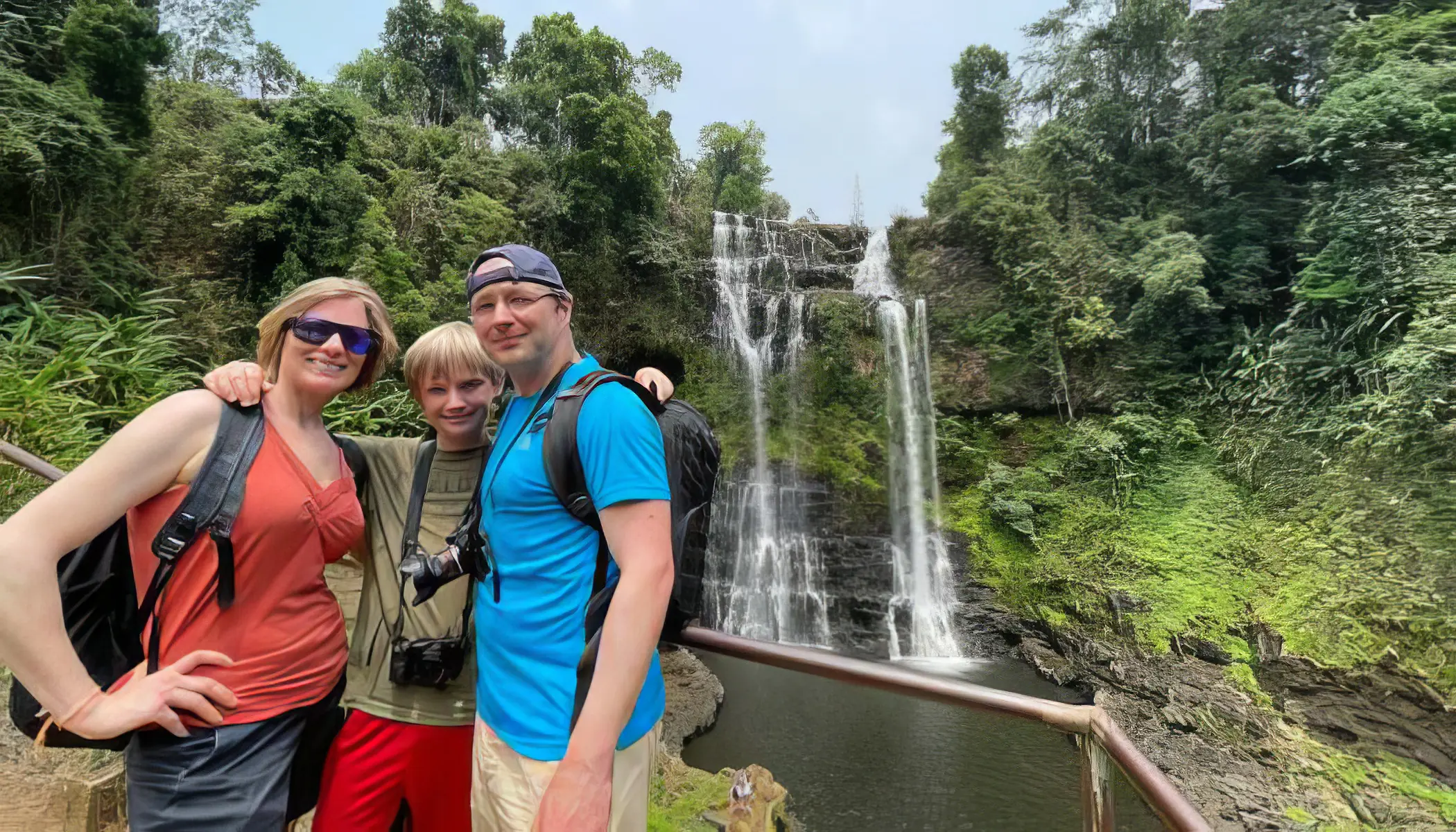
Laos supplies several engaging activities that are perfect for families with children:
– Kuang Si Waterfall: A remarkable waterfall with turquoise pools where kids can swim and explore.
– Elephant Conservation Center: A sanctuary where families can learn about elephants and their conservation.
– The Living Land Farm: An interactive farm experience where kids can try rice farming and other local activities.
– Lao Textile Museum: Supplies workshops where children can learn about traditional weaving techniques.
– Pha Tad Ke Botanical Garden: A beautiful garden to explore, with educational programs about plants and nature.
– Vang Vieng's Blue Lagoon: A natural swimming spot with clear waters, perfect for a refreshing family dip.
– COPE Visitor Centre: Provides educational exhibits about prosthetics and unexploded ordnance in Laos.
– Wat Xieng Thong Temple: An important historical site that supplies a glimpse into Laotian culture and architecture.
Cuisine
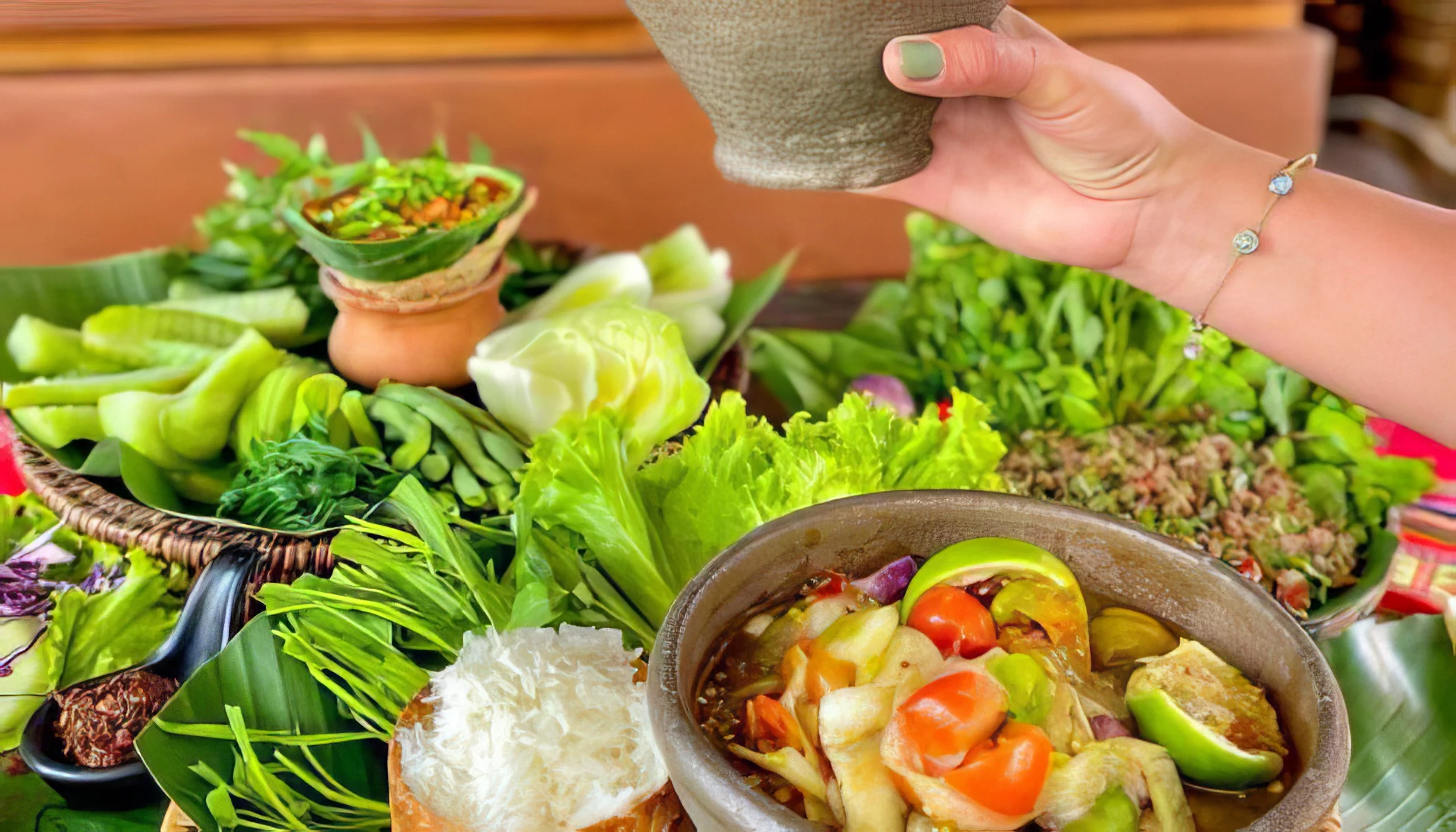
Laotian cuisine is characterized by its use of fresh herbs, fermented ingredients, and sticky rice as a staple. The flavors are bold, with a balance of sour, spicy, bitter, and salty tastes. Street food and communal dining are integral to the food culture. Most famous cuisine in Laos are:
– Laap: Minced meat salad with herbs, lime juice, and roasted rice powder.
– Tam Mak Hoong: Spicy green papaya salad with chilies, lime, fish sauce, and peanuts.
– Khao Piak Sen: Rice noodle soup with chicken or pork in a thick broth.
– Sai Oua: Grilled pork sausage seasoned with lemongrass and spices.
– Khao Niew: Sticky rice often served as an accompaniment to main dishes.
Souvenir
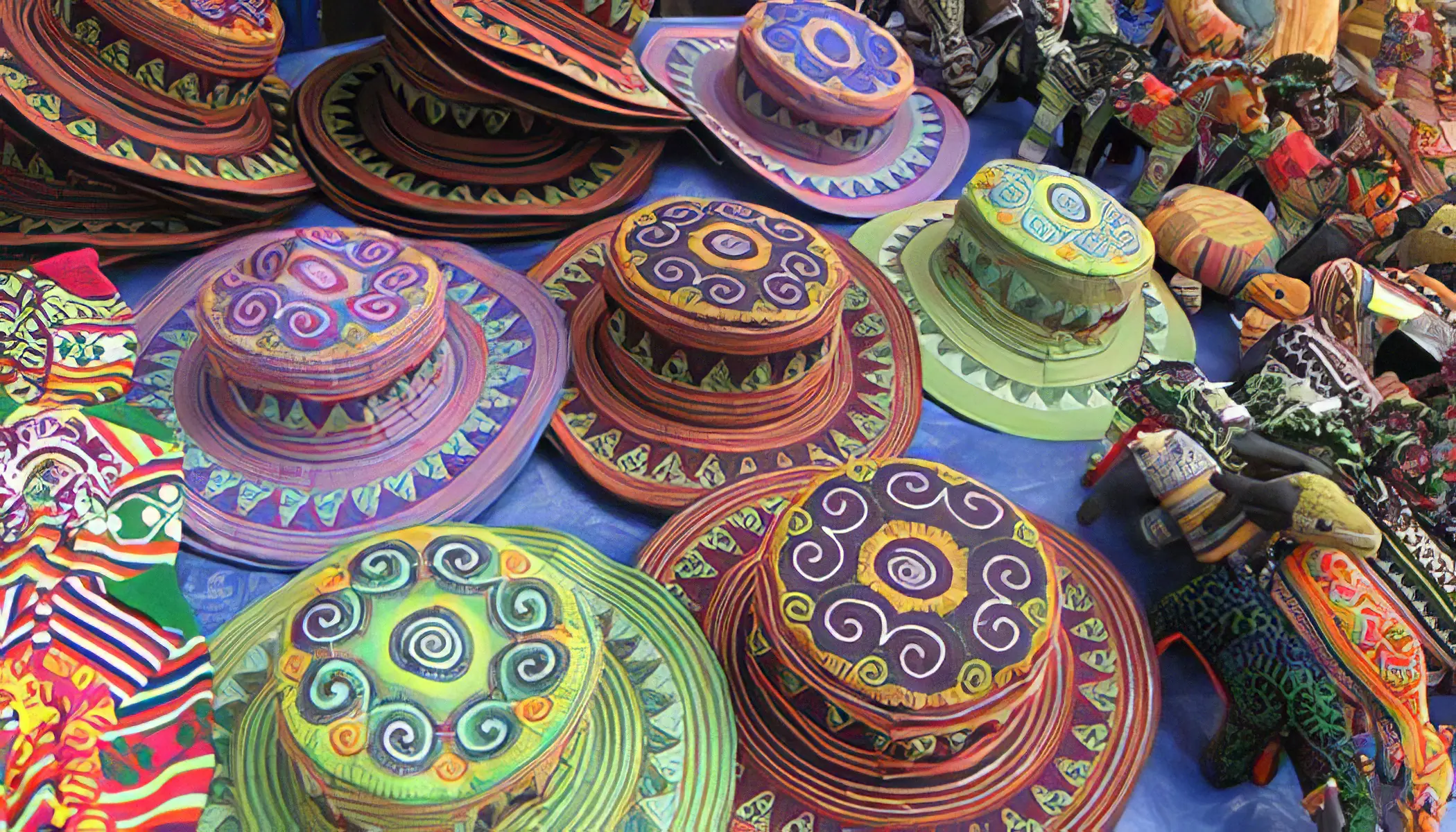
With its rich culture and unique crafts, Laos supplies a variety of souvenirs for tourists. Here are some popular ones to consider:
– Lao Silk: Known for its beautiful patterns and energetic colors, it's used in scarves, shawls, and clothing.
– Handwoven Textiles: Produced by local artisans, these textiles often feature traditional patterns and natural dyes.
– Sinh Skirts: The traditional garment worn by Lao women, available in various colors and designs.
– Sa Paper Products: Made from mulberry bark, this paper is crafted into notebooks, lanterns, and greeting cards.
– Bamboo Crafts: Includes baskets, mats, and kitchen utensils made by skilled craftsmen using natural bamboo.
– Coffee Beans: Grown on the Bolaven Plateau, Lao coffee is well-regarded for its robust flavor.
– Wood Carvings: Handcrafted wooden sculptures depicting religious or cultural themes are popular among visitors.
Traditional Shows
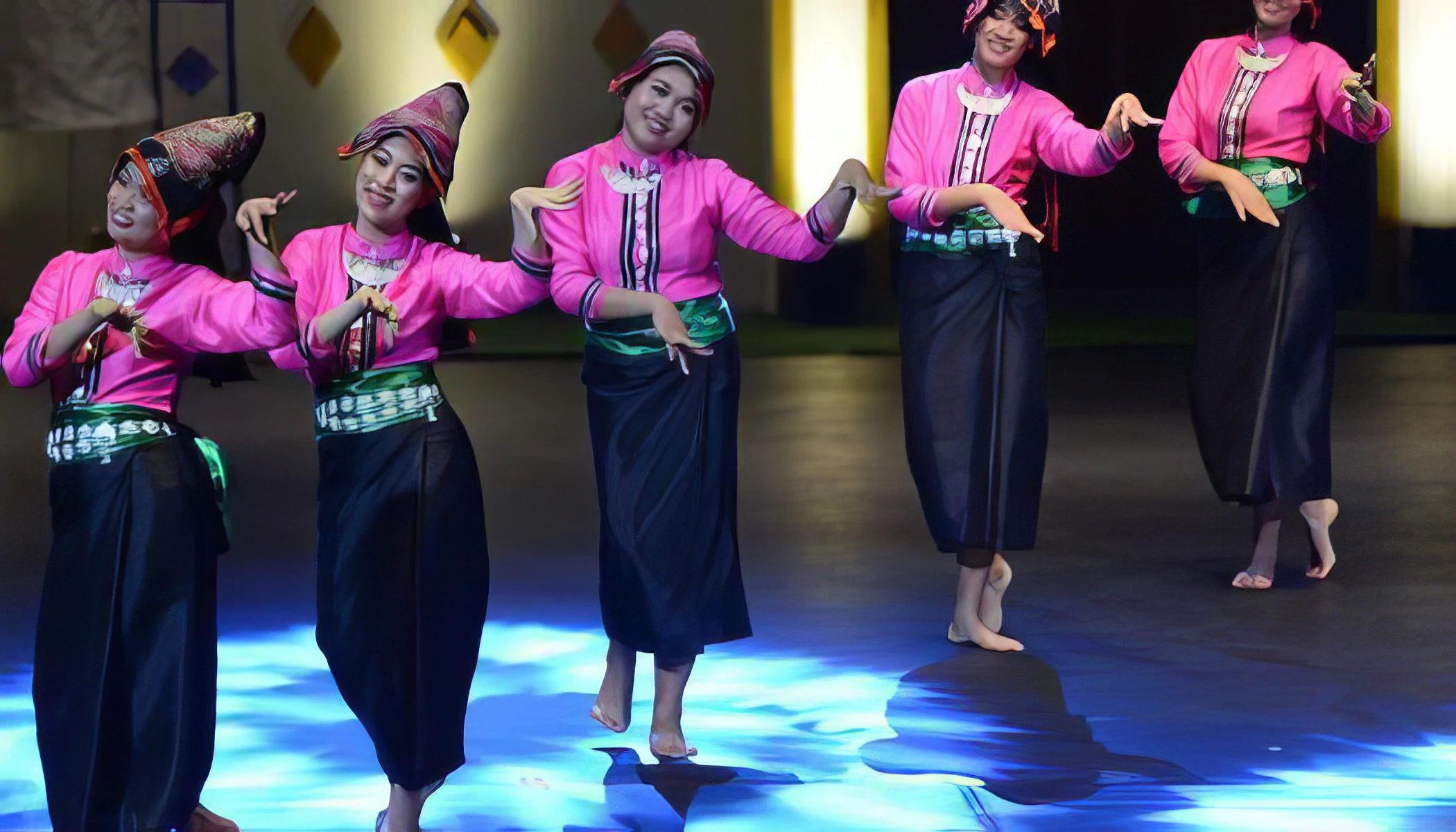
Laos showcases its traditional arts through vibrant performances:
– Lam Vong Dance: A graceful and communal circle dance, often performed at festivals and ceremonies across Laos, symbolizing unity and celebration.
– Mor Lam Singing: Enjoy traditional Lao folk music characterized by rhythmic singing and storytelling, prevalent in rural Laos and cultural events.
– Pheng Lao Orchestra: Witness classical Lao music featuring indigenous instruments, performed by local orchestras during national celebrations and special occasions.
– Khene Music: Experience the unique sounds of the Khene, a bamboo mouth organ played in both rural and urban settings in Laos.
– Nang Sangkhan Dance: Celebrate Lao New Year with this colorful dance performance, highlighting cultural rituals and traditions in various Laotian provinces.
Events & Festivals
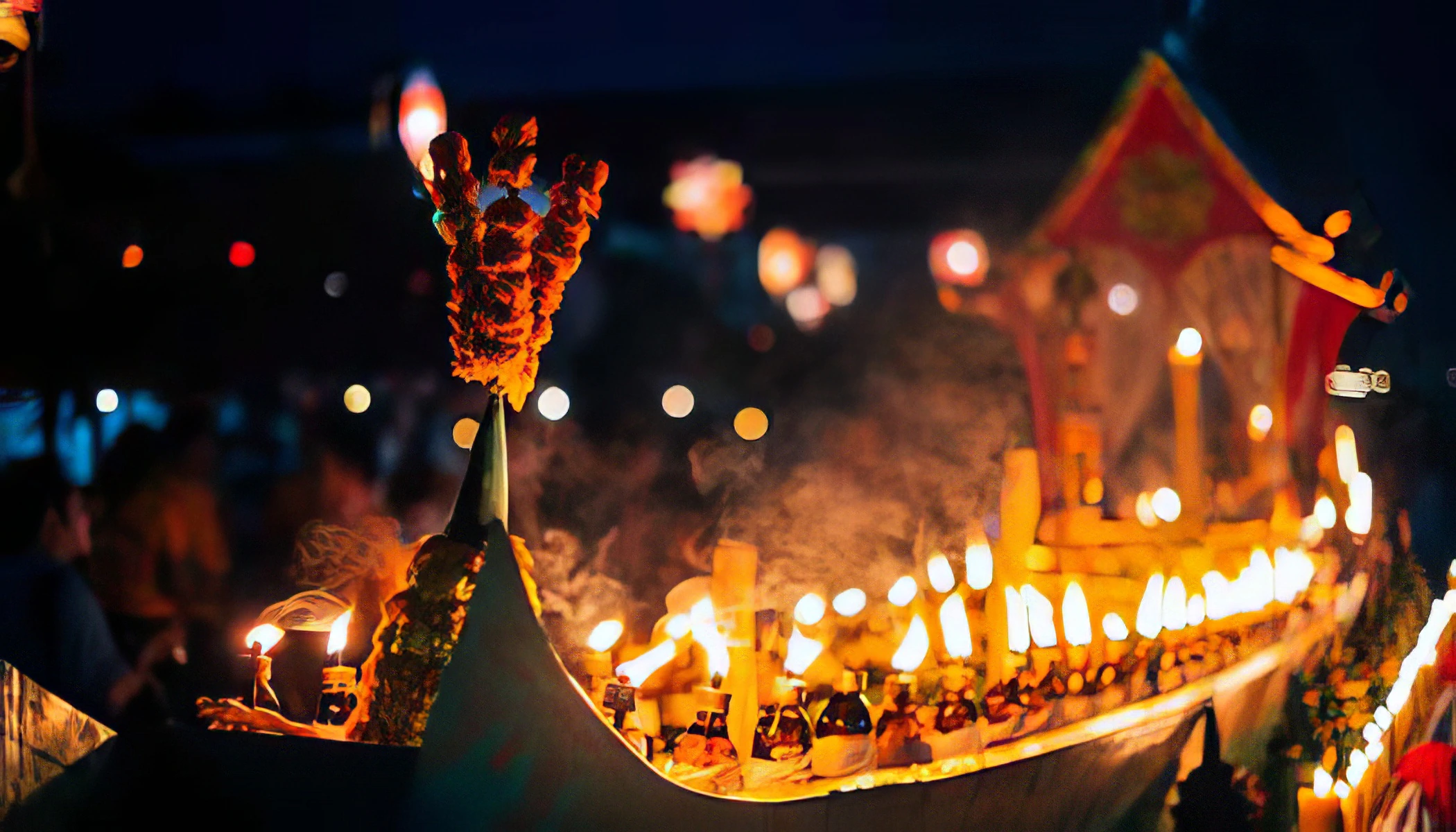
Festivals in Laos are lively and deeply rooted in tradition, celebrated widely across the country:
– Boun Pha Vet: January festival where sermons are held to recount Buddha's life, inviting merit-making.
– Boun Makha Bousa: February celebration marking Buddha's teachings with candlelit processions at temples.
– Lao New Year (Pi Mai): April event with water fights, temple visits, and rituals to wash away bad luck.
– Rocket Festival (Boun Bang Fai): May tradition launching homemade rockets to encourage rain for crops.
– Boat Racing Festival: August/September events featuring boat races along the Mekong River with music and dance.
– That Luang Festival: November gathering at Vientiane’s That Luang stupa for religious ceremonies and fairs.
– Hmong New Year: Celebrated in December by the Hmong ethnic group with traditional games, songs, and feasts.
Famous People

Laos has a rich history with notable figures contributing to its cultural and political landscape.
– Kaysone Phomvihane (1920 to 1992, Savannakhet): Revolutionary leader and first Prime Minister, pivotal in founding the Lao People's Democratic Republic.
– Fa Ngum (1316 to 1393, Muang Sua): Founder of the Lan Xang Kingdom, known for unifying and expanding Laos.
– Sisavang Vong (1885 to 1959, Luang Prabang): King who played a significant role during French colonial rule and early independence.
– Anouvong (1767 to 1829, Vientiane): King of Vientiane, remembered for leading a rebellion against Siamese domination.
– Douangdeuane Bounyavong (born 1947, unknown city): Celebrated writer and cultural figure known for preserving Laotian folklore through literature.
Books
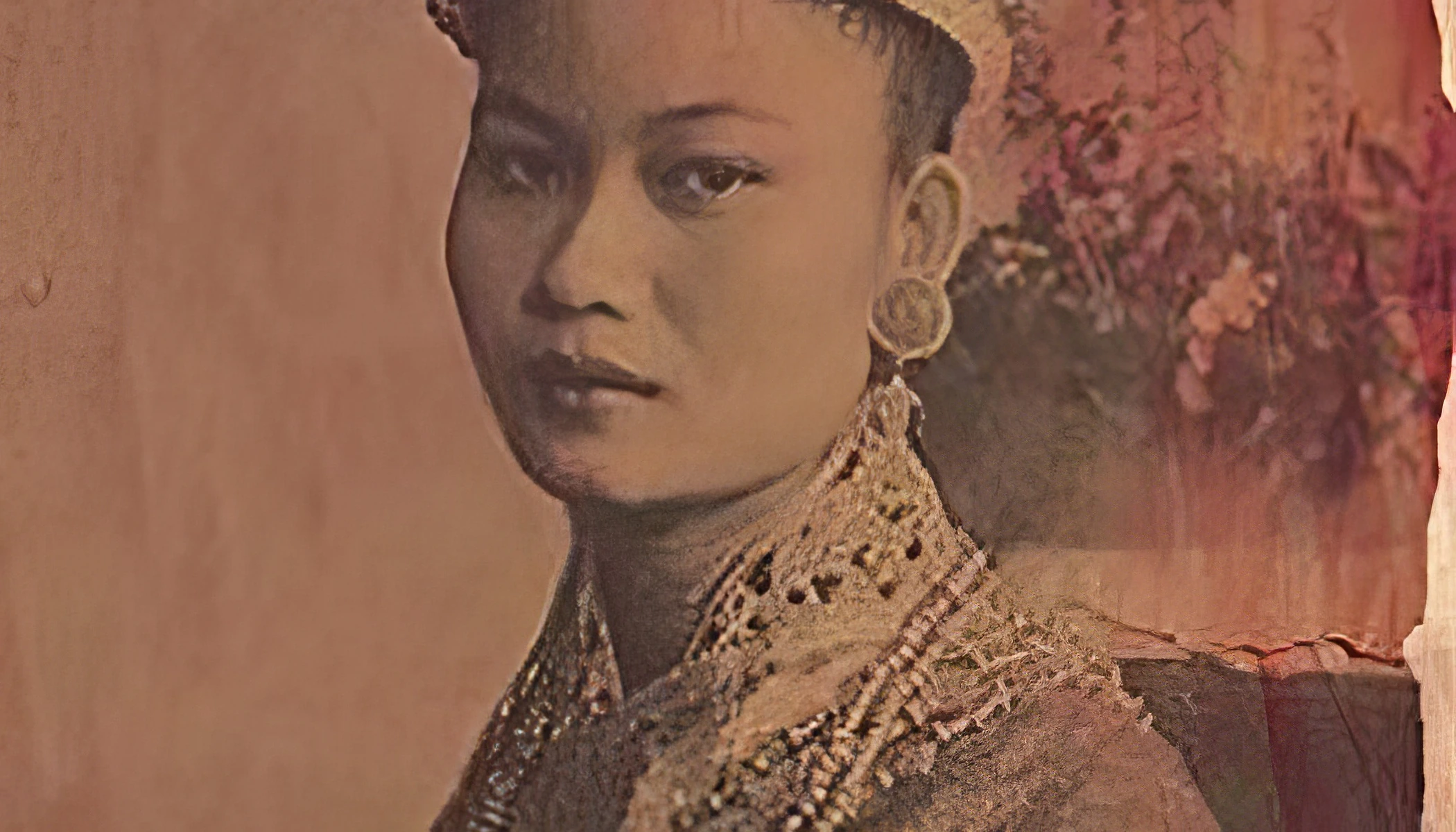
These books provide insights into the history, culture, and experiences of life in Laos through both fiction and non-fiction narratives.
– "The Coroner's Lunch" by Colin Cotterill: Mystery novel featuring Dr. Siri Paiboun, set in the 1970s post-revolutionary Laos.
– "Another Quiet American" by Brett Dakin: Personal account of an American working and living in Laos during the late 1990s.
– "Ant Egg Soup: The Adventures of a Food Tourist in Laos" by Natacha Du Pont De Bie: Culinary journey exploring Laotian cuisine and culture.
– "Sacred Willow: Four Generations in the Life of a Vietnamese Family" by Duong Van Mai Elliott: While focused on Vietnam, it provides historical context relevant to Laos during Indochina conflicts.
– "The Spirit Catches You and You Fall Down" by Anne Fadiman: Examines cultural clashes involving Hmong refugees from Laos in the U.S. healthcare system.
Songs
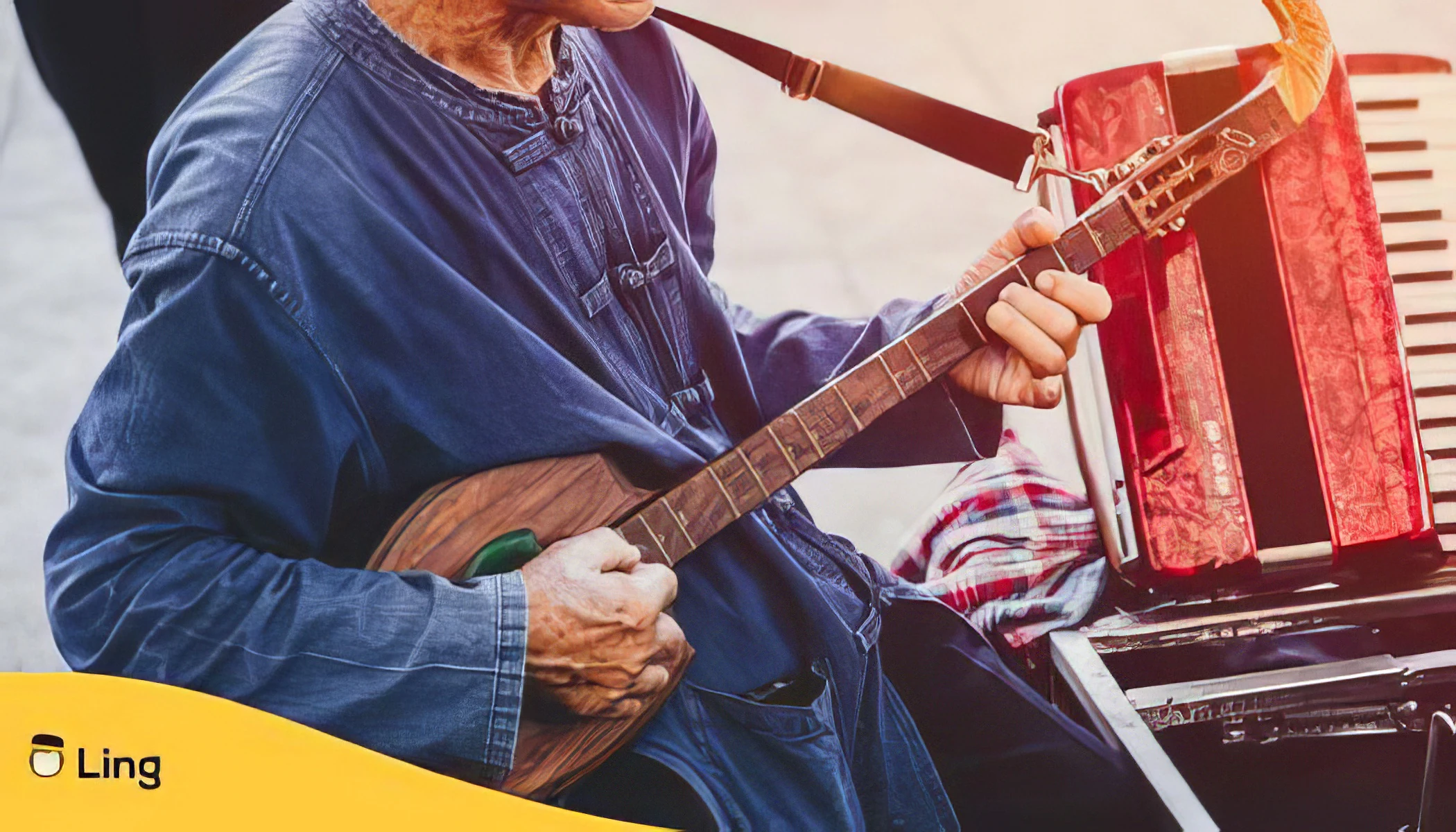
These songs highlight the rich cultural heritage and modern musical evolution in Laos.
– Pheng Xat Lao: National anthem of Laos, symbolizing unity and pride.
– Lam Phou Thouang: Traditional Lao folk song celebrating the country's landscapes.
– Sao Xieng Khouang: Famous romantic ballad reflecting Lao sentiments and beauty.
– Bor Pen Nyang: Popular contemporary song mixing traditional Lao sounds with modern beats.
– Ai Kap Nong: Classic love song well-loved across generations in Laos.
– Khaen Lai Lam: Celebrates the traditional Lao khaen instrument in a lively performance.
Films

A list of notable films that explore the culture and stories of Laos includes:
– "The Rocket": Kim Mordaunt's film depicts a young boy's journey through war-torn Laos to prove he's not cursed.
– "Chanthaly": Directed by Mattie Do, it's the first Laotian horror film about a young woman haunted by her mother's ghost.
– "Dearest Sister": A Lao drama-horror by Mattie Do, combining themes of family, wealth, and supernatural visions.
– "Good Morning Luang Prabang": A romantic film about a photographer discovering Laos's beauty and his own heritage.
– "Red Lotus": An exploration of love and tradition set against the relaxed backdrop of rural Laos.