

Lebanon Attractions & Travel Advice – Plan Your Visit
Located in the Middle East, this country is known for its rich history and cultural diversity. It features ancient ruins, Mediterranean coastline, and vibrant cities like Beirut. Despite challenges, it remains a unique blend of tradition and modernity.
- Capital
- Beirut
- Population
- 4.2 millions
- Superficy
- 11000 sq.km
- Months to Visit
- Apr. to June & Sept. to Nov.
- Living Cost
- Moderate
Overview
Lebanon is a small country in the Middle East, bordered by Syria to the north and east, Israel to the south, and the Mediterranean Sea to the west. Its capital, Beirut, is known for its lively culture and history, despite facing challenges from past conflicts. Lebanon's diverse population includes various religious and ethnic groups, contributing to a rich cultural tapestry. The country features varied landscapes, from coastal beaches to mountainous regions like the Cedars of God. Lebanon has a long history dating back to ancient Phoenician civilization. However, it faces ongoing political and economic difficulties that impact daily life.
Pros & Cons
GOOD REASONS TO VISIT LEBANON
– Rich History: Explore ancient ruins in Baalbek, Byblos, and Tyre, showcasing Lebanon's diverse historical heritage.
– Delicious Cuisine: Savor mezze, kibbeh, and baklava; Lebanese food is flavorful and widely appreciated.
– Dynamic Nightlife: Beirut supplies lively clubs, bars, and music scenes for night owls and party enthusiasts.
– Scenic Landscapes: Enjoy the Mediterranean coast, Cedar forests, and pleasant mountains ideal for hiking.
– Cultural Diversity: Experience a blend of cultures with various religious sites and festivals throughout the country.
CHALLENGES WHEN VISITING LEBANON
– Economic Instability: Financial challenges may affect services; currency fluctuations can impact travel budgets.
– Political Tensions: Regional conflicts occasionally cause unrest; stay informed about current events before visiting.
– Infrastructure Issues: Roads and public transport can be underdeveloped; plan travel logistics carefully.
Before Departure
Before traveling to Lebanon, it's important to be informed about several key aspects:
– Passport: Ensure your passport is valid for at least six months from your entry date.
– Visa: Many nationalities can obtain a visa on arrival for 30 days; check specific requirements beforehand.
– Currency: Lebanese Pound (LBP); US dollars widely accepted; credit cards used in cities; ATMs are available.
– Internet access: WiFi is common in hotels and cafes; local SIM cards with data plans are affordable and widely available.
– Language barrier: Arabic is the official language; English and French are widely spoken, especially in urban areas.
What to Pack
Traveling to Lebanon requires preparation for diverse weather and cultural experiences.
– Essentials: Passport and visa (if required), travel insurance, flight tickets, itinerary, accommodation confirmations, and local currency or credit cards.
– Clothing: Lightweight clothing for warm weather, modest attire for religious sites, comfortable walking shoes, a jacket for cooler evenings, and swimwear for beaches.
– Health & Safety: Prescription medications, basic first aid kit, insect repellent, sunscreen with high SPF, and personal hygiene products.
– Electronics: Travel adapter for Lebanese outlets (Type C/D/G), mobile phone with charger, camera with extra batteries or memory card.
Weather
Weather in Lebanon varies with distinct seasons and regional differences:
– Winter (December to February): Cold and wet, especially in mountainous areas with snowfall. Coastal regions are milder.
– Spring (March to May): Mild temperatures with blooming landscapes; occasional rain showers.
– Summer (June to August): Hot and dry, particularly along the coast; cooler in the mountains.
– Autumn (September to November): Warm and pleasant with decreasing temperatures and less humidity. The best time to visit Lebanon is during spring (March to May) or autumn (September to November). Pros: Enjoy mild weather, fewer tourists, and magnificient natural scenery. Cons: Some attractions may have limited access outside peak summer months.
Travel Budget
Lebanon supplies a range of prices for tourists, with costs varying significantly between local and more upscale options. Here are some average prices:
– Hotel: 50$ to 200$
– Lunch: 5$ to 20$
– Beverage (in bar/restaurant): 3$ to 10$
– Coffee: 2$ to 5$
– Transportation: (train not widely available), (bus 1$ to 3$), (taxi /10km 10$ to 20$)
– Mobile data (per GB): 2$ to 5$
Language
In Lebanon, Arabic is the official language, and here are some useful phrases for tourists:
– Hello: Marhaba
– Thank you: Shukran
– Please: Min fadlak (to a male) / Min fadlik (to a female)
– How much is this?: Addesh haada?
– Excuse me: 'Afwan
– I don't understand: Ma fhemet
– Yes: Na'am
– No: La'
– Goodbye: Ma'a as-salama
History
The area known today as Lebanon has been inhabited since ancient times, and it was the heartland of the Phoenician civilization around 3,000 years ago. It later became part of major empires, including the Roman, Byzantine, and Islamic caliphates. Under Ottoman rule from the 16th century until World War I, it experienced significant cultural and religious diversity. After WWI, the League of Nations granted France a mandate over Lebanon, leading to its establishment as a separate state in 1920. Lebanon gained independence in 1943 but faced internal strife that escalated into a civil war from 1975 to 1990. Despite ongoing political instability and external conflicts with neighboring countries, it remains a culturally diverse nation in the Middle East.
Geopolitics
Located in the Middle East, Lebanon is bordered by Syria to the north and east, Israel to the south, and the Mediterranean Sea to the west. The country's political landscape is heavily influenced by its sectarian divisions, with power shared among various religious communities, leading to frequent political instability. Lebanon has a complex relationship with neighboring Syria and a history of tension and conflict with Israel. It hosts a significant number of Palestinian and Syrian refugees, impacting its social and economic dynamics. The influence of external powers like Iran, through Hezbollah, and Western countries plays a critical role in its national politics. Lebanon's economic situation is precarious, exacerbated by governance issues and regional conflicts.
Sample Itinerary
This itinerary covers Lebanon’s cultural, historical, and natural attractions in Beirut, Byblos, Baalbek, and the Chouf Mountains.
– 2 days in Beirut: Explore the National Museum, Corniche promenade, and pleasant neighborhoods like Gemmayzeh. Visit the Beirut Souks and sample Lebanese cuisine.
– 1 day in Byblos: Discover one of the oldest cities with its ancient ruins, charming harbor, and historic souks. Visit Byblos Castle.
– 1 day in Baalbek: Tour the Roman temple complex with iconic structures like the Temple of Bacchus and Temple of Jupiter. Learn about Phoenician history.
– 1 day in Jeita Grotto: Experience sparkling caves with stunning stalactites and stalagmites via boat tour. Visit Our Lady of Lebanon in Harissa for views.
– 1 day in Chouf Mountains: Explore Beiteddine Palace with its Ottoman architecture. Hike through cedar forests and enjoy traditional Druze cuisine.
Popular cities
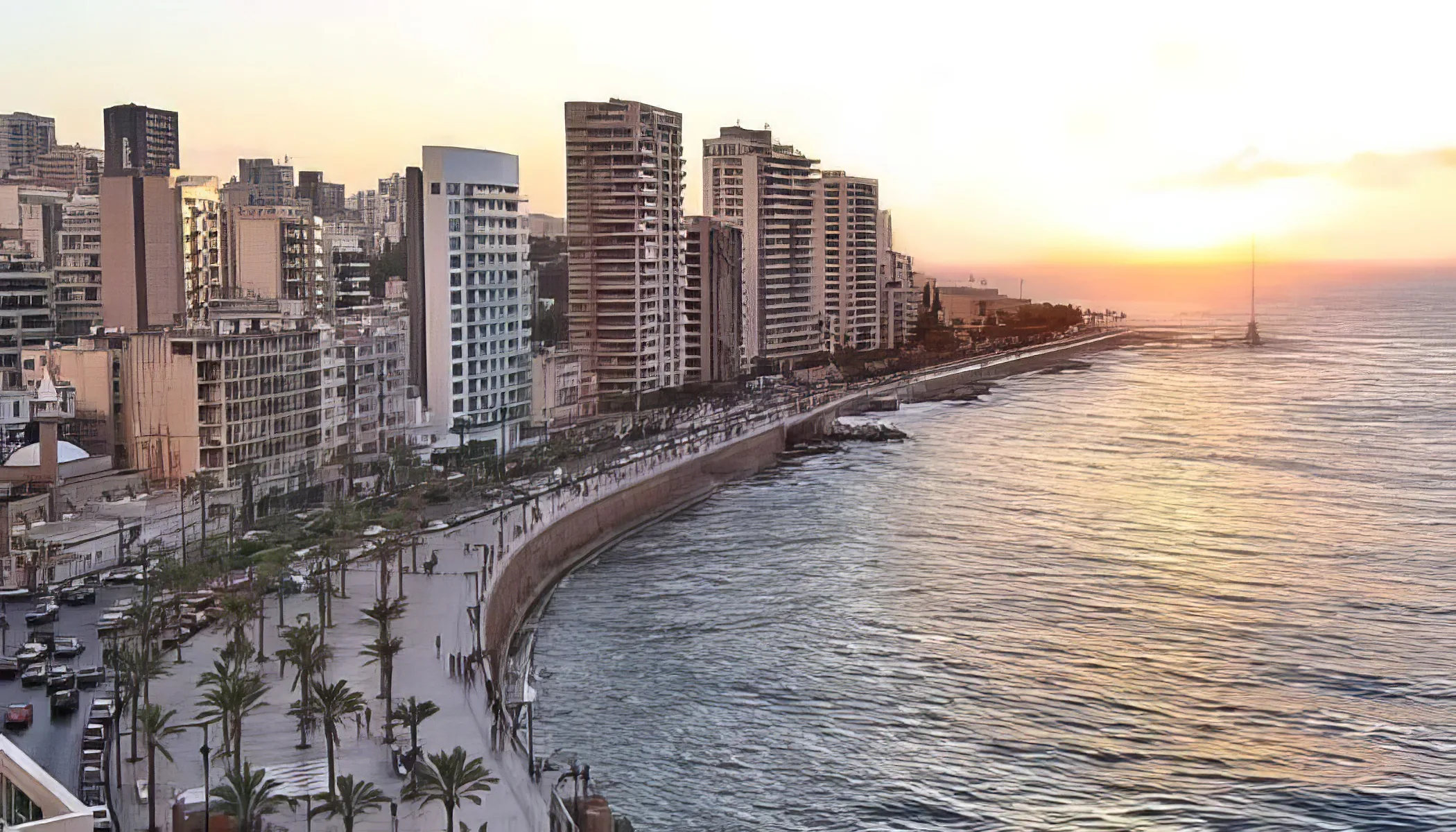
Discover Lebanon's pleasant mix of history, culture, and natural beauty:
– Beirut: The capital city is known for its lively nightlife, diverse culture, and historical museums.
– Byblos: One of the oldest continuously inhabited cities in the world, rich in history and ancient ruins.
– Baalbek: Famous for its well-preserved Roman temples and historic significance.
– Tyre: A coastal city with ancient Phoenician ruins and beautiful Mediterranean beaches.
– Tripoli: Known for its medieval architecture, souks, and authentic Lebanese cuisine.
– Sidon: Offers a glimpse into history with its Sea Castle and traditional markets.
– Zahle: Renowned for its wineries and delicious Lebanese food, nestled in the Bekaa Valley.
Monuments
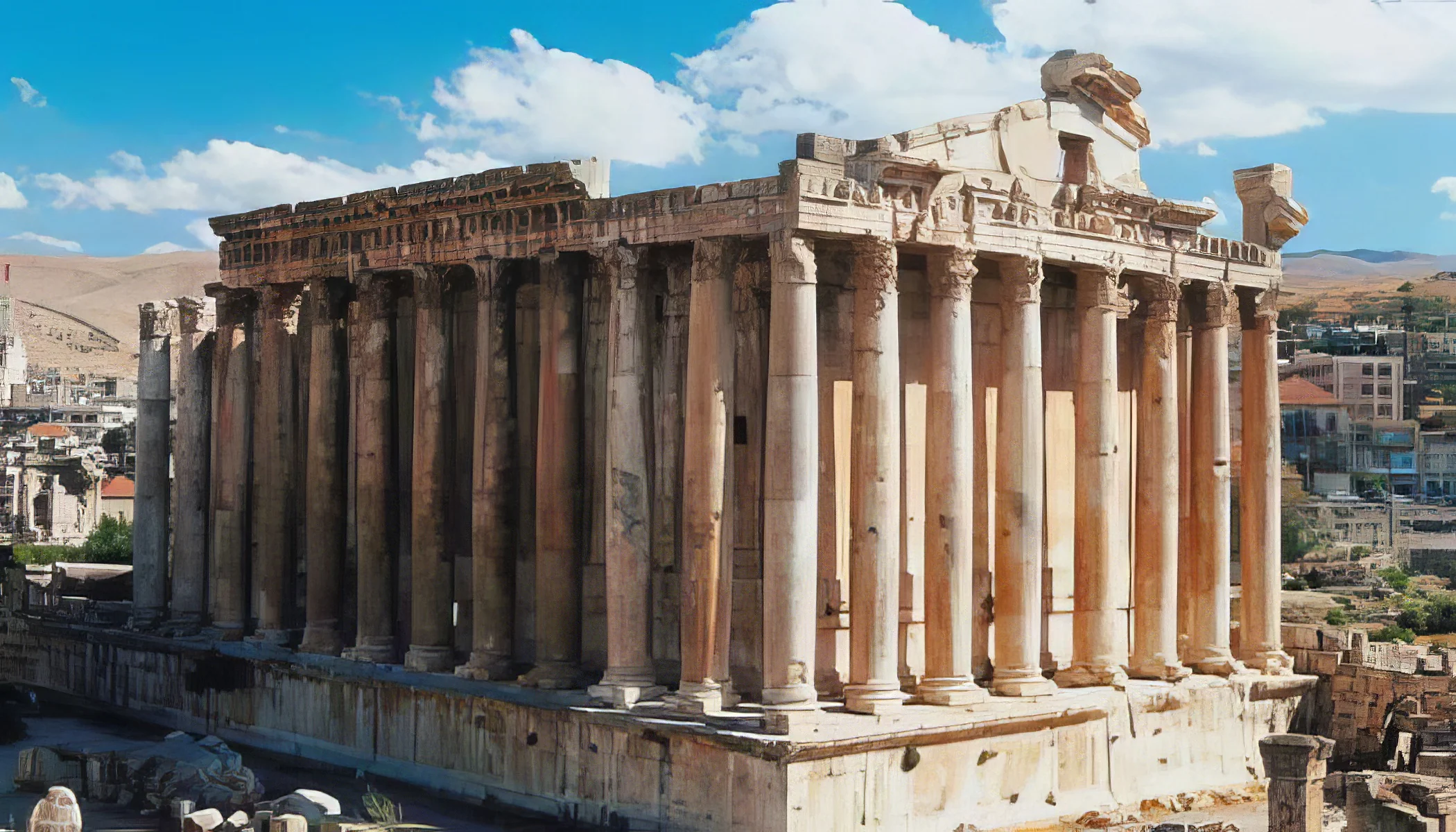
Lebanon is home to several notable historical monuments:
– Baalbek: Ancient Roman city with colossal temples of Jupiter and Bacchus.
– Byblos: One of the world's oldest cities, with Crusader castle and Roman ruins.
– Jeita Grotto: Impressive nice caves with handsome stalactites and stalagmites.
– Sidon Sea Castle: Crusader fortress offering panoramic views of the Mediterranean.
– Temple of Eshmun, Sidon: Phoenician temple dedicated to the god of healing.
– Beiteddine Palace, Chouf Mountains: 19th-century palace showcasing Lebanese architecture and art.
– Anjar: Umayyad city with well-preserved palaces and mosques from the 8th century.
– Our Lady of Lebanon, Harissa: Iconic statue overlooking Bay of Jounieh, significant religious site.
Natural wonder
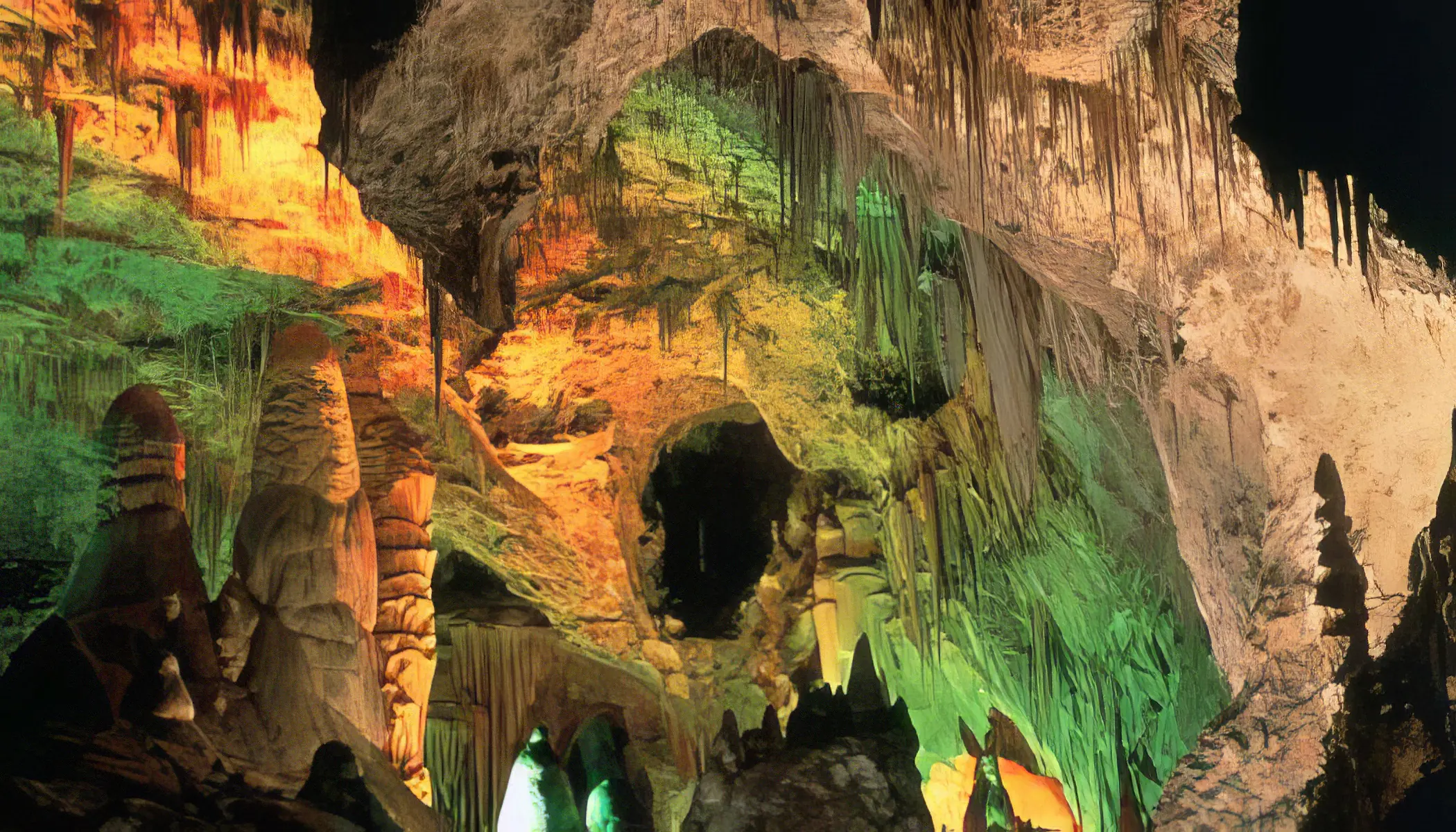
Explore Lebanon's natural landscapes:
– Jeita Grotto: Famous for its nice shiny formations and underground river.
– Cedars of God: Ancient cedar trees located in the mountains of Bsharri.
– Qadisha Valley: Deep gorge known for its monasteries and hiking trails.
– Al-Shouf Cedar Nature Reserve: Largest nature reserve with diverse flora and fauna.
– Chouwen Lake: Nestled in a valley, ideal for swimming and picnics.
– Baatara Gorge Waterfall: Unique waterfall descending into a cave, surrounded by cliffs.
– Raouche Rocks (Pigeon Rocks): Natural offshore rock formations near Beirut's coastline.
– Afqa Waterfall: Originating from a cave, linked to the Adonis myth.
– Tannourine Cedars Forest Nature Reserve: Dense cedar forest with hiking paths.
– Horsh Ehden Nature Reserve: Rich biodiversity set in northern Lebanon’s mountains.
Beaches
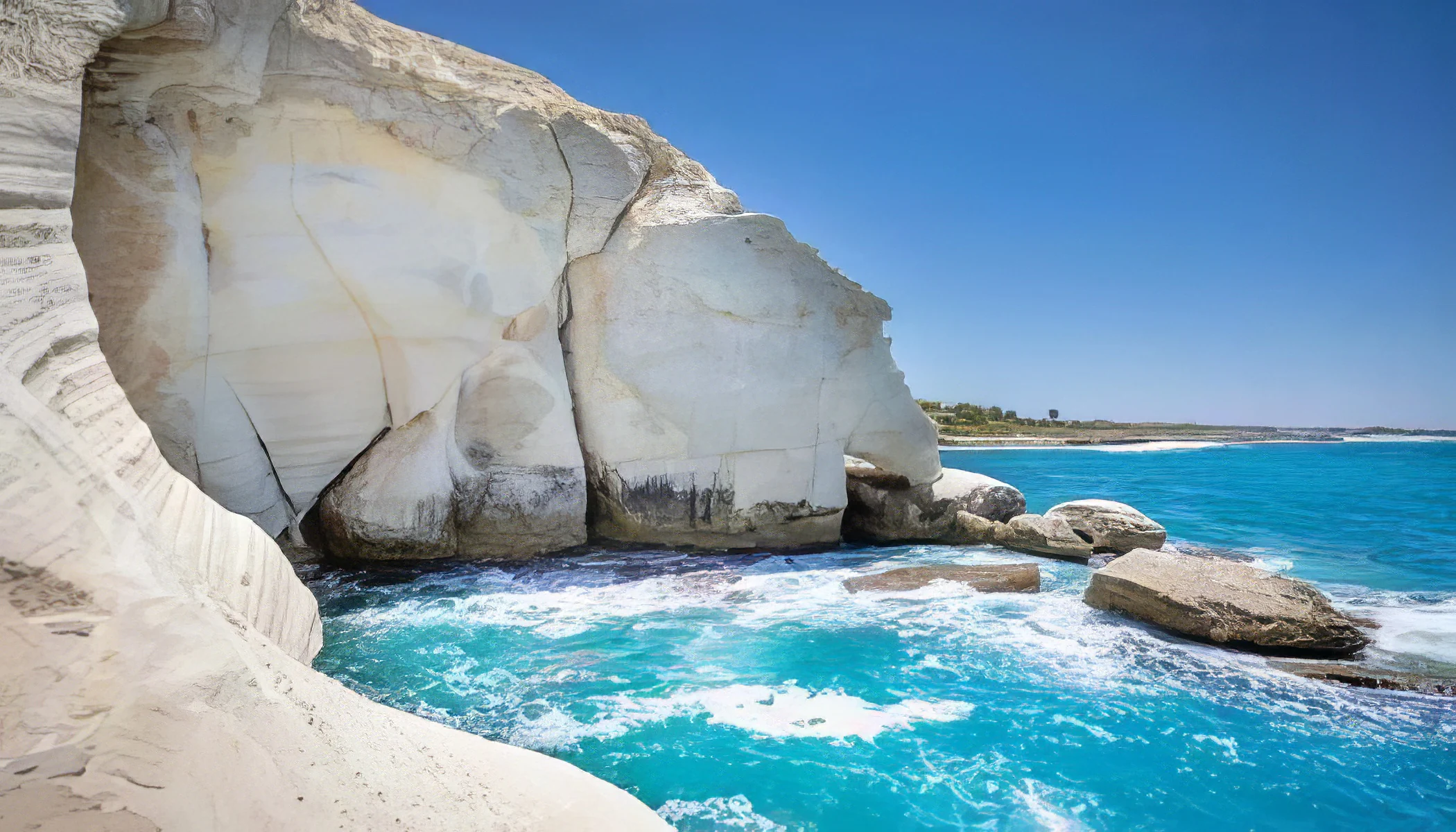
Lebanon supplies several attractive beaches along its Mediterranean coast:
– Tyre Beach: Features golden sands and is part of a UNESCO World Heritage site.
– Ramlet al-Baida: Public beach in Beirut known for its sandy shoreline.
– Batroun Beaches: Known for lively beach clubs and clear waters.
– Jbeil (Byblos) Beach: Provides historical charm and a scenic coastal view.
– Jiyeh Beach: Popular for resorts and water activities south of Beirut.
– White Beach, Batroun: Known for its unique white sand and clear waters.
– Pierre & Friends, Batroun: Combines a beach bar atmosphere with a rocky shore.
Outdoor activities
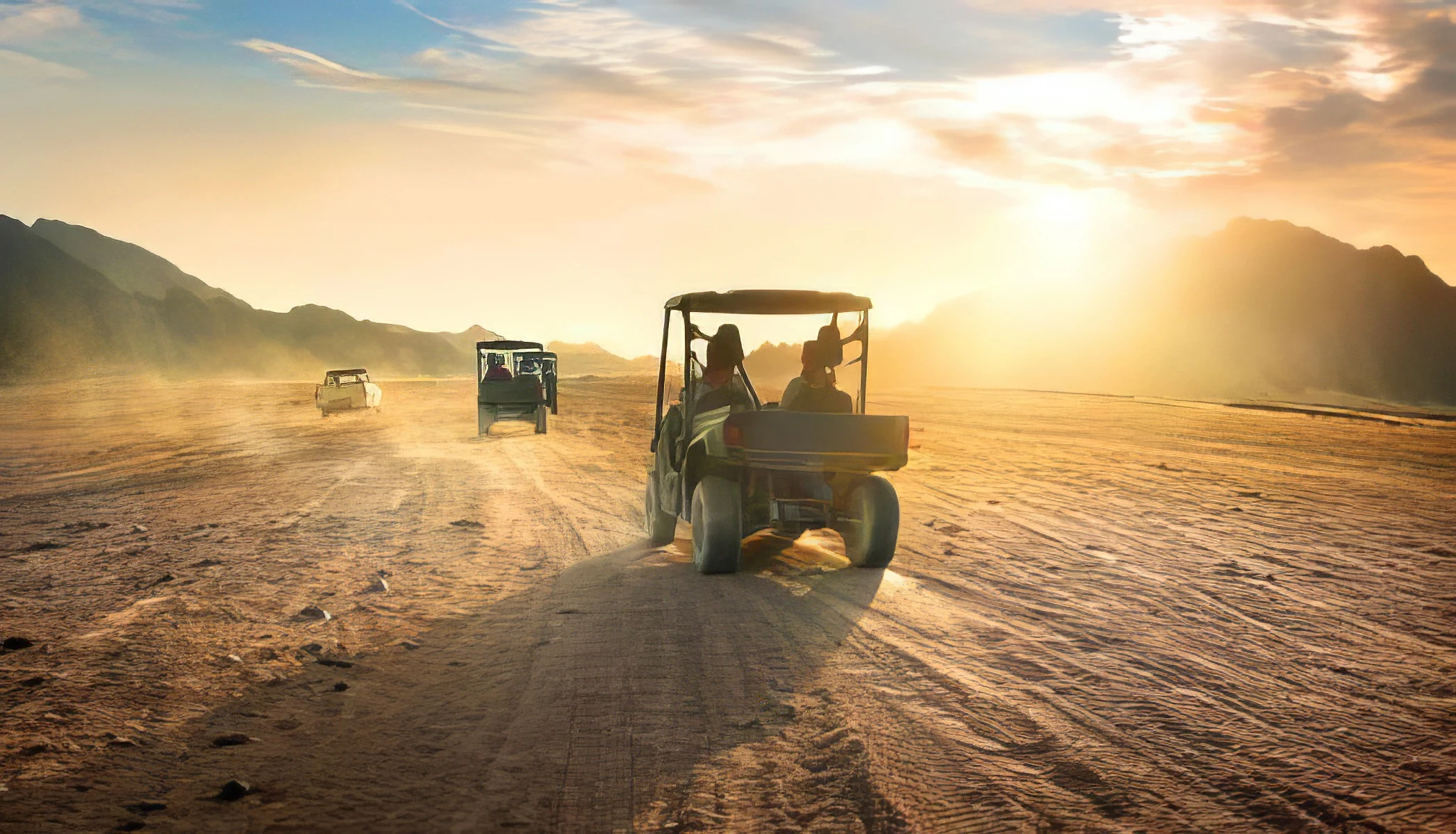
Adventure seekers can enjoy a variety of outdoor activities in Lebanon:
– Hiking the Lebanon Mountain Trail: Traverse diverse landscapes from north to south.
– Skiing in Faraya: Experience winter sports in the scenic Mount Lebanon range.
– Paragliding over Jounieh Bay: Soar above the coast with panoramic sea views.
– Caving in Jeita Grotto: Explore stunning underground sparkling formations.
– Rafting on the Assi River: Tackle exciting rapids suitable for beginners and experts.
– Beach Day in Tyre: Relax on golden sands with clear Mediterranean waters.
– Biking through Cedars of God: Cycle among ancient cedar trees in a UNESCO World Heritage Site.
Kid Friendly
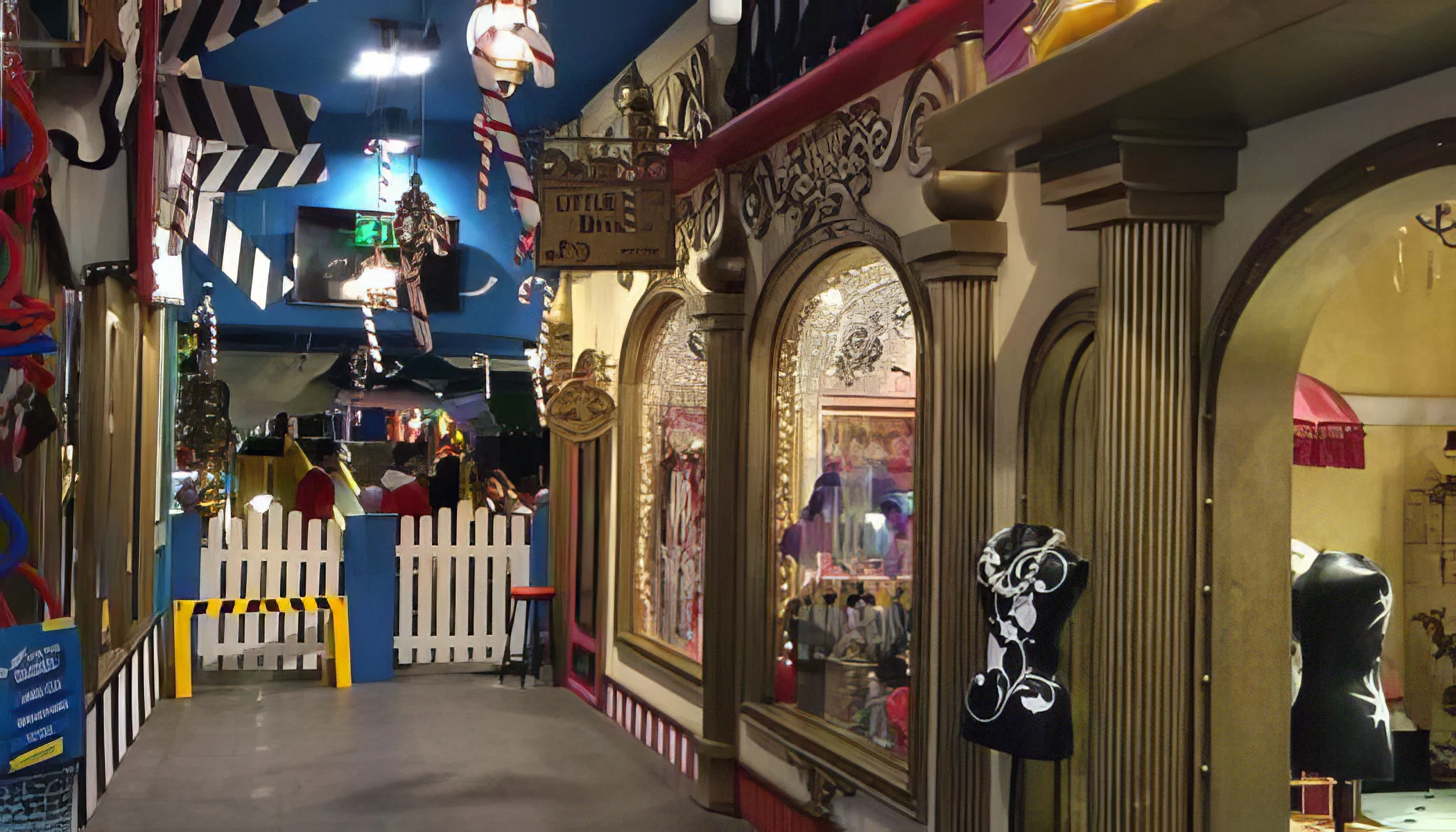
Lebanon provides diverse activities that children will enjoy exploring.
– Jeita Grotto: A gorgeous cave system with stalactites and a boat ride inside the lower cave.
– KidzMondo Beirut: An interactive city for kids where they can try out different professions in a fun environment.
– Beirut Hippodrome: A lovely place to enjoy horse races and family picnics.
– Jounieh Teleferique: A cable car ride offering panoramic views of the coast, which kids will find exciting.
– The Miniature Lebanon Museum: Features scale models of famous Lebanese landmarks, providing a unique educational experience.
– Byblos Castle: An ancient site with fascinating ruins and a kid-friendly atmosphere for exploration.
– Rafiq Hariri Park: A vast public park in Beirut with playgrounds and picnic areas for family relaxation.
– Al Shouf Cedar Nature Reserve: Supplies hiking trails and opportunities to see Lebanon's iconic cedar trees up close.
Cuisine
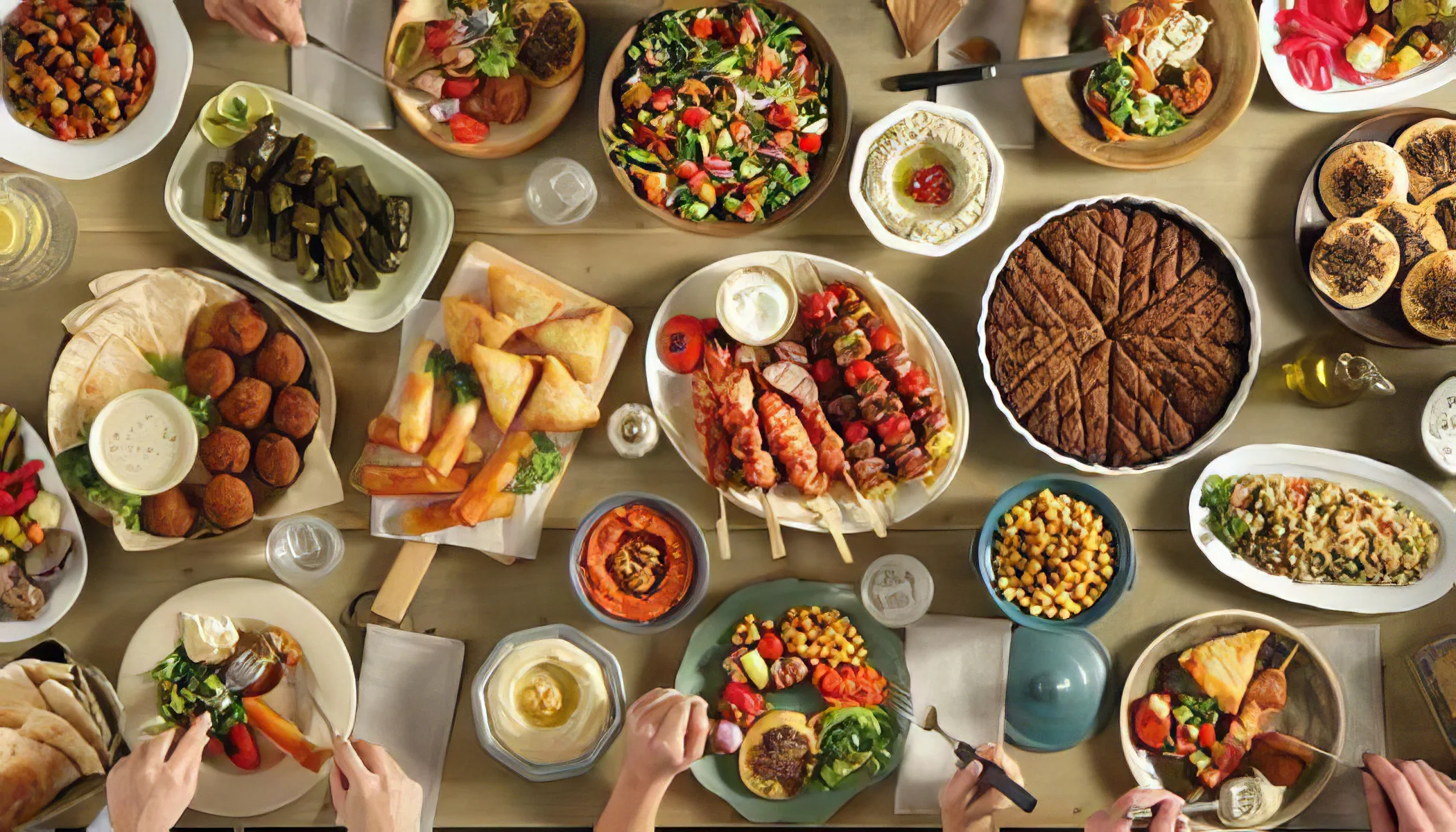
Lebanese cuisine features fresh ingredients, dynamic flavors, and Mediterranean influences, emphasizing vegetables, grains, and olive oil. Meals often include shared mezze plates and grilled meats. Most famous dishes and desserts from Lebanon are:
– Hummus: Creamy dip made from blended chickpeas, tahini, lemon juice, and garlic.
– Tabbouleh: Fresh salad with parsley, mint, tomatoes, bulgur wheat, lemon juice, and olive oil.
– Kibbeh: Ground meat mixed with bulgur and spices; often fried or baked.
– Shawarma: Marinated meat slices roasted on a vertical spit; served in bread with vegetables.
– Baba Ghanoush: Smoky eggplant dip blended with tahini, garlic, and lemon juice.
– Baklava: Sweet pastry layers filled with nuts and drizzled with syrup or honey.
Souvenir
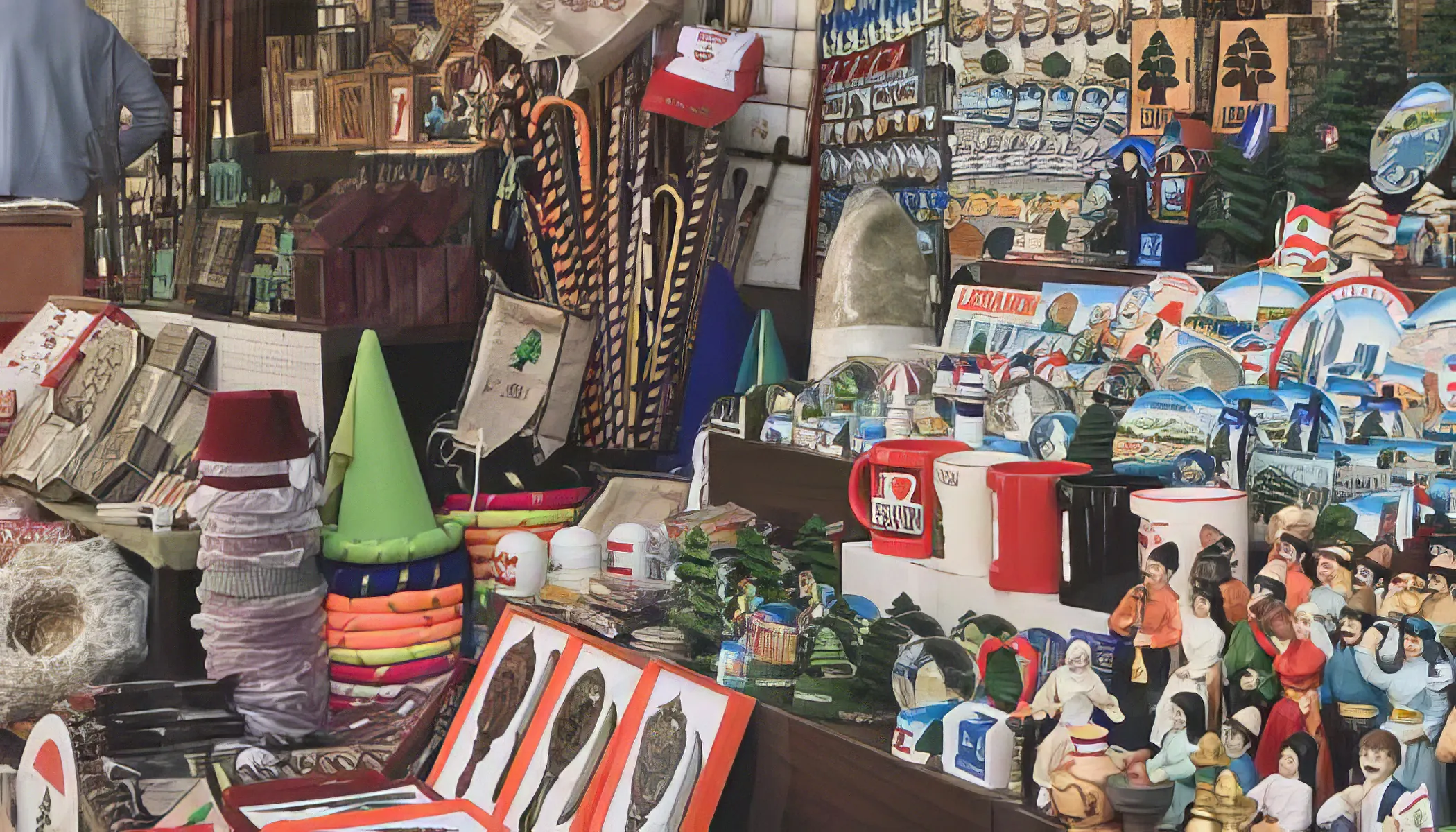
Lebanon offers a variety of unique souvenirs that reflect its rich culture and history. Here are some popular options:
– Lebanese Sweets: Baklava and other traditional sweets are a tasty reminder of your visit.
– Arak: This traditional anise-flavored alcoholic drink is a unique Lebanese specialty.
– Olive Oil Soap: Handmade soaps from Tripoli are known for their natural ingredients and quality.
– Cedar Wood Products: Items made from Lebanon's famous cedar wood include boxes, carvings, and ornaments.
– Traditional Jewelry: Look for pieces with Phoenician or Arabic designs in local markets.
– Handmade Glassware: Blown glass items come in various forms, from vases to decorative pieces.
– Carpet and Rugs: Intricately designed carpets can be found throughout the country.
Traditional Shows
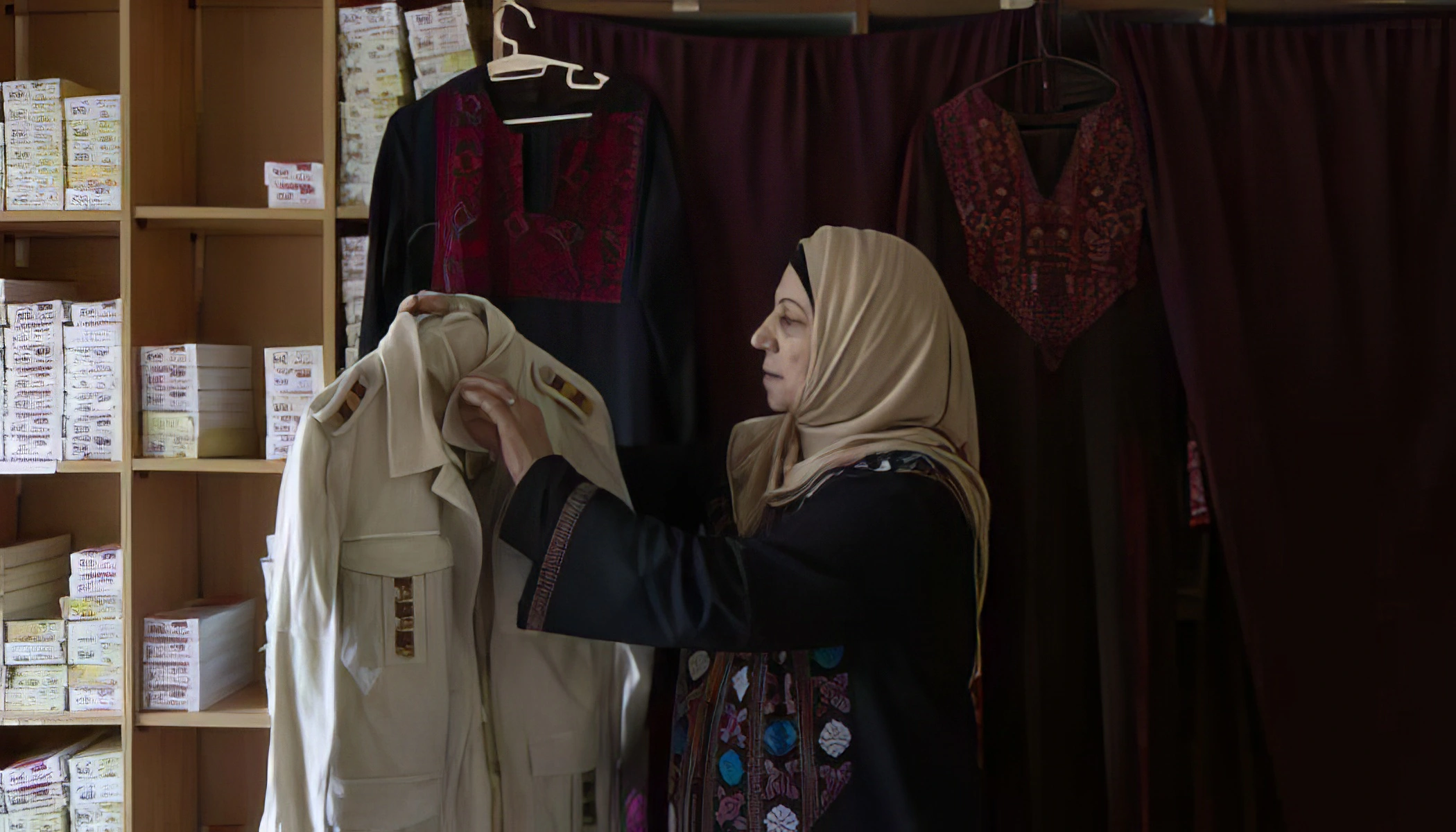
Lebanon provides a variety of traditional performances rooted in its rich cultural heritage:
– Dabke Dance: Energetic folk dance performed at festivals and weddings across Lebanon, showcasing rhythmic footwork and communal spirit.
– Zajal Poetry: Oral poetry competition where poets engage in lyrical duels, popular in Lebanese villages for its wit and cultural expression.
– Muwashahat Music: Classical Arabic music form featuring beautiful melodies and poetic lyrics, often performed at cultural events in Beirut.
– Arguileh Nights: Traditional evenings featuring live music with oud and qanun instruments, offering a relaxed atmosphere in many Lebanese cafes.
– Rahbani Brothers Shows: Musical plays combining traditional sounds with contemporary themes, widely recognized for their influence on Lebanese theater.
Events & Festivals
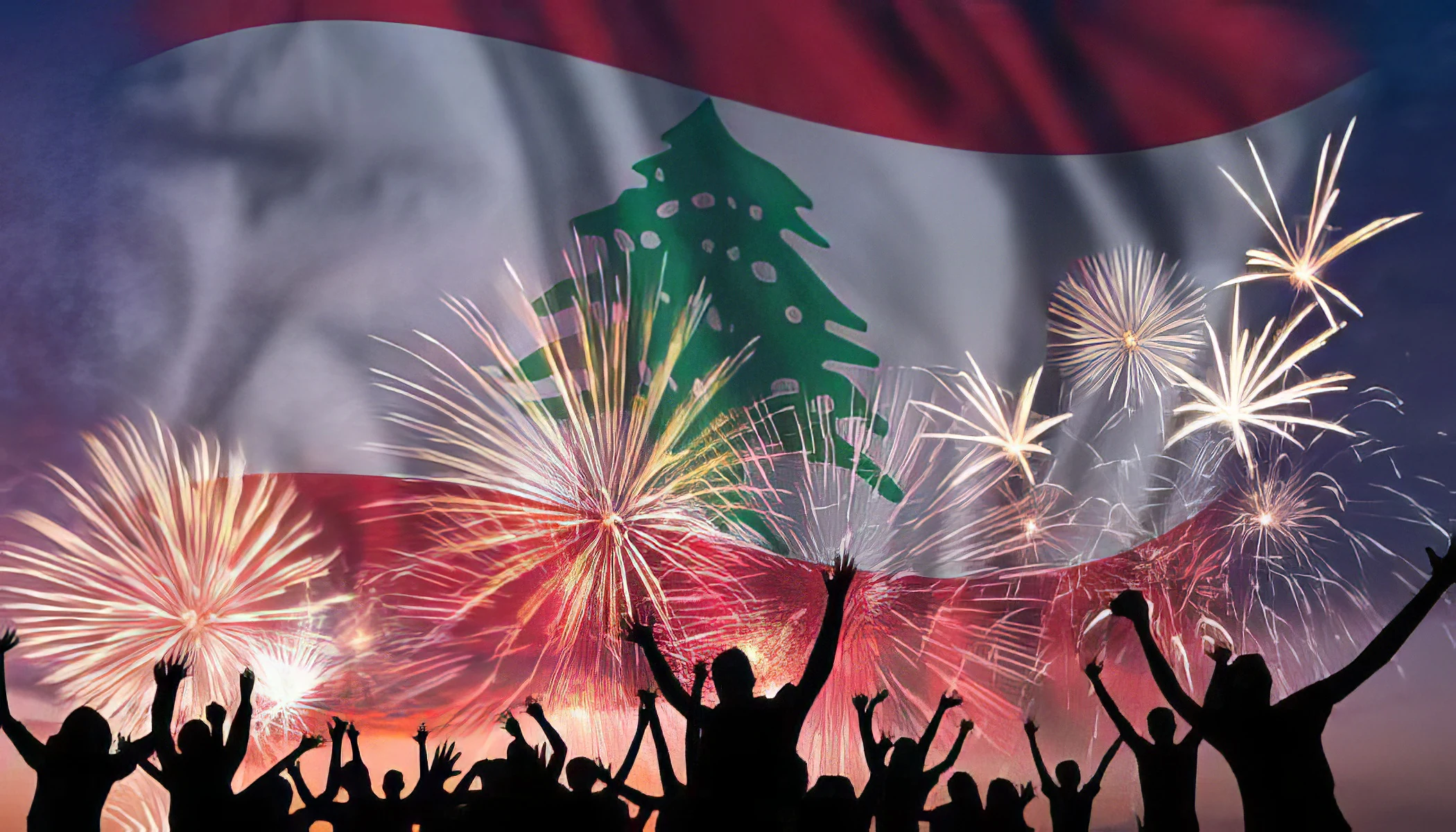
Throughout the year, Lebanon hosts a variety of attractive and cultural events:
– Byblos International Festival: Held in July, featuring international and local music acts in an ancient city setting.
– Baalbeck International Festival: Taking place in July-August, it showcases music and theater in historic Roman ruins.
– Beiteddine Art Festival: Celebrated in July-August with diverse performances set in a historical Lebanese palace.
– Beirut Art Fair: September event highlighting contemporary art from the Middle East and beyond.
– Tyre Festival: August celebration of music and culture held by the sea in southern Lebanon.
– Al Bustan Festival: February-March event focusing on classical music and opera near Beirut.
– Wine Harvest Festival: Celebrated in September, showcasing Lebanese wines with tastings and vineyard tours.
Famous People

Lebanon has been home to many renowned individuals who have significantly influenced politics, culture, and the arts.
– Kahlil Gibran (1883 to 1931, Bsharri): Esteemed philosopher and writer, famous for his book "The Prophet."
– Fairuz (born 1934, Beirut): Iconic singer known as the "Voice of Lebanon," celebrated for her influential music career.
– Amin Maalouf (born 1949, Beirut): Acclaimed author and academic known for novels like "Leon the African" and winning prestigious literary awards.
– Gebran Tueni (1957 to 2005, Beirut): Journalist and politician recognized for his work at An-Nahar newspaper and his advocacy for freedom of speech.
– Hassan Kamel Al-Sabbah (1895 to 1935, Nabatieh): Inventor and electrical engineer with numerous patents in electronics; worked in early television development.
Books
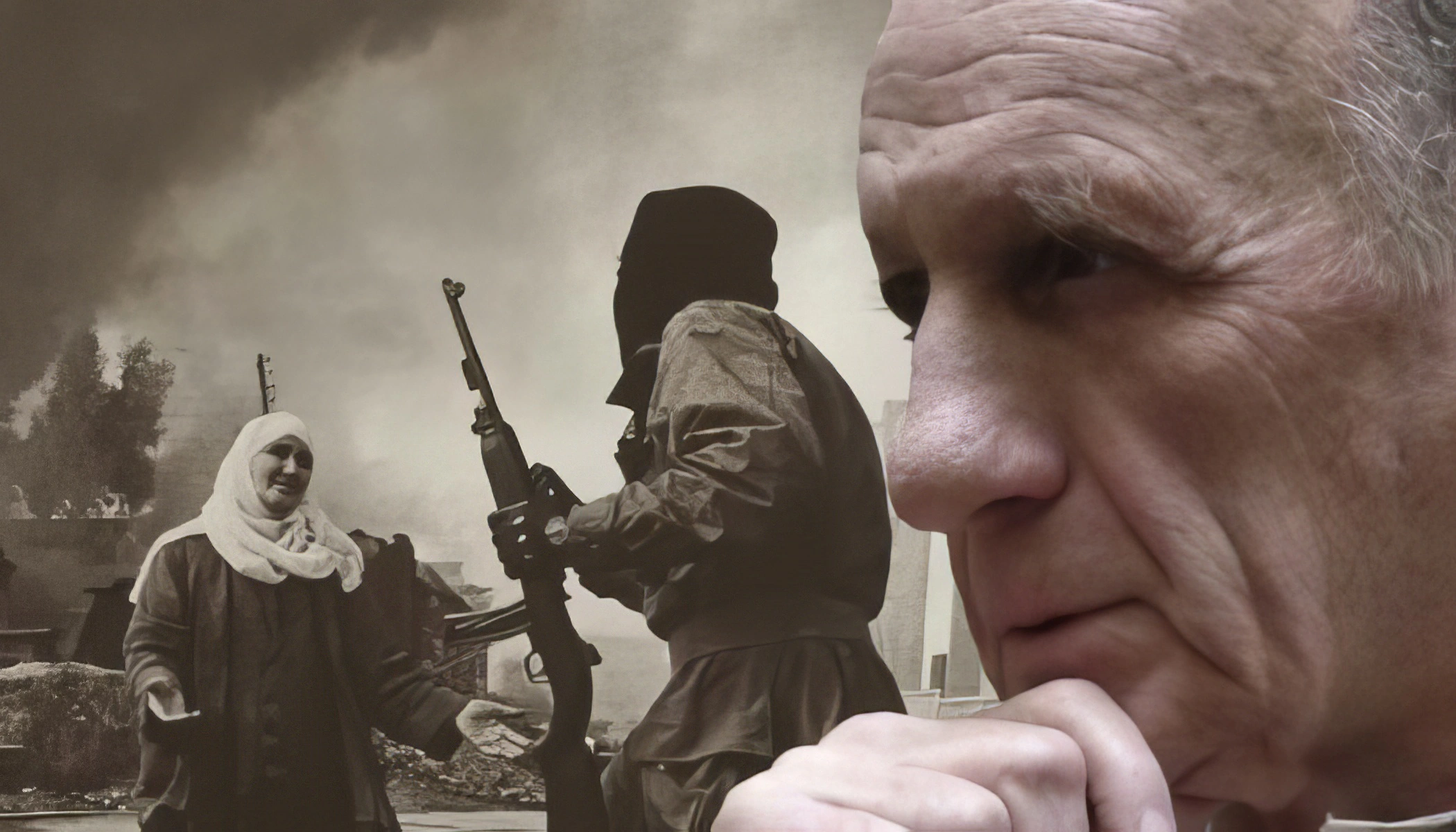
These books provide insight into Lebanon's cultural, historical, and social landscape, often portraying the complexities of life in the region.
– "The Prophet" by Khalil Gibran: Philosophical essays reflecting on human experiences and values, by a Lebanese-American author.
– "An Unnecessary Woman" by Rabih Alameddine: Story of a reclusive Beirut woman finding solace in literature amidst Lebanon's turmoil.
– "Beirut Nightmares" by Ghada Samman: Vivid depiction of life during the Lebanese Civil War through a woman's perspective.
– "The Hakawati" by Rabih Alameddine: Weaves family history with Lebanon's narrative using storytelling traditions.
– "De Niro's Game" by Rawi Hage: Explores friendship and survival amid the ravages of the Lebanese Civil War.
Songs
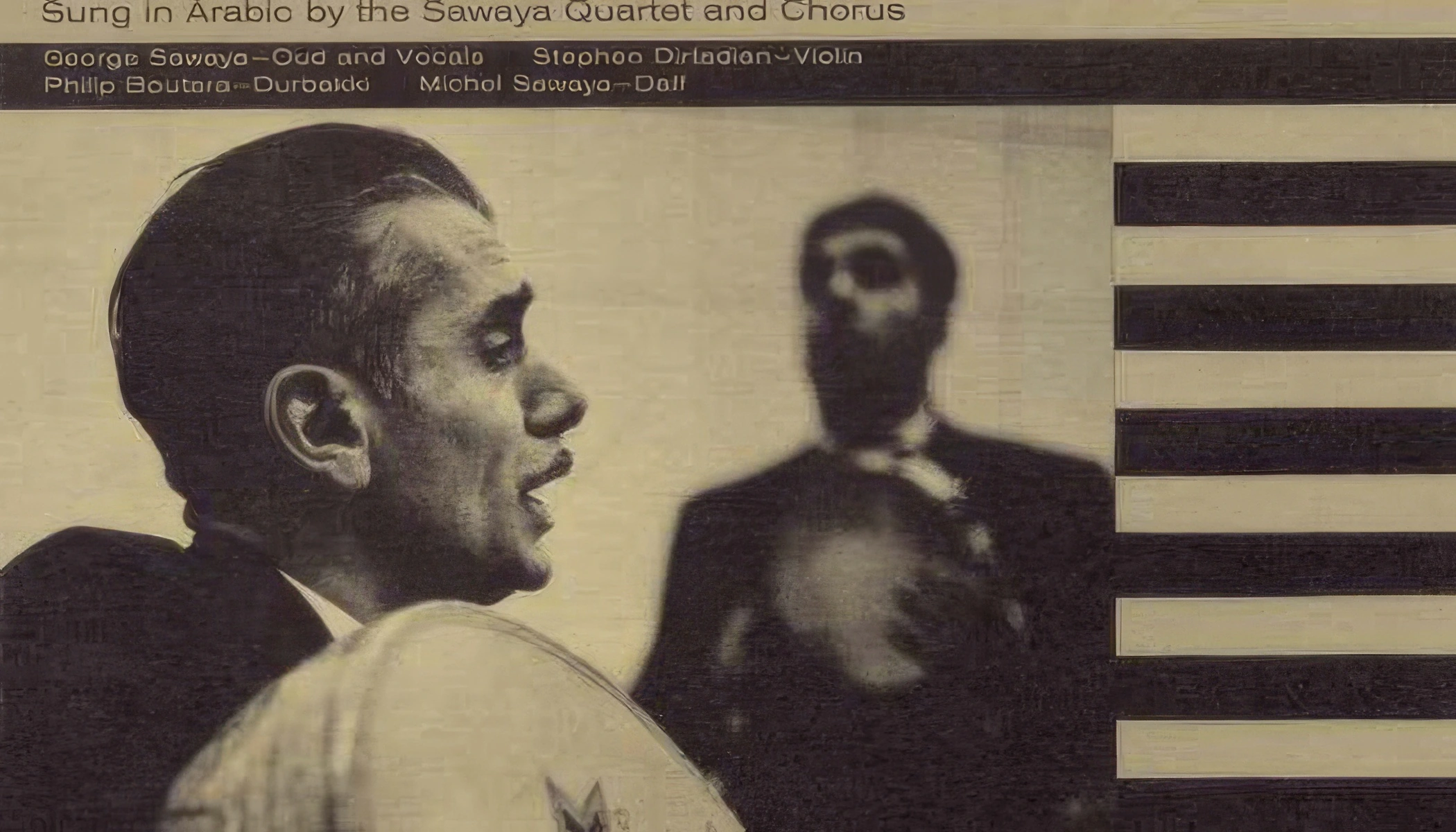
These songs highlight Lebanon's rich musical heritage and capture themes of love, resilience, and national pride.
– Habibi Ya Nour El Ain: Amr Diab's hit celebrated across Lebanon for its catchy melody.
– Nassam Alayna El Hawa: Fairuz's beloved classic evoking nostalgia for Lebanese landscapes.
– Waynak Habibi: Known Lebanese song by Wael Kfoury expressing profound love themes.
– Beirut Set El Donia: Fairuz celebrates the beauty and spirit of Beirut in this iconic song.
– Ya Tayr: Majida El Roumi's heartfelt song symbolizes longing and hope for Lebanon.
Films

A list of notable films offering insights into Lebanon's culture and history includes:
– "West Beirut": A coming-of-age story set against the backdrop of the Lebanese Civil War in 1975.
– "Caramel": Nadine Labaki's debut film, exploring love and tradition through the lives of women in a Beirut beauty salon.
– "Capernaum": A harrowing tale by Nadine Labaki about a young boy navigating life on the streets of Beirut.
– "The Insult": Directed by Ziad Doueiri, this courtroom drama delves into a minor conflict reflecting larger socio-political tensions.
– "Where Do We Go Now?": A comedy-drama by Nadine Labaki about women in a Lebanese village trying to ease religious tensions.