

Libya Attractions & Travel Advice – Plan Your Visit
Located in North Africa, this country features vast deserts and a Mediterranean coastline. Rich in oil resources, it has a complex history marked by ancient ruins and recent conflicts. Its cultural heritage includes influences from Berber, Arab, and Italian traditions.
- Capital
- Tripoli
- Population
- 6.5 millions
- Superficy
- 1760000 sq.km
- Months to Visit
- Mar. to May & Sept. to Nov.
- Living Cost
- Moderate
Overview
Libya is located in North Africa, bordered by the Mediterranean Sea to the north. The capital city, Tripoli, is a key economic and cultural center. Libya is known for its vast desert landscapes, including parts of the Sahara Desert, and ancient archaeological sites like Leptis Magna. The country has significant oil reserves, which are central to its economy. Since 2011, Libya has faced political instability and conflict, impacting its development and security. Despite these challenges, Libya's historical sites and natural beauty remain points of interest for those able to visit.
Pros & Cons
GOOD REASONS TO VISIT LIBYA
– Ancient Ruins: Explore Leptis Magna and Sabratha, well-preserved Roman cities showcasing impressive architecture and history.
– Sahara Desert: Experience vast dunes, unique landscapes, and traditional Berber culture in the Libyan Sahara.
– Mediterranean Coastline: Enjoy beautiful beaches and coastal views along Libya's extensive Mediterranean shoreline.
– Cultural Heritage: Discover Libya's diverse cultural influences from Arab, Berber, and Mediterranean civilizations.
– Unique Archaeological Sites: Visit ancient Greek ruins in Cyrene, offering insight into historical civilizations. CHALLENGES WHEN VISITING LIBYA
– Political Instability: Ongoing conflict and security concerns make travel risky in many areas of Libya.
– Limited Tourist Infrastructure: Few facilities for tourists; accommodations and services may not meet international standards.
– Travel Restrictions: Many countries advise against travel to Libya due to safety concerns; visas can be difficult to obtain.
Before Departure
Before traveling to Libya, it's essential to be aware of several key factors:
– Passport: Ensure your passport is valid for at least six months from your entry date.
– Visa: Tourists require a visa before arrival; applications must be made through Libyan embassies or consulates.
– Currency: Libyan Dinar (LYD); credit cards are rarely accepted; cash is necessary, and ATMs are limited.
– Internet access: WiFi is available in hotels and cafes in major cities; local SIM cards offer data plans.
– Language barrier: Arabic is the official language; English and Italian are not widely spoken outside tourist areas.
What to Pack
Traveling to Libya requires careful preparation due to its unique climate and cultural considerations.
– Essentials: Passport and visa, travel insurance details, flight tickets and itinerary, accommodation reservations, local currency or credit card.
– Clothing: Lightweight, modest clothing covering shoulders and knees, comfortable walking shoes, hat and sunglasses for sun protection, scarf for women visiting religious sites.
– Health & Safety: Prescription medications and basic first aid kit, insect repellent, sunscreen with high SPF, personal hygiene items.
– Electronics: Travel adapter for Libyan outlets (Type C or L), mobile phone with international roaming or local SIM card.
Weather
Libya has a Mediterranean climate along the coast and desert climate inland.
– Winter (December to February): Coastal areas are mild and wet, while the desert is cool and dry.
– Spring (March to May): Coastal regions warm up with occasional rain; the desert becomes hot and dry.
– Summer (June to August): Coastal areas are hot and humid; the desert is extremely hot with no rain.
– Autumn (September to November): Coastal temperatures cool down with some rain; the desert remains warm and dry. The best time to visit Libya is from March to May or September to November. Pros: Pleasant temperatures, fewer tourists, ideal for exploring historical sites. Cons: Limited tourist infrastructure due to political instability in some areas.
Travel Budget
Libya can be a challenging destination for tourists due to its economic situation, but some costs remain relatively low. Here are average prices for common expenses:
– Hotel: 30$ to 100$
– Lunch: 5$ to 15$
– Beverage (in bar/restaurant): 1$ to 3$
– Coffee: 0.5$ to 2$
– Transportation: (train N/A), (bus 0.5$ to 2$), (taxi /10km 3$ to 7$)
– Mobile data (per GB): 1.5$ to 4$
Language
In Libya, Arabic is the official language, and here are some useful phrases for tourists:
– Hello: مرحبا (Marhaban)
– Thank you: شكرا (Shukran)
– Please: من فضلك (Min fadlak/fadlik) [male/female]
– How much is this?: بكم هذا؟ (Bikam hatha?)
– Excuse me: عفوا (Afwan)
– I don't understand: لا أفهم (La afham)
– Yes: نعم (Na'am)
– No: لا (La)
– Goodbye: مع السلامة (Ma'a as-salama)
History
It was part of the ancient Carthaginian and then Roman empires, later coming under Arab control in the 7th century. During the Ottoman era, it was governed as a province from the 16th to the early 20th century. Italy colonized the region in 1911, and it remained under Italian rule until World War II, after which it was placed under Allied administration. Gaining independence in 1951, Libya became a kingdom until Muammar Gaddafi's coup in 1969 established a long-lasting authoritarian regime. Gaddafi's rule ended with a civil uprising and NATO intervention in 2011. Since then, Libya has faced ongoing conflict and division between rival political factions struggling for control.
Geopolitics
Located in North Africa, Libya is bordered by the Mediterranean Sea to the north, Egypt to the east, Sudan to the southeast, Chad and Niger to the south, and Algeria and Tunisia to the west. It has been in a state of political turmoil since the ousting of Muammar Gaddafi in 2011, resulting in ongoing conflict among rival factions. The country is rich in oil reserves, making it strategically significant but also a focal point for international interests and interventions. Various foreign powers have shown involvement or interest in Libya's affairs, including Turkey, Russia, France, and Italy. Libya remains divided between rival administrations: the UN-recognized Government of National Unity based in Tripoli and opposition forces primarily located in the east. Efforts for peace and unification continue under international mediation but face numerous challenges due to deep-seated divisions and competing external influences.
Sample Itinerary
This itinerary covers Libya's historical highlights, from ancient ruins to desert landscapes, focusing on safety and local insights.
– 1 day in Tripoli: Visit the Red Castle Museum, explore the medina, and see the Arch of Marcus Aurelius.
– 2 days in Leptis Magna: Tour one of the best-preserved Roman cities with its amphitheater, basilica, and forum.
– 1 day in Sabratha: Discover another impressive Roman site with its theater, temples, and mosaic floors.
– 2 days in Ghadames: Explore this UNESCO-listed oasis town with its unique architecture and learn about local Berber culture.
– 1 day in Benghazi: Visit the Italian-designed old city center and enjoy views from Tibesti Hotel’s roof.
Popular cities
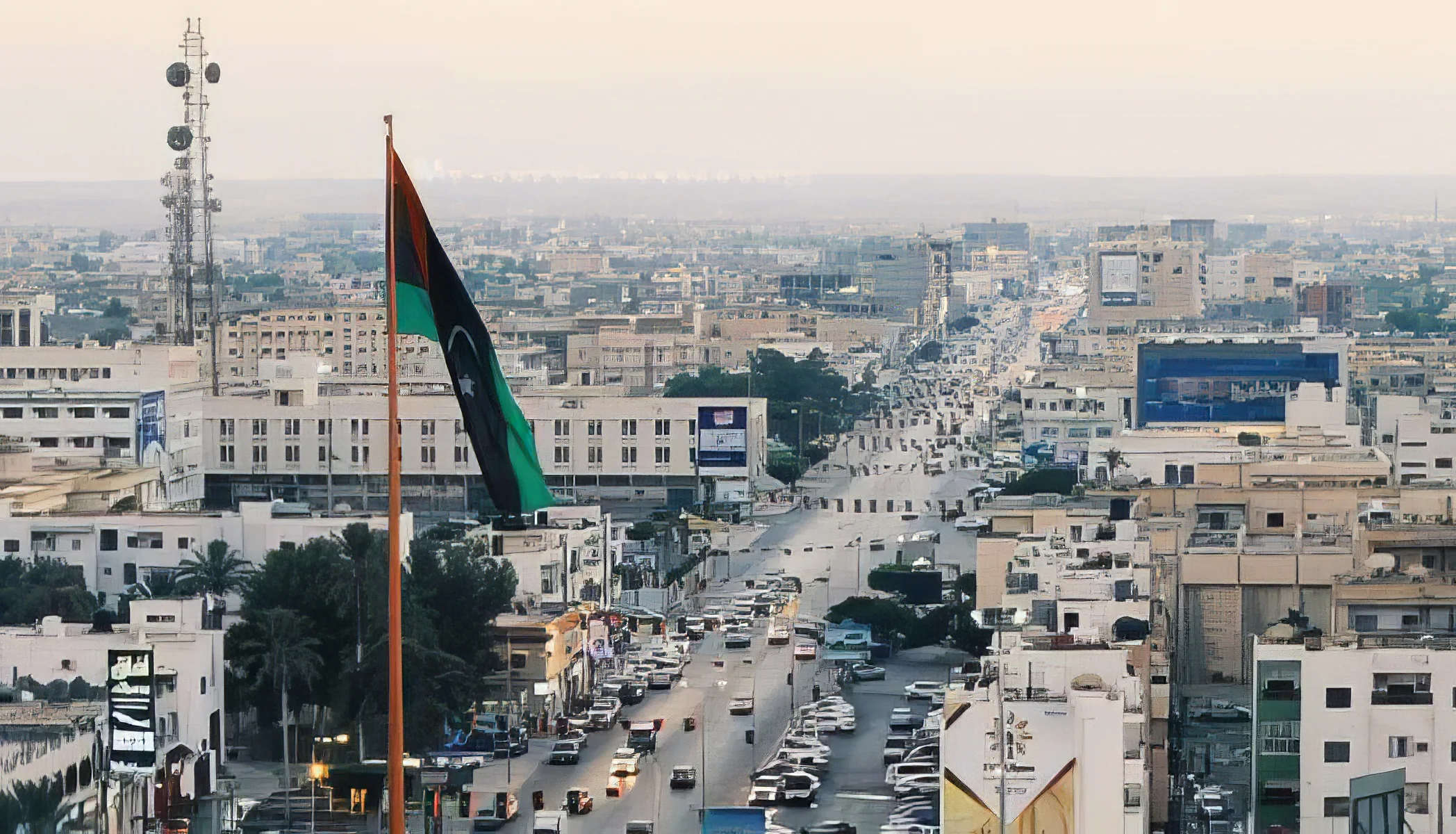
Explore Libya's unique blend of ancient history and Mediterranean coastlines:
– Tripoli: The capital with a mix of modern culture, historic sites, and the Red Castle Museum.
– Benghazi: Libya's second-largest city featuring Italianate architecture and nice markets.
– Sabha: Known as the gateway to the Sahara Desert and its archaeological sites.
– Ghadames: An ancient Berber town famous for its unique mud-brick architecture.
– Sabratha: Offers well-preserved Roman ruins along the Mediterranean coast.
– Leptis Magna: A UNESCO World Heritage site known for its extensive Roman ruins.
– Tobruk: Known for its World War II historical significance and military cemeteries.
Monuments
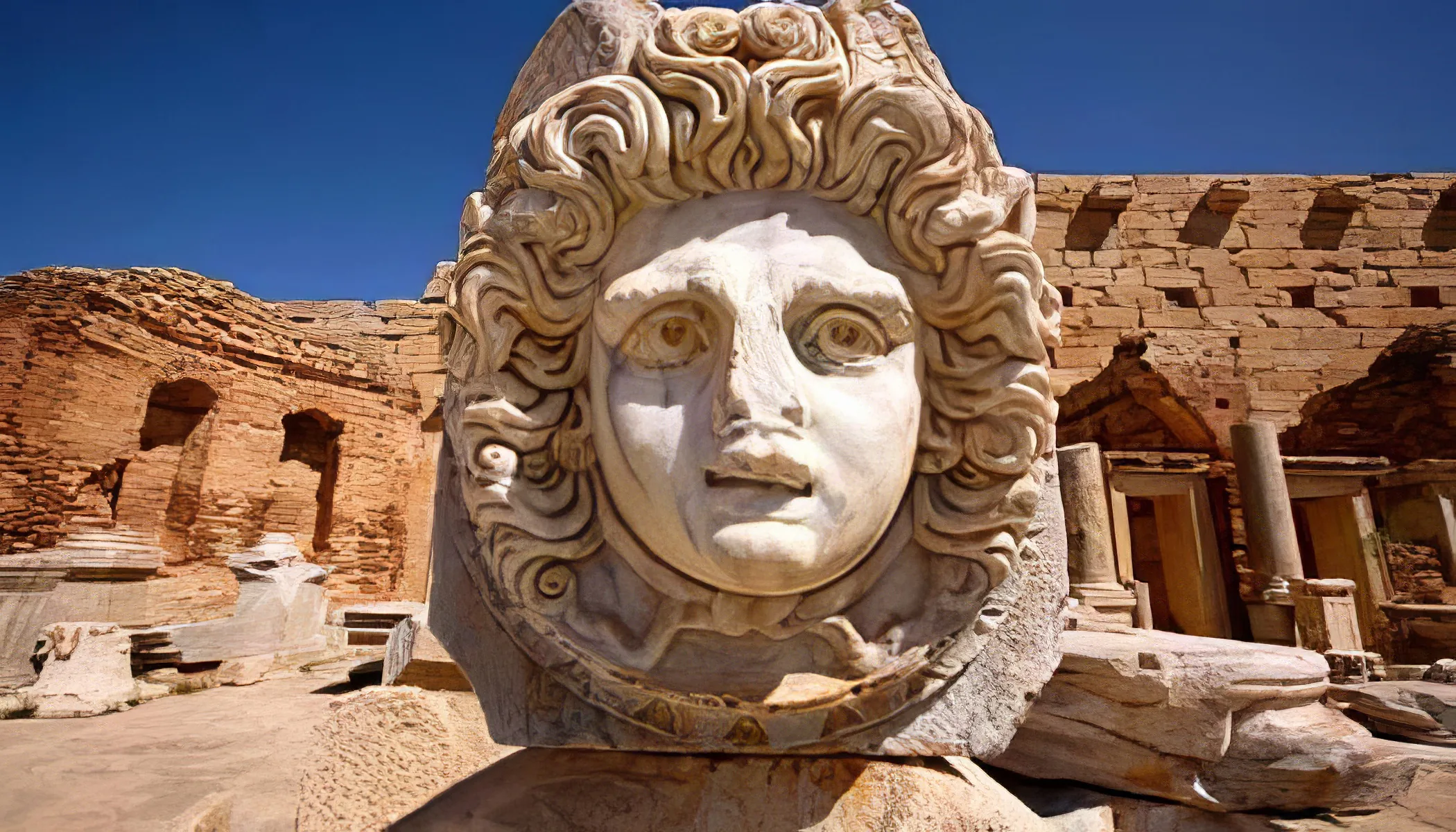
Libya provides a range of significant historical monuments to visit:
– Leptis Magna: Ancient Roman city with well-preserved ruins and beautiful architecture.
– Sabratha: Roman archaeological site featuring a theater, temples, and mosaics.
– Cyrene: Greek city ruins including temples, a forum, and amphitheater.
– Ghadames: Traditional desert oasis town with unique Berber architecture.
– Tripoli's Red Castle (Assaraya al-Hamra): Historic fortress housing the national museum.
– Apollonia: Port city ruins of Cyrene with villas and Byzantine churches.
– Benghazi Cathedral: Former largest church in North Africa, now a cultural landmark.
– Nalut Castle: Berber granary fortress offering panoramic views of the surrounding area.
Natural wonder
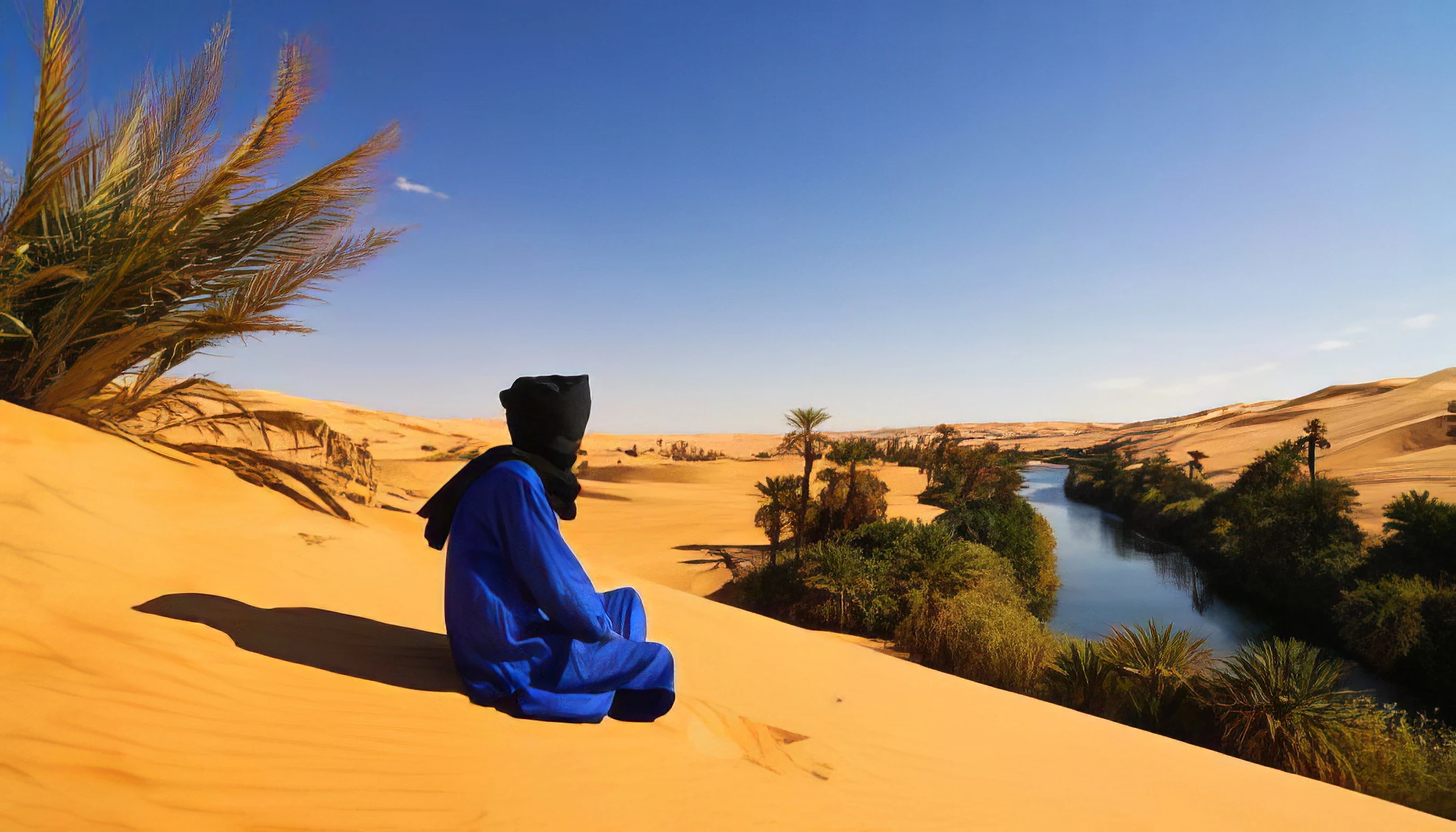
Explore the fascinating natural landscapes of Libya:
– Akakus Mountains: Known for dramatic rock formations and ancient rock art.
– Ubari Sand Sea: Features vast dunes and pleasant desert lakes.
– Tadrart Acacus: Renowned for striking sandstone formations and prehistoric cave paintings.
– Jebel Uweinat: Provides a remote mountain range with diverse flora and fauna.
– Nafusa Mountains: Known for its cooler climate and olive groves.
– Ghademes Oasis: A historic oasis town surrounded by desert landscapes.
– Waw an Namus: Unique volcano with colorful mineral lakes in its crater.
– Hamada al-Hamra: A vast rocky plateau with sparse vegetation.
– Great Man-Made River: An immense underground network supplying water from desert aquifers to coastal cities.
– Green Mountain (Jebel Akhdar): Features forested areas, valleys, and a Mediterranean climate in eastern Libya.
Beaches
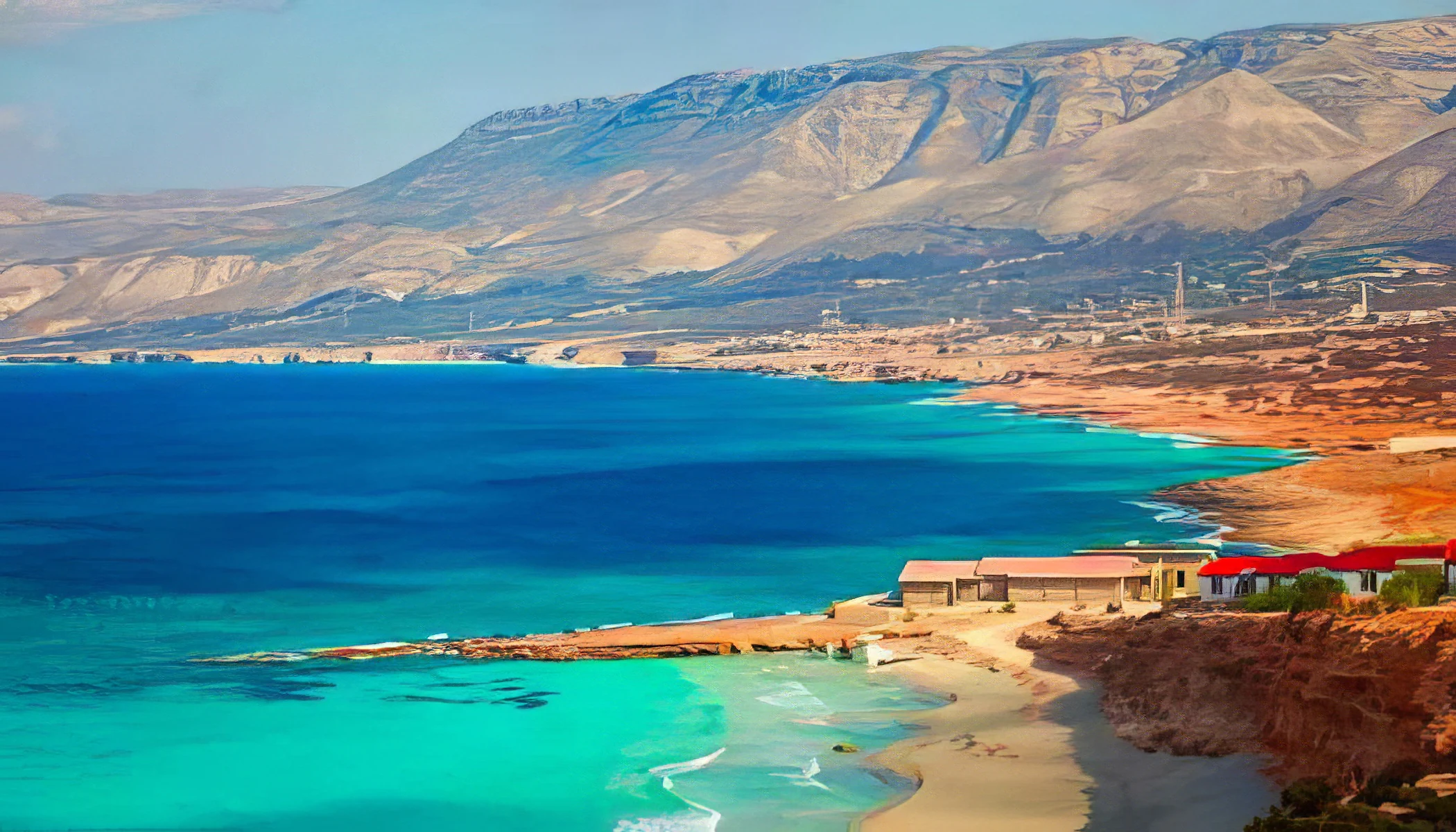
Libya has a Mediterranean coastline with some notable beaches.
– Janzour Beach: Near Tripoli, this beach is popular for its proximity and accessible waters.
– Farwa Island Beach: Known for its clear waters and peaceful environment near the Tunisian border.
– Beaches of Al-Khoms: Provides scenic views near the ancient city of Leptis Magna.
– Sabratha Beaches: Famous for their historical backdrop near Sabratha's Roman ruins.
– Benghazi Corniche: A popular coastal area in Benghazi with several accessible beaches.
– Ras Al Hilal Beach: Noted for its natural beauty by the Green Mountain region.
– Zwara Beach: Known for its sandy shores and local fishing activities.
Outdoor activities
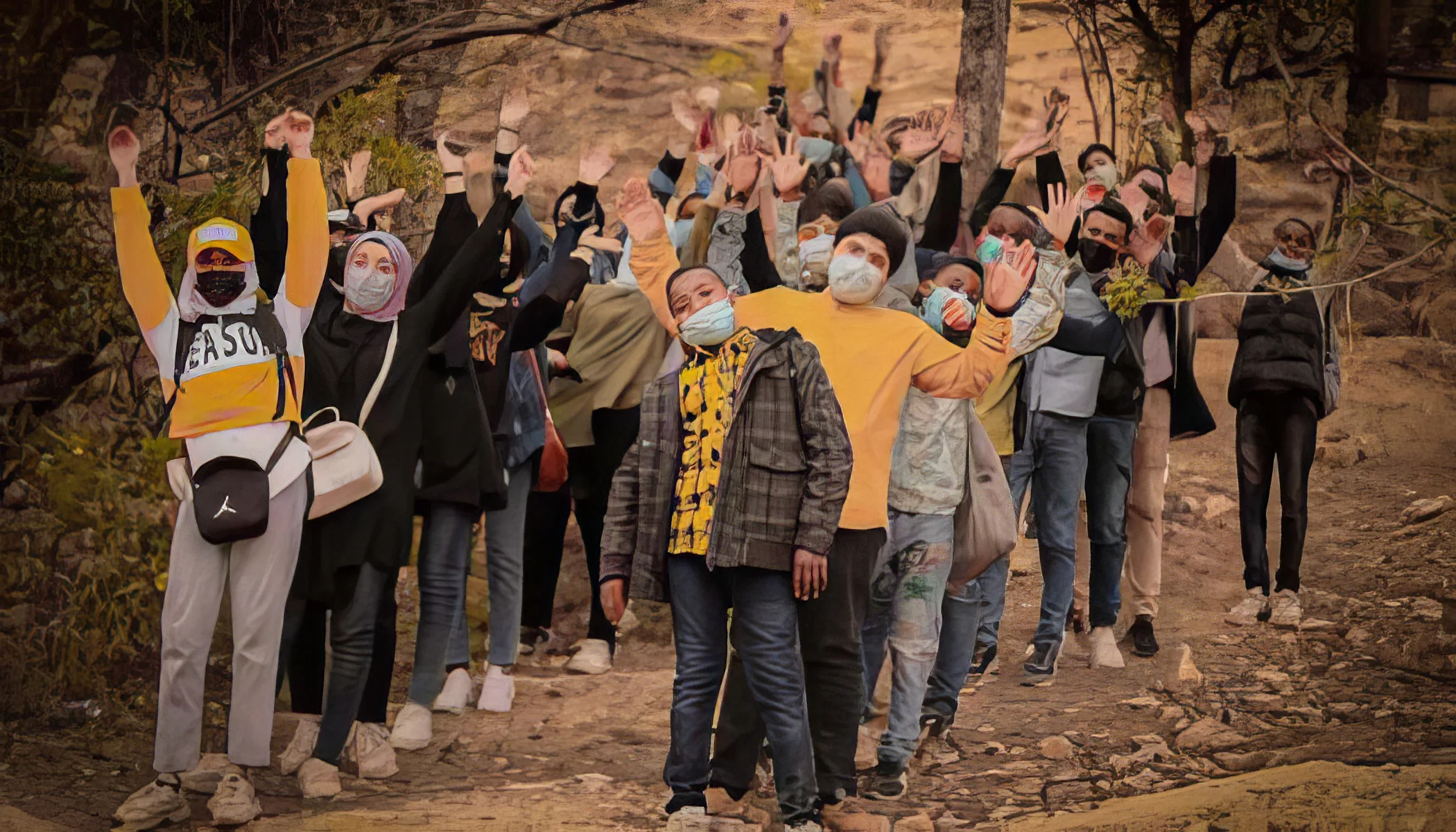
Libya supplies unique outdoor adventures amidst its natural and historical landscapes:
– Exploring the Acacus Mountains: Discover ancient rock art and stunning desert formations.
– Sandboarding in the Sahara Desert: Glide down vast dunes in a remote desert setting.
– Diving in the Mediterranean Sea: Explore shipwrecks and diverse marine life near Tobruk.
– Hiking in Jebel Nafusa: Traverse rugged terrain and visit traditional Berber villages.
– Touring Leptis Magna Ruins: Walk through impressive Roman architecture by the sea.
– Birdwatching at Benghazi's Salt Flats: Observe migratory birds in a nice environment.
– 4×4 Adventure in Waw an Namus: Drive across volcanic landscapes with striking scenery.
Kid Friendly

Libya provides several kid-friendly activities that combine fun with learning:
– Leptis Magna: An impressive ancient Roman city with ruins to explore and history to learn.
– Ghadames Old Town: A traditional oasis town with unique architecture and cultural experiences.
– Sahara Desert Adventure: Experience camel rides and sand dunes, offering a taste of desert life.
– Tripoli Zoo: A small zoo in the capital city, home to various animals and a park area.
– Cyrene Ruins: Explore the remains of a Greek city, providing insight into ancient civilizations.
– Tadrart Acacus Rock Art: View prehistoric rock art in a landscape of nice natural beauty.
– Benghazi Beaches: Relax or play on sandy beaches along Libya's Mediterranean coast.
– Waw an Namus Volcano: Visit this rare natural wonder featuring a volcanic crater and surrounding lakes.
Cuisine
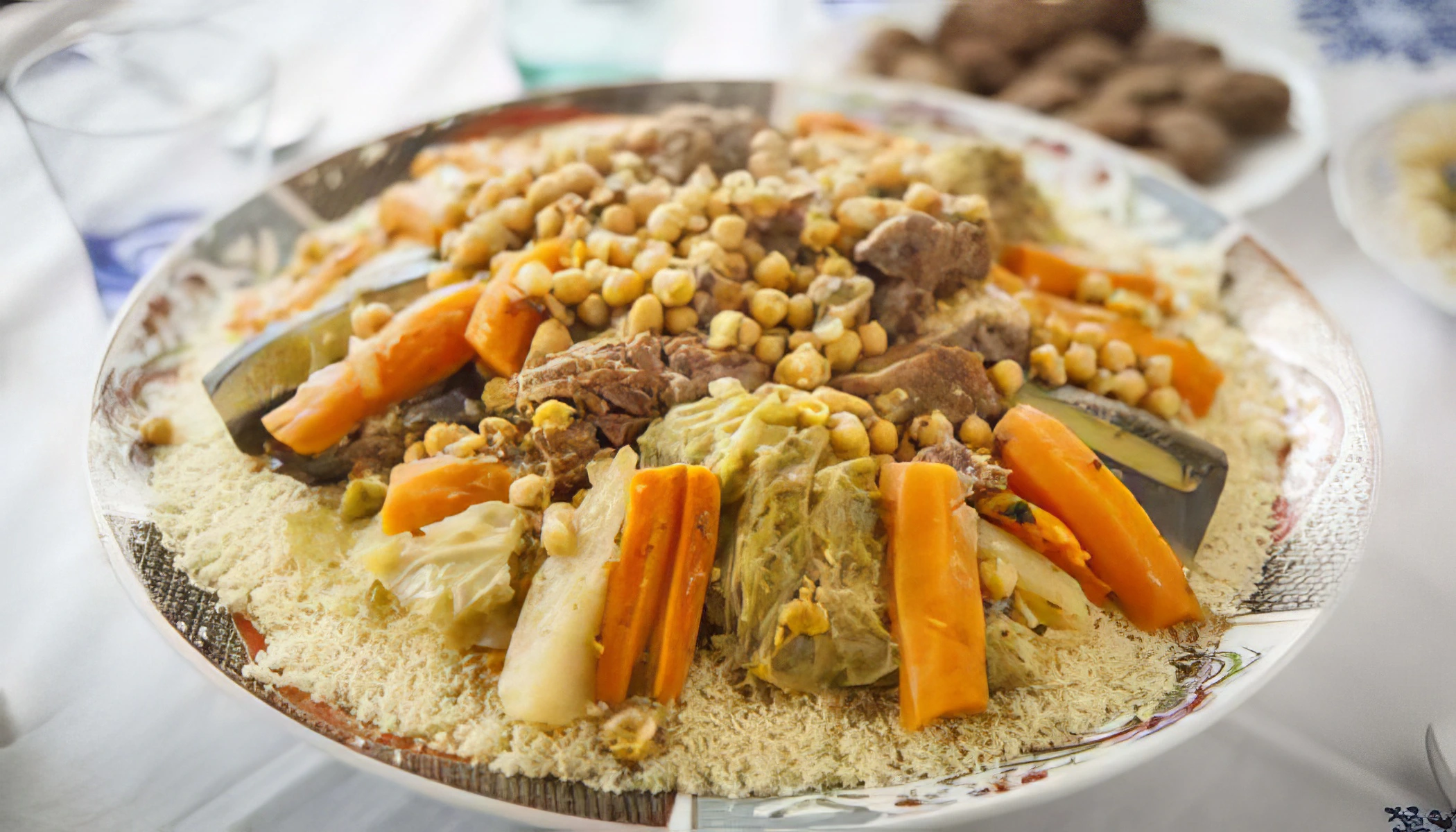
Libyan cuisine reflects a fusion of Mediterranean, North African, and Middle Eastern flavors, featuring hearty and spiced dishes. Meals often center around bread, pasta, and grains accompanied by meat or vegetables. Traditional cooking methods emphasize slow-cooking for rich and robust flavors.
– Couscous: Steamed semolina grains served with meat or vegetable stew.
– Bazeen: Unleavened barley dough served with meat and vegetable sauce.
– Shakshouka: Eggs poached in a spicy tomato and pepper sauce.
– Asida: Flour-based porridge served with honey or date syrup.
– M'battan: Fried potatoes stuffed with spicy minced meat filling.
Souvenir
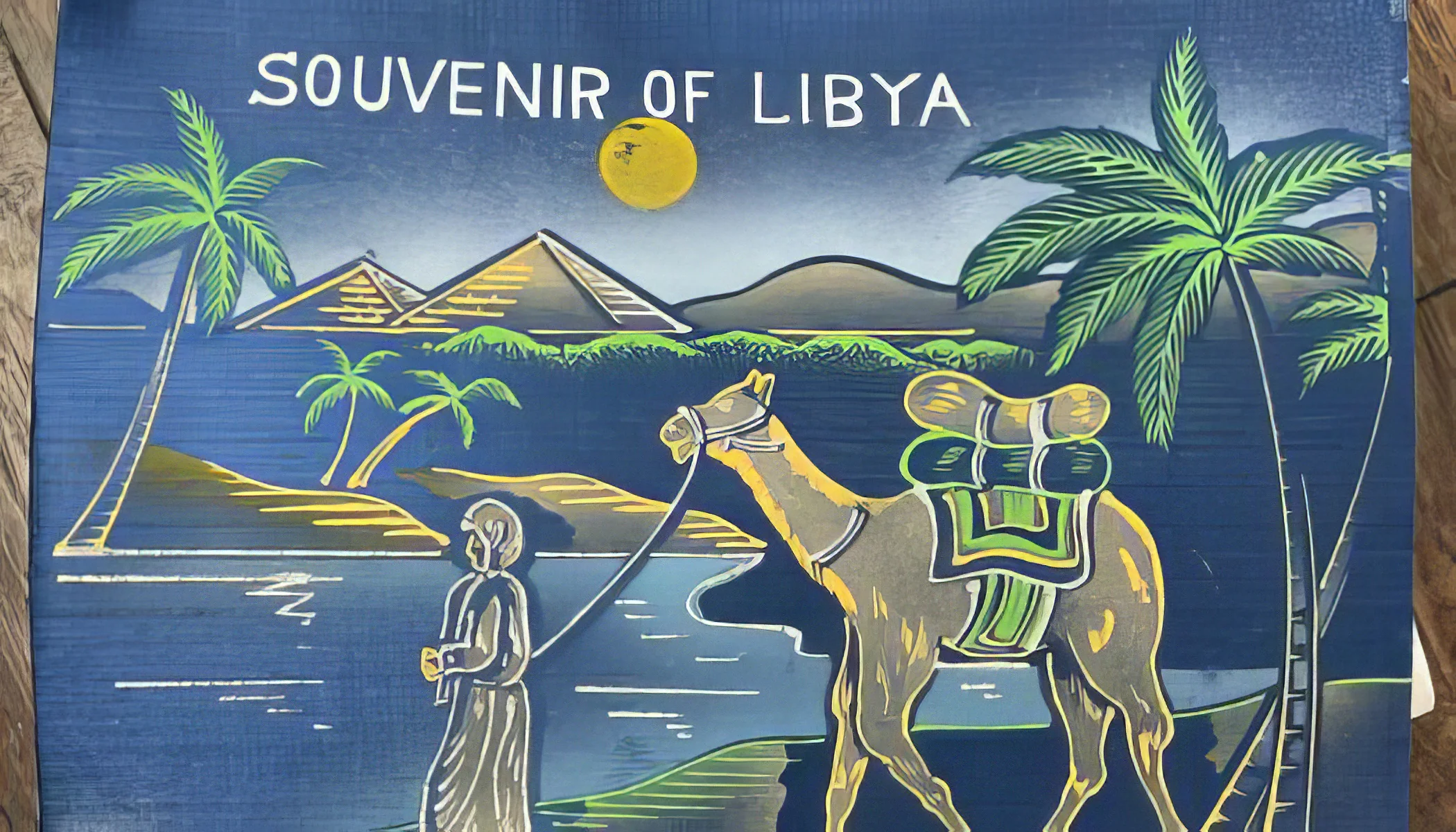
Libya supplies unique souvenirs that reflect its rich history and culture. Here are some popular options:
– Tuareg Jewelry: Handcrafted silver jewelry often featuring traditional Berber and Tuareg designs.
– Olive Oil: Known for its purity, Libyan olive oil is a staple in local cuisine.
– Leather Goods: High-quality leather items like bags and sandals are commonly found in markets.
– Carpets and Rugs: Traditional designs with lively colors made by local artisans.
– Pottery: Handmade pottery items with beautiful patterns are widely available.
– Dates: Libyan dates are considered some of the best in the region.
– Traditional Costumes: Garments like the boubou or abaya showcase traditional Libyan fashion.
Traditional Shows
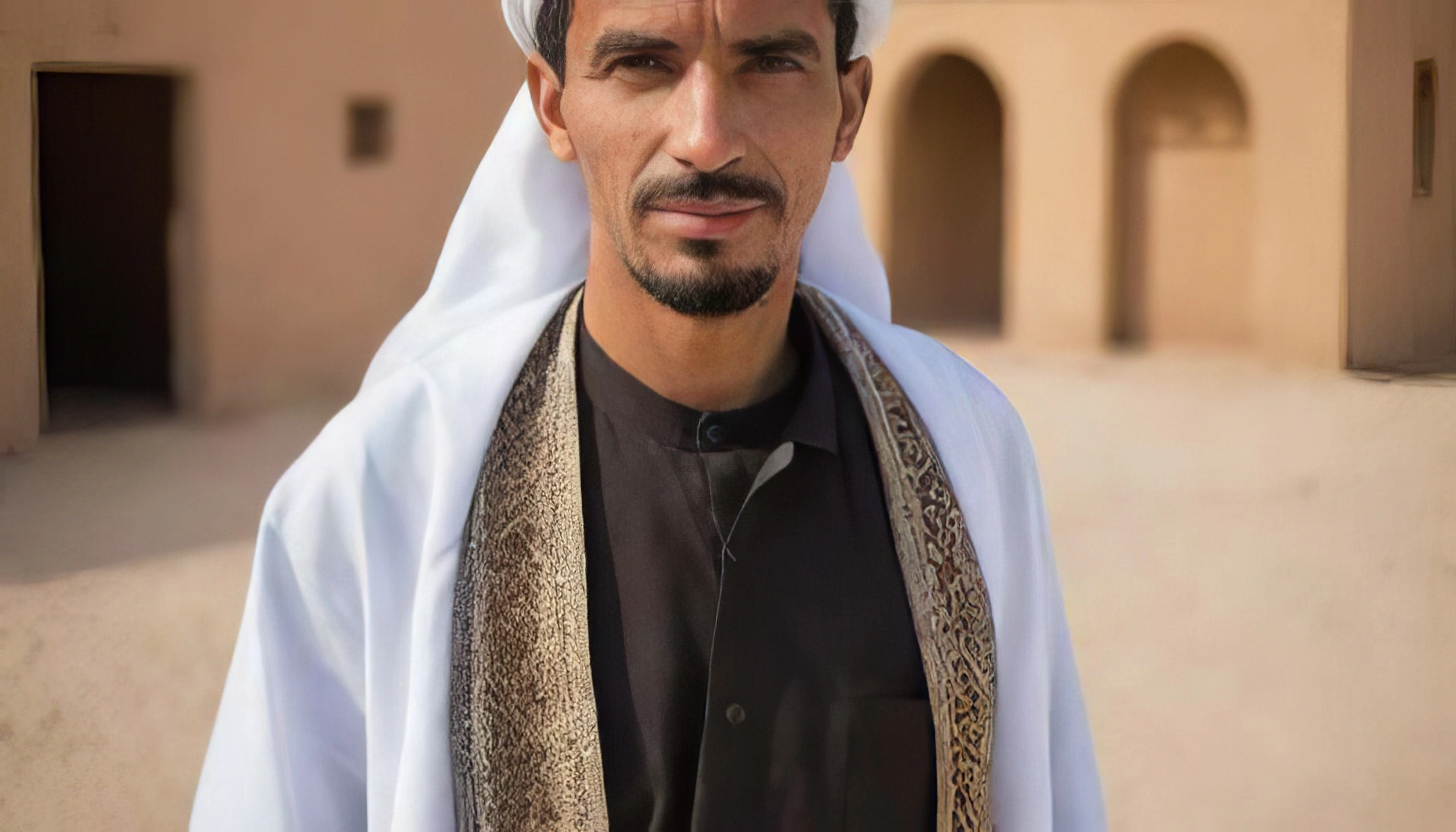
Libya offers unique traditional performances:
– Tuareg Music: Experience the nomadic sounds of the Tuareg people in Ghadames, featuring distinctive rhythms and traditional instruments.
– Malouf Music: Enjoy this Andalusian-influenced music in Tripoli, showcasing classical compositions with Arabic poetry and rich melodies.
– Zokra Dance: Witness this popular folk dance in Benghazi, characterized by lively movements and traditional Libyan attire.
– Bedouin Poetry Recitals: Attend recitals in Sabha where Bedouin poets share oral traditions and stories through rhythmic and lyrical verse.
– Ghadames Festival Performances: Participate in cultural celebrations in Ghadames with local music, dance, and art reflecting Berber heritage.
Events & Festivals
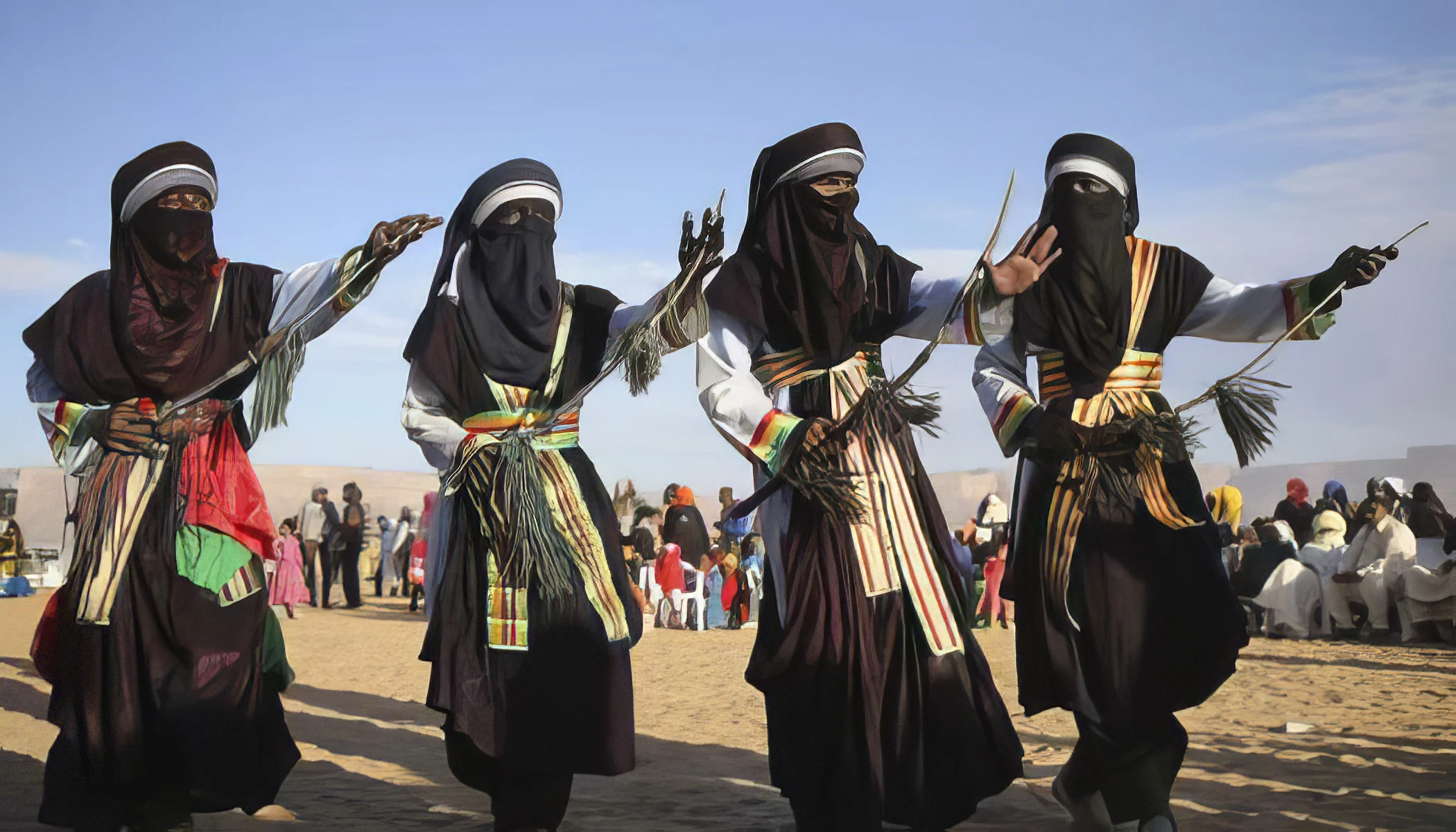
Libya hosts a variety of cultural events and festivals reflecting its rich heritage and traditions:
– Ghadames Festival: Celebrated in October, showcasing traditional Berber culture with music, dance, and crafts.
– Jebel Nafusa Festival: Held in spring, featuring local Amazigh traditions through music, poetry, and crafts.
– Tripoli International Fair: Annual March event promoting trade with exhibitions from various industries.
– Sahara Desert Marathon: February race attracting international runners to the scenic Libyan desert.
– Eid al-Fitr: Marks the end of Ramadan with feasting, prayers, and family gatherings.
– Eid al-Adha: Celebrated with communal prayers and animal sacrifices in honor of Abraham's willingness to sacrifice his son.
– Mawlid al-Nabi: Commemorates the Prophet Muhammad's birth with prayers and religious recitations in November/December.
Famous People
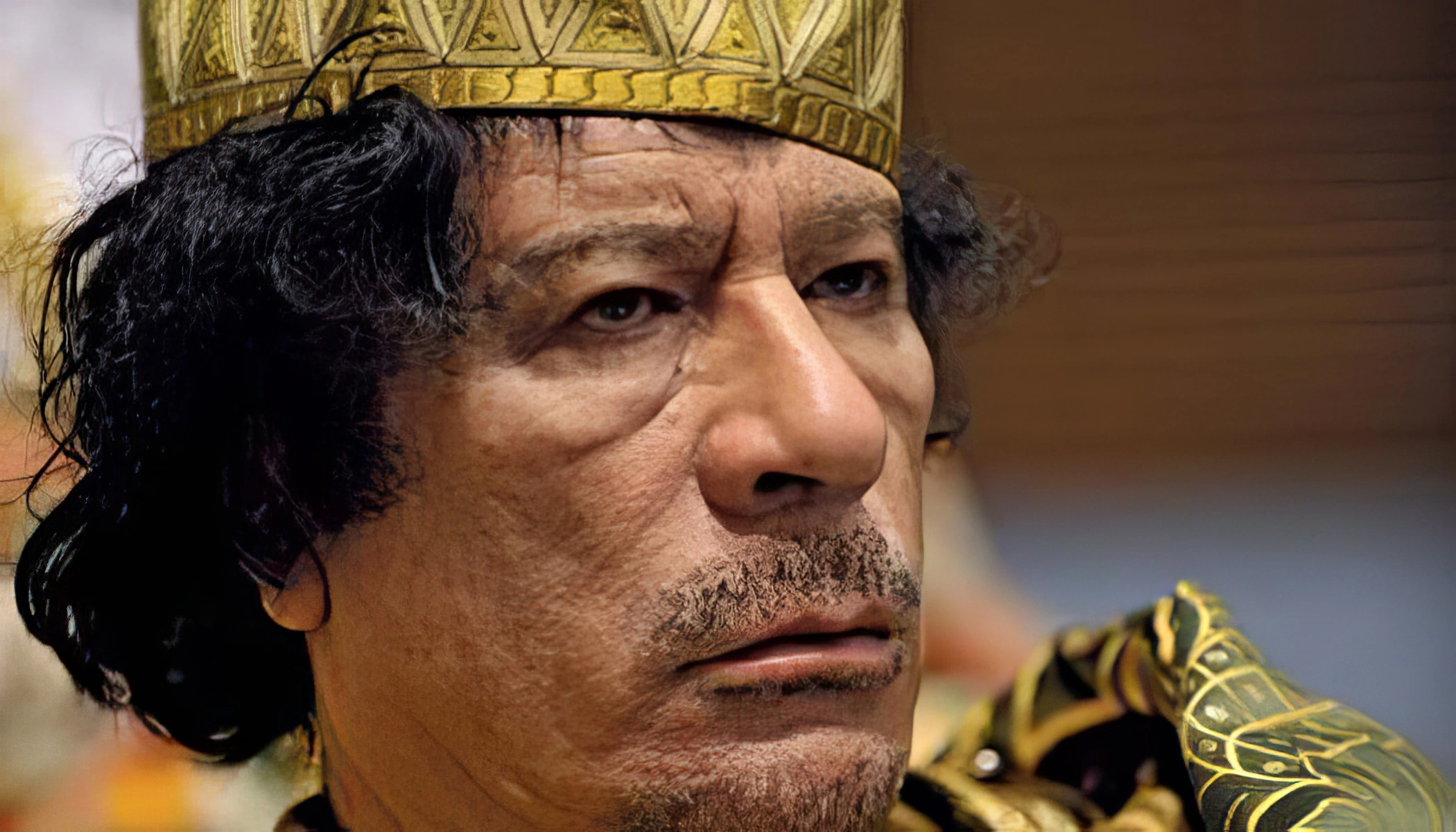
Libya has a rich history with many influential figures who have shaped its cultural and political landscape.
– Muammar Gaddafi (1942 to 2011, Sirte): Revolutionary leader who ruled Libya for over 40 years after a 1969 coup.
– Omar Mukhtar (1862 to 1931, Zawiyat Zanzur): Resistance leader famous for leading the Libyan fight against Italian colonization.
– Idris of Libya (1889 to 1983, Al-Jaghbub): The first and last king of Libya, reigning from independence until 1969.
– Muhammad as-Senussi (born 1962, Tripoli): Religious leader and head of the Senussi Order, a significant Islamic movement in Libya.
– Ahmed Fakroun (born 1953, Benghazi): Renowned musician known for blending Arabic music with Western rock and pop influences.
Books
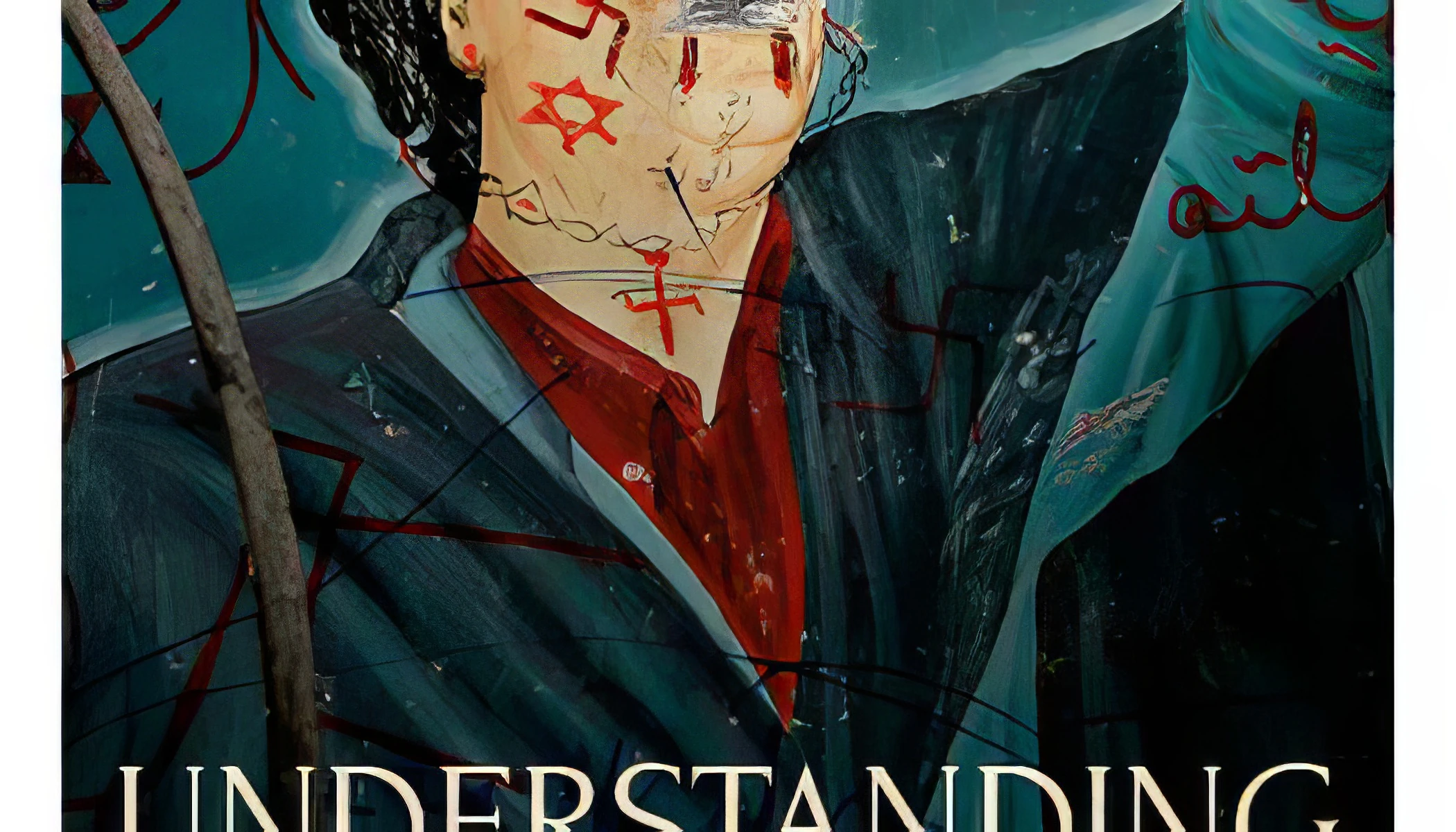
These books provide insight into the historical, cultural, and political landscapes of Libya through various narratives and perspectives.
– "In the Country of Men" by Hisham Matar: A child's perspective on life under Gaddafi's regime in 1979 Libya.
– "The Return: Fathers, Sons and the Land in Between" by Hisham Matar: Memoir exploring loss and longing in post-Gaddafi Libya.
– "The Bleeding of the Stone" by Ibrahim al-Koni: Explores themes of survival and spirituality in Libya's Sahara Desert.
– "Anatomy of a Disappearance" by Hisham Matar: Story of a young man's search for his missing dissident father.
– "Desert Flower" by Waris Dirie and Cathleen Miller: Autobiography touching on aspects of Libyan culture through Dirie's journey from nomad to model.
Songs
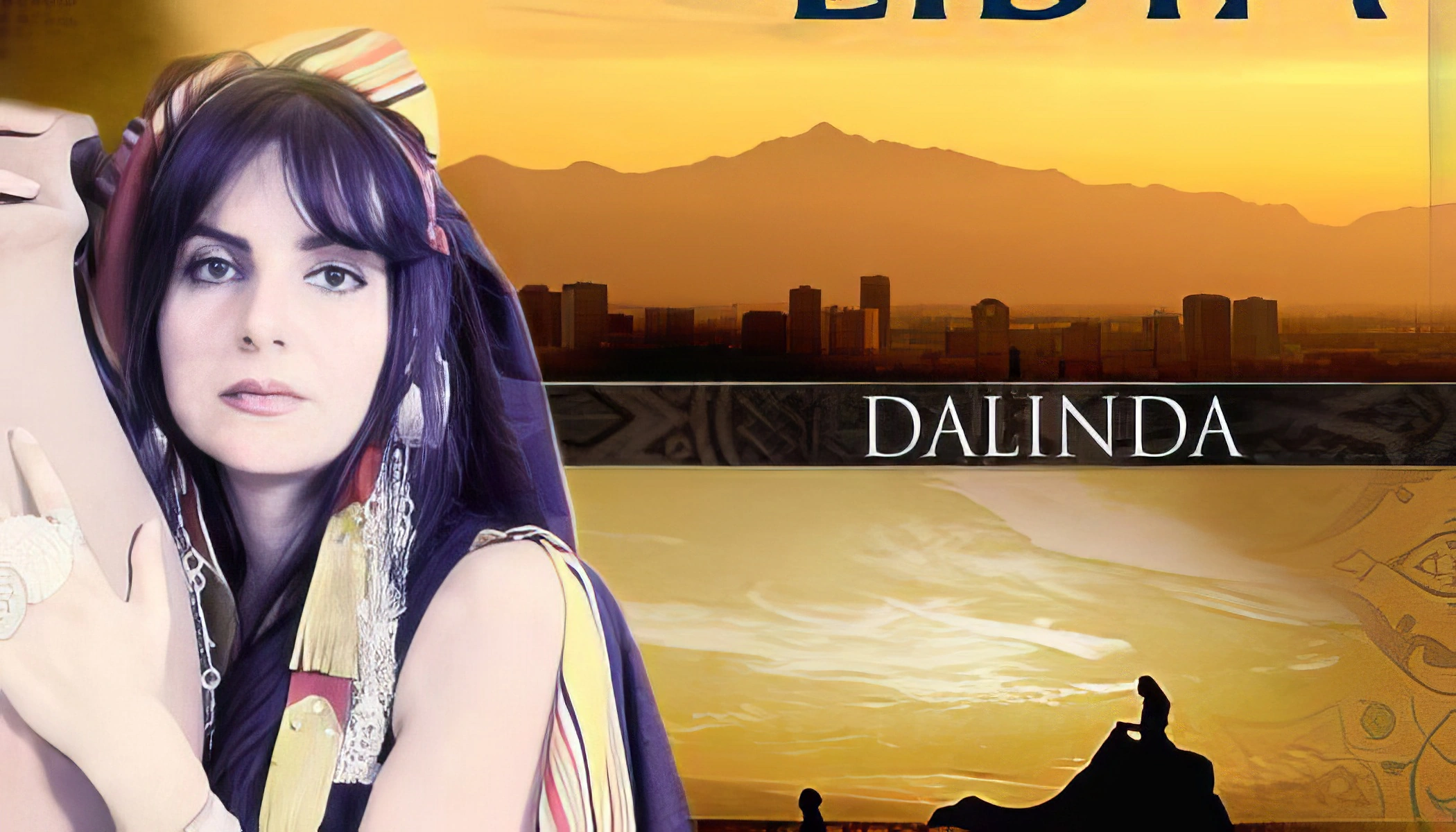
Libyan music reflects the rich cultural heritage and social themes of the region.
– Ya Bladi: Iconic nationalistic song celebrating Libyan pride and unity.
– Libya, Libya, Libya: The national anthem composed by Mohammed Abdel Wahab.
– Shafshufa: Popular traditional folk song symbolizing Libyan resilience.
– Al Muallim: A well-known piece by Ahmed Fakroun blending modern and traditional sounds.
Films
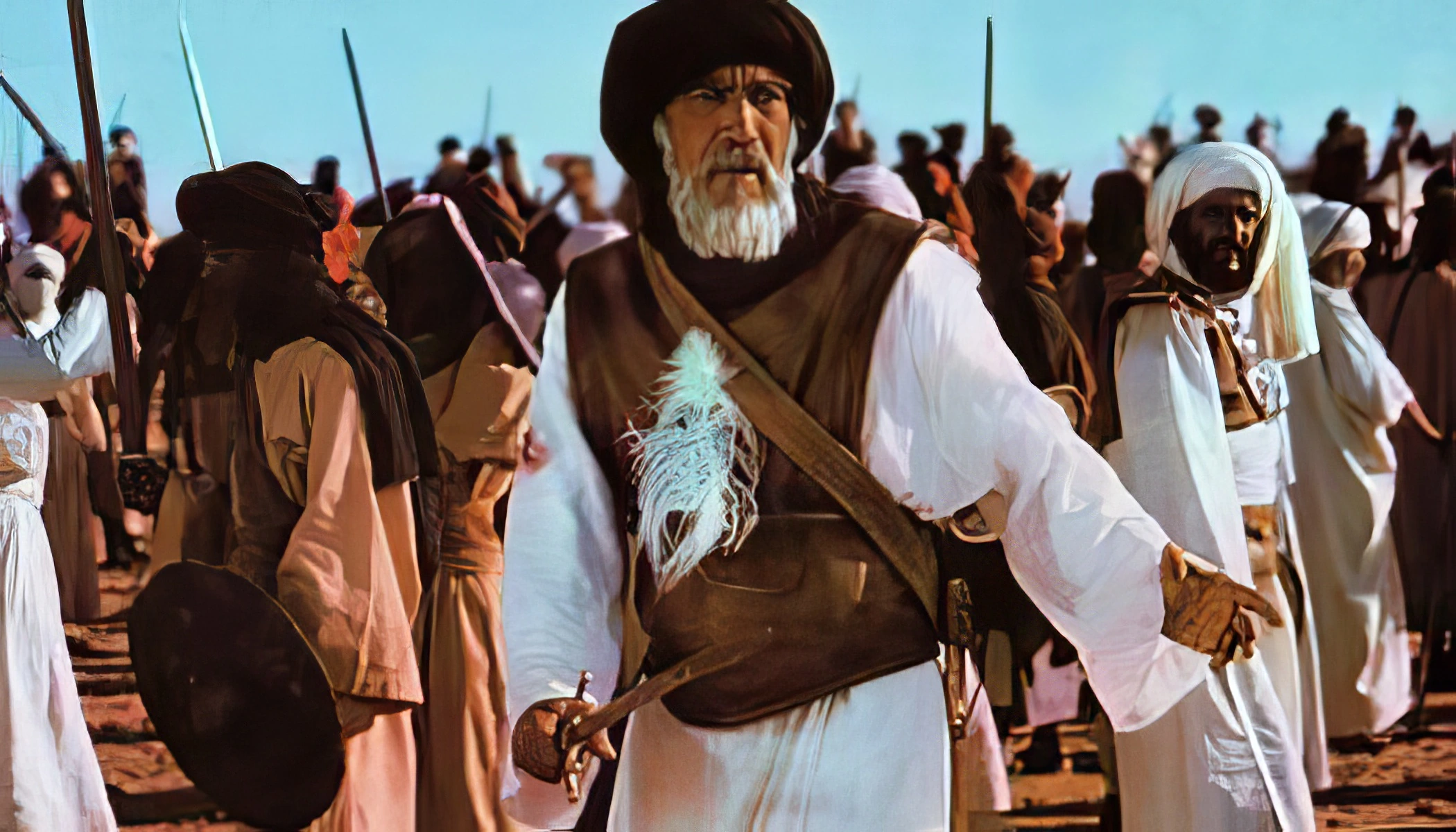
A look at films capturing the essence and history of Libya.
– "Lion of the Desert": Historical epic directed by Moustapha Akkad, starring Anthony Quinn as Libyan resistance leader Omar Mukhtar.
– "The Message": Moustapha Akkad's film about the Prophet Muhammad's life, partially filmed in Libya, highlighting early Islamic history.
– "Saim El Leyl": Directed by Khalifa Al-Murghani, explores social and political themes in Libyan society during Ramadan.
– "The Great Arabian Revolt": A documentary-style film recounting Libya's fight against Italian colonization in the early 20th century.
– "Qasr El Shouq": A dramatic portrayal of family life and societal changes in Libya during the mid-20th century.