

Lithuania Attractions & Travel Advice – Plan Your Visit
This Northern European country is known for its medieval architecture, rich history, and beautiful landscapes. Its capital, Vilnius, is famous for its old town area. The country also boasts a energetic arts scene and a strong love for basketball.
- Capital
- The capital of Lithuania is Vilnius.
- Population
- 3 millions
- Superficy
- 66000 sq.km
- Months to Visit
- June to Sept.
- Living Cost
- Moderate
Overview
Lithuania is a Northern European country, one of the three Baltic states, and lies on the eastern shore of the Baltic Sea. Vilnius, the capital, is known for its baroque architecture and medieval Old Town. The country is characterized by its diverse landscape, featuring dense forests, rolling hills, and a coastline dotted with beaches and sand dunes. Lithuania's history is marked by its struggle for independence, particularly from Soviet rule. The country is also known for its rich cultural traditions, including folk music and art. Despite its small size, Lithuania offers a unique blend of natural beauty and cultural richness.
Pros & Cons
GOOD REASONS TO VISIT LITHUANIA
– Historic Architecture: Vilnius Old Town, a UNESCO site, showcases Baroque architecture and the medieval Gediminas' Tower.
– Natural Beauty: Explore Curonian Spit's sand dunes, Trakai's lakes, and Aukstaitija National Park's forests.
– Rich History: Learn about Lithuania's past at the KGB Museum, Hill of Crosses, and Grutas Park.
– Unique Culture: Experience traditional music, dance, and festivals like Užgavėnės, a pre-Lent carnival.
– Amber: Known as the 'Baltic Gold', Lithuania offers amber workshops and shops selling amber jewelry. CHALLENGES WHEN VISITING LITHUANIA
– Weather: Winters can be harsh with heavy snowfall and freezing temperatures; summers are relatively short.
– Limited Nightlife: Outside Vilnius, nightlife is limited; smaller towns may not offer much evening entertainment.
– Public Transport: While affordable, public transport can be slow and less frequent in rural areas.
Before Departure
Before planning your trip to Lithuania, there are several important factors to consider:
– Passport: Your passport should be valid for at least three months beyond your planned date of departure.
– Visa: Lithuania is part of the Schengen area. Depending on your nationality, you may need a Schengen visa. Check the requirements before your trip.
– Currency: The official currency is the Euro. Credit cards are widely accepted and ATMs are readily available.
– Internet access: Lithuania has one of the fastest internet speeds in the world. WiFi is widely available and prepaid SIM cards are easily accessible.
– Language barrier: The official language is Lithuanian. English is widely spoken by younger people, while Russian and Polish are also commonly understood.
What to Pack
Planning a trip to Lithuania requires packing essentials that cater to its continental climate, historical sites, and urban exploration.
– Essentials: Passport and visa (if required), Travel insurance details, Flight tickets and itinerary, Accommodation reservations.
– Clothing: Warm clothing and waterproof shoes for winter, light clothing for summer, comfortable walking shoes for city tours, swimwear for spa towns.
– Health and Safety: Prescription medications and a basic first aid kit, sunscreen with high SPF for summer, personal hygiene items.
– Electronics: Travel adapter for Lithuanian outlets, mobile phone, camera for capturing the beautiful landscapes and historical sites.
Weather
Lithuania experiences a temperate climate with distinct four seasons.
– Winter (December to February): Cold with heavy snowfall and temperatures often dropping below freezing.
– Spring (March to May): Weather gradually warms up with occasional rain showers.
– Summer (June to August): Warm and sunny with occasional rain showers, temperatures can reach up to 30°C.
– Autumn (September to November): Cool with frequent rain and fog, leaves changing colors. The best time to visit Lithuania is from June to August.
– Pros: Warm weather, long daylight hours, and numerous festivals and events.
– Cons: It's the peak tourist season, so expect higher prices and more crowds.
Travel Budget
Lithuania is a country with moderate living costs. Here are some average prices for reference:
– Hotel: 50$ to 150$
– Lunch: 6$ to 20$
– Beverage (in bar/restaurant): 3$ to 7$
– Coffee: 2$ to 4$
– Transportation: (train 5$ to 20$), (bus 1$ to 3$), (taxi /10km 6$ to 12$)
– Mobile data (per GB): 2$ to 5$
Language
Lithuanian is the official language of Lithuania and is spoken by the majority of the population. Here are some useful phrases for tourists:
– Hello: Labas
– Thank you: Ačiū
– Please: Prašau
– How much is this?: Kiek tai kainuoja?
– Excuse me: Atsiprašau
– I don't understand: Aš nesuprantu
– Yes: Taip
– No: Ne
– Goodbye: Viso gero
History
Lithuania's history begins in the 10th century with the Baltic tribes. In the 14th century, it became a grand duchy and was the largest country in Europe. It formed a union with Poland in the late 14th century, which lasted until the end of the 18th century when it was partitioned by Russia, Prussia, and Austria. Lithuania regained its independence in 1918 following World War I. It was occupied by the Soviet Union in 1940 during World War II, regained independence in 1990, and joined the European Union and NATO in 2004.
Geopolitics
Lithuania is a democratic republic located in Northern Europe, bordering Latvia, Belarus, Poland, and Russia's Kaliningrad exclave. It is a member of the European Union, NATO, and the Schengen Agreement, which reflects its alignment with Western political, economic, and security institutions. Lithuania's relationship with Russia is complex due to historical conflicts and current geopolitical tensions. The country is heavily dependent on energy imports, particularly from Russia, but is seeking energy diversification to enhance its energy security. Lithuania's geopolitical strategy is focused on strengthening its ties with Western allies, maintaining its security, and managing its relationship with Russia.
Sample Itinerary
This itinerary offers a journey through Lithuania's historic capital Vilnius, the coastal city of Klaipeda, the beautiful Curonian Spit, and the cultural hub of Kaunas.
– 2 days in Vilnius: Explore the Old Town, Vilnius Cathedral, Gediminas Tower, and the bohemian Uzupis district. Visit the KGB Museum for a dose of history.
– 1 day in Trakai: Visit Trakai Island Castle on Galve Lake and enjoy local Karaim cuisine. Return to Vilnius for the night.
– 2 days in Klaipeda: Discover the Old Town, Sculpture Park, and take a ferry to the Curonian Spit.
– 1 day in Curonian Spit: Visit the Hill of Witches, explore the sand dunes, and observe the unique flora and fauna.
– 2 days in Kaunas: Visit the Old Town, Kaunas Castle, and the Ninth Fort Museum. Explore the energetic street art scene.
Popular cities
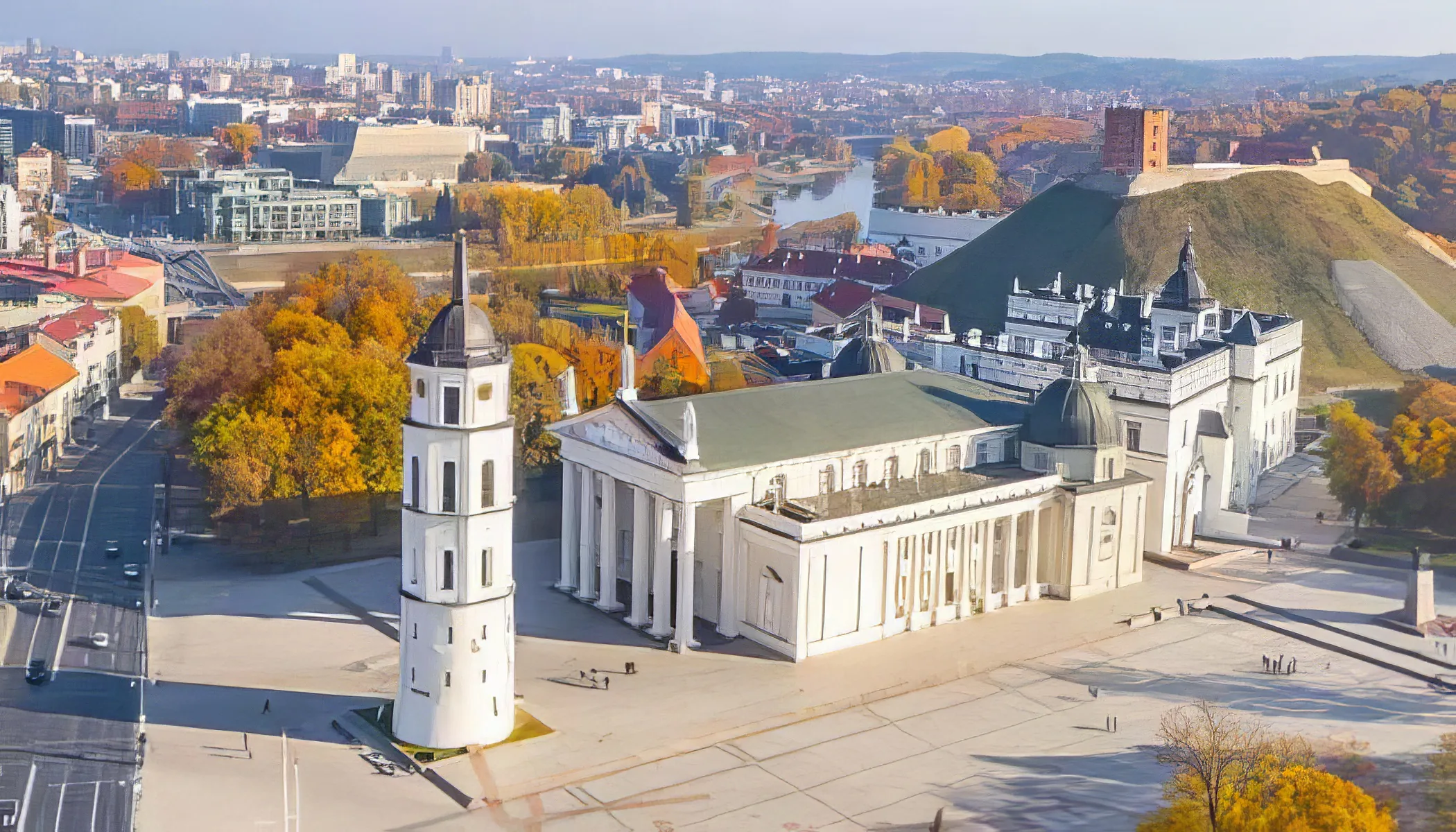
Lithuania offers a mix of historic charm and modern attractions in its cities:
– Vilnius: The capital city, known for its baroque architecture and the medieval Old Town.
– Kaunas: The country's second-largest city, offers a mix of old and new, with a charming Old Town and modern galleries.
– Klaipeda: A port city with a rich maritime history and the gateway to the Curonian Spit.
– Siauliai: Known for the Hill of Crosses, a unique and sacred site of pilgrimage.
– Trakai: Home to the impressive Trakai Island Castle and surrounded by beautiful lakes.
– Palanga: A popular seaside resort town with a long sandy beach and a lively pier.
– Druskininkai: A spa town known for its wellness facilities and the Grutas Park, a Soviet-era theme park.
Monuments
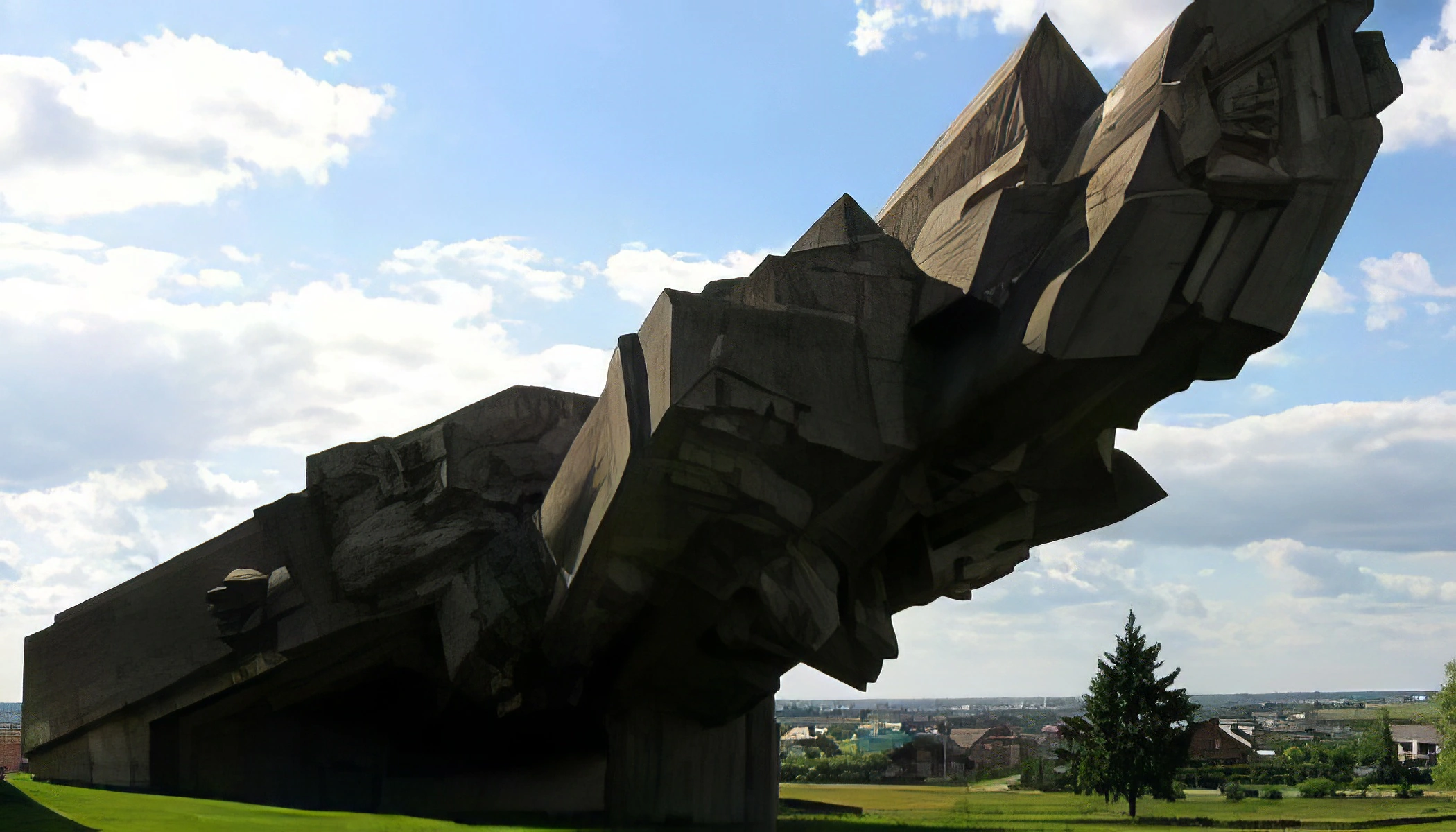
Lithuania is home to several notable monuments and architectural sites:
– Vilnius Old Town: UNESCO site, one of Europe's largest medieval old towns.
– Trakai Island Castle: 14th-century castle located on an island in Lake Galvė.
– Gediminas' Tower: The remaining part of the Upper Castle in Vilnius.
– Hill of Crosses: A unique spiritual place with thousands of crosses.
– Rundale Palace: An 18th-century Baroque palace, often called the Versailles of Lithuania.
– Kaunas Castle: A medieval castle in Kaunas, the second-largest city in Lithuania.
– Curonian Spit: UNESCO site, home to the highest moving sand dunes in Europe.
– Palanga Amber Museum: Located in a historic palace, it houses a large collection of amber pieces.
Natural wonder
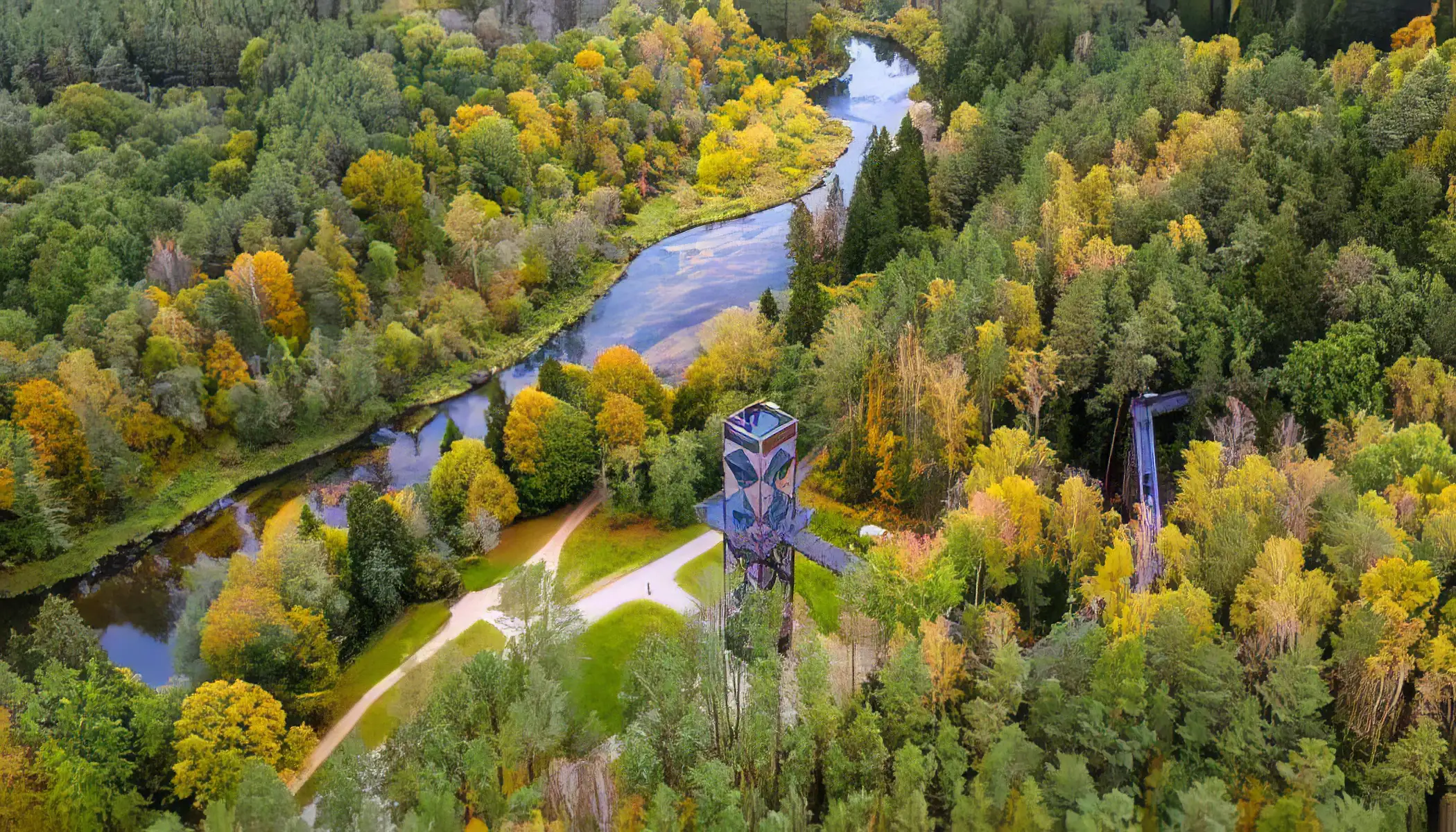
Explore the natural beauty of Lithuania:
– Aukštaitija National Park: Known for its many lakes, forests, and traditional villages.
– Curonian Spit: A unique sandy peninsula with shifting dunes and rich wildlife.
– Trakai Island Castle: A medieval castle located on an island in Lake Galvė.
– Hill of Crosses: A pilgrimage site with thousands of crosses on a small hill.
– Žemaitija National Park: Home to Lake Plateliai and the Cold War Museum.
– Vilniaus Salininkai Park: A large park in Vilnius with diverse flora and fauna.
– Neris Regional Park: Offers scenic river valleys and archaeological sites.
– Dzūkija National Park: Known for its pine forests and mushroom hunting.
– Varnikai Botanical-Zoological Reserve: A protected area with diverse ecosystems.
– Rumsiskes Open-Air Museum: Showcases traditional Lithuanian life in a natural setting.
Beaches
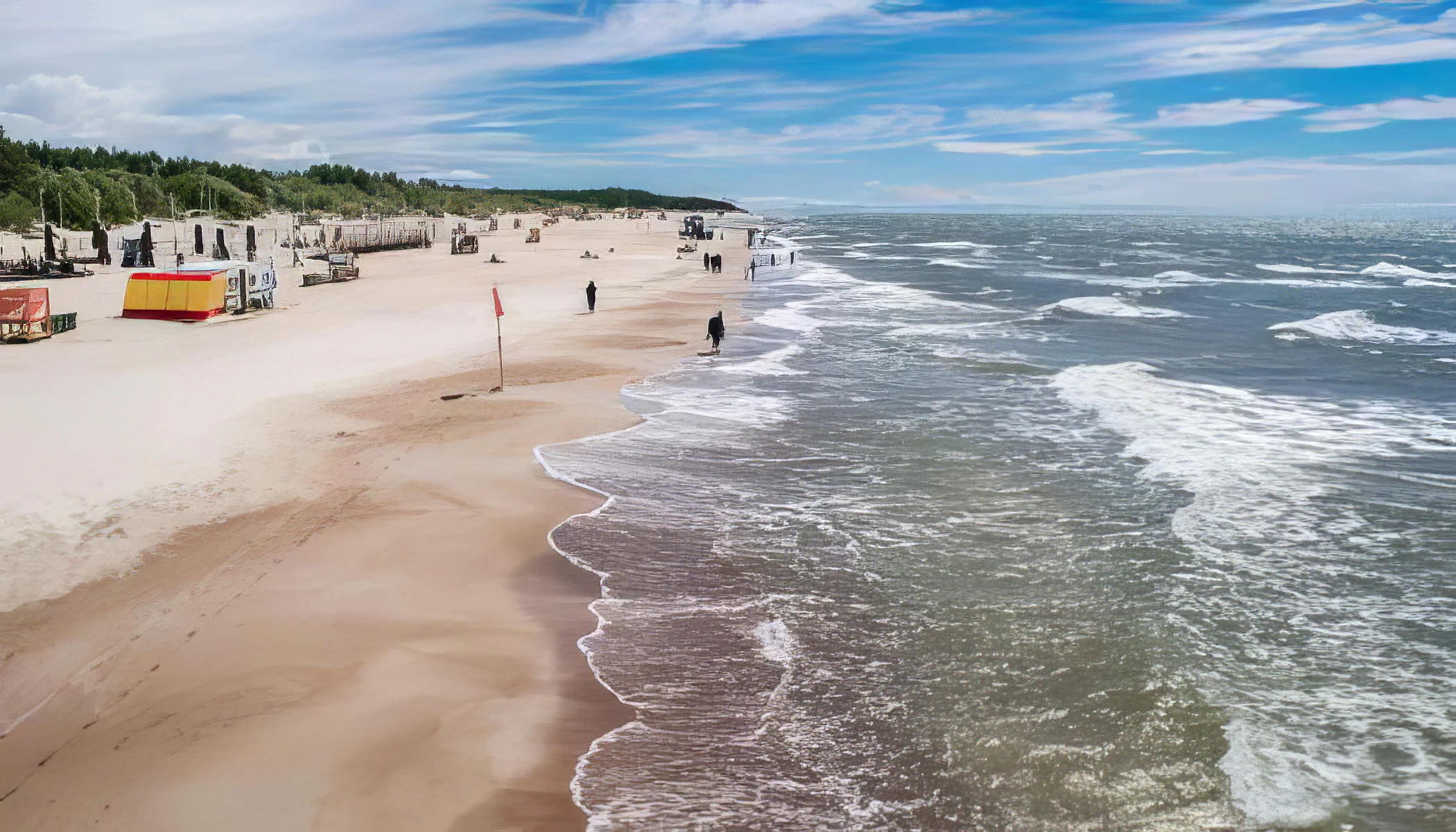
Lithuania, though small, offers some beautiful beaches on the Baltic Sea. Here are the most popular ones:
– Palanga Beach: Known for its long sandy stretch and lively summer atmosphere.
– Nida Beach: Famous for its towering sand dunes and laid-back setting on the Curonian Spit.
– Klaipeda Beach: Located near the city, it's popular for its cleanliness and accessibility.
– Sventoji Beach: A quieter beach, ideal for families and those seeking peace.
– Juodkrante Beach: Noted for its calm waters and forested surroundings on the Curonian Spit.
– Smiltyne Beach: Accessible by ferry, it's part of the Curonian Spit National Park.
– Melnrage Beach: A less crowded beach near Klaipeda, known for its white sand.
Outdoor activities
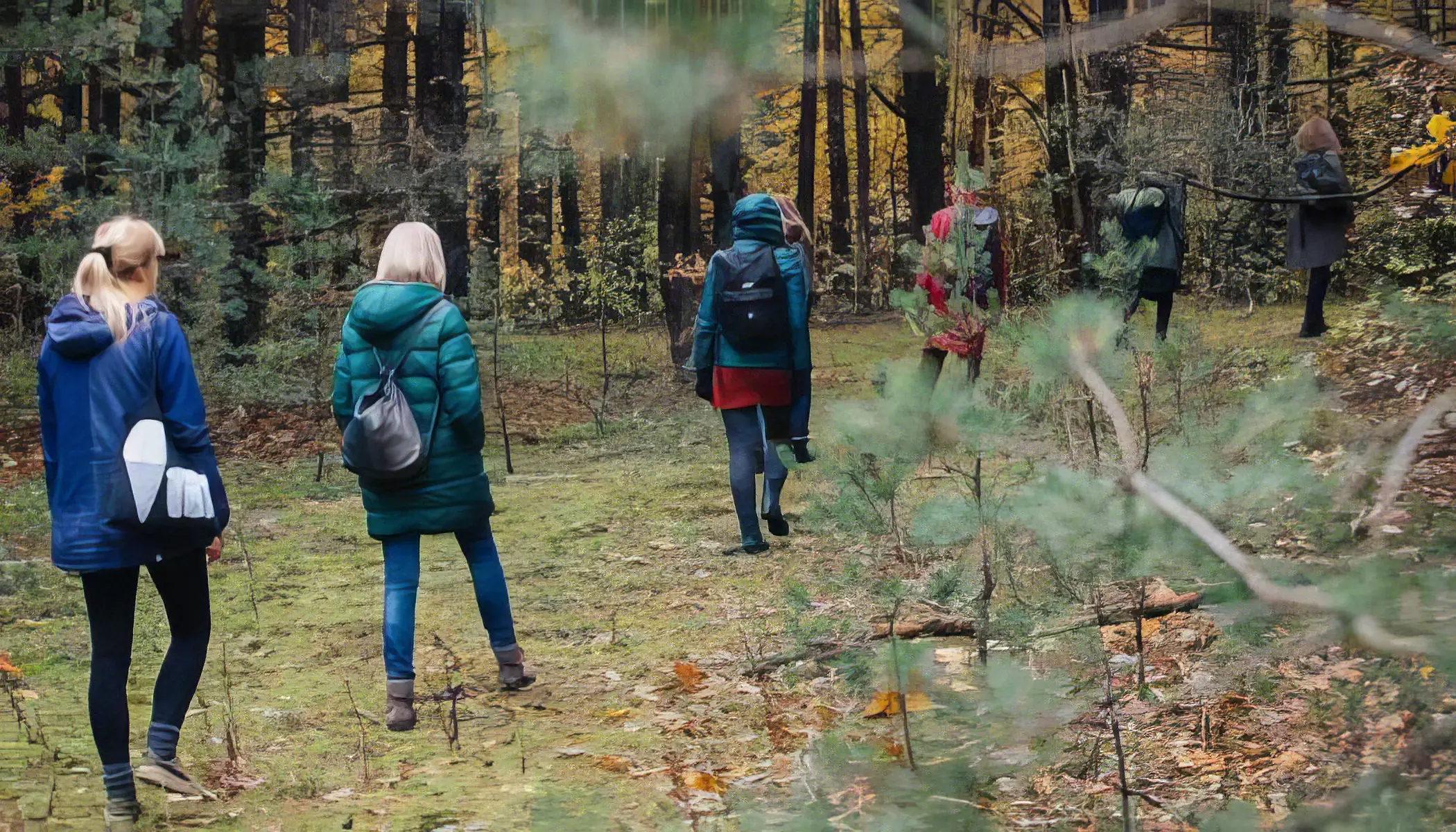
Lithuania offers a variety of outdoor experiences that highlight its natural beauty and cultural heritage:
– Cycling in Curonian Spit: Enjoy the unique landscapes of this UNESCO World Heritage site.
– Kayaking in Trakai: Paddle around the historic Trakai Island Castle on Lake Galvė.
– Hiking in Aukstaitija National Park: Explore the park's dense forests, lakes, and traditional villages.
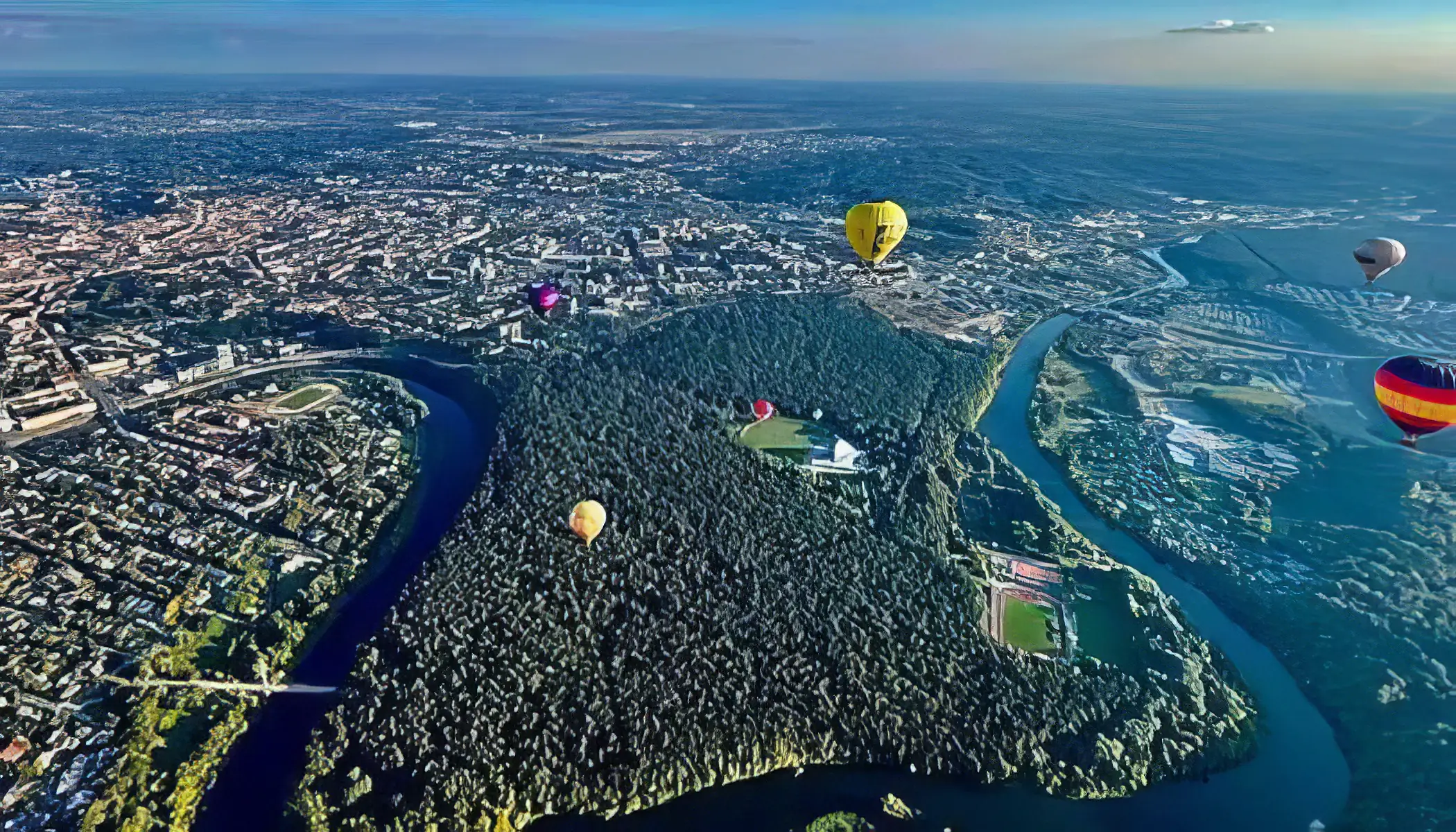
– Hot Air Balloon Ride in Vilnius: Get a bird's eye view of the capital's Old Town.
– Bird Watching in Nemunas Delta: Spot various bird species in this important wetland reserve.
– Sailing in the Baltic Sea: Experience the calm and beauty of the Baltic waters.
– Cross-Country Skiing in Druskininkai: Enjoy winter sports in this popular resort town.
Kid Friendly
Lithuania offers a variety of activities that are perfect for families with children:
– Trakai Island Castle: A medieval castle located on an island, offering a unique historical experience.
– Vilnius TV Tower: The tallest structure in Lithuania, with an observation deck for panoramic views.
– Lithuanian Sea Museum: A marine museum in Klaipeda, featuring dolphin shows and an aquarium.
– Grutas Park: An outdoor museum displaying Soviet-era statues and memorabilia.
– Druskininkai Aquapark: A large indoor water park with various pools and slides.
– Energy and Technology Museum: An interactive museum in Vilnius that makes learning about science fun.
– Rumsiskes Open-Air Museum: A museum showcasing traditional Lithuanian life with various historical buildings and exhibits.
– Vichy Water Park: A tropical-themed indoor water park in Vilnius with a variety of water attractions.
Cuisine
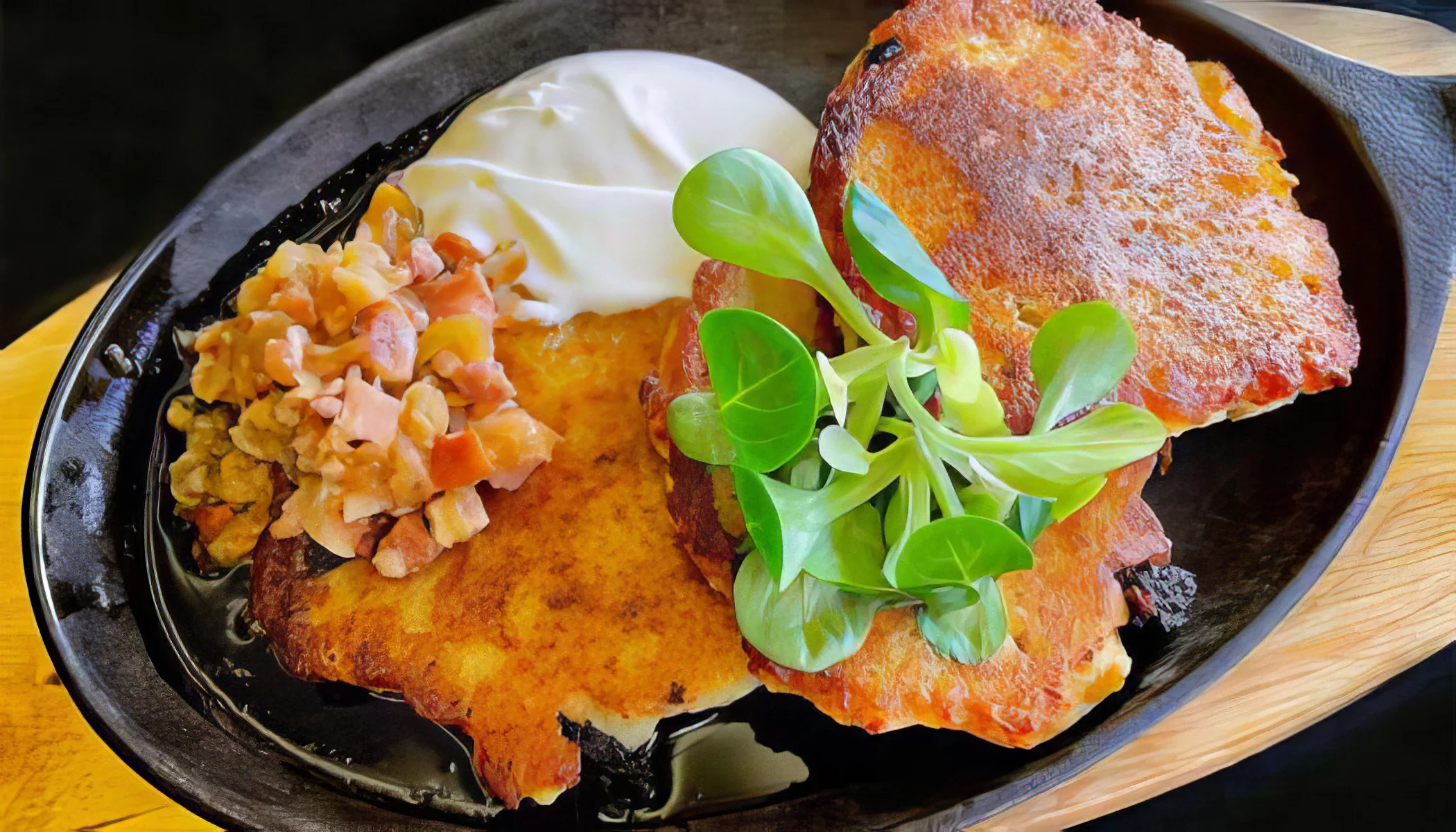
Lithuanian cuisine is rooted in hearty, comfort food with a focus on potatoes, meat, and dairy products. It's a blend of traditional and modern influences, with a strong emphasis on seasonal and local ingredients. Here are some of the most famous Lithuanian dishes:
– Cepelinai: Large dumplings made from grated and riced potatoes, filled with meat.
– Kugelis: Baked potato pudding, often served with sour cream and bacon.
– Saltibarsciai: Cold beet soup, typically served with boiled potatoes.
– Bulviniai Blynai: Potato pancakes, often served with sour cream or applesauce.
– Sakotis: Traditional Lithuanian cake, baked on a rotating spit.
Souvenir
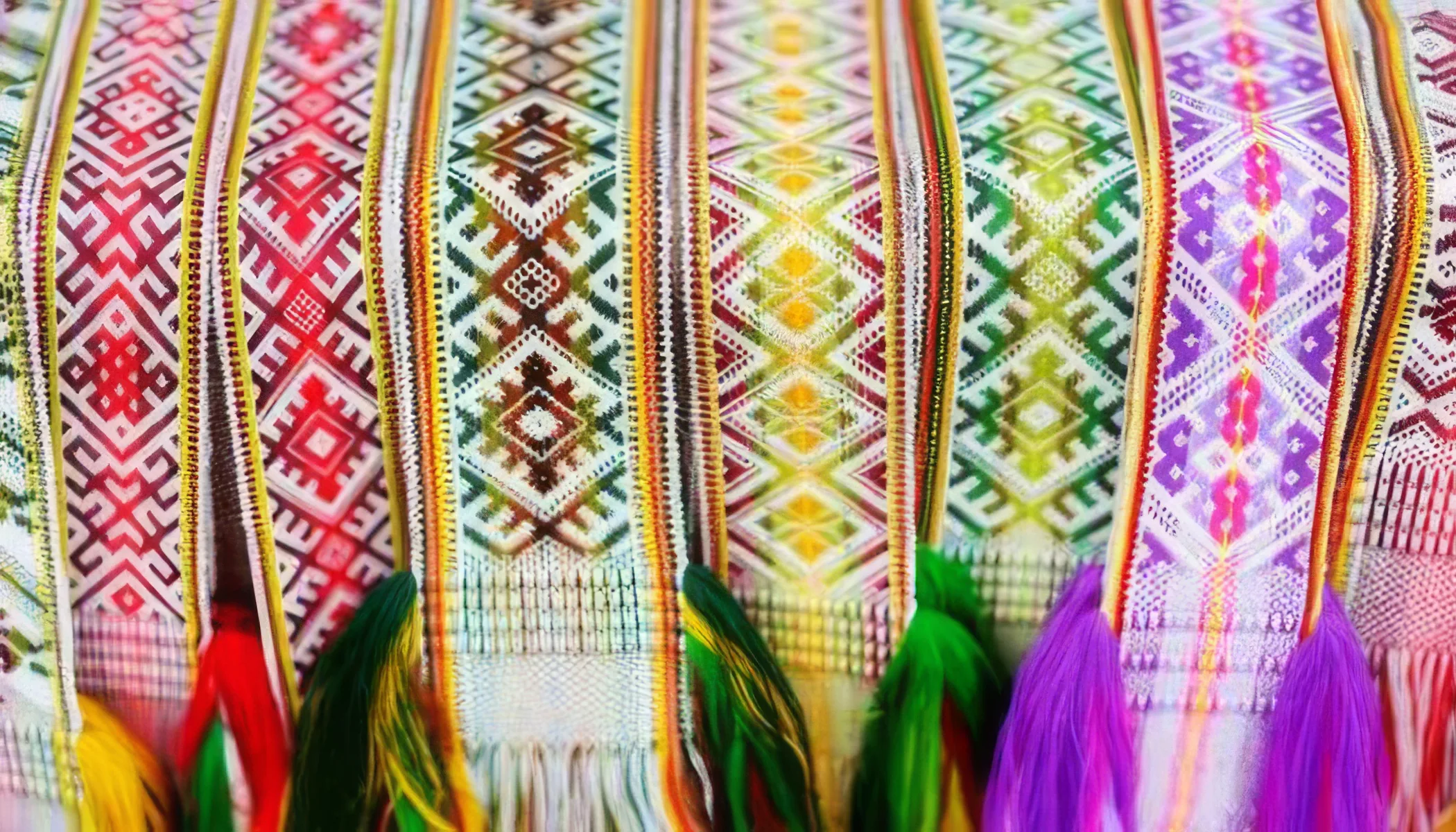
Lithuania is a country rich in history and culture, and its souvenirs reflect this heritage. Here are some popular items to consider:
– Amber Jewelry: Lithuania is known as the "land of amber", and amber jewelry is a popular souvenir.
– Linen Products: High-quality linen items such as clothing, tablecloths, and napkins are common in Lithuania.
– Mead: This traditional Lithuanian alcoholic beverage is a unique souvenir for adults.
– Wooden Crafts: Lithuania has a long tradition of wood carving, and you can find beautiful wooden crafts.
– Ceramic Art: Lithuanian ceramic art is unique and colorful, making it a great souvenir.
– Ruta Chocolate: This Lithuanian chocolate brand is a sweet treat to bring back home.
– Juniper Items: Juniper wood is used to make various items like utensils, jewelry, and decorative pieces.
Traditional Shows
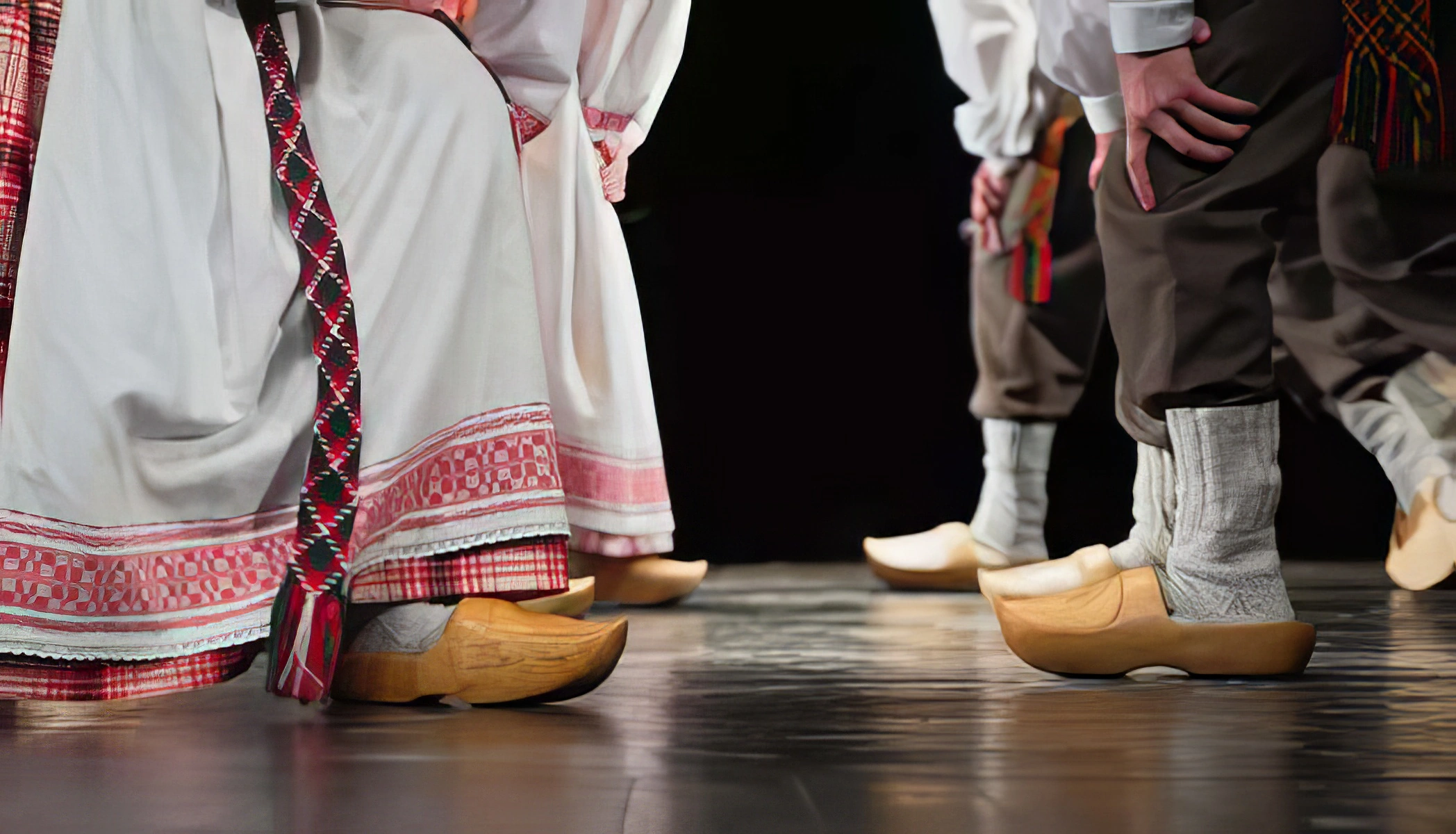
Lithuania is rich in traditional music and art performances:
– Sutartinės: Experience this unique polyphonic music, characterized by refined rhythms and harmonies, performed at various folk festivals across Lithuania.
– Dainų šventė: Witness this massive song and dance festival, held every four years in Vilnius, showcasing Lithuanian folk culture.
– Opera and Ballet Theatre: Enjoy classical performances at the Lithuanian National Opera and Ballet Theatre in Vilnius, a hub for the country's performing arts.
– Rumsiskes Open-Air Museum: Visit this museum near Kaunas to see traditional Lithuanian crafts, dances, and music in a recreated historical setting.
– Vilnius Street Art Festival: Explore contemporary Lithuanian art at this annual festival, where local and international artists transform Vilnius' urban spaces with their creations.
Events & Festivals
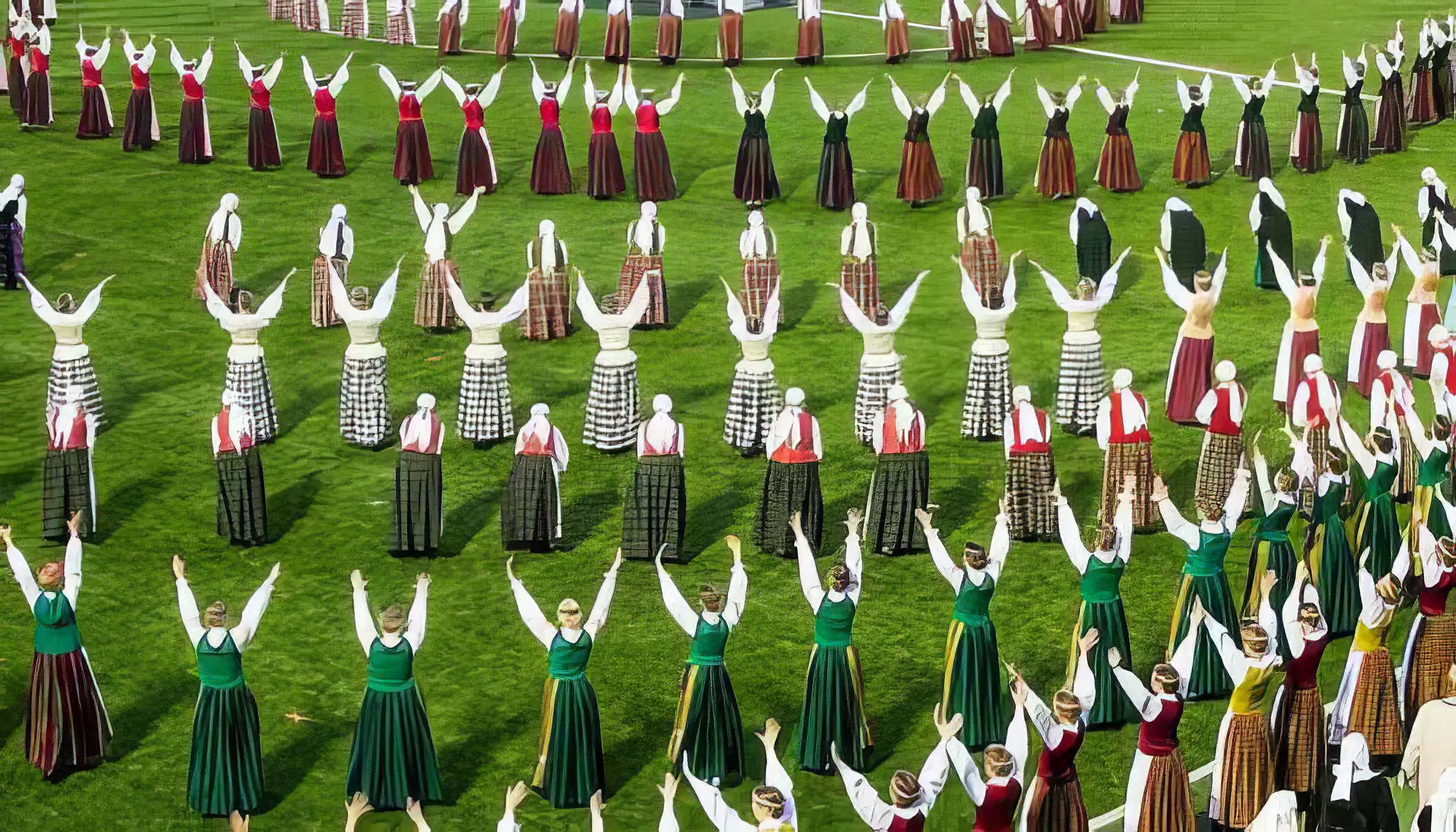
Lithuania, a country rich in culture and tradition, hosts several significant events and festivals each year:
– Kaziukas Fair: A large annual folk arts and crafts fair held in Vilnius in early March.
– International Vilnius Film Festival: A film festival in March/April showcasing international cinema.
– St. John's Day: A midsummer celebration with bonfires and folk music on June 24.
– Sea Festival: A July event in Klaipeda with concerts, parades, and a fair.
– Vilnius City Fiesta: A September event featuring concerts, exhibitions, and sports competitions.
– All Saints' Day: A solemn November 1 holiday honoring the dead with candle-lit cemeteries.
– Christmas Market: A festive December event in Vilnius with food, crafts, and entertainment.
Famous People

Lithuania has been home to many notable figures who have made significant contributions in various fields.
– Jonas Basanavičius (1851 to 1927, Ožkabaliai): Known as the patriarch of the nation, he led the Lithuanian National Revival.
– Vytautas the Great (1350 to 1430, Senieji Trakai): Grand Duke of Lithuania, he significantly expanded the country's territory.
– Arvydas Sabonis (born 1964, Kaunas): Internationally recognized basketball player, inducted into the NBA Hall of Fame.
– Czeslaw Milosz (1911 to 2004, Szetejnie): Nobel laureate in Literature, known for his works on the human condition.
– Jonas Mekas (1922 to 2019, Semeniškiai): Filmmaker and poet, often called the godfather of American avant-garde cinema.
Books
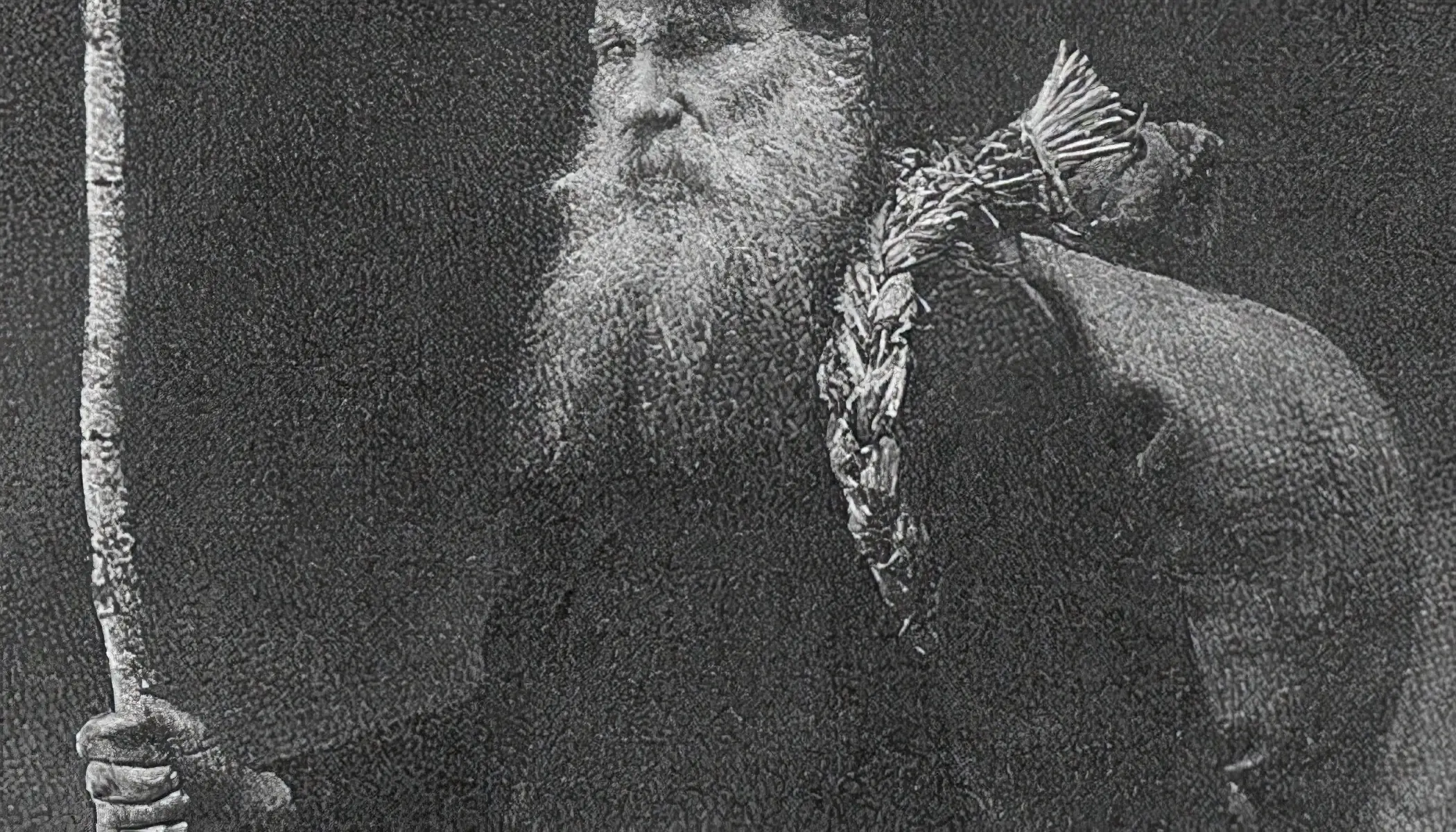
These books provide a rich exploration of Lithuania's history, culture, and people.
– "Between Shades of Gray" by Ruta Sepetys: A young Lithuanian girl's survival in Siberian work camps during WWII.
– "Forest of the Gods" by Balys Sruoga: A Lithuanian professor's experience in a Nazi concentration camp.
– "Dievų miškas" by Marius Markevičius: A story of a Lithuanian artist during the Soviet occupation.
– "Silva Rerum" by Kristina Sabaliauskaitė: A historical novel about the life of a noble Lithuanian family in the 17th century.
– "Lithuania: Stepping Westward" by Thomas Lane: An analysis of Lithuania's transition from Soviet republic to European democracy.
Songs
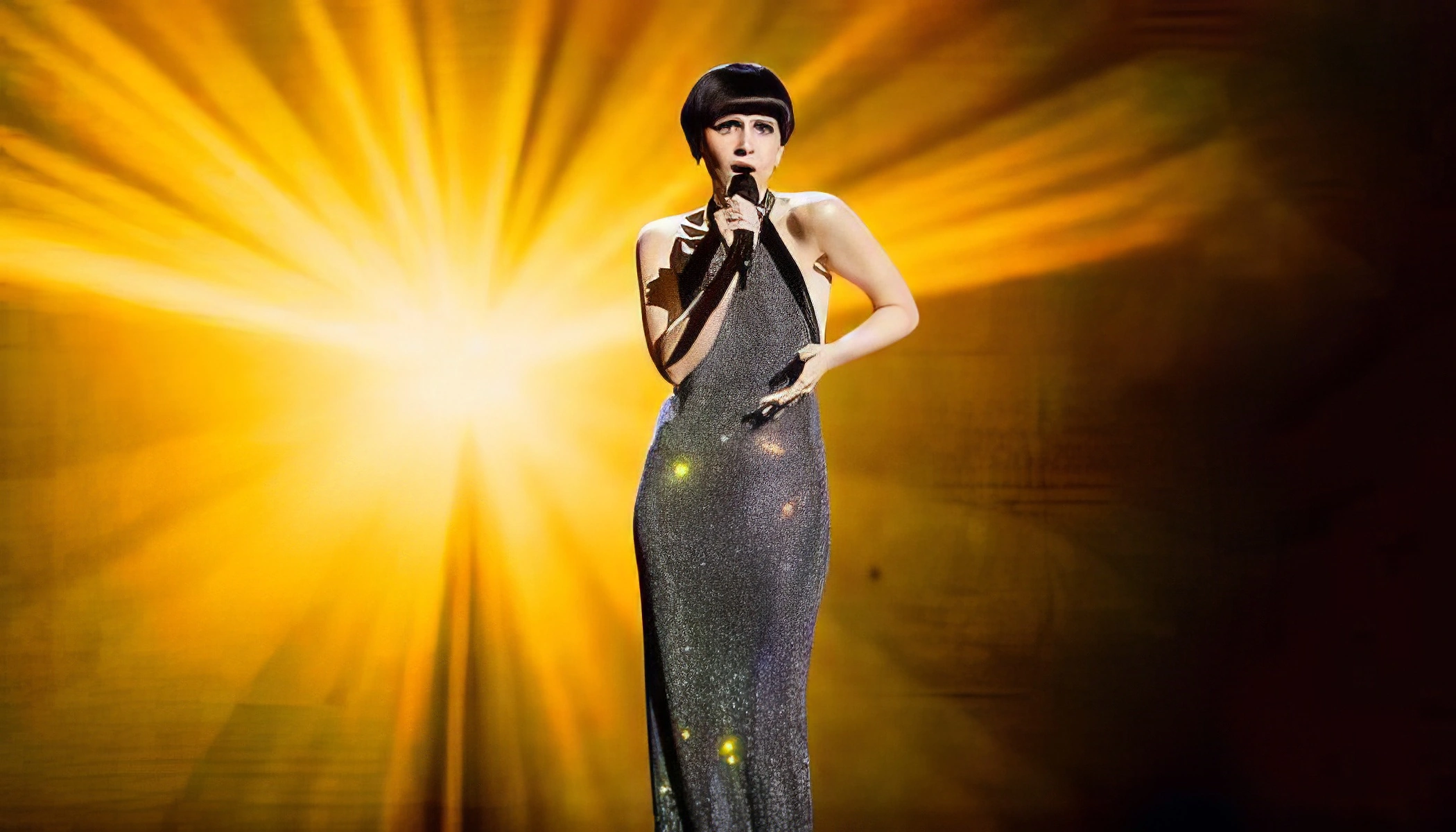
Lithuanian music is a blend of traditional folk melodies and modern pop, with songs that capture the country's history, culture, and spirit.
– Paskutinė Daina: A popular song by Andrius Mamontovas, a renowned Lithuanian rock musician.
– Trys Milijonai: A patriotic song by Marijonas Mikutavičius, often played at sports events.
– Laužo Šviesa: A famous song by Foje, one of Lithuania's most influential rock bands.
– As Noriu Taves: A popular love song by Gytis Paškevičius, a well-known Lithuanian singer.
– Lietuvos Rytas: A patriotic song by Edmundas Kučinskas, celebrating Lithuania's independence.
– Mano Dainos: A heartfelt song by Vytautas Kernagis, a pioneer of Lithuanian sung poetry.
Films
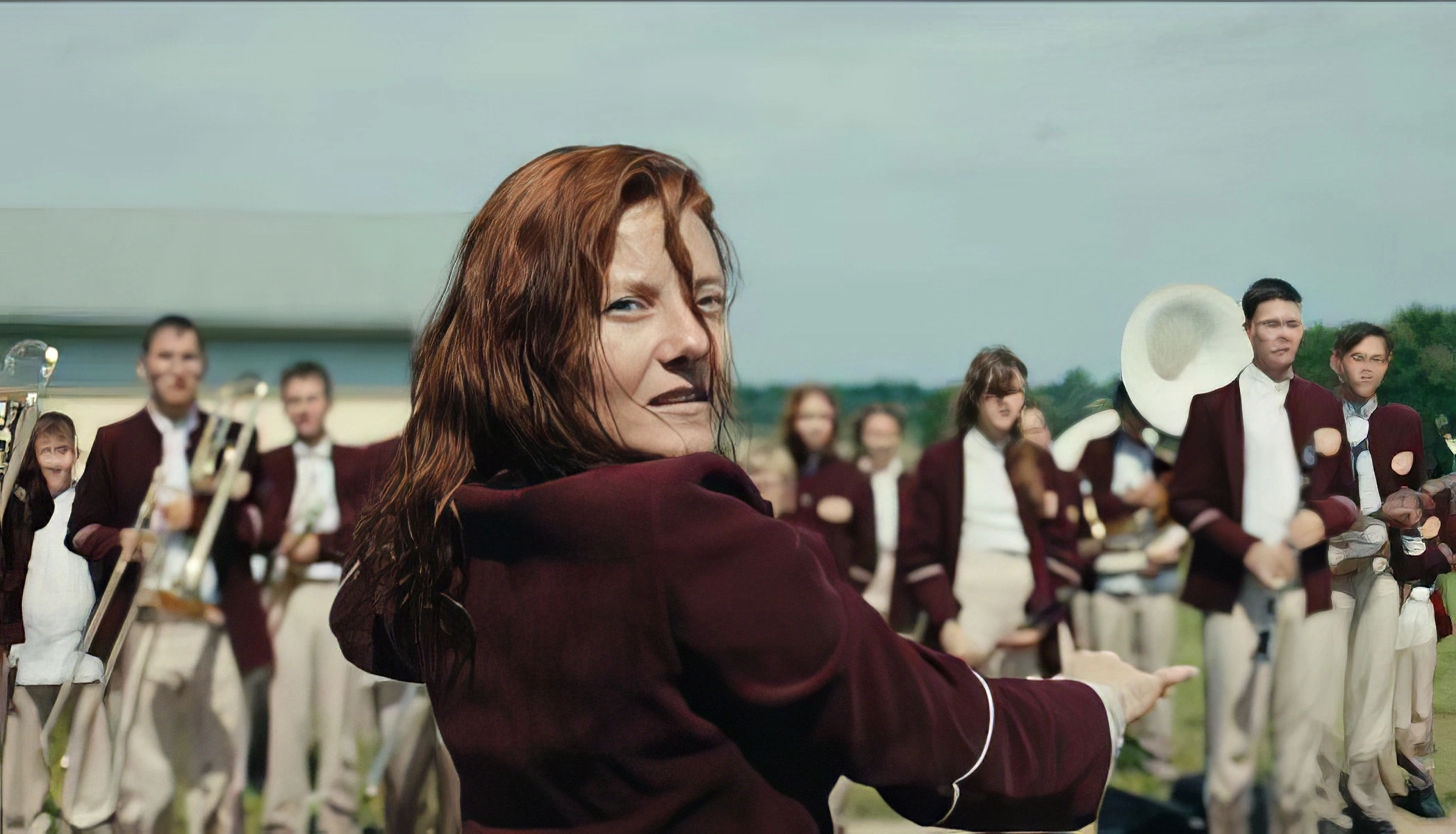
Here are some of the most renowned films that beautifully depict the culture and history of Lithuania:
– "The Summer of Sangaile": Directed by Alantė Kavaitė, it's a coming-of-age drama about a girl's summer of self-discovery.
– "Forest of the Gods": Directed by Algimantas Puipa, it's a powerful depiction of life in a Soviet gulag.
– "Tadas Blinda. Pradzia": Directed by Donatas Ulvydas, it's a historical drama about a Lithuanian folk hero.
– "The Gambler": Directed by Ignas Jonynas, it's a dark comedy about a paramedic's descent into the world of gambling.
– "Frost": Directed by Sharunas Bartas, it's a war drama about a young Lithuanian man's journey into the war zone in Ukraine.