

Explore Macedonia: Culture, Cities & Places to Visit
Located in the Balkans, this country is known for its rich history and diverse culture. It features ancient ruins, nice cities, and scenic mountains. The capital, Skopje, blends modernity with tradition, while Ohrid is famous for its lake and historical sites.
- Capital
- The capital of North Macedonia is Skopje.
- Population
- 2.1 millions
- Superficy
- 26000 sq.km
- Months to Visit
- May to Sept.
- Living Cost
- Economical
Overview
North Macedonia, located in the Balkan Peninsula in Southeast Europe, is a landlocked country known for its mountainous terrain and rich history. The capital city, Skopje, features a mix of Ottoman and modern architecture, with landmarks like the Stone Bridge and the Old Bazaar. Ohrid, a UNESCO World Heritage site, is famous for its historic churches and pleasant lake. The country has a diverse cultural heritage influenced by various civilizations over centuries. North Macedonia's cuisine reflects Mediterranean and Balkan flavors, with dishes like tavče gravče and ajvar. It is a nation that balances its historical roots with aspirations for greater integration into European institutions.
Pros & Cons
GOOD REASONS TO VISIT MACEDONIA
– Rich History: Explore ancient ruins, Byzantine churches, and Ottoman architecture reflecting Macedonia's diverse historical influences.
– Scenic Landscapes: Enjoy Lake Ohrid's beauty, Mavrovo National Park's mountains, and pleasant vineyards.
– Cultural Heritage: Experience traditional music, dance, and crafts at nice festivals showcasing Macedonian culture.
– Delicious Cuisine: Savor dishes like ajvar, tavče gravče, and local wines in authentic settings.
– Warm Hospitality: Macedonians are known for their friendliness and welcoming nature towards visitors. CHALLENGES WHEN VISITING MACEDONIA
– Limited Public Transport: Rural areas have infrequent services; renting a car is often necessary for exploration.
– Language Barrier: English is not widely spoken outside major cities; learning basic phrases can be helpful.
– Economic Challenges: Infrastructure may be less developed compared to Western Europe; expect occasional inconveniences.
Before Departure
Before traveling to North Macedonia, consider the following essential information:
– Passport: Ensure your passport is valid for at least three months beyond your planned departure date.
– Visa: EU, US, and Canadian citizens can enter visa-free for up to 90 days within 180 days. Check specific requirements based on nationality.
– Currency: Macedonian Denar (MKD); credit cards accepted in cities; cash preferred in rural areas; ATMs widely available.
– Internet access: WiFi is accessible in urban areas and hotels; local SIM cards with data plans are affordable and available at airports.
– Language barrier: Macedonian is the official language; English is moderately spoken in tourist areas; Albanian is also common in some regions.
What to Pack
Exploring Macedonia requires preparation for diverse weather and cultural experiences, from historical sites to natural landscapes.
– Essentials: Passport, travel insurance, flight tickets, itinerary, accommodation confirmations, and any necessary visas.
– Clothing: Comfortable walking shoes, layered clothing for varying temperatures, a rain jacket or umbrella, swimwear for lakes or spas.
– Health & Safety: Prescription medications, basic first aid kit, sunscreen with high SPF, insect repellent for outdoor activities.
– Electronics: Travel adapter for European outlets (Type C or F), mobile phone with charger, camera for capturing scenic views.
Weather
Macedonia experiences a continental climate with hot summers and cold winters.
– Winter (December to February): Cold temperatures with snowfall, especially in mountainous regions; average temperatures range from -5°C to 5°C.
– Spring (March to May): Mild and pleasant weather with increasing temperatures and occasional rain; ideal for outdoor activities.
– Summer (June to August): Hot and dry, particularly in July and August, with temperatures ranging from 25°C to 35°C.
– Autumn (September to November): Mild temperatures with decreasing rainfall; magnificient foliage makes it a charming time to visit. The best time to visit Macedonia is during spring (April-May) or autumn (September-October). These periods offer mild weather, fewer tourists, and beautiful natural scenery. However, be prepared for occasional rain showers.
Travel Budget
Macedonia provides a budget-friendly travel experience with affordable prices for various services. Here are some average costs for tourists:
– Hotel: 30$ to 80$
– Lunch: 5$ to 15$
– Beverage (in bar/restaurant): 2$ to 5$
– Coffee: 1$ to 2$
– Transportation: (train 5$ to 20$), (bus 1$ to 3$), (taxi /10km 4$ to 8$)
– Mobile data (per GB): 1.5$ to 3.5$
Language
Macedonian is a South Slavic language spoken primarily in North Macedonia.
– Hello: Здраво (Zdravo)
– Thank you: Благодарам (Blagodaram)
– Please: Ве молам (Ve molam)
– How much is this?: Колку чини ова? (Kolku chini ova?)
– Excuse me: Извинете (Izvinete)
– I don't understand: Не разбирам (Ne razbiram)
– Yes: Да (Da)
– No: Не (Ne)
– Goodbye: Довидување (Doviduvanje)
History
The region was historically part of several empires, including the Roman and Byzantine Empires. In the 14th century, it fell under Ottoman rule, lasting until the early 20th century. Following the Balkan Wars and World War I, it became part of the Kingdom of Serbs, Croats, and Slovenes, later known as Yugoslavia. During World War II, it was occupied by Axis powers but was liberated by Yugoslav partisans. After the war, it became a constituent republic within socialist Yugoslavia. In 1991, it declared independence peacefully from Yugoslavia and became known as the Republic of Macedonia before resolving a long-standing naming dispute with Greece in 2019 to be officially recognized as North Macedonia.
Geopolitics
North Macedonia is a landlocked country in the Balkan Peninsula, bordered by Kosovo, Serbia, Bulgaria, Greece, and Albania. It gained independence from Yugoslavia in 1991 and faced a long-standing naming dispute with Greece, resolved in 2019 by renaming itself North Macedonia. The country is a member of NATO and aspires to join the European Union; however, accession talks have been delayed due to historical and cultural disputes with Bulgaria. Internally, North Macedonia has grappled with ethnic tensions between Macedonians and the Albanian minority. It seeks to maintain stability through international cooperation and regional partnerships. Its geopolitical strategy focuses on integration into European structures and fostering good relations with neighboring countries while managing ethnic diversity domestically.
Sample Itinerary
This itinerary covers Macedonia's cultural heritage, natural landscapes, and historical sites.
– 1 day in Skopje: Visit the Stone Bridge, Old Bazaar, and Mother Teresa Memorial House. Explore Kale Fortress and Macedonia Square.
– 2 days in Ohrid: Tour the UNESCO-listed Ohrid Lake and its monasteries. Visit Samuel's Fortress, Church of St. John at Kaneo, and wander the old town.
– 1 day in Bitola: Explore the ancient ruins of Heraclea Lyncestis. Walk along Shirok Sokak Street and see the Clock Tower and old bazaar.
– 1 day in Mavrovo National Park: Enjoy hiking or a scenic drive through sumptuous landscapes with views of Mavrovo Lake and visit St. Jovan Bigorski Monastery.
– 1 day in Prilep: Discover Treskavec Monastery set on a hilltop. See the ruins of Marko’s Towers and experience local tobacco tradition at Prilep Museum.
Popular cities
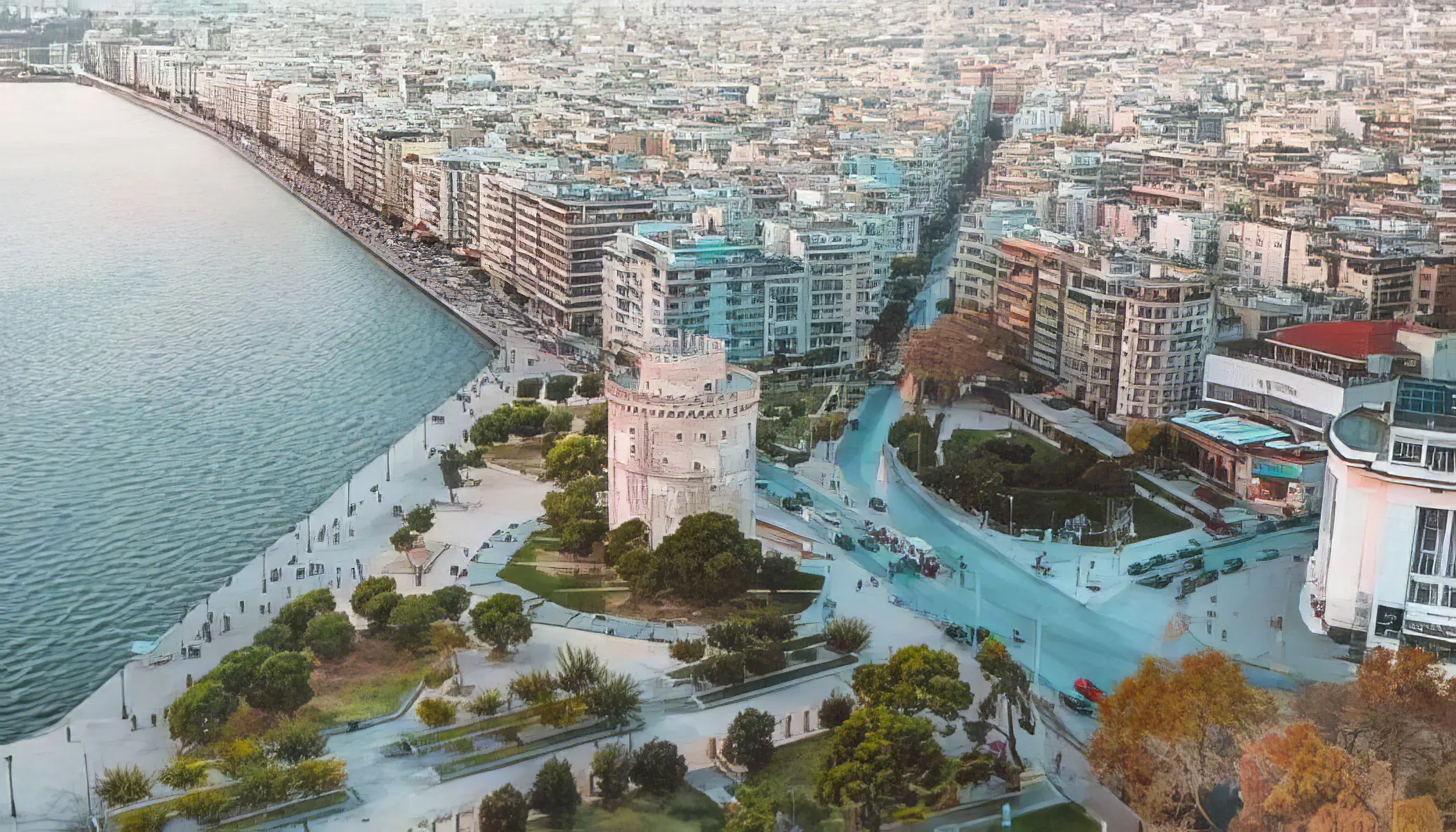
Discover Macedonia's diverse cities, each offering unique experiences and cultural treasures:
– Skopje: The capital city features a blend of modern architecture and historic sites, including the Old Bazaar.
– Ohrid: Known for its beautiful lake, ancient churches, and the UNESCO-listed Ohrid region.
– Bitola: A city with rich history, famous for its Ottoman architecture and the ancient city of Heraclea Lyncestis.
– Tetovo: Home to the colorful Painted Mosque and scenic views of the Shar Mountains.
– Prilep: Known for tobacco production and historic sites like Marko's Towers.
– Strumica: Supplies remarkable festivals and nearby natural attractions like waterfalls and monasteries.
– Kumanovo: Features historical landmarks and proximity to the Kokino archaeological site.
Monuments
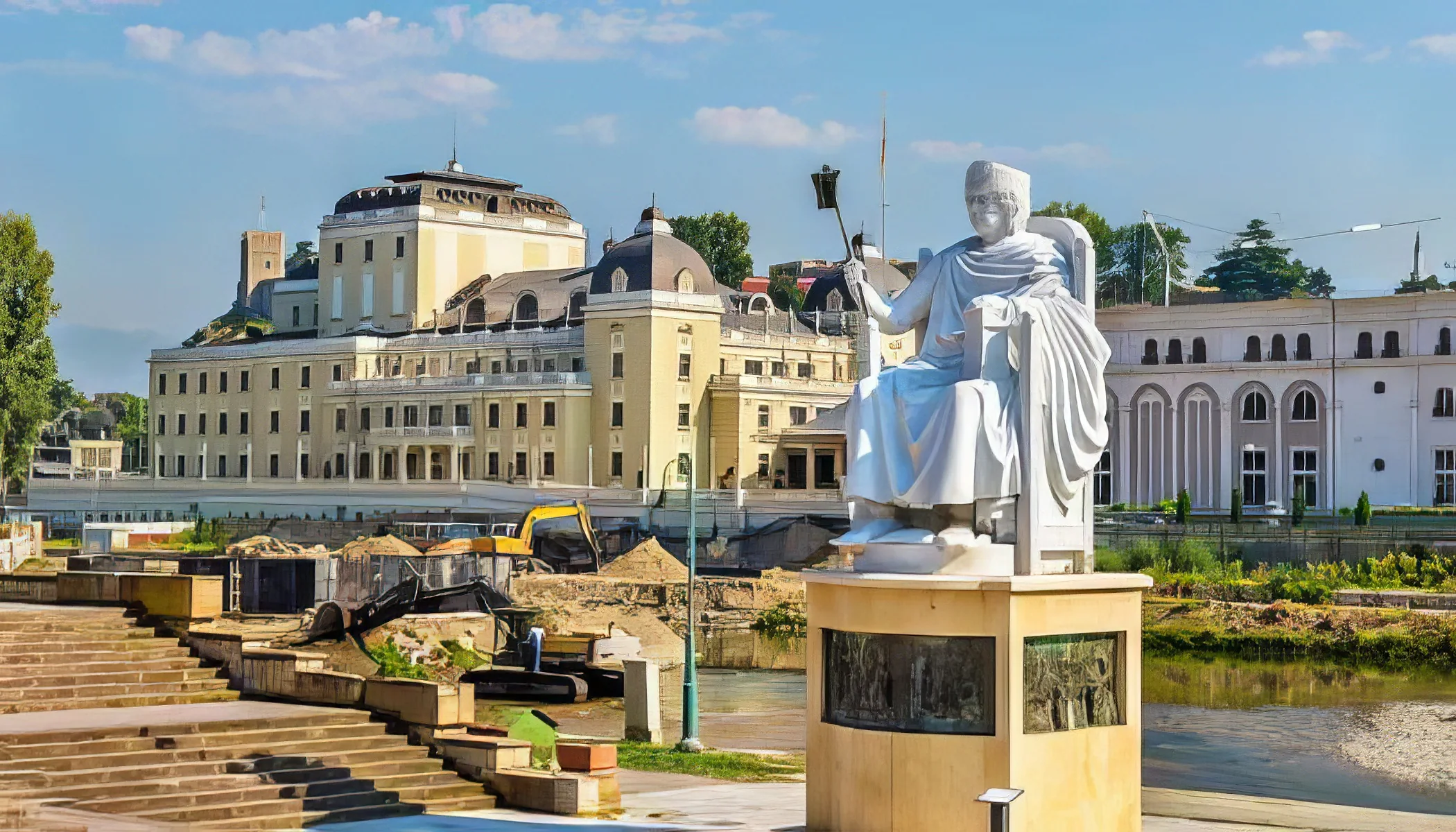
Macedonia provides several remarkable monuments to explore:
– Skopje Fortress (Kale): Overlooks the city, with origins dating back to the 6th century.
– Church of St. John at Kaneo, Ohrid: Pleasant lakeside church known for its beautiful views and frescoes.
– Samuel's Fortress, Ohrid: Ancient fortress offering panoramic views of Lake Ohrid and surrounding areas.
– Heraclea Lyncestis, Bitola: Archaeological site with well-preserved Roman and early Christian ruins.
– Stone Bridge, Skopje: Iconic Ottoman-era bridge connecting Skopje's old and new parts.
– Stobi Archaeological Site: Ancient city ruins featuring Roman amphitheater and mosaics.
– Millennium Cross, Mount Vodno: Massive cross on Vodno Mountain symbolizing Macedonia's Christian heritage.
– Church of St. Panteleimon, Gorno Nerezi: Notable for its Byzantine architecture and 12th-century frescoes.
Natural wonder
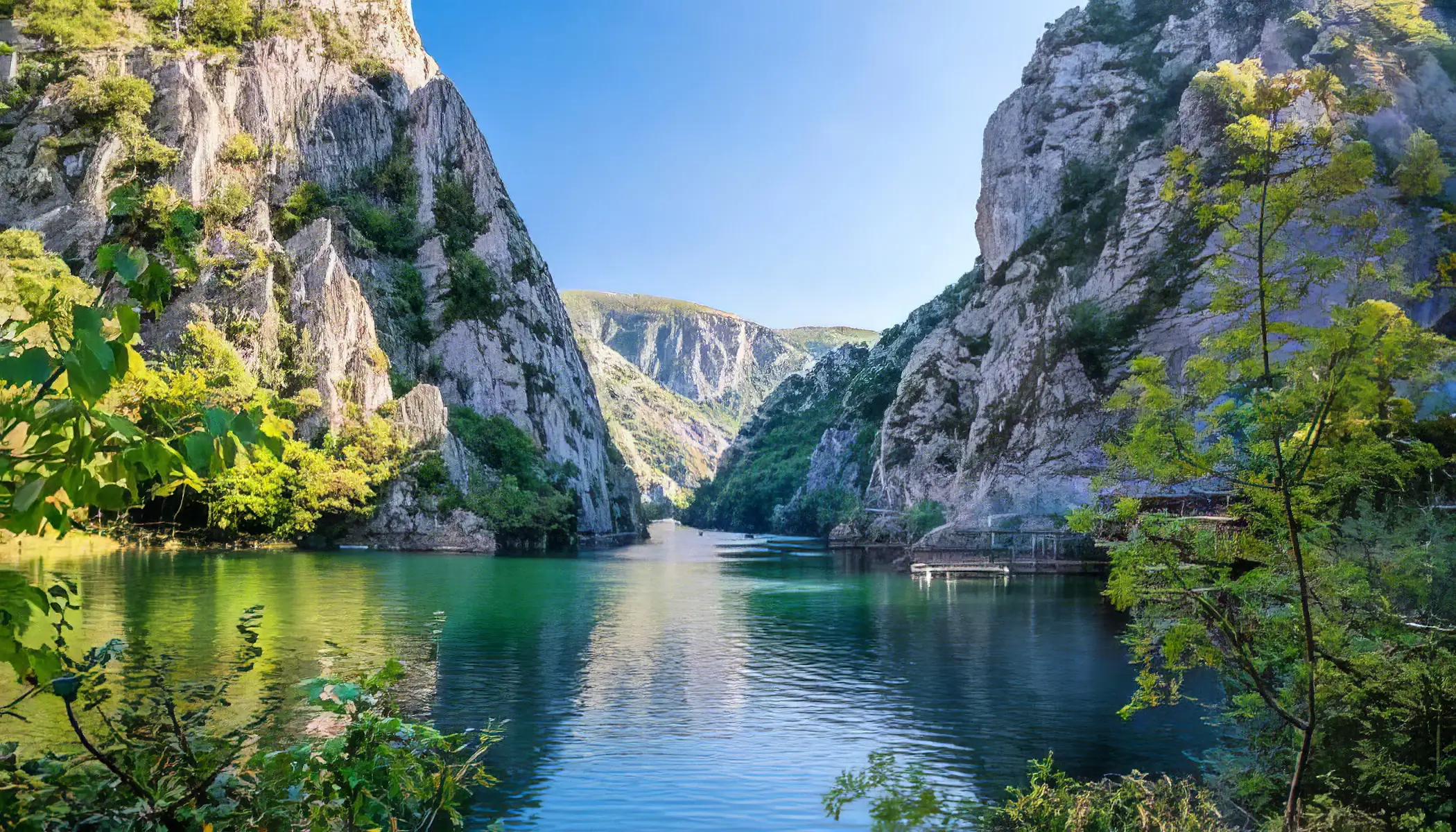
Explore Macedonia's diverse landscapes through its natural wonders:
– Lake Ohrid: One of Europe's oldest and deepest lakes, with clear waters and rich biodiversity.
– Matka Canyon: A popular spot for hiking, kayaking, and exploring caves near Skopje.
– Mavrovo National Park: Home to dense forests, diverse wildlife, and the Mavrovo Lake.
– Pelister National Park: Noted for its Molika pine trees and scenic mountain trails.
– Vardar River: The longest river in Macedonia, flowing through major cities like Skopje.
– Treskavec Monastery Area: Supplies panoramic views amidst rocky landscapes near Prilep.
– Galicica National Park: Between Lake Ohrid and Lake Prespa with rich flora and fauna.
– Smolare Waterfall: The highest waterfall in Macedonia, located in the Belasica mountain range.
– Tikvesh Wine Region: Surrounded by rolling hills and vineyards near the Vardar River valley.
– Prespa Lake: Known for its biodiversity and island of Golem Grad within its waters.
Outdoor activities
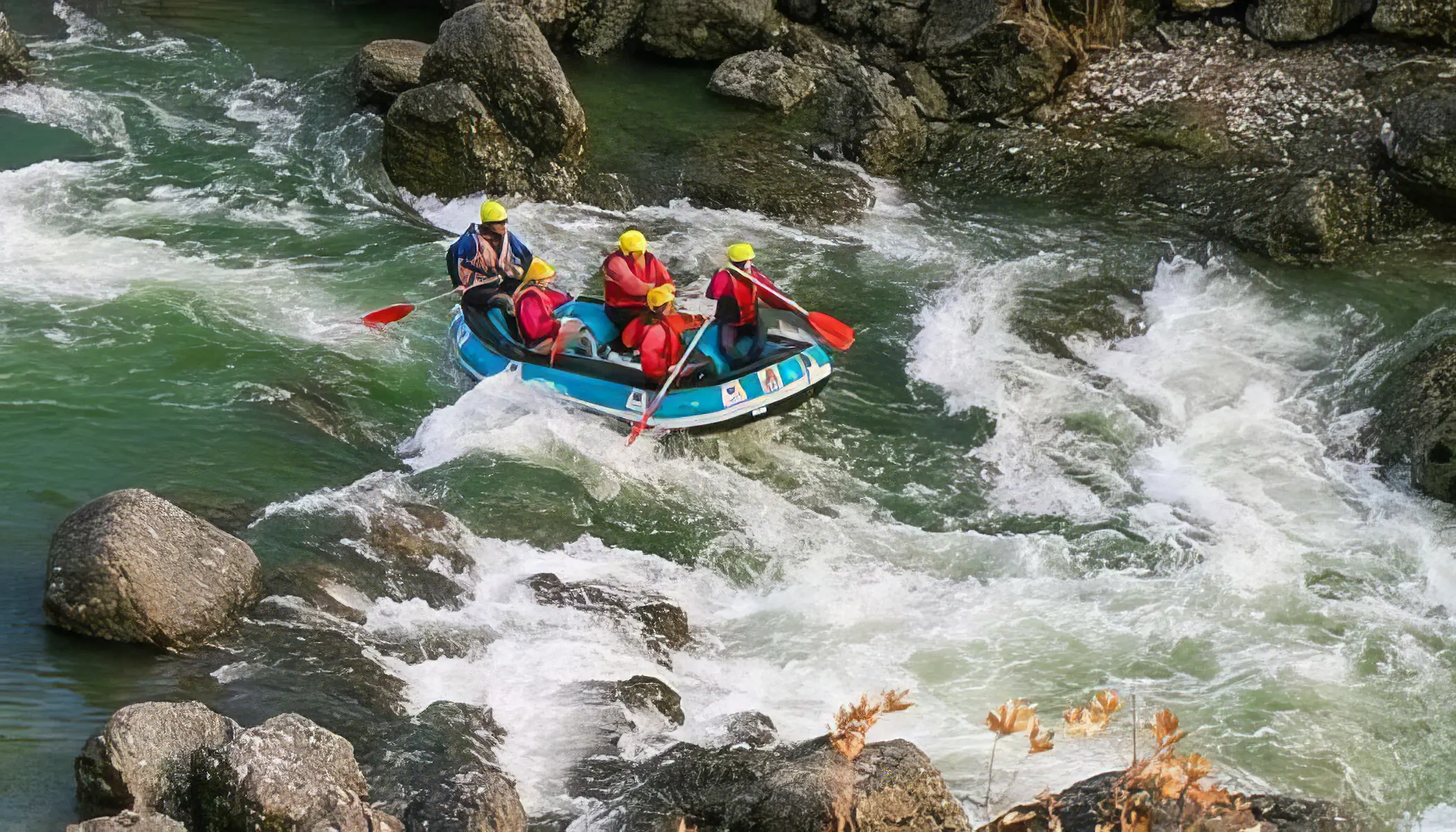
Explore the natural beauty of North Macedonia through various outdoor activities:
– Hiking in Mavrovo National Park: Traverse scenic trails and enjoy diverse wildlife.
– Kayaking on Lake Ohrid: Paddle through clear waters surrounded by mountains.
– Climbing in Matka Canyon: Challenge yourself on rugged shiny cliffs.
– Biking in Pelister National Park: Ride through dense forests and open landscapes.
– Paragliding over Krusevo: Glide above charming villages and rolling hills.
– Exploring Vrelo Cave: Discover underground wonders in one of the deepest caves.
– Birdwatching at Prespa Lake: Observe diverse bird species in laid-back surroundings.
Kid Friendly
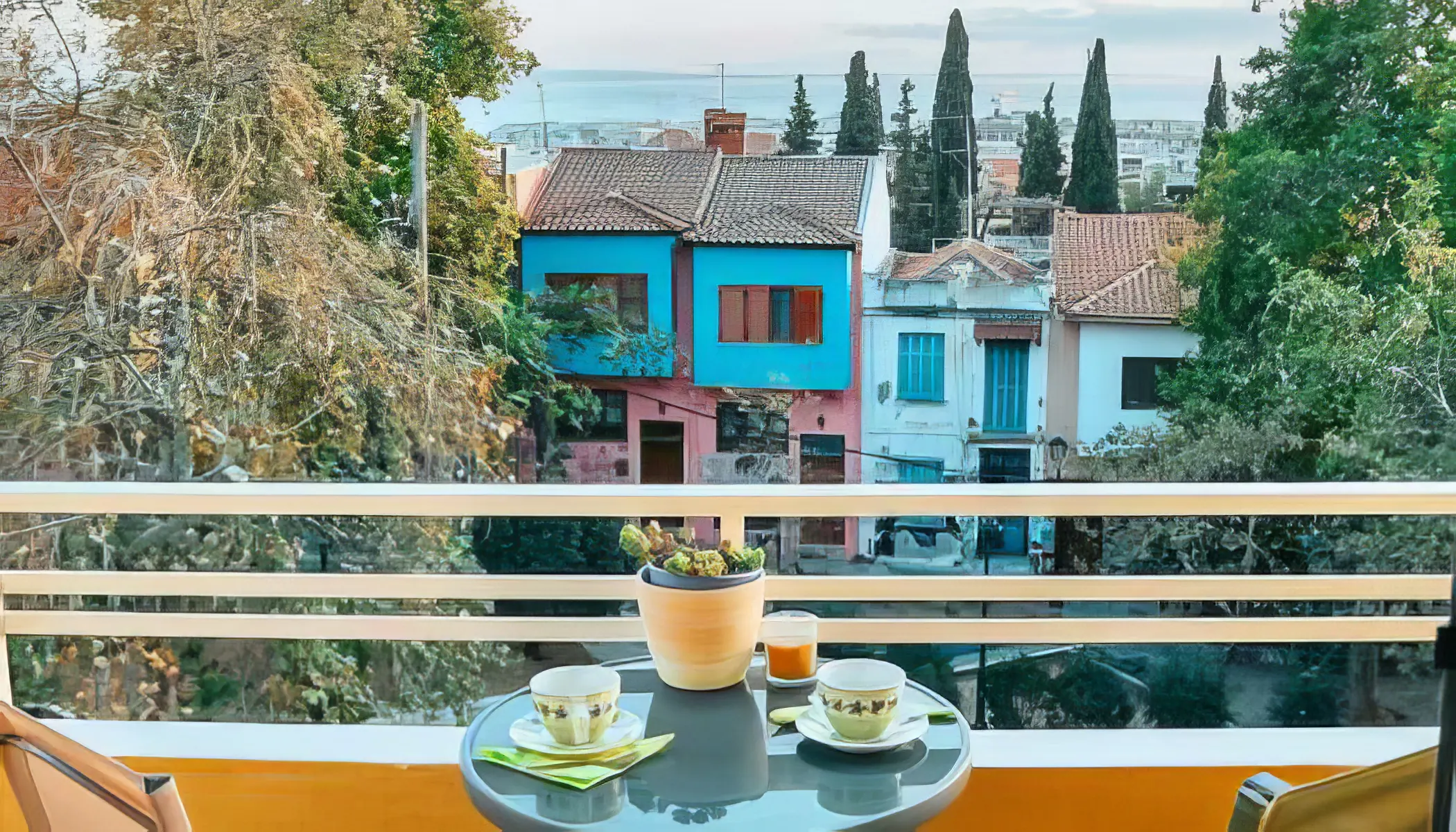
Macedonia offers several engaging activities suitable for children and families.
– Lake Ohrid: Enjoy a boat ride or swim in one of Europe's oldest and deepest lakes.
– Mavrovo National Park: Explore diverse wildlife and fun hiking trails suitable for kids.
– Skopje Zoo: Visit a small but well-maintained zoo with various animal exhibits.
– Kokino Observatory: Discover ancient astronomy at this Bronze Age megalithic site.
– Matka Canyon: Experience kayaking or a boat trip through scenic landscapes and caves.
– Bitola's Heraclea Lyncestis: Walk among the ruins of this ancient city with impressive mosaics.
– Vevchani Springs: Explore clear springs and a charming village atmosphere in the Vevchani area.
– Millennium Cross: Take a cable car ride to this massive cross overlooking Skopje for panoramic views.
Cuisine
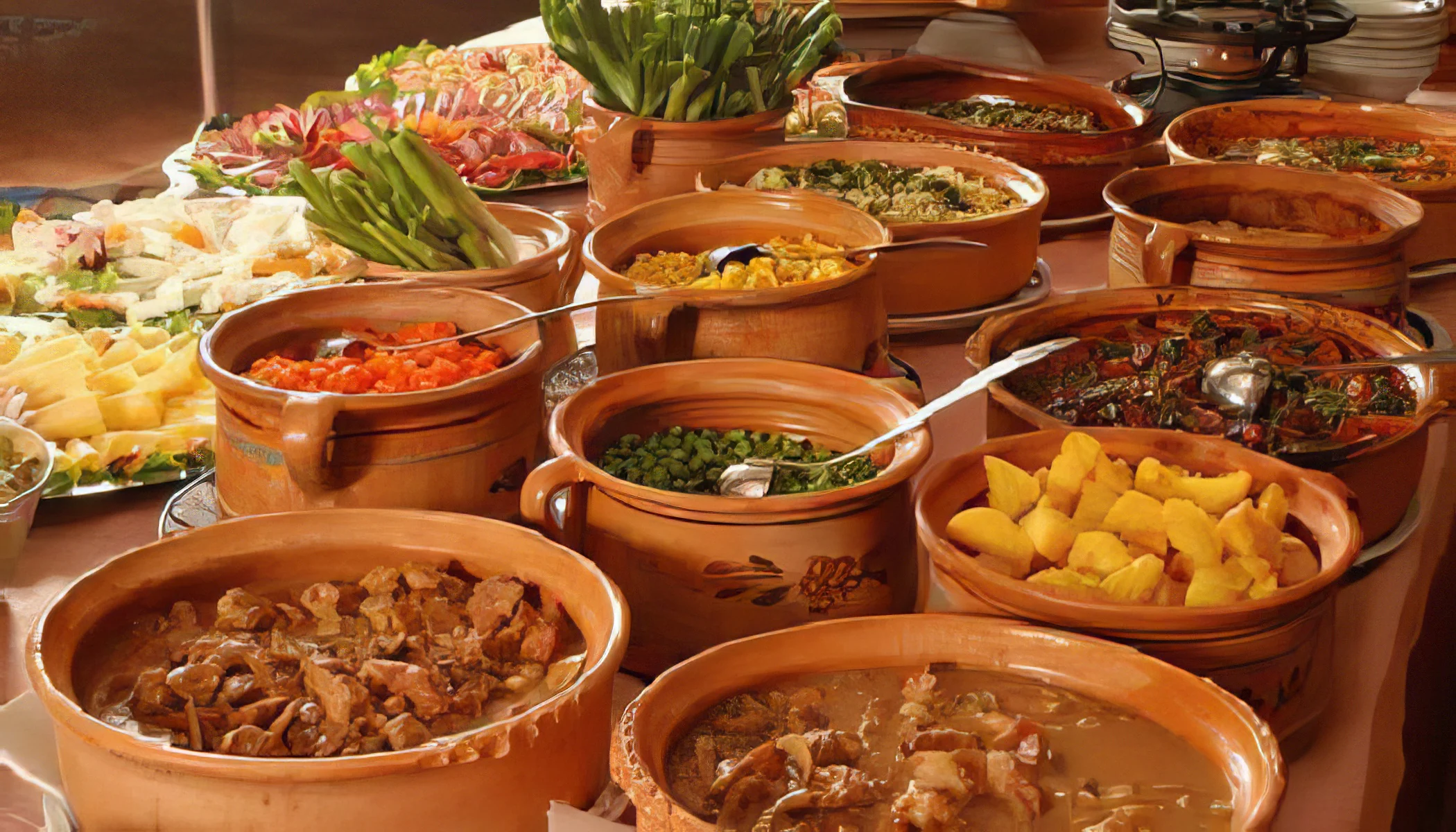
Macedonian cuisine features hearty and flavorful meals influenced by Mediterranean and Balkan traditions, with an emphasis on fresh produce and meat. It is known for its rich flavors and communal dining style. Some of Macedonia's most famous dishes include:
– Tavče Gravče: Baked beans seasoned with paprika, onion, and garlic.
– Ajvar: Roasted red pepper spread often used as a condiment or dip.
– Shopska Salad: Fresh salad with tomatoes, cucumbers, onions, and grated Sirene cheese.
– Kebapi: Grilled minced meat sausages typically served with flatbread and onions.
– Moussaka: Layered dish of potatoes and ground meat topped with béchamel sauce.
Souvenir
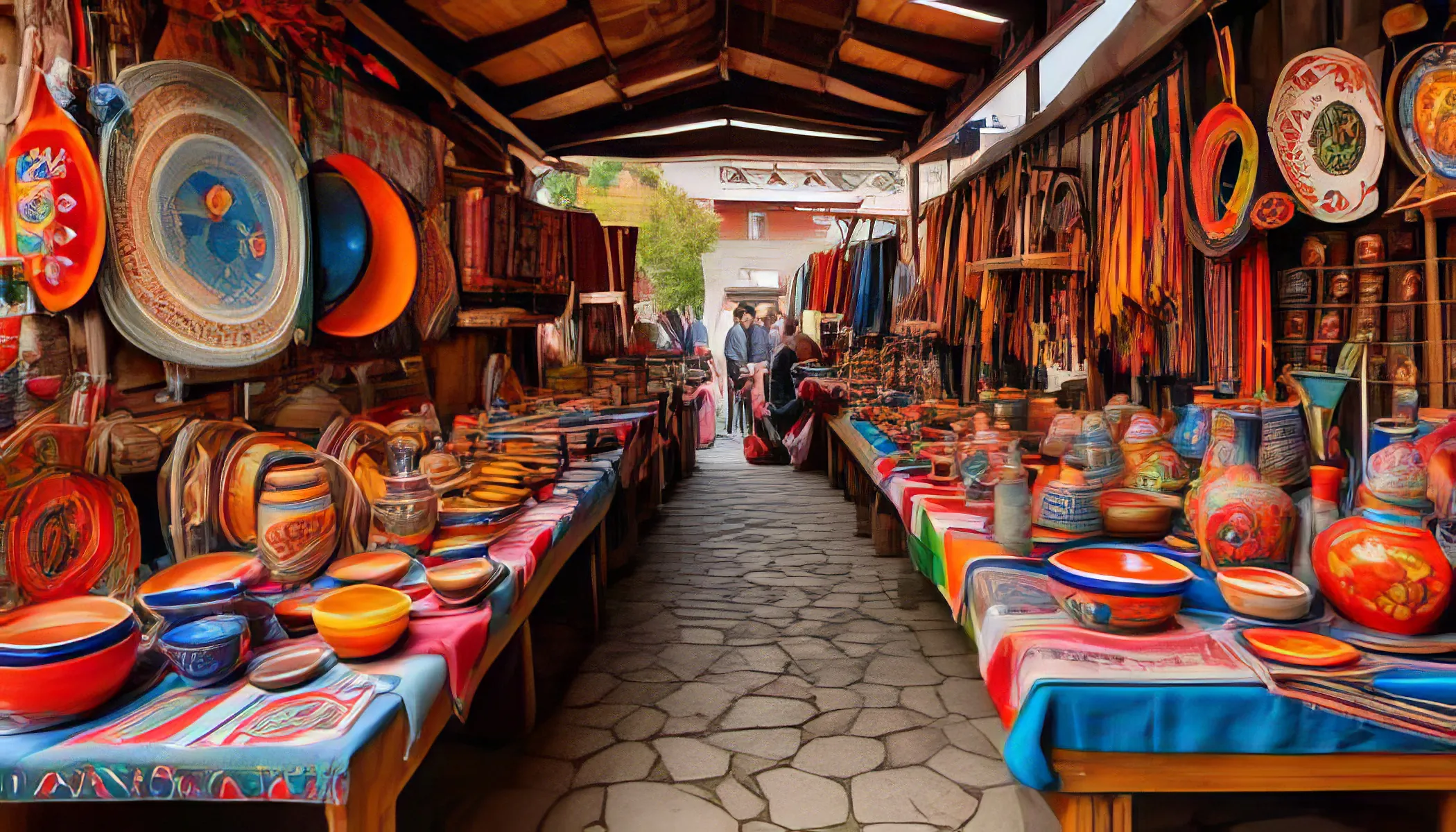
With its blend of cultural influences, North Macedonia supplies unique and memorable souvenirs. Here are some popular choices:
– Ohrid Pearls: Handmade using traditional methods, these pearls are a unique specialty of the Ohrid region.
– Filigree Jewelry: Delicate silver or gold jewelry crafted using refined filigree techniques.
– Ajvar: A traditional Macedonian red pepper spread that's a staple in local cuisine.
– Rakija: A strong fruit brandy, often homemade, that is a significant part of Macedonian culture.
– Woven Rugs and Textiles: Traditional carpets and textiles showcasing sophisticated patterns and energetic colors.
– Woodcarvings: Handcrafted wooden items, including religious icons and decorative pieces.
– Painted Easter Eggs: Traditionally decorated with elaborate designs, especially during the Easter season.
Traditional Shows
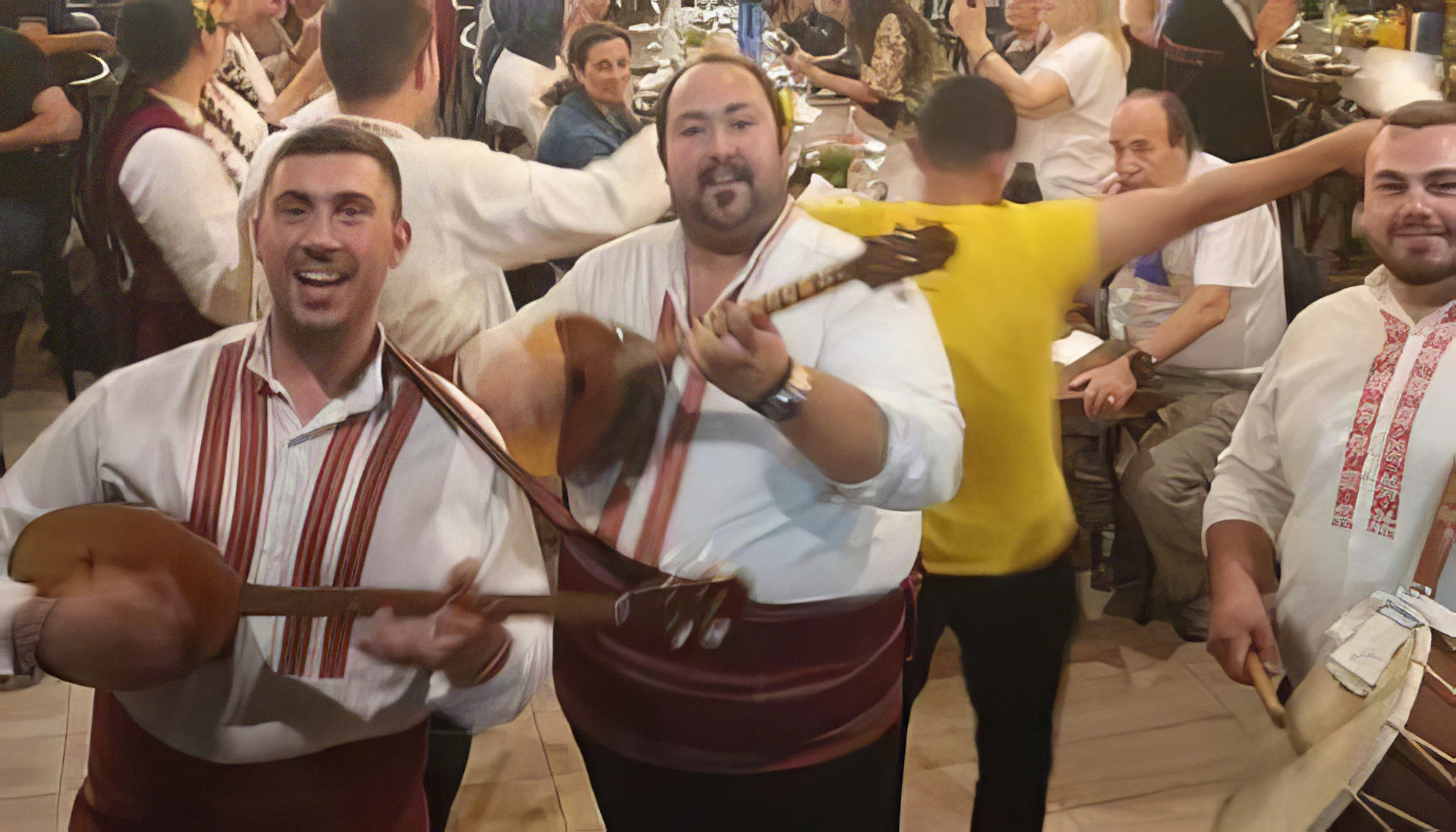
Macedonia supplies a glimpse into its cultural heritage through these performances:
– Oro Dance: Traditional Macedonian folk dance featuring lively music and lively costumes, showcasing the country's distinct dance styles.
– Gaida Music: Experience the sounds of the Macedonian bagpipe in Skopje, a staple in traditional music ensembles with unique melodies.
– Tanec Ensemble: Witness Macedonia's national folklore ensemble in Skopje, performing folk dances and songs that preserve cultural traditions.
– Kaval Woodwind Performances: Explore the sounds of the kaval flute, a key instrument in Macedonian folk music, celebrated for its melodic tunes.
– Tapan Drumming: Enjoy rhythmic performances with this traditional drum, often accompanying dances and celebrations throughout Macedonia.
Events & Festivals
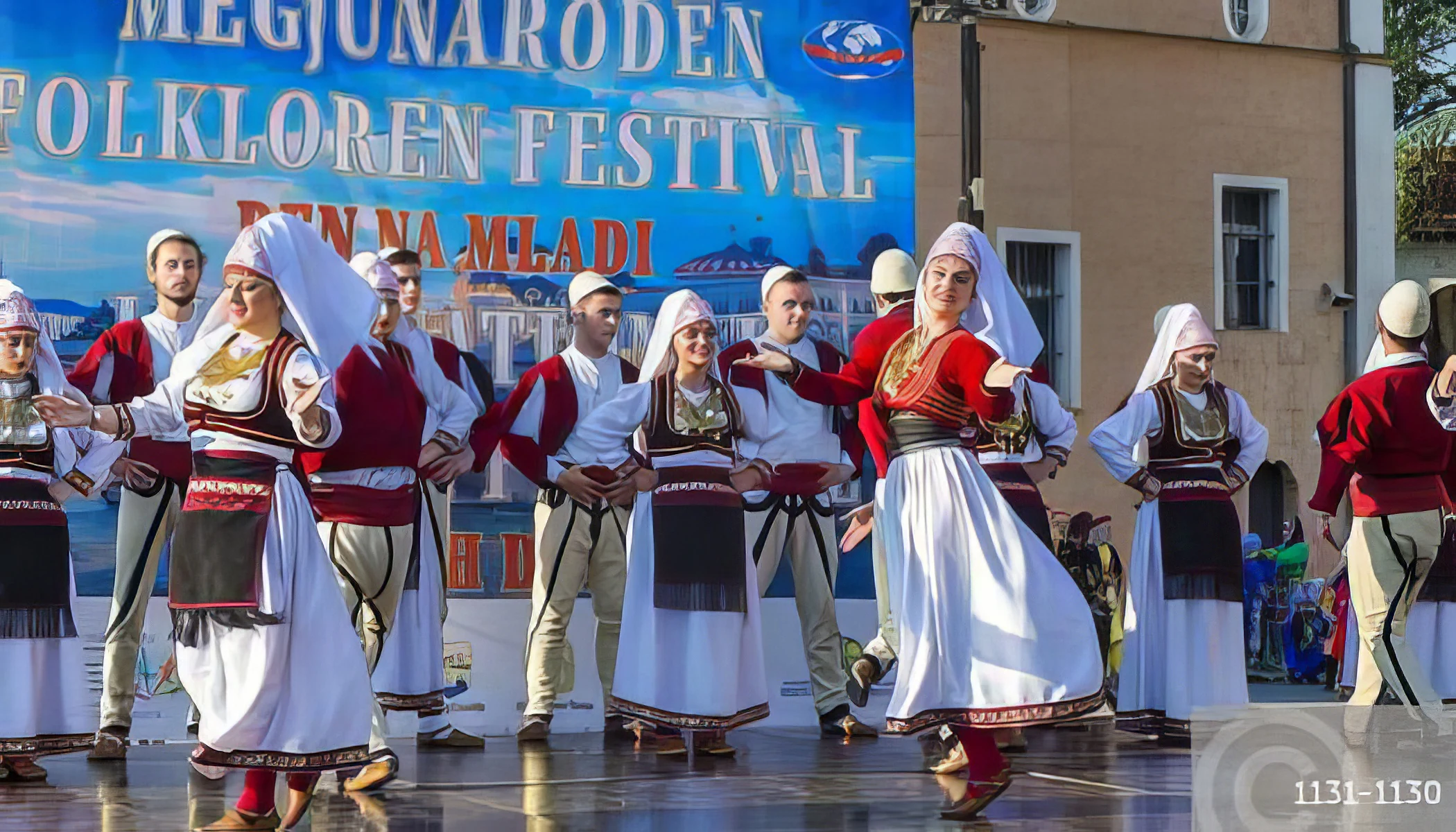
Macedonia hosts a variety of cultural events and festivals throughout the year.
– Vevcani Carnival: January event with masks and skits, marking Orthodox New Year.
– Skopje Film Festival: April festival showcasing international and local films in Macedonia's capital.
– Ohrid Summer Festival: July-August event featuring concerts, theater, and dance in the historic city of Ohrid.
– Struga Poetry Evenings: August international poetry festival by Lake Ohrid attracting poets worldwide.
– Krusevo Ethno Town: August festival celebrating traditional crafts, music, and food in Krusevo.
– Prilep Beer Festival: Late summer event offering music performances and beer tasting from local breweries.
– Tikvesh Grape Harvest Festival: September celebration in Kavadarci with wine tasting and grape harvest traditions.
Famous People

Macedonia has been home to numerous influential figures throughout history, spanning various fields and eras.
– Alexander the Great (356 to 323 BC, Pella): Ancient king who created one of the largest empires in history.
– Mother Teresa (1910 to 1997, Skopje): Catholic nun and missionary awarded the Nobel Peace Prize for her humanitarian work.
– Gotse Delchev (1872 to 1903, Kukush): Revolutionary leader in the struggle for Macedonian independence from Ottoman rule.
– Kiro Gligorov (1917 to 2012, Štip): First President of independent Macedonia, serving from 1991 to 1999.
– Vlatko Stefanovski (born 1957, Prilep): Renowned guitarist known for blending traditional Macedonian music with rock.
Books
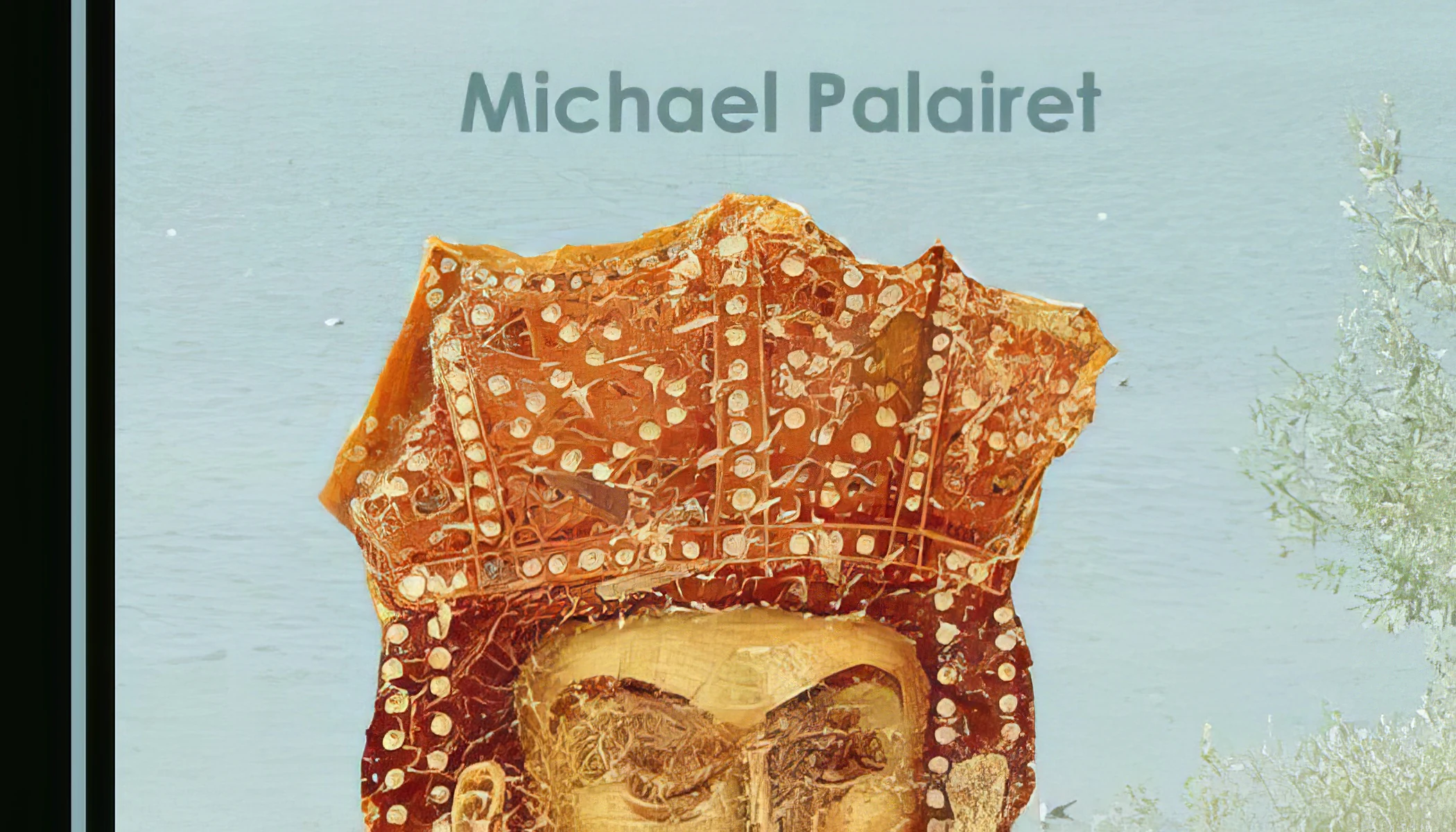
These books delve into the rich history, culture, and personal stories set in or about Macedonia.
– "Black Seed" by Tashko Georgievski: Chronicles the suffering of Macedonian people during World War II.
– "The Legend of the Sleepers" by Venko Andonovski: Explores national identity through interconnected stories across Macedonia's history.
– "Pirey" by Petre M. Andreevski: Follows a Macedonian couple's life amidst early 20th-century Balkan conflicts.
– "The Big Water" by Živko Čingo: A tale of friendship and survival in a post-war orphanage in Macedonia.
– "My Father's Books" by Luan Starova: Examines family history against the backdrop of political change in Macedonia.
Songs
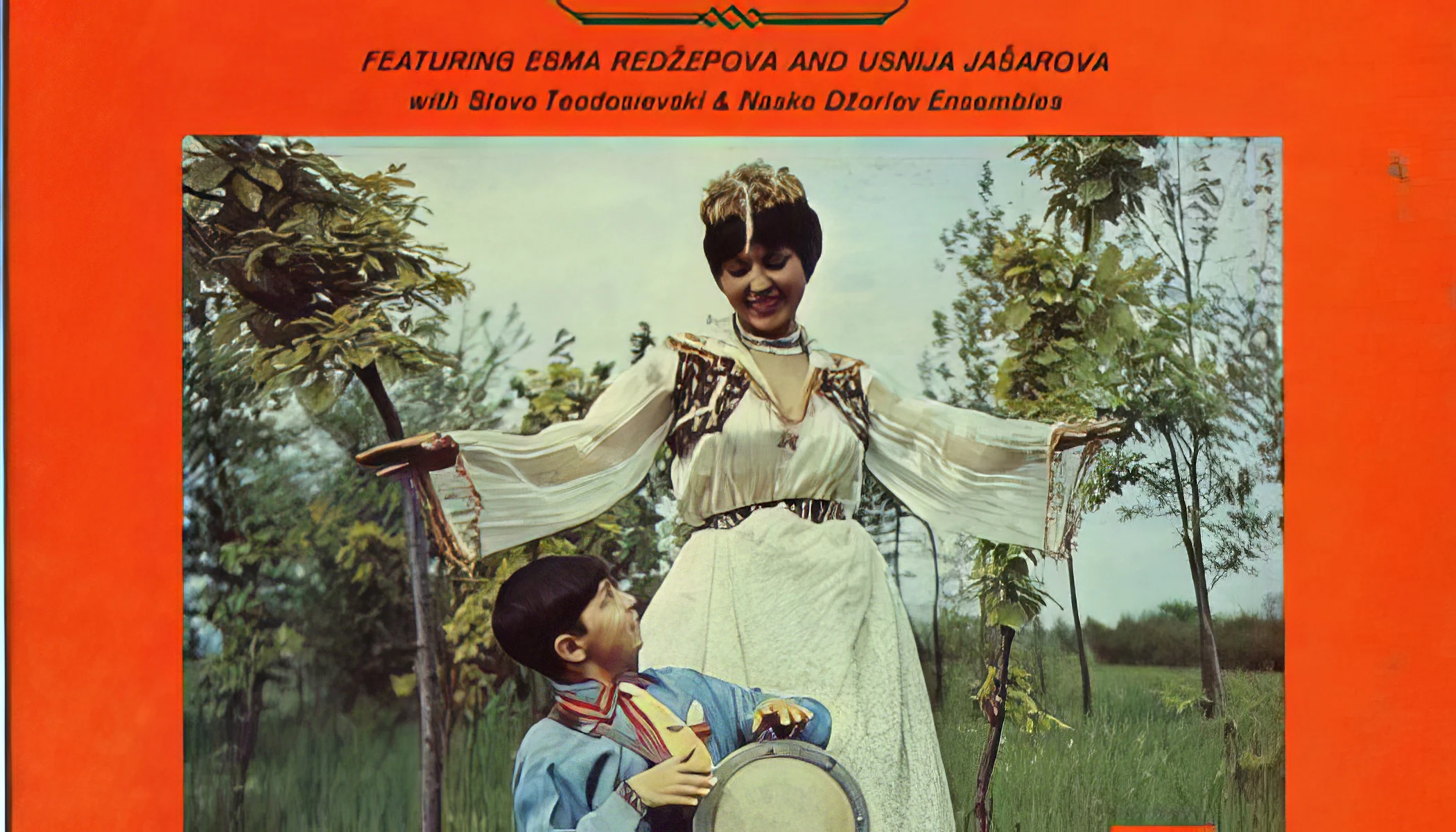
These songs highlight the rich musical heritage of Macedonia, featuring themes of love, tradition, and national pride.
– Jovano Jovanke: Traditional Macedonian folk song about longing and separation.
– Makedonsko Devojče: Iconic song celebrating the beauty of Macedonian girls.
– Zemjo Makedonska: Patriotic song expressing love for the Macedonian land.
– Chija Si: A classic folk song that questions identity and belonging.
– Biljana Platno Beleše: Folk tune depicting a scene by the river in Macedonia.
Films
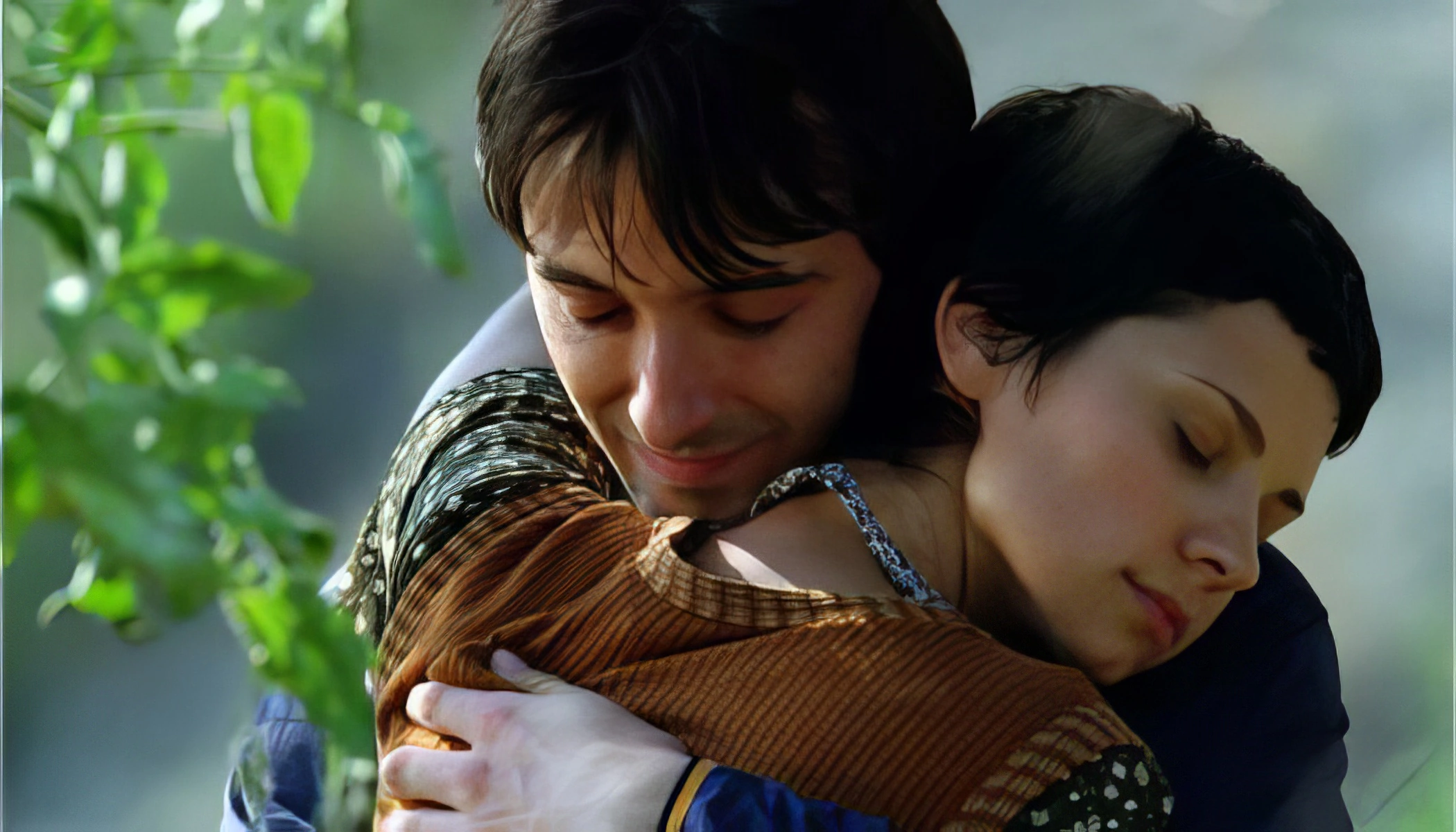
Discover the cinematic gems that reflect Macedonia's rich culture and history:
– "Before the Rain": Milcho Manchevski's Oscar-nominated film explores interwoven stories against the backdrop of ethnic tension.
– "Dust": Milcho Manchevski blends past and present in a narrative spanning Balkan wars and modern New York.
– "Shadows": Directed by Milcho Manchevski, explores supernatural elements in a man's life after surviving a car crash.
– "Honeyland": Oscar-nominated documentary by Tamara Kotevska and Ljubomir Stefanov about a beekeeper in rural Macedonia.
– "The Great Water": Ivo Trajkov’s film delves into memories of childhood in a post-WWII orphanage.