

Explore Madagascar: Culture, Cities & Places to Visit
This large island nation off the southeast coast of Africa is known for its unique biodiversity, with many species found nowhere else. It boasts remarkable landscapes, from rainforests to deserts, and a rich cultural heritage influenced by Africa, Asia, and Europe.
- Capital
- The capital of Madagascar is Antananarivo.
- Population
- 21.3 millions
- Superficy
- 588000 sq.km
- Months to Visit
- April to October.
- Living Cost
- Moderate
Overview
Madagascar is an island nation located off the southeast coast of Africa. It is the fourth largest island in the world and is known for its unique biodiversity, with many species found nowhere else on Earth. The capital, Antananarivo, is situated in the highlands and is the country's political, economic, and cultural hub. Madagascar's economy is largely based on agriculture, including fishing and forestry. The country faces challenges such as political instability, poverty, and environmental degradation. Despite these issues, Madagascar's rich wildlife, diverse landscapes, and pleasant cultures make it a unique destination.
Pros & Cons
GOOD REASONS TO VISIT MADAGASCAR
– Unique Wildlife: Home to many species found nowhere else on Earth, like lemurs, chameleons, and baobab trees.
– Diverse Landscapes: From rainforests to deserts, Madagascar offers a variety of sensational natural environments to explore.
– Rich Culture: Experience the unique blend of African, Asian, and European influences in Malagasy culture and traditions.
– Adventure Opportunities: Hiking, diving, and wildlife spotting are just a few of the adventurous activities available.
– Uncrowded Tourist Spots: Madagascar's attractions are often less crowded than similar destinations, offering a more peaceful experience. CHALLENGES WHEN VISITING MADAGASCAR
– Limited Infrastructure: Travel can be challenging due to poor roads, unreliable public transport, and limited healthcare facilities.
– Poverty: Madagascar is one of the world's poorest countries, which can be confronting for some visitors.
– Safety Concerns: Petty crime is common, particularly in urban areas. Visitors should take precautions to protect their belongings.
Before Departure
Before setting off on your adventure to Madagascar, there are several key points to consider:
– Passport: Ensure your passport is valid for at least six months beyond your planned departure date.
– Visa: Most tourists require a visa to enter Madagascar, which can be obtained on arrival for stays up to 90 days.
– Currency: The local currency is the Malagasy Ariary. Credit cards are not widely accepted and ATMs are limited, so carry cash.
– Internet access: Internet access is limited, especially outside major cities. Consider purchasing a local SIM card for data.
– Language barrier: The official languages are Malagasy and French. English is not widely spoken, so learning basic French or Malagasy phrases can be helpful.
What to Pack
Traveling to Madagascar requires careful packing to accommodate for its unique climate, biodiversity, and cultural experiences.
– Essentials: Passport and visa (if required), travel insurance details, flight tickets and itinerary, accommodation reservations.
– Clothing: Lightweight and breathable clothing, sturdy hiking shoes for exploring nature reserves, swimwear for beach areas, hat and sunglasses for sun protection.
– Health & Safety: Prescription medications and a basic first aid kit, insect repellent, sunscreen with high SPF, water purification tablets or a water filter.
– Electronics: Travel adapter for Malagasy outlets, mobile phone, camera, portable power bank for charging devices.
Weather
Madagascar's weather varies greatly due to its size and geographical diversity.
– Summer (November to April): Hot and rainy, with potential for cyclones on the east coast.
– Winter (May to October): Cooler and dry, with temperatures varying by altitude and region. The best time to visit Madagascar is during the dry season, from May to October.
– Wildlife is more easily spotted as animals gather around water sources.
– Cooler temperatures make outdoor activities more comfortable. However, it's also the busiest tourist season, so expect more crowds and potentially higher prices.
Travel Budget
Madagascar is a destination with a range of costs for travelers. Here are some average prices for reference:
– Hotel: 25$ to 150$
– Lunch: 5$ to 20$
– Beverage (in bar/restaurant): 2$ to 6$
– Coffee: 1$ to 3$
– Transportation: (train 10$ to 60$), (bus 2$ to 10$), (taxi /10km 10$ to 20$)
– Mobile data (per GB): 3$ to 5$
Language
The official language of Madagascar is Malagasy, which is unique to the island and bears some influence from French. Here are some useful phrases for tourists:
– Hello: Salama
– Thank you: Misaotra
– Please: Azafady
– How much is this?: Ohatrinona izany?
– Excuse me: Azafady
– I don't understand: Tsy azoko
– Yes: Eny
– No: Tsia
– Goodbye: Veloma
History
Madagascar's early history is marked by the arrival of Austronesian seafarers from Southeast Asia around 500 AD, followed by Bantu migrants from Africa. The island was a major hub for trade between Asia and Africa before Europeans arrived in the 16th century. It was ruled by a series of kingdoms until it became a French colony in 1896. Madagascar gained independence from France in 1960. Since then, the country has experienced political instability, with multiple changes in leadership and periods of civil unrest. Despite these challenges, Madagascar has maintained its unique cultural and biological diversity.
Geopolitics
Madagascar is an island nation located in the Indian Ocean off the southeastern coast of Africa. It is the fourth largest island in the world and is politically divided into 22 provinces. The country has a semi-presidential representative democratic republic government, with Antananarivo as its capital. Madagascar is a member of the African Union, Southern African Development Community, and the Indian Ocean Commission. The country's geopolitical significance is largely due to its unique biodiversity, vast natural resources, and strategic location along major sea lanes in the Indian Ocean. However, political instability, corruption, and economic challenges have often limited Madagascar's ability to leverage these assets on the global stage.
Sample Itinerary
This itinerary offers a journey through Madagascar's unique wildlife in Andasibe-Mantadia, the beautiful landscapes of Isalo National Park, and the beaches of Nosy Be.
– 2 days in Antananarivo: Visit the Royal Hill of Ambohimanga, Zoma Market, and Tsimbazaza Zoo. Experience the city's history and culture.
– 2 days in Andasibe-Mantadia: Explore the rainforest, spot lemurs and other unique wildlife. Visit the Orchid Garden.
– 2 days in Isalo National Park: Hike through sandstone formations, canyons, and natural pools. Enjoy the park's diverse flora and fauna.
– 3 days in Nosy Be: Relax on the beaches, snorkel in the clear waters. Visit Lokobe Nature Special Reserve for wildlife viewing.
– 1 day in Antsiranana: Explore the Emerald Sea, Red Tsingy, and Amber Mountain National Park. Depart from Antsiranana.
Popular cities
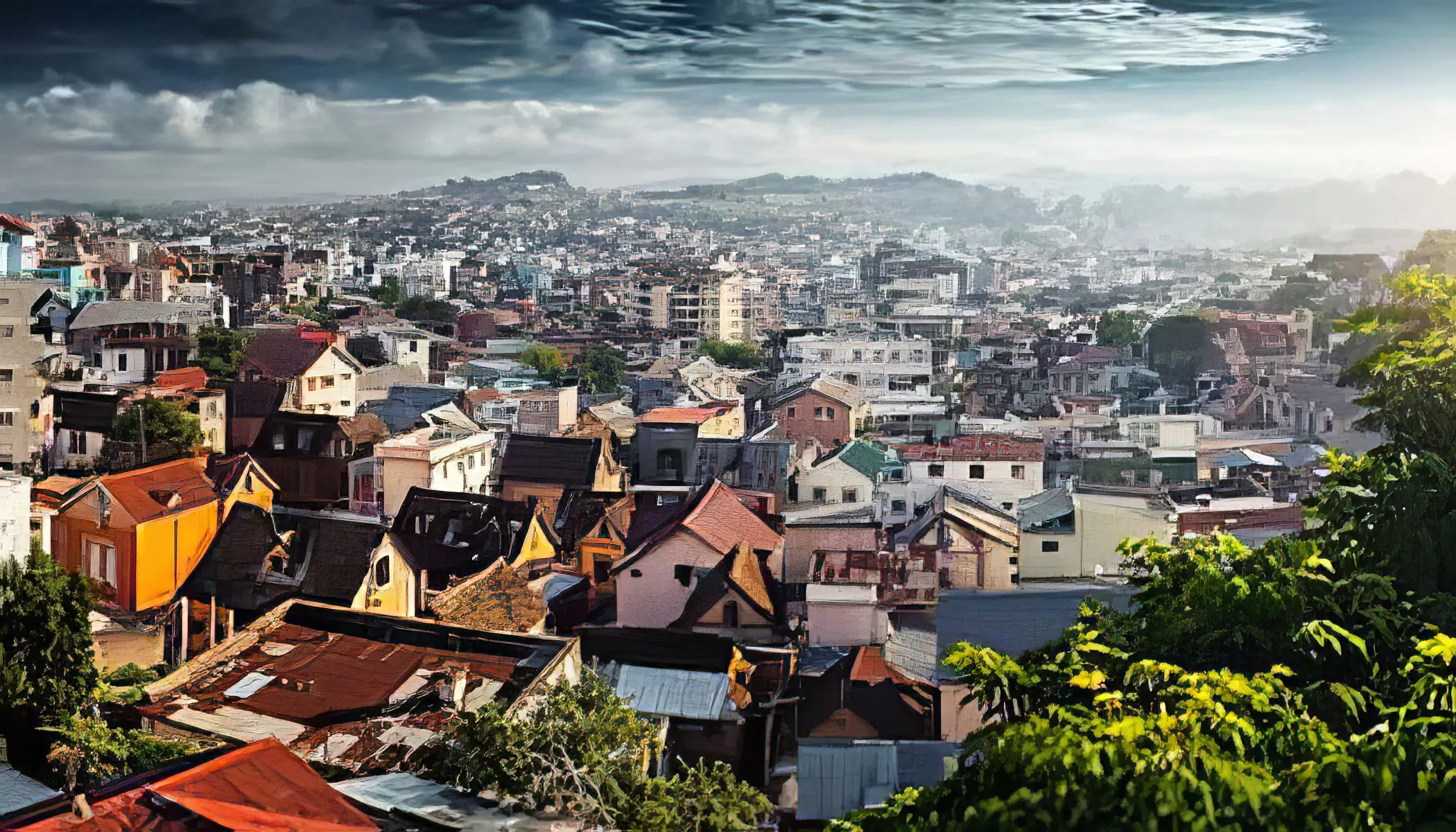
Madagascar offers a unique blend of nature, wildlife, and culture in its cities:
– Antananarivo: The capital city, known for its active markets, historic sites, and remarkable culture.
– Antsirabe: Known for its thermal springs and rickshaw-filled streets.
– Morondava: Famous for the Avenue of the Baobabs and Kirindy Forest.
– Toamasina: The country's main seaport, with beautiful beaches and a active market.
– Fianarantsoa: Known for its historic old town and surrounding vineyards.
– Nosy Be: An island off the northwest coast, popular for its beaches, diving, and nature reserves.
– Toliara: A coastal city known for its coral reefs, unique flora and fauna, and the Arboretum d'Antsokay.
Monuments
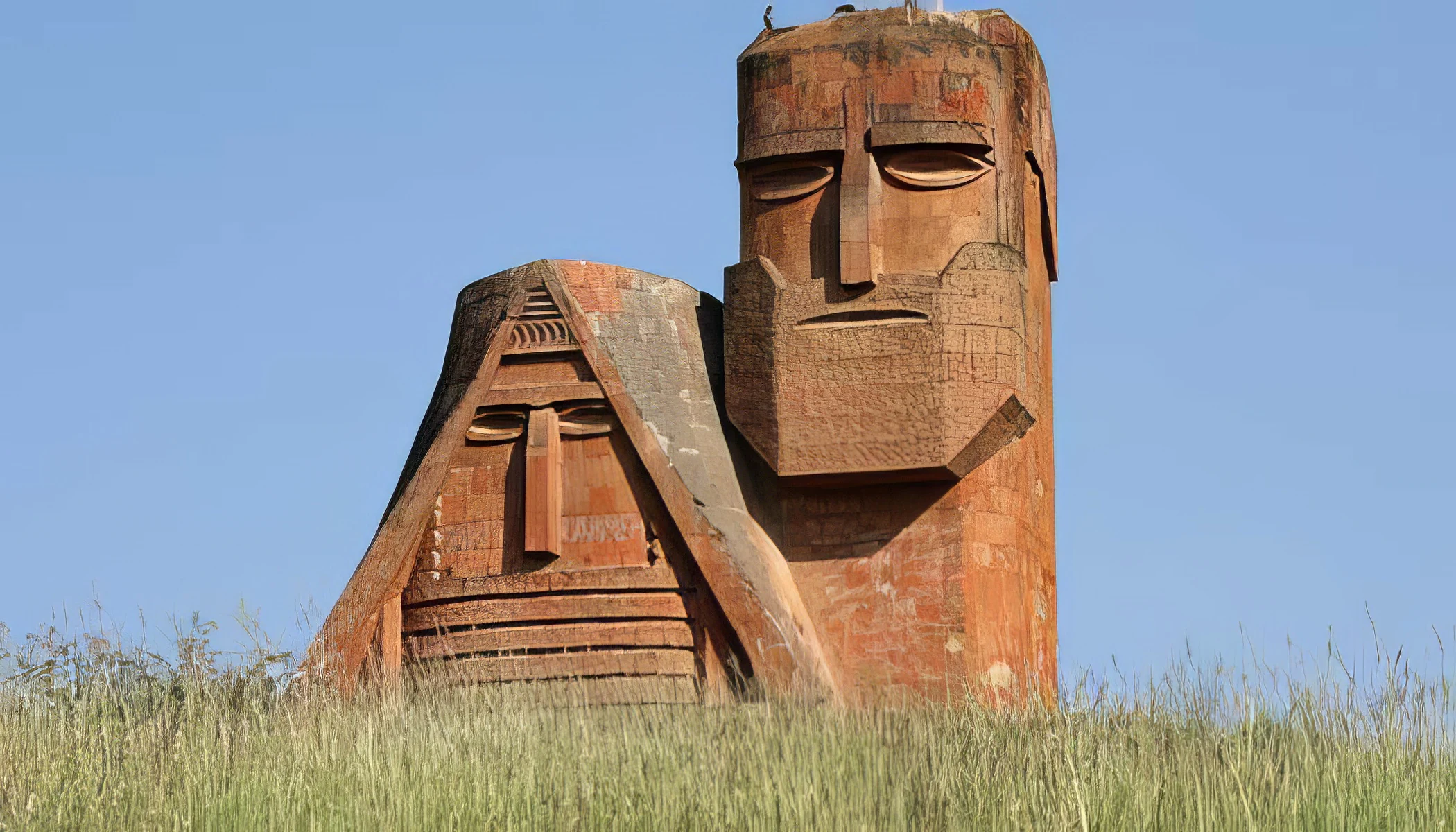
Madagascar is home to several notable monuments and architectural sites:
– Royal Hill of Ambohimanga: UNESCO site, historical village with royal city and burial site.
– Queen's Palace (Rova of Antananarivo): Historic palace complex with panoramic city views.
– Andafiavaratra Palace: Former Prime Minister's residence, now a museum showcasing historical artifacts.
– Mahamasina Municipal Stadium: Central sports and cultural venue in Antananarivo.
– Isalo National Park: Known for its wide variety of terrain, including sandstone formations, deep canyons, and palm-lined oases.
– Tsingy de Bemaraha Reserve: UNESCO site, known for its unique nice formations.
– Avenue of the Baobabs: Famous dirt road lined by majestic Baobab trees.
– Ambozontany Cathedral, Fianarantsoa: Historic cathedral with impressive architecture.
Natural wonder
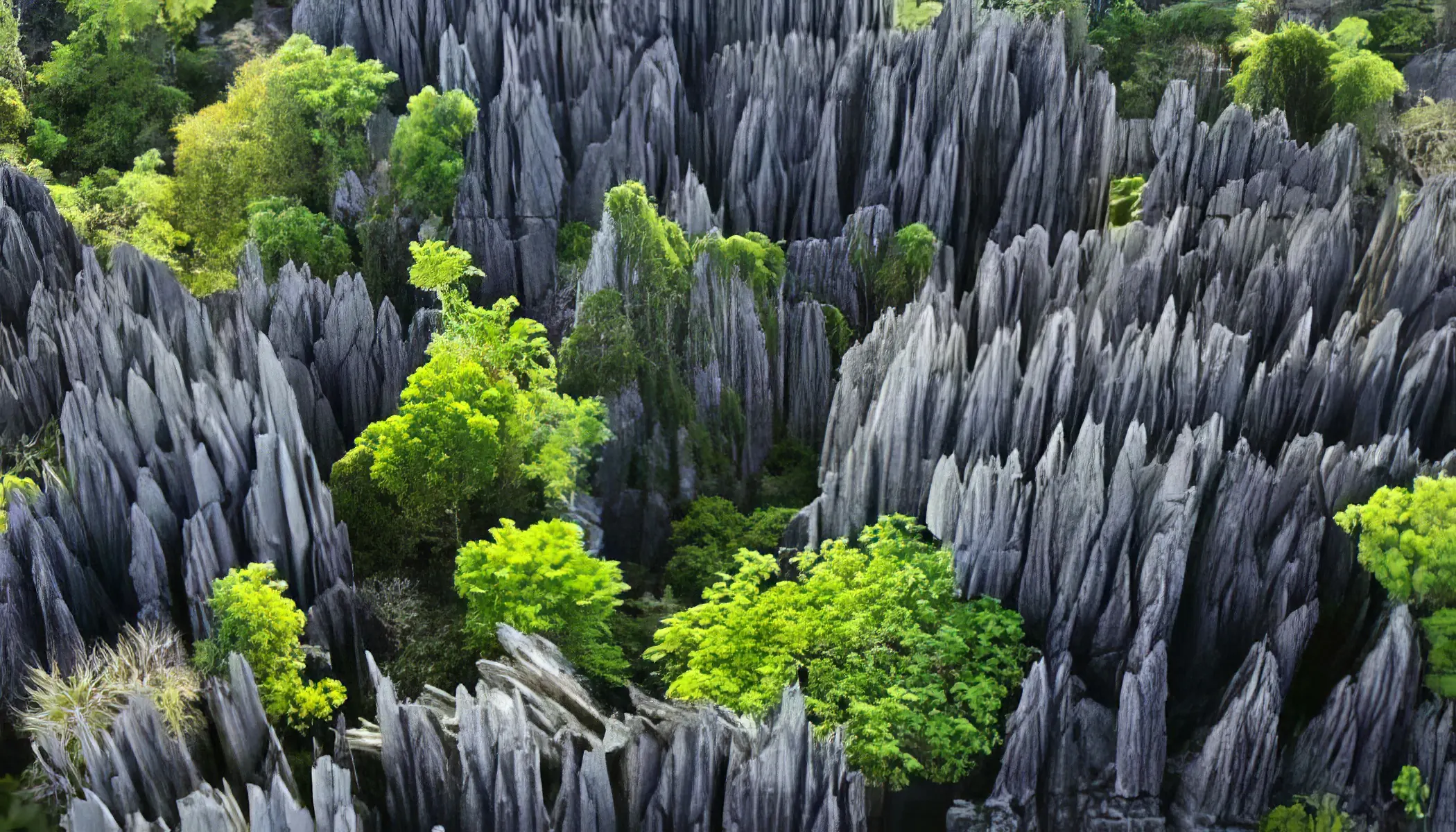
Explore the unique biodiversity and landscapes of Madagascar:
– Avenue of the Baobabs: Iconic dirt road lined with towering, ancient baobab trees.
– Tsingy de Bemaraha: A UNESCO World Heritage Site, known for its unique bright formations.
– Ranomafana National Park: Rainforest park, home to numerous species of lemurs and other wildlife.
– Isalo National Park: Known for its diverse terrain, including sandstone formations, deep canyons, and palm-lined oases.
– Andasibe-Mantadia National Park: A rainforest park known for its population of Indri lemurs.
– Masoala National Park: Madagascar's largest protected area, featuring rainforest, coastal forest, and marine parks.
– Nosy Be: An island off the northwest coast, known for its lemurs, ylang-ylang trees, and coral reefs.
– Amber Mountain National Park: A montane rainforest with waterfalls, crater lakes, and diverse wildlife.
– Ifaty: Known for its spiny forest, home to unique flora and fauna.
– Ankarana Reserve: Features gorgeous karst pinnacles, caves, and a network of underground rivers.
Beaches
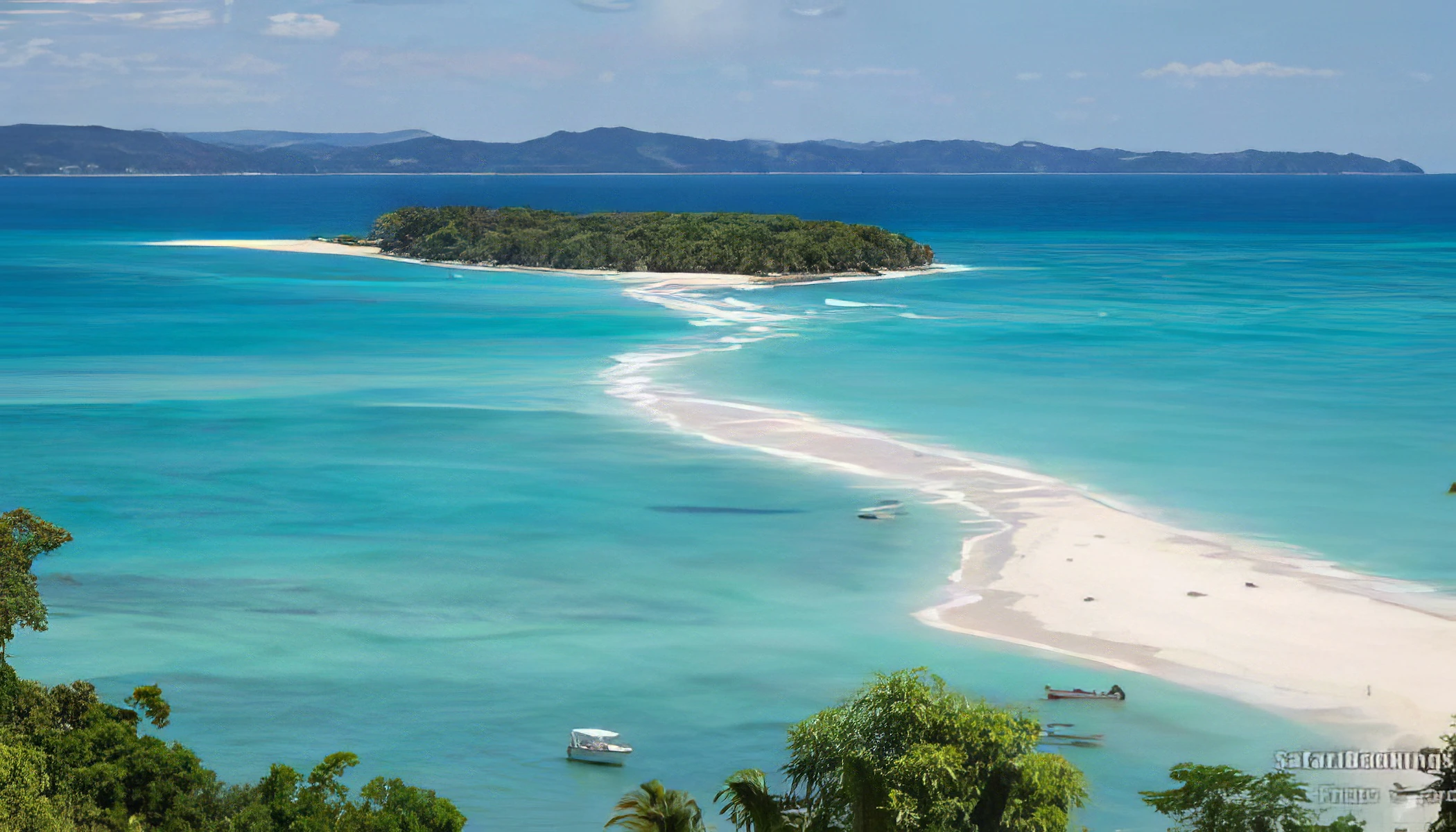
Madagascar is known for its unique biodiversity and beautiful beaches. Here are the most popular ones:
– Nosy Be: Known for its clear waters, coral reefs, and rich marine life.
– Ifaty Beach: Famous for its calm waters, ideal for swimming and snorkeling.
– Ile Sainte Marie: Offers beautiful sandy beaches and is a popular spot for whale watching.
– Anakao Beach: A quiet beach known for traditional fishing villages and water sports.
– Salary Bay: Renowned for its turquoise waters, white sands, and diverse marine life.
– Ramena Beach: Popular for its golden sands and clear waters near Diego Suarez.
– Morondava Beach: Known for its nearby Baobab trees and relaxed atmosphere.
Outdoor activities
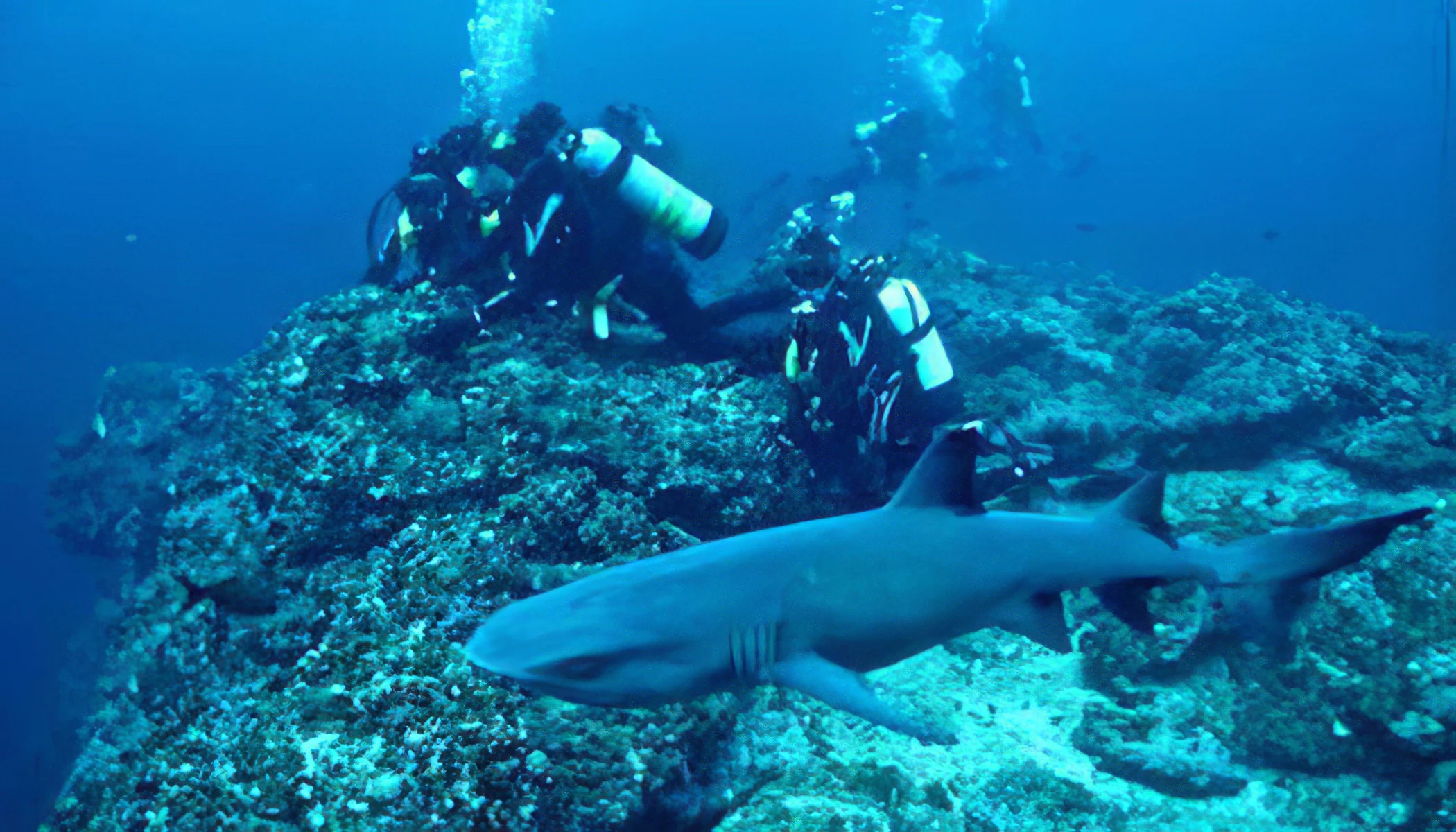
Madagascar offers unique and diverse outdoor experiences due to its rich biodiversity and unique landscapes:
– Lemur Watching in Andasibe-Mantadia National Park: Encounter these unique primates in their natural habitat.
– Hiking in Tsingy de Bemaraha: Navigate through the park's unique beautiful formations.
– Snorkeling in Nosy Be: Explore the island's pretty coral reefs and marine life.
– Whale Watching in Ile Sainte Marie: Witness the migration of humpback whales between July and September.
– Canoeing in the Pangalanes Canal: Paddle through a network of man-made and natural lakes.
– Bird Watching in Zombitse-Vohibasia National Park: Spot endemic bird species in this diverse ecosystem.
– Exploring the Avenue of the Baobabs: Walk among these iconic and ancient trees.
Kid Friendly
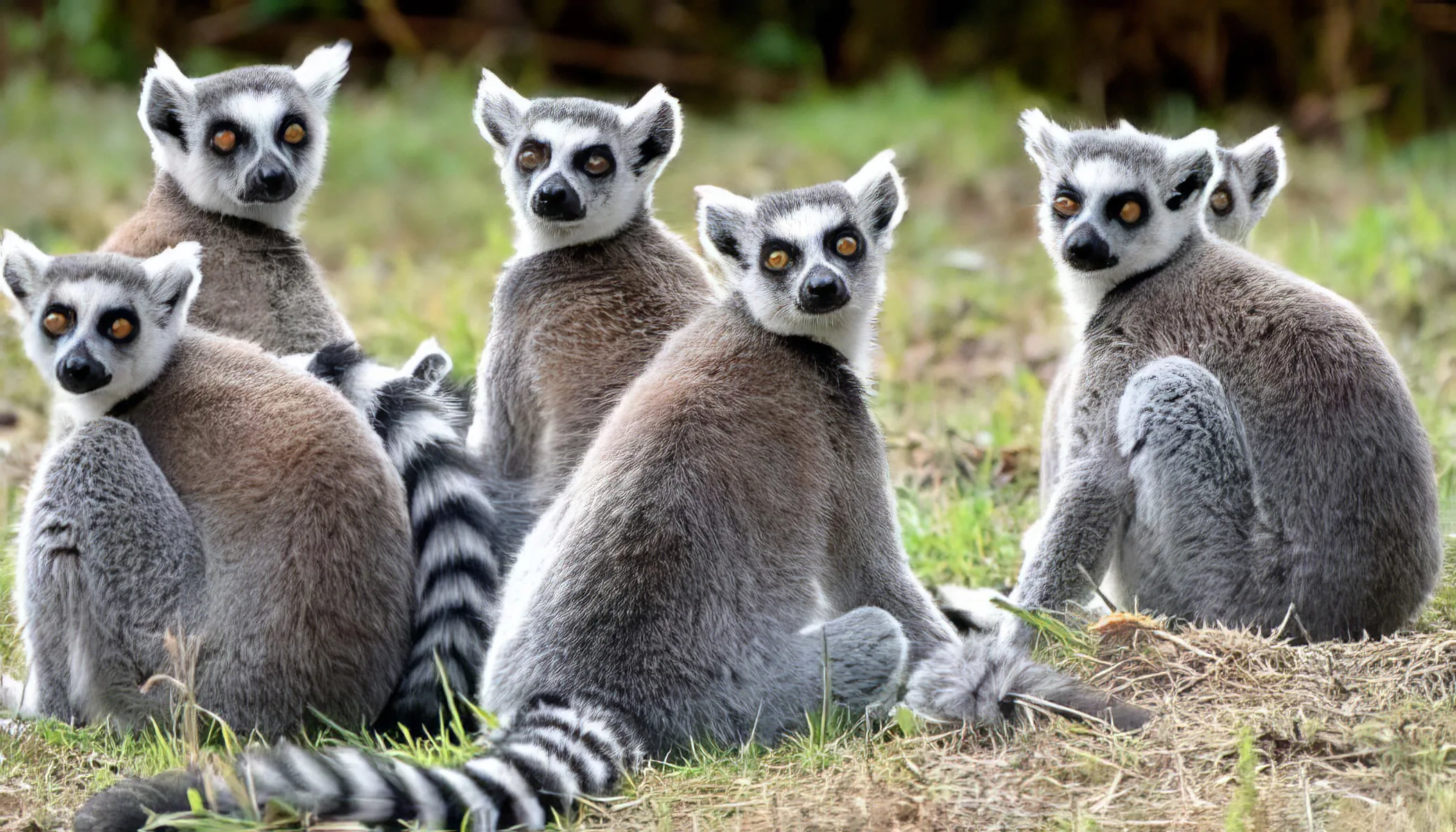
Madagascar offers a variety of unique and exciting activities for children:
– Lemurs' Park: A private reserve where kids can see nine species of lemurs in a natural setting.
– Ranomafana National Park: A rainforest park with diverse wildlife and hiking trails suitable for families.
– Pirate Museum: A museum in Antananarivo showcasing the history of pirates, a fun learning experience for kids.
– Tsingy de Bemaraha Reserve: A UNESCO site with unique shiny formations, suitable for adventurous families.
– Lake Alarobia: A birdwatcher's paradise, perfect for kids interested in wildlife.
– Tsimbazaza Zoo: A zoo in Antananarivo housing a variety of Madagascar's unique animals.
– Isalo National Park: Offers hiking trails through unique landscapes and a chance to see lemurs.
– Antsirabe: A city known for its rickshaws and thermal baths, offering a unique cultural experience for kids.
Cuisine
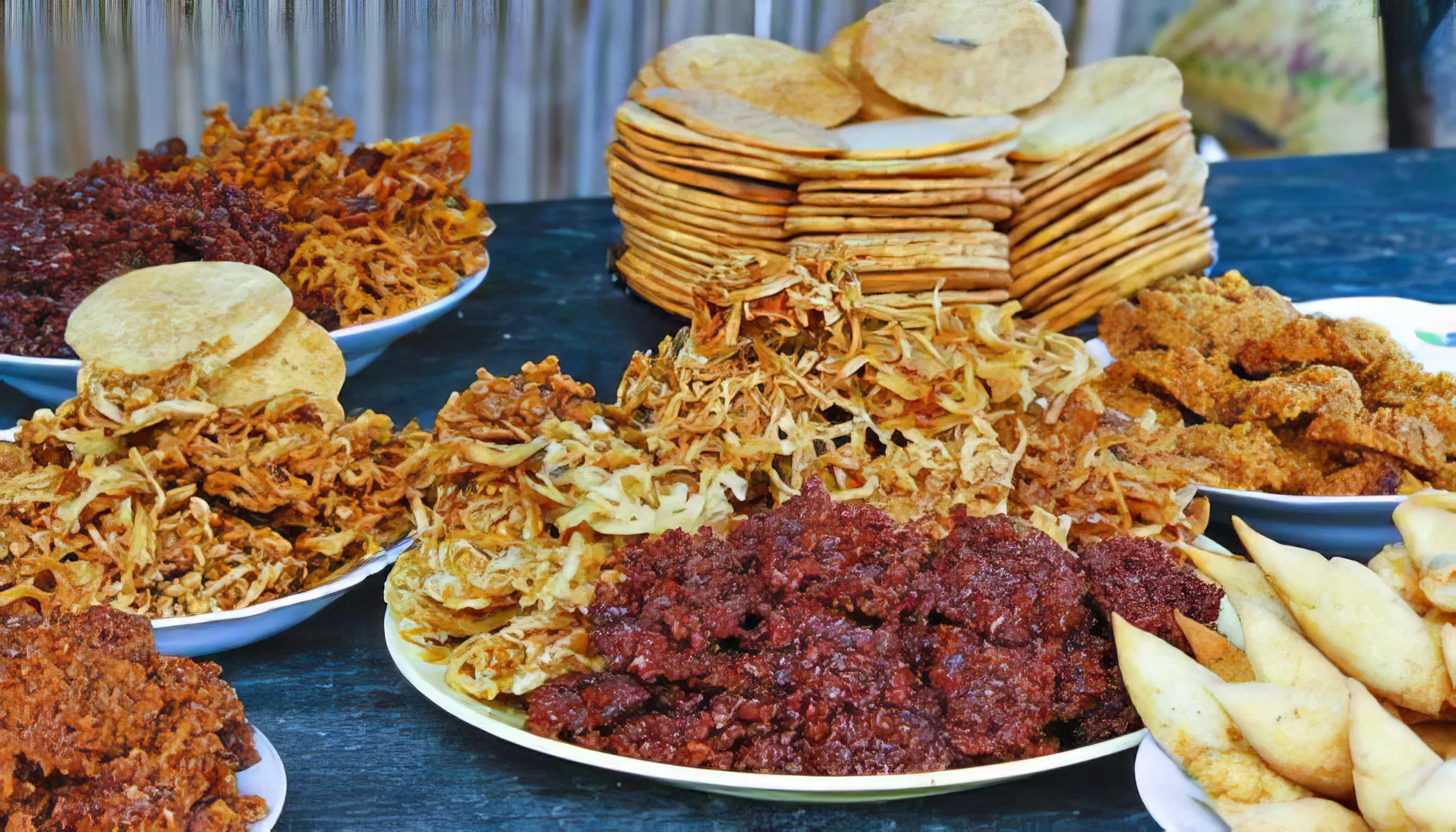
Madagascar's cuisine is a unique fusion of African, Arab, French, and Asian influences. The food is simple, often rice-based, and flavored with local spices. Seafood is also a staple due to the country's extensive coastline. Most famous dishes in Madagascar are:
– Romazava: A meat stew with mixed greens and spices.
– Vary Amin'anana: Rice with greens and meat, often served with a side of zebu milk.
– Akoho Sy Voanio: Chicken cooked in coconut milk with spices.
– Koba: A sweet dessert made from ground peanuts, sugar, and rice flour, wrapped in banana leaves.
– Mofo Gasy: A sweet or savory rice cake, often eaten for breakfast.
Souvenir
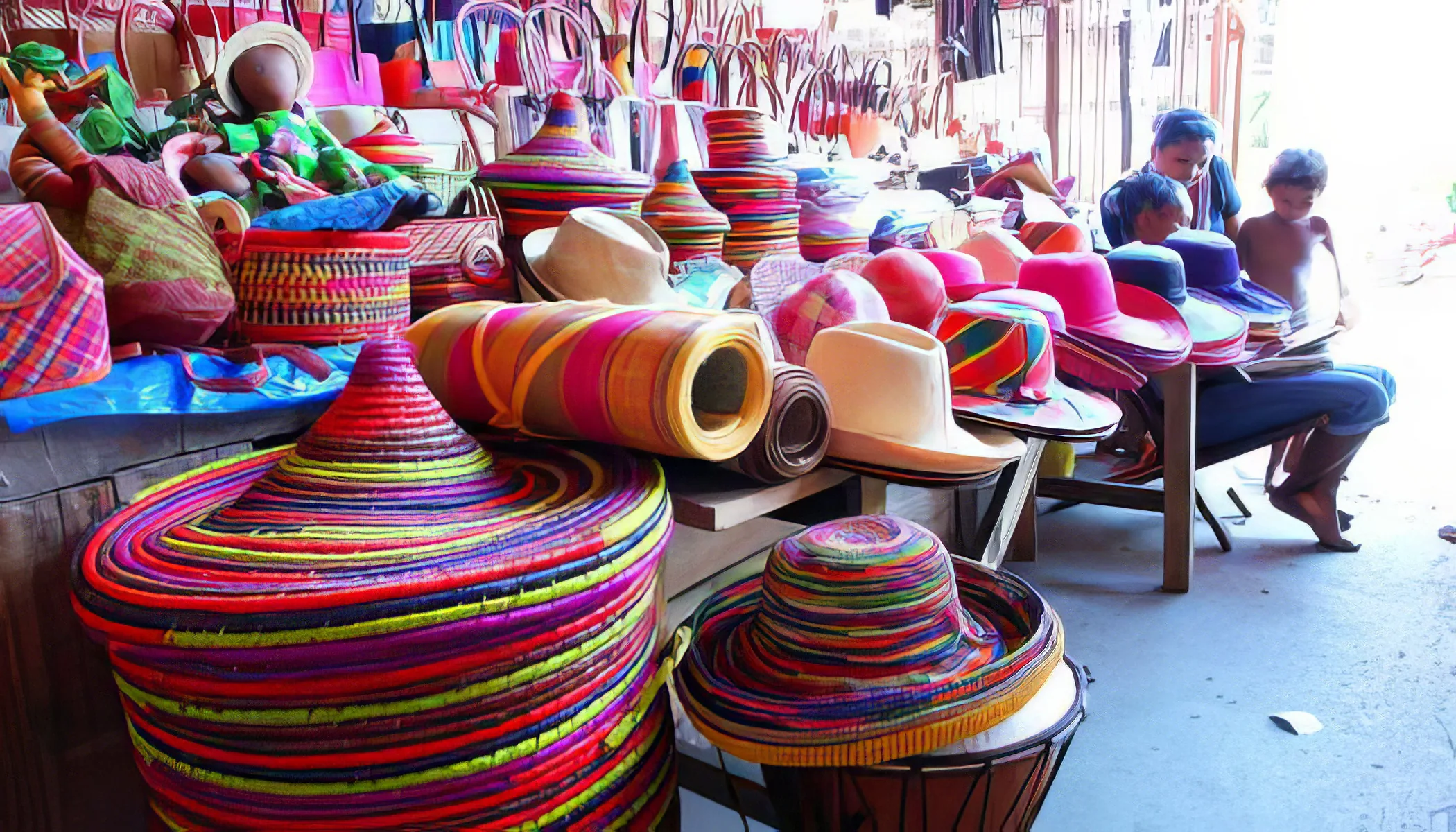
Madagascar, with its rich culture and unique biodiversity, offers a variety of interesting souvenirs. Here are some you might want to consider:
– Raffia Products: Handmade items from raffia palm fibers, such as bags and hats, are popular souvenirs.
– Vanilla: Madagascar is famous for its high-quality vanilla pods.
– Malagasy Silk: Traditional Malagasy silk scarves and clothing are unique and beautiful.
– Gemstones: Madagascar is known for its gemstones, particularly sapphires and rose quartz.
– Lemur Souvenirs: Lemurs are endemic to Madagascar, and lemur-themed souvenirs are popular.
– Zebu Horn Crafts: Items made from the horns of the zebu cattle, such as jewelry and decorative items, are unique to Madagascar.
– Antaimoro Paper: This handmade paper embedded with flowers and leaves makes for a unique souvenir.
Traditional Shows
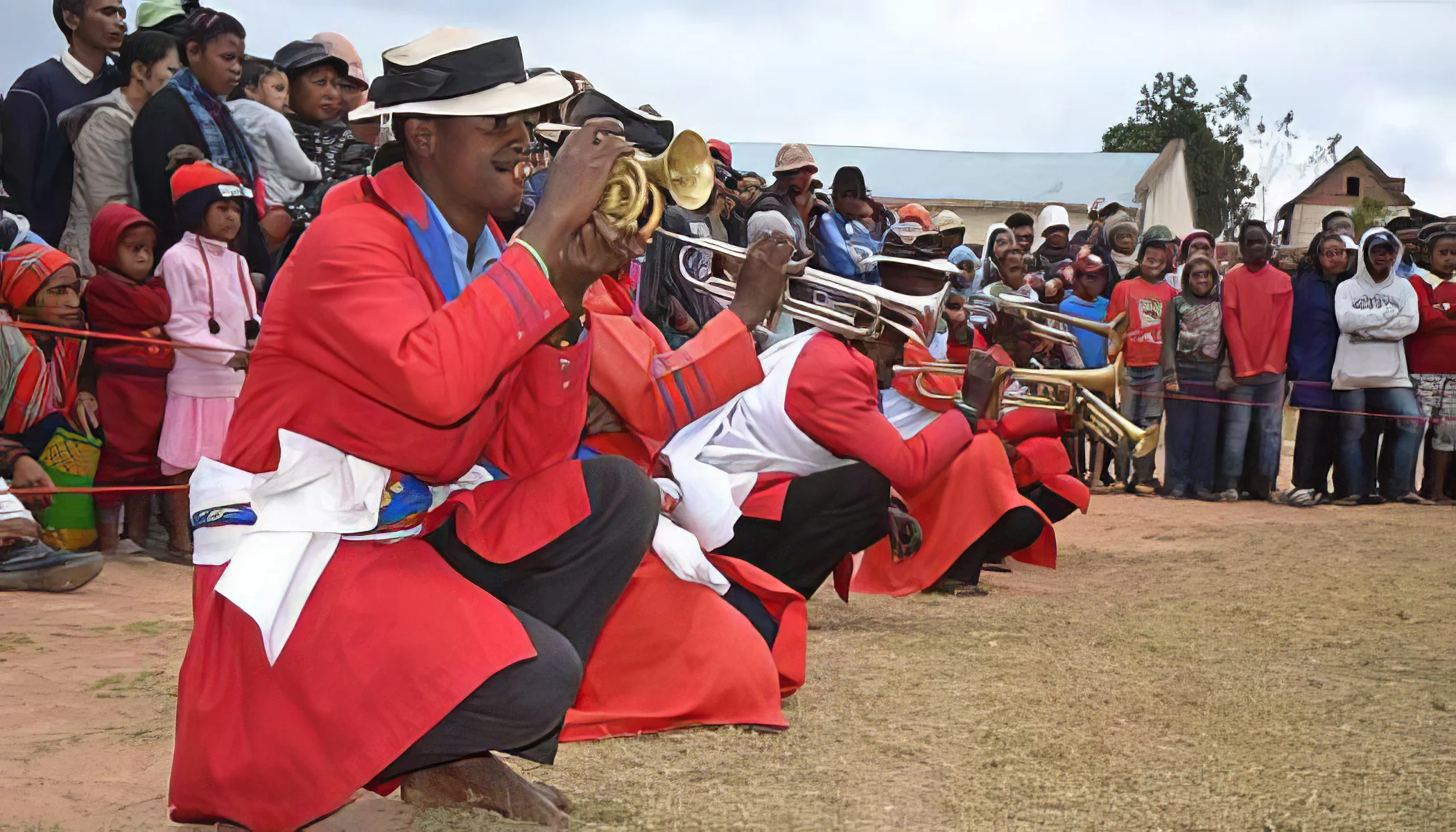
Madagascar is a treasure trove of unique traditional performances:
– Hira Gasy: A theatrical performance combining oratory, dance, and music, often seen in Antananarivo, the capital city.
– Salegy: A fast-paced, popular music and dance style from the coastal regions of Madagascar.
– Famadihana: A traditional Malagasy ceremony involving dance and music, held in rural areas.
– Ba Gasy: A traditional music form, often accompanied by dance, prevalent in the highlands of Madagascar.
– Antsa: A traditional storytelling performance, often accompanied by music and dance, found throughout Madagascar.
Events & Festivals
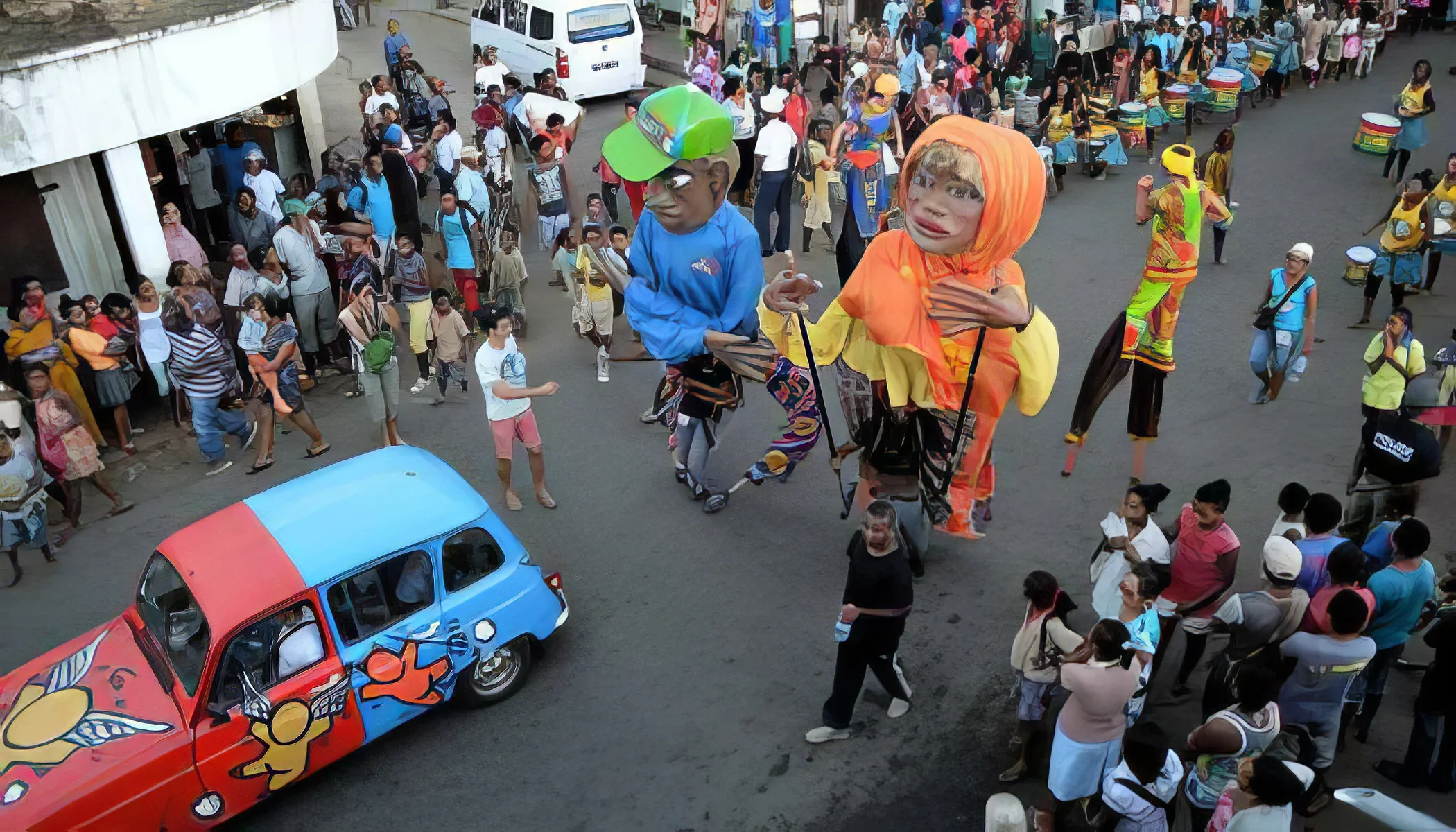
Madagascar, an island nation with a rich cultural heritage, hosts several unique events and festivals each year:
– Alahamady Be: Traditional New Year's celebration in March, marked by music, dance, and feasting.
– Donia Music Festival: A week-long music festival in Nosy Be in May, attracting local and international artists.
– Independence Day: Celebrated on June 26 with parades, music, and fireworks.
– Whale Festival: July event in Sainte-Marie, celebrating the arrival of humpback whales with music and dance.
– Famadihana: A unique ancestral reburial ceremony held between July and September.
– Hira Gasy: Traditional music and dance performances held throughout the year.
– Christmas: Celebrated with church services and family gatherings in December.
Famous People
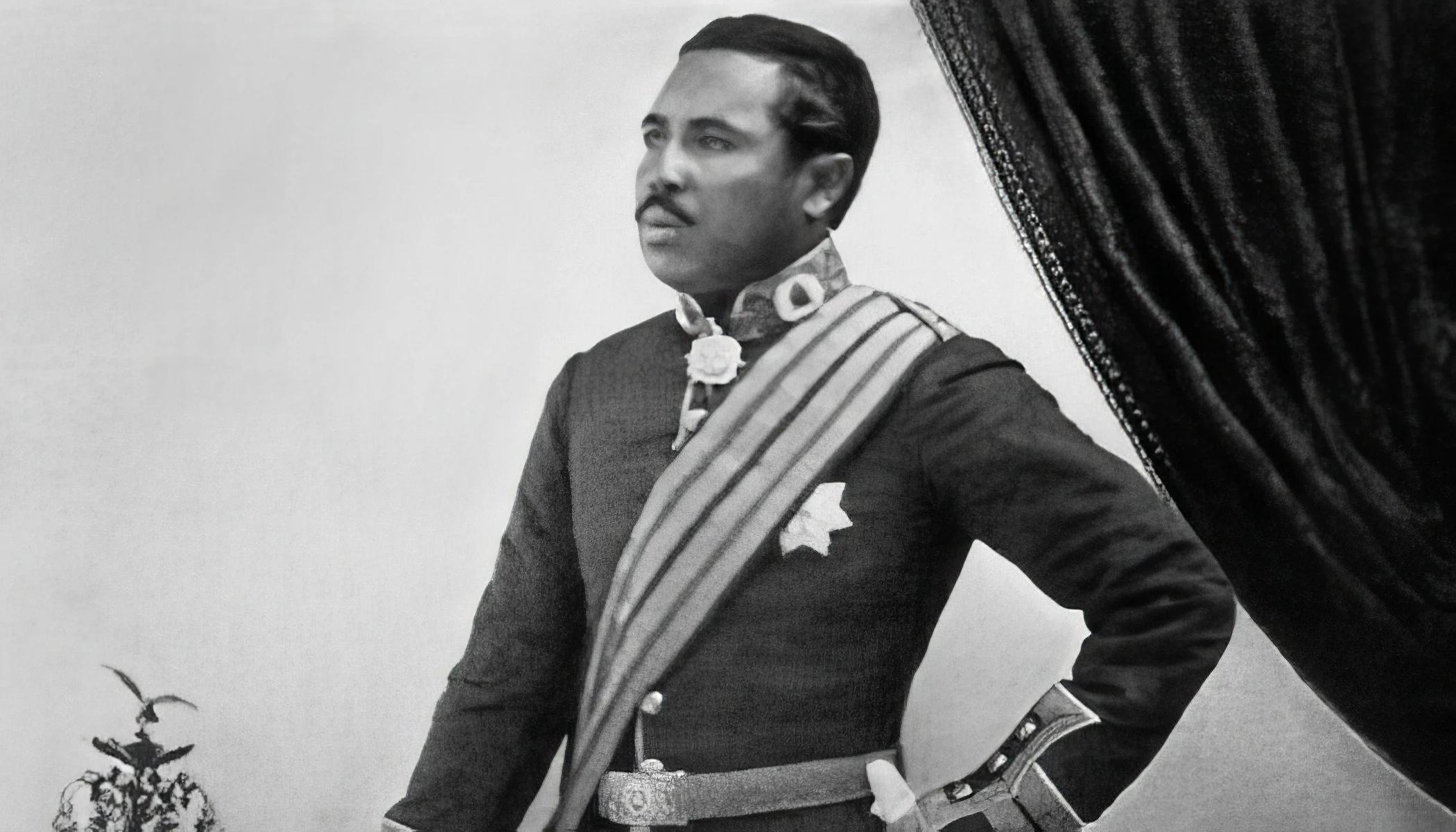
Madagascar, an island nation in the Indian Ocean, has been home to several notable figures in various fields.
– Andrianampoinimerina (1745 to 1809, Ambohimanga): King who unified much of Madagascar under his rule.
– Ranavalona III (1861 to 1917, Manjakazafy): The last queen of Madagascar, known for her resistance against French colonization.
– Jean-Joseph Rabearivelo (1901 to 1937, Antananarivo): Considered Africa's first modern poet, he wrote in both Malagasy and French.
– Marc Ravalomanana (born 1949, Imerinkasinina): Businessman and politician, he served as the President of Madagascar from 2002 to 2009.
– Erick Manana (born 1954, Antananarivo): Internationally renowned musician, known for his mastery of the valiha, a tube zither.
Books
Madagascar's unique culture and biodiversity have inspired a variety of literary works, from historical accounts to fictional tales.
– "The Aye-Aye and I" by Gerald Durrell: A humorous account of a conservation expedition in Madagascar.
– "Beyond the Rice Fields" by Naivo: Historical novel about the impact of Western arrival in 19th-century Madagascar.
– "Over the Lip of the World: Among the Storytellers of Madagascar" by Colleen J. McElroy: Exploration of Malagasy oral storytelling traditions.
– "The Eighth Continent: Life, Death and Discovery in the Lost World of Madagascar" by Peter Tyson: A comprehensive look at Madagascar's unique biodiversity.
– "Muddling through in Madagascar" by Dervla Murphy: An Irishwoman's adventurous journey across Madagascar.
Songs
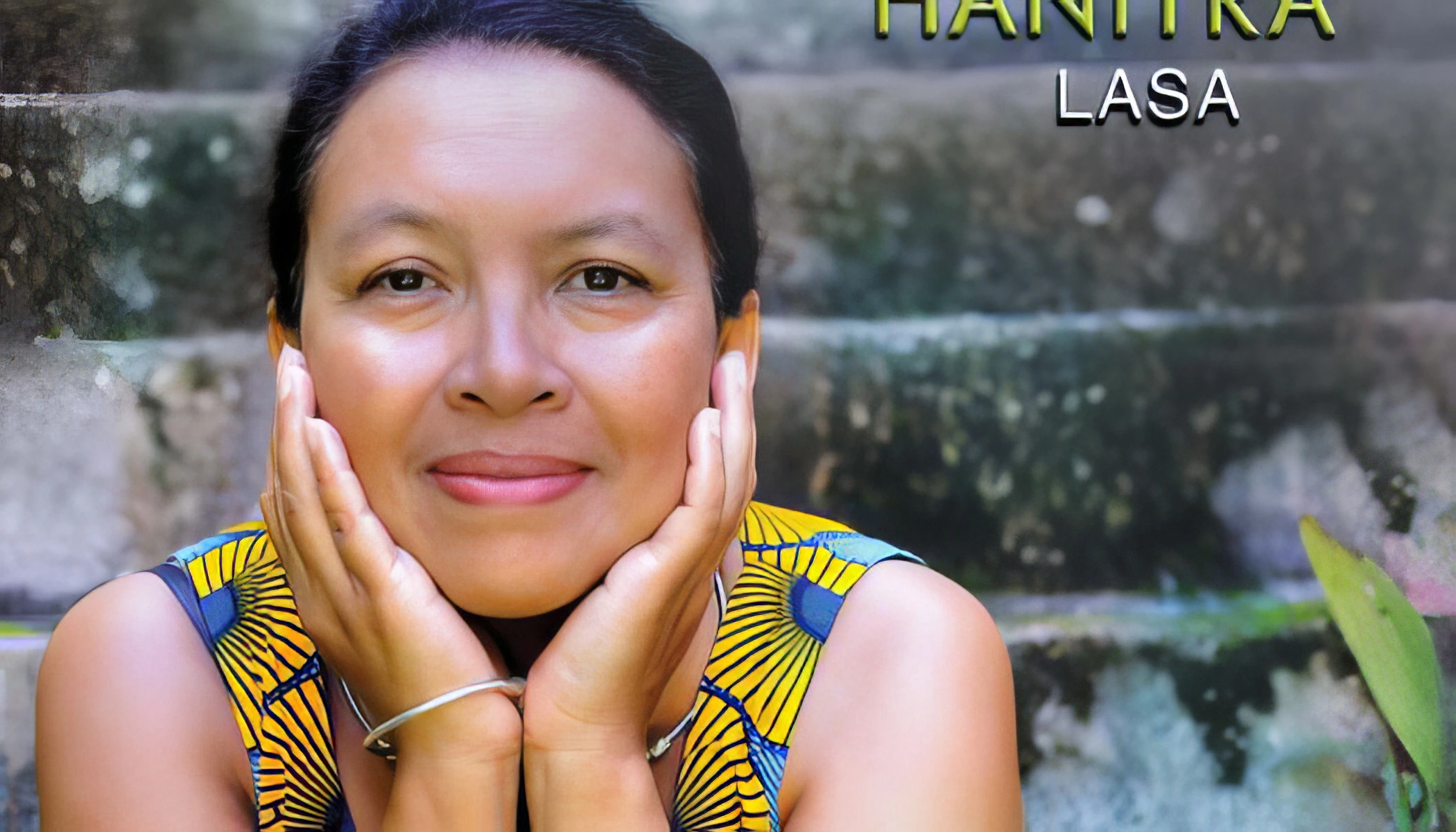
Madagascar's music is a rich tapestry of traditional and contemporary sounds, reflecting the island's diverse cultural heritage.
– Iray: A popular song by Mahaleo, a band known for their blend of folk and rock.
– Zanahary: A classic by legendary singer Rossy, celebrating Malagasy spirituality.
– Samy Mandeha Samy Mitady: A hit by Jaojoby, the king of Salegy, a popular music genre in Madagascar.
– Mifohaza: A popular song by Wawa, known for their fusion of traditional and modern sounds.
– Mbola Ho Avy: A hit by Njakatiana, one of Madagascar's most beloved contemporary artists.
– Tsy Ferana: An iconic song by Erick Manana, a respected figure in Malagasy music.
Films
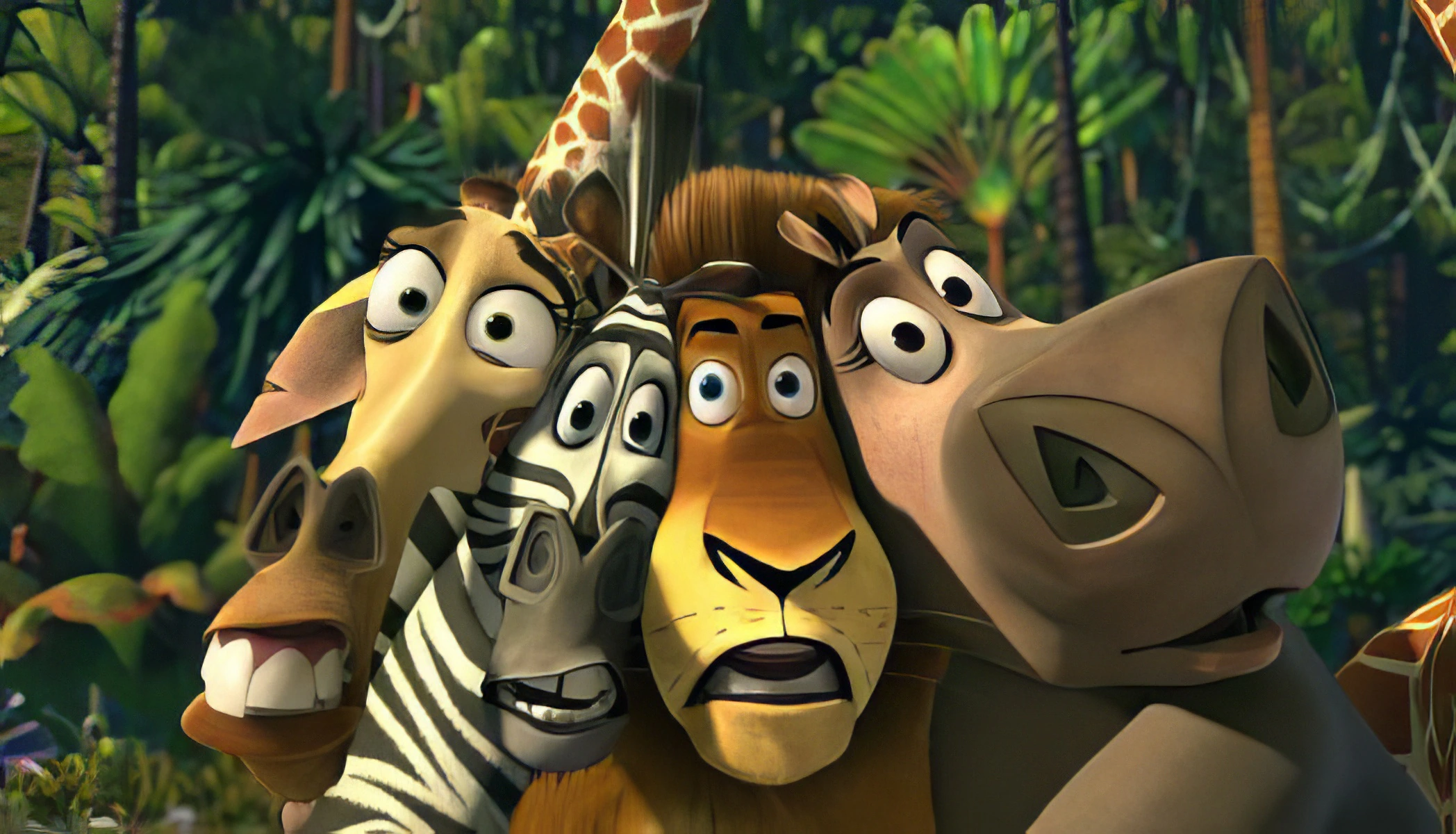
Madagascar, with its unique biodiversity and culture, has inspired several films:
– "Madagascar": An animated film by DreamWorks about four zoo animals stranded on the island.
– "Madagascar: Escape 2 Africa": The sequel to "Madagascar", where the animals try to fly back to NYC but land in Africa.
– "Madagascar 3: Europe's Most Wanted": The third installment sees the animals joining a European circus to get home.
– "Island of Lemurs: Madagascar": A documentary showcasing the diverse species of lemurs found only in Madagascar.
– "Madagascar, a Journey Diary": A short animated film depicting a traveler's experiences in Madagascar.