

Travel Guide to Malawi: Top Things to Do & Tips
Located in southeastern Africa, this landlocked country is known for its vast Lake Malawi and diverse wildlife. It features a mix of highlands and plateaus, with a predominantly rural population. Agriculture plays a crucial role in its economy.
- Capital
- Lilongwe
- Population
- 15.5 millions
- Superficy
- 119000 sq.km
- Months to Visit
- May to Oct.
- Living Cost
- Economical
Overview
Malawi, located in southeastern Africa, is known for its remarkable landscapes and the vast Lake Malawi, which dominates the country's geography. The lake is a key attraction, offering opportunities for fishing, boating, and wildlife viewing. Malawi's economy is primarily based on agriculture, with tobacco being a major export. The country faces challenges such as poverty and limited infrastructure but is noted for its friendly people and cultural diversity. National parks like Liwonde and Nyika provide habitats for various wildlife species. Despite its economic struggles, Malawi's natural beauty and welcoming communities make it an captivating destination for visitors.
Pros & Cons
GOOD REASONS TO VISIT MALAWI
– Lake Malawi: Supplies clear waters, diverse fish species, and beautiful beaches for relaxation and water activities.
– Friendly People: Known as the "Warm Heart of Africa," locals are welcoming and hospitable to visitors.
– Wildlife Parks: Liwonde and Nyika National Parks provide opportunities to see elephants, antelopes, and diverse birdlife.
– Cultural Experiences: Explore traditional dances, local crafts, and beautiful markets showcasing Malawi's rich cultural heritage.
– Scenic Landscapes: Enjoy fascinating views from Mount Mulanje and the rolling hills of the tea-growing region. CHALLENGES WHEN VISITING MALAWI
– Limited Infrastructure: Roads can be poor in rural areas; public transport options are often limited.
– Health Concerns: Malaria is prevalent; travelers should take precautions and consult health professionals before visiting.
– Economic Constraints: Limited access to some services; travelers may need to plan carefully for unexpected situations.
Before Departure
Before traveling to Malawi, consider the following essential information:
– Passport: Ensure your passport is valid for at least six months from your entry date.
– Visa: Most tourists require a visa; available on arrival or online. Validity typically 30 days, extendable.
– Currency: Malawian Kwacha (MWK); credit cards accepted in major cities; ATMs available but not widespread.
– Internet access: WiFi limited to urban areas and hotels; consider purchasing a local SIM card for data.
– Language barrier: English is an official language and widely spoken; Chichewa is the national language.
What to Pack
Visiting Malawi requires preparation for its warm climate, diverse landscapes, and cultural experiences.
– Essentials: Passport and visa (if required), travel insurance details, flight tickets and itinerary, accommodation reservations, local currency or credit card.
– Clothing: Lightweight clothing for warm weather, comfortable walking shoes, swimwear for lakeside activities, hat and sunglasses for sun protection, light jacket for cooler evenings.
– Health & Safety: Prescription medications and basic first aid kit, insect repellent with DEET, sunscreen with high SPF, water purification tablets.
– Electronics: Travel adapter for Malawian outlets (Type G), mobile phone with charger, camera with extra batteries or memory cards.
Weather
Weather in Malawi is generally tropical with distinct wet and dry seasons:
– Summer (November to April): Hot and humid with heavy rainfall, especially in the southern regions.
– Autumn (May): Transition period with decreasing rainfall and cooler temperatures.
– Winter (June to August): Cool and dry, particularly in highland areas; pleasant temperatures across the country.
– Spring (September to October): Warm and dry, with rising temperatures leading into the rainy season. The best time to visit Malawi is during the dry season from May to October:
– Ideal for wildlife viewing as animals gather around water sources.
– Comfortable temperatures make outdoor activities enjoyable. Note that some areas may be crowded during peak tourist months, especially in national parks.
Travel Budget
Malawi is known for being a budget-friendly destination for travelers. Here are some average prices for common expenses:
– Hotel: 30$ to 100$
– Lunch: 3$ to 10$
– Beverage (in bar/restaurant): 1$ to 4$
– Coffee: 1$ to 3$
– Transportation: (train not widely available), (bus 0.5$ to 2$), (taxi /10km 5$ to 15$)
– Mobile data (per GB): 2$ to 5$
Language
In Malawi, the most widely spoken language is Chichewa, and here are some useful phrases for tourists:
– Hello: Moni
– Thank you: Zikomo
– Please: Chonde
– How much is this?: Ndalama zingati?
– Excuse me: Pepani
– I don't understand: Sindikumvetsa
– Yes: Inde
– No: Ayi
– Goodbye: Tsalani bwino
History
The region was originally inhabited by Bantu-speaking peoples and later became part of the Maravi Empire in the 15th century. In the late 19th century, it came under British control and was known as the British Central Africa Protectorate, later renamed Nyasaland. The push for independence gained momentum in the mid-20th century, leading to the formation of the Federation of Rhodesia and Nyasaland, which was dissolved by 1963. In 1964, Nyasaland became independent and was renamed Malawi, with Hastings Banda as its first president. Banda declared Malawi a republic in 1966 and ruled as a one-party state until his removal from power in 1994 following pressure for democratic reforms. Since then, Malawi has held multi-party elections, although it continues to face challenges such as poverty and development issues.
Geopolitics
Located in southeastern Africa, Malawi is a landlocked country bordered by Tanzania to the north, Mozambique to the east, south, and southwest, and Zambia to the west. It maintains peaceful relations with its neighbors and is a member of several regional organizations, including the Southern African Development Community (SADC) and the African Union (AU). Internally, Malawi faces challenges such as poverty and economic dependency on agriculture, which influence its foreign policy and international aid relations. The country has historically received substantial aid from international donors, impacting its geopolitical standing. Its strategic goals include strengthening economic ties within Africa and attracting foreign investment to diversify its economy. Political stability remains a priority for maintaining these external relationships.
Sample Itinerary
This itinerary covers the scenic beauty and cultural highlights of Malawi, including wildlife, lakeside relaxation, and remarkable local cultures.
– 2 days in Lilongwe: Explore the capital city with visits to the Lilongwe Nature Sanctuary and Kumbali Cultural Village. Discover local markets and crafts.
– 3 days in Lake Malawi: Relax at the lovely beaches of Cape Maclear or Nkhata Bay. Enjoy activities like swimming, snorkeling, and boat trips to nearby islands.
– 2 days in Liwonde National Park: Experience game drives and boat safaris. Spot wildlife including elephants, hippos, and diverse bird species along the Shire River.
– 1 day in Zomba Plateau: Hike through luxuriant landscapes with panoramic views. Visit waterfalls and enjoy a cooler climate ideal for outdoor activities.
– 1 day in Blantyre: Discover Malawi's commercial hub with colonial architecture. Visit Mandala House, St. Michael and All Angels Church, and enjoy local cuisine.
Popular cities
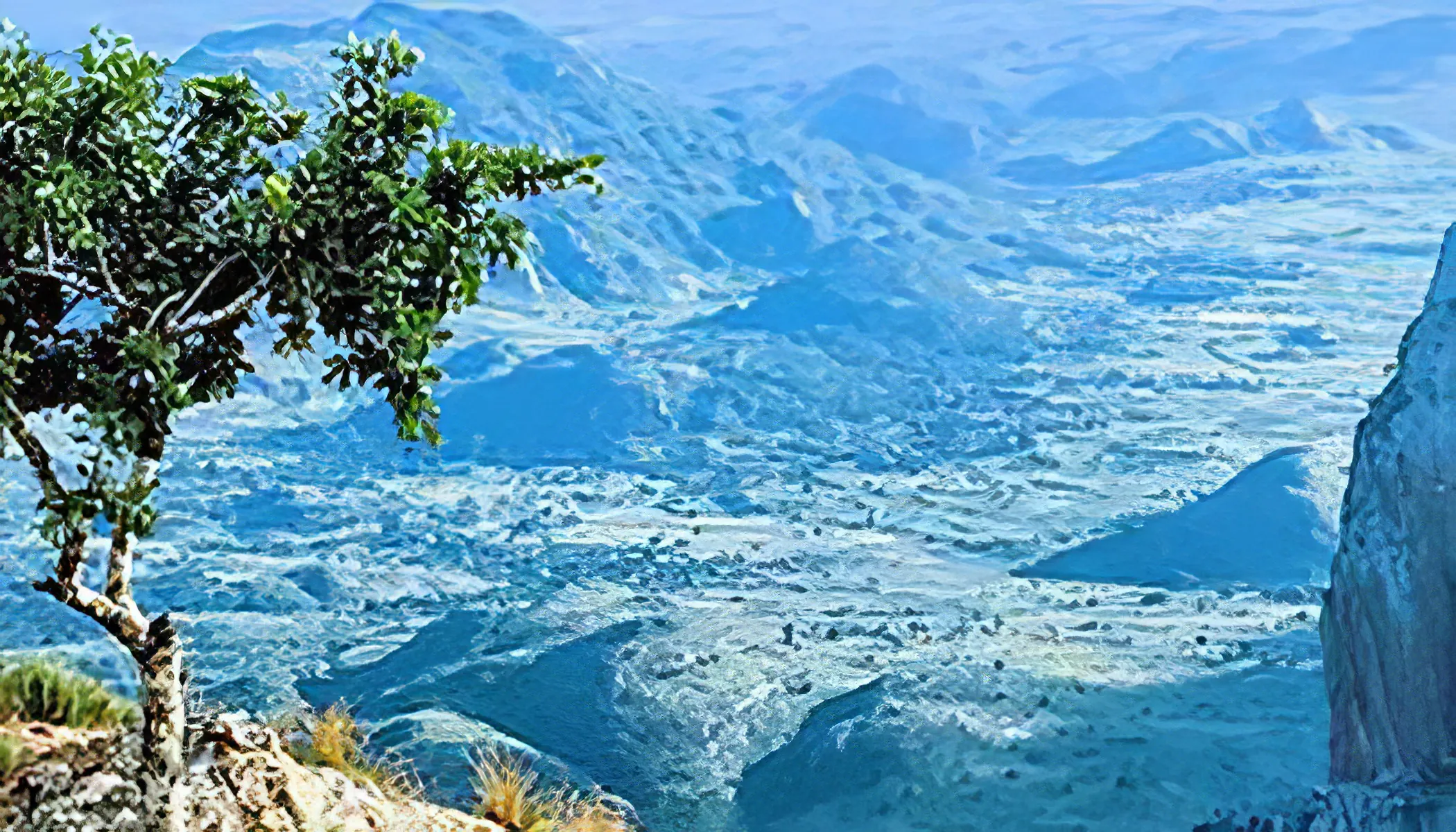
Explore Malawi's diverse landscapes and cultural experiences through its lively cities:
– Lilongwe: The capital city with a mix of modern amenities and local markets.
– Blantyre: A key commercial hub, offering historical sites and nearby hiking trails.
– Zomba: Known for its colonial architecture and the scenic Zomba Plateau.
– Mzuzu: The third largest city, close to Lake Malawi and surrounding coffee plantations.
– Mangochi: Provides access to beautiful beaches along the southern lakeshore of Lake Malawi.
– Karonga: Features archaeological sites and is a gateway to Nyika National Park.
– Salima: Provides easy access to the lake's beaches and water activities.
Monuments
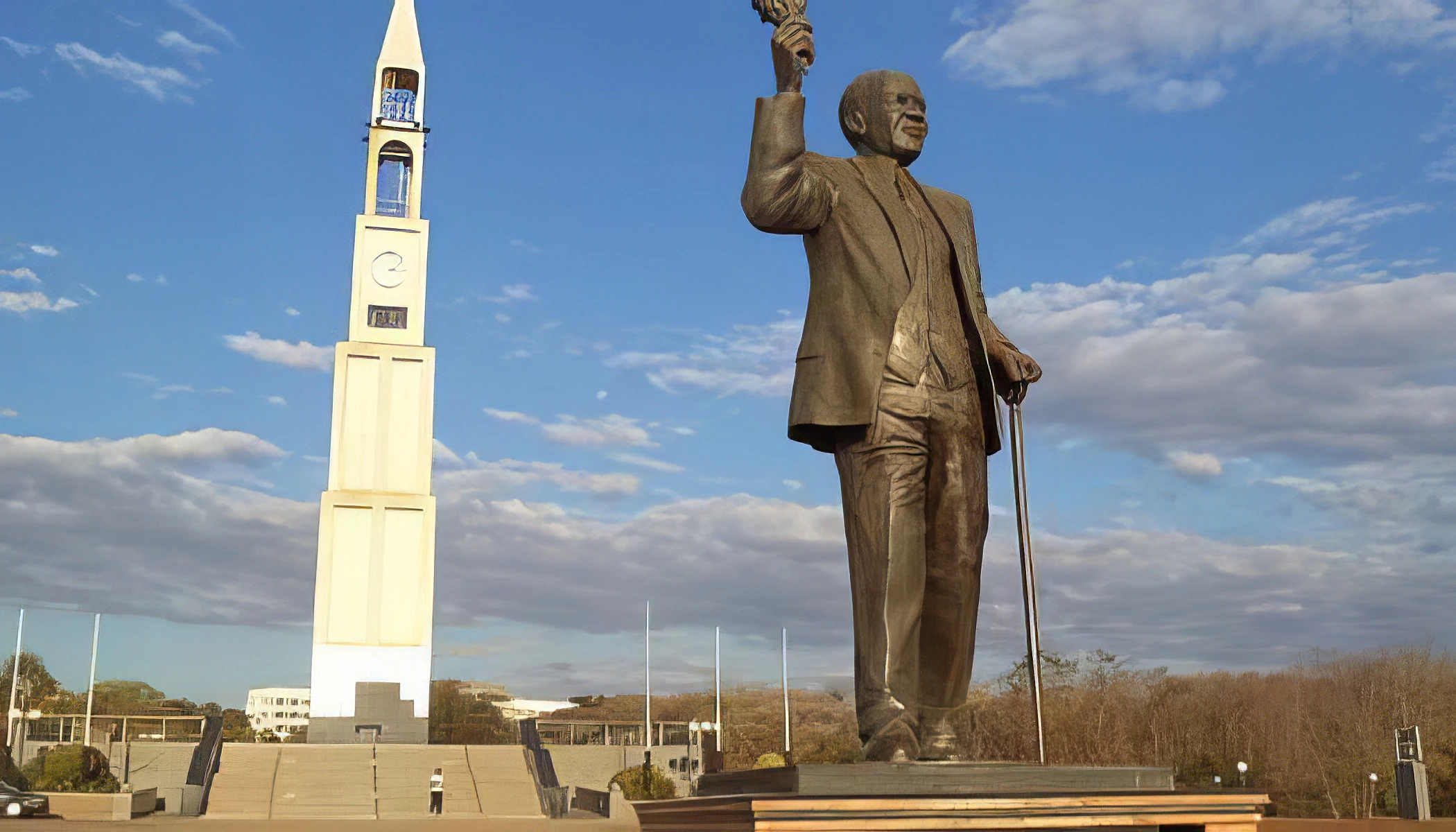
Malawi supplies a range of historical and cultural monuments to explore:
– Chongoni Rock Art Area: UNESCO site showcasing ancient rock paintings by Batwa and Chewa peoples.
– St. Peter's Cathedral, Likoma Island: Large Anglican cathedral built from local materials in early 20th century.
– Livingstonia Mission: Historic missionary station with stone buildings and views over Lake Malawi.
– Mua Mission and KuNgoni Centre: Cultural center preserving Malawi's art, history, and traditional dances.
– Nkhotakota Pottery: Traditional pottery village demonstrating ancient crafting techniques.
– Karonga Museum: Exhibits on Malawian history from prehistoric fossils to human culture.
– Fort Mangochi Ruins: Remains of a colonial-era fort once used by the British military.
– Ntchisi Forest Reserve: Contains ancient trees and remnants of indigenous settlements.
Natural wonder
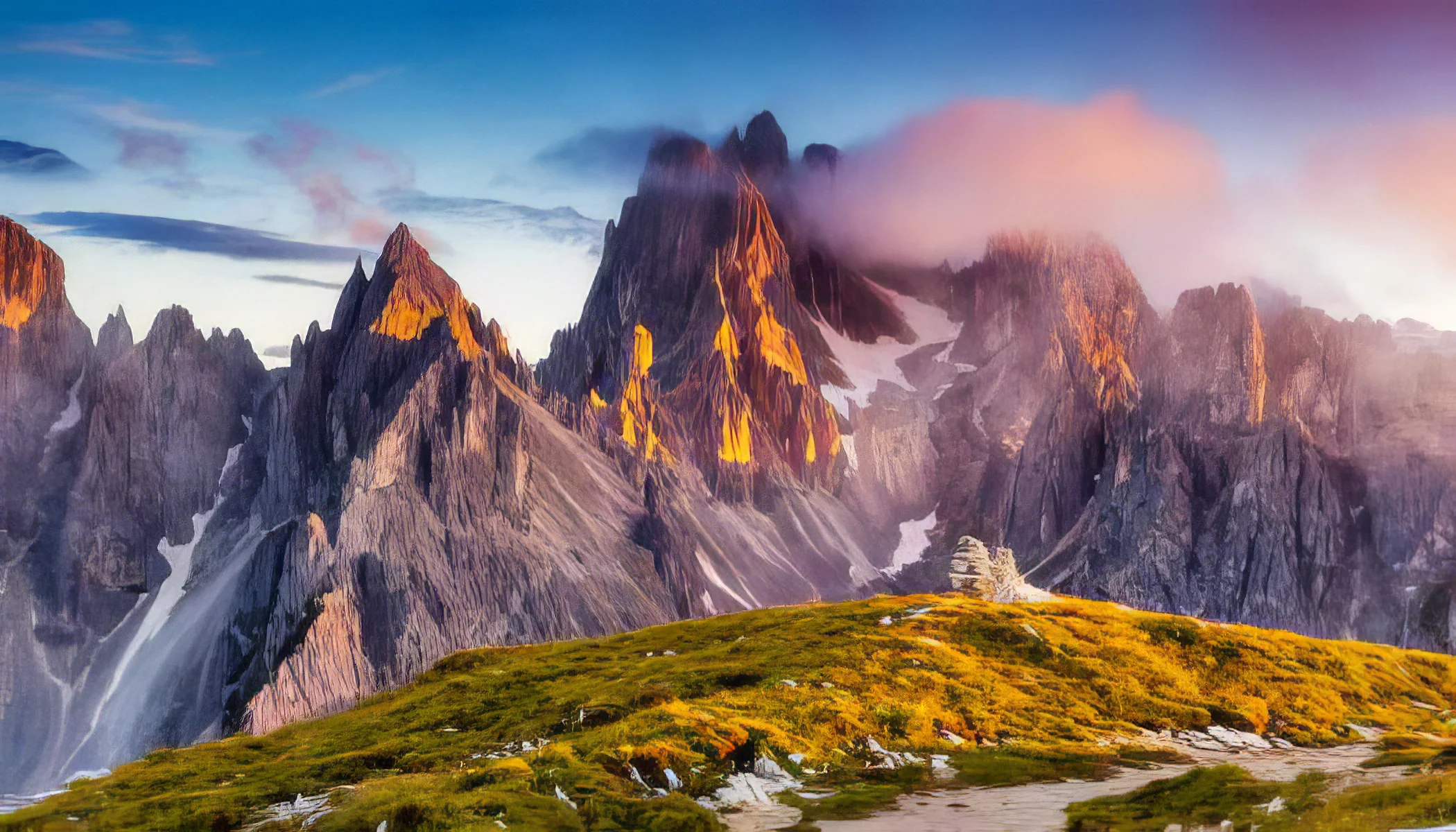
Explore Malawi's handsome natural landscapes:
– Lake Malawi: Africa's third-largest lake, known for its clear waters and diverse marine life.
– Nyika National Park: Features rolling grasslands, wildlife, and remarkable viewpoints.
– Liwonde National Park: Supplies diverse ecosystems and abundant wildlife along the Shire River.
– Mount Mulanje: Known as the "Island in the Sky," supplies challenging hikes and spectacular views.
– Zomba Plateau: Provides cool climate, waterfalls, and panoramic vistas of surrounding plains.
– Lengwe National Park: Known for its dry deciduous forest and resident kudu population.
– Lake Chilwa: A shallow endorheic lake supporting rich birdlife and local fishing communities.
– Viphya Plateau: Includes dense forests and provides cool escape from the heat of lowlands.
– Majete Wildlife Reserve: Successful conservation area with a wide range of African animals.
– Nkhotakota Wildlife Reserve: Oldest national park with rugged terrain and diverse habitats for elephants and other wildlife.
Beaches
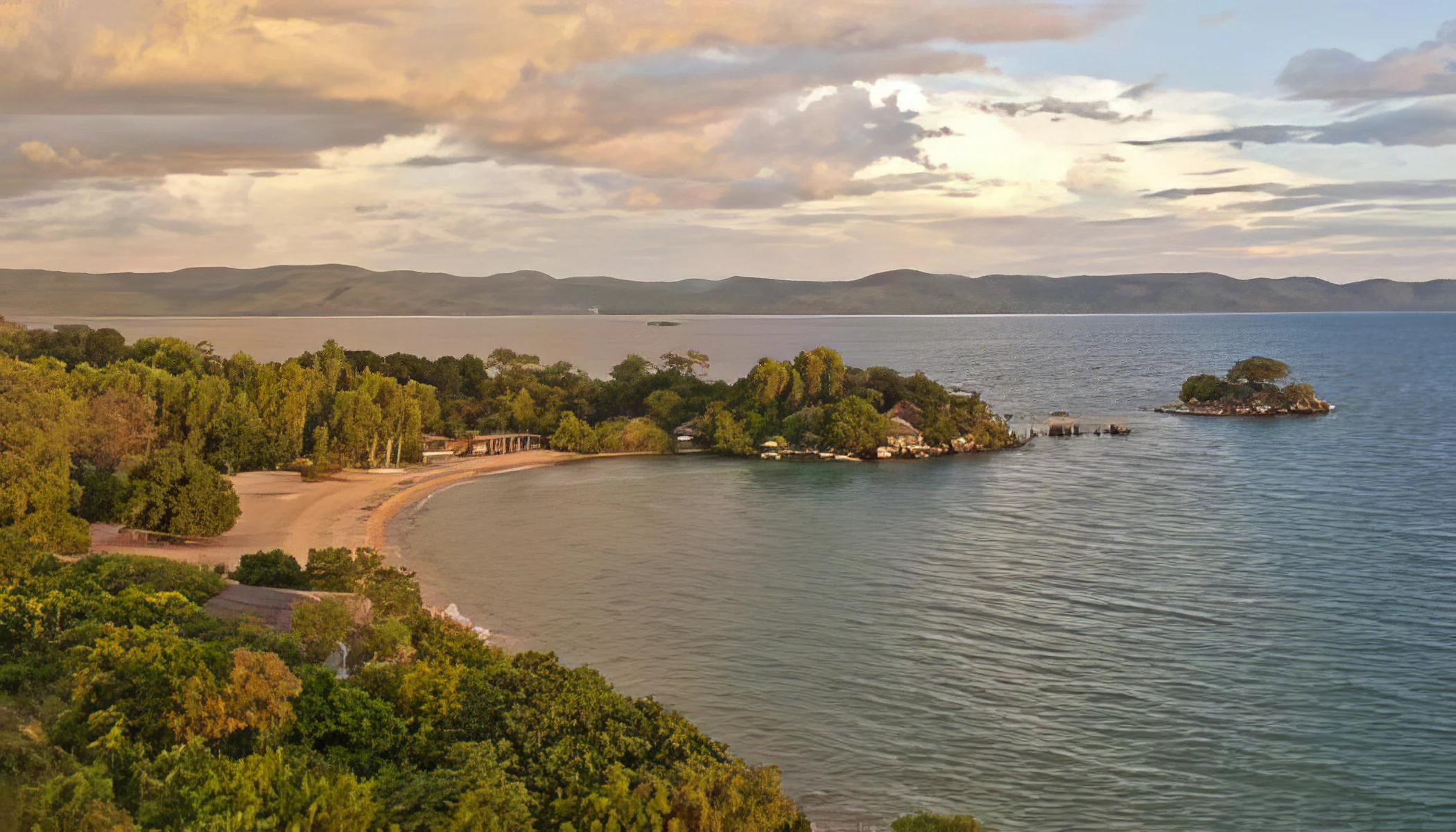
Malawi has several notable beaches along the shores of Lake Malawi:
– Cape Maclear: Popular for its scenic views and water activities, located at the southern end of Lake Malawi.
– Nkhata Bay: Known for its lively atmosphere and clear waters on the northern shores of the lake.
– Senga Bay: Provides sandy beaches and is accessible from Lilongwe, making it a favored spot.
– Chintheche Inn Beach: Features quiet and natural sands ideal for relaxation on the lake’s northern coast.
– Monkey Bay: A gateway to Lake Malawi National Park with pleasant beaches and local fishing villages.
– Likoma Island Beaches: Secluded beaches with crystal-clear waters near Mozambique’s border in Lake Malawi.
– Salima Beaches: Easily accessible from Lilongwe, known for sandy stretches along the lake.
Outdoor activities
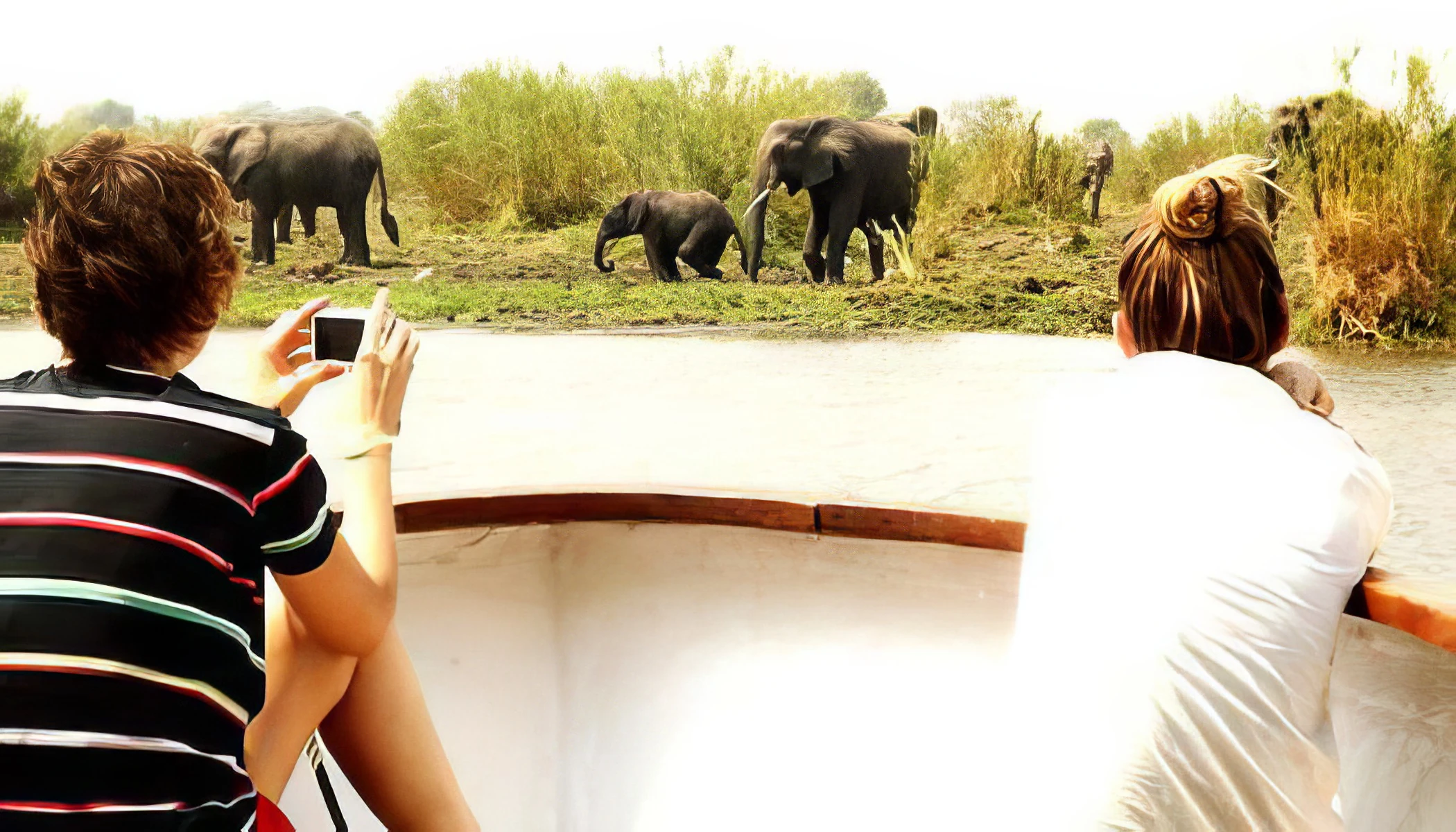
There are unique outdoor activities that showcase the natural beauty of the country:
– Hiking Mount Mulanje: Trek through diverse landscapes to reach one of Africa's highest peaks.
– Safari in Liwonde National Park: Spot elephants, hippos, and crocodiles along the Shire River.
– Snorkeling in Lake Malawi: Explore lovely fish species in Africa's third-largest lake.
– Kayaking on Lake Malawi: Paddle along calm waters surrounded by nice landscapes.
– Birdwatching in Nyika National Park: Discover a variety of bird species in a highland setting.
– Boat trip to Likoma Island: Visit traditional villages and enjoy crystalline beaches.
– Cycling around Zomba Plateau: Ride through sumptuous forests and enjoy panoramic views.
Kid Friendly
Malawi supplies several engaging activities for families with children to enjoy.
– Lake Malawi National Park: Explore beaches and wildlife around the world's ninth largest lake.
– Luwawa Forest Lodge: Supplies outdoor activities like hiking, canoeing, and mountain biking in a scenic forest environment.
– Liwonde National Park: A family-friendly safari experience with opportunities to see elephants and hippos.
– Kuti Wildlife Reserve: A safe place for kids to see zebras, giraffes, and other animals up close.
– Zomba Plateau: Provides easy trails for walks and hikes with scenic views suitable for kids.
– Nyika National Park: Supplies horse riding experiences amidst rolling hills and wildlife.
– Majete Wildlife Reserve: Features guided safaris where families can spot 'Big Five' animals in a controlled environment.
– Chongoni Rock-Art Area: Explore ancient rock art that's both educational and interesting for children.
Cuisine
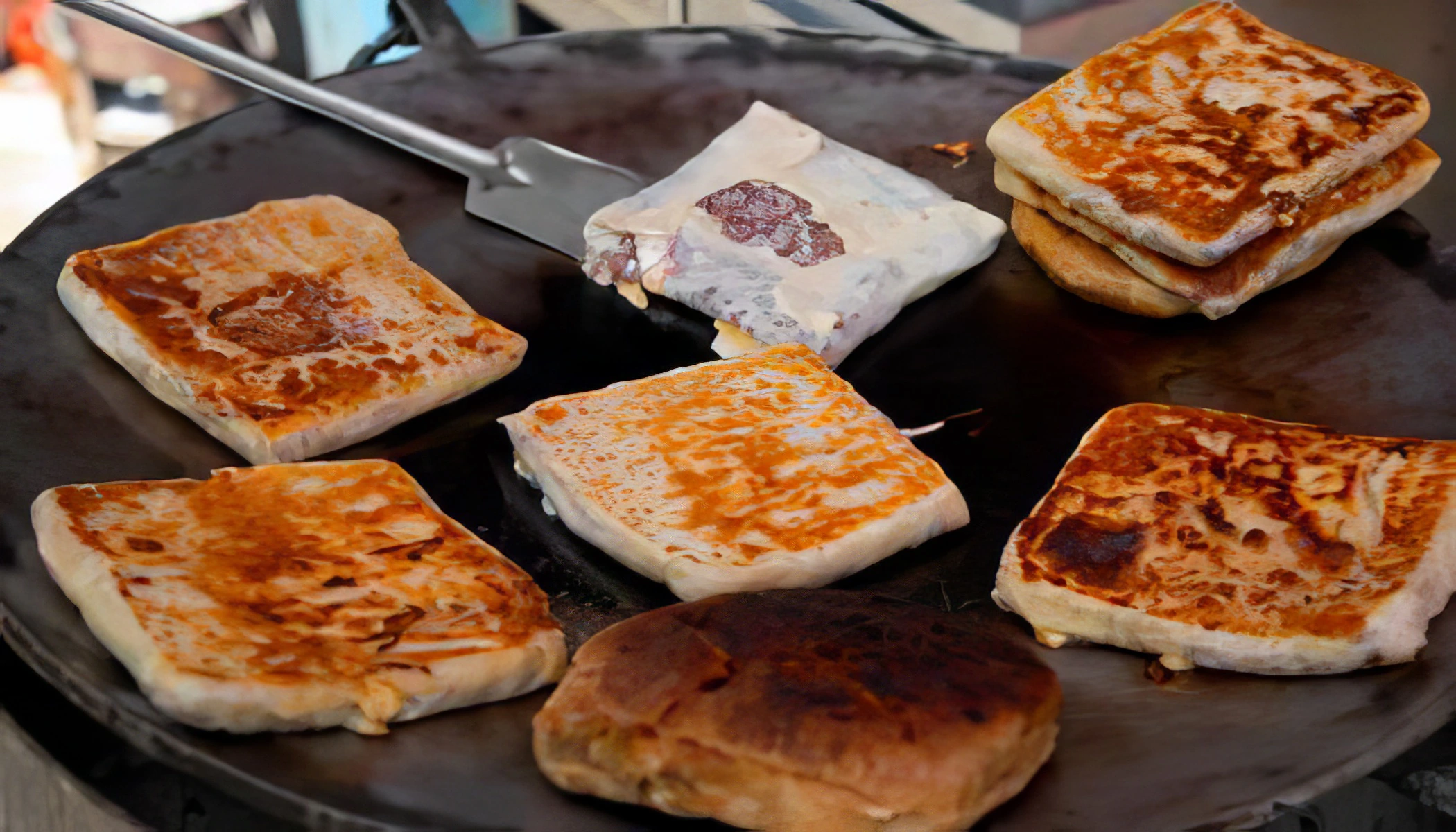
Malawian cuisine is centered around simple, hearty meals featuring maize as a staple, accompanied by fresh vegetables and fish. It reflects local agricultural produce and traditional cooking methods. Community dining is common, highlighting its social and cultural significance.
– Nsima: Thick maize porridge, a staple food often served with relish or stew.
– Chambo: Grilled or fried local fish from Lake Malawi, commonly paired with nsima.
– Mandasi: Deep-fried dough balls enjoyed as a snack or breakfast treat.
– Kachumbari: Fresh tomato and onion salad often served as a side dish.
– Mgaiwa Phala: Nutritious porridge made from unrefined maize flour, typically eaten for breakfast.
Souvenir
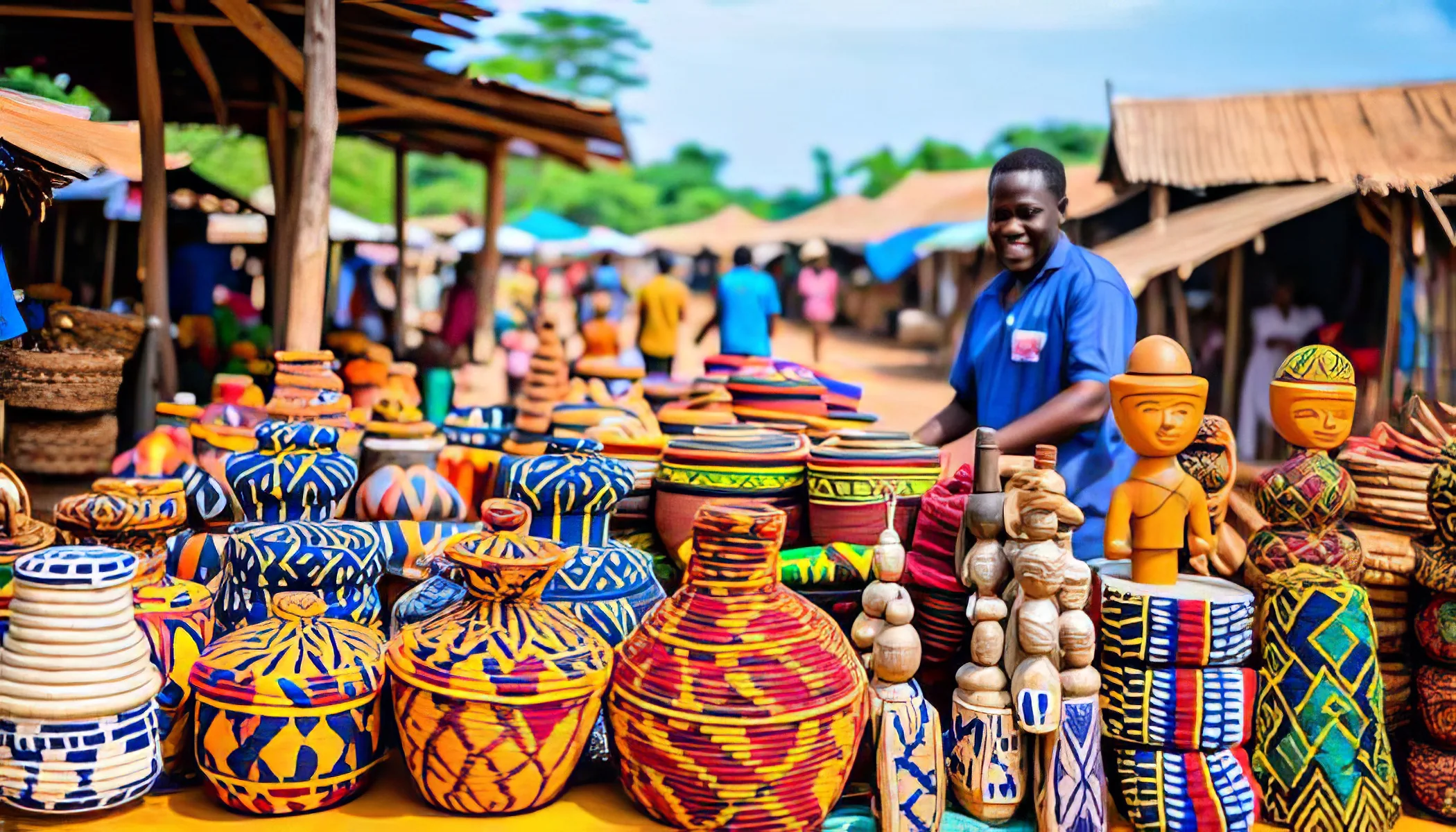
Known for its magnificient culture and skilled artisans, Malawi offers a range of unique souvenirs. Here are some popular choices:
– Wood Carvings: Skilled artisans create nice carvings, often depicting animals and traditional scenes.
– Chitenje Fabric: Colorful Chitenje fabric is commonly used in clothing and accessories.
– Basketry: Handwoven baskets made from natural materials are both decorative and functional.
– Jewelry: Locally crafted jewelry often features semi-precious stones or recycled materials.
– Ceramics: Handmade pottery with traditional designs can be found in various forms and sizes.
– Tumbuka Textiles: Traditional textiles feature bold patterns and are used in clothing and home decor.
– Coffee Beans: Locally grown Malawian coffee is appreciated for its rich flavor profile.
Traditional Shows
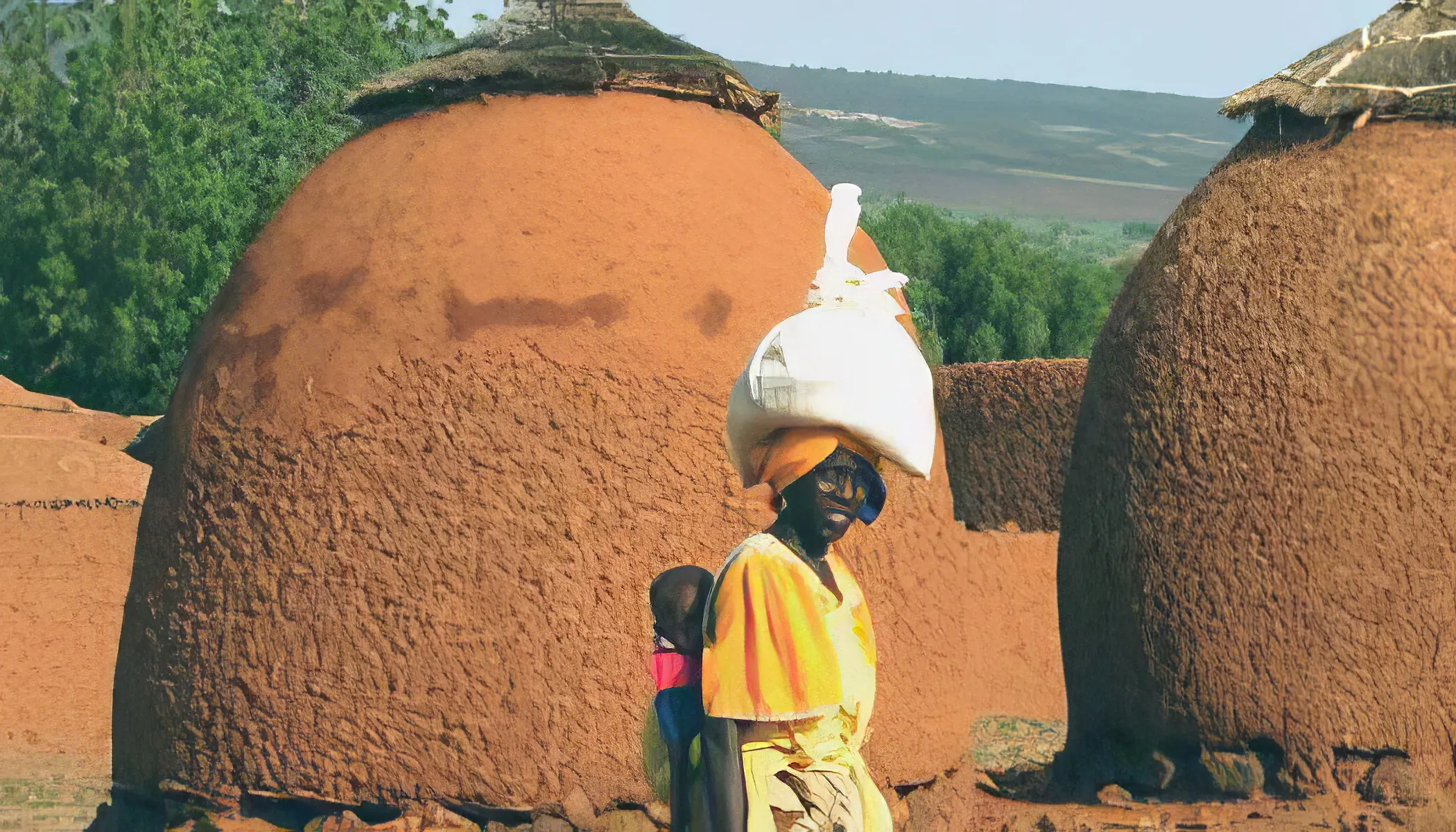
Malawi supplies distinctive traditional performances reflecting its rich cultural heritage:
– Gule Wamkulu: Witness this UNESCO-recognized dance in central Malawi, featuring masked dancers performing rituals and stories of the Chewa people.
– Ingoma Dance: Experience this energetic Ngoni warrior dance, showcasing strength and unity, often performed during important ceremonies in Malawi.
– Vimbuza Dance: Observe this traditional healing dance among the Tumbuka people in northern Malawi, used for spiritual healing and community bonding.
– Chisamba Dance: Enjoy this energetic celebratory dance of the Chewa, performed during initiation ceremonies, weddings, and other joyful events across Malawi.
– Beni Dance: See a playful military-style dance inspired by colonial times, popular at festivals and gatherings throughout southern Malawi.
Events & Festivals
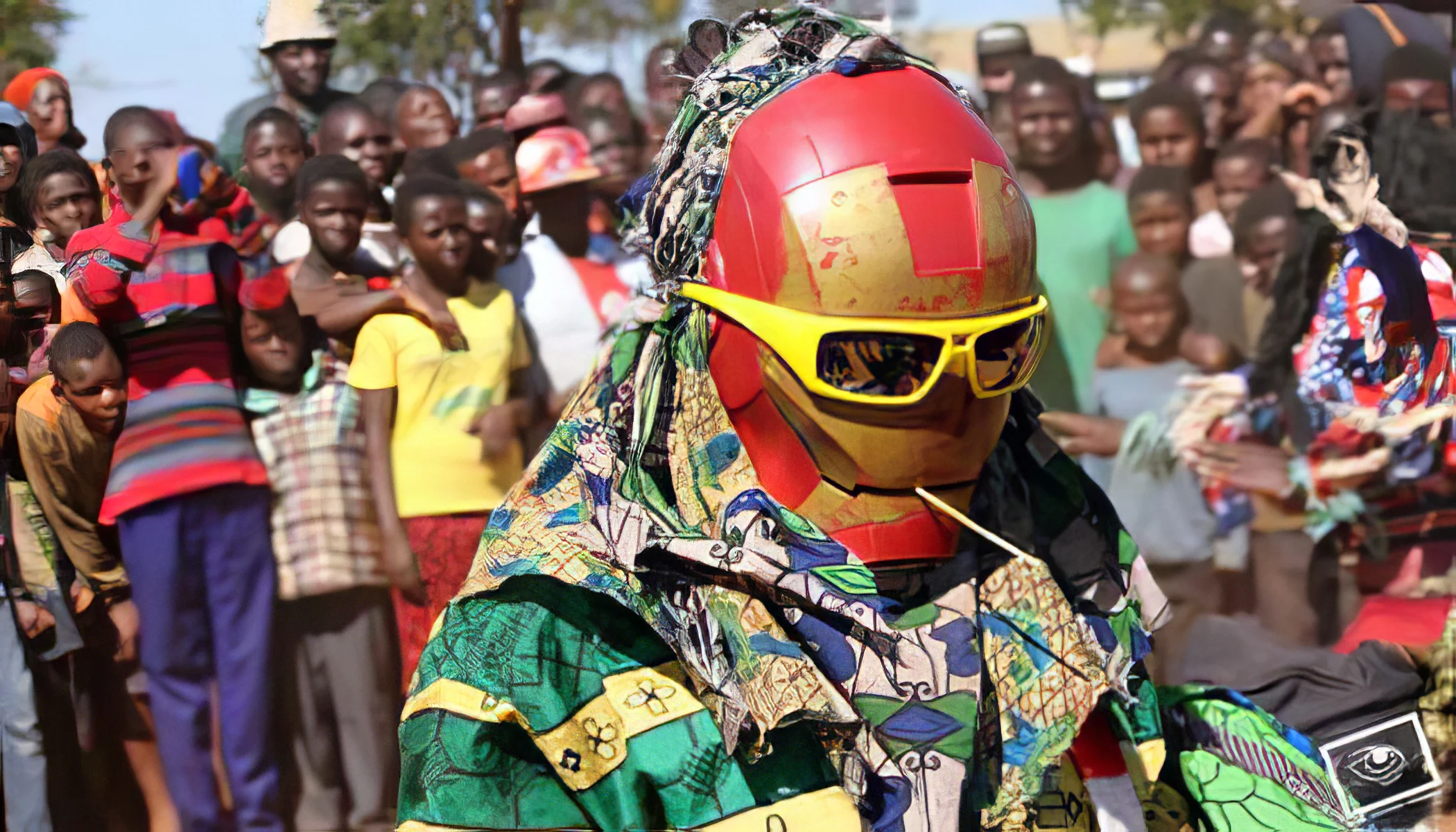
Throughout the year, Malawi hosts several cultural and traditional events that highlight its rich heritage:
– Lake of Stars Festival: September music and arts event on Lake Malawi's shores featuring local and international acts.
– Blantyre Arts Festival: October cultural showcase with theater, dance, and visual arts in Blantyre.
– Mulanje Mountain Porters Race: Annual July event where athletes race up Mulanje Mountain, promoting tourism.
– Likoma Summer Festival: Held in August on Likoma Island with music, sports, and community activities.
– Mwezi Wawala International Arts Festival: Celebrated in September in Nkhata Bay with performances by artists from Africa and beyond.
– Sand Music Festival: October beach festival at Senga Bay featuring performances from top African artists.
– Umhlangano wa Maseko Ngoni: Traditional ceremony held in September celebrating Ngoni culture with dance and rituals.
Famous People

Malawi is home to several notable individuals who have made significant impacts in various fields such as politics and arts.
– Hastings Kamuzu Banda (circa 1898 to 1997, Kasungu): First President of Malawi, led the country to independence in 1964.
– Joyce Banda (born 1950, Zomba): First female President of Malawi, served from 2012 to 2014 promoting women's rights.
– William Kamkwamba (born 1987, Dowa): Inventor and author who built a windmill to power his family's home at age 14.
– John Chilembwe (1871 to 1915, Chiradzulu): Baptist pastor and educator known for leading an uprising against colonial rule in 1915.
– Madonna (adopted children from Malawi, born in Bay City, Michigan USA): International pop star known for her philanthropic work in Malawi through her charity Raising Malawi.
Books
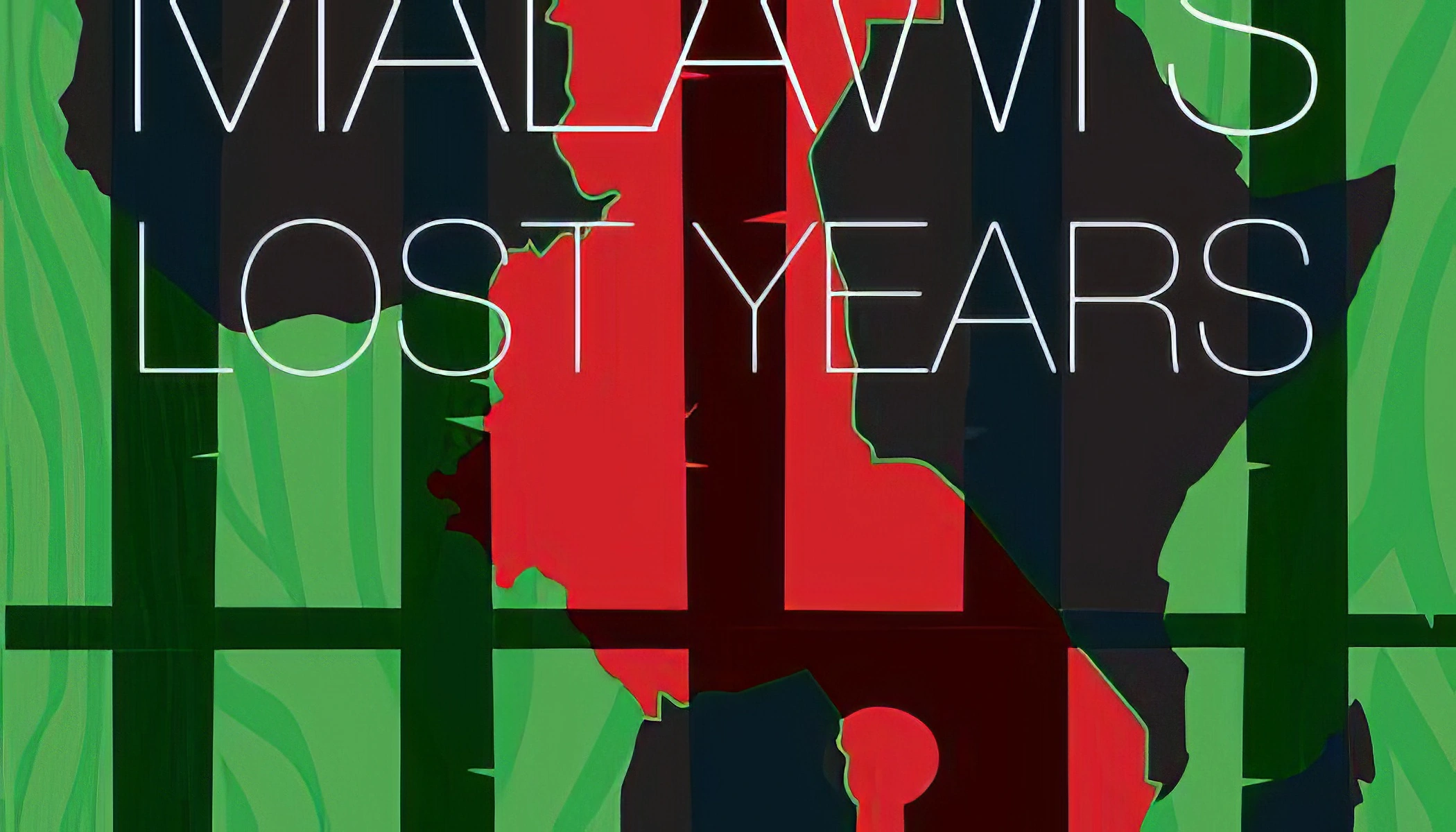
These books provide insight into Malawian culture, history, and personal stories from the country.
– "The Boy Who Harnessed the Wind" by William Kamkwamba and Bryan Mealer: Inspiring story of a Malawian boy who builds a windmill from scrap.
– "The Last Resort" by Douglas Rogers: Chronicles life during Zimbabwe's turmoil, touching on refugee experiences in Malawi.
– "The Fear: Robert Mugabe and the Martyrdom of Zimbabwe" by Peter Godwin: Discusses Zimbabwean refugees’ experiences in neighboring countries like Malawi.
– "Of Chameleons and Gods" by Jack Mapanje: Poetry capturing the socio-political landscape of Malawi under authoritarian rule.
– "A Girl Named Disaster" by Nancy Farmer: A young girl’s journey through Mozambique to Malawi seeking freedom and family.
Songs
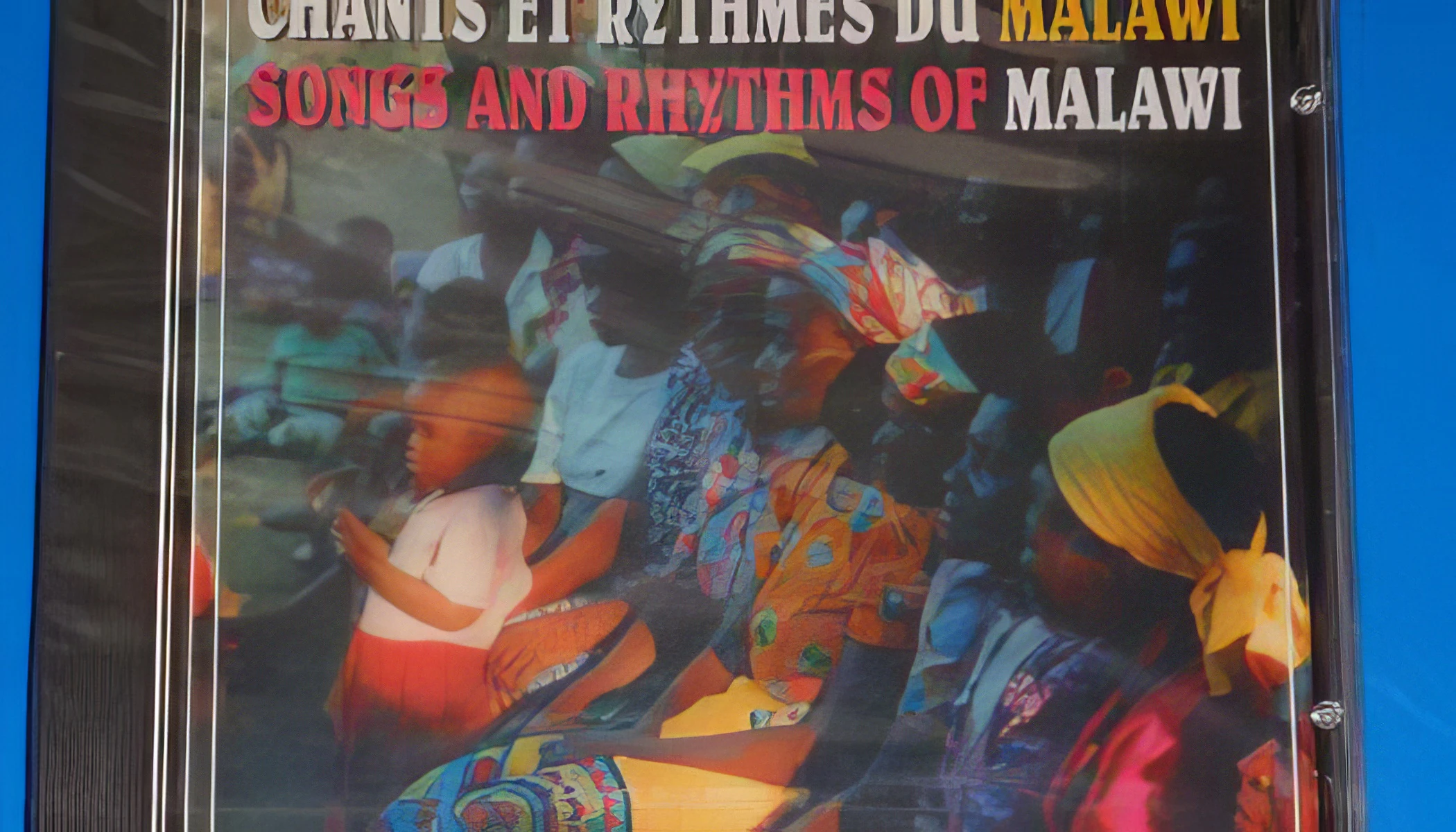
These songs highlight the rich musical heritage and cultural narratives of Malawi, blending traditional rhythms with modern influences.
– "Mwana wa Munthu" by Lucius Banda: A socio-political anthem addressing human rights in Malawi.
– "Pemphero Langa" by Ethel Kamwendo-Banda: A gospel hit offering hope and inspiration to Malawians.
– "Timveni" by Black Missionaries: Popular reggae tune promoting peace and unity in Malawi.
– "Dzuka Malawi" by Patience Namadingo: Encourages national pride and development through dynamic melodies.
– "Ndiwe Wanga" by Gwamba featuring Emm Q: Celebrates love with a contemporary Malawian hip-hop flair.
– "Linda" by Maskal: Romantic ballad known for its soulful expression of love in Malawi.
Films
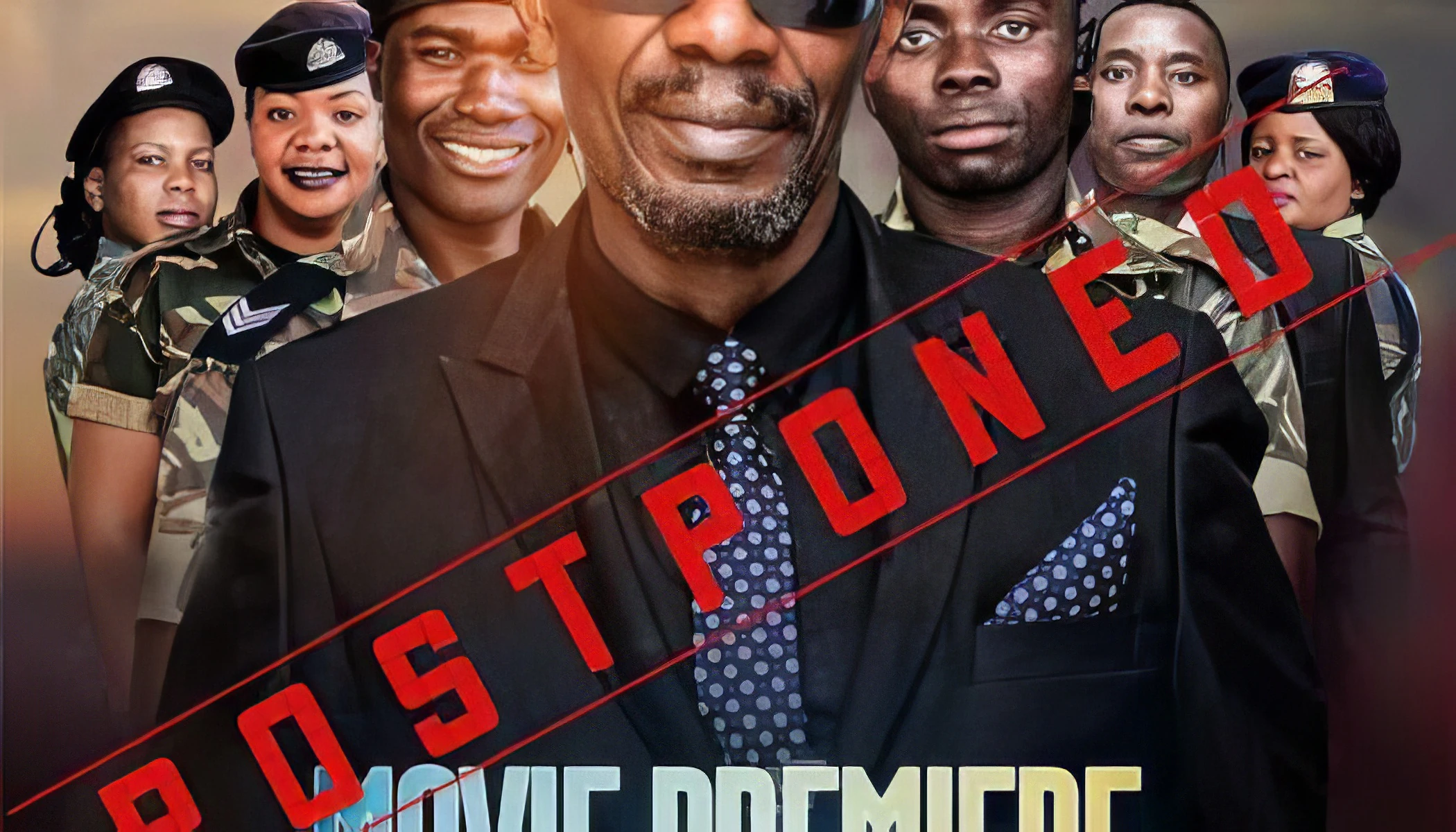
A selection of notable films offers insight into Malawi's culture and stories:
– "The Boy Who Harnessed the Wind": A true story about a 13-year-old Malawian boy who saves his village from famine using wind power.
– "B'ella": Set in Malawi, this film follows a young girl's journey through adolescence amidst societal challenges.
– "Seasons of a Life": Explores complex themes of love, betrayal, and justice in the life of a Malawian domestic worker.
– "The Last Fishing Boat": A dramatic narrative highlighting the clash between traditional values and modernity in Malawi's fishing communities.
– "Road to Sunrise": Tackles issues of poverty and human trafficking as two women seek redemption in urban Malawi.