

Explore Mali: Culture, Cities & Places to Visit
Located in West Africa, this landlocked country is known for its rich history and cultural heritage. Home to ancient cities like Timbuktu, it features diverse landscapes, including the Sahara Desert and the Niger River, offering a unique blend of tradition and nature.
- Capital
- Bamako
- Population
- 13.8 millions
- Superficy
- 1240000 sq.km
- Months to Visit
- Nov. to Feb.
- Living Cost
- Economical
Overview
Mali is a landlocked country in West Africa known for its historical significance and diverse cultures. The ancient city of Timbuktu, once a center of Islamic learning and trade, highlights Mali's rich history. The Niger River runs through the country, providing vital resources for agriculture and transportation. Mali faces challenges such as political instability and economic difficulties, impacting development efforts. The nation is home to various ethnic groups, each contributing to its remarkable cultural tapestry. Despite its challenges, Mali's music and traditions continue to influence the broader African cultural landscape.
Pros & Cons
GOOD REASONS TO VISIT MALI
– Rich Cultural Heritage: Explore ancient cities like Timbuktu and Djenné, known for their historic mosques and manuscripts.
– Unique Music Scene: Experience traditional Malian music, home to famous musicians like Ali Farka Touré and Salif Keita.
– Lively Festivals: Attend the Festival in the Desert, showcasing Mali's diverse music and cultural traditions.
– Remarkable Landscapes: Discover the Bandiagara Escarpment's dramatic cliffs and Dogon villages with unique architecture.
– Traditional Crafts: Find refined textiles, pottery, and jewelry crafted by skilled Malian artisans in local markets. CHALLENGES WHEN VISITING MALI
– Security Concerns: Political instability and regional conflicts pose safety risks; check travel advisories before visiting.
– Limited Infrastructure: Roads and public transport can be underdeveloped, making travel challenging in remote areas.
– Health Risks: Malaria is prevalent; vaccinations and precautions are necessary to protect against diseases.
Before Departure
Before traveling to Mali, it's important to be aware of several key details:
– Passport: Ensure your passport is valid for at least six months from your entry date.
– Visa: Tourists need a visa before arrival; typically valid for 30 days. Apply through Malian embassies or consulates.
– Currency: West African CFA Franc (XOF); credit cards rarely accepted; cash is essential. ATMs are limited, mainly in Bamako.
– Internet access: WiFi is limited; available in some hotels and cafes. Consider purchasing a local SIM card for better connectivity.
– Language barrier: French is the official language; Bambara widely spoken. English and other European languages are not commonly used.
What to Pack
Traveling to Mali requires preparation for its climate and cultural environment, ensuring a safe and enjoyable visit.
– Essentials: Passport with visa, travel insurance details, flight tickets, itinerary, and accommodation confirmations.
– Clothing: Lightweight, breathable clothing; long sleeves and pants for sun and mosquito protection; comfortable walking shoes; hat and sunglasses.
– Health & Safety: Prescription medications, first aid kit, insect repellent with DEET, anti-malarial medication (consult a doctor), sunscreen with high SPF.
– Electronics: Travel adapter for Type C/E outlets, mobile phone with charger, camera with extra batteries or charger.
Weather
Mali has a hot and dry climate with distinct wet and dry seasons:
– Winter (December to February): Cool and dry with temperatures ranging from 15°C to 30°C.
– Spring (March to May): Hot and dry, temperatures can soar above 40°C, especially in the north.
– Summer (June to August): Rainy season begins, particularly in the south, with high humidity and occasional flooding.
– Autumn (September to November): Rainfall decreases, temperatures remain warm but more bearable than in spring. The best time to visit Mali is from November to February:
– Cooler temperatures make travel more comfortable.
– Dry conditions are ideal for exploring cultural sites and natural landscapes. However, this is also peak tourist season, which may lead to higher prices and larger crowds at popular attractions.
Travel Budget
Mali supplies a range of budget-friendly options for travelers. Here are some average prices for common expenses:
– Hotel: 30$ to 100$
– Lunch: 3$ to 10$
– Beverage (in bar/restaurant): 1$ to 4$
– Coffee: 1$ to 2$
– Transportation: (train not widely available), (bus 0.5$ to 2$), (taxi /10km 5$ to 15$)
– Mobile data (per GB): 2$ to 5$
Language
Mali is a multilingual country with French as the official language and Bambara as the most widely spoken indigenous language. Here are some useful phrases in Bambara:
– Hello: I ni ce
– Thank you: I ni che
– Please: Baara kala
– How much is this?: Ni jɔ̀ tɛ?
– Excuse me: K'an bɔ
– I don't understand: N tɛ se ka kɛ
– Yes: Aw
– No: Ayi
– Goodbye: K'an ben
History
The area now known as Mali was once home to some of Africa's greatest empires, including the Ghana, Mali, and Songhai Empires between the 8th and 16th centuries. The Mali Empire, particularly during the reign of Mansa Musa in the 14th century, was notable for its wealth and influence in trade and culture. By the late 19th century, French colonial powers took control of the region, incorporating it into French West Africa. Mali gained independence from France in 1960, initially establishing a one-party state under President Modibo Keïta. A series of coups and a shift to military rule marked much of its post-independence history until democratic governance was established in 1991. Despite democratic reforms, Mali has faced ongoing challenges with political instability and conflict, particularly in its northern regions.
Geopolitics
Located in West Africa, Mali is a landlocked country bordered by Algeria, Niger, Burkina Faso, Côte d'Ivoire, Guinea, Senegal, and Mauritania. It has faced significant internal challenges, including political instability and security threats from various armed groups. The northern region has been particularly unstable since 2012 due to the presence of separatist movements and jihadist groups. International efforts to stabilize the country involve French military operations and United Nations peacekeeping missions. Mali is part of regional organizations like ECOWAS (Economic Community of West African States) and the African Union. Its geopolitical significance is tied to regional security dynamics in the Sahel region as well as issues related to transnational terrorism and migration.
Sample Itinerary
This itinerary covers Mali’s cultural and historical landmarks, including the capital Bamako, ancient city of Timbuktu, cultural hub Djenne, and scenic Bandiagara Escarpment.
– 1 day in Bamako: Visit the National Museum, explore local markets, and see the views from Point G Hill.
– 2 days in Timbuktu: Discover ancient manuscripts at libraries, visit Djinguereber Mosque, and explore historic sites.
– 1 day in Djenne: Tour the Great Mosque of Djenne and wander through energetic weekly markets.
– 2 days in Bandiagara Escarpment: Hike through Dogon Country with its cliffside villages and learn about Dogon culture.
Popular cities
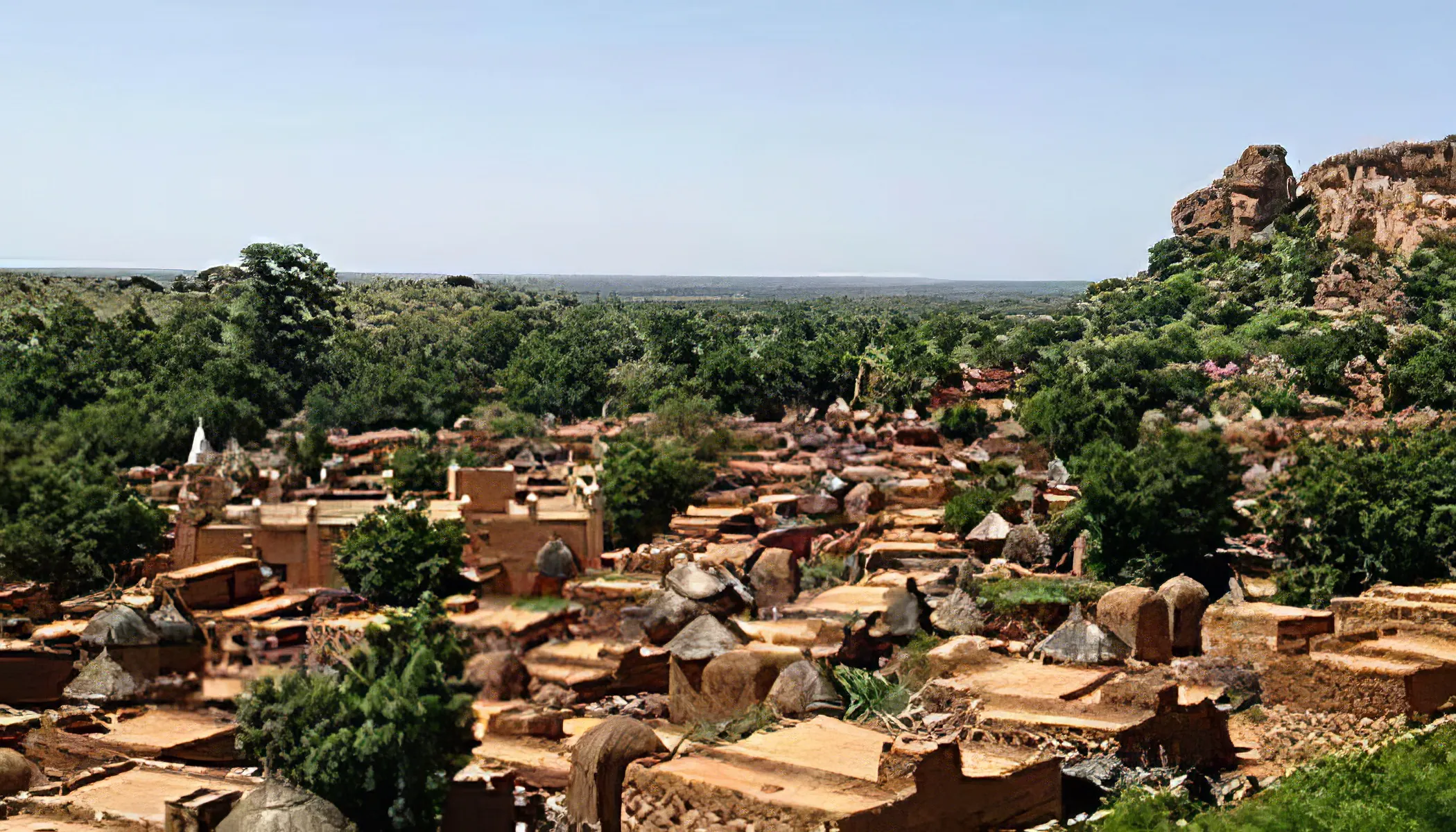
Discover Mali's cultural heritage and historic cities that offer unique insights into West African history:
– Bamako: The capital city, known for its animated markets, National Museum, and lively music scene.
– Timbuktu: Famous for its ancient manuscripts and as a historical center of learning and trade.
– Djenné: Renowned for the Great Mosque, the largest mud-brick building in the world, and its traditional architecture.
– Mopti: Known as the "Venice of Mali," it's a busy port town at the confluence of two rivers.
– Ségou: Offers colonial architecture, pottery markets, and views of the Niger River.
– Gao: A historic trading city with remnants of ancient empires and cultural heritage sites.
– Sikasso: Known for its dense surroundings, market gardens, and cultural festivals.
Monuments
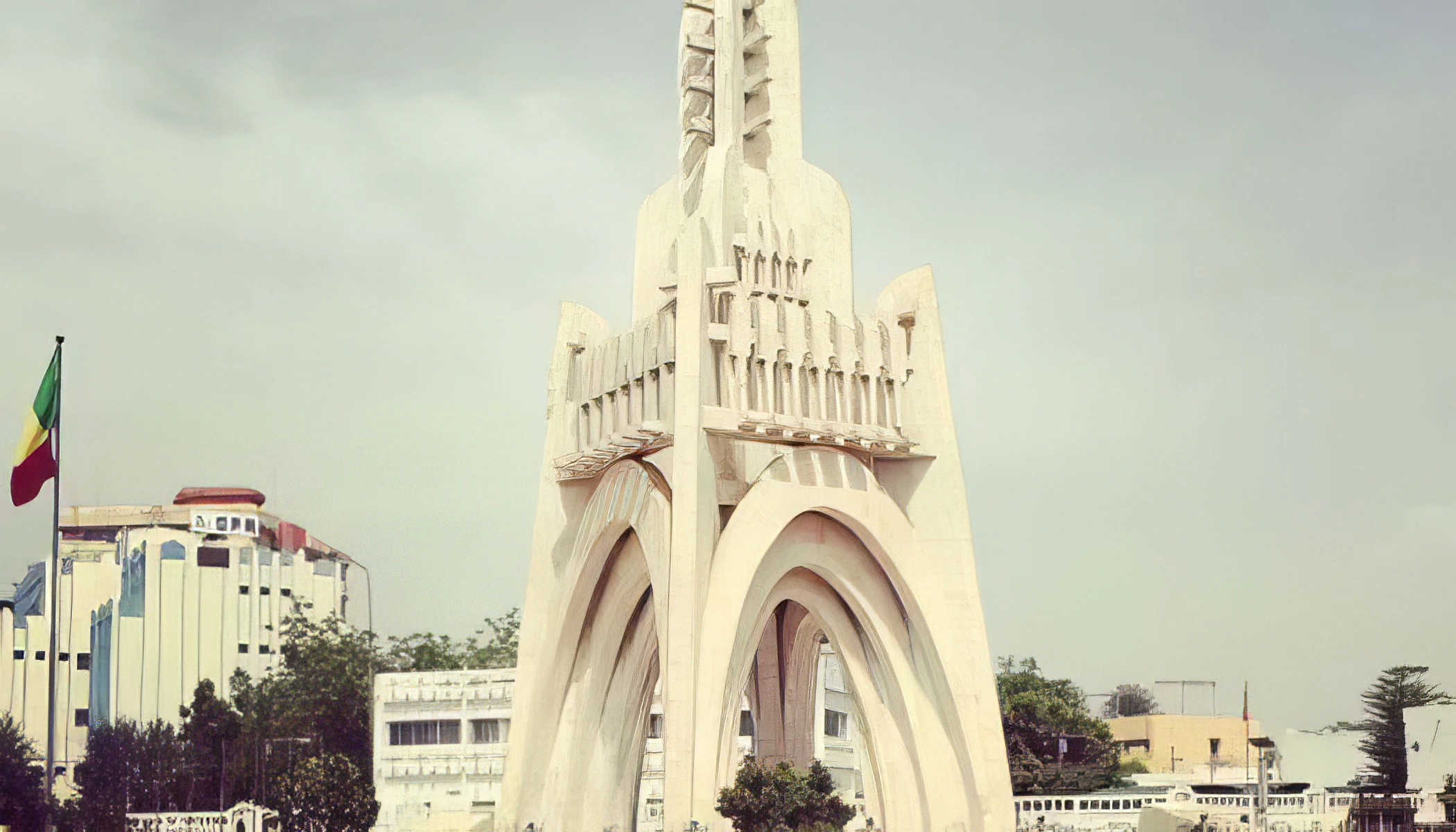
Mali is home to several notable historical monuments:
– Great Mosque of Djenné: Largest mud-brick building in the world and a UNESCO World Heritage site.
– Timbuktu Manuscripts: Ancient manuscripts reflecting West African history, located in various libraries in Timbuktu.
– Tomb of Askia, Gao: Pyramid-shaped tomb of Askia Mohammad I, a symbol of the Songhai Empire's power.
– Bandiagara Escarpment: A dramatic sandstone cliff with ancient Dogon villages and cultural significance.
– Sankore Madrasah, Timbuktu: Historical center of learning from the Mali Empire's golden age.
– Ségou Koro: Oldest part of Ségou with colonial architecture and traditional Malian culture.
– Boucle du Baoulé National Park: Contains ancient rock paintings and Stone Age archaeological sites.
– Niono Mosque: Historic mosque known for its Sudano-Sahelian architectural style and cultural importance.
Natural wonder
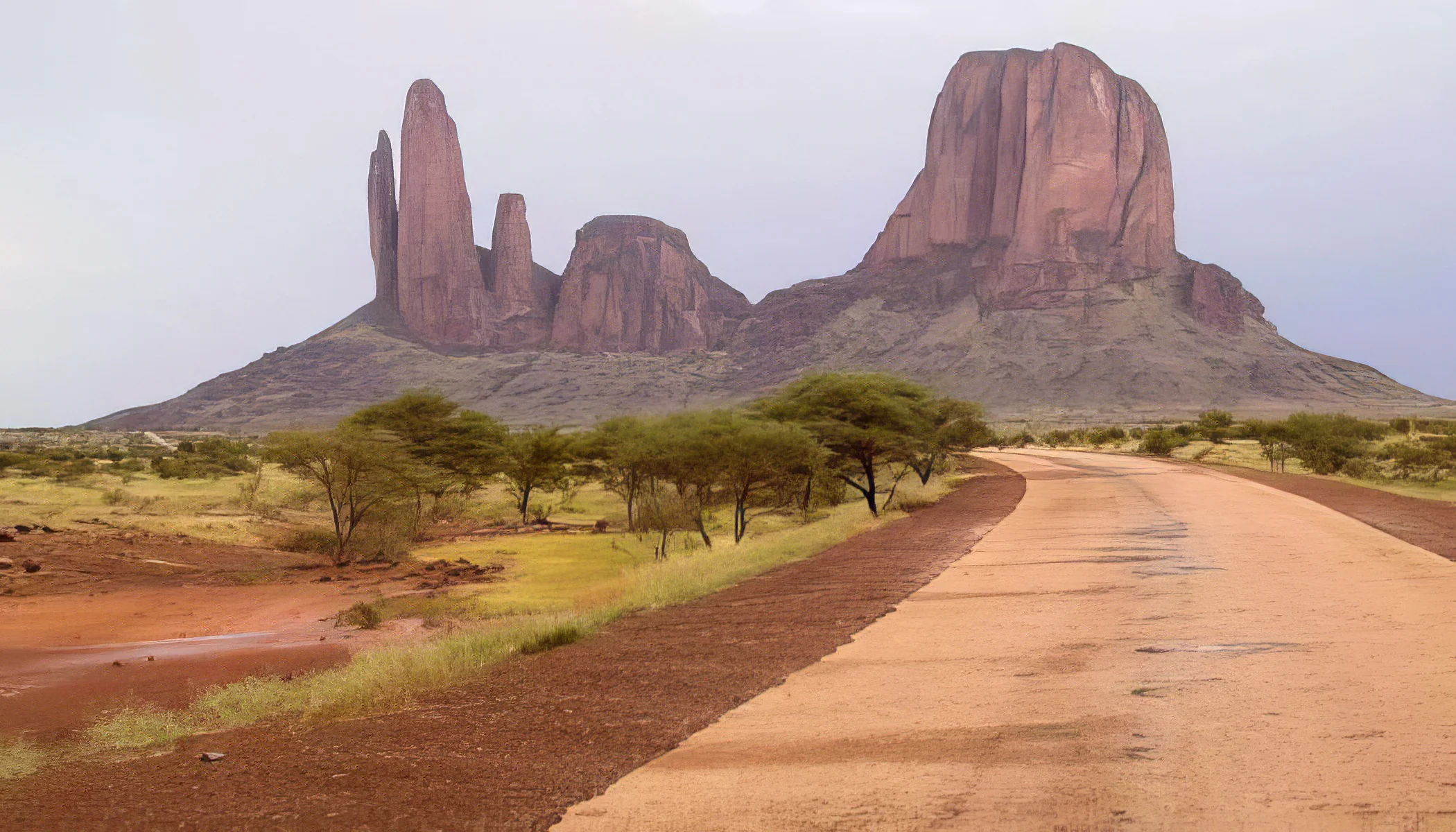
Explore Mali's diverse and striking natural wonders:
– Bandiagara Escarpment: A dramatic sandstone cliff with ancient Dogon villages.
– Niger River: The country's lifeline, offering scenic views and nice ecosystems.
– Lake Debo: A seasonal lake rich in birdlife, especially during the wet season.
– Hombori Mountains: Provides unique rock formations and Mali’s highest peak, Hombori Tondo.
– Gourma Elephant Reserve: Home to one of Africa's last desert elephant herds.
– Tassili n'Ajjer (partly in Mali): Known for its prehistoric rock art and remarkable desert landscapes.
– Macina Floodplain: A vast, fertile area vital for agriculture and wildlife.
– Manding Mountains: Known for their rugged terrain and cultural significance.
– Sahel Region: Characterized by semi-arid landscapes transitioning between desert and savanna.
– Baoulé National Park (border area): Supplies diverse wildlife and significant biodiversity.
Outdoor activities
Mali provides unique outdoor adventures for those interested in exploring its diverse landscapes:
– Hiking in the Bandiagara Escarpment: Trek through dramatic cliffs and ancient Dogon villages.
– Boating on the Niger River: Cruise past turbulent towns and beautiful landscapes.
– Camel Trekking in the Sahara: Experience the vastness of the desert on a guided tour.
– Birdwatching in the Inner Niger Delta: Spot diverse bird species in this significant wetland area.
– Exploring Gourma Elephant Migration Routes: Witness Africa's last free-ranging desert elephants.
– Rock Climbing in Hombori Mountains: Challenge yourself on some of West Africa's highest peaks.
– Visiting Lake Faguibine: Discover this intermittent lake and its surrounding biodiversity.
Kid Friendly
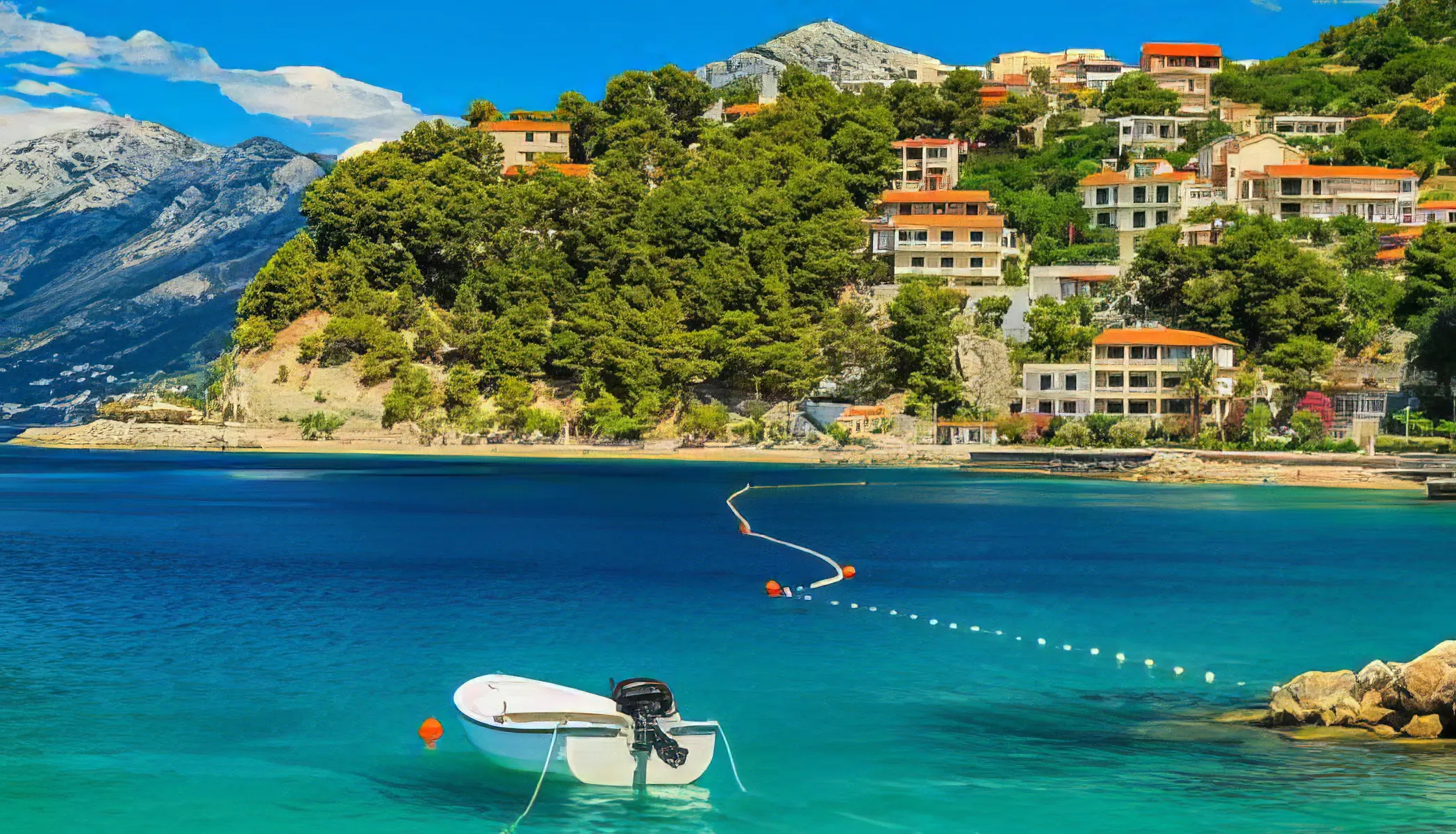
Mali offers unique experiences for families traveling with kids:
– Djenné Market: A remarkable market held every Monday where children can explore local crafts and foods.
– Niger River Boat Trip: A relaxing boat trip offering views of local wildlife and riverside villages.
– Bandiagara Escarpment: Great for family hikes while exploring Dogon culture and traditional cliff dwellings.
– Bamako Zoo: A small but diverse zoo showcasing local wildlife, perfect for a family day out.
– National Museum of Mali: Offers cultural exhibits that are engaging and educational for children.
– Segou Art Festival: An annual event featuring music, dance, and art workshops suitable for kids.
– Timbuktu Manuscripts: Visit to see ancient manuscripts which may interest older children in history.
– Boucle du Baoulé National Park: Offers safari experiences to spot elephants, antelopes, and more wildlife.
Cuisine
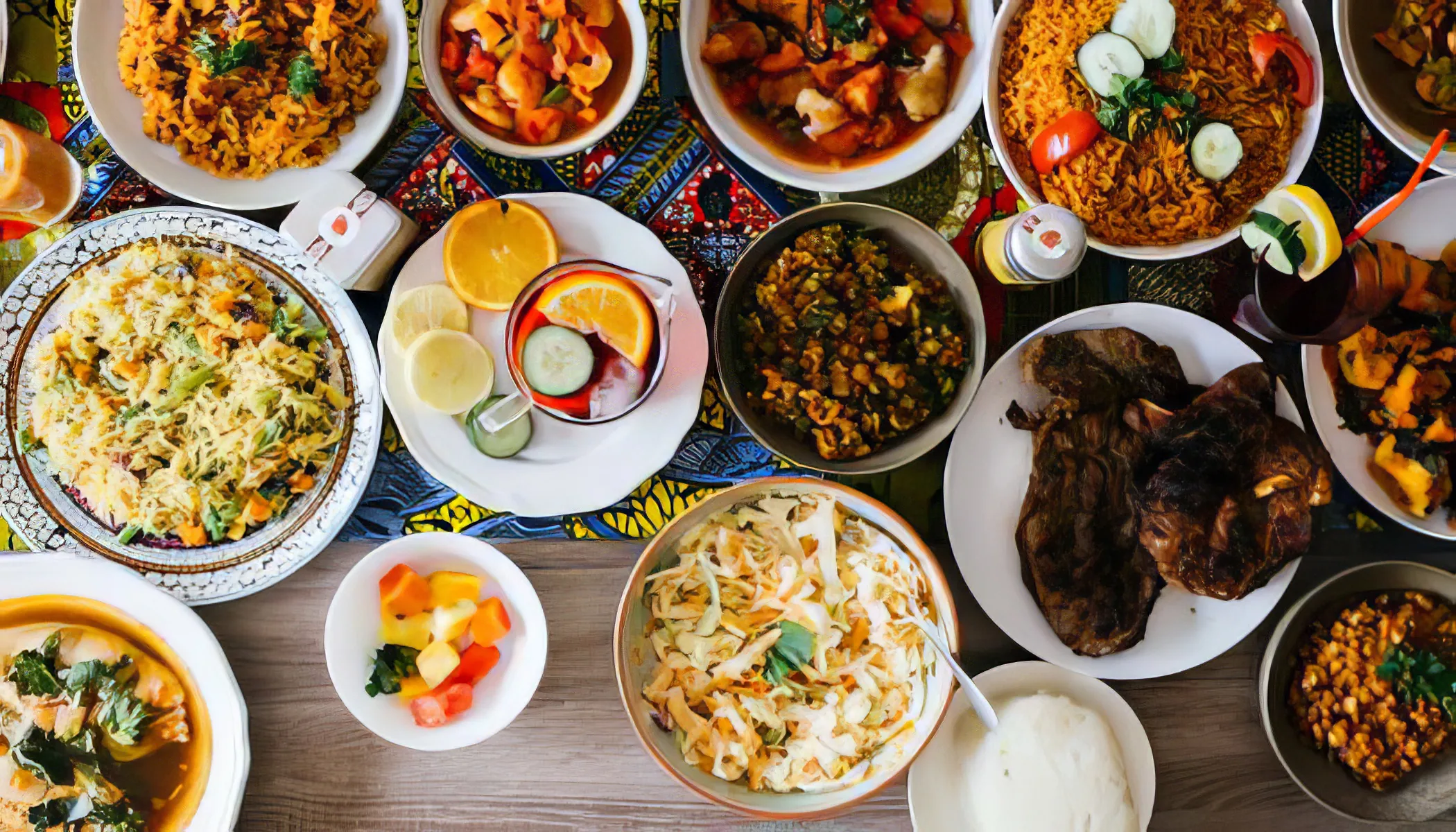
Mali's cuisine is heavily influenced by its agricultural roots, featuring grains, meats, and hearty stews. Traditional dishes often incorporate local ingredients like millet and rice. Meals are communal, reflecting Mali's rich cultural heritage and social bonds. Most famous dishes in Mali are:
– Tô: Stiff porridge made from millet or sorghum, often served with a flavorful sauce.
– Jollof Rice: Savory rice dish cooked with tomatoes, onions, and spices.
– Maafe: Rich peanut stew with meat or vegetables, commonly enjoyed across West Africa.
– Fufu: Dough-like dish made from boiled yams or cassava, usually paired with soups or stews.
– Poulet Yassa: Chicken marinated with lemon juice and onions, then grilled for a tangy flavor.
Souvenir
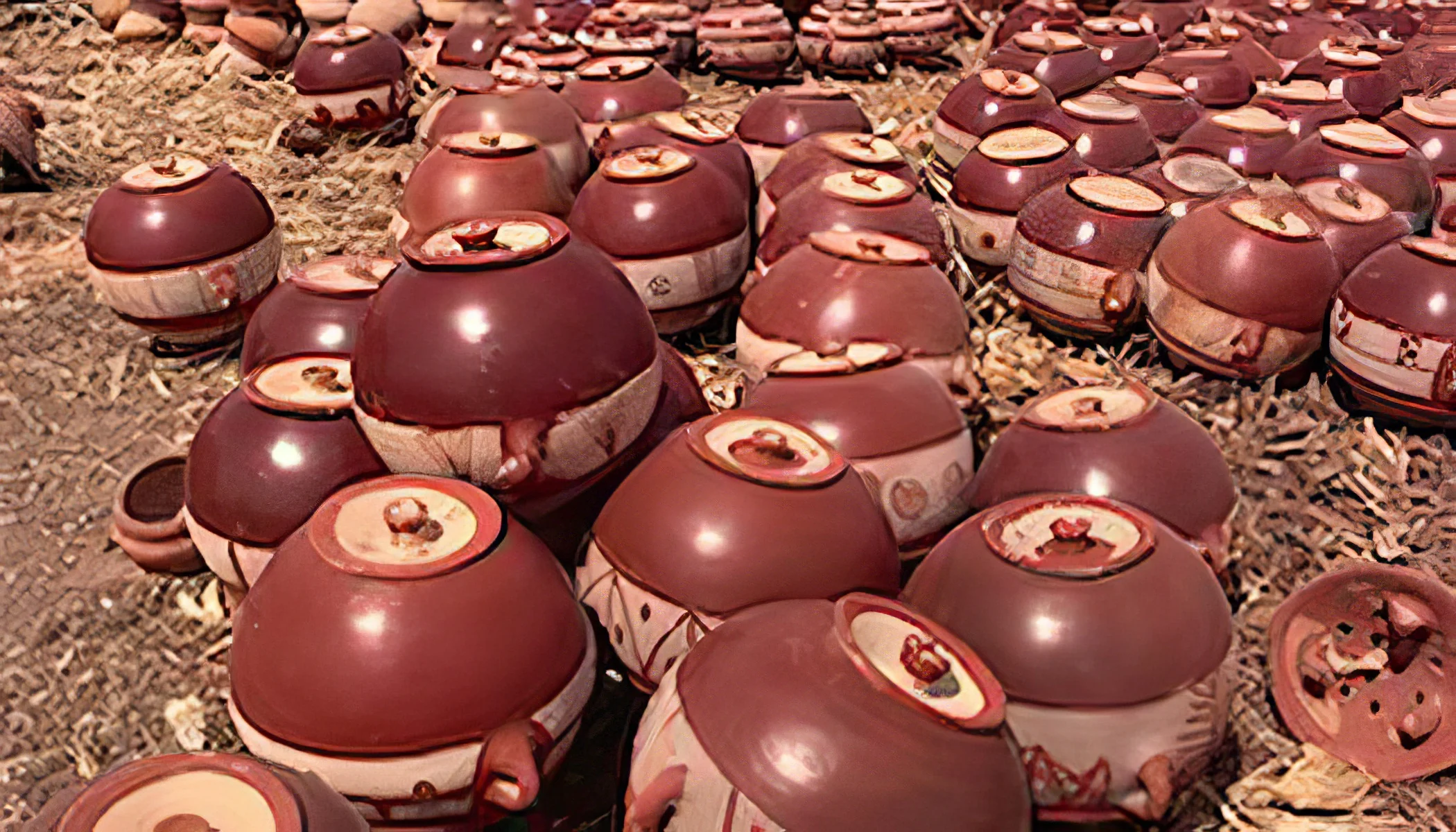
Mali supplies a variety of traditional crafts that reflect its rich culture and heritage. Here are some popular souvenirs to consider:
– Bogolan (Mud Cloth): Handwoven and dyed with natural pigments, these textiles are uniquely Malian.
– Tuareg Jewelry: Silver jewelry crafted by the Tuareg people, known for its beautiful designs.
– Wooden Masks: Carved masks are part of Mali's rich artistic tradition and cultural ceremonies.
– Djembes: Traditional West African drums made from carved wood and animal skin.
– Leather Goods: Handmade leather products like bags, shoes, and belts are widely available.
– Beaded Necklaces: Colorful necklaces using traditional beadwork techniques.
– Shea Butter: Natural shea butter is a popular skincare product sourced from local shea trees.
Traditional Shows

Mali is renowned for its vibrant musical and artistic traditions:
– Griot Storytelling: Experience oral history through music and storytelling by griots, traditional musicians, often seen at cultural events across Mali.
– Djembe Drumming: Engage with powerful rhythms of the djembe drum, a key element in Malian ceremonies and gatherings.
– Tuareg Music: Discover the unique sound of Tuareg music, characterized by its use of guitars and traditional instruments, often performed in the desert regions.
– Bwa Mask Dances: Witness mask dances that combine sophisticated masks and costumes with traditional music in various Malian villages.
– Bambara Puppet Theatre: Explore puppet theatre blending storytelling and dance, depicting everyday life and folklore in community celebrations.
Events & Festivals
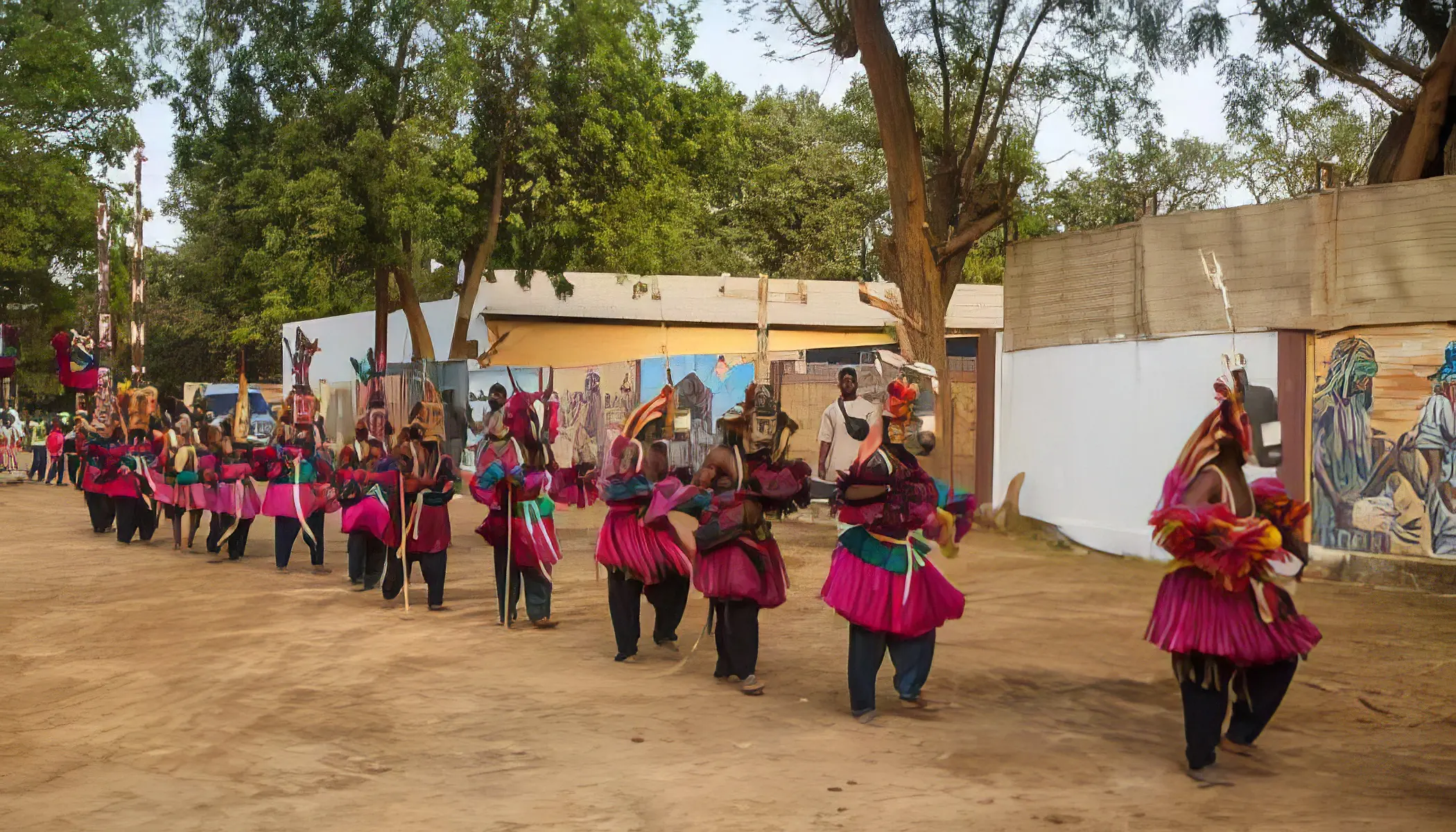
Mali hosts diverse cultural events and festivals throughout the year, reflecting its rich heritage:
– Festival sur le Niger: Held in February in Ségou, it features music, dance, and arts along the Niger River.
– Desert Festival: January event near Timbuktu offering traditional Tuareg music and culture in a Saharan setting.
– Bamako Biennale: A May-June event showcasing contemporary African art and photography.
– Dogon Mask Festival: Occurs every 60 years with attractive dances and sophisticated masks celebrating Dogon culture.
– Independence Day: Celebrated on September 22 with parades and cultural activities across the nation.
– International Women's Day: Observed on March 8 with events focused on women's rights and achievements.
– Segou' Art Festival: Biennial cultural event blending traditional and modern art forms, held in Ségou.
Famous People
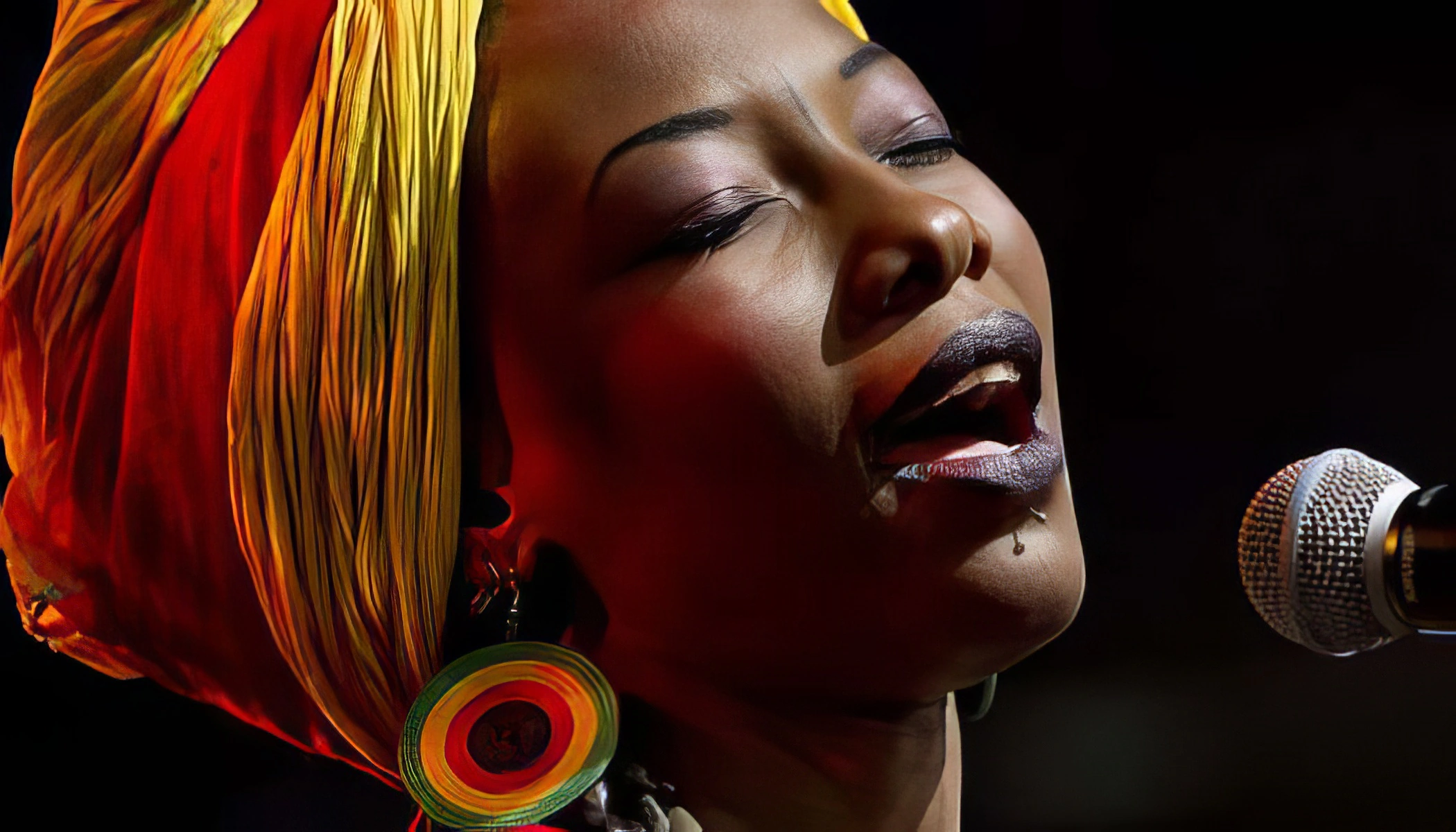
Mali has a rich history with many influential figures who have shaped its cultural and political landscape.
– Mansa Musa (circa 1280 to 1337, Niani): Emperor known for his immense wealth and promotion of education and Islam in Mali.
– Modibo Keïta (1915 to 1977, Bamako): First President of Mali, instrumental in the country's independence from France in 1960.
– Amadou Hampâté Bâ (1901 to 1991, Bandiagara): Renowned writer and ethnologist who worked to preserve African oral traditions.
– Ali Farka Touré (1939 to 2006, Timbuktu): Influential musician celebrated for blending traditional Malian music with blues.
– Oumou Sangaré (born 1968, Bamako): Acclaimed singer known for her advocacy of women's rights through her music.
Books
These books provide insights into Malian history, culture, and contemporary issues through diverse narratives and perspectives.
– "The Epic of Sundiata" by D.T. Niane: Chronicles the legendary story of Mali's founding hero, Sundiata Keita.
– "The Bad-Ass Librarians of Timbuktu" by Joshua Hammer: True story of saving ancient manuscripts from extremists in Mali.
– "Bamako" by Abdourahman A. Waberi: Explores life in modern-day Bamako through interlinked stories and characters.
– "Segu" by Maryse Condé: Traces a family's experiences during Mali's transition in the 18th century.
– "Mighty Be Our Powers" by Leymah Gbowee: Not specifically about Mali but contextualizes the region's role in peace efforts during conflicts affecting neighboring countries.
Songs

Mali is renowned for its rich musical traditions, blending traditional sounds with contemporary influences.
– Mali Den: Salif Keita's anthem celebrates Mali's cultural heritage and unity.
– Sabu Yerkoy: Ali Farka Touré's song highlights traditional Malian blues.
– Banjara: Oumou Sangaré's track speaks to women's rights and empowerment in Mali.
– Africa: Amadou & Mariam's song promotes African unity with a Malian touch.
– Djorolen: Habib Koité's poignant song reflects on migration and hope in Mali.
Films

Here is a selection of films that explore the rich culture and history of Mali:
– "Timbuktu": Directed by Abderrahmane Sissako, this film depicts life under jihadist rule in Mali's legendary city.
– "Yeelen": Souleymane Cissé’s visually nice film explores magic and power in 13th-century West Africa.
– "Bamako": Directed by Abderrahmane Sissako, it portrays a trial against global financial institutions in a Malian courtyard.
– "La Genèse": Cheick Oumar Sissoko's biblical epic set in Mali reflects themes of exile and conflict.
– "Finye": Souleymane Cissé's film examines generational and societal conflicts through the eyes of Malian students.