

Mauritius Attractions & Travel Advice – Plan Your Visit
An island nation in the Indian Ocean, known for its remarkable beaches and diverse ecosystems. It supplies a blend of cultures, influenced by its colonial past. Visitors can explore vibrant markets, enjoy water sports, and discover unique wildlife in its national parks.
- Capital
- Port Louis
- Population
- 1.3 millions
- Superficy
- 3000 sq.km
- Months to Visit
- May to December.
- Living Cost
- Moderate
Overview
Mauritius is an island nation in the Indian Ocean, known for its nice beaches, lagoons, and reefs. The capital city, Port Louis, is a lively port with a mix of modern and colonial architecture. The island's diverse culture reflects its history of immigration from Europe, Africa, India, and China. Mauritius is famous for its unique wildlife, including the now-extinct dodo bird. The economy relies heavily on tourism, textiles, sugar, and financial services. With its blend of natural beauty and cultural diversity, Mauritius provides a unique experience for visitors.
Pros & Cons
GOOD REASONS TO VISIT MAURITIUS
– Beautiful Beaches: Mauritius offers nice white-sand beaches and clear turquoise waters, perfect for relaxation and water sports.
– Diverse Marine Life: Snorkeling and diving reveal charming coral reefs and diverse marine species in the Indian Ocean.
– Cultural Diversity: Experience a blend of Indian, African, Chinese, and European influences in food, festivals, and architecture.
– Nature Reserves: Explore Black River Gorges National Park's hiking trails, waterfalls, and unique flora and fauna.
– Luxury Resorts: Enjoy world-class accommodations with excellent amenities, offering a relaxing escape in a tropical paradise. CHALLENGES WHEN VISITING MAURITIUS
– High Travel Costs: Flights and luxury accommodations can be expensive; budget travelers may find it challenging.
– Limited Public Transport: Public transportation options are limited; renting a car or using taxis is often necessary.
– Cyclone Season: Cyclones can occur from November to April, potentially disrupting travel plans with severe weather.
Before Departure
Before traveling to Mauritius, consider the following essential information:
– Passport: Ensure your passport is valid for at least six months beyond your intended stay.
– Visa: Many nationalities can enter visa-free or obtain a visa on arrival for up to 90 days; check specific requirements based on nationality.
– Currency: Mauritian Rupee (MUR); credit cards widely accepted in hotels and restaurants; ATMs are readily available in urban areas.
– Internet access: WiFi is accessible in most hotels and cafes; purchasing a local SIM card from providers like My.T or Emtel provides affordable data plans.
– Language barrier: English is the official language; French and Creole are widely spoken, with limited use of other European languages.
What to Pack
Mauritius offers a tropical climate, beautiful beaches, and diverse cultural experiences, so pack accordingly for comfort and enjoyment.
– Essentials: Passport, travel insurance details, flight tickets and itinerary, accommodation confirmations, and any necessary visas or entry documents.
– Clothing: Lightweight summer clothing, swimwear, beach cover-ups, comfortable sandals or flip-flops, sun hat and sunglasses for sun protection.
– Health & Safety: Prescription medications and basic first aid kit, insect repellent for mosquitoes, high SPF sunscreen to protect against strong UV rays.
– Electronics: Travel adapter for Mauritian outlets (Type C/G), mobile phone with charger, camera for capturing scenic views.
Weather
Mauritius has a tropical climate with two main seasons: summer and winter.
– Summer (November to April): Hot, humid, and rainy with temperatures ranging from 25°C to 33°C.
– Winter (May to October): Cooler and drier with temperatures between 17°C and 25°C. The best time to visit Mauritius is from May to December.
– Pros: Pleasant weather, less humidity, ideal for beach activities and exploring nature.
– Cons: Higher tourist influx leading to increased prices for accommodations and activities.
Travel Budget
Mauritius supplies a range of options for travelers with varying budgets. Here are some average prices for common expenses:
– Hotel: 50$ to 300$
– Lunch: 5$ to 20$
– Beverage (in bar/restaurant): 3$ to 8$
– Coffee: 2$ to 5$
– Transportation: (train N/A), (bus 0.5$ to 2$), (taxi /10km 10$ to 20$)
– Mobile data (per GB): 2$ to 5$
Language
Mauritius is a multilingual country, but Mauritian Creole is widely spoken and useful for tourists.
– Hello: Bonzour
– Thank you: Mesi
– Please: Silvouplé
– How much is this?: Konbien sa?
– Excuse me: Eskiz mwa
– I don't understand: Mo pa konpran
– Yes: Wi
– No: Non
– Goodbye: Babi
History
Initially uninhabited, it was discovered by Arab sailors and later by the Portuguese in the early 16th century. The Dutch were the first to establish a settlement in 1638, but abandoned it in 1710. The French took control in 1715, developing it as a sugar-producing colony until the British seized it during the Napoleonic Wars in 1810. Under British rule, it abolished slavery and brought indentured laborers from India to work on sugar plantations. Mauritius gained independence in 1968 and became a republic within the Commonwealth in 1992. Its history is shaped by colonial influences and a diverse cultural heritage, contributing to its unique identity today.
Geopolitics
Mauritius is an island nation located in the Indian Ocean, east of Madagascar. It is known for its stable democracy and has a diverse population with influences from Africa, India, Europe, and China. The country maintains a non-aligned foreign policy and actively engages in regional organizations like the African Union and the Indian Ocean Commission. Economically, Mauritius has transformed from a sugar-dependent economy to one focused on services, particularly finance and tourism. It has territorial disputes with France over Tromelin Island and the United Kingdom over the Chagos Archipelago, including Diego Garcia. Mauritius seeks to balance relations with major powers while leveraging its strategic location to enhance economic partnerships globally.
Sample Itinerary
This itinerary provides a combination of beach relaxation, nature exploration, cultural sites, and scenic views in Mauritius.
– 2 days in Grand Baie: Relax on the beaches, enjoy watersports, and explore local shops and restaurants.
– 1 day in Port Louis: Visit the Central Market, Aapravasi Ghat, Blue Penny Museum, and experience local culture at Caudan Waterfront.
– 1 day in Black River Gorges National Park: Hike through dense trails and spot native wildlife amidst beautiful landscapes.
– 1 day in Chamarel: See the Seven Coloured Earths and Chamarel Waterfall. Visit a local rum distillery for tasting.
– 1 day on Île aux Cerfs: Relax on sandy beaches with opportunities for snorkeling and water activities.
– 1 day in Le Morne: Explore the UNESCO World Heritage site of Le Morne Brabant with options for hiking or enjoying nearby beaches.
Popular cities
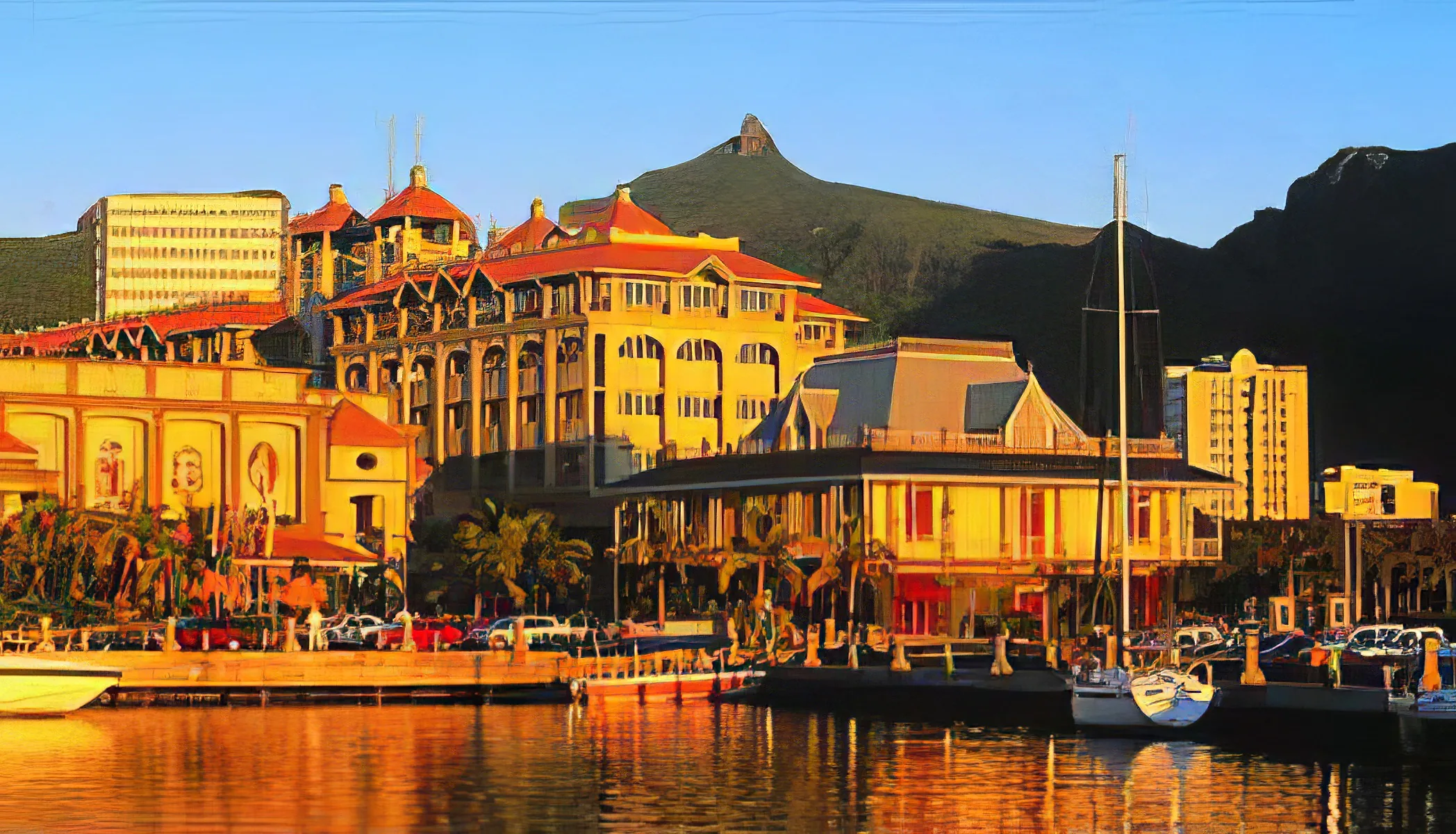
Discover diverse experiences in Mauritius, from beaches to cultural sites:
– Port Louis: The capital city is known for its animated markets, historical sites, and the Caudan Waterfront.
– Grand Baie: A turbulent tourist town famous for its beaches, nightlife, and shopping opportunities.
– Flic en Flac: Supplies nice beaches and a laid-back atmosphere popular with both locals and tourists.
– Curepipe: Known for its cool climate, botanical gardens, and the Trou aux Cerfs crater.
– Mahebourg: A charming coastal village with a rich history and the nearby Blue Bay Marine Park.
– Quatre Bornes: Known for its lively market scene and proximity to hiking trails in the surrounding mountains.
– Chamarel: Famous for its colored earths and waterfalls, offering unique natural landscapes.
Monuments
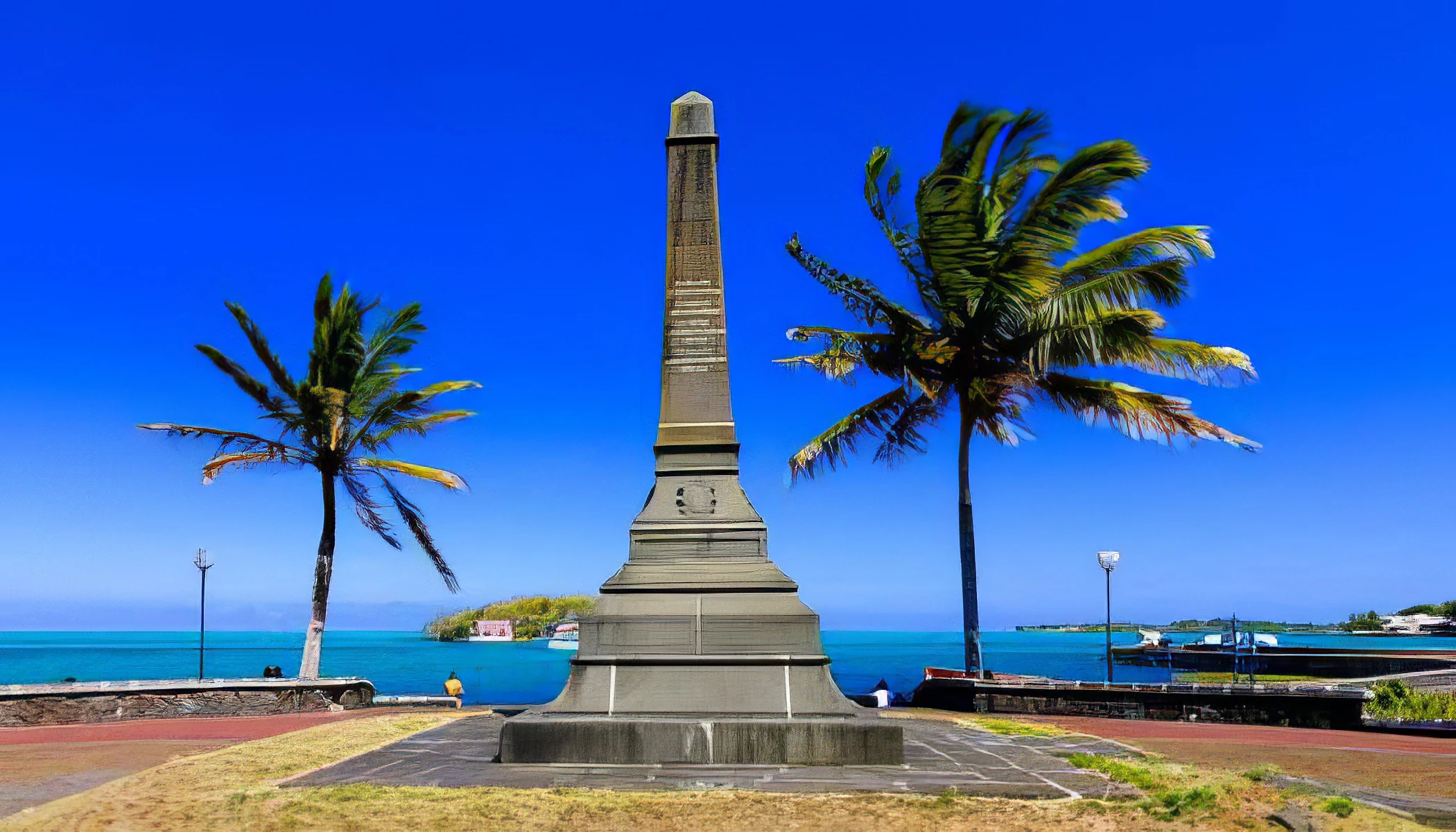
Mauritius supplies several notable monuments reflecting its diverse history and culture:
– Aapravasi Ghat: UNESCO site, former immigration depot for Indian laborers in the 19th century.
– Le Morne Brabant: UNESCO site, historical refuge for runaway slaves with cultural significance.
– Citadel Fort Adelaide: 19th-century British fort offering panoramic views of Port Louis.
– Château de Labourdonnais: Restored colonial mansion showcasing period furniture and history.
– Martello Tower, La Preneuse: 19th-century British defense structure, now a museum.
– St. Louis Cathedral, Port Louis: Historic Roman Catholic cathedral dating back to the early 19th century.
– Eureka House, Moka: Colonial-era plantation house with exhibitions on Mauritian history and culture.
– Jummah Mosque, Port Louis: Prominent mosque combining Indian and Islamic architecture from the mid-1800s.
Natural wonder
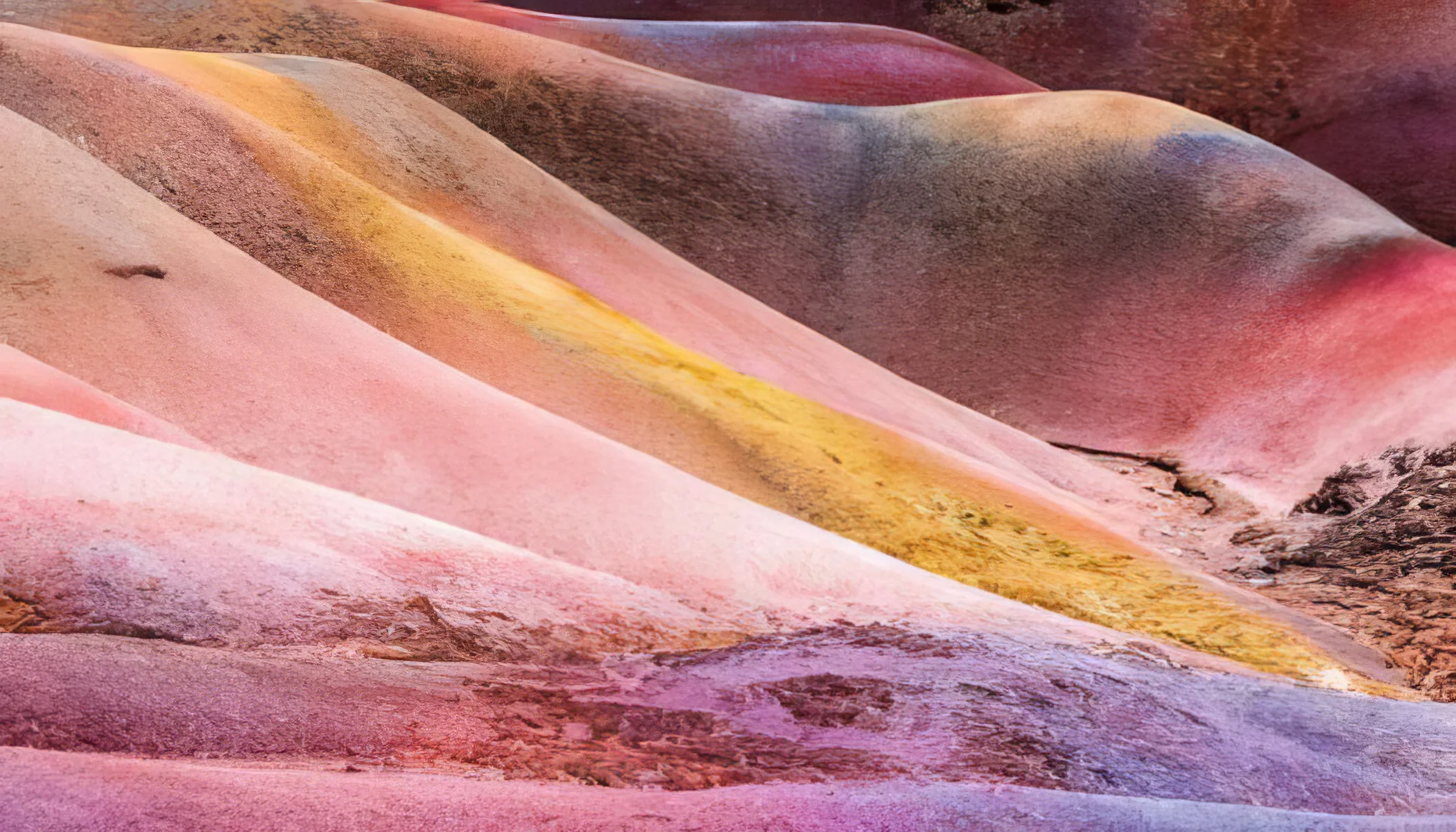
Explore Mauritius through its diverse natural wonders:
– Black River Gorges National Park: Supplies hiking trails through lush forests and waterfalls.
– Chamarel Seven Colored Earths: Unique geological formation with sand dunes in seven distinct colors.
– Le Morne Brabant: UNESCO World Heritage Site known for its dramatic basaltic mountain.
– Tamarin Bay: Known for surfing and dolphin watching in a natural setting.
– Trou aux Cerfs: Dormant volcanic crater offering panoramic views of the island.
– Grand Bassin (Ganga Talao): Sacred lake nestled in a volcanic crater, important Hindu pilgrimage site.
– Île aux Aigrettes: Nature reserve preserving rare species of flora and fauna.
– Rochester Falls: Recognized for its columnar basalt formations and cascading waters.
– Vallée des Couleurs Nature Park: Features multicolored earth, waterfalls, and adventure activities.
– La Vallée de Ferney: Conservation area home to rare plants and endemic birds.
Beaches
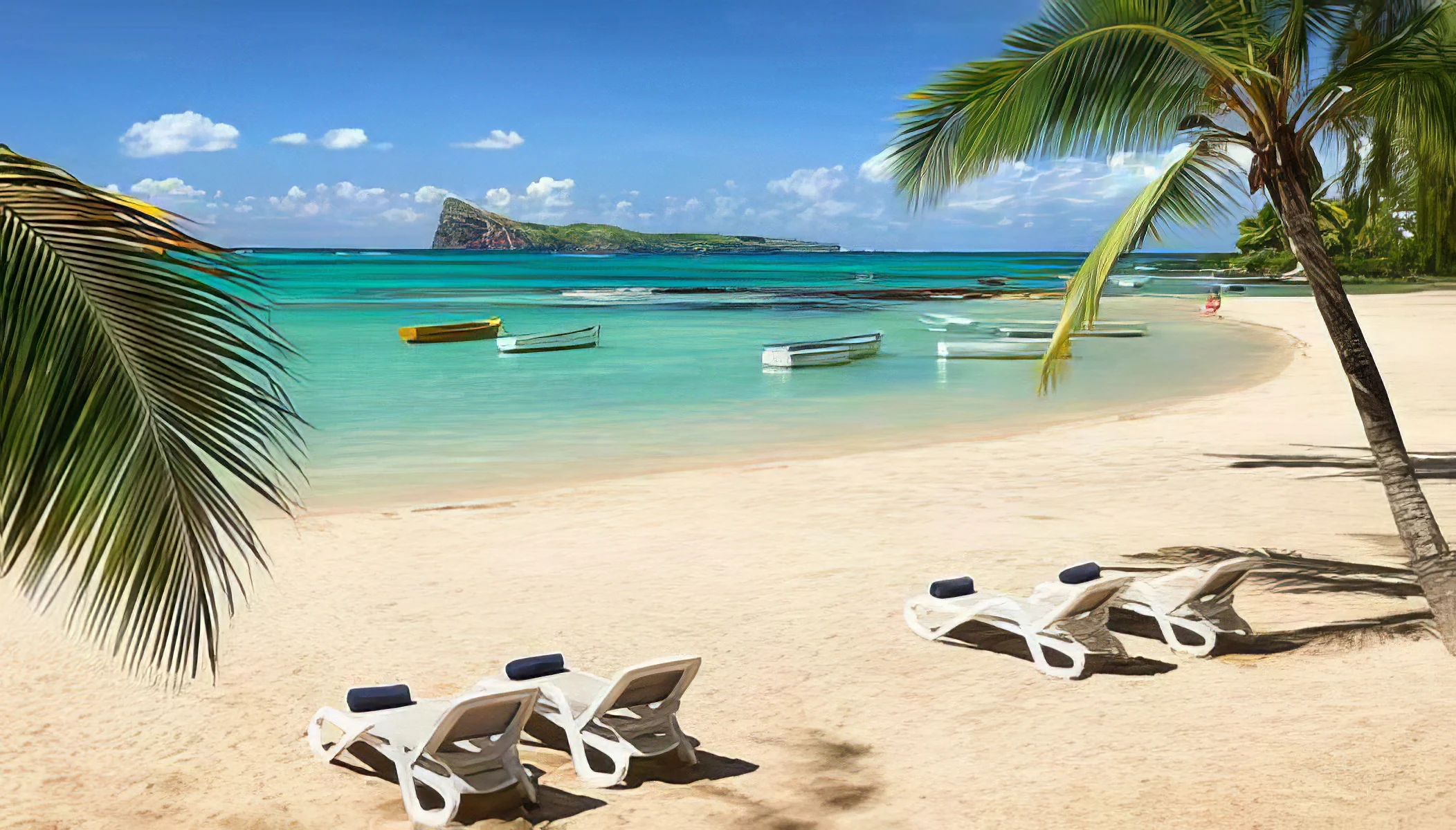
Mauritius is known for its lovely beaches and clear waters.
– Belle Mare Beach: Supplies long stretches of white sand and calm, shallow waters.
– Flic en Flac Beach: Known for its coral reef and charming marine life.
– Le Morne Beach: Located near the iconic Le Morne Brabant mountain, ideal for water sports.
– Grand Baie Beach: Popular for lively atmosphere and water-based activities.
– Pereybere Beach: Favored for its clear blue waters and family-friendly environment.
– Ile aux Cerfs: Features a lagoon setting with water sports and leisure facilities.
– Trou aux Biches Beach: Known for its calm waters, ideal for snorkeling.
Outdoor activities
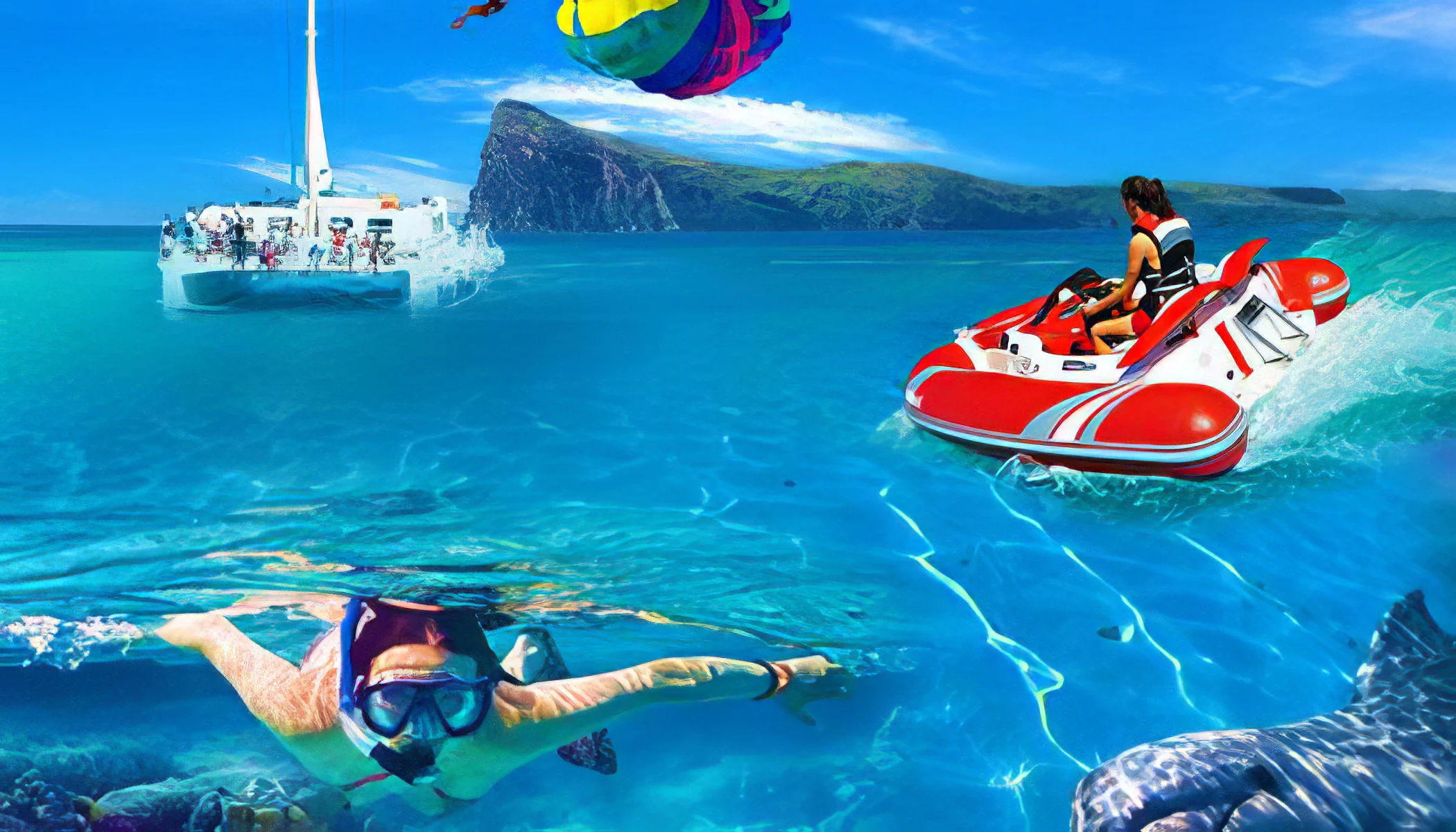
There are various outdoor activities that offer a glimpse into Mauritius's natural beauty:
– Hiking Le Morne Brabant: Climb this UNESCO site for panoramic coastal views and historical significance.
– Snorkeling in Blue Bay Marine Park: Explore diverse marine life amidst colorful coral reefs.
– Dolphin Watching in Tamarin Bay: Witness pods of dolphins in their natural habitat.
– Kite Surfing at Le Morne: Enjoy ideal wind conditions and gorgeous scenery for kite surfing.
– Canyoning at Les 7 Cascades: Navigate through waterfalls and opulent landscapes during this thrilling adventure.
– Catamaran Cruise to Île aux Cerfs: Sail to a charming island with preserved beaches and turquoise waters.
– Wildlife Safari at Casela Nature Parks: Encounter exotic animals and birds in spacious enclosures.
Kid Friendly
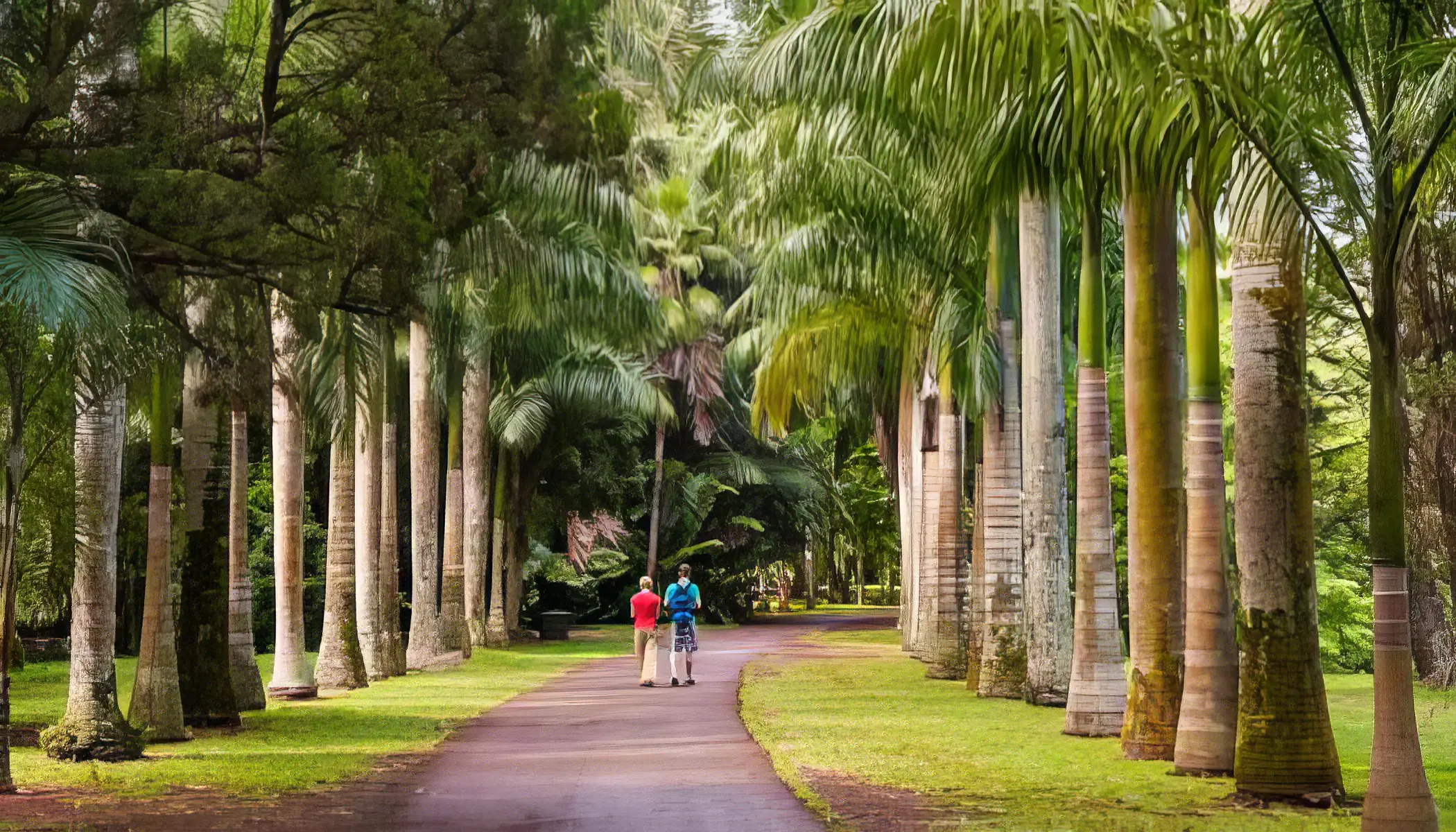
Mauritius offers several engaging activities for families with children.
– Casela World of Adventures: A wildlife park with activities like safari tours, zip-lining, and animal encounters.
– La Vanille Nature Park: Home to giant tortoises and crocodiles, providing interactive experiences with animals.
– Blue Bay Marine Park: A protected area ideal for snorkeling and discovering remarkable marine life.
– L'Aventure du Sucre: A sugar museum with interactive exhibits explaining the island's sugar history.
– Curious Corner of Chamarel: An attraction featuring optical illusions and puzzles that entertain and engage young minds.
– Black River Gorges National Park: Provides family-friendly hiking trails through lush landscapes and natural beauty.
– Mauritius Aquarium: Displays a variety of local marine species in an educational setting for kids.
– SSR Botanical Garden: Known for giant water lilies and diverse plant species, perfect for a leisurely family stroll.
Cuisine
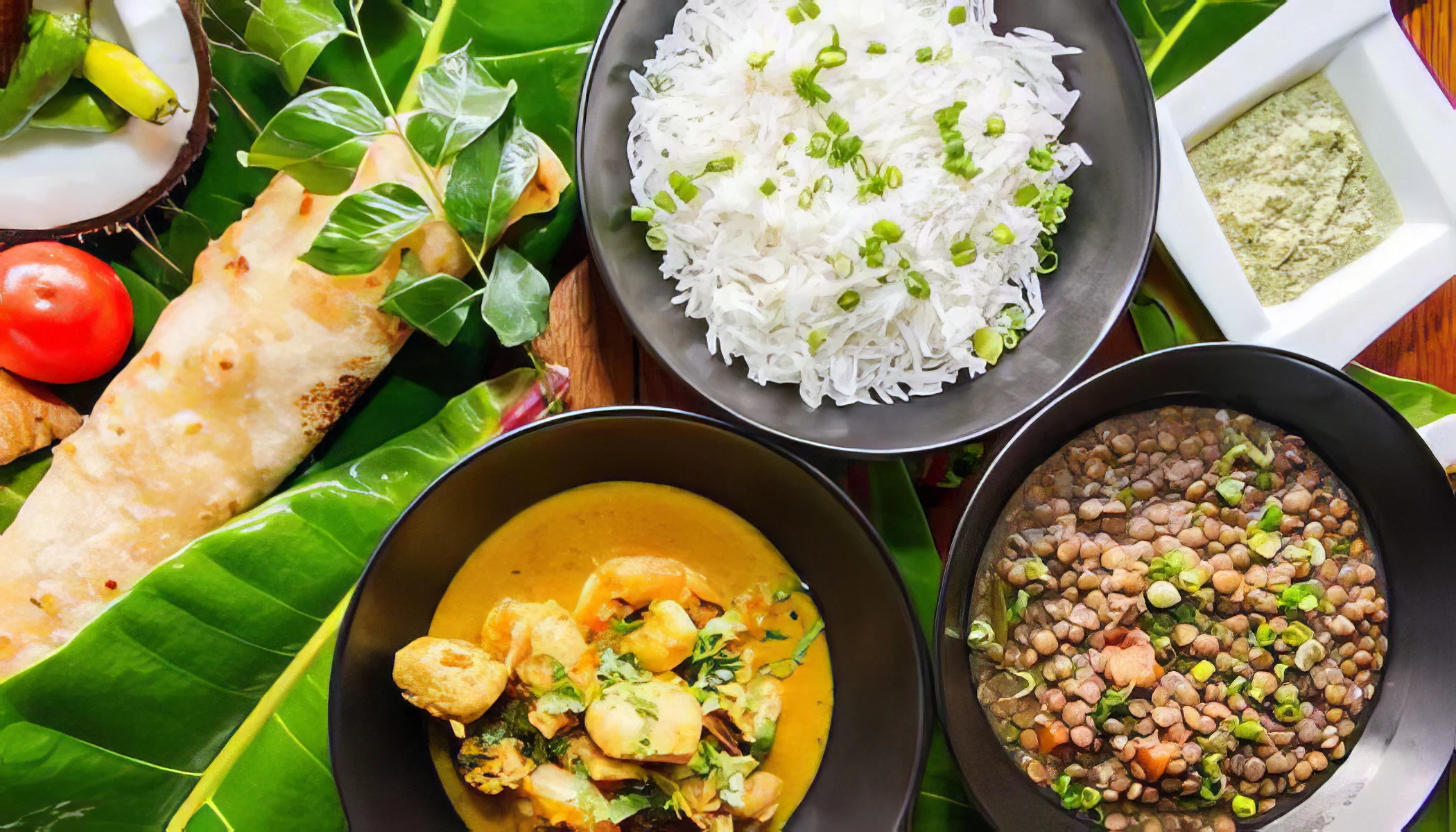
Mauritian cuisine is a lively mix of Creole, Indian, Chinese, and French influences. It features bold flavors with an emphasis on spices and fresh ingredients. Street food is popular, offering diverse and tasty options.
– Dholl Puri: Thin flatbread filled with ground split peas and served with curry.
– Rougaille: Tomato-based stew with fish or meat and spiced with garlic and thyme.
– Gateau Piment: Spicy fried lentil cakes often enjoyed as a snack or appetizer.
– Octopus Curry: Tender octopus cooked in a spicy coconut milk curry.
– Alouda: Sweet milk-based drink flavored with basil seeds and agar agar.
Souvenir
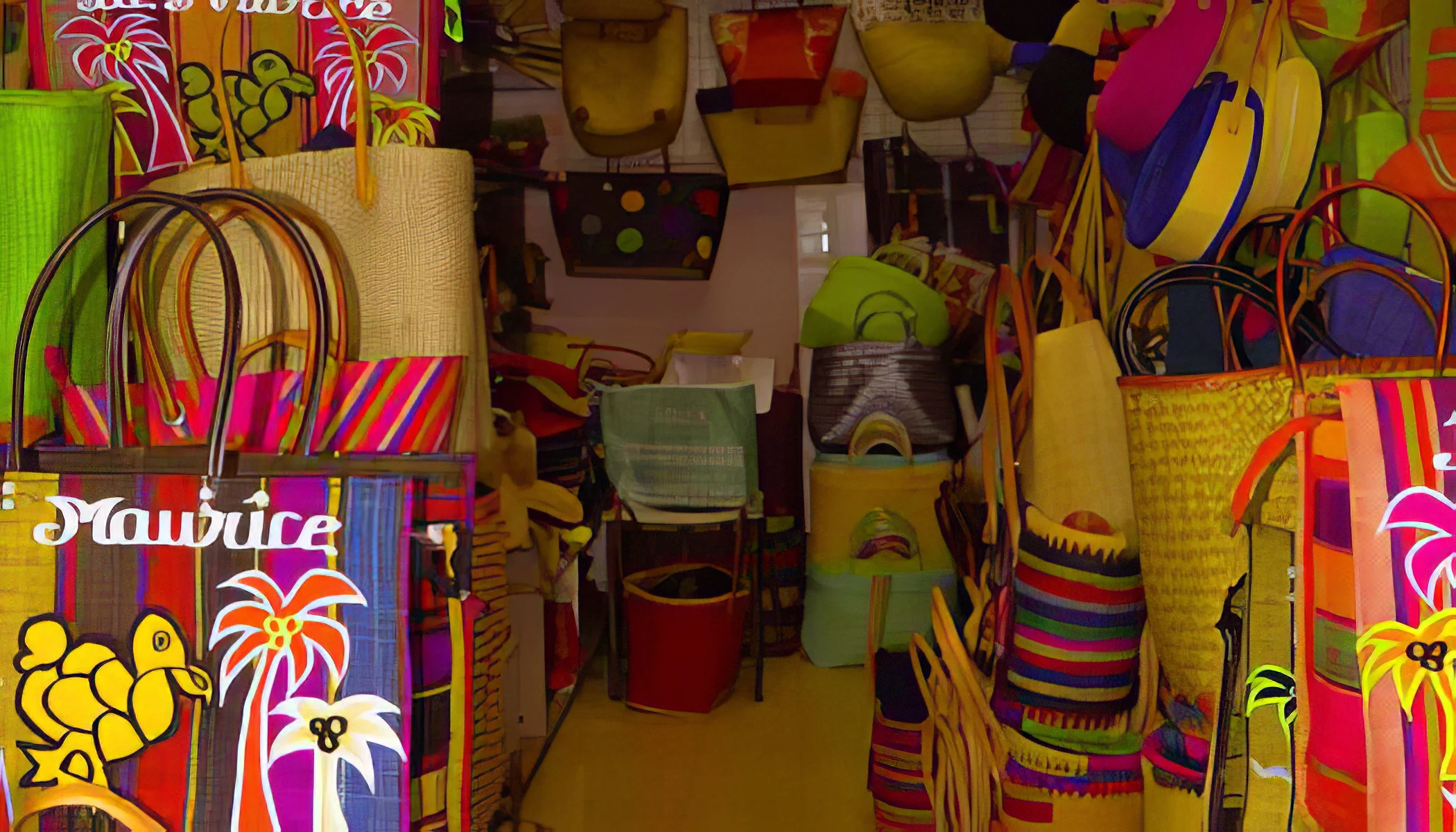
Known for its diverse culture and natural beauty, Mauritius offers a variety of unique souvenirs. Here are some popular options:
– Model Ships: Handcrafted model ships are detailed and represent the island's maritime history.
– Dodo Souvenirs: Items featuring the extinct Dodo bird, an iconic symbol of Mauritius.
– Rum: Locally produced rum is a popular beverage with a distinct flavor.
– Sugar: Various types of Mauritian sugar are available, reflecting the island's sugarcane industry.
– Spices: Local spices like vanilla and curry powders make flavorful souvenirs.
– Textile Products: Colorful sarongs and scarves showcasing traditional designs are widely available.
– Basketry: Handwoven baskets and bags made from natural fibers.
Traditional Shows
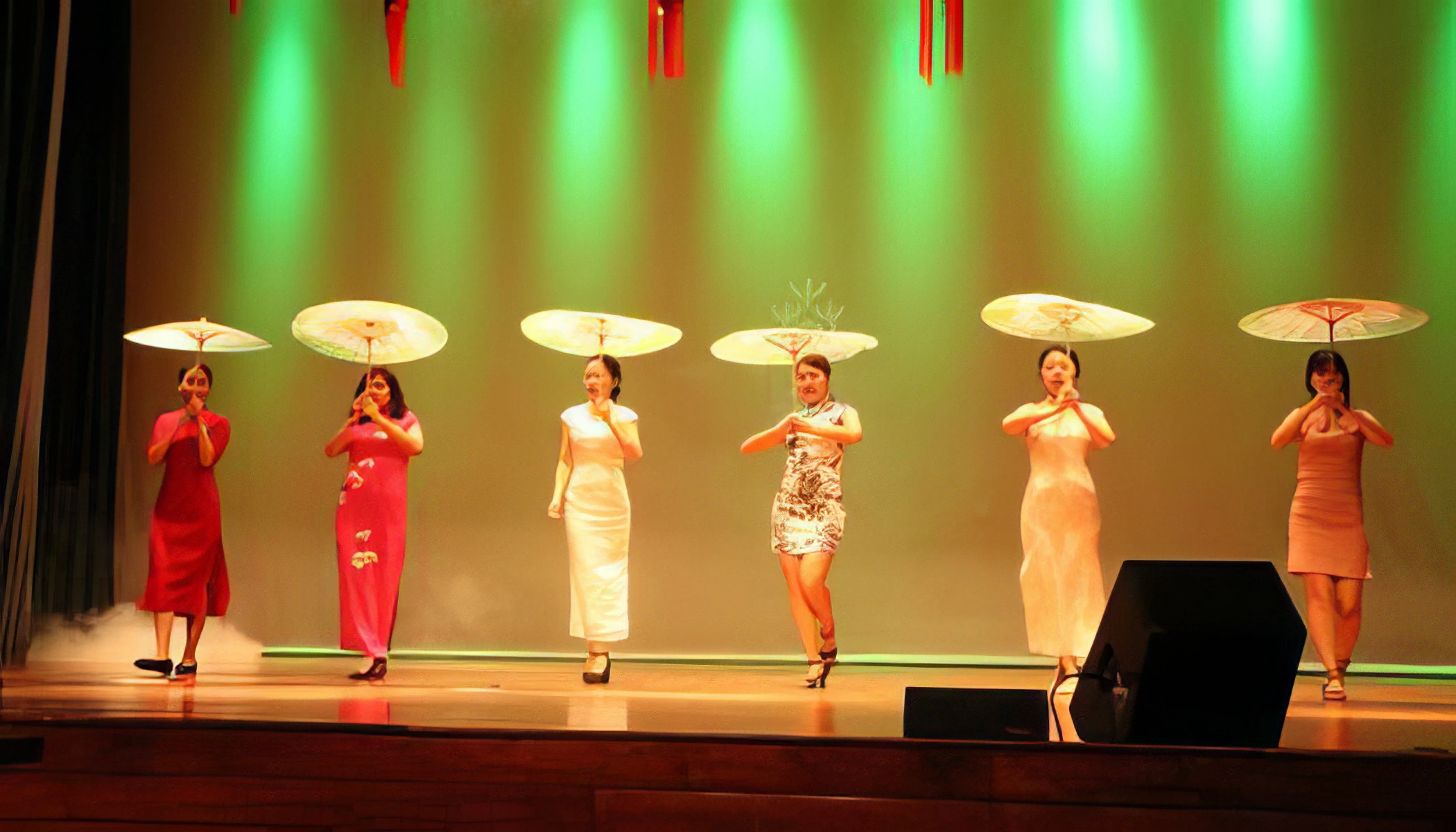
Mauritius supplies pretty traditional performances:
– Sega Dance: Enjoy the rhythmic and joyful Sega dance, featuring African drum beats, performed on beaches and cultural festivals across Mauritius.
– Bhojpuri Music: Experience this lively music with Indian roots, showcasing Mauritius's multicultural heritage through energetic performances often held at local gatherings.
– Creole Folk Dance: Discover Creole dances blending African and European influences, frequently showcased at cultural events throughout the island.
– Ravanne Drumming: Listen to traditional drumming using the Ravanne, a staple instrument in Mauritian music, especially during celebrations like Cavadee.
– Indian Classical Dance: Witness classical Indian dance forms like Bharatanatyam and Kathak performed by local communities during cultural festivals.
Events & Festivals
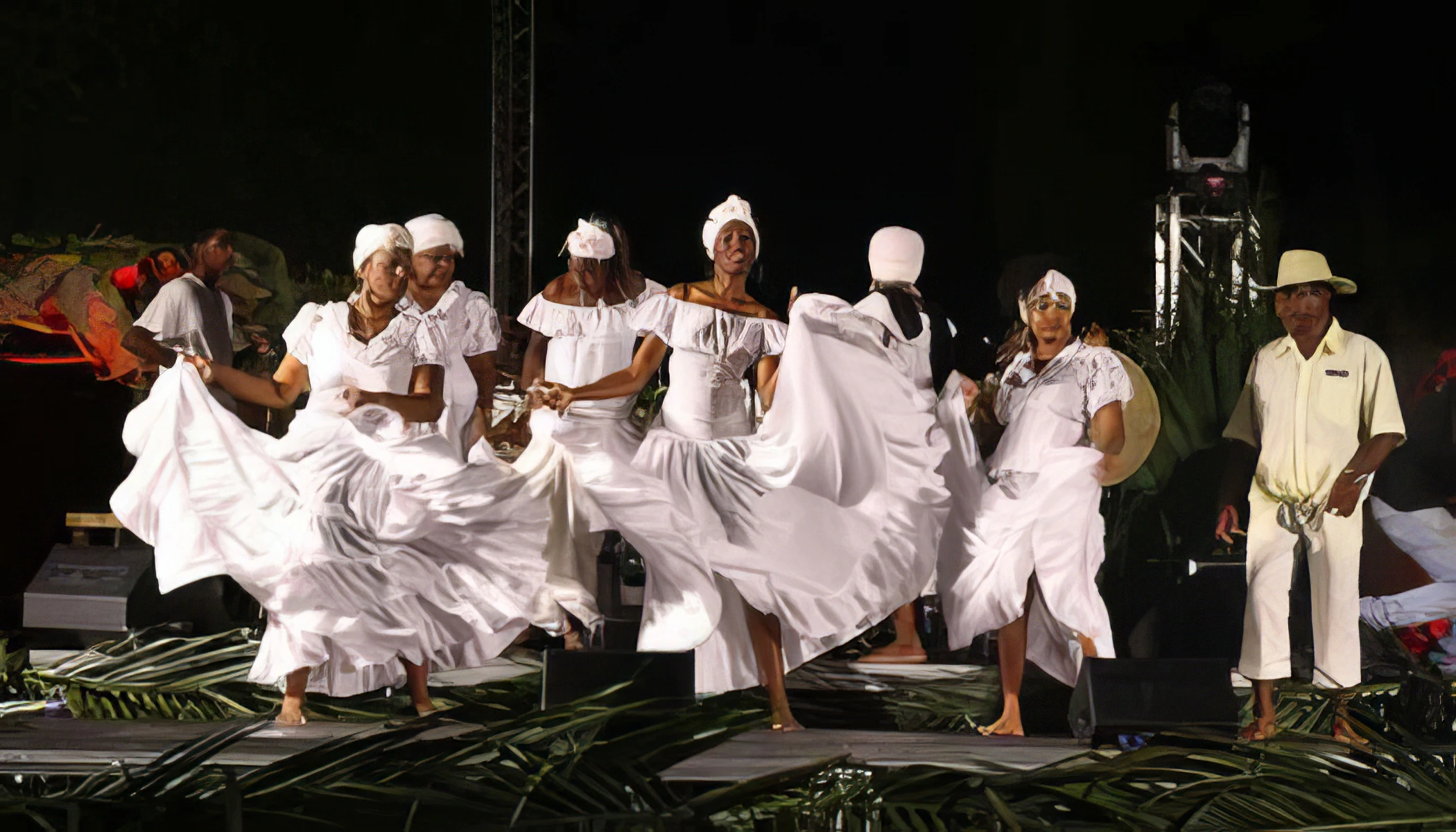
Several events and festivals in Mauritius highlight its cultural diversity and beautiful traditions:
– Cavadee: January/February Hindu festival with body piercing and processions honoring Lord Murugan.
– Chinese Spring Festival: January/February event with dragon dances, fireworks, and family gatherings for the lunar new year.
– Holi Festival: March celebration of colors across the island, marking the arrival of spring.
– Maha Shivaratri: February/March pilgrimage to Ganga Talao by devotees fasting and carrying kanwars.
– Eid al-Fitr: Celebrated by Muslims marking the end of Ramadan with prayers, feasting, and family.
– Ganesh Chaturthi: September Hindu festival worshipping Lord Ganesh with prayers, songs, and immersion rituals.
– Divali Festival: October/November festival of lights marked by illuminated homes, sweets, and family gatherings.
Famous People
Mauritius has a rich history with notable individuals who have made significant contributions in various fields.
– Sir Seewoosagur Ramgoolam (1900 to 1985, Belle Rive): First Prime Minister, known as the "Father of the Nation" for leading Mauritius to independence.
– Ameenah Gurib-Fakim (born 1959, Surinam): Scientist and former President, recognized for her work in biodiversity and ethnobotany.
– Sir Anerood Jugnauth (1930 to 2021, Vacoas-Phoenix): Influential politician and lawyer, served as Prime Minister and President multiple times.
– Jean-Marie Gustave Le Clézio (born 1940, Nice, France but of Mauritian descent): Nobel Prize-winning author acclaimed for his literary works exploring cultural themes.
– Kaya (1960 to 1999, Roche Bois): Musician famous for creating "seggae," a fusion of sega and reggae music popular in Mauritius.
Books

These books offer insights into the cultural, social, and historical aspects of life in Mauritius.
– "The Last Brother" by Nathacha Appanah: A tale of friendship and loss set during World War II in Mauritius.
– "Eve out of Her Ruins" by Ananda Devi: Explores the struggles and dreams of youth in Port Louis's poverty-stricken areas.
– "The Prospector" by J.M.G. Le Clézio: Story of a man's quest for treasure and identity on the island.
– "Paul et Virginie" by Bernardin de Saint-Pierre: Classic romance depicting idyllic life disrupted by tragedy in colonial Mauritius.
– "Sarang And The Lost Boy" by Hemant R. Mohapatra: Mysterious disappearance leading to discoveries about community bonds on the island.
Songs
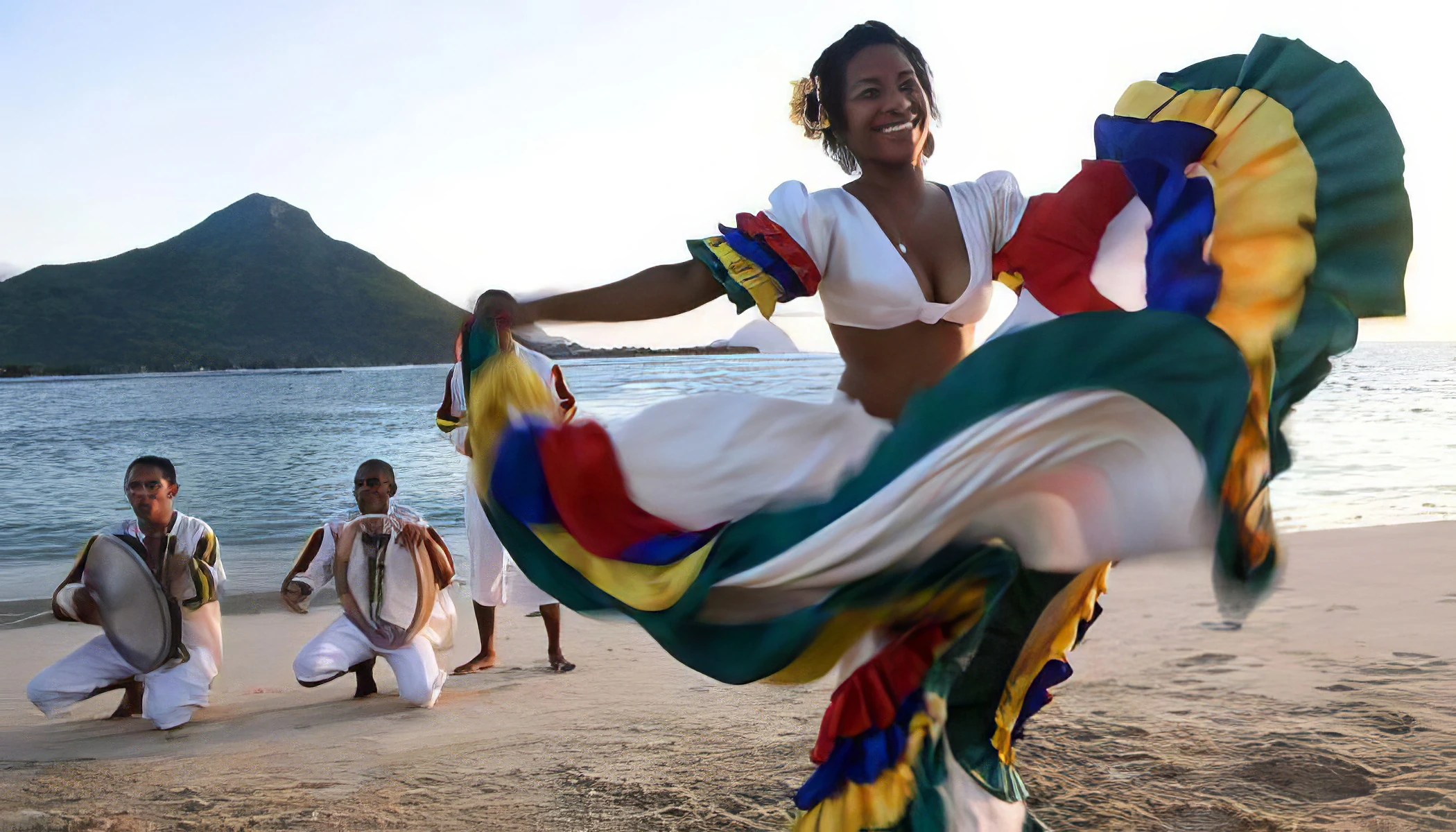
Mauritius boasts a rich musical heritage, prominently featuring Sega and Reggae influences.
– Seggae Man: Kaya's iconic song blending Sega and Reggae, reflecting Mauritian culture.
– La Foule: Henri Salvador's homage to the beautiful atmosphere of Mauritius.
– Mo Ti Leker Seggae: Ras Natty Baby's heartfelt tribute to the Seggae genre.
– Tizan ar So 7 Frer: Popular Sega song by Serge Lebrasse about local folklore.
– Gran Tante: Ti Frere's classic capturing traditional Sega rhythms.
– Amour Cheri Coco: Alain Ramanisum's hit celebrating love in Mauritian Creole.
Films
Explore these captivating films set in the beautiful island nation of Mauritius:
– "Lonbraz Kann": David Constantin's drama delves into the lives of sugarcane workers facing unemployment in modern Mauritius.
– "The Children of Troumaron": A film by Harrikrisna Anenden and Sharvan Anenden, exploring youth struggles in a marginalized Mauritian neighborhood.
– "Serenity": Directed by Steven Knight, this thriller features Matthew McConaughey, set against the nice backdrop of Mauritian landscapes.
– "The Black Box": A local production highlighting societal issues through an intense psychological thriller narrative.
– "Le Cœur des Hommes 3": Partially filmed in Mauritius, this French film explores friendship and personal growth during a vacation.