

Travel Guide to Mexico: Top Things to Do & Tips
This North American country is known for its rich history, attractive culture, and diverse landscapes. From ancient Mayan ruins to modern cities, it offers a unique blend of experiences. Its cuisine, particularly tacos and tequila, is globally recognized.
- Capital
- Mexico
- Population
- 112.5 millions
- Superficy
- 1973000 sq.km
- Months to Visit
- Dec. to April are best months.
- Living Cost
- Moderate
Overview
Mexico, located in North America, is known for its diverse landscapes, rich history, and attractive culture. Its capital, Mexico City, is a busy metropolis with significant landmarks like the ancient Aztec temple, Templo Mayor, and the modern Fine Arts Palace. The country's geography ranges from desert landscapes to sumptuous jungles and beautiful coastlines. Mexico's cuisine, recognized by UNESCO as an Intangible Cultural Heritage, is globally appreciated. The country's history spans from ancient civilizations like the Maya and Aztec to Spanish colonization and its subsequent independence. Mexico's blend of indigenous and Spanish influences contributes to its unique cultural identity.
Pros & Cons
GOOD REASONS TO VISIT MEXICO
– Rich History: Explore ancient Mayan and Aztec ruins, colonial architecture, and energetic cultural festivals.
– Diverse Landscapes: From beautiful beaches to rugged mountains, Mexico offers a variety of natural beauty.
– Delicious Cuisine: Mexico's food, recognized by UNESCO, ranges from tacos to mole, offering a rich culinary experience.
– Art and Culture: Experience Mexico's beautiful art scene, from Frida Kahlo's works to colorful street murals.
– Warm Hospitality: Mexicans are known for their friendliness and hospitality, making visitors feel welcome.
CHALLENGES WHEN VISITING MEXICO
– Safety Concerns: Certain areas have high crime rates; research and caution are advised.
– Water Quality: Tap water is often not safe to drink; bottled water is recommended.
– Language Barrier: While English is spoken in tourist areas, Spanish is predominantly spoken elsewhere.
Before Departure
Before setting off on your adventure to Mexico, there are several key points to consider:
– Passport: Ensure your passport is valid for the duration of your stay in Mexico.
– Visa: Most tourists don't need a visa for stays under 180 days, but a tourist card (FMM) is required.
– Currency: Mexican Peso (MXN) is the local currency; credit cards widely accepted; ATMs are common.
– Internet access: WiFi is widely available in urban areas and tourist spots; prepaid SIM cards for data are easily accessible.
– Language barrier: Spanish is the official language; English is widely spoken in tourist areas, while French, German and other languages are less common.
What to Pack
When packing for a trip to Mexico, it's important to consider the country's diverse climates, cultural norms, and the activities you plan to engage in.
– Essentials: Passport and visa (if required), Travel insurance details, Flight tickets and itinerary, Accommodation reservations.
– Clothing: Lightweight and breathable clothing, comfortable walking shoes, swimwear (for beach areas), hat and sunglasses for sun protection, light jacket for cooler evenings.
– Health and Safety: Prescription medications and a basic first aid kit, insect repellent, sunscreen with high SPF, personal hygiene items, water purification tablets.
– Electronics: Travel adapter for Mexican outlets, mobile phone, camera, portable charger.
Weather
Mexico's weather varies by region but generally has two main seasons:
– Dry Season (November to May): Cooler temperatures, particularly in the highlands, with little to no rainfall across the country.
– Rainy Season (June to October): Warmer temperatures with afternoon showers, more pronounced in the south and coastal areas. The best time to visit Mexico is during the dry season, specifically between December and April.
– Pros: Pleasant weather, less rainfall, and numerous cultural events.
– Cons: It's the peak tourist season, so expect higher prices and crowded tourist spots.
Travel Budget
Mexico is a country with a wide range of prices depending on the region. Here are some average costs for reference:
– Hotel: 30$ to 150$
– Lunch: 5$ to 20$
– Beverage (in bar/restaurant): 2$ to 7$
– Coffee: 1$ to 4$
– Transportation: (train 10$ to 60$), (bus 1$ to 5$), (taxi /10km 6$ to 12$)
– Mobile data (per GB): 2$ to 5$
Language
Spanish is the official language of Mexico and is widely spoken throughout the country. Here are some useful phrases for tourists:
– Hello: Hola
– Thank you: Gracias
– Please: Por favor
– How much is this?: ¿Cuánto cuesta esto?
– Excuse me: Perdón
– I don't understand: No entiendo
– Yes: Sí
– No: No
– Goodbye: Adiós
History
Mexico's history begins with the advanced Mesoamerican civilizations, including the Olmec, Maya, and Aztec. The Spanish conquest in the 16th century led to three centuries of colonial rule. Mexico gained independence from Spain in 1821, but the following years were marked by political instability and territorial losses to the United States. The Mexican Revolution in the early 20th century resulted in significant social and political changes, including land reforms and the creation of a constitution. In the late 20th century, Mexico transitioned from a closed economy to a free market, leading to economic growth but also increased inequality. Today, Mexico is a democratic republic with a mixed economy.
Geopolitics
Mexico is a federal republic located in North America, bordered by the United States to the north, and Guatemala and Belize to the south. It has coastlines along the Pacific Ocean and the Gulf of Mexico. Mexico's relationship with the United States significantly influences its geopolitics, particularly in areas like trade, immigration, and security. It is a member of several international organizations, including the United Nations and the World Trade Organization. Mexico's geopolitical challenges include drug trafficking and related violence, as well as managing migration issues, both with Central American migrants crossing through Mexico to reach the U.S. and with its own citizens emigrating.
Sample Itinerary
This tour offers a blend of Mexico's rich history in Mexico City, the natural beauty of Cancun, and the cultural heritage of Guadalajara.
– 2 days in Mexico City: Visit the Zocalo, National Palace, and Frida Kahlo Museum. Explore the ancient city of Teotihuacan.
– 3 days in Cancun: Enjoy the beaches, snorkel in the clear waters, and visit the Mayan ruins of Tulum.
– 2 days in Guadalajara: Explore the historic center, visit the Guadalajara Cathedral, and experience the Mariachi music.
– 1 day in Oaxaca: Discover the Zapotec ruins of Monte Alban, visit the Santo Domingo Temple, and taste local cuisine.
– 2 days in Chichen Itza: Explore the Mayan ruins, including the Kukulkan Pyramid, and swim in the Ik Kil cenote.
Popular cities
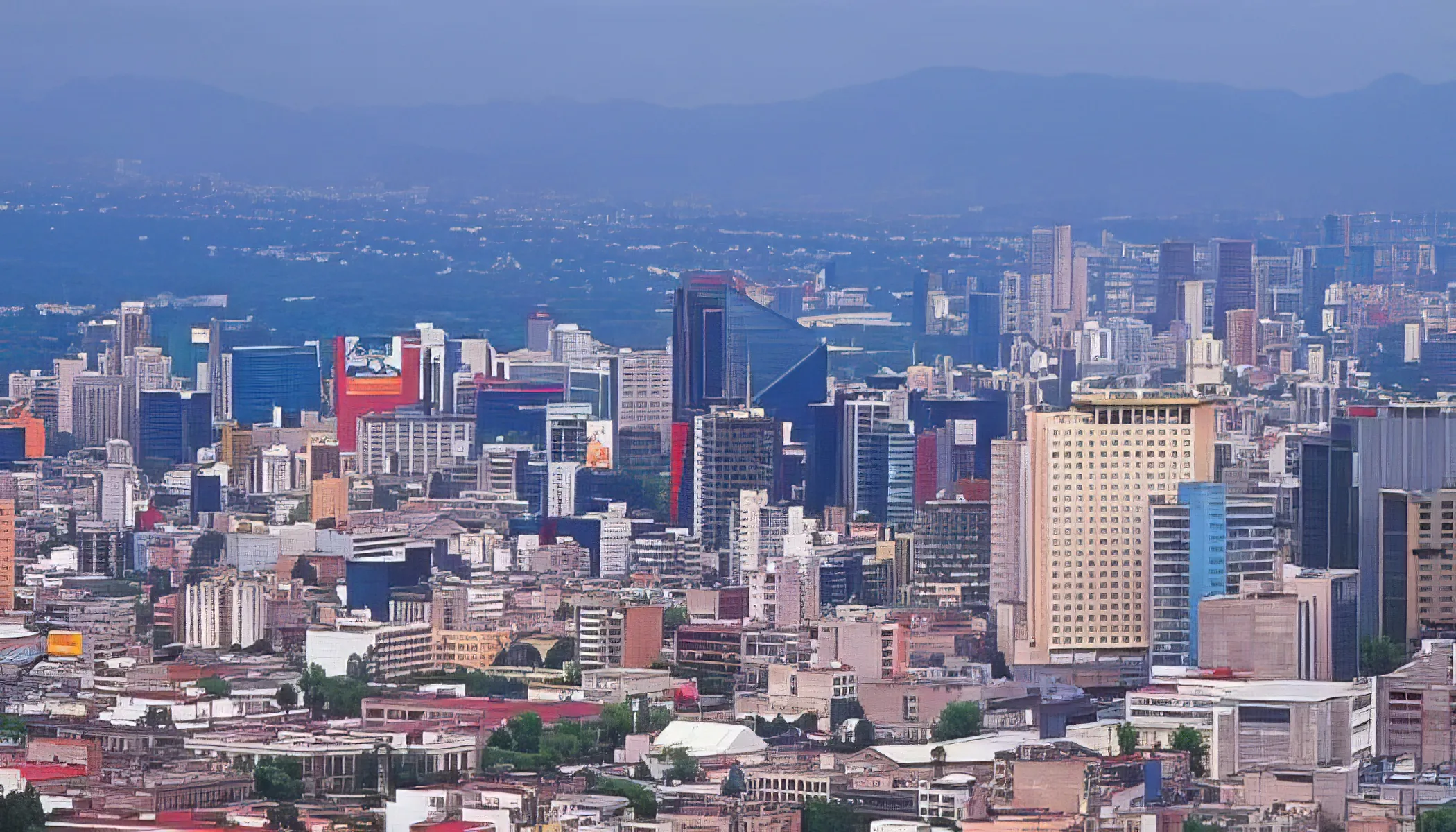
Mexico offers a diverse range of cities, each with its unique charm and attractions:
– Mexico City: The capital, known for its rich history, pretty culture, and numerous museums.
– Guadalajara: Famous for mariachi music, tequila, and cultural festivals.
– Oaxaca: Known for its colonial architecture, indigenous cultures, and culinary delights.
– Cancun: A popular tourist destination with beautiful beaches and Mayan ruins.
– Merida: Offers a blend of Mayan history, colonial architecture, and pleasant nightlife.
– San Miguel de Allende: Known for its well-preserved colonial architecture and thriving arts scene.
– Puerto Vallarta: A coastal city famous for its beaches, water sports, and nightlife.
Monuments
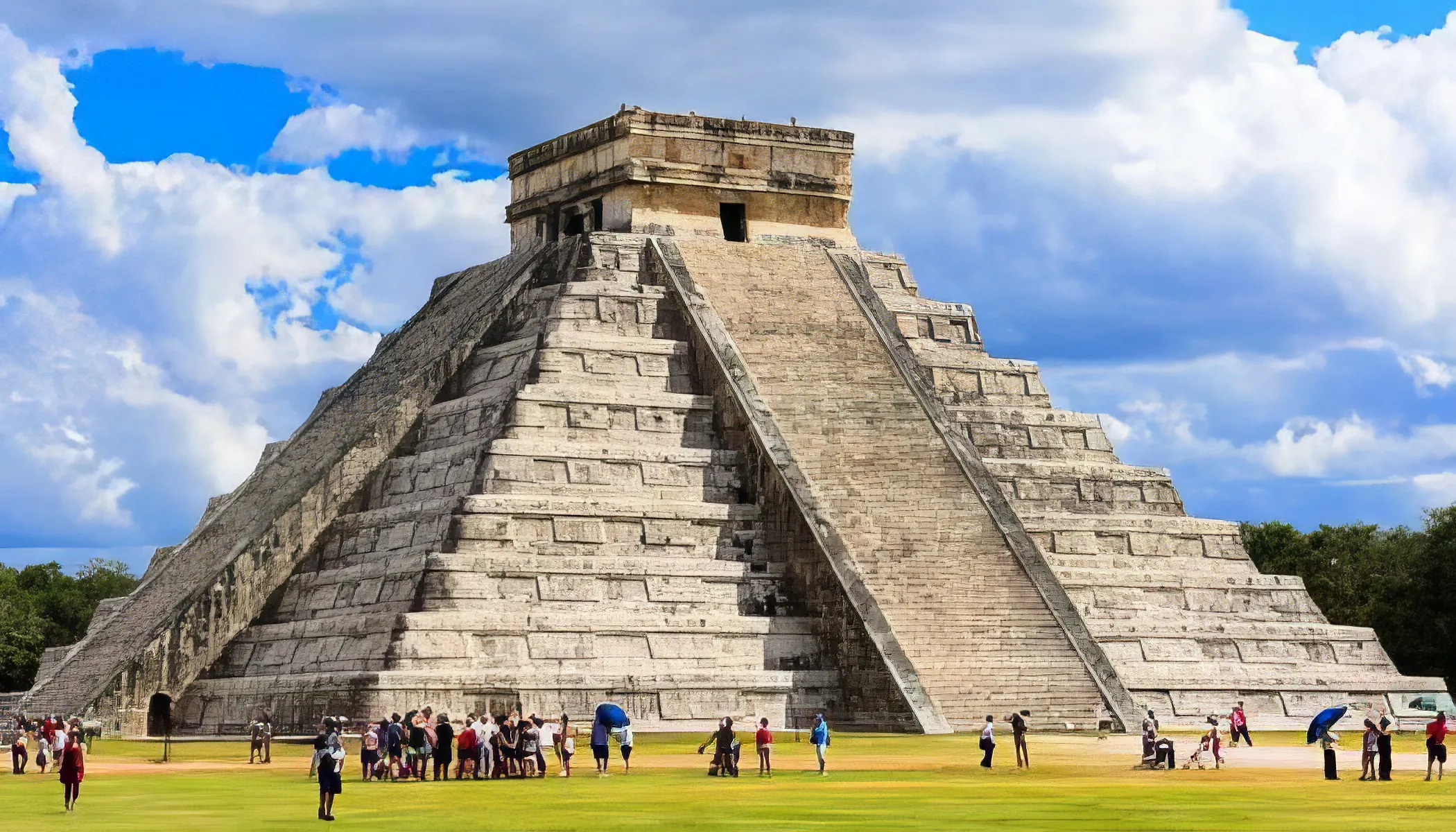
Mexico is home to a variety of historical monuments and architectural wonders:
– Chichen Itza, Yucatan: A large Mayan city featuring the iconic El Castillo pyramid.
– Teotihuacan, near Mexico City: Ancient city with the Pyramid of the Sun and the Pyramid of the Moon.
– Palenque, Chiapas: Mayan city in the jungle with well-preserved temples and palaces.
– Templo Mayor, Mexico City: Aztec temple ruins located in the heart of the capital.
– Catedral Metropolitana, Mexico City: The largest cathedral in the Americas with remarkable architecture.
– Monte Alban, Oaxaca: Pre-Columbian archaeological site with panoramic views.
– Tulum, Quintana Roo: Mayan coastal city with well-preserved ruins overlooking the Caribbean Sea.
– El Tajin, Veracruz: Ancient city known for its unique pyramid structures and ball courts.
Natural wonder
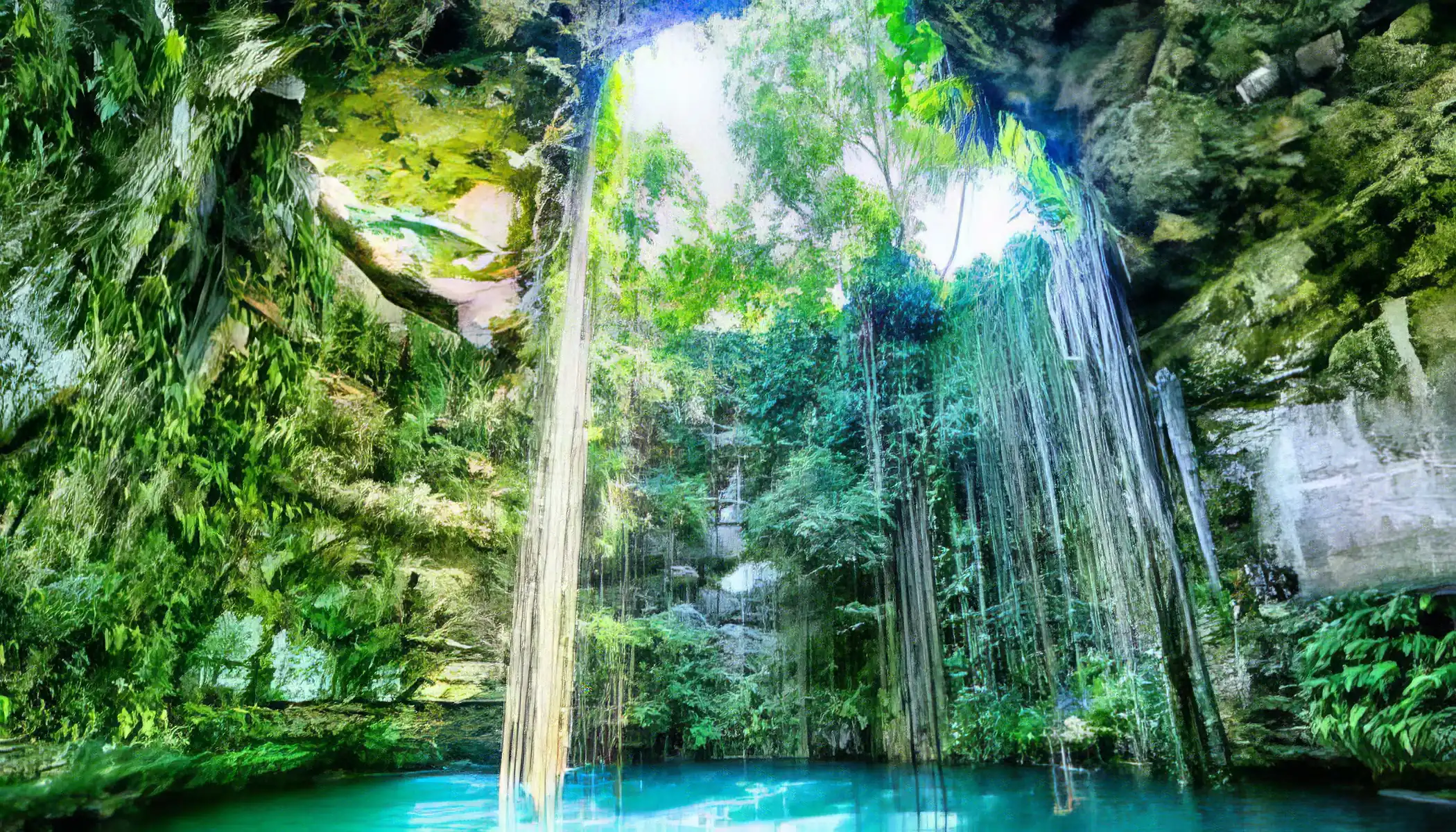
Explore the diverse natural wonders of Mexico:
– Copper Canyon: A group of six distinct canyons in the Sierra Madre Occidental, larger and deeper than the Grand Canyon.
– Sumidero Canyon: A deep natural canyon located north of the city of Chiapa de Corzo.
– Monarch Butterfly Biosphere Reserve: A World Heritage site where millions of butterflies migrate annually.
– Agua Azul Waterfalls: Known for its bright blue water and abundant surroundings.
– Cenotes of Yucatan: Natural sinkholes filled with fresh water, perfect for swimming and diving.
– Popocatepetl and Iztaccihuatl Volcanoes: Two of Mexico's most famous active volcanoes.
– Hierve el Agua: Natural rock formations that resemble cascades of water.
– Sian Ka'an Biosphere Reserve: A UNESCO site with tropical forests, marshes, and coral reefs.
– Isla Mujeres: Known for its clear waters, coral reefs, and sea turtle sanctuary.
– Paricutin Volcano: The youngest volcano in the Western Hemisphere, born in a farmer's cornfield.
Beaches
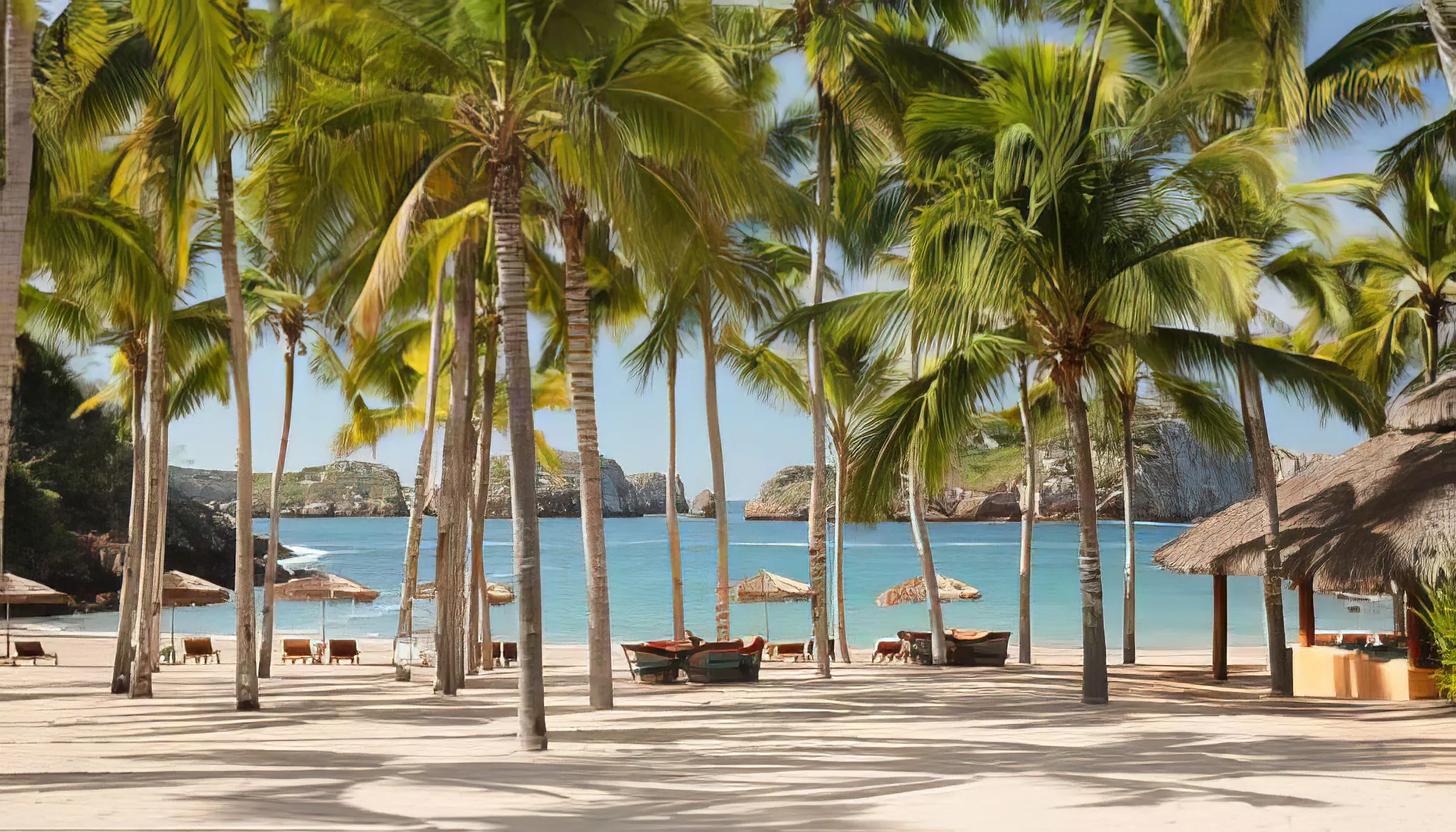
Here are some of the most visited beaches in Mexico:
– Cancun Beach: Known for its white sand, turquoise waters, and animated nightlife.
– Playa del Carmen: Popular for its coral reefs and proximity to Mayan ruins.
– Tulum Beach: Famous for its beautiful cliffs and ancient Mayan ruins.
– Puerto Vallarta: Offers beautiful sunsets and water sports activities.
– Playa Norte, Isla Mujeres: Renowned for its calm, shallow waters and white sand.
– Zicatela Beach, Puerto Escondido: Known for its big waves, popular among surfers.
– Akumal Beach: Famous for its sea turtles and snorkeling opportunities.
Outdoor activities
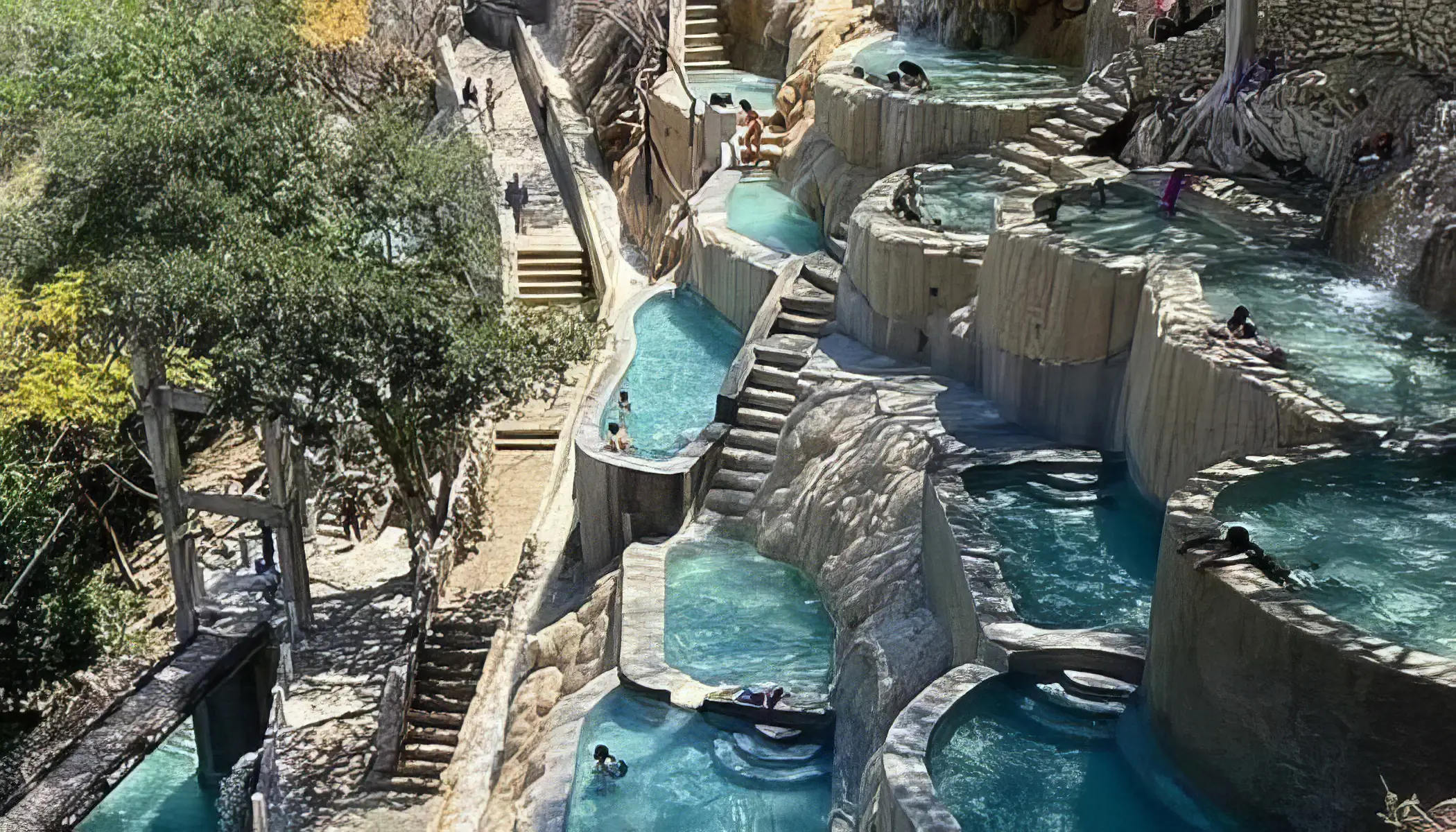
Mexico offers a variety of outdoor experiences for those seeking adventure and natural beauty:
– Snorkeling in Cozumel: Explore the world's second-largest barrier reef system.
– Hiking in Copper Canyon: Traverse through deep canyons and rugged landscapes.
– Surfing in Puerto Escondido: Ride the powerful waves on Zicatela Beach.
– Whale Watching in Baja California: Witness the annual migration of gray whales.
– Exploring the Mayan Ruins in Tulum: Discover ancient history amidst a beautiful beach backdrop.
– Kayaking in the Sea of Cortez: Paddle amidst diverse marine life and beautiful islands.
– Zip-lining in the Riviera Maya: Soar through dense jungle canopies.
Kid Friendly
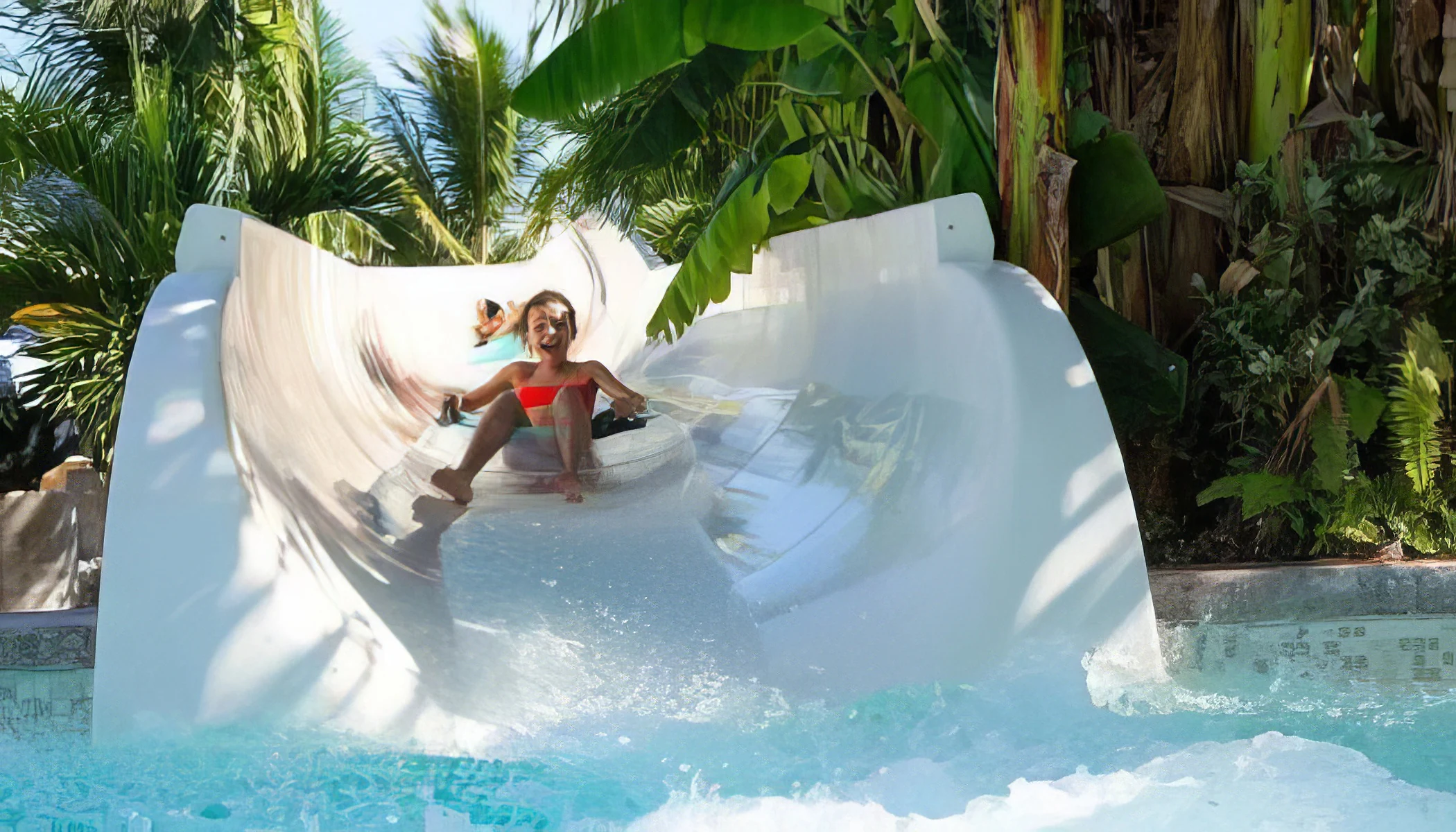
Mexico offers a variety of activities that are perfect for children:
– Xcaret Park: An eco-archaeological park with a variety of attractions including a butterfly pavilion and a coral reef aquarium.
– Chapultepec Zoo: A zoo in Mexico City that houses a variety of animals from around the world.
– KidZania: An interactive city made for children where they can try out different professions.
– La Feria Chapultepec Mágico: A popular amusement park with rides suitable for all ages.
– El Tajin: An archaeological site with ancient pyramids and a museum that kids will find fascinating.
– Cancun Underwater Museum: A unique museum where you can snorkel or dive among underwater sculptures.
– Selva Magica: An amusement park in Guadalajara with a variety of rides and attractions.
– Tulum Ruins: Ancient Mayan ruins located on a cliff overlooking the sea, a great educational and scenic spot.
Cuisine
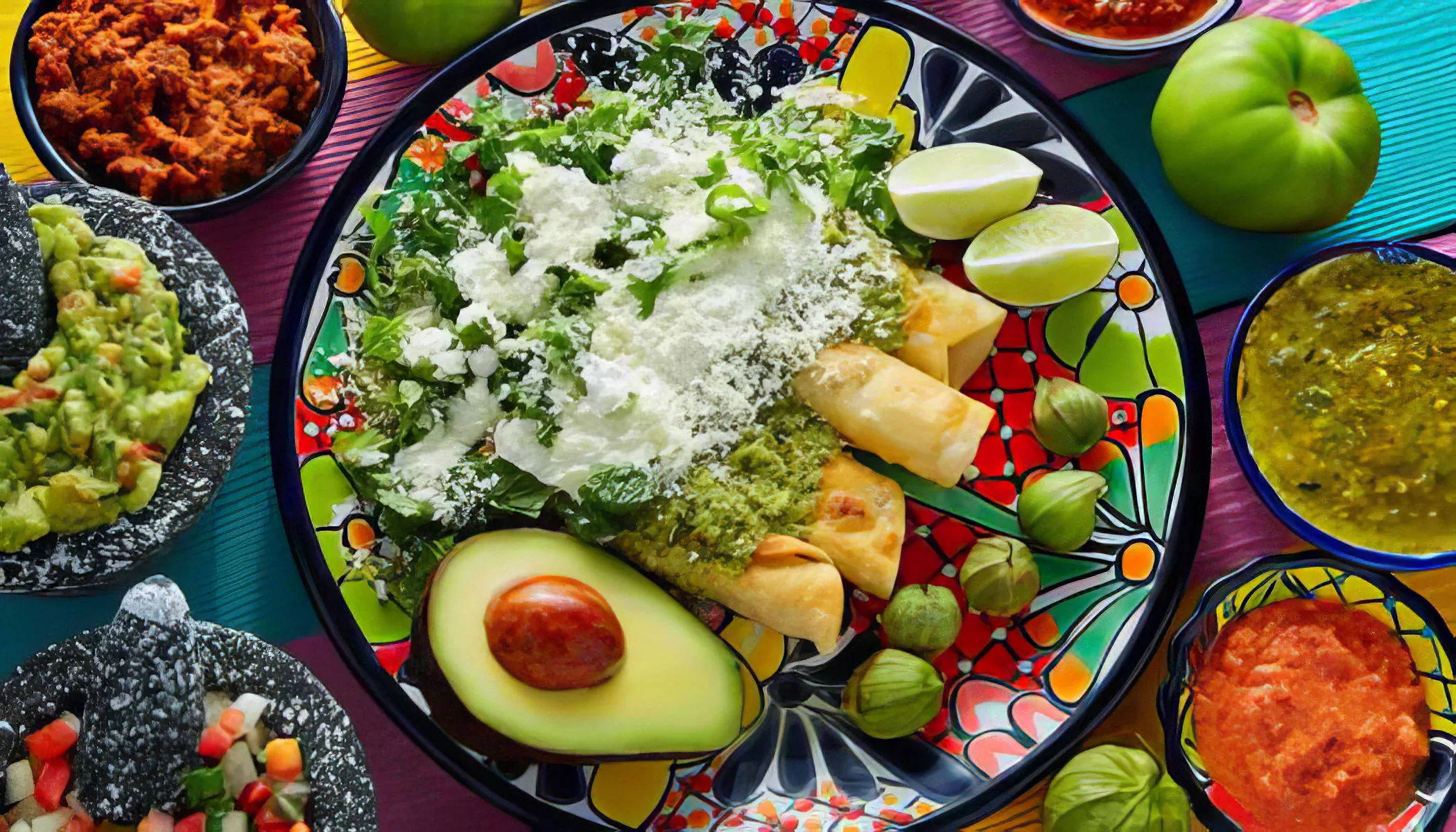
Mexican cuisine is a animated fusion of indigenous Mesoamerican and Spanish influences, with a focus on corn, beans, and chili peppers. Street food is prevalent, offering a variety of flavorful and spicy dishes. The most famous dishes and desserts from Mexico are:
– Tacos: Soft corn tortillas filled with meat, vegetables, and salsa.
– Enchiladas: Rolled tortillas filled with meat or cheese, covered with chili sauce.
– Chiles en Nogada: Poblano chilis filled with picadillo and topped with walnut-based cream sauce and pomegranate seeds.
– Tamales: Corn dough filled with meats, cheeses, or fruits, wrapped in a corn husk and steamed.
– Churros: Fried dough pastry, often served with a cup of hot chocolate.
Souvenir
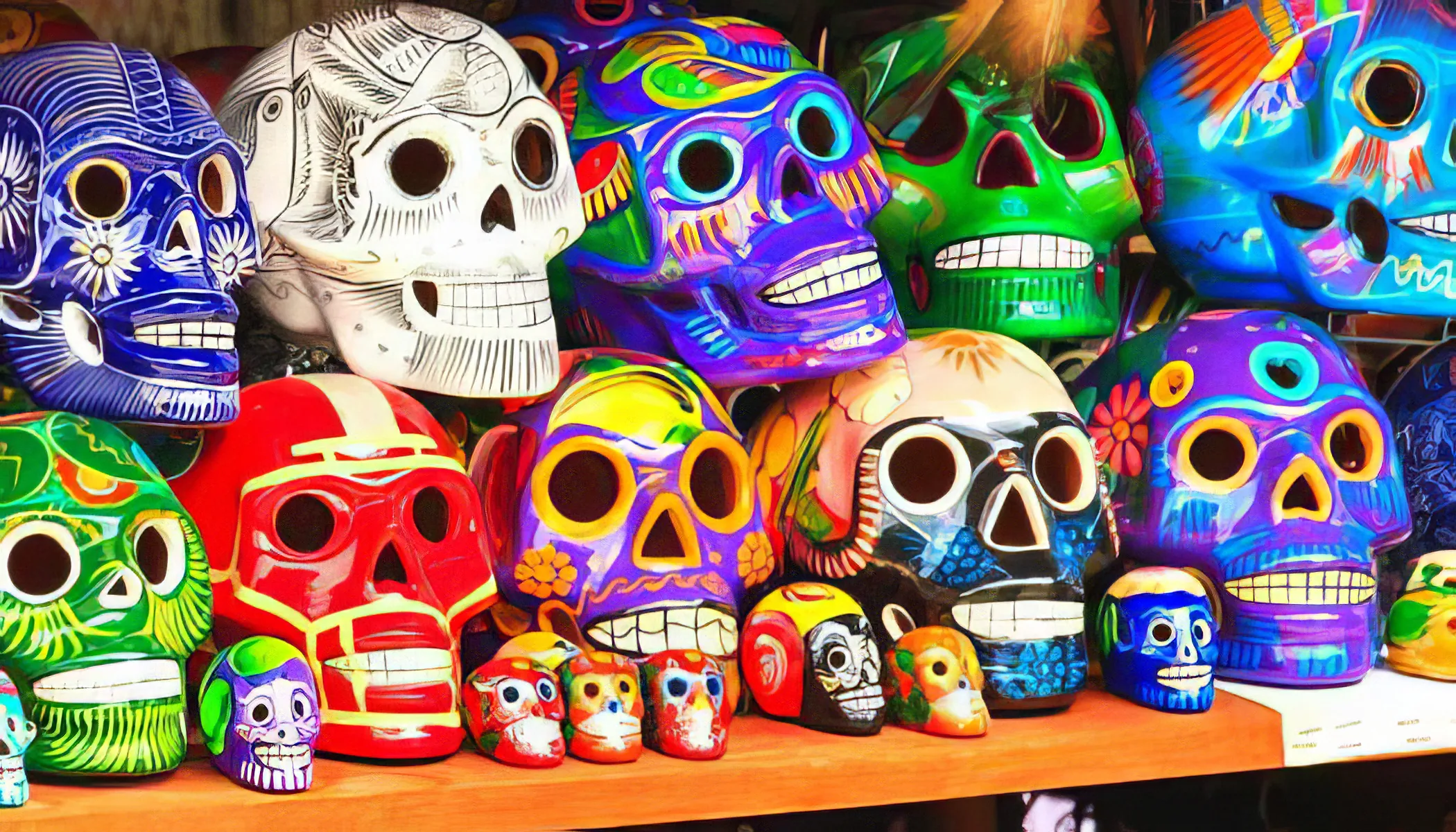
Mexico is a country rich in culture and tradition, and this is reflected in its wide range of unique souvenirs. Here are some items you might want to consider:
– Talavera Pottery: This colorful, hand-painted pottery is a traditional Mexican craft.
– Mexican Textiles: Hand-woven blankets, rugs, and clothing are popular souvenirs.
– Silver Jewelry: Mexico is known for its high-quality silver, and silver jewelry is a popular choice for tourists.
– Tequila: Mexico is the birthplace of tequila, and a bottle of high-quality tequila makes a great souvenir.
– Day of the Dead Art: This traditional Mexican holiday is represented in a variety of art forms, from figurines to paintings.
– Mexican Coffee: Mexico produces some of the world's best coffee, and a bag of beans makes a great souvenir.
– Mexican Candy: Traditional Mexican candies, like tamarind and chili candies, are a sweet souvenir to bring home.
Traditional Shows
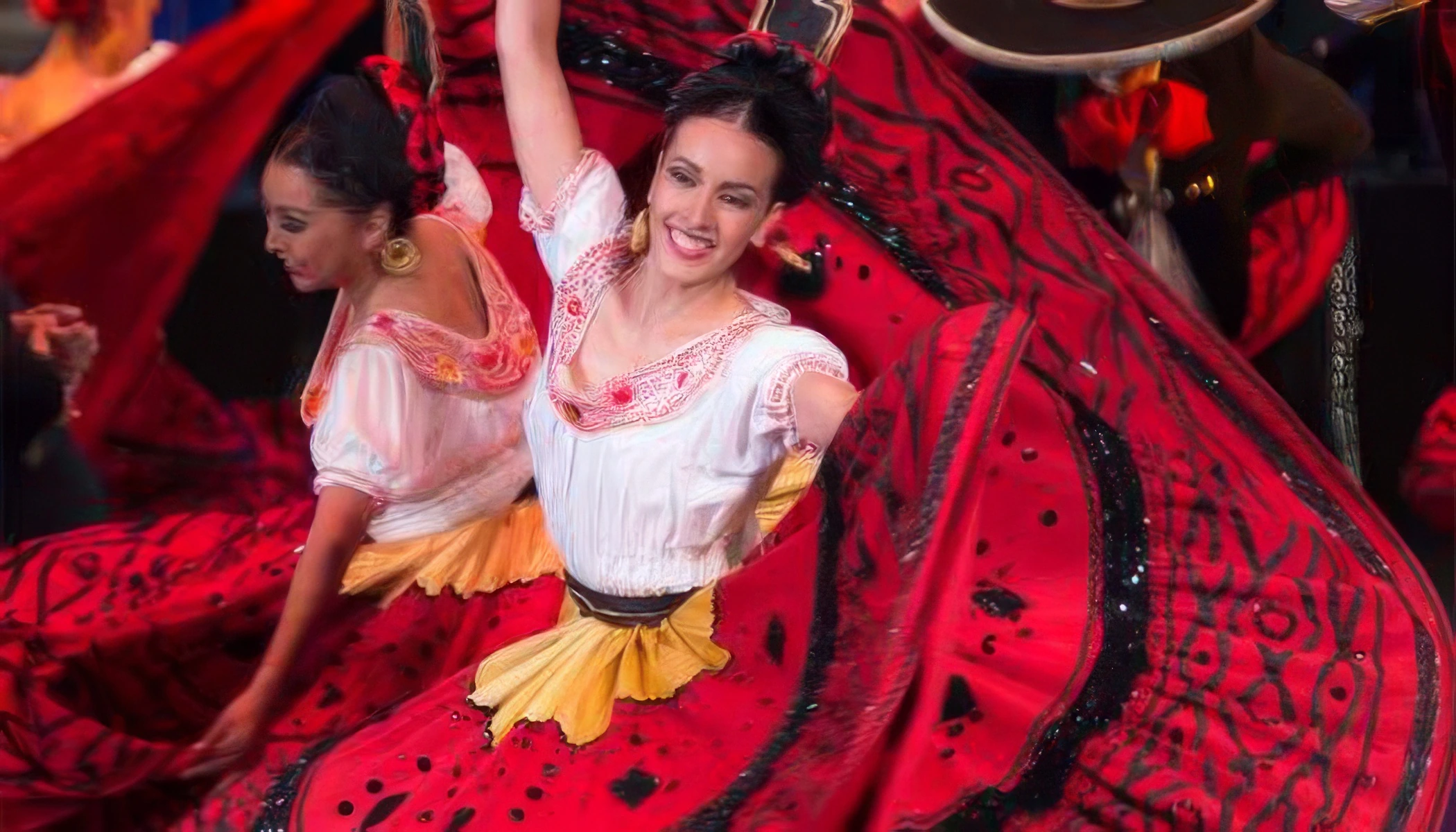
Mexico is rich in traditional performances that reflect its attractive culture and history.
– Mariachi Music: Experience the heart of Mexican culture with lively Mariachi performances, typically found in Guadalajara.
– Ballet Folklorico: This traditional dance form, showcasing regional Mexican dances, can be enjoyed at Mexico City's Palace of Fine Arts.
– Son Jarocho: This folk music style, combining indigenous, Spanish, and African elements, is a staple in Veracruz.
– Danza de los Voladores: Witness this ancient Mesoamerican ritual in Papantla, where performers swing from a pole, symbolizing the connection between earth and sky.
– Yucatecan Trova: Enjoy romantic ballads, a blend of Cuban and local influences, in the city of Mérida, Yucatán.
Events & Festivals
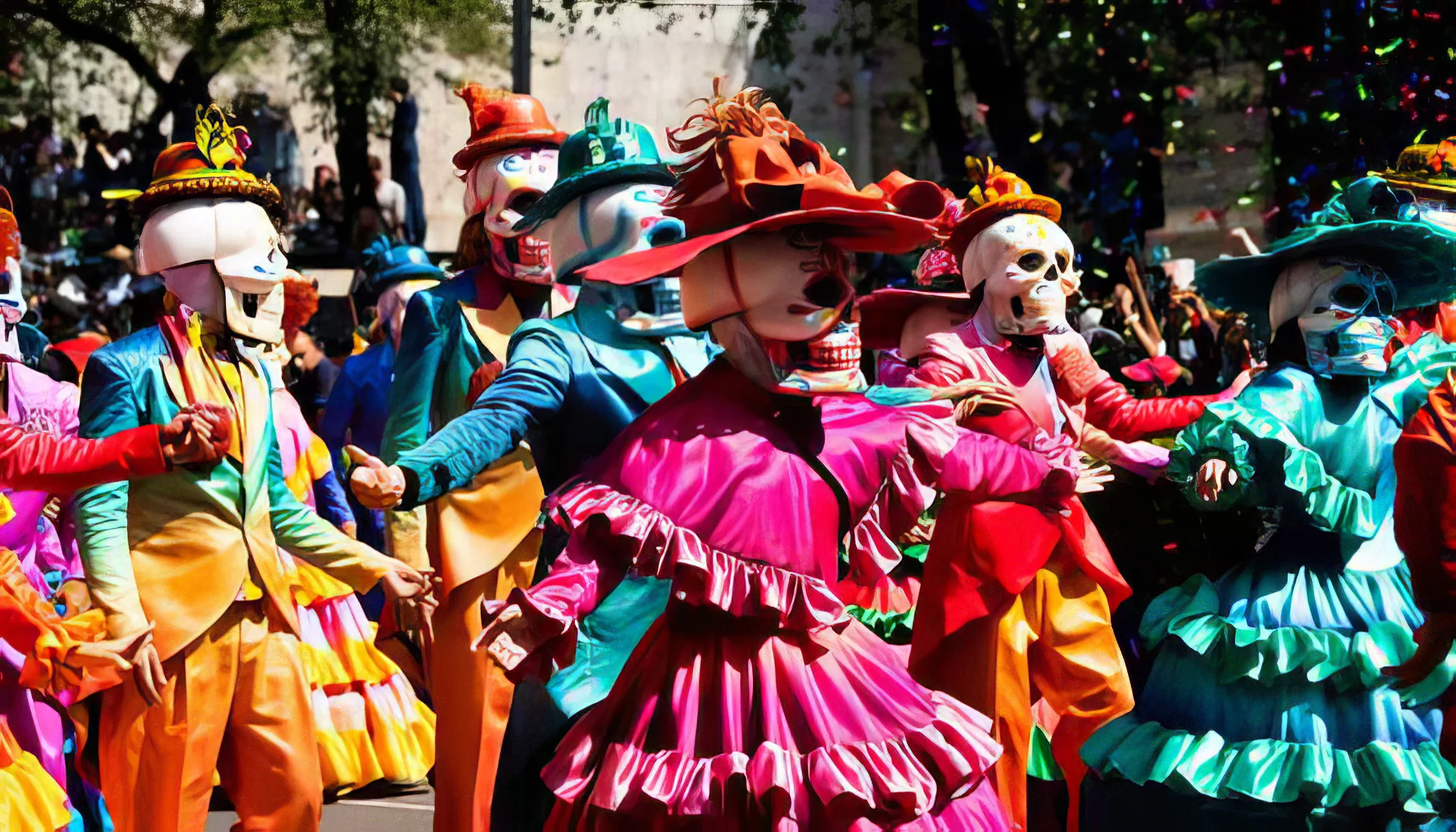
Mexico, a country rich in culture and tradition, hosts several significant events and festivals each year:
– Day of the Dead: Celebrated in early November, it's a time to remember deceased loved ones with altars and offerings.
– Cinco de Mayo: Commemorates the Battle of Puebla on May 5 with parades and festivities.
– Guelaguetza Festival: A July event in Oaxaca showcasing indigenous culture through dance and music.
– Independence Day: Celebrated on September 16 with parades, fireworks, and feasts.
– Cervantino Festival: An October event in Guanajuato, featuring international music, dance, and theater.
– Candlemas: Celebrated on February 2, marking the end of the Christmas season with processions and feasts.
– Semana Santa: Holy Week in April with religious processions and reenactments of the Passion of Christ.
Famous People
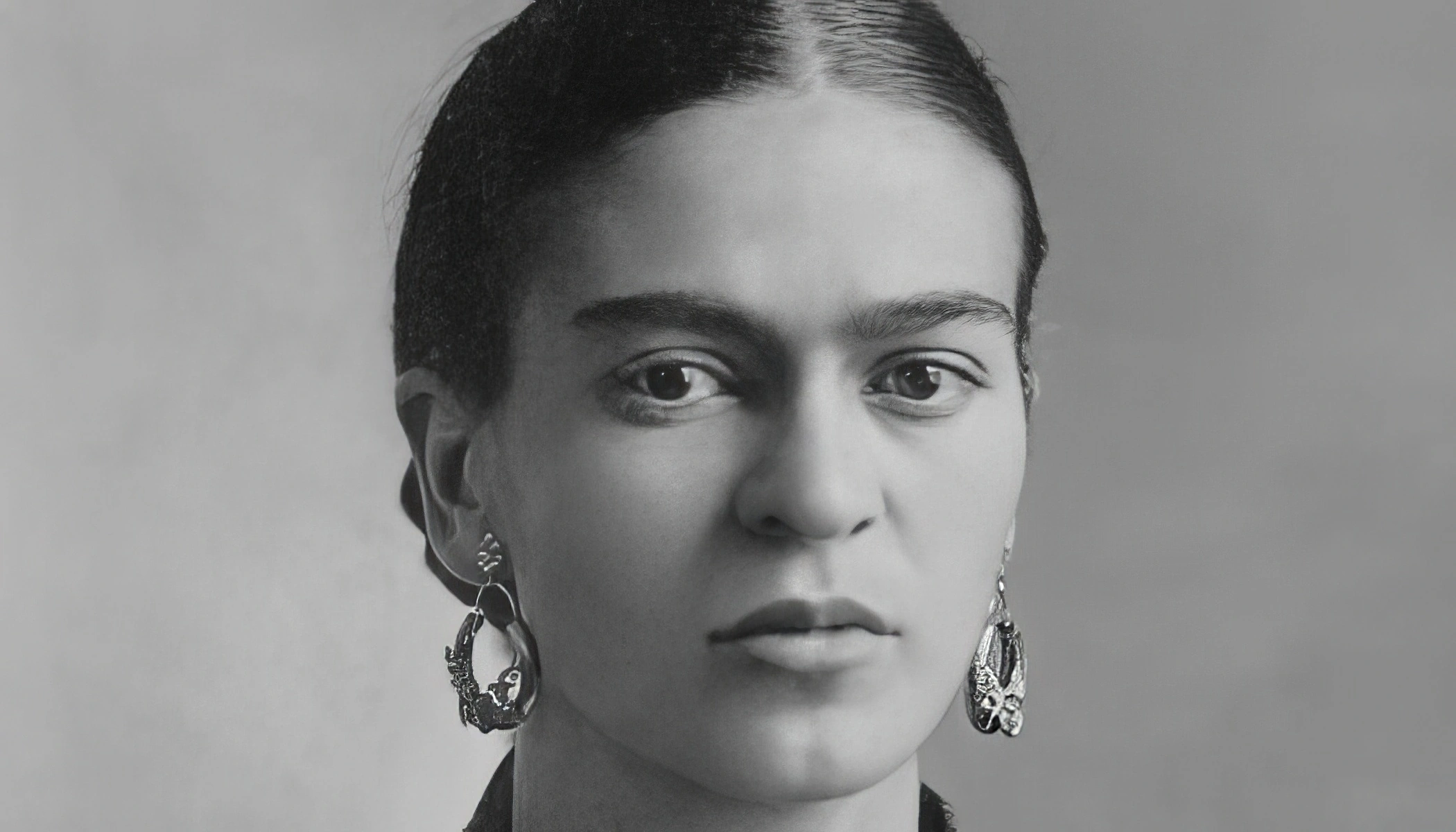
Mexico has been home to many influential figures who have made significant contributions in various fields.
– Frida Kahlo (1907 to 1954, Coyoacán): Internationally renowned painter known for her surreal and symbolic self-portraits.
– Carlos Slim (born 1940, Mexico City): Business magnate, consistently ranked as one of the richest people in the world.
– Octavio Paz (1914 to 1998, Mexico City): Diplomat and writer, awarded the Nobel Prize in Literature in 1990.
– Emiliano Zapata (1879 to 1919, Anenecuilco): Leading figure in the Mexican Revolution, champion of agrarianism.
– Guillermo del Toro (born 1964, Guadalajara): Acclaimed film director, known for "Pan's Labyrinth" and "The Shape of Water."
Books
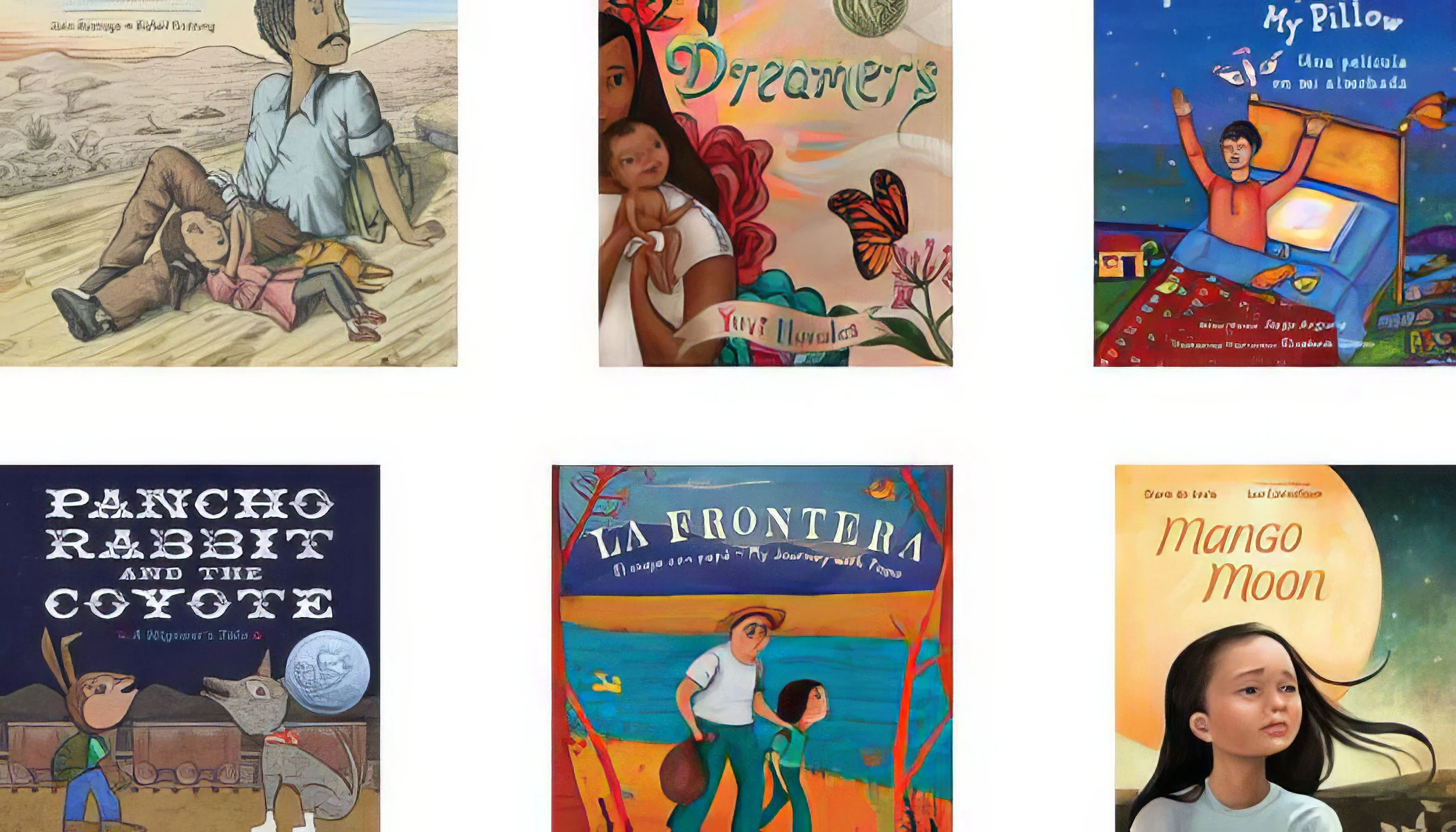
These books provide a rich tapestry of Mexican culture, history, and personal narratives, offering readers a deep understanding of the country.
– "Pedro Páramo" by Juan Rulfo: A haunting exploration of life and death in rural Mexico.
– "The Labyrinth of Solitude" by Octavio Paz: A profound analysis of Mexican identity and culture.
– "Like Water for Chocolate" by Laura Esquivel: A magical realist tale of love and cooking in early 20th century Mexico.
– "Under the Volcano" by Malcolm Lowry: A British consul's self-destruction in a small Mexican town.
– "The Death of Artemio Cruz" by Carlos Fuentes: A dying man reflects on his life in post-revolutionary Mexico.
Songs
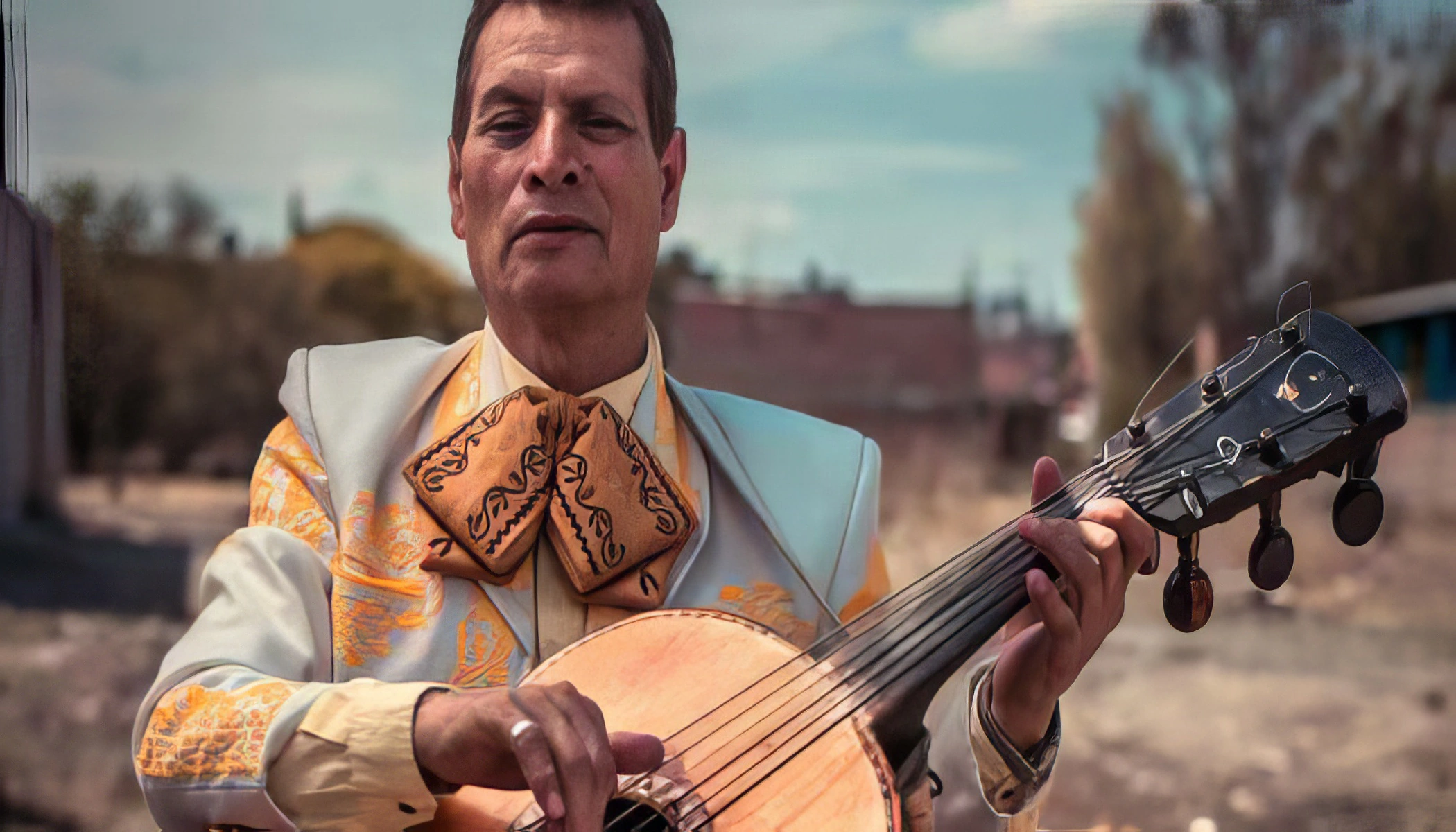
Mexican music is rich and diverse, with genres ranging from Mariachi to Banda, and these songs are some of the most famous from Mexican singers or about Mexico.
– Cielito Lindo: Traditional Mexican song often performed by Mariachi bands.
– La Bamba: Famous folk song by Ritchie Valens, known worldwide.
– El Rey: Iconic Ranchera song by José Alfredo Jiménez.
– Amor Eterno: Beloved ballad by Rocio Durcal, written by Juan Gabriel.
– Besame Mucho: Classic romantic song by Consuelo Velázquez.
– La Cucaracha: Traditional Mexican folk song known globally.
Films
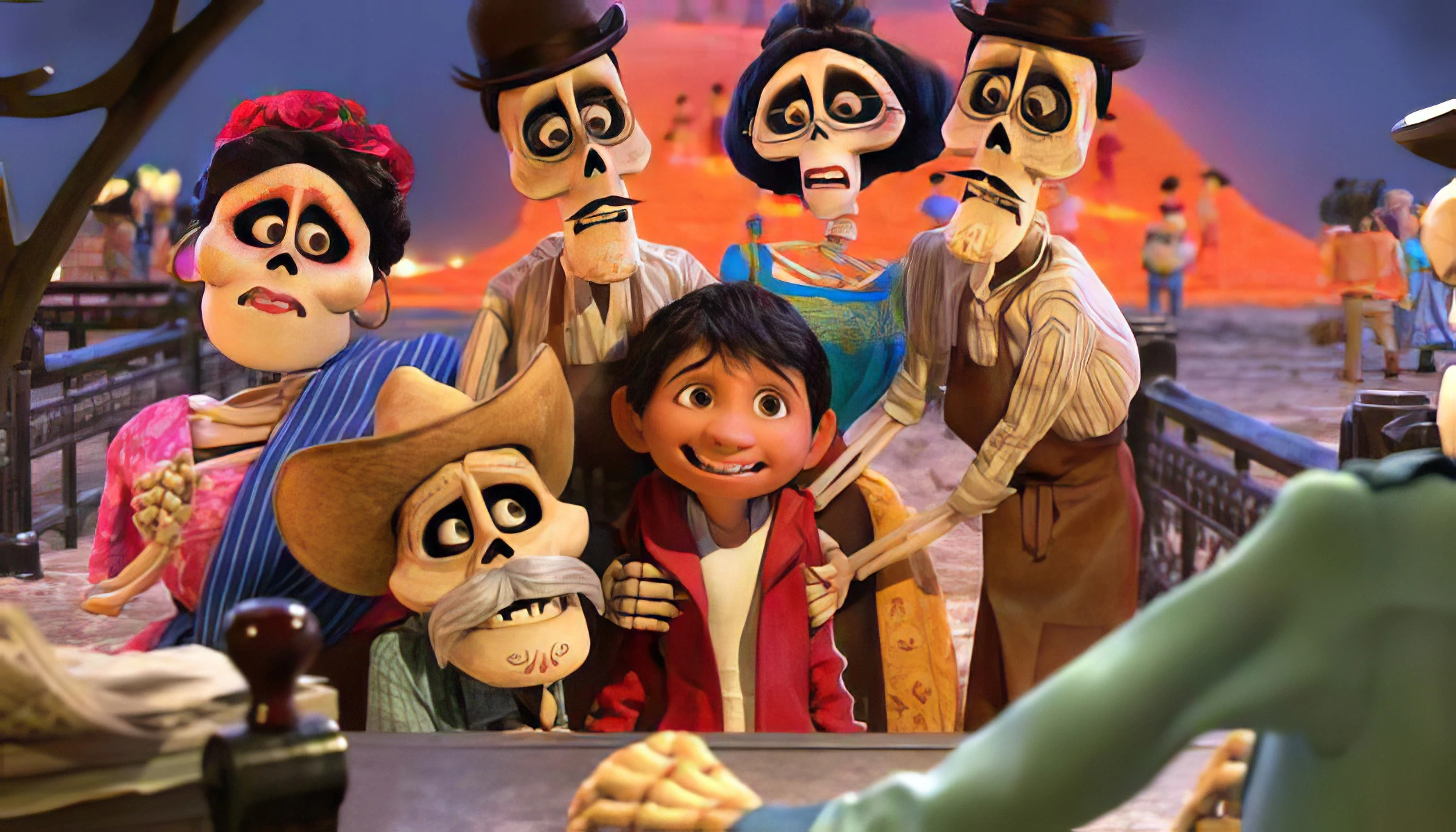
Here are some of the most iconic films that beautifully depict the culture and life in Mexico:
– "Amores Perros": Directed by Alejandro González Iñárritu, this film explores the interconnected lives of Mexico City's residents.
– "Y Tu Mamá También": Alfonso Cuarón's coming-of-age story about two teenagers on a road trip with an older woman.
– "Pan's Labyrinth": Guillermo del Toro's fantasy film set in post-Civil War Spain, but produced in Mexico.
– "Like Water for Chocolate": A romantic film by Alfonso Arau, based on the popular novel, blending food and passion.
– "El Mariachi": Robert Rodriguez's action-packed film about a musician mistaken for a killer.