

Travel Guide to Moldova: Top Things to Do & Tips
A small Eastern European country, known for its rich cultural heritage and scenic countryside. It boasts a strong wine industry and historic monasteries. Despite economic challenges, it provides a unique blend of traditions and landscapes for those who visit.
- Capital
- Chișinău
- Population
- 4.4 millions
- Superficy
- 34000 sq.km
- Months to Visit
- May to Sept.
- Living Cost
- Economical
Overview
Moldova is a small, landlocked country in Eastern Europe, bordered by Romania and Ukraine. Its capital, Chișinău, is the largest city and serves as the cultural and economic hub. Moldova is known for its rich agricultural land and has a strong tradition of wine production, with numerous vineyards and wineries. The country has a diverse cultural heritage influenced by Romanian, Russian, and Ukrainian traditions. Moldova faces economic challenges but is gradually developing its tourism sector. Key attractions include historical monasteries, scenic landscapes, and traditional villages.
Pros & Cons
GOOD REASONS TO VISIT MOLDOVA
– Wine Culture: Moldova offers renowned wineries and vineyards, with tours and tastings of exceptional local wines.
– Rich History: Explore ancient monasteries, fortresses, and Soviet-era architecture reflecting Moldova's diverse past.
– Authentic Experiences: Enjoy traditional Moldovan hospitality, folk music, and dance in rural villages.
– Natural Beauty: Discover scenic landscapes with rolling hills, forests, and the Dniester River.
– Affordable Travel: Moldova is budget-friendly with low-cost accommodations, food, and attractions. CHALLENGES WHEN VISITING MOLDOVA
– Limited Infrastructure: Public transport can be unreliable; roads may be challenging outside major cities.
– Language Barrier: Romanian is the primary language; English speakers are less common in rural areas.
– Underdeveloped Tourism Industry: Fewer tourist facilities and services compared to more popular European destinations.
Before Departure
Before traveling to Moldova, consider the following essential information:
– Passport: Ensure your passport is valid for at least three months beyond your planned departure date.
– Visa: EU, US, and Canadian tourists can enter visa-free for up to 90 days within a 180-day period. Check specific requirements based on nationality.
– Currency: Moldovan Leu (MDL); credit cards accepted in cities; cash preferred in rural areas; ATMs widely available in urban centers.
– Internet access: WiFi is accessible in most hotels and cafes; local SIM cards with data plans are affordable and available from Moldcell or Orange.
– Language barrier: Romanian is the official language; Russian is widely spoken. English is not commonly spoken outside major tourist areas.
What to Pack
Moldova offers a mix of cultural experiences and natural beauty, so packing appropriately will enhance your visit.
– Essentials: Passport, travel insurance, flight tickets, itinerary, accommodation confirmations, and any necessary visas.
– Clothing: Comfortable walking shoes, layered clothing for varying temperatures, raincoat or umbrella, and smart casual attire for dining out.
– Health & Safety: Prescription medications, basic first aid kit, insect repellent for rural areas, sunscreen.
– Electronics: Travel adapter for European outlets (Type C or F), mobile phone with charger, camera.
Weather
Weather in Moldova is characterized by a temperate continental climate with distinct seasons:
– Winter (December to February): Cold and snowy, with temperatures often dropping below freezing.
– Spring (March to May): Mild and wet, with increasing temperatures and occasional rainfall.
– Summer (June to August): Warm to hot, with temperatures ranging from 20°C to 30°C and occasional thunderstorms.
– Autumn (September to November): Cool and dry, with decreasing temperatures and colorful foliage. The best time to visit Moldova is from April to October:
– Pleasant weather for outdoor activities and exploring vineyards.
– Wine festivals in autumn offer cultural experiences. Note that summer can be hot, while spring and autumn provide milder conditions for travel.
Travel Budget
Moldova is known for being a budget-friendly destination in Europe. Here are some average prices for tourists:
– Hotel: 30$ to 80$
– Lunch: 5$ to 15$
– Beverage (in bar/restaurant): 2$ to 5$
– Coffee: 1$ to 3$
– Transportation: (train 3$ to 10$), (bus 0.5$ to 2$), (taxi /10km 4$ to 8$)
– Mobile data (per GB): 1.5$ to 3.5$
Language
Moldova's official language is Romanian, and here are some useful phrases for tourists:
– Hello: Bună ziua
– Thank you: Mulțumesc
– Please: Vă rog
– How much is this?: Cât costă asta?
– Excuse me: Scuzați-mă
– I don't understand: Nu înțeleg
– Yes: Da
– No: Nu
– Goodbye: La revedere
History
It has a history influenced by various powers due to its strategic location. Initially part of the Principality of Moldavia in the 14th century, it later came under Ottoman suzerainty. In 1812, the eastern part was annexed by the Russian Empire and became known as Bessarabia. During World War I, it declared independence and briefly united with Romania in 1918. Following World War II, it was incorporated into the Soviet Union as the Moldavian SSR. With the dissolution of the Soviet Union in 1991, Moldova declared independence, facing challenges such as economic transition and the unresolved conflict over Transnistria. Since then, Moldova has navigated political instability while seeking closer ties with both Europe and neighboring countries.
Geopolitics
Moldova is a landlocked country in Eastern Europe, bordered by Ukraine to the east and Romania to the west. It has a complex geopolitical landscape, influenced by historical ties with both Eastern and Western Europe. The breakaway region of Transnistria, which declared independence in 1990, remains a source of tension and is not internationally recognized, yet it has support from Russia. Moldova is a member of various international organizations, including the United Nations and the Council of Europe, and has pursued closer ties with the European Union while balancing its relationship with Russia. Economic challenges and energy dependency on Russia play significant roles in its foreign policy decisions. The geopolitical dynamics are further affected by internal political divisions between pro-European and pro-Russian factions.
Sample Itinerary
This itinerary includes Moldova's cultural sites in Chișinău, historical landmarks in Orheiul Vechi, and the famous wineries of Cricova and Milestii Mici.
– 2 days in Chișinău: Explore the National Museum of History, stroll through Stefan Cel Mare Park, and visit local markets. Discover the Triumphal Arch and Cathedral Park.
– 1 day in Cricova: Tour the extensive underground wine cellars. Sample local wines and learn about Moldovan winemaking traditions.
– 1 day in Orheiul Vechi: Visit this archaeological complex to see ancient monasteries and ruins. Enjoy scenic views of the Răut River.
– 1 day in Milestii Mici: Explore the world's largest wine collection stored underground. Participate in a guided tasting session with traditional Moldovan dishes.
– 1 day in Tiraspol: Experience Soviet-era architecture and culture in this city of Transnistria. Visit war memorials and local museums.
Popular cities
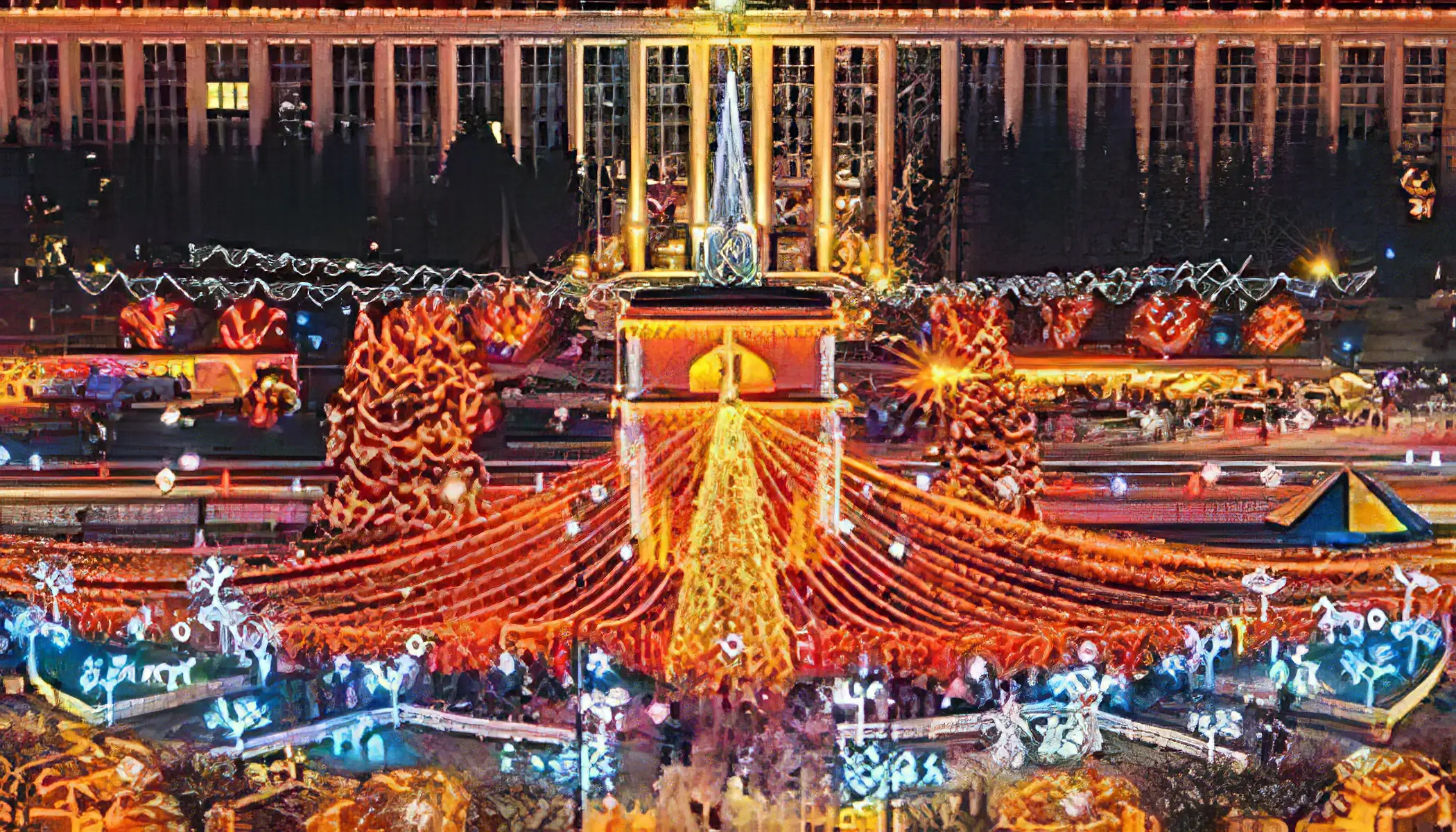
Discover Moldova's unique cultural and historical cities surrounded by charming landscapes:
– Chisinau: The capital city is known for its Soviet-era architecture, parks, and beautiful cultural scene.
– Tiraspol: The heart of Transnistria offers a glimpse into Soviet-style living with its monuments and museums.
– Orhei: Known for the Orheiul Vechi archaeological site showcasing ancient history and cave monasteries.
– Soroca: Famous for its fortress on the Dniester River and as the "Roma capital" of Moldova.
– Balti: A major city in northern Moldova known for its diverse culture and industrial significance.
– Comrat: The capital of Gagauzia, provides insights into Gagauz culture and traditions.
– Cahul: Known for its spa resorts and proximity to the Lower Prut Nature Reserve.
Monuments
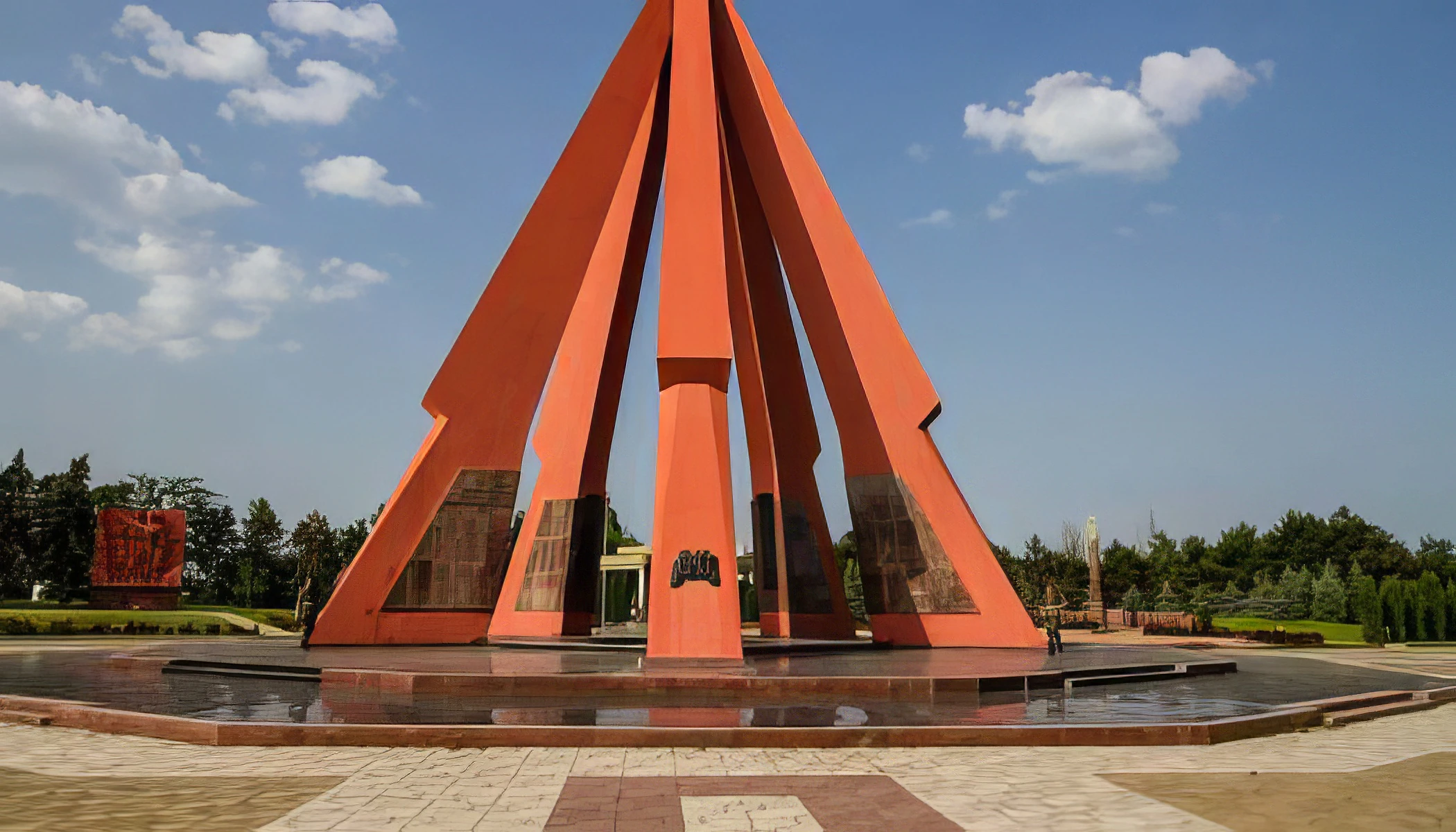
Moldova provides several notable monuments to explore:
– Orheiul Vechi Monastery: Cave monastery complex with unique rock-hewn architecture and historical significance.
– Soroca Fortress: Medieval stone fortress on the Dniester River, crucial for Moldovan defense.
– Capriana Monastery: One of Moldova's oldest monasteries, known for its religious and cultural history.
– Tipova Monastery: Largest cave monastery in Eastern Europe, located in a elegant setting.
– Cricova Winery: Famous underground wine city with extensive cellars and a rich wine-making tradition.
– Bendery Fortress: Historical fortification significant during the Ottoman period, located near Tighina.
– Stefan cel Mare Monument, Chisinau: Tribute to Moldova's revered ruler, symbolizing national pride.
– National Museum of History of Moldova, Chisinau: Showcases Moldova’s historical artifacts and cultural heritage.
Natural wonder
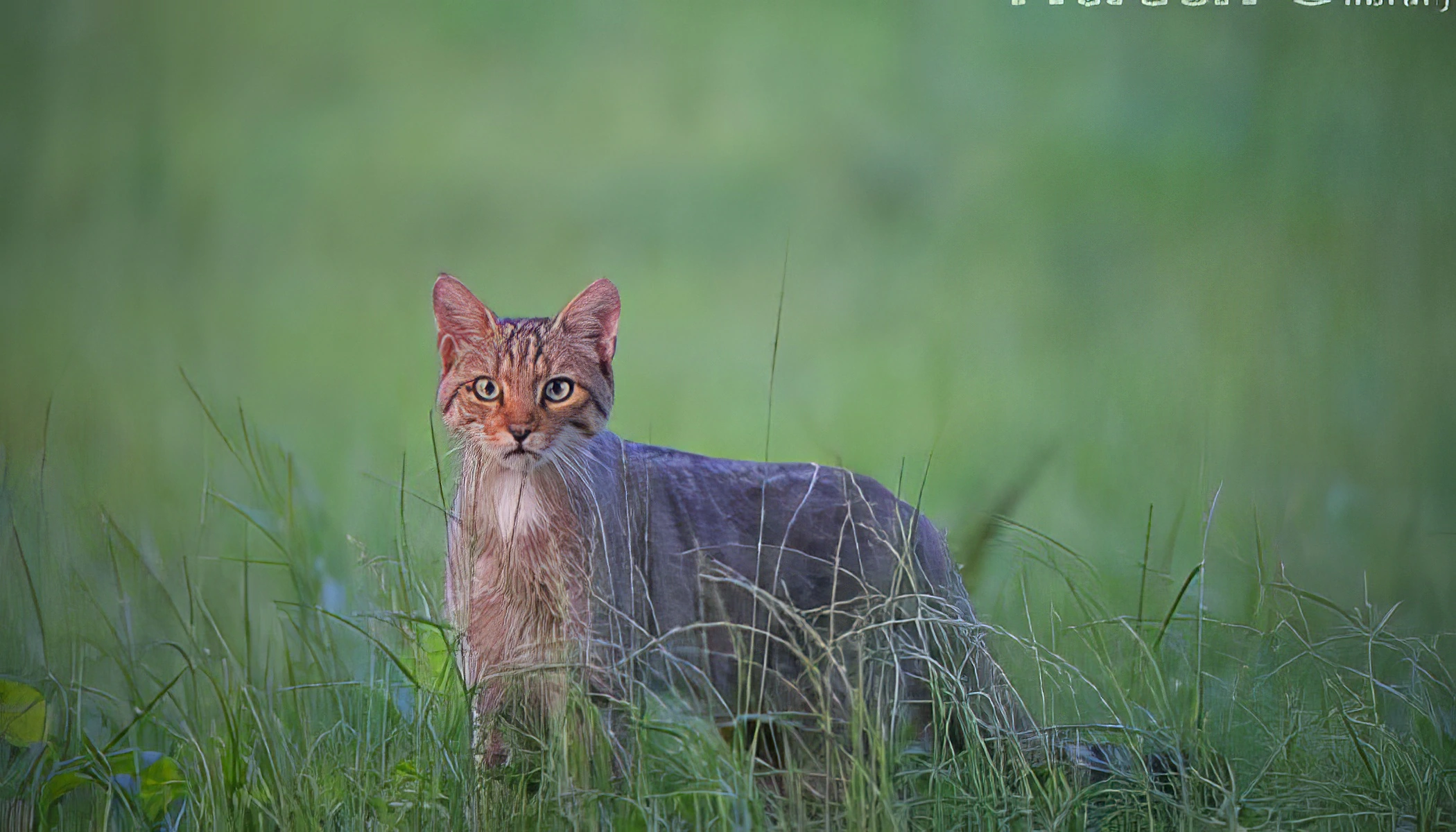
Moldova, a land of beautiful landscapes, offers various natural wonders to explore:
– Orheiul Vechi: Archaeological site with dramatic cliffs and ancient cave monasteries.
– Saharna Monastery and Waterfall: Known for its beautiful waterfall and peaceful surroundings.
– Tipova Monastery: Rock-carved monastery overlooking the Dniester River.
– Padurea Domneasca: Largest natural reserve in Moldova, home to diverse wildlife and the "One Hundred Hills."
– Codrii Forest: Dense forest area known for its biodiversity and scenic hiking trails.
– Dniester River Canyon: Provides impressive views with steep cliffs and flowing waters.
– Raut River Valley: Features charming landscapes with winding river paths.
– Lower Prut Nature Reserve: Wetland area important for migratory birds and unique flora.
– Capriana Forests: Known for beautiful greenery and proximity to Capriana Monastery.
– Nistru River Banks: Scenic riverbanks offering restful views and fishing opportunities.
Outdoor activities
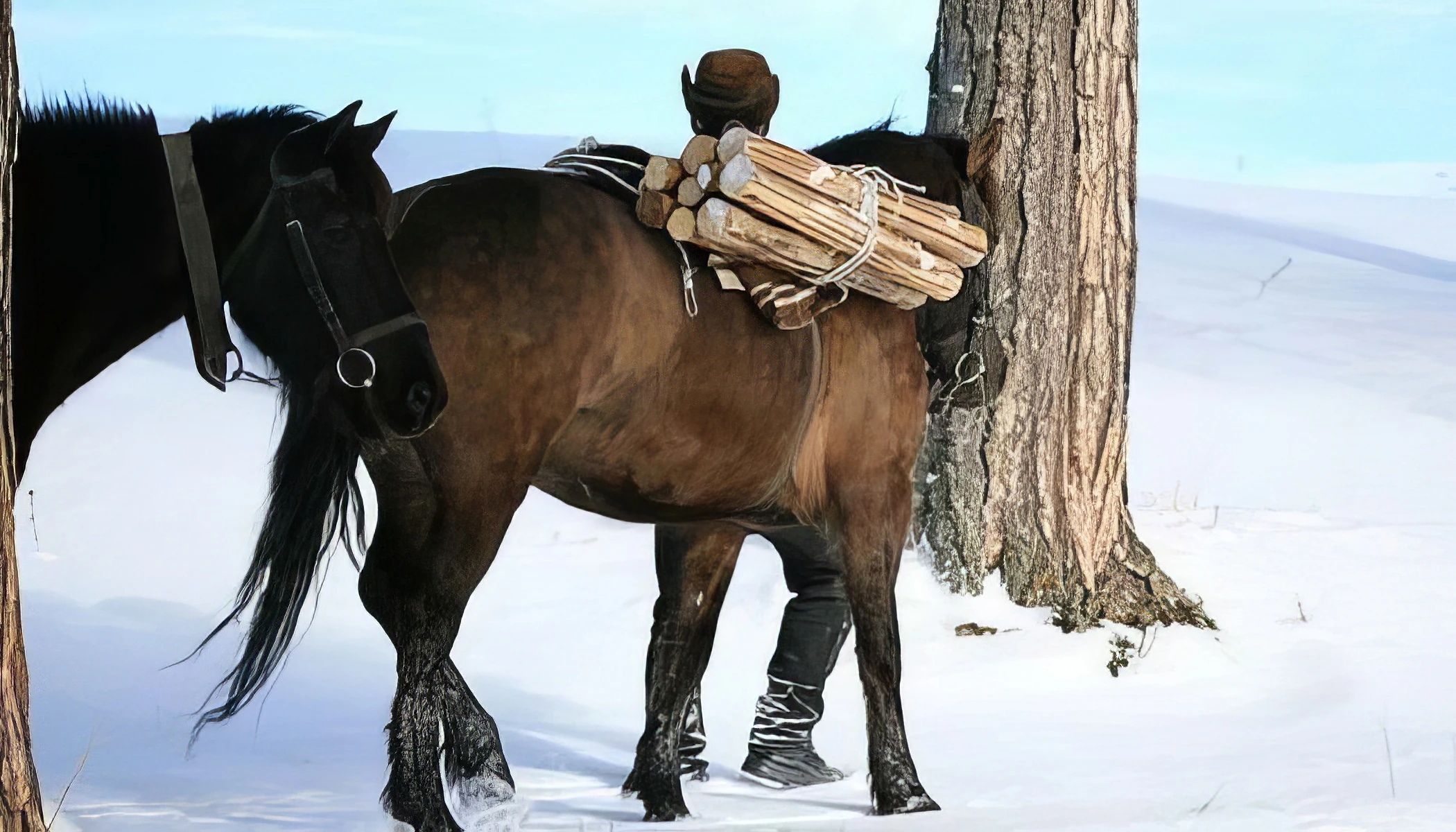
Moldova supplies several outdoor experiences that highlight its natural beauty and cultural heritage:
– Hiking in Codrii Forest: Walk through ancient forests with diverse flora and fauna.
– Wine Tours in Purcari: Explore vineyards and enjoy tastings in scenic countryside settings.
– Canoeing on the Dniester River: Paddle along peaceful waters surrounded by pleasant landscapes.
– Cycling through Orheiul Vechi: Ride past historic monasteries and traditional villages.
– Birdwatching in Lower Prut Nature Reserve: Observe various bird species in their natural habitat.
– Exploring Saharna Monastery: Discover spiritual sites set amidst beautiful landscapes.
– Walking Tours in Chisinau Parks: Stroll through green spaces and enjoy local sculptures.
Kid Friendly
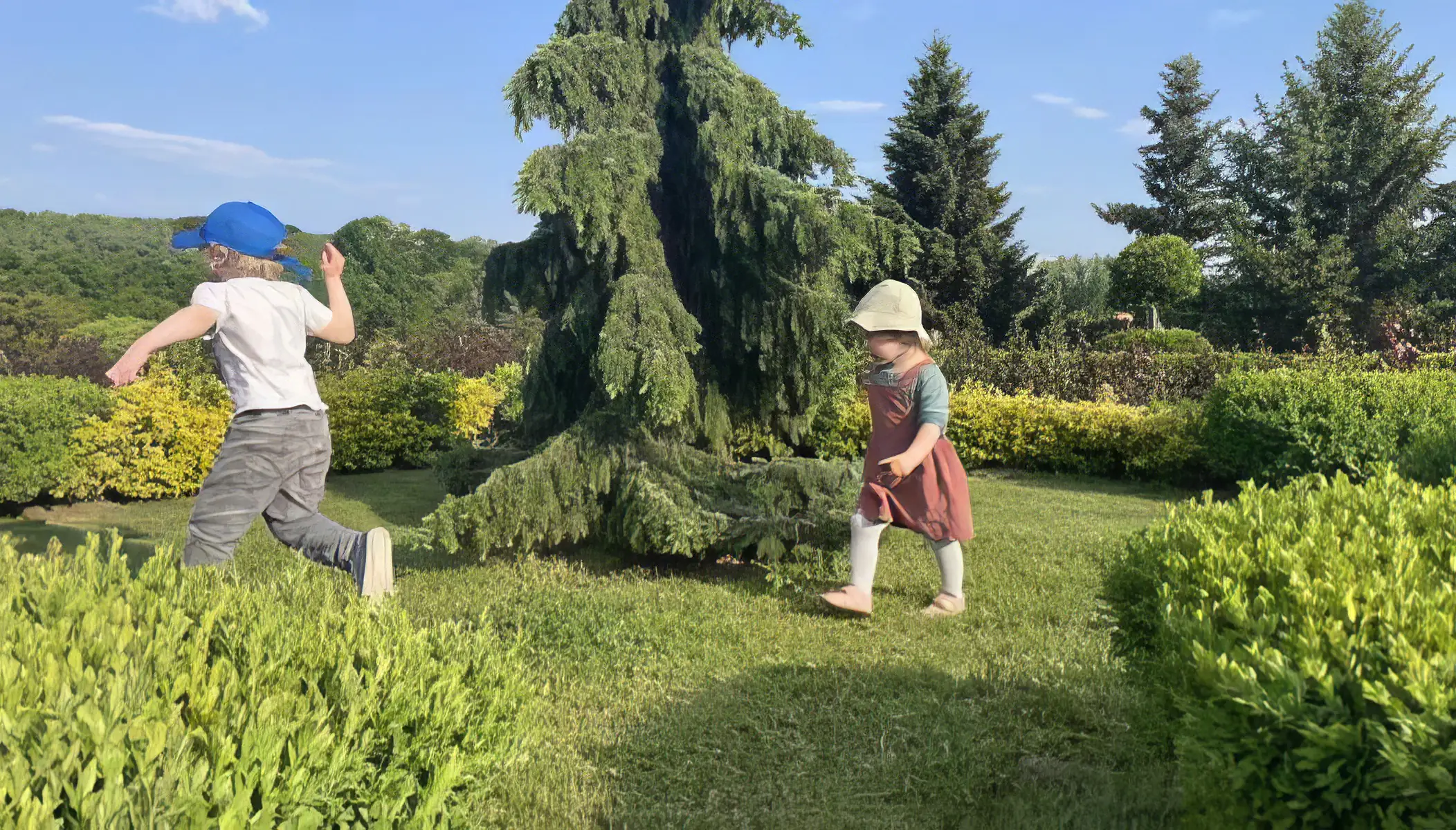
Moldova supplies a variety of engaging activities for children to enjoy:
– Orheiul Vechi: Explore ancient cave monasteries and remarkable landscapes for a unique family adventure.
– Stefan cel Mare Central Park: A central park in Chisinau perfect for picnics and playgrounds.
– Dendrarium Park: A botanical garden in Chisinau ideal for leisurely walks and nature exploration.
– Cricova Winery: Tour underground wine cellars with sparkling grape juice tasting available for kids.
– Zimbru Stadium: Enjoy a family-friendly atmosphere while watching local football matches.
– Old Orhei Archeological Complex: Discover historic sites amidst beautiful natural surroundings, suitable for family visits.
– Capriana Monastery: Visit one of the oldest monasteries in Moldova set in picturesque scenery.
– Milestii Mici Winery: Explore the world's largest wine cellar, with non-alcoholic options available for younger visitors.
Cuisine
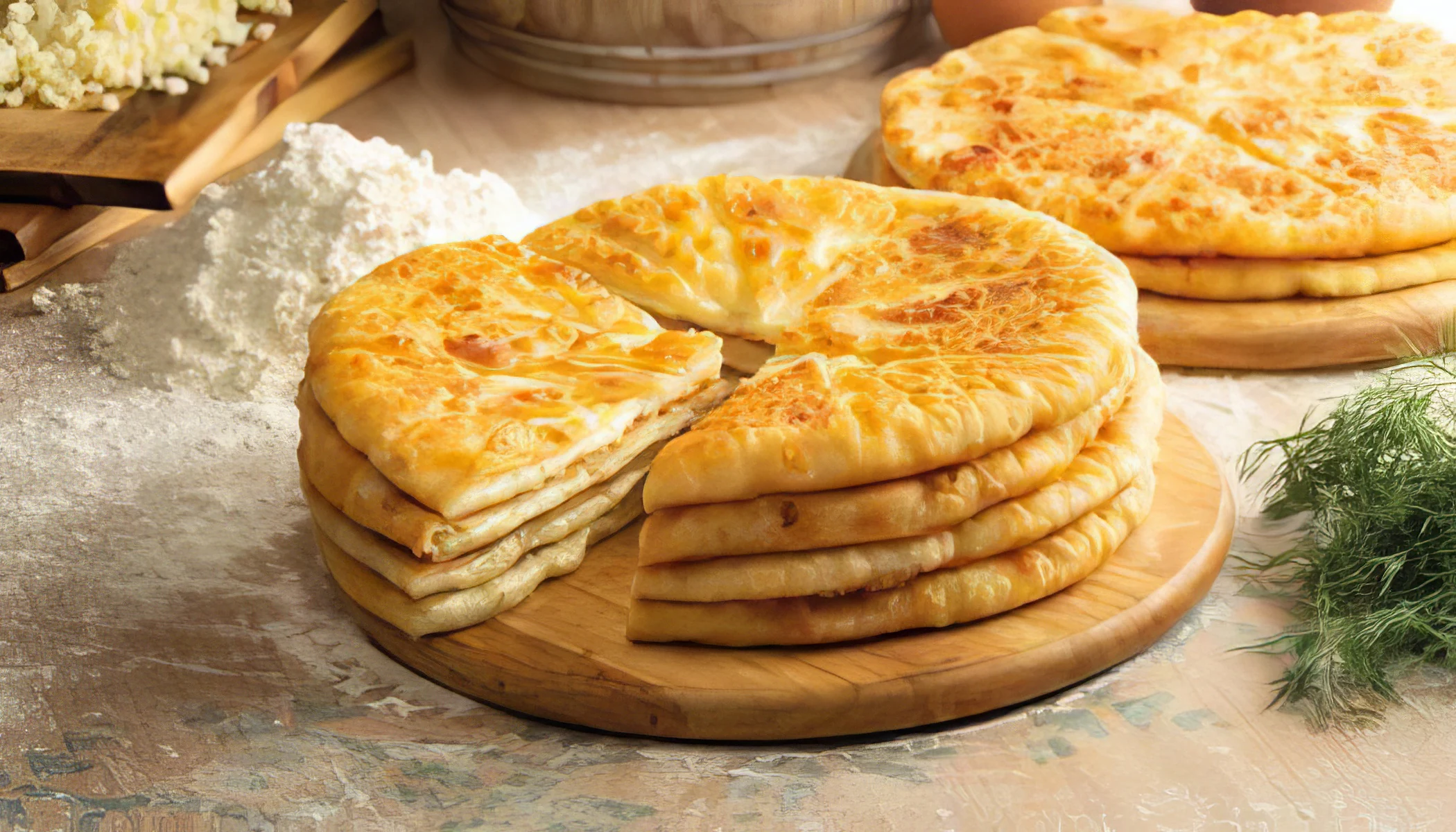
Moldovan cuisine combines influences from Romania, Ukraine, and Russia, with a strong focus on hearty and seasonal ingredients. Meals often feature corn, potatoes, and diverse meats. Traditional recipes are passed down through generations, emphasizing comfort and flavor.
– Mămăligă: Cornmeal porridge often served with cheese, cream, or meat dishes.
– Sarmale: Cabbage rolls stuffed with rice and minced meat, cooked in a savory tomato sauce.
– Placinte: Savory or sweet pastries filled with cheese, potatoes, or fruit.
– Zeama: Chicken soup with home-made noodles and vegetables.
– Coltunasi: Dumplings filled with cheese or potatoes, typically boiled and served hot.
Souvenir
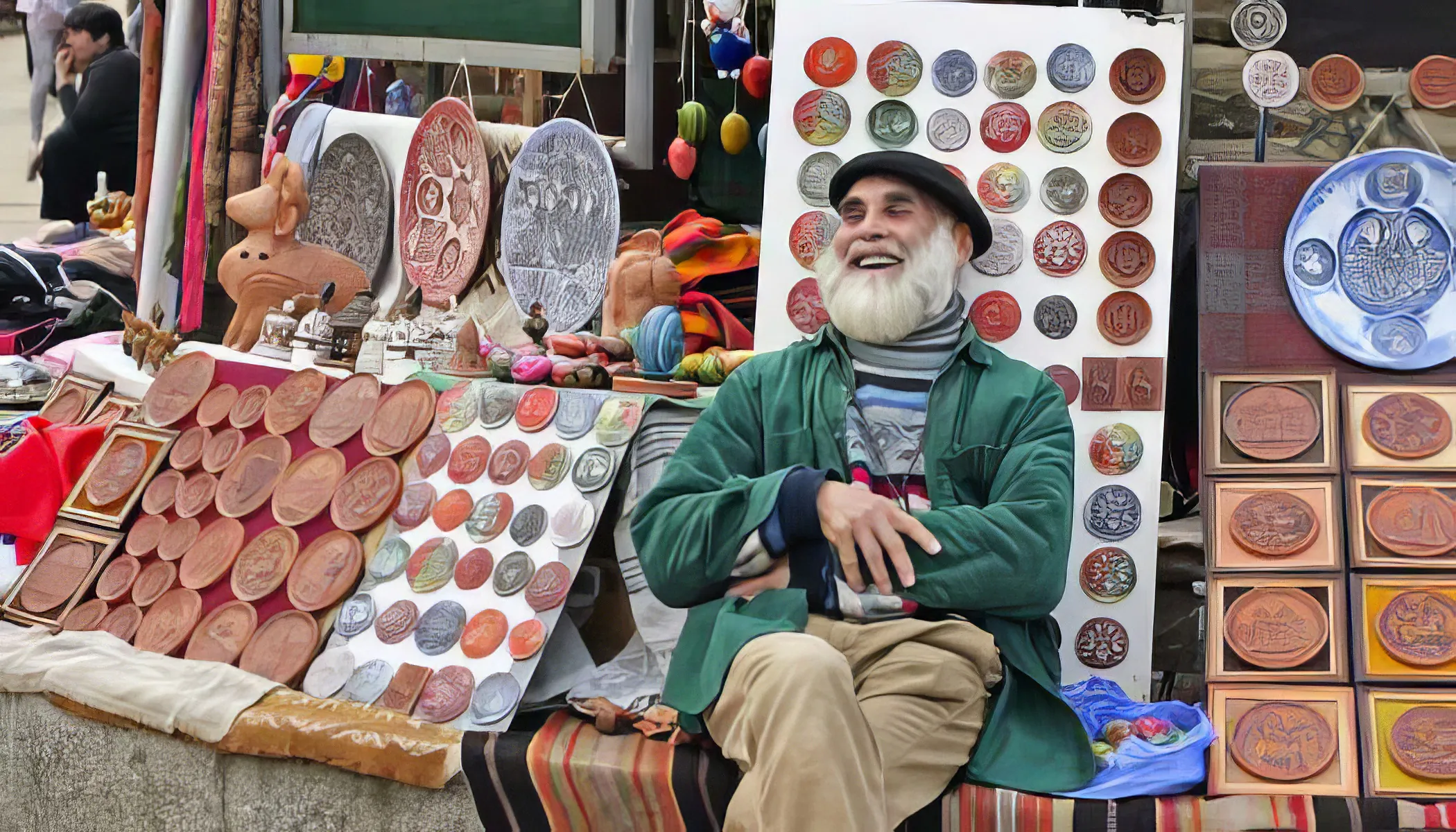
Moldova offers a variety of unique and traditional items that make for memorable souvenirs. Here are some popular choices:
– Moldovan Wine: Known for its quality, Moldovan wine is a must-buy, especially from Cricova or Milestii Mici wineries.
– Handmade Carpets: Traditional Moldovan carpets are known for their nice designs and energetic colors.
– Ceramics: Locally crafted ceramics feature traditional patterns and make for beautiful decorative pieces.
– Wooden Crafts: Hand-carved wooden items such as toys and kitchen utensils are popular among tourists.
– Bucuria Chocolates: This local brand offers delicious chocolates and candies that are well-loved in Moldova.
– Traditional Costumes: Components of national dress, like embroidered shirts, reflect Moldova's rich cultural heritage.
– Honey Products: Moldovan honey is renowned for its purity and comes in various flavors.
Traditional Shows
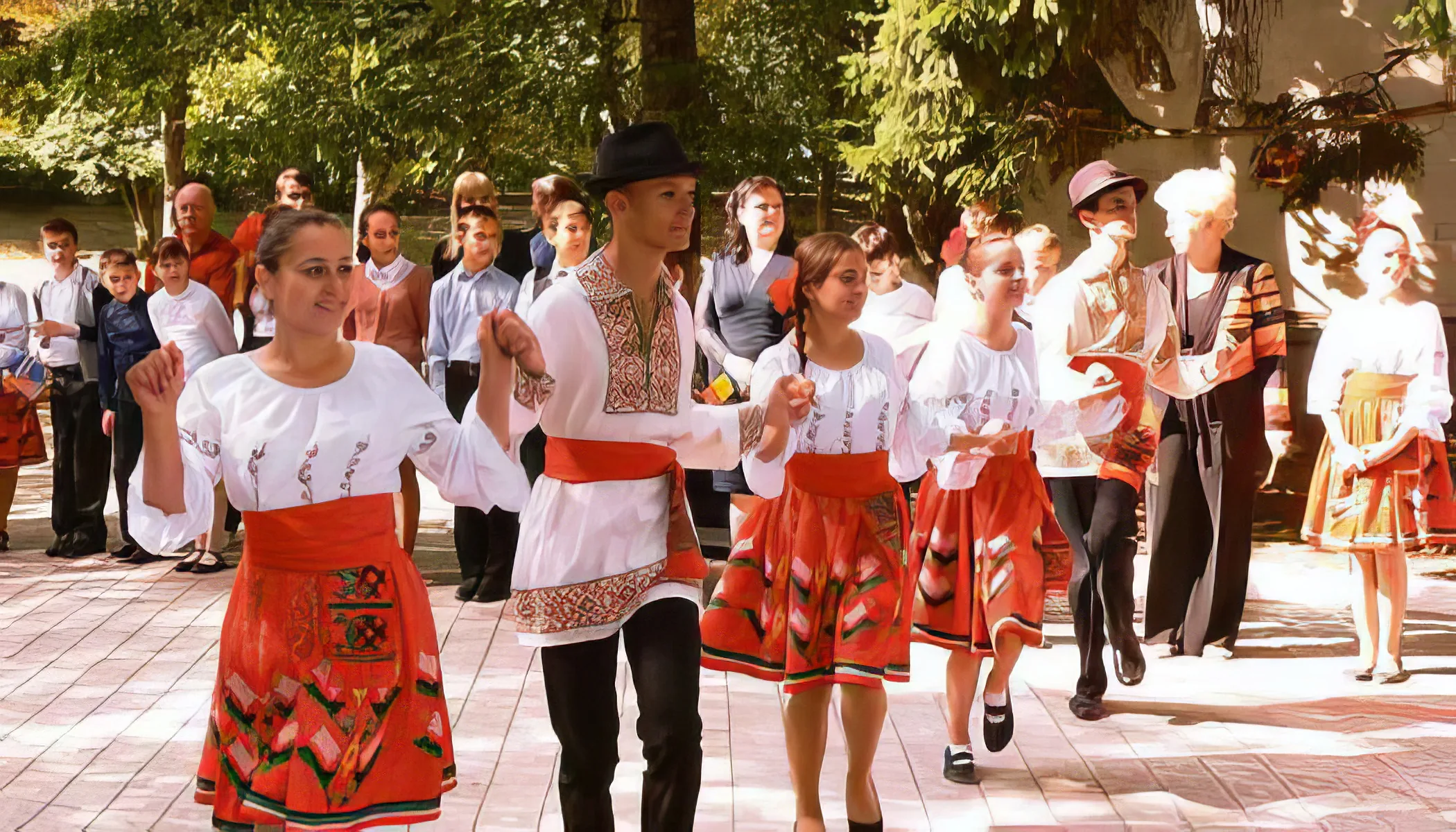
Moldova supplies several traditional performances reflecting its cultural heritage:
– Doina Song: Experience Moldova's soulful folk music, characterized by emotional depth and lyrical themes, performed in rural areas across the country.
– Hora Dance: Watch remarkable communal dances at local festivals, featuring energetic steps and circle formations, common throughout Moldovan villages.
– Lautari Music: Enjoy the rich sounds of Moldovan folk ensembles, blending traditional instruments like the cobza and nai, typically seen at cultural events.
– Călușari Dance: Witness this ritualistic dance known for its energetic movements and acrobatics, performed mainly in southern Moldova during festivals.
– Mărțișor Festival Concerts: Attend diverse art performances celebrating spring with traditional music and dance every March in cities like Chișinău.
Events & Festivals
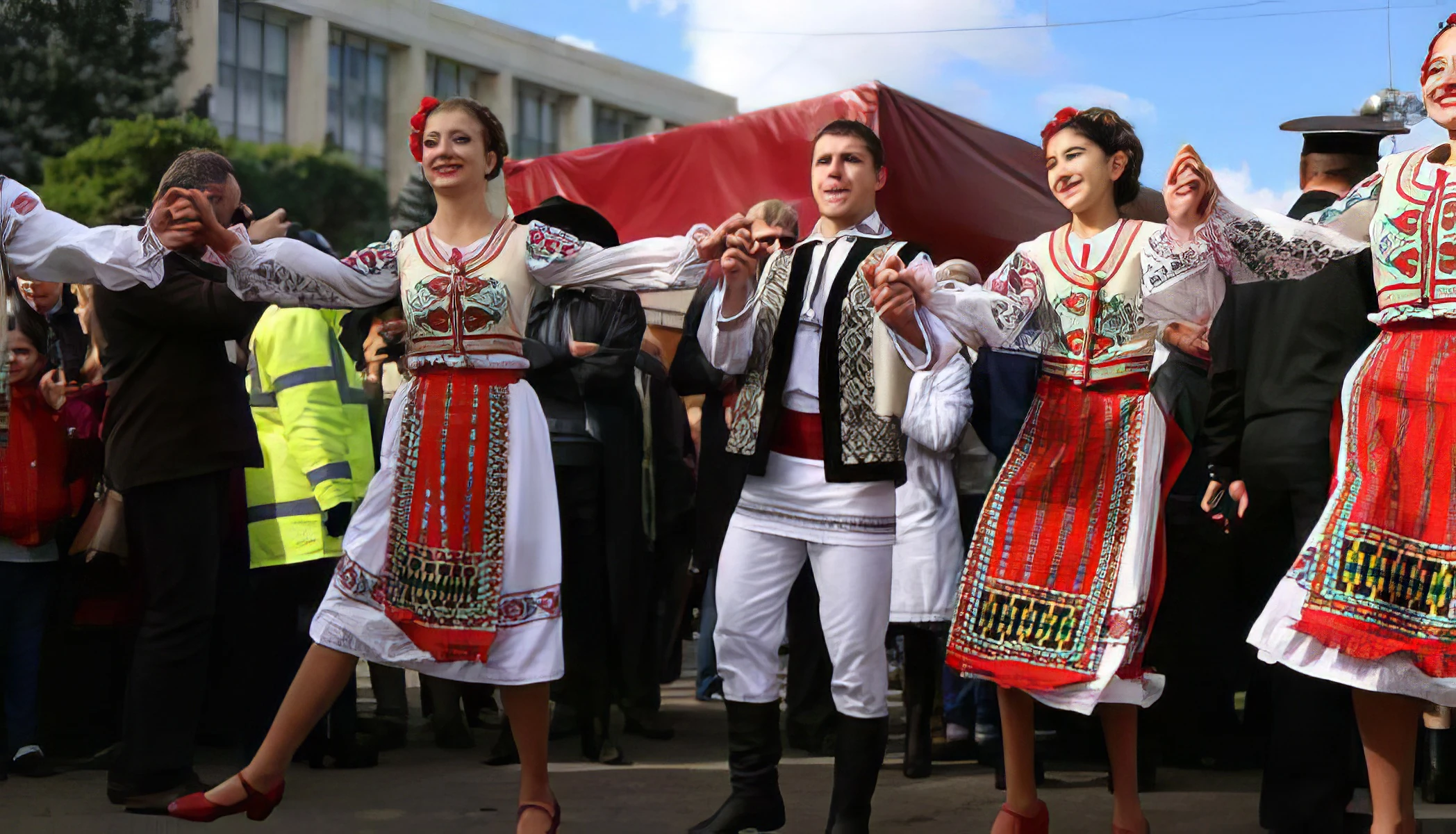
Moldova hosts several cultural and traditional events throughout the year that showcase its heritage:
– Martisor Festival: Celebrated in March, symbolizing the arrival of spring with red and white trinkets.
– National Wine Day: Early October event showcasing Moldova's wine heritage with tastings, music, and vineyard tours.
– Independence Day: August 27 features military parades and concerts celebrating Moldova's independence from the Soviet Union.
– Chisinau City Day: October 14 marks the capital's founding with public performances, food stalls, and markets.
– Soroca Fortress Festival: Held in late summer in Soroca with historical reenactments and folk music by the Dniester River.
– Bostaniada Pumpkin Festival: Autumn event celebrating harvest season with contests and pumpkin-related activities.
– Christmas Market: December market in Chisinau offering crafts, food, and festive activities for families.
Famous People
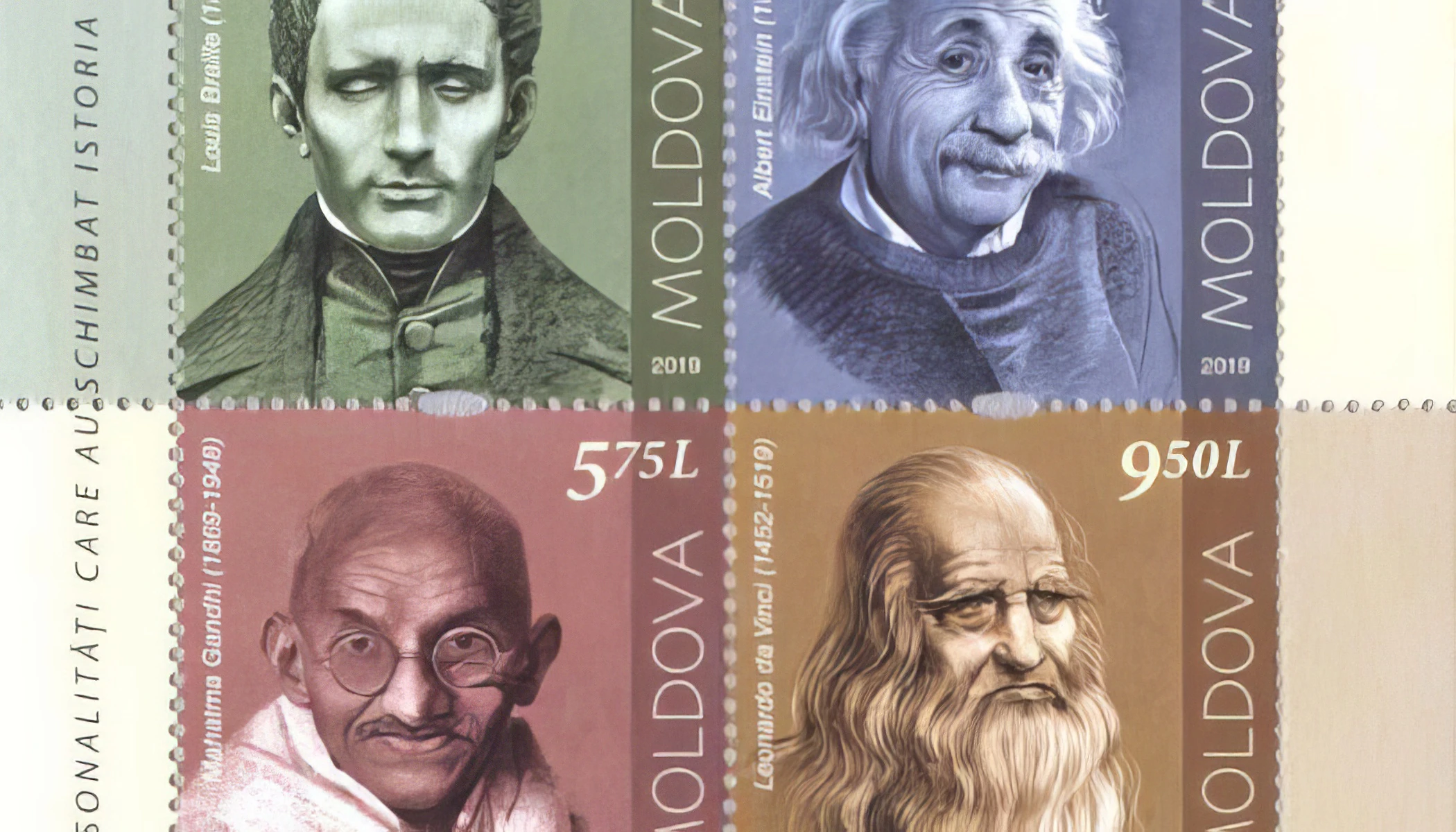
Moldova has been home to several notable figures who have made significant impacts in various fields.
– Stefan cel Mare (1433 to 1504, Borzești): Voivode of Moldavia known for his military leadership and defending the region from invaders.
– Nicolae Testemițanu (1927 to 1986, Ochiul Alb): Eminent physician and academic who revolutionized Moldovan public health and medical education.
– Maria Cebotari (1910 to 1949, Chișinău): Renowned opera singer and actress celebrated for her performances in European opera houses.
– Eugen Doga (born 1937, Mocra): Composer known internationally for his film scores and contributions to classical music.
– Ion Creangă (1837 to 1889, Humulești): Influential writer and storyteller famous for his autobiographical work "Childhood Memories."
Books
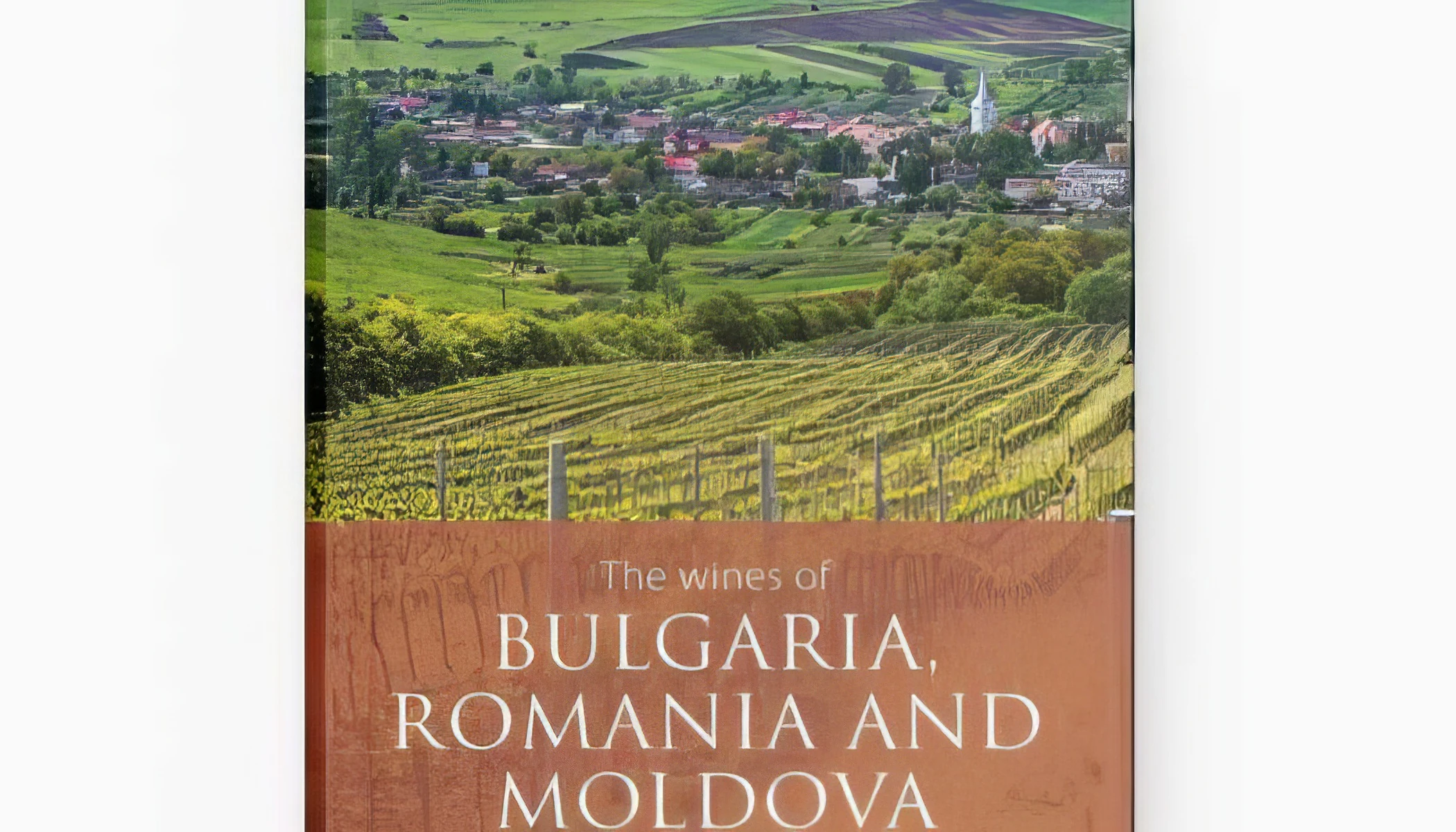
These books highlight Moldova's cultural, historical, and social landscapes through various narrative lenses.
– "The Summer My Life Began" by Shannon Greenland: A young adult novel that partially explores life-changing experiences in Moldova.
– "The Autobiography of Nicolae Milescu Spătarul" by Michael Brin: Chronicles the fascinating life of a Moldovan diplomat and traveler.
– "Moldova: A Romanian Province under Russian Rule" by Charles Upson Clark: Examines Moldova's geopolitical shifts and cultural history.
– "Bessarabaia: The Fighting Ground of Russia, Turkey, and France" by Marcu Beza: Discusses the historical struggles for control over Moldovan territory.
– "Vineyard of the Saker: A Community of Translators & Researchers Dedicated to International Affairs" by The Saker: Offers insights into the socio-political context of Moldova.
Songs
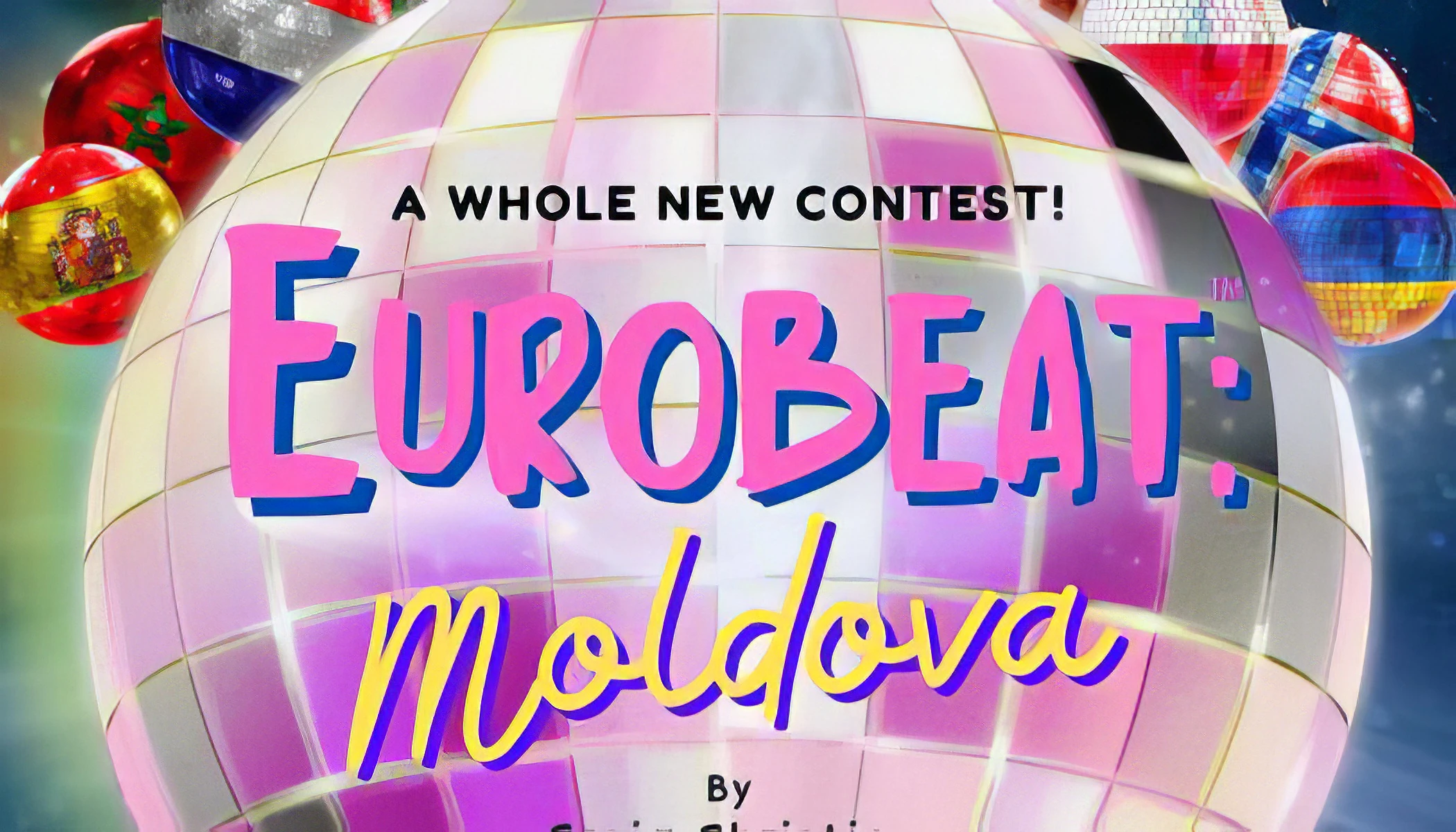
Moldovan music features a unique blend of traditional folk influences and contemporary styles.
– Dragostea Din Tei: International hit by O-Zone, known for its catchy melody and lyrics.
– Hora Din Moldova: SunStroke Project's song celebrating Moldova's lively musical heritage.
– Lume, Lume: Zdob și Zdub's popular track blending rock with traditional Moldovan sounds.
– O Mie: Aliona Moon's Eurovision entry that showcases powerful vocals and emotive themes.
– Acasă: Carla's Dreams' deeply personal song about the warmth of home and belonging.
Films
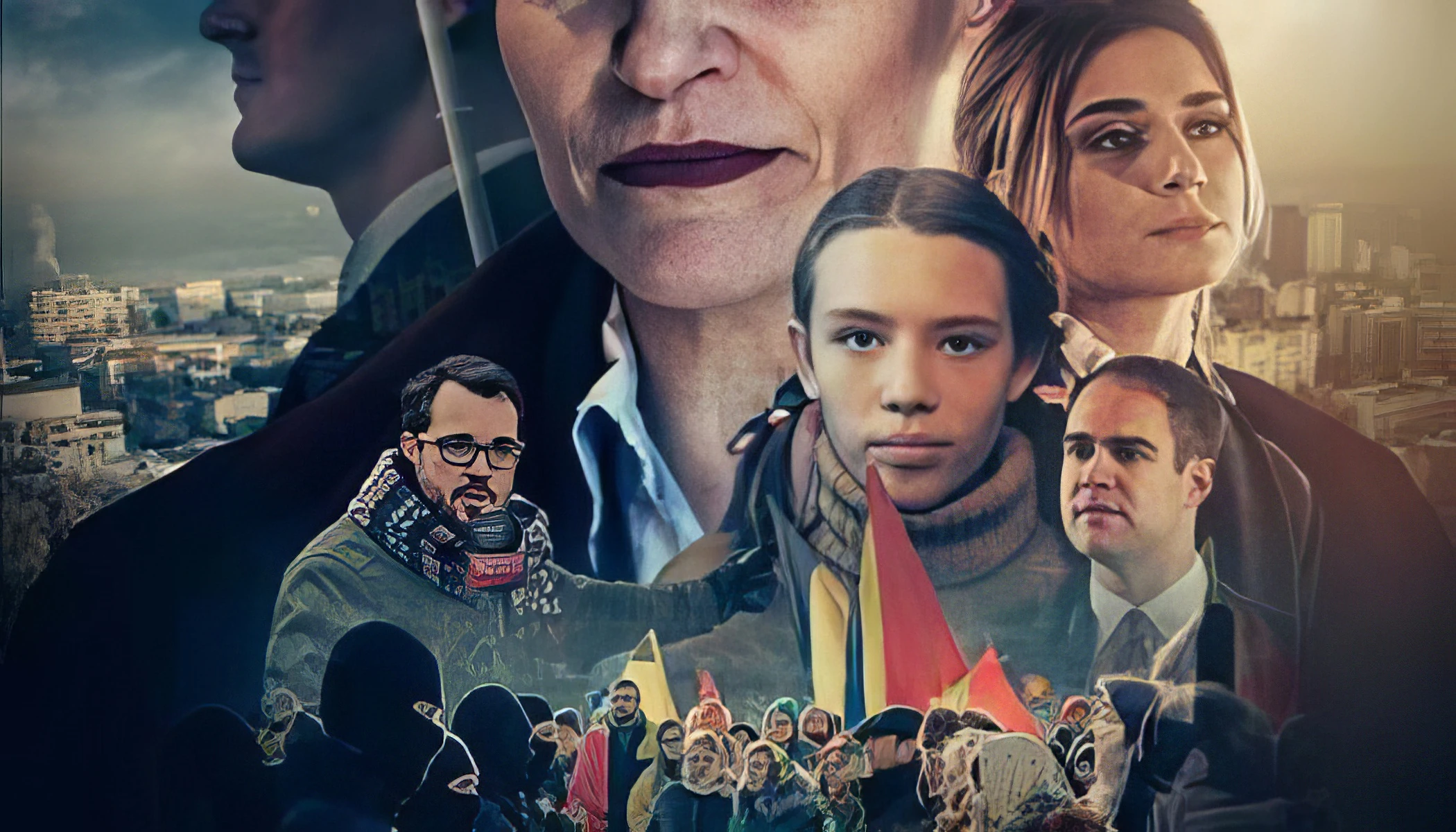
Explore the cinematic landscape of Moldova through these notable films:
– "Wedding in Bessarabia": A comedic tale about a Romanian conductor's marriage in Moldova bringing cultural tensions to light.
– "All God's Children": Moldovan film exploring themes of family and morality amidst rural village life.
– "When the Trees Fall": Set partly in Moldova, it follows a young girl's dreams and societal constraints.
– "Pa-ra-da": Chronicles a clown's efforts to help homeless children in Eastern Europe, touching on Moldovan experiences.
– "Anishoara": A poetic depiction of a young girl's life across the seasons in rural Moldova.