

Travel Guide to Mongolia: Top Things to Do & Tips
This landlocked Asian country is known for its vast, rugged expanses and nomadic culture. With Ulaanbaatar as its capital, it's famous for its vast steppes, Gobi Desert, and the significant role it played in world history under Genghis Khan.
- Capital
- Ulaanbaatar
- Population
- 3.1 millions
- Superficy
- 1565000 sq.km
- Months to Visit
- June to Sept.
- Living Cost
- Economical
Overview
Mongolia is a landlocked country located in East and Central Asia, bordered by Russia to the north and China to the south. It is the 18th largest country in the world by land area, but its population is relatively small, making it one of the least densely populated places on earth. The capital, Ulaanbaatar, is home to roughly half of the country's population. Mongolia is known for its vast, rugged expanses and its nomadic culture, with a significant portion of the population still living in traditional yurts and practicing herding. The country's economy is heavily dependent on mining, particularly coal, copper, and gold. Despite its harsh climate and remote location, Mongolia offers unique cultural experiences and natural beauty, attracting adventurous travelers.
Pros & Cons
GOOD REASONS TO VISIT MONGOLIA
– Vast Open Spaces: Mongolia's landscapes range from the Gobi Desert to grassy steppes and mountainous regions.
– Nomadic Culture: Experience the traditional lifestyle of Mongolian nomads, including yurt living and horse riding.
– Wildlife: Mongolia is home to unique wildlife like snow leopards, wild horses, and Bactrian camels.
– History: Explore the history of the Mongol Empire, including sites related to Genghis Khan.
– Naadam Festival: This traditional festival showcases Mongolian wrestling, horse racing, and archery. CHALLENGES WHEN VISITING MONGOLIA
– Limited Infrastructure: Outside of Ulaanbaatar, facilities can be basic and travel can be challenging.
– Extreme Weather: Mongolia's climate can be harsh, with very cold winters and hot, dry summers.
– Language Barrier: Mongolian is the primary language, and English is not widely spoken outside of the capital.
Before Departure
Before setting off on your adventure to Mongolia, there are several key points to consider:
– Passport: Ensure your passport is valid for at least six months beyond your planned departure date.
– Visa: Depending on your nationality, a visa may be required. Tourist visas are typically valid for 30 days and can be extended in Ulaanbaatar.
– Currency: The local currency is the Mongolian Tugrik (MNT). Credit cards are accepted in Ulaanbaatar, but cash is preferred elsewhere. ATMs are available in major cities.
– Internet access: WiFi is available in Ulaanbaatar and major towns. Consider purchasing a local SIM card for wider coverage.
– Language barrier: Mongolian is the official language. English is not widely spoken outside of Ulaanbaatar, so learning basic Mongolian phrases can be beneficial.
What to Pack
Traveling to Mongolia requires careful packing due to its extreme weather conditions and unique cultural experiences.
– Essentials: Passport and visa (if required), travel insurance details, flight tickets and itinerary, accommodation reservations.
– Clothing: Warm clothing for cold nights, windproof jacket, sturdy shoes for hiking, hat and sunglasses for sun protection, traditional attire if participating in cultural events.
– Health and Safety: Prescription medications and a basic first aid kit, sunscreen with high SPF, personal hygiene items, water purification tablets.
– Electronics: Travel adapter for Mongolian outlets, mobile phone, camera, portable charger.
Weather
Mongolia's weather is characterized by extreme continental climate with four distinct seasons.
– Winter (November to February): Extremely cold with temperatures dropping below -30°C, especially in the northern regions.
– Spring (March to May): Weather is unpredictable with occasional snowstorms, but temperatures gradually increase.
– Summer (June to August): Warm to hot with temperatures ranging from 20°C to 30°C, with occasional rainfall.
– Autumn (September to October): Cool and dry with temperatures gradually decreasing. The best time to visit Mongolia is from June to August.
– This is the warmest period with long daylight hours, perfect for outdoor activities and exploring the vast landscapes.
– However, it's also the peak tourist season, so expect higher prices and more crowds.
Travel Budget
Mongolia is a destination with a range of costs for travelers. Here are some average prices for reference:
– Hotel: 30$ to 150$
– Lunch: 5$ to 20$
– Beverage (in bar/restaurant): 2$ to 6$
– Coffee: 2$ to 4$
– Transportation: (train 20$ to 70$), (bus 1$ to 5$), (taxi /10km 4$ to 10$)
– Mobile data (per GB): 5$ to 10$
Language
Mongolian is the official language of Mongolia, and here are some useful phrases for tourists:
– Hello: Sain baina uu
– Thank you: Bayarlalaa
– Please: Zugeer l
– How much is this?: Ene hed ve?
– Excuse me: Uuchlaarai
– I don't understand: Bi oilgohgui baina
– Yes: Tiim
– No: Ugui
– Goodbye: Bayartai
History
Mongolia's history dates back to ancient times, with numerous tribes and clans inhabiting the region. The Mongol Empire, founded by Genghis Khan in 1206, became the largest contiguous land empire in world history. After the empire's decline, Mongolia came under Chinese rule during the Qing Dynasty from the late 17th century until 1911. Mongolia declared independence from China in 1911, but was not recognized until 1921 with Soviet backing. A communist regime was installed in 1924, which lasted until the democratic revolution in 1990. Today, Mongolia is a democratic nation with a growing economy.
Geopolitics
Mongolia is a landlocked country in East and Central Asia, bordered by Russia to the north and China to the south, east, and west. It operates as a parliamentary republic, with Ulaanbaatar as its capital. Mongolia maintains a multi-party system and has diplomatic relations with many countries. It has a strategic partnership with Russia and a comprehensive partnership with China, but it also seeks to balance these relationships with its "third neighbor" policy, which aims to build ties with countries beyond its two bordering neighbors, particularly the United States, Japan, and the European Union. Mongolia's geopolitical position is largely defined by its landlocked status and its relationships with its two powerful neighbors, Russia and China.
Sample Itinerary
This tour offers a blend of Mongolia's natural beauty in the Gobi Desert, cultural experiences in Ulaanbaatar, and historical exploration in Karakorum.
– 2 days in Ulaanbaatar: Visit the National Museum, Gandan Monastery, and Genghis Khan Statue. Experience the local cuisine and nightlife.
– 3 days in Gobi Desert: Experience camel riding, visit the Flaming Cliffs, and stay in a traditional Ger. Explore the Yol Valley and sand dunes.
– 2 days in Karakorum: Discover the Erdene Zuu Monastery, the ancient capital of the Mongol Empire, and the local market.
– 1 day in Terelj National Park: Enjoy hiking, horse riding, and visit the Turtle Rock and Aryabal Meditation Temple.
– 1 day in Ulaanbaatar: Wrap up the tour with a visit to the Zaisan Memorial and shopping for traditional Mongolian souvenirs.
Popular cities
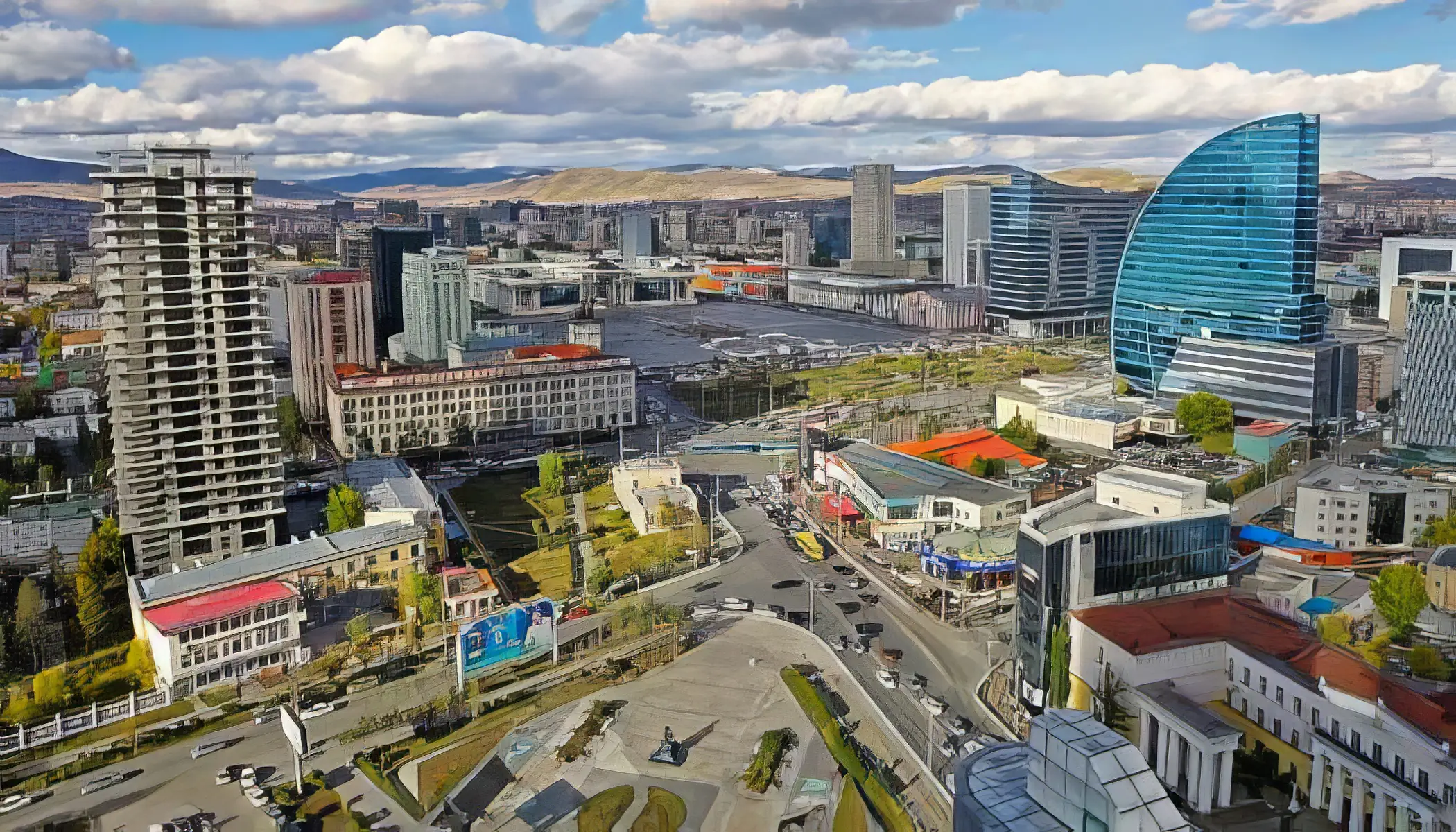
Mongolia offers a unique blend of natural beauty and cultural richness in its cities:
– Ulaanbaatar: The capital city, home to museums, monasteries and the Genghis Khan Statue Complex.
– Erdenet: Known for its copper mine, it also offers beautiful natural surroundings.
– Darkhan: A city with a rich history, known for its metallurgical plant and traditional crafts.
– Kharkhorin: Once the capital of the Mongol Empire, it's now home to the Erdene Zuu Monastery.
– Olgii: Famous for its Kazakh culture, eagle hunting festivals, and beautiful landscapes.
– Tsetserleg: A scenic city surrounded by mountains, known for its hot springs and Buddhist monastery.
– Ulgii: Known for its Kazakh culture, it's the gateway to the Altai Tavan Bogd National Park.
Monuments
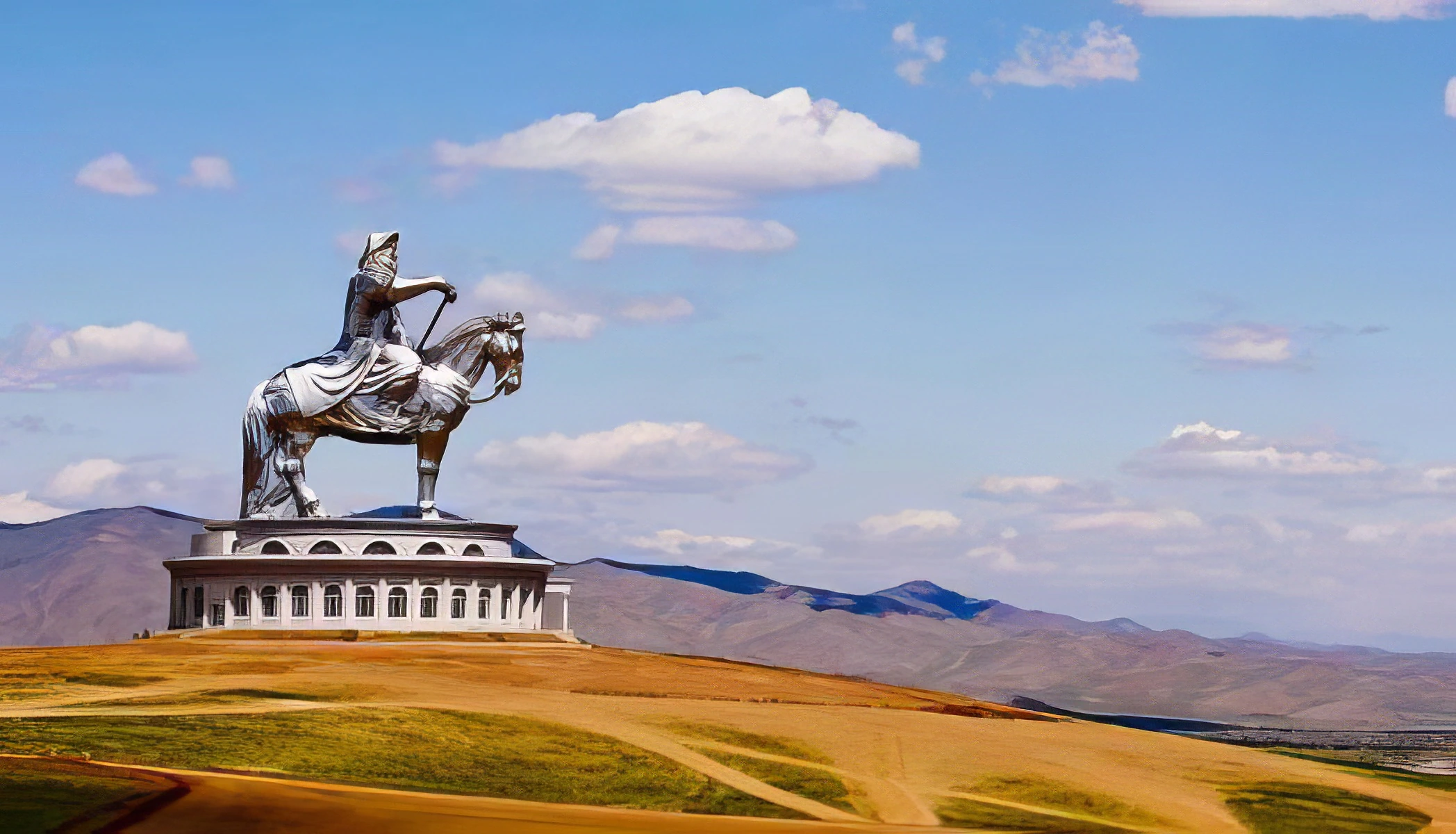
Mongolia is home to several significant historical monuments and architectural sites:
– Erdene Zuu Monastery, Kharkhorin: One of Mongolia's oldest Buddhist monasteries.
– Genghis Khan Statue Complex, Tsonjin Boldog: A massive equestrian statue of Genghis Khan.
– Sukhbaatar Square, Ulaanbaatar: Central square featuring important statues and government buildings.
– Gandantegchinlen Monastery, Ulaanbaatar: Active Buddhist monastery housing a 26.5-meter-high statue of Avalokiteśvara.
– Amarbayasgalant Monastery, Selenge: One of the three largest Buddhist monastic centers in Mongolia.
– Orkhon Valley: UNESCO site with ancient Turkish inscriptions, old temples, and burial sites.
– Choijin Lama Temple, Ulaanbaatar: A Buddhist monastery museum showcasing Mongolian religious art.
– Zaisan Memorial, Ulaanbaatar: A Soviet-era monument offering panoramic views of the city.
Natural wonder
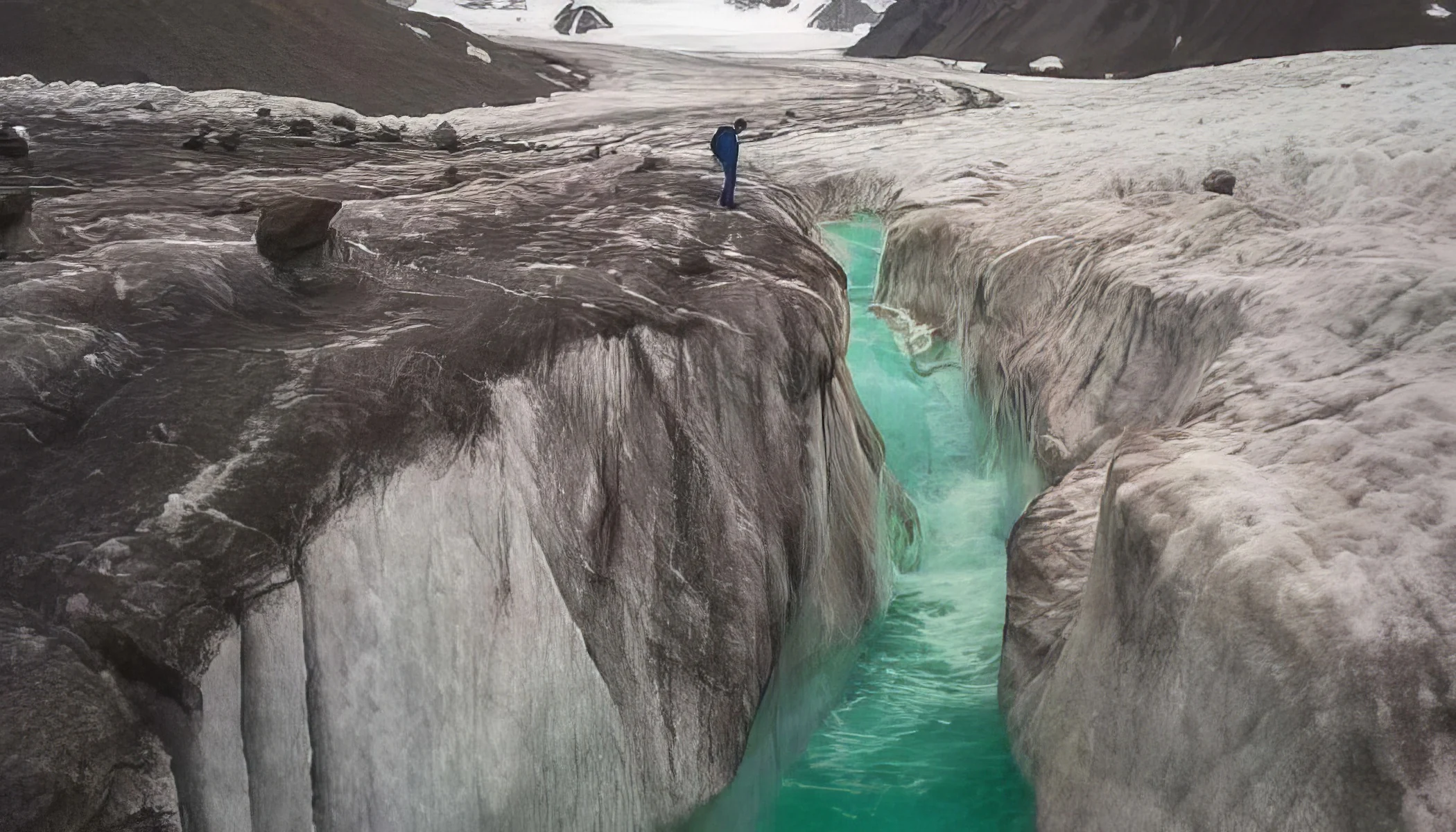
Explore the untouched beauty of Mongolia:
– Gobi Desert: The largest desert in Asia, known for its dunes, mountains, and rare wildlife.
– Khuvsgul Lake: The deepest lake in Central Asia, often referred to as Mongolia's "Blue Pearl".
– Orkhon Valley: A UNESCO World Heritage Site with waterfalls, hot springs, and ancient ruins.
– Altai Tavan Bogd National Park: Home to Mongolia's highest peaks and largest glacier.
– Yolyn Am: A deep, narrow gorge in the Gobi Desert known for its ice field.
– Terelj National Park: Known for its unique rock formations, including the famous Turtle Rock.
– Uvs Lake: A large, shallow, and saline lake in the Great Lakes Depression.
– Khorgo-Terkhiin Tsagaan Nuur National Park: Features a volcanic crater and a freshwater lake.
– Bayanzag: Known as the "Flaming Cliffs", famous for dinosaur fossils.
– Gun-Galuut Nature Reserve: A biodiversity hotspot with rare and endangered species.
Outdoor activities
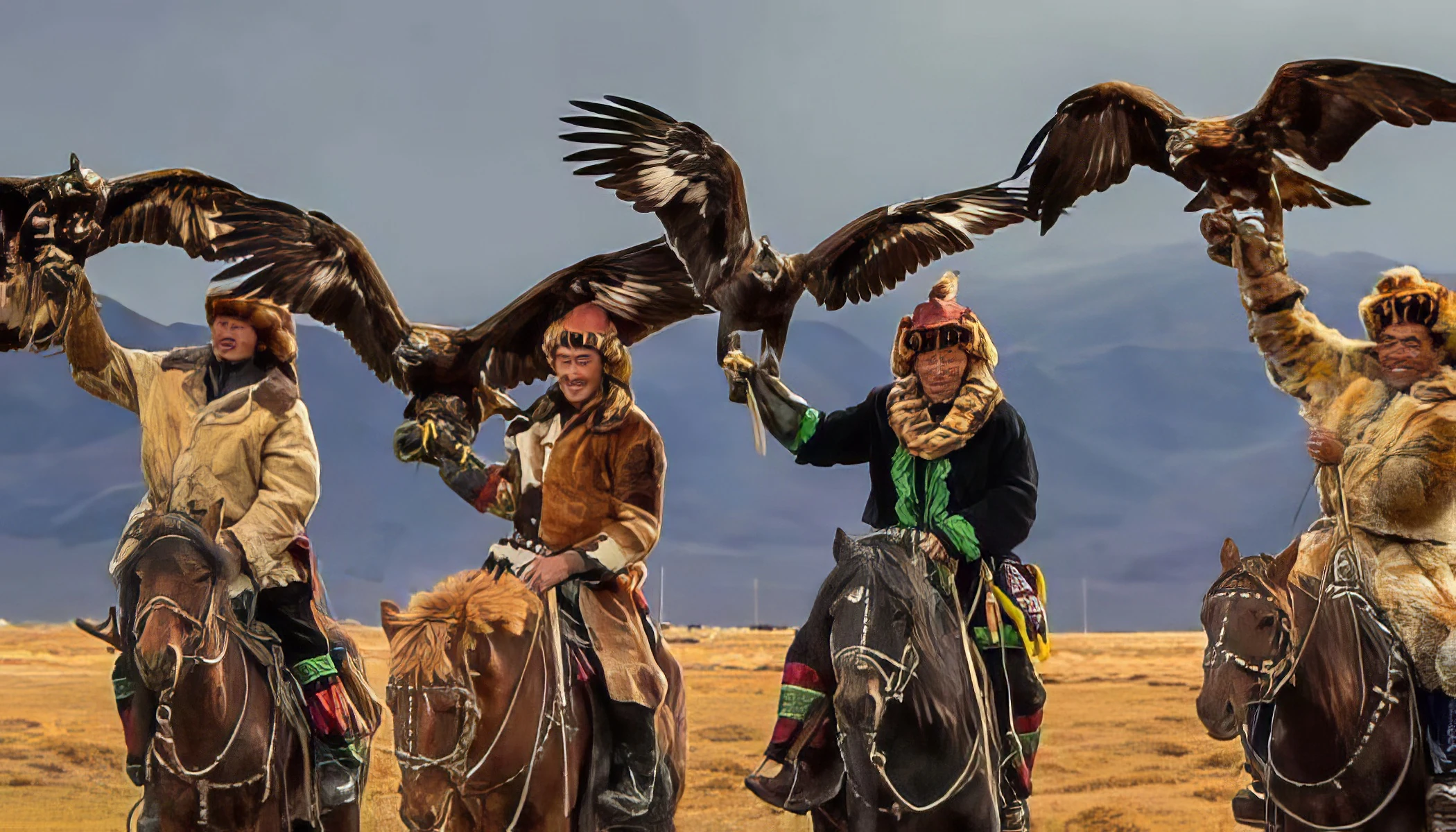
Mongolia offers a unique blend of natural beauty and outdoor adventures:
– Horseback Riding in Orkhon Valley: Experience the nomadic lifestyle on a traditional Mongolian horse.
– Trekking in the Altai Mountains: Explore the rugged landscapes and snow-capped peaks.
– Camel Riding in the Gobi Desert: Traverse the vast sand dunes on a Bactrian camel.
– Bird Watching in Gun-Galuut Nature Reserve: Spot rare and endangered bird species.
– Fishing in Lake Khovsgol: Try your hand at catching the native fish species.
– Visiting the Flaming Cliffs: Witness the nice red sandstone formations at sunset.
– Camping in Terelj National Park: Spend a night under the stars in a traditional ger.
Kid Friendly
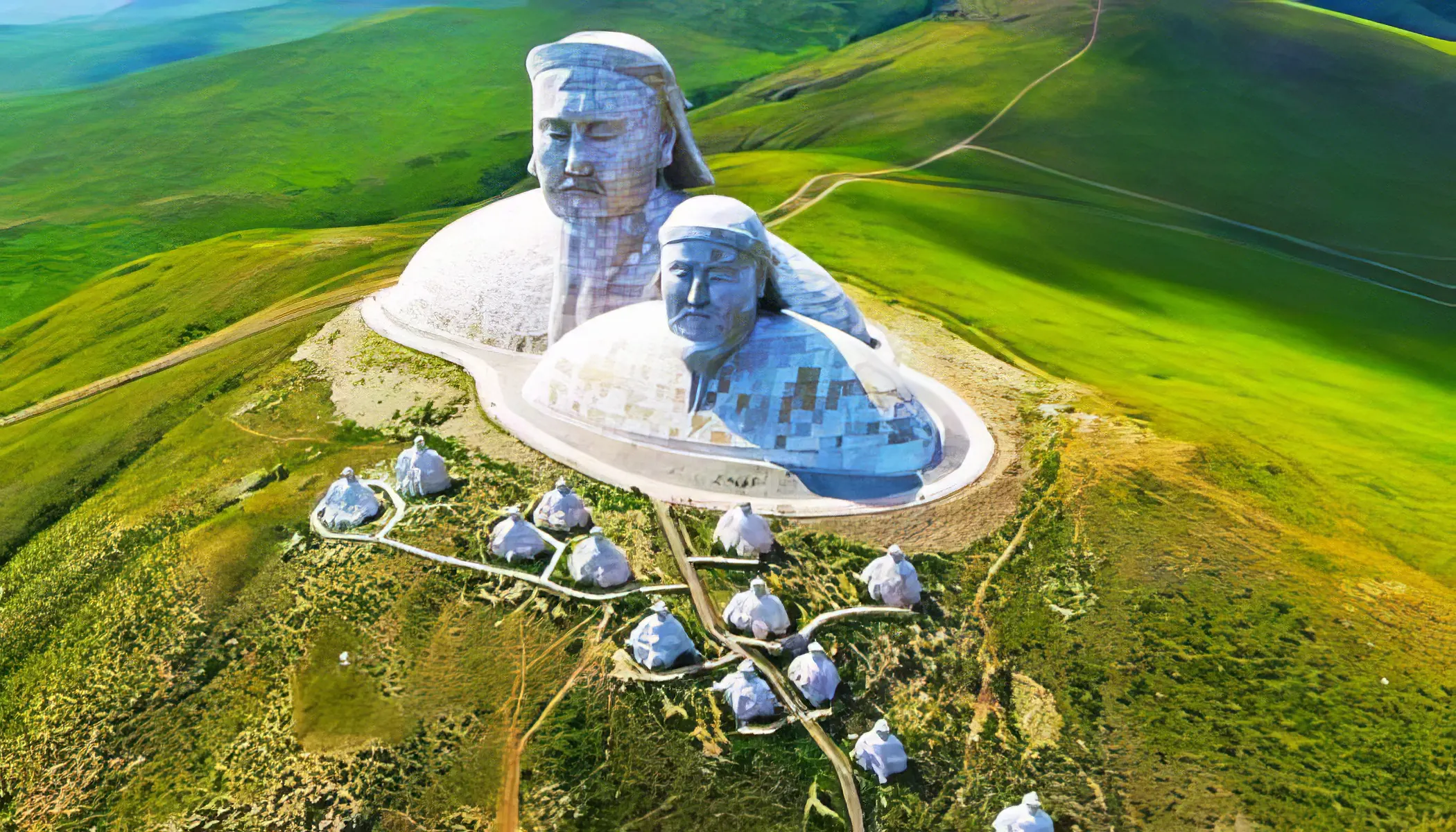
Mongolia offers a variety of unique and engaging activities for children:
– Gorkhi-Terelj National Park: A natural playground with rock formations, wildlife, and nomadic culture.
– Hustai National Park: A chance to see wild horses and other wildlife in their natural habitat.
– National Museum of Mongolia: A place to learn about Mongolia's rich history and culture.
– Gobi Desert: A unique landscape for camel riding and fossil hunting.
– Khustain Nuruu National Park: A park where kids can see the famous Przewalski's horse.
– Chinggis Khan Statue Complex: A giant statue of Genghis Khan that kids can climb.
– Ulaanbaatar City Zoo: A small zoo with a variety of animals native to Mongolia.
– Nairamdal International Children's Center: A recreational center with various activities for kids.
Cuisine
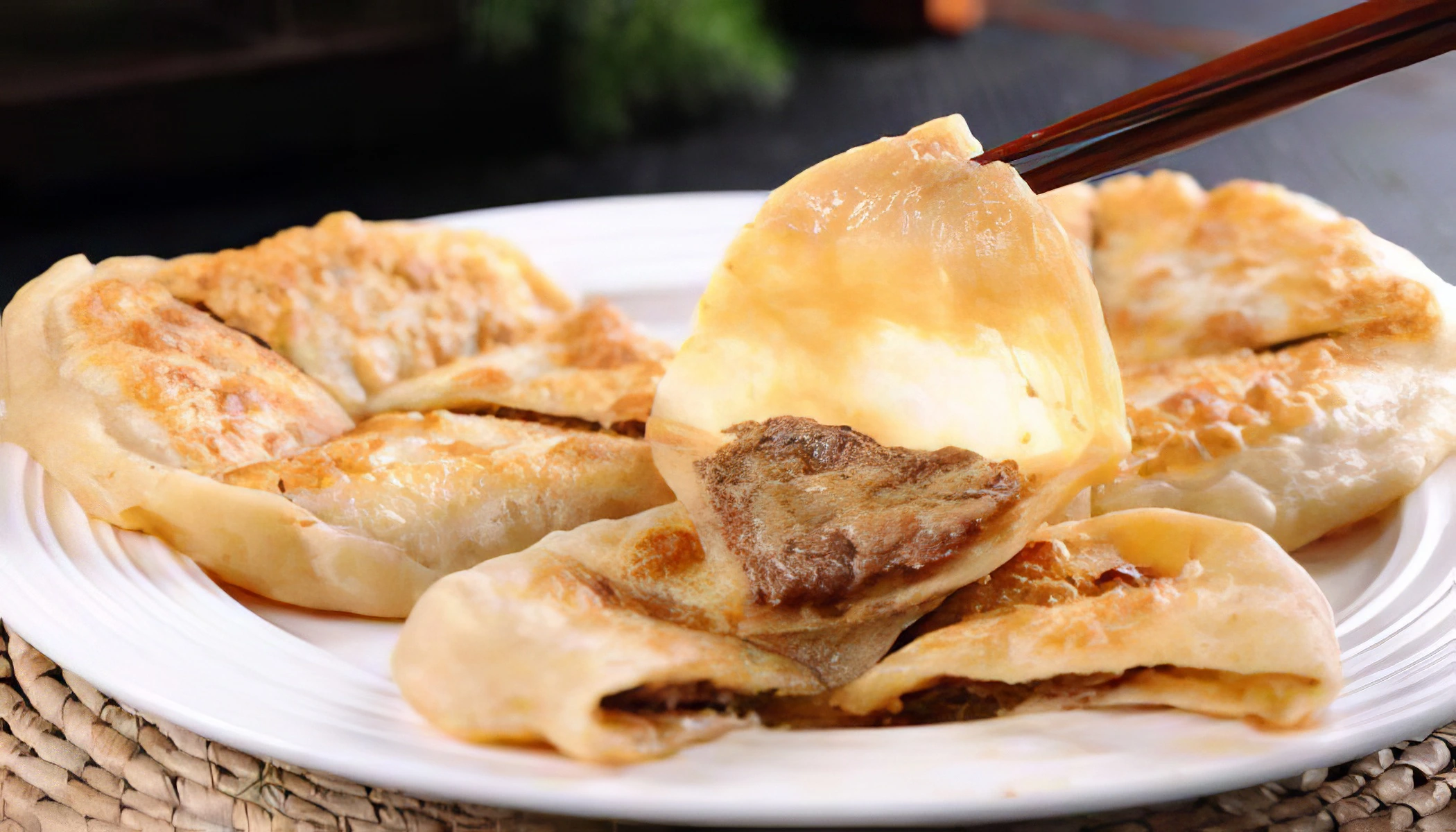
Mongolian cuisine is heavily influenced by the country's nomadic lifestyle, with a focus on dairy products, meat, and animal fats. The harsh climate limits the variety of vegetables and spices. Here are some of the most famous Mongolian dishes:
– Buuz: Steamed dumplings filled with meat, usually mutton or beef.
– Khorkhog: Traditional Mongolian barbecue, typically using mutton and cooked with hot stones.
– Boodog: Whole goat or marmot cooked from the inside with hot stones.
– Tsuivan: Stir-fried noodles with mutton and vegetables.
– Aaruul: Dried curds made from cow or yak milk, a common dessert or snack.
Souvenir
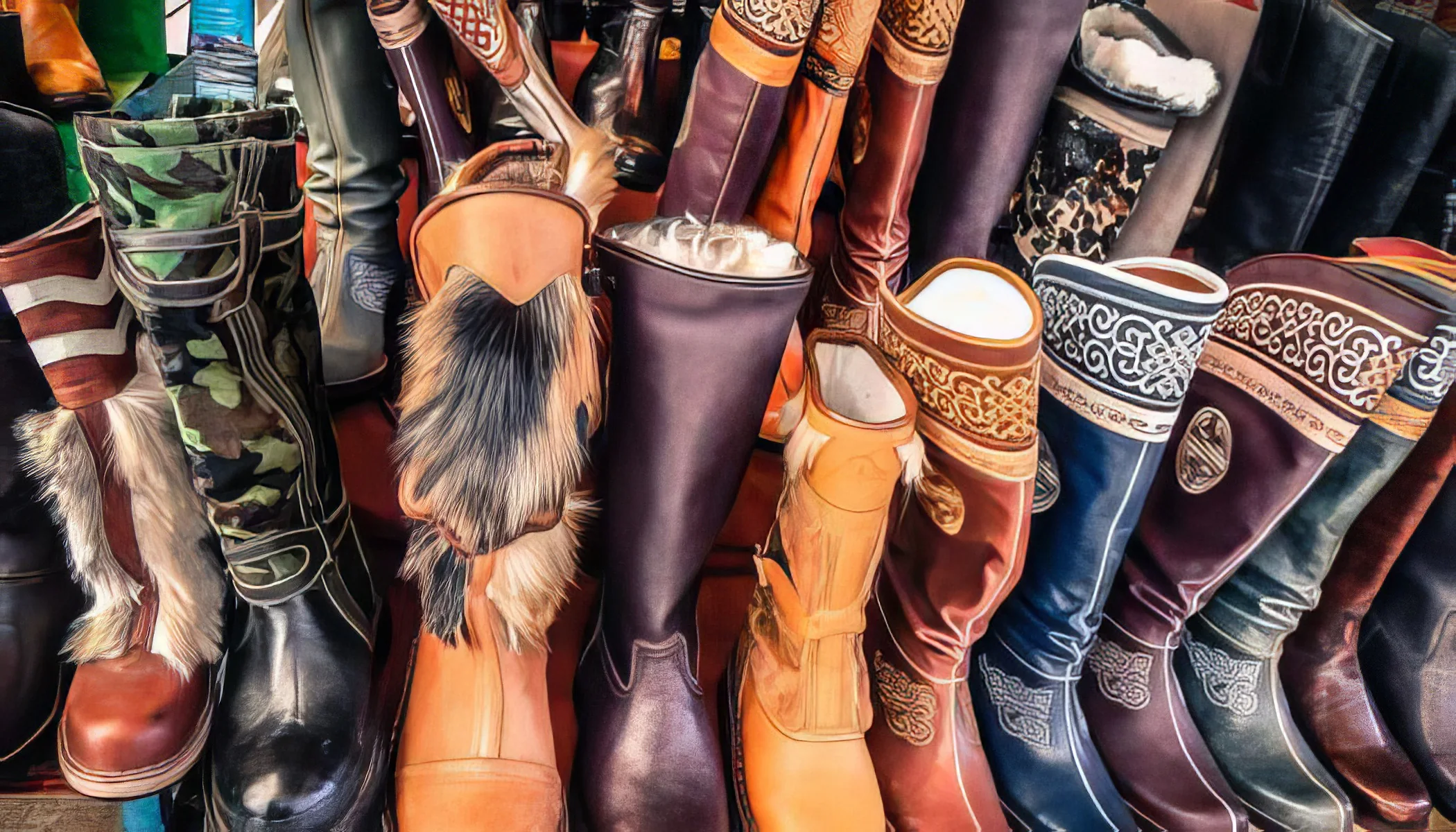
Mongolia, with its rich history and nomadic culture, offers a variety of unique souvenirs. Here are some you might want to consider:
– Cashmere Products: Mongolia is known for its high-quality cashmere. You can find scarves, sweaters, and other clothing items.
– Mongolian Ger: Miniature models of the traditional Mongolian home, known as a ger, are a popular souvenir.
– Traditional Clothing: Deel, the traditional Mongolian robe, is a unique and colorful souvenir.
– Paintings and Artwork: Mongolian artists often depict the country's remarkable landscapes and nomadic lifestyle.
– Leather Products: Mongolia produces high-quality leather goods, including bags, belts, and wallets.
– Mongolian Vodka: Mongolia is known for its vodka, and a bottle can make a unique souvenir.
– Jewelry: Traditional Mongolian jewelry often features turquoise and coral, and is a beautiful keepsake.
Traditional Shows
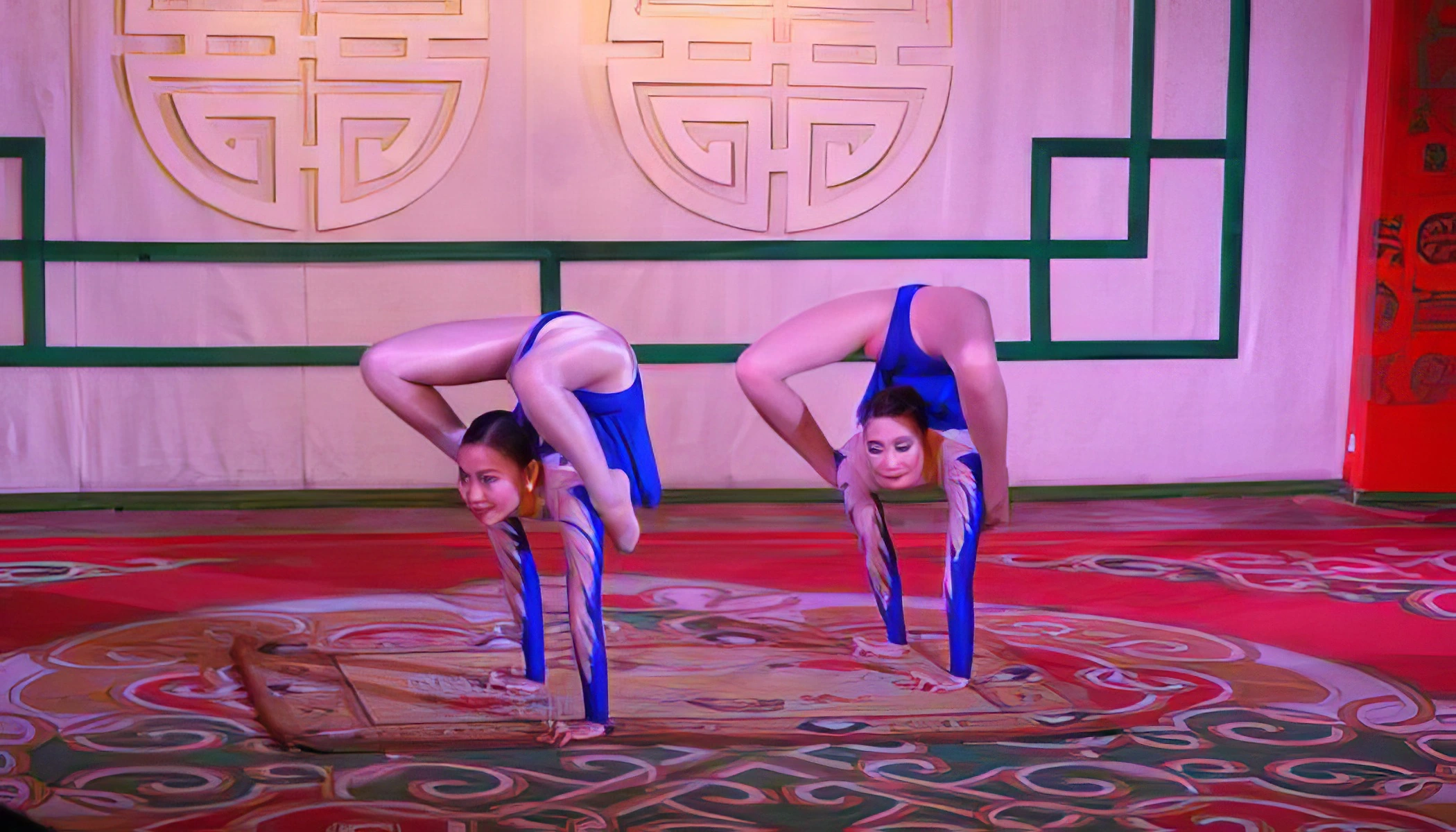
Mongolia is rich in traditional music and art performances:
– Throat Singing: Experience the unique Mongolian art of throat singing, a form of vocal music where performers produce multiple pitches simultaneously.
– Morin Khuur Performance: Listen to the enchanting sounds of the Morin Khuur, a traditional Mongolian stringed instrument, often performed in Ulaanbaatar.
– Tsam Dance: Witness this religious masked dance in Ulaanbaatar, which is part of Mongolian Buddhist tradition.
– Long Song Performance: Enjoy the traditional Mongolian Long Song, a unique form of singing characterized by extended, flowing melodies.
– Naadam Festival: Attend this annual event in Ulaanbaatar, featuring traditional Mongolian sports, music, and dance performances.
Events & Festivals
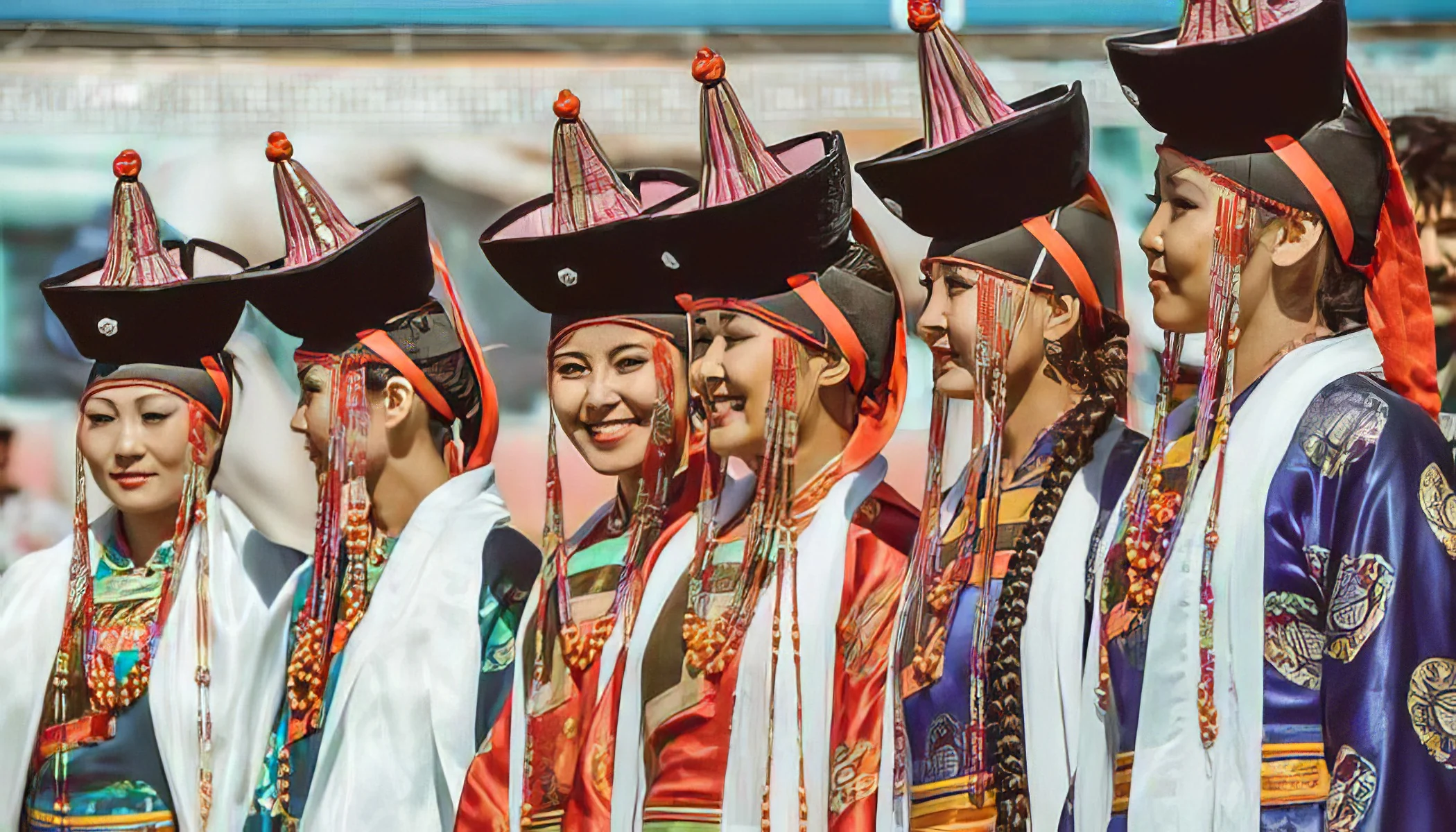
Mongolia, a country rich in tradition, hosts several unique events and festivals throughout the year:
– Tsagaan Sar: Celebrated in February, it's Mongolia's lunar new year festival with feasts and family visits.
– Golden Eagle Festival: Held in March, it showcases traditional eagle hunting skills.
– Naadam Festival: Mongolia's biggest event in July, featuring wrestling, horse racing, and archery competitions.
– Yak Festival: A July event in Bat-Ulzii showcasing yak racing and yak-based products.
– Khovsgol Ice Festival: A winter festival in March, featuring ice sculptures, horse sleigh races, and ice sumo.
– Deeltei Mongol Festival: Celebrated in July, it showcases traditional Mongolian clothing.
– Thousand Camel Festival: A March event in the Gobi Desert, promoting Bactrian camel preservation and nomadic culture.
Famous People
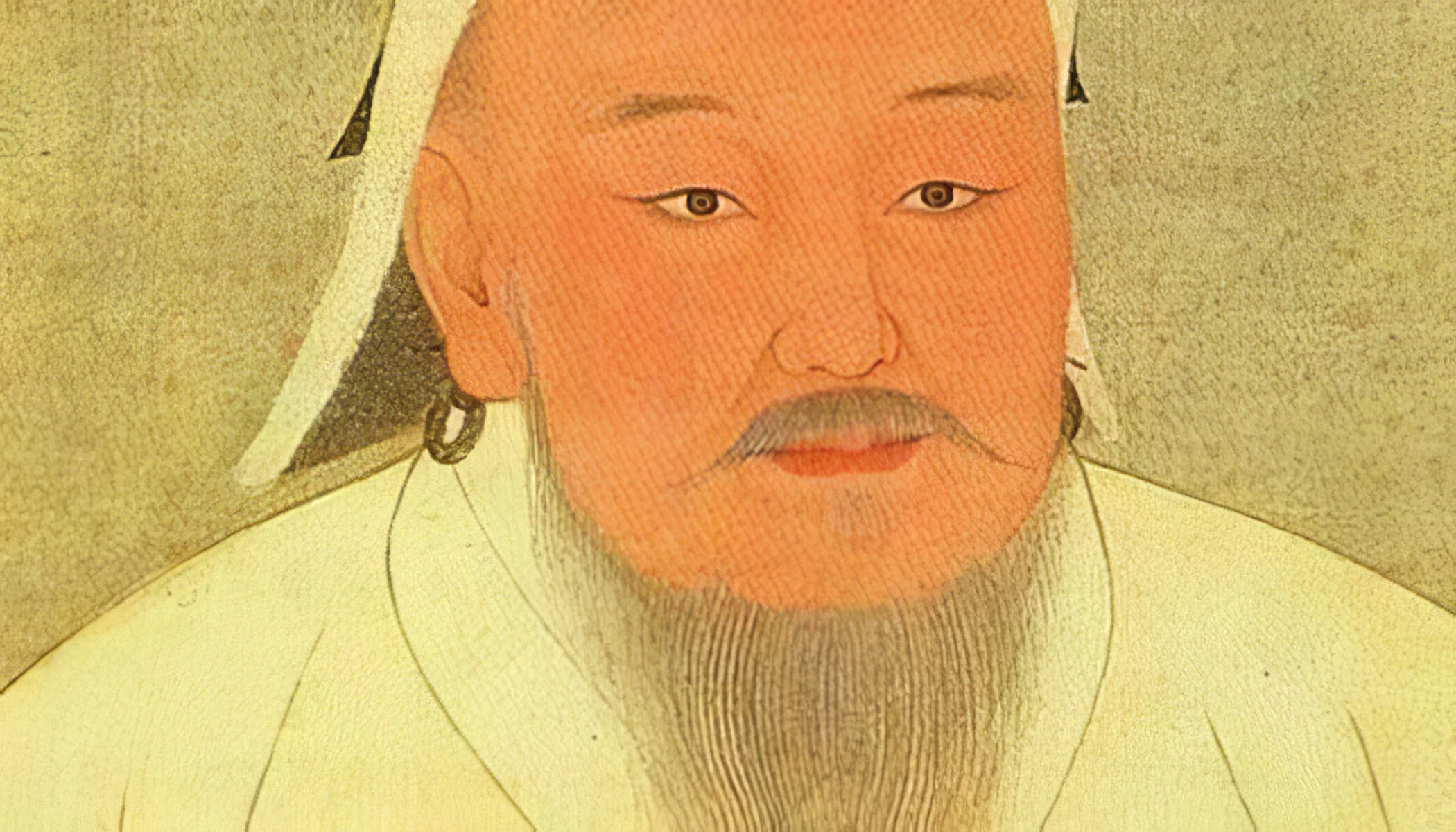
Mongolia has been home to several influential figures who have left their mark on history, politics, and culture.
– Genghis Khan (1162 to 1227, Khentii): Founder and first Great Khan of the Mongol Empire.
– Kublai Khan (1215 to 1294, Mongolia): Grandson of Genghis Khan and founder of the Yuan dynasty in China.
– Zanabazar (1635 to 1723, Khentii): Spiritual leader, statesman, and artist who became the first Jebtsundamba Khutuktu.
– Damdin Sükhbaatar (1893 to 1923, Ulaanbaatar): Revolutionary leader who helped establish the Mongolian People's Republic.
– Asashōryū Akinori (born 1980, Ulaanbaatar): Former sumo wrestler, the first Mongolian to reach the sport's highest rank.
Books
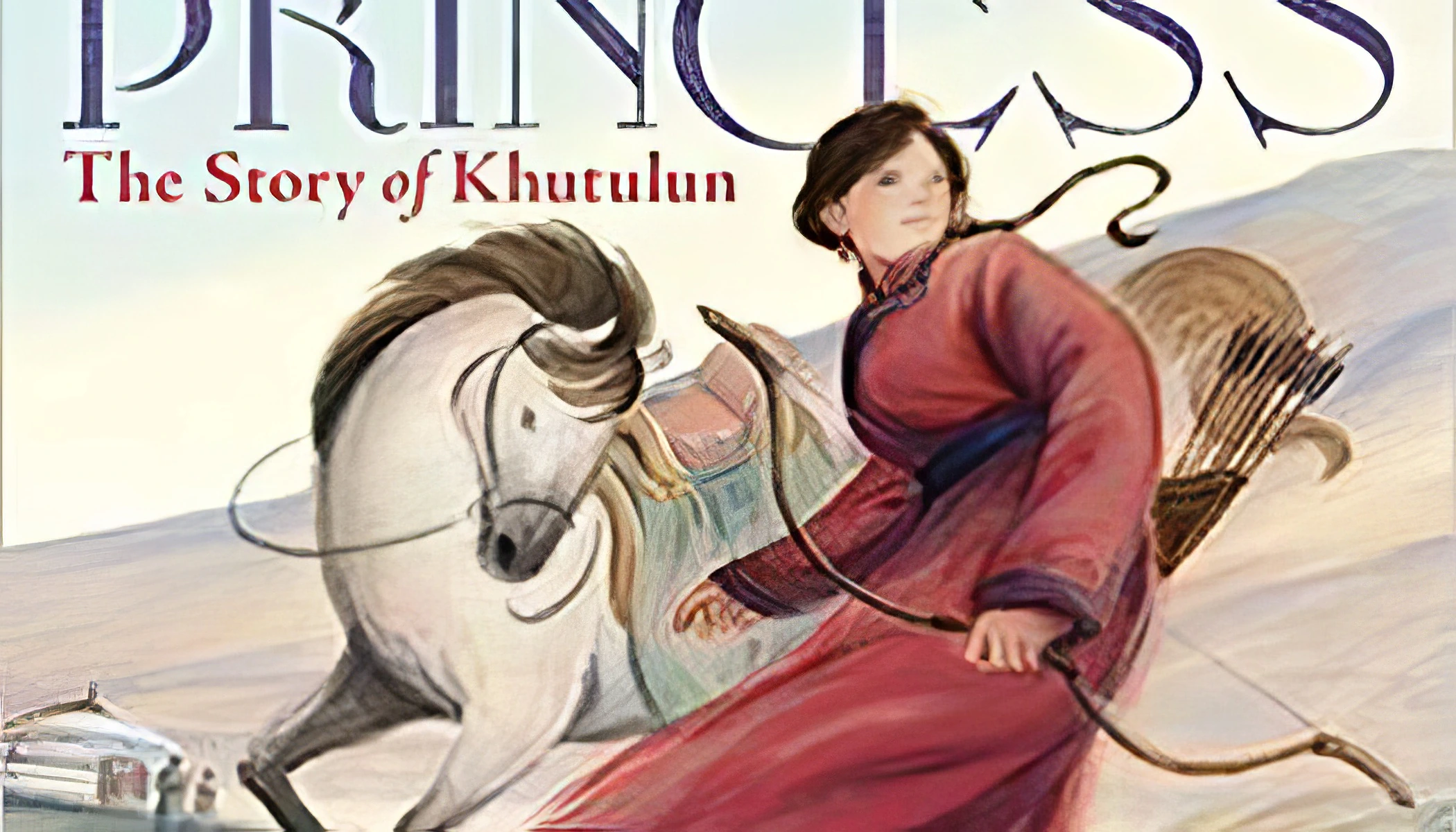
These books provide a unique insight into Mongolia's rich history, culture, and the nomadic lifestyle of its people.
– "Genghis Khan and the Making of the Modern World" by Jack Weatherford: A comprehensive biography of Genghis Khan.
– "The Blue Sky" by Galsan Tschinag: A novel depicting the life of a Mongolian nomadic tribe.
– "The Secret History of the Mongol Queens" by Jack Weatherford: Chronicles the powerful women of the Mongol Empire.
– "Wolf Totem" by Jiang Rong: A Chinese student's experiences living among Mongolian nomads.
– "Hearing Birds Fly" by Louisa Waugh: A memoir of living in a remote Mongolian village.
Songs
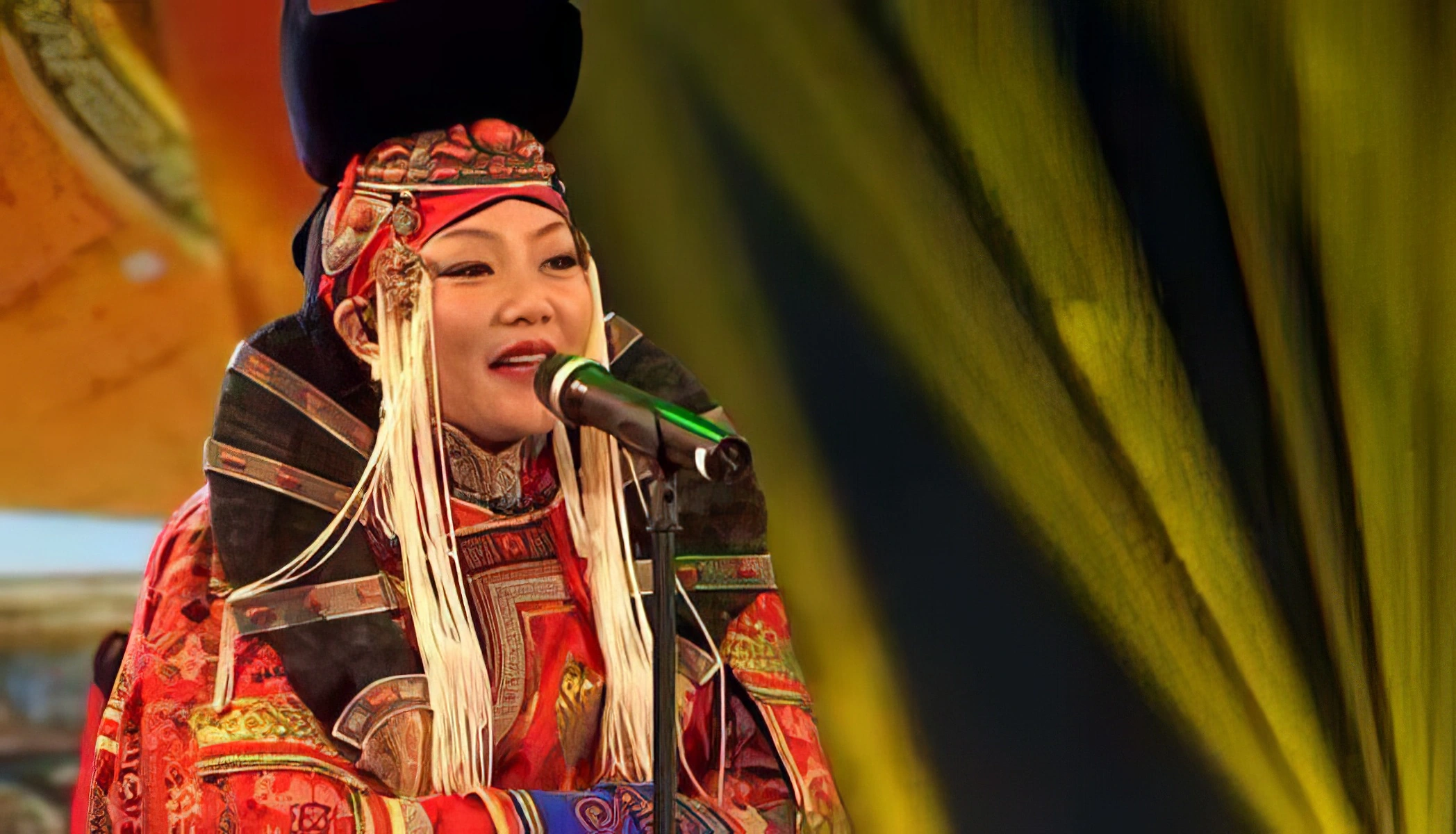
Mongolian music is a rich tapestry of traditional folk, throat singing, and contemporary pop, as reflected in these popular songs.
– Ulemjiin Chanar: Renowned song by Javkhlan, a famous Mongolian singer.
– My Mongolia: A patriotic song by Batzorig Vaanchig, known for his throat singing.
– Mother Mongolia: A popular song by Sarantuya, expressing love for the homeland.
– The Great Chinggis Khaan: A tribute to the Mongolian hero by The HU band.
– The Beautiful Steppe: A traditional Mongolian folk song, loved for its melody.
– Mongol Minii Eh Oron: A popular song by D. Bat-Erdene, expressing national pride.
Films
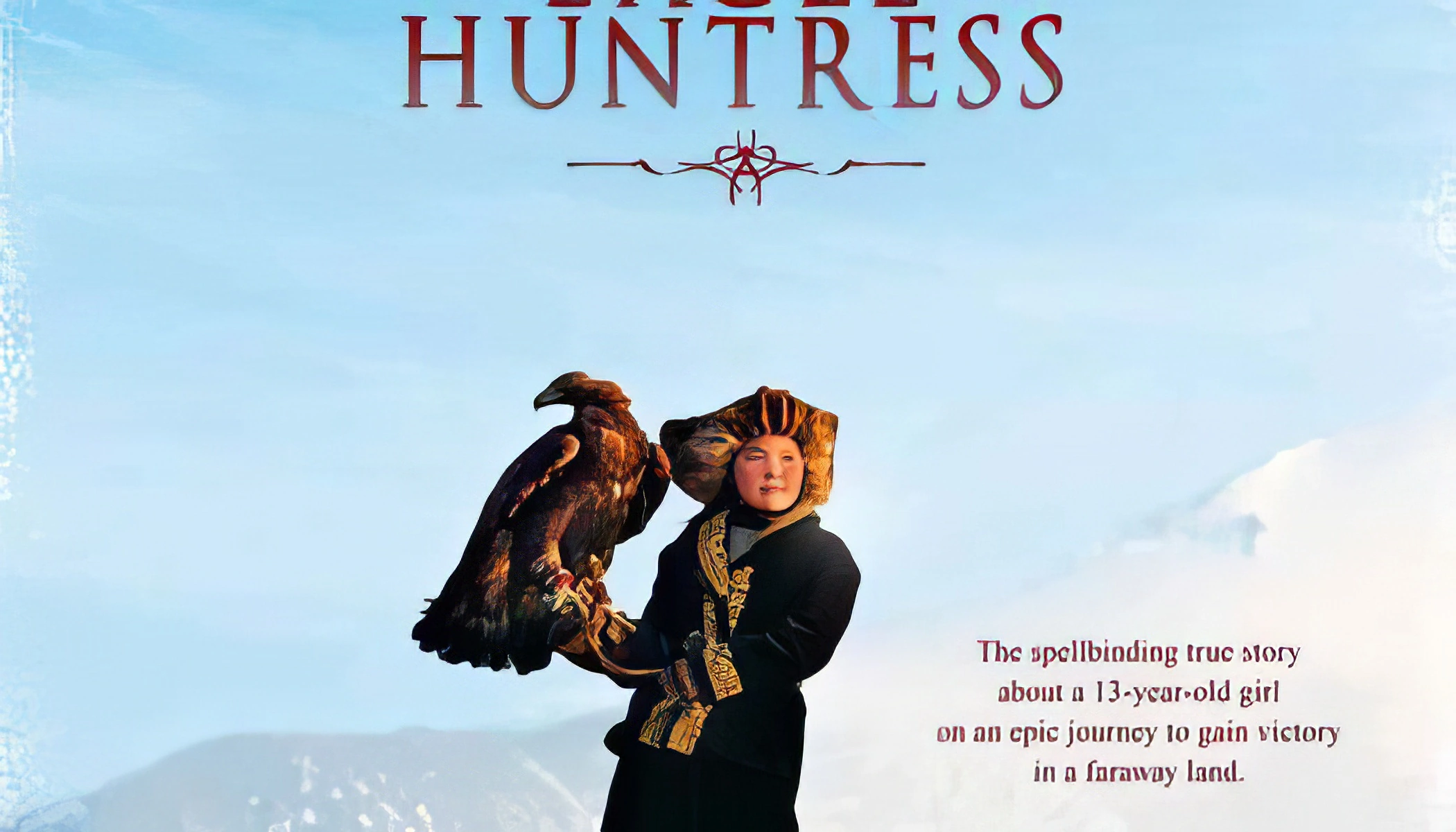
Here are some of the most renowned films that beautifully depict the culture and history of Mongolia:
– "The Story of the Weeping Camel": Directed by Byambasuren Davaa, a touching tale of a family of herders and a rejected camel colt.
– "The Cave of the Yellow Dog": Another film by Byambasuren Davaa, it explores the life of a nomadic family through the eyes of a young girl.
– "Mongol": Directed by Sergei Bodrov, this film is a historical epic portraying the early life of Genghis Khan.
– "Tuya's Marriage": Directed by Wang Quan'an, it's a story of a hardworking woman's struggle in the Mongolian steppe.
– "Khadak": Directed by Peter Brosens and Jessica Woodworth, it's a magical realist tale set in the steppes of Mongolia.